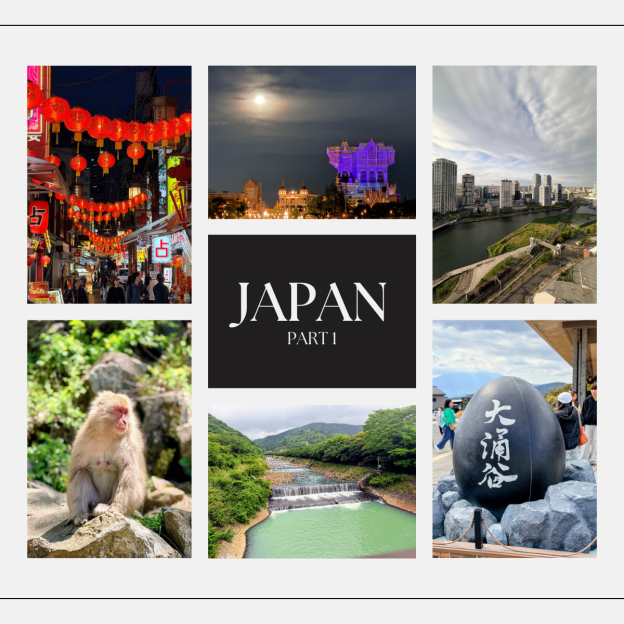
Japan had lived on our travel wish list for years. The country carries a near-mythical reputation: pristine cities, efficient transportation, incredible food, ancient traditions existing beside futuristic skylines. What we didn’t realize when booking our trip was that we’d be arriving just before one of Japan’s busiest travel seasons — Golden Week.
Golden Week is essentially Japan’s spring holiday period, when several national holidays align and much of the country takes time off. We accidentally found ourselves arriving as millions of locals were doing exactly what we were: exploring.
Despite the crowds, Japan immediately felt different. Everywhere we went felt impossibly clean. Streets were spotless. Public transportation ran like clockwork. People moved with purpose, but somehow without chaos.
Our journey through Japan would take us from Yokohama and Tokyo to mountain towns, monkey parks, private onsens, ancient shrines, and ultimately one of the most sobering places in modern history.
Act I: Yokohama & Tokyo — Golden Week Begins
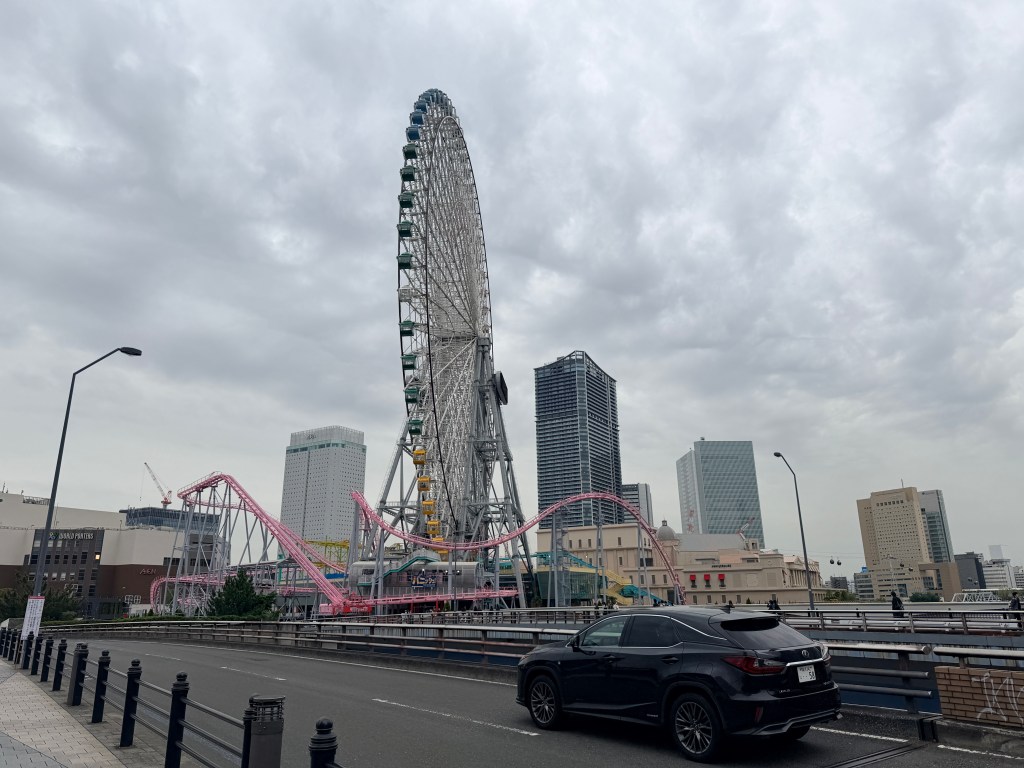
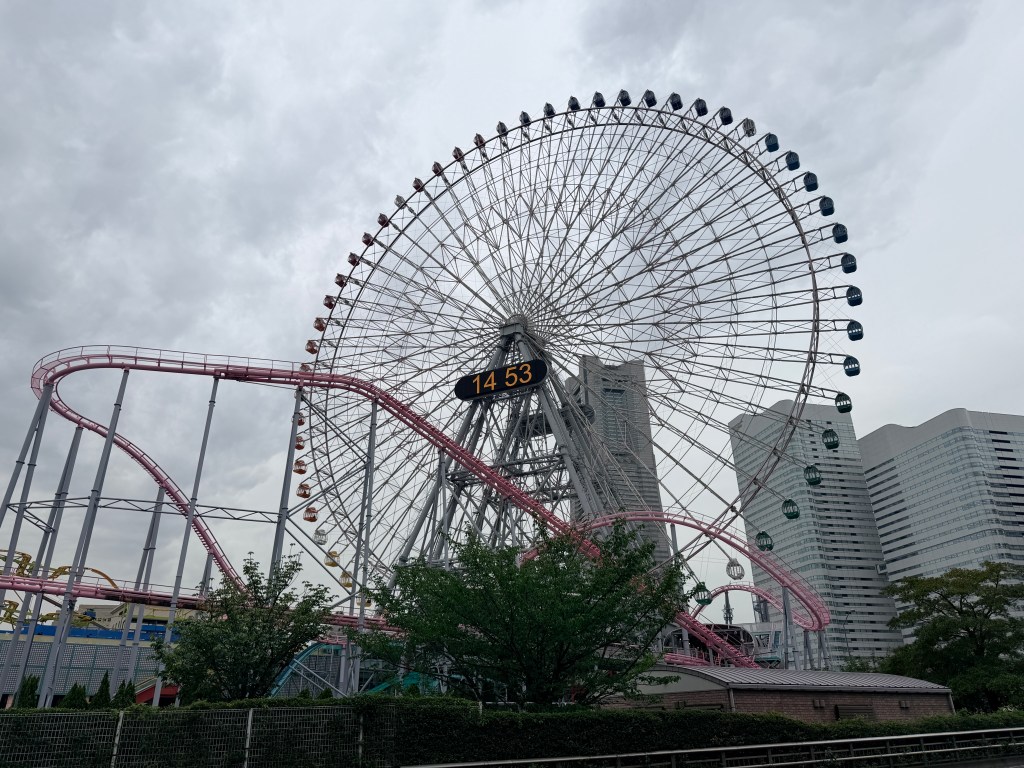
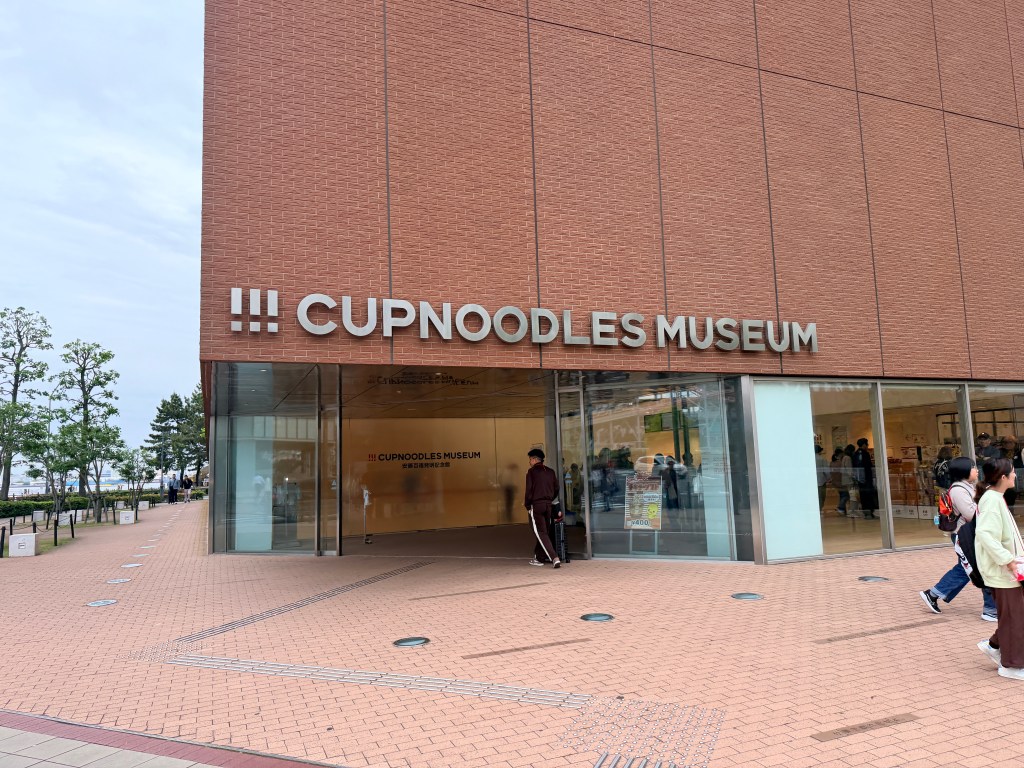
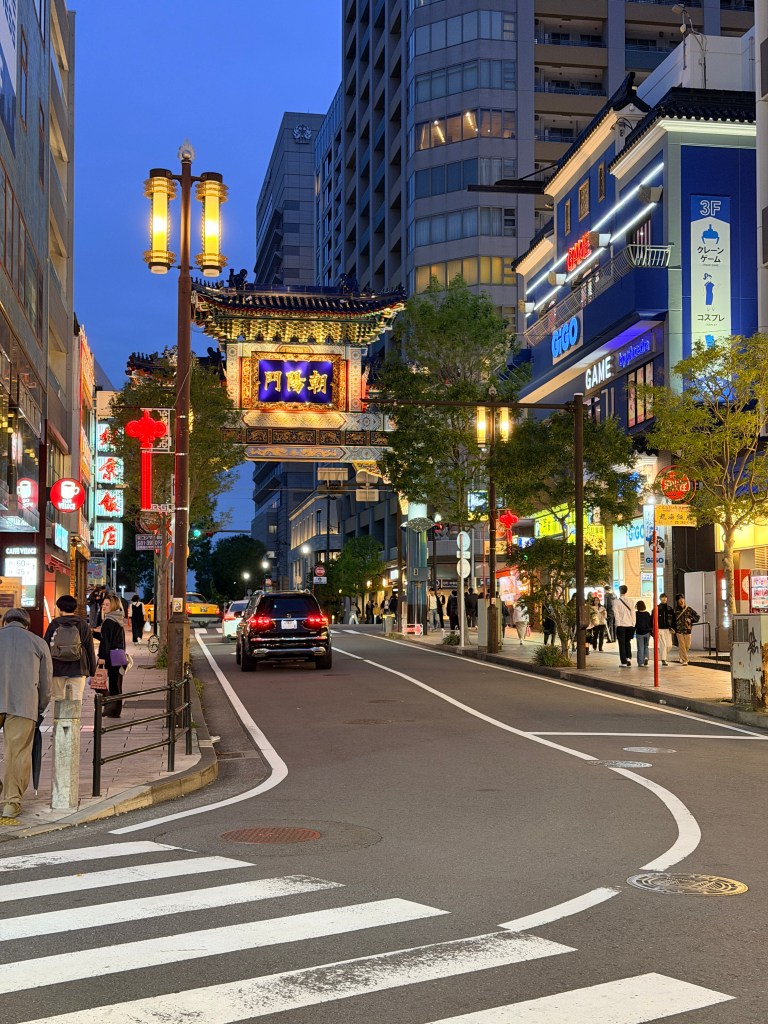
Instead of staying directly in Tokyo, we chose Yokohama. At the time, the decision was almost entirely financial — hotels were significantly less expensive. In hindsight, it ended up being one of our better choices.
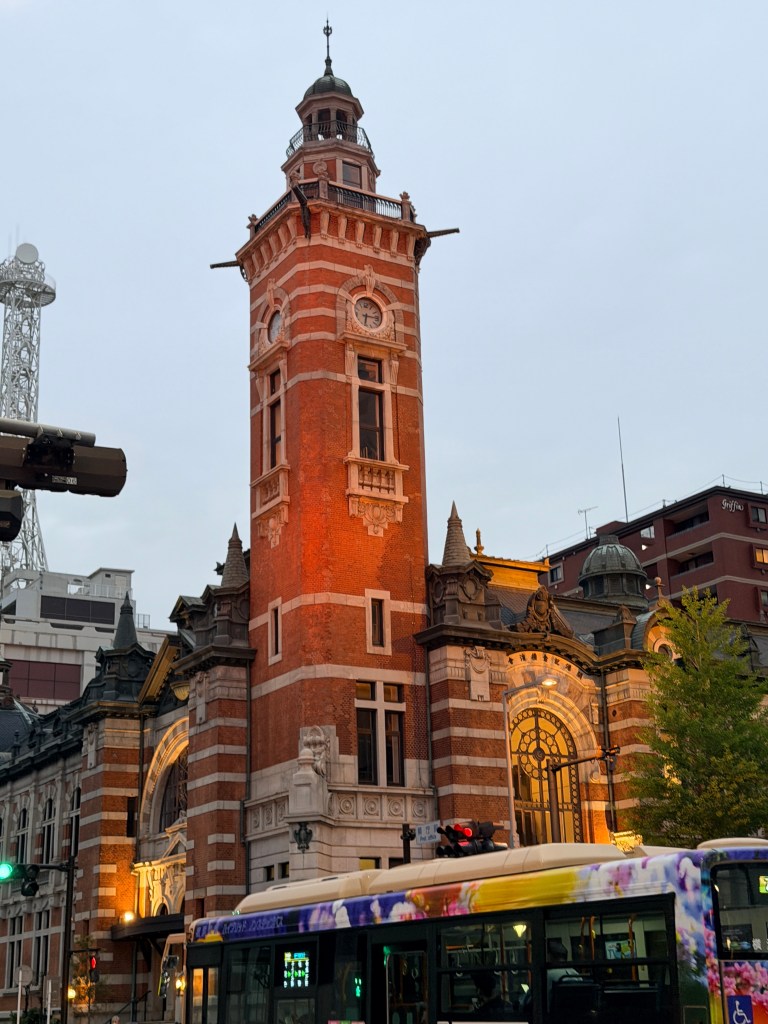
Yokohama sits just south of Tokyo and feels slightly more relaxed, while still being connected enough that reaching the city is simple. Japan’s second-largest city also has a fascinating history, becoming one of the first ports opened to foreign trade in the 1800s.
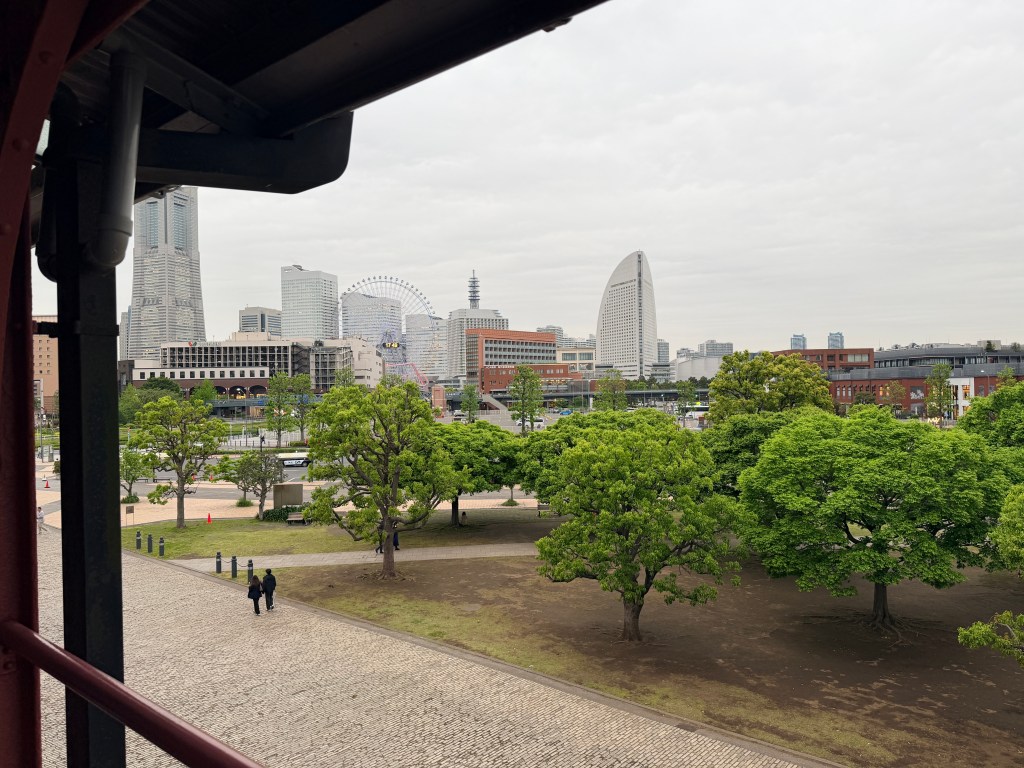
One of our favorite afternoons was spent exploring the Yokohama Red Brick Warehouse.
Originally constructed as customs warehouses in the early 1900s, the buildings have since been transformed into a shopping and entertainment complex filled with local boutiques, cafes, and restaurants.
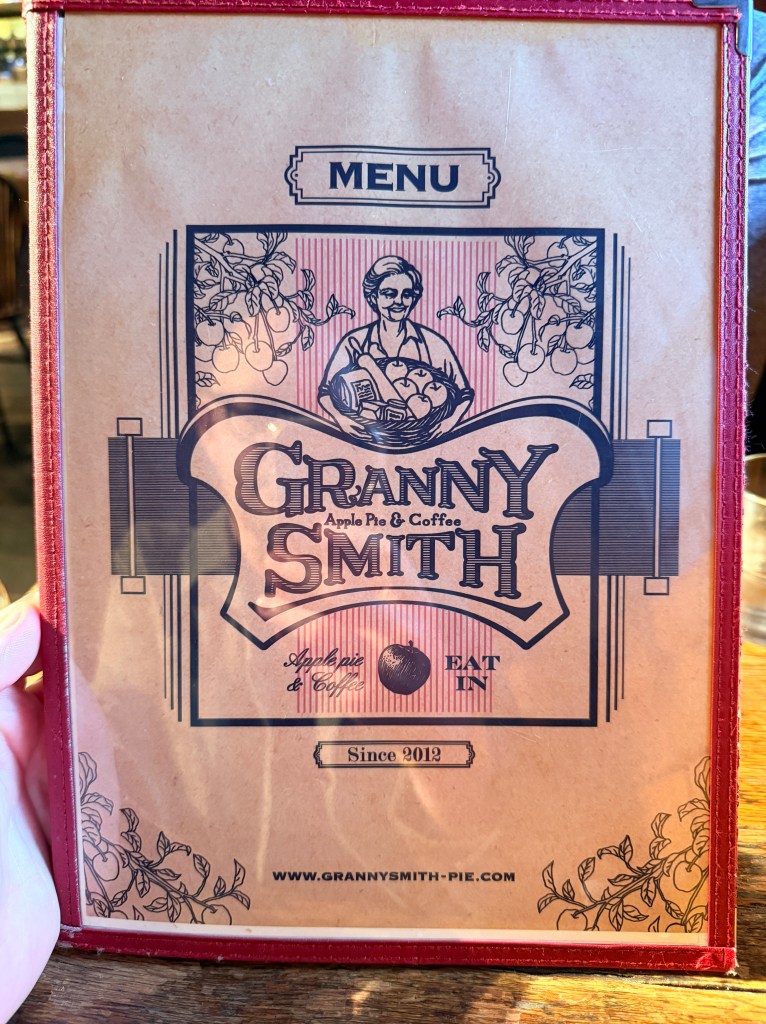
We sampled local craft beer, browsed local goods, and made what was perhaps our most important stop of the day at Granny Smith Apple Pie & Coffee.
I ordered strawberry cheesecake apple pie while Casey went with a s’mores apple crumble variation.
No regrets.
No sharing.
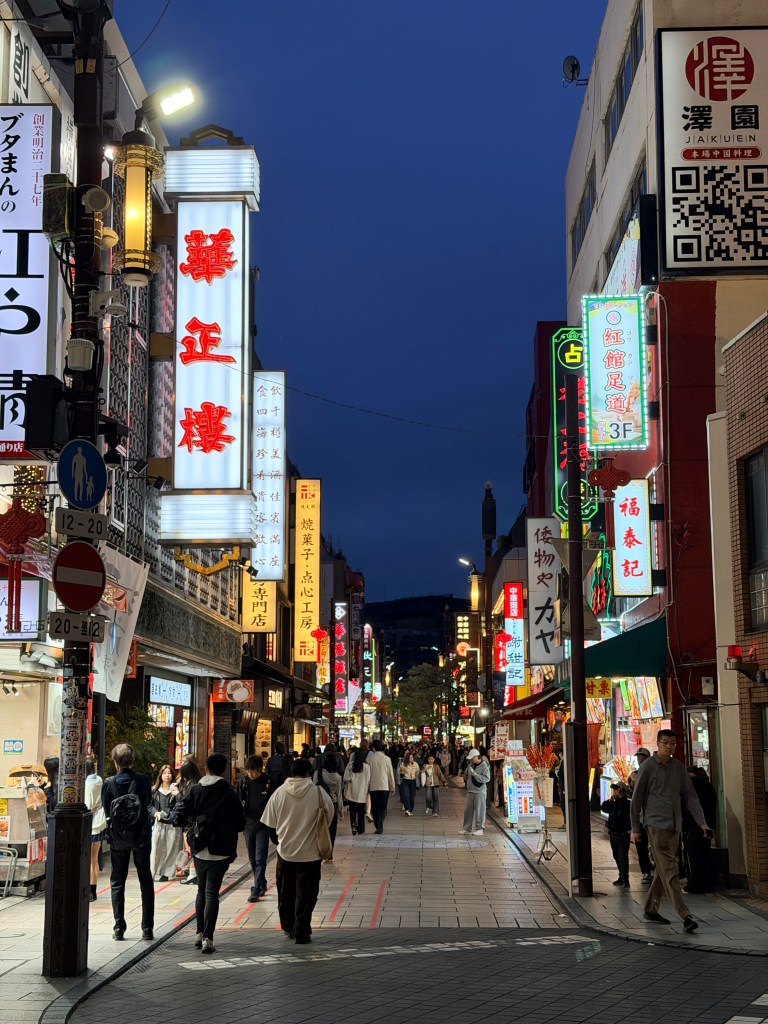
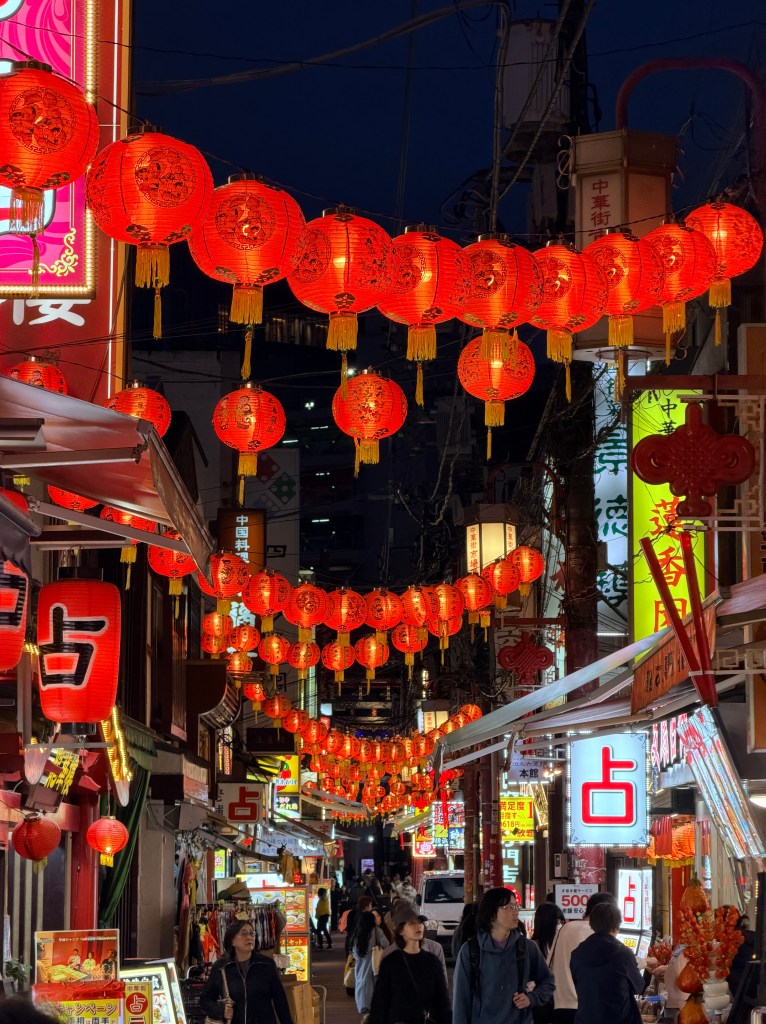
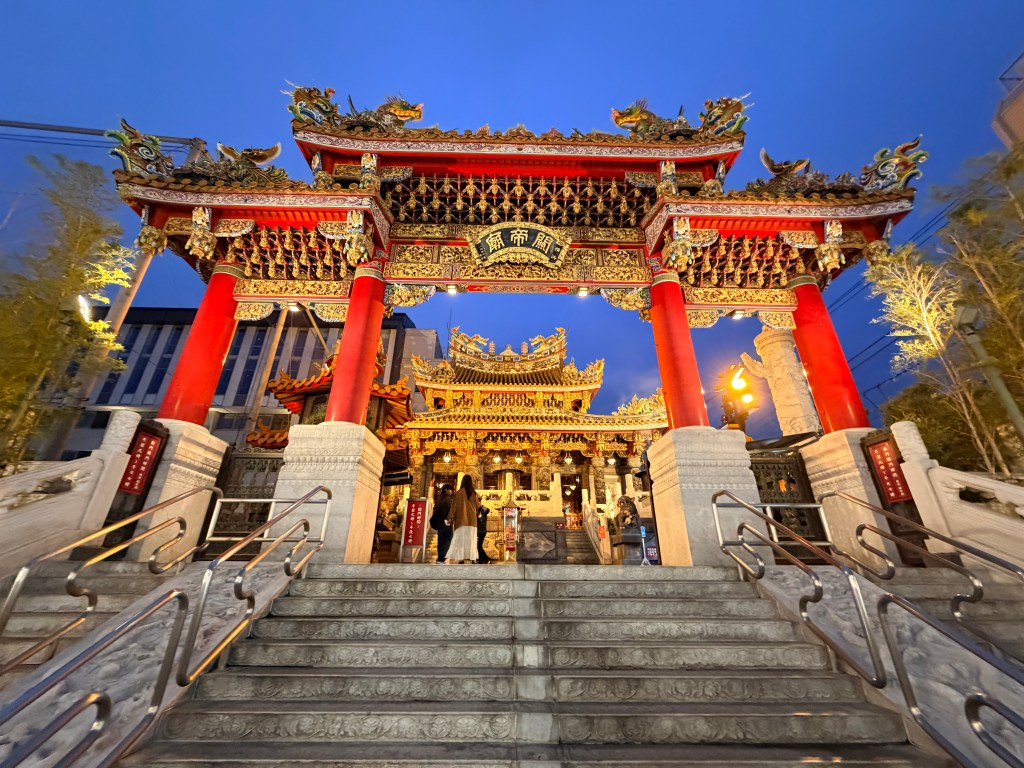
Afterward, we wandered through Yokohama Chinatown — the largest Chinatown in Japan and one of the largest in the world. Lanterns stretched overhead while colorful gates marked entrances to bustling streets filled with restaurants and food stalls.
Like nearly everywhere in Japan, it was immaculate.
Tokyo for a Day
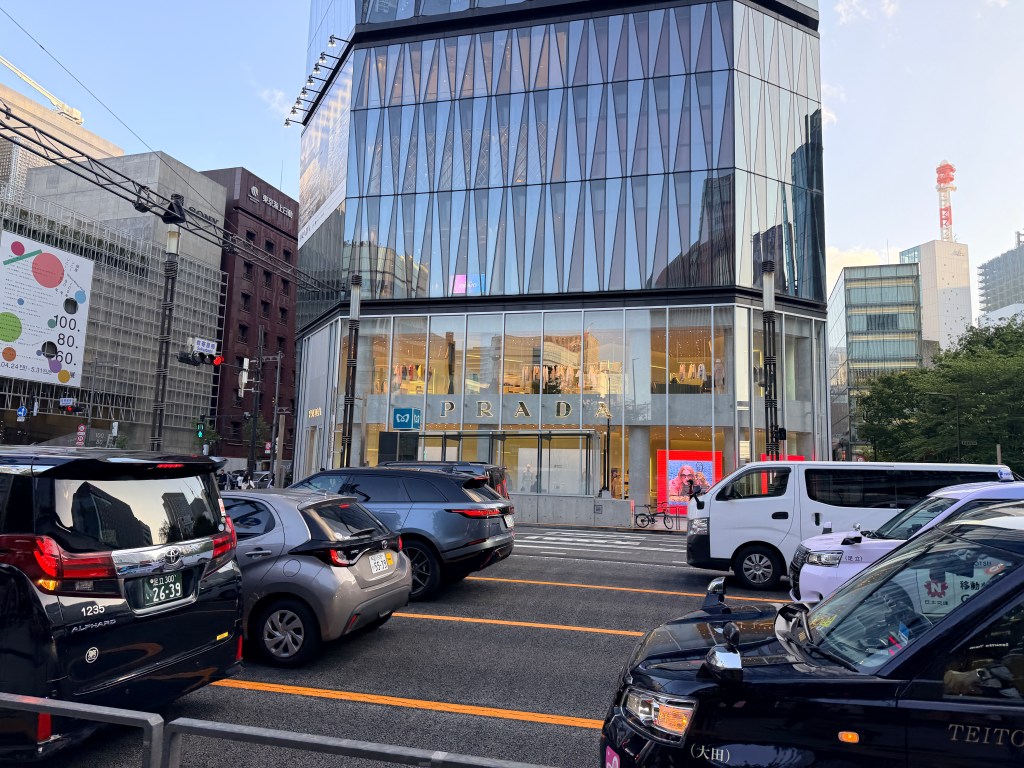
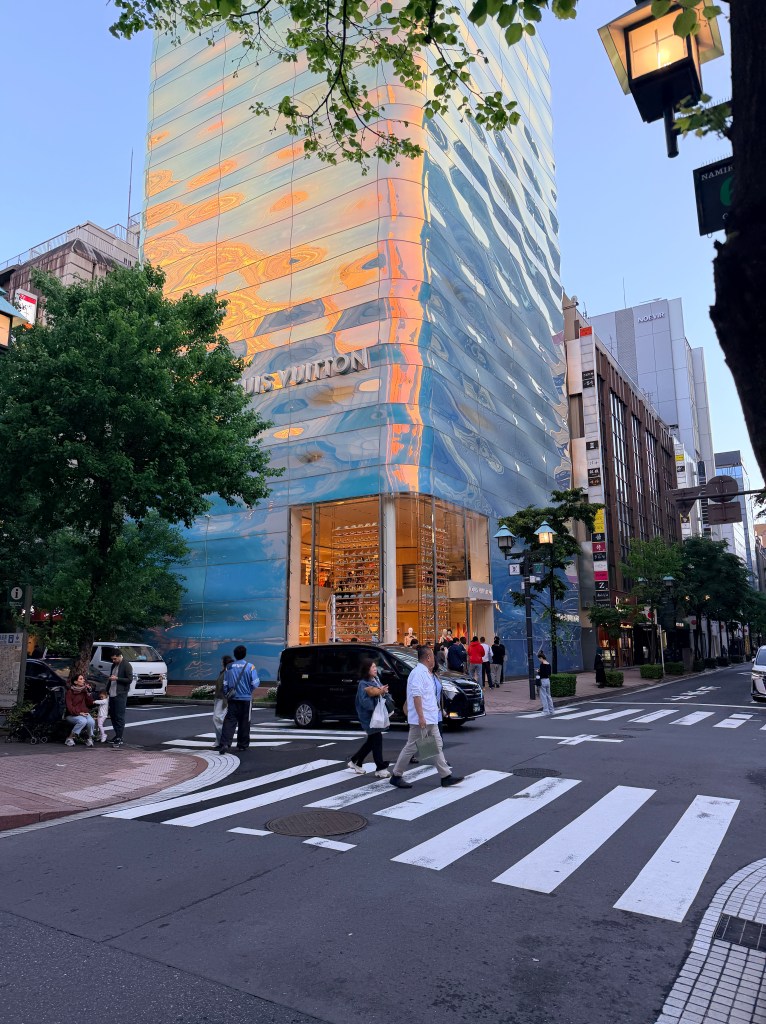
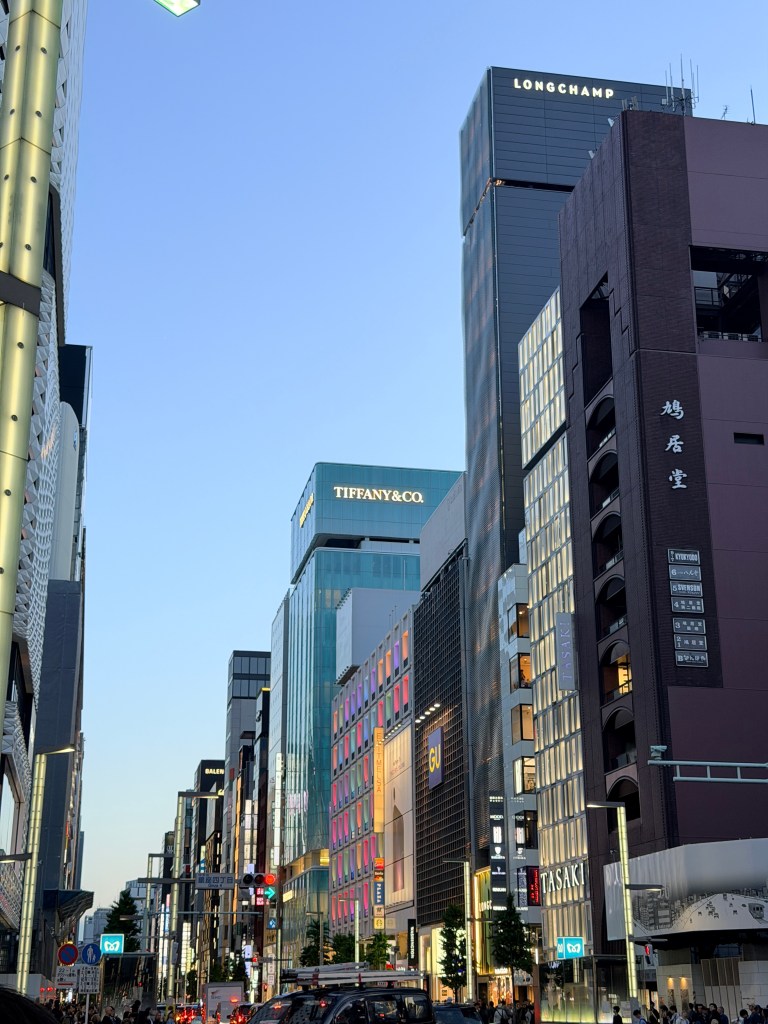
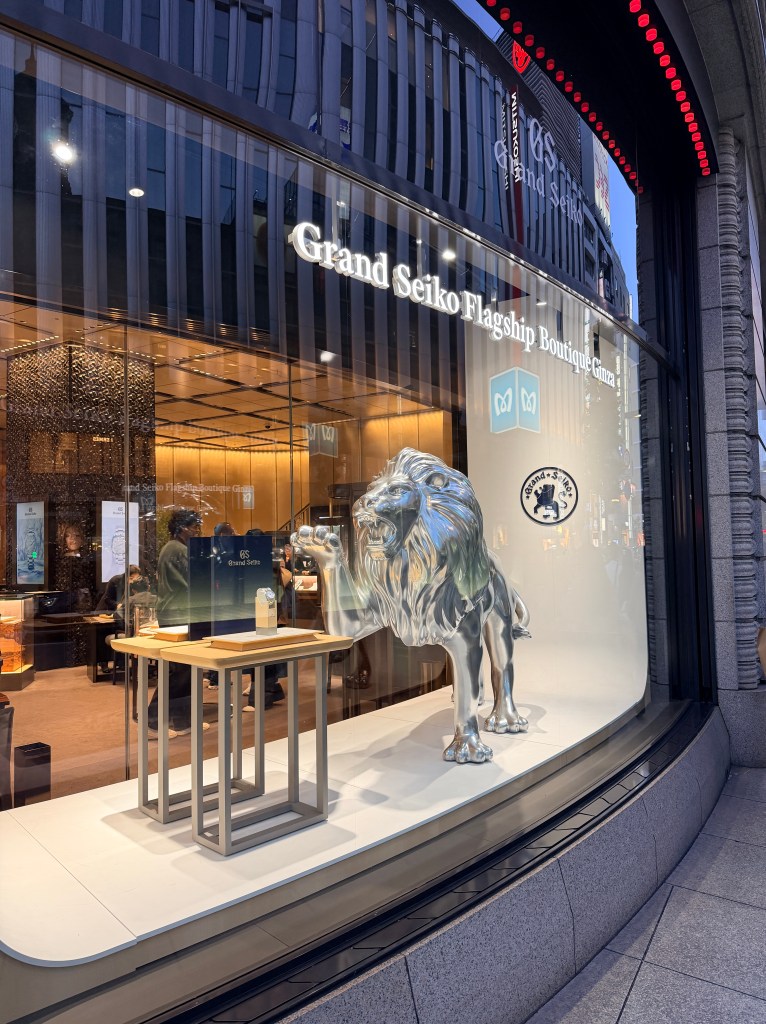
Our Tokyo day was mostly spent admiring — and occasionally drooling over — flagship luxury stores.
Prada. Louis Vuitton. Hermès. Tiffany & Co.
No purchases.
Just appreciation.
That evening, we skipped luxury and opted for a local brewhouse instead.
Somehow that felt very on brand for us.
DisneySea: Disney, But Different
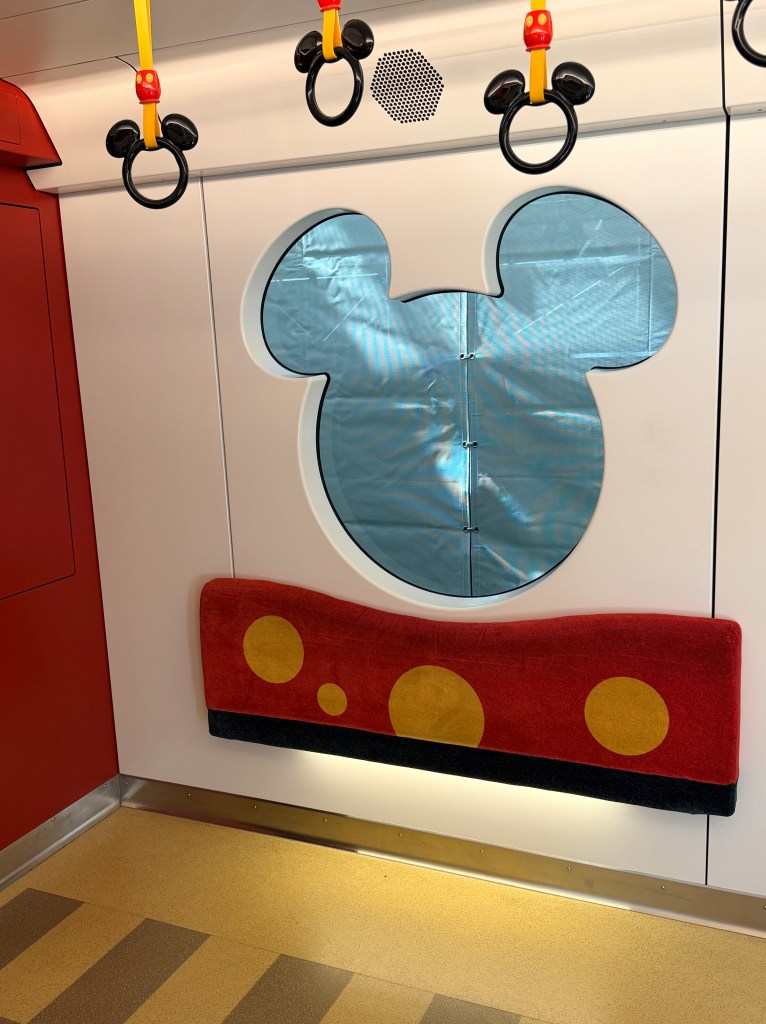
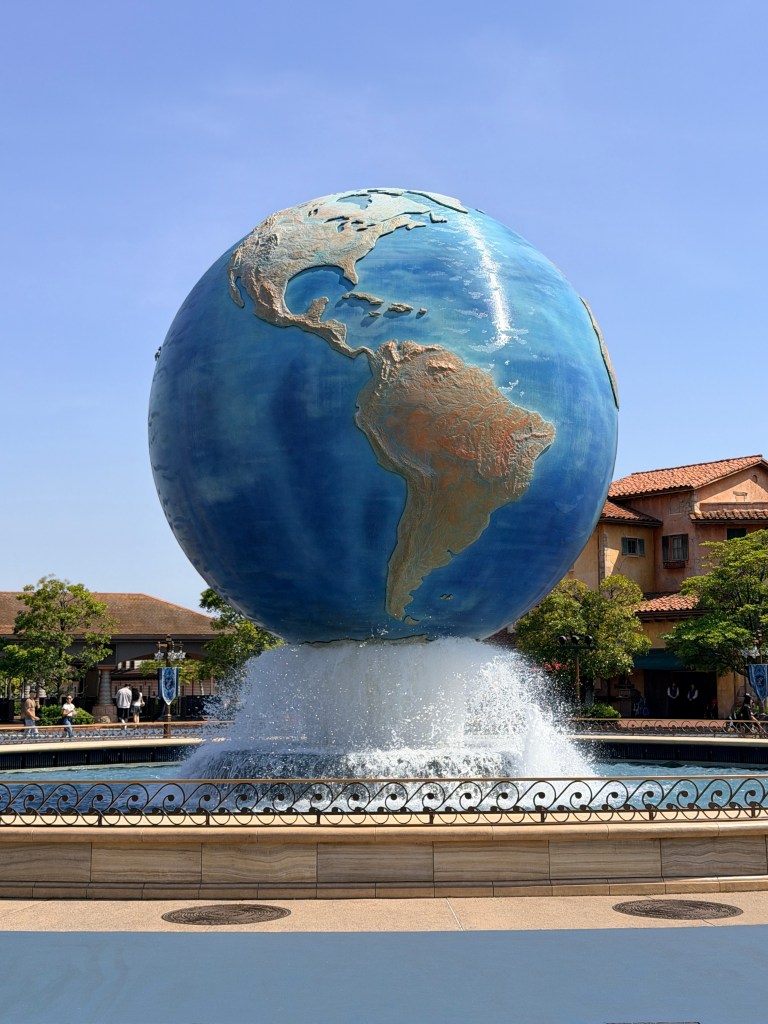
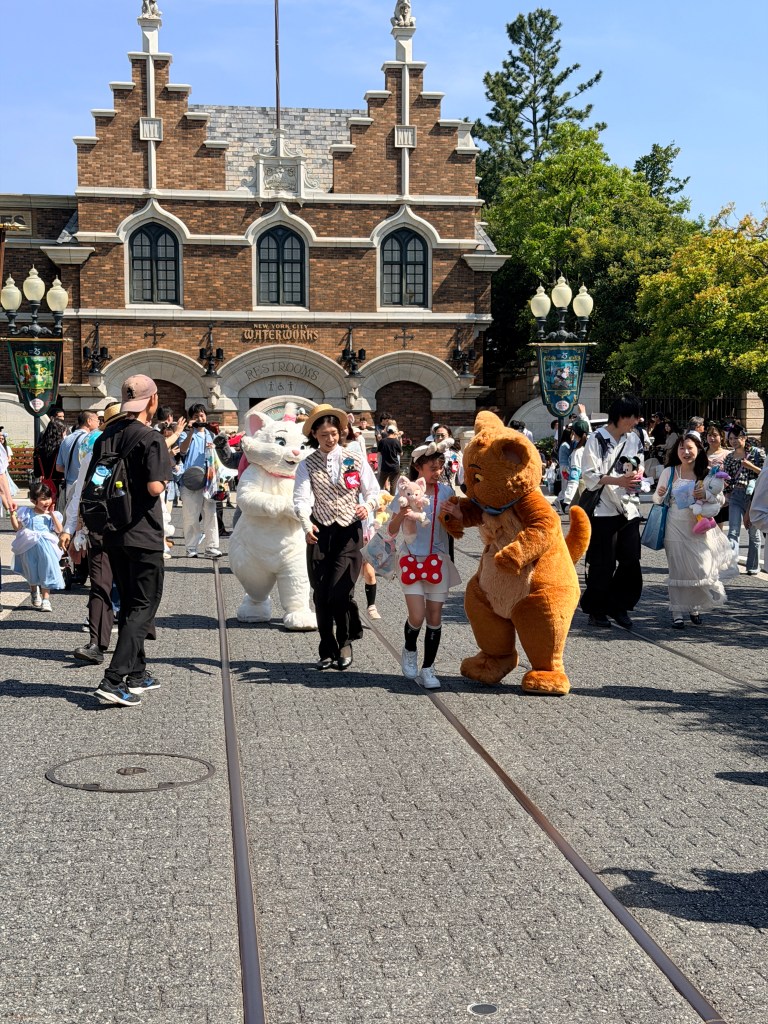
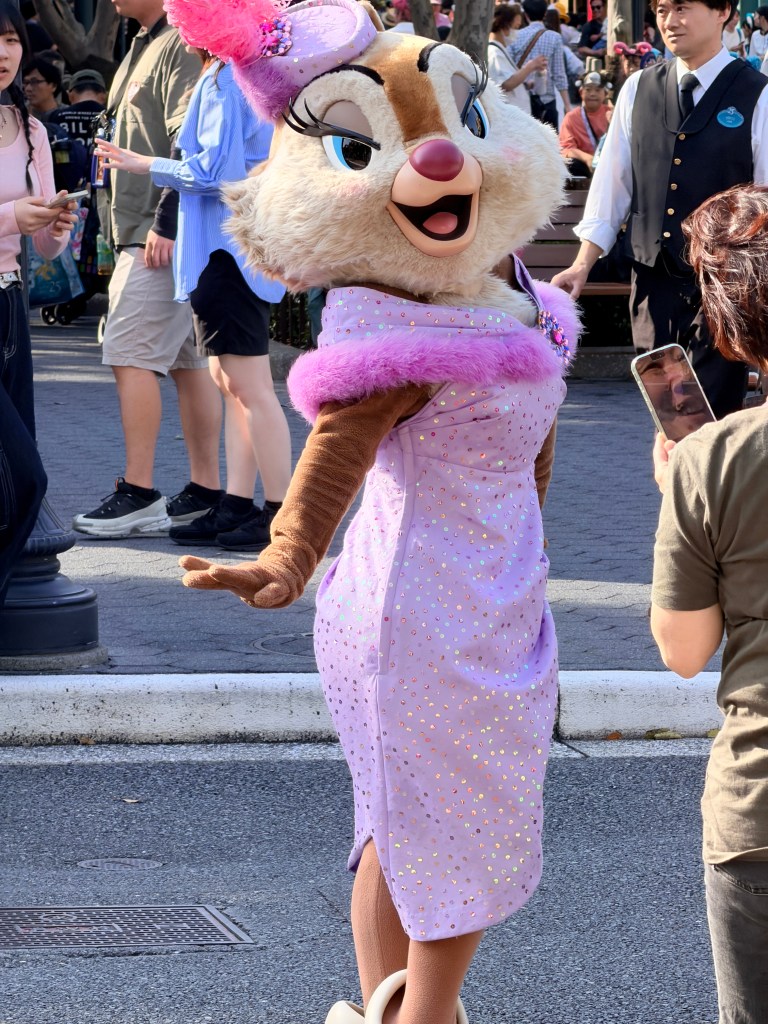
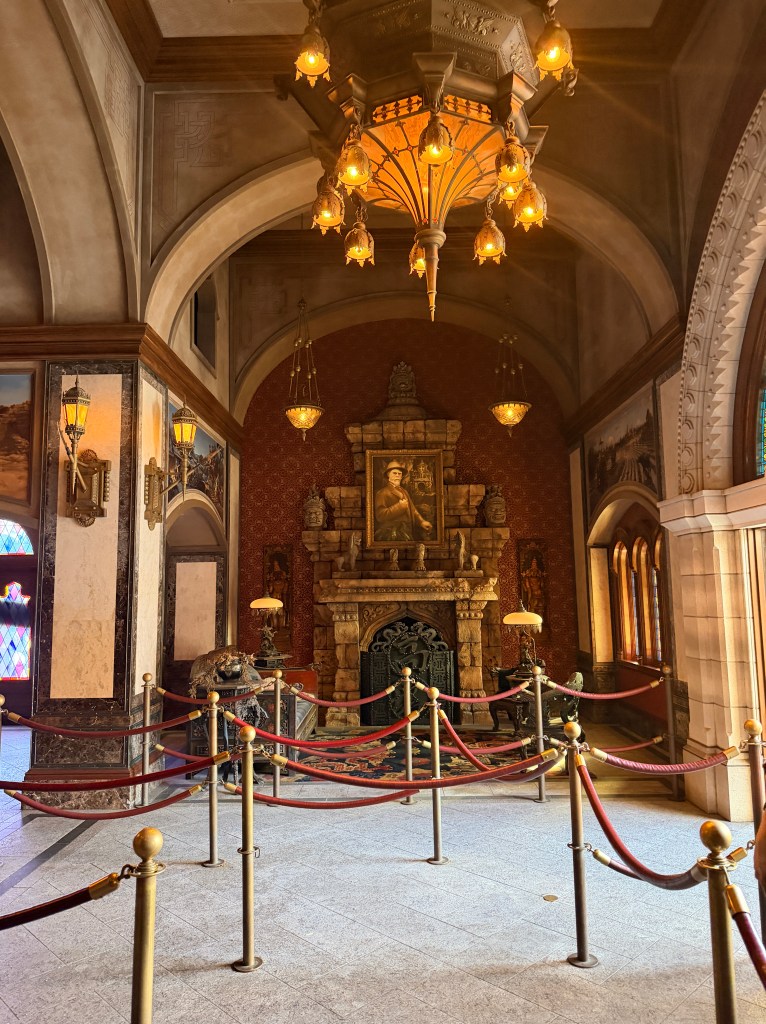
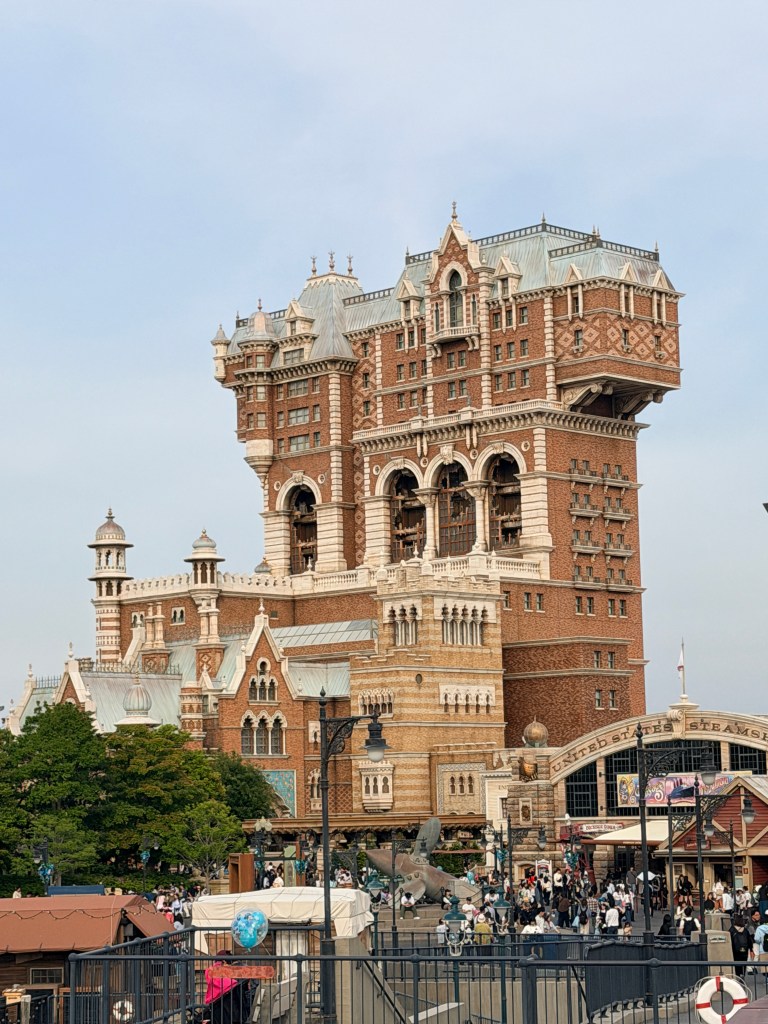
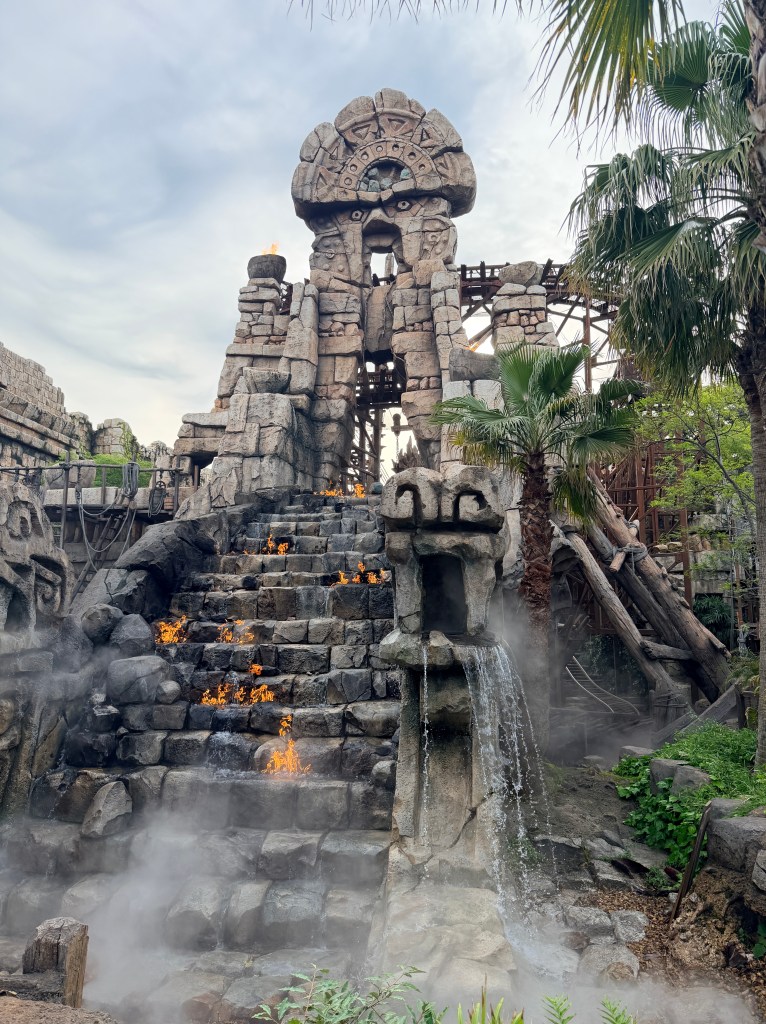
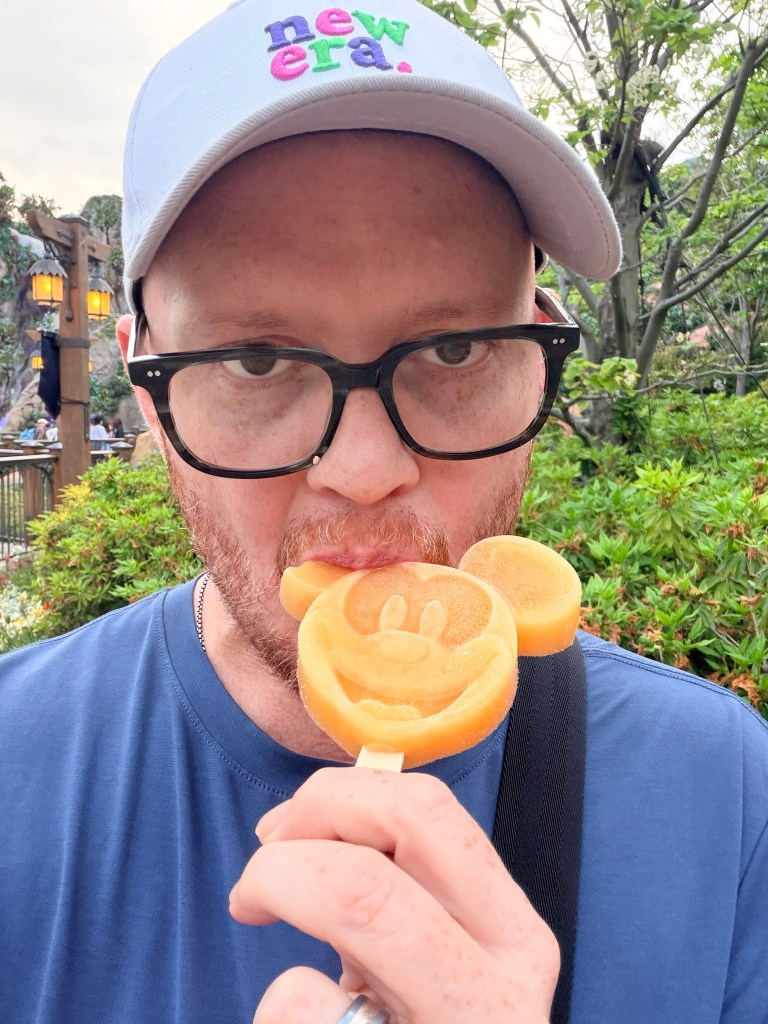
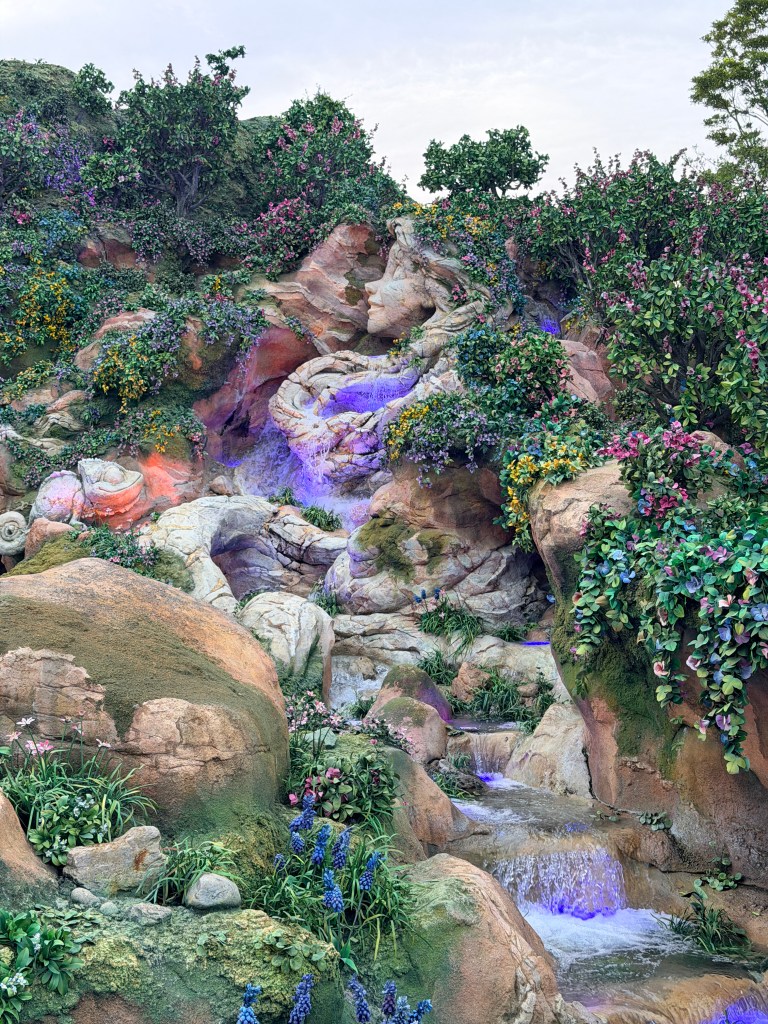
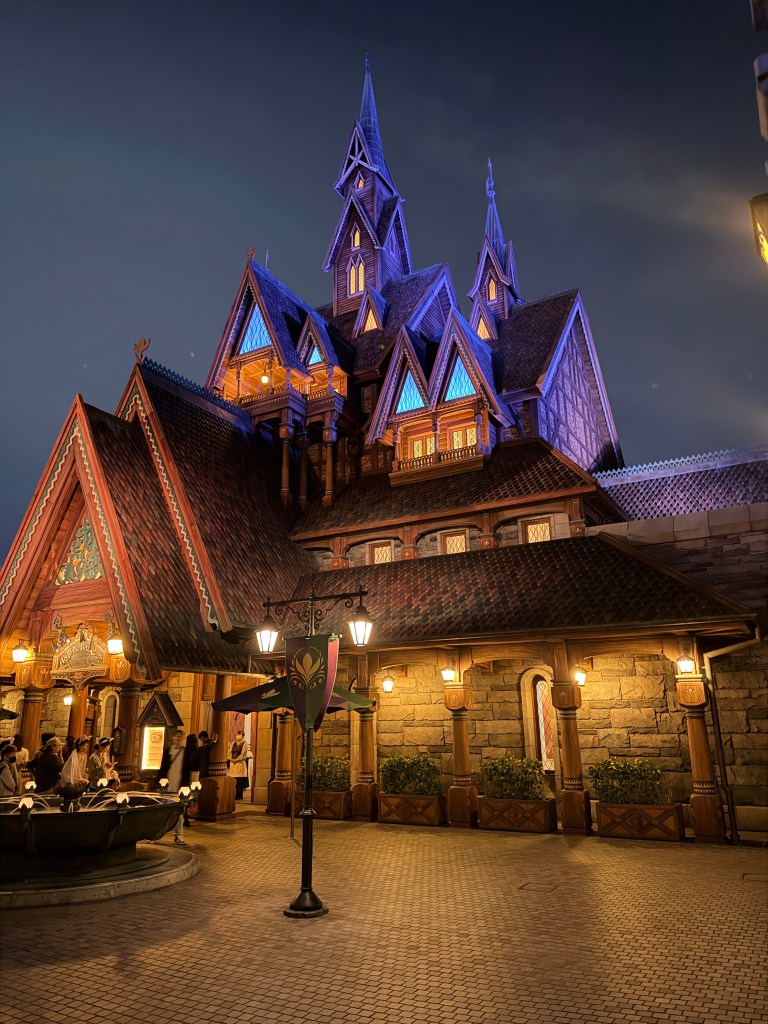
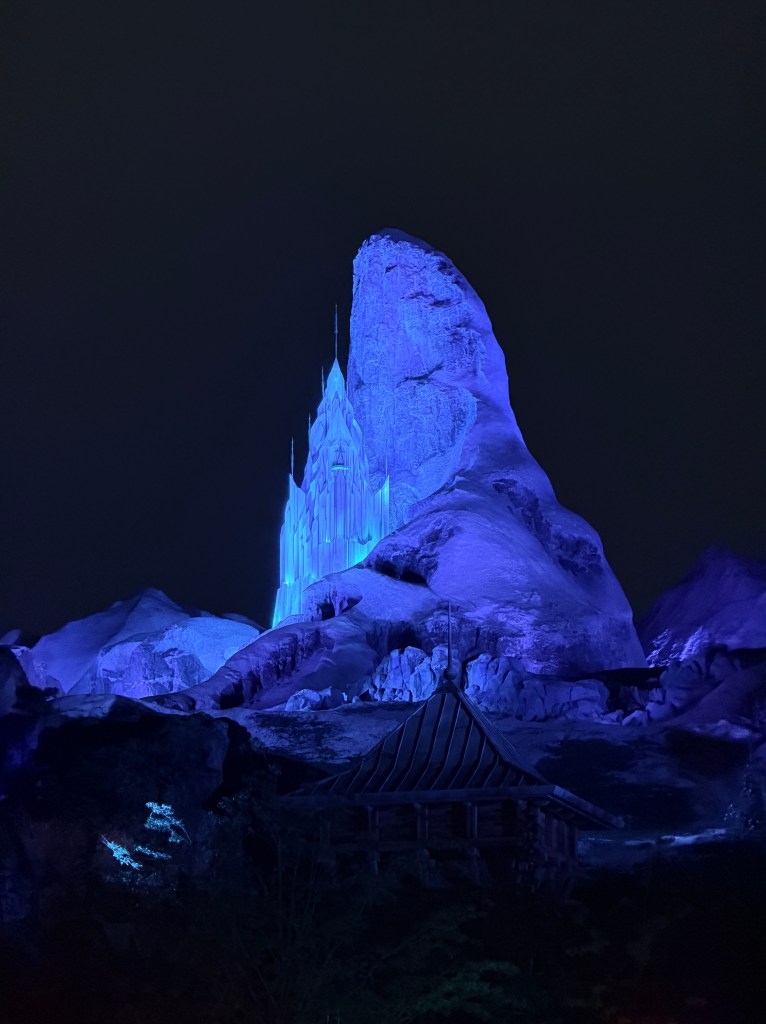
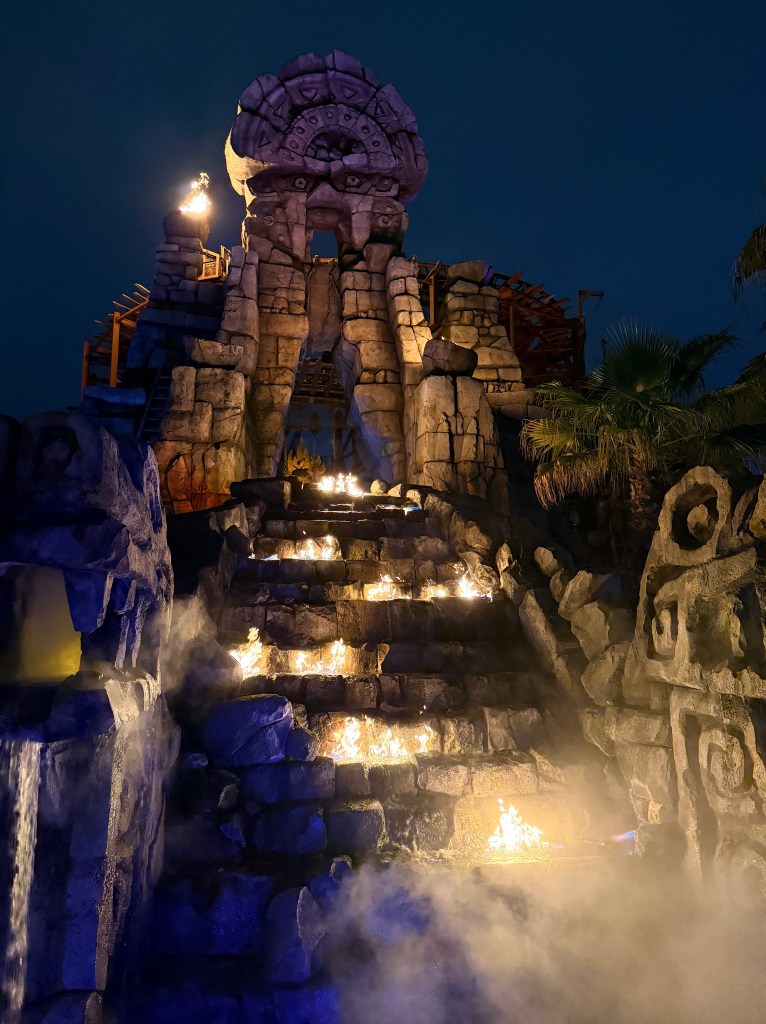
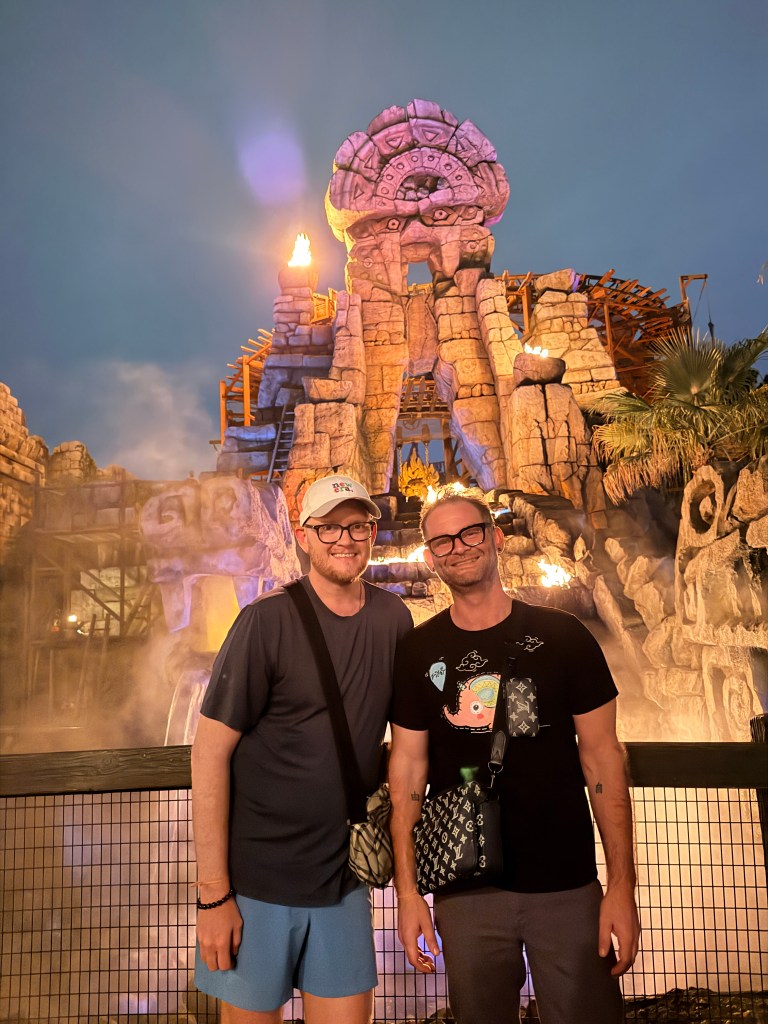
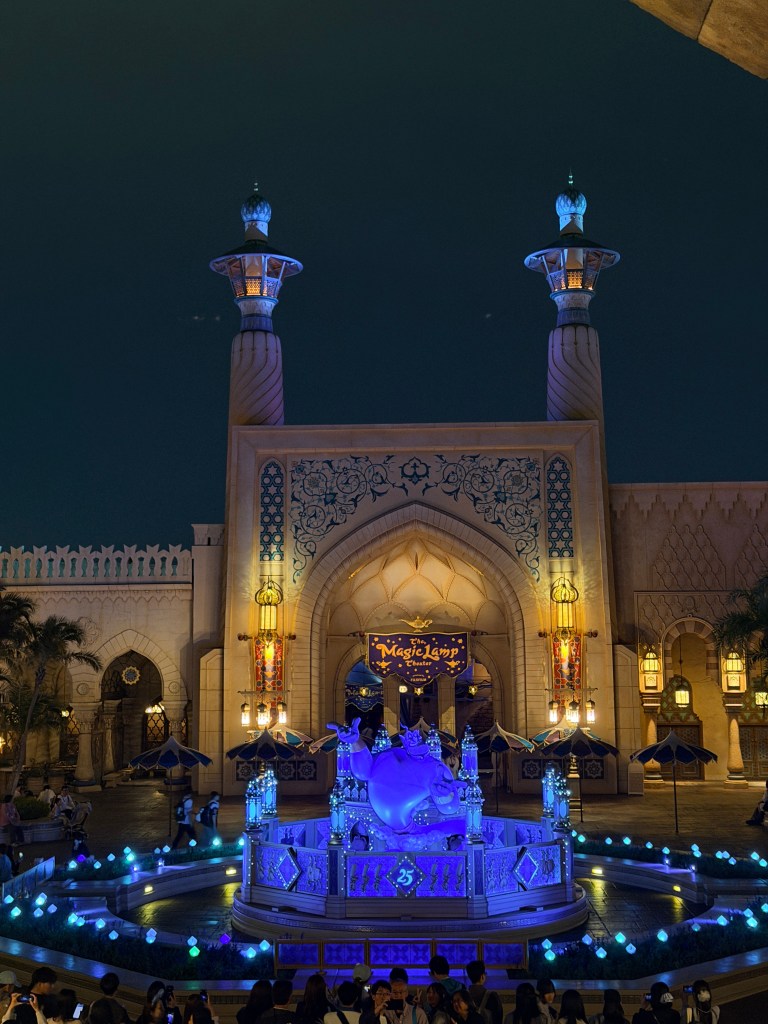
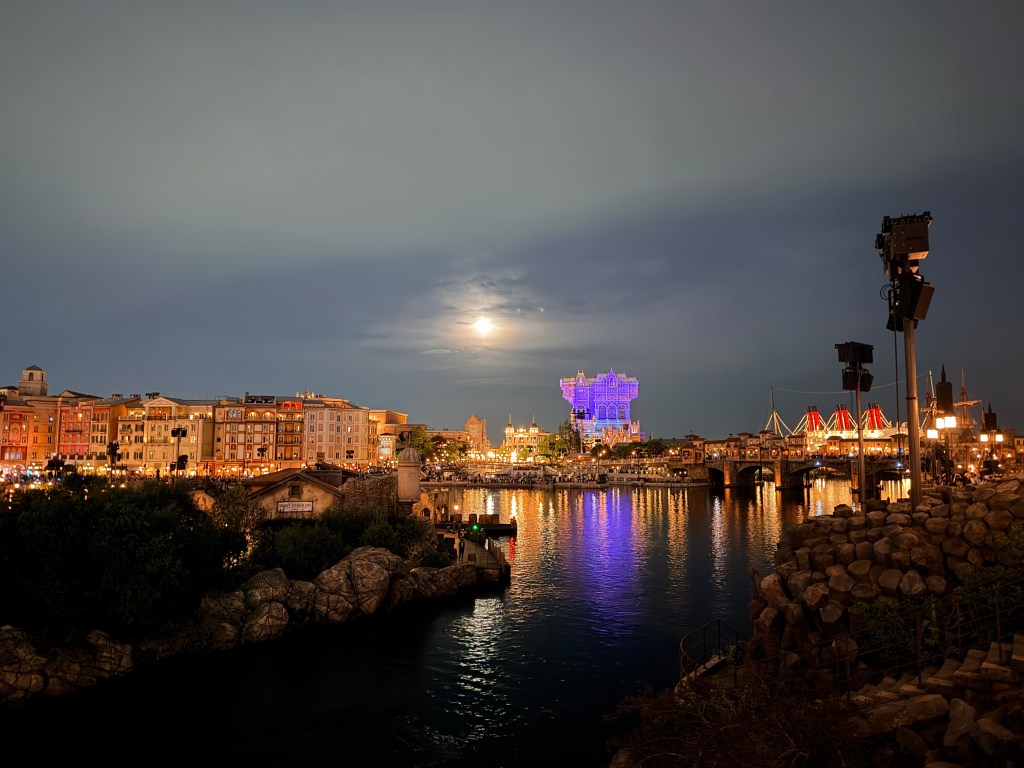
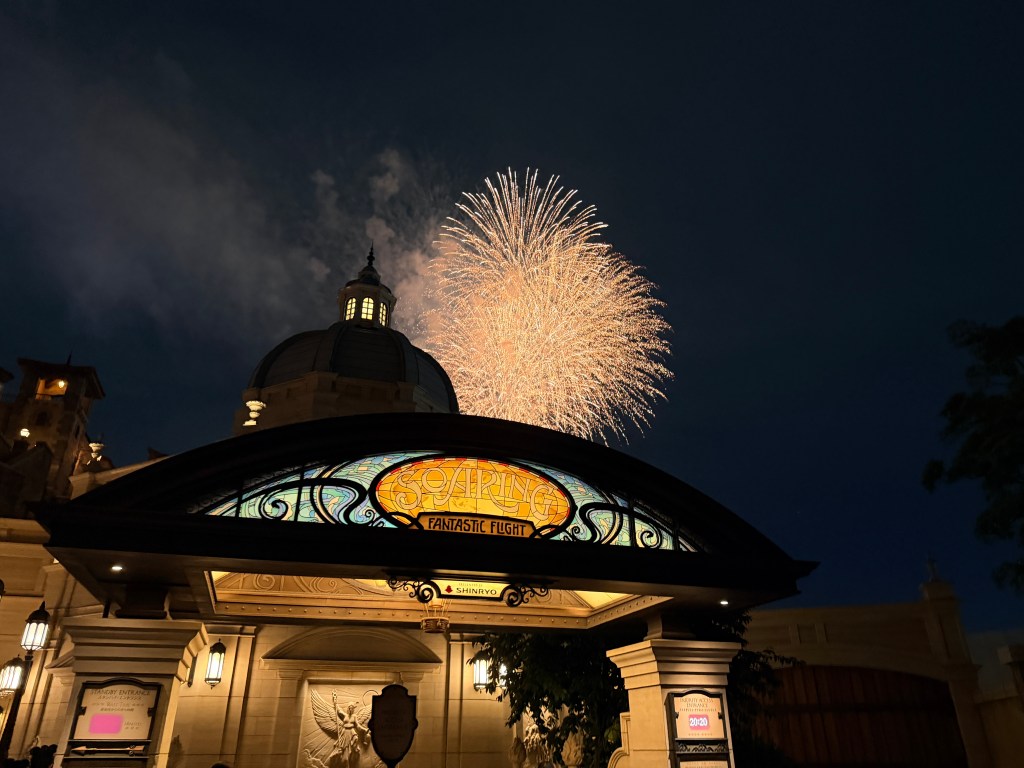
If you love Disney and have never visited Tokyo DisneySea, put it on your list immediately.
Unlike traditional Disney parks, DisneySea is themed around oceans, exploration, ports, and adventure.
It’s often ranked among the best Disney parks in the world.
We arrived early and immediately headed to our first attraction:
Tower of Terror.
I hate drop rides.
Casey loves them.
So naturally, this became our first stop.
The park itself felt magical — incredibly immersive, spotless, and beautifully designed.
One surprise? The prices.
Tickets for us were roughly $65 per person, and food and drinks felt dramatically cheaper than what we’ve become accustomed to in the United States.
Disney magic without Disney wallet trauma.
One of Casey’s lifelong dreams also unexpectedly came true while we were at DisneySea.
And no, it wasn’t meeting Mickey.
For years he has wanted to experience a ride evacuation and get a full backstage walk-off experience.
This was information I did not understand the magnitude of about my husband.
During Tokyo DisneySea’s Peter Pan’s Never Land Adventure, our ride suddenly came to an abrupt stop.
Most people around us looked confused.
Some looked irritated.
Meanwhile, I slowly turned and saw Casey’s eyes get wide.
Was it happening?
Was today the day?
Would he finally be escorted through secret staff-only areas and get a behind-the-scenes glimpse at Disney magic?
Reader…
It happened.
It actually happened.
As someone whose patience generally expires somewhere around minute three of waiting for anything, it was honestly magical watching him suddenly become the most patient human being on earth.
He sat there smiling, quietly waiting for cast members to arrive and escort us out like he had just won the Disney equivalent of the lottery.
Eventually we were led through backstage areas and behind the attraction — his lifelong dream officially achieved.
His reward?
The walk-off experience.
My reward?
A fast pass good for almost any ride in the park.
Honestly…
Win/win.
Pokémon: A Mission for Ada
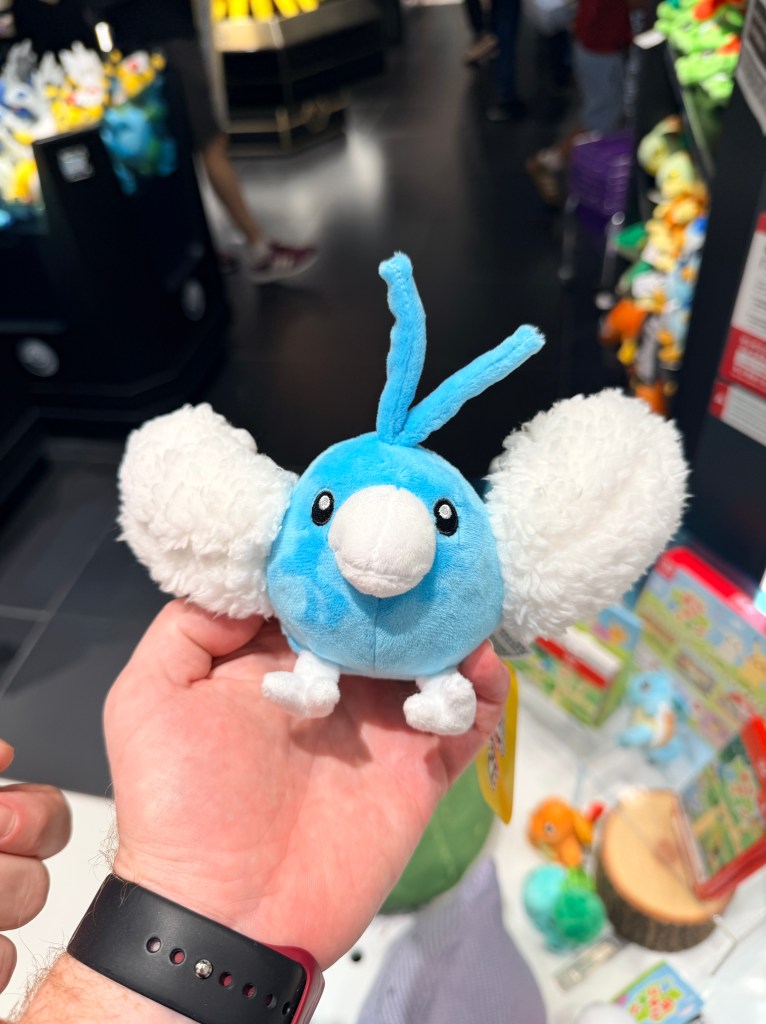
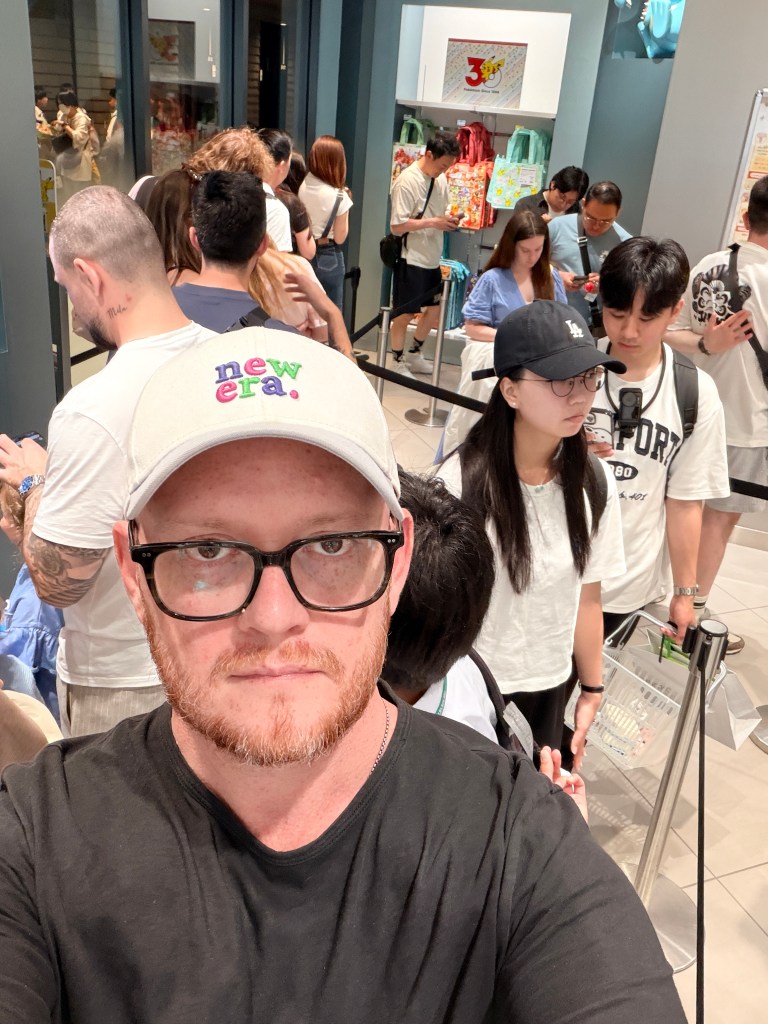
One unexpected side quest during our time in Japan has been our ongoing mission to locate special Pokémon plushies and cards for my goddaughter, Ada.
Before arriving in Japan, I could tell you exactly one Pokémon name:
Pikachu.
That’s it.
I have since learned that Pokémon in Japan is not simply a game, show, or collection of cards.
It is a lifestyle.
For everyone.
Children. Adults. Teenagers. Grandparents. Tourists from every corner of the world.
The stores are packed.
Lines stretch through shopping centers.
People walk around carrying bags full of cards and giant plushies with expressions that suggest they just discovered buried treasure.
Meanwhile, I’m standing there holding up photos on my phone trying to describe creatures whose names sound like someone accidentally sat on a keyboard.
“No… not that one. The blue one. With the ears. Or maybe they’re horns? He may also be purple…”
I’m fairly certain my appreciation for Pokémon has become… complicated.
Not because of Pokémon itself. Because I’ve waited in too many lines and have spent entirely too much time trying to hunt down what appear to be the rarest Pokémon ever created.
But I suppose that’s what you do for your godchildren, right?
The Rest of Yokohama
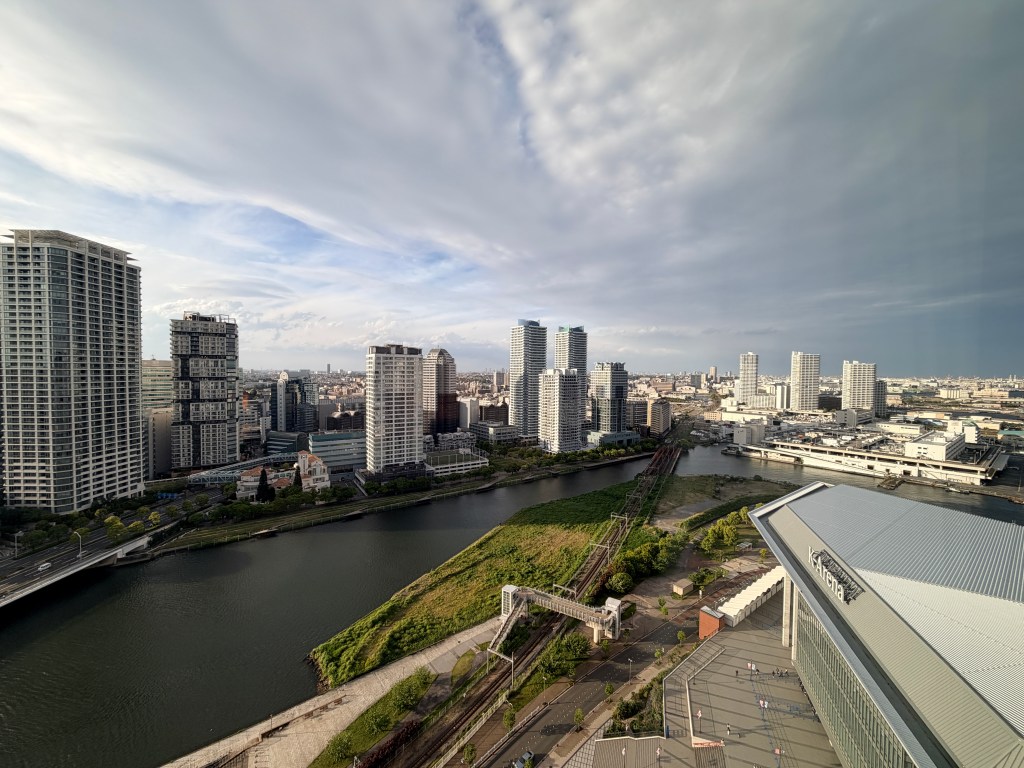
The remainder of our time in Yokohama was slower and simpler:
Shopping.
A surprisingly good Mexican dinner.
And evenings spent enjoying free food and cocktails in the hotel lounge.
Sometimes the quieter moments become the ones you remember.
Act II: Nagano — Japan’s Asheville
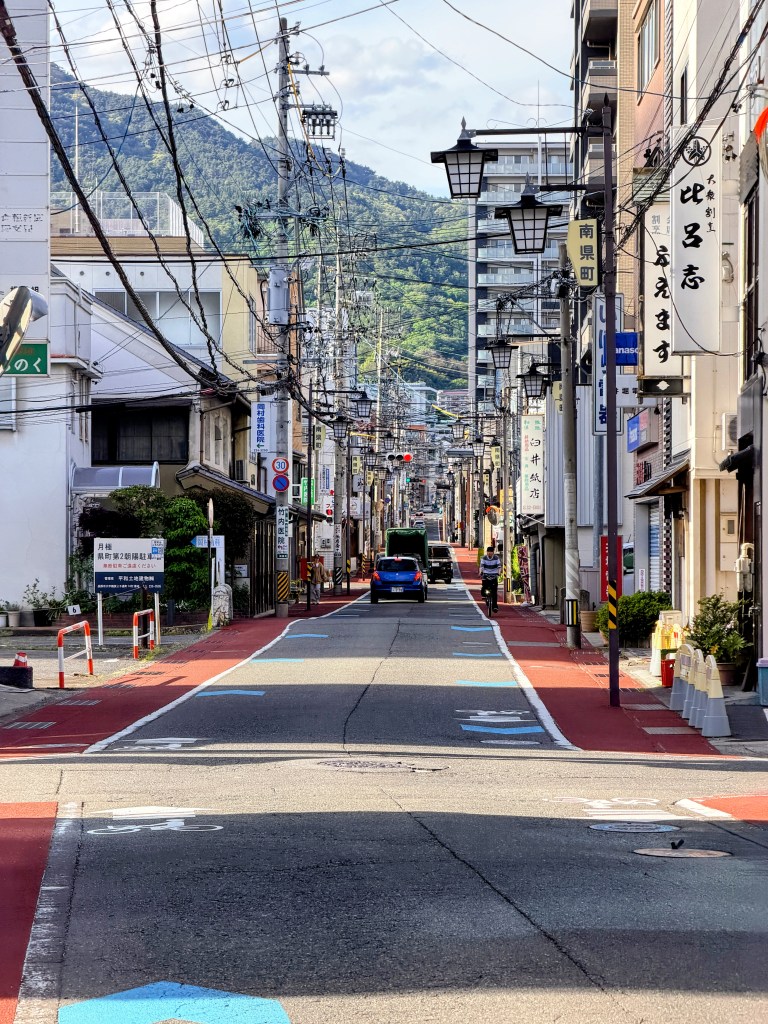
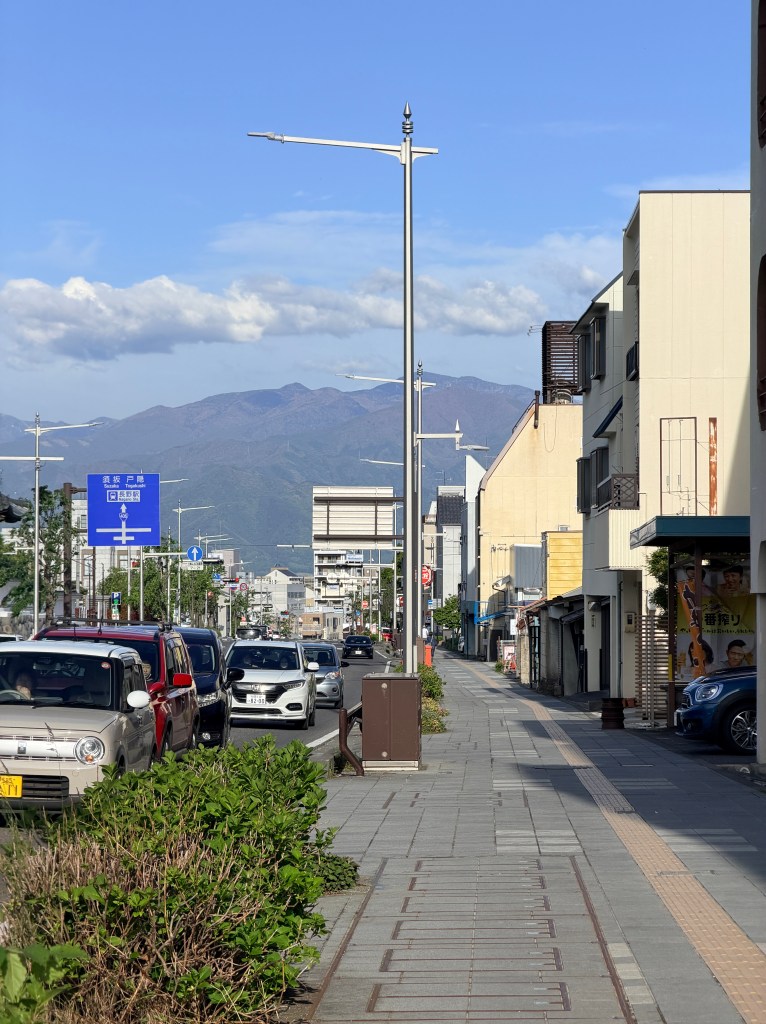
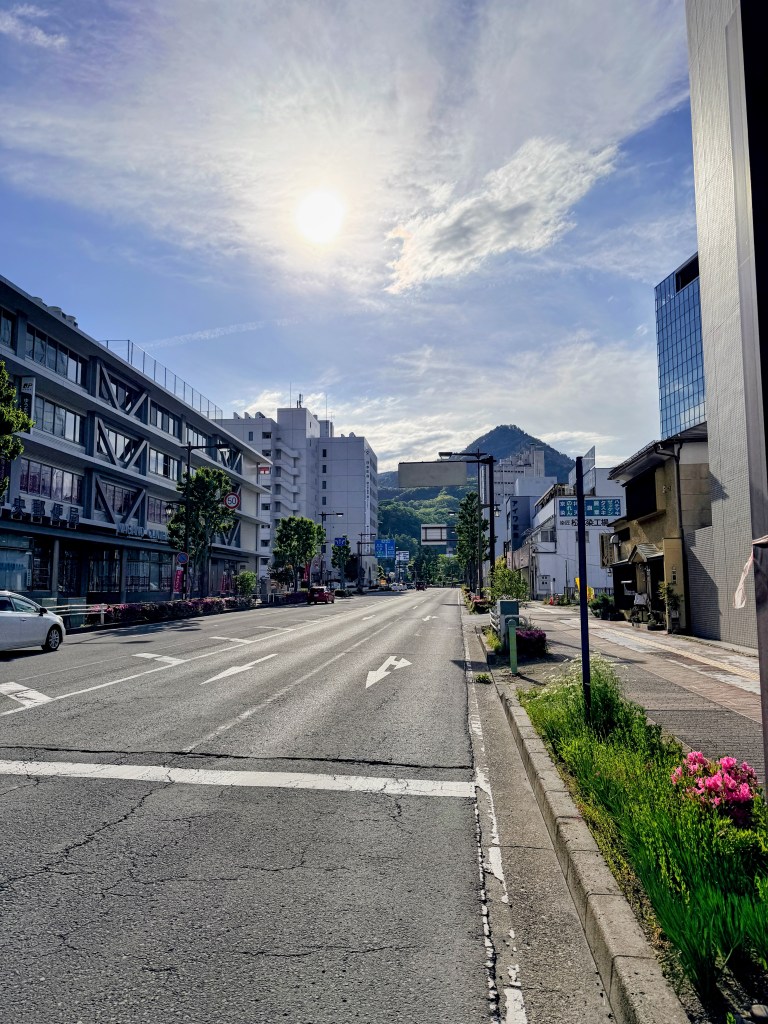
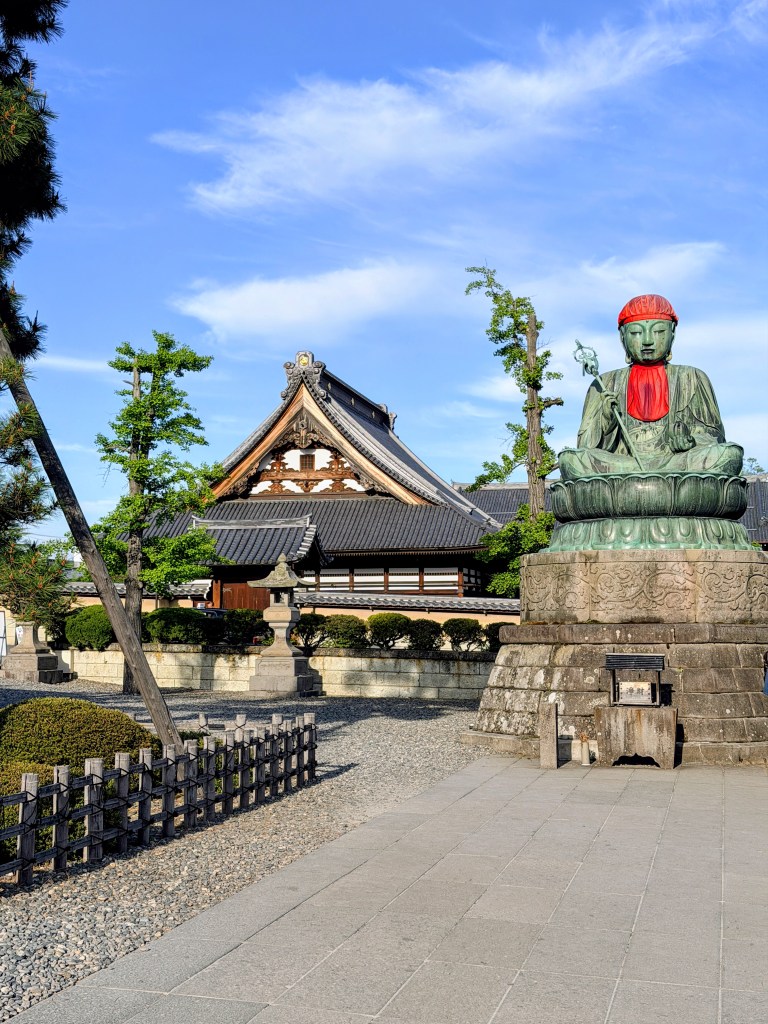
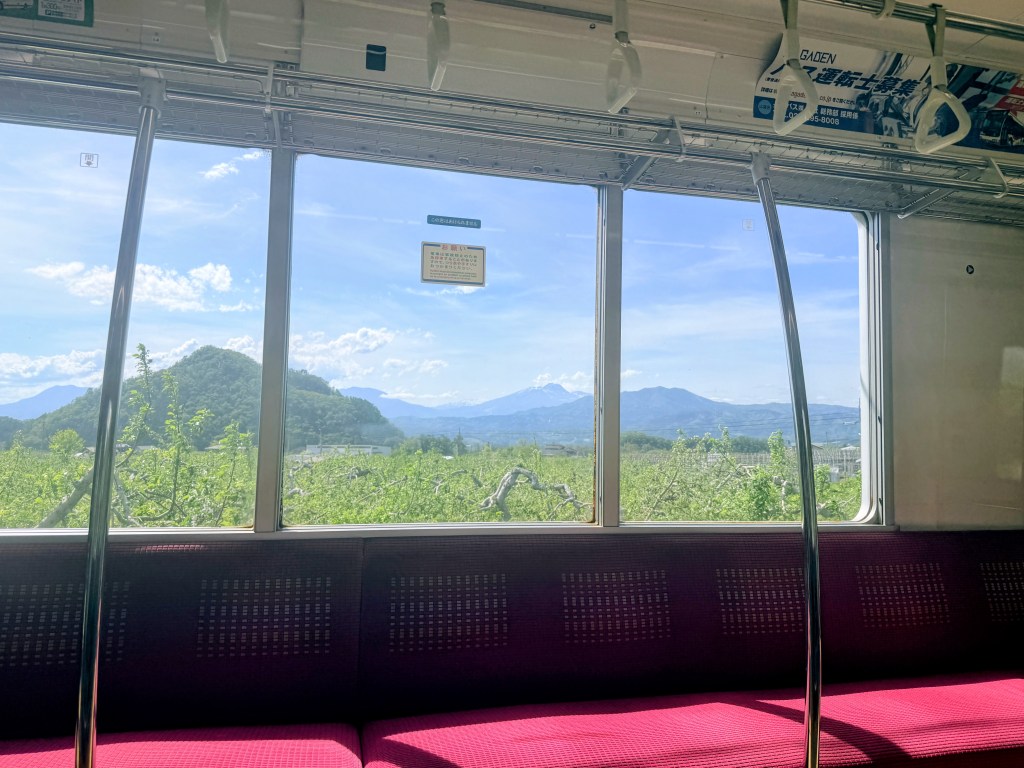
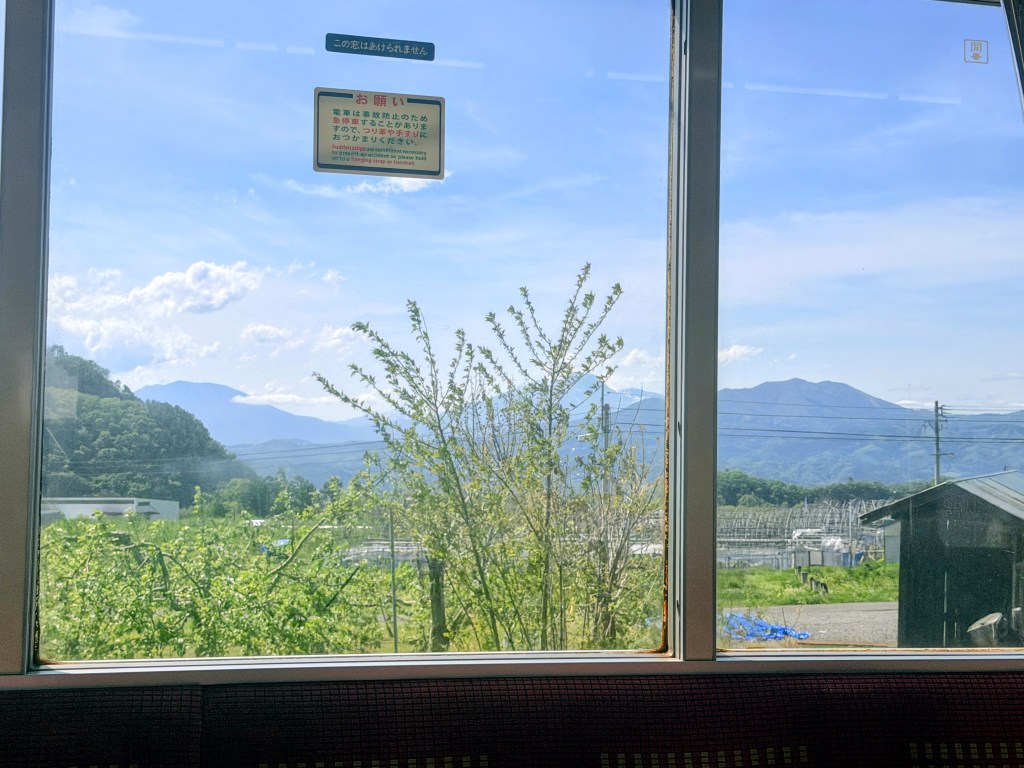
We boarded our first bullet train toward Nagano and immediately understood why people obsess over Japan’s rail system.
Fast.
Comfortable.
Spotless.
Easy.
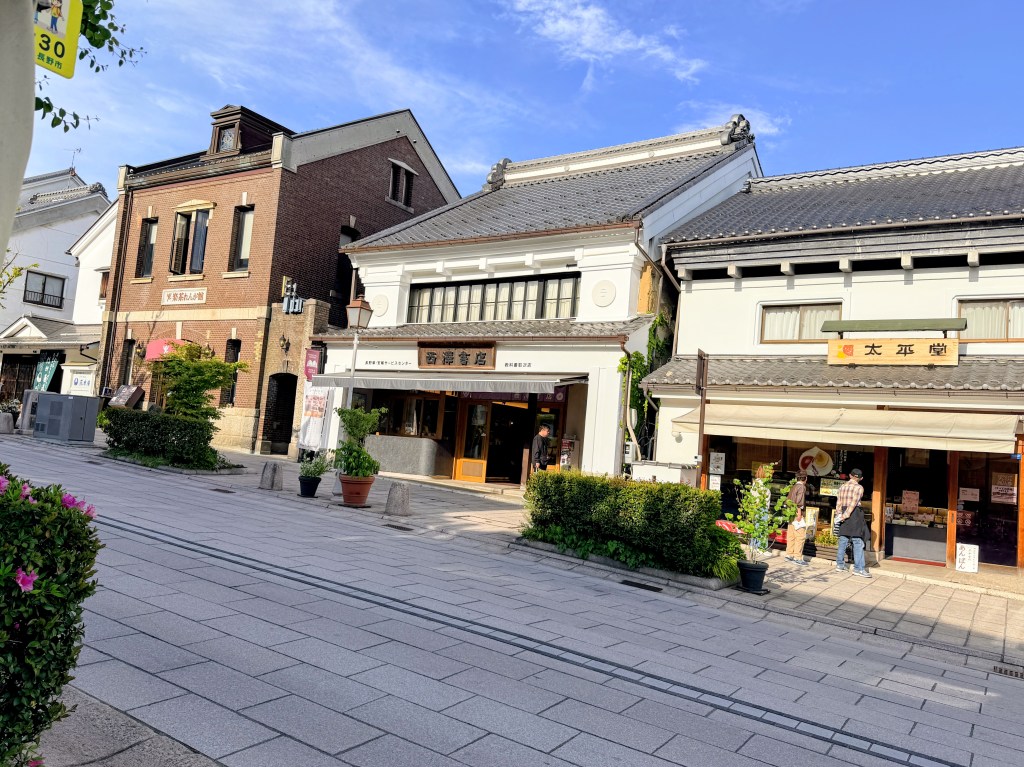
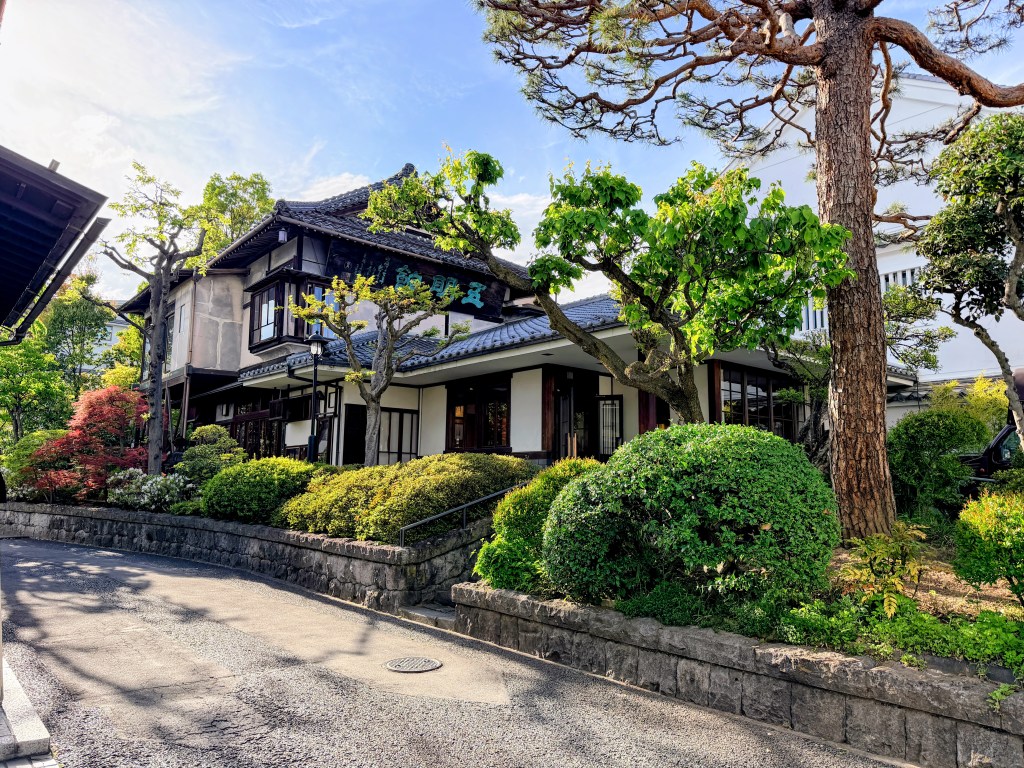
Nagano immediately gave us Asheville, North Carolina energy.
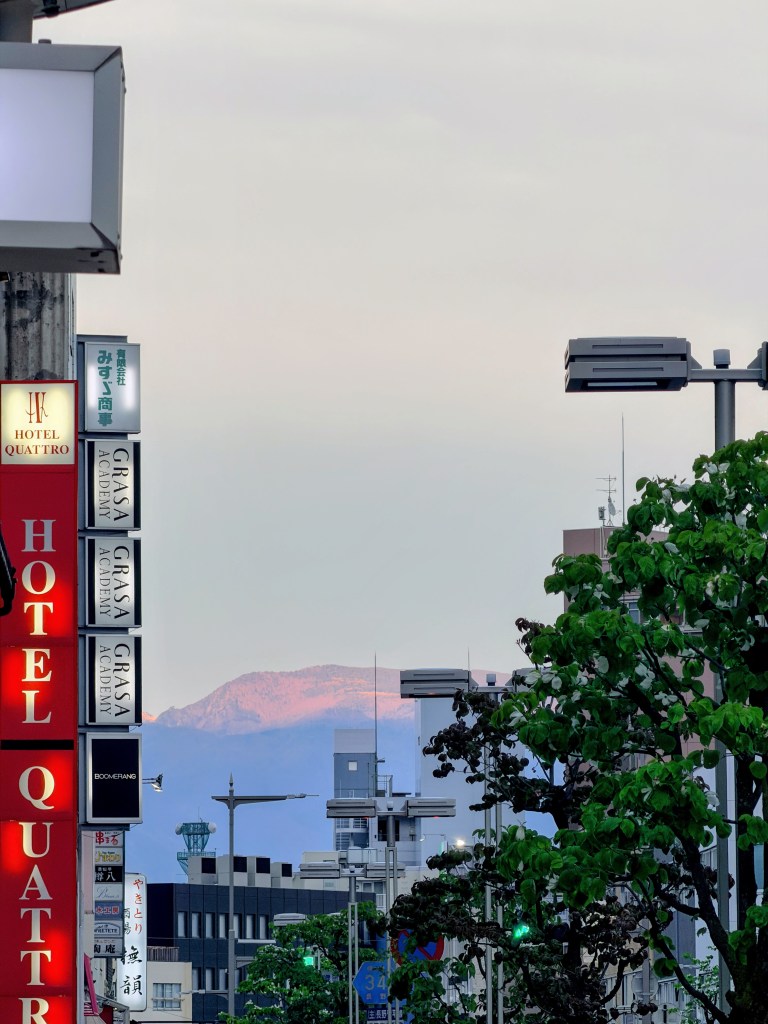
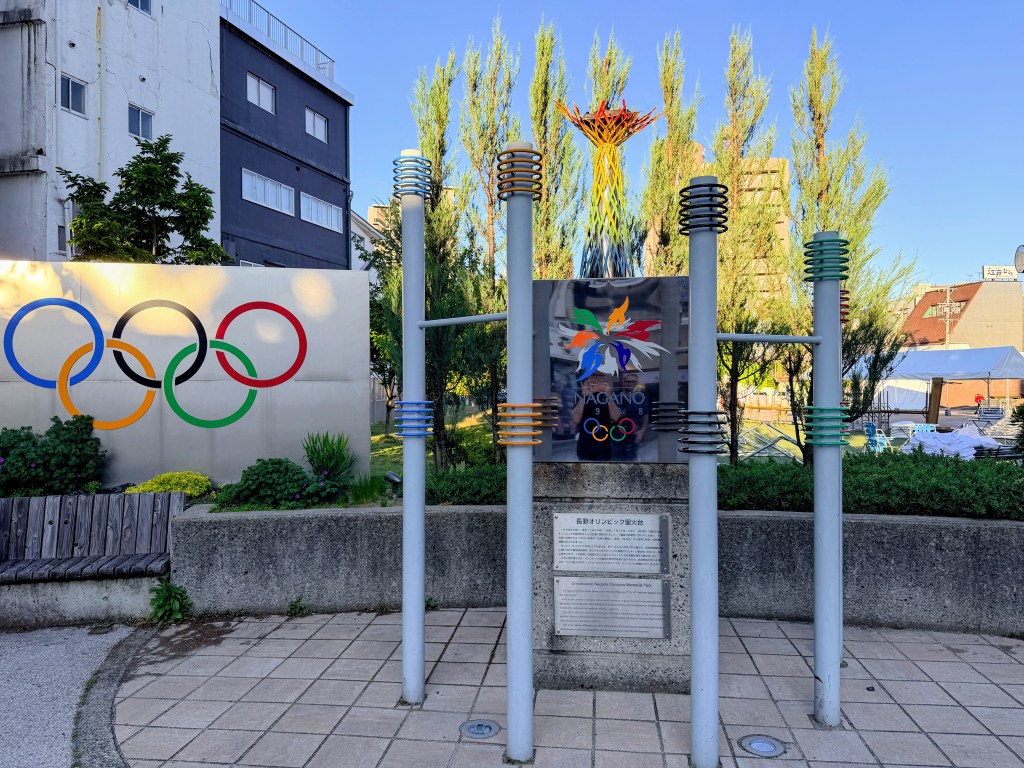
Nestled among mountains in central Japan, Nagano hosted the 1998 Winter Olympics and is known for its natural beauty and outdoor culture.
We loved it almost instantly.
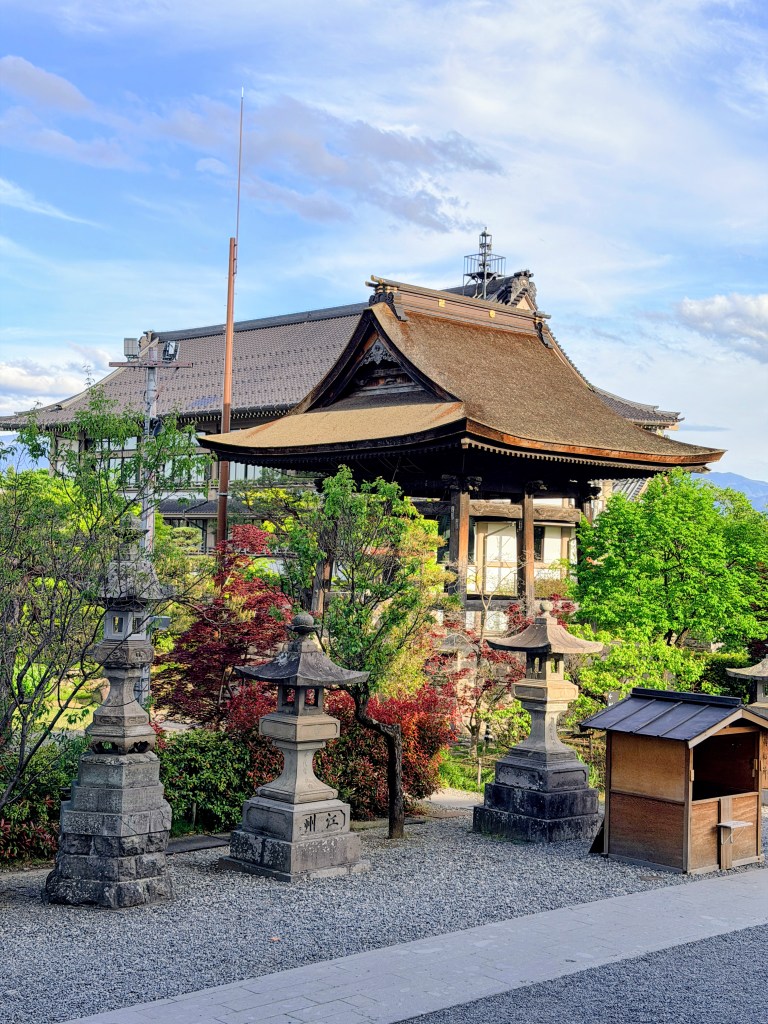
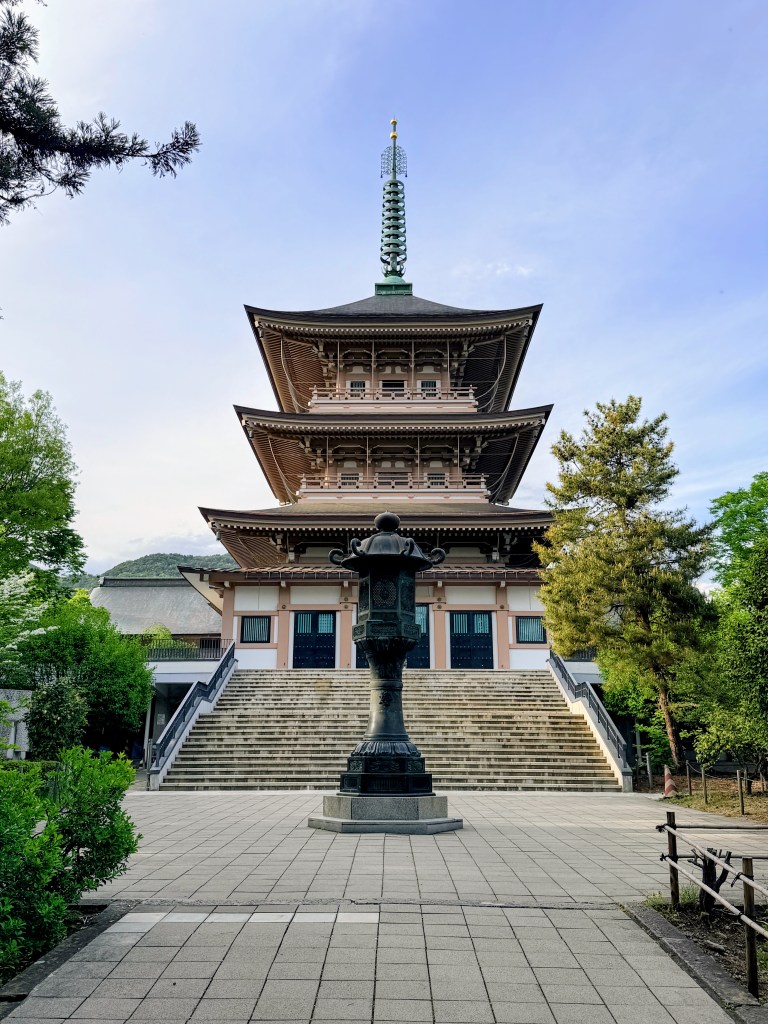
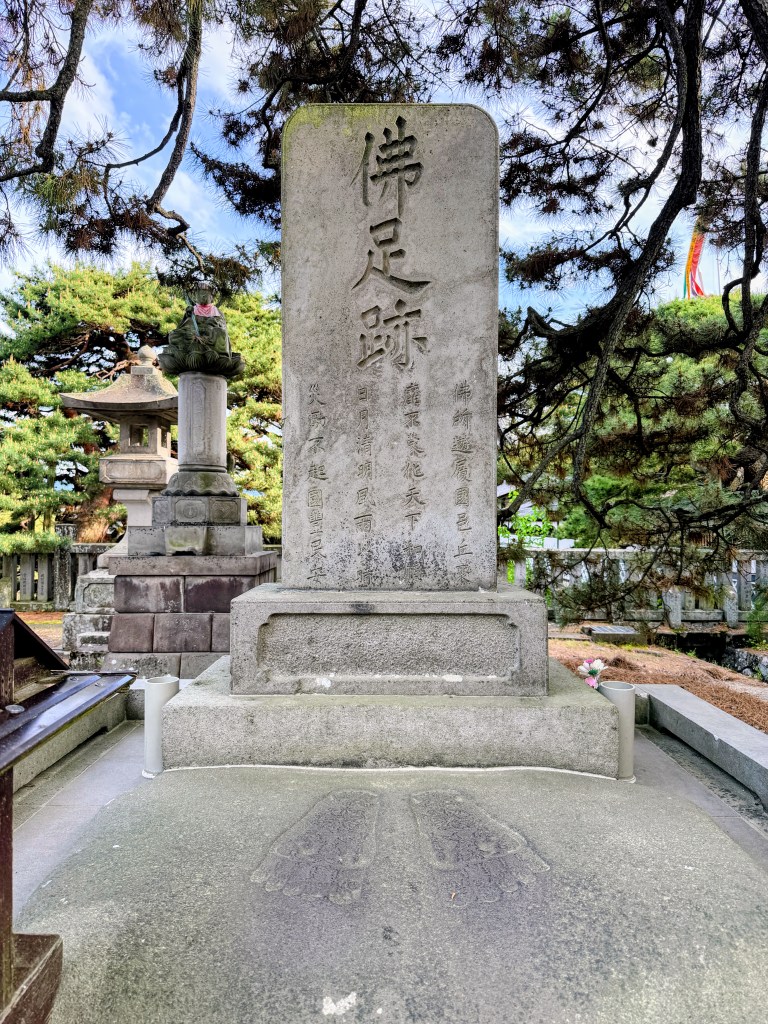
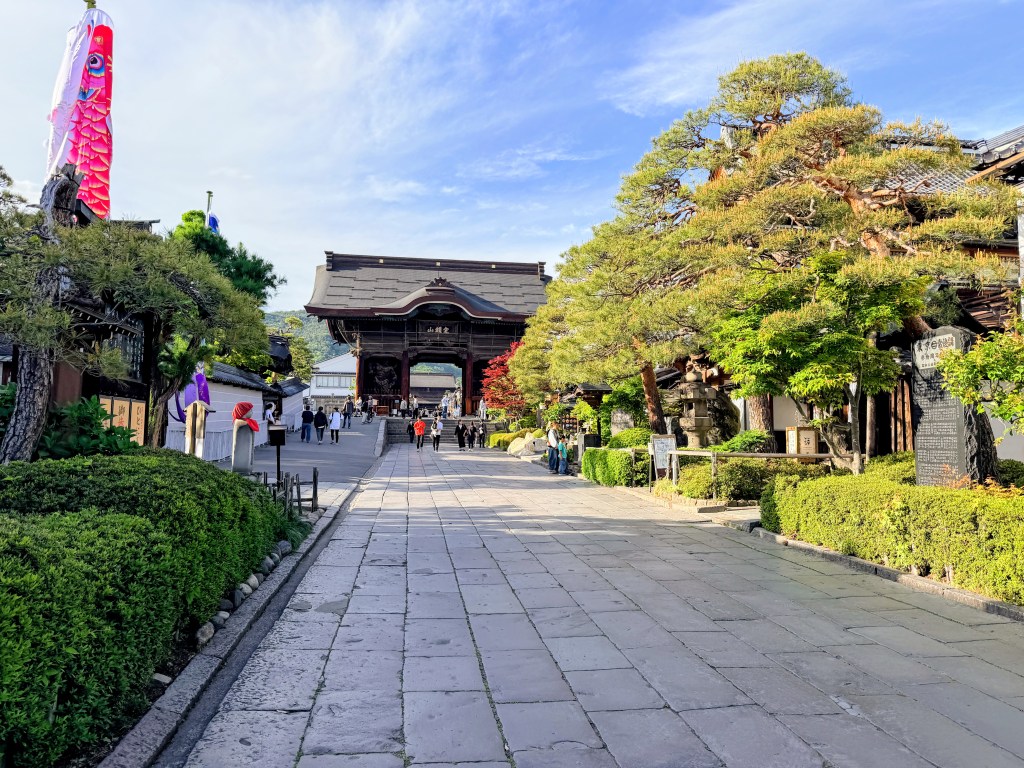
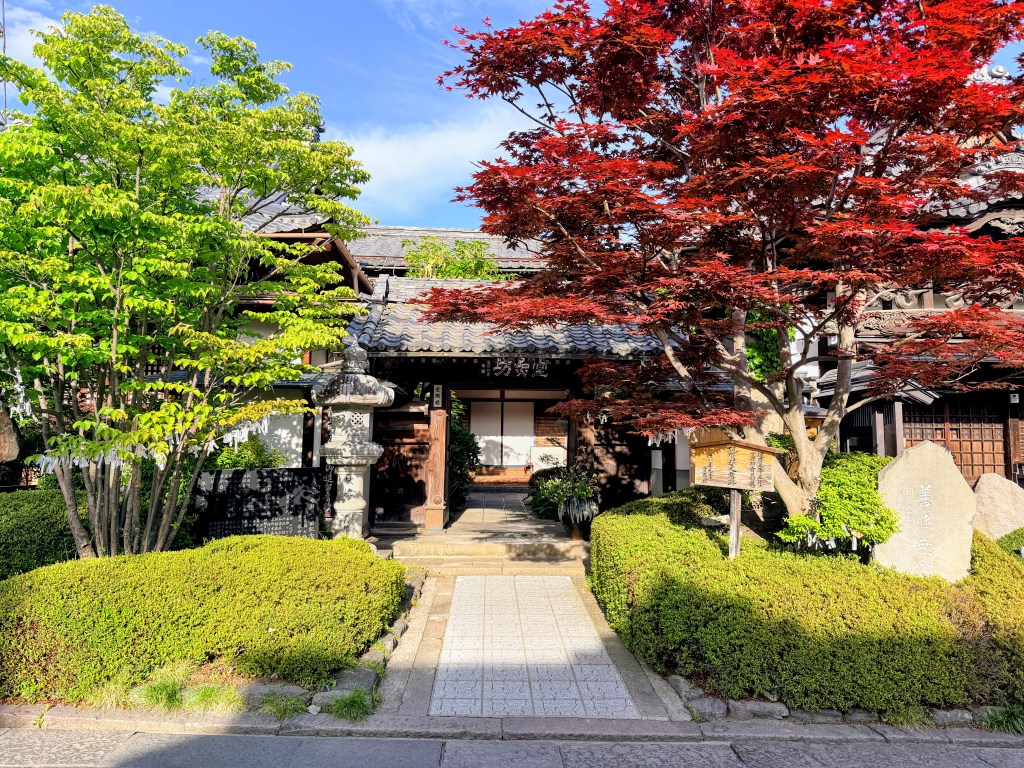
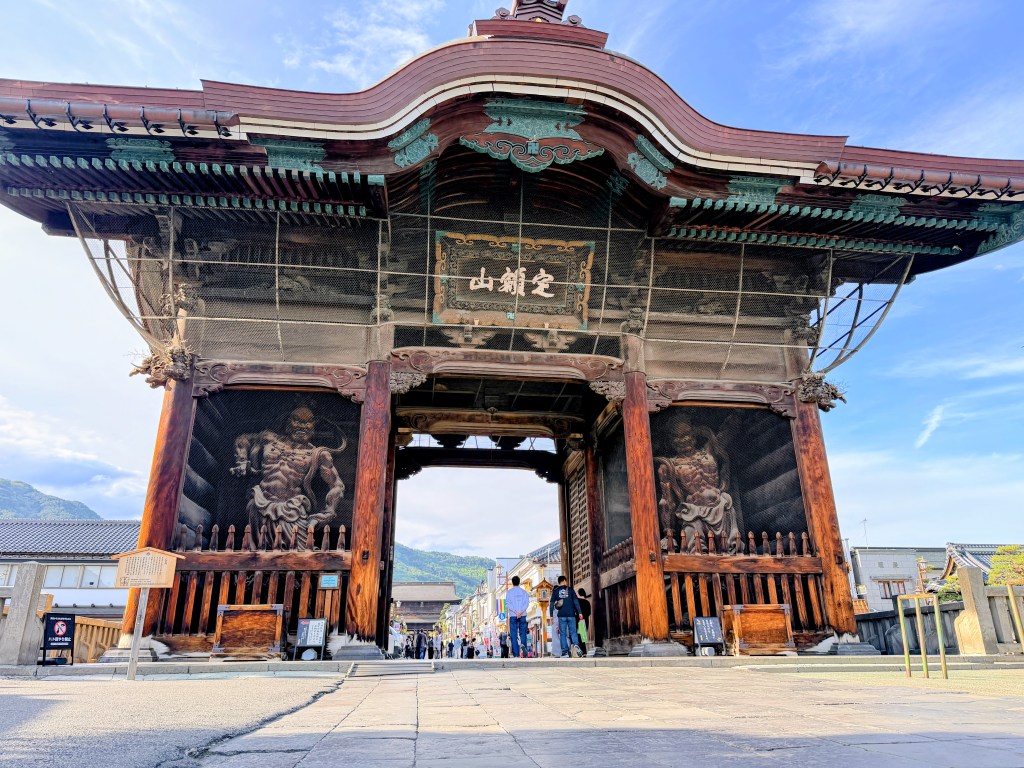
Much of our time was spent near Zenko-ji Temple — one of Japan’s most significant Buddhist temples dating back nearly 1,400 years.
The walkways surrounding the temple were filled with shops and food stalls.
We enjoyed:
- Custard-filled apple hand pies
- Ice cream
- Nagano’s famous soba noodles
Japan’s Greatest Invention (Besides Toilets): Luggage Shipping
One of the coolest — and occasionally most annoying — things about Japan is the ability to cheaply ship your luggage from one destination to another.
And when I say cheaply, I mean surprisingly cheap.
Dragging several large suitcases through crowded train stations while trying to locate the correct platform creates a level of stress I don’t particularly enjoy.
So for around $30, we shipped our luggage from Hiroshima rather than hauling it ourselves.
Absolutely worth it.
The catch?
If you’re not shipping from hotel to hotel, you often have to send or retrieve your bags from the luggage company’s facilities.
And finding those facilities can become its own adventure.
Especially when nearly everything around you — including portions of Google Maps — is written in Japanese.
No exaggeration:
It took us twenty-five minutes to locate the luggage office inside Fukuoka Station.
Twenty-five.
Minutes.
I reached levels of annoyance that Casey would probably describe as “dramatic.”
But once we found it and realized we didn’t have to drag multiple giant suitcases through train stations?
Instant forgiveness.
The Snow Monkeys
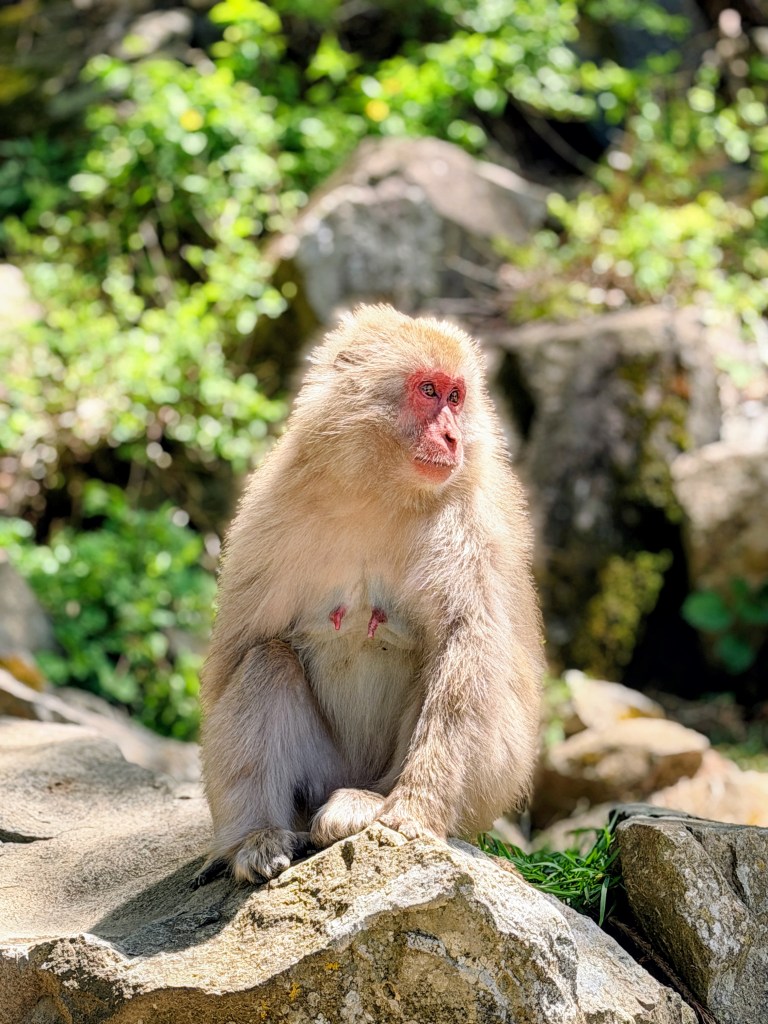
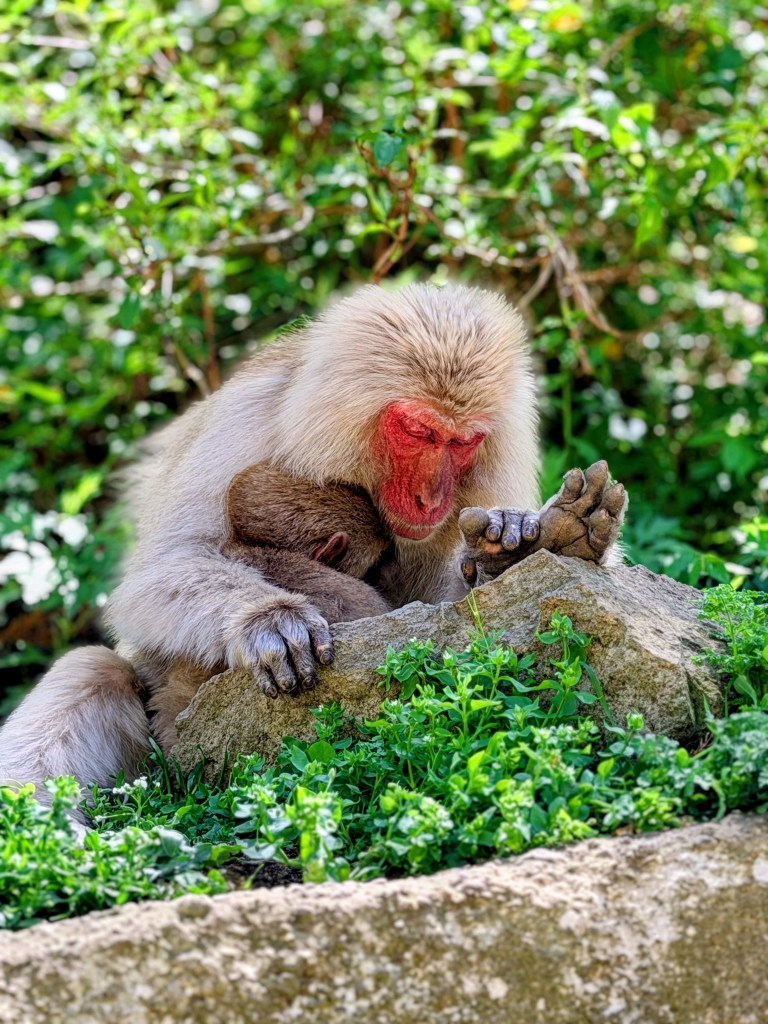
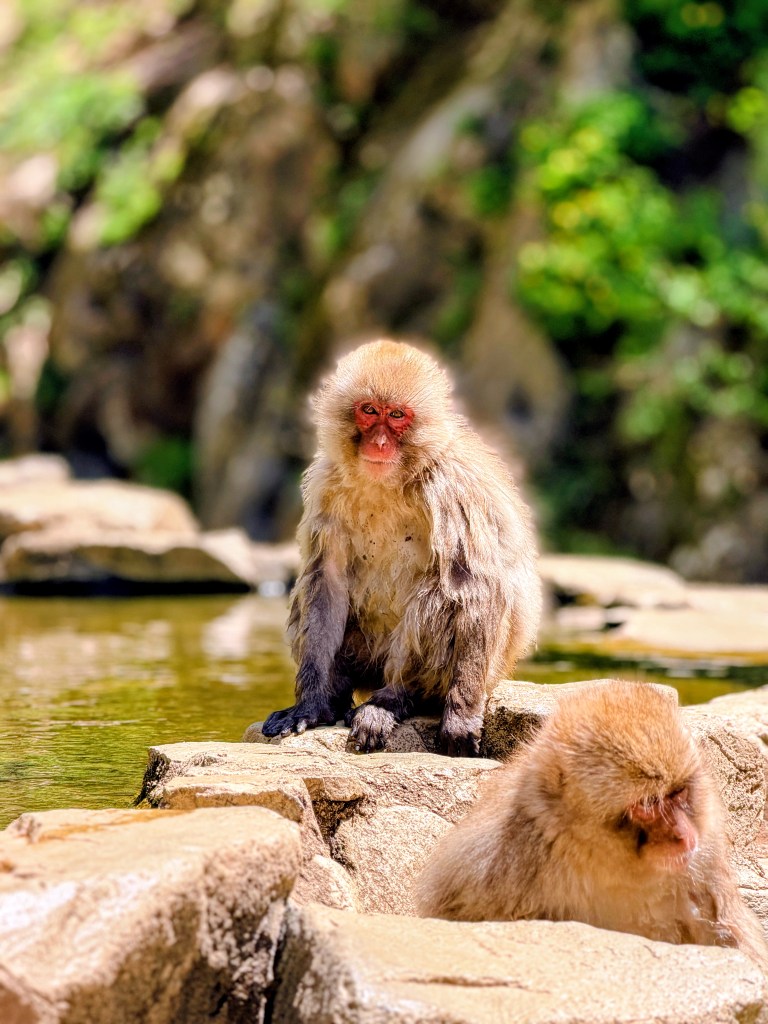
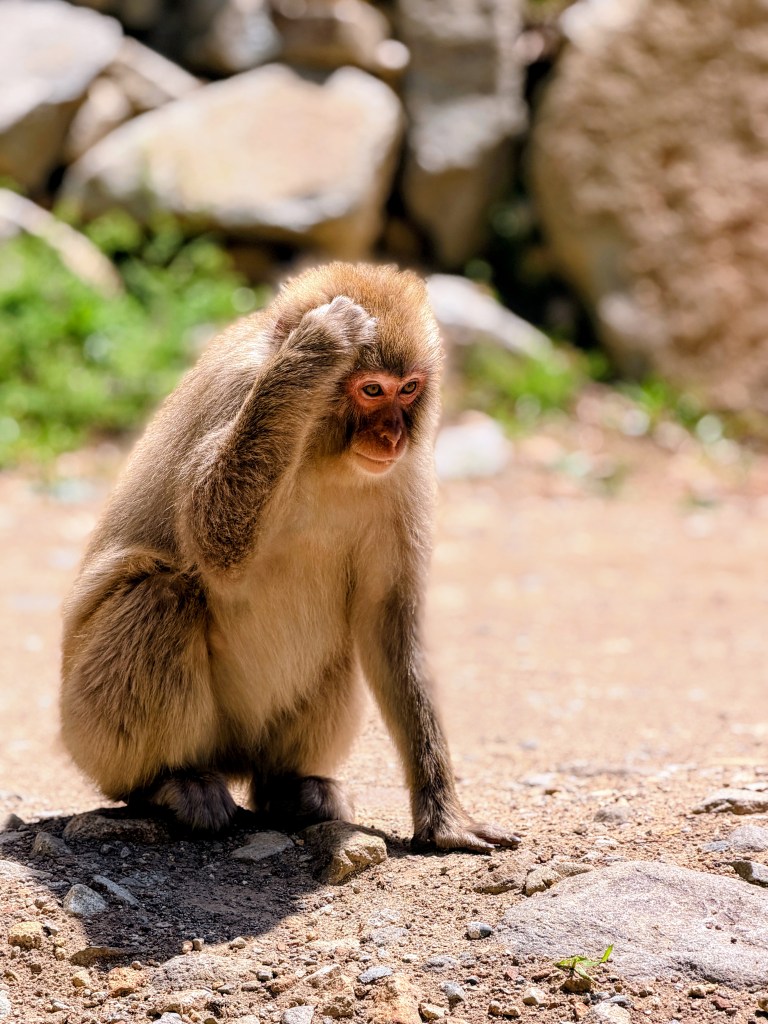
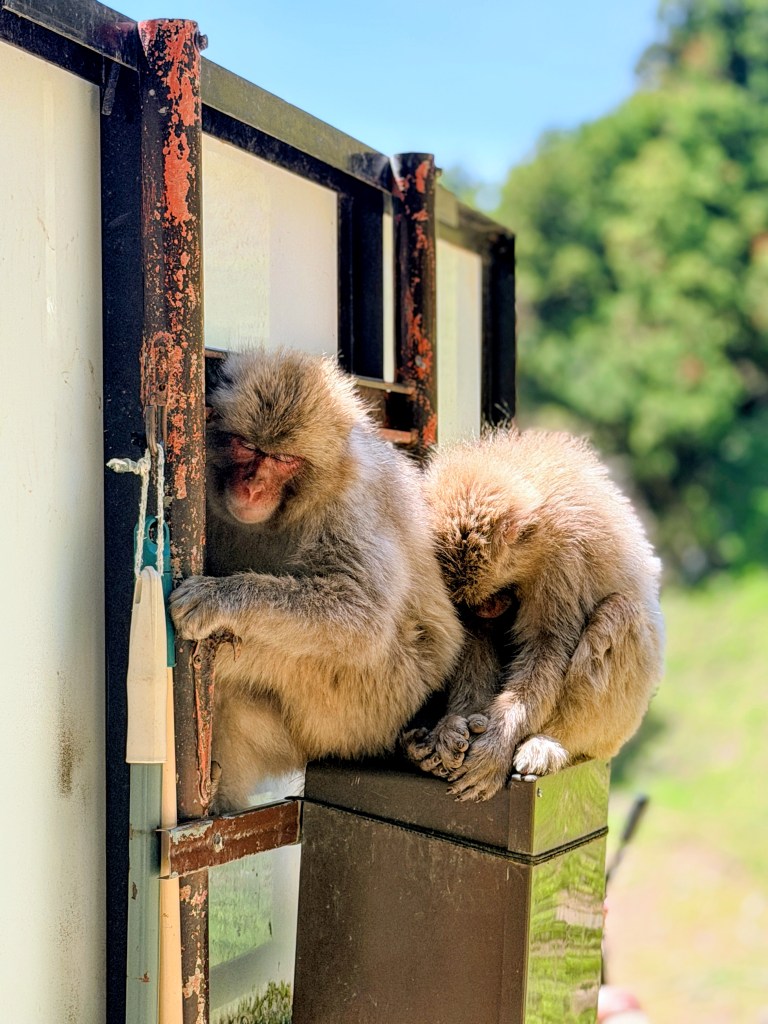
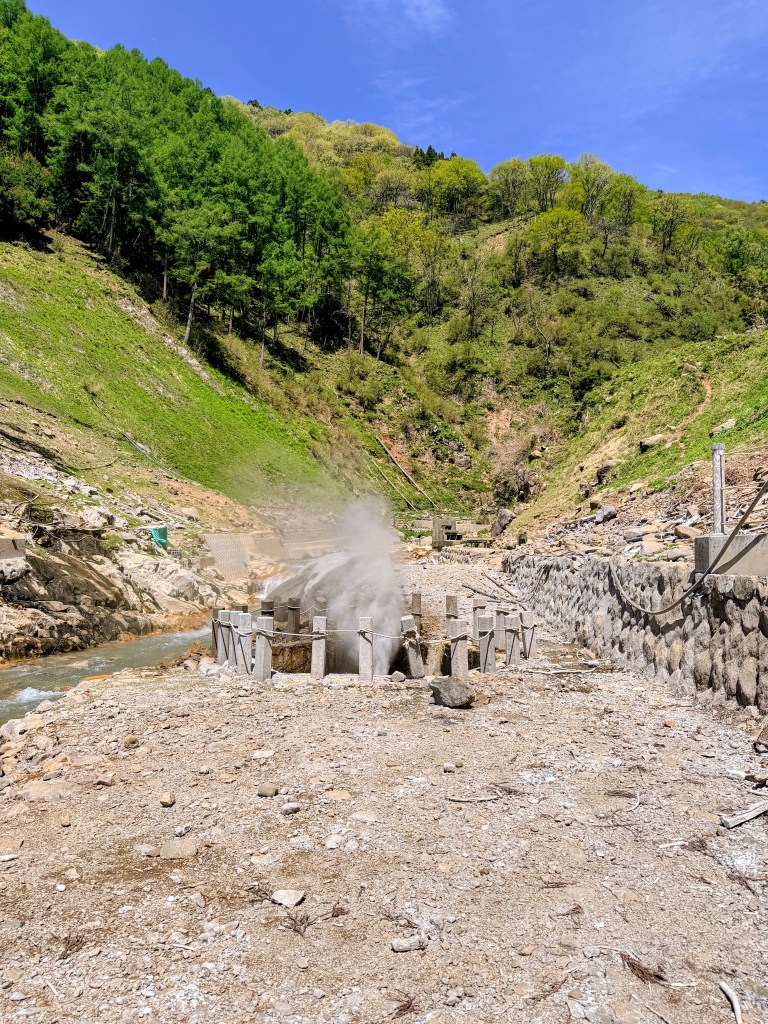

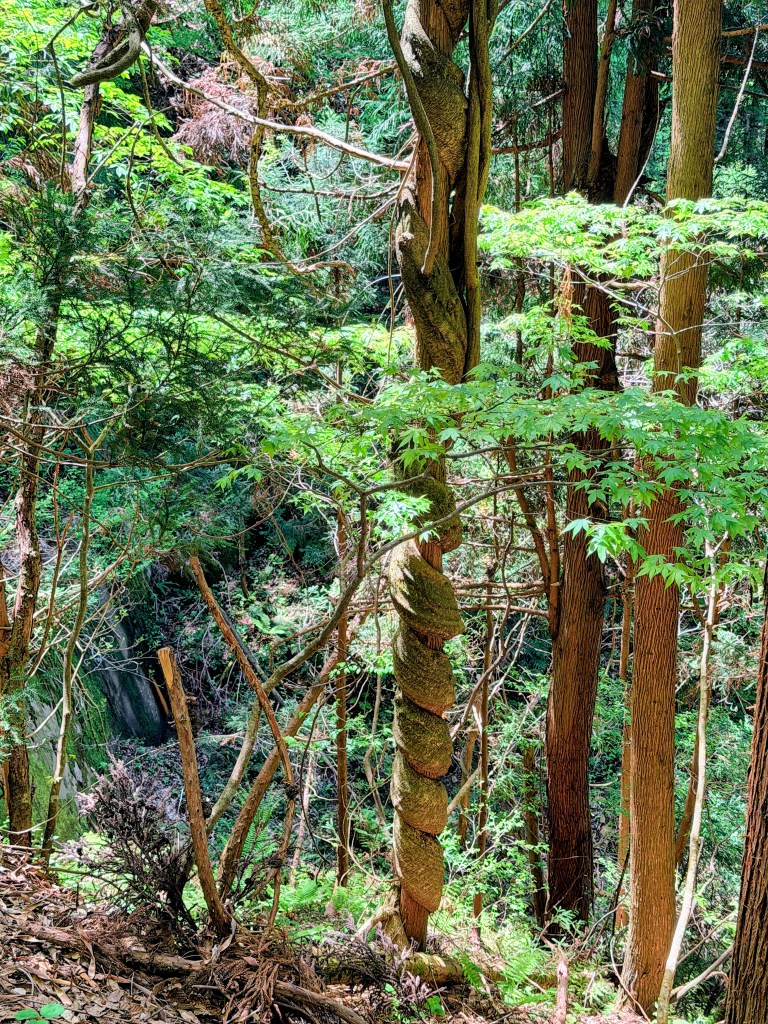
No visit to Nagano feels complete without seeing the famous monkeys of Jigokudani Monkey Park.
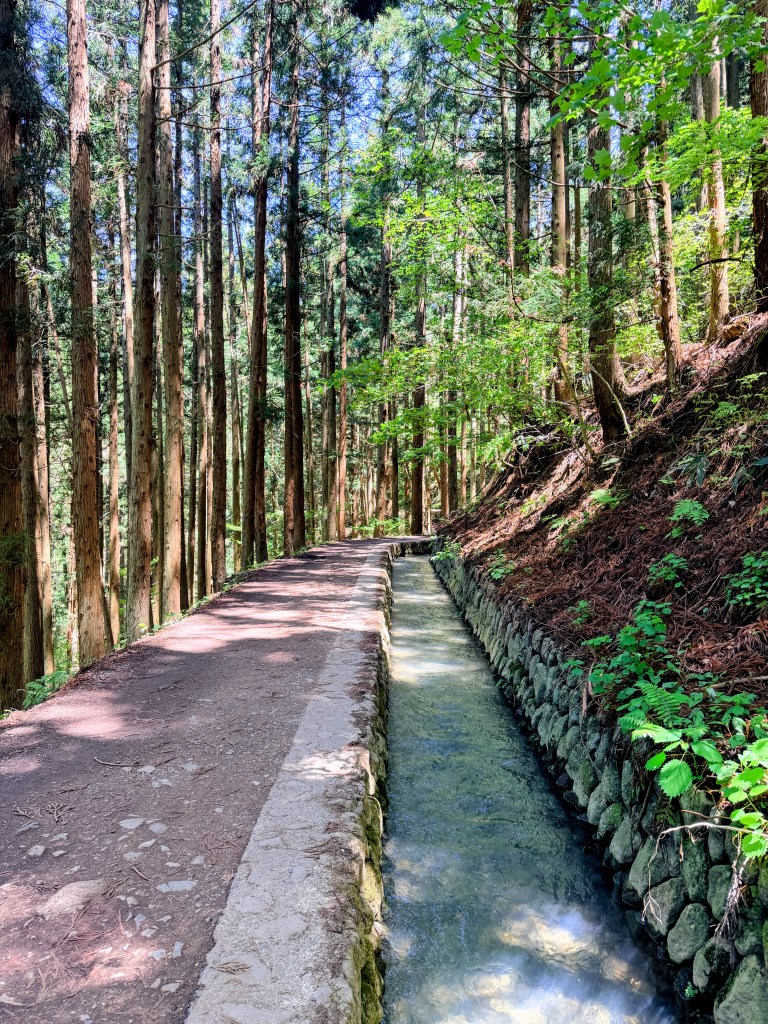
The walk there felt almost magical.
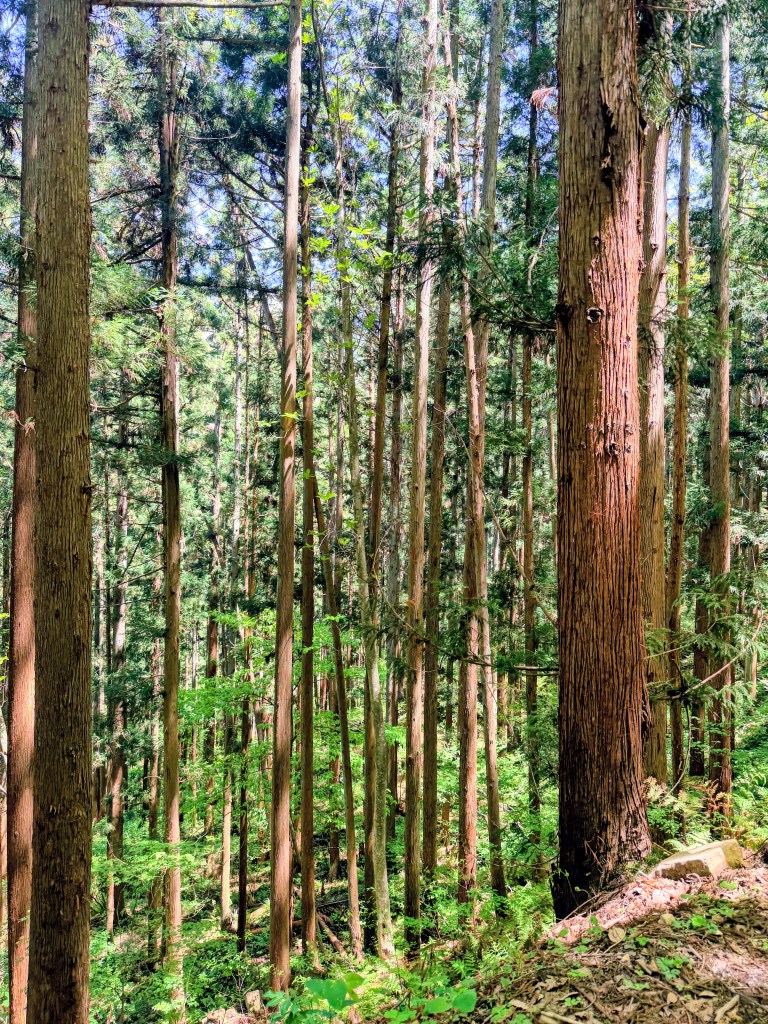
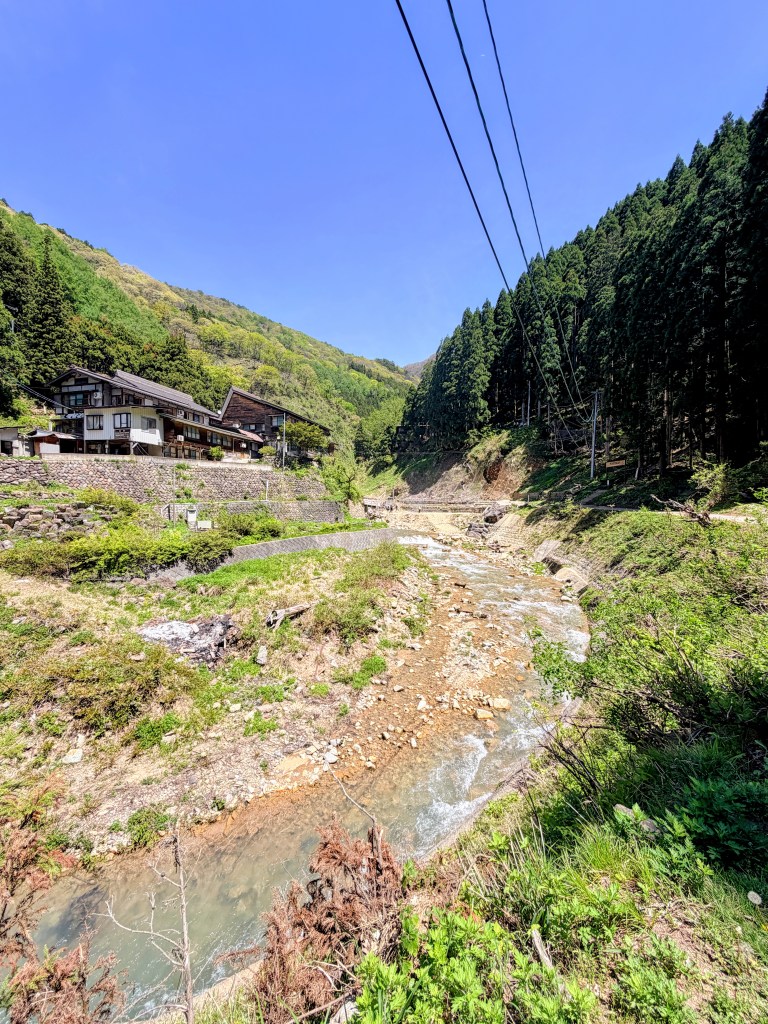
Tall cedar trees lined the path while mountain streams ran beside us.
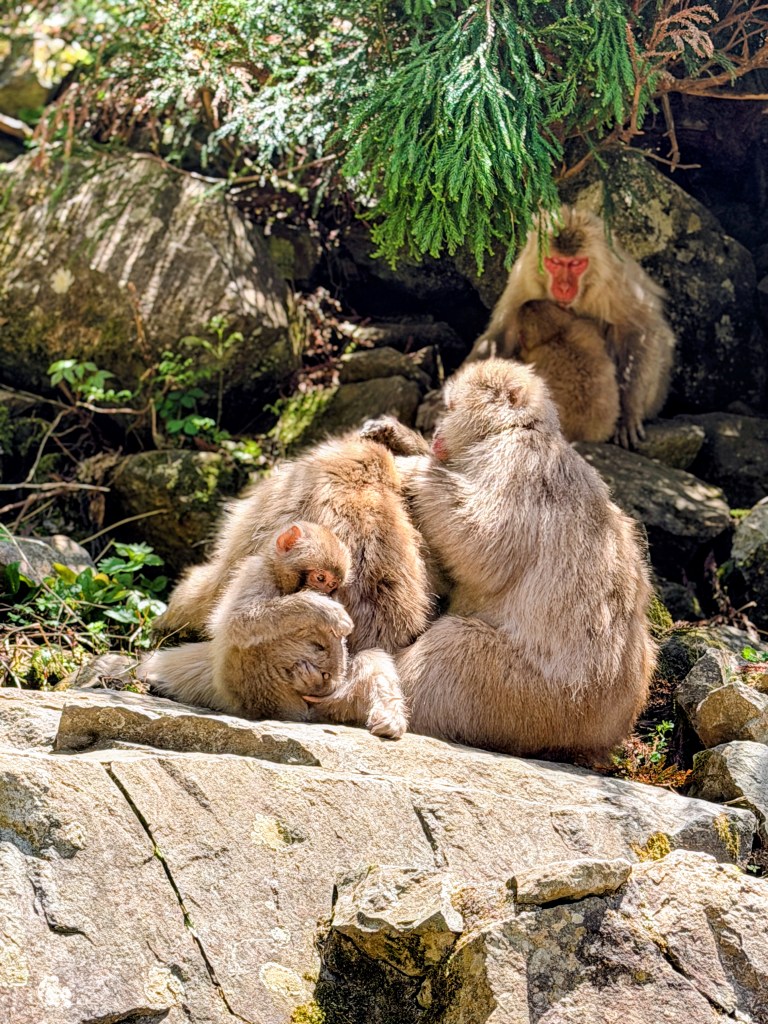
The park was created to protect Japanese macaques that naturally migrated down from the mountains during harsh winters.
The iconic photos usually show monkeys soaking in steaming hot springs.
During our visit?
None of them were actually in the springs.
Apparently it was too warm.
Instead, we watched them relaxing near the river.
Still adorable.
Act III: Hakone — Onsens and a Bashful Mt. Fuji
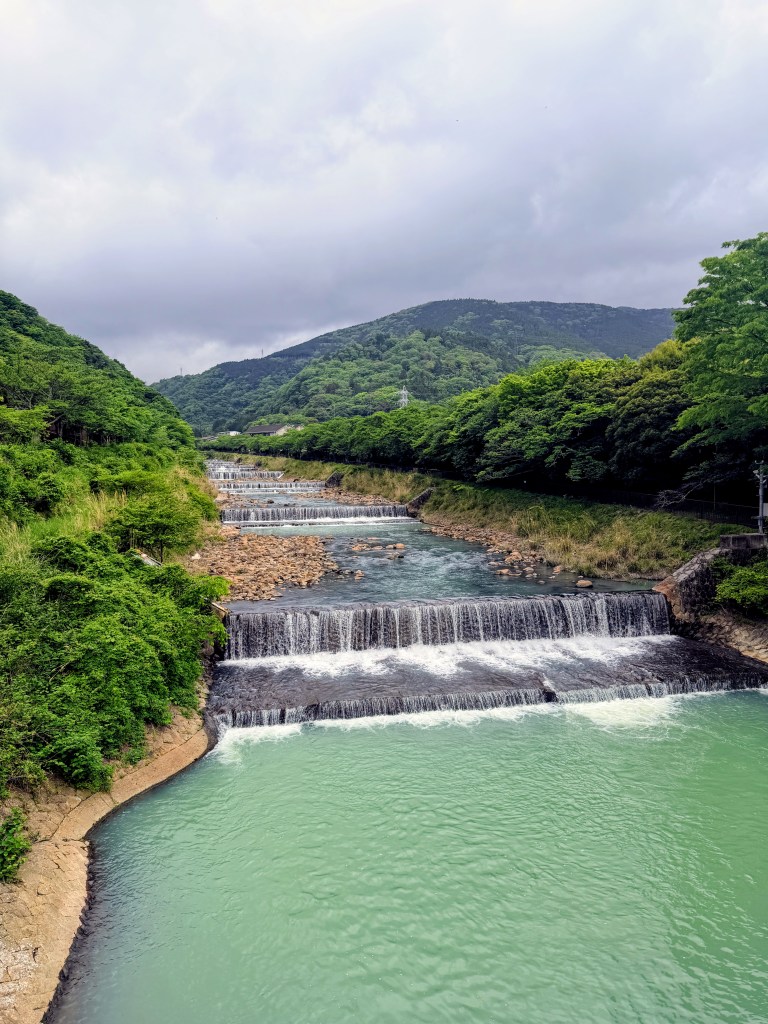
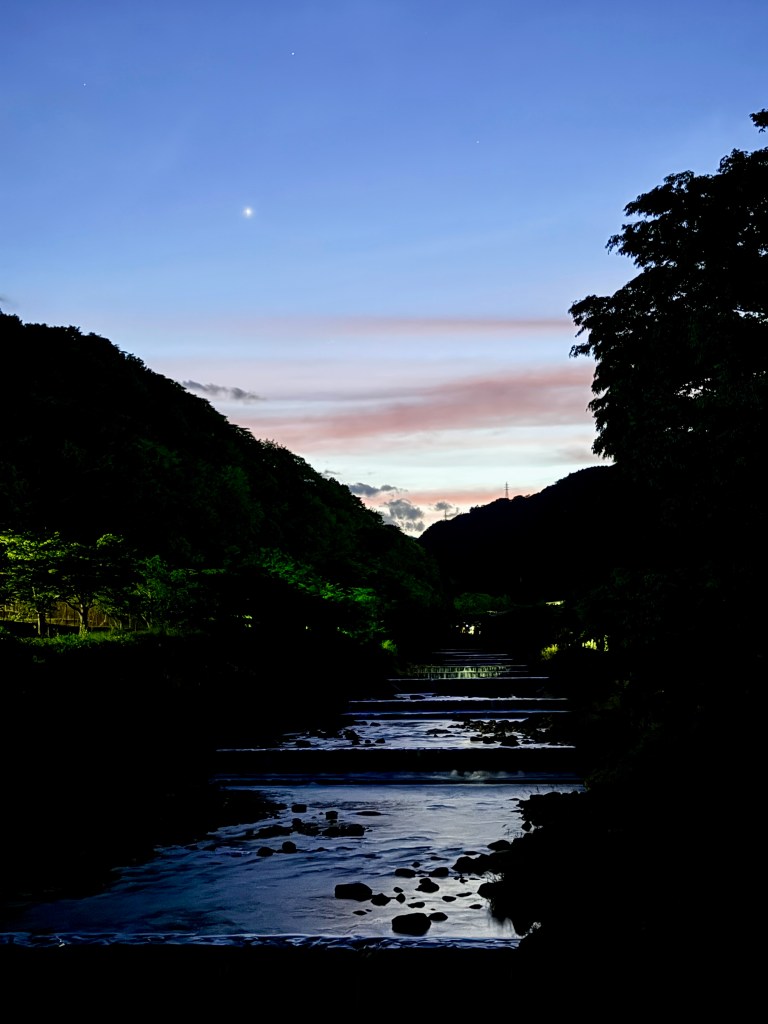
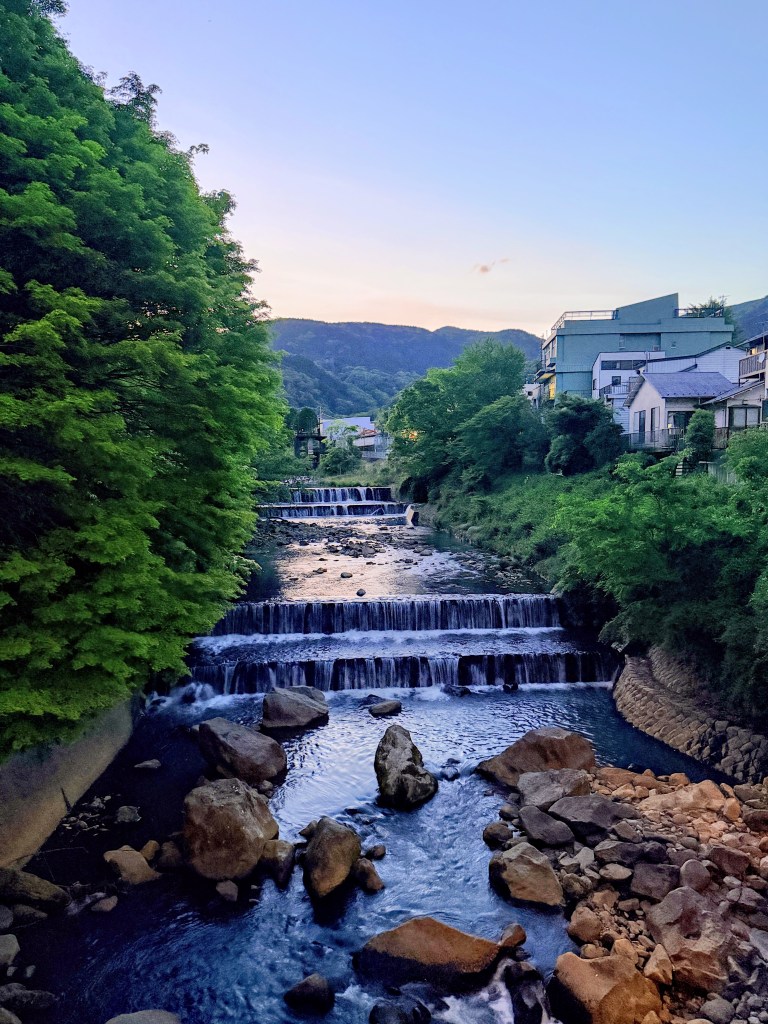
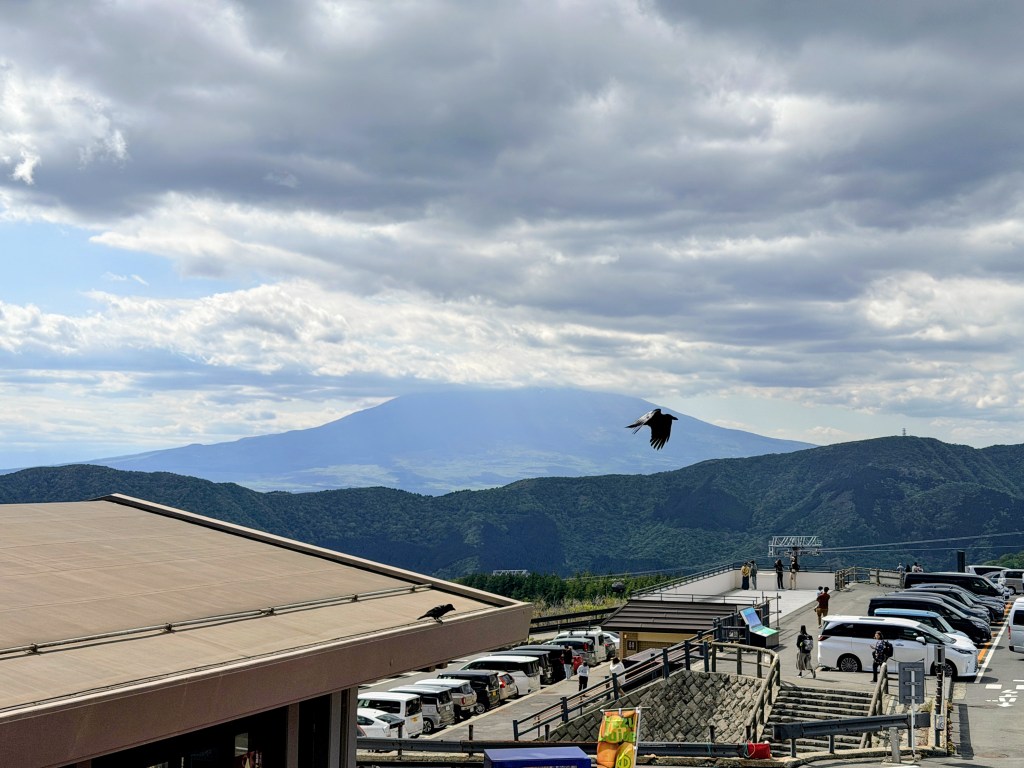
Hakone felt like stepping into another version of Japan entirely.
We stayed at the Hotel Indigo Hakone Gora and booked a room with a private onsen.
Onsens are natural hot spring baths and are deeply woven into Japanese culture — places not simply for bathing, but for relaxation and wellness.
Having one in our room felt ridiculously luxurious.
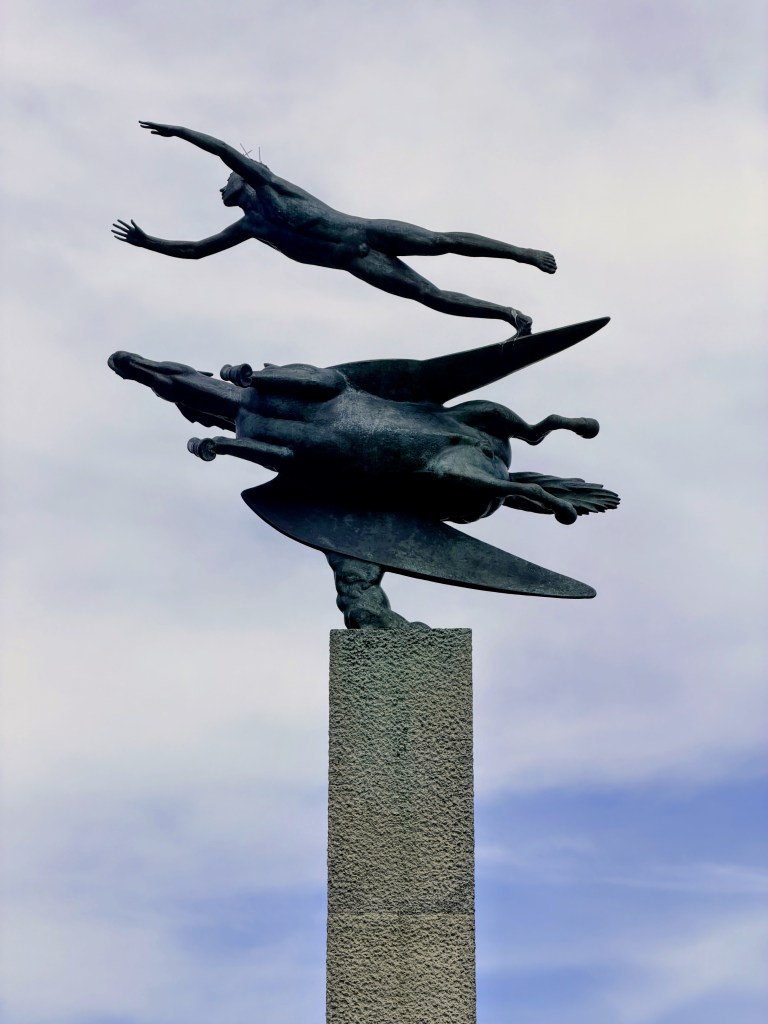
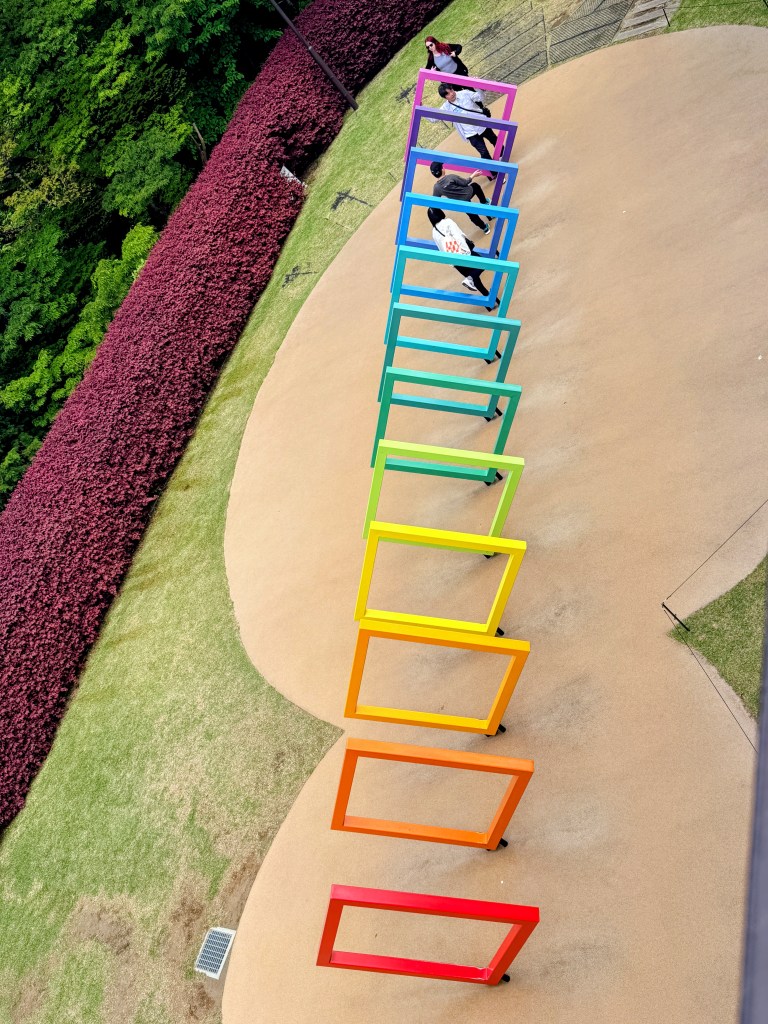
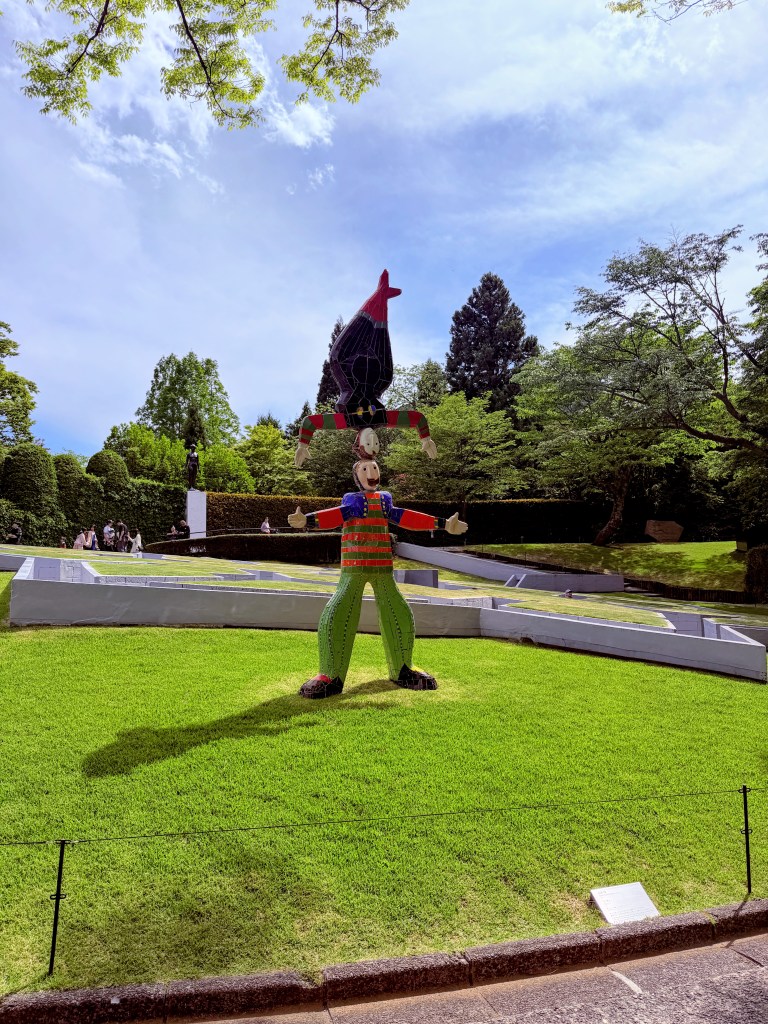
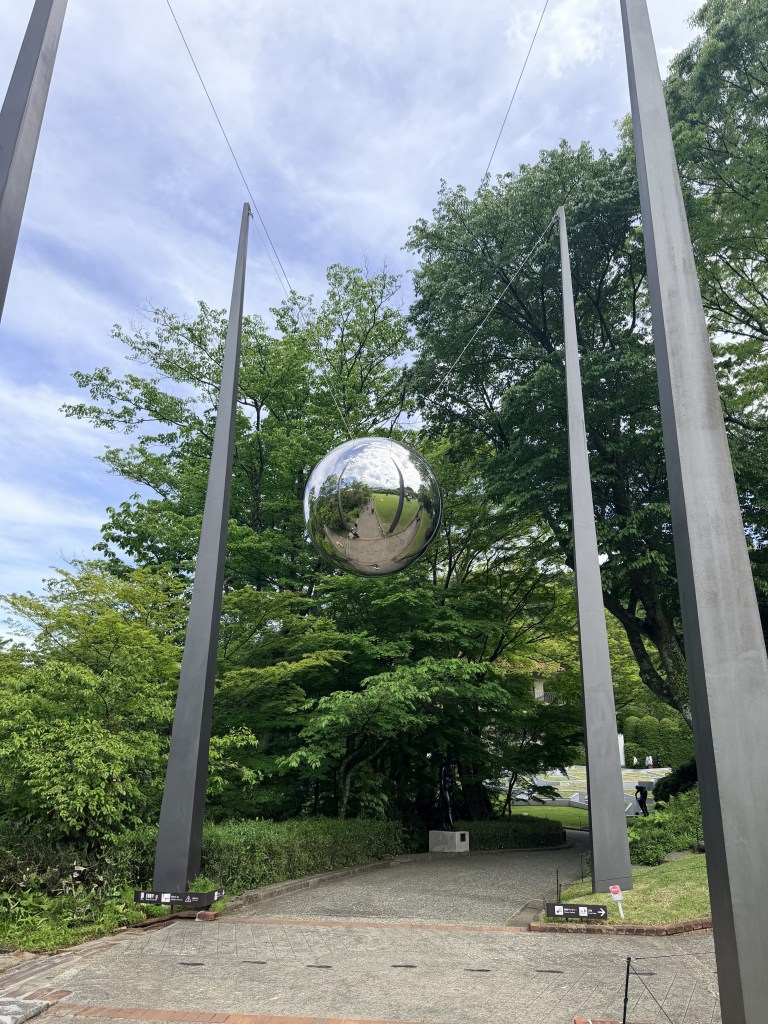
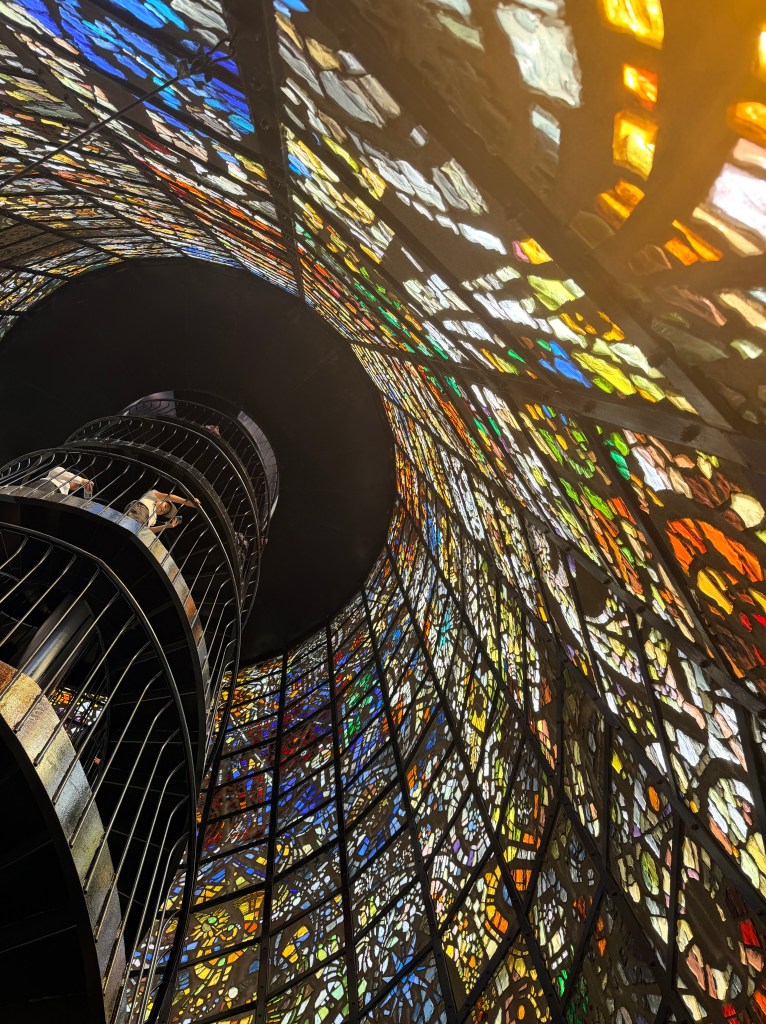
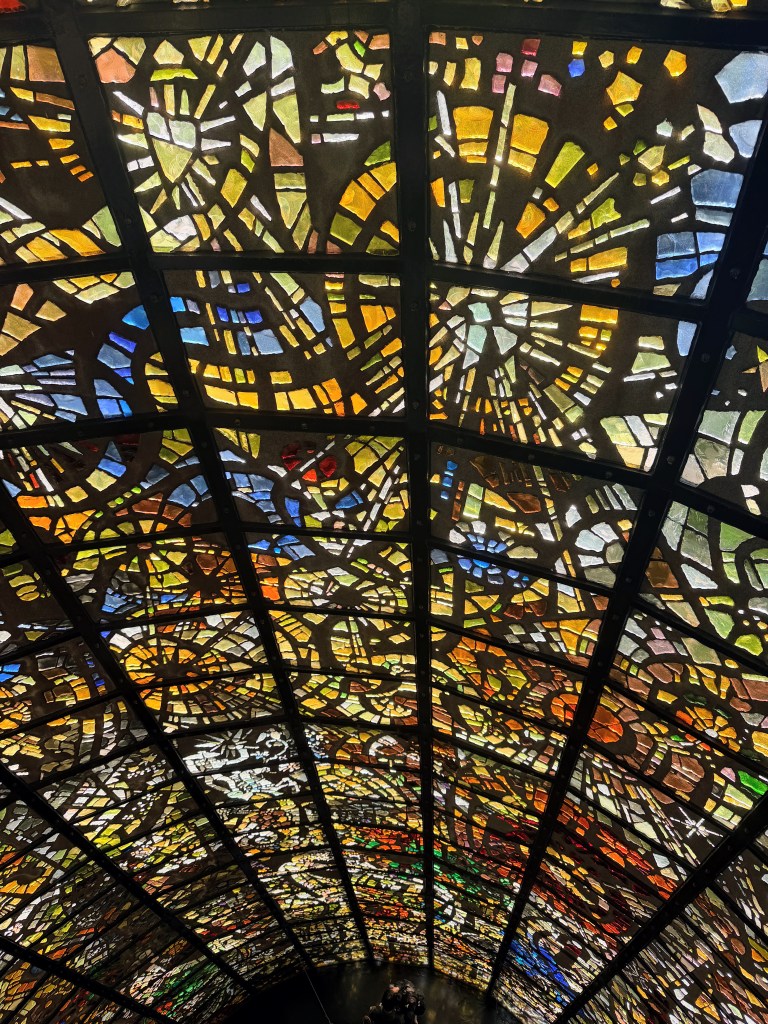
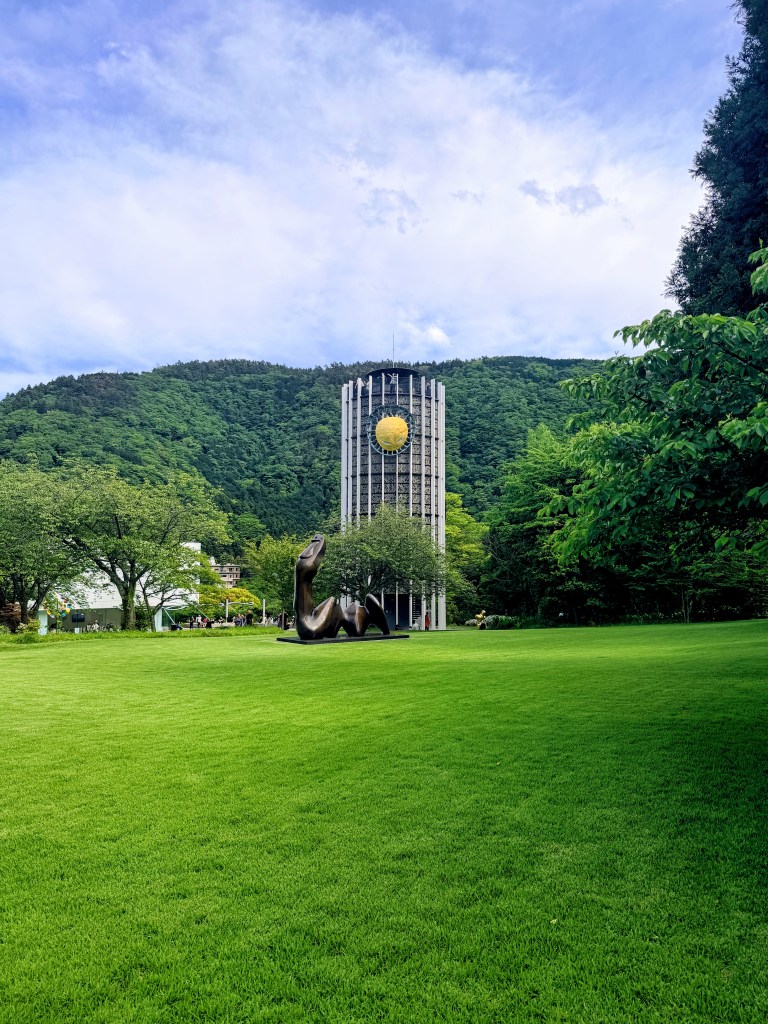
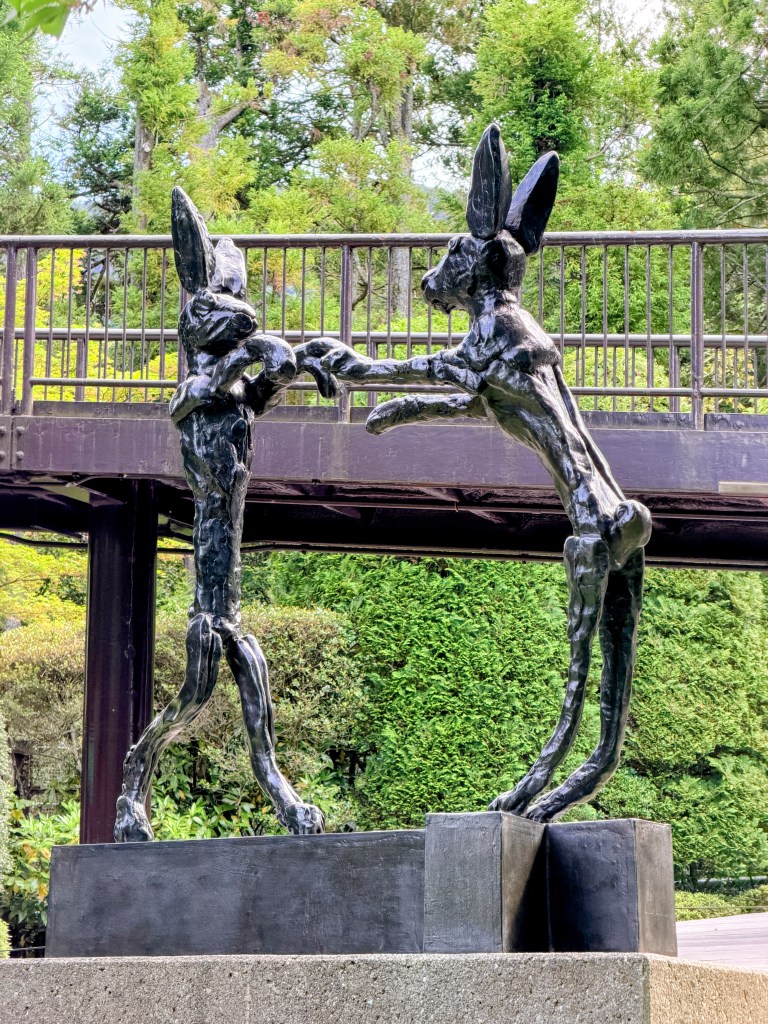
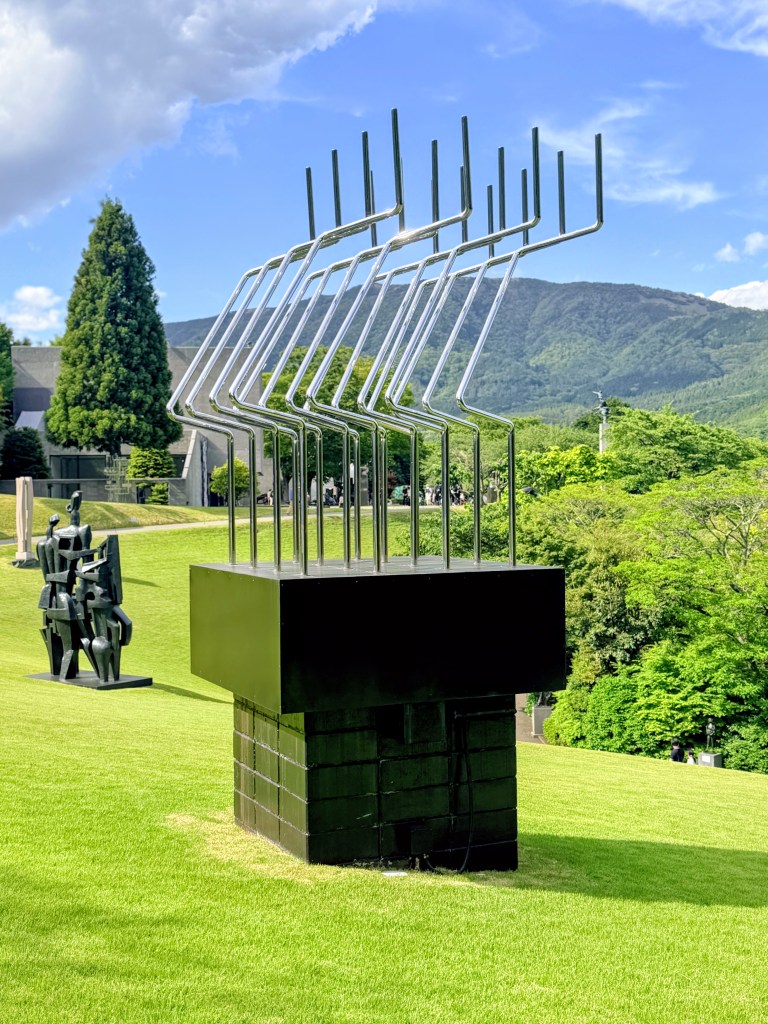
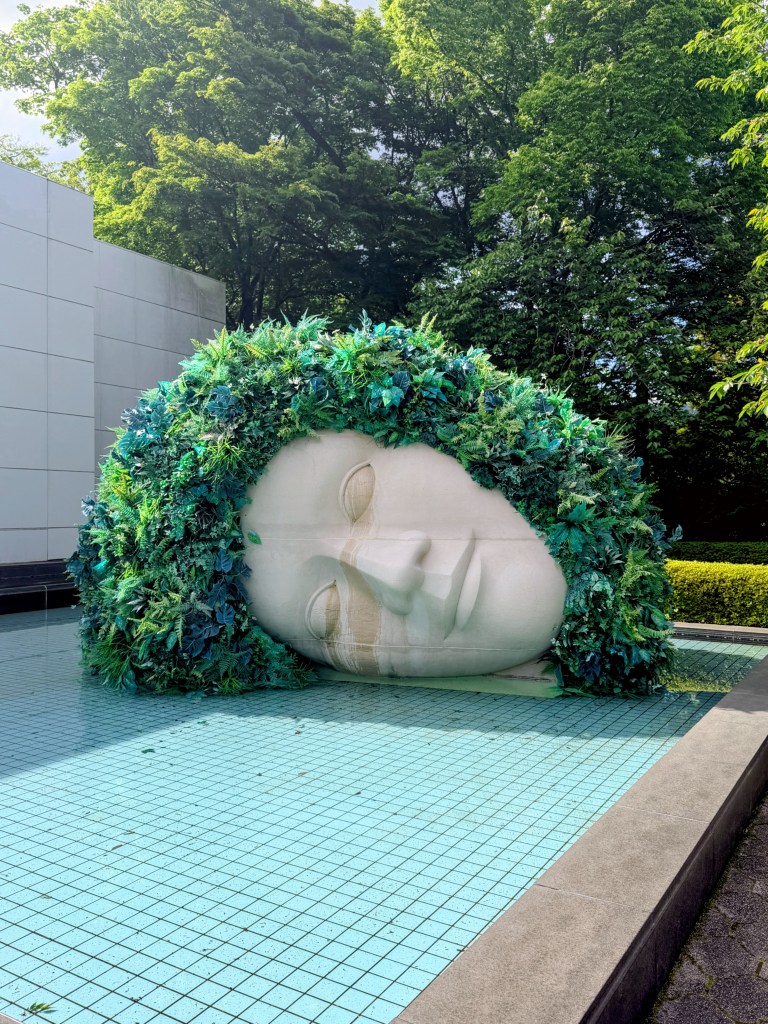
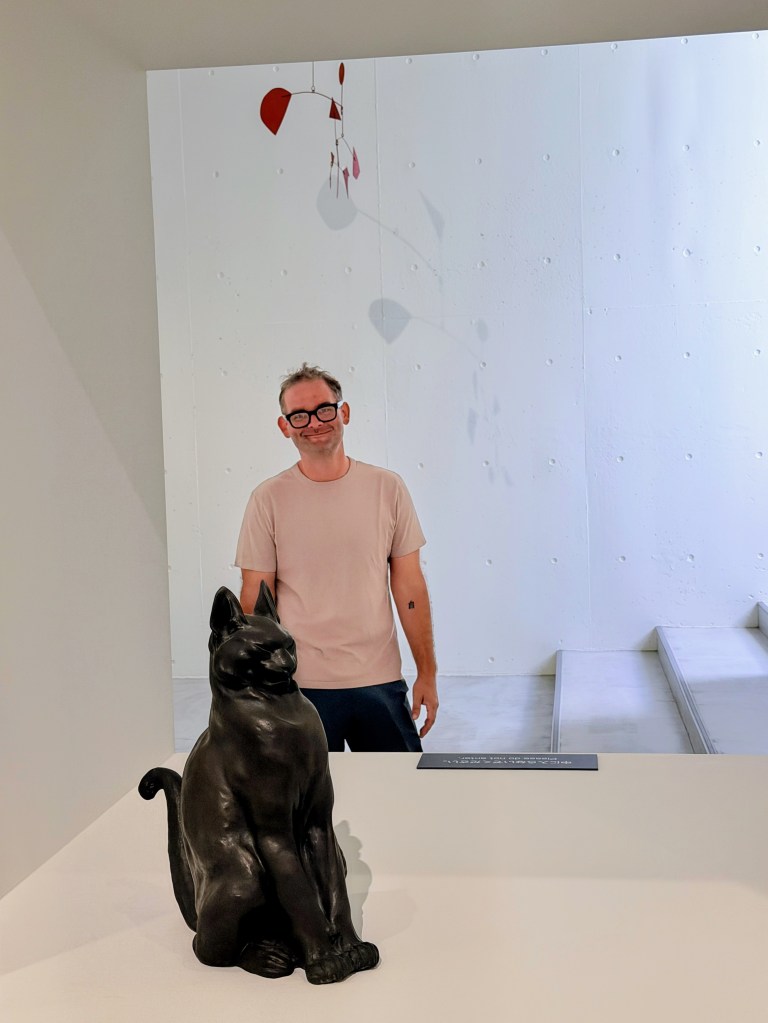
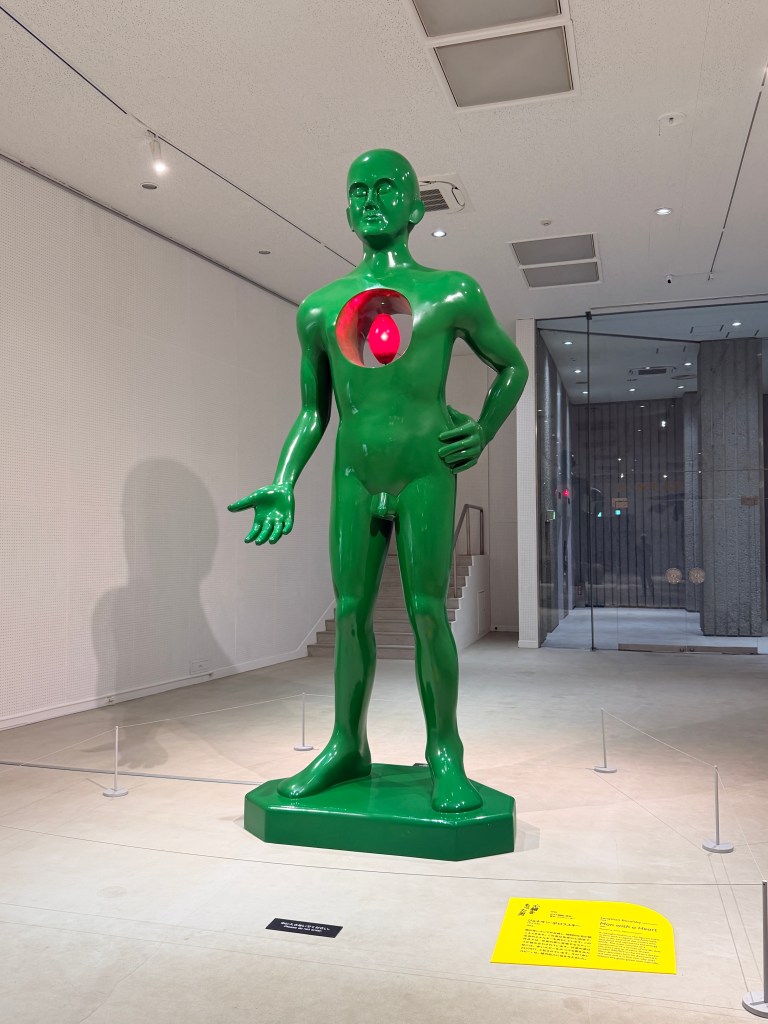
One highlight was the Hakone Open-Air Museum.
The museum combines nature and sculpture in a way that’s difficult to describe until you experience it.
Our favorites:
- The stained glass Symphonic Sculpture tower
- The Picasso exhibit
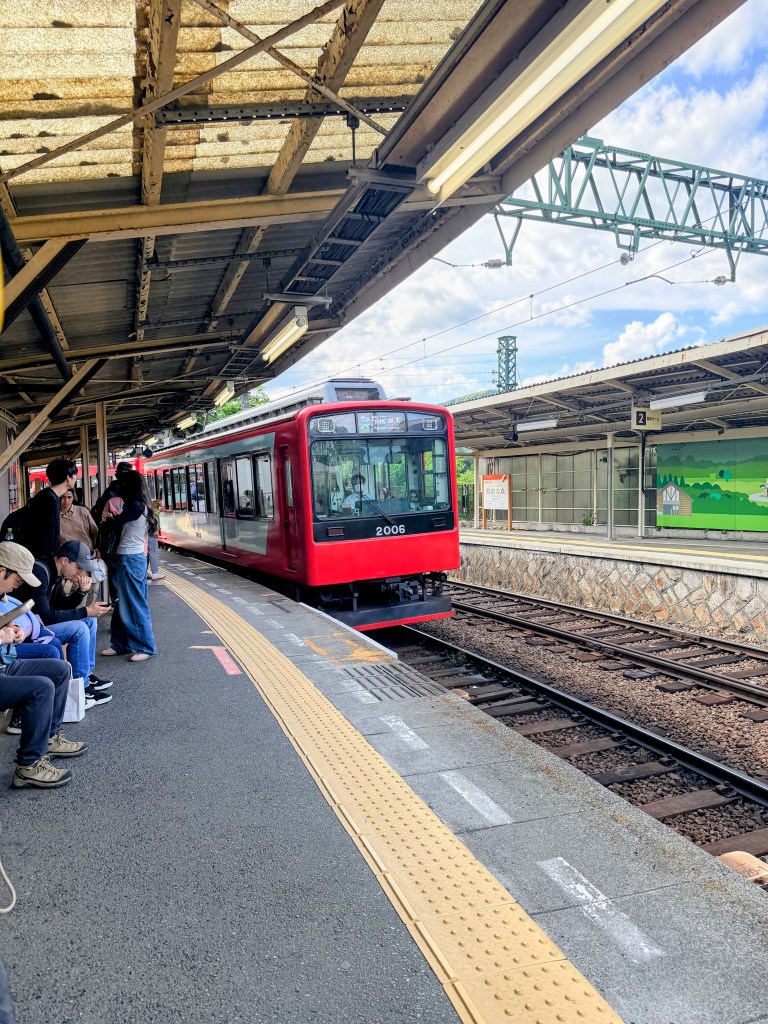
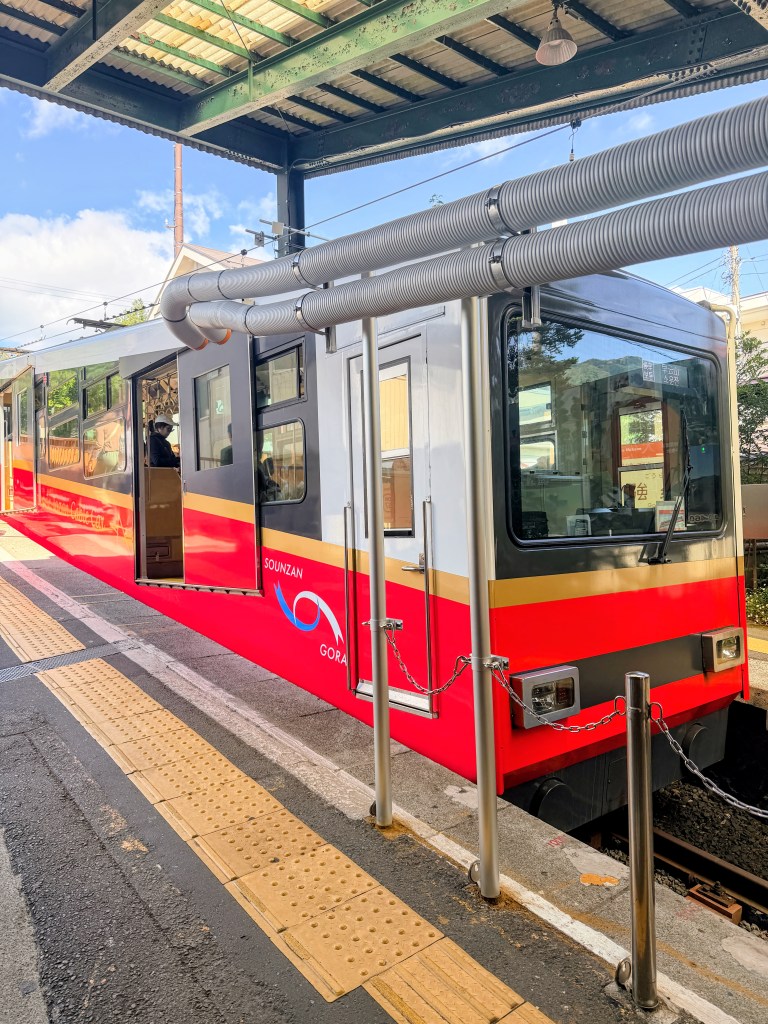
Later we rode the Hakone Tozan Railway, which slowly winds through mountain scenery and switchbacks.
Our final full day became a mini-adventure:
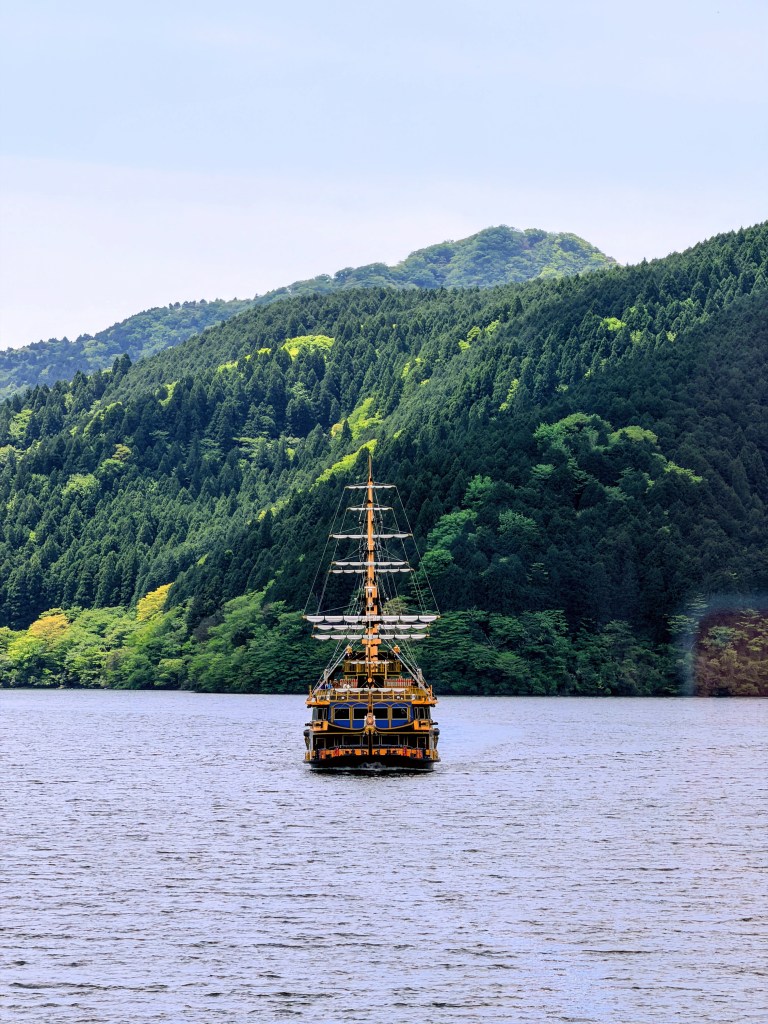
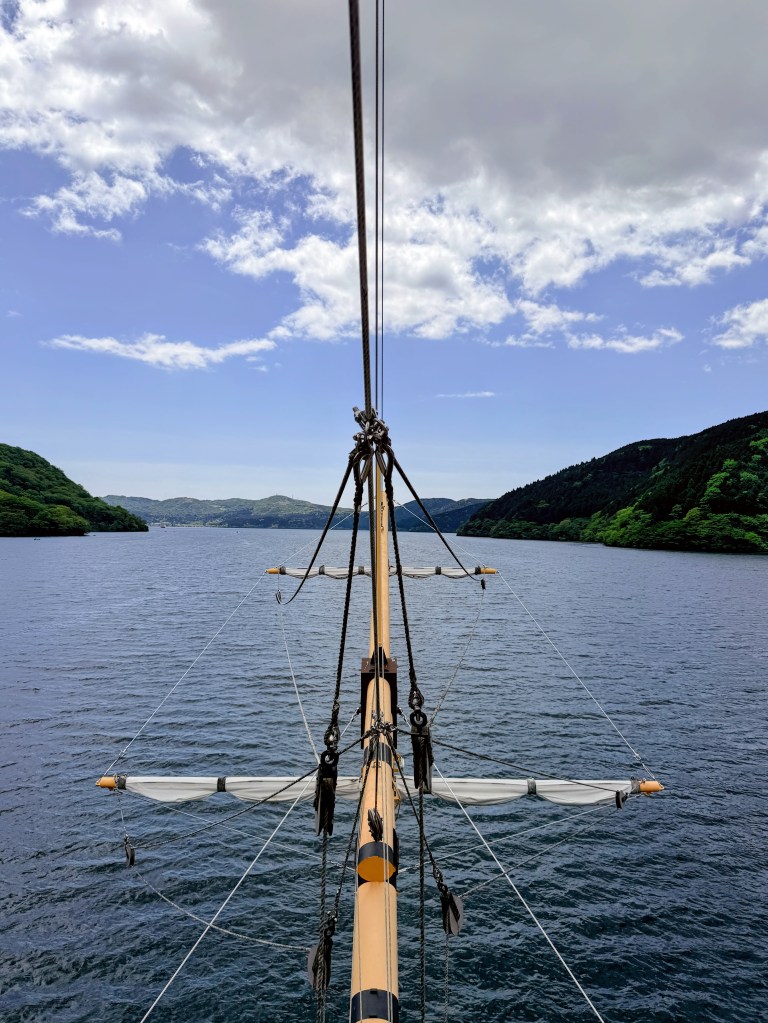
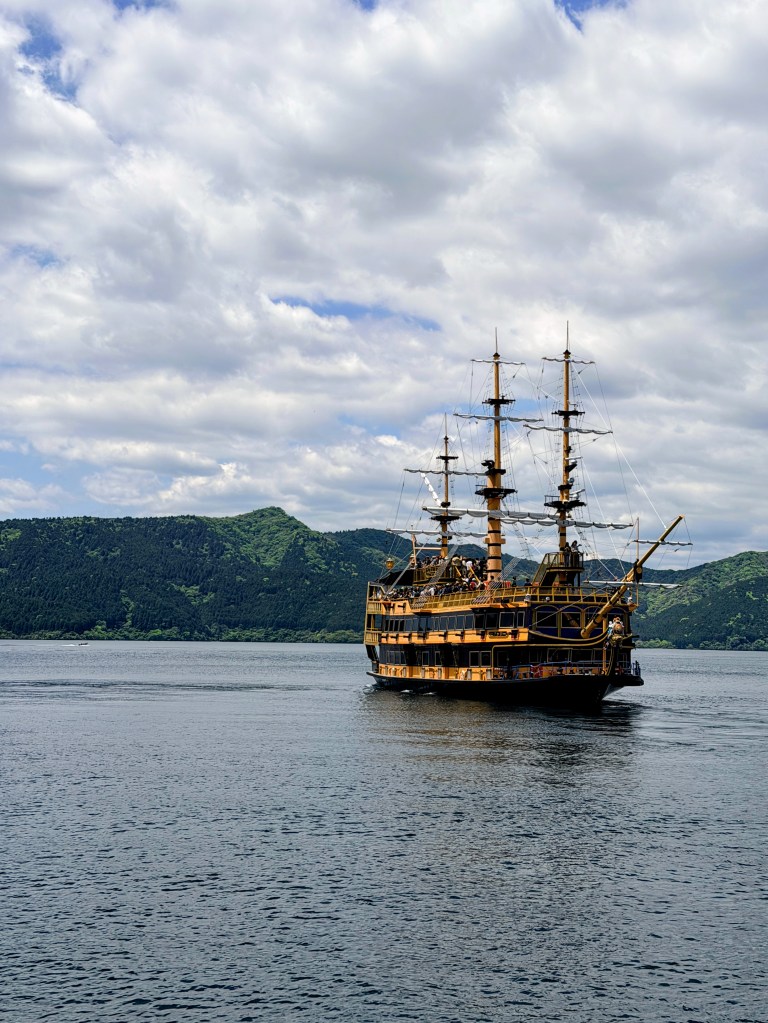
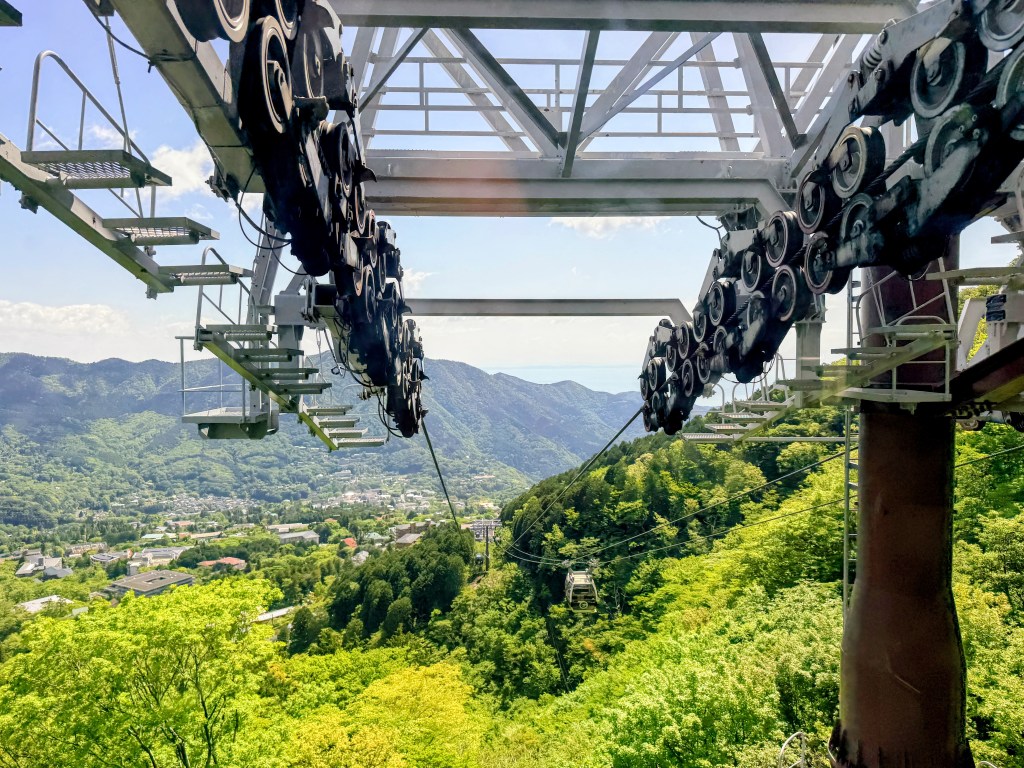
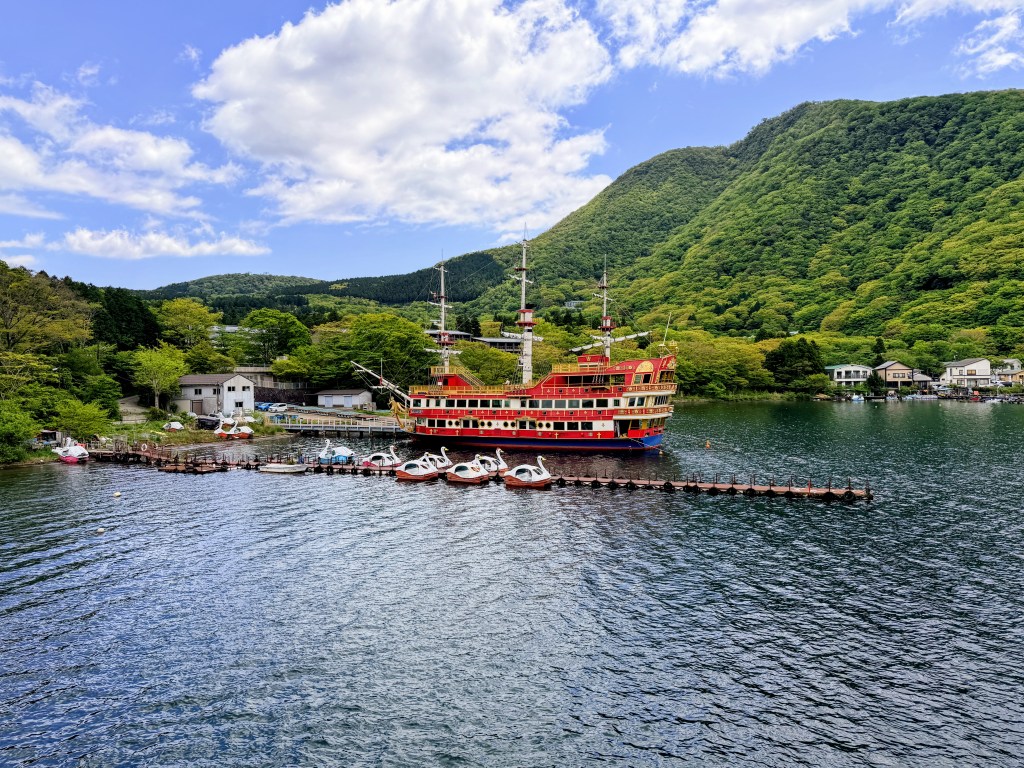
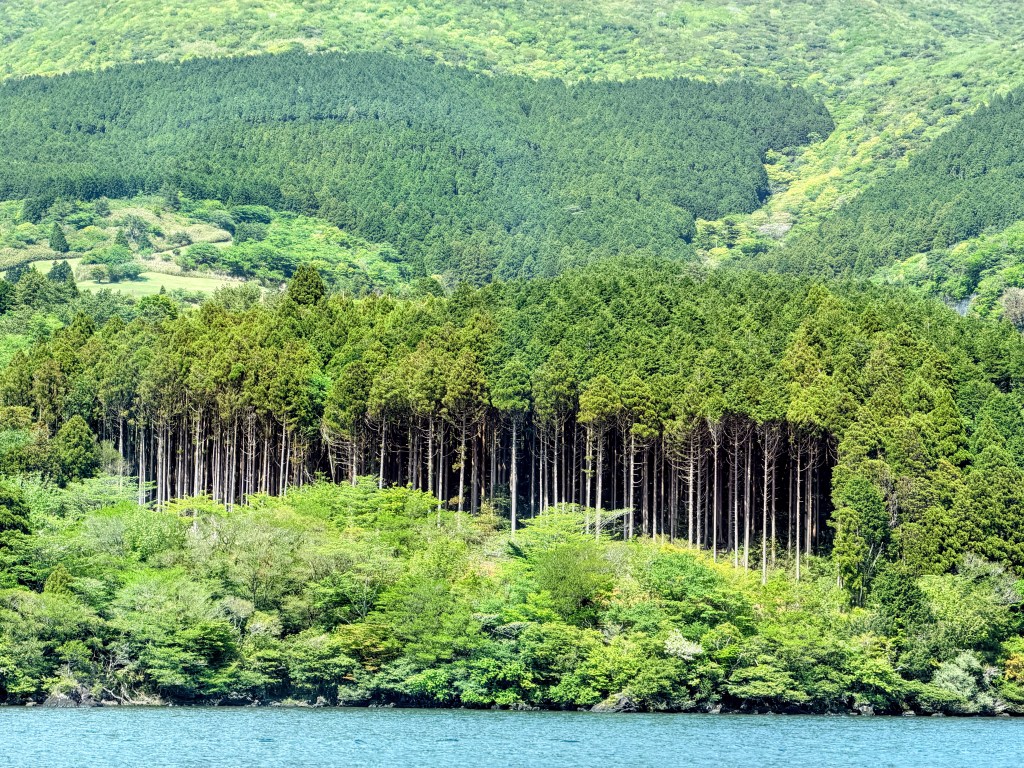
Cable car → Ropeway → Lake cruise → Shrines → Mt. Fuji hunt.
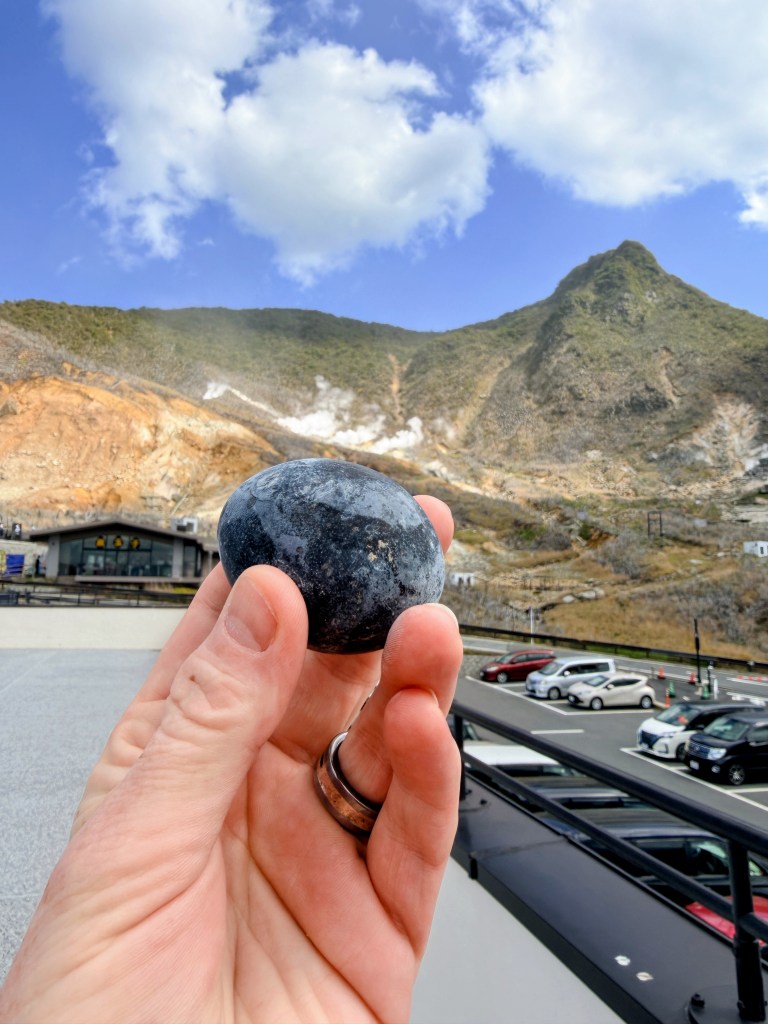
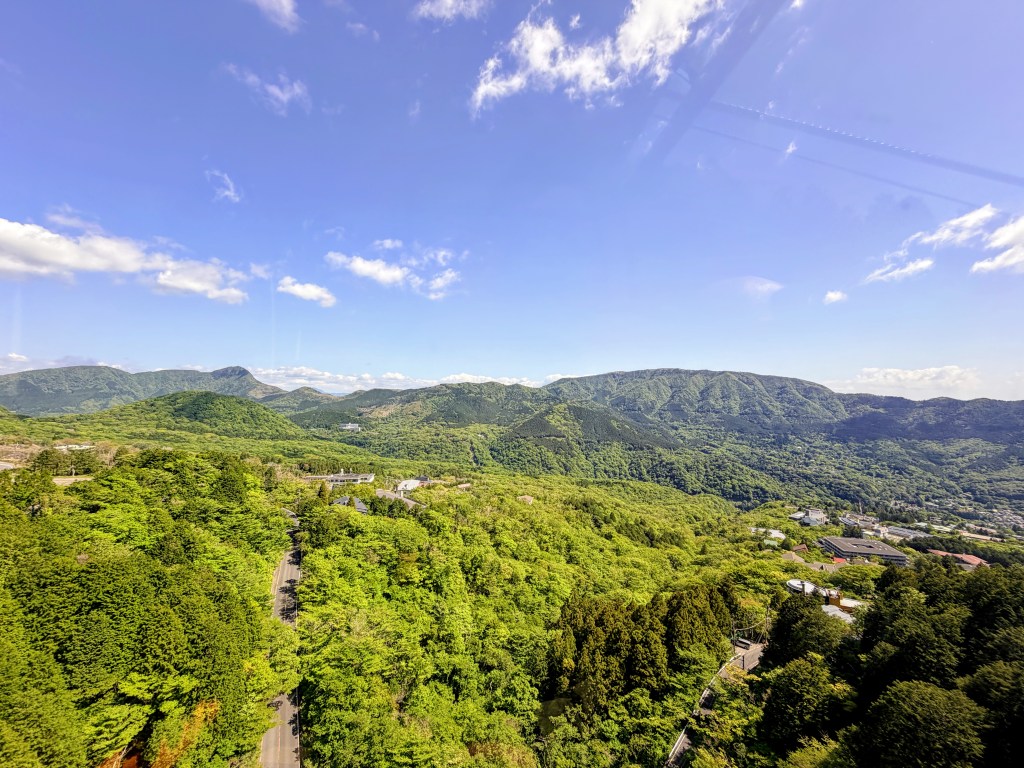
We rode above volcanic landscapes and sulfur vents before reaching Lake Ashi.
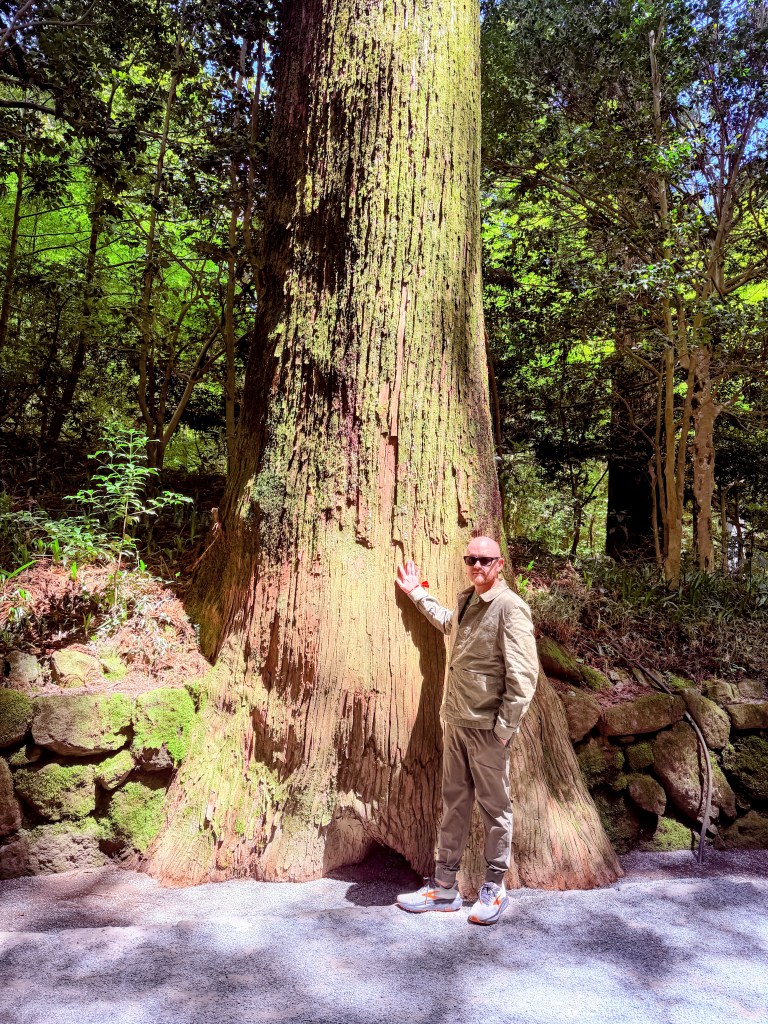
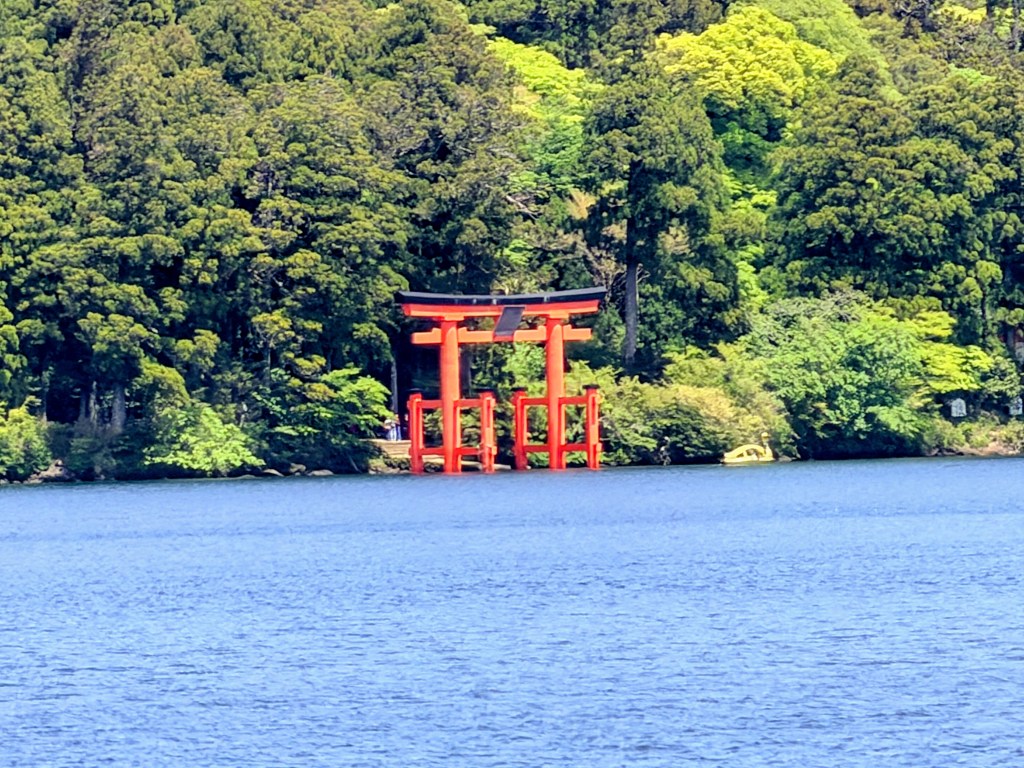
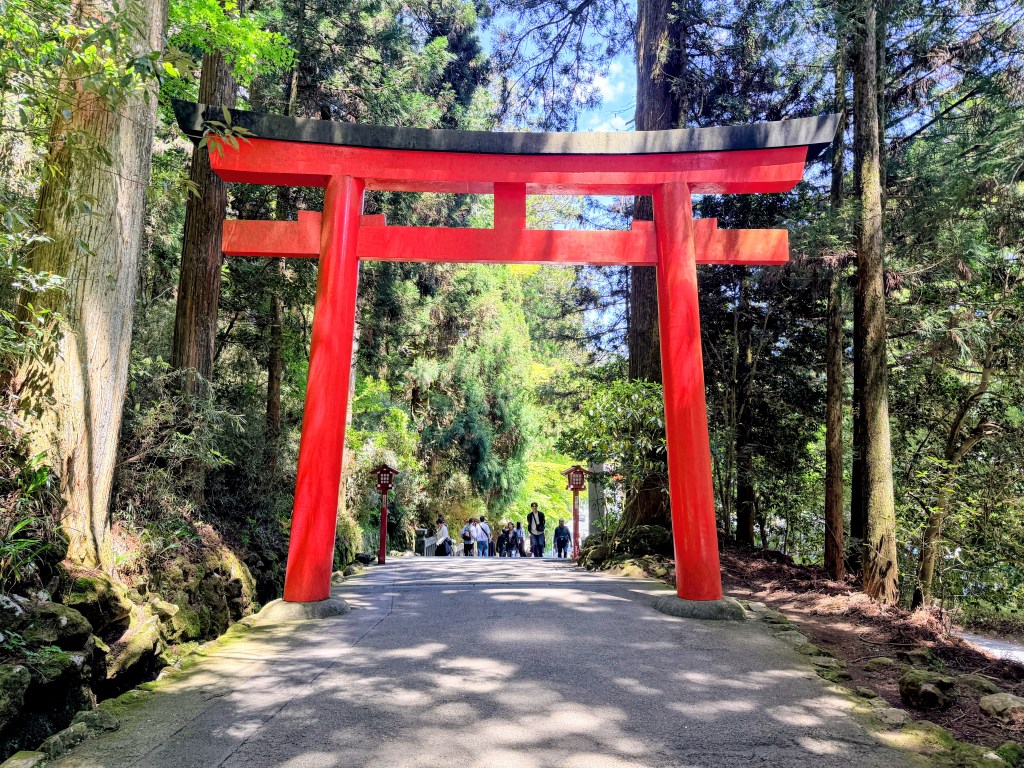
We explored the Hakone Shrine and Kuzuryu Shrine on foot.
We also tried Hakone’s famous black eggs — boiled in volcanic hot spring waters and said to add years to your life.
As for Mt. Fuji?
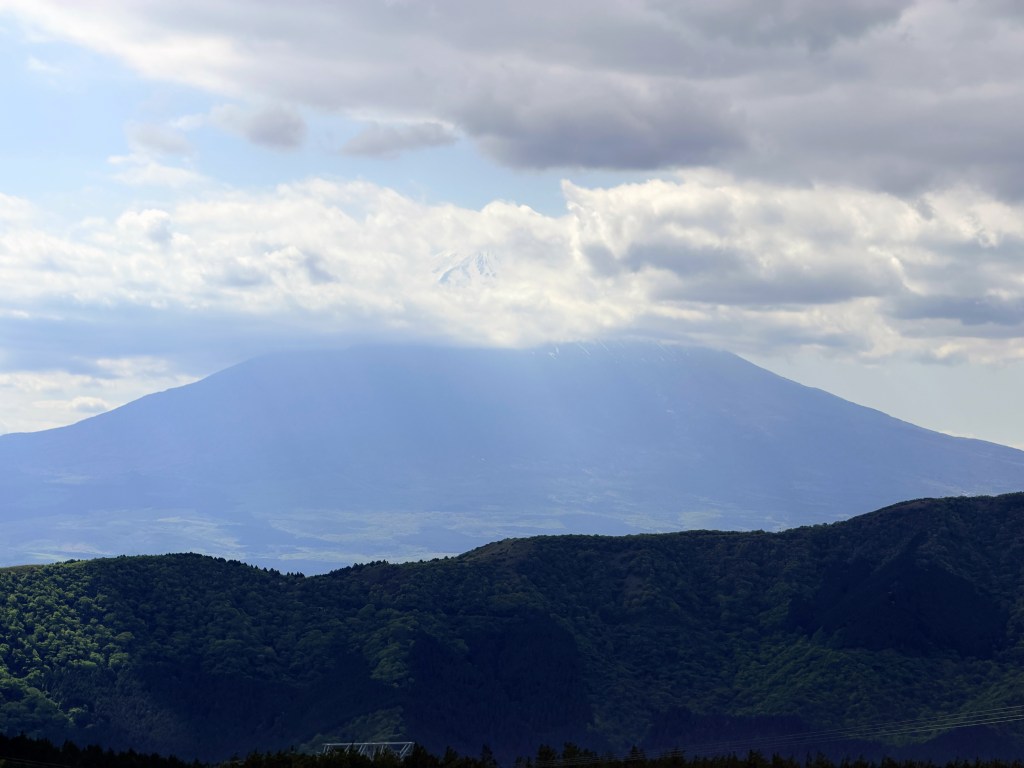
Fuji apparently enjoys playing hard to get.
We never saw her in full glory.
But eventually she rewarded us with glimpses of most of the mountain, including the peak.
We’ll count that as a win.

