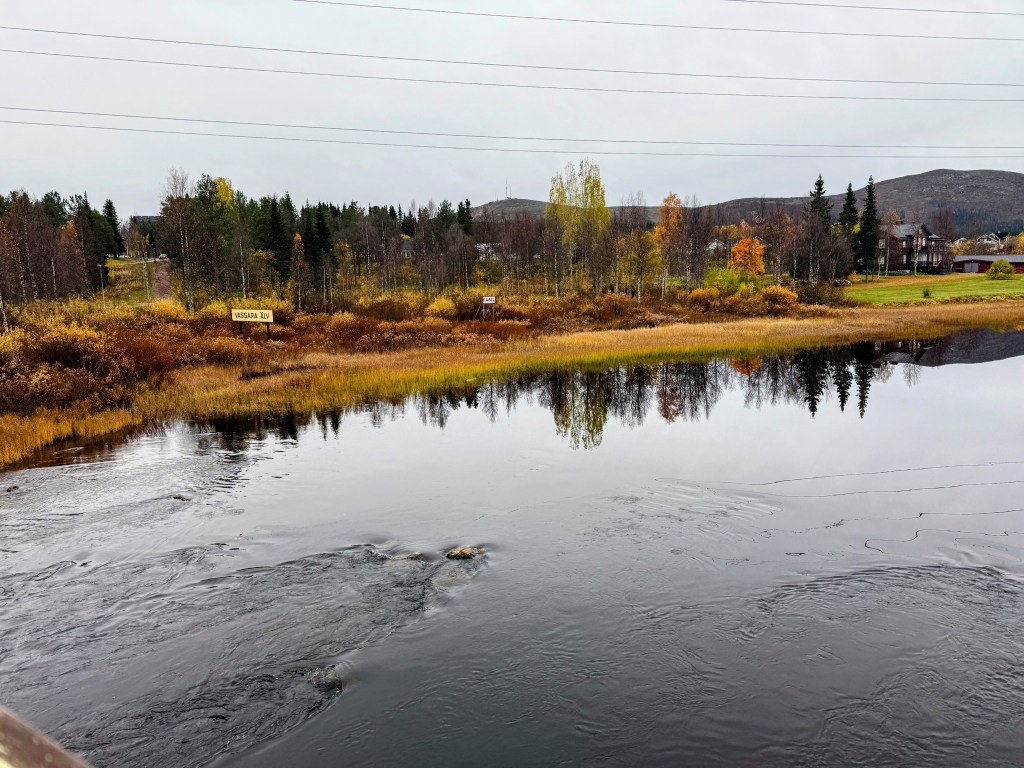
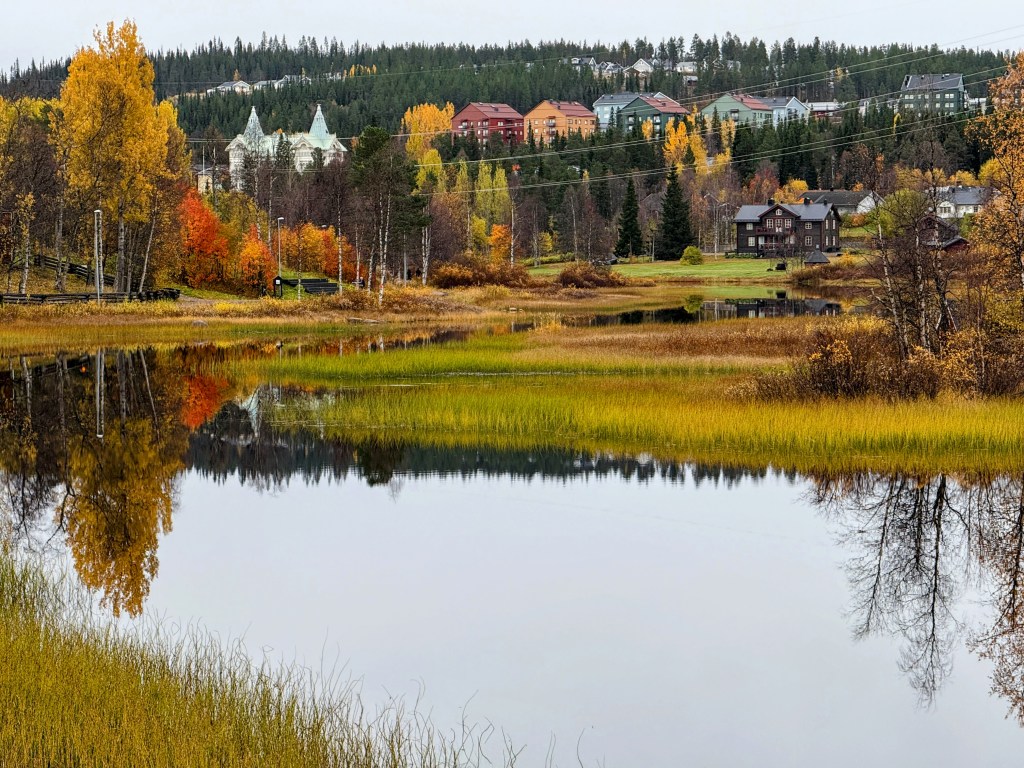
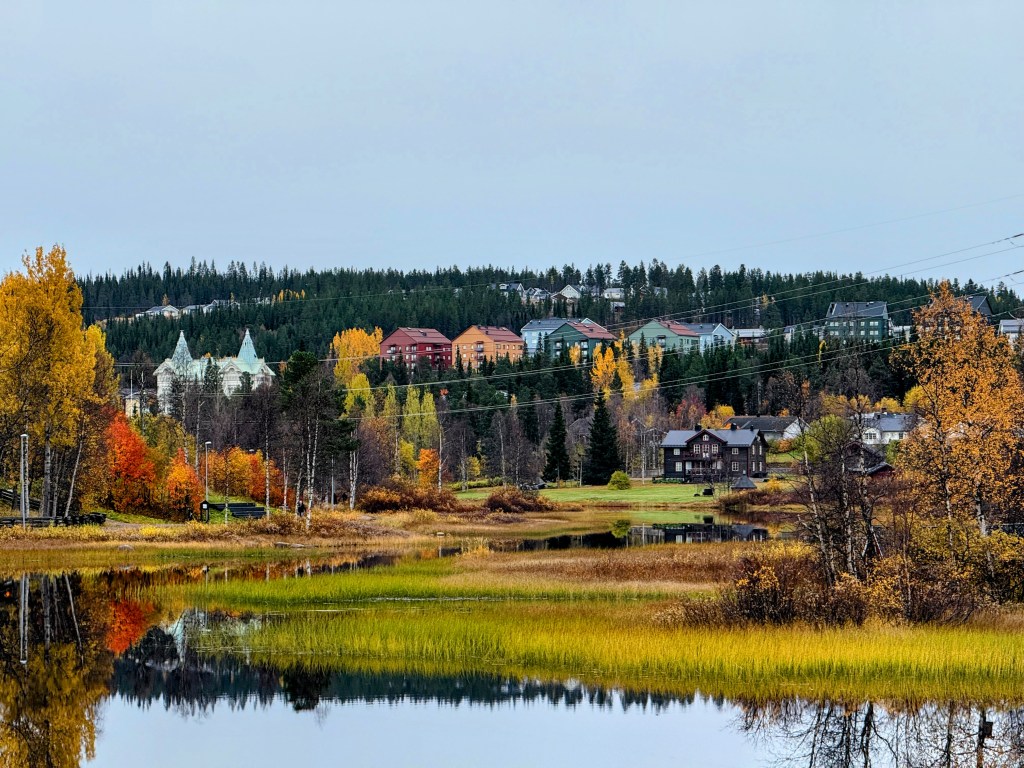
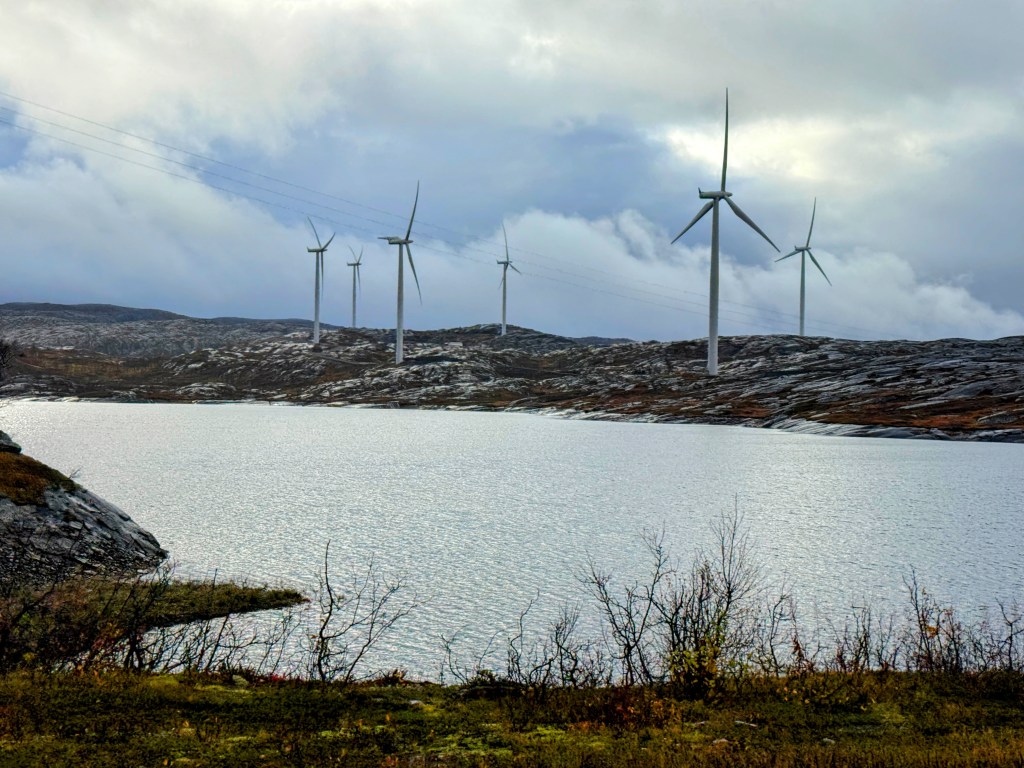
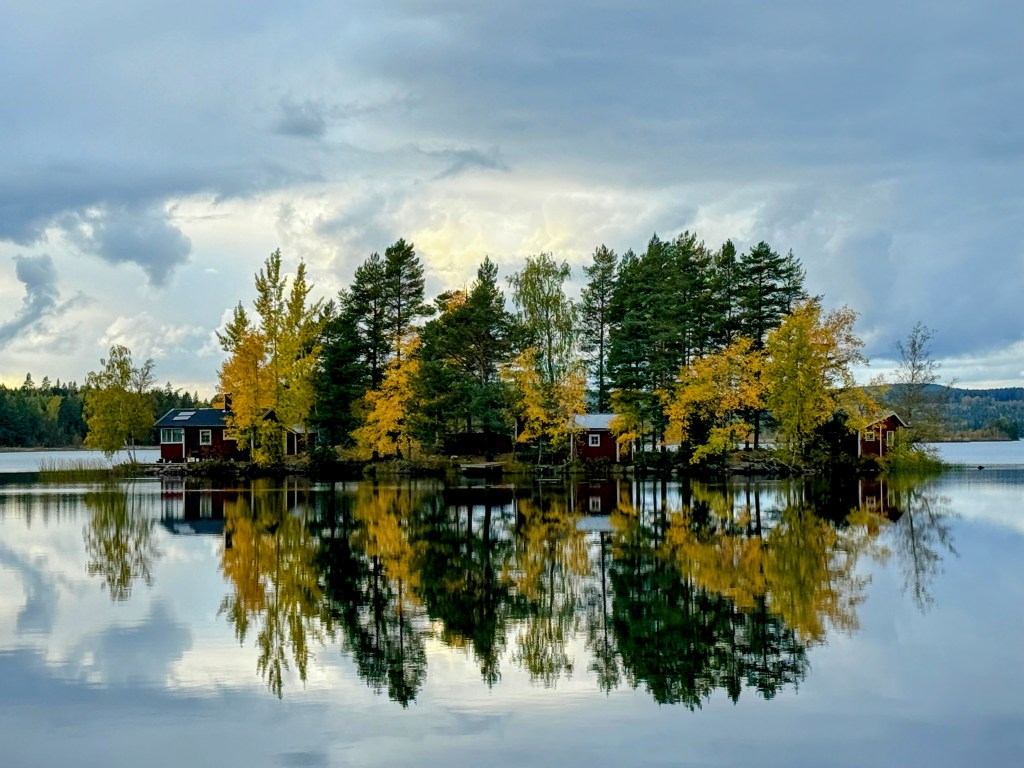
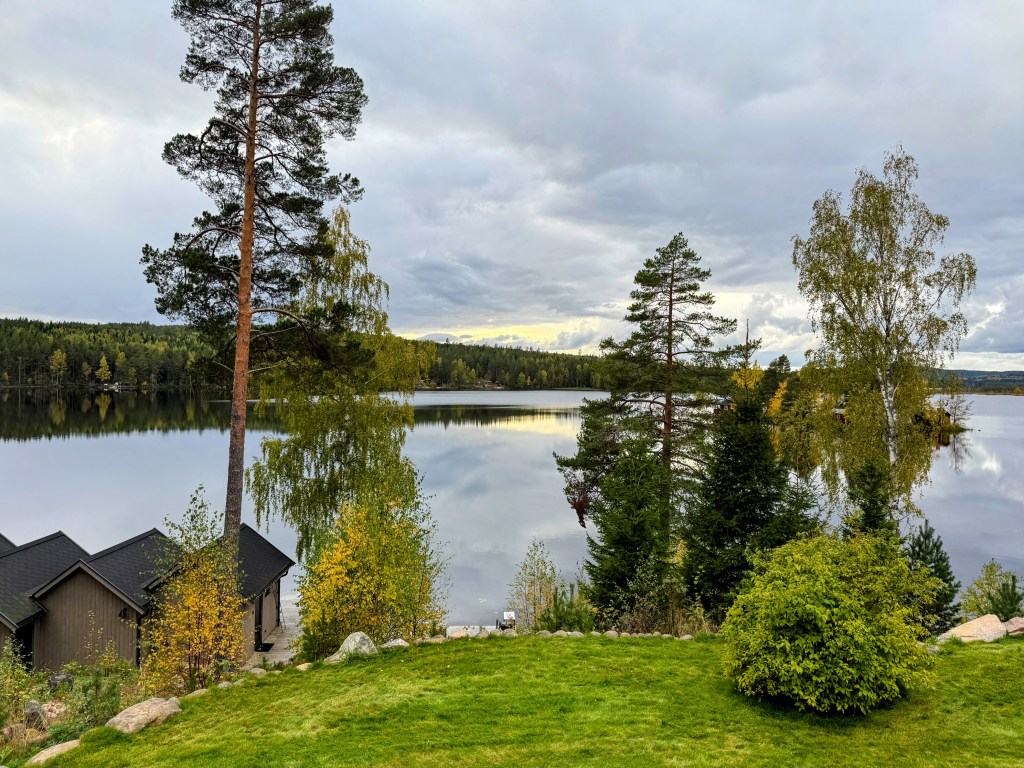
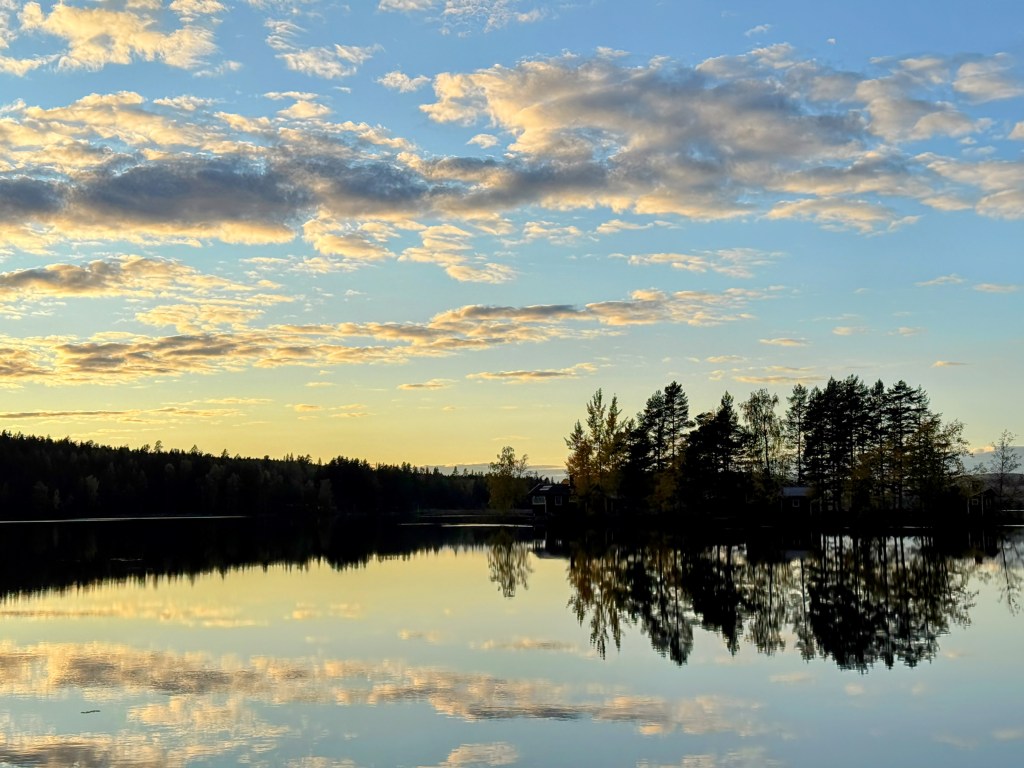
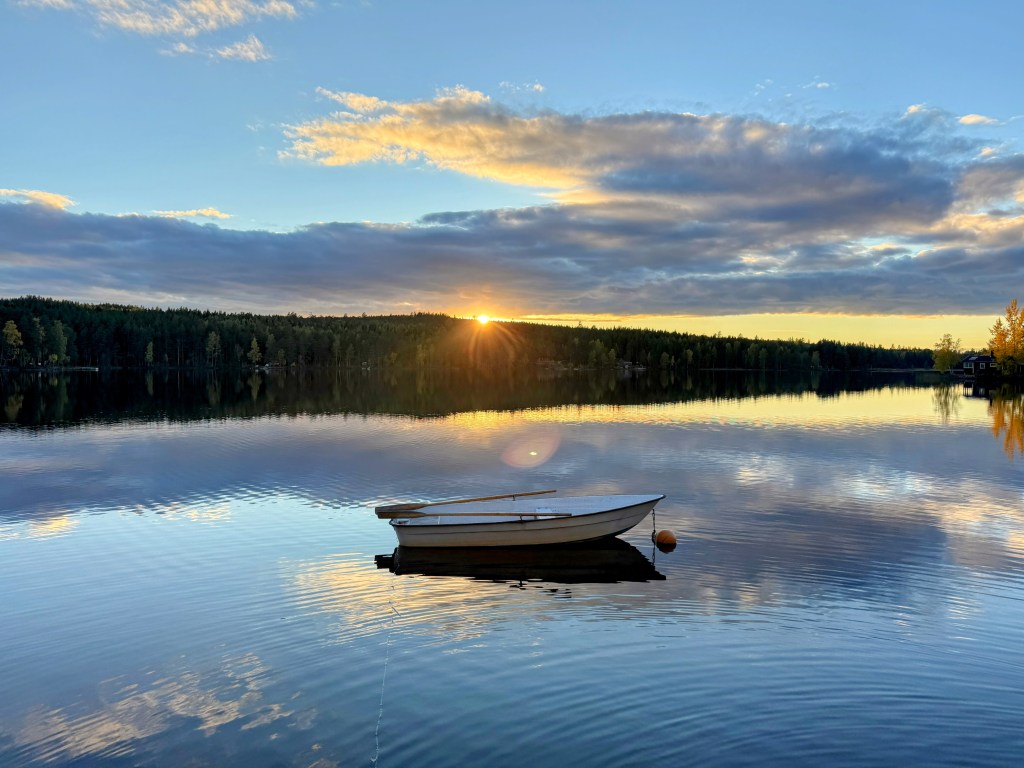
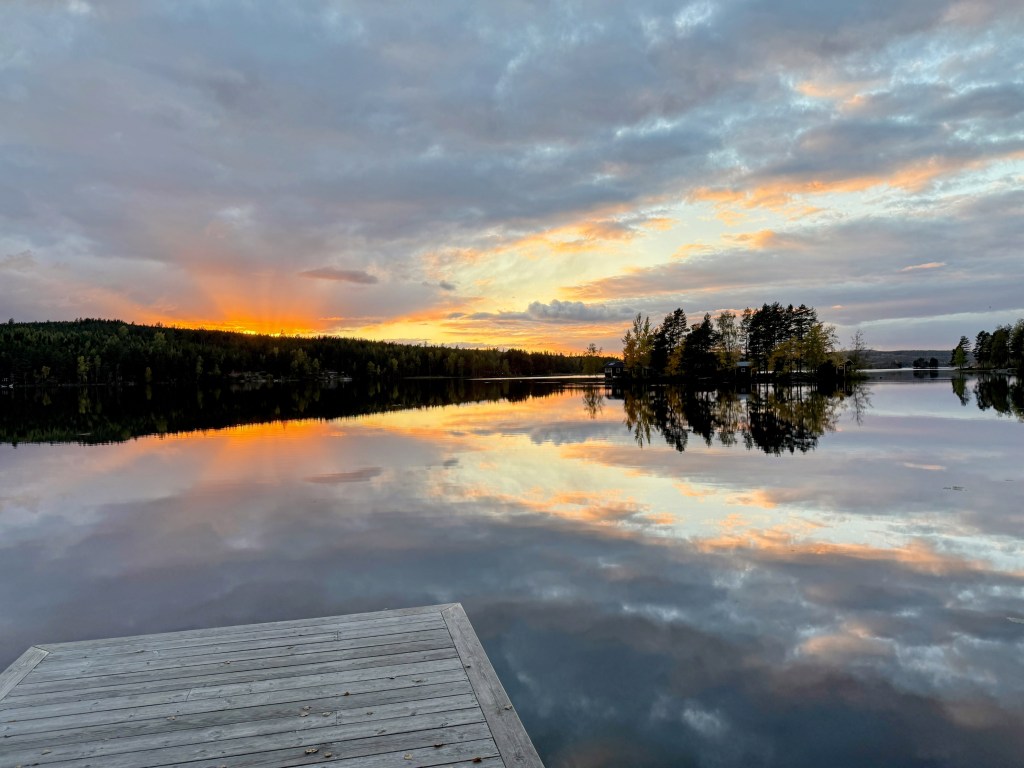
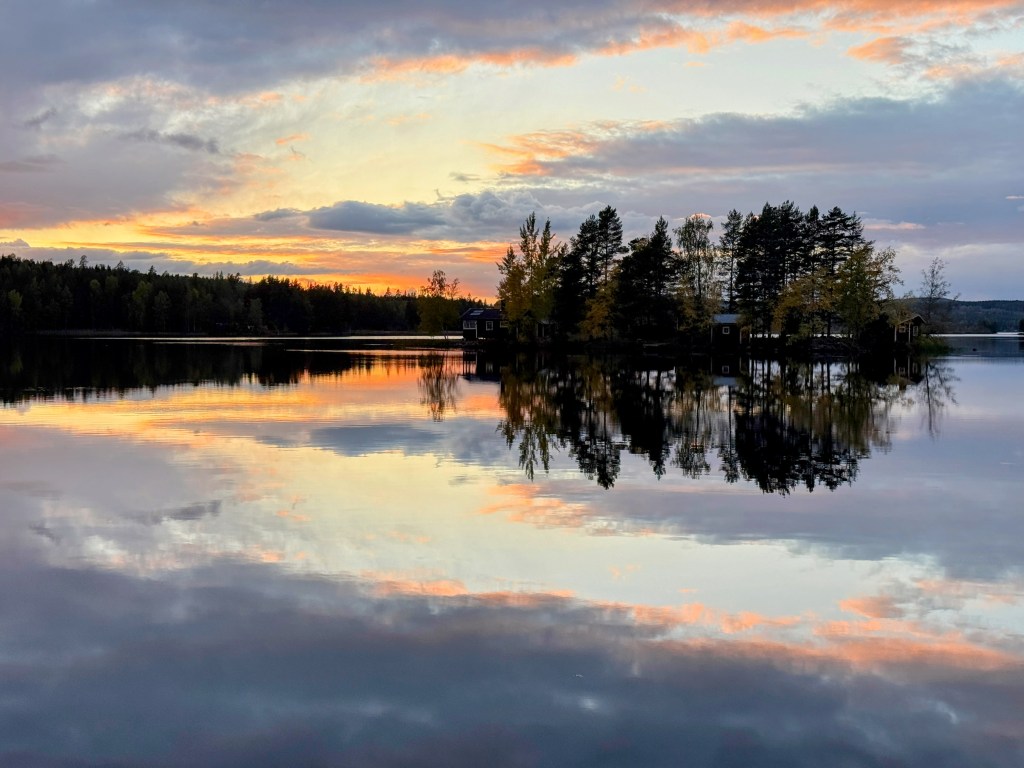
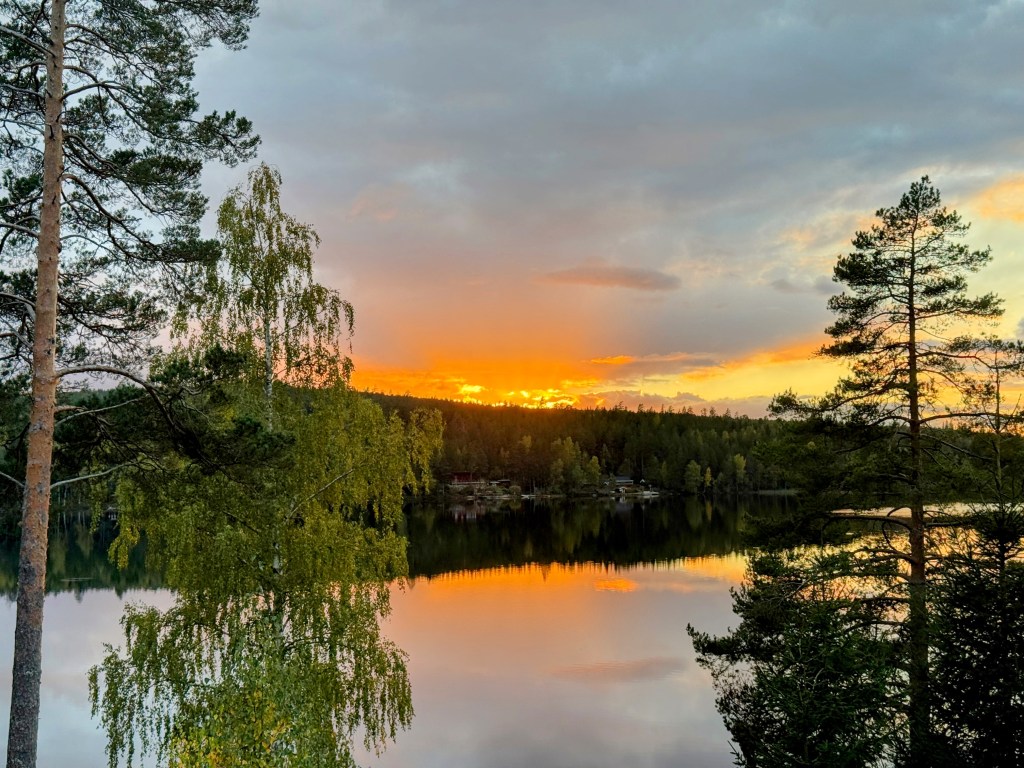
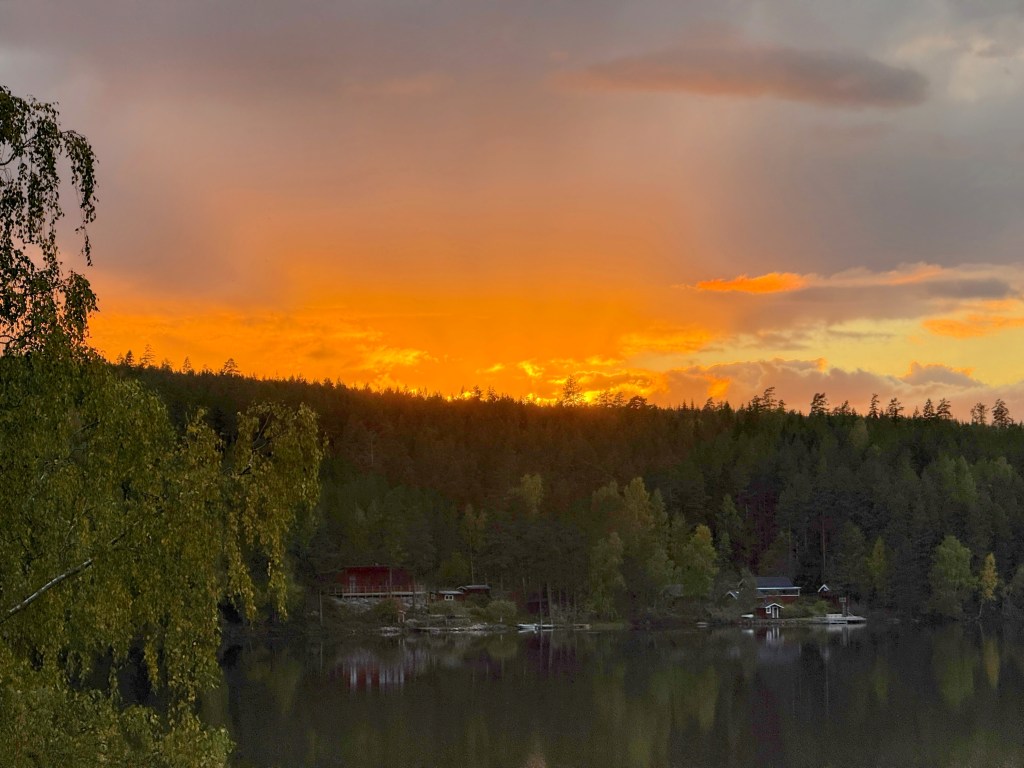
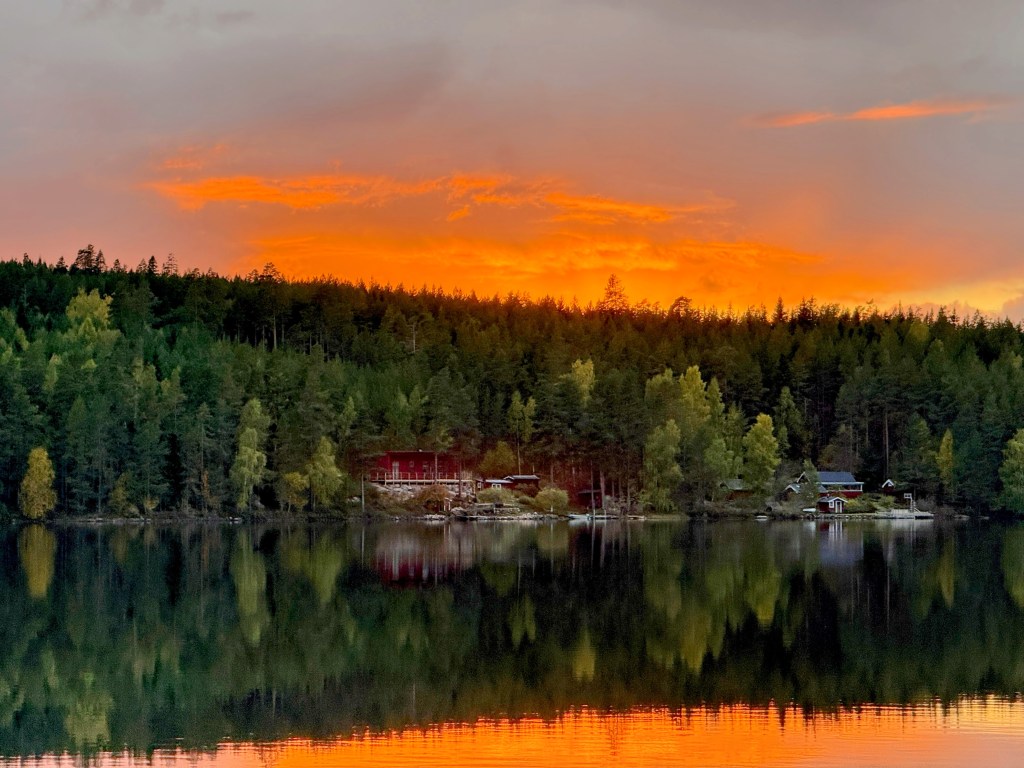
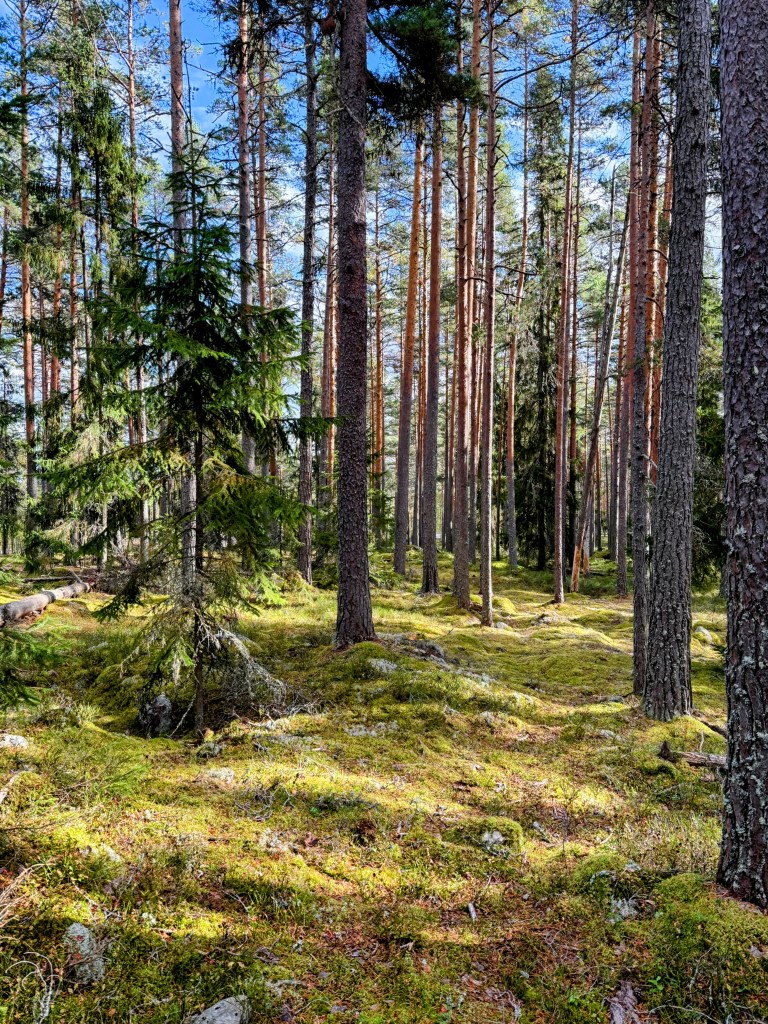
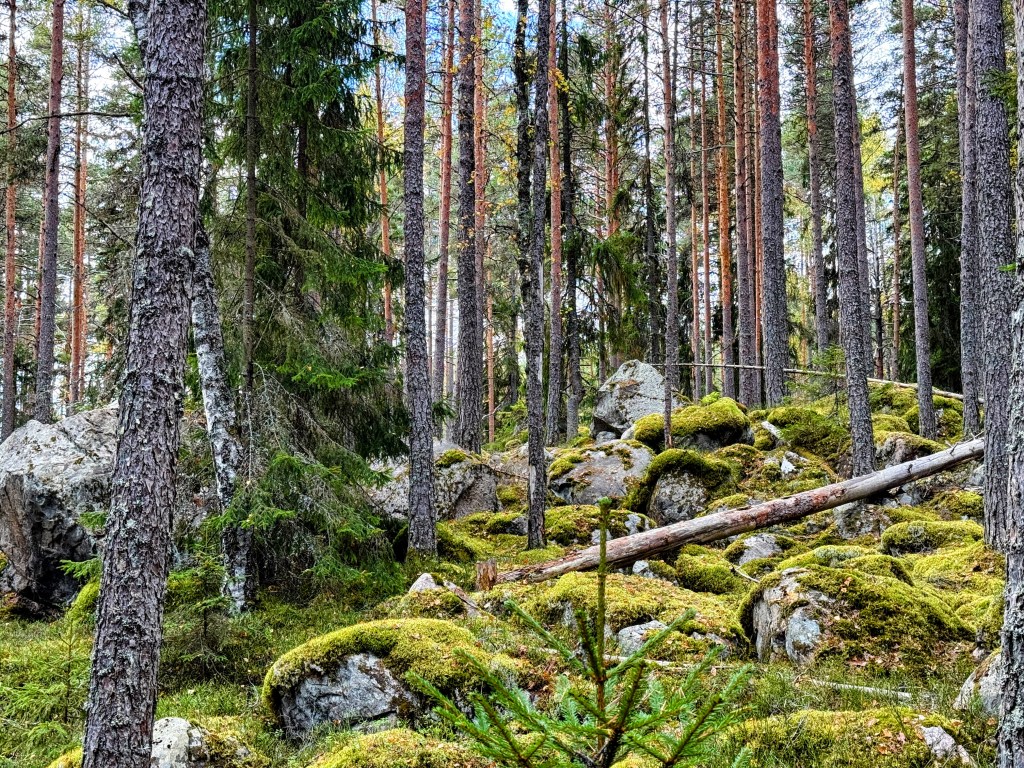
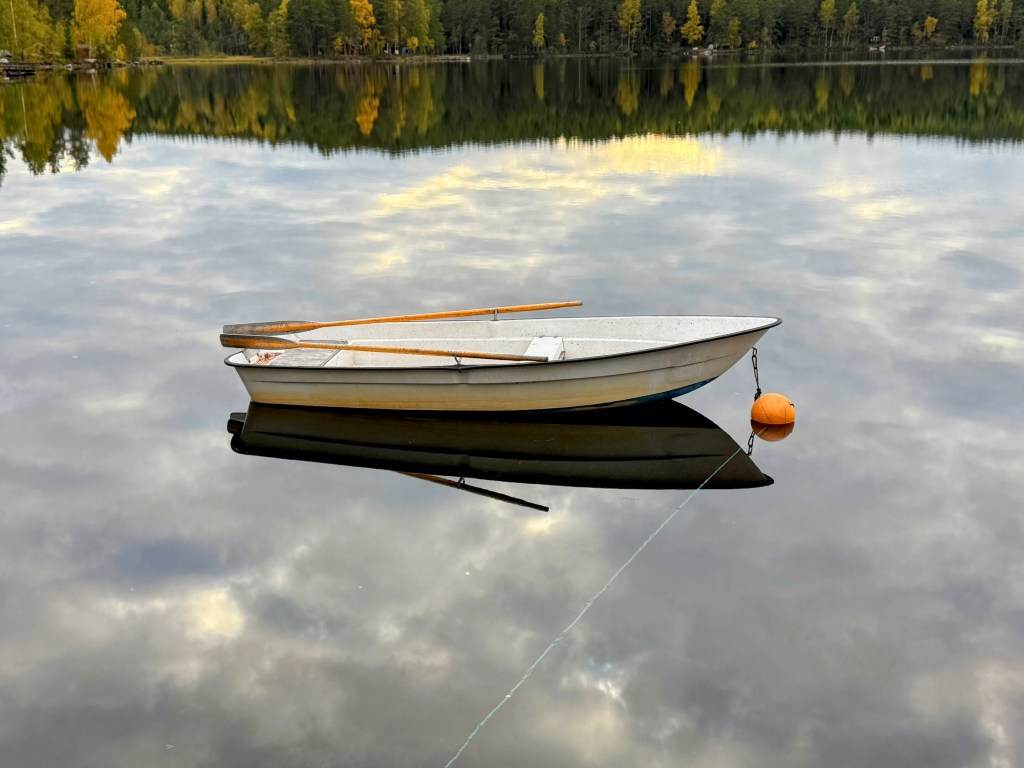
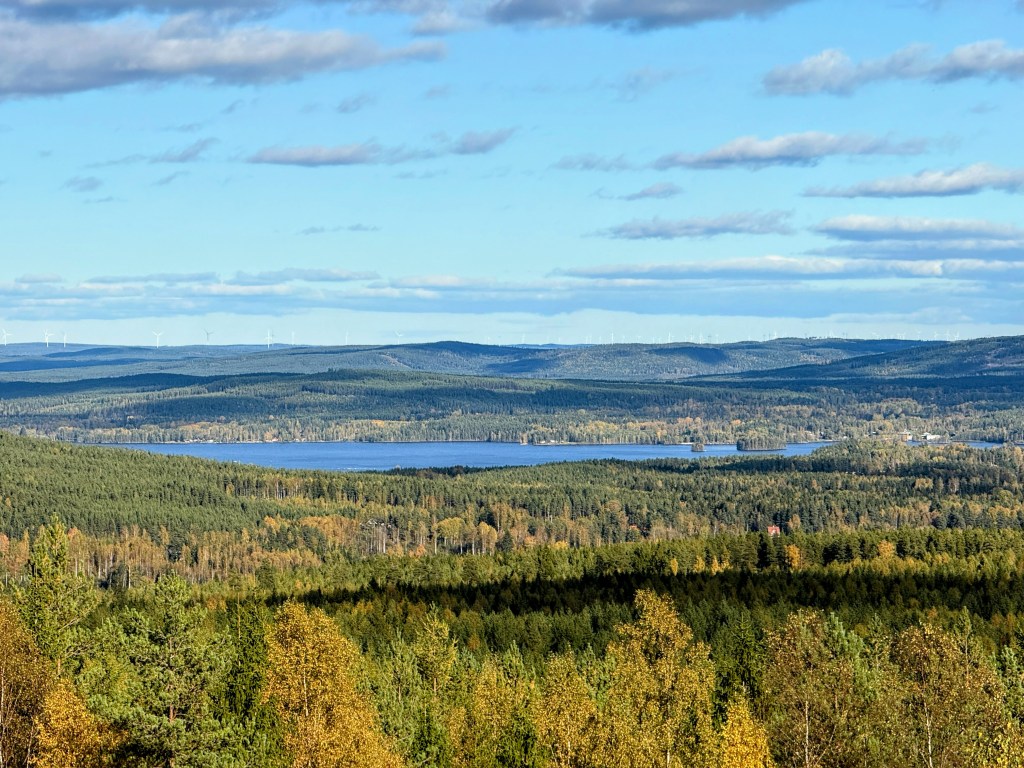
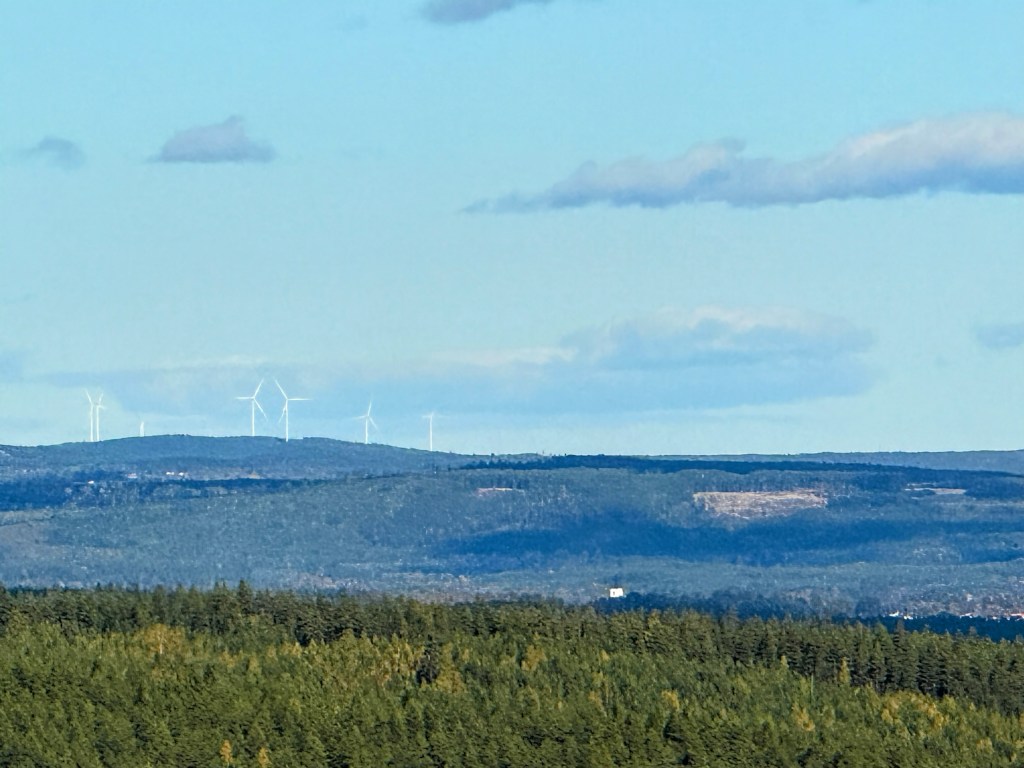
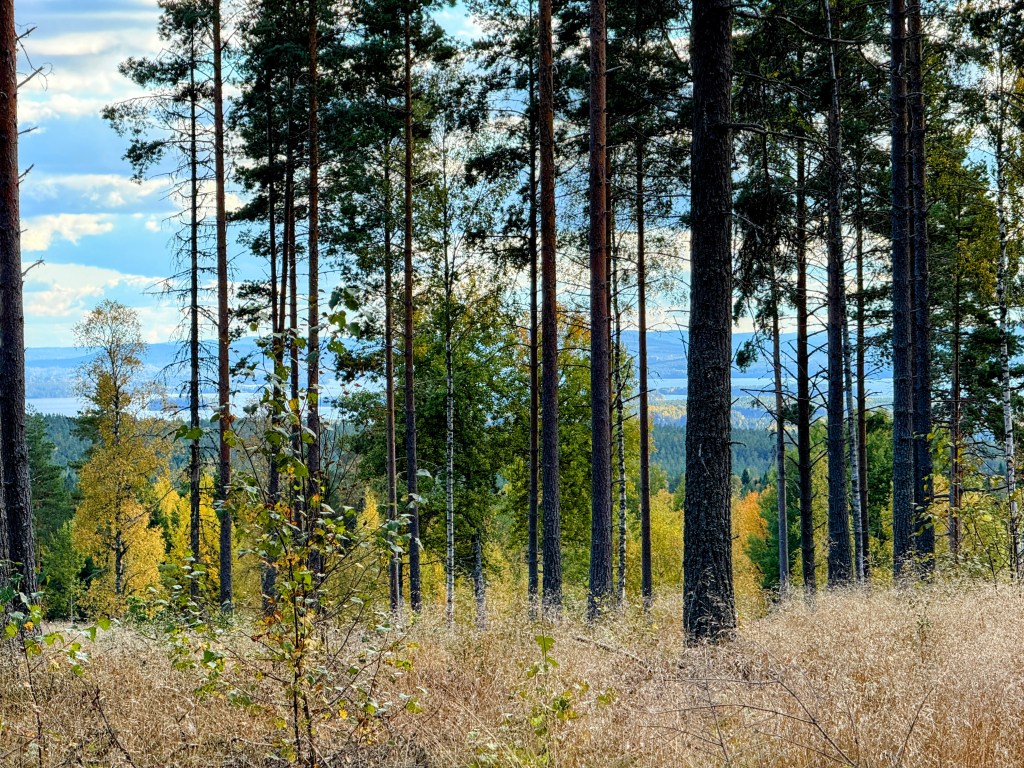
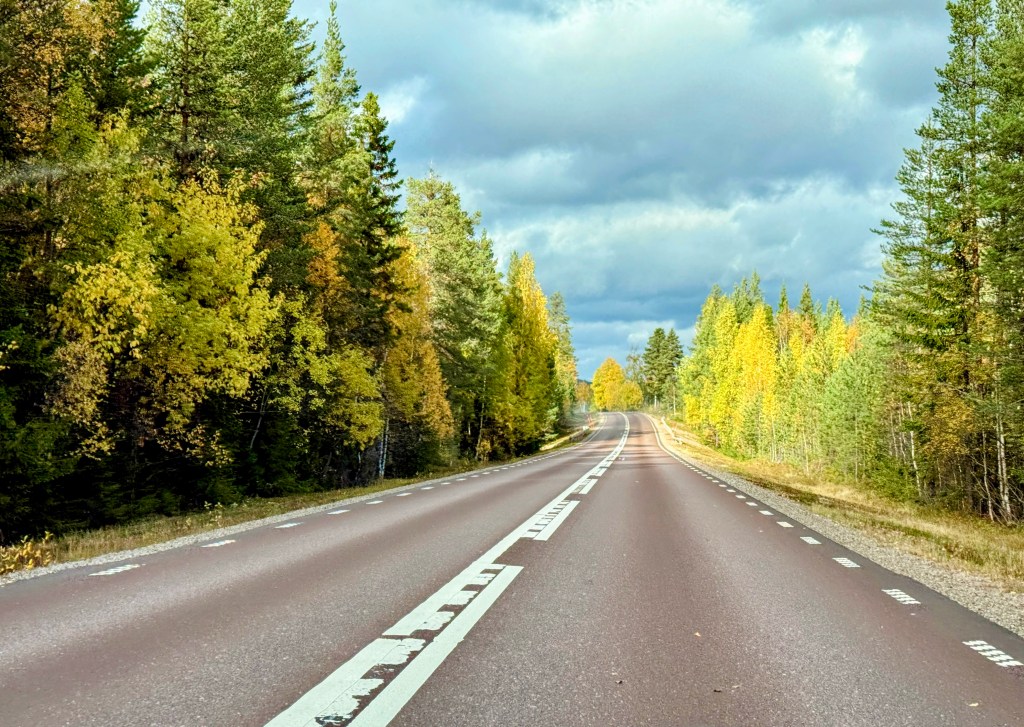
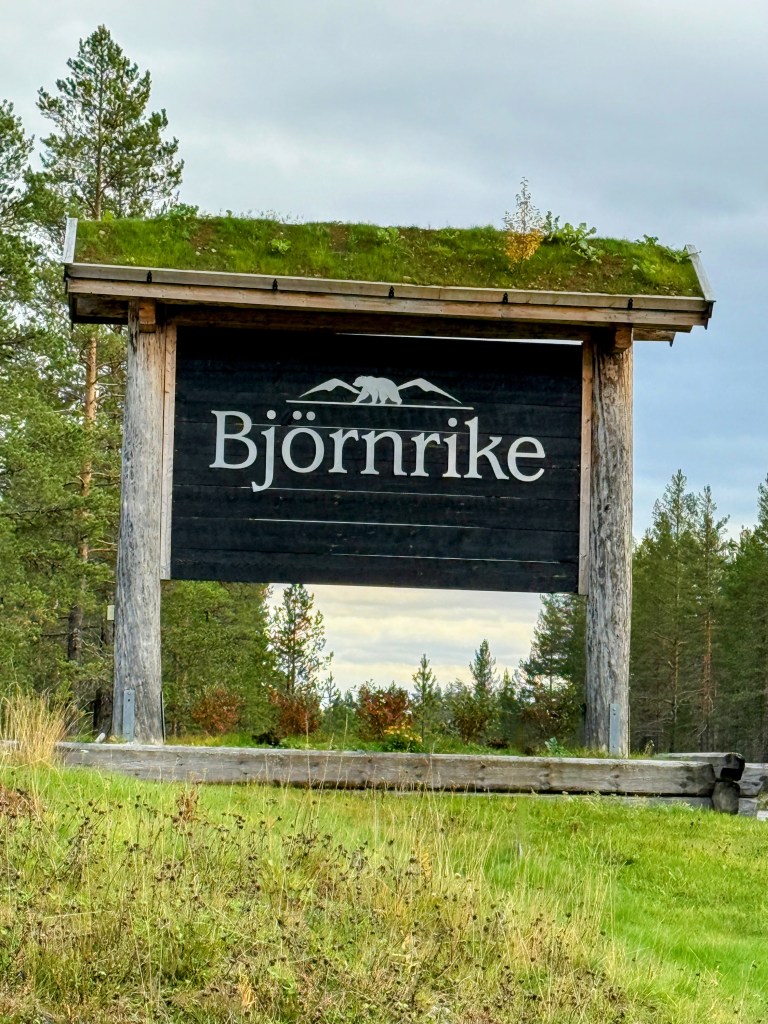
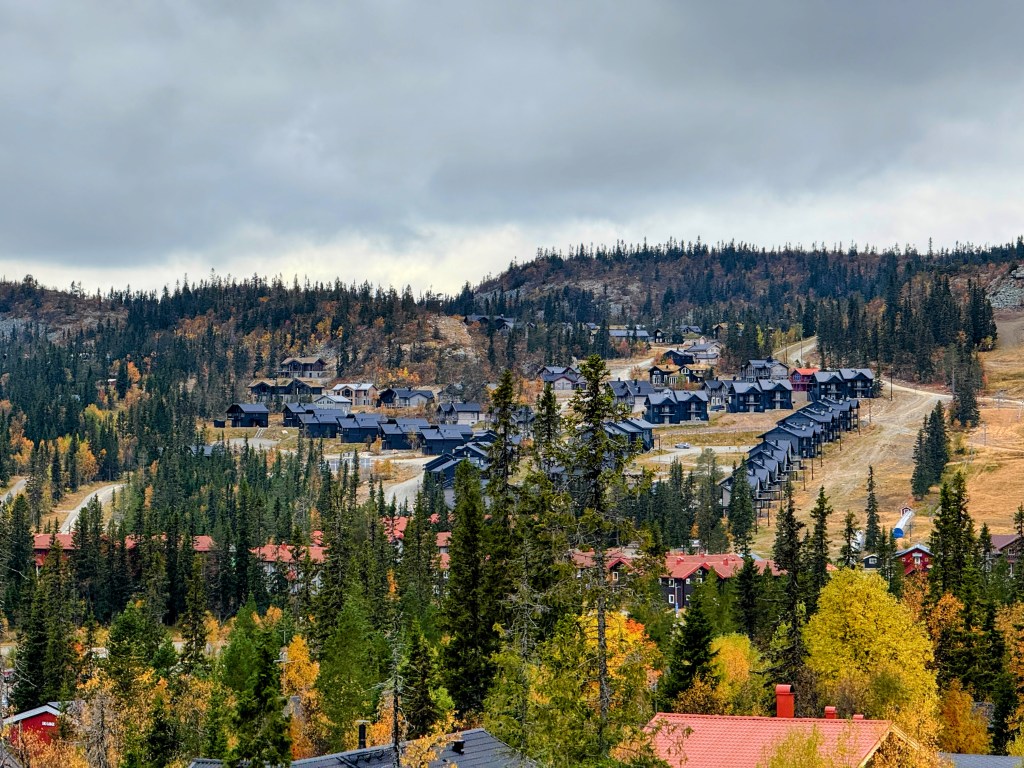
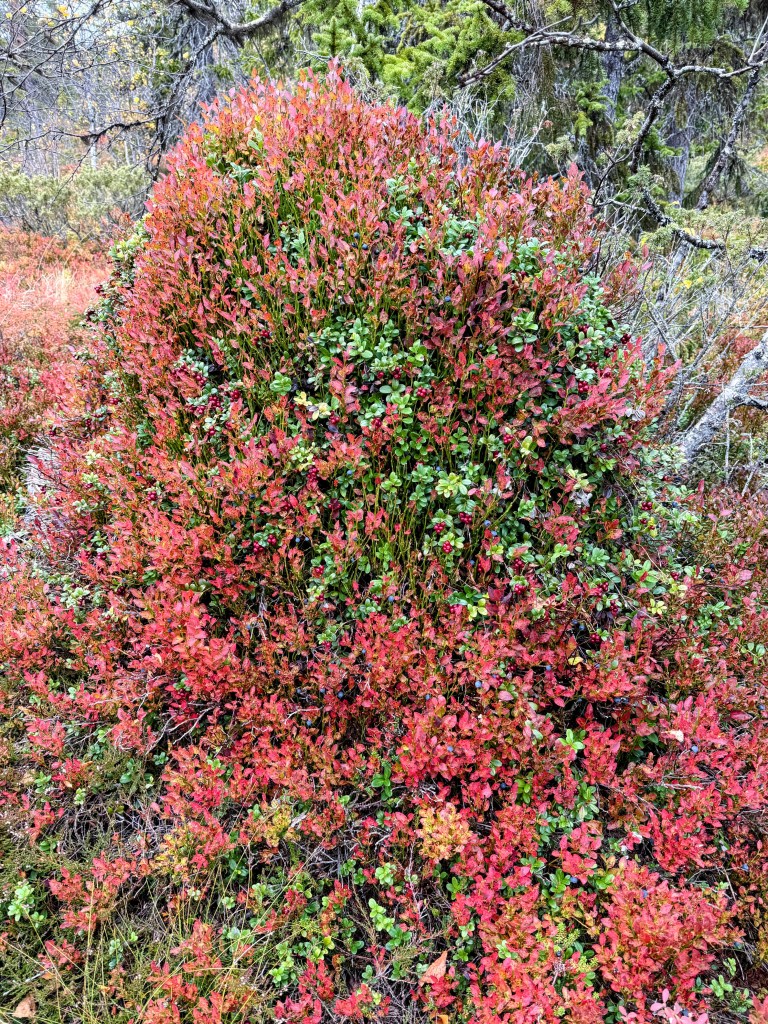
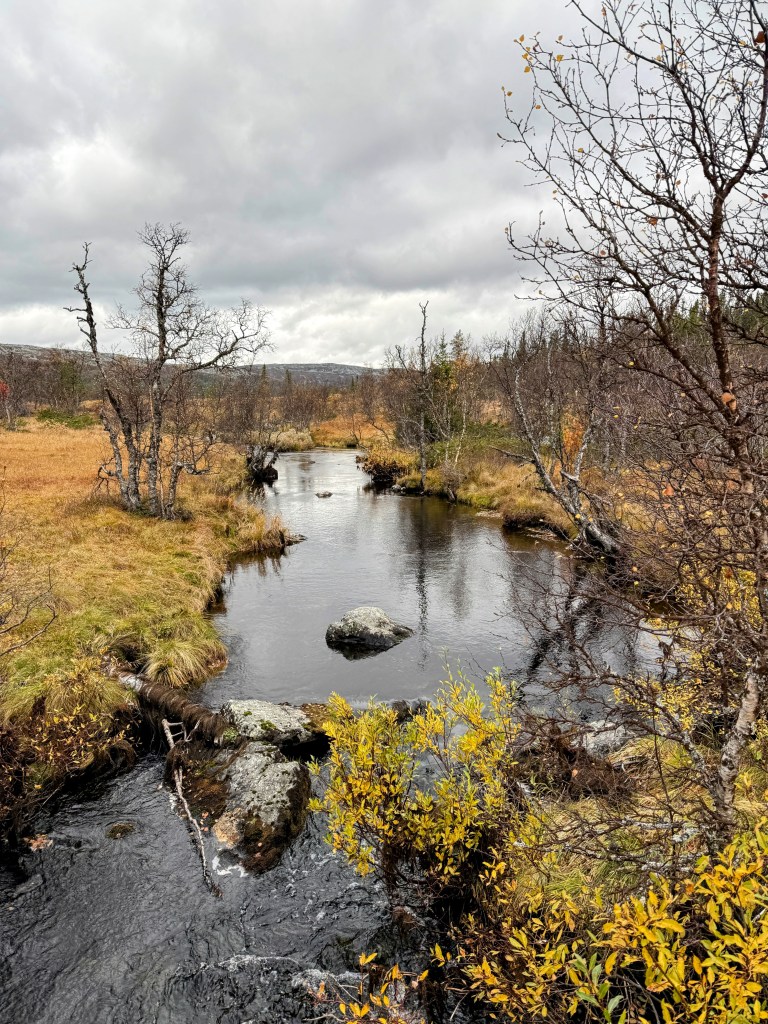
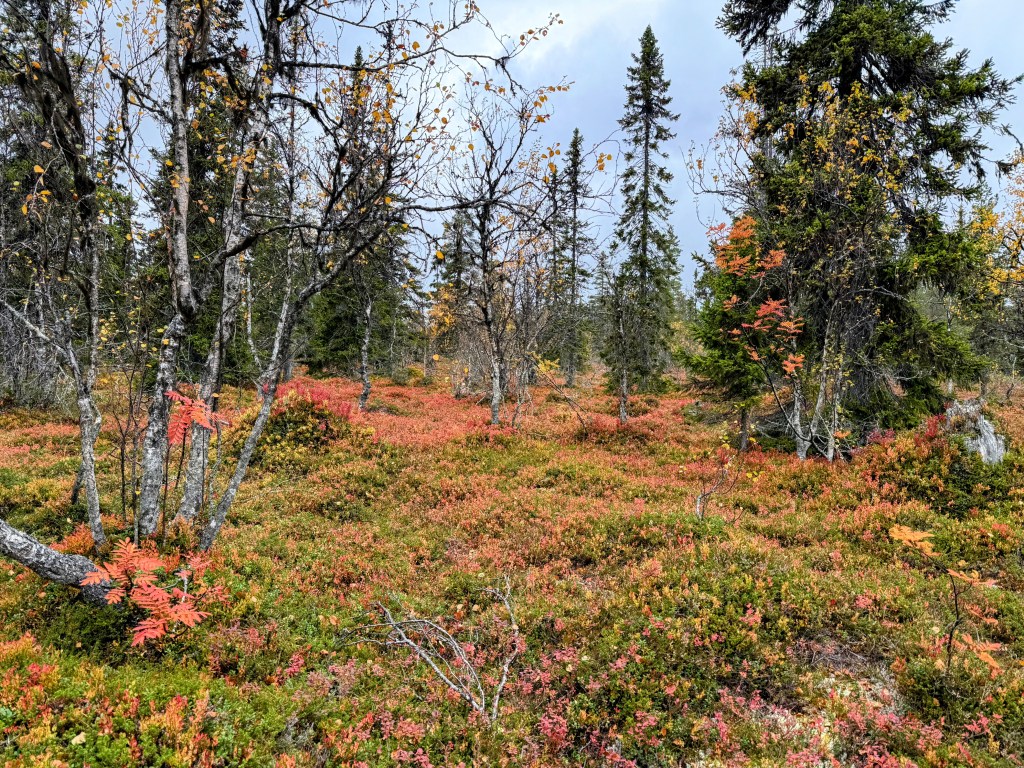
Leaving Björnrike felt like leaving a postcard. The drive north to Luleå was one of the most beautiful stretches of road we’ve ever taken — winding highways flanked by mirror-still lakes, silvery rivers, and forests painted in fiery shades of orange, yellow, and red. Windmill farms dotted the landscape, their white blades cutting through the gray skies like gentle giants keeping watch. The further north we drove, the sparser the villages became, but the scenery only grew wilder and more dramatic.
Luleå: Lakeside Calm and Whippet Kisses
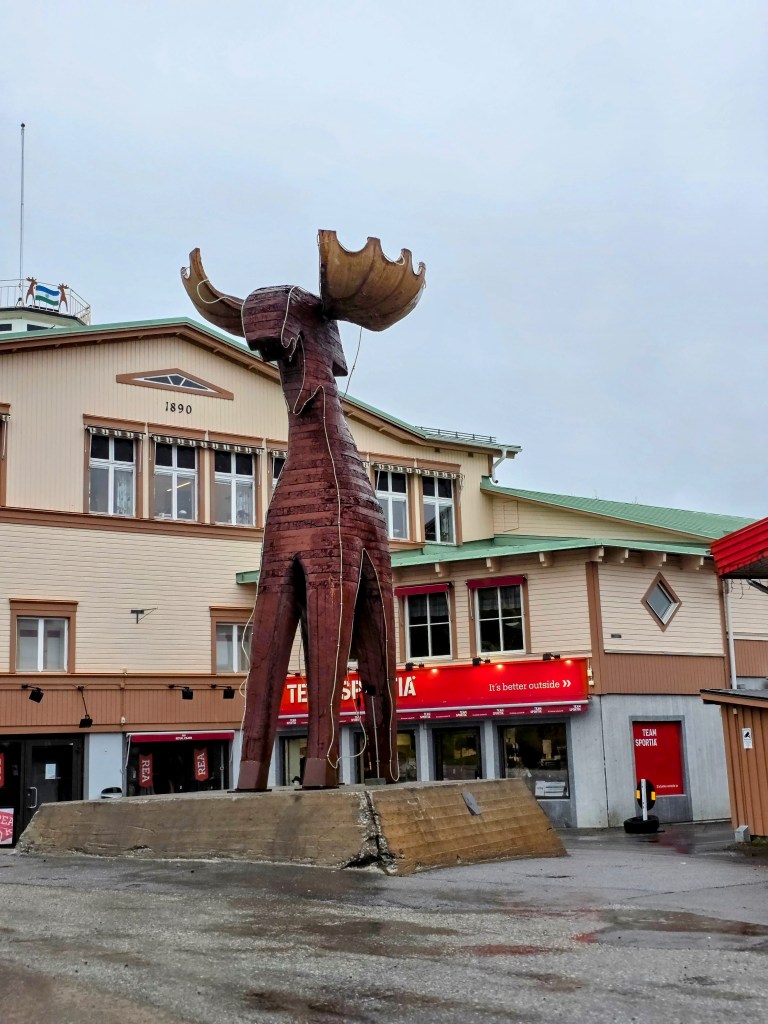
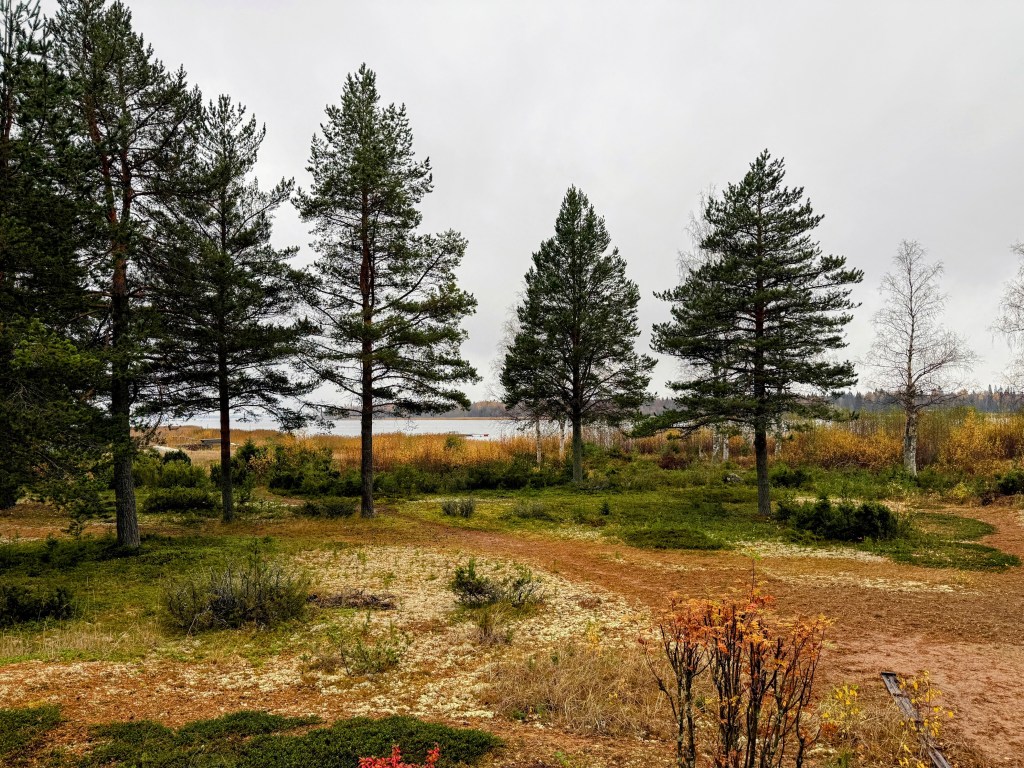
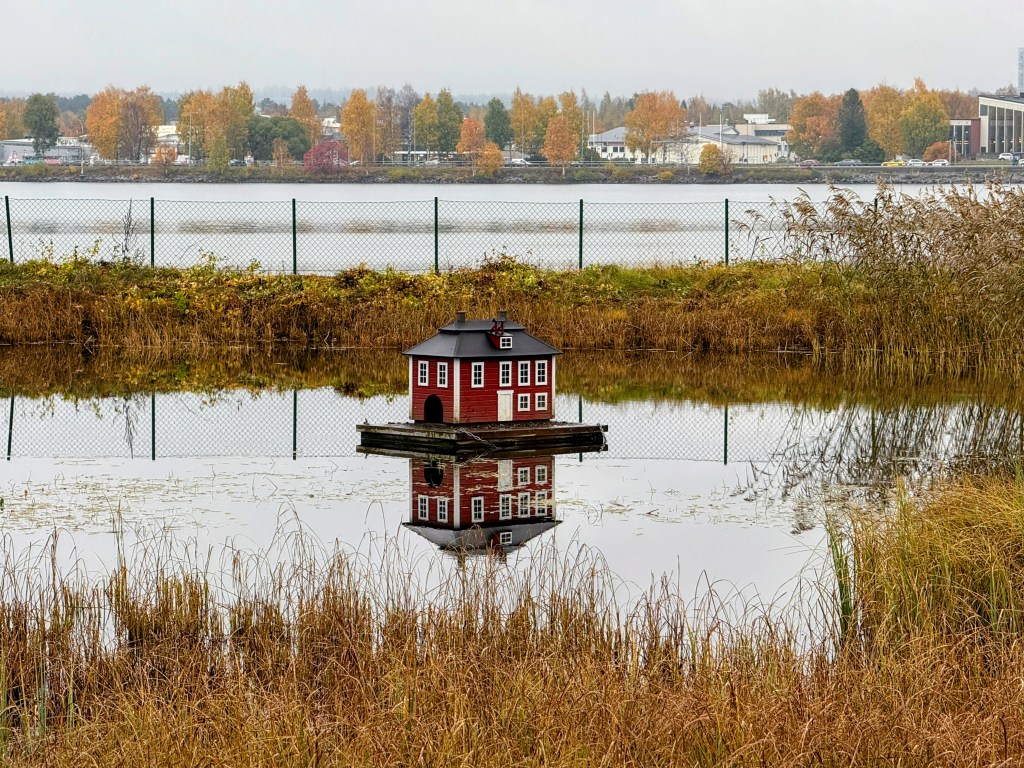
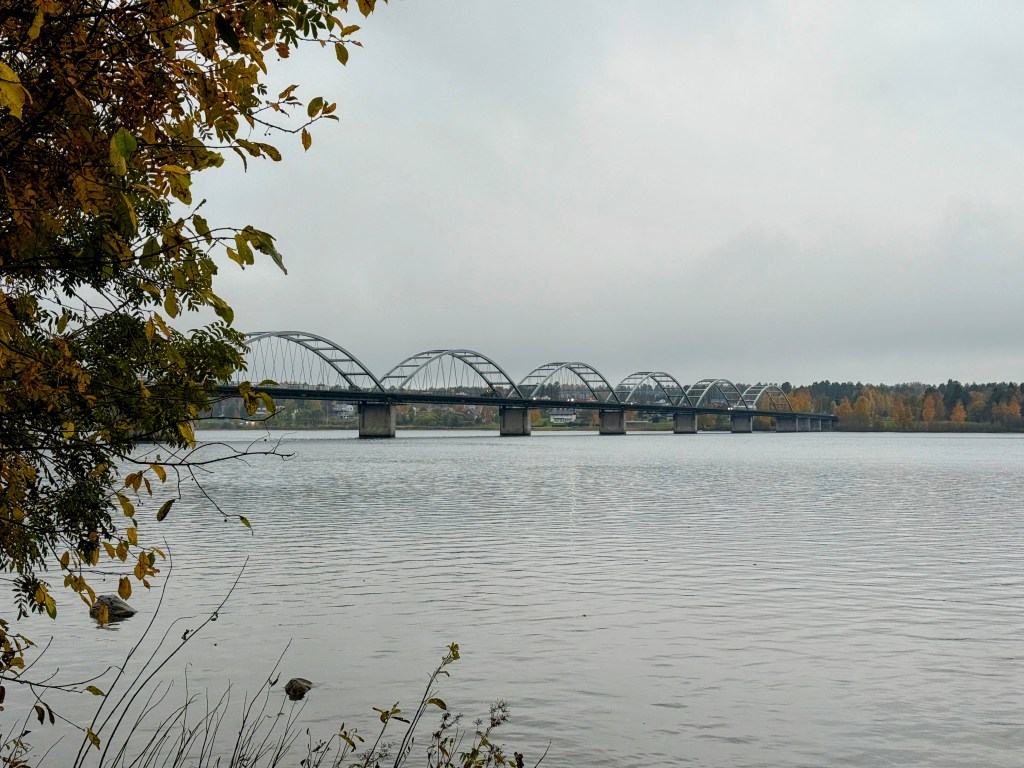
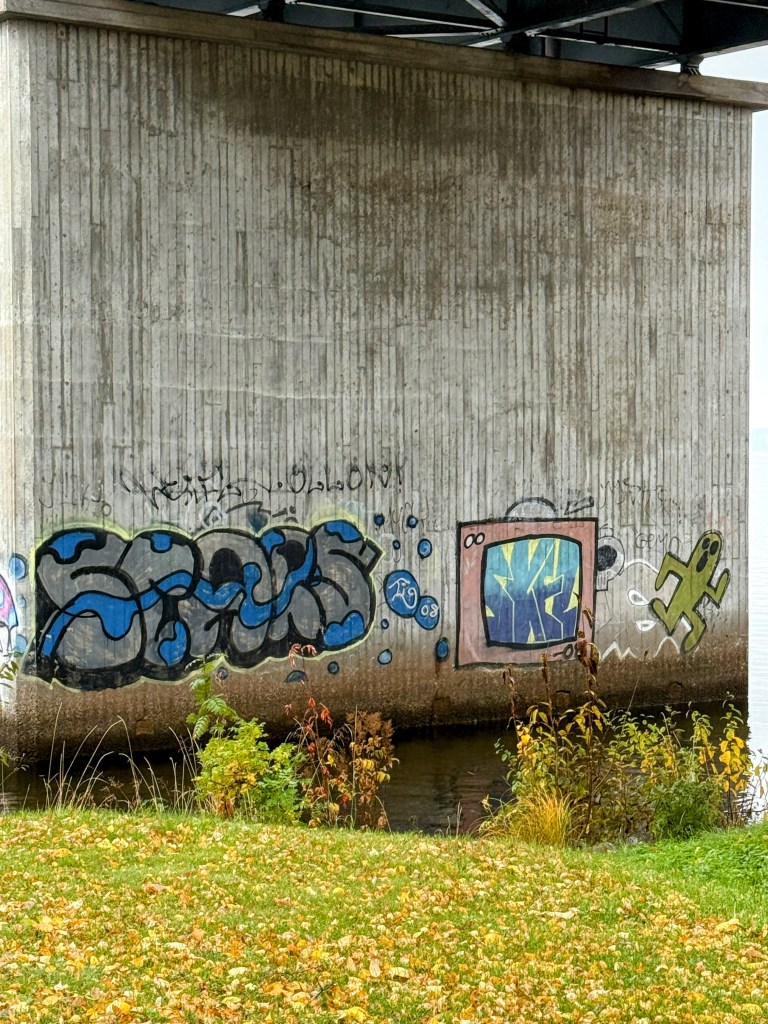
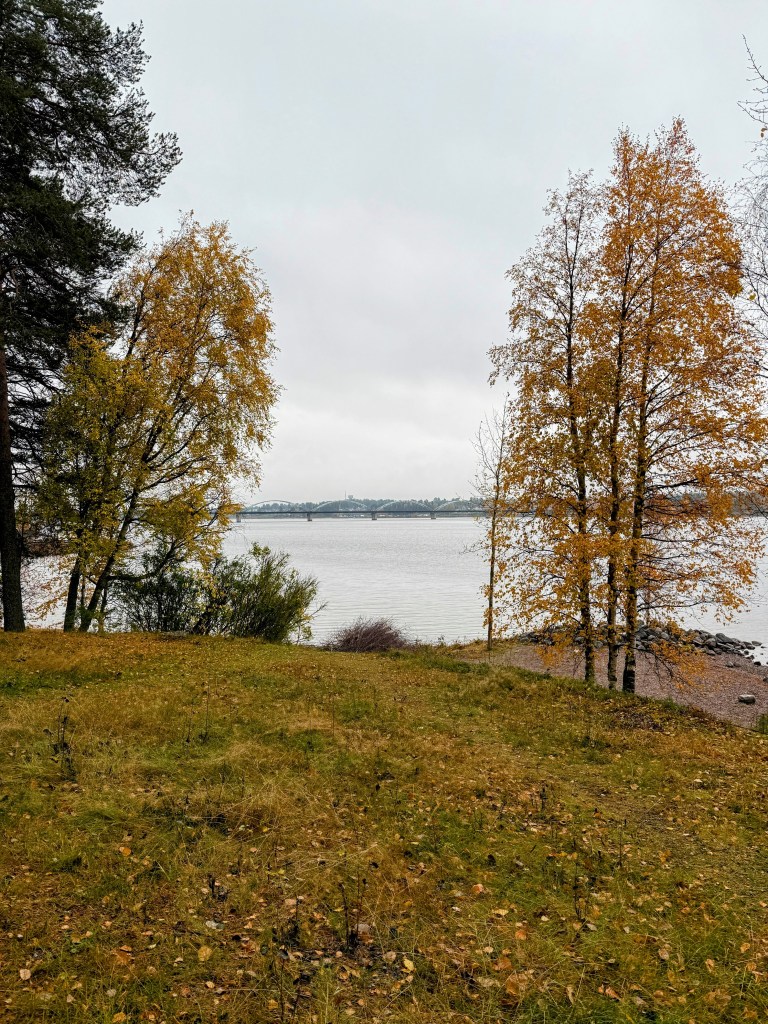
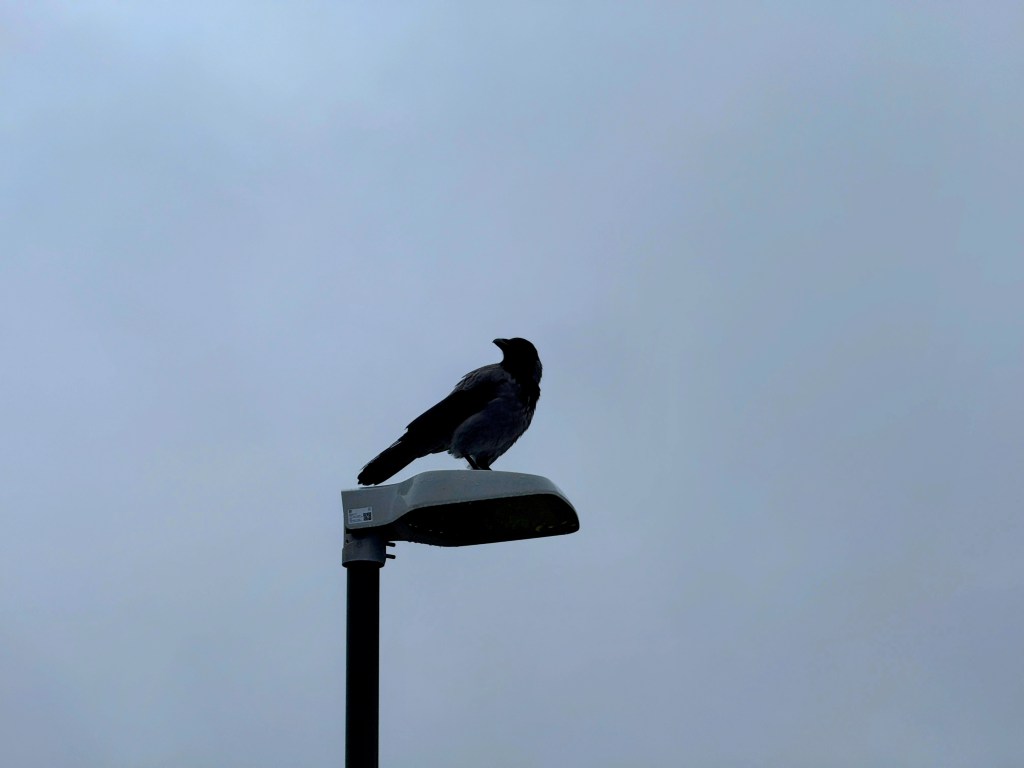
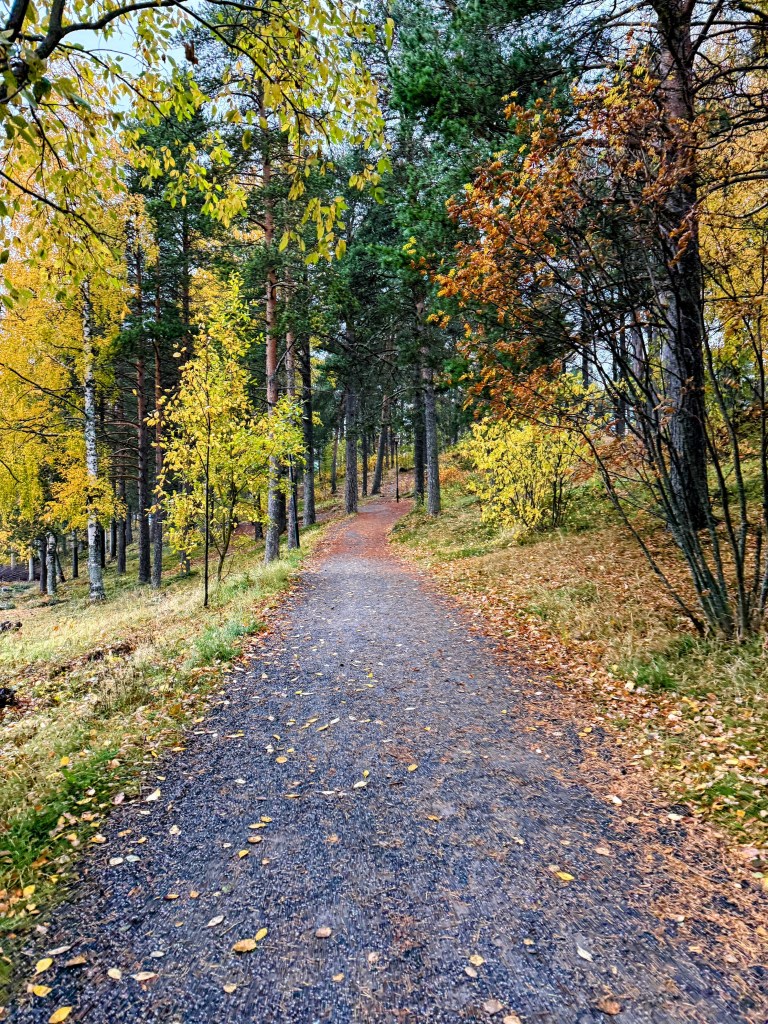
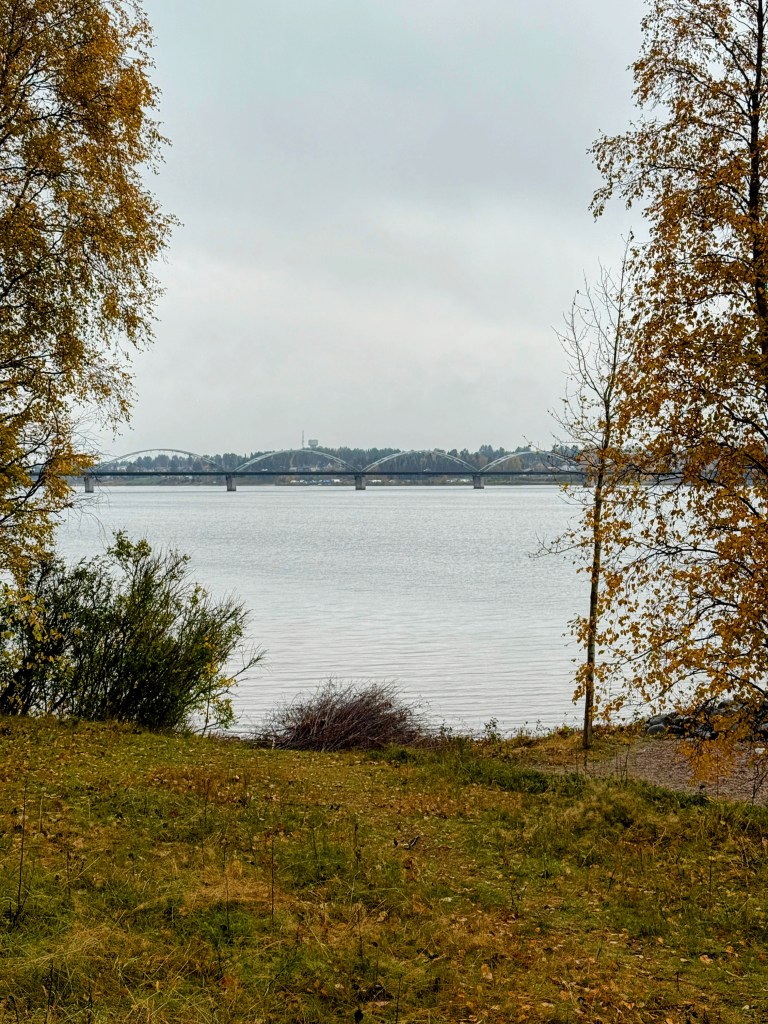
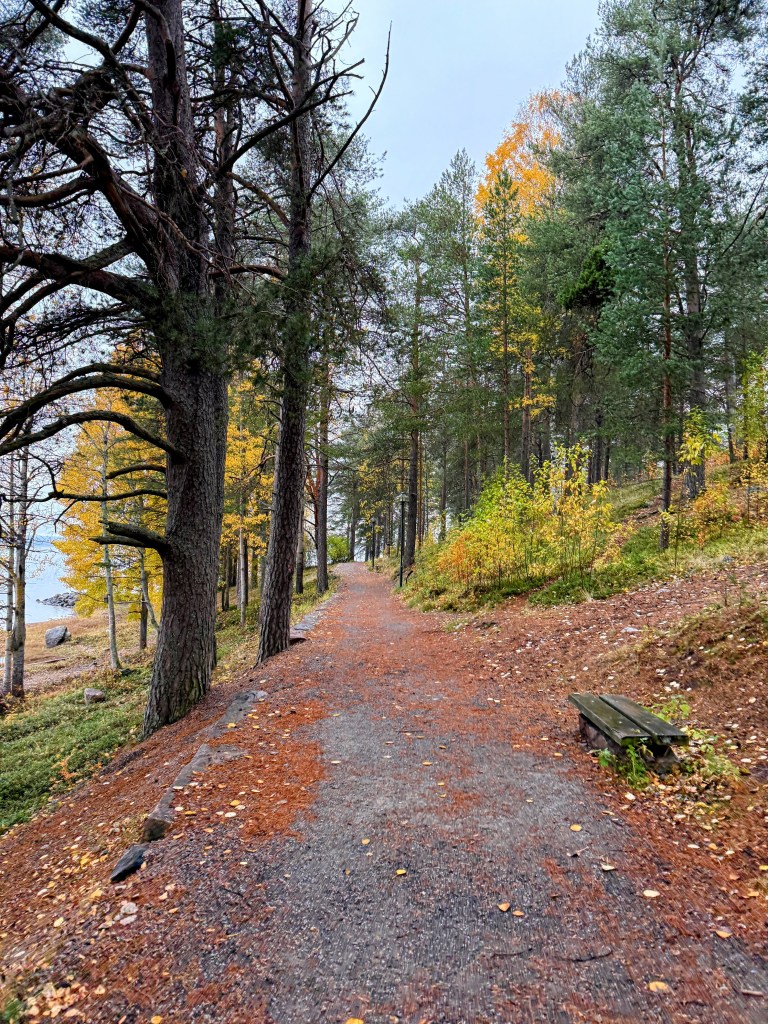
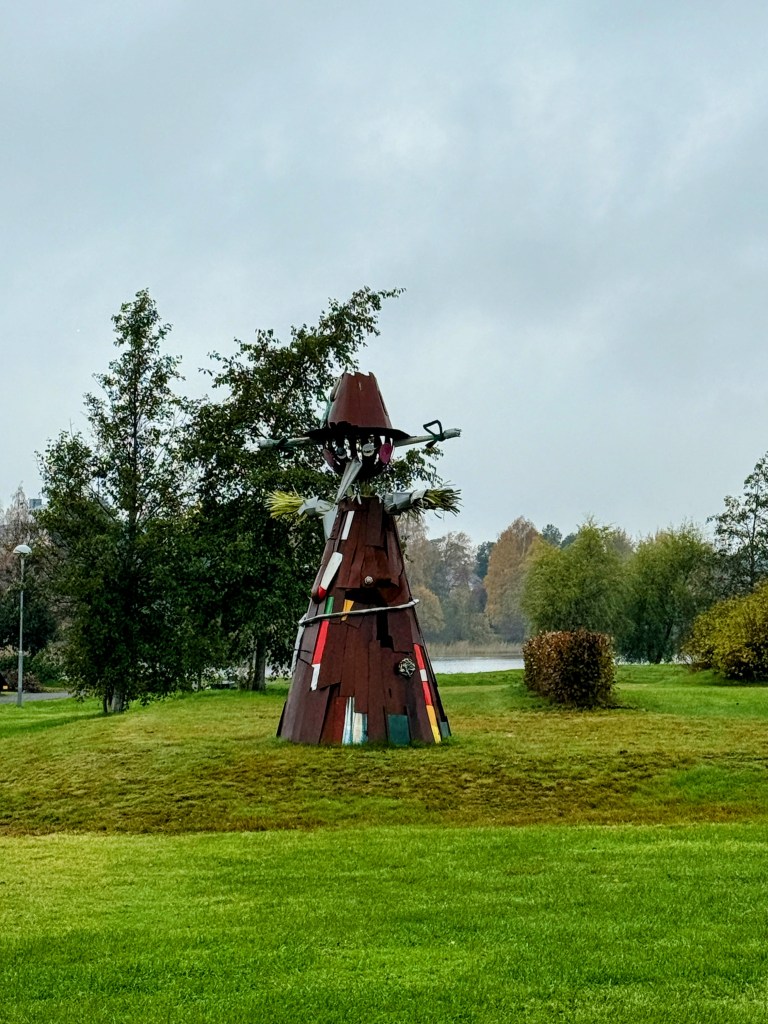
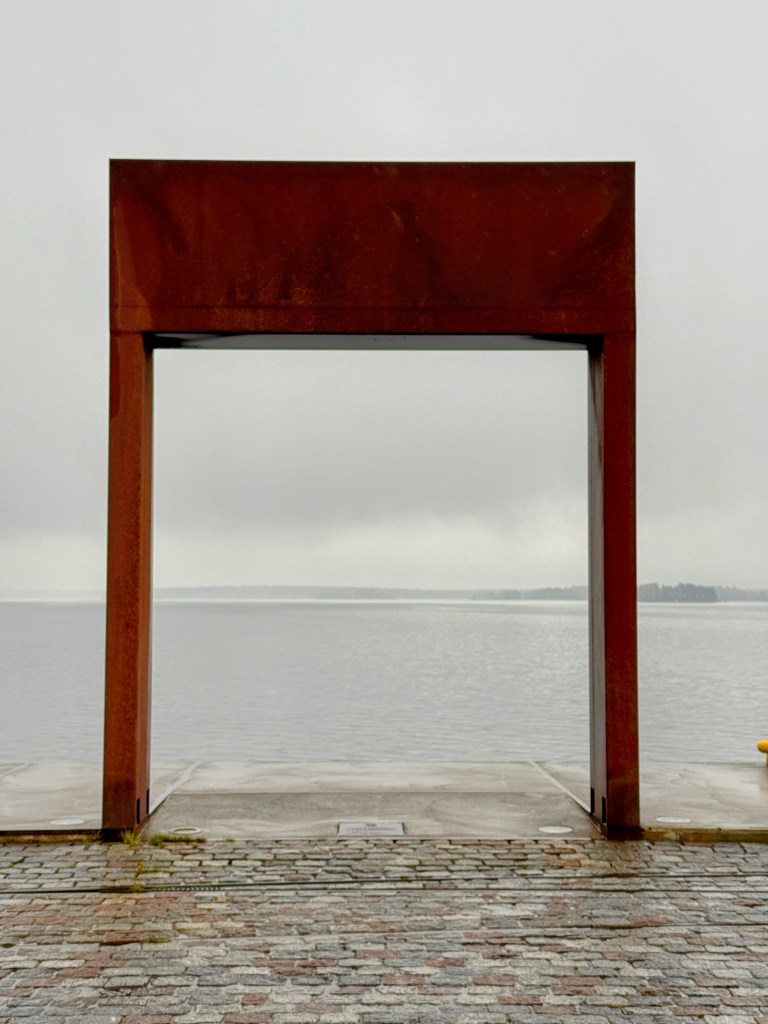
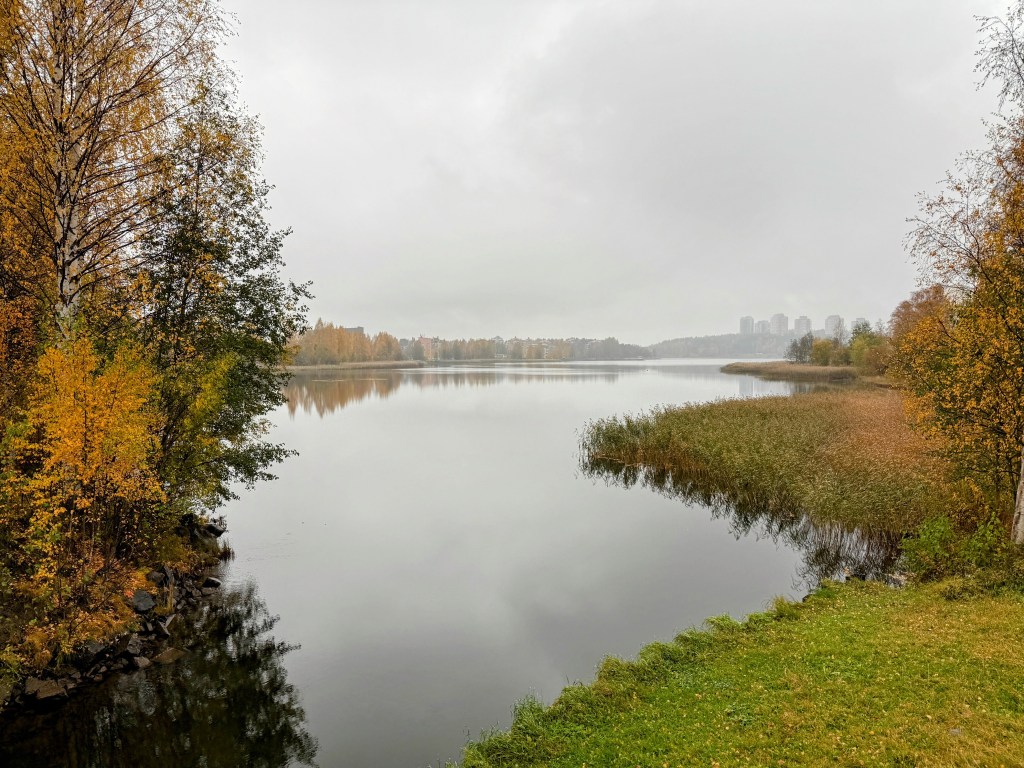
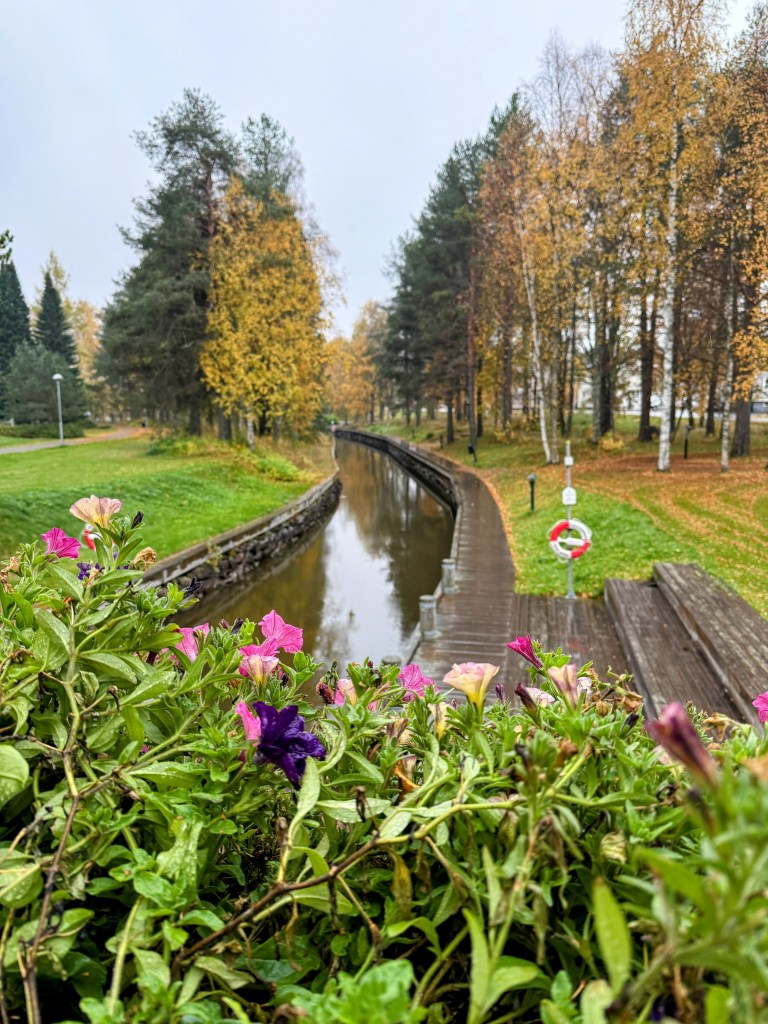
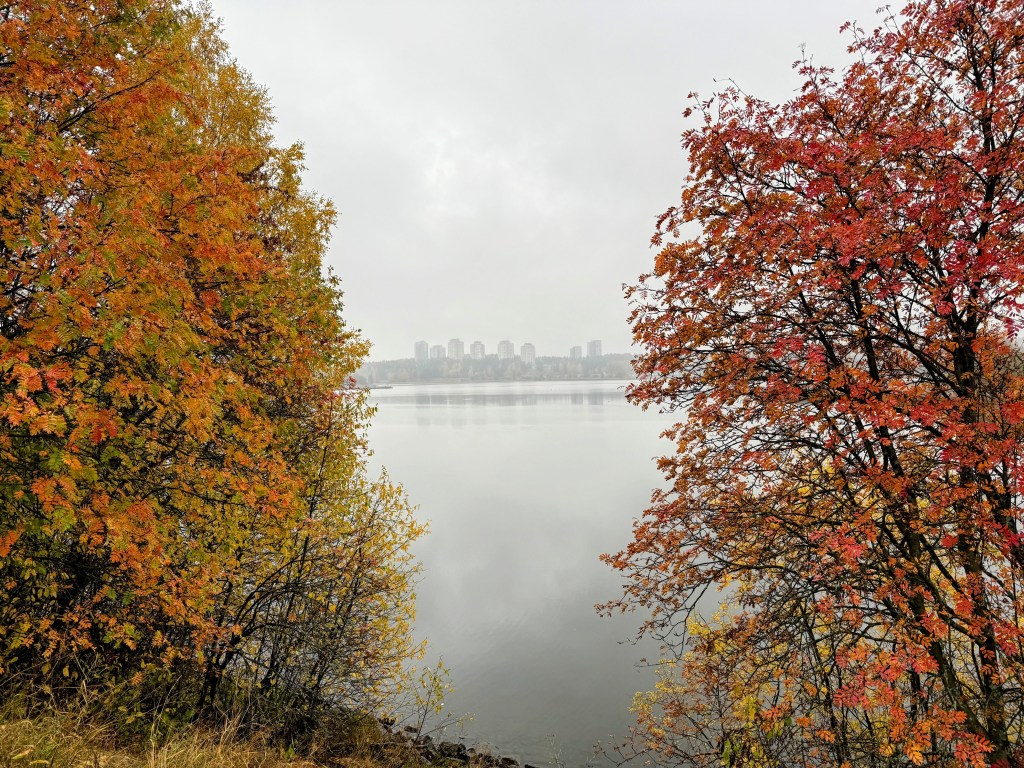
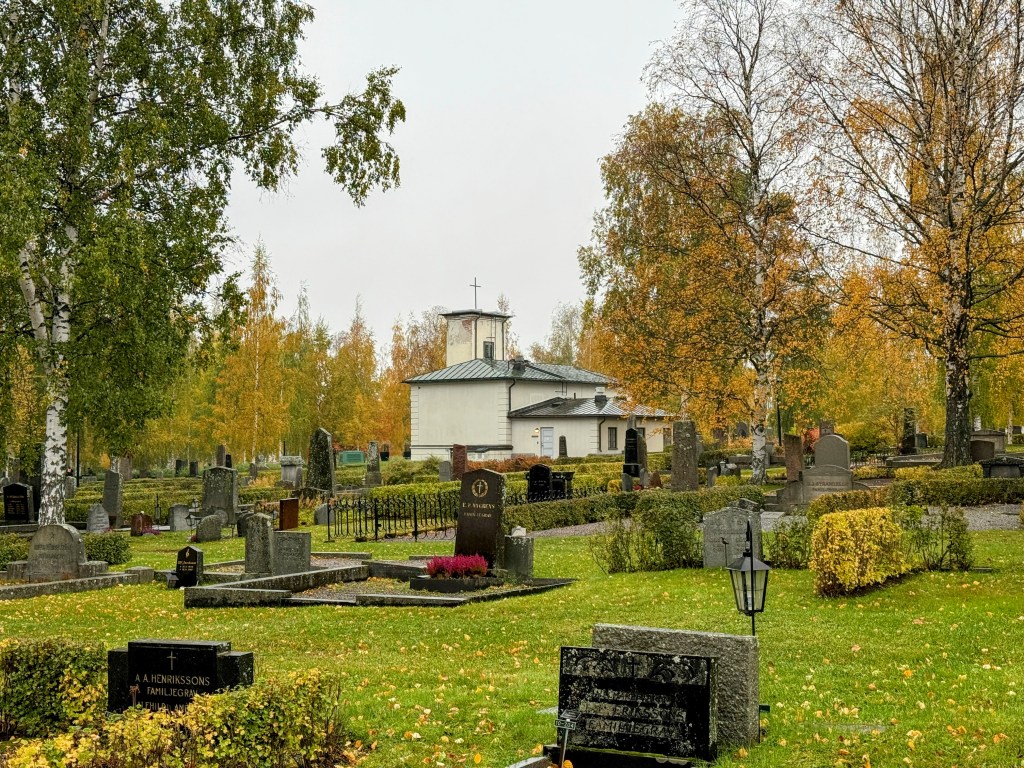
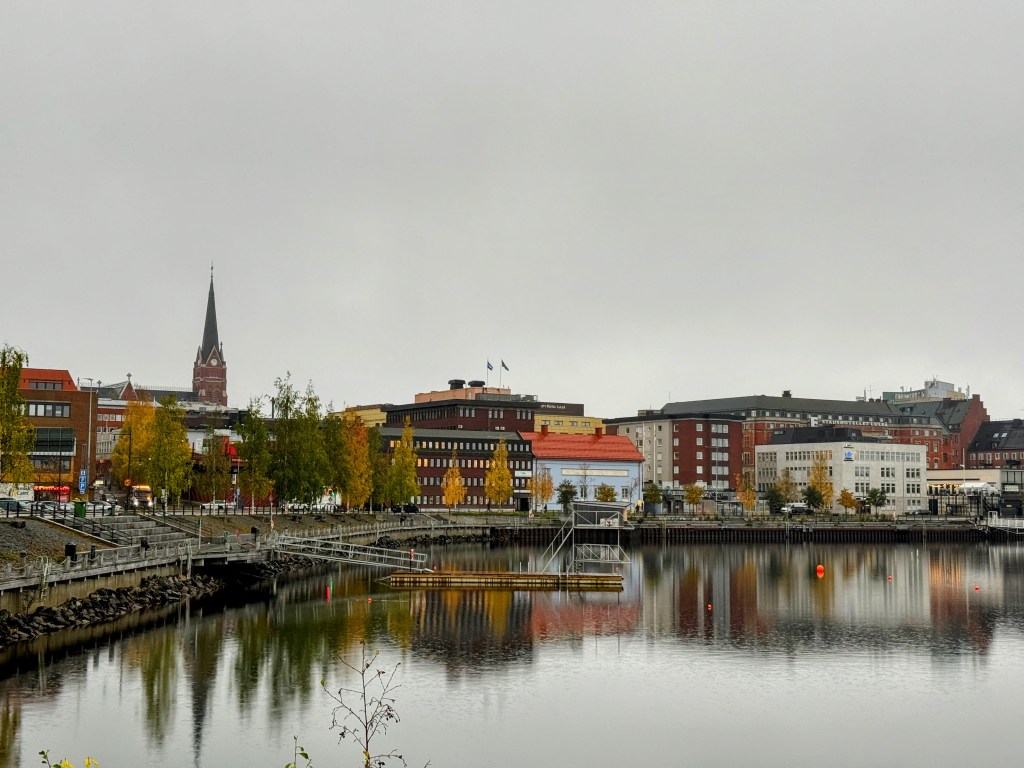
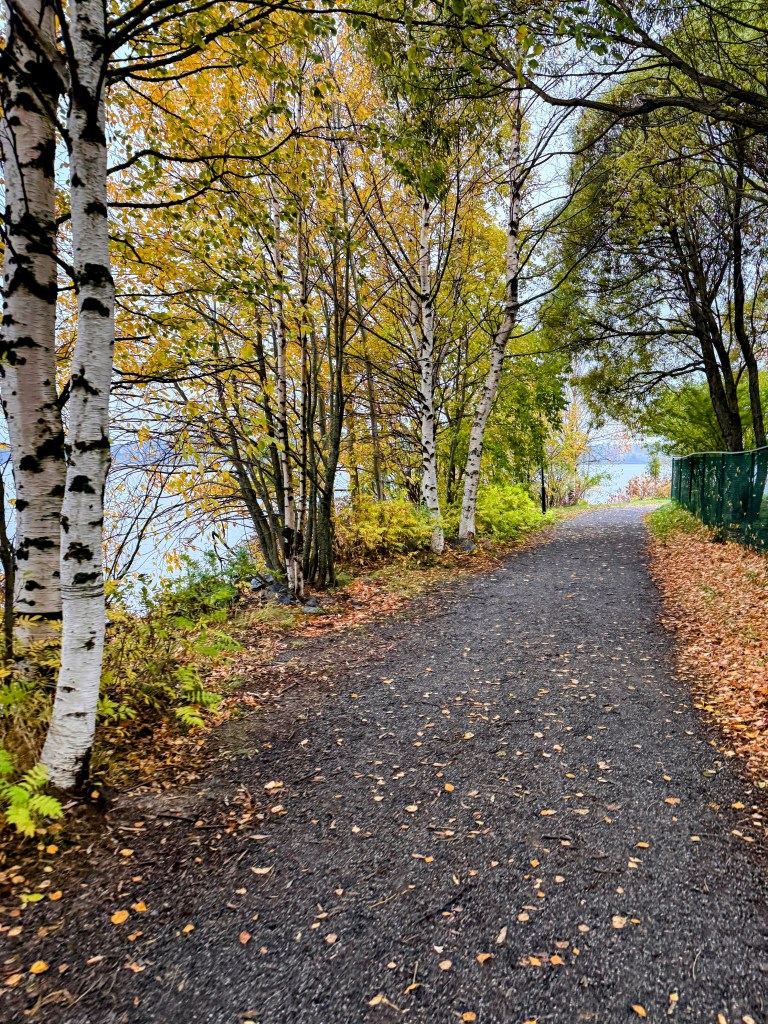
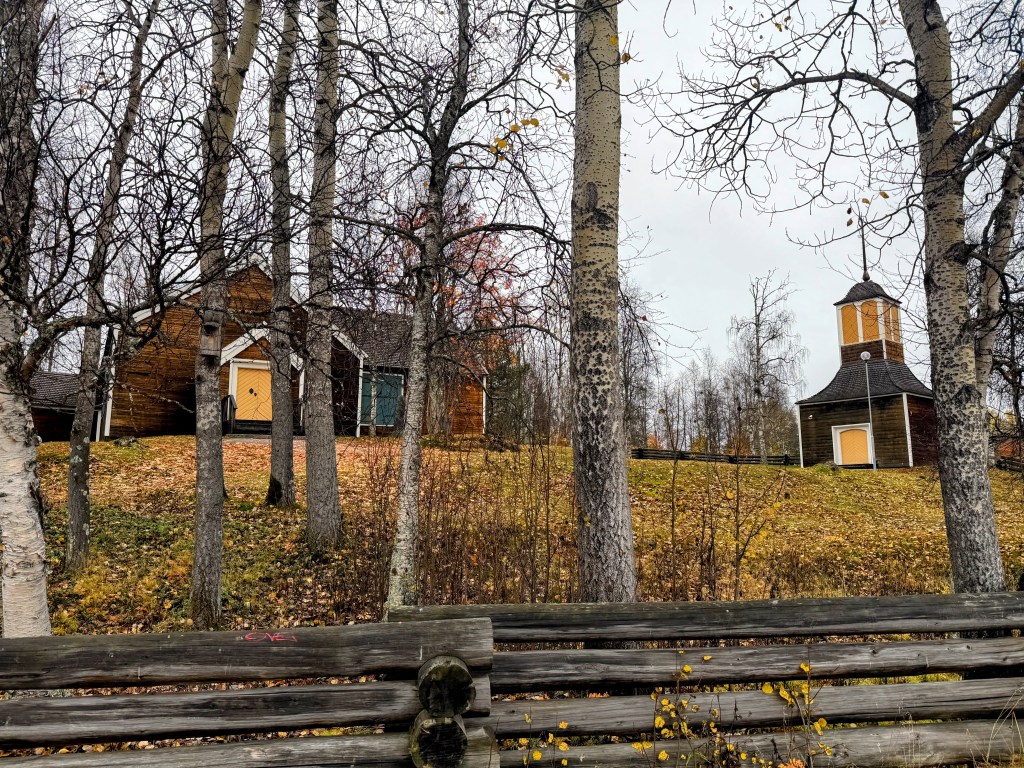
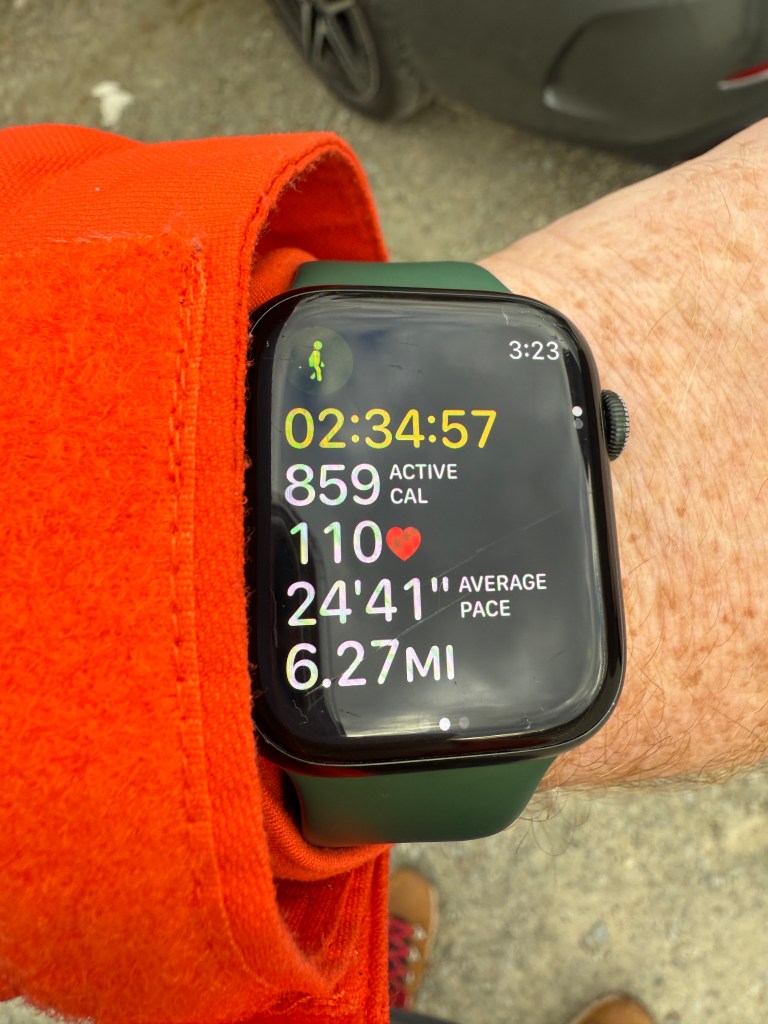
By the time we reached Luleå, the weather had taken a turn — gray, cold, and unrelentingly wet. Still, we weren’t about to let a little rain keep us inside. We laced up our boots and set out on a 6.5-mile walk through the city and its surrounding nature trails, winding around coastal paths, quiet neighborhoods, and the historic city center. Luleå, located on the shores of the Bay of Bothnia, is known for its impressive archipelago of over 1,300 islands and its UNESCO-listed Gammelstad Church Town, where centuries-old wooden cottages surround a medieval stone church.
The highlight of our walk, though, wasn’t the scenery — it was meeting a woman out walking her five whippets. She told us she raced them, and I instantly melted. As former parents to a greyhound (Hottie) and an Italian greyhound (Hardy), we have a soft spot for sighthounds. The youngest of the group, just six months old, jumped all over me and covered my face in kisses — a little piece of home in the middle of Sweden.
Over the course of three nights, the weather worsened, so we settled into our cozy cabin with take-away food and a Netflix binge — Monster: The Ed Gein Story followed by Monsters: The Menendez Brothers. Not exactly uplifting, but perfect for a few rainy nights in.



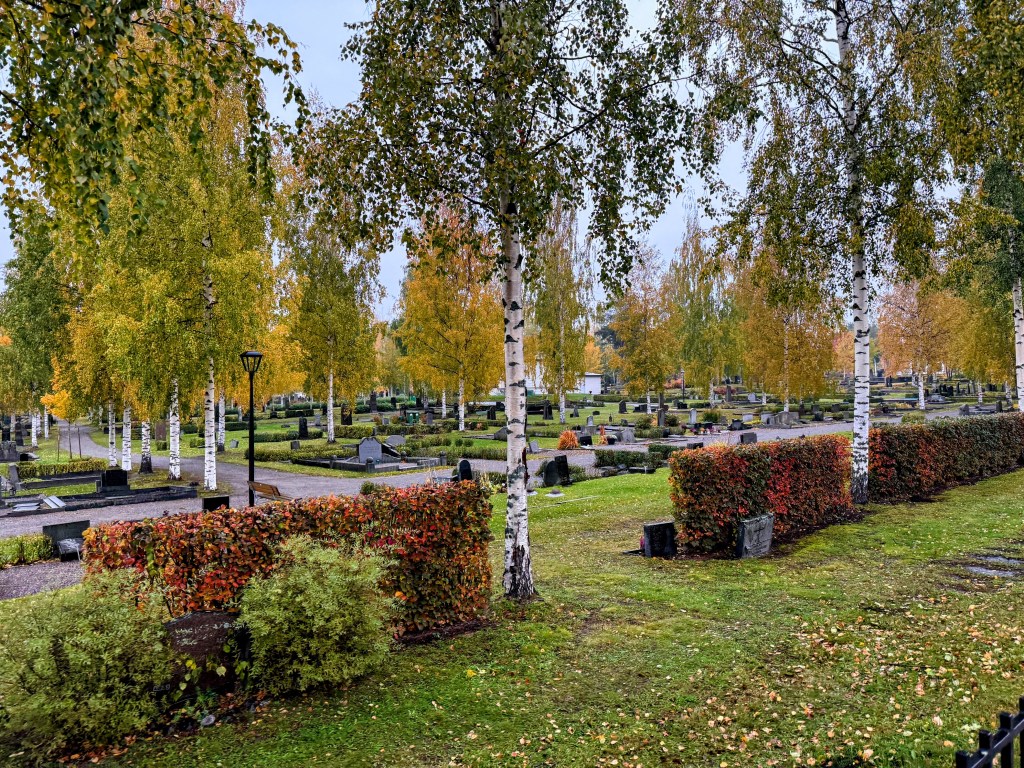
Gällivare and the Hike to Dundretleden
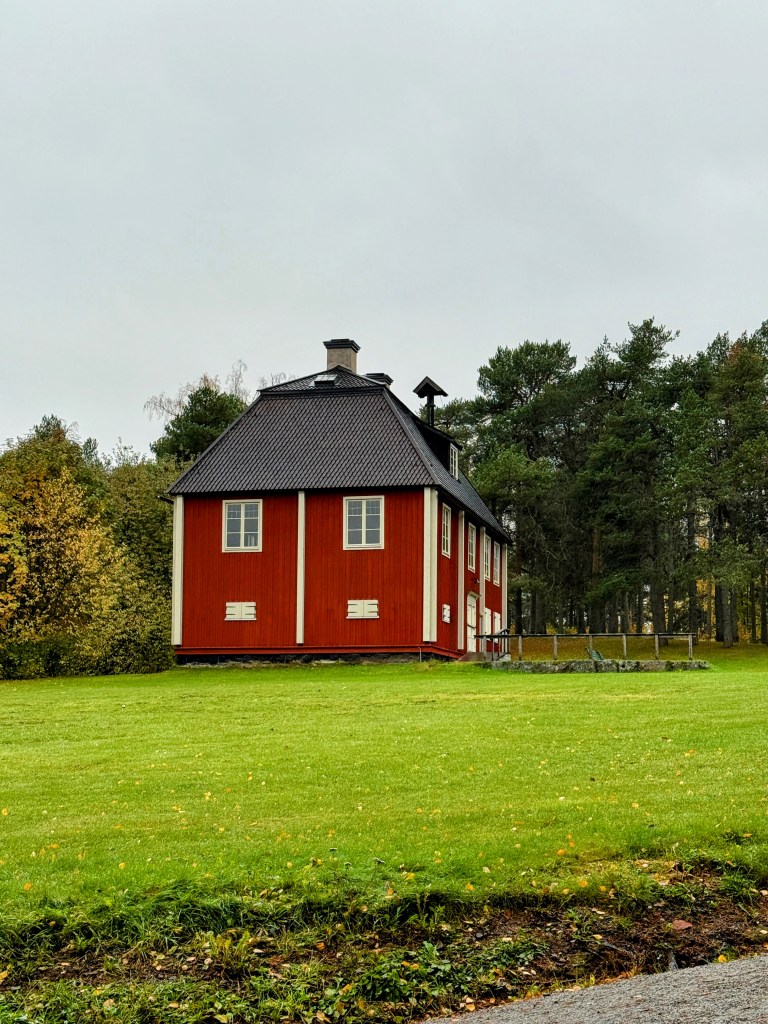
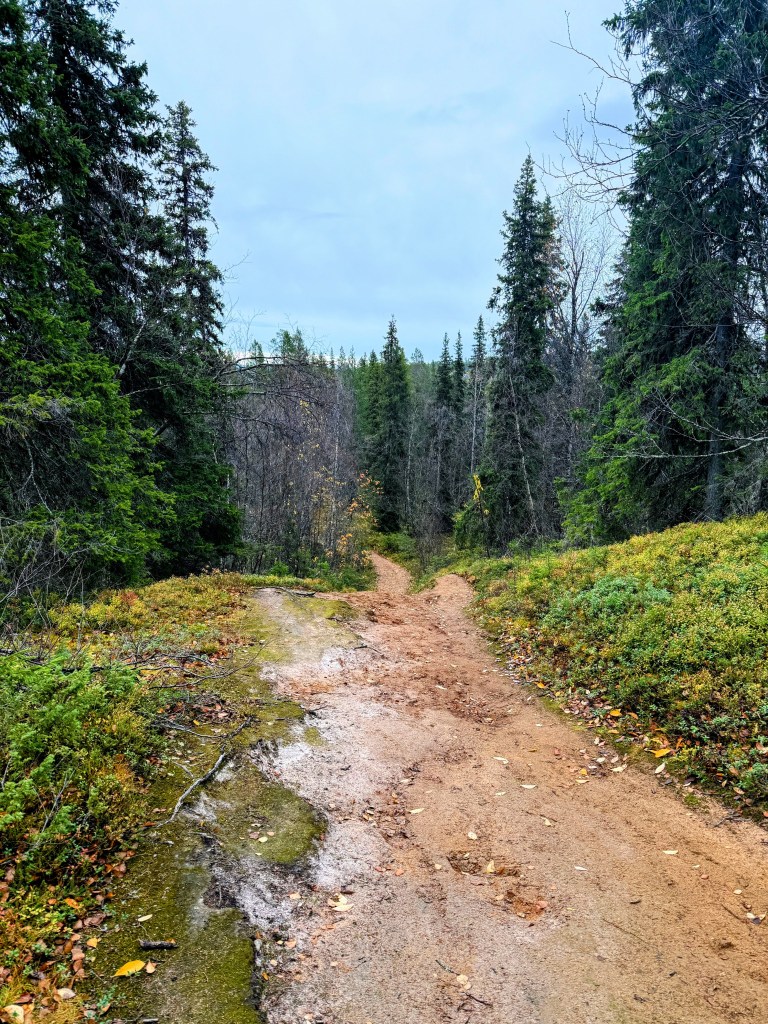
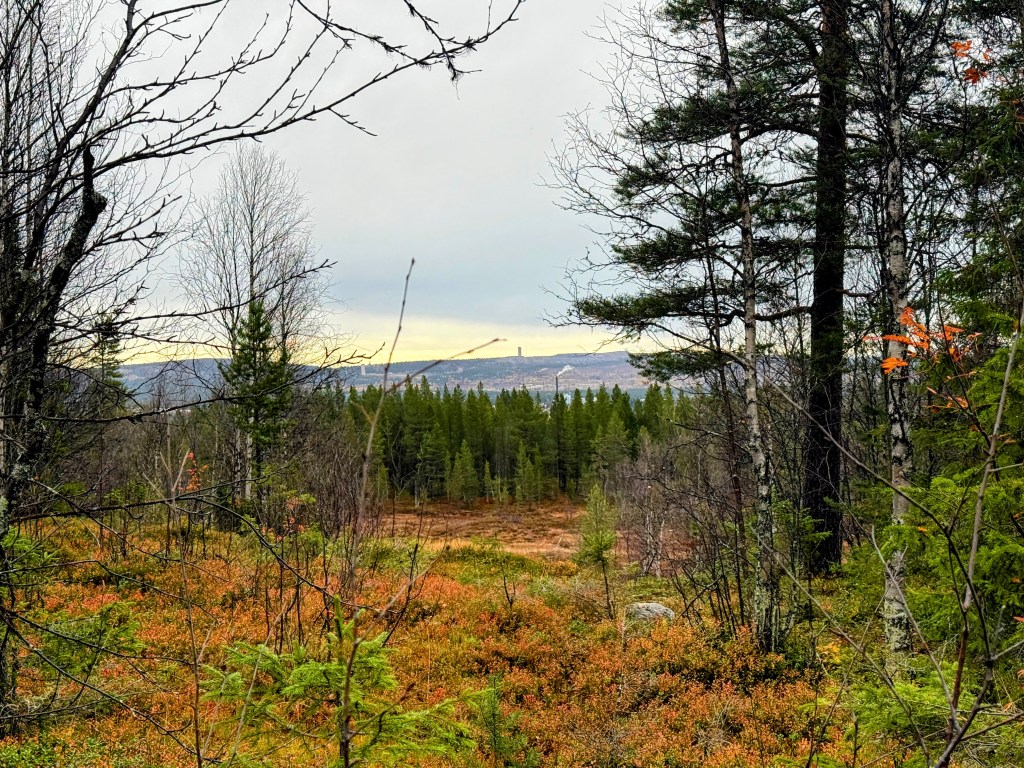
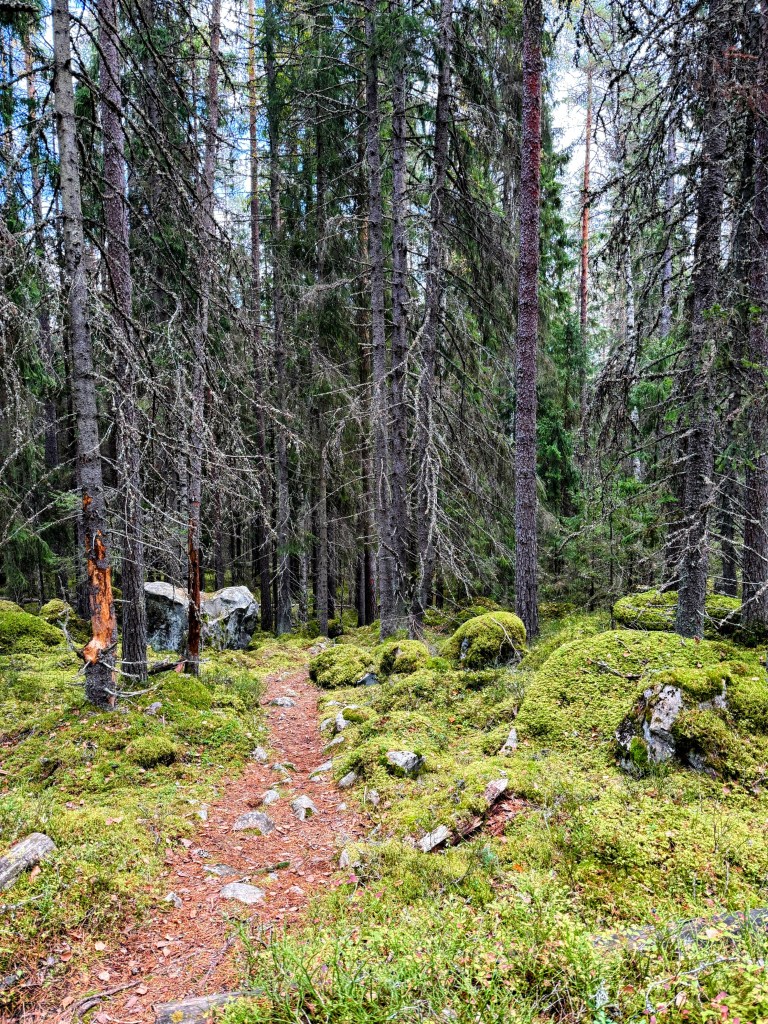
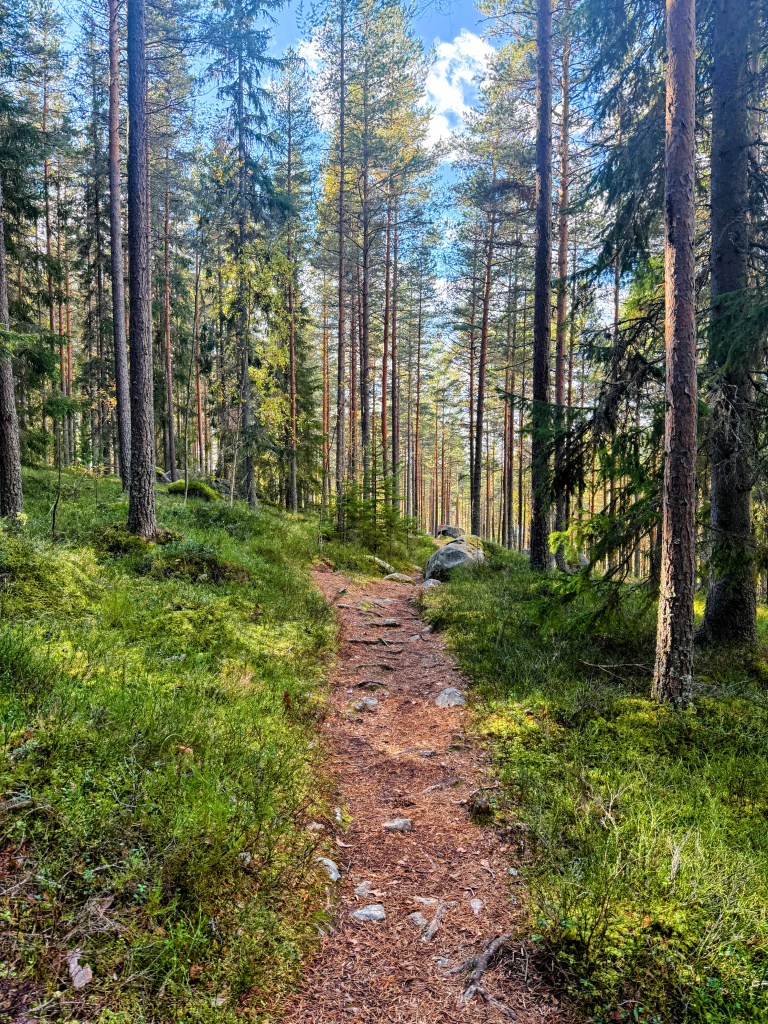
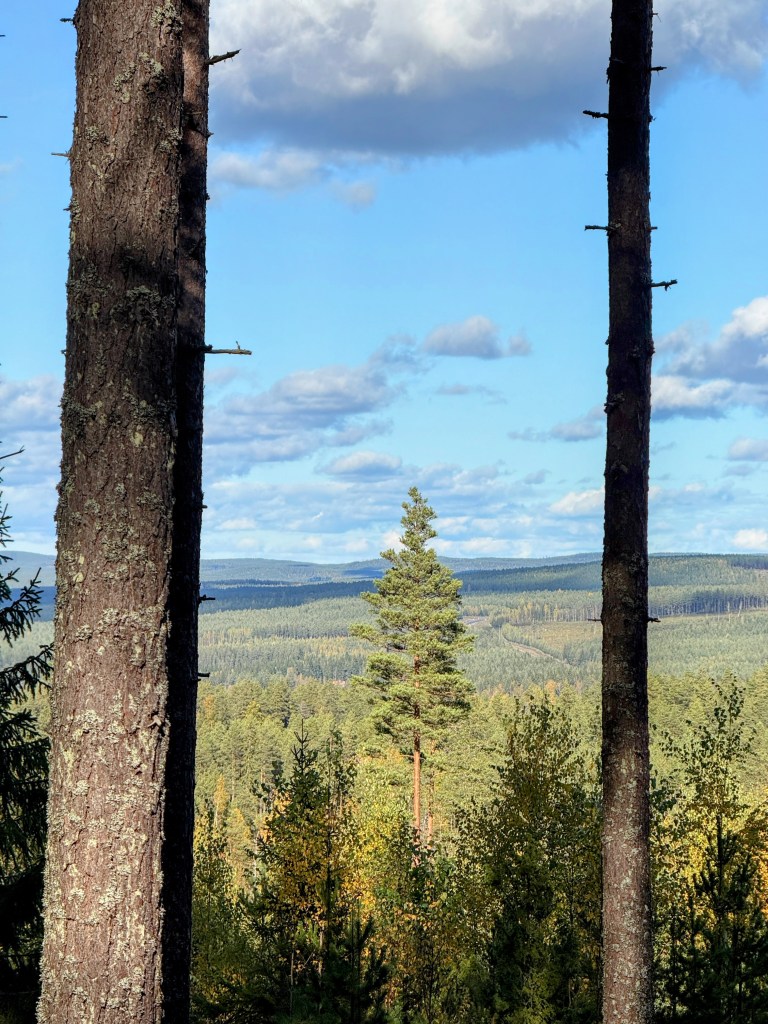
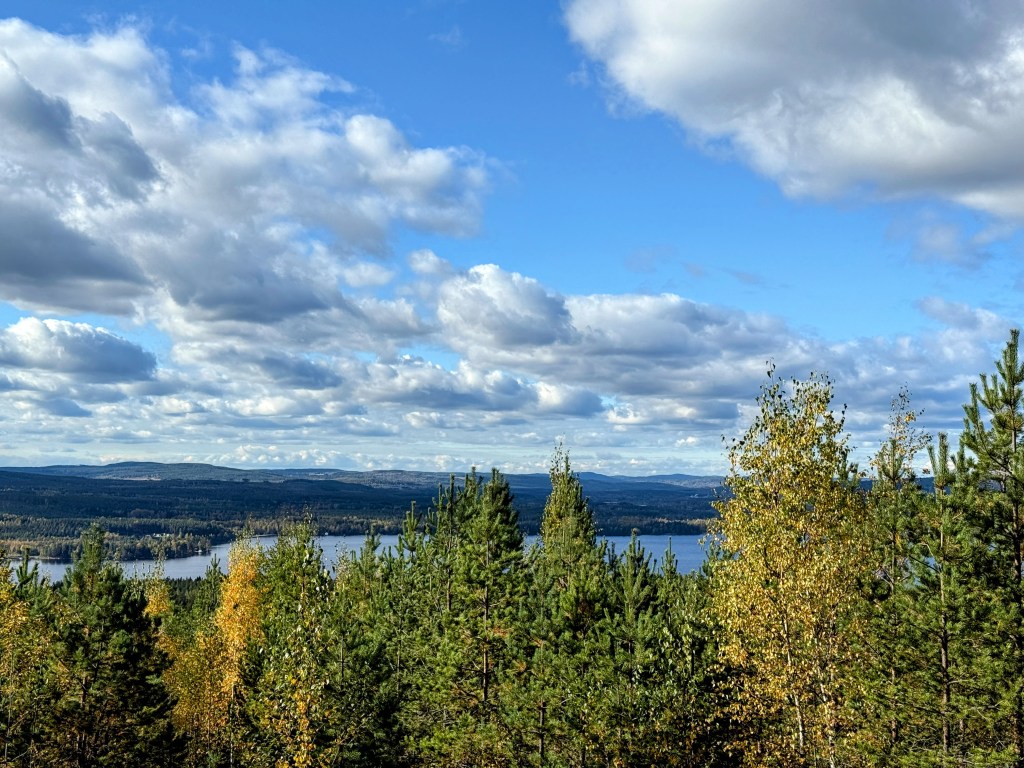
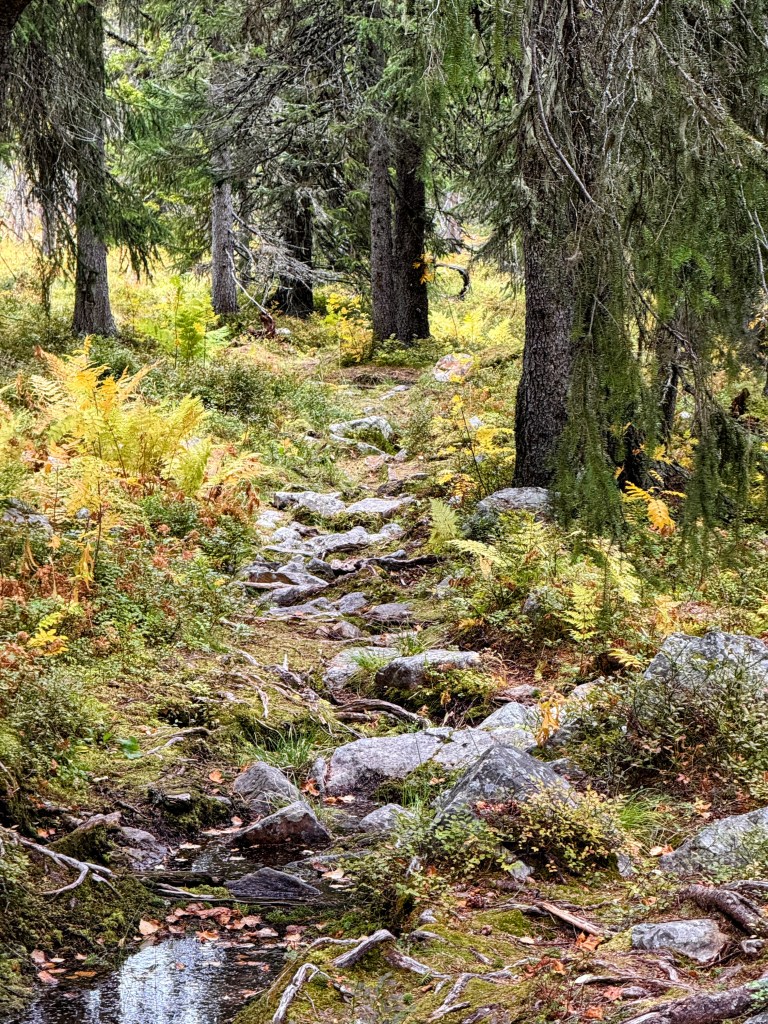
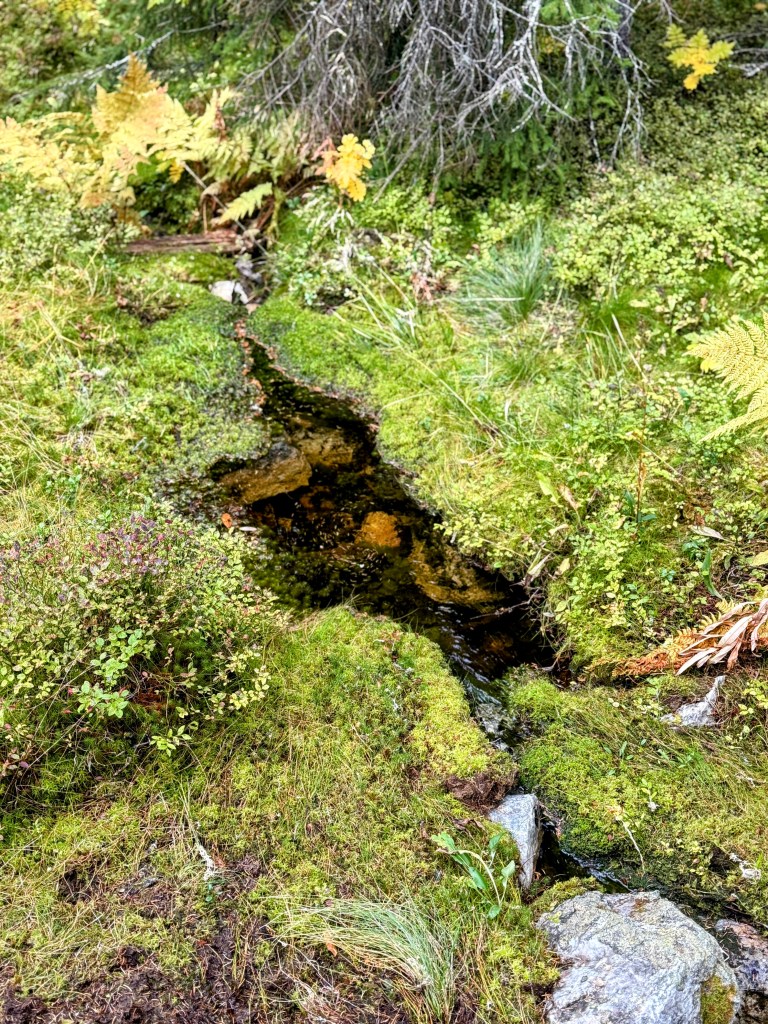
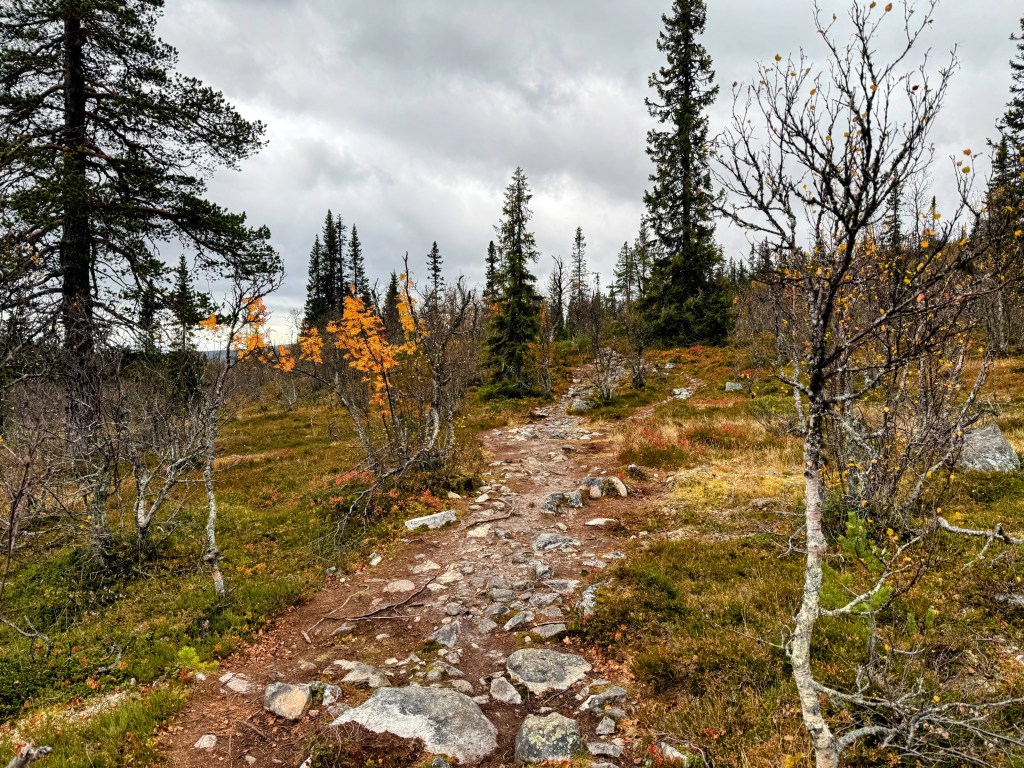
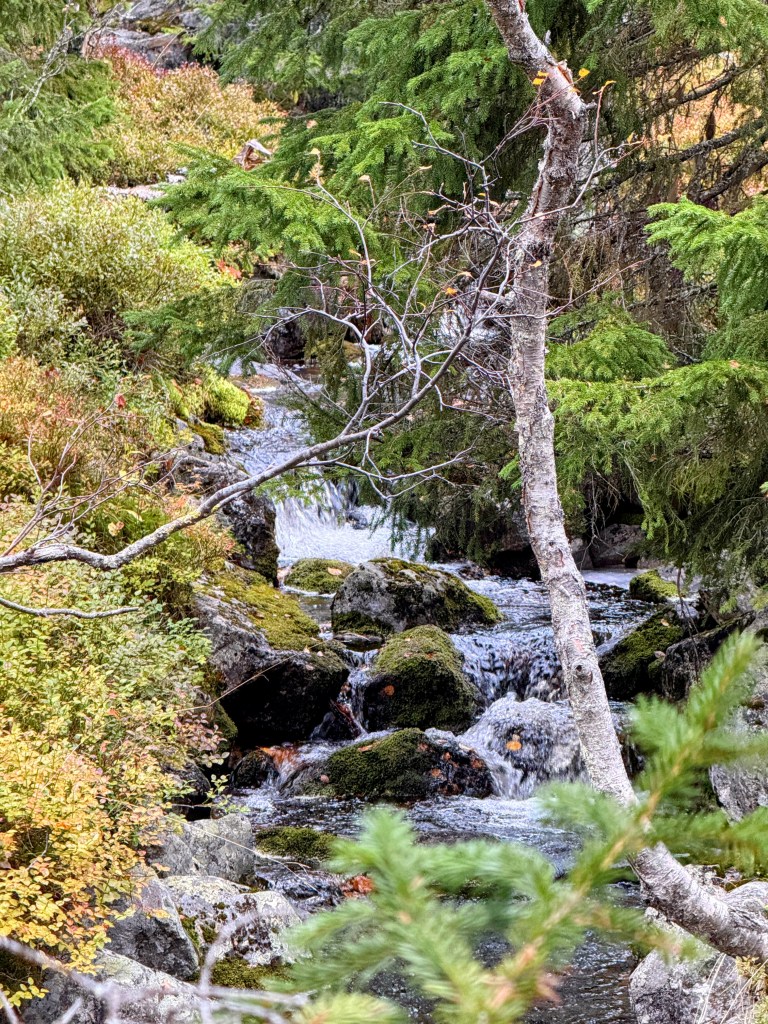
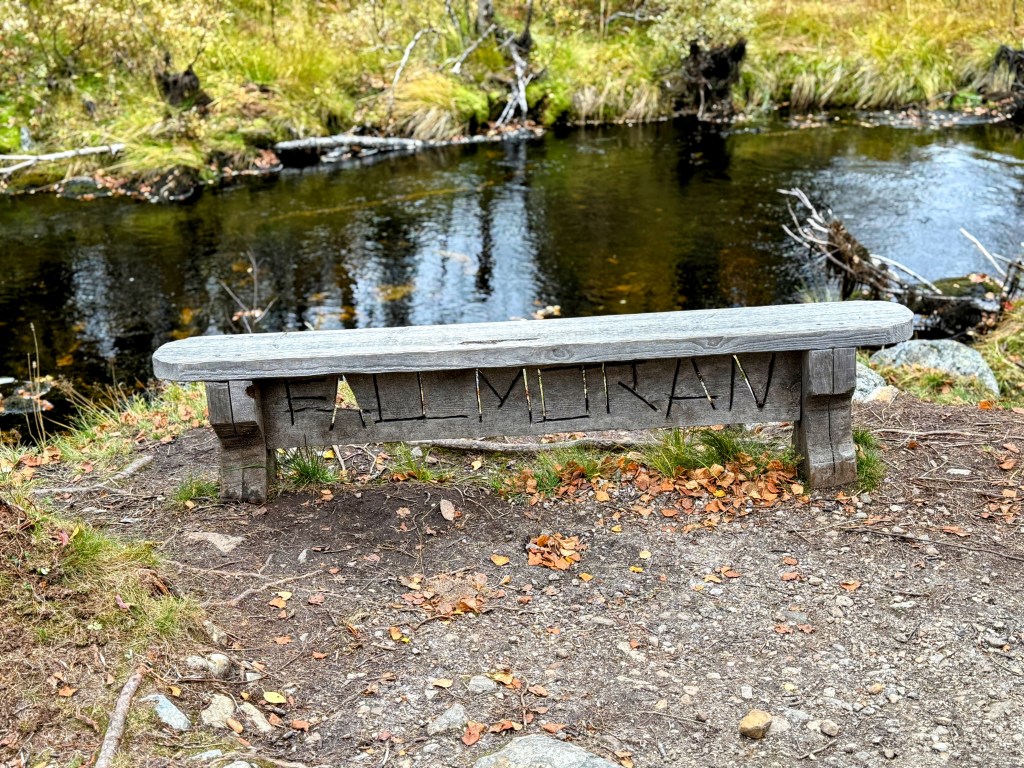
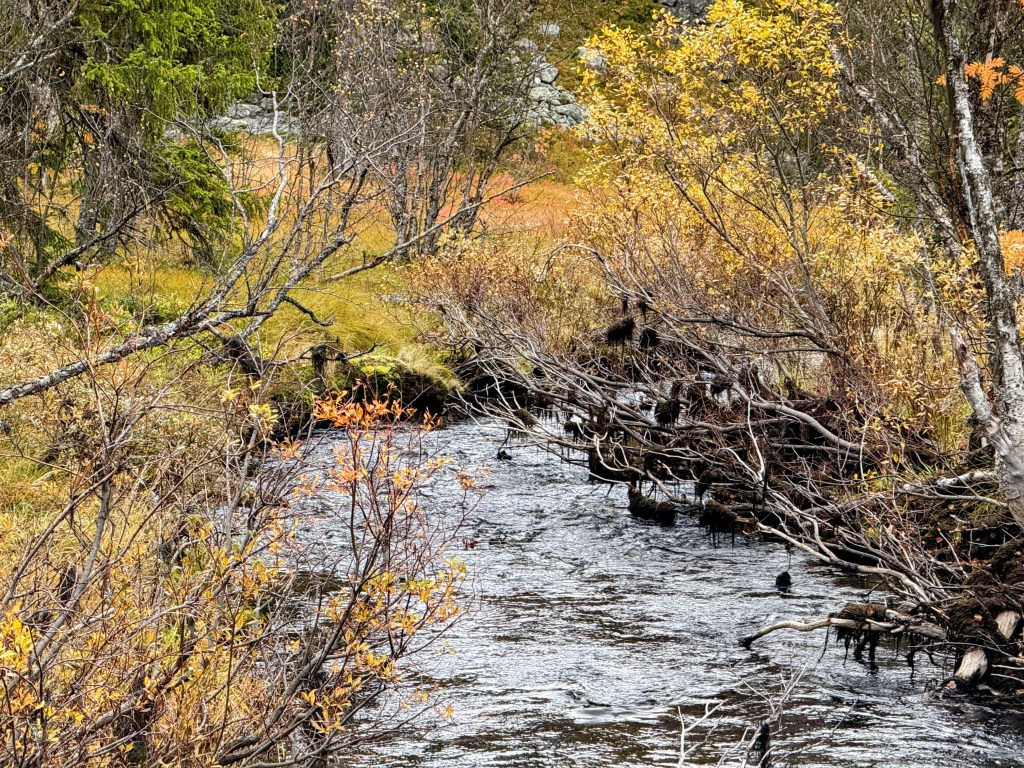
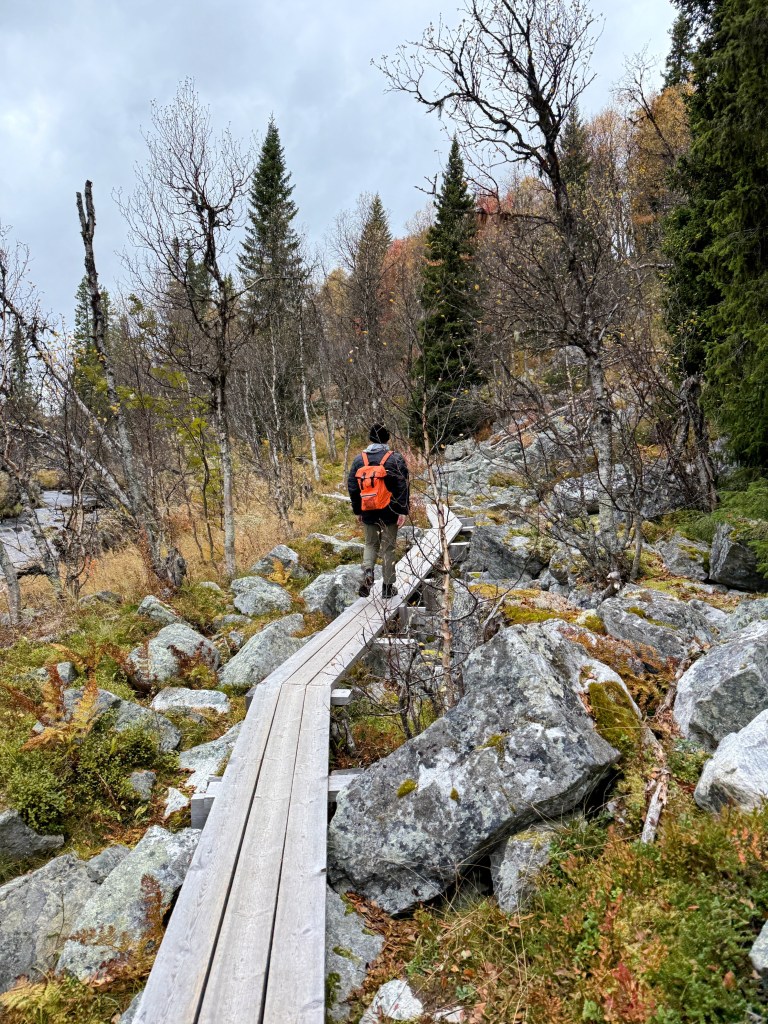
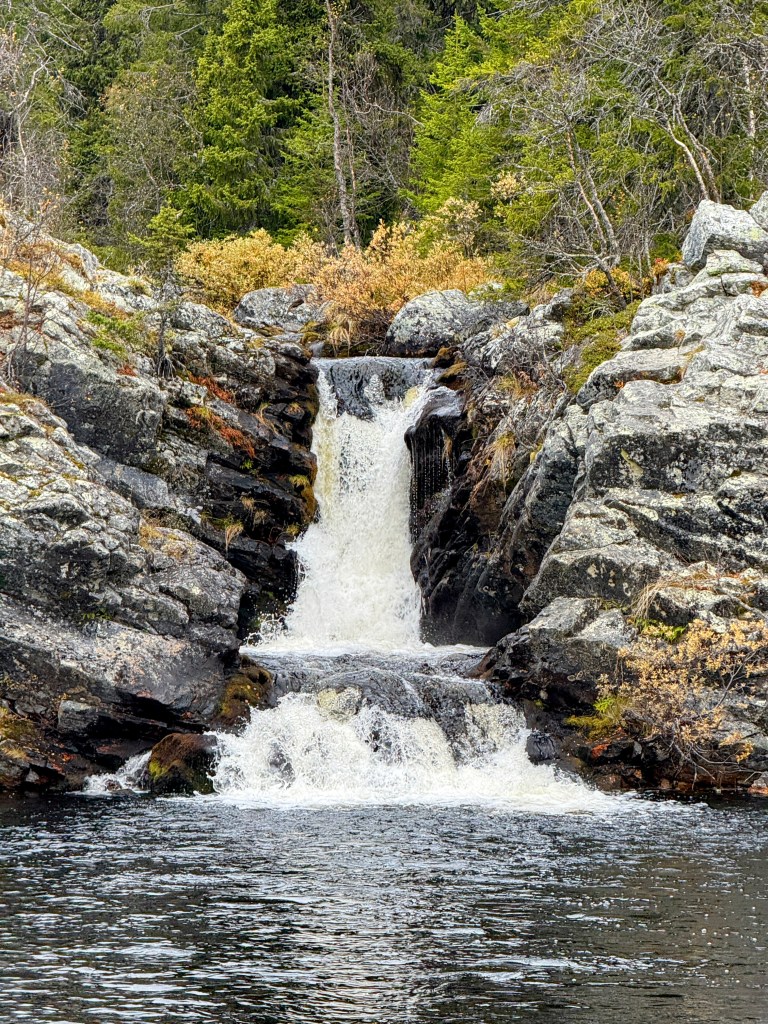
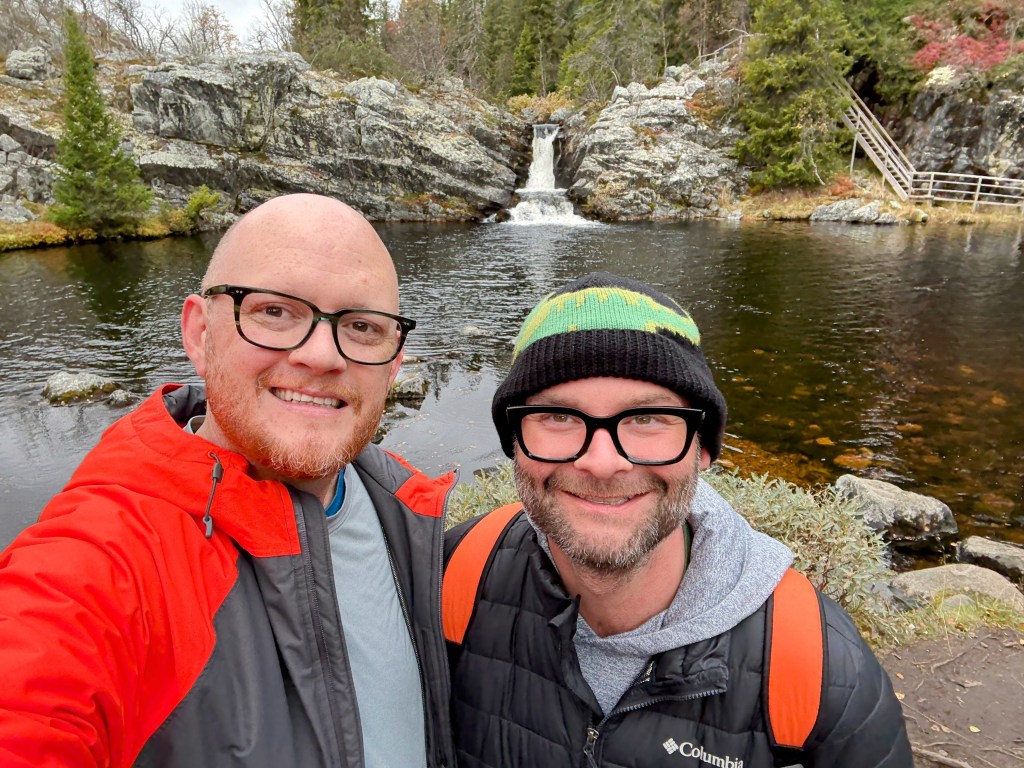
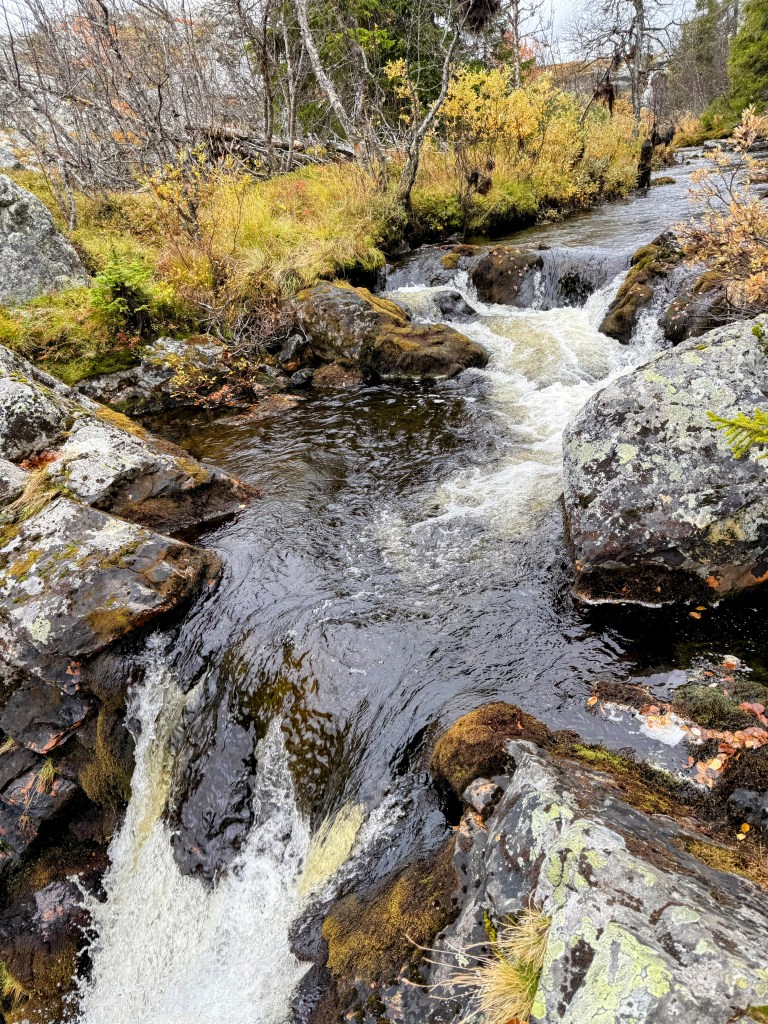
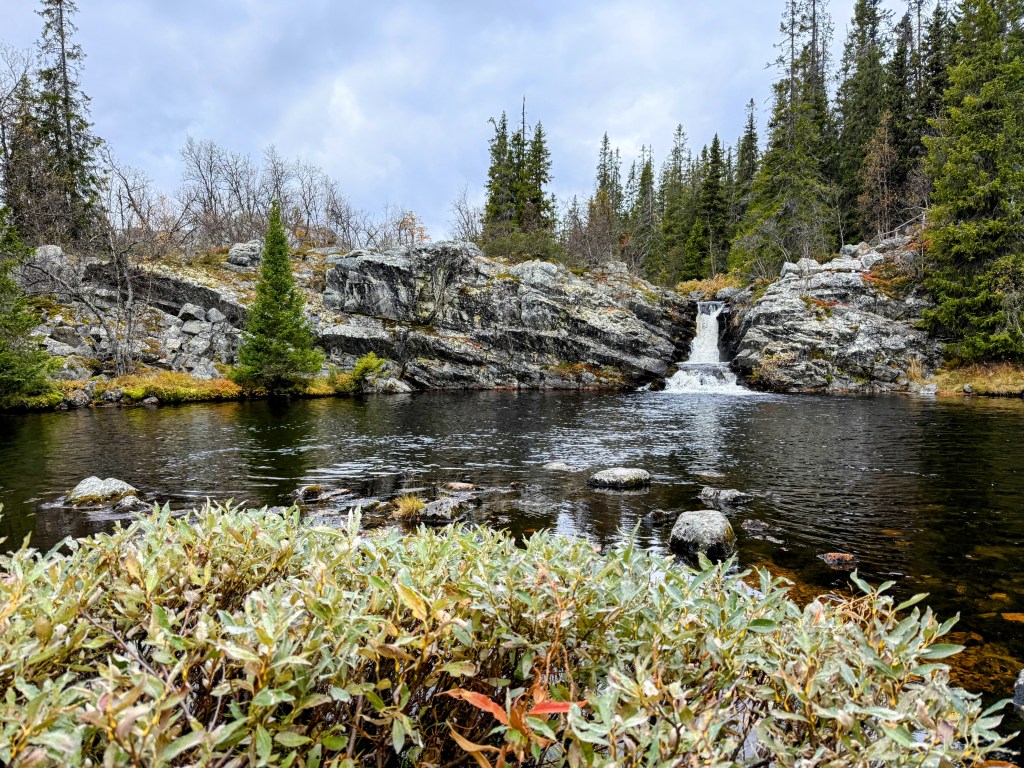
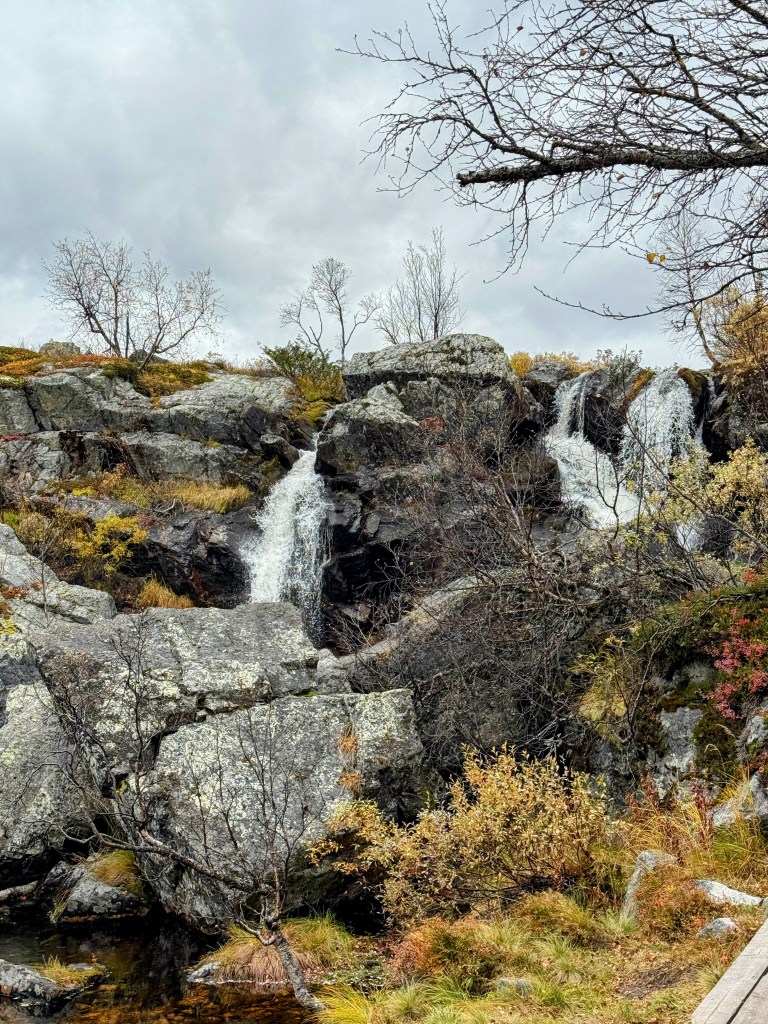
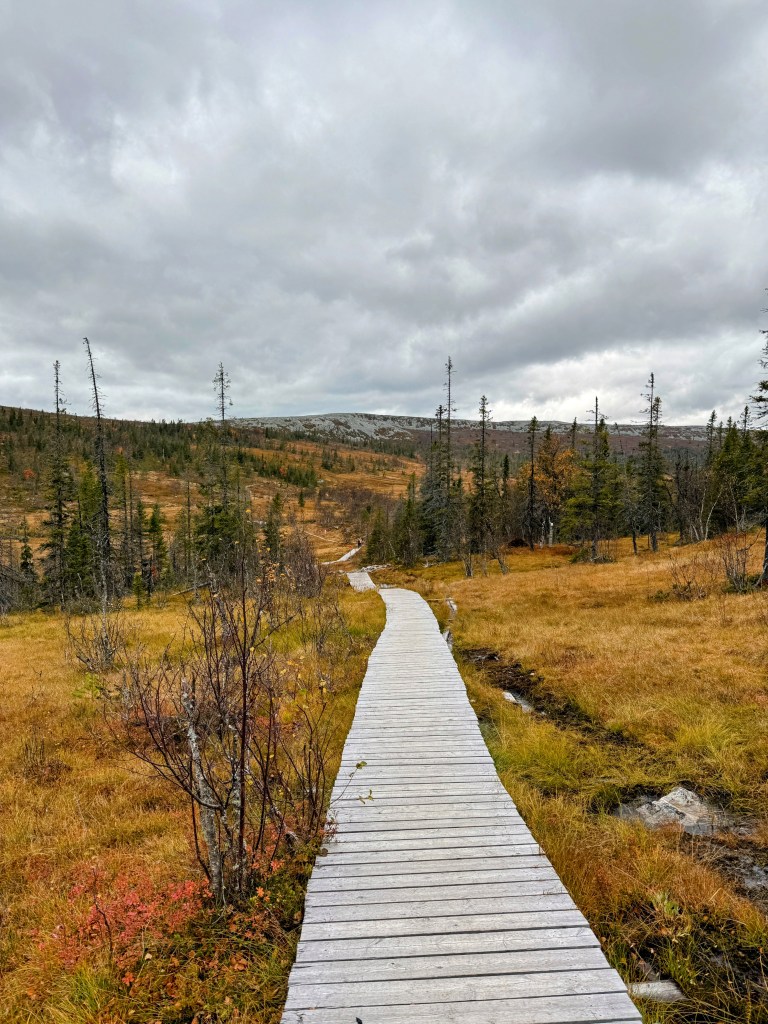
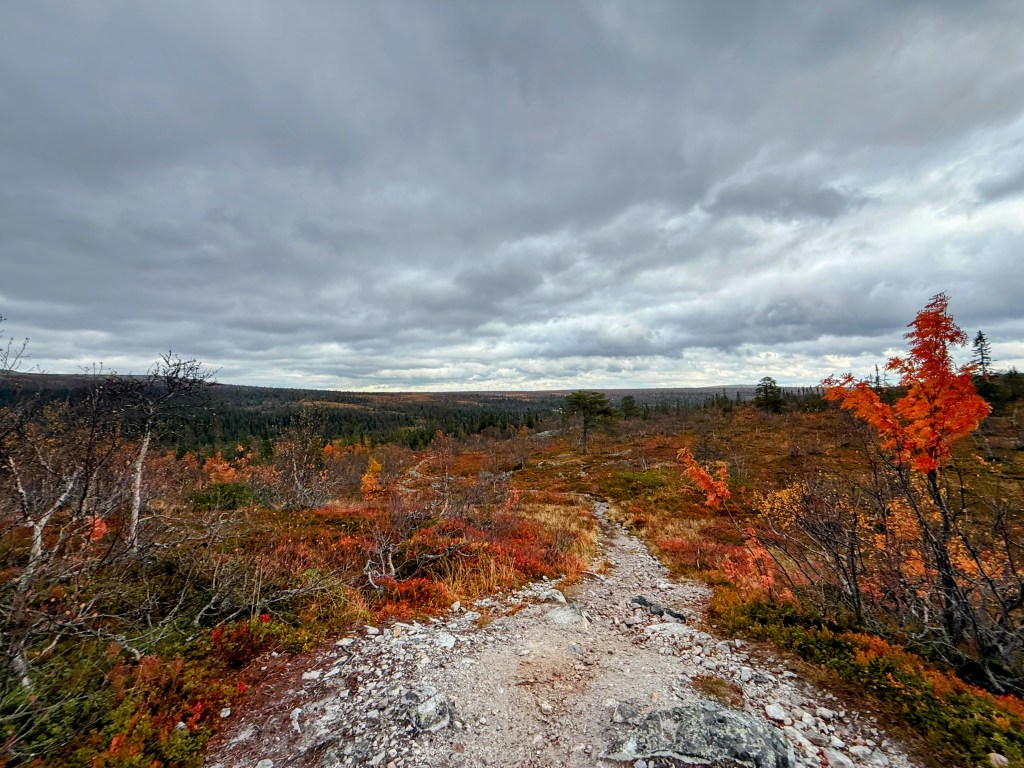
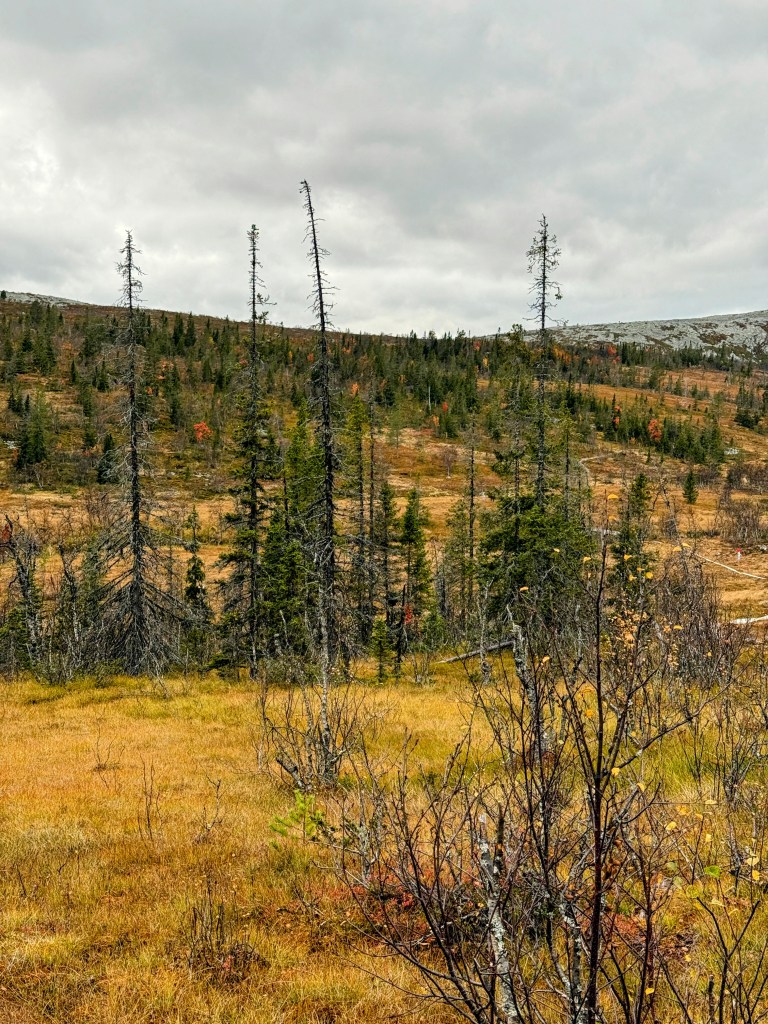
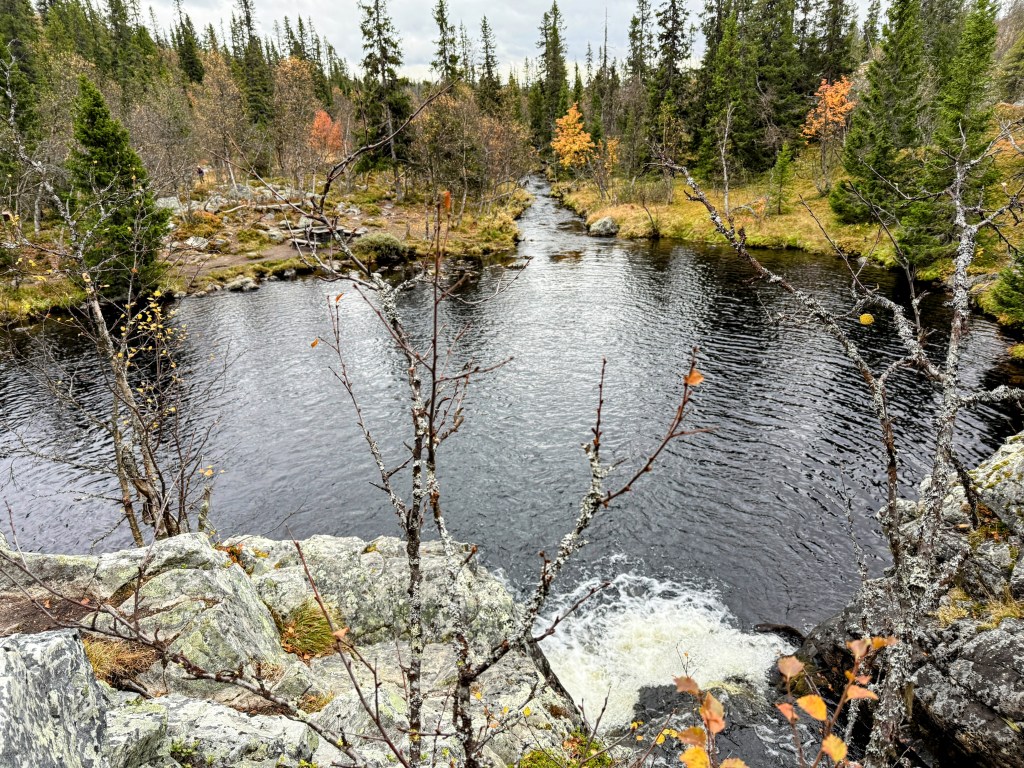
After our stay in Luleå, we were back on the road, heading toward Kiruna. Along the way, we stopped in the small mining town of Gällivare to hike the Dundretleden Trail, a six-mile loop through a sprawling nature reserve. The trail was peaceful and raw — thick forests opening up to panoramic views of distant mountains, with a few steep inclines that nearly left me breathless. We spent about two and a half hours there before continuing our Arctic adventure north.


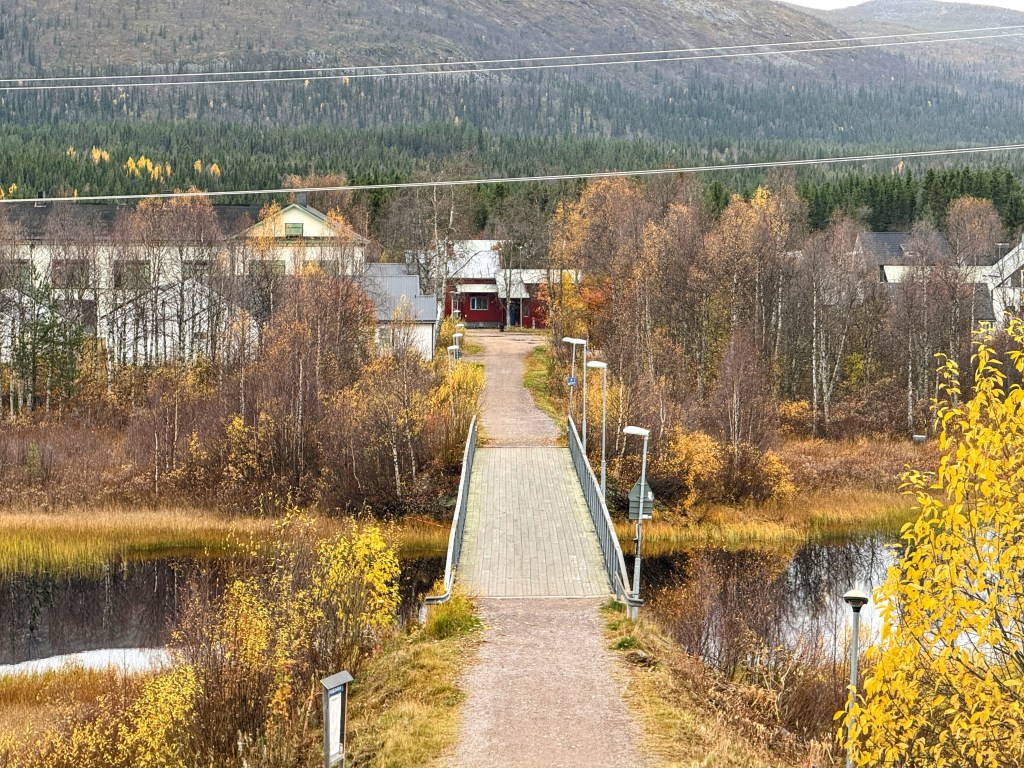
The Road to Jukkasjärvi: Moose, Reindeer, and Magic
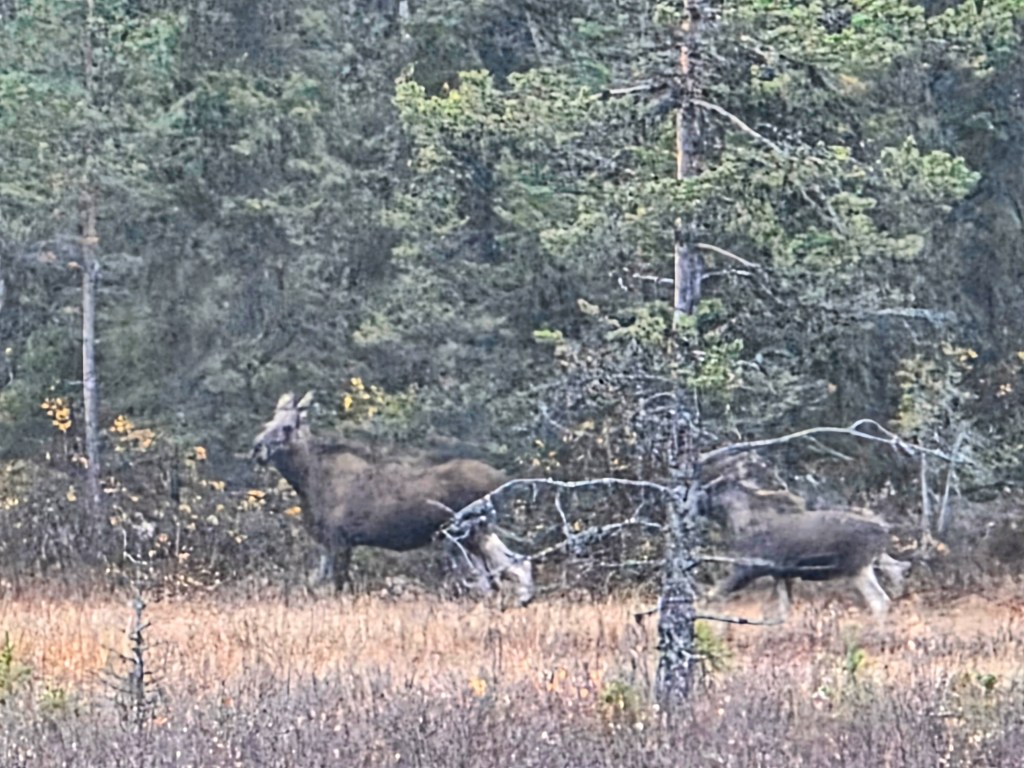
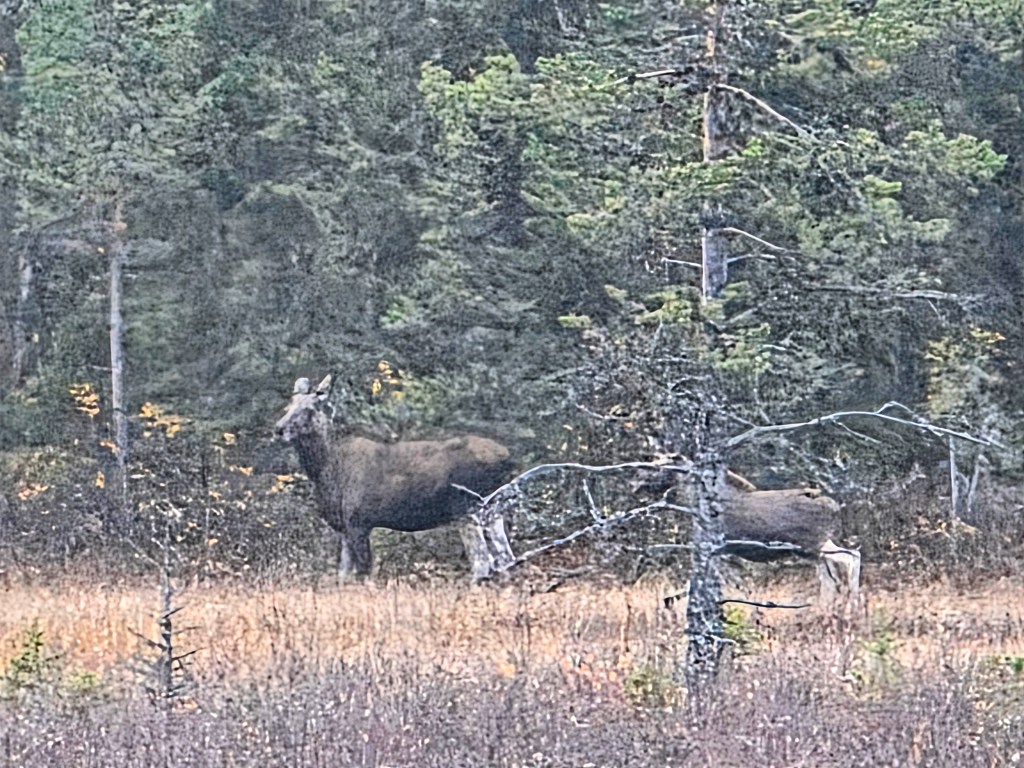
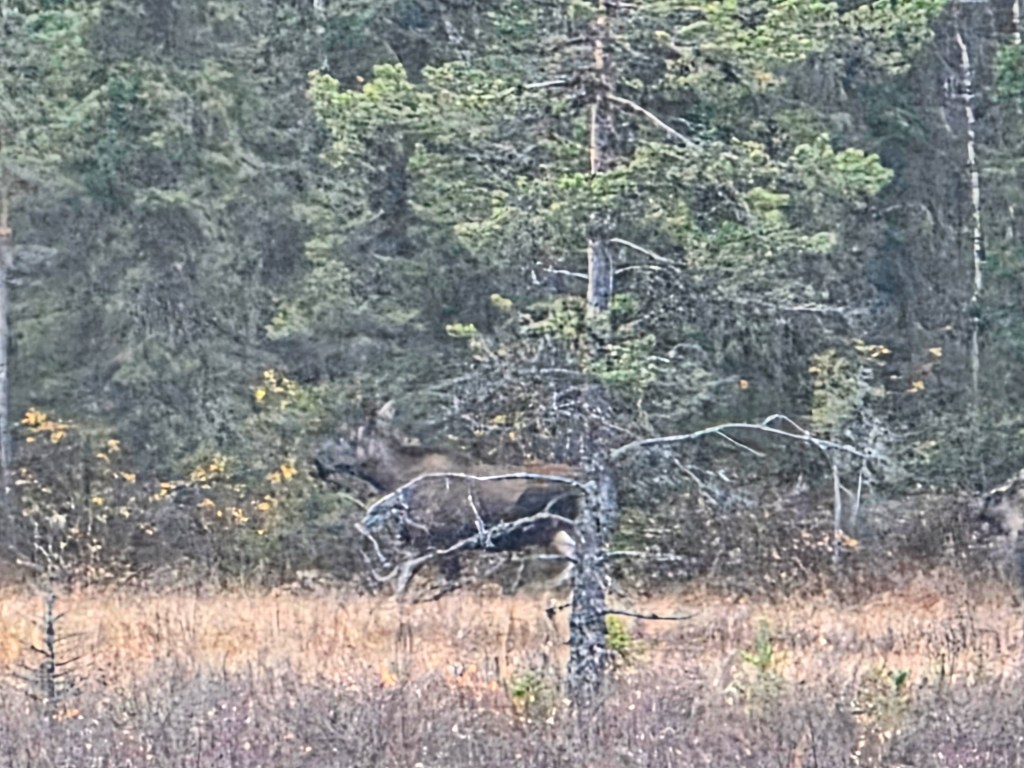
A few hours later, the landscape began to shift again — vast open fields, glistening lakes, and then, suddenly, our first moose sighting! A massive mother moose and her calf crossed a clearing just off the road. It was an unforgettable moment for me — as someone who loves all things wildlife, seeing these creatures up close in their natural habitat was pure magic.
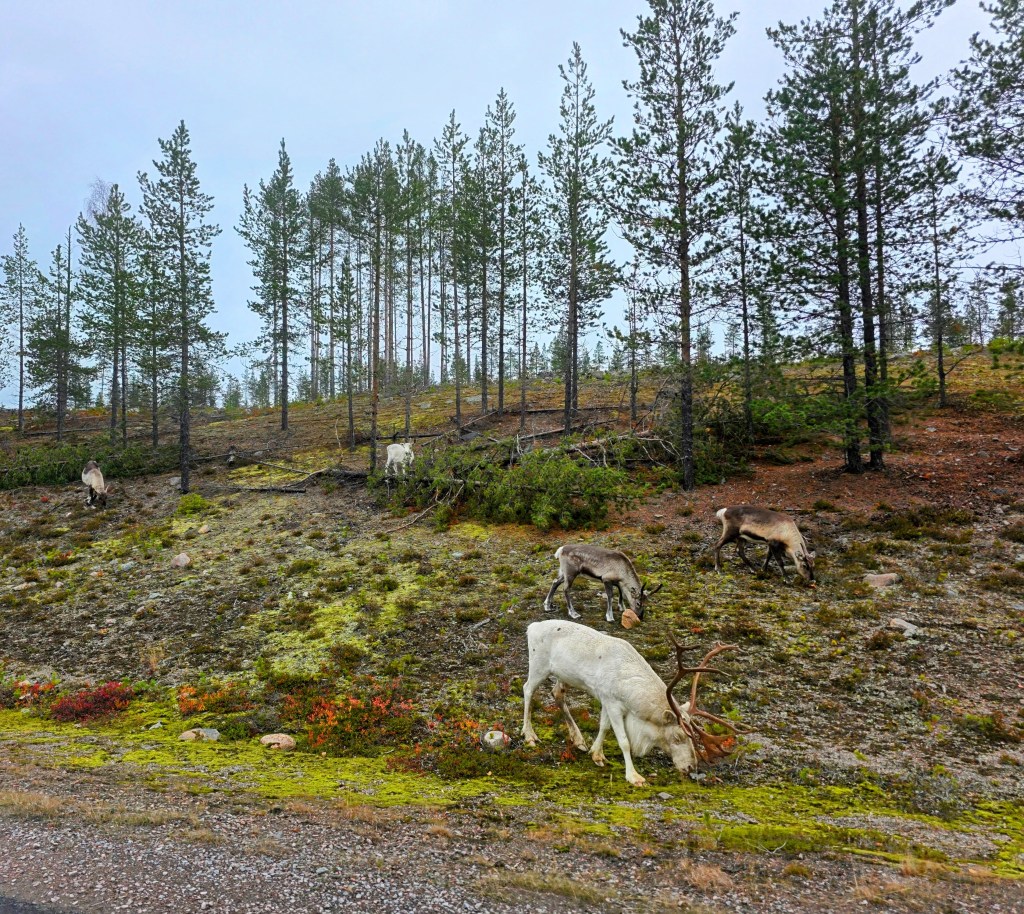
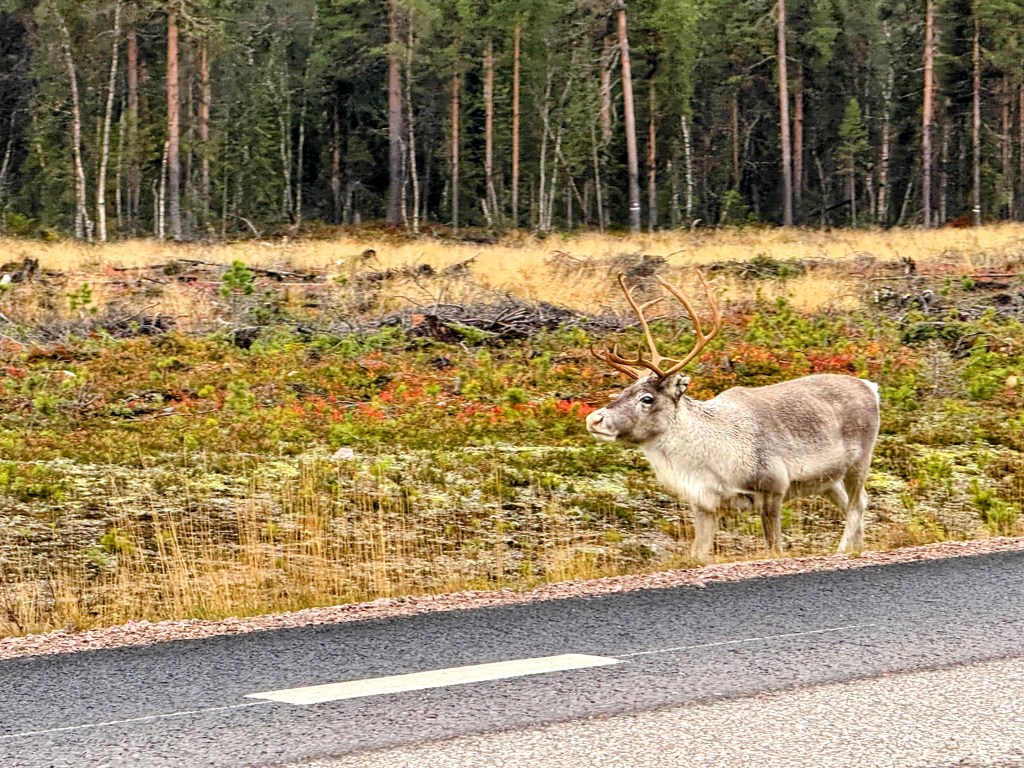
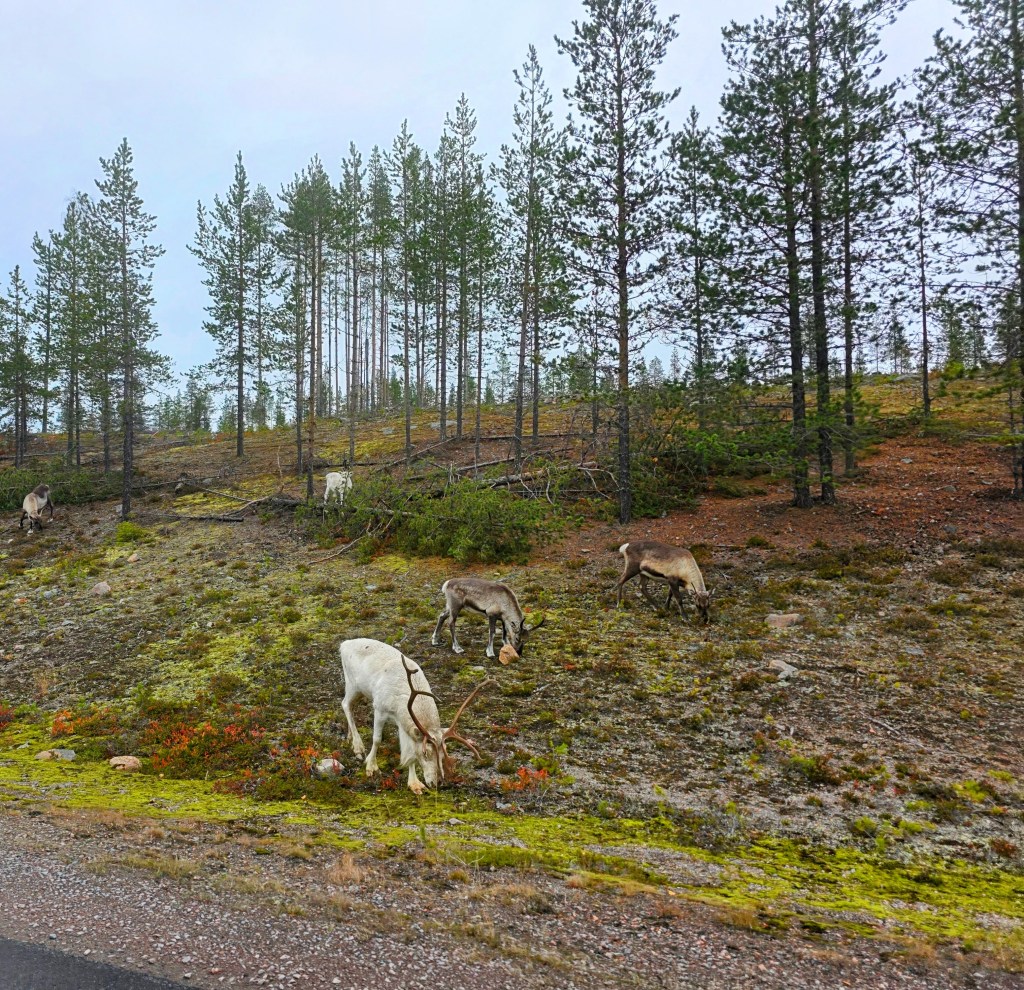
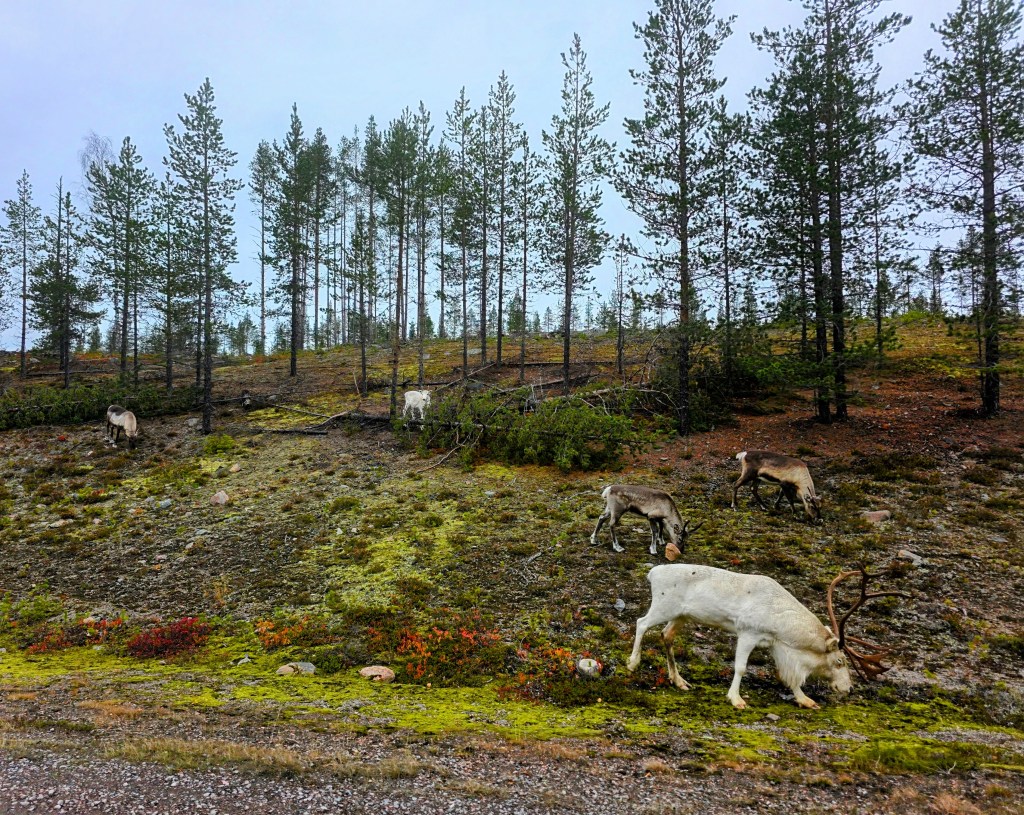
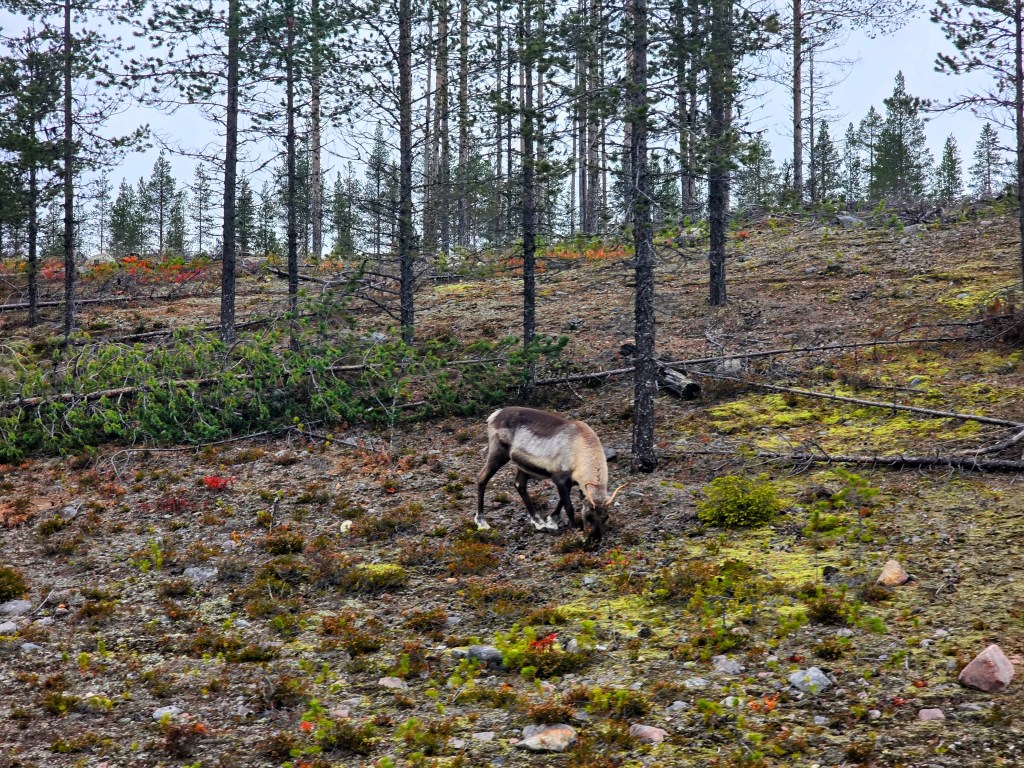
Not long after, we spotted a herd of reindeer grazing by the roadside. In Sweden, reindeer are semi-domesticated and primarily herded by the Sami people, the Indigenous inhabitants of the region. For the Sami, reindeer are more than animals — they’re a way of life, providing food, clothing, and cultural identity for generations.
The Icehotel: A Frozen Work of Art
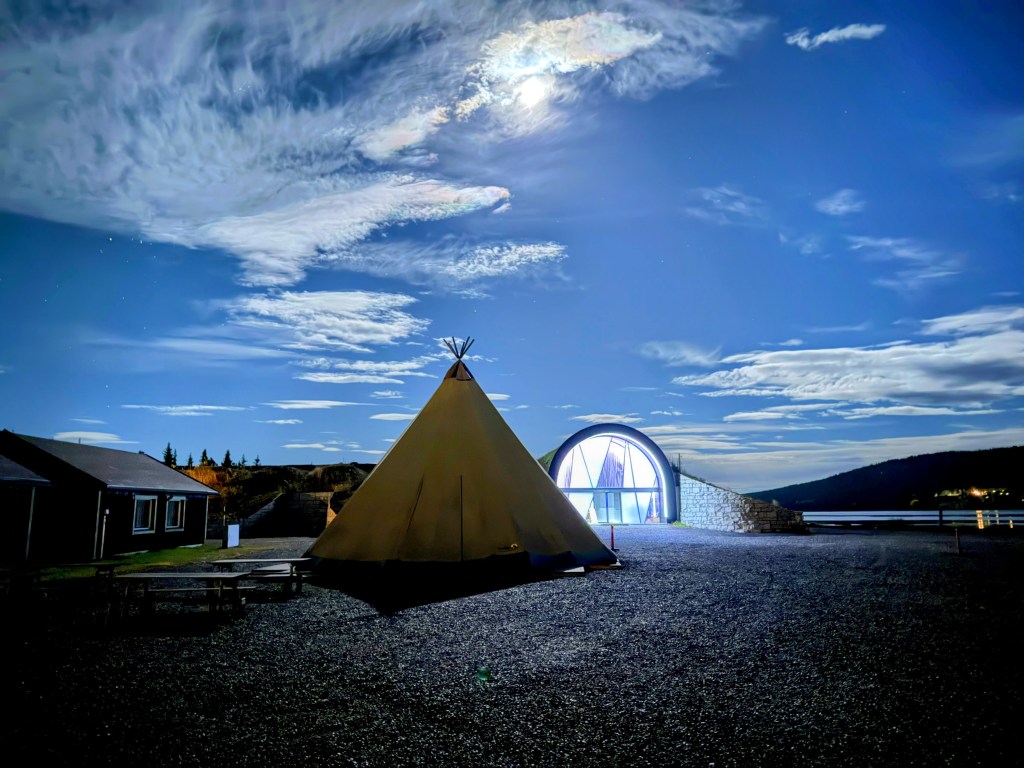
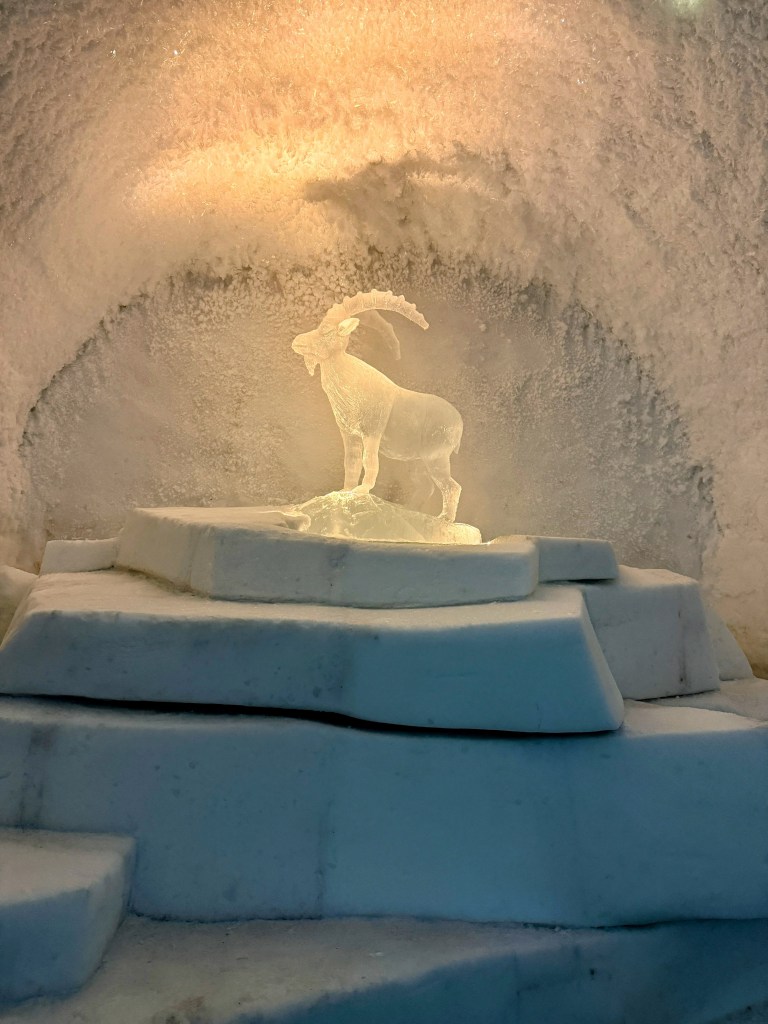
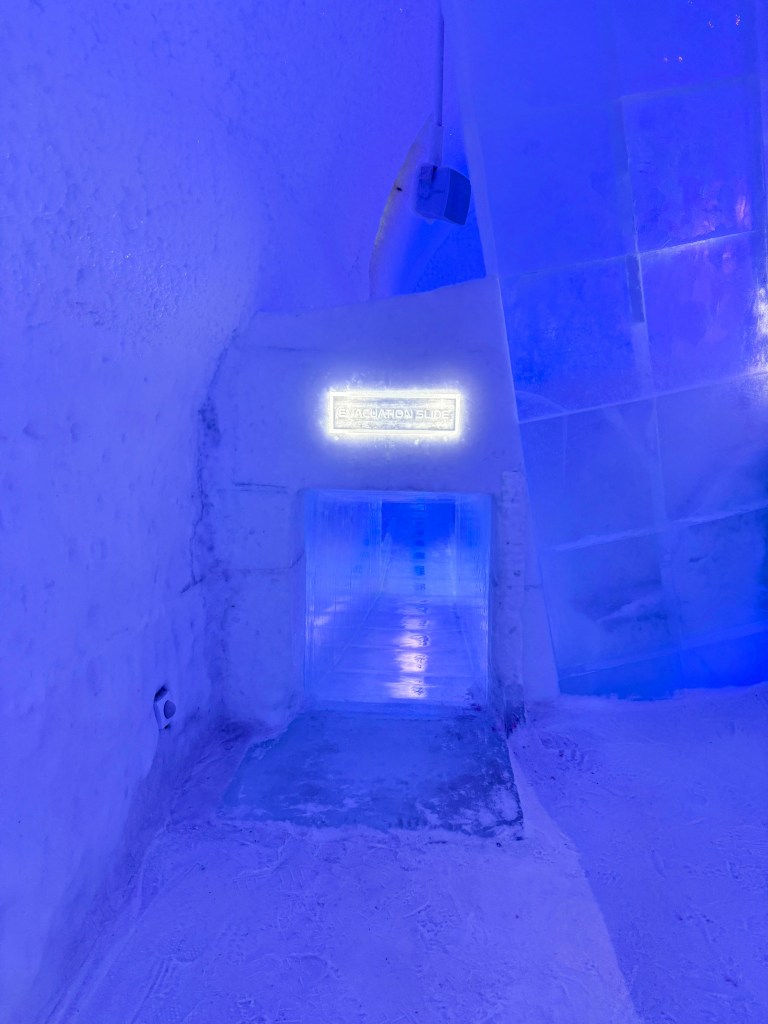
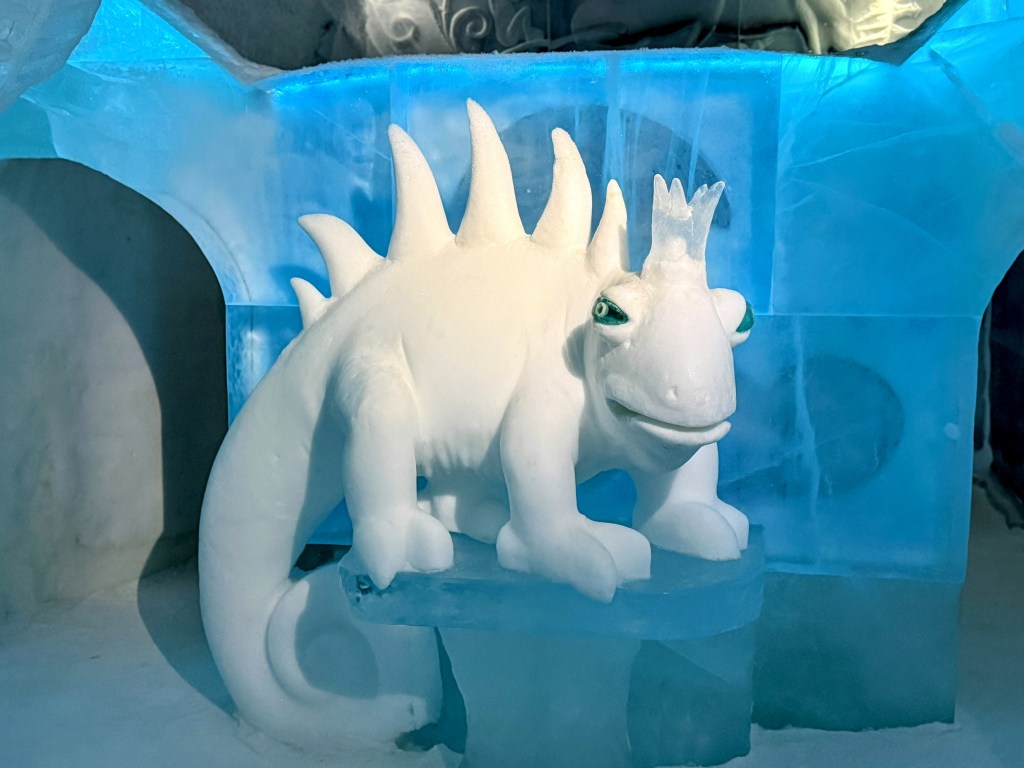
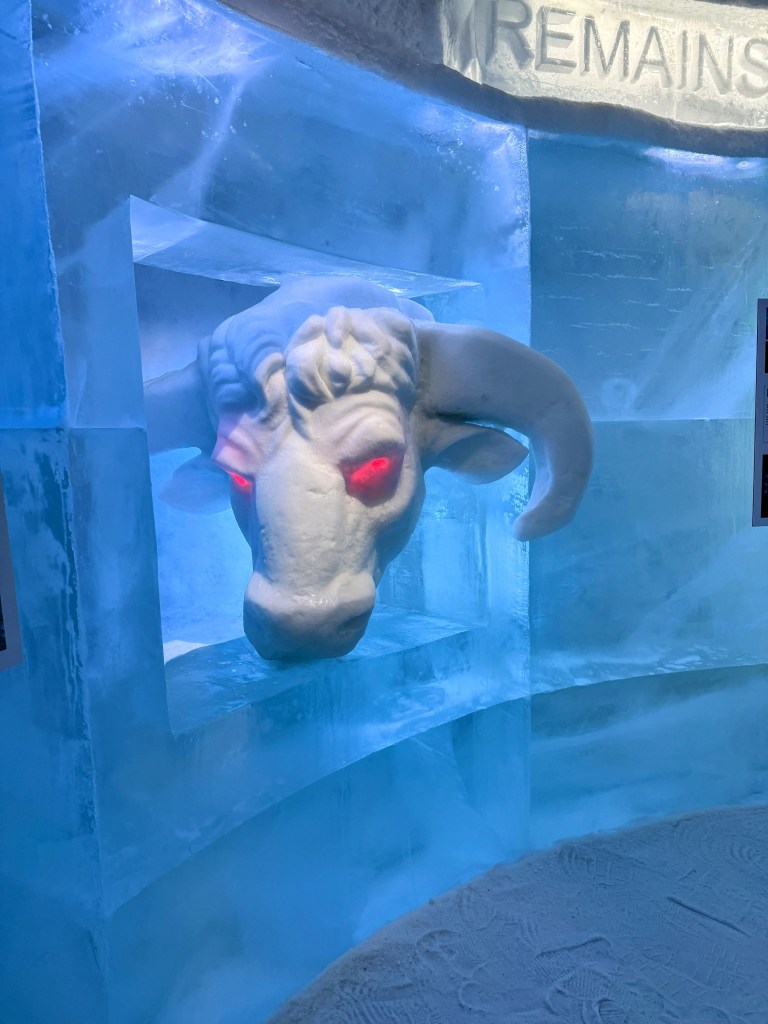
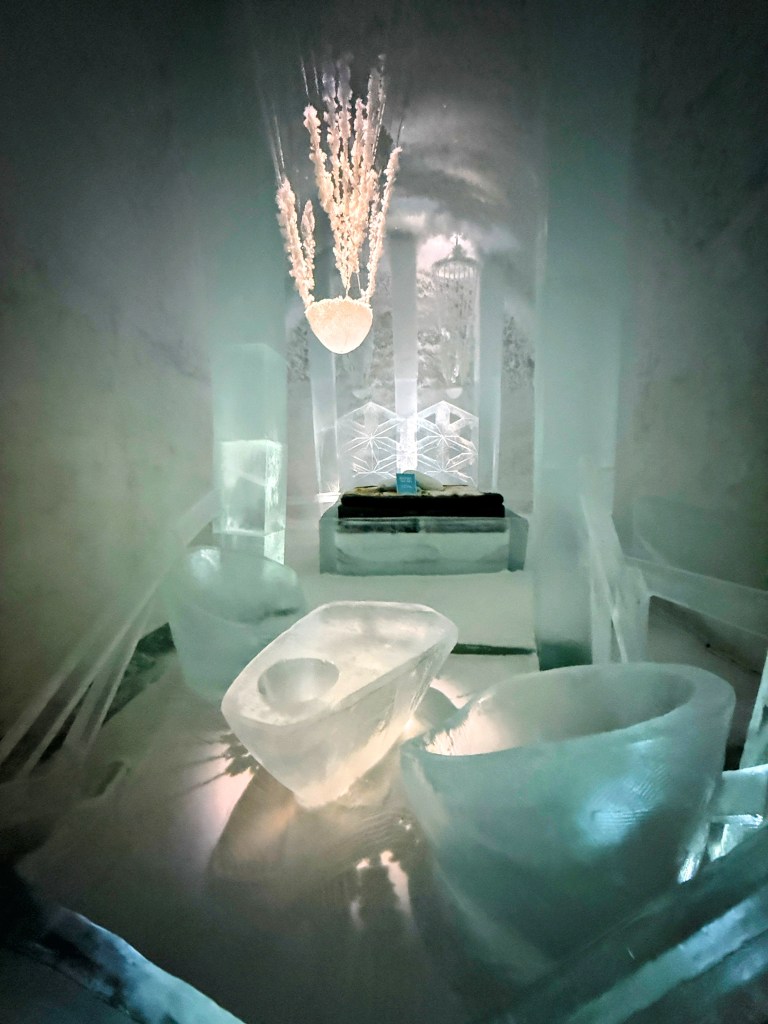
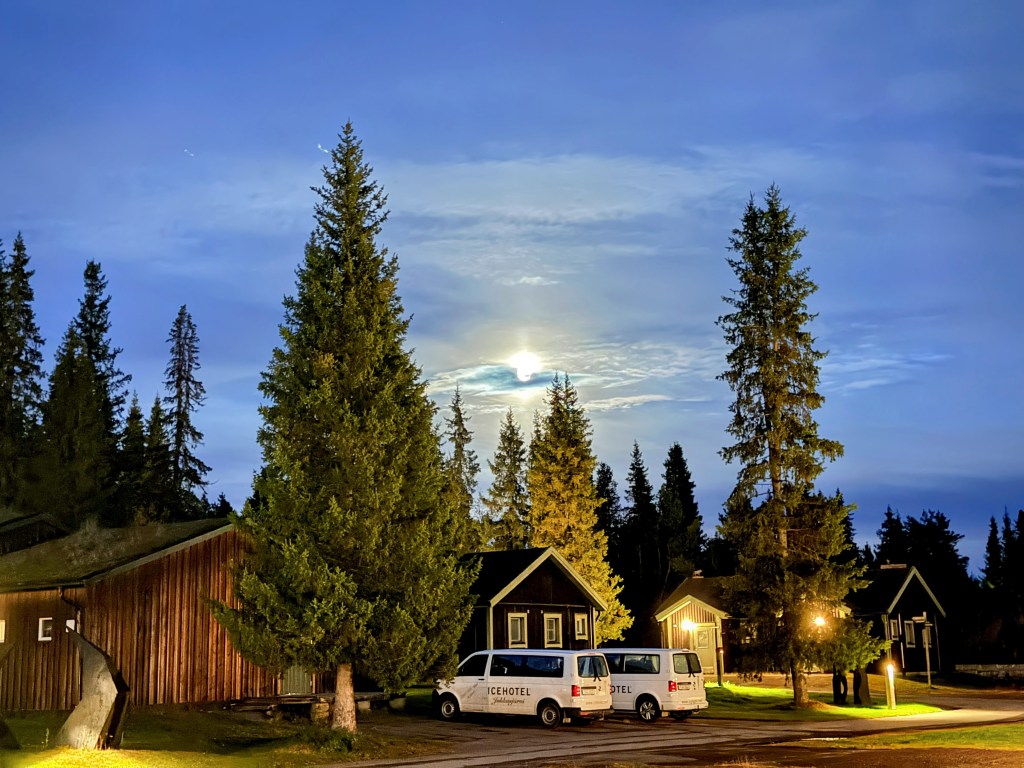
Finally, we arrived in Jukkasjärvi, home to the world-famous Icehotel — our much-anticipated bucket-list stop. Since our room wasn’t ready until 6 p.m., we took a self- guided tour of the facility. Simply put: WOW.
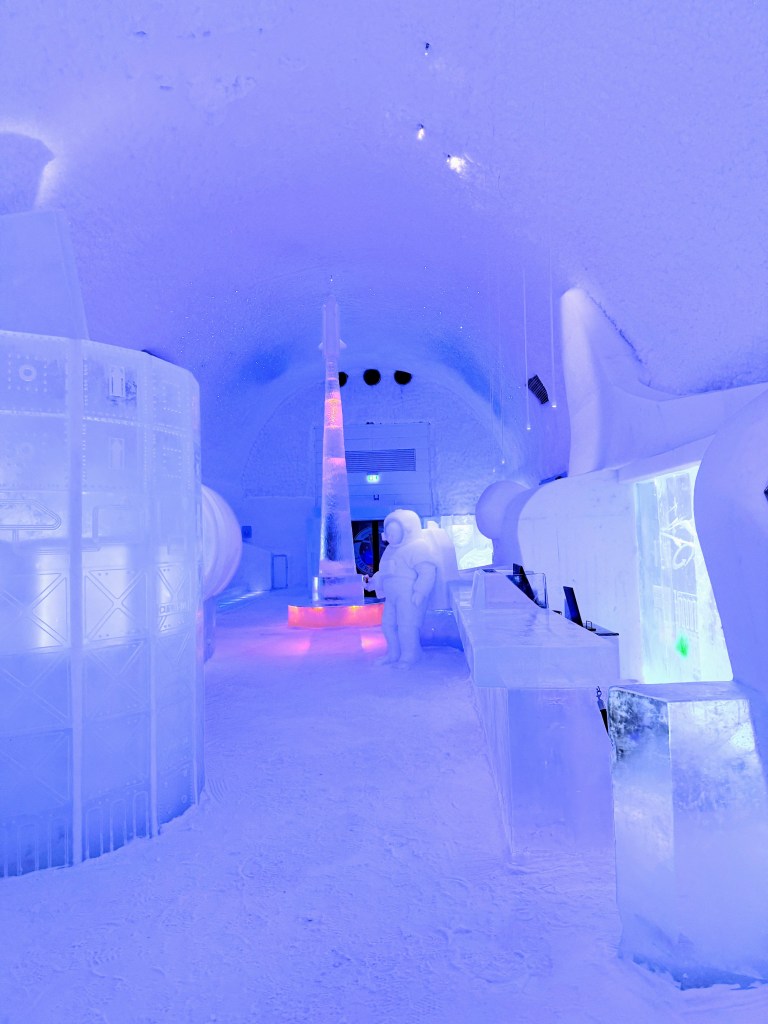
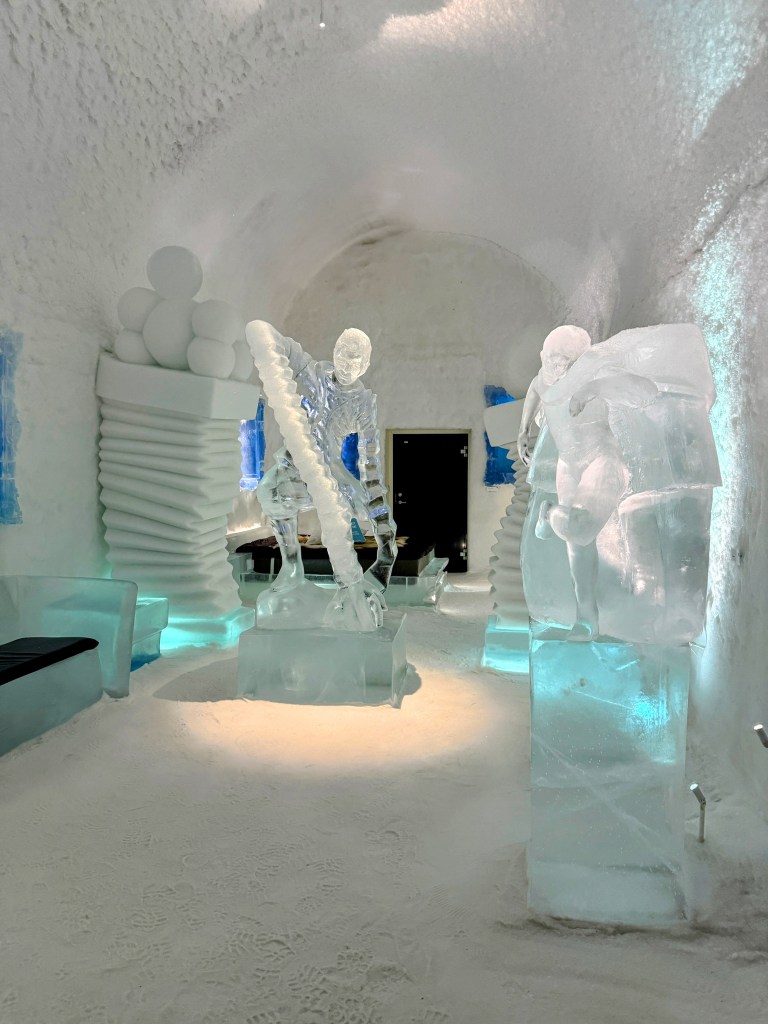
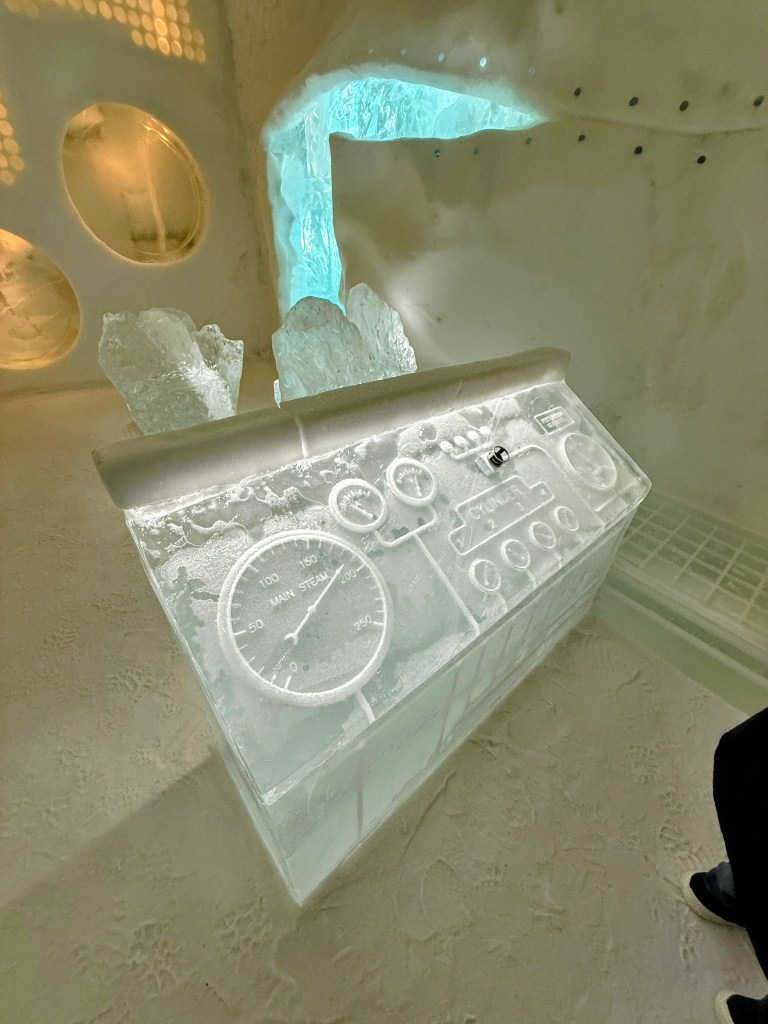
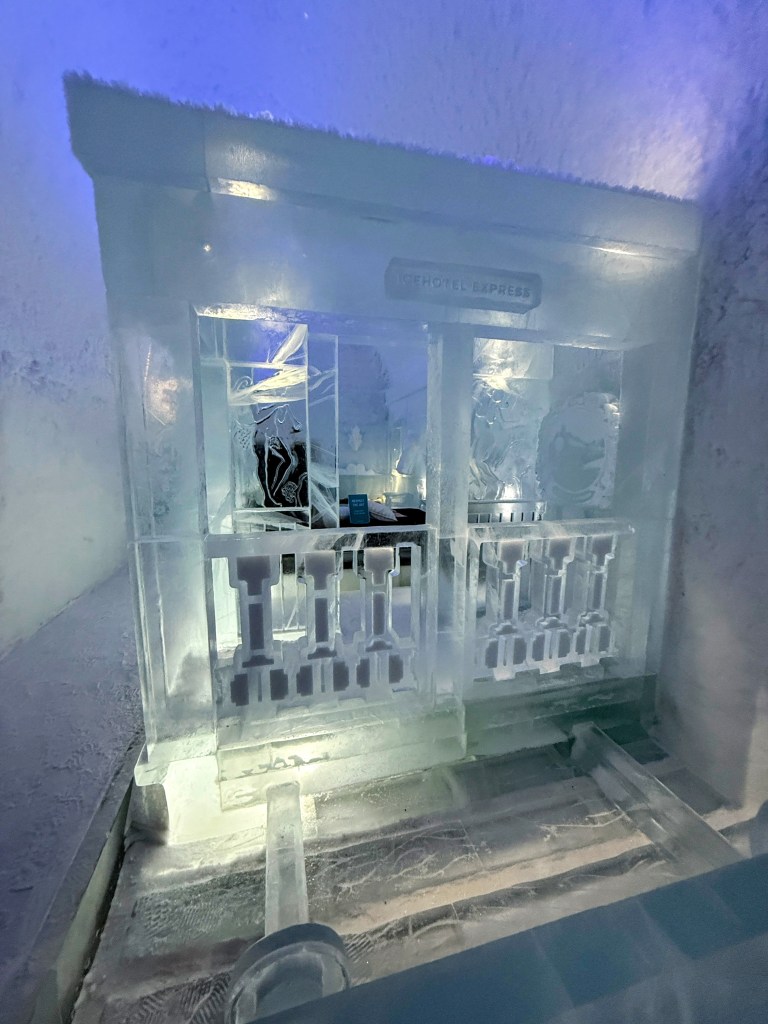
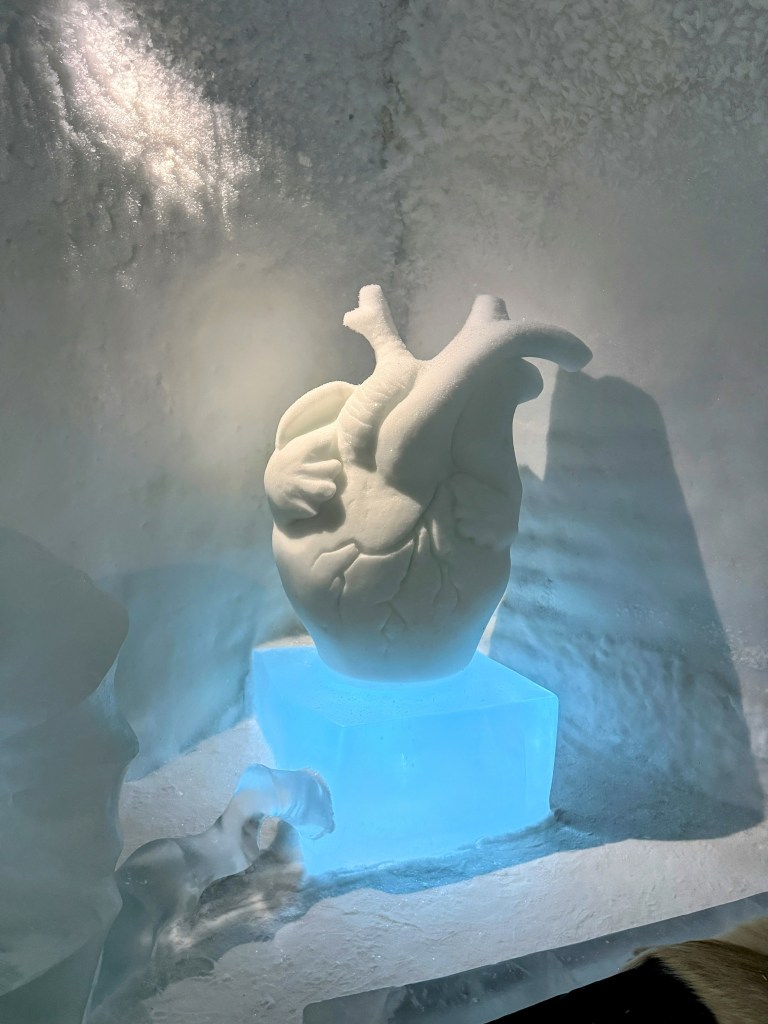
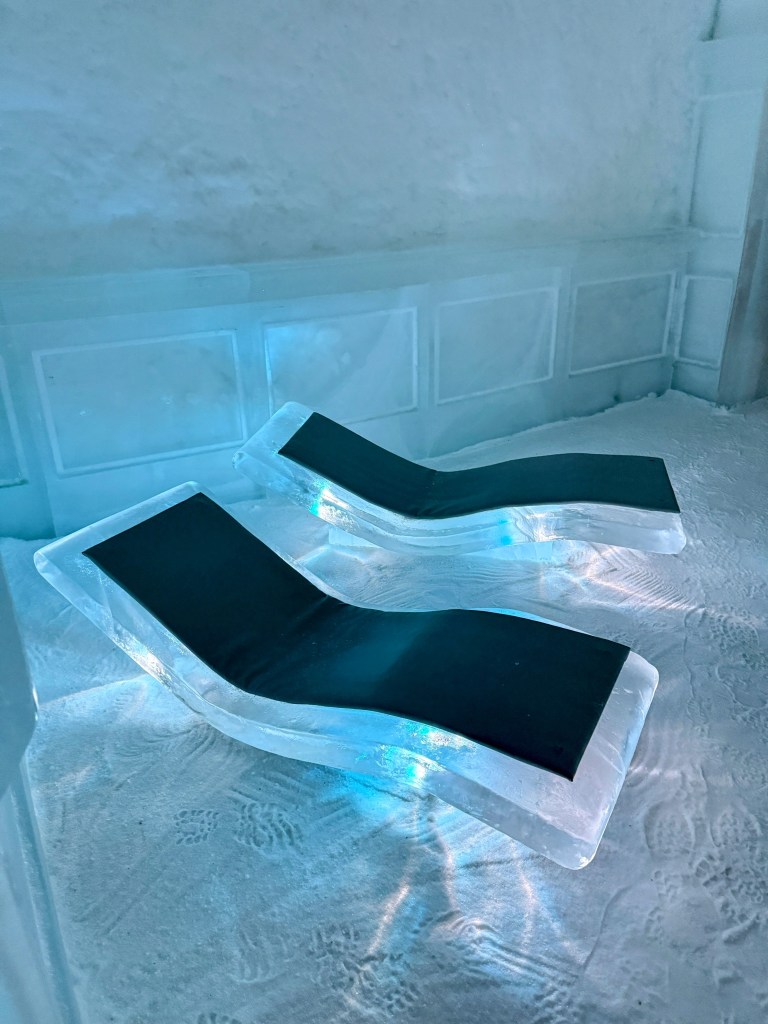
The Icehotel was first built in 1989, and every winter, it’s rebuilt anew from thousands of tons of ice harvested from the nearby Torne River. Artists from around the world submit designs, and each room becomes a one-of-a-kind work of art carved entirely from ice and snow. The ICEBAR’s theme this year is, “In Orbit”, and was created in collaboration with Swedish astronaut Christer Fuglesang.



Suite 317: The Toybox
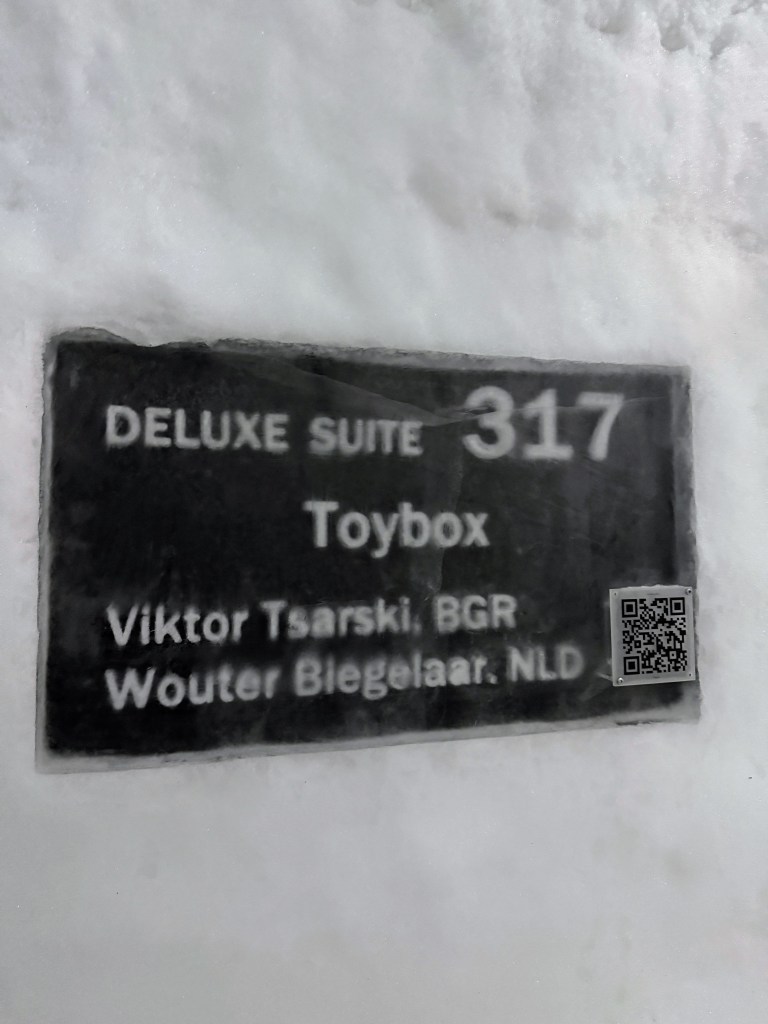
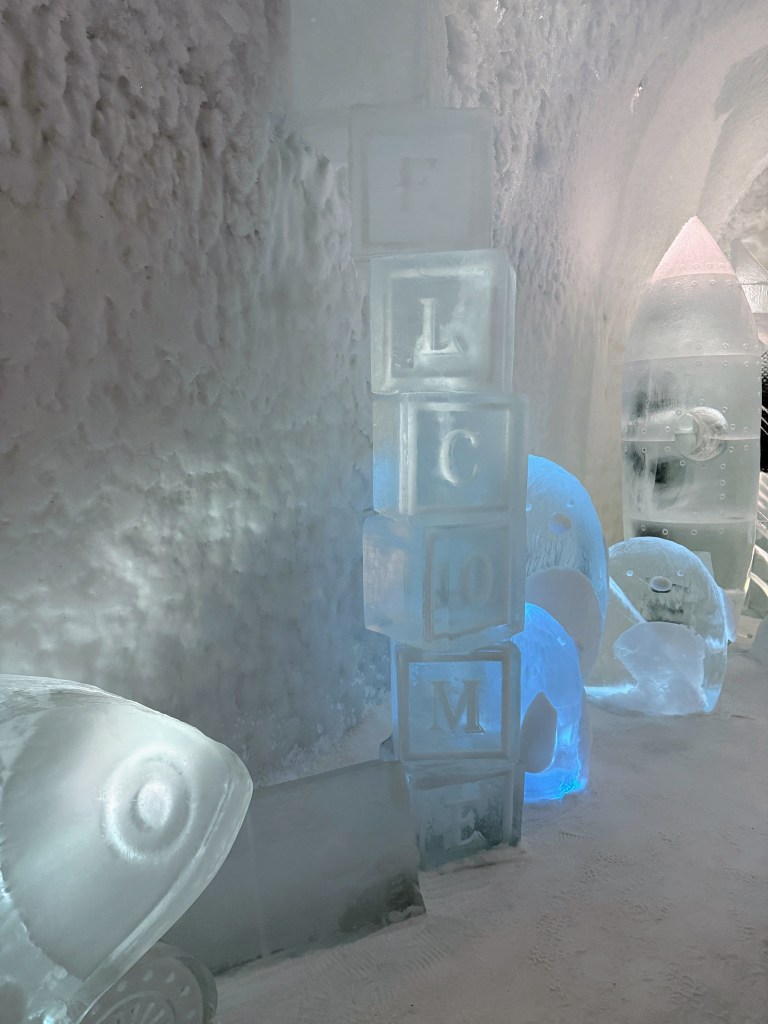
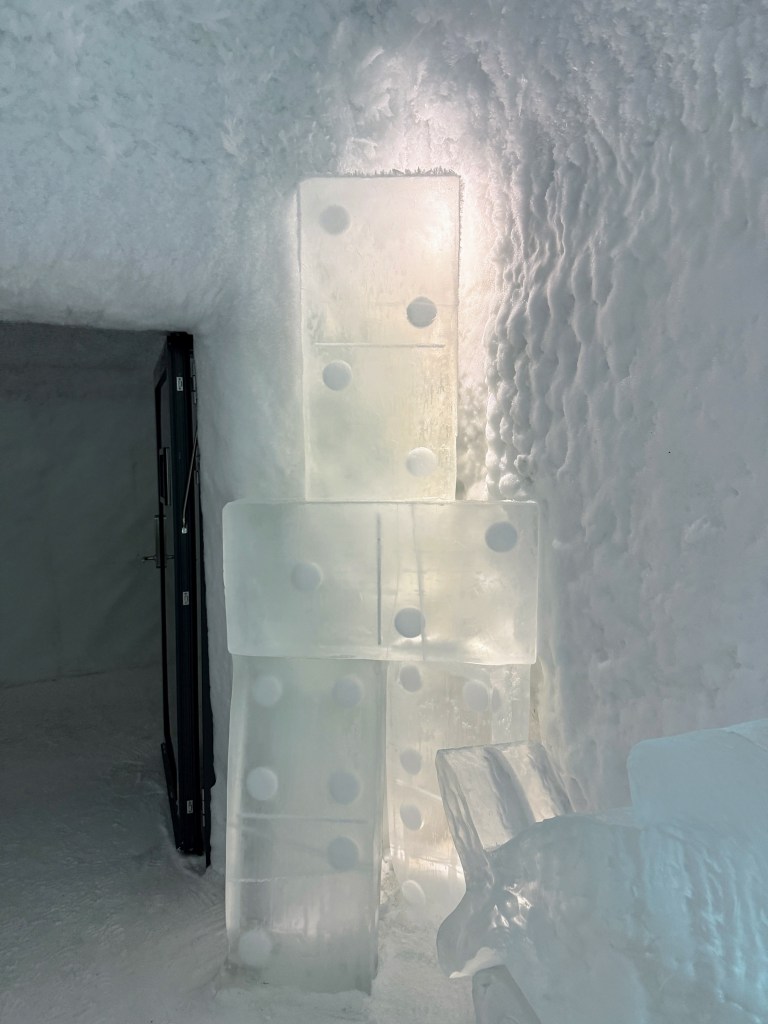
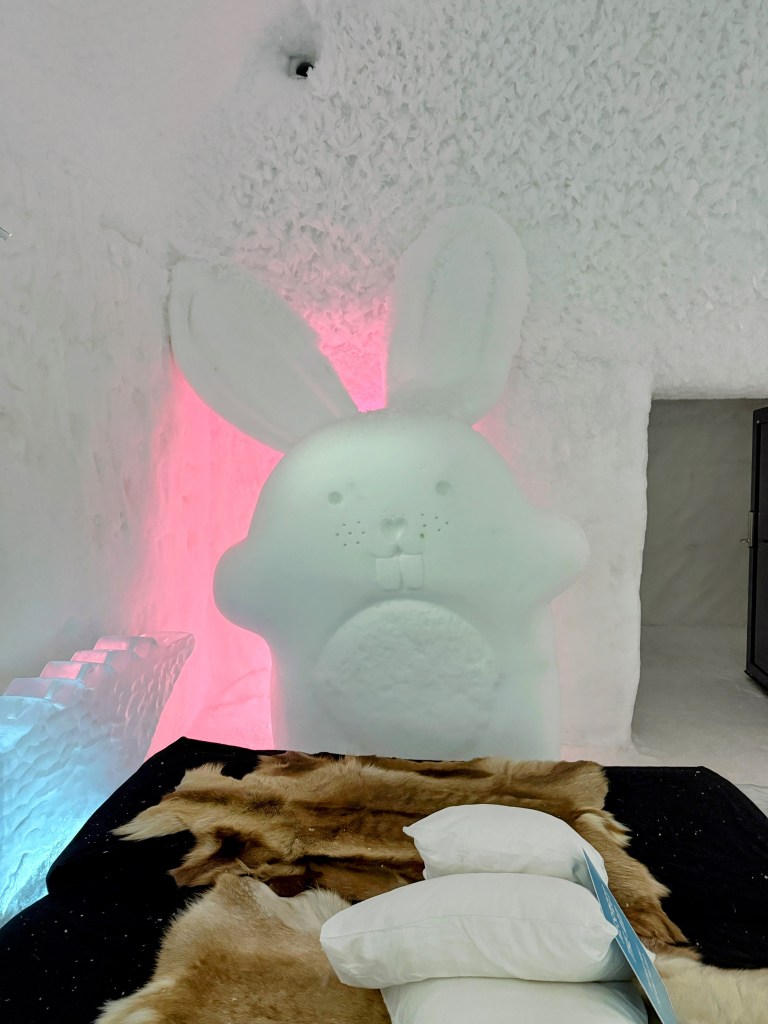
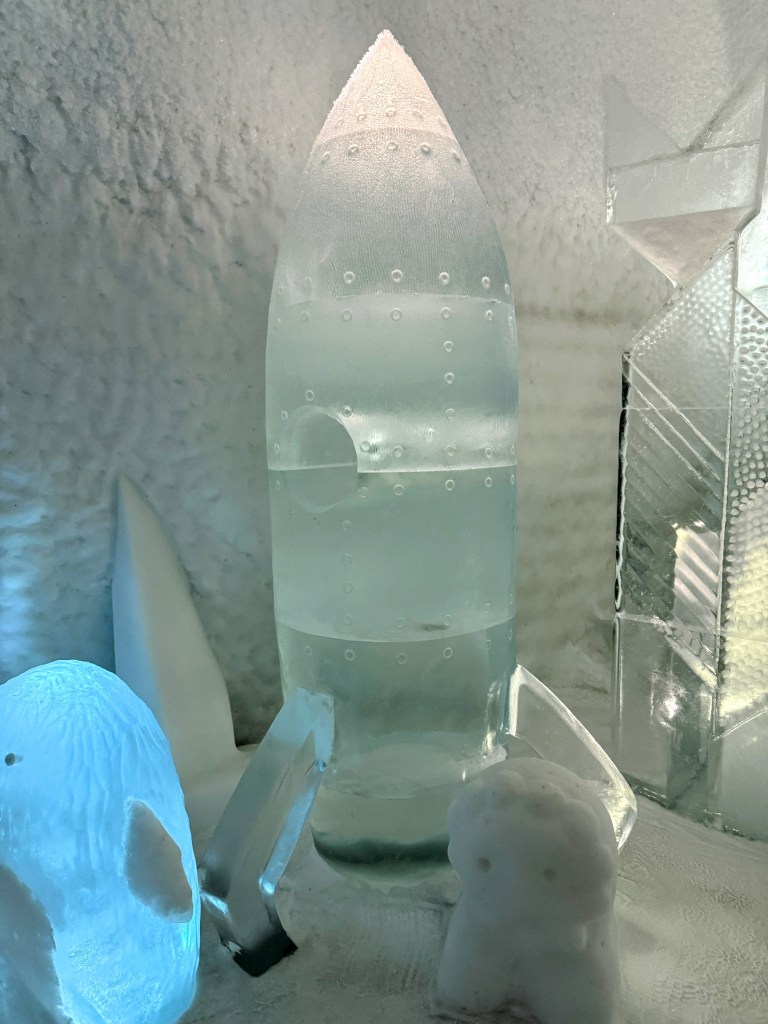
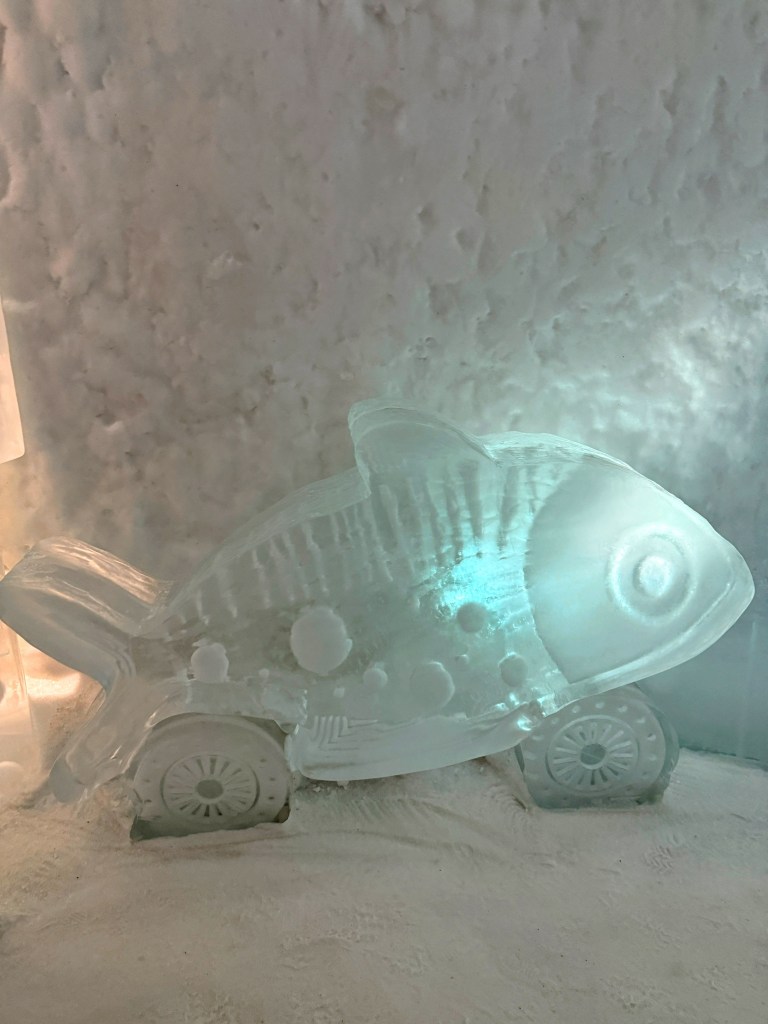
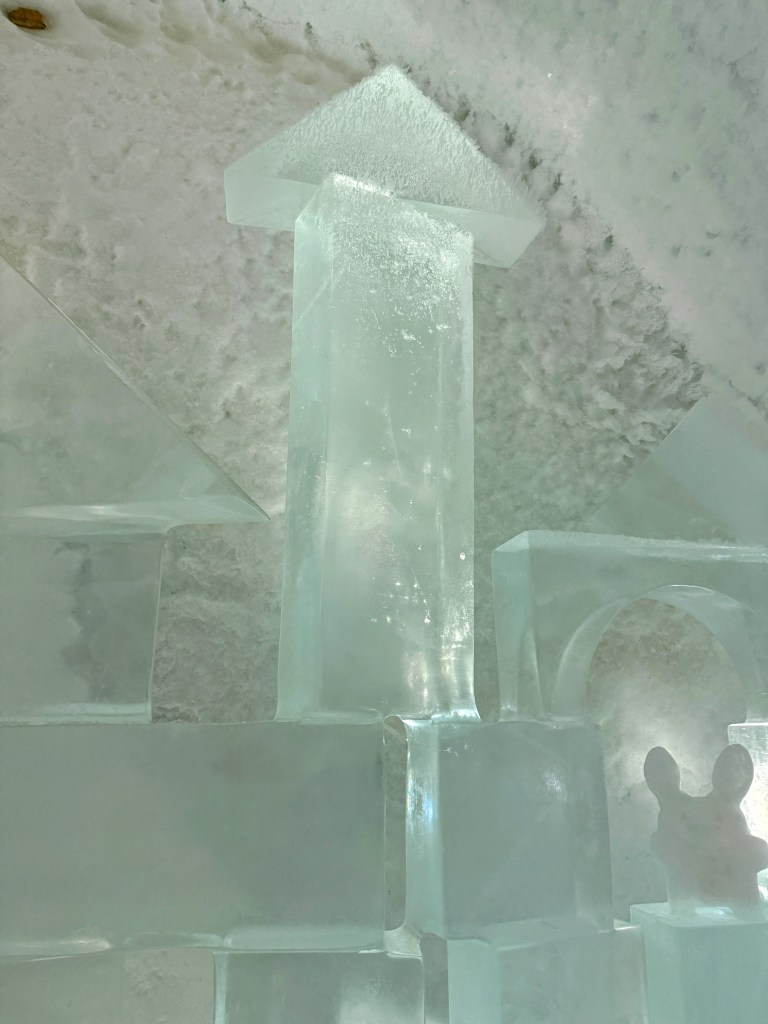
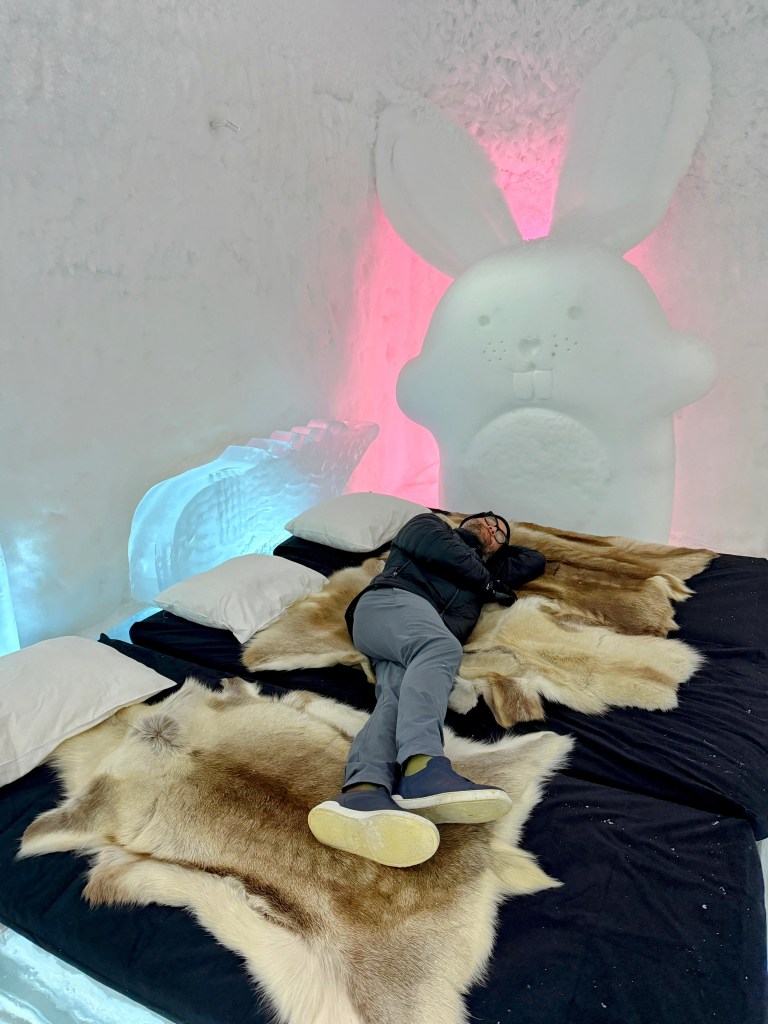
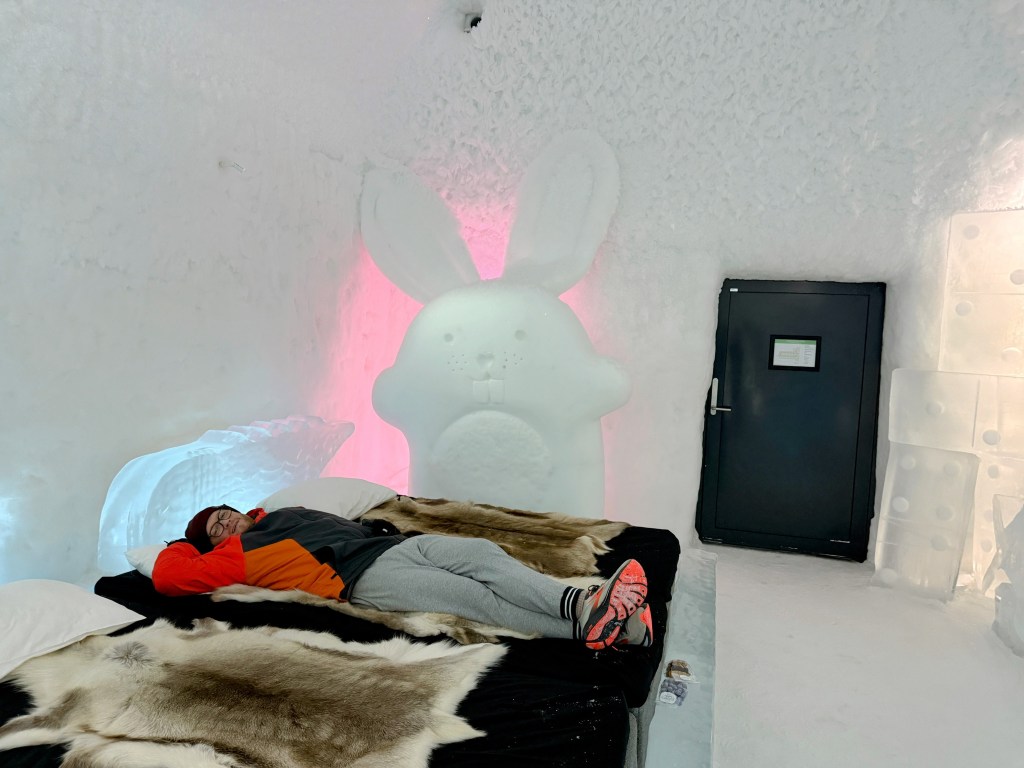
Our suite, #317 – The Toybox, felt straight out of a fairytale. Inside were sculpted ice blocks spelling “WELCOME,” playful penguins, fish, a tower of dice, a giant bunny keeping watch over our bed, and a rocket made entirely of ice. It was whimsical and nostalgic — physically cold, yes, but spiritually warm.

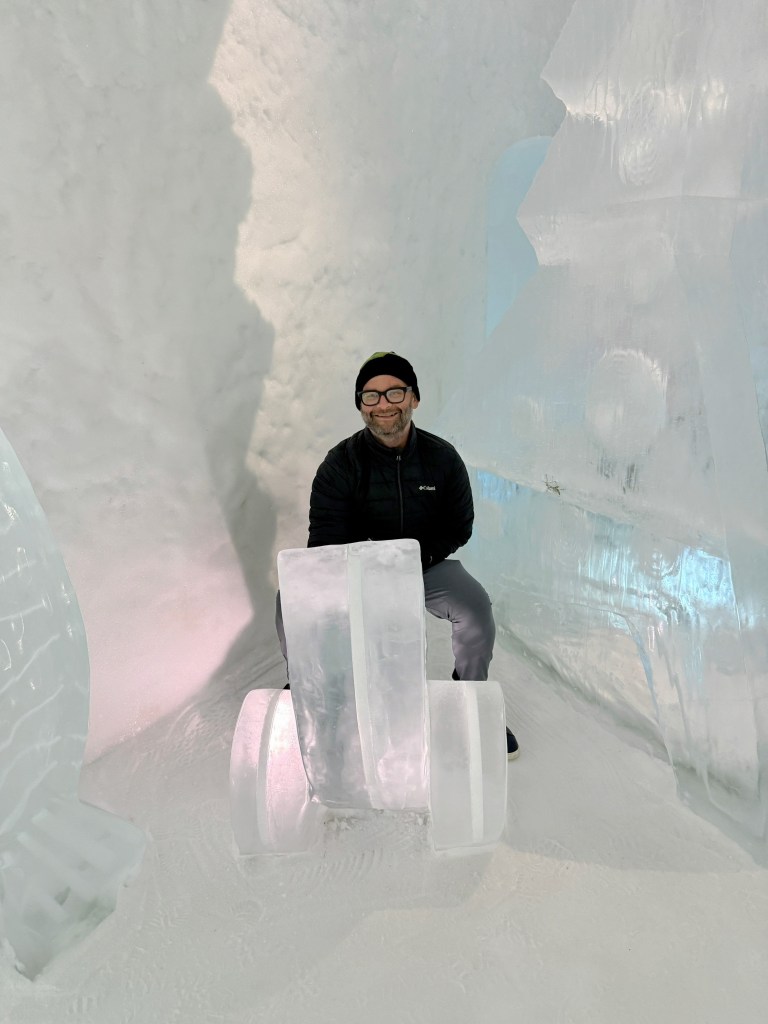
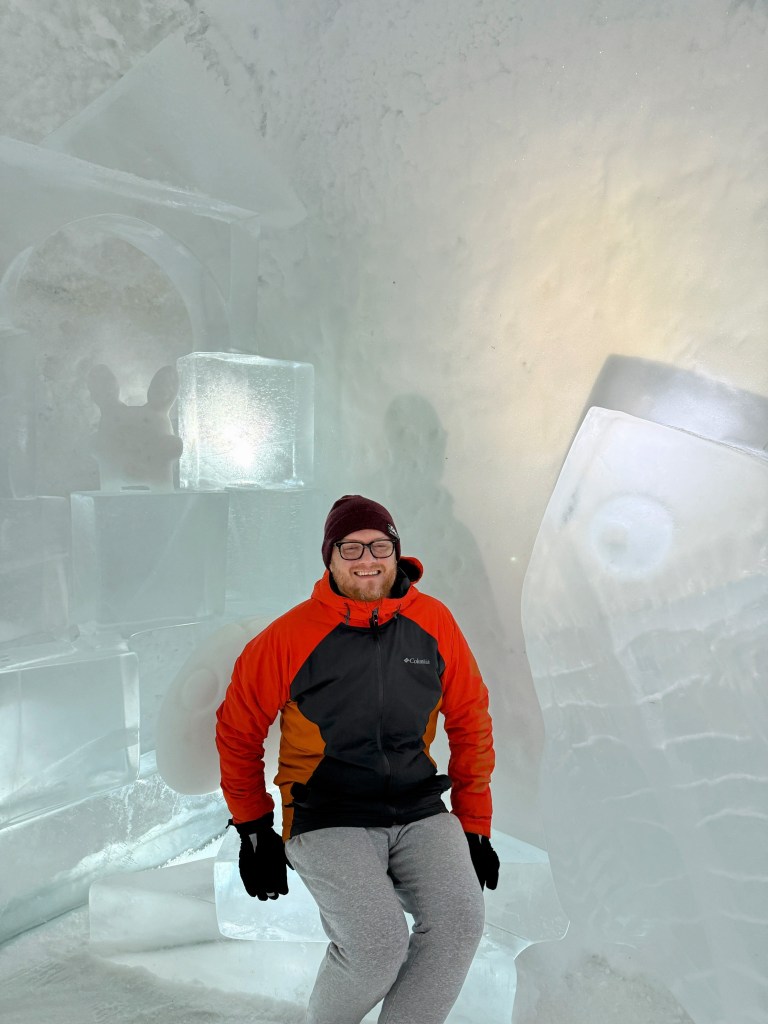
We planned our entire Nordic road trip around this stop, and it delivered in every possible way. That night, we dined at the Icehotel Restaurant — a meal to remember:
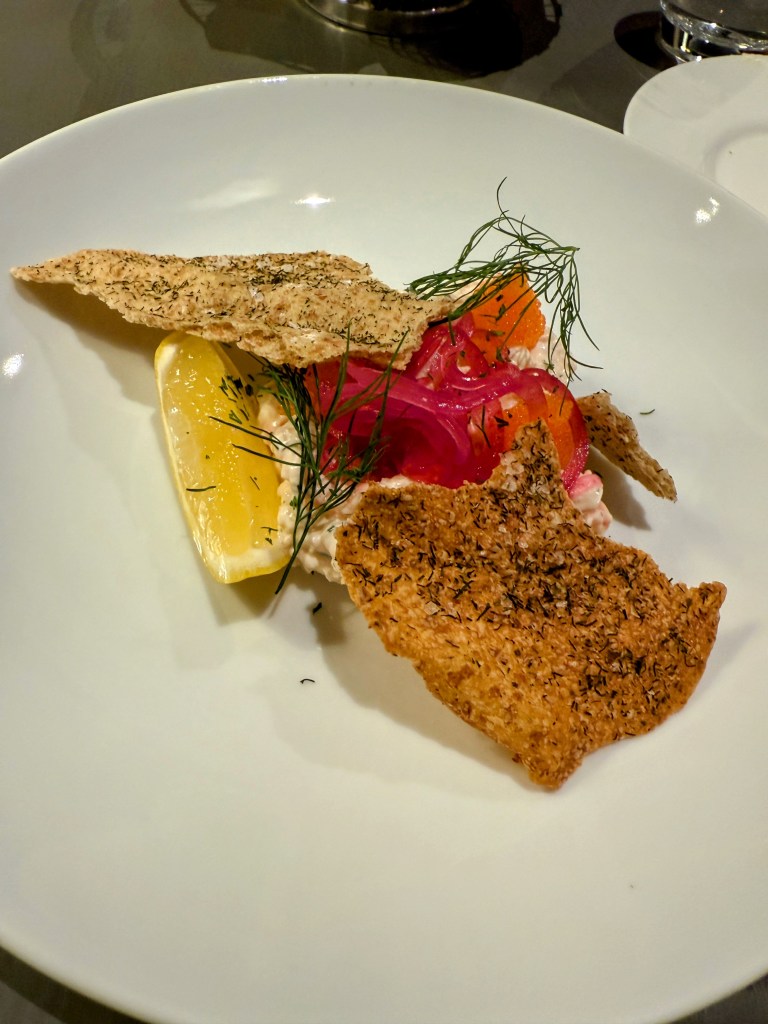
- Toast Skagen – Hand-peeled shrimp, vendace roe, horseradish, and dill on homemade crispbread.
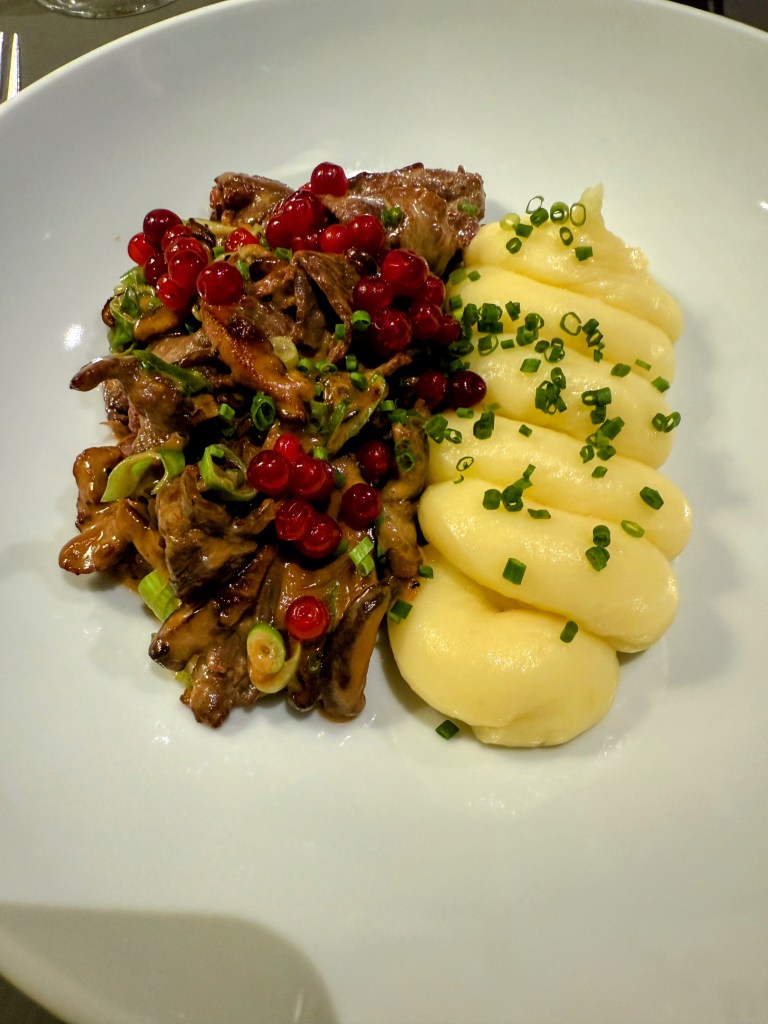
- Reindeer Souvas – Caramelized onion, lingonberries, potato purée, and cream sauce.
- Gem Lettuce Salad – Lightly cured rainbow trout, cherry tomatoes, pickled onions, radish, croutons, and Angelica dressing. (Casey’s app – no picture!)
- Swedish Pluma (pork) – Parsley, lemon, green chili, and herb-roasted potatoes. (No picture of this either – Casey’s main dish).
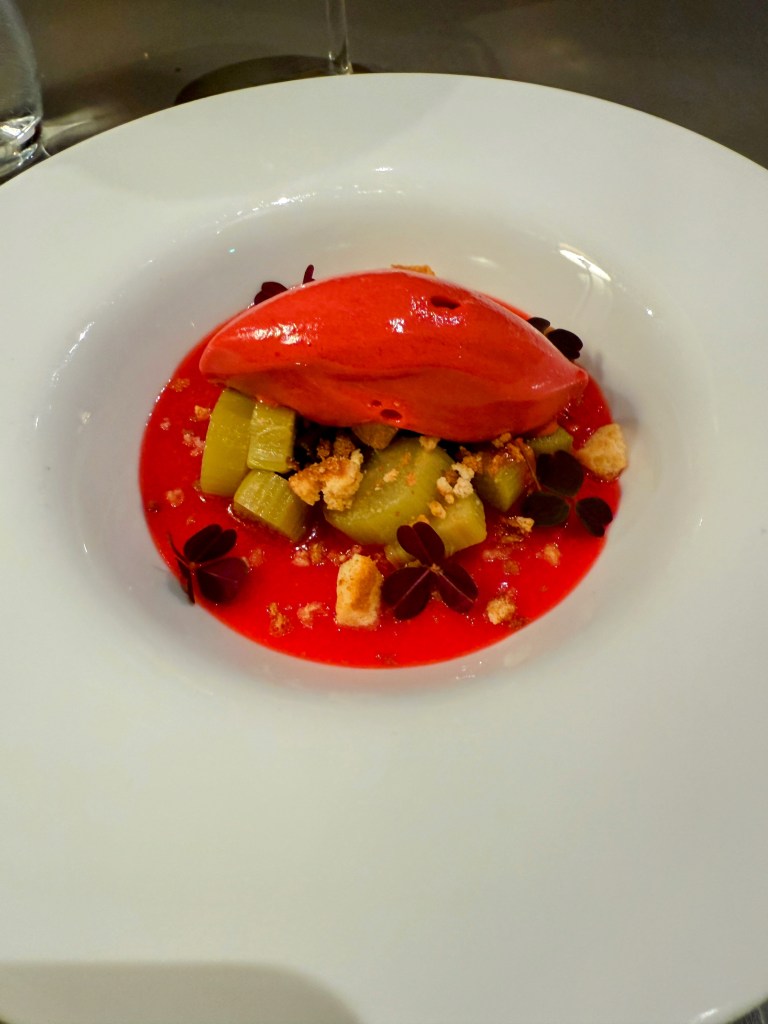
- Dessert: Rhubarb, raspberry sorbet, and cookie crumbles.
It was our first time tasting reindeer, and it was surprisingly delicious — lean, rich, and only slightly gamey.
We slept in thermal layers, wool socks, and cozy sleeping bags atop reindeer hides.
From Ice to Warmth in Kiruna
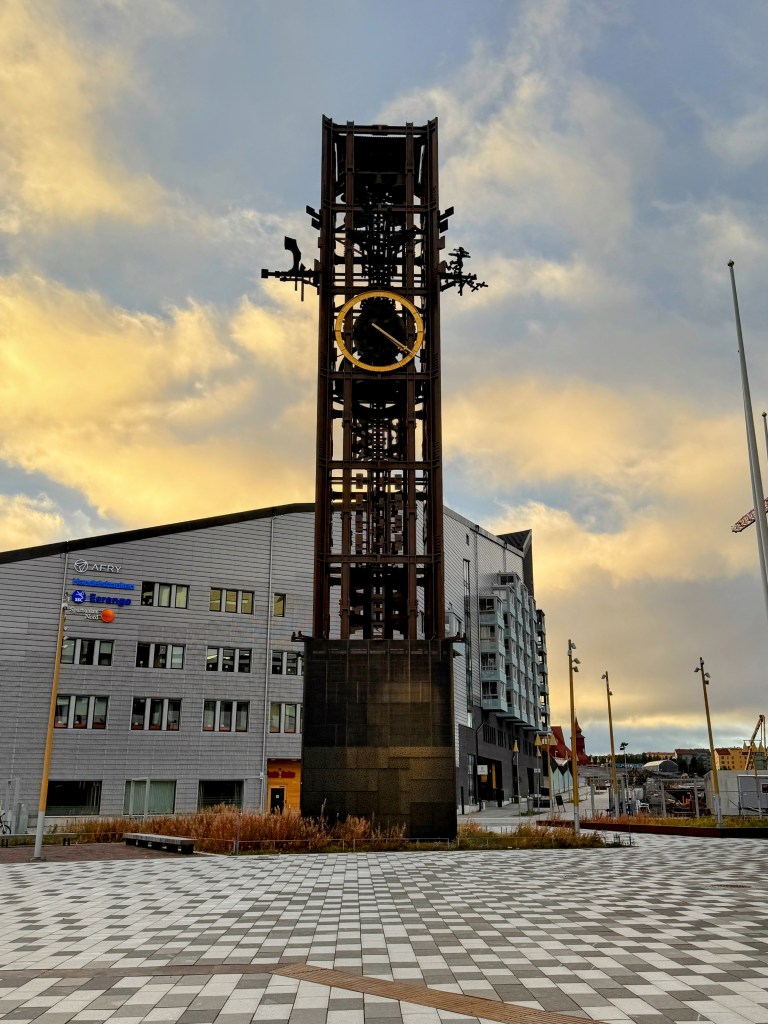
By morning, we checked out of our “cold room” (the hotel recommends just one night — it’s kept at a steady –5°C, and no food or drink is allowed inside) and moved into a more traditional hotel room. We then explored Kiruna, which, interestingly, is in the midst of literally moving its entire city center several kilometers east due to the expansion of the world’s largest underground iron ore mine. New shops, hotels, and public buildings are rising everywhere — a fascinating blend of progress and preservation.
That night, we had Thai takeout and watched Love Is Blind — my guilty pleasure show.
Learning About the Sami
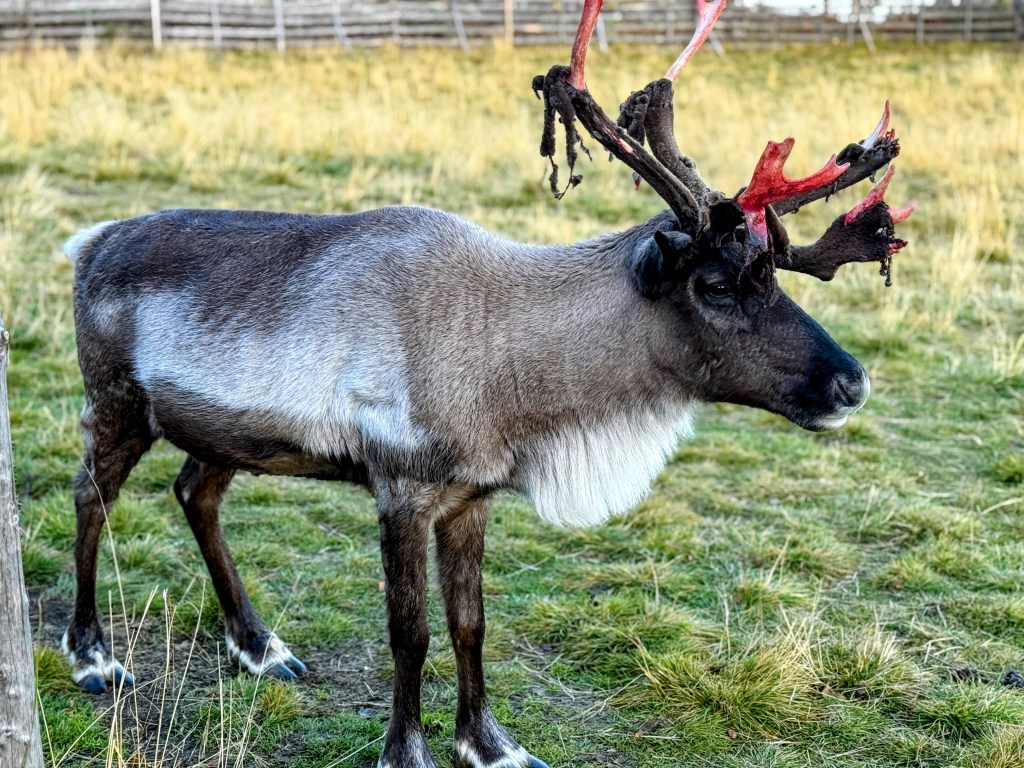
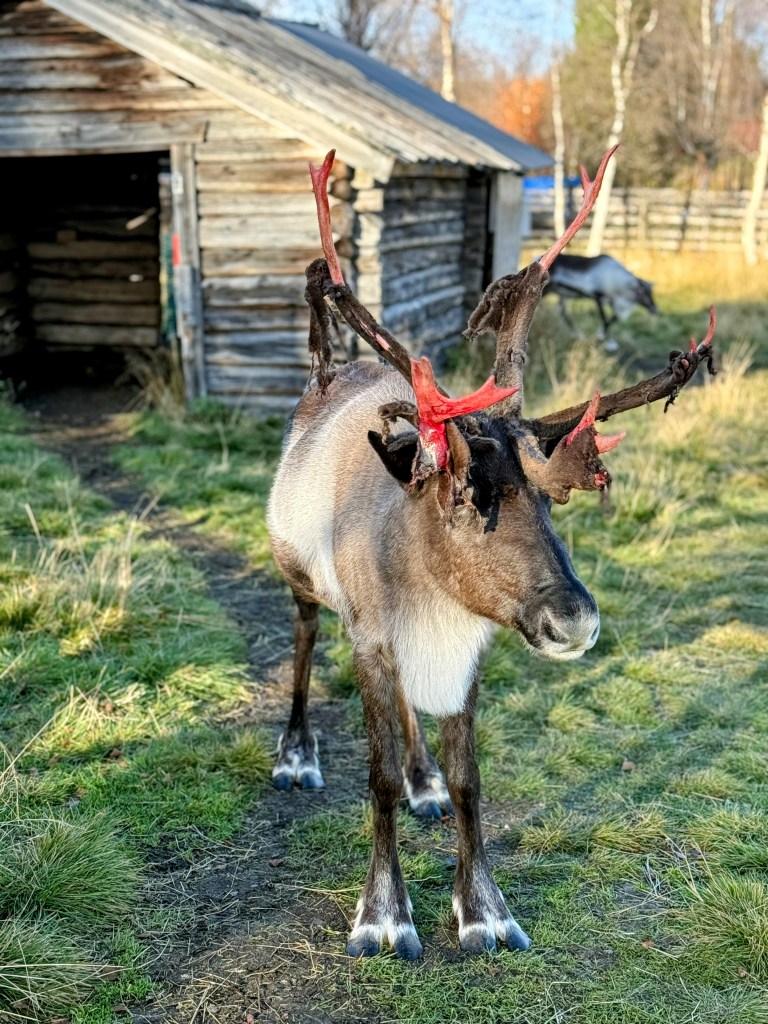
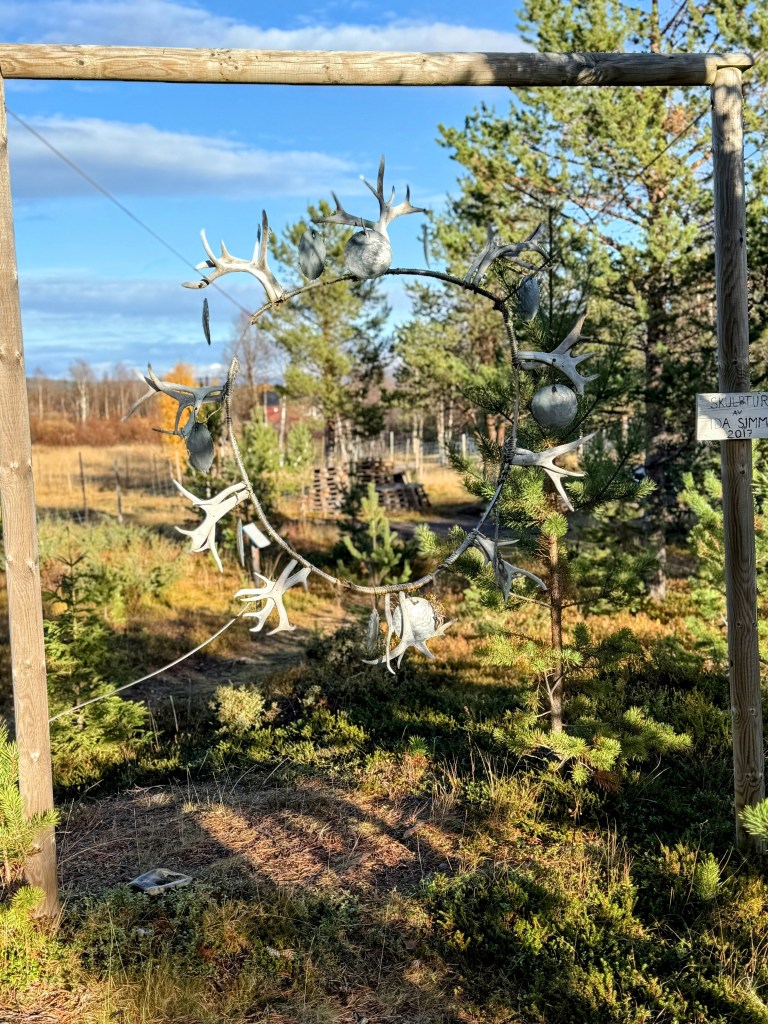
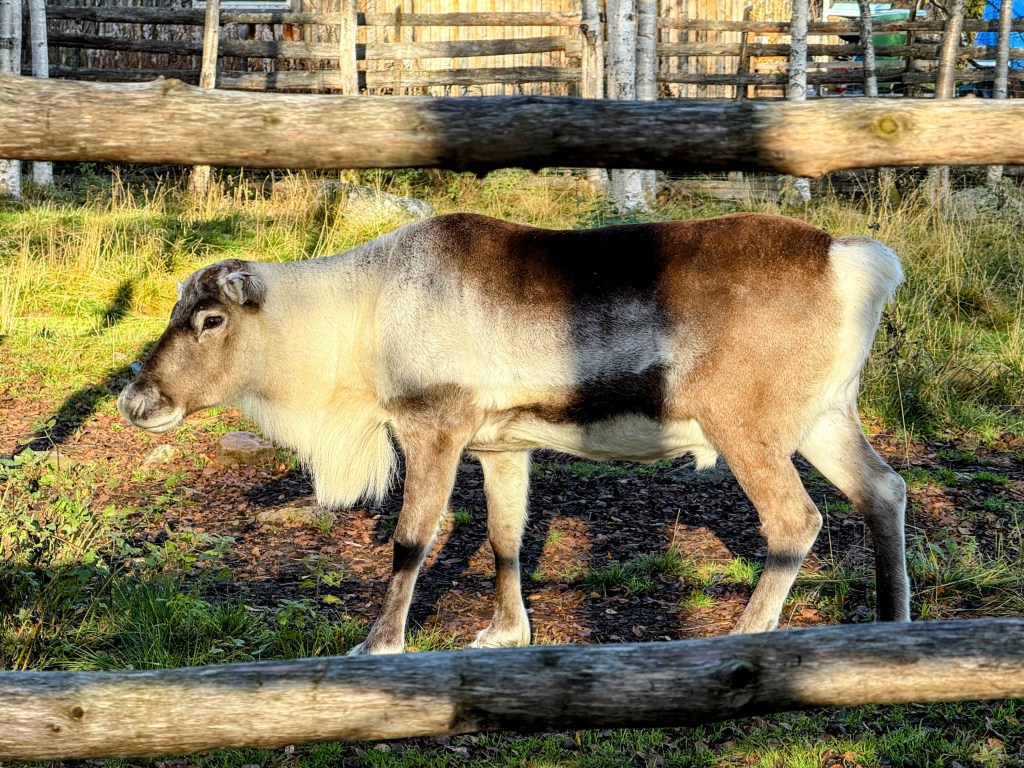
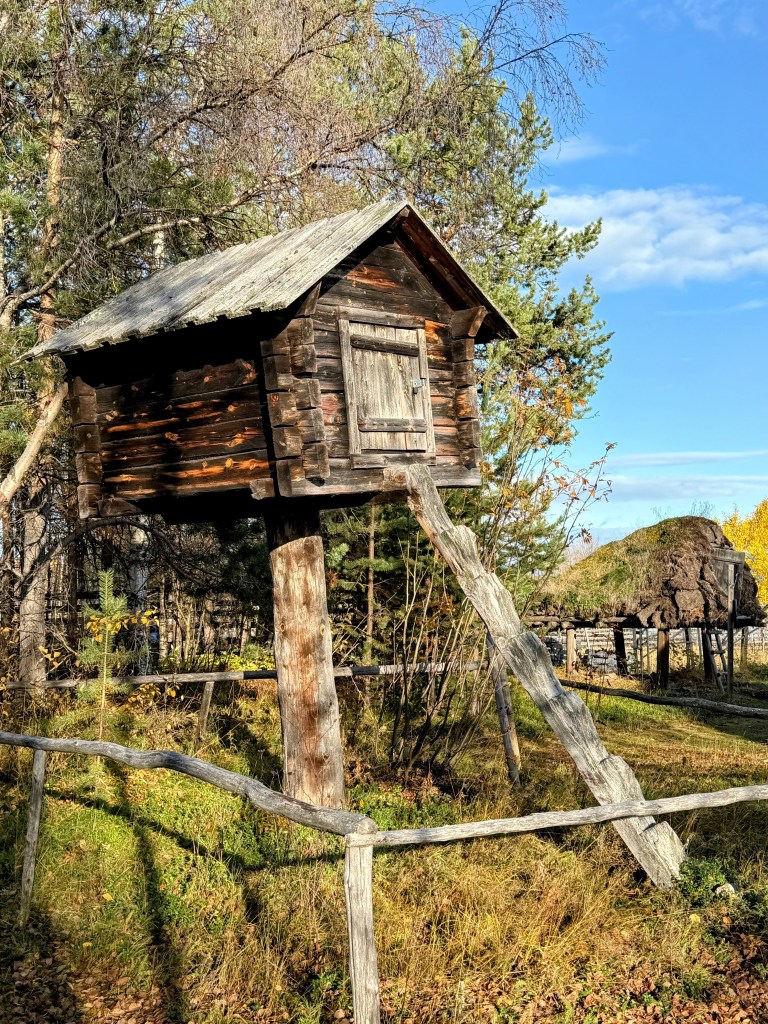
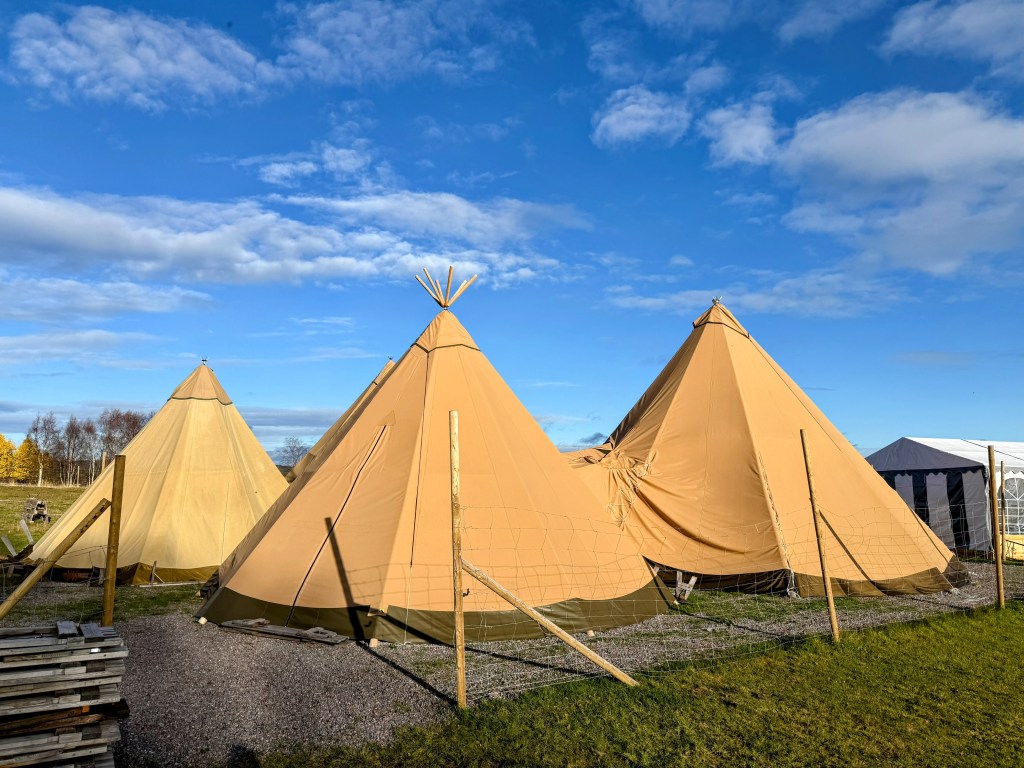
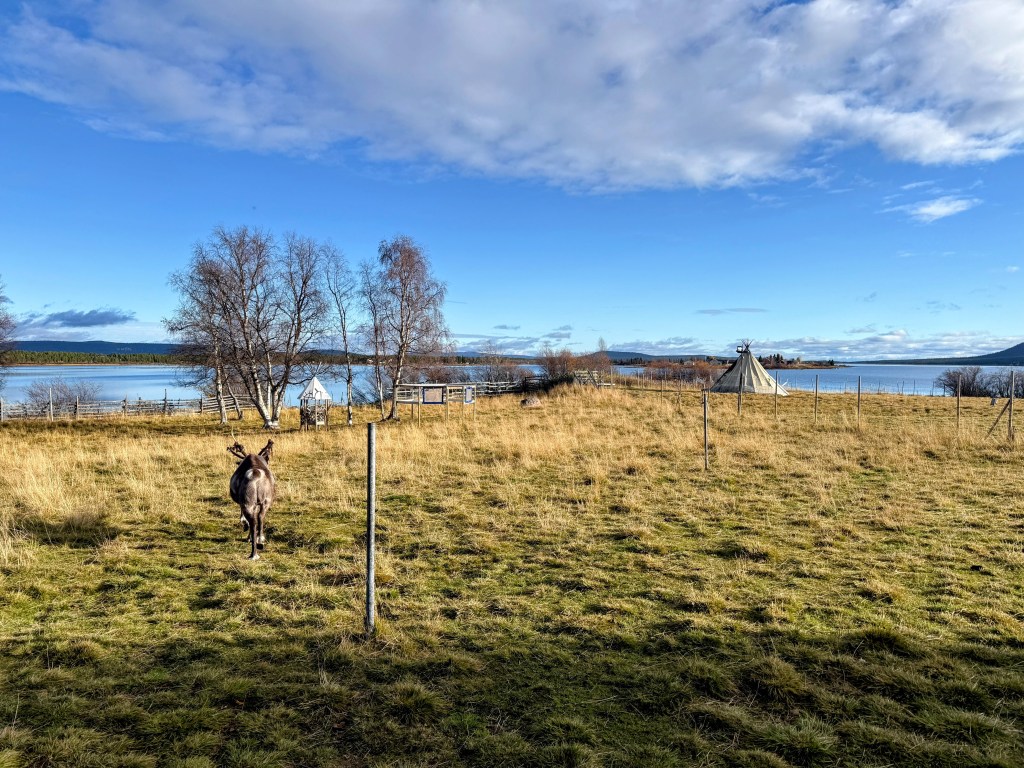
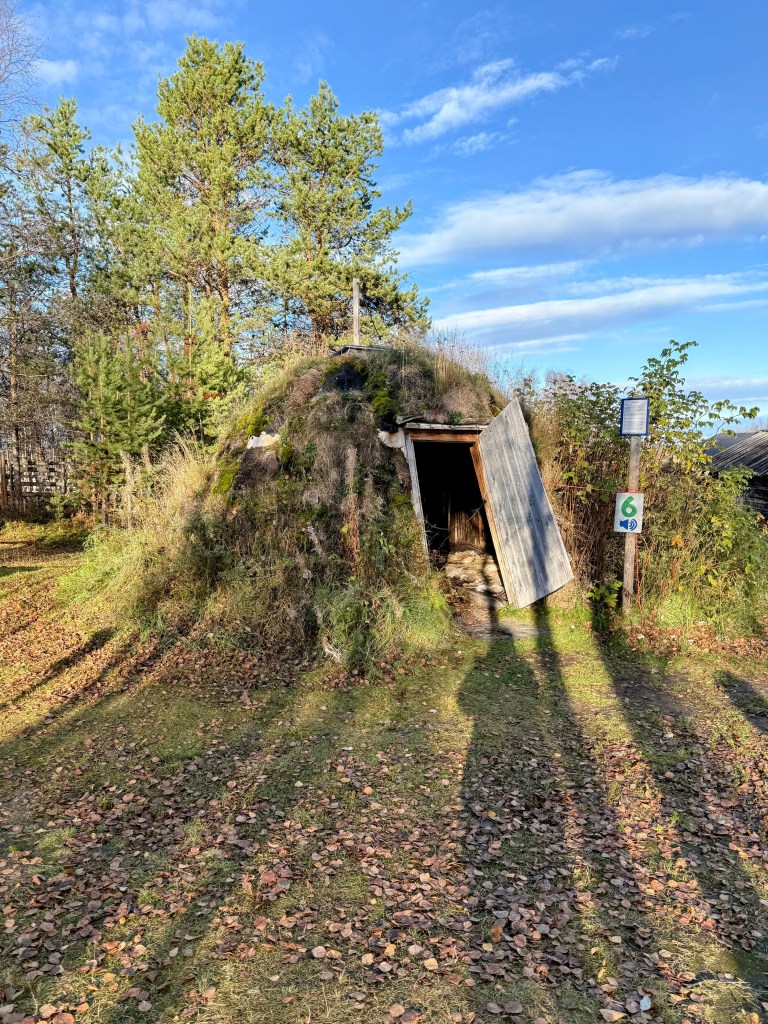
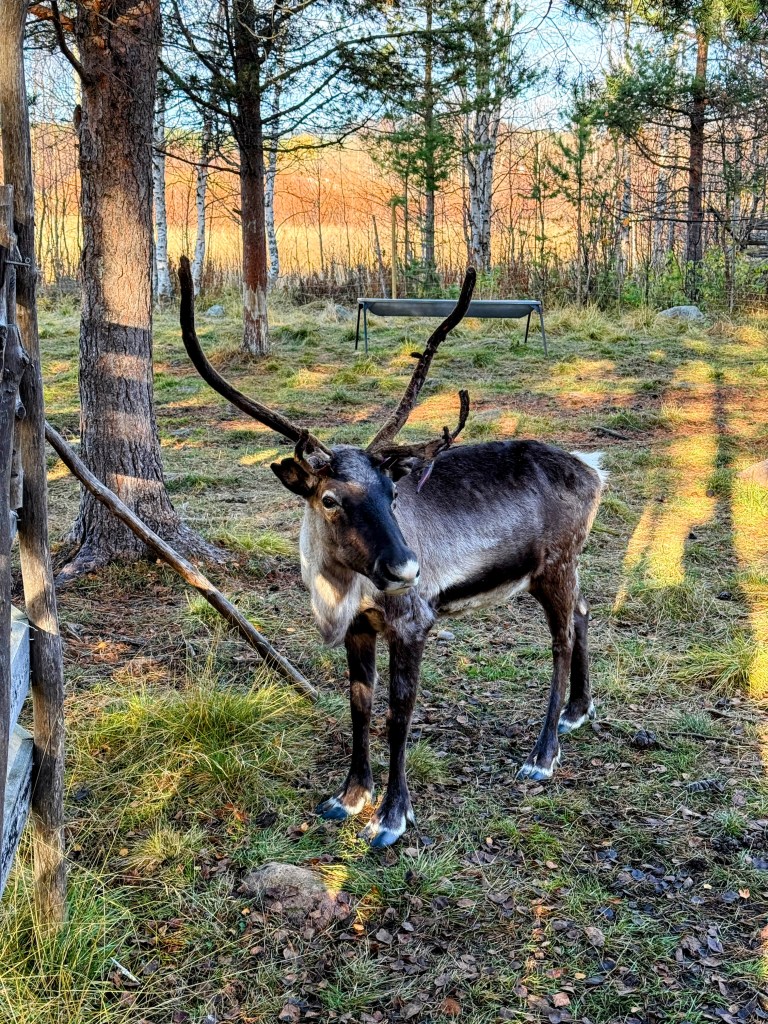
The next day, we visited the Sami Museum, where we learned about the Indigenous Sami culture, their traditions, and their relationship with the land and reindeer. Sadly, they were out of reindeer treats, so we couldn’t feed them — and trust me, those reindeer were not interested in making friends without snacks. Still, it was a meaningful experience to see them up close and understand the deep connection between the Sami and the Arctic wilderness.
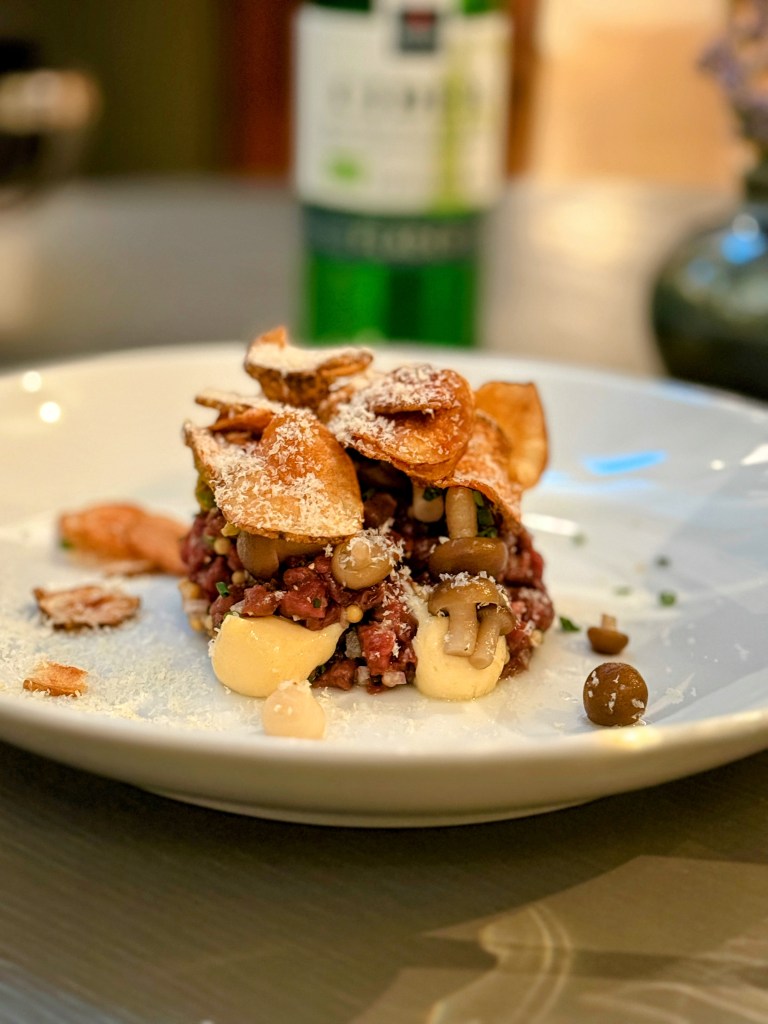
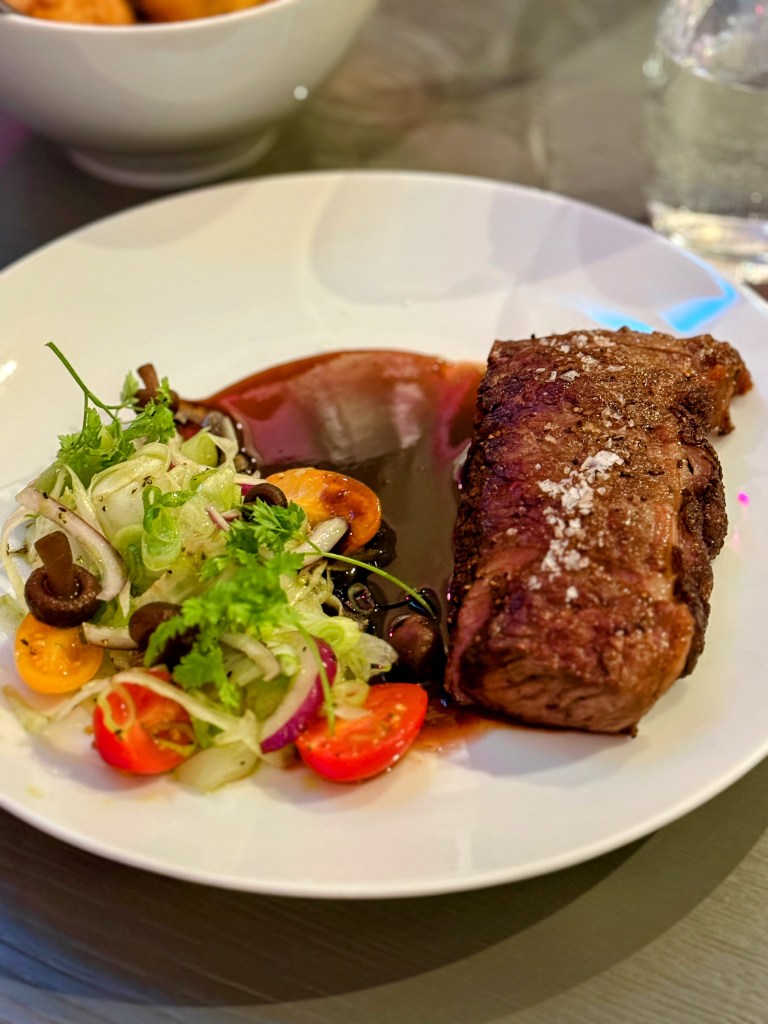
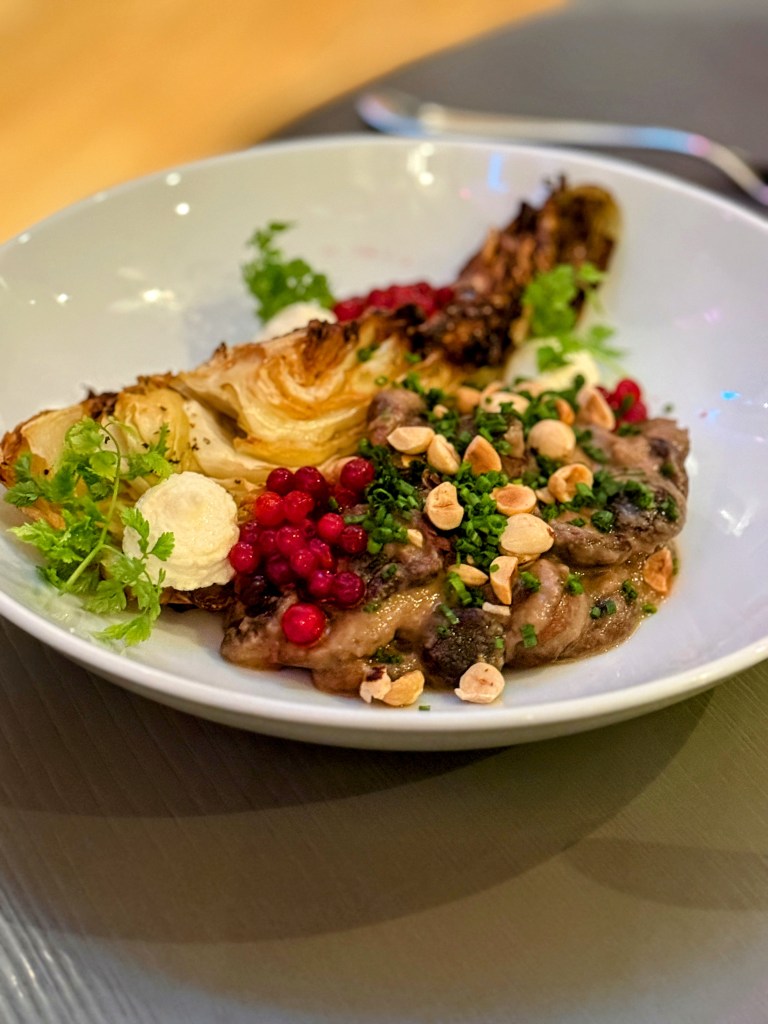
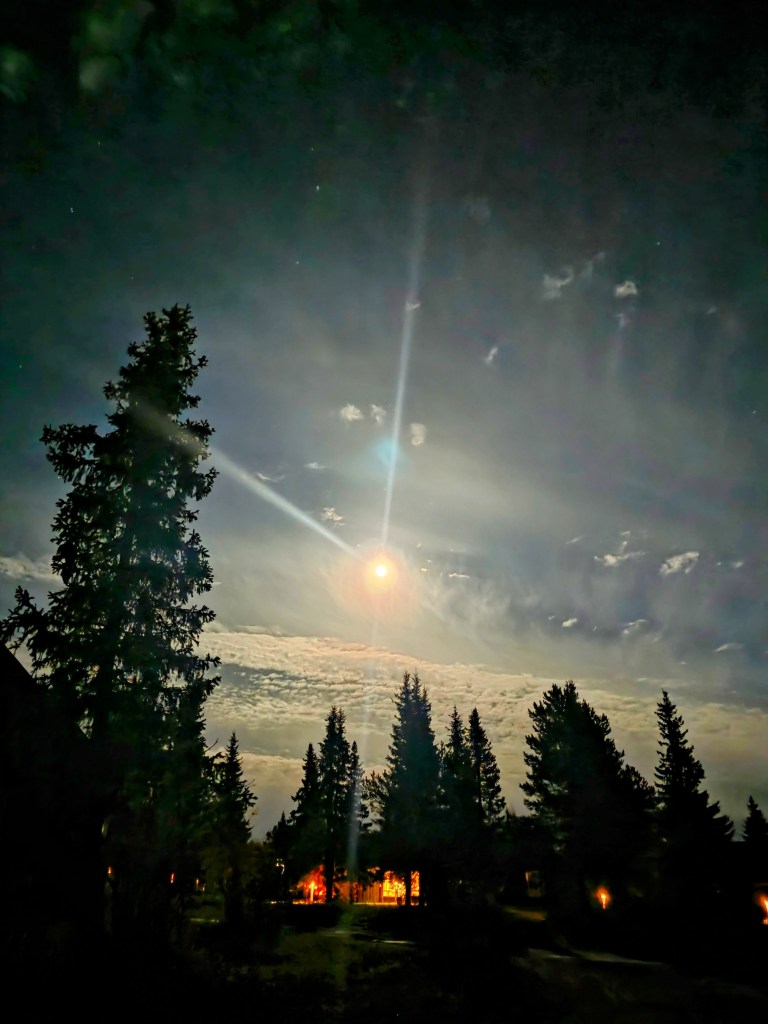
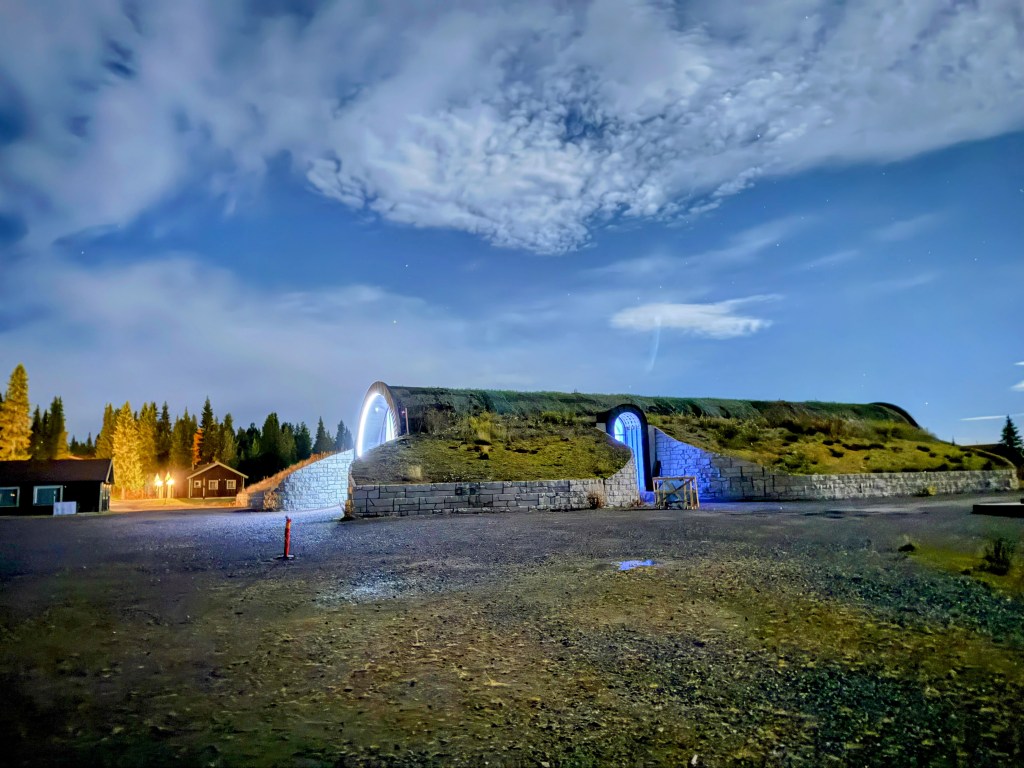
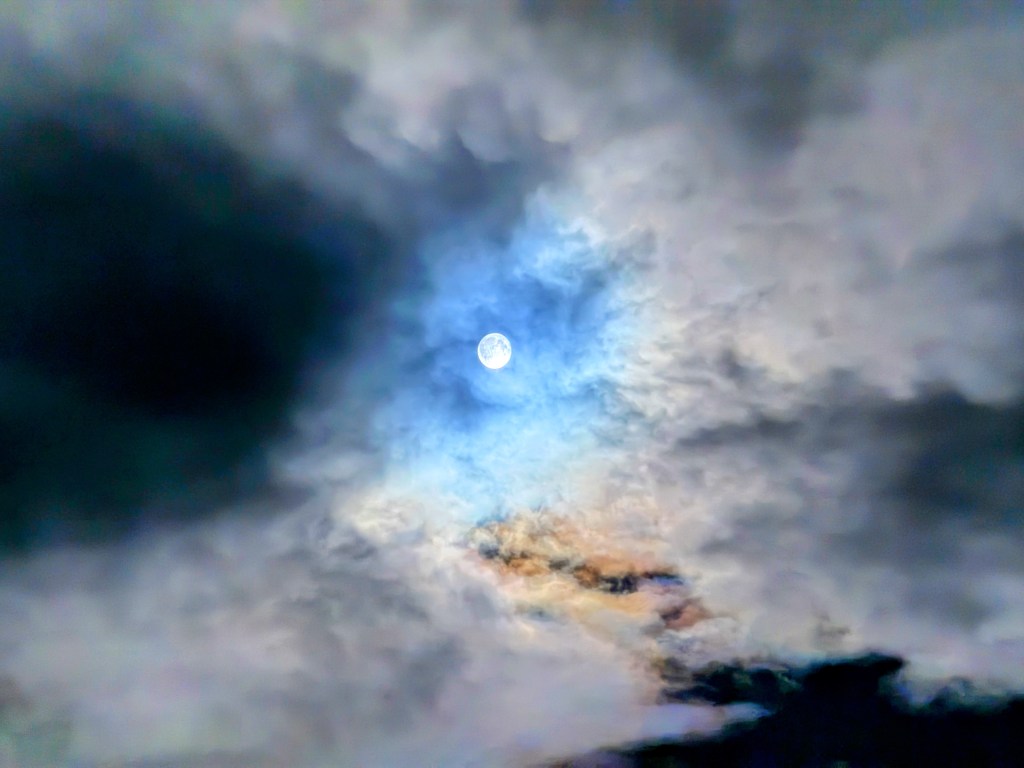
Dinner that evening back at the Icehotel was a treat — smoked reindeer tartare, a perfectly grilled steak, and fresh vegetables including cabbage and shiitake mushrooms. The only thing missing? Clear skies. The northern lights stayed hidden behind a thick layer of clouds.
Tromsø: Rain, Regret, and Redemption
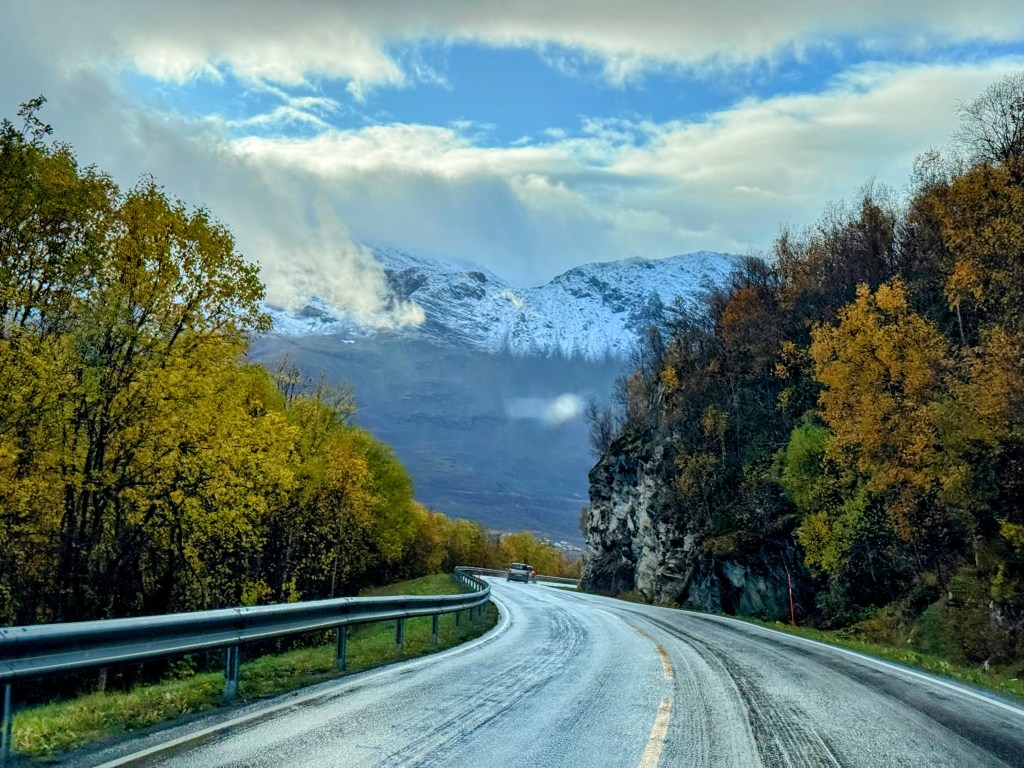
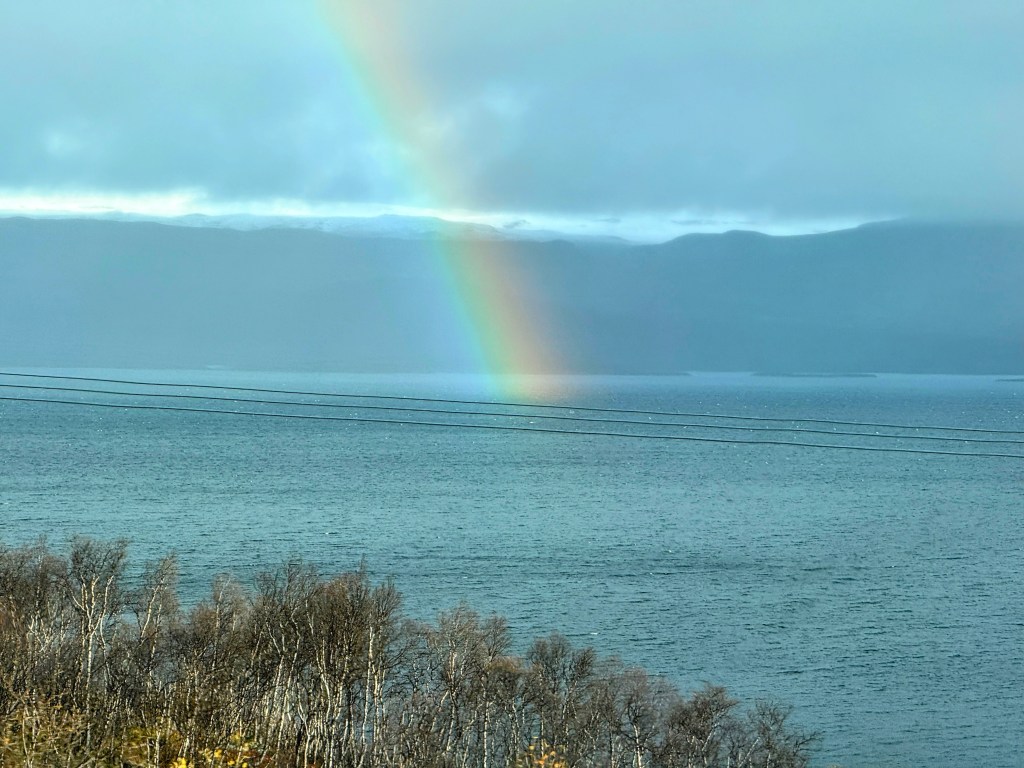
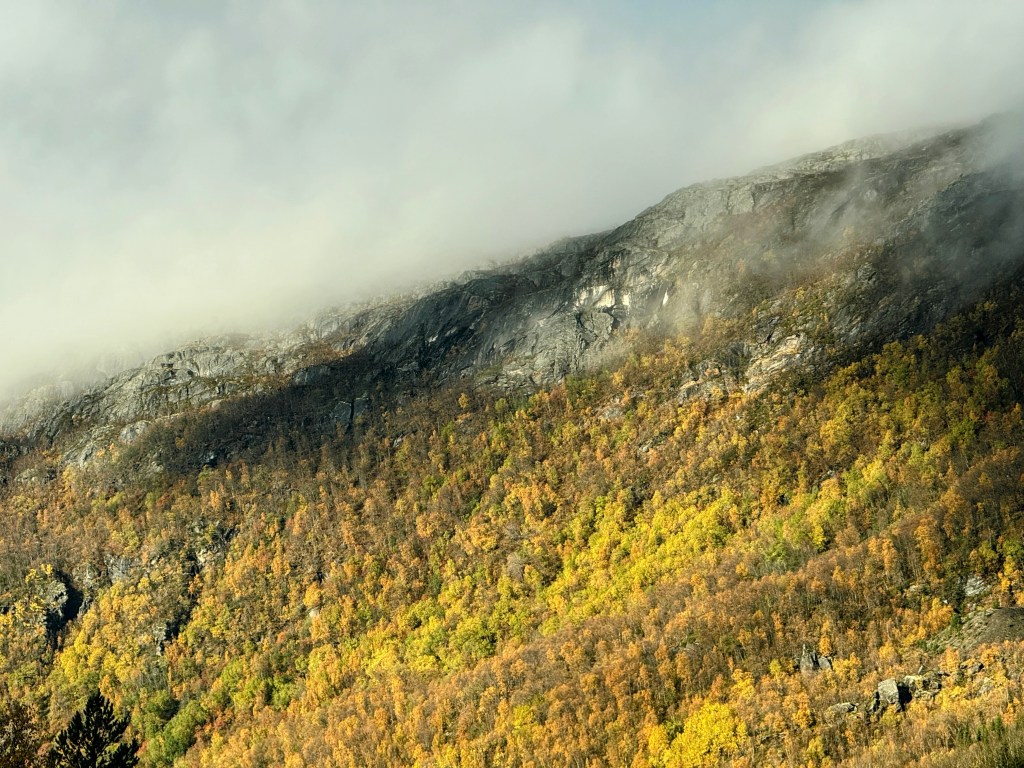
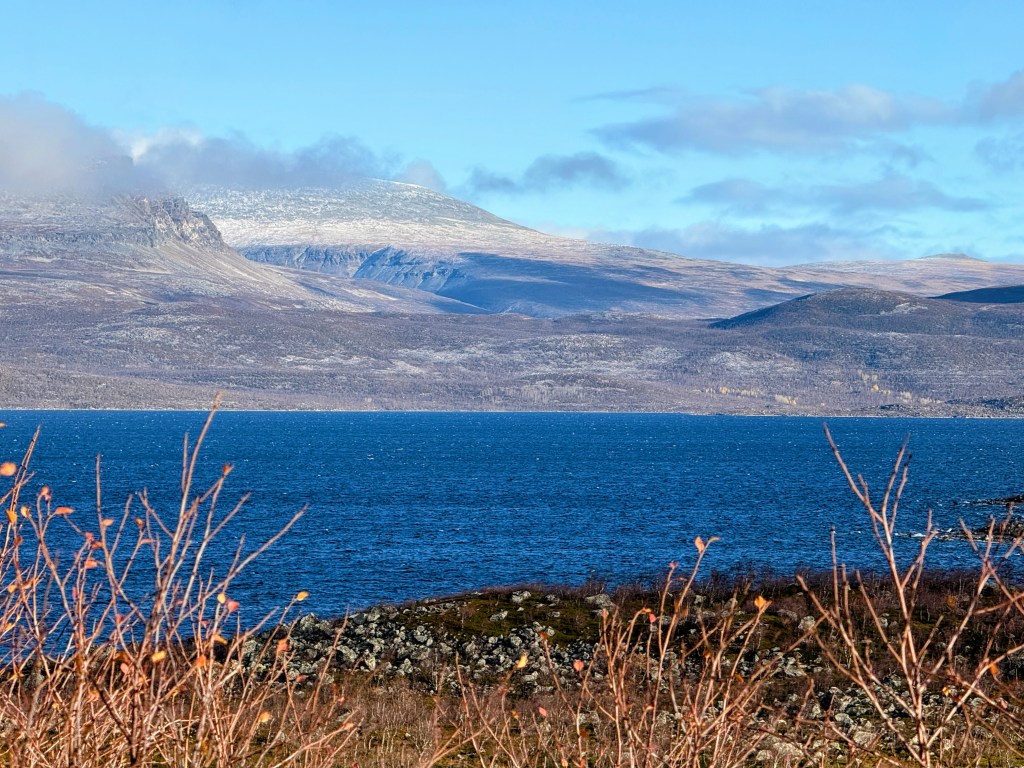
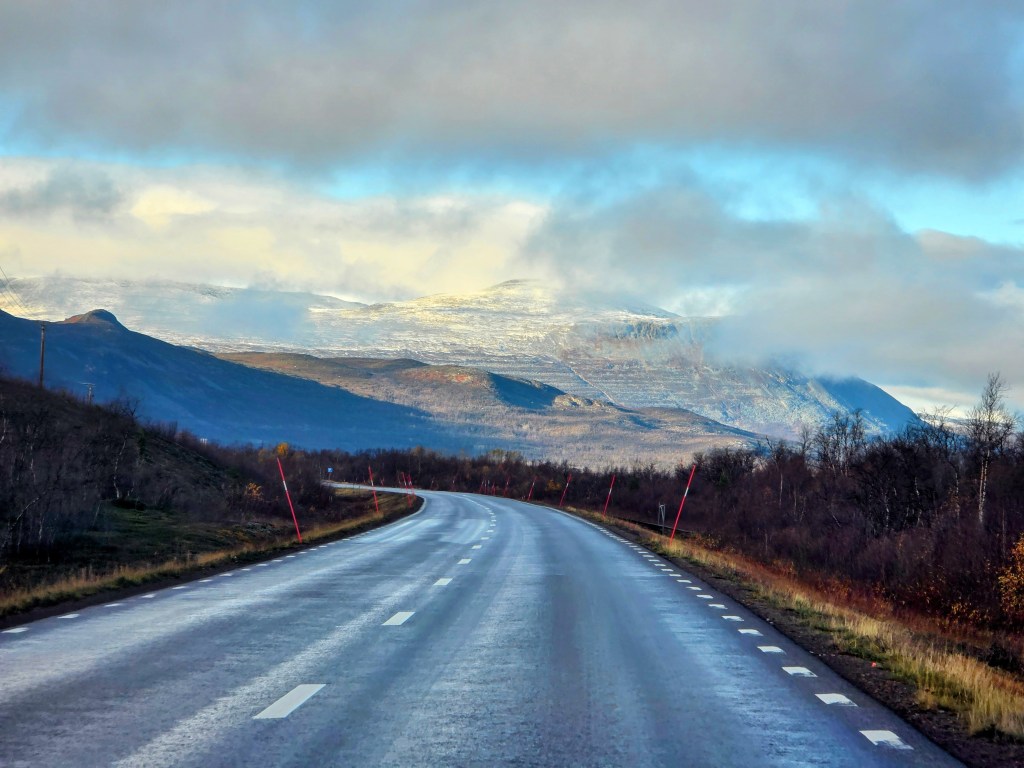
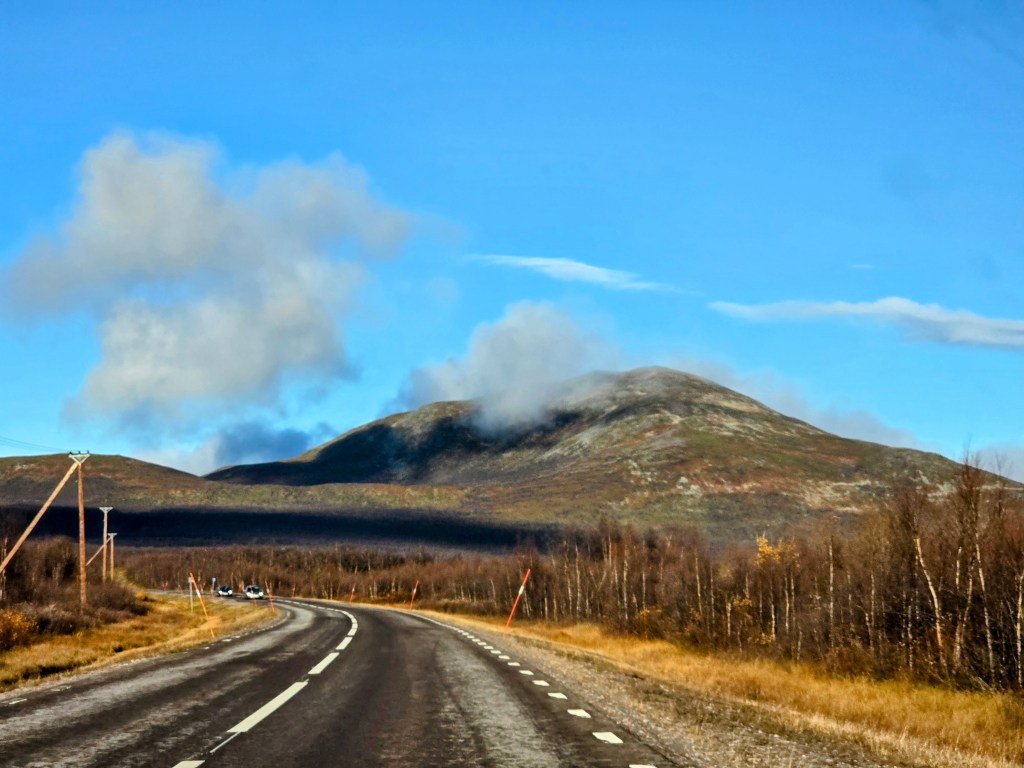
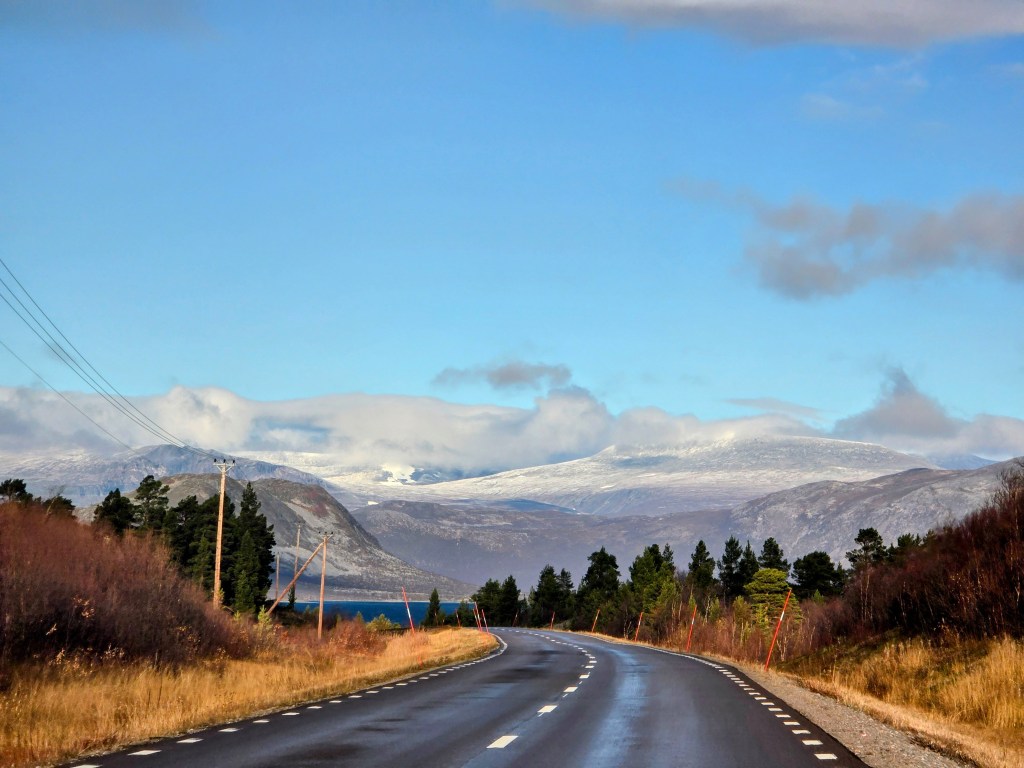
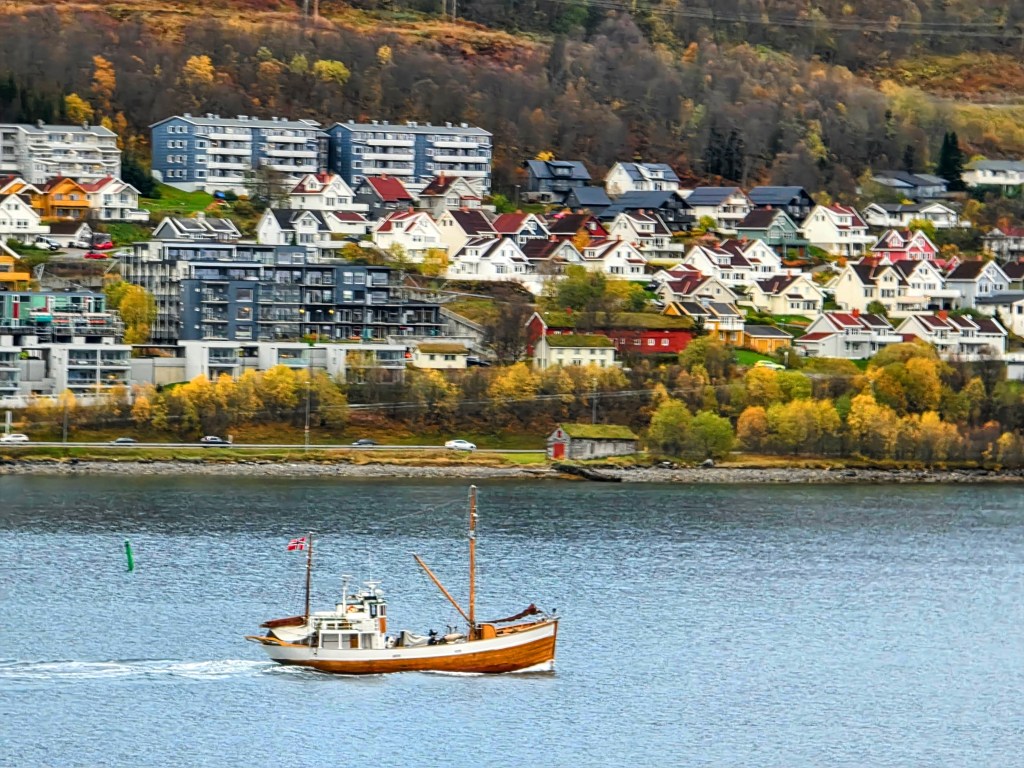
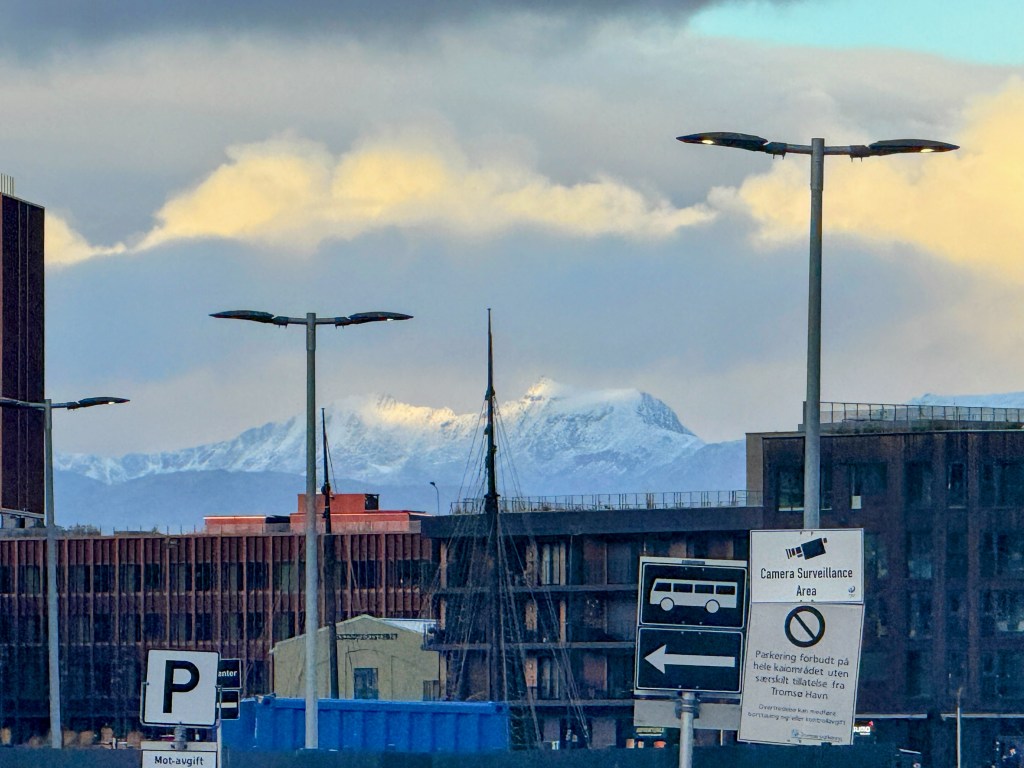
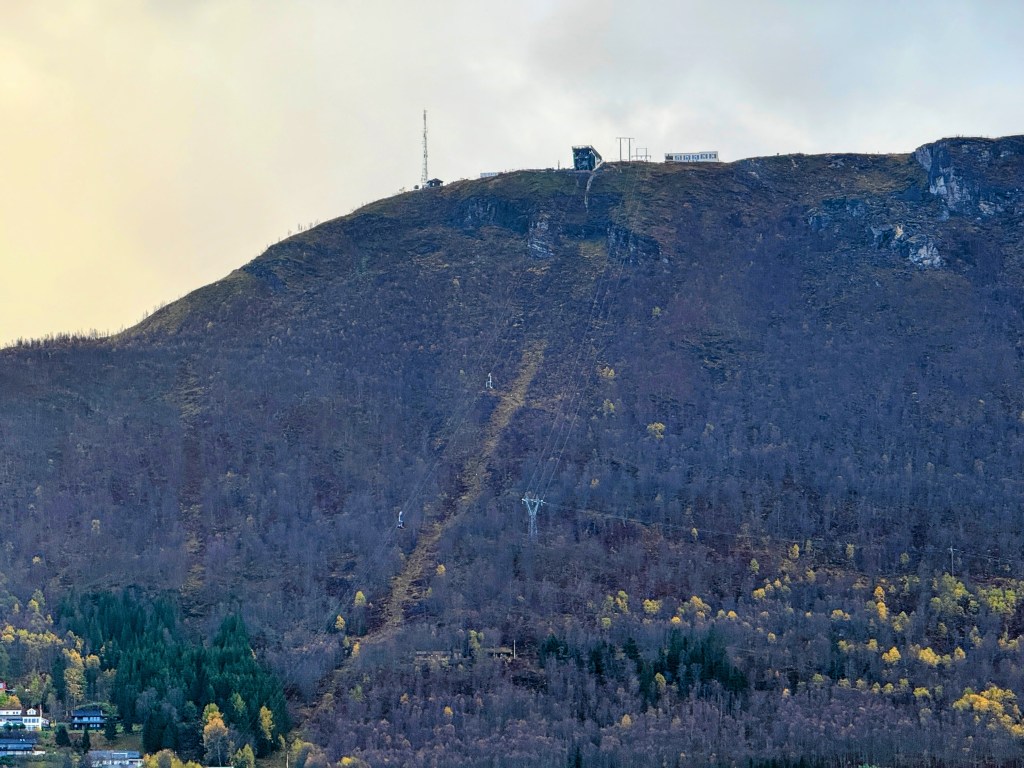
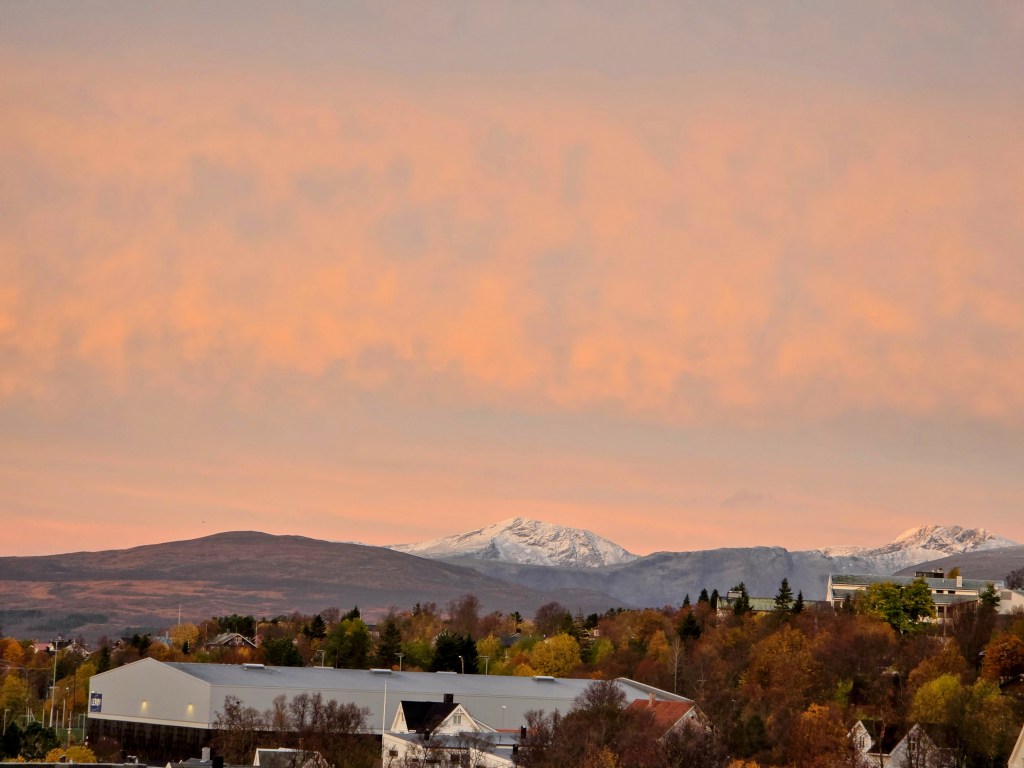
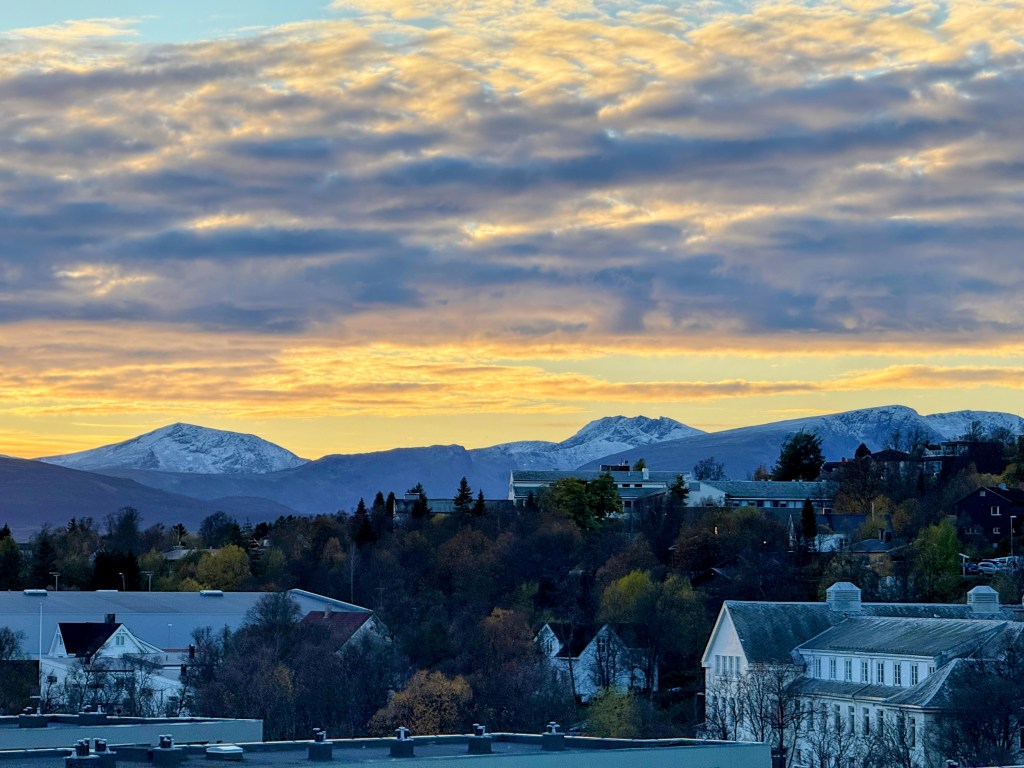
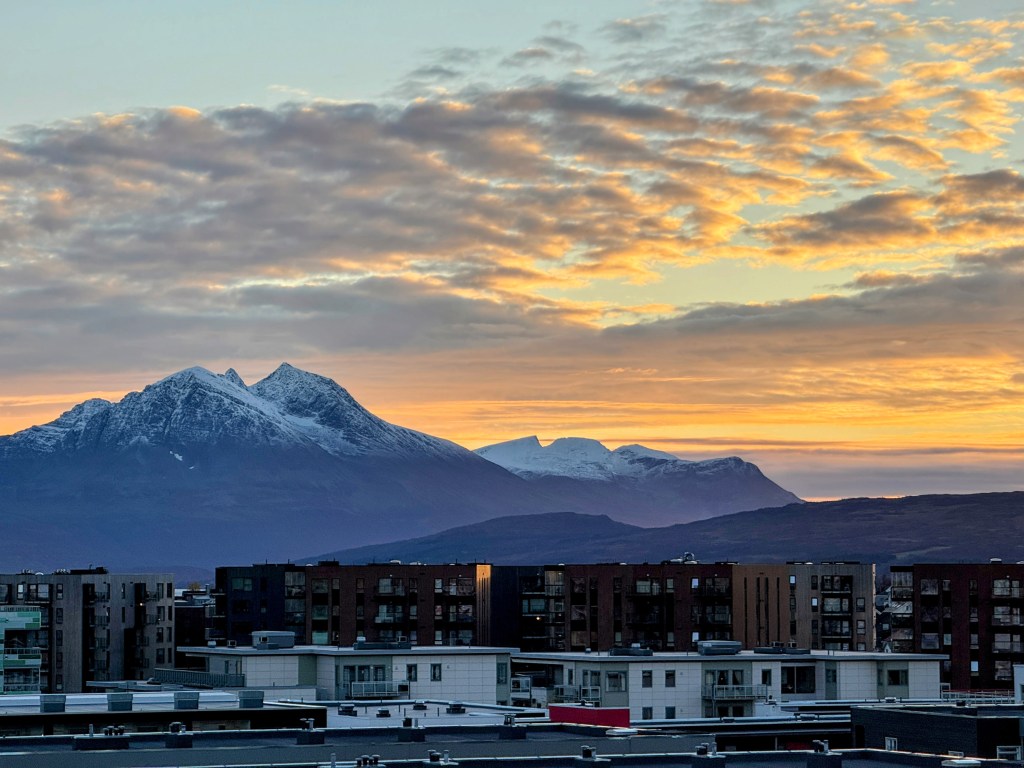
The next morning, we crossed the border into Norway on our way to Tromsø. The drive was stunning — the terrain shifted from Sweden’s flat forests to Norway’s dramatic fjords, glacier-carved valleys, and snow-tipped peaks that looked almost painted in watercolor.


And then… disaster struck.
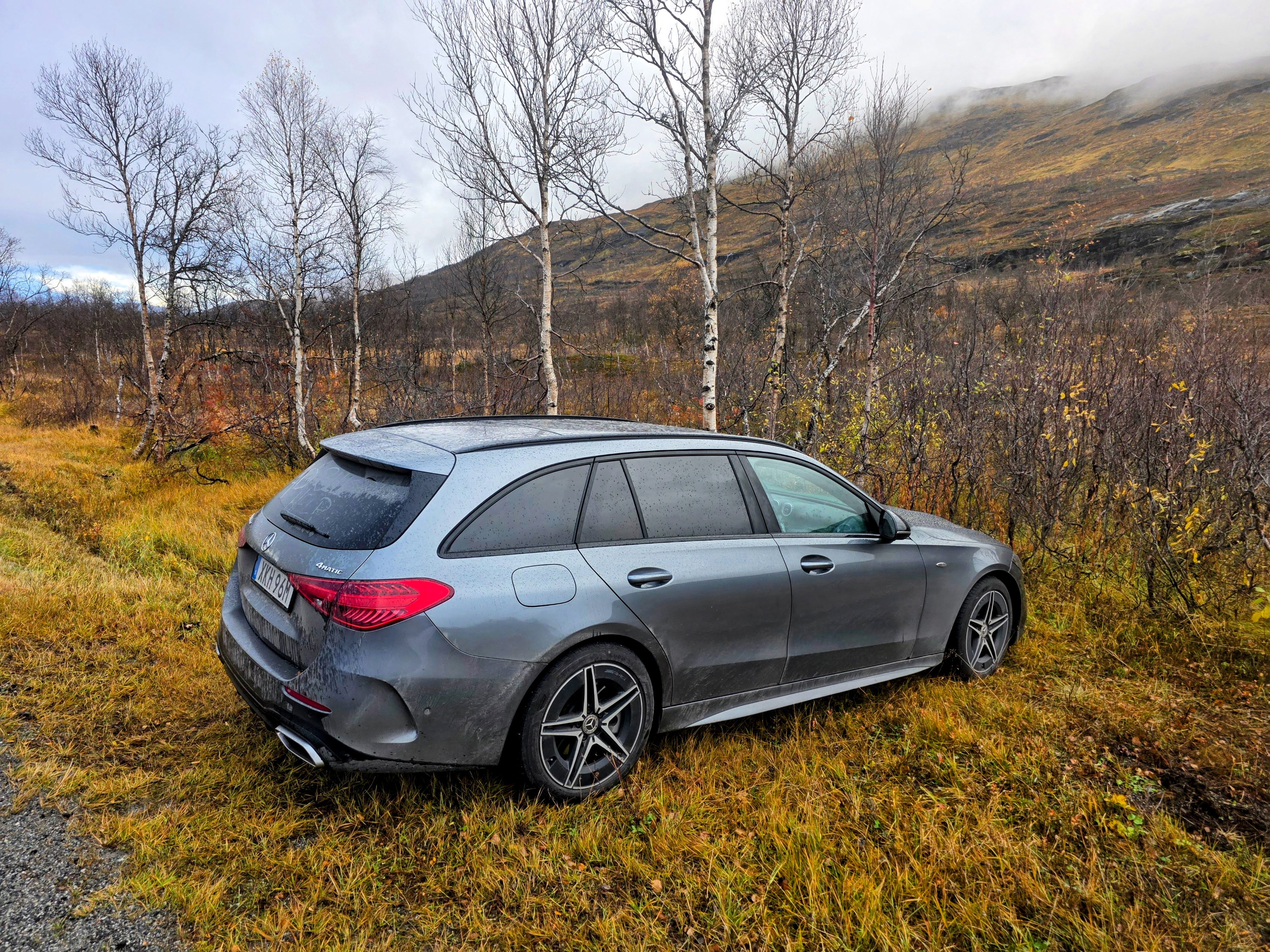
Our diesel rental car started flashing a warning to refill AdBlue (a fluid used to reduce emissions). We ignored it, assuming it wasn’t urgent. Big mistake. About 15 minutes after stopping for snacks, the car completely shut down — in the middle of nowhere, with no safe place to pull over. Casey had to push it about 250 feet into a small grassy patch while I steered.
We tried everything: the rental company’s roadside assistance didn’t work, Mercedes refused to help without their authorization, and no local shops were open. Eventually, we called Norway’s national roadside assistance. They agreed to come — for $800. After nearly three hours stranded in the cold rain, a kind man arrived, filled our tank with AdBlue in less than three minutes, and sent us on our way. Expensive lesson learned.
We arrived in Tromsø nearly three hours later than planned — exhausted, drenched, but laughing at our own stupidity.
The Long-Awaited Northern Lights
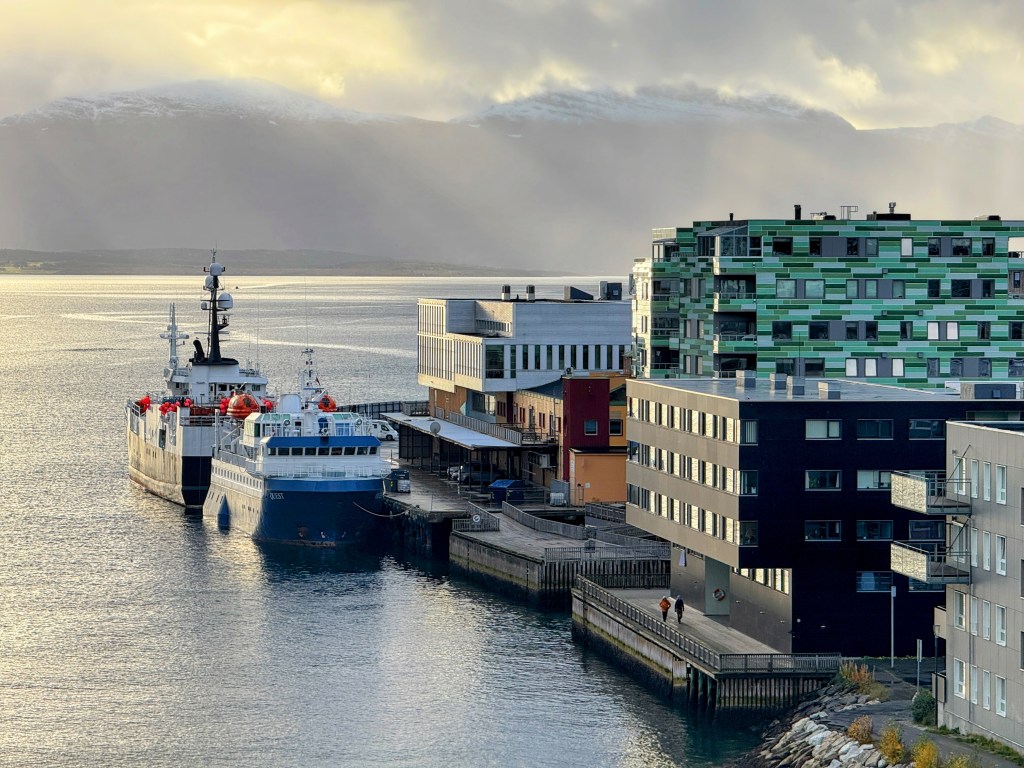
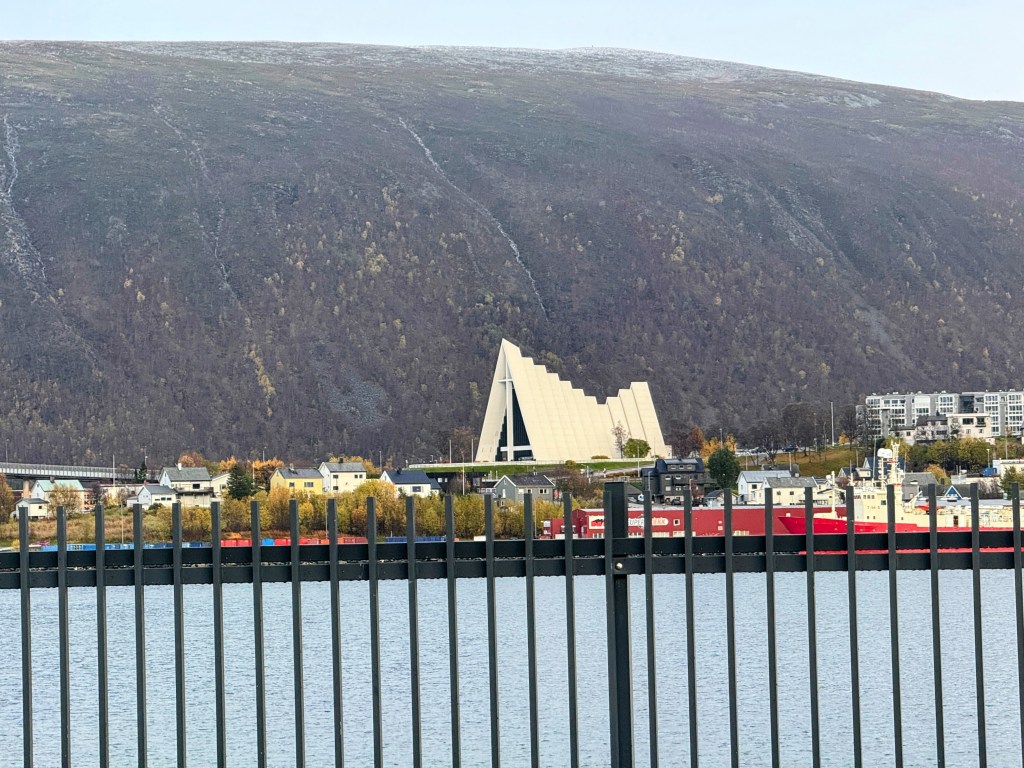
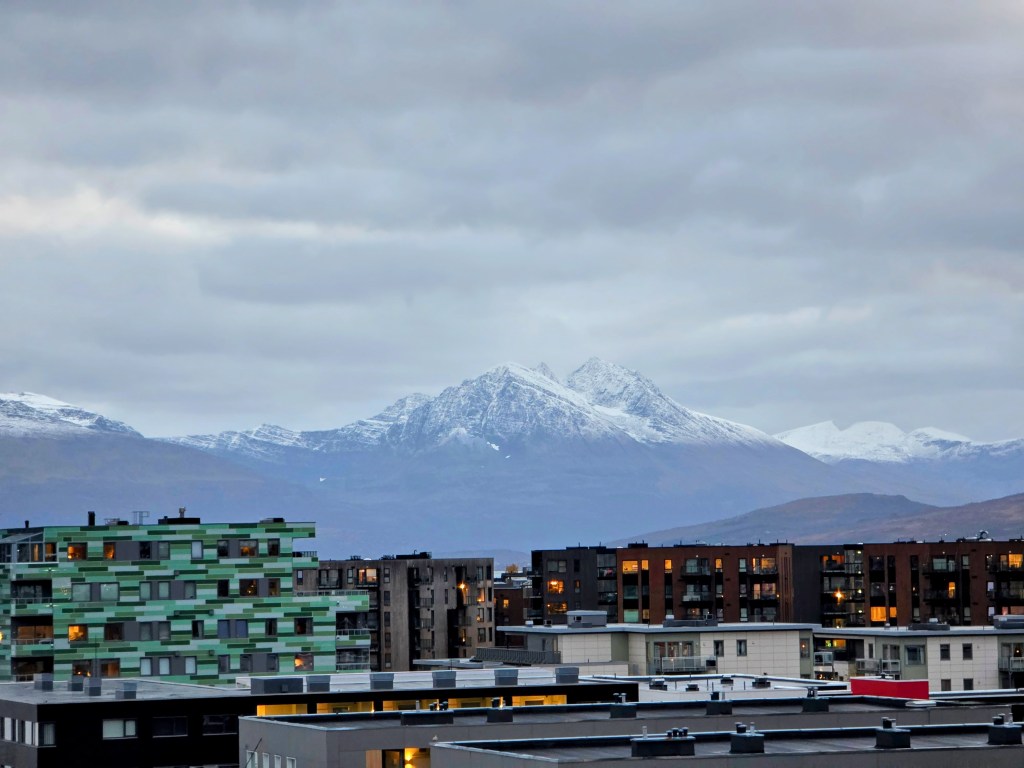
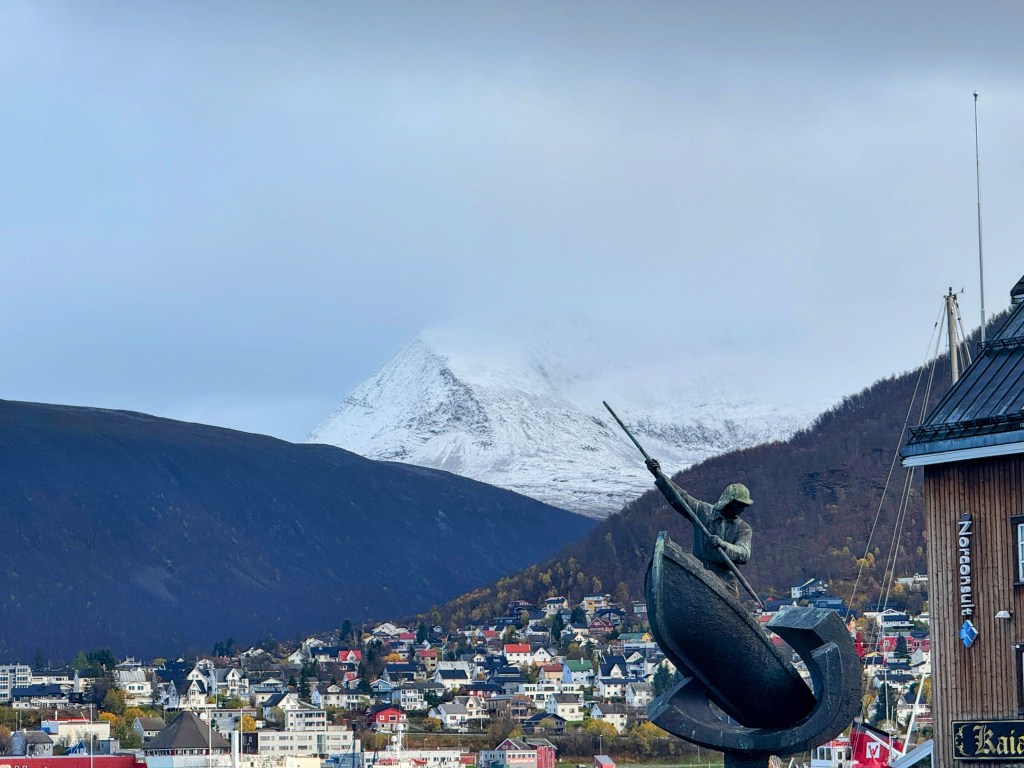
Tromsø — often called the Gateway to the Arctic — is one of the world’s best places to see the northern lights. It sits at 69°N latitude, surrounded by fjords and mountains, and in winter, it’s cloaked in near-constant darkness. Unfortunately, our first few days were nothing but clouds and rain. I was crushed. Seeing the aurora was one of the main reasons we’d planned this trip.
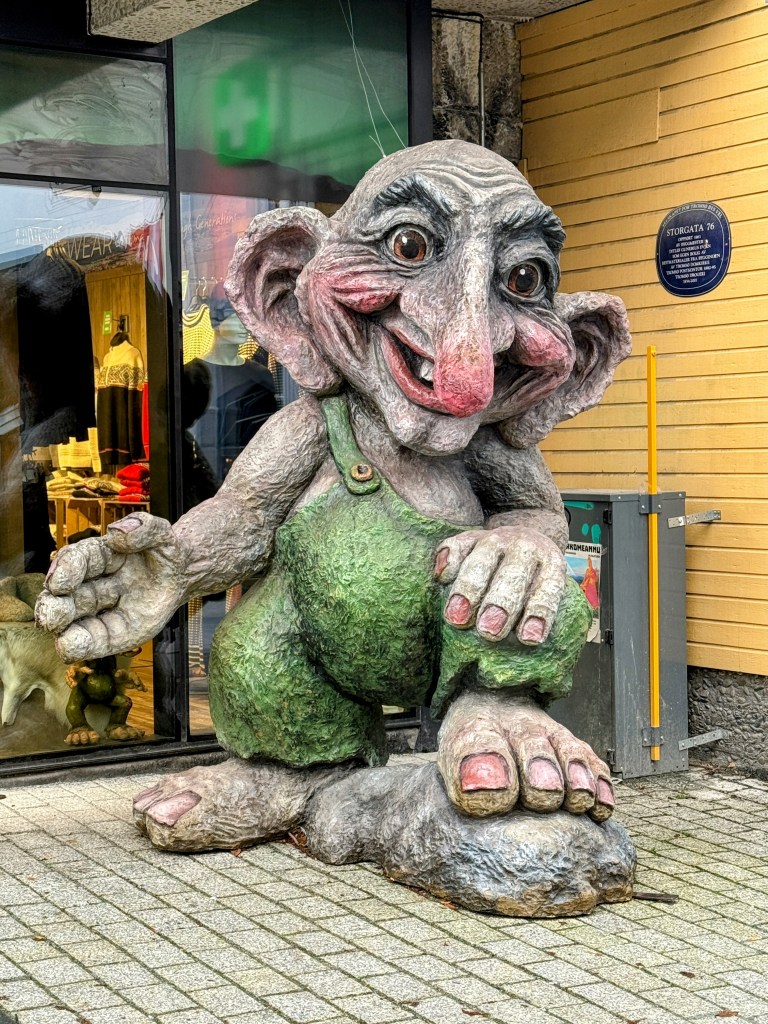
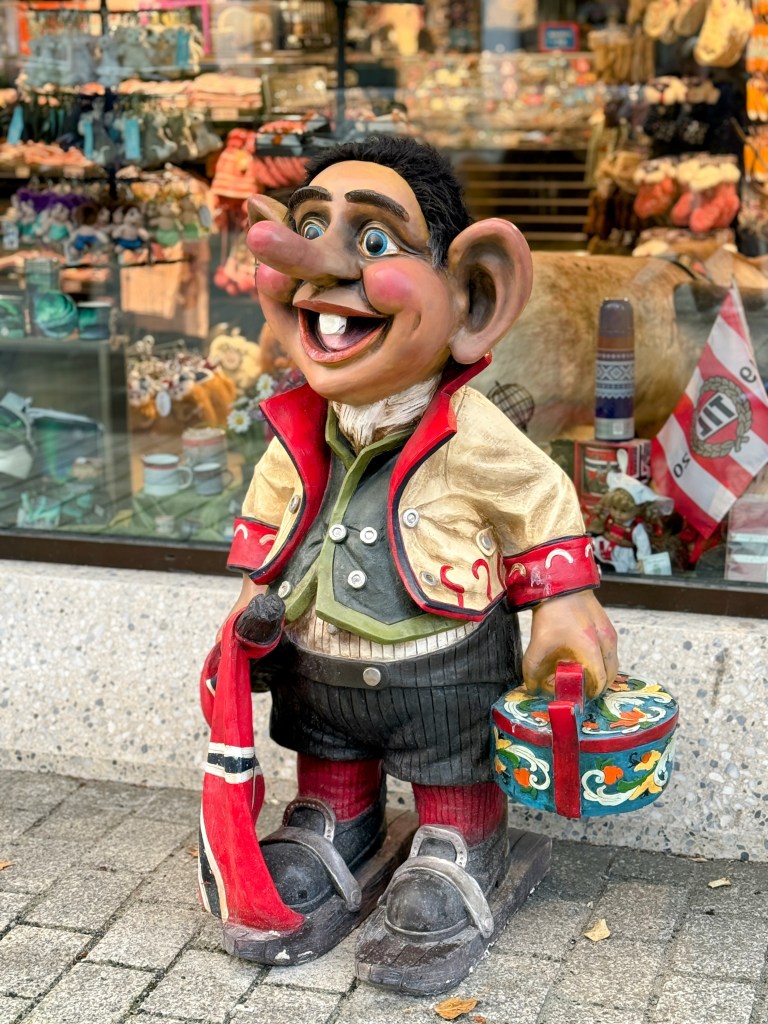
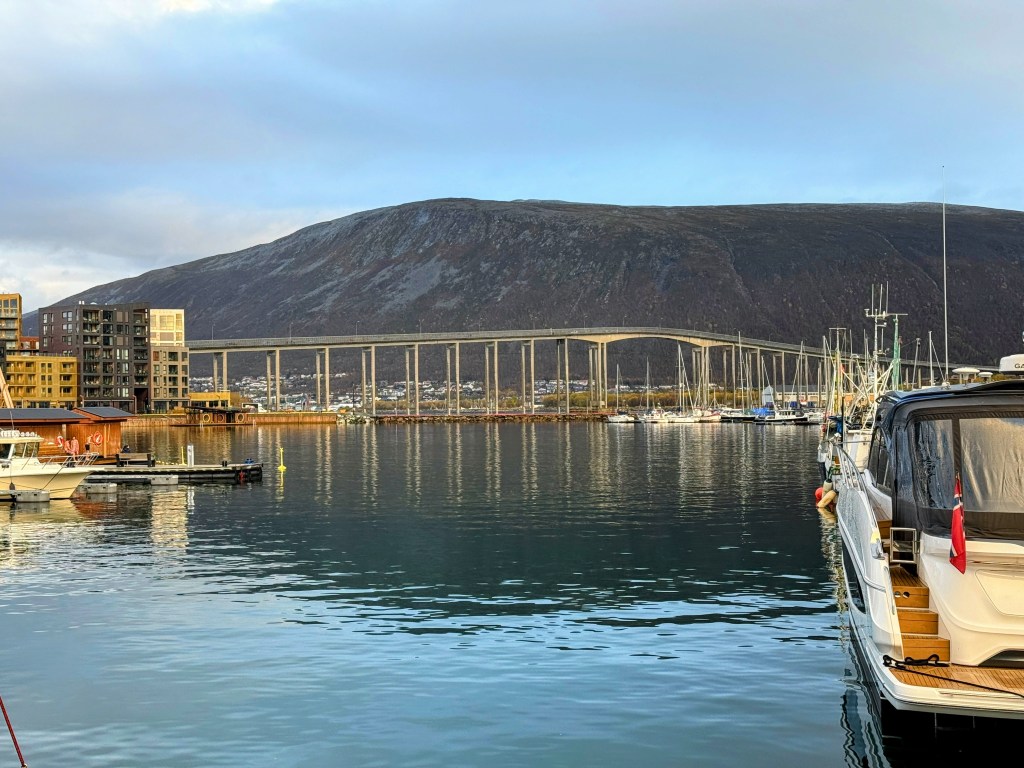
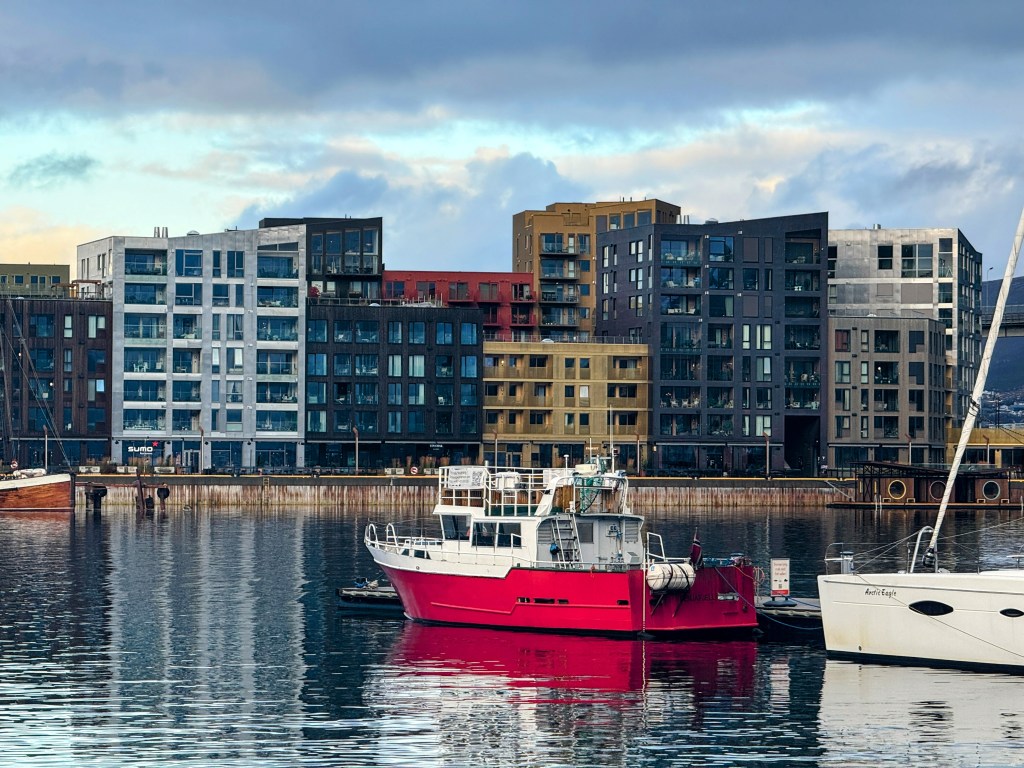
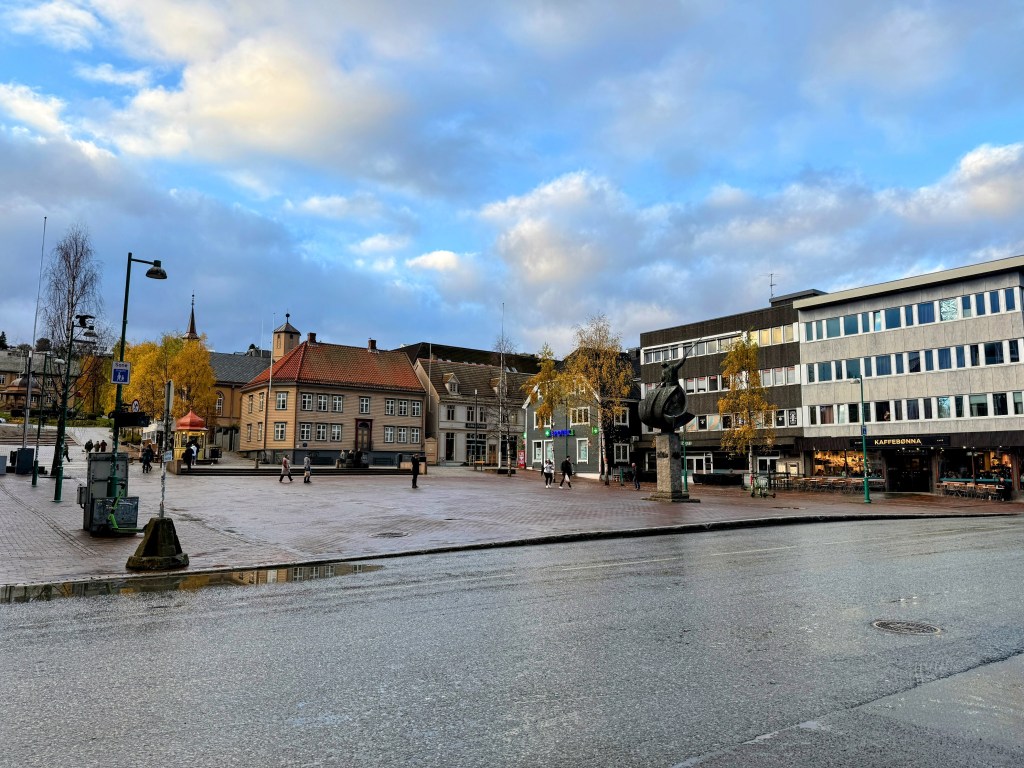
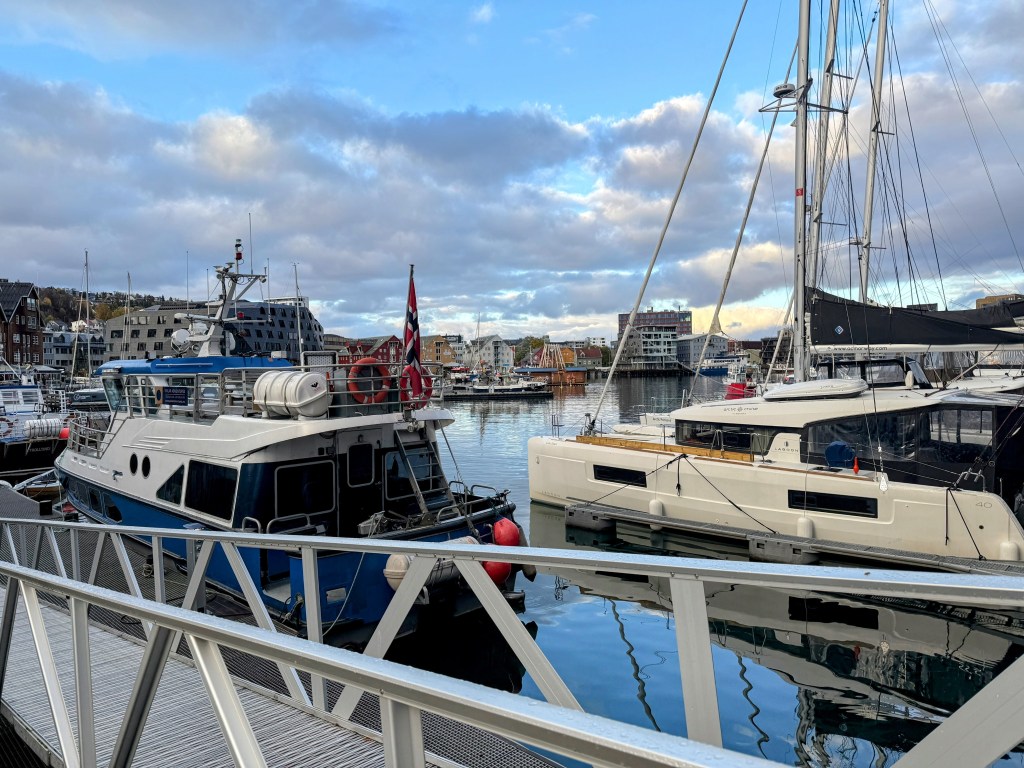
We made the best of it — strolling through the quiet Sunday streets, exploring the harbor, grabbing lunch at a local burger joint, and enjoying pastries and coffee at a patisserie. We ended the afternoon at Ølhallen, Tromsø’s oldest pub, where a cider and a beer cost us a whopping $40. Delicious, yes — but ouch.
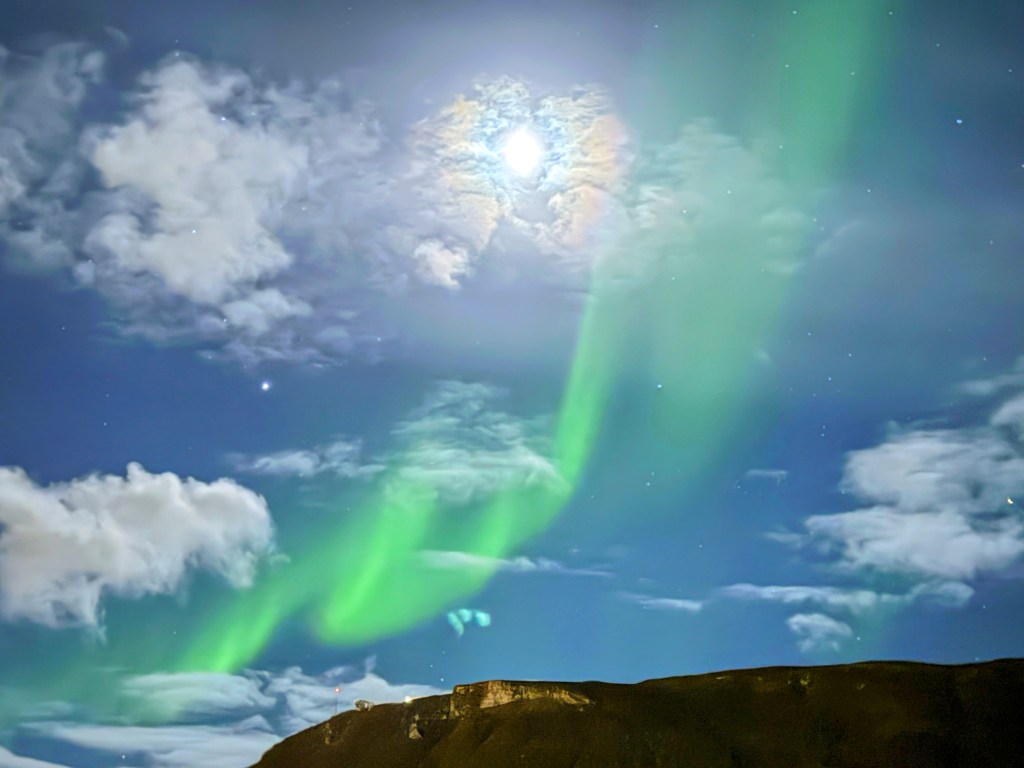
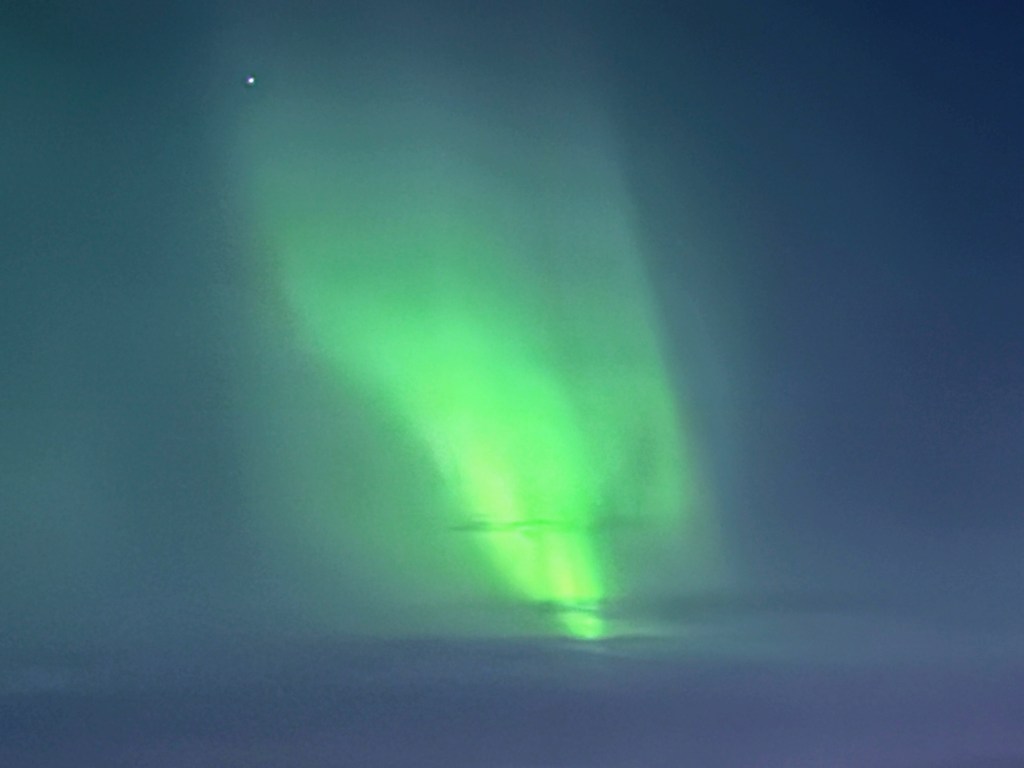
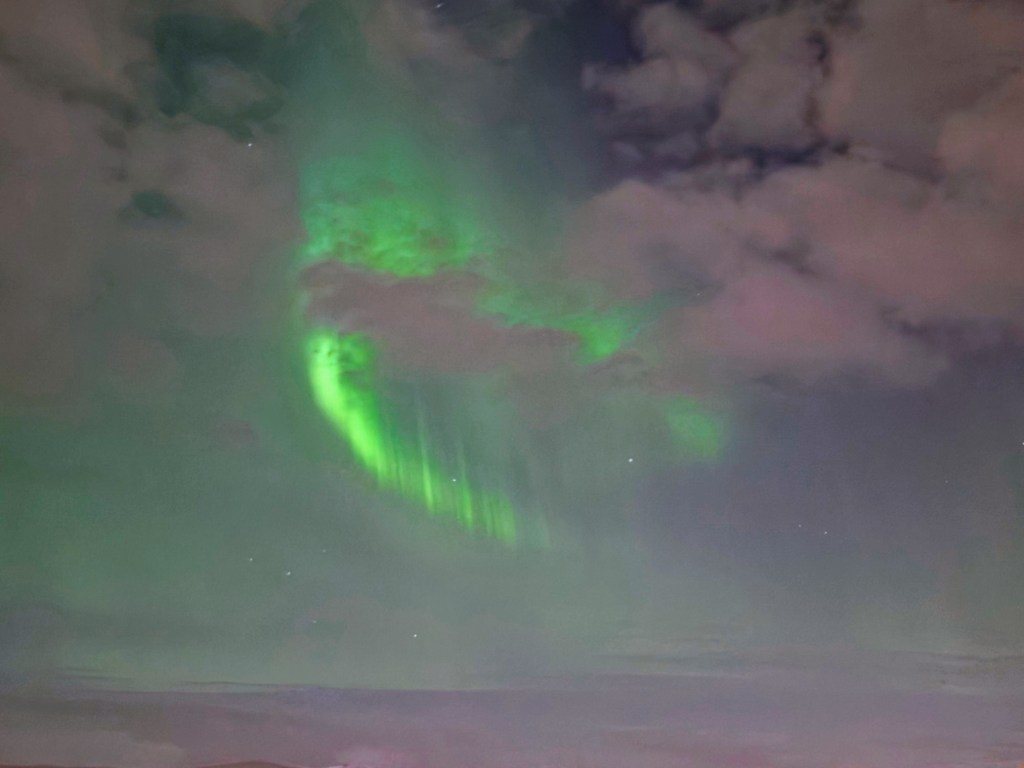
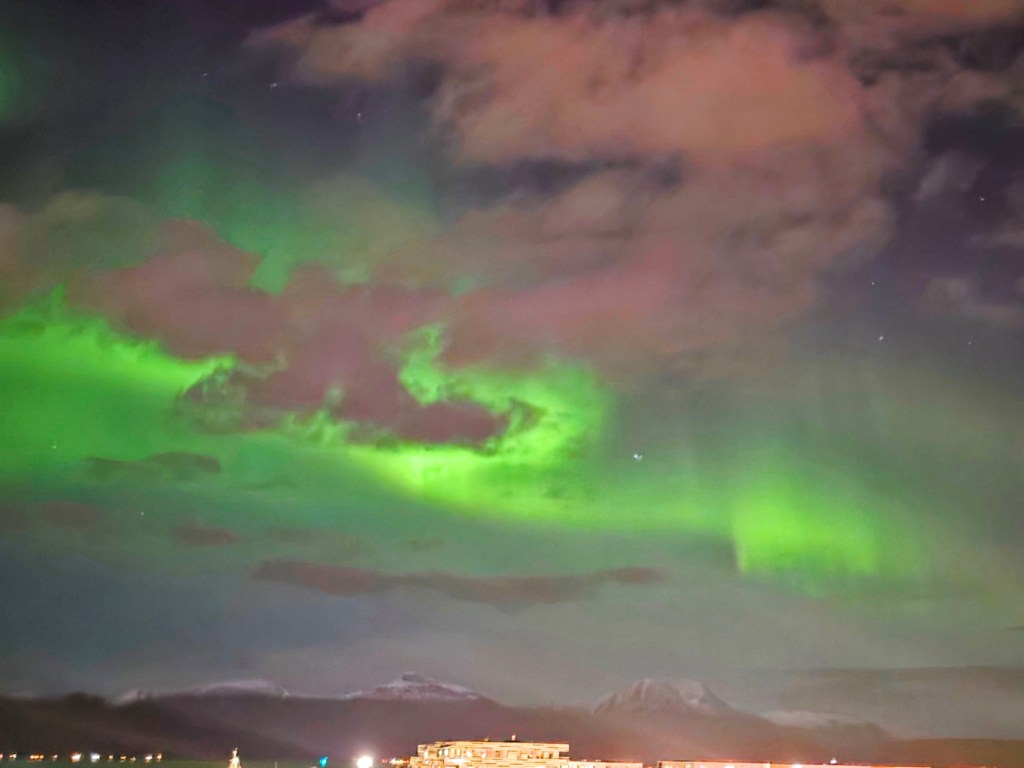
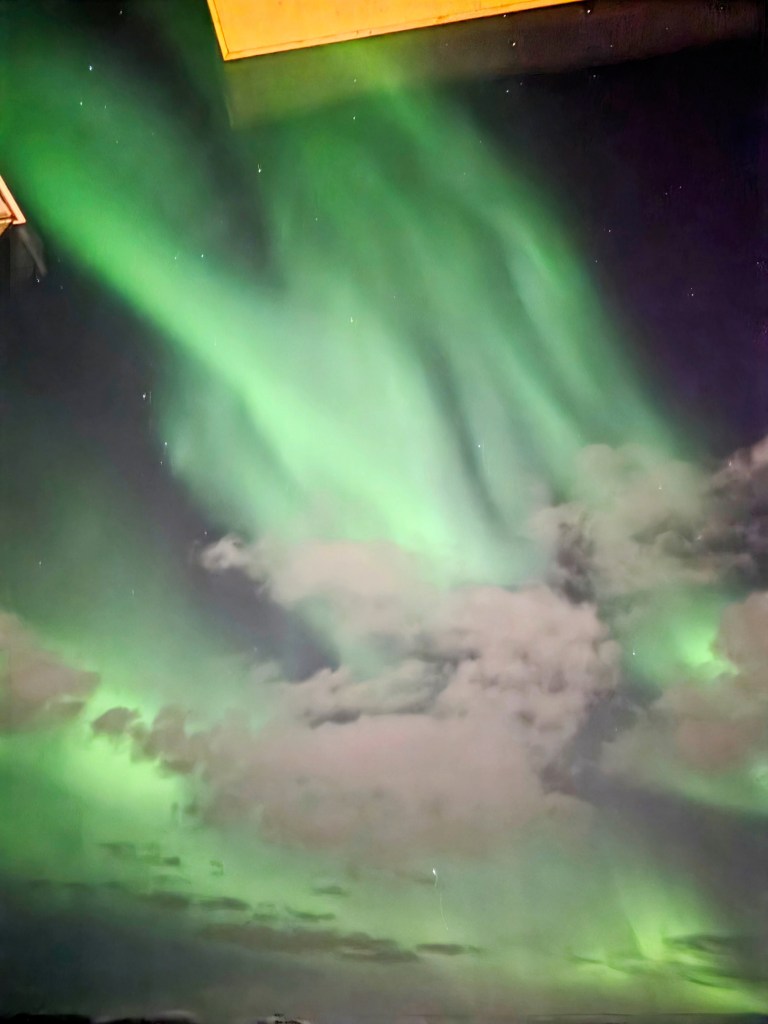
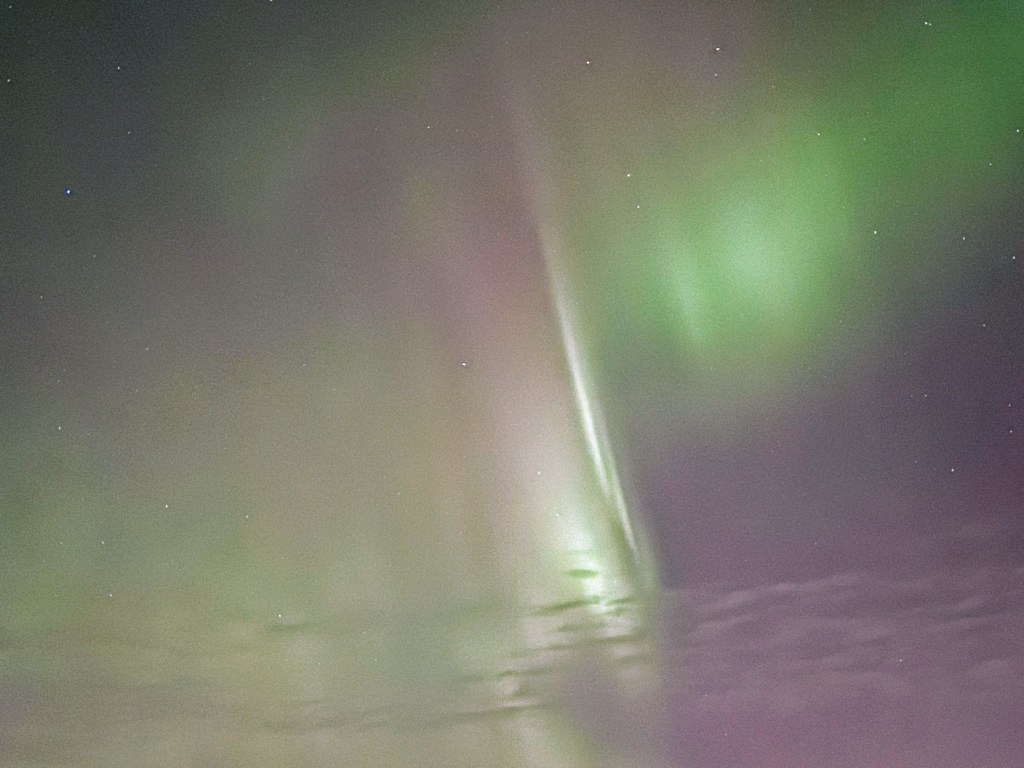
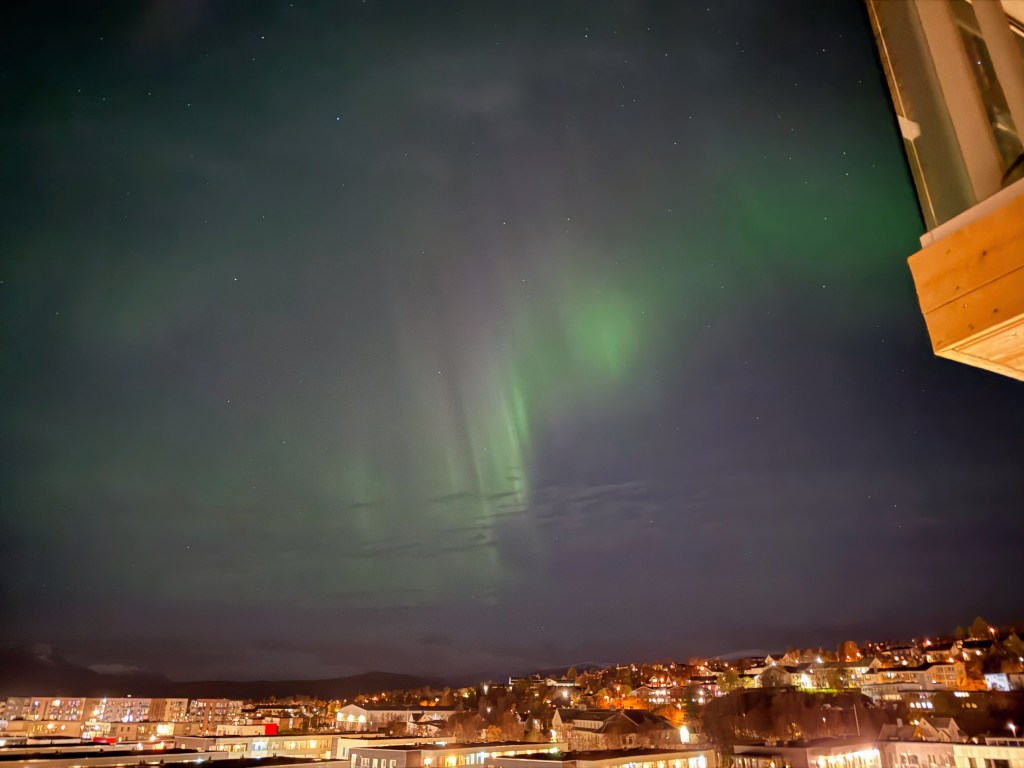
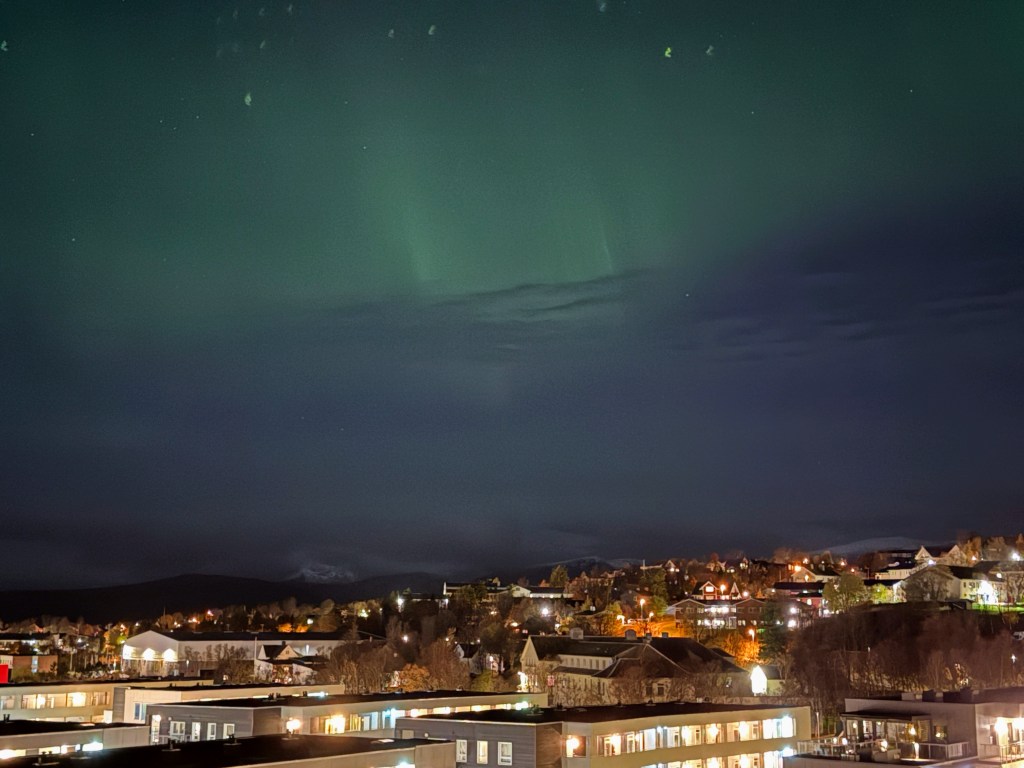
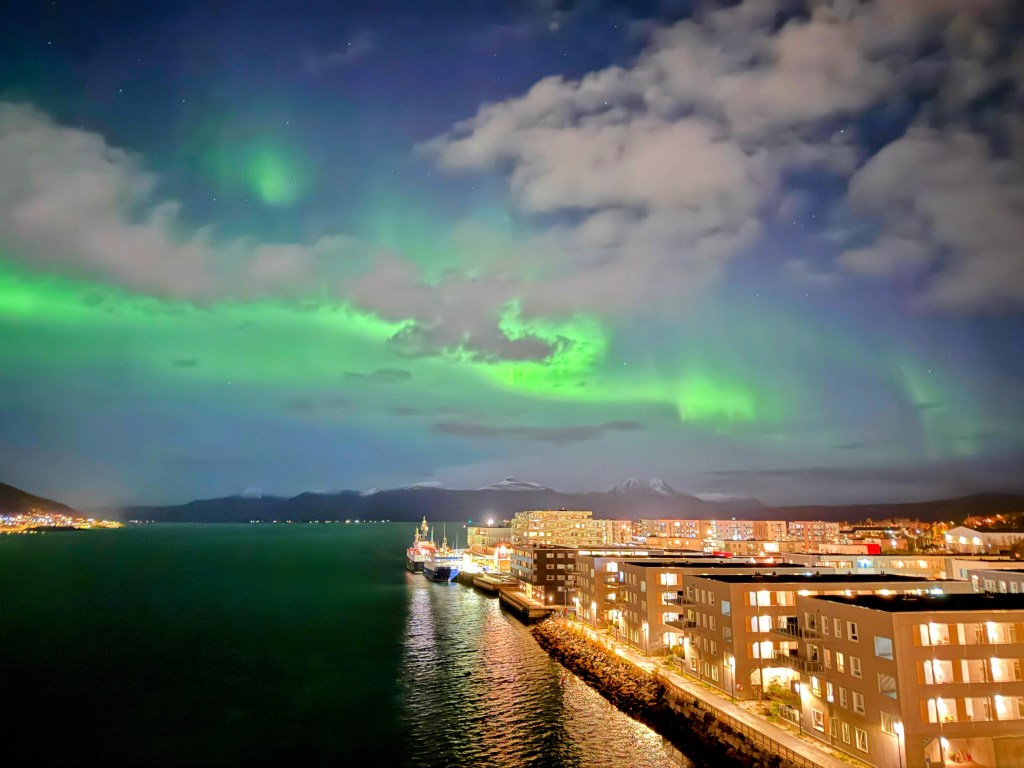
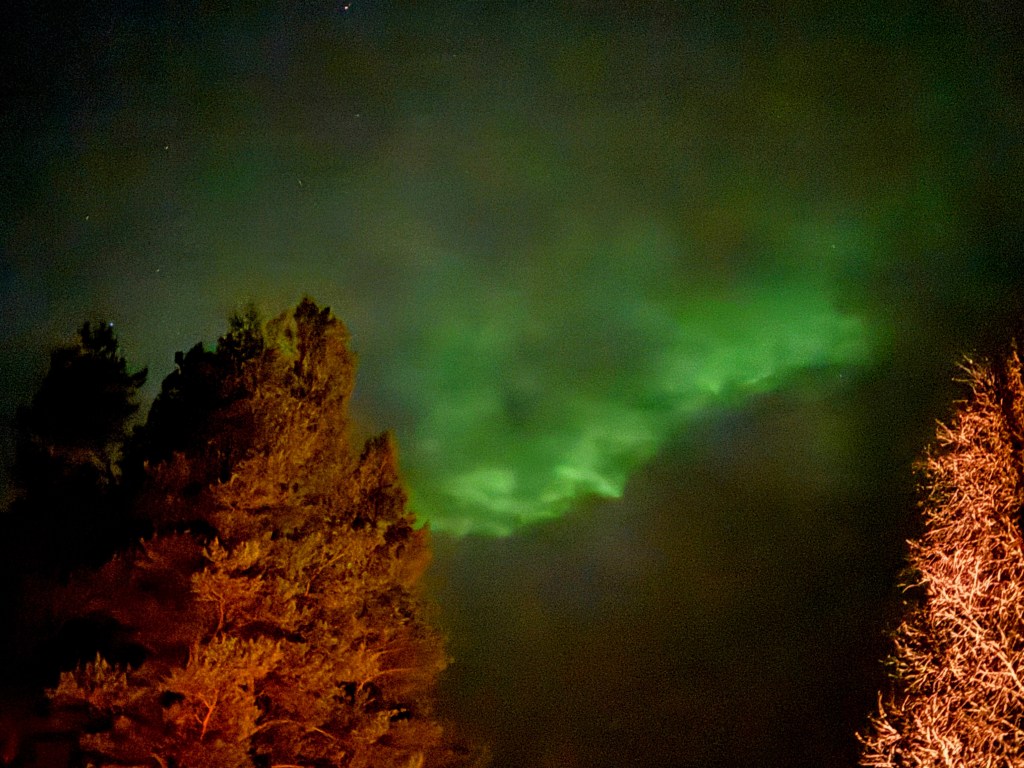
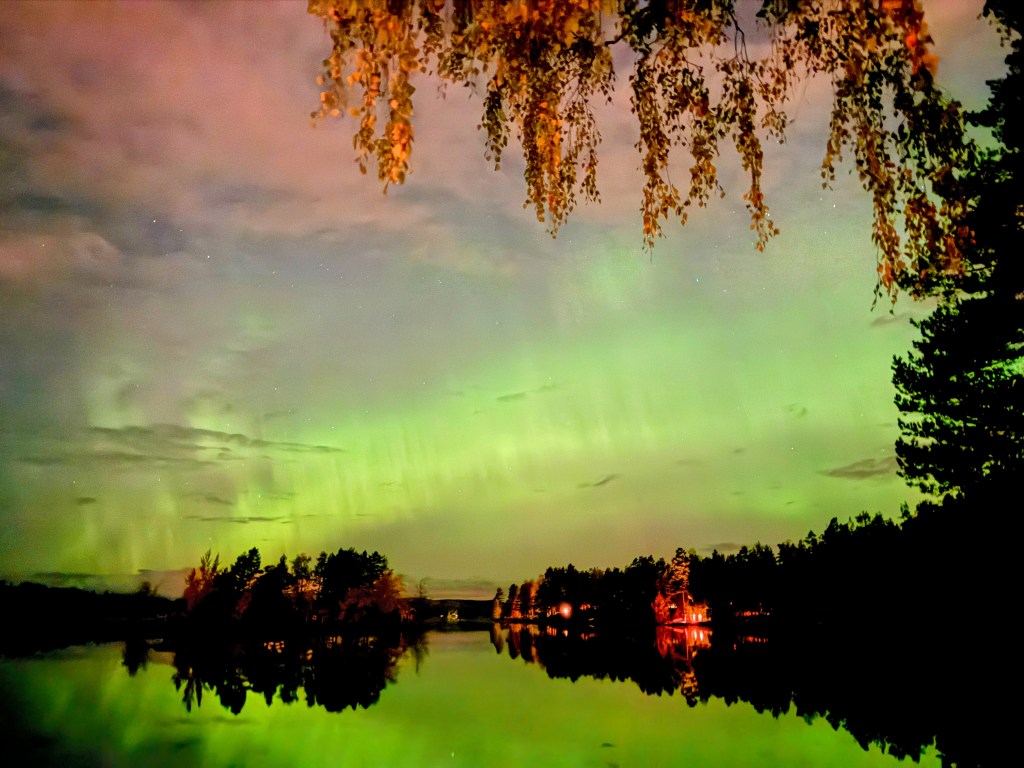
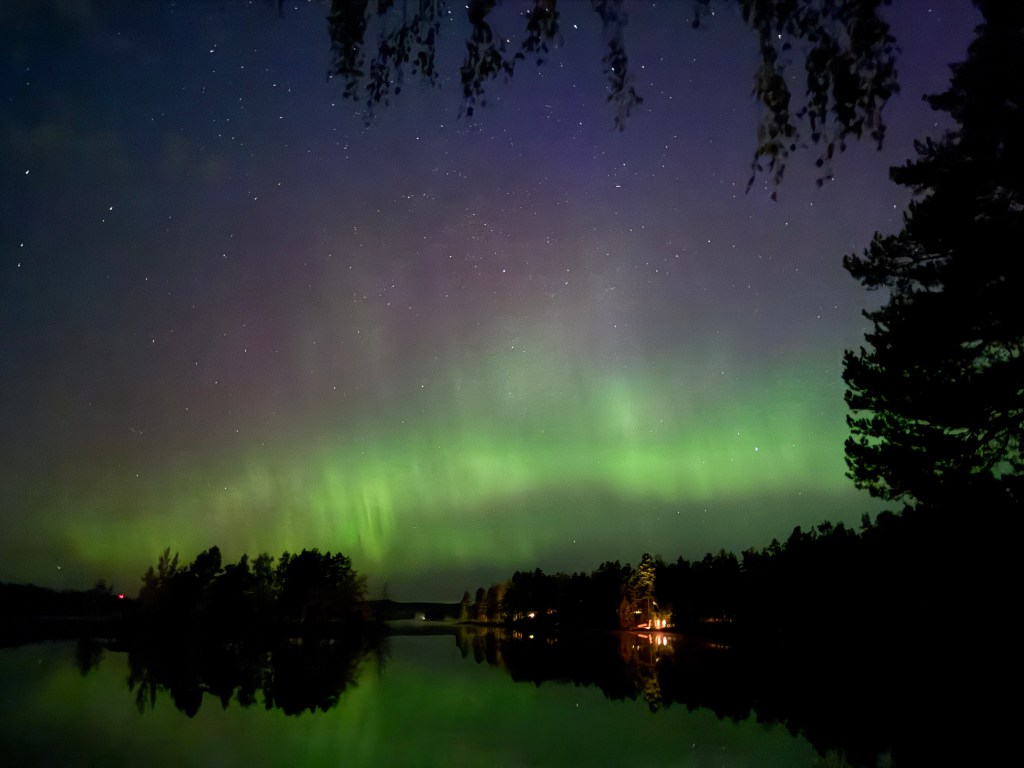
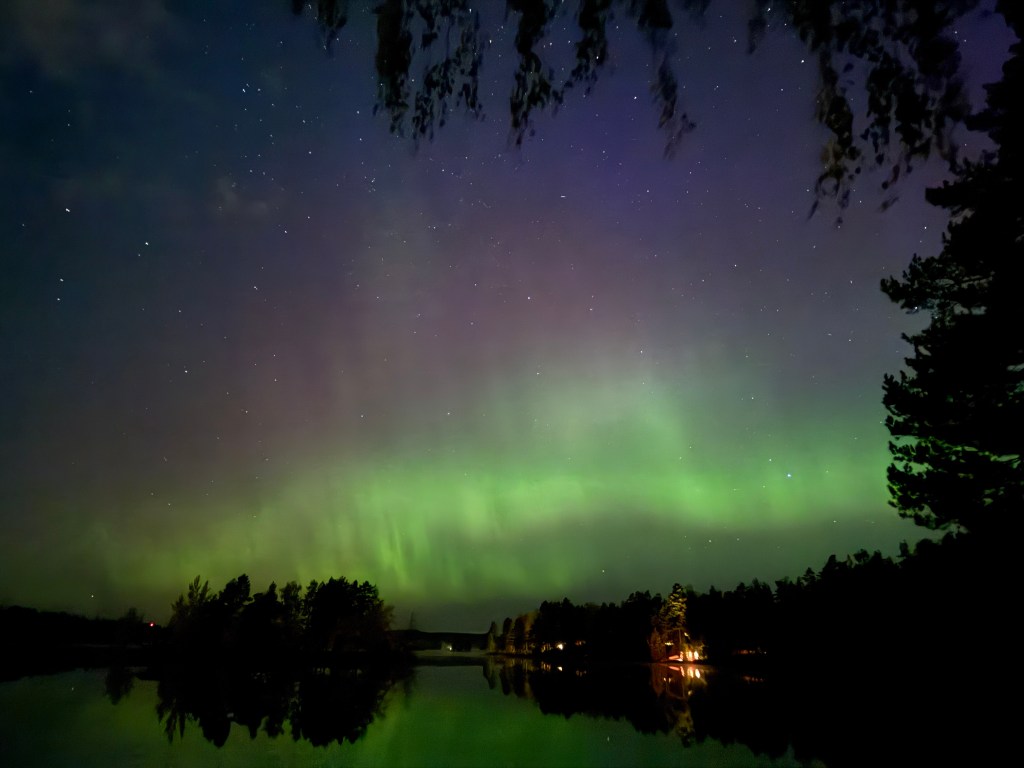
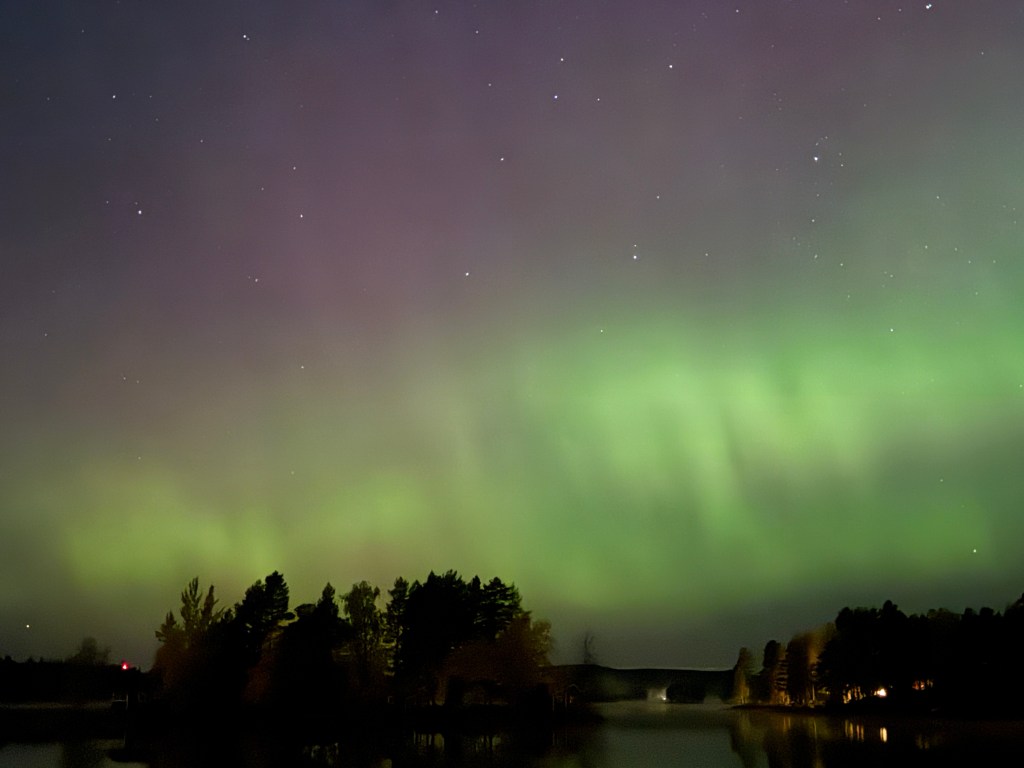
That night, Casey made spaghetti (budget dining!) while I obsessively checked the skies every 15 seconds. Just as we were getting ready for bed, I noticed something different — stars. The clouds were breaking. And then it happened: the sky began to dance.
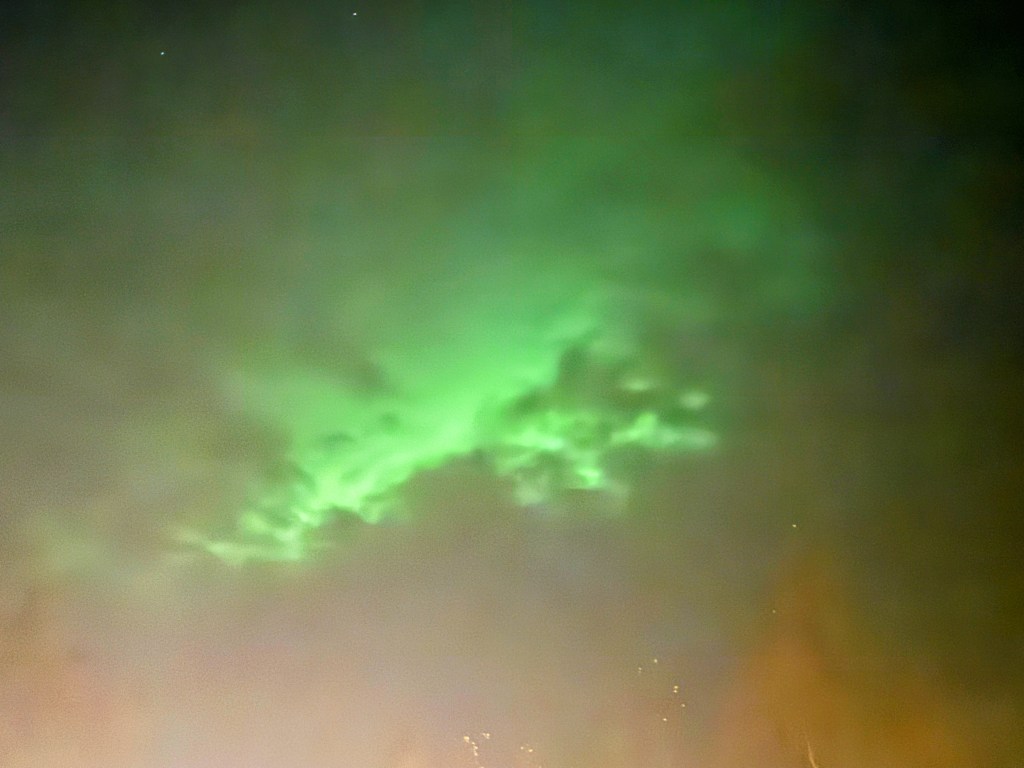
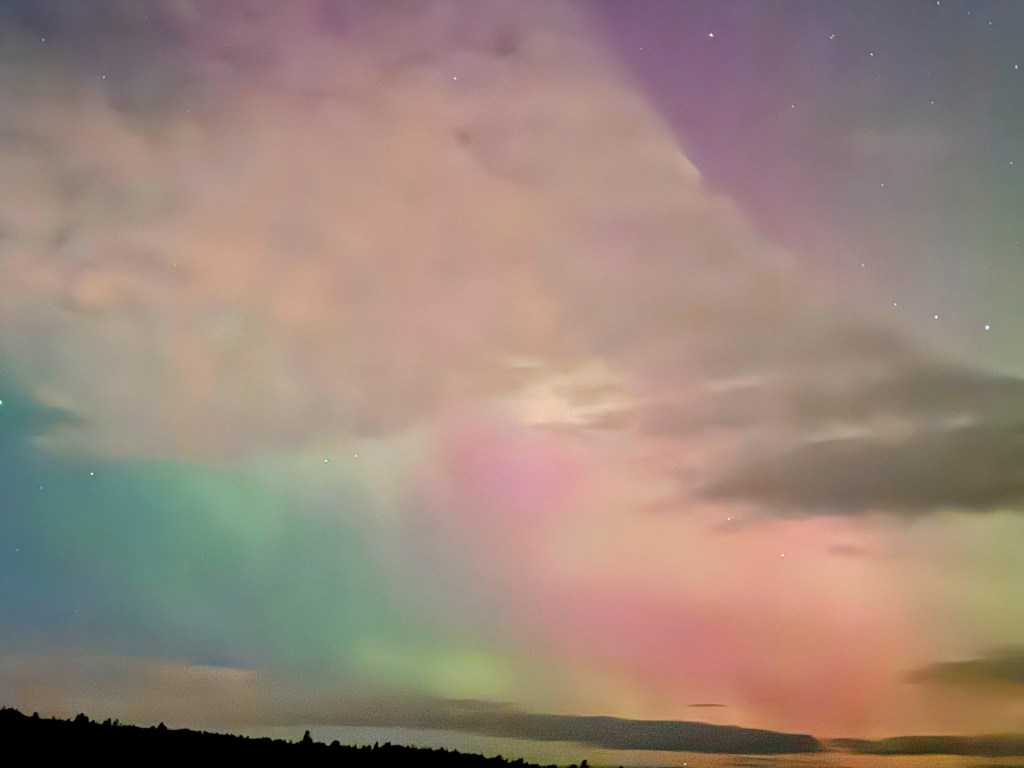
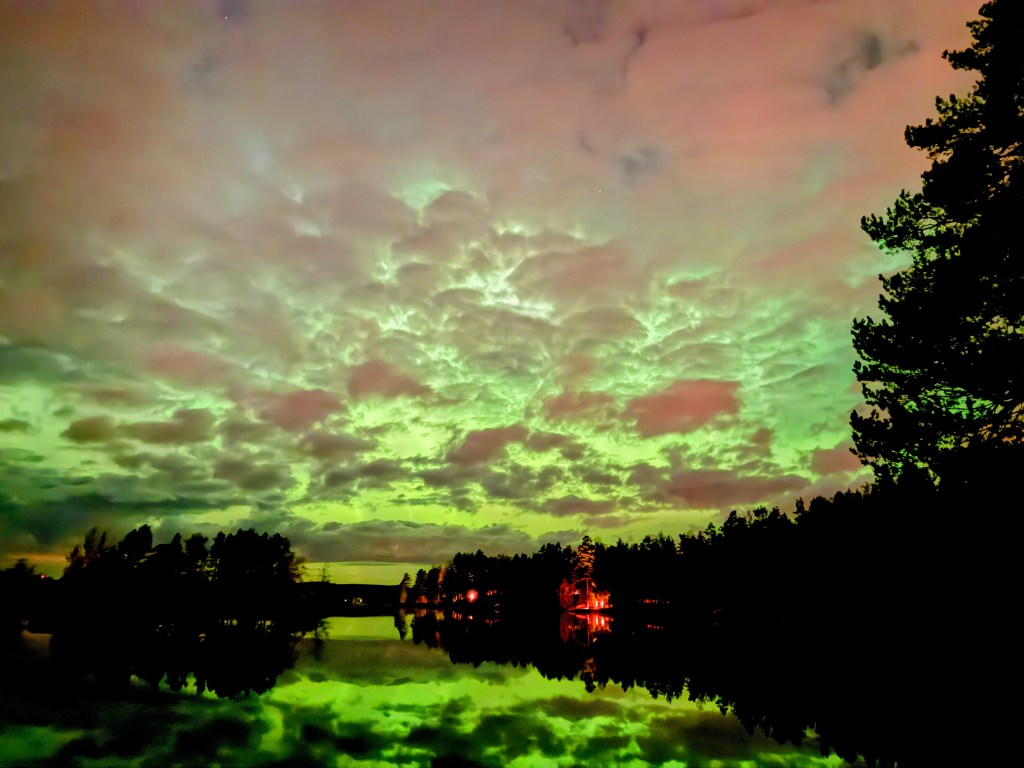
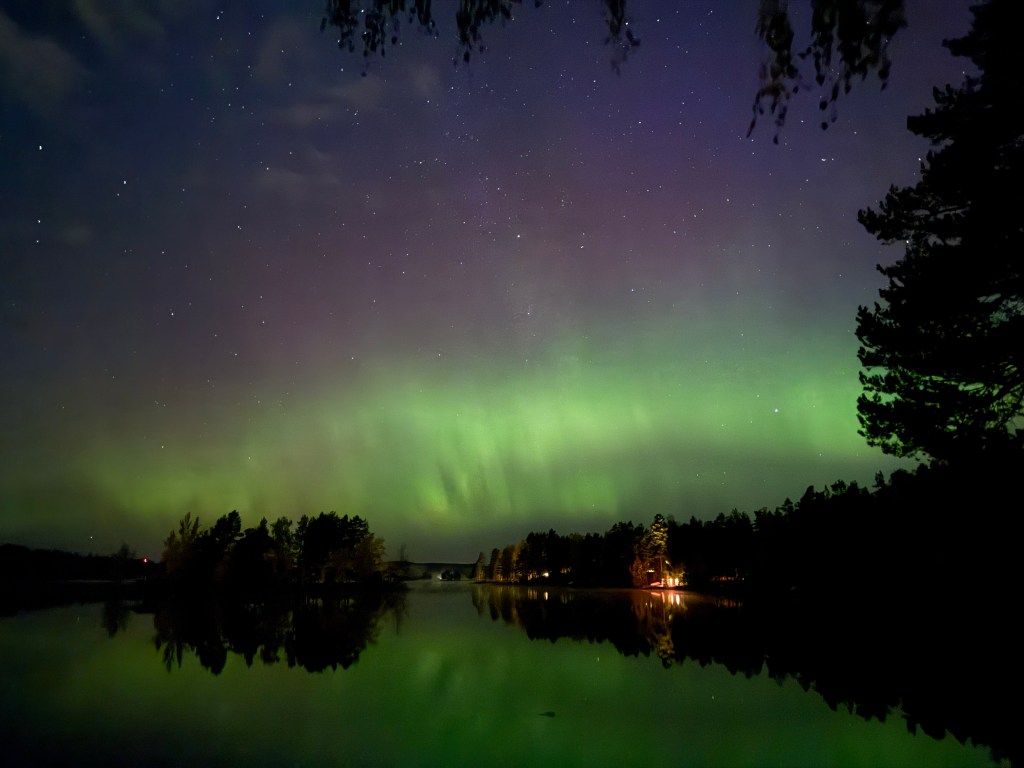
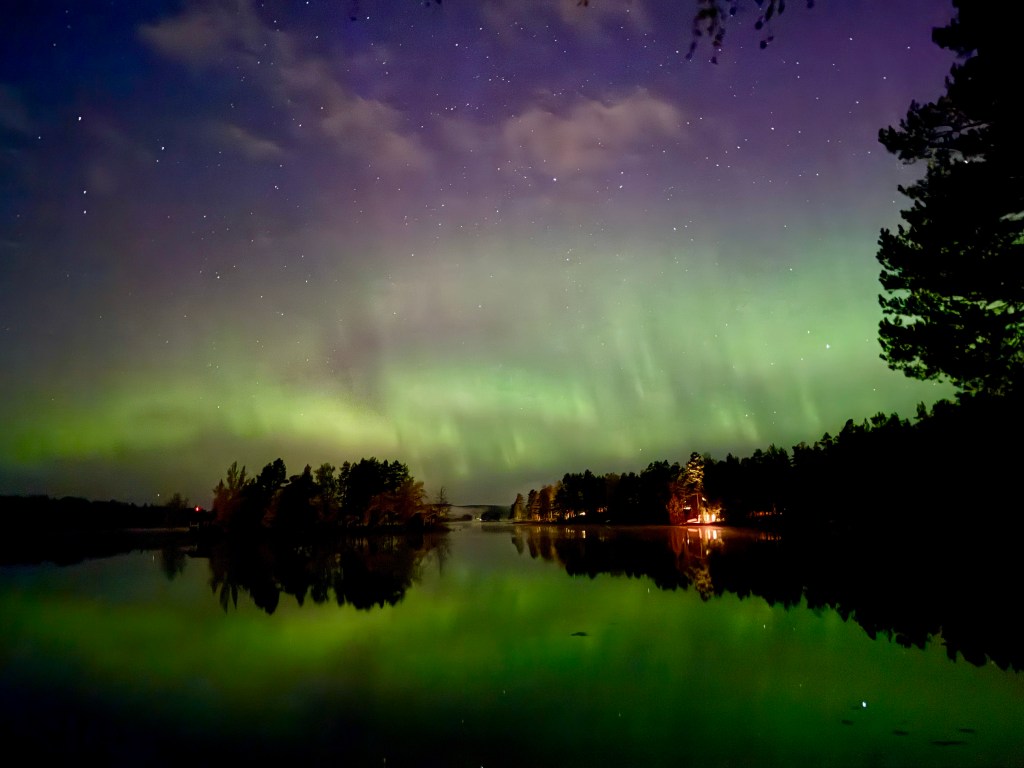
For nearly two hours, streaks of green, purple, and white shimmered across the horizon. I ran between the balcony and the living room, snapping photos, texting friends, and holding back tears of joy. It was one of the most breathtaking experiences of my life — proof that sometimes patience really does pay off.

Farewell, Tromsø
Our final day was a quiet one. Casey wasn’t feeling well, and the rain had returned. We took a slow drive around the island, watched Love Is Blind (new episodes were released), and simply rested — grateful for the magic we’d witnessed the night before.

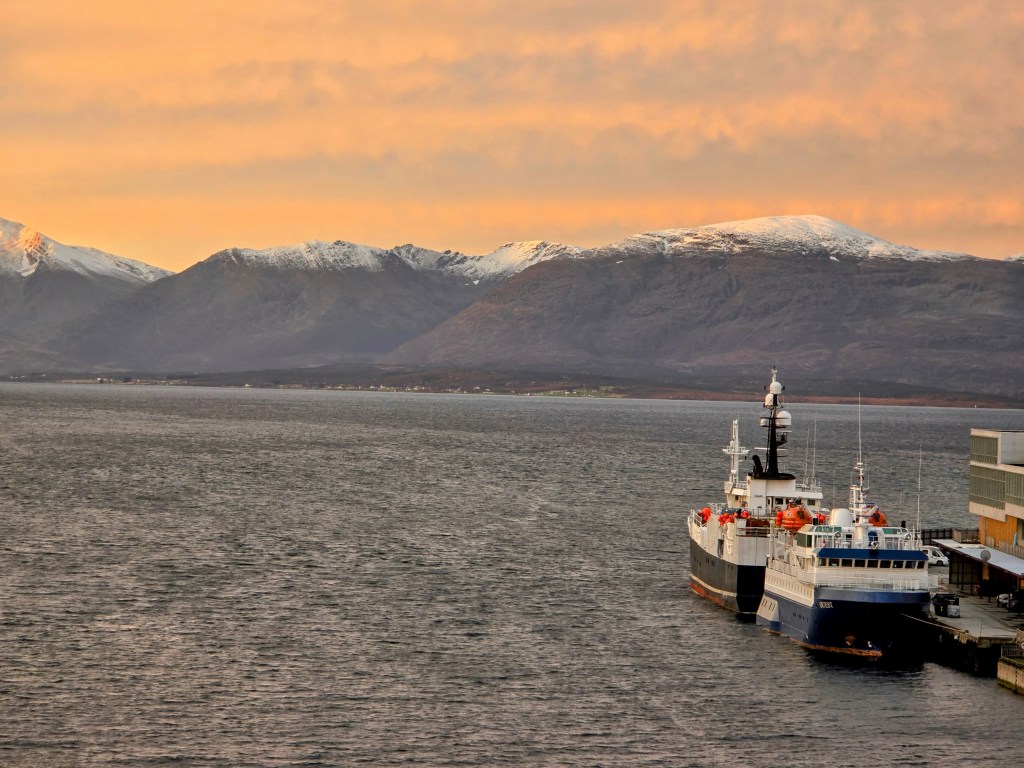

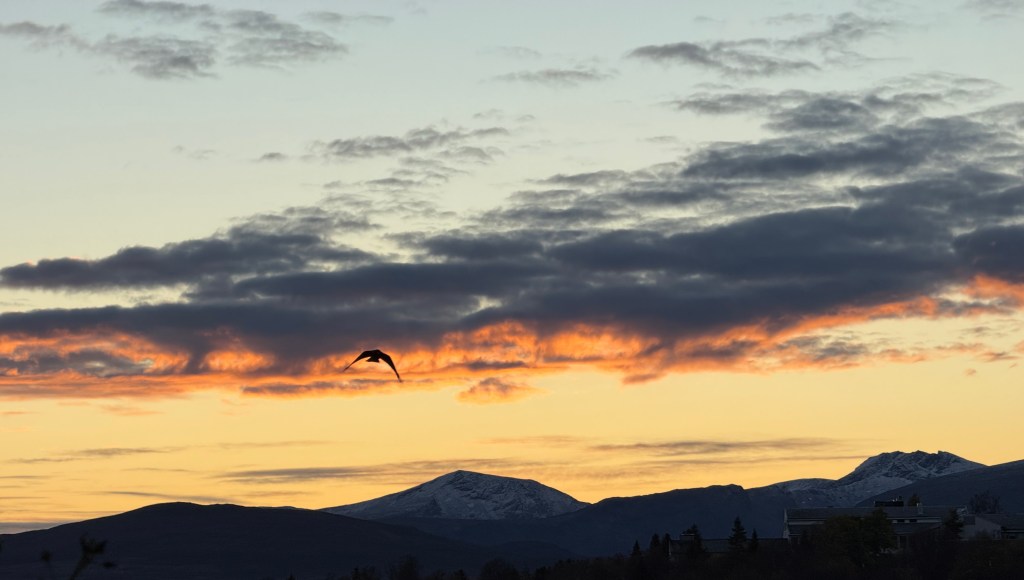
From Tromsø to Rokland
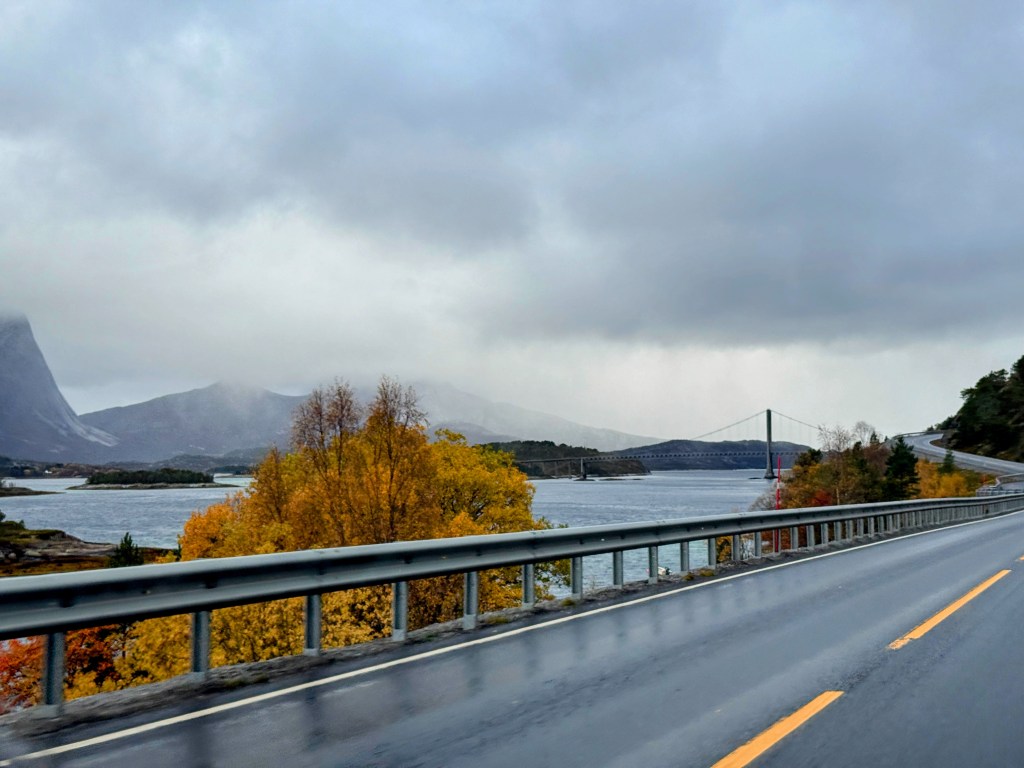
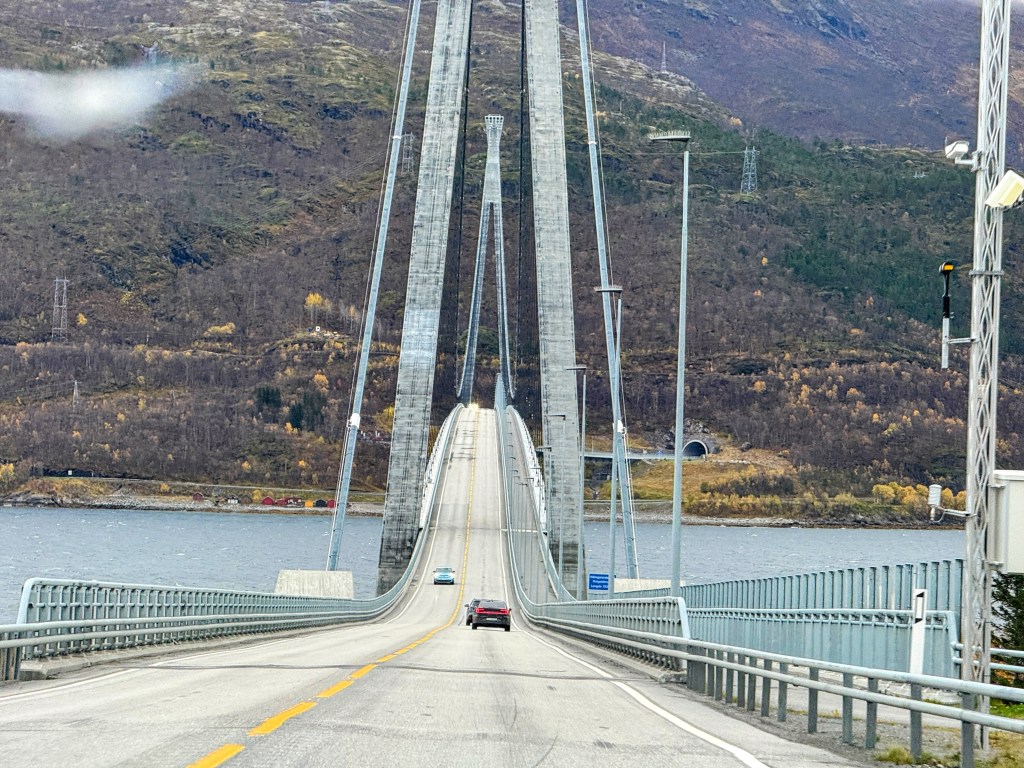
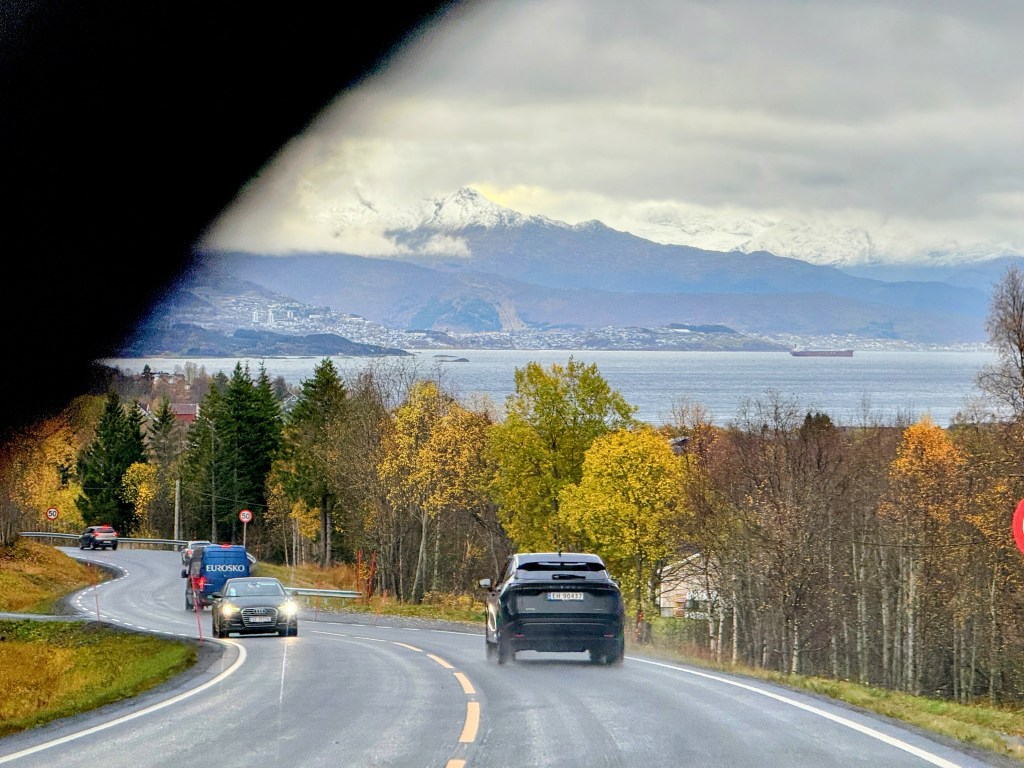
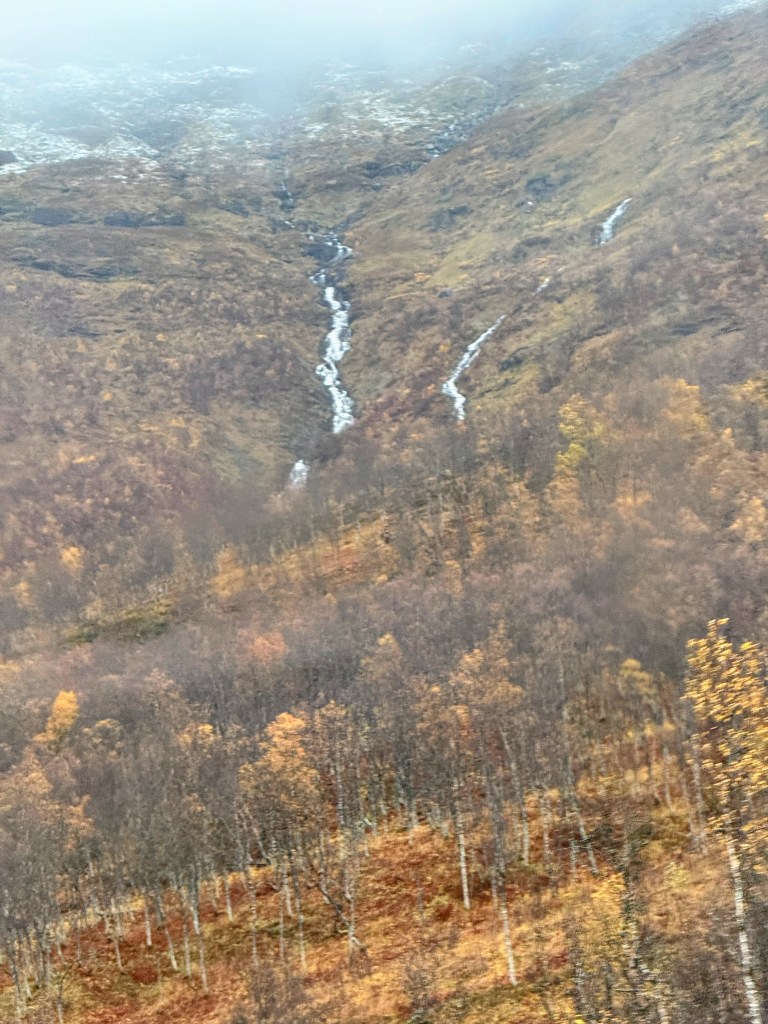
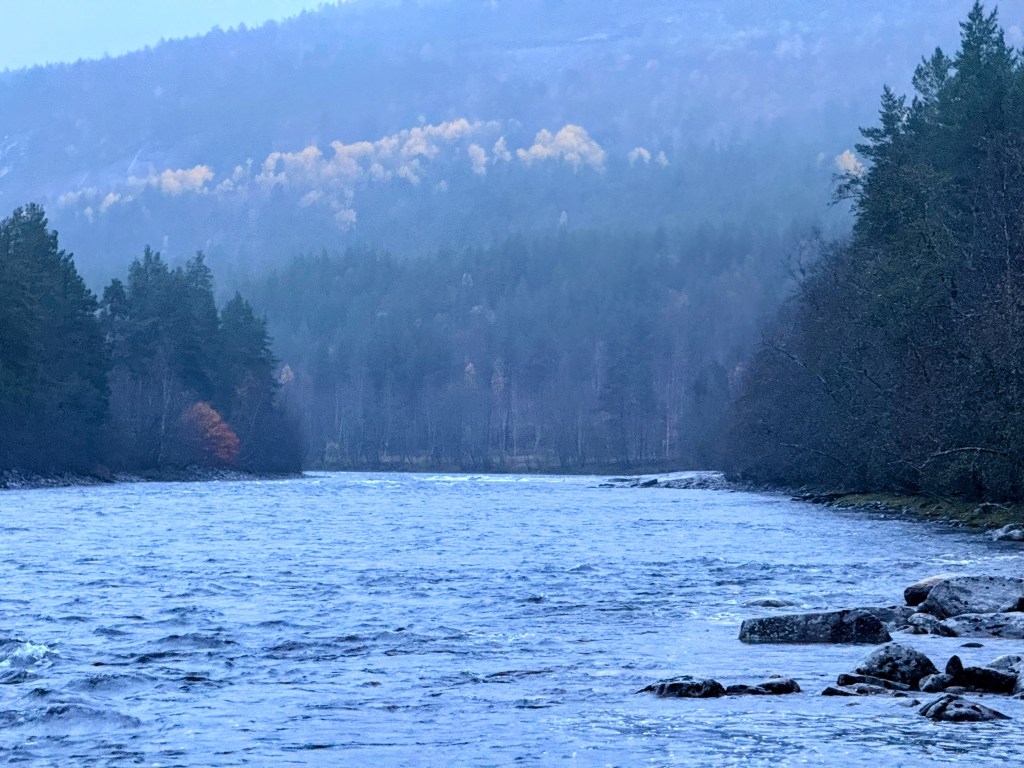
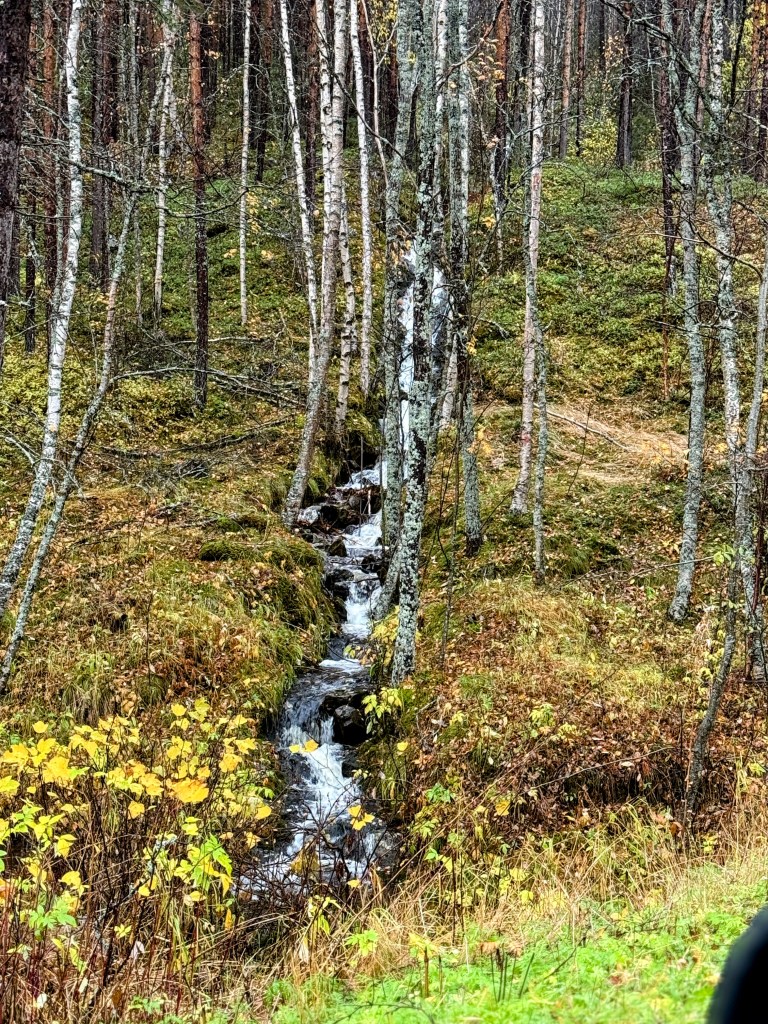
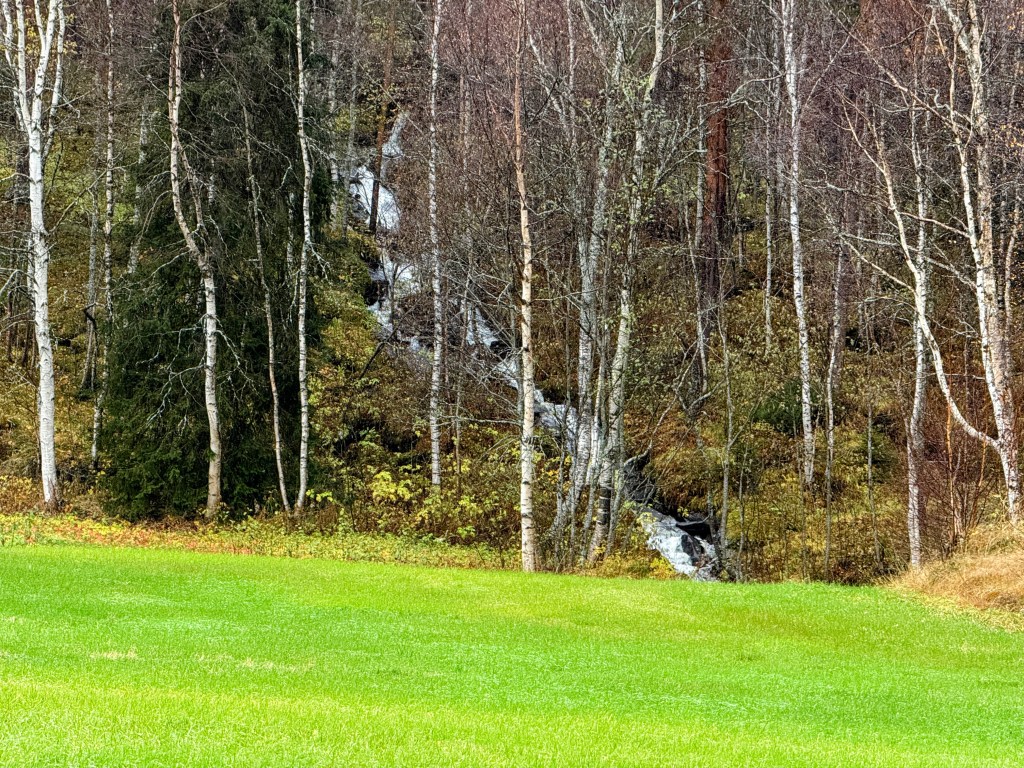
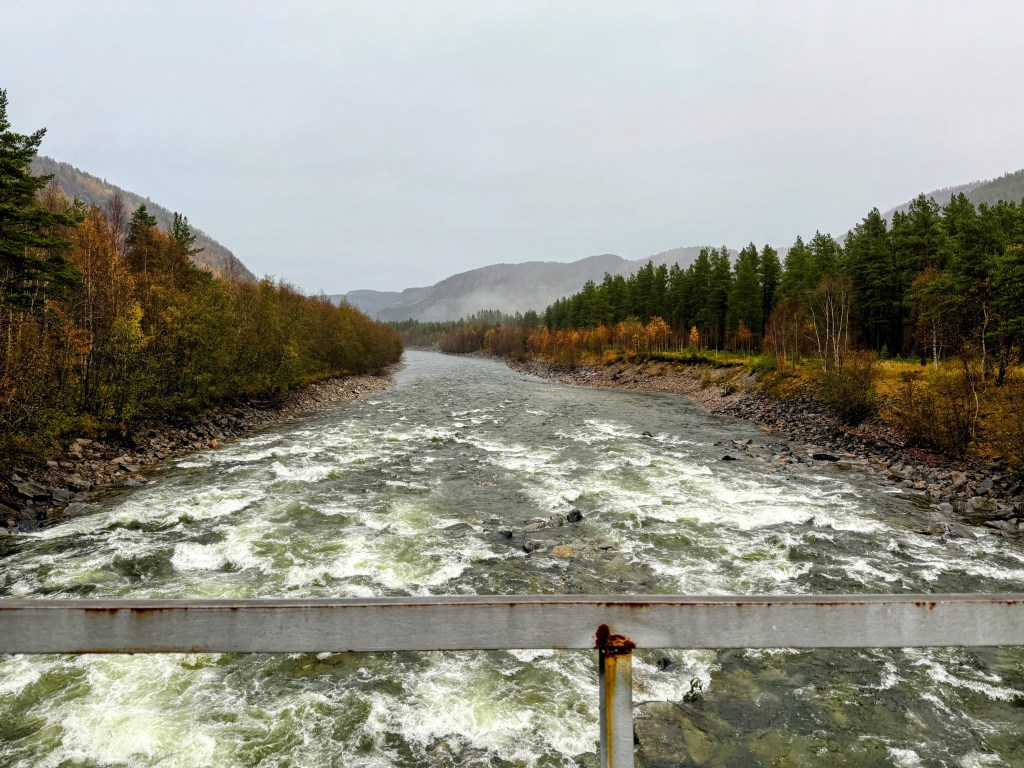
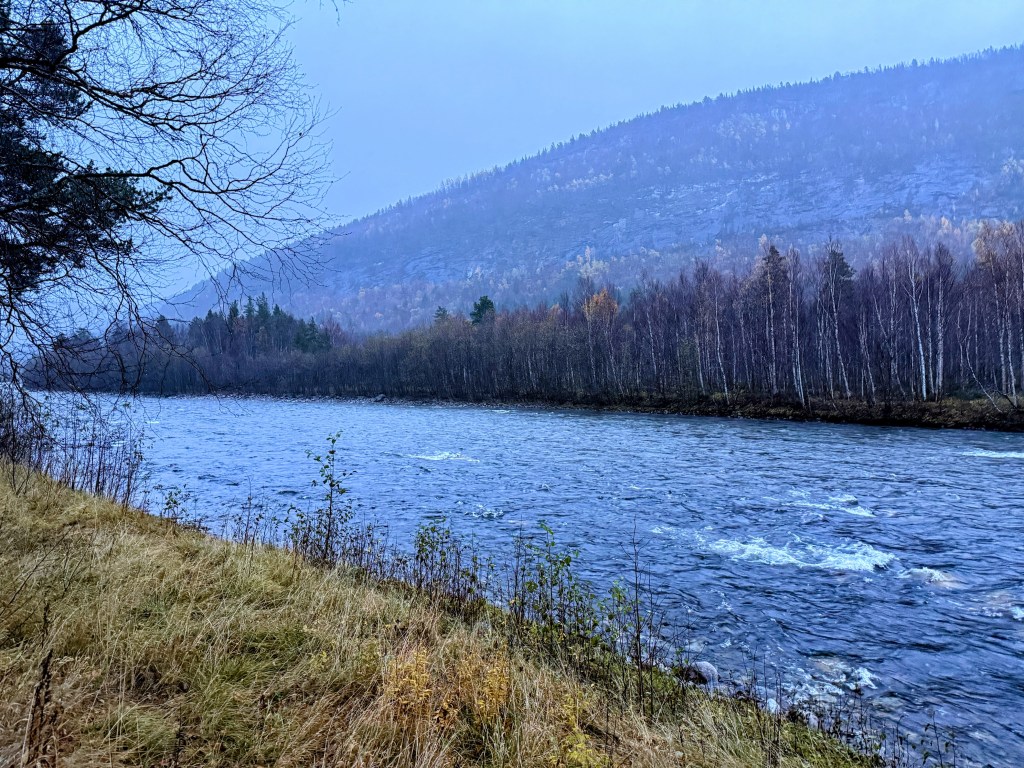
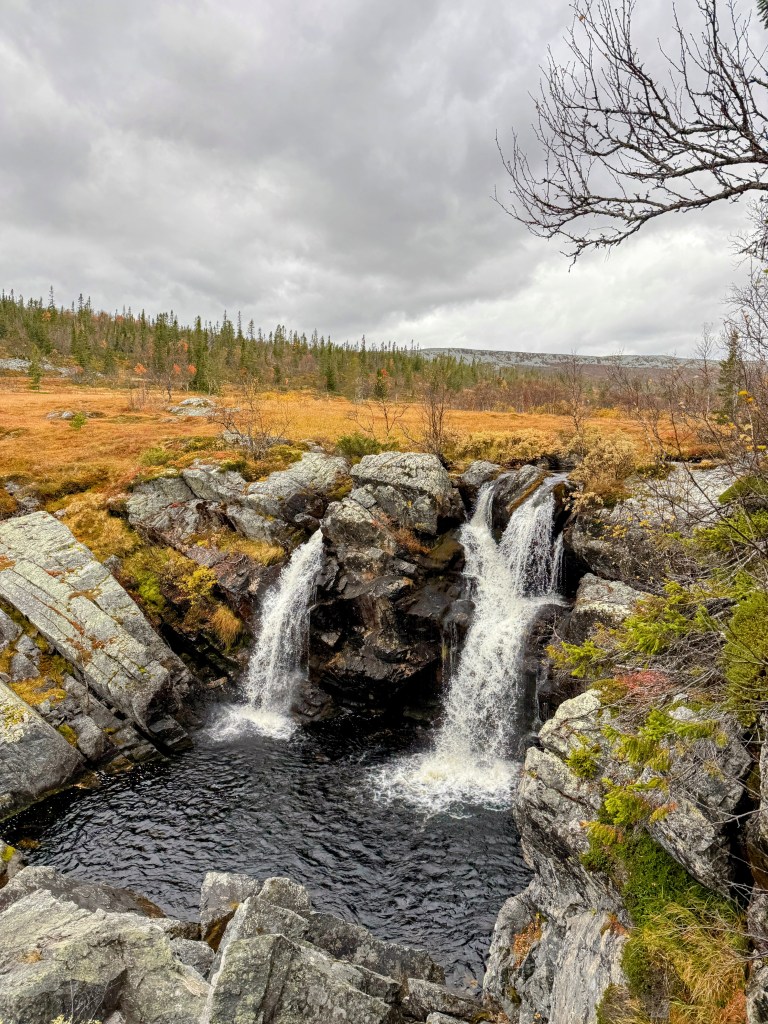
The drive south to Rokland was another feast for the eyes — endless tunnels cutting through mountains, bridges spanning deep fjords, and landscapes that shifted with every turn. Norway’s geography feels like a living painting: waterfalls, rivers, mossy cliffs, and mist-covered peaks that seem to touch the sky.
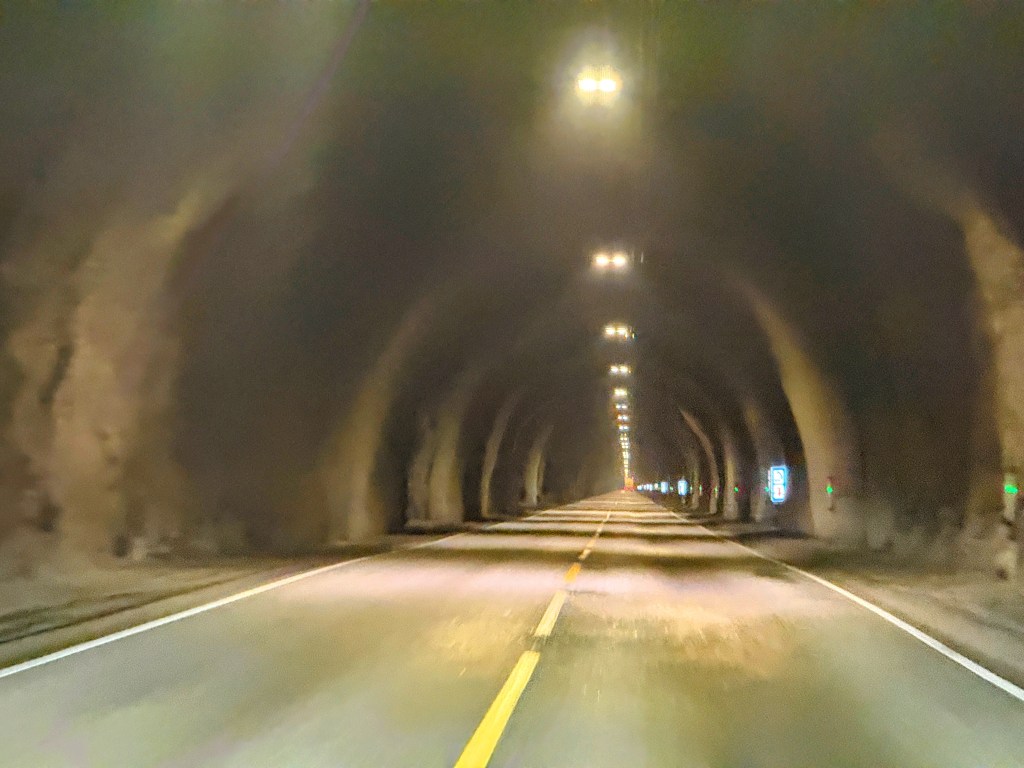
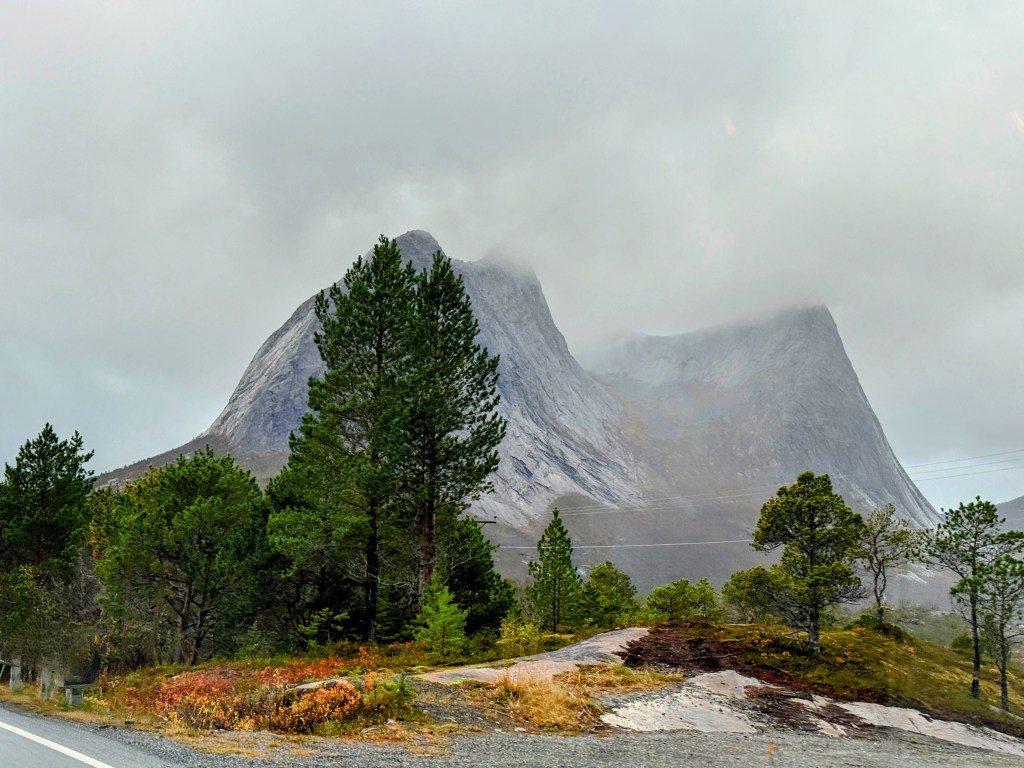
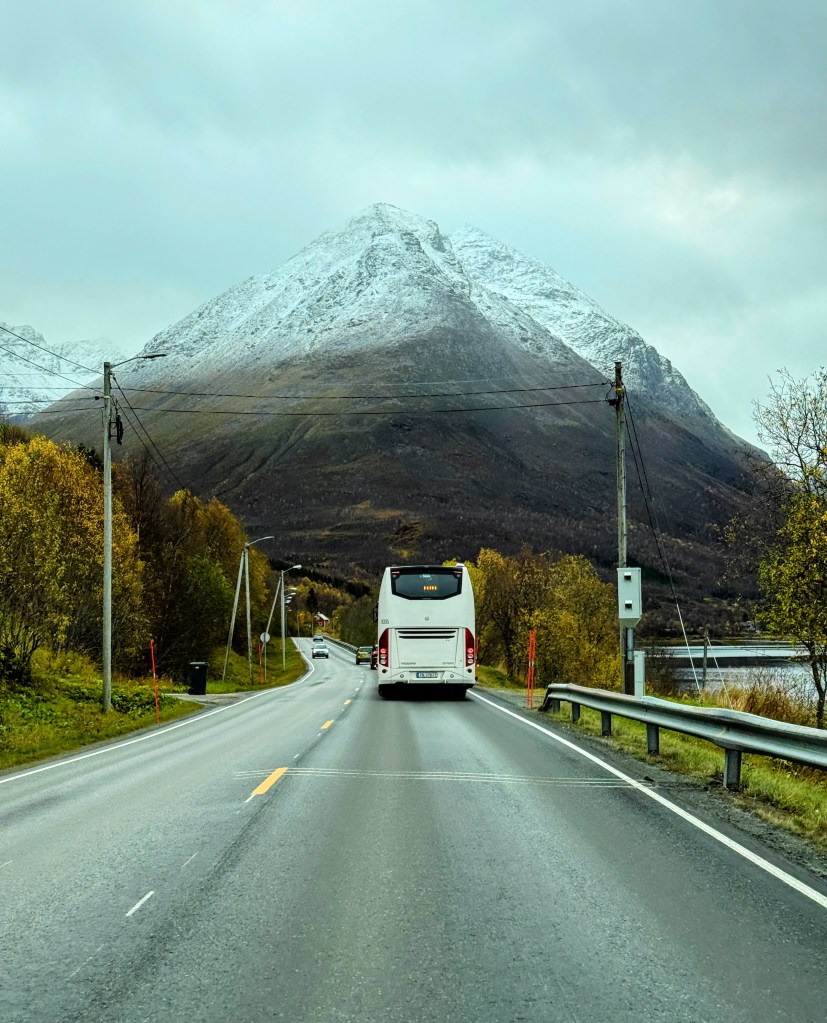
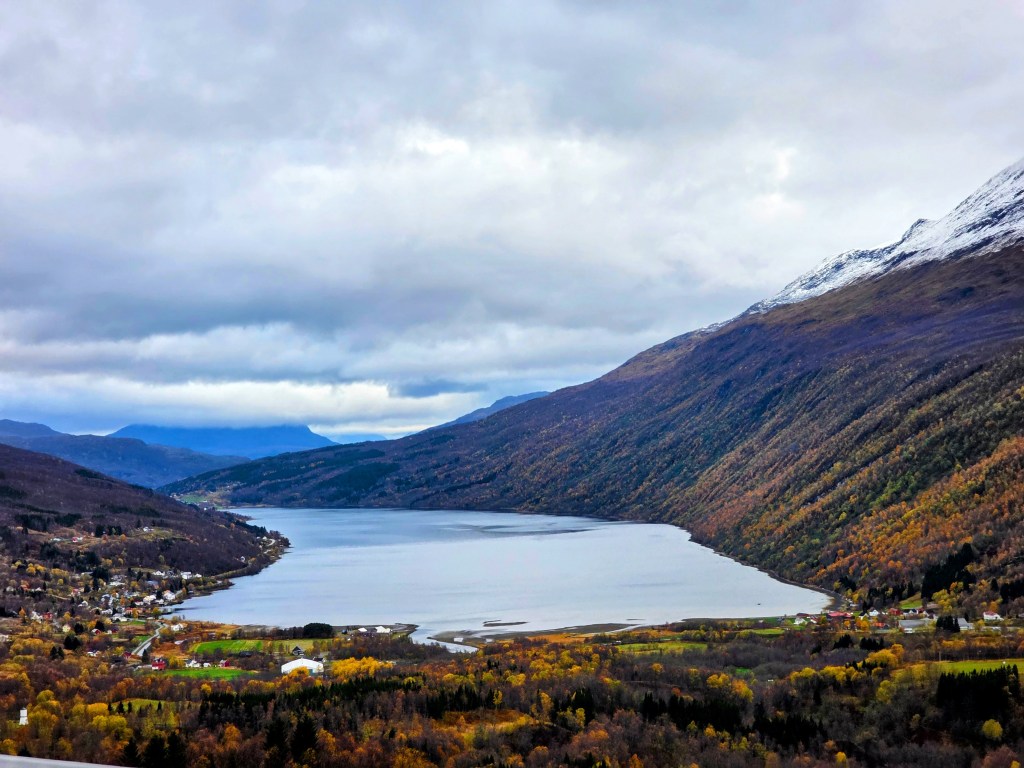
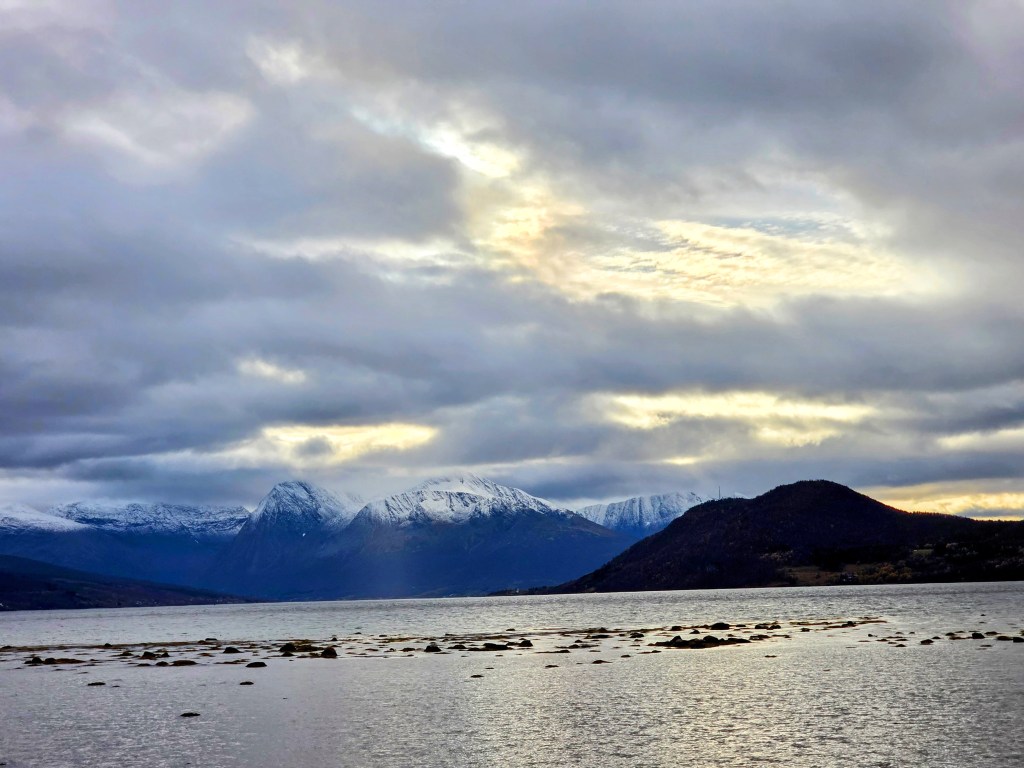
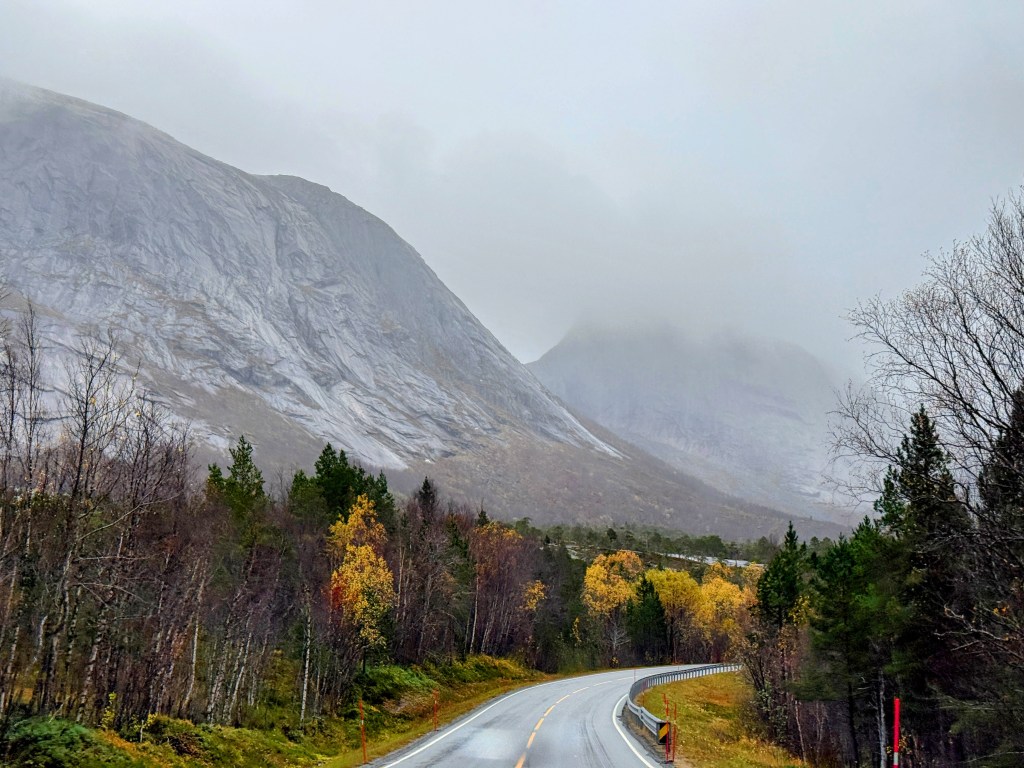
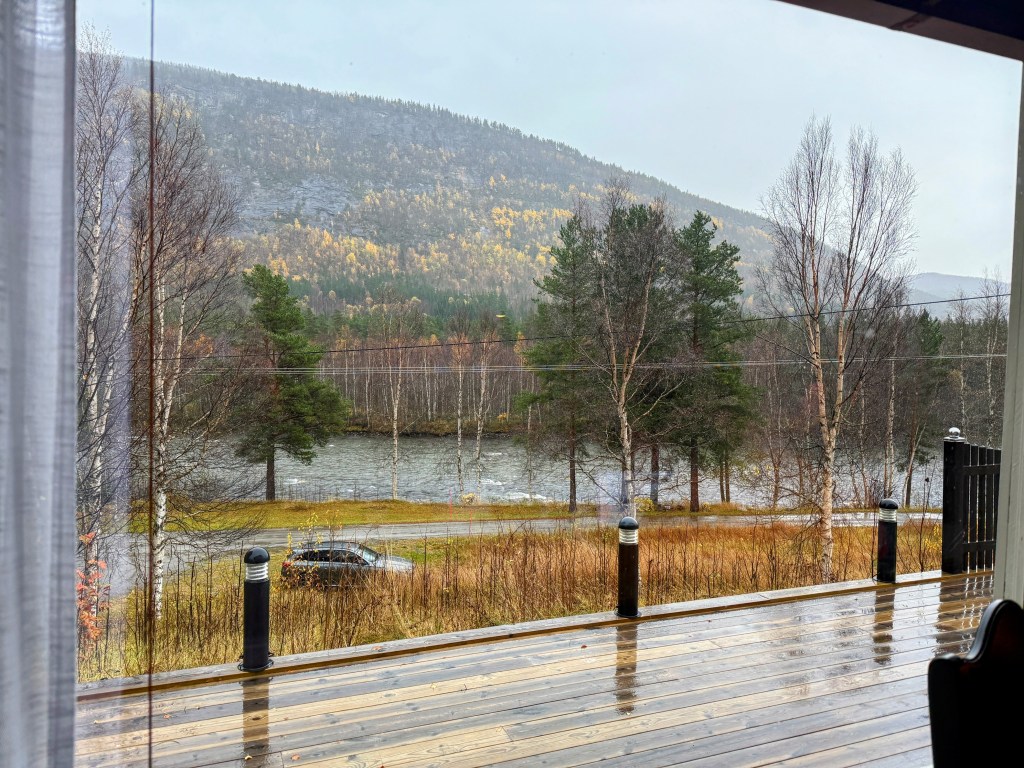
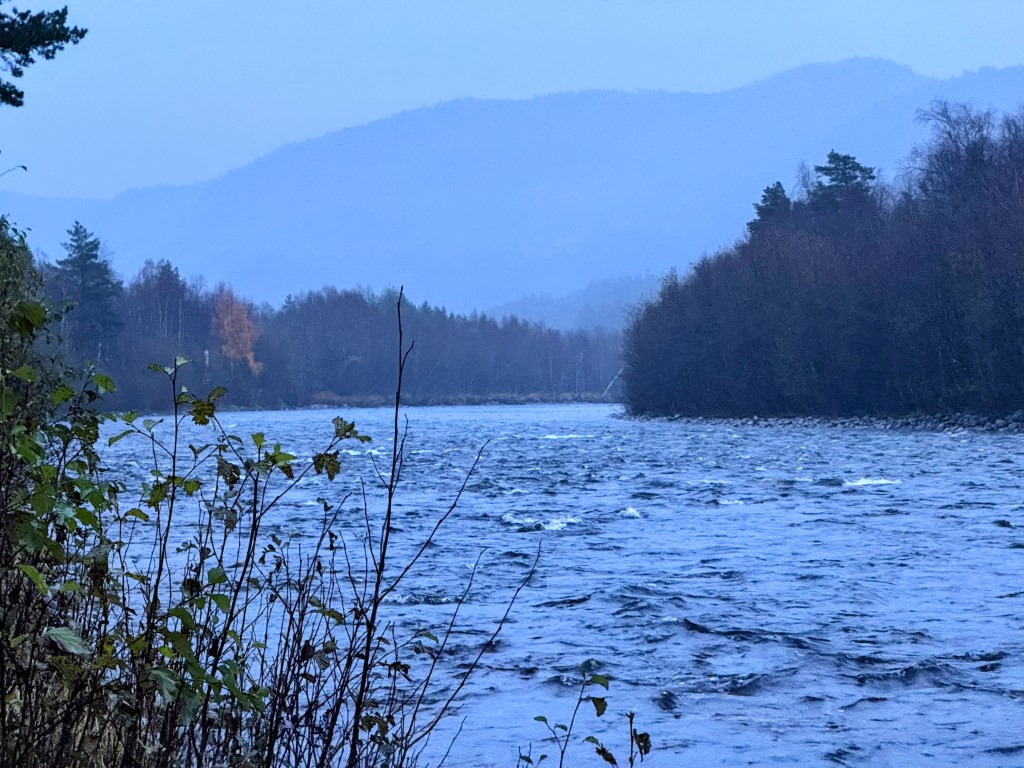
We’re only here for two nights, and though the rain continues, we’re making the best of it. Last night, the clouds briefly cleared, giving us one last glimpse of the aurora before disappearing again. Today, we’re taking a drive through town, enjoying the views from our cabin — a river to my left, mountains in front of me — while Casey files our $800 roadside claim (fingers crossed for that refund).

Next up: our journey through Trondheim and the road to Oslo — fjords, ferries, and a few unexpected surprises but running out of AdBlue will not be one of them!


























 Brand On The Run