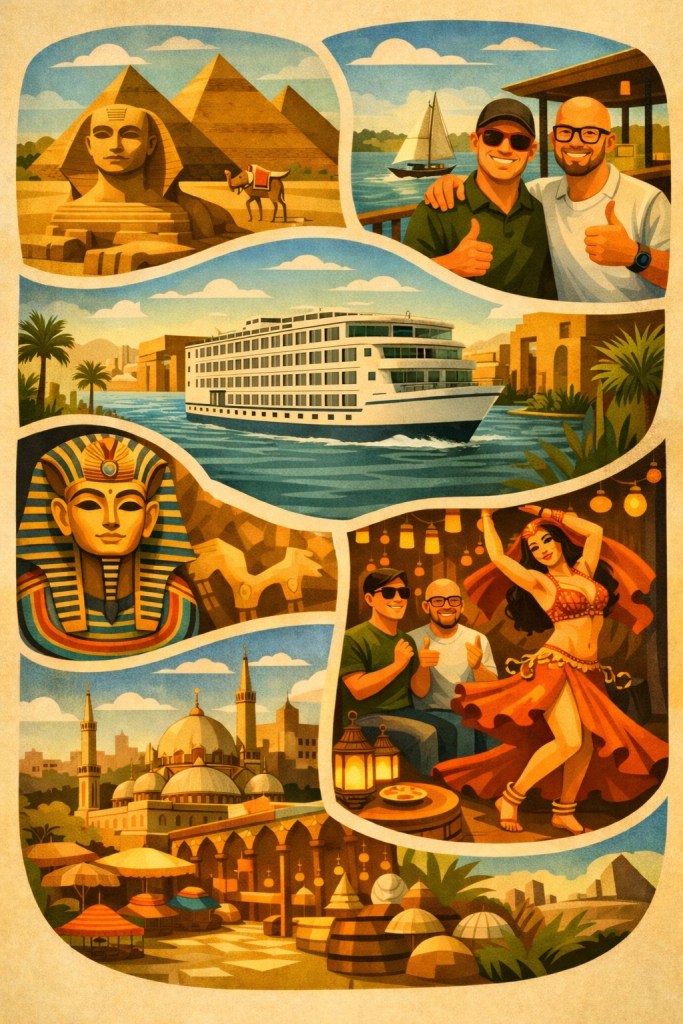
After days spent tracking wildlife across the plains of Kenya, we traded savannas for stone, history, and the timeless rhythm of the Nile. Egypt had been a long-anticipated stop on our journey, and from the moment we arrived, it delivered on every level—ancient, chaotic, beautiful, and unforgettable.
Day 1: Arrival in Cairo
We landed in Cairo very early in the morning, running on adrenaline, jet lag, and the afterglow of our safari adventure. After checking in and settling at Le Méridien Cairo, we made the conscious decision to keep this first day intentionally slow. Egypt is intense—in the best way—and after weeks of constant movement, we allowed ourselves time to rest, reset, and ease into a completely different world.
Sometimes the best travel decision is knowing when not to do too much.
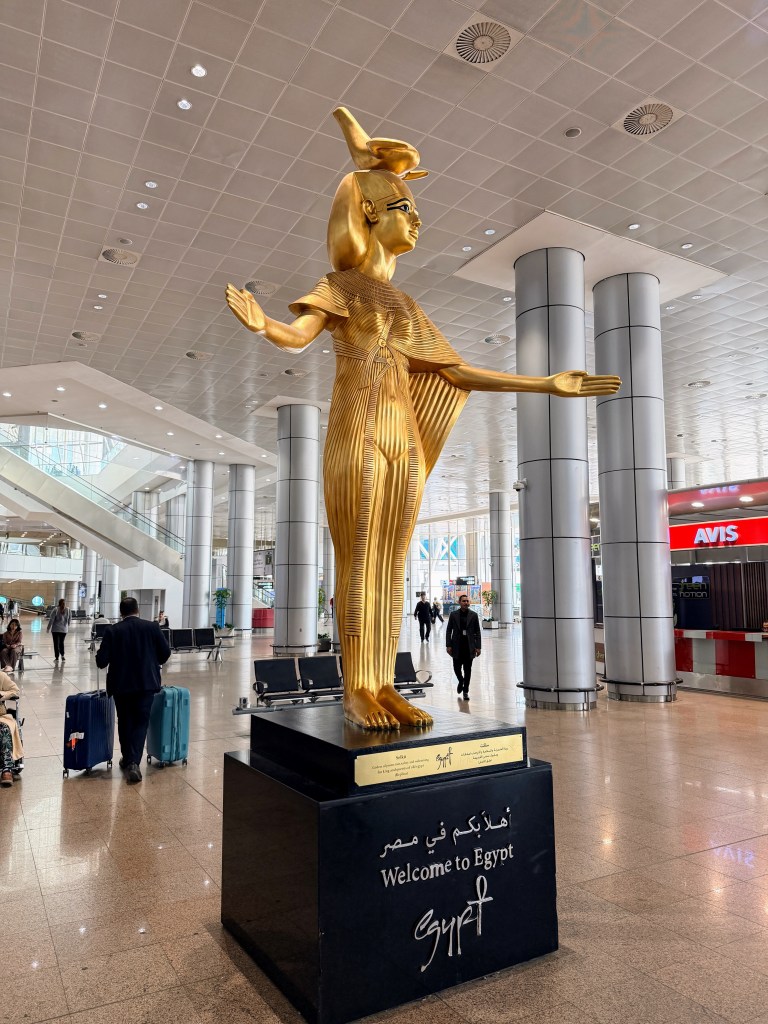
Day 2: Into the White & Black Desert
We booked a private driver and headed west toward one of Egypt’s most surreal landscapes: the White Desert and Black Desert, with a stop at Crystal Mountain along the way. The drive was long—about five hours each way—but absolutely worth it.
Before reaching the deserts, we were welcomed by local townspeople and treated to an authentic Egyptian lunch. It was warm, generous, and deeply human—one of those moments that reminds you travel isn’t just about landmarks, but about people.
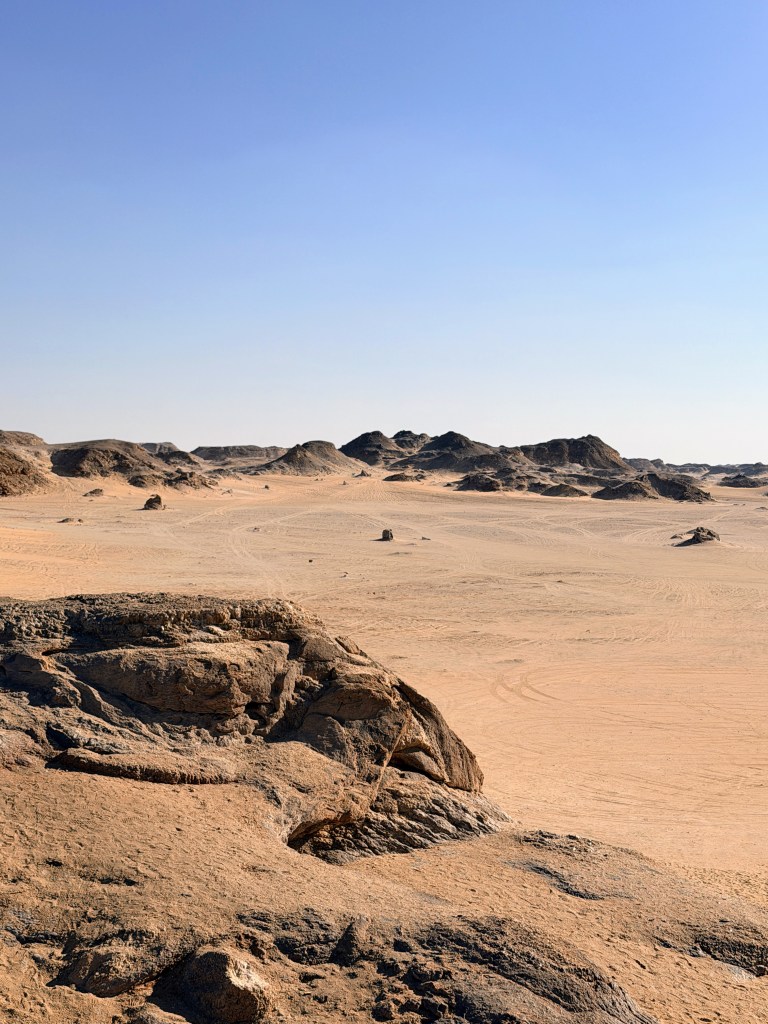
The Black Desert
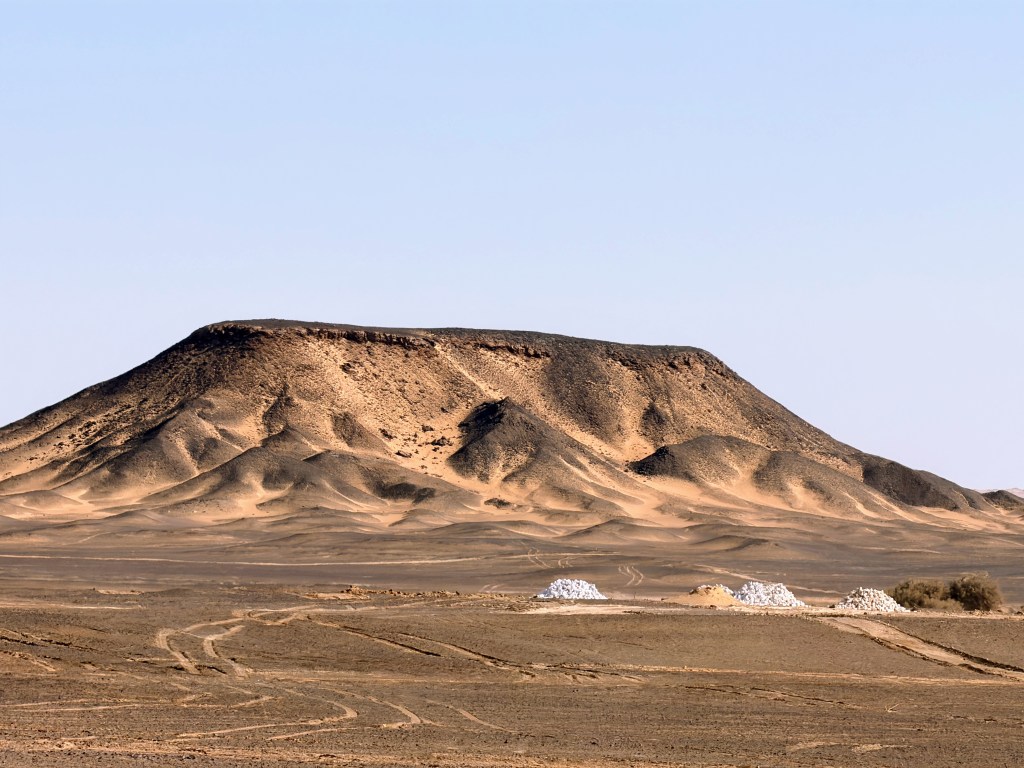
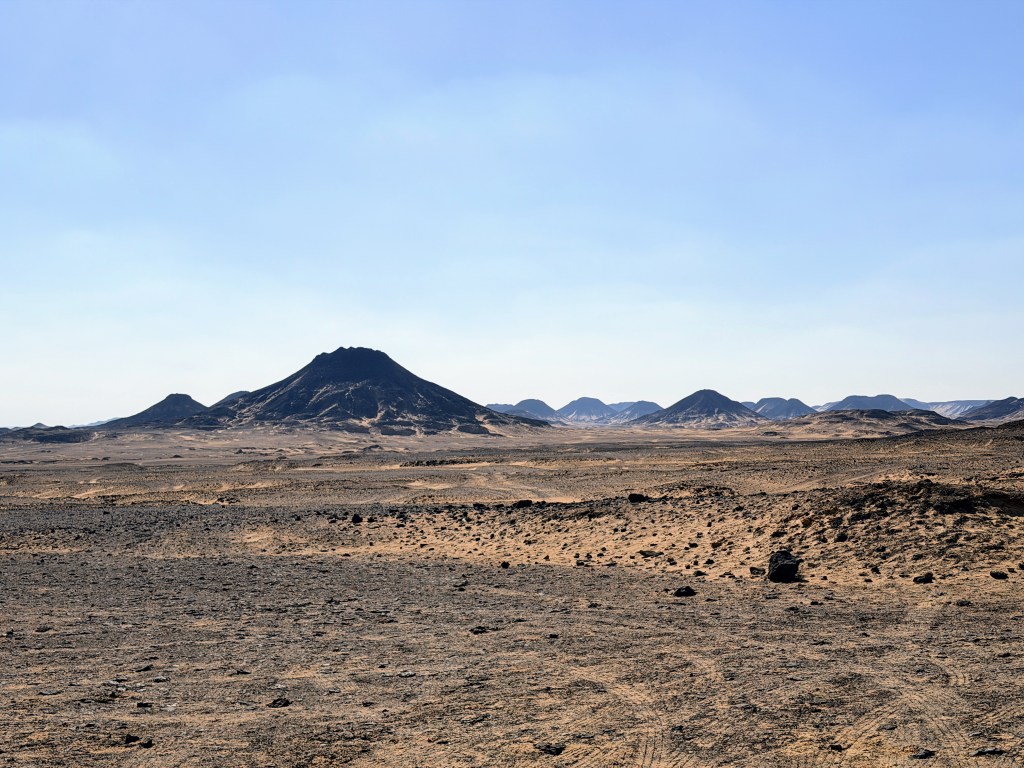
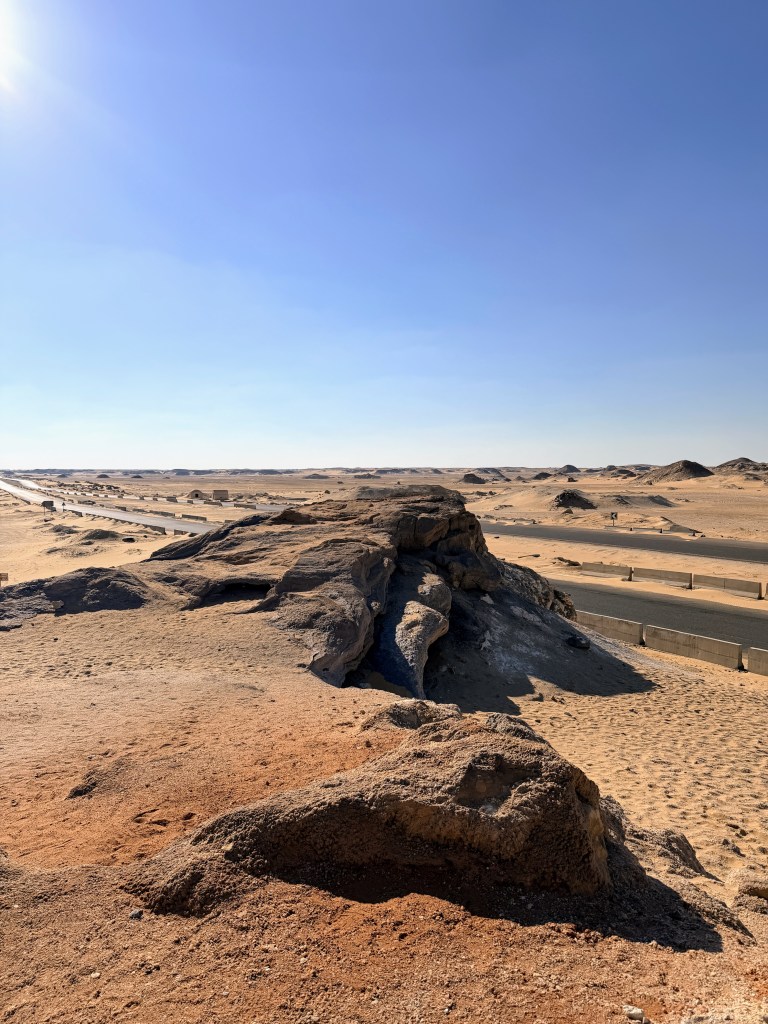
The Black Desert gets its name from the dark volcanic stones scattered across rolling hills. These blackened rocks are remnants of ancient volcanic activity, giving the landscape a dramatic, almost lunar appearance. It feels stark and powerful—a reminder of Egypt’s geological history long before pharaohs and pyramids.
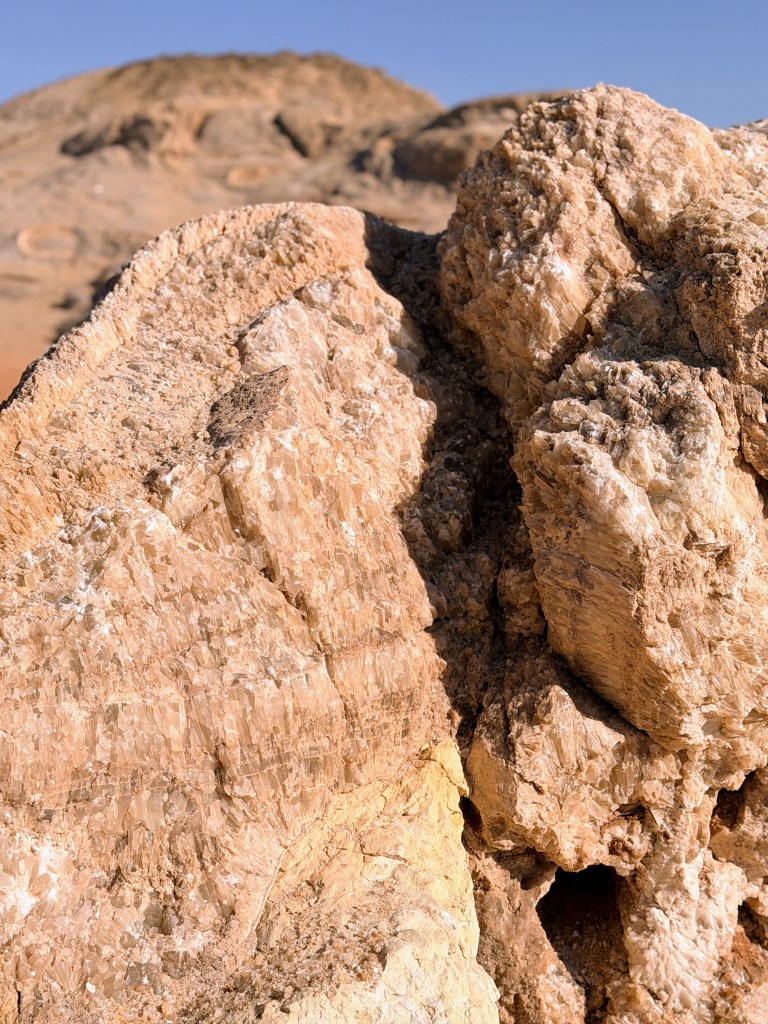
Crystal Mountain
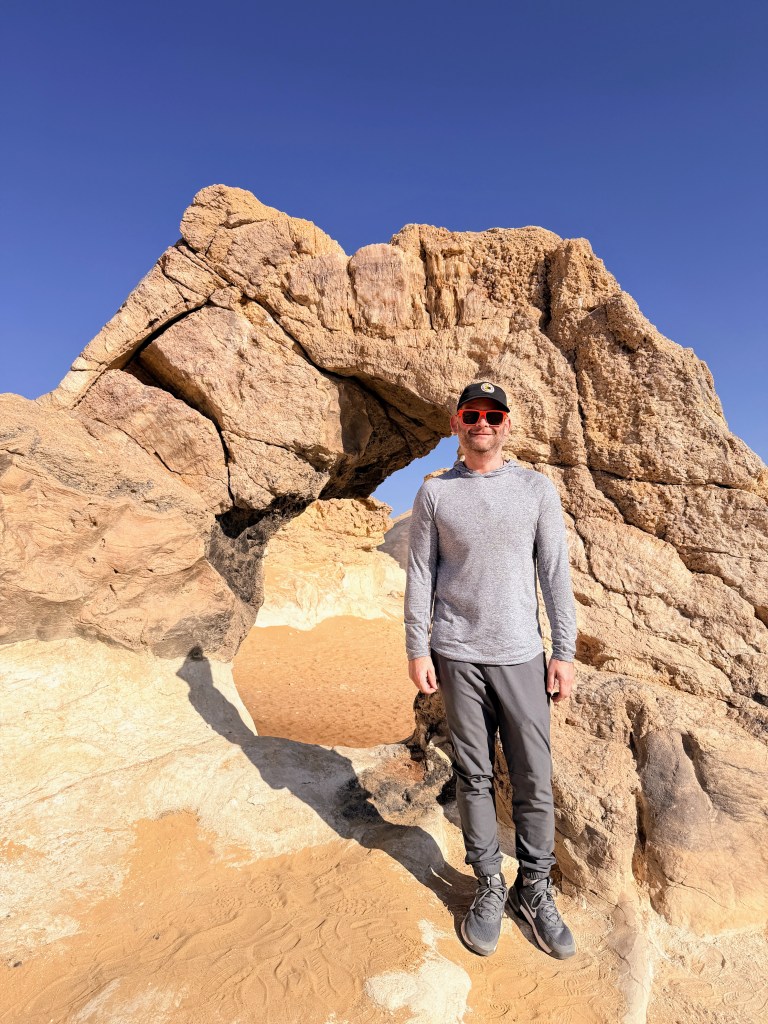
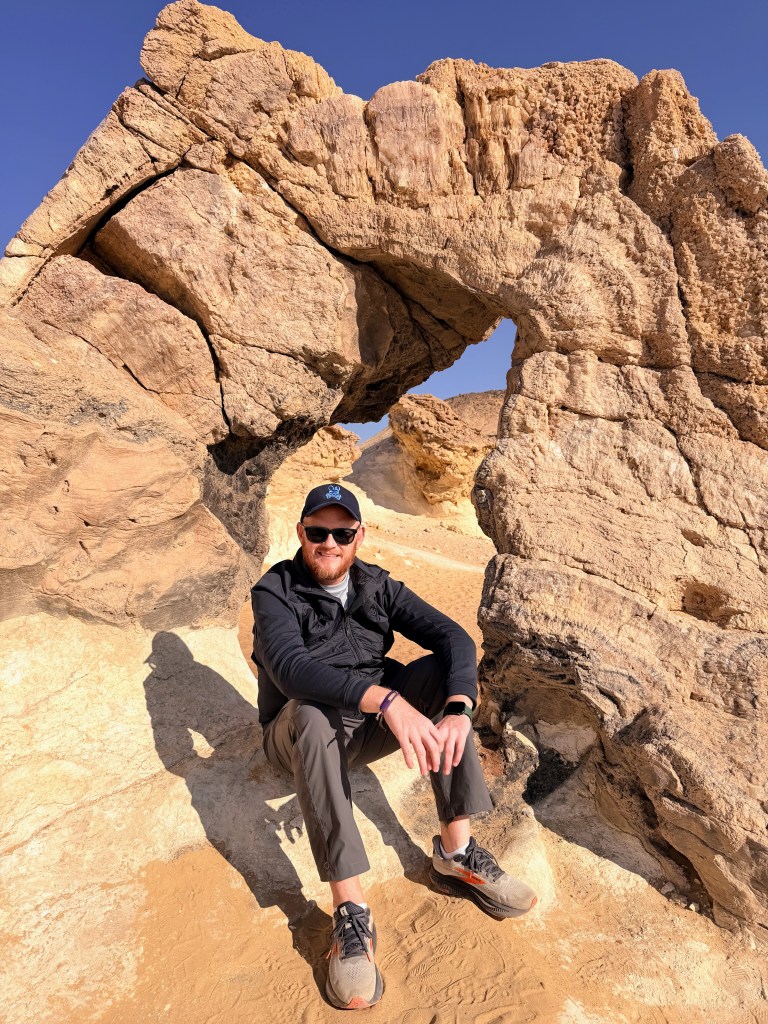
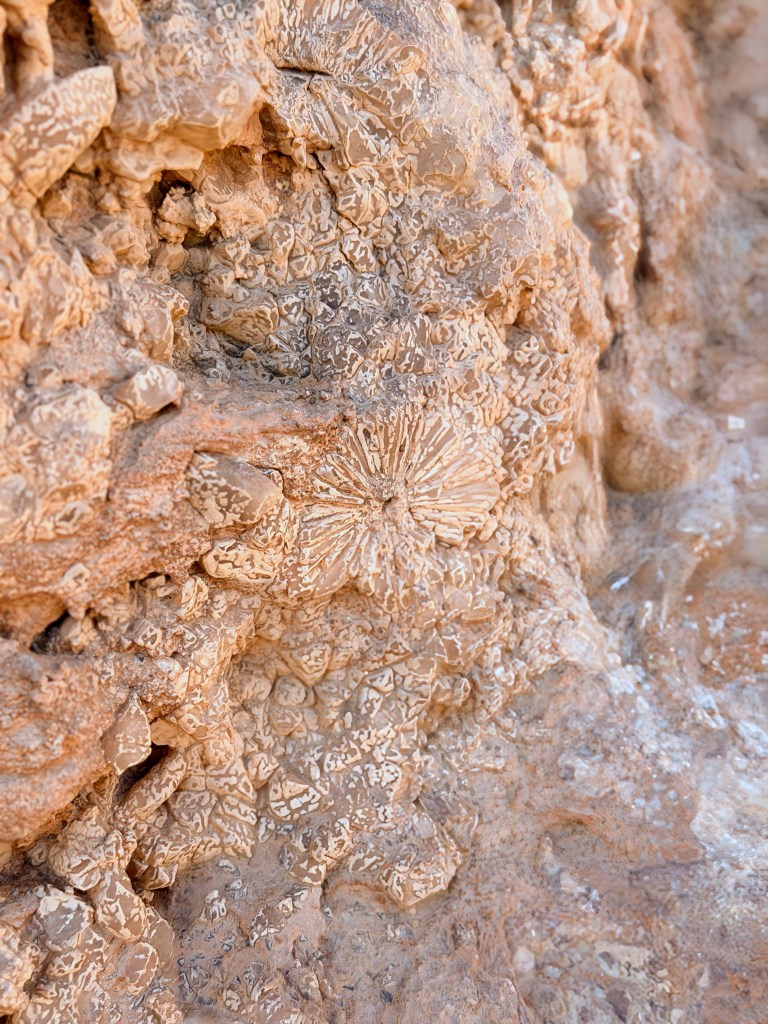
Crystal Mountain is a small ridge embedded with sparkling quartz crystals that catch the sunlight and shimmer against the desert backdrop. It’s a brief stop, but a fascinating one—proof that Egypt’s beauty extends far beyond temples and tombs.
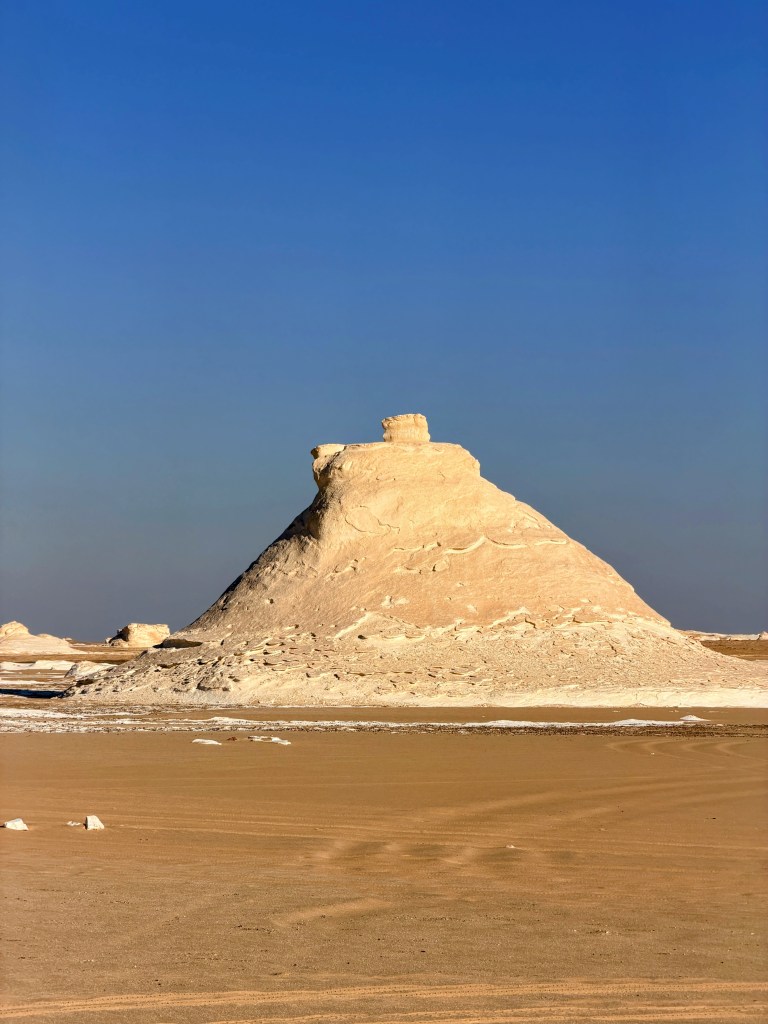
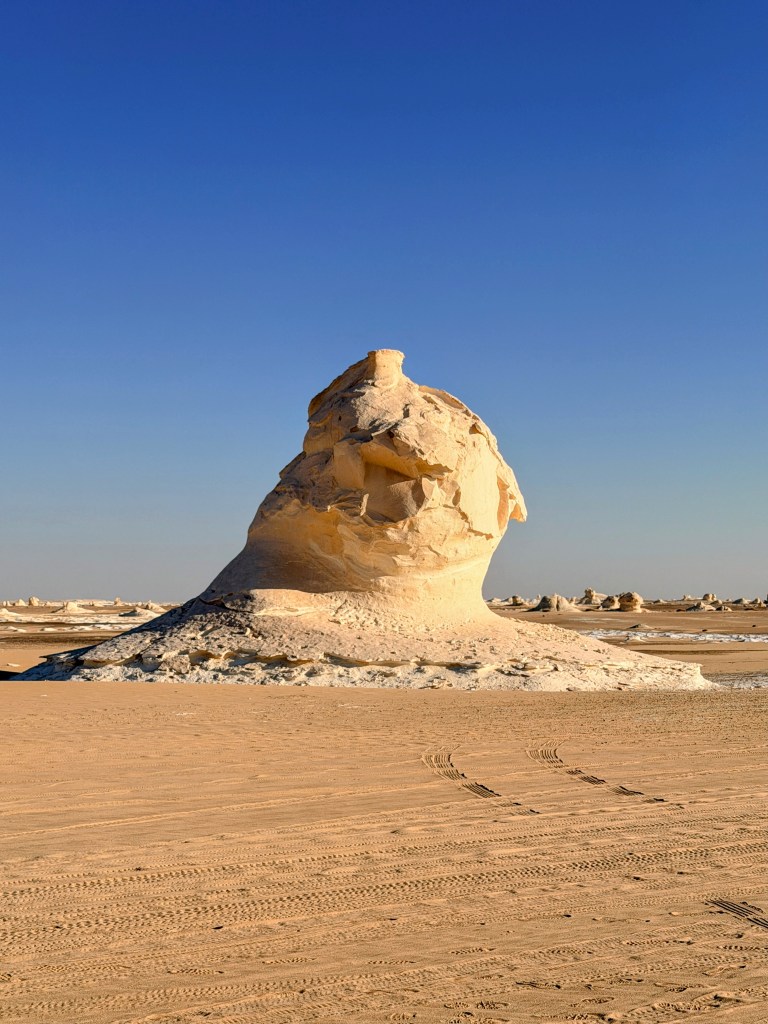
The White Desert
The White Desert couldn’t be more different. This area is famous for its chalk-white limestone formations, sculpted over thousands of years by wind and sand. The formations resemble mushrooms, animals, and abstract art pieces—nature’s own open-air gallery. Against the pale sand and endless sky, the landscape feels otherworldly and quiet in a way that’s hard to describe.
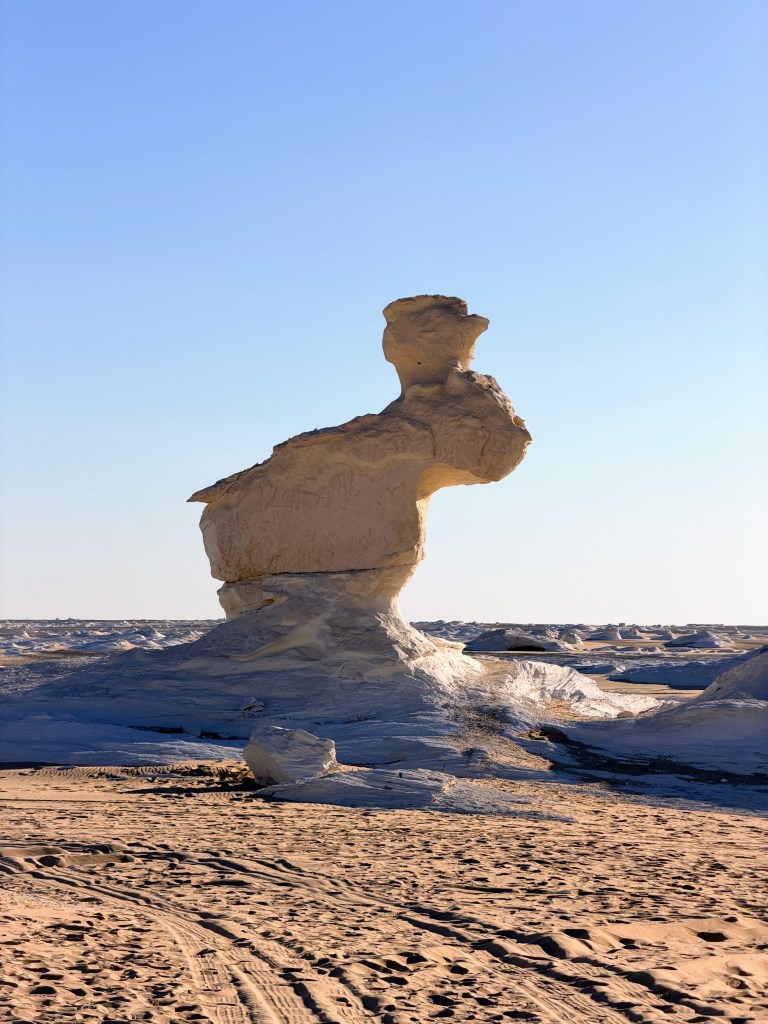
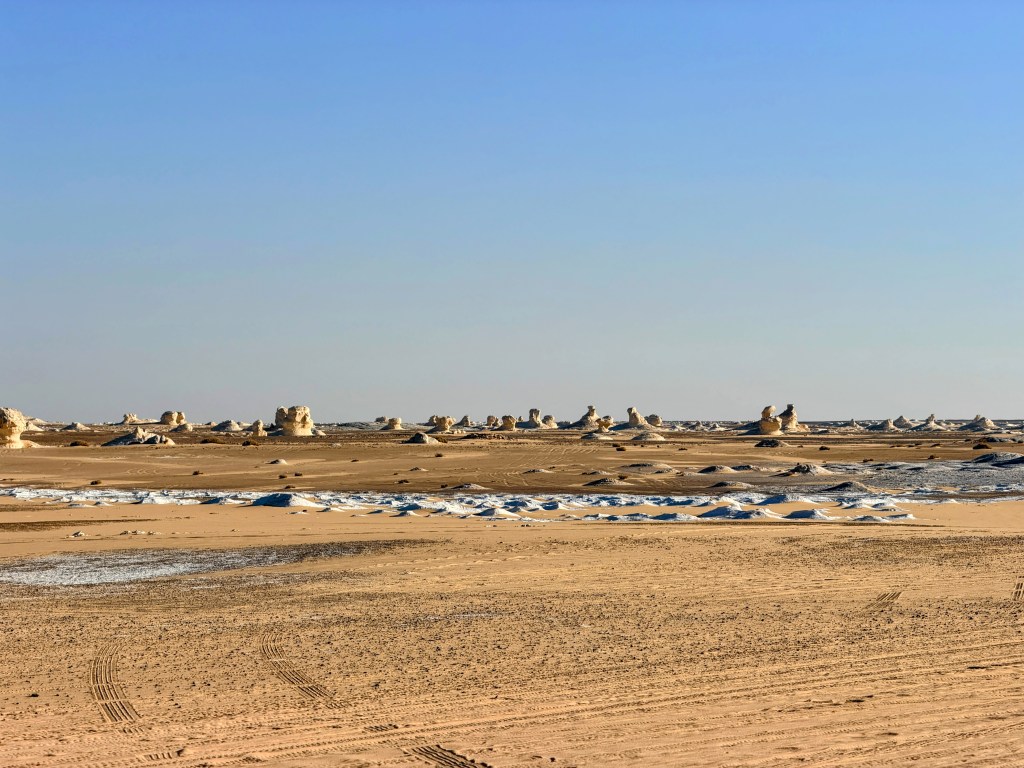
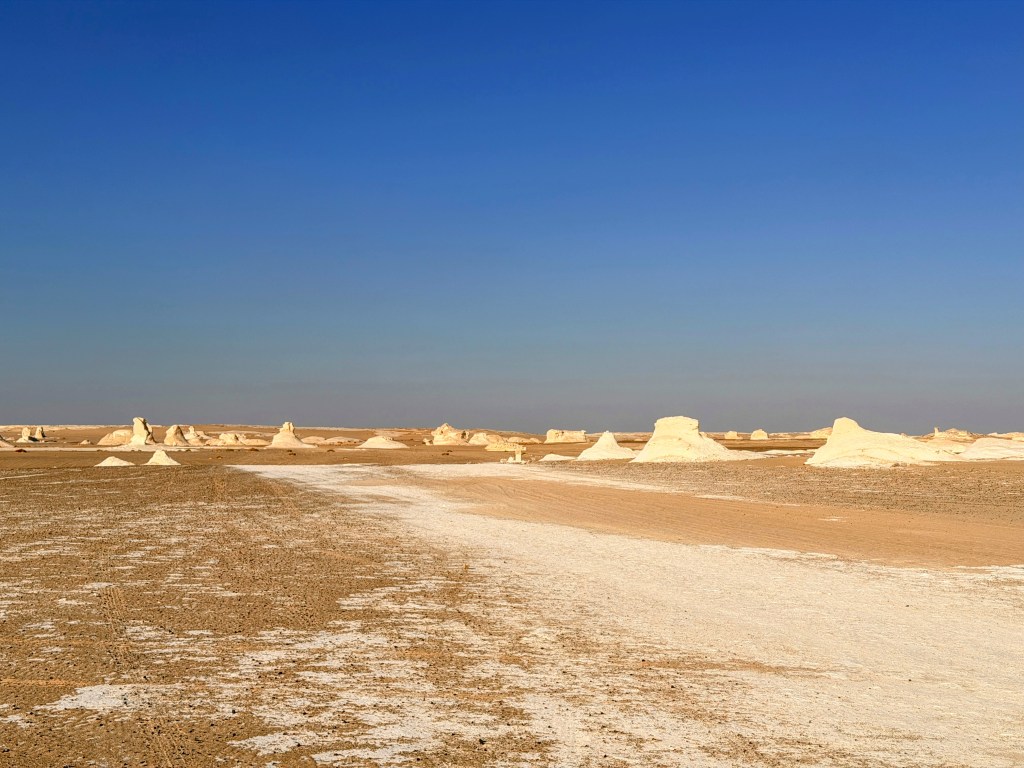
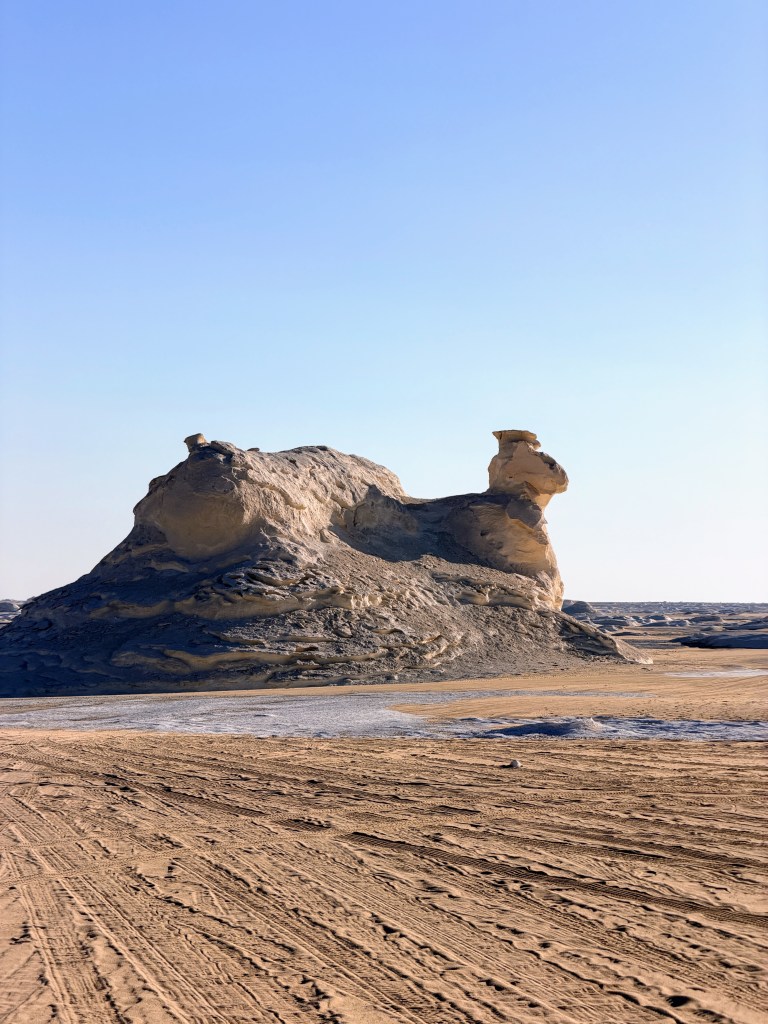
After a full day of desert exploration, we made the return drive to Cairo (thankfully a bit shorter on the way back), tired, dusty, and completely in awe.
Days 3 & 4: A Luxurious Pause at the St. Regis Cairo
For the next two nights, we checked into the St. Regis Cairo, and honestly—this hotel is a destination in itself.
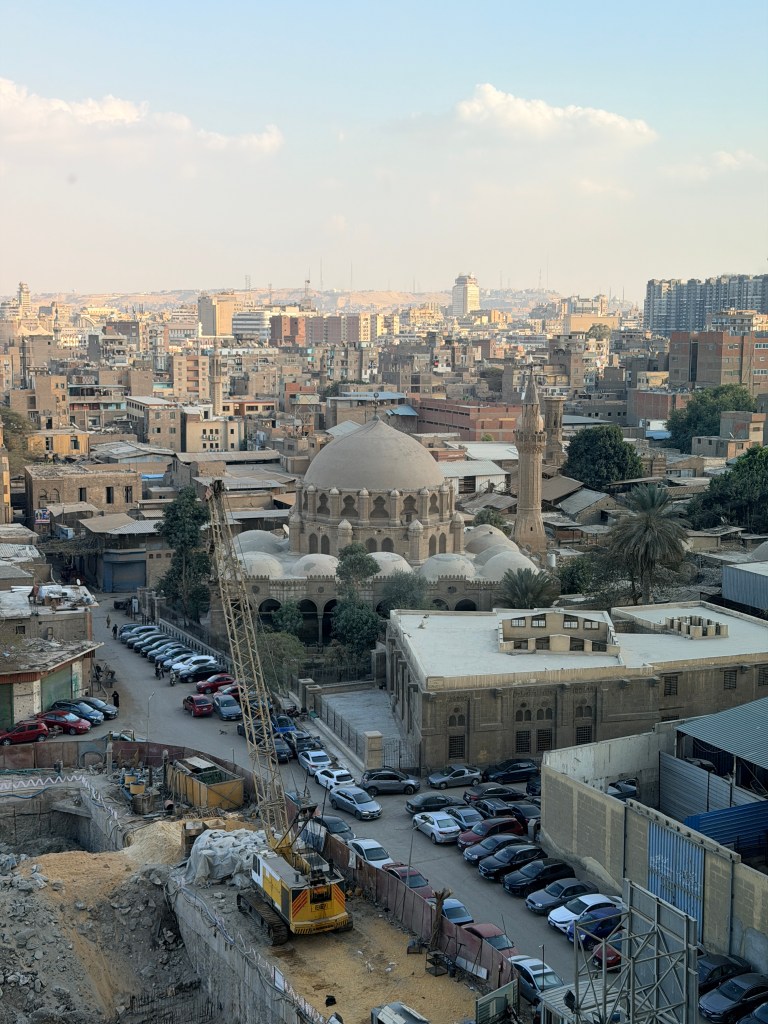
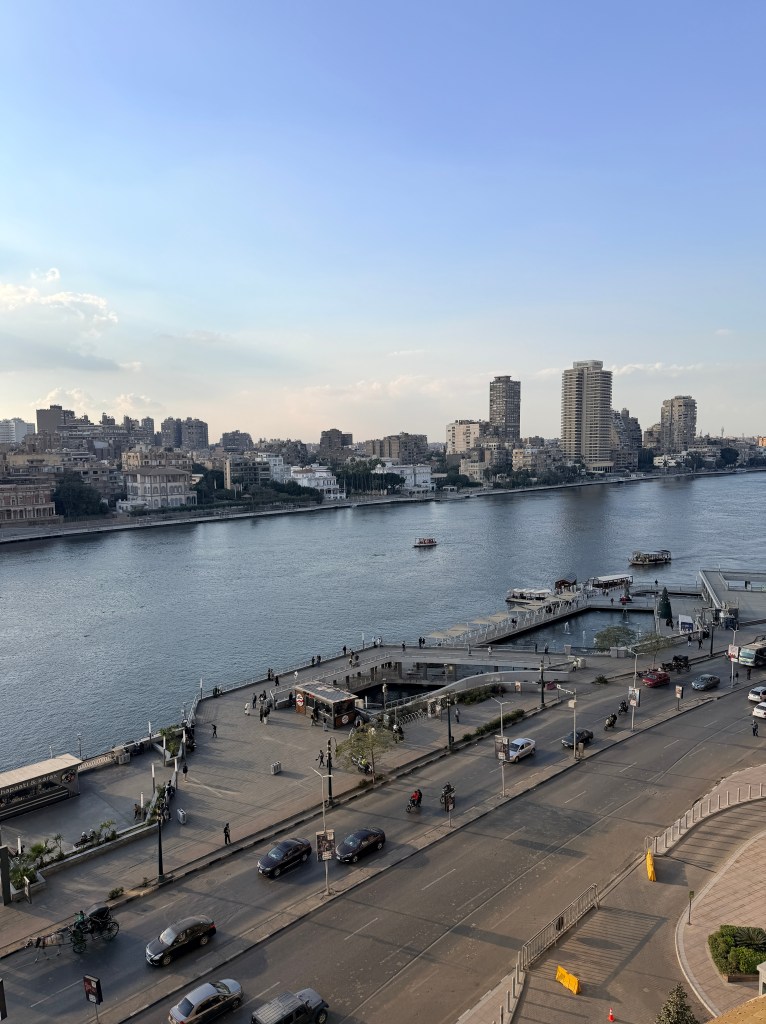
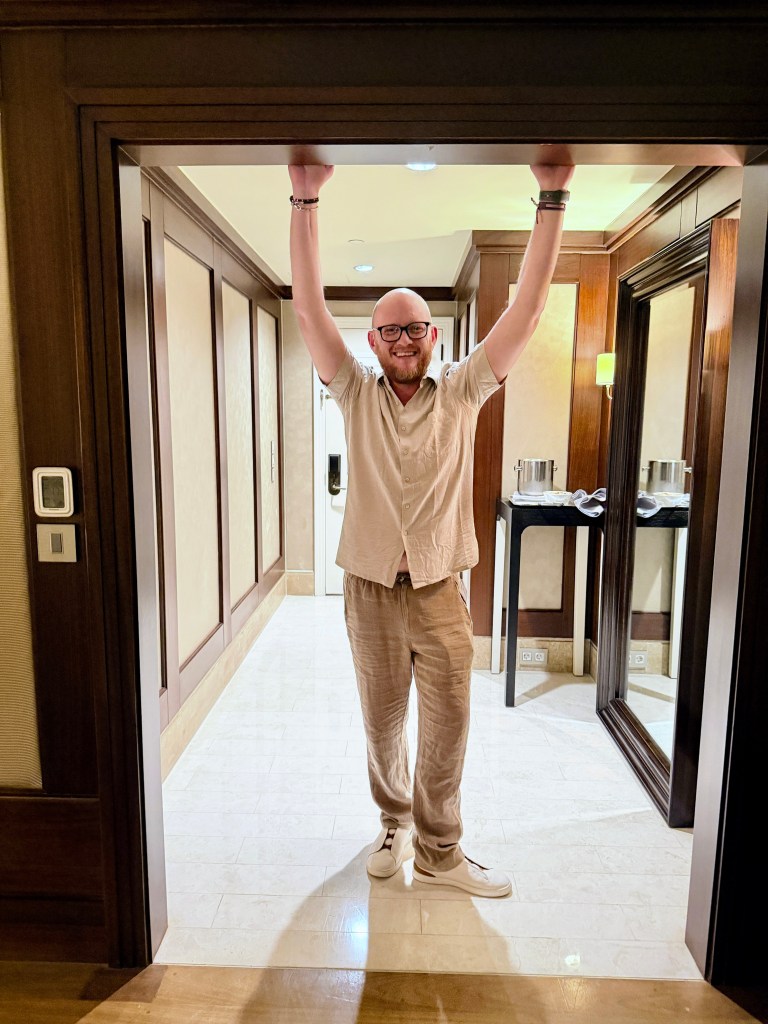
Perched along the Nile, the St. Regis combines modern luxury with subtle Egyptian design elements. The service was flawless, the facilities expansive, and the food exceptional. From beautifully curated restaurants to elegant bars and serene common spaces, there was more than enough to keep us happily occupied without ever stepping outside.
We didn’t leave the hotel once—and we didn’t need to. These two days were about slowing down, indulging, and preparing for the adventure that lay ahead.
Day 5: The Journey Begins – Trafalgar’s Wonders of Ancient Egypt
From here on out, we joined Trafalgar’s Wonders of Ancient Egypt tour—a beautifully organized, thoughtfully paced itinerary that allowed us to experience Egypt’s greatest sites without feeling rushed.
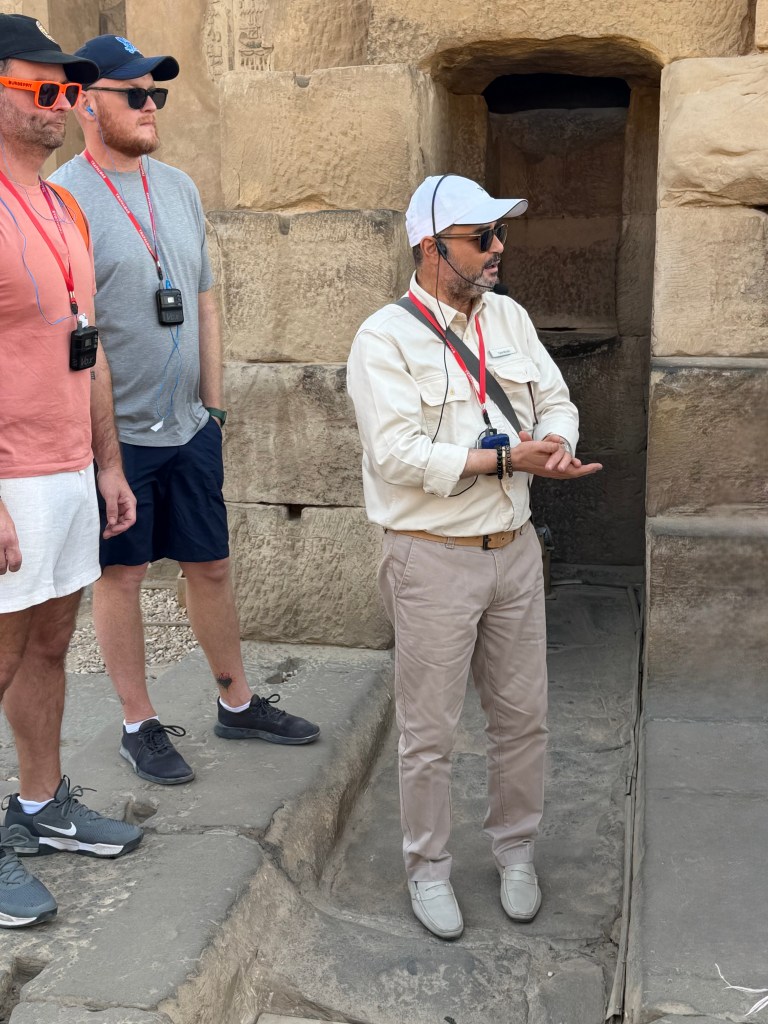
We checked into the Hilton Ramses to kick off the tour, and from the start, everything ran like clockwork. Our guide, Tarek, was exceptional—knowledgeable, engaging, and genuinely passionate about Egyptian history. His ability to weave stories, context, and humor into each site made the experience infinitely richer.
Day 6: Memphis, Saqqara, Carpet Making & Giza
Our first full touring day took us deep into Egypt’s ancient past.
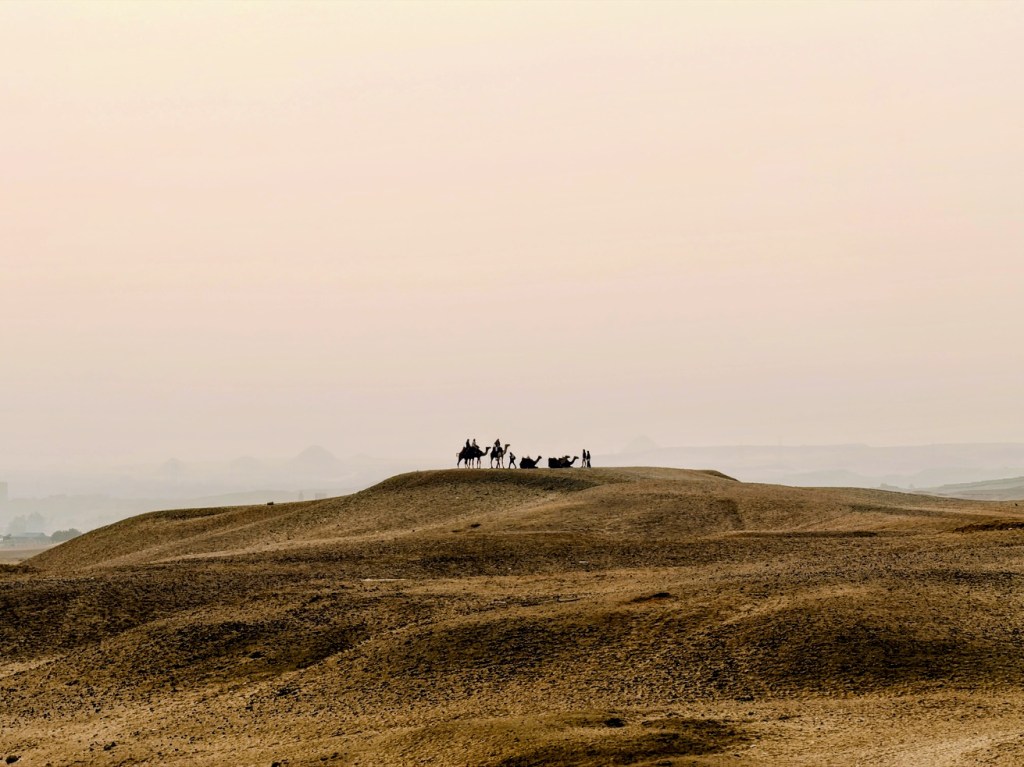
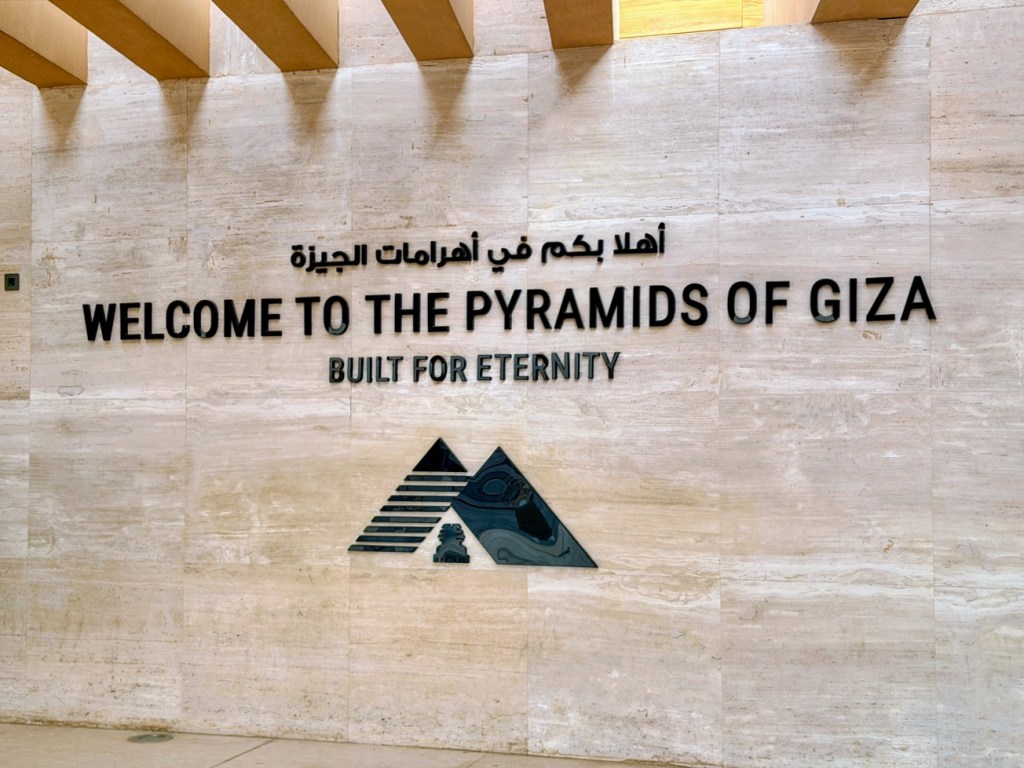
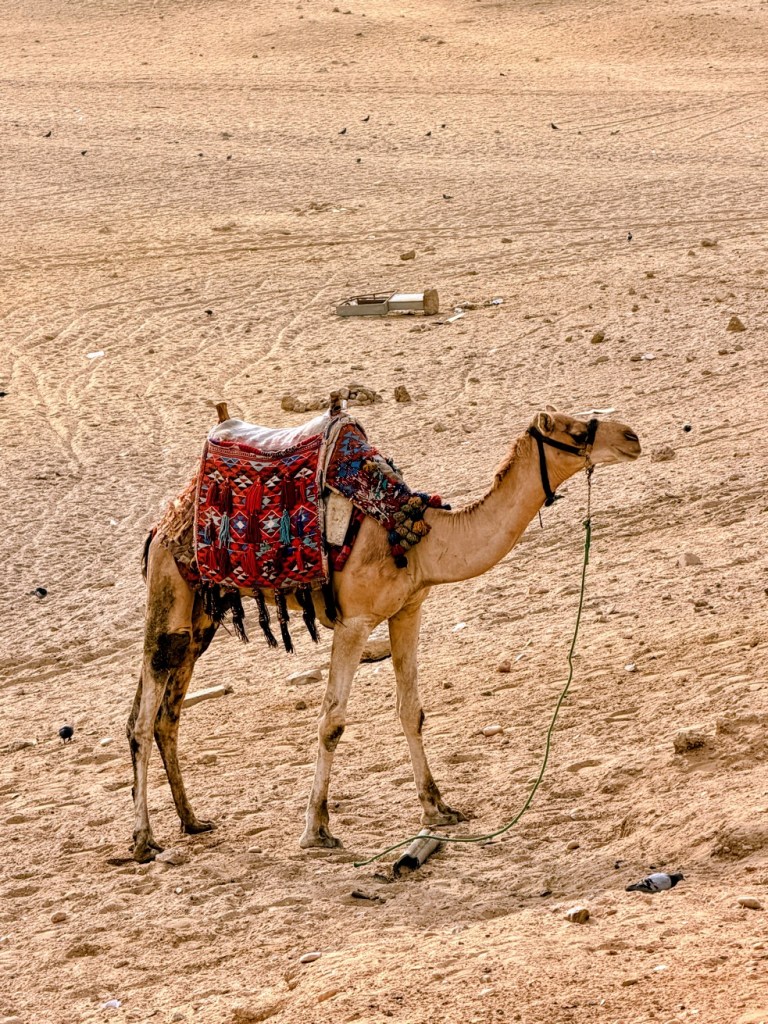
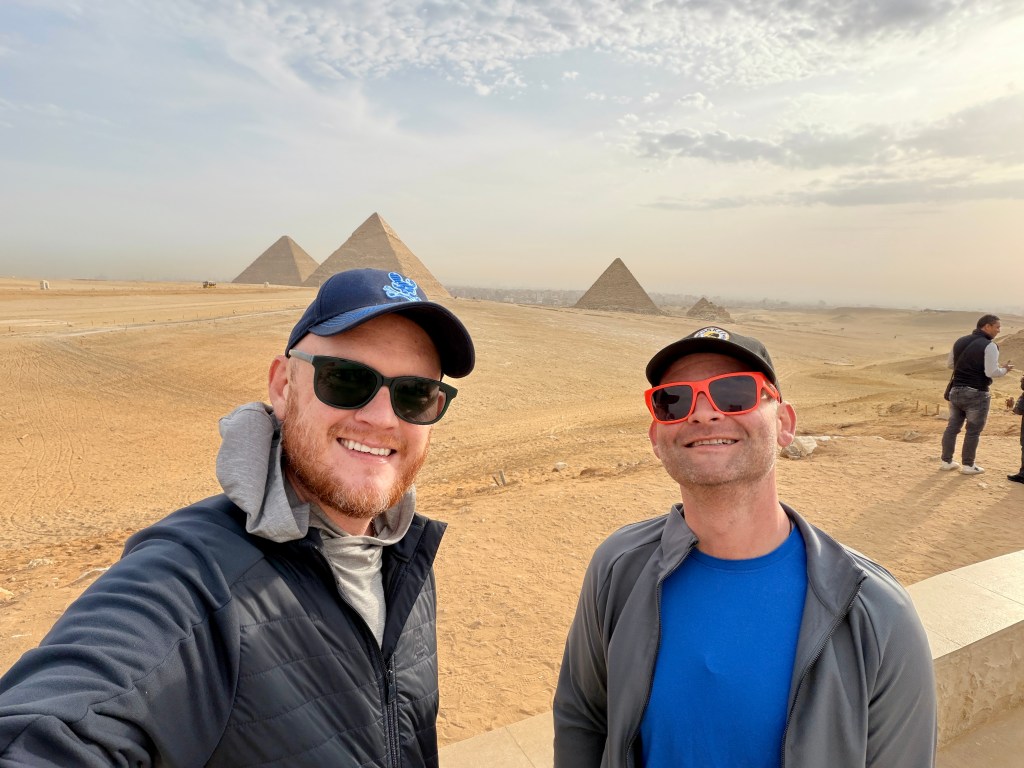
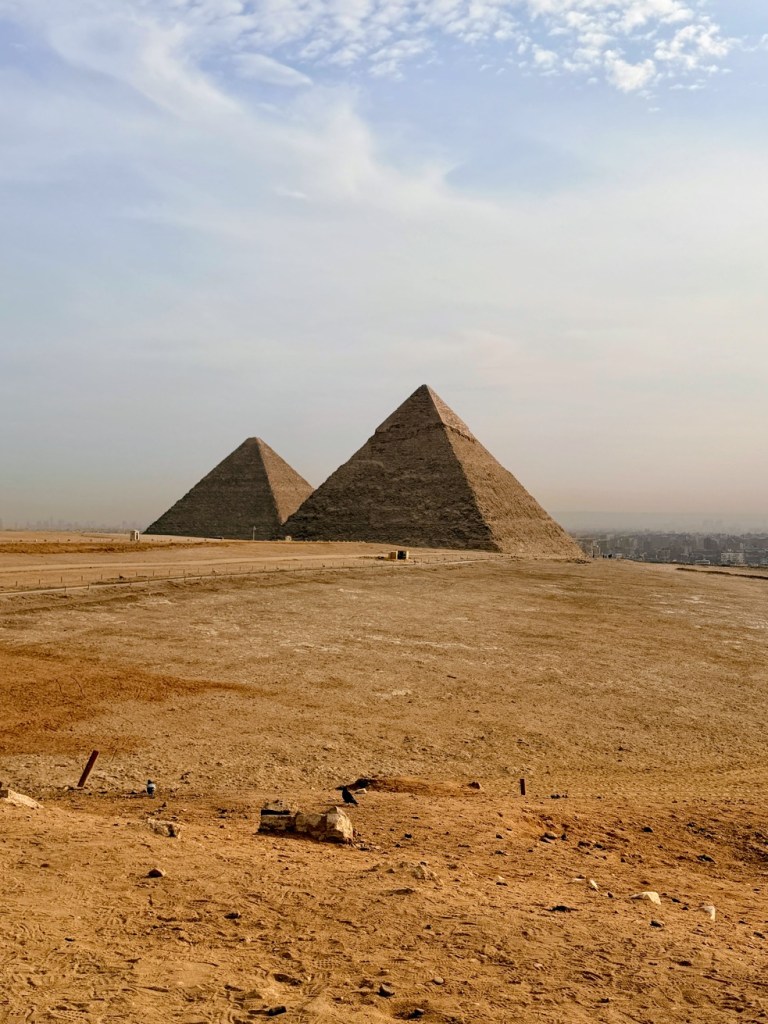
First Stop—Giza. The Great Pyramids and the Sphinx need no introduction. Standing before them is humbling in a way photos simply can’t capture. They are massive, precise, and impossibly old.
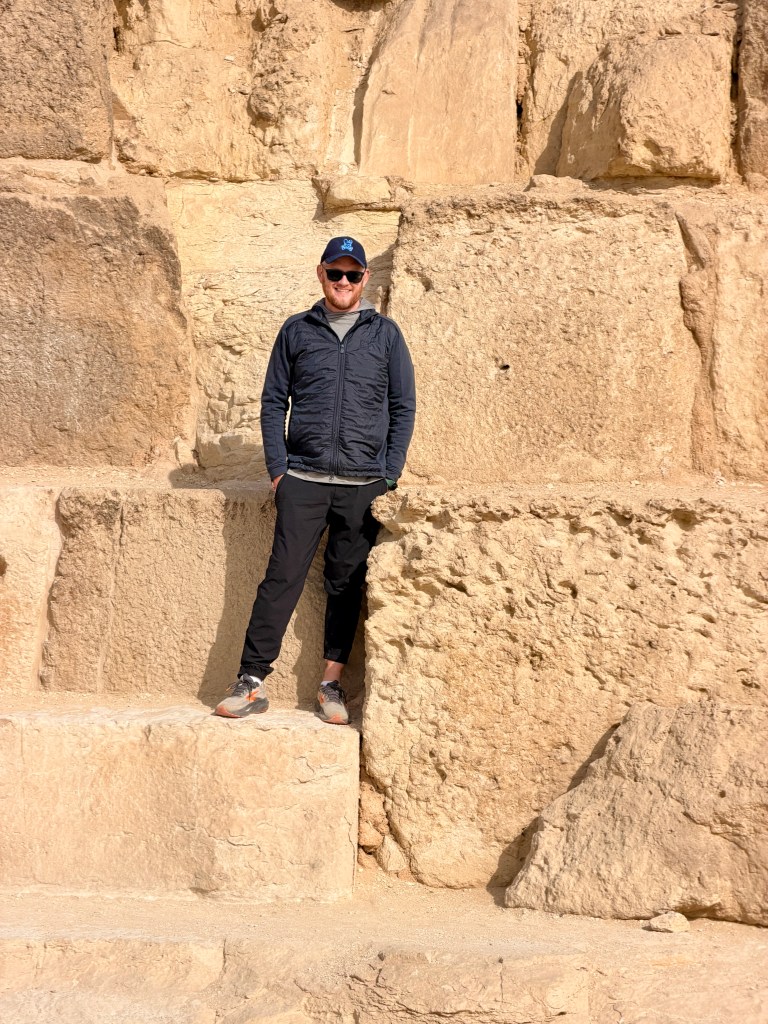
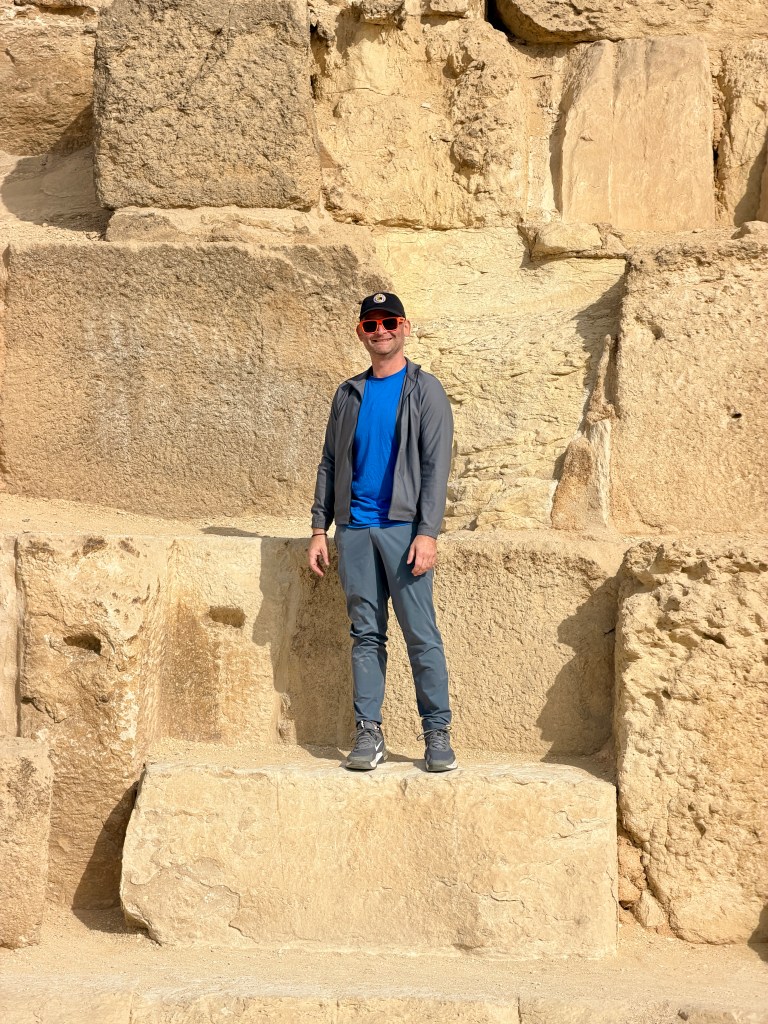
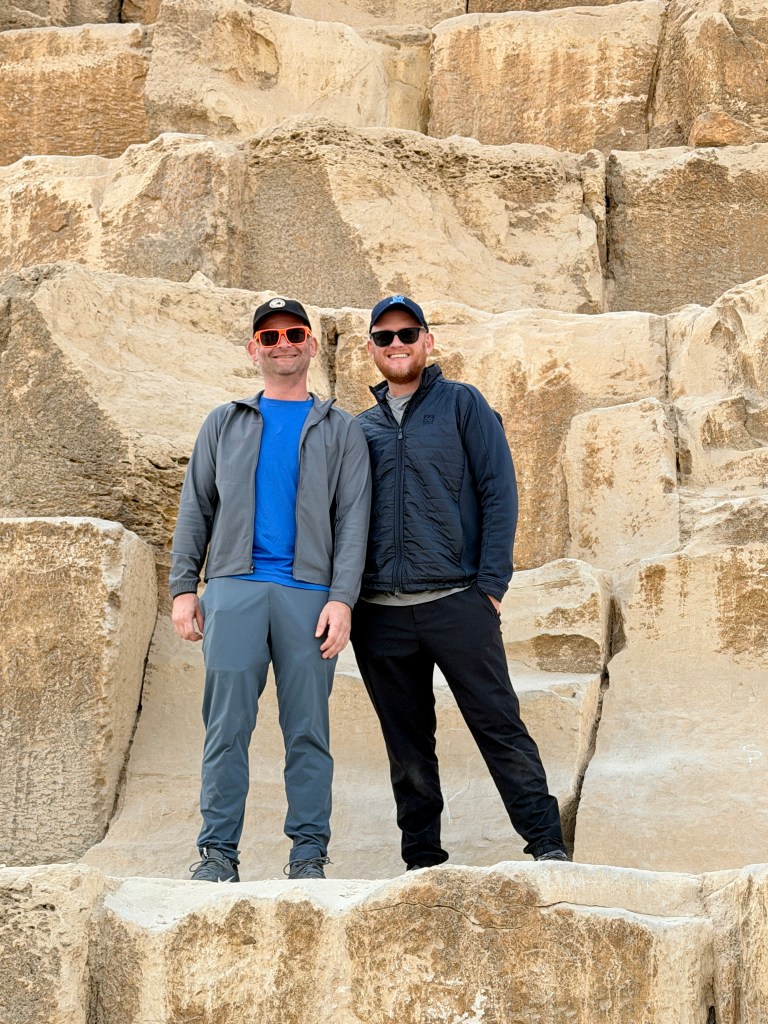
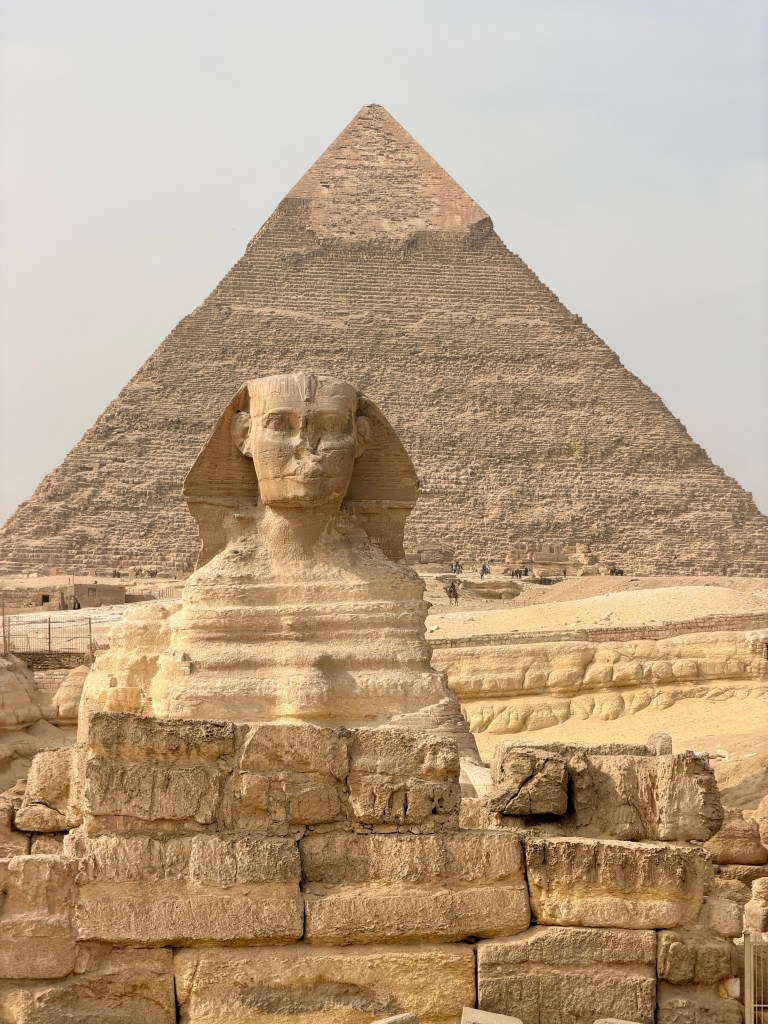
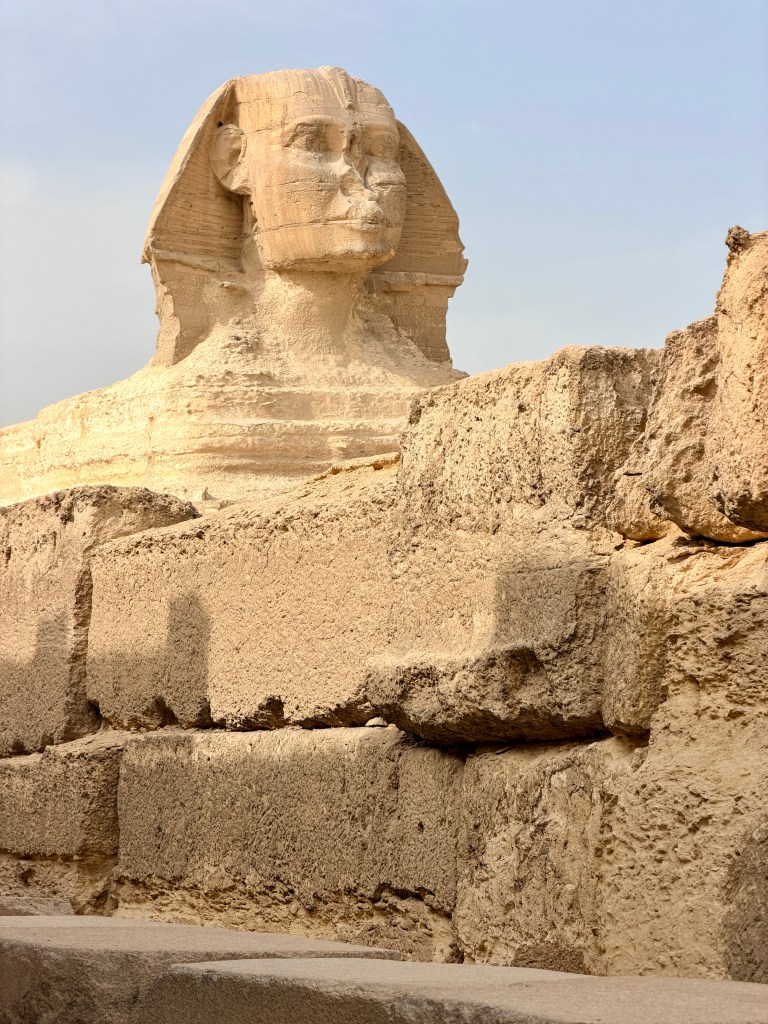
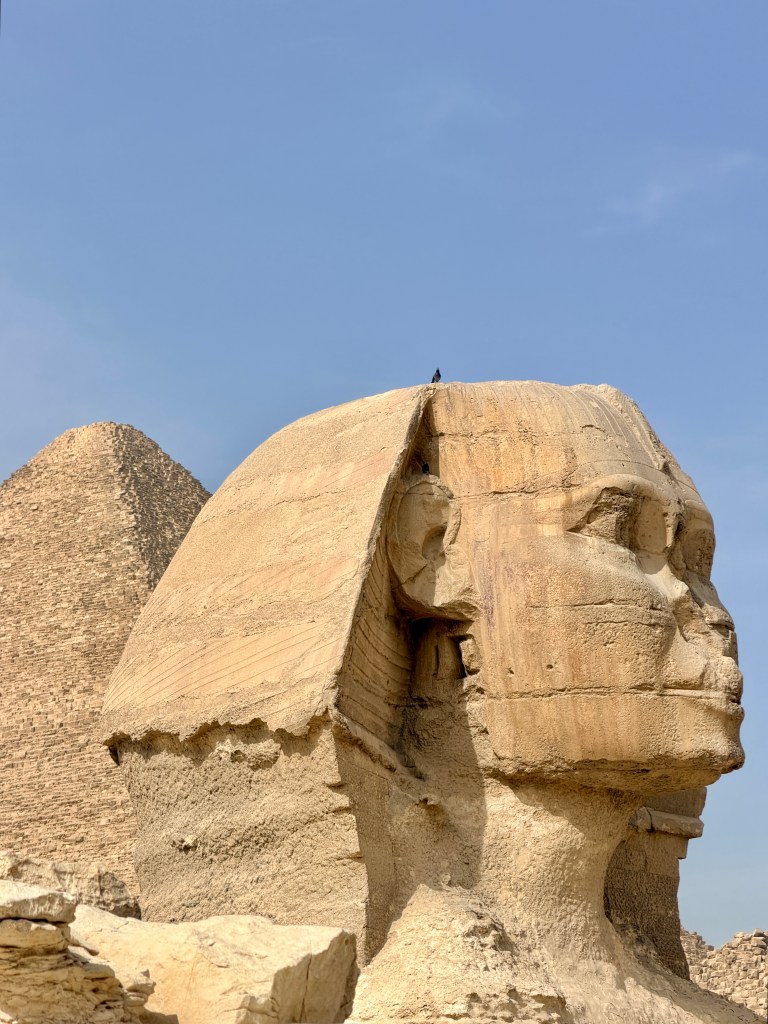
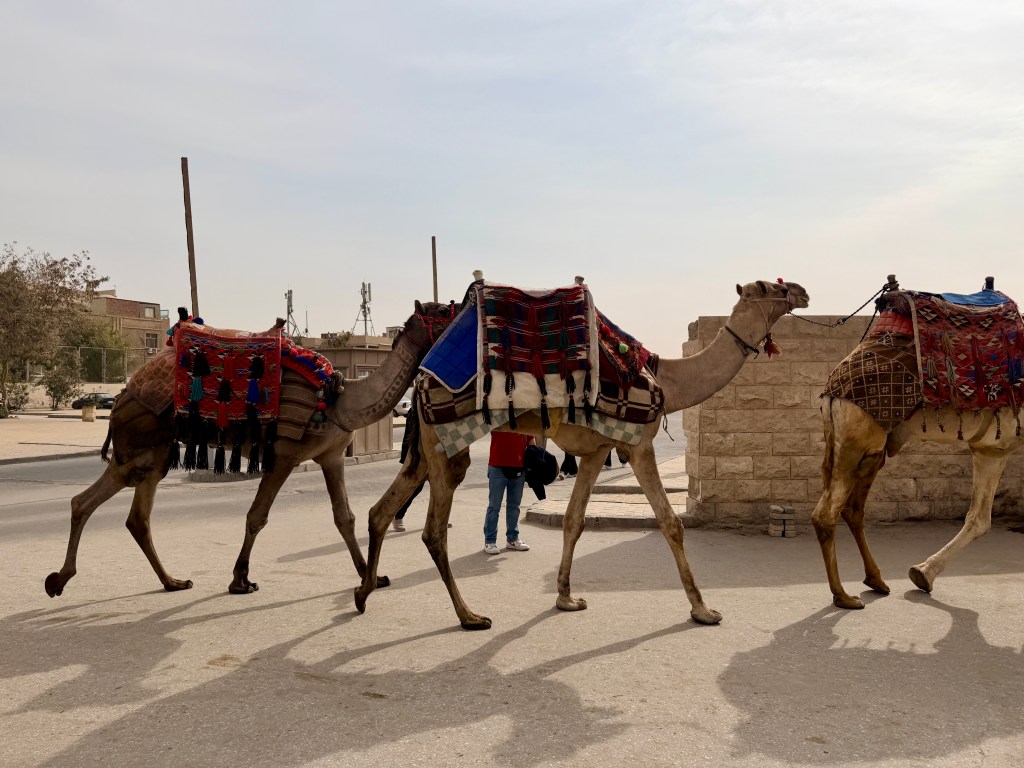
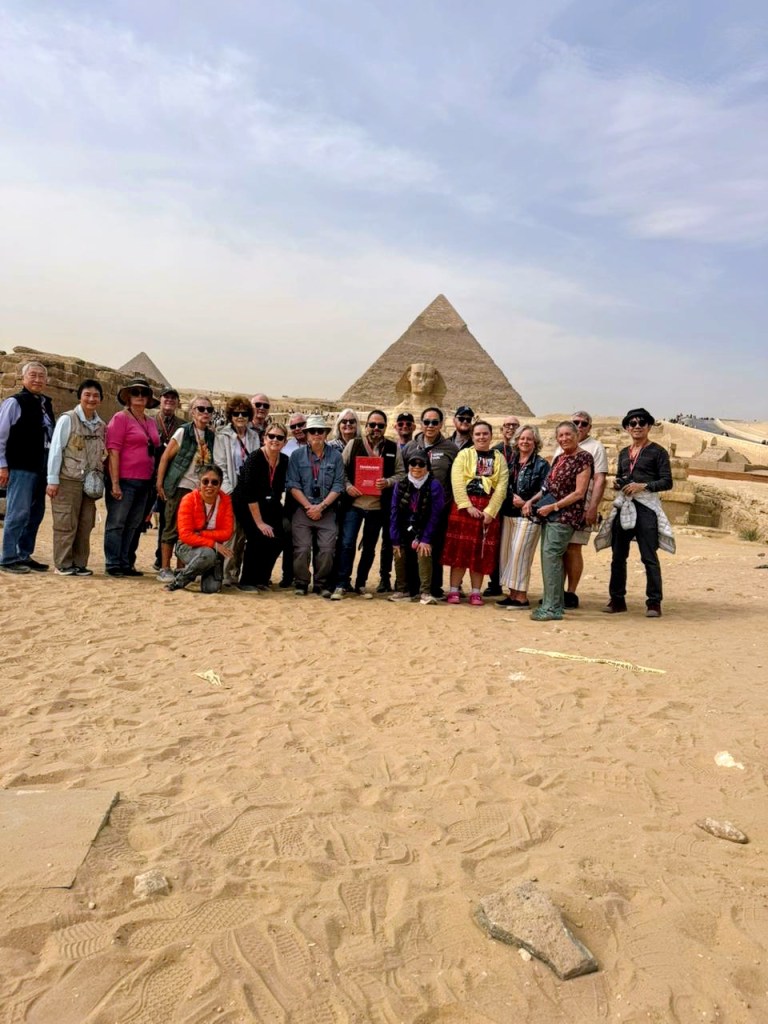
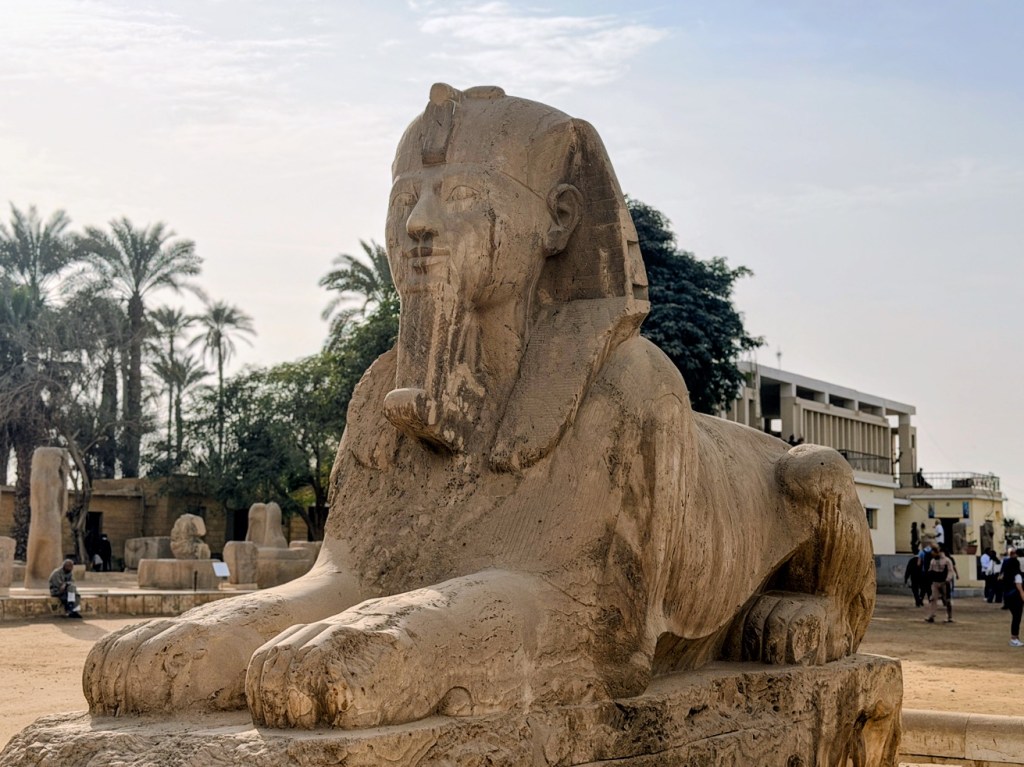
Memphis, once the capital of ancient Egypt, offered a glimpse into the earliest days of Egyptian civilization.
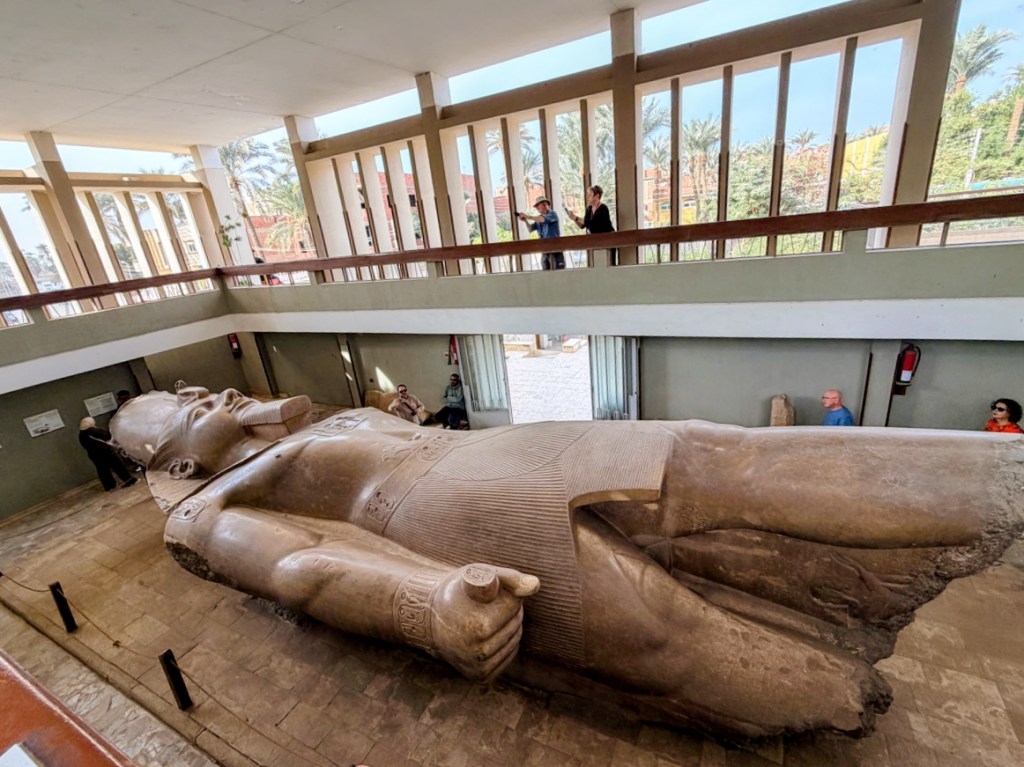
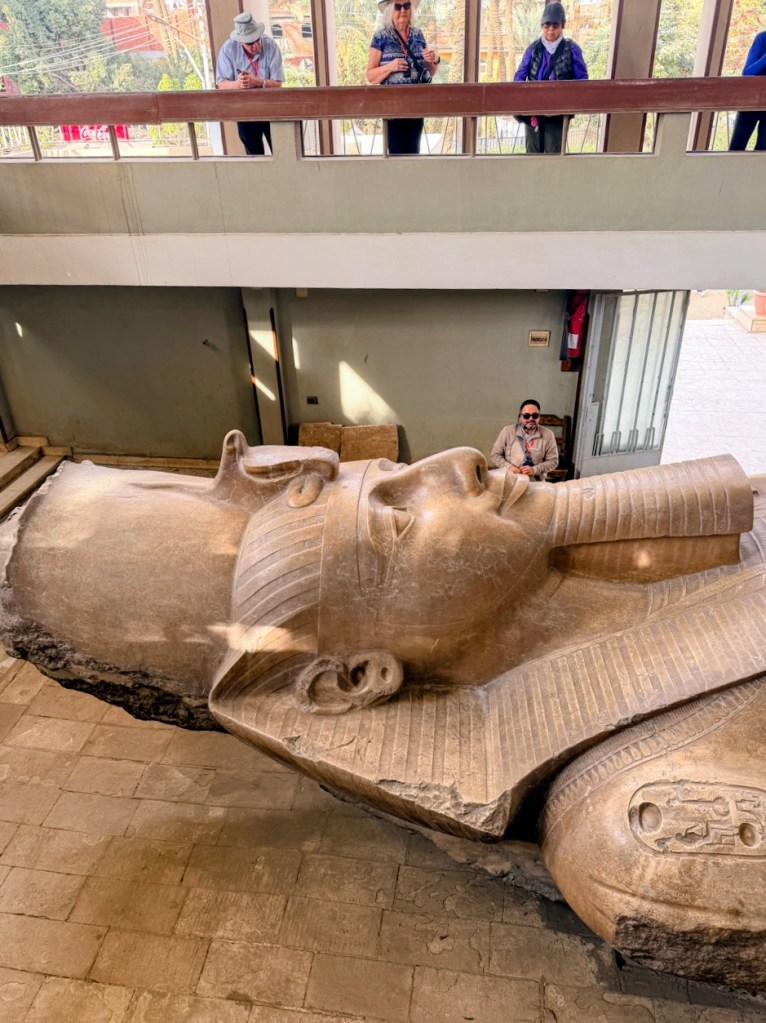
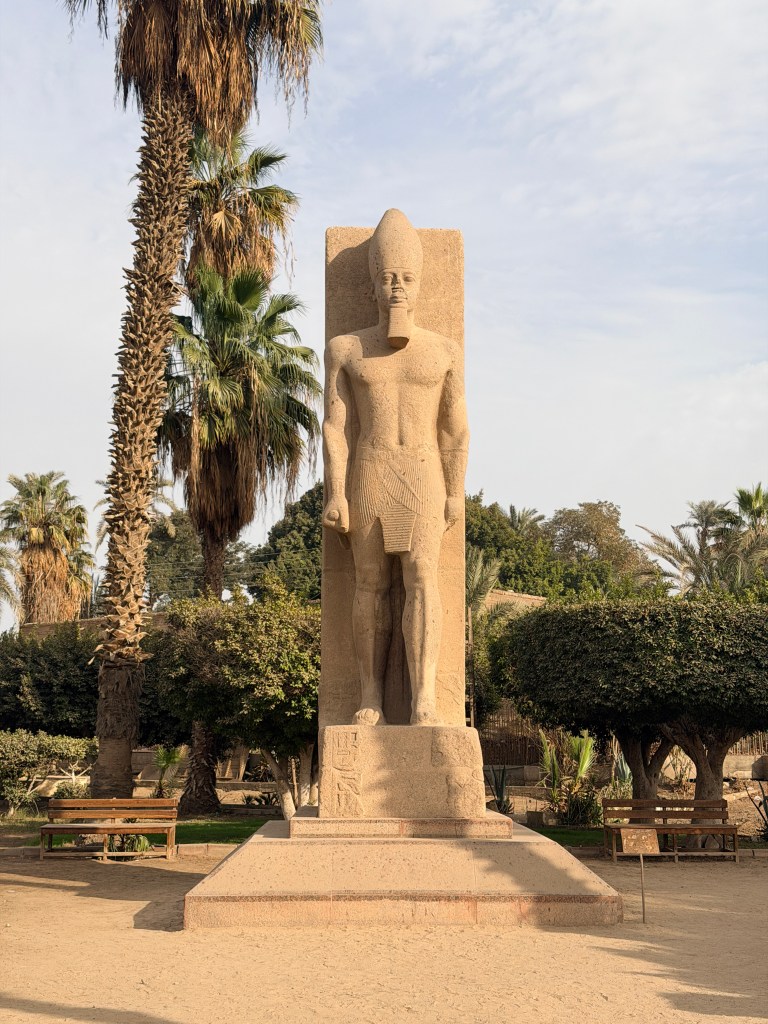
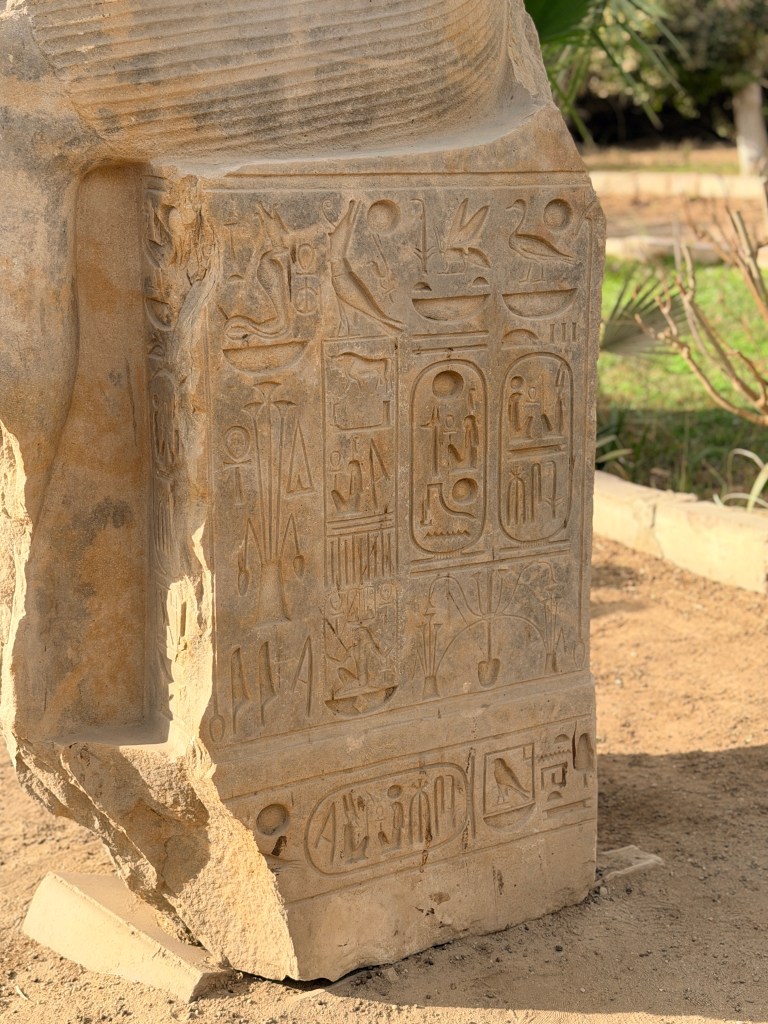
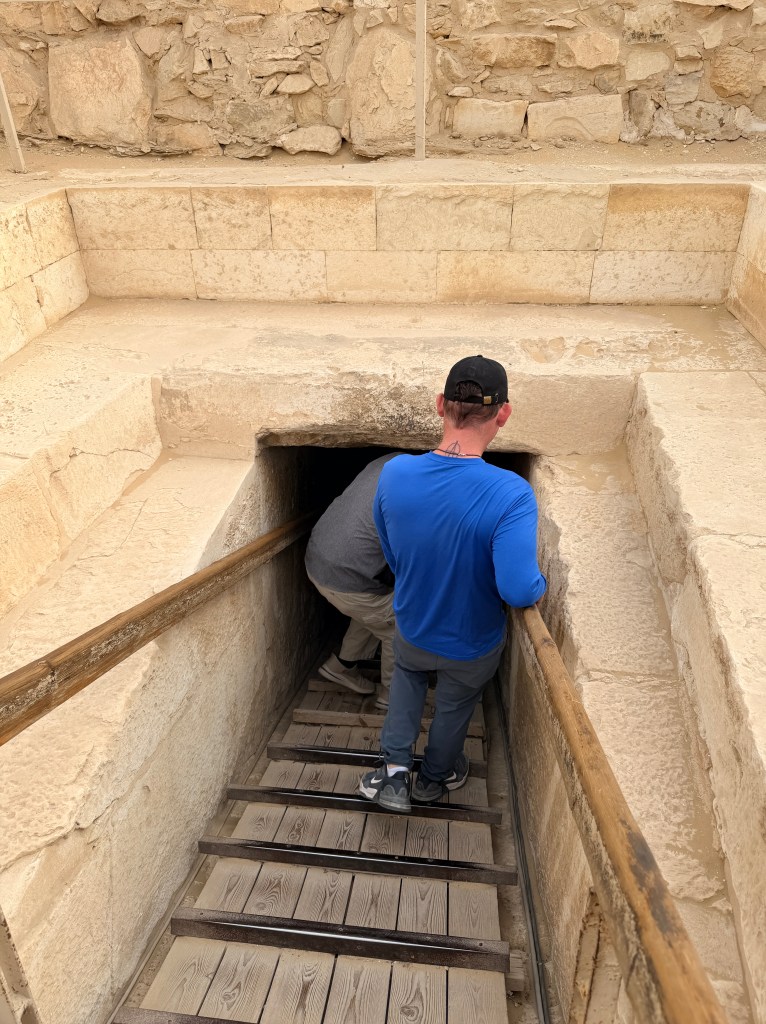
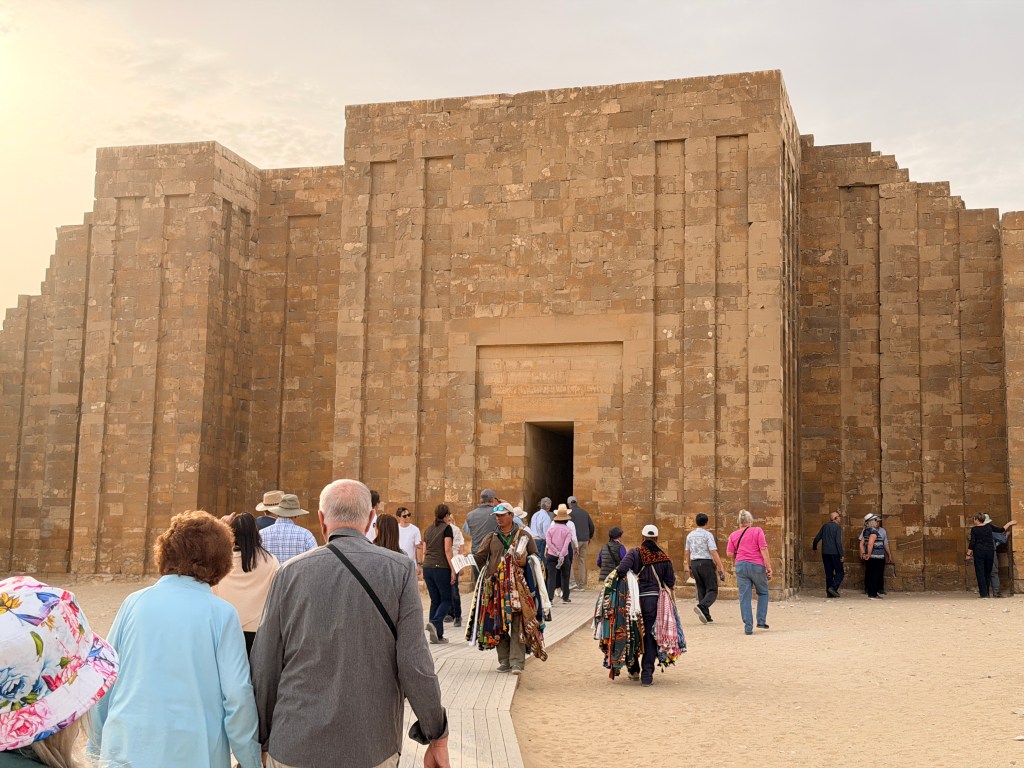
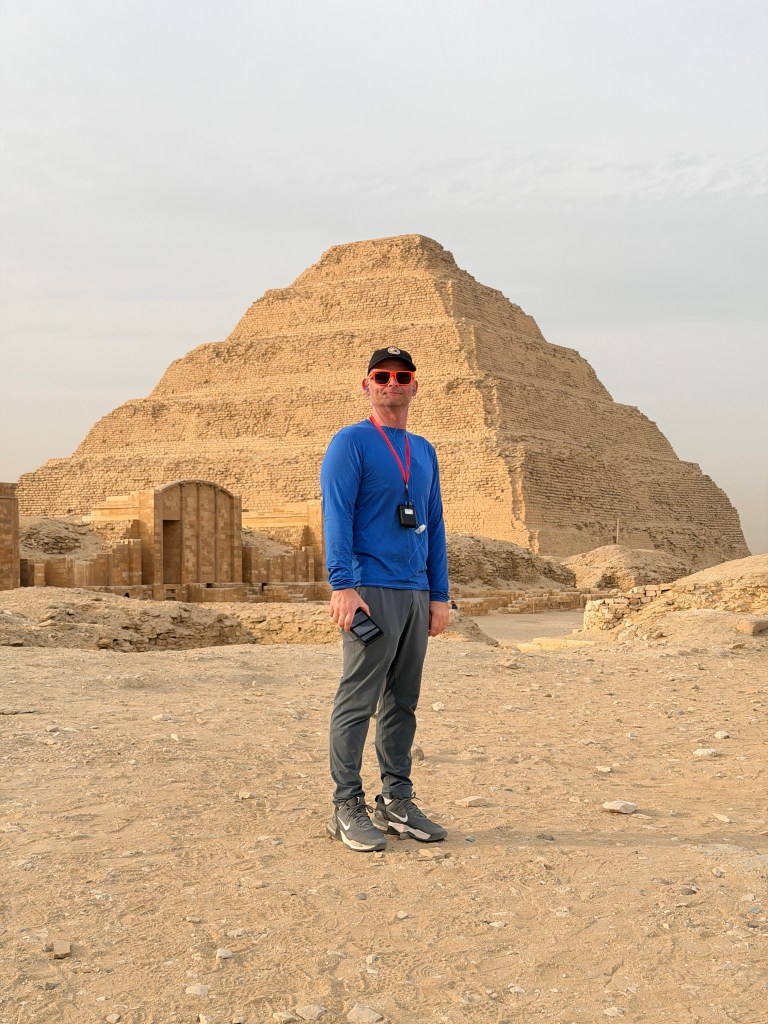
Saqqara, home to the Step Pyramid of Djoser, showcased the evolution of pyramid construction and remains one of the most important archaeological sites in the country.


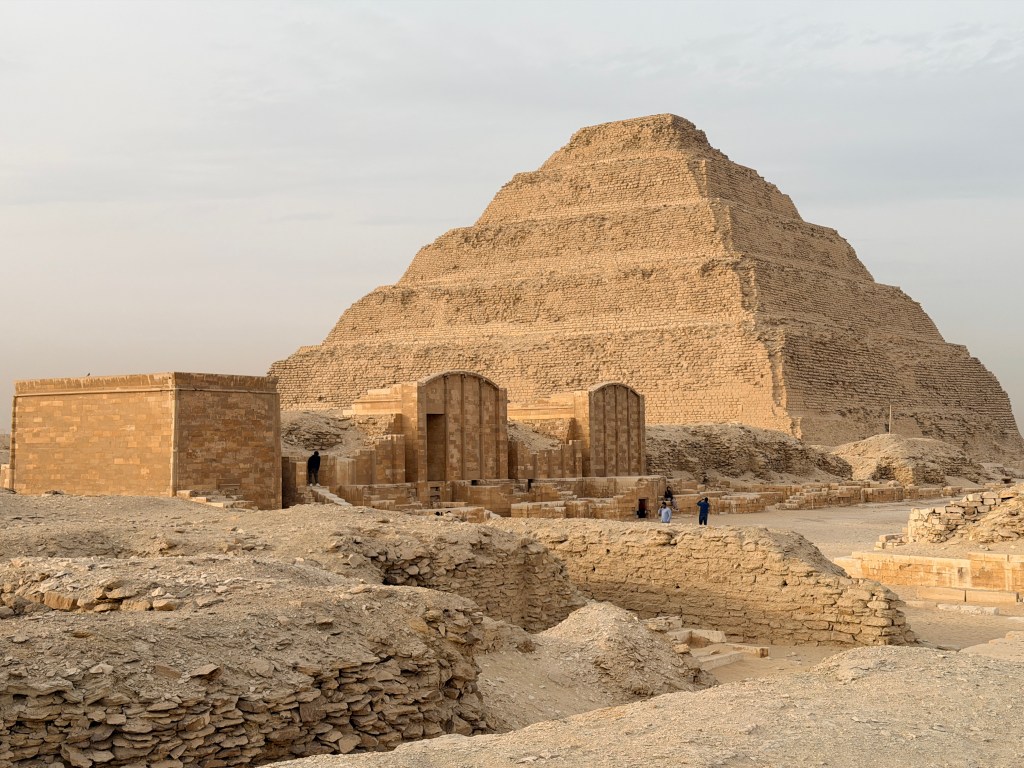
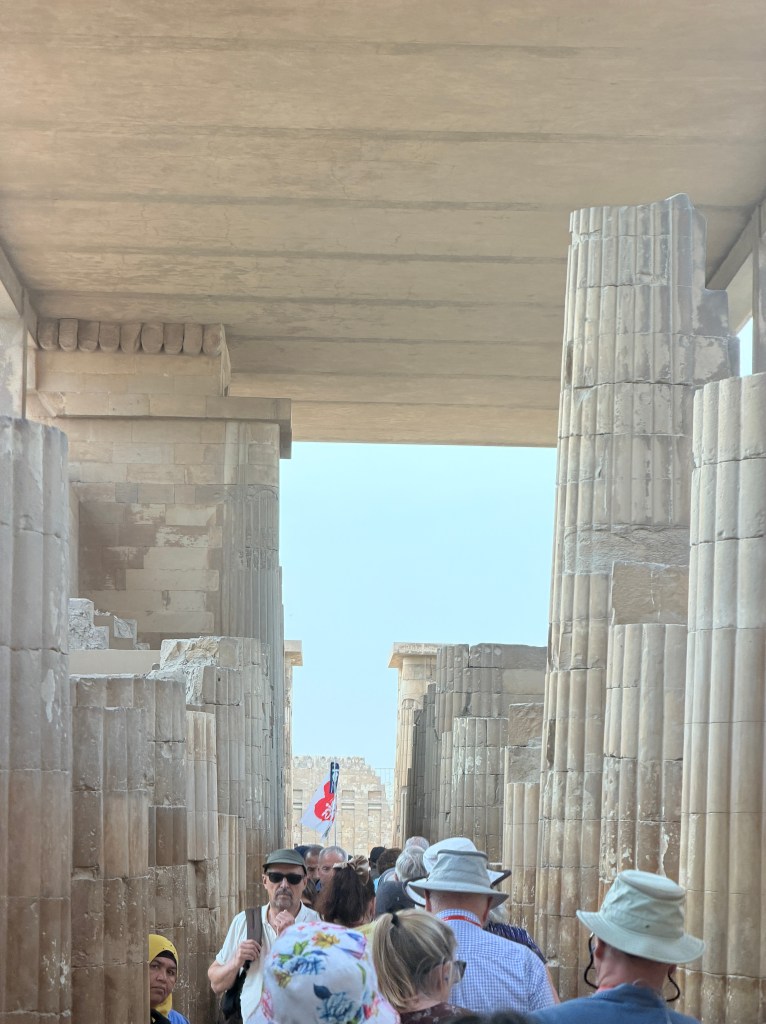
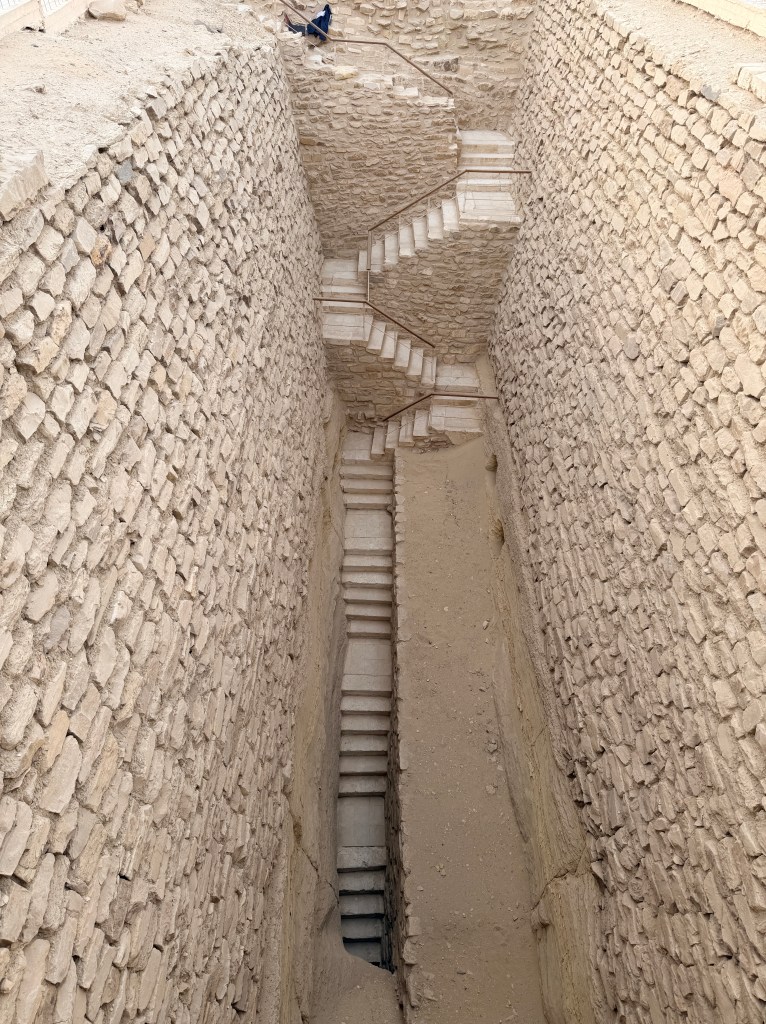
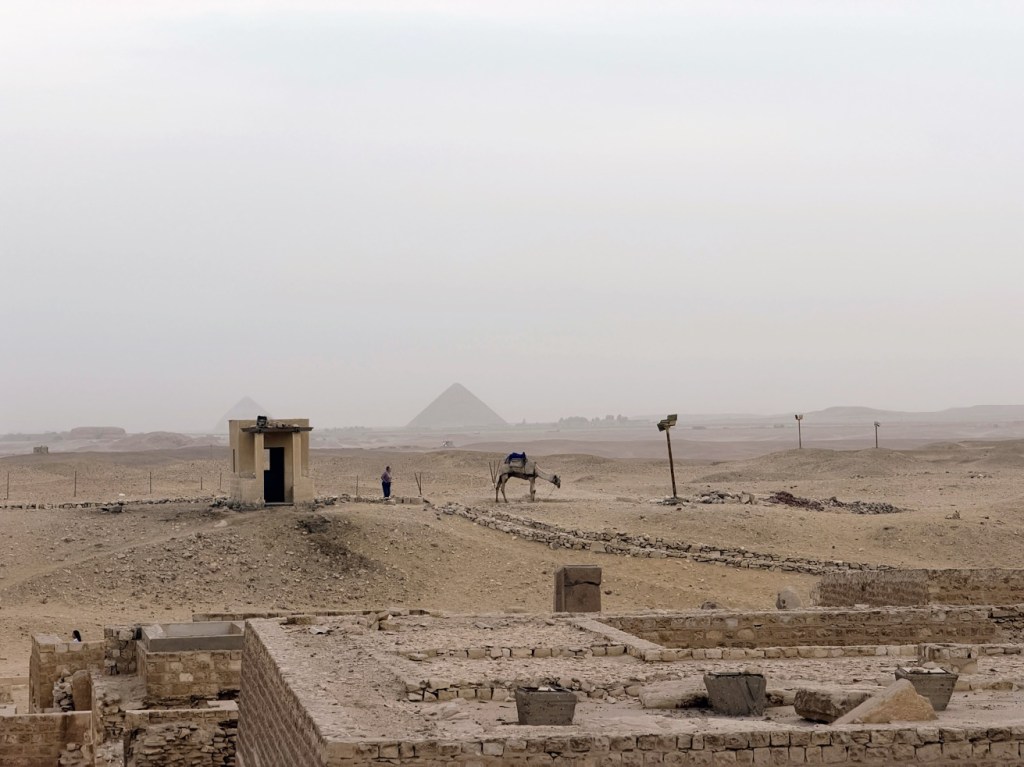
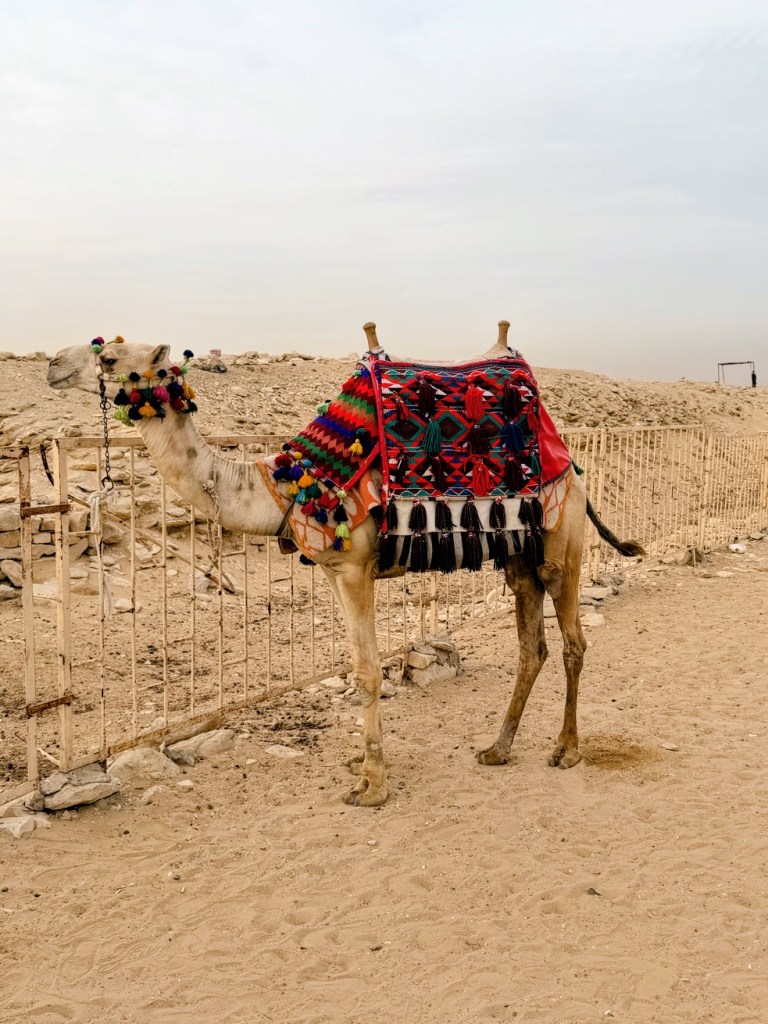
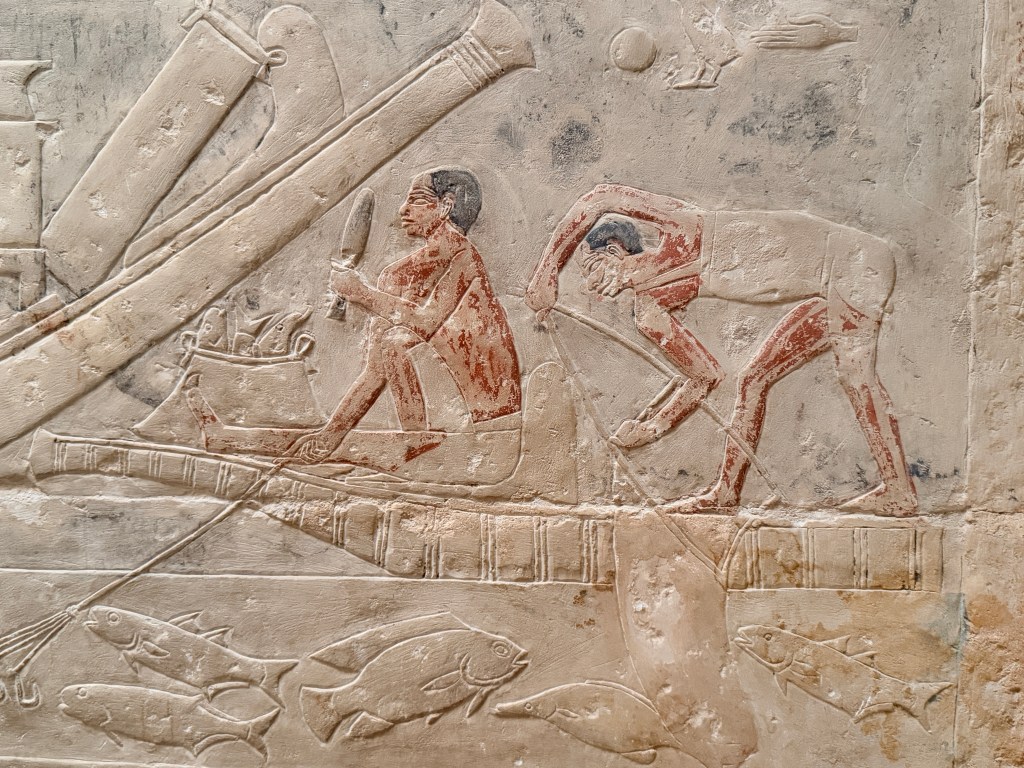
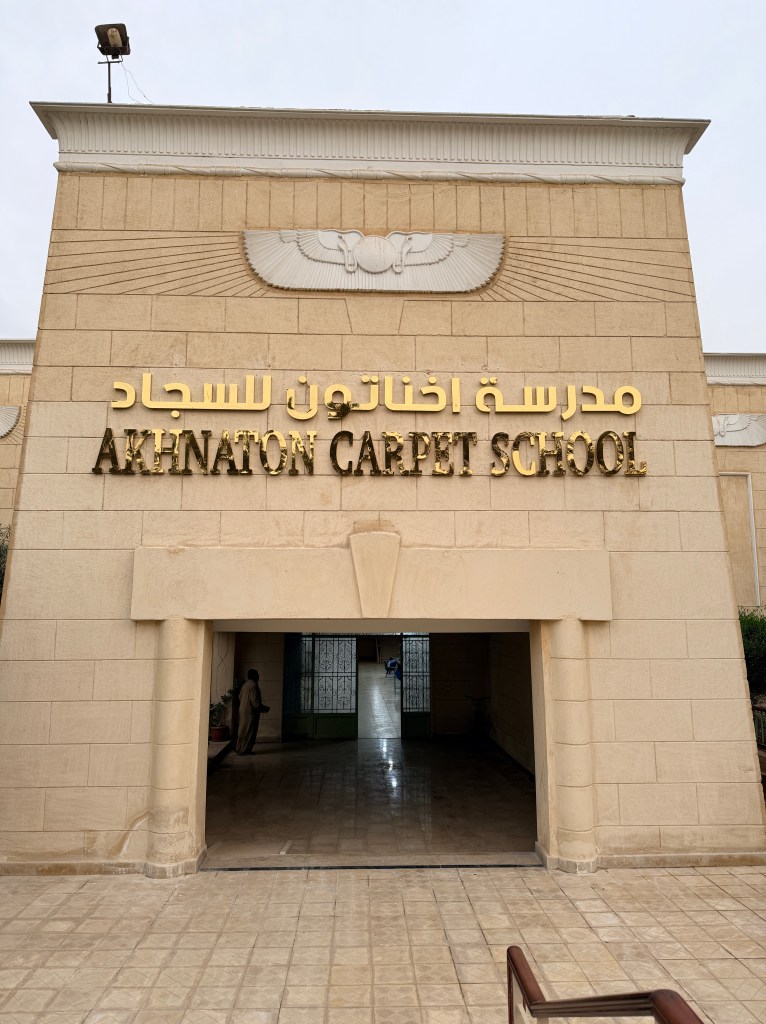
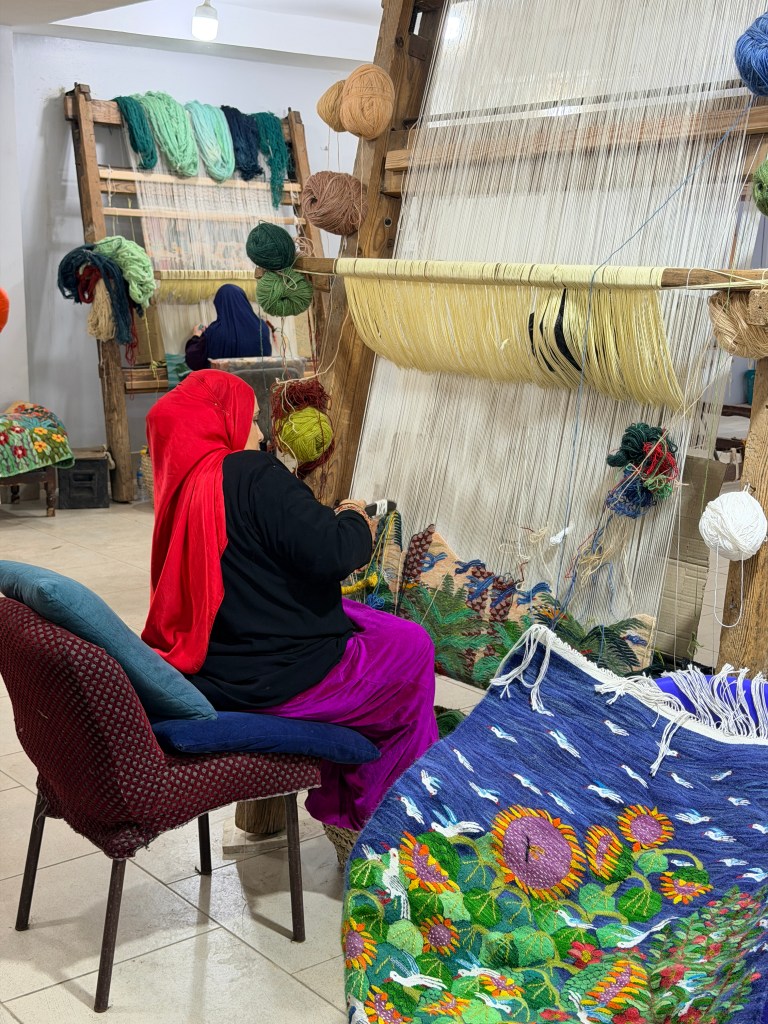
We also visited the Akhnaton Carpet School, where men, women, and children are taught the intricate art of carpet weaving on traditional looms.
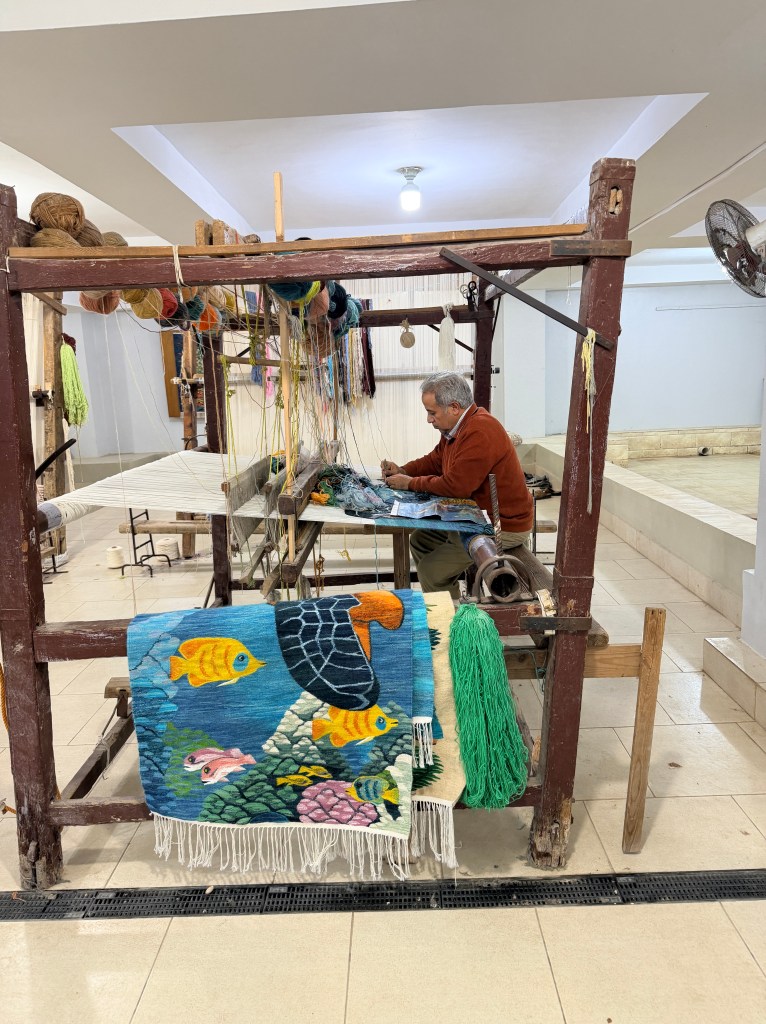
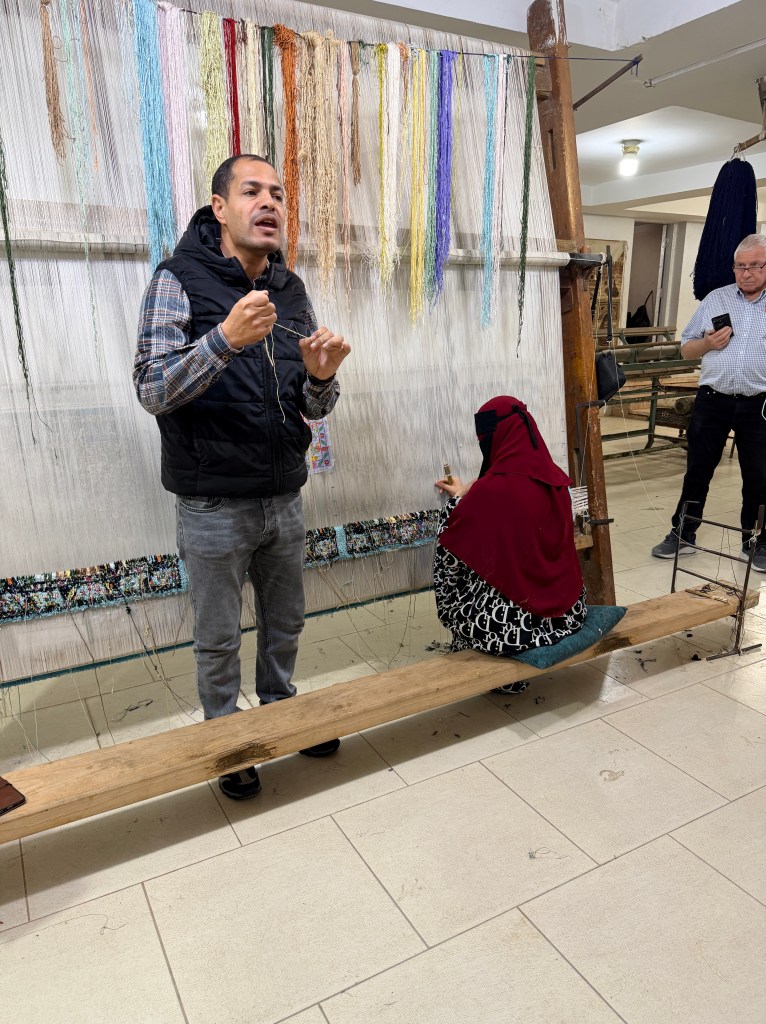
That night, we returned to Cairo with full minds and tired feet.
Day 7–8: Cairo to Luxor – Temples, Valley of the Kings & the Nile
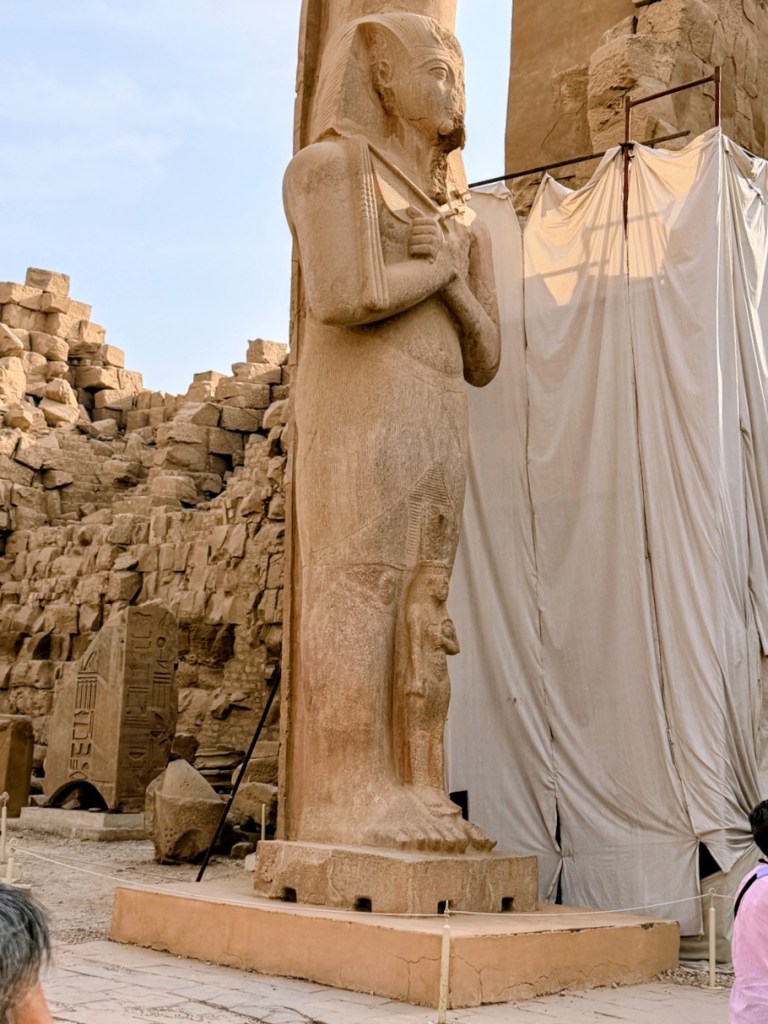
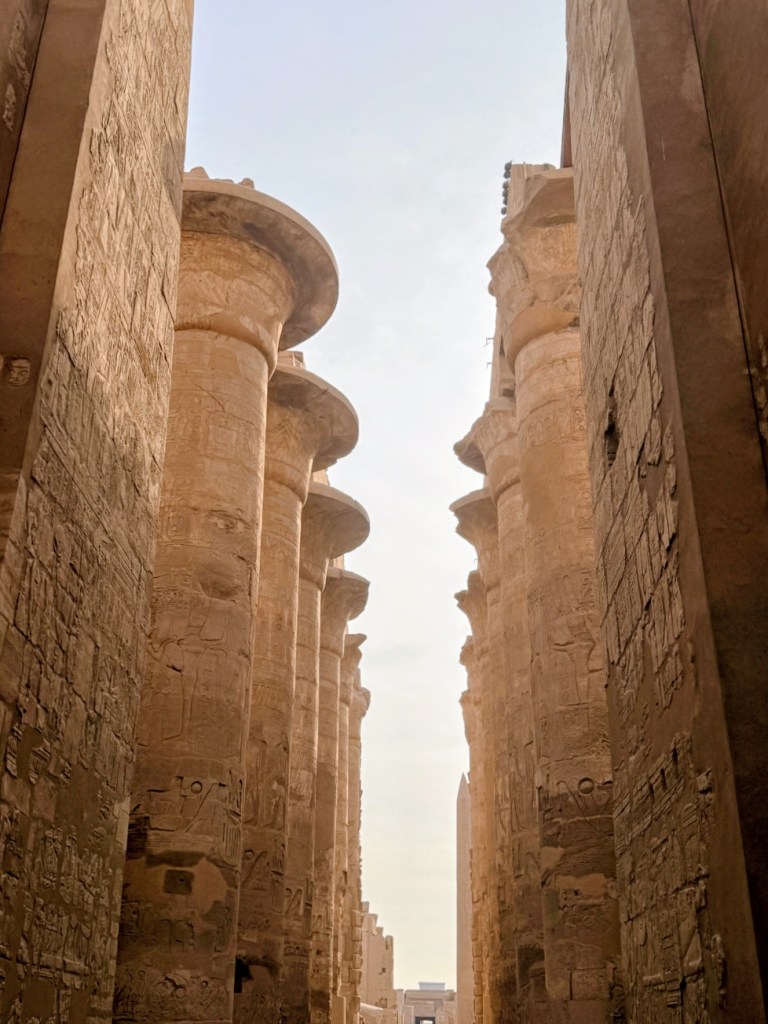
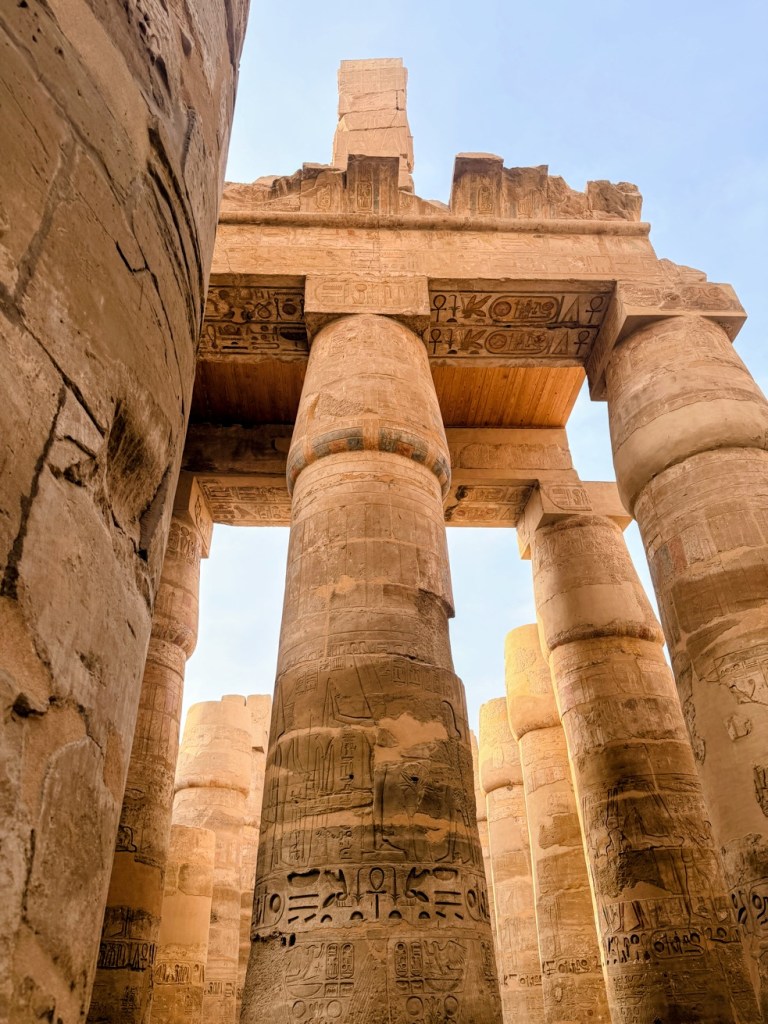
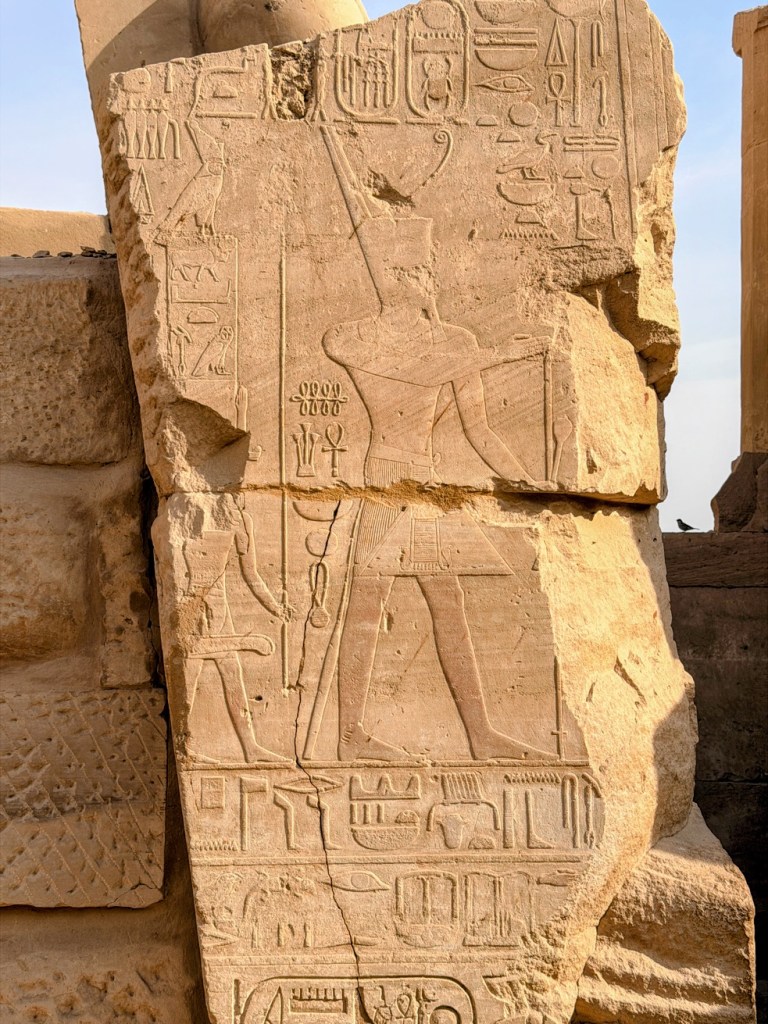
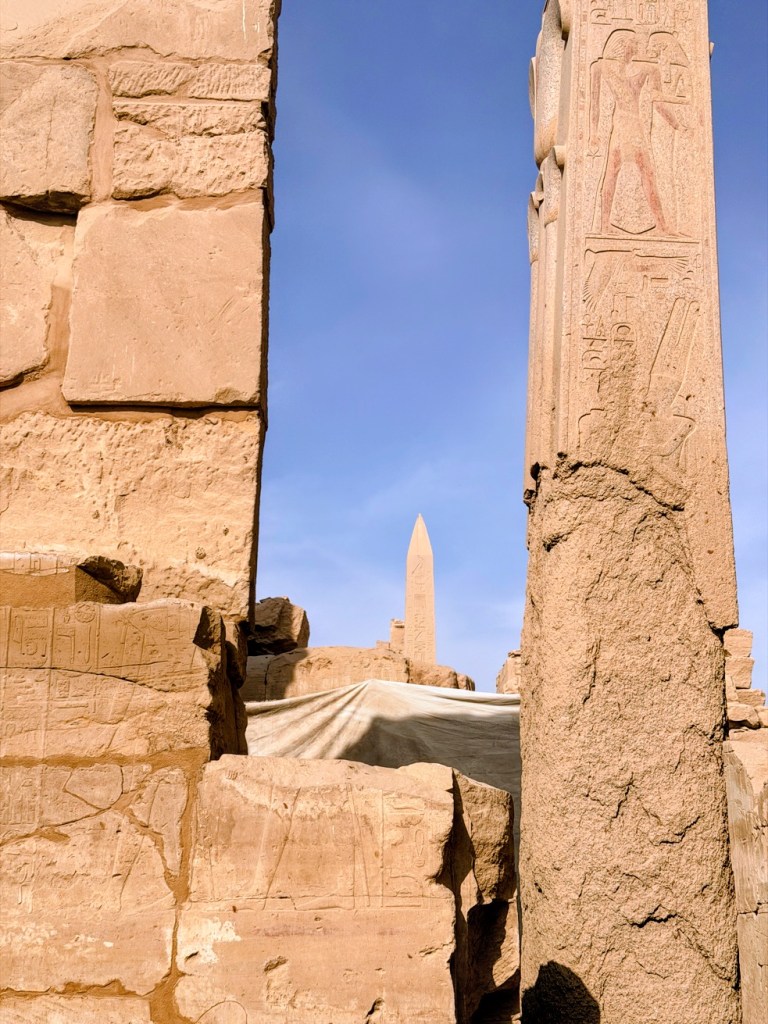
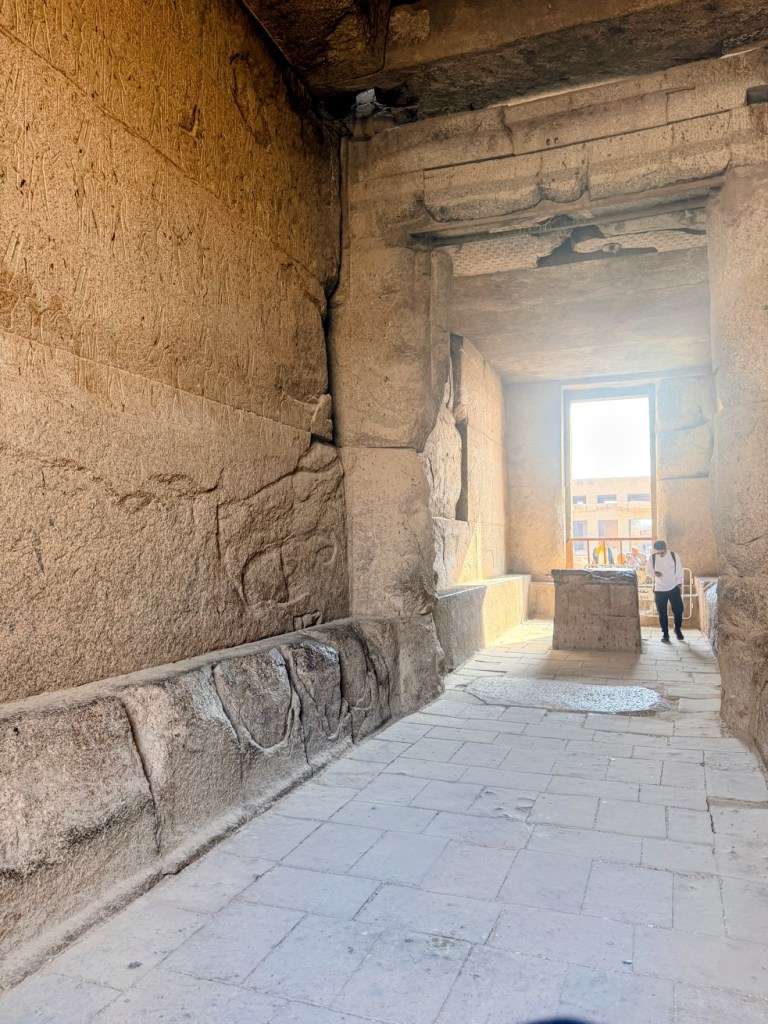
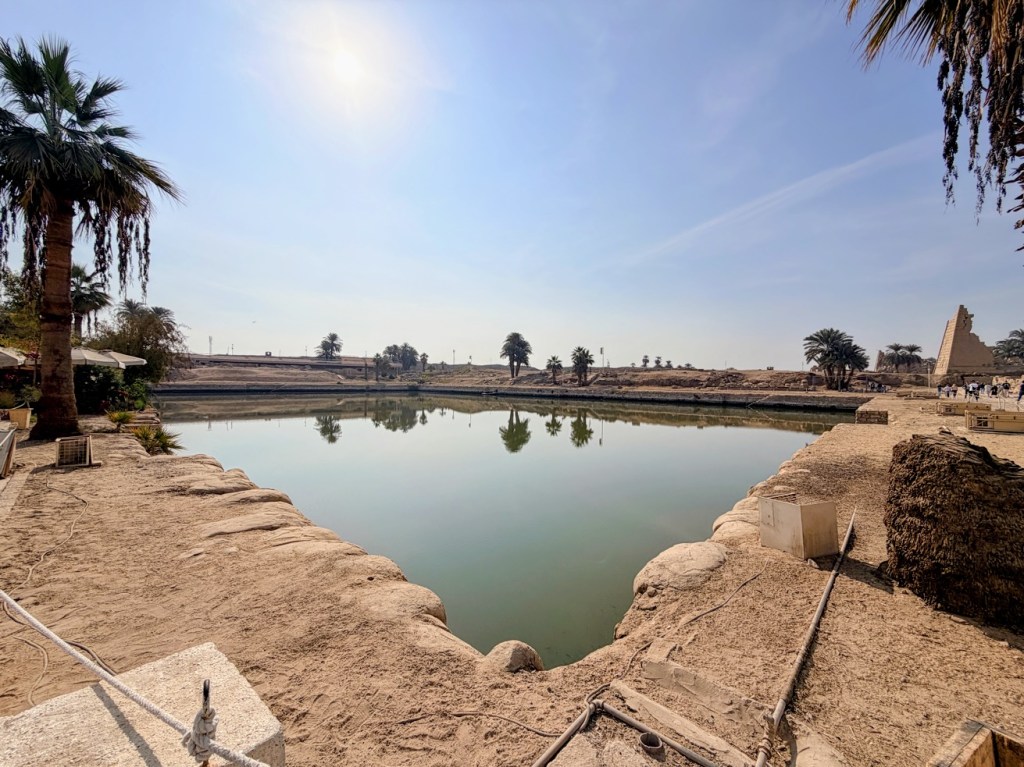
A morning flight brought us to Luxor, often described as the world’s greatest open-air museum. We visited Karnak Temple, a vast complex of towering columns, sacred lakes, and intricately carved reliefs that tell stories spanning centuries.
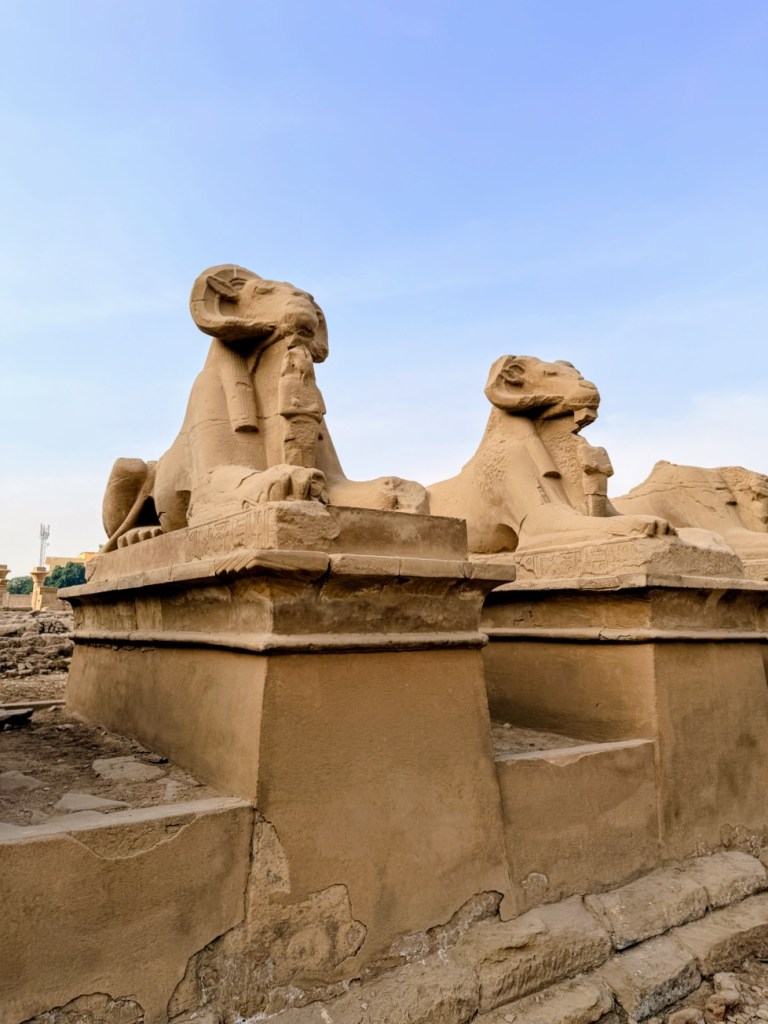
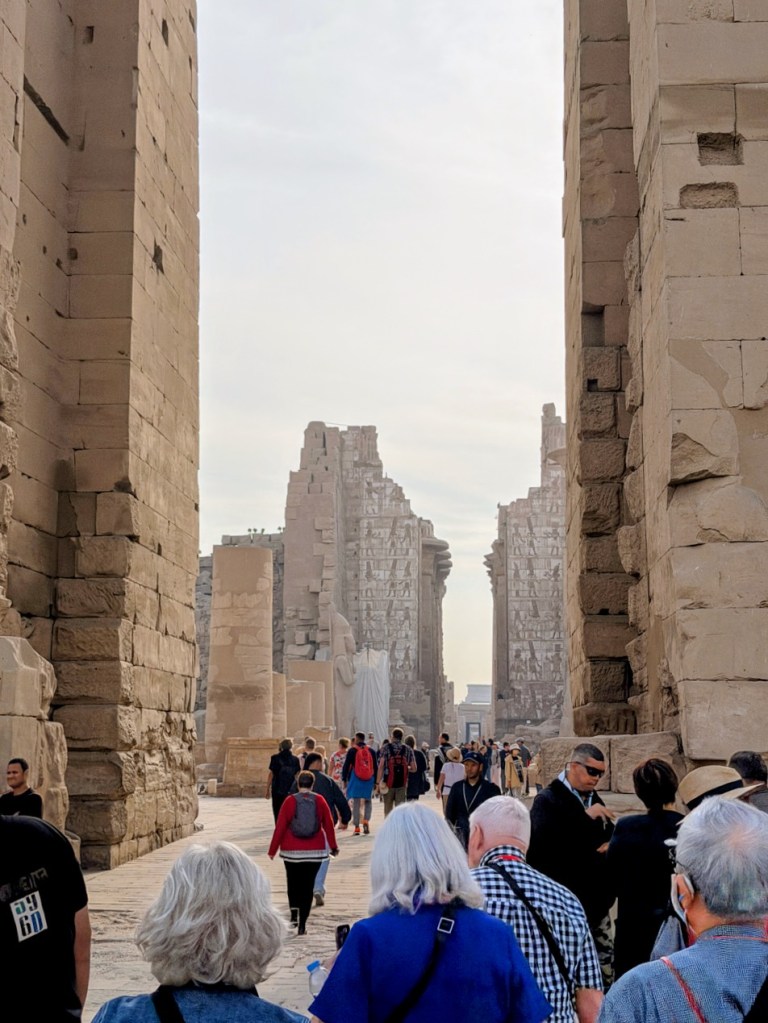
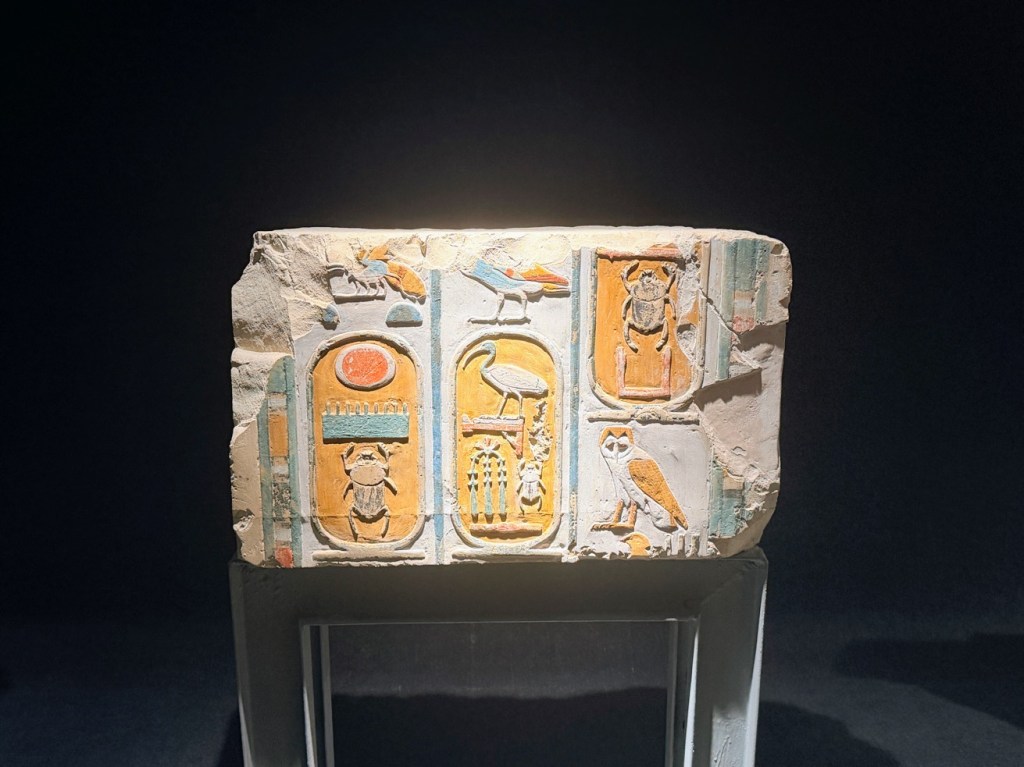
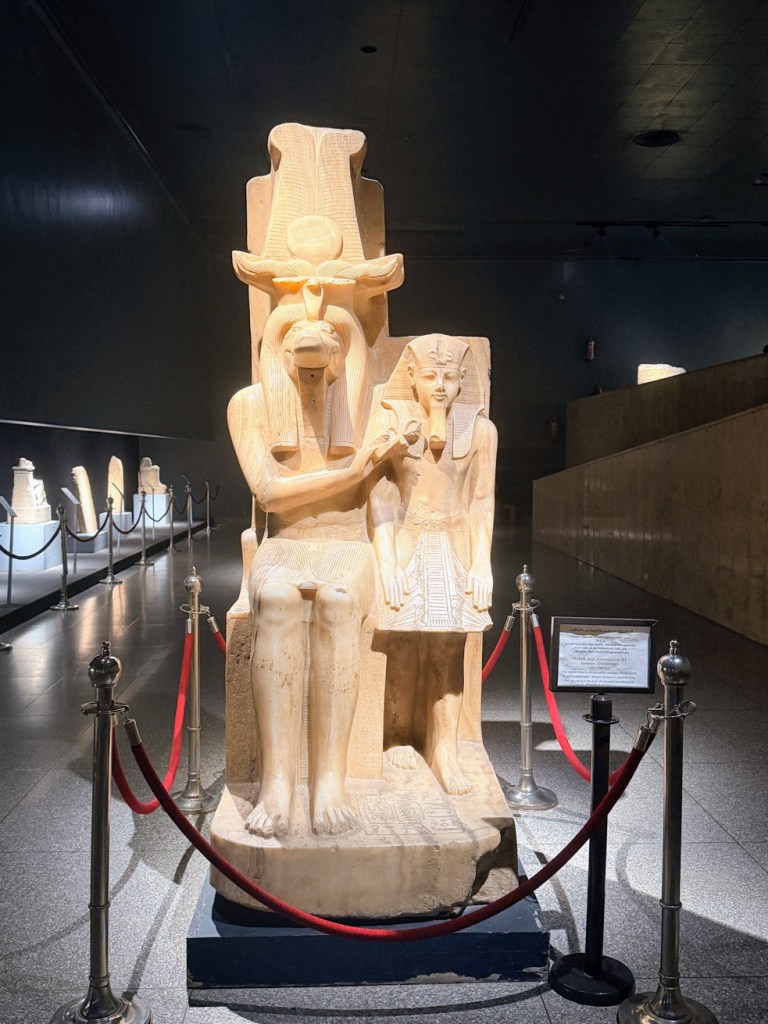
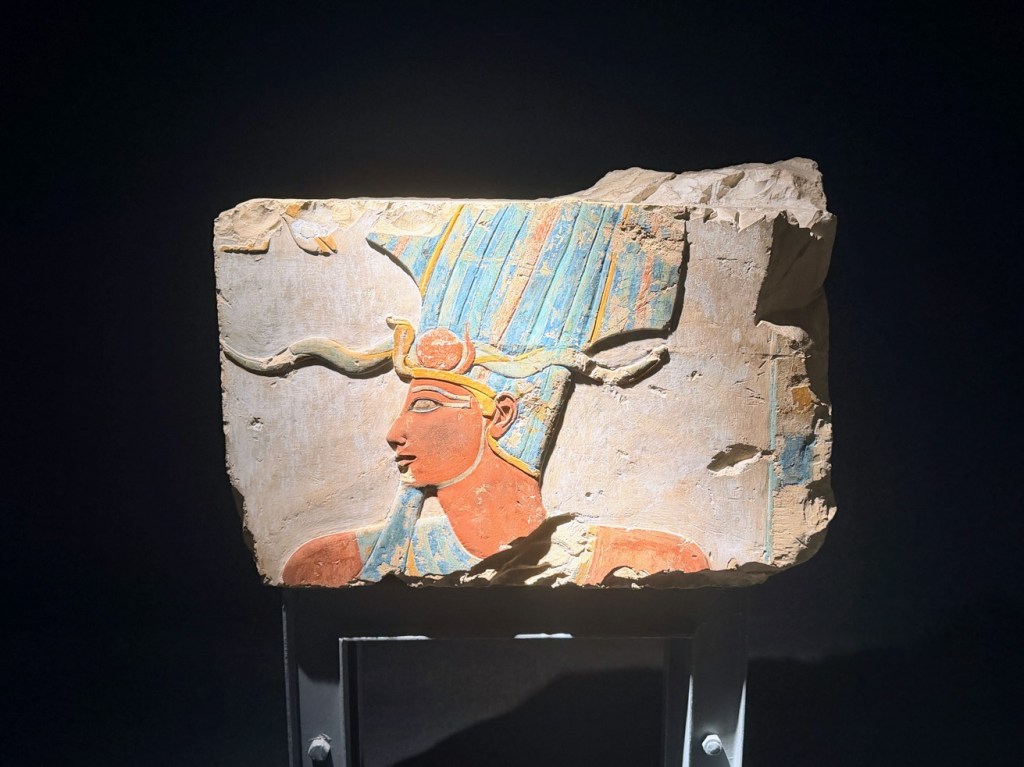
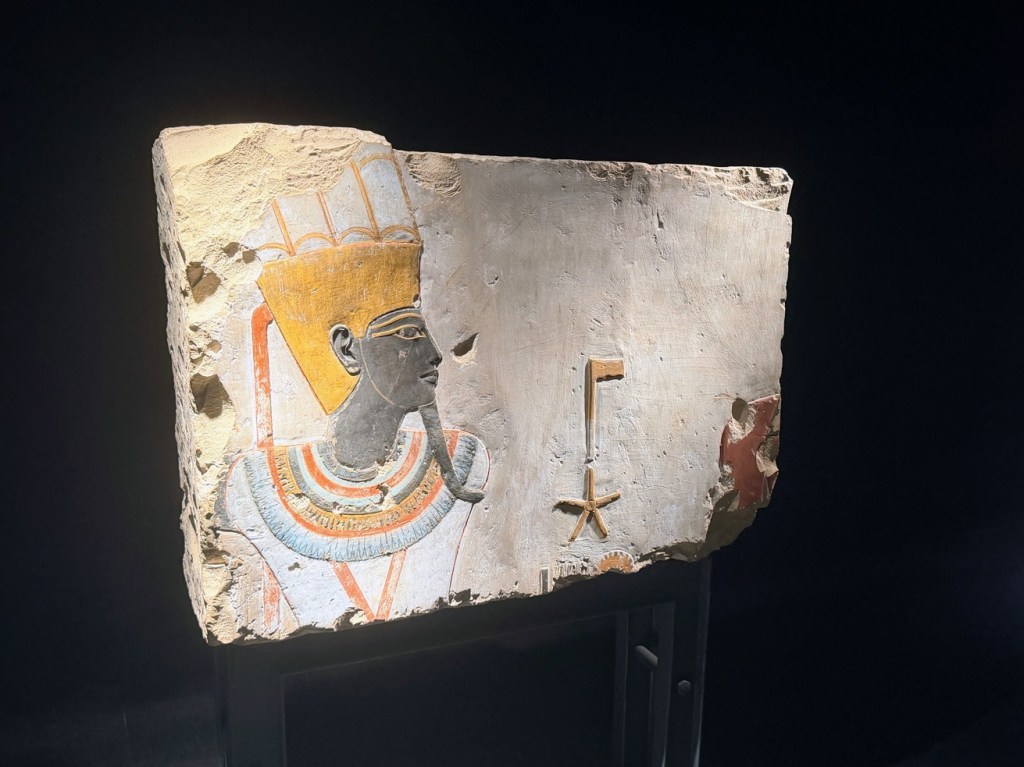
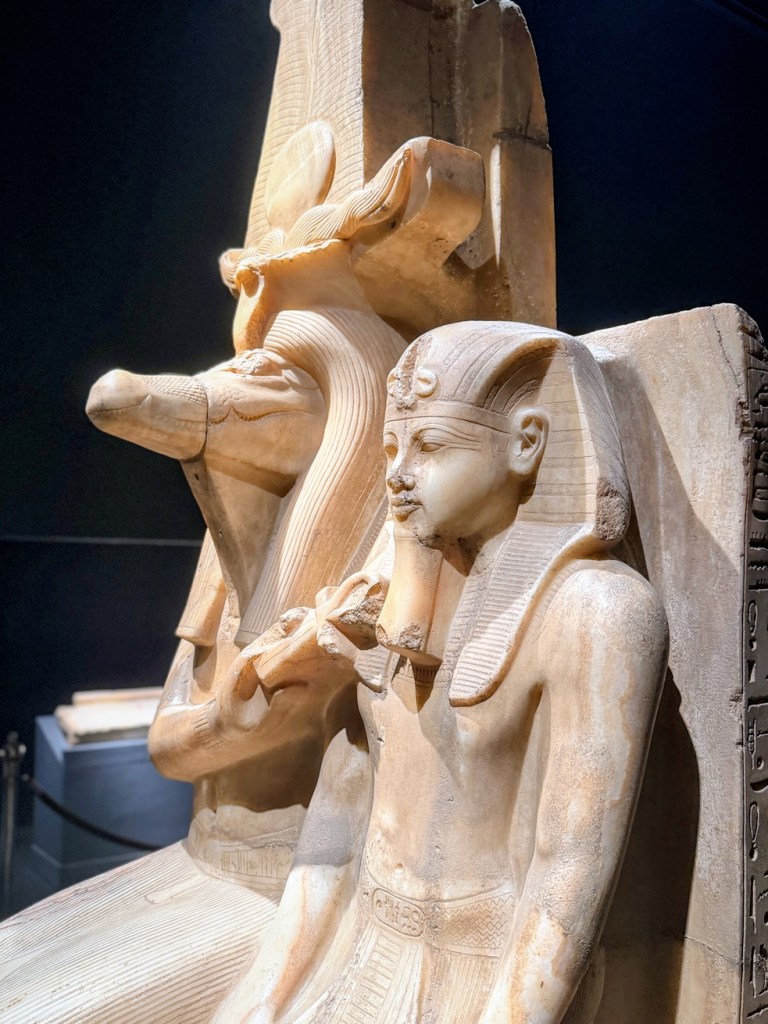
Later that day, we boarded the MS Medea, our Nile cruise ship—and wow. Newly renovated, beautifully designed, and impeccably maintained, the ship felt both elegant and comfortable. The staff was outstanding, and it quickly became our floating home for the next several days.
Days 9–15: Sailing the Nile
As we sailed south, each day brought new wonders:
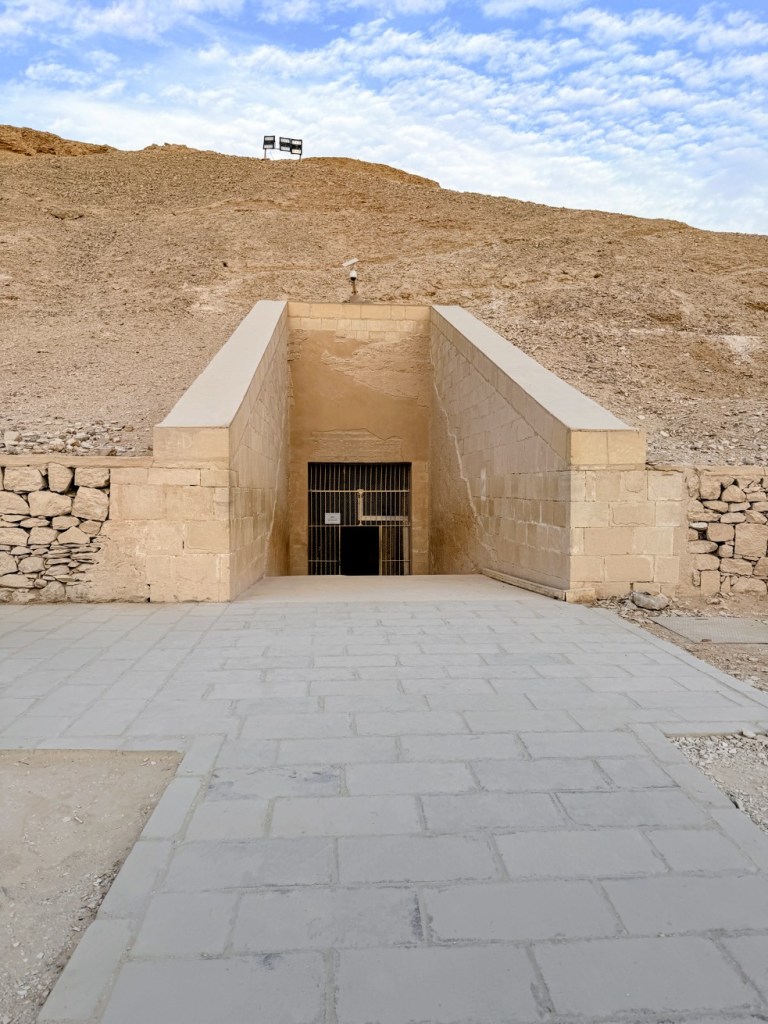
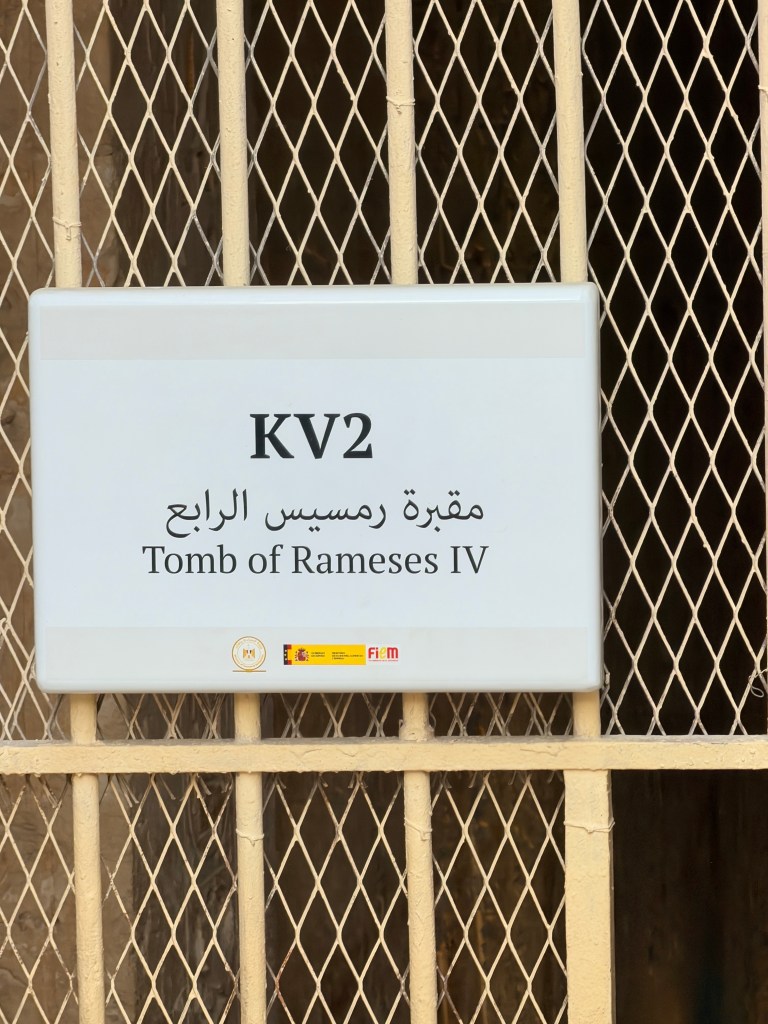
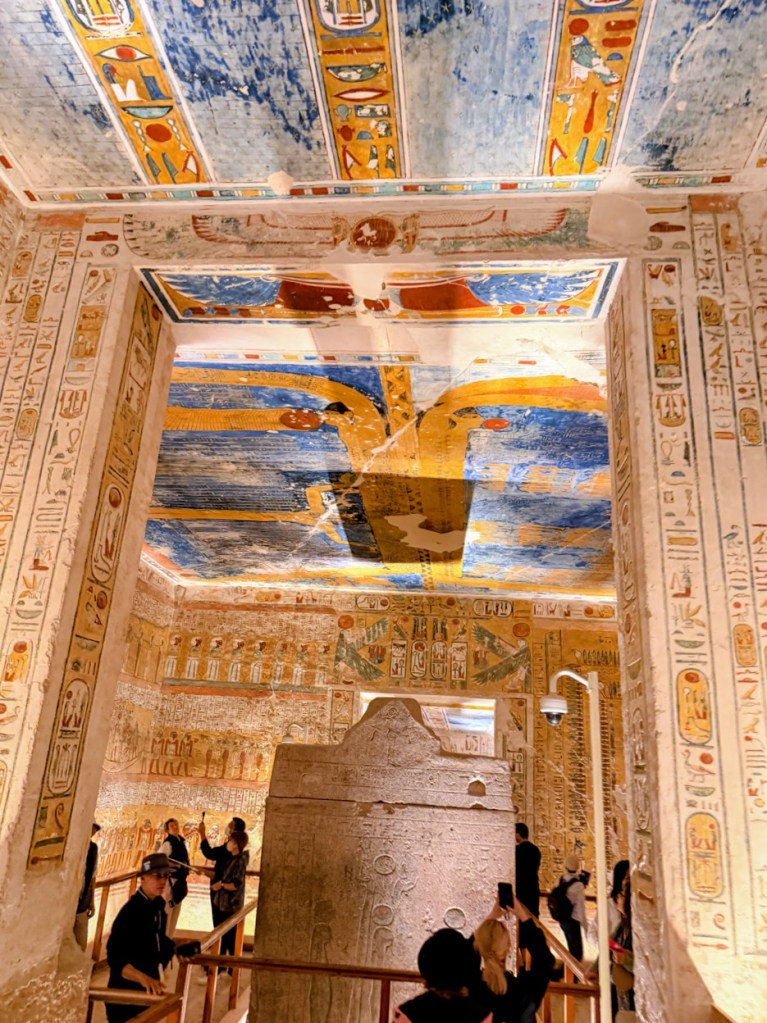
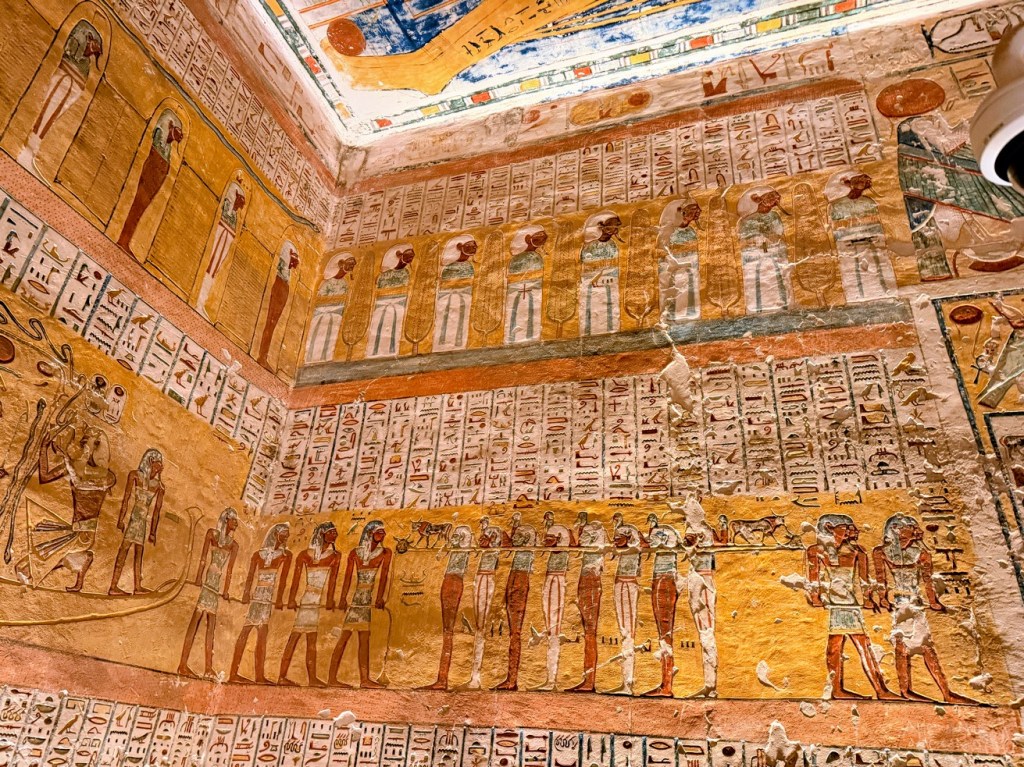
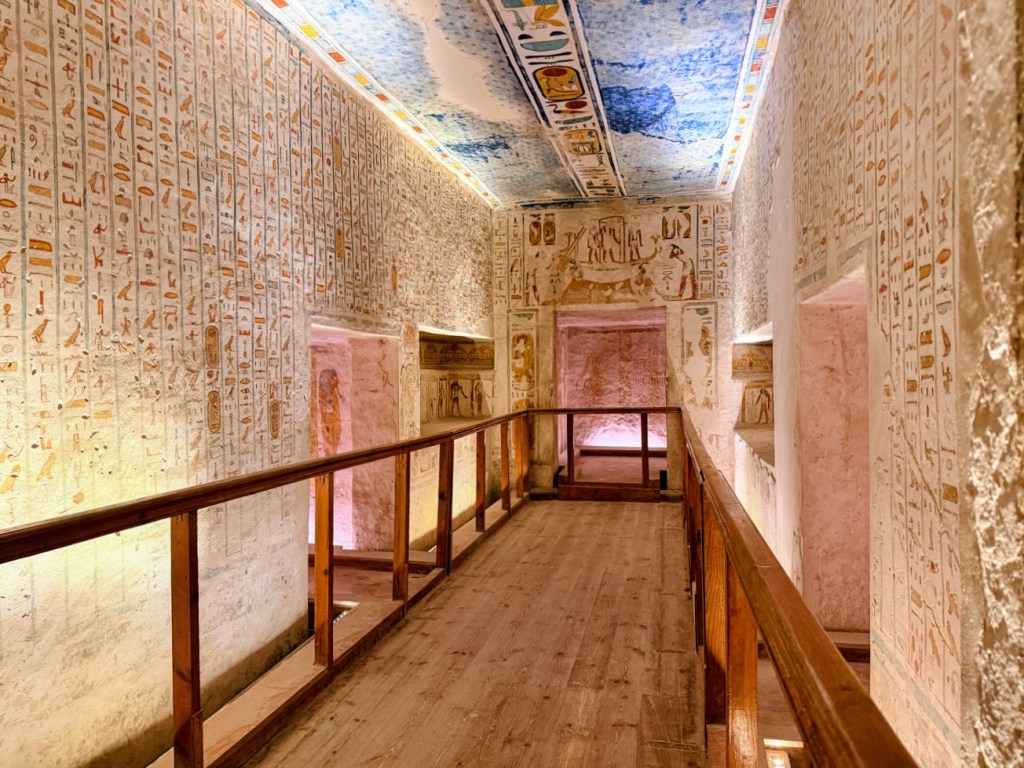
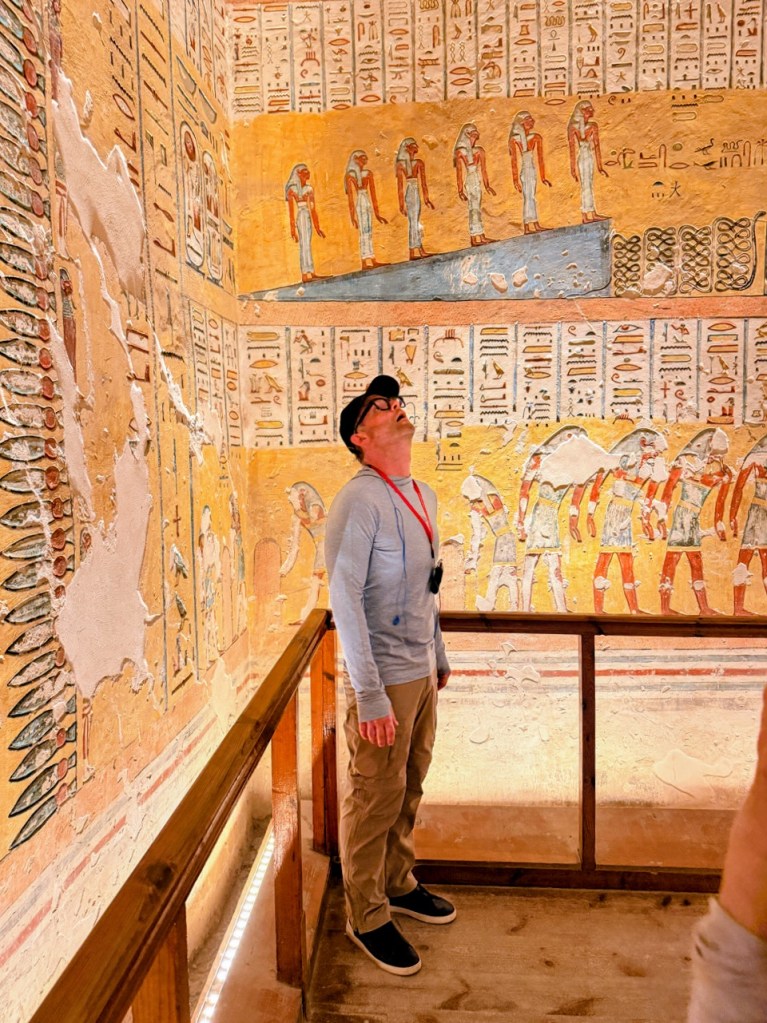
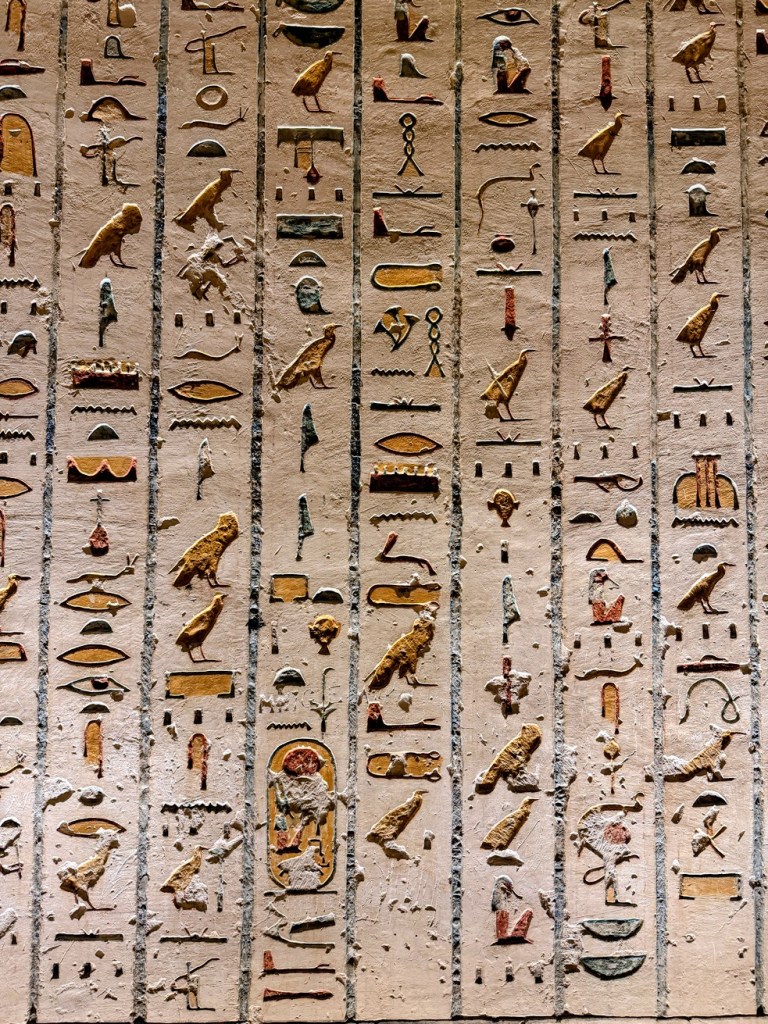
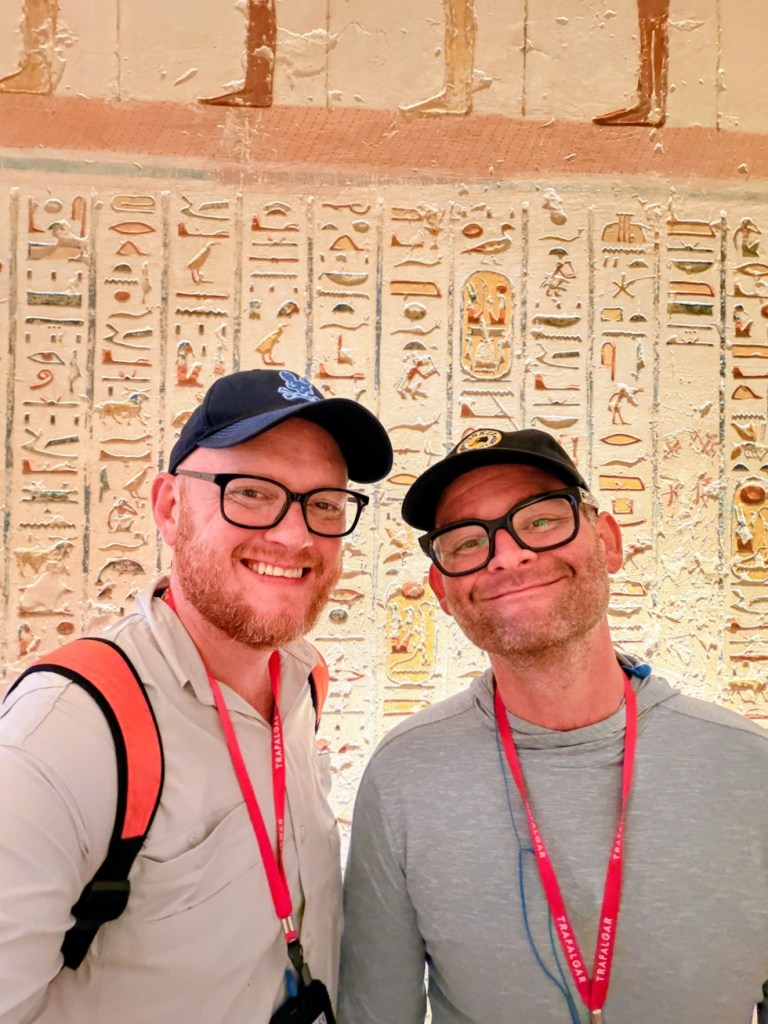
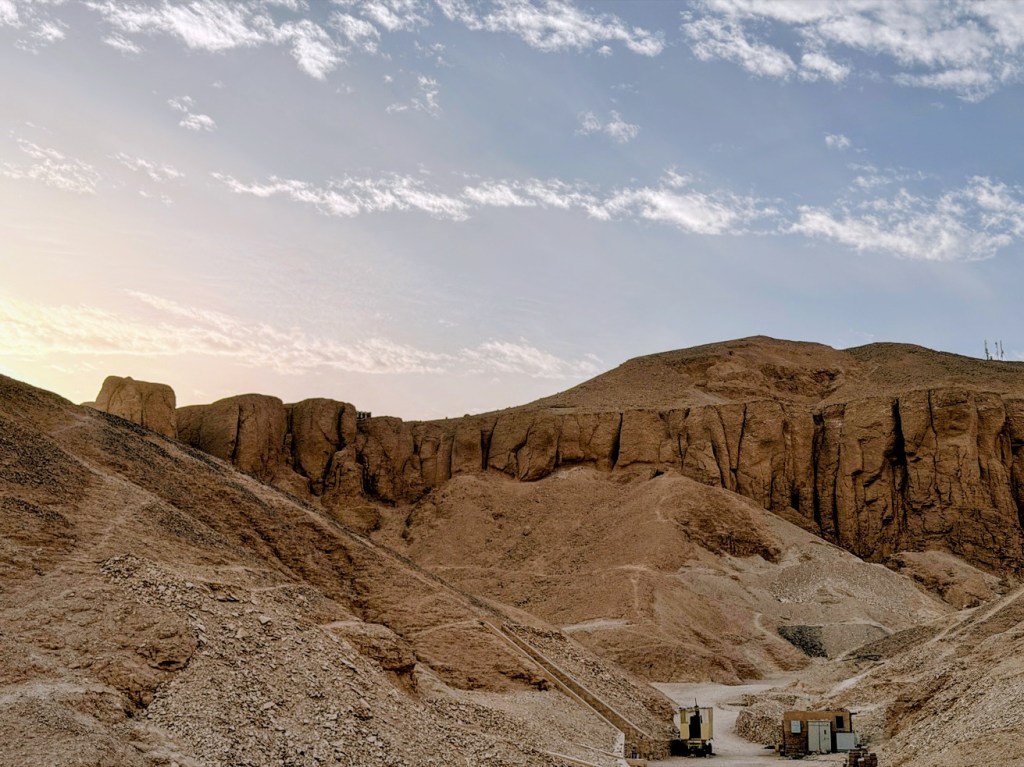
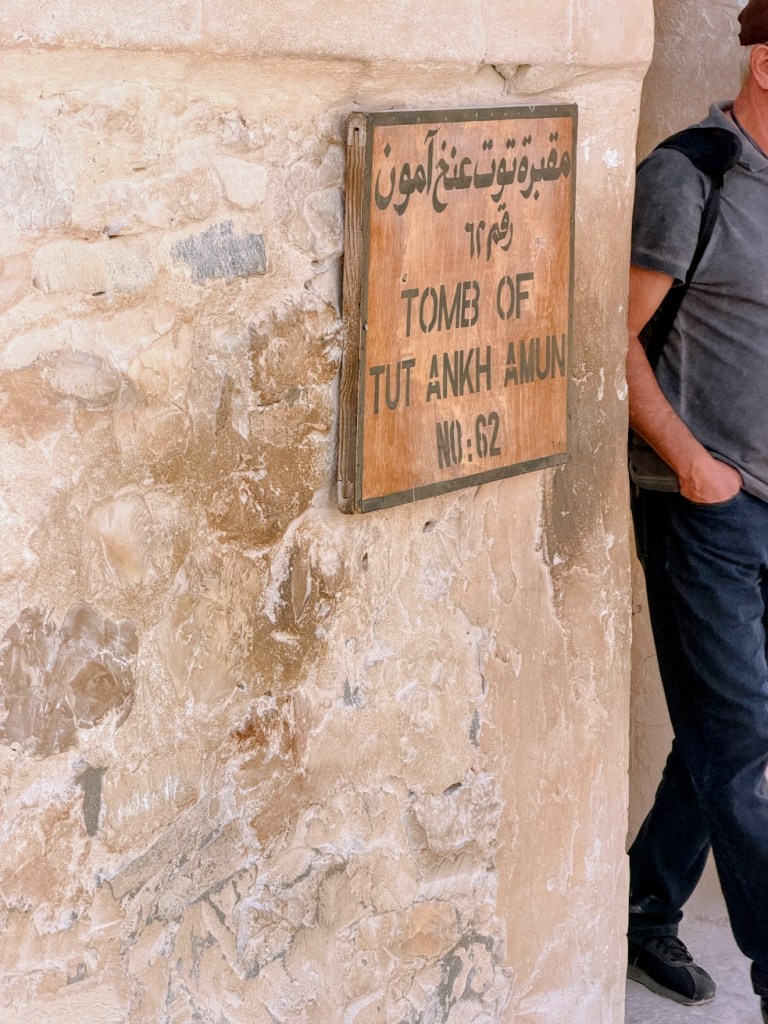
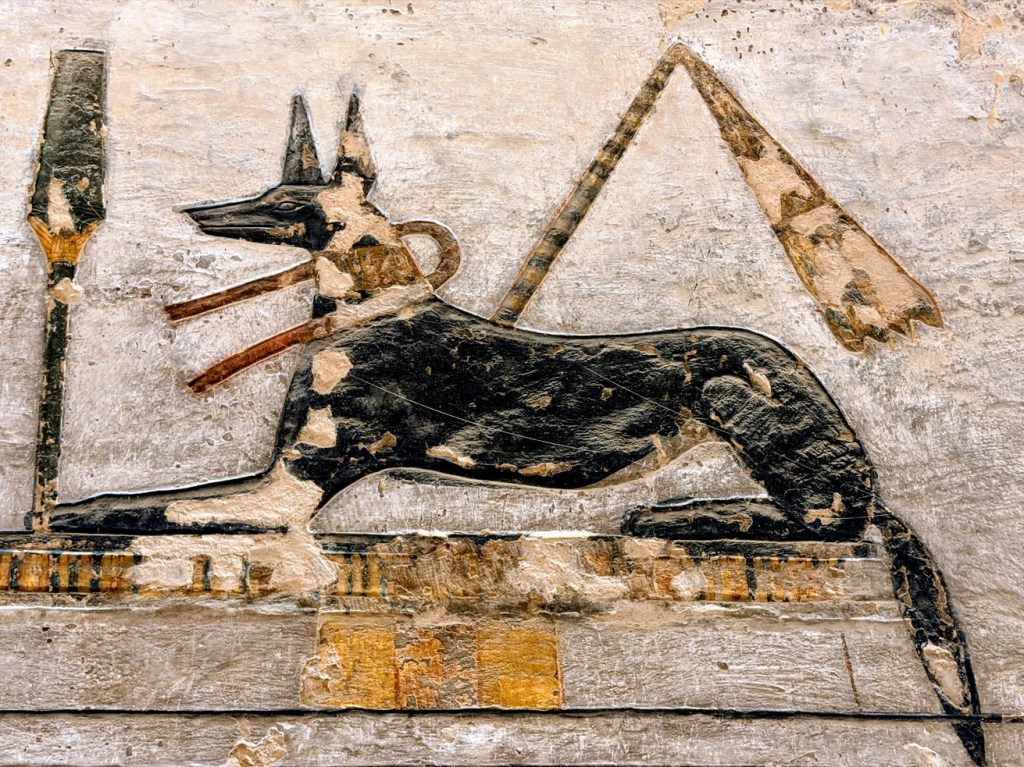
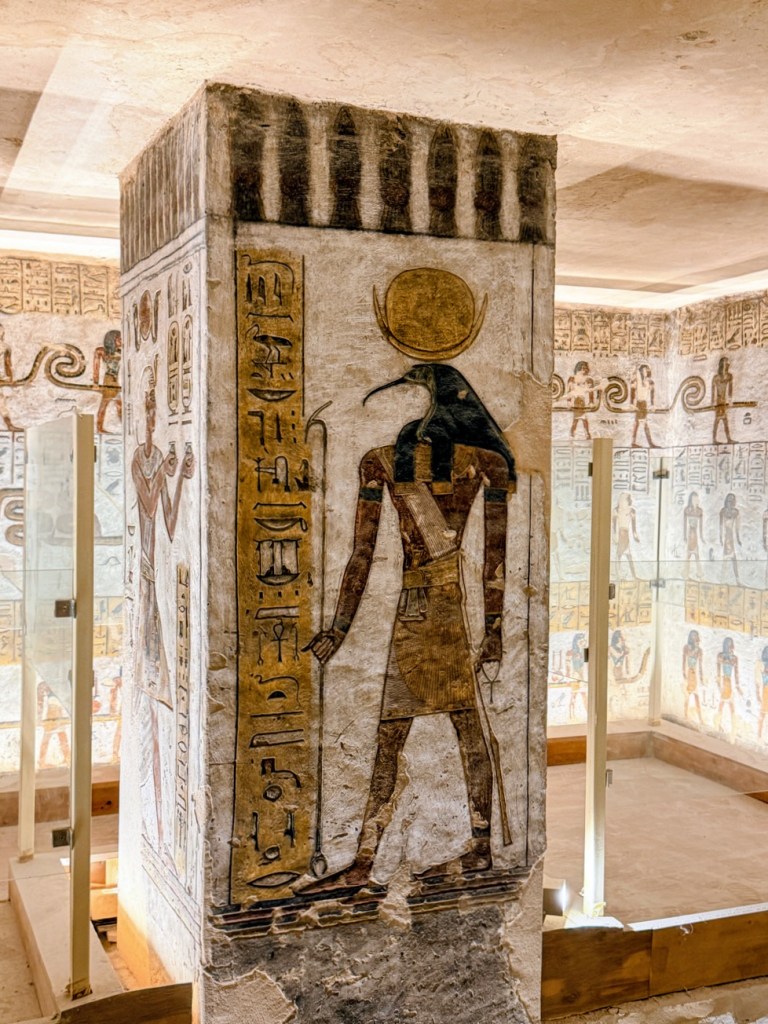
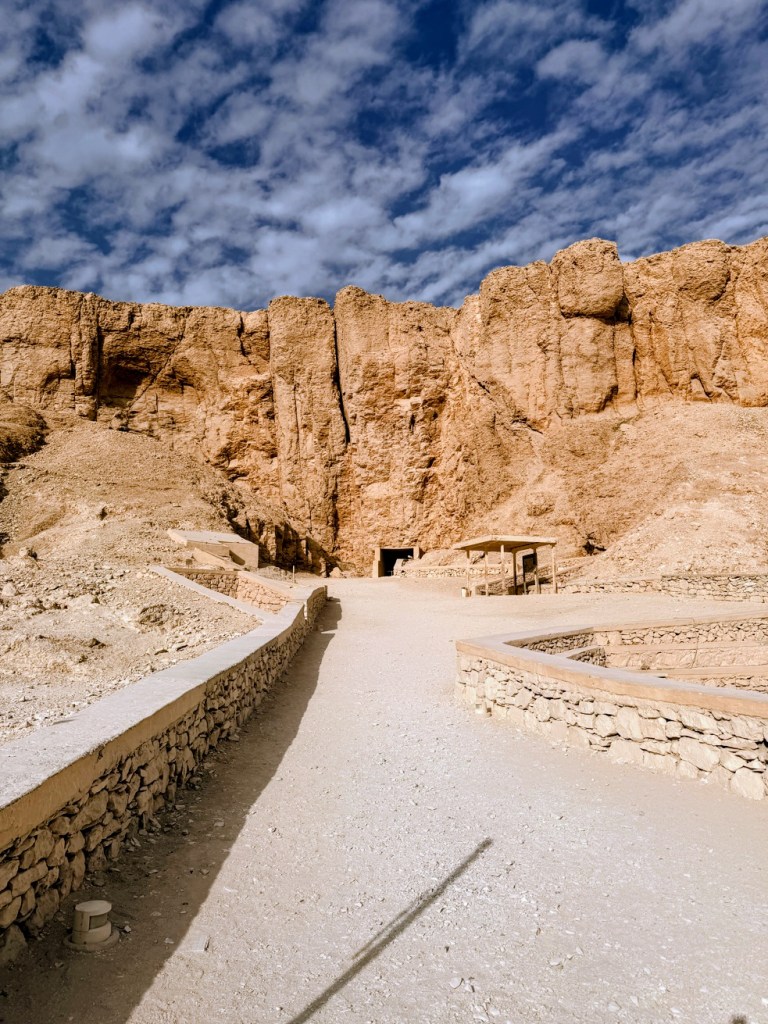
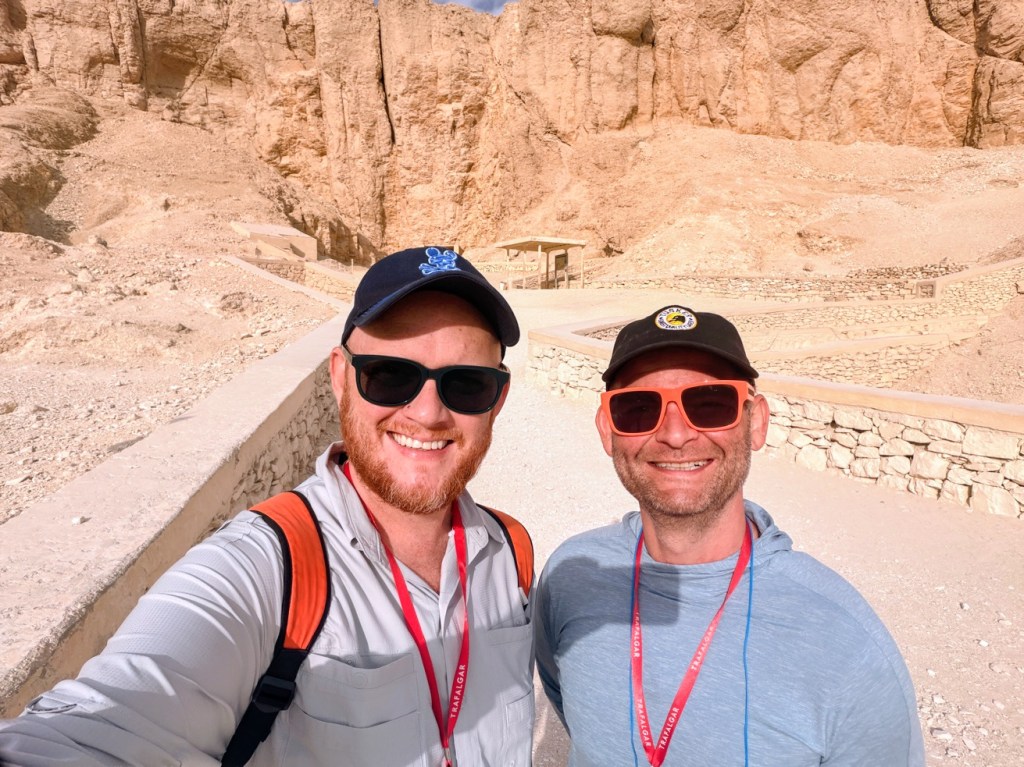
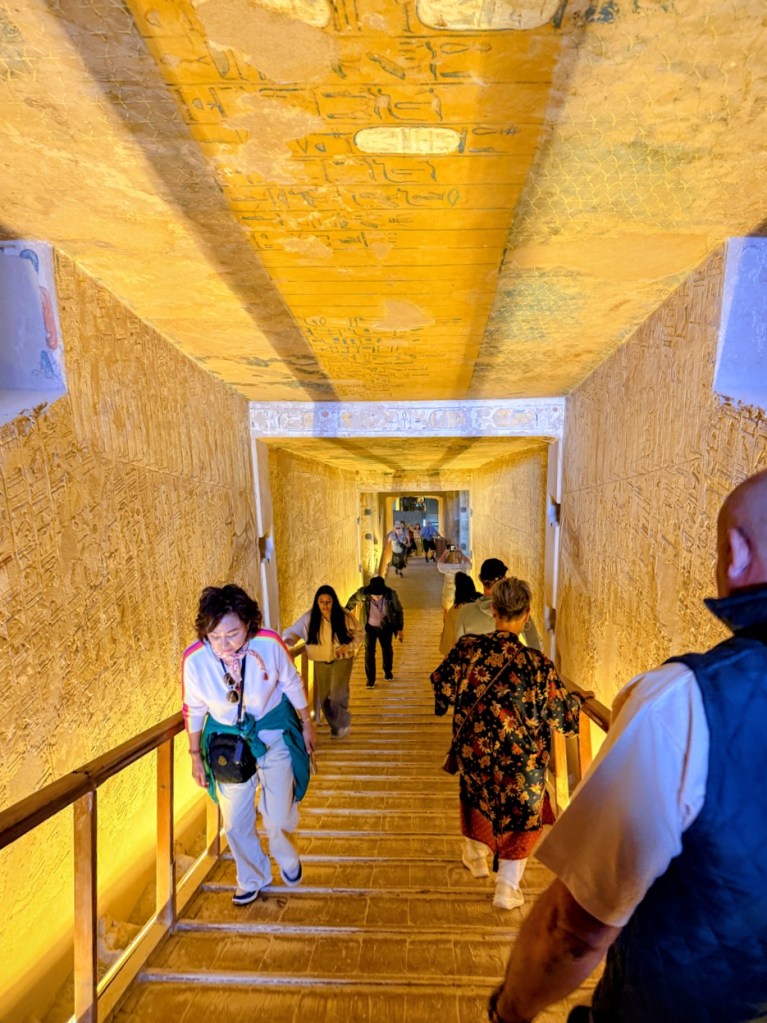
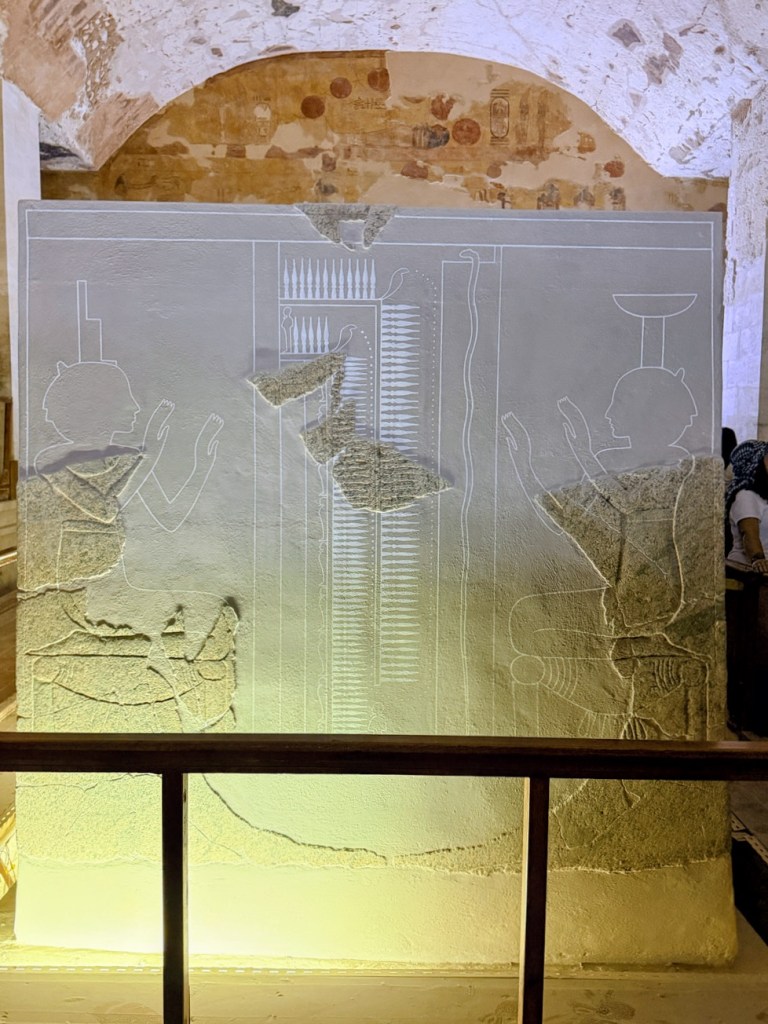
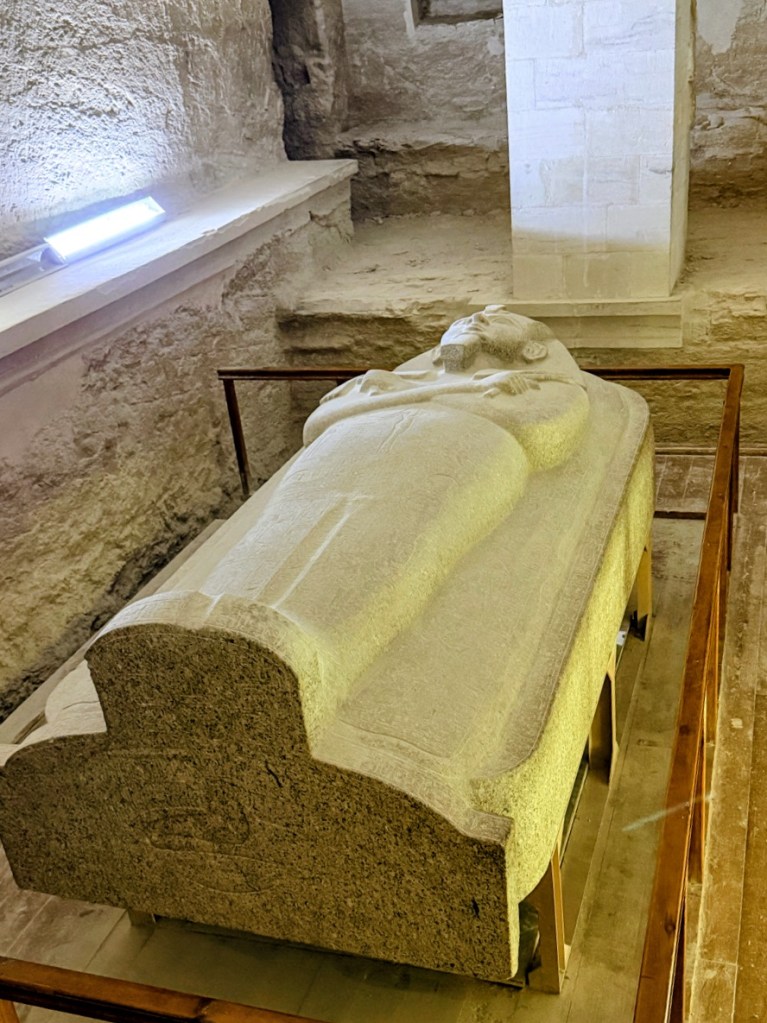
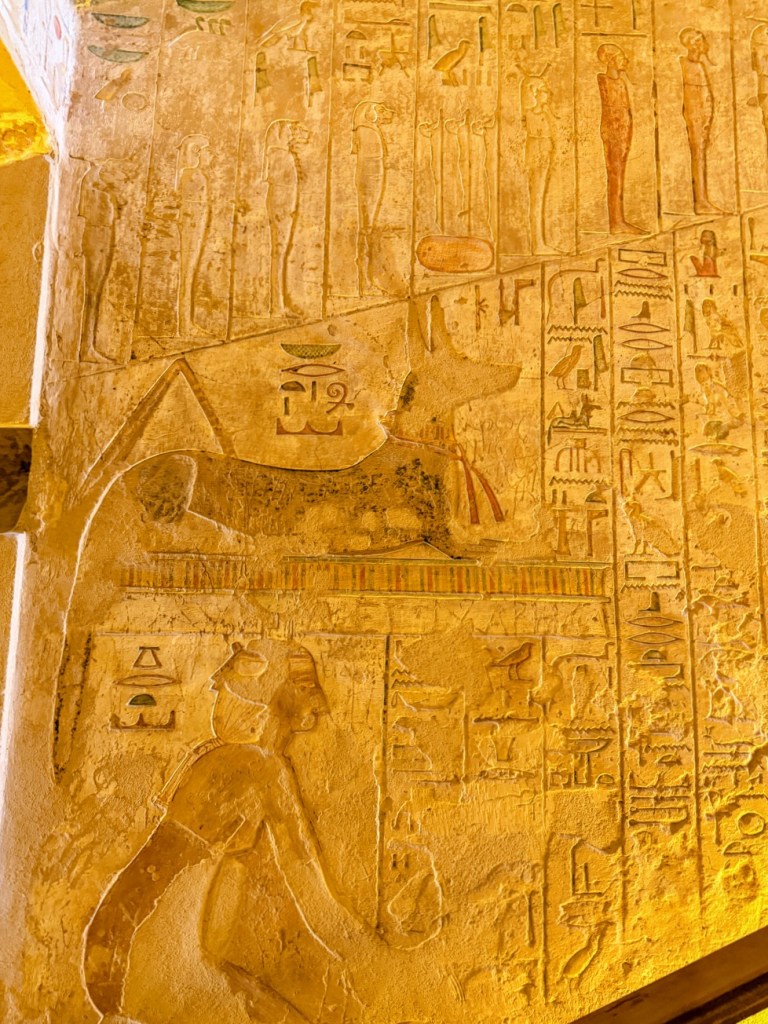
- The Valley of the Kings, burial place of Egypt’s most powerful pharaohs and home to King Tutankhamun’s tomb. Considering our guide’s insights, we skipped entering King Tut’s tomb, as it is one of the smallest and most crowded in the valley. His treasures, however, would later be seen at the Grand Egyptian Museum.
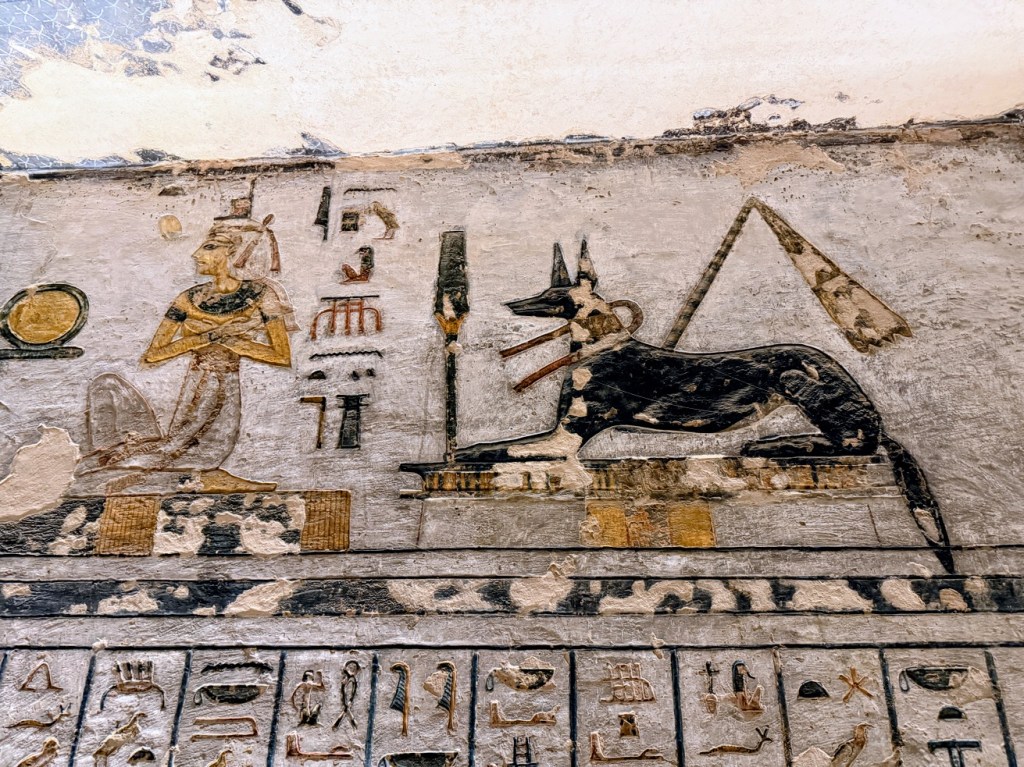
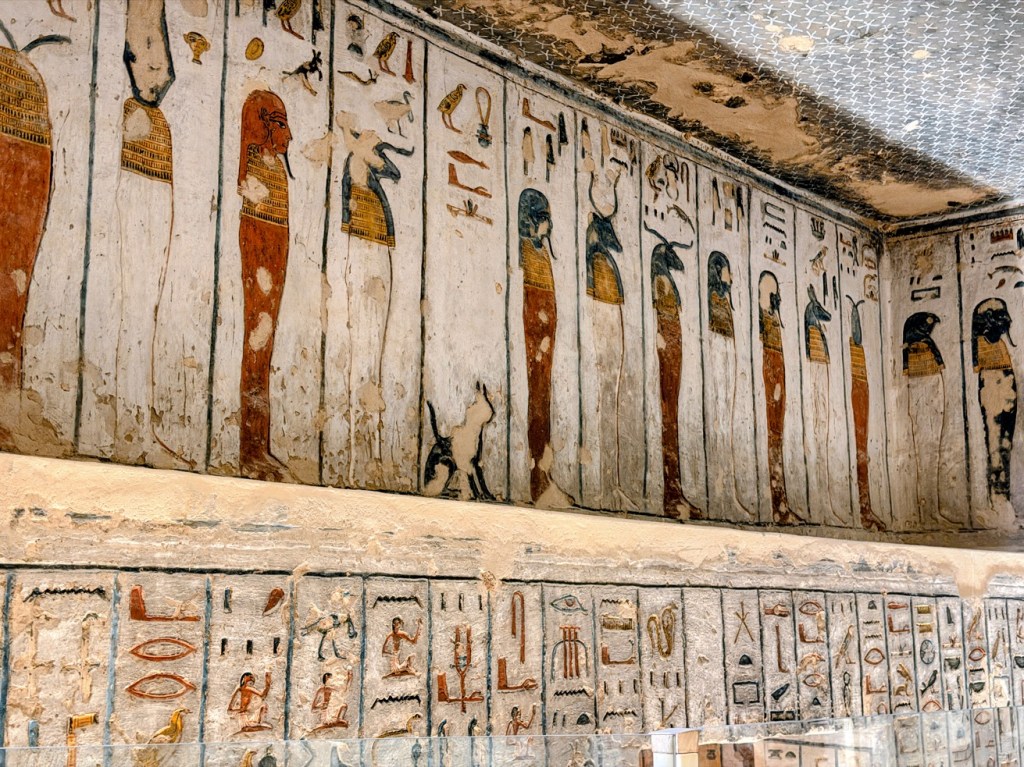
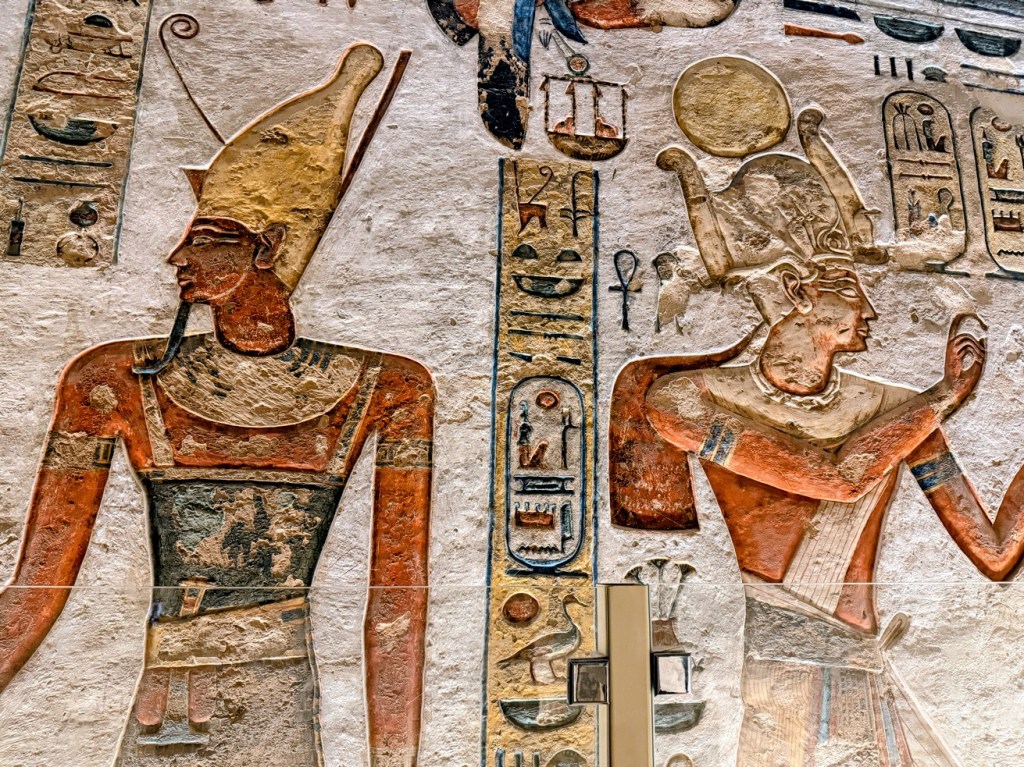
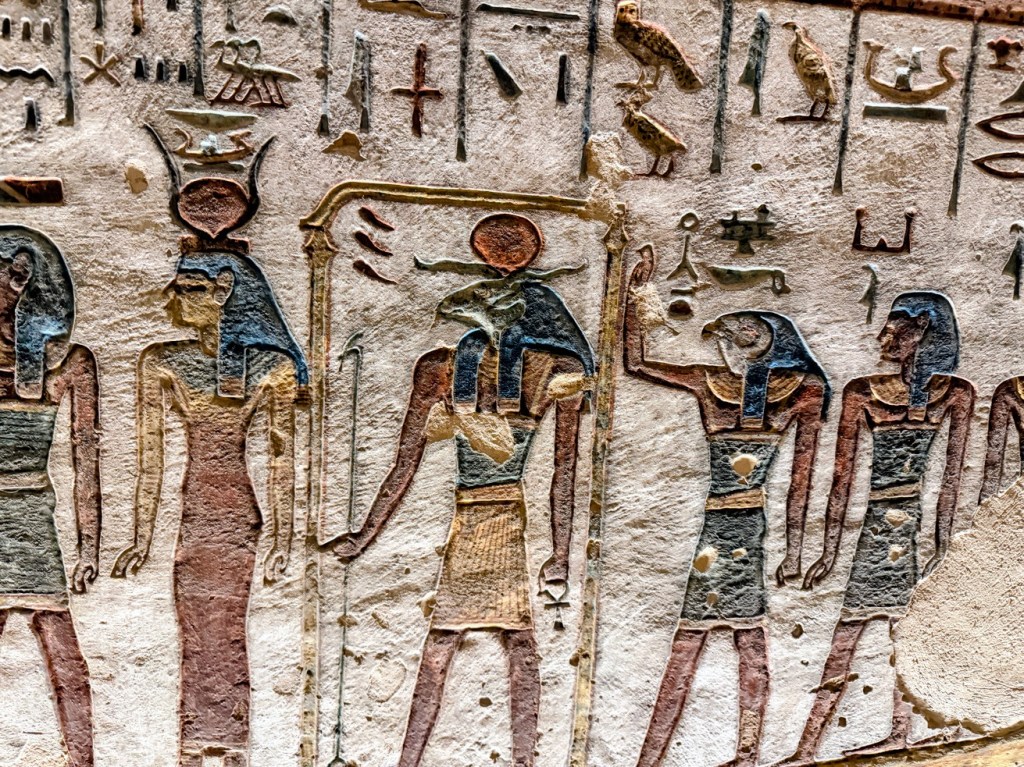
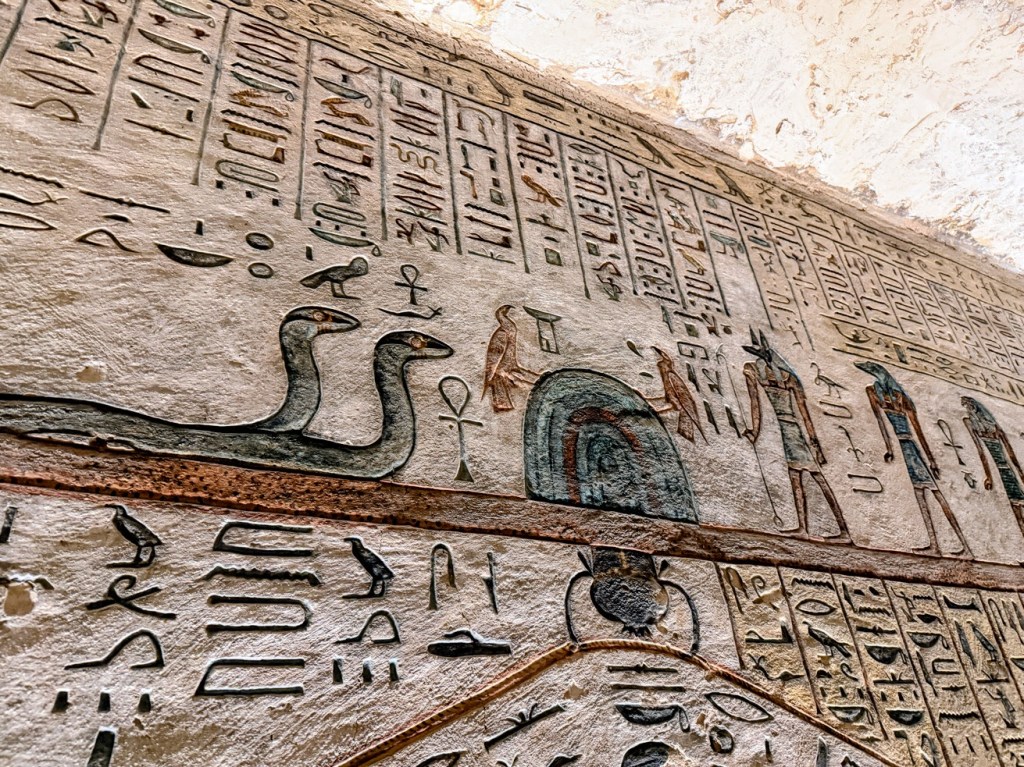
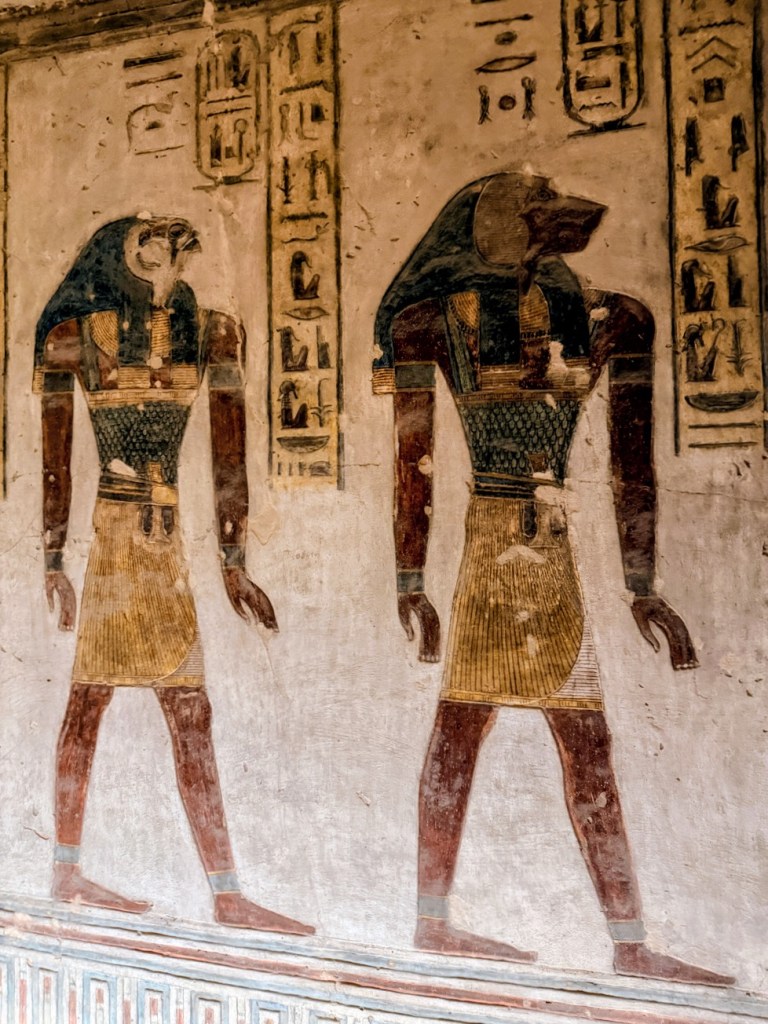
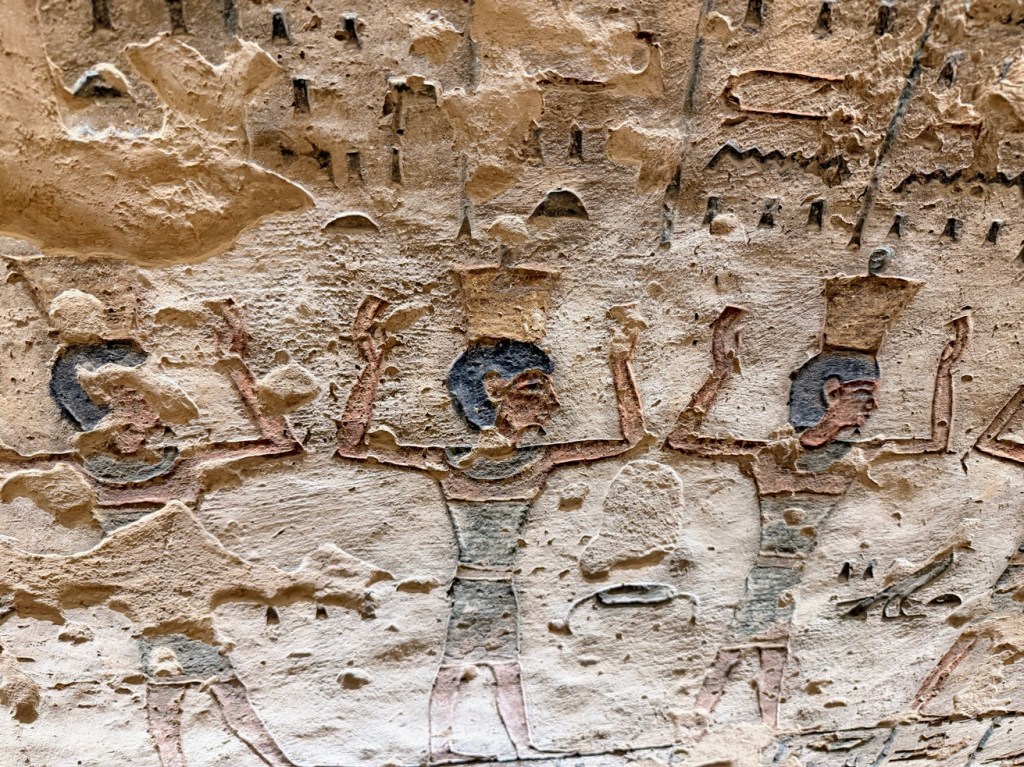
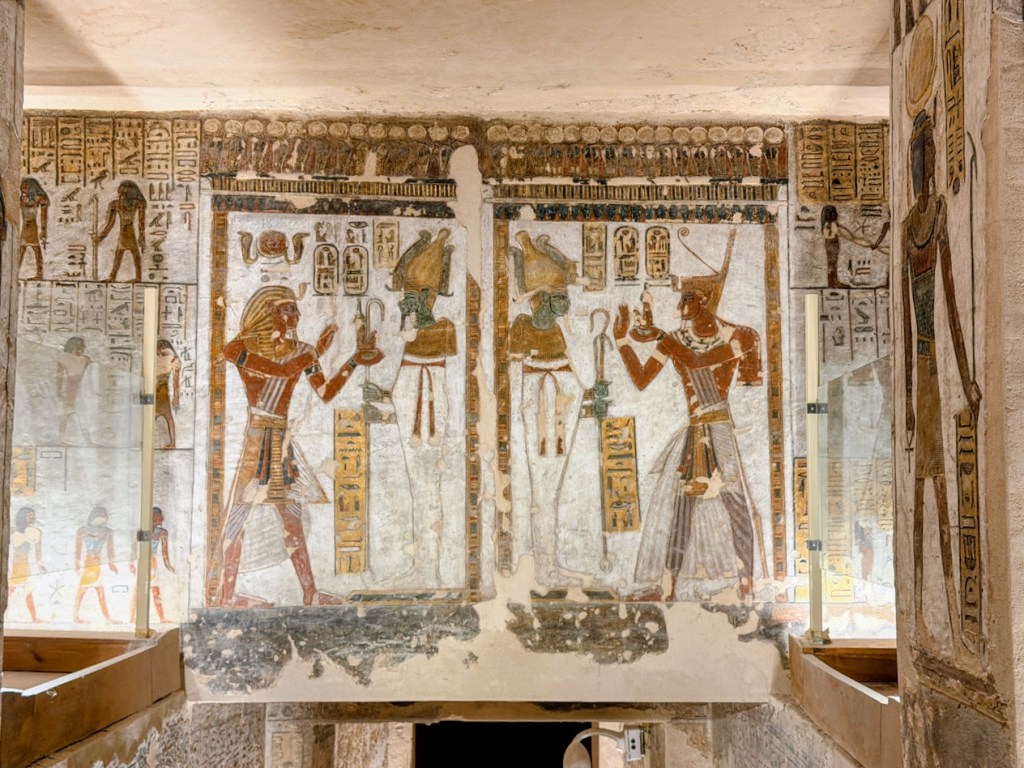
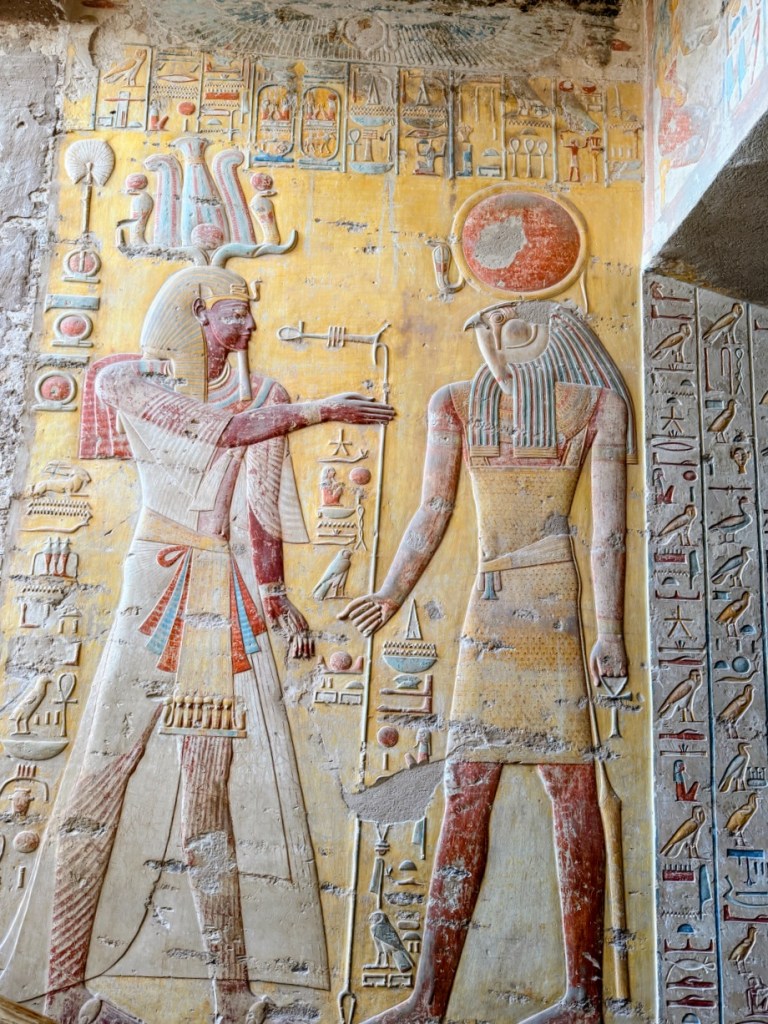
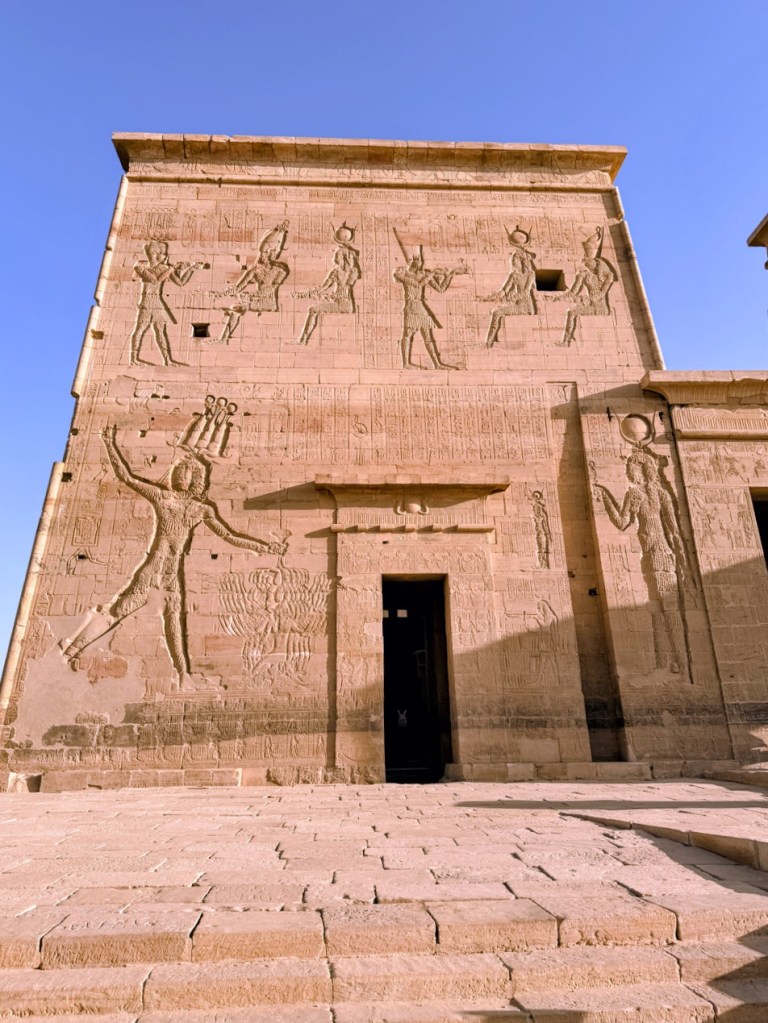
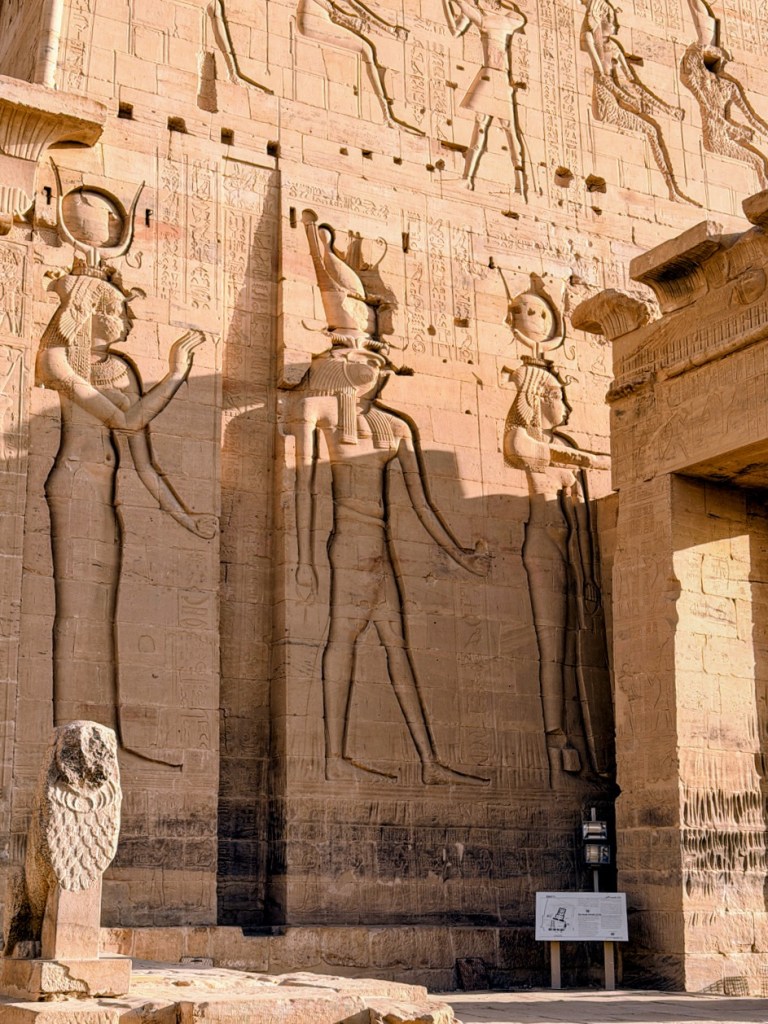
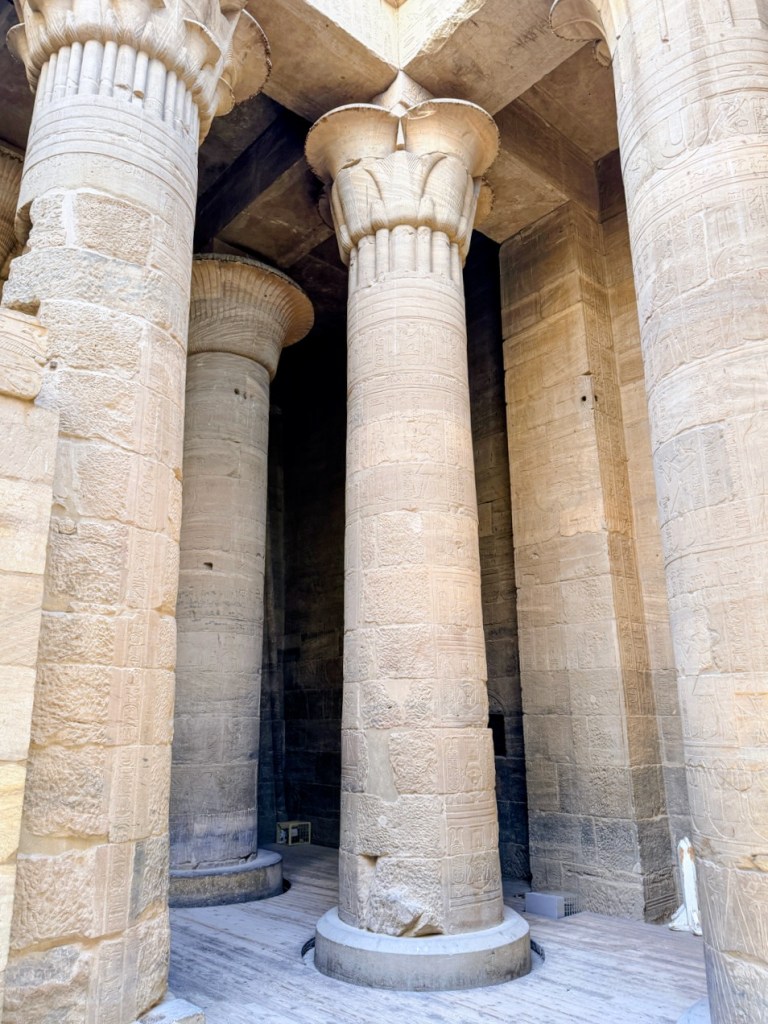
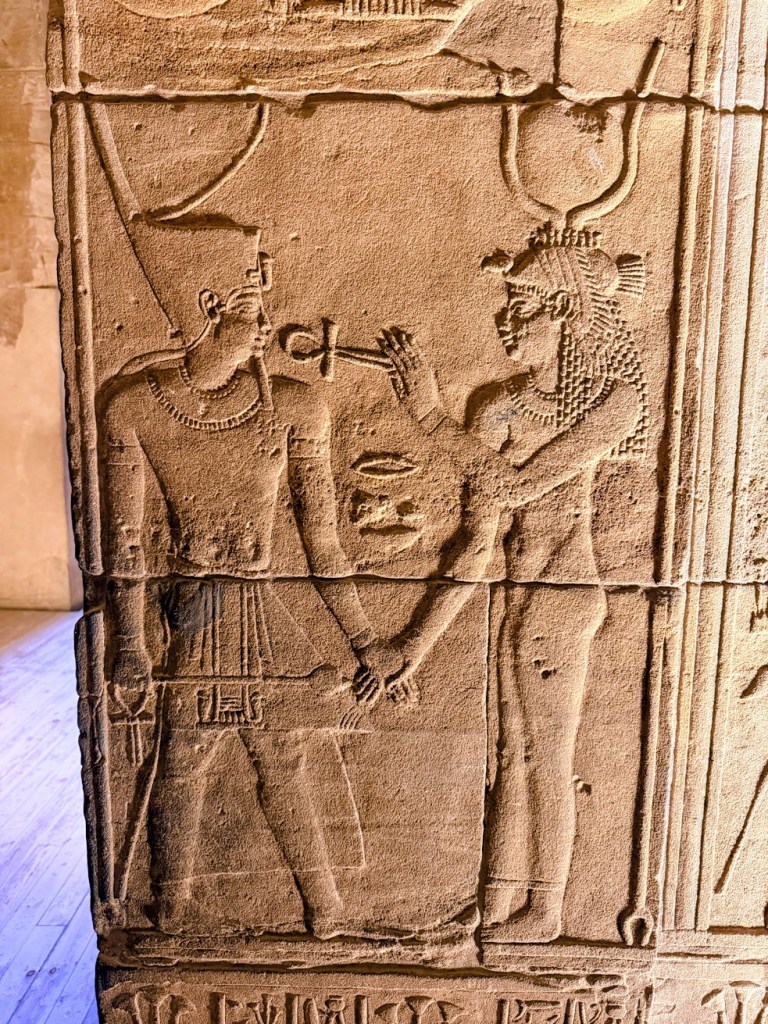
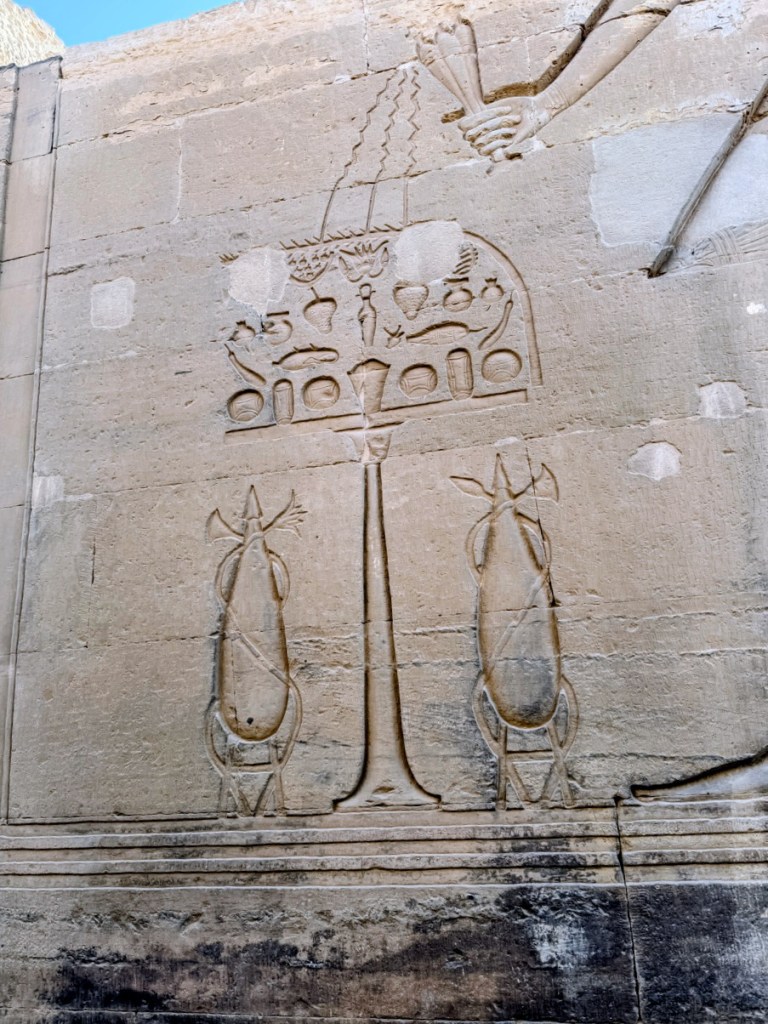
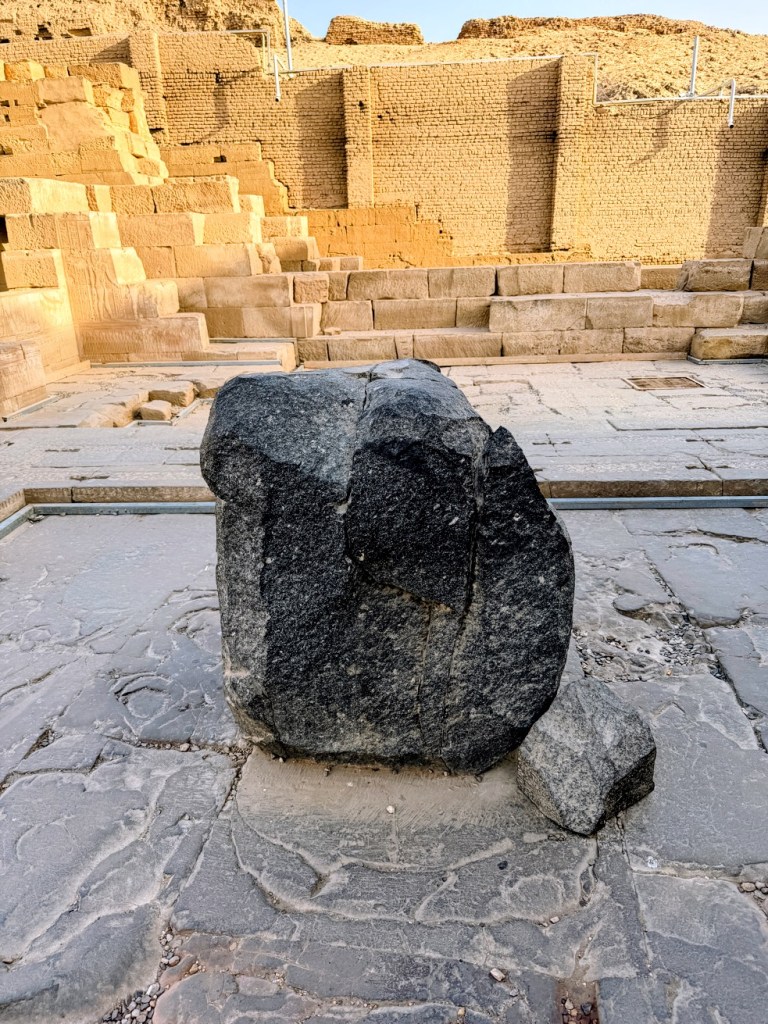
- Edfu Temple, dedicated to Horus, one of the best-preserved temples in Egypt, featuring massive pylons and remarkably detailed carvings.

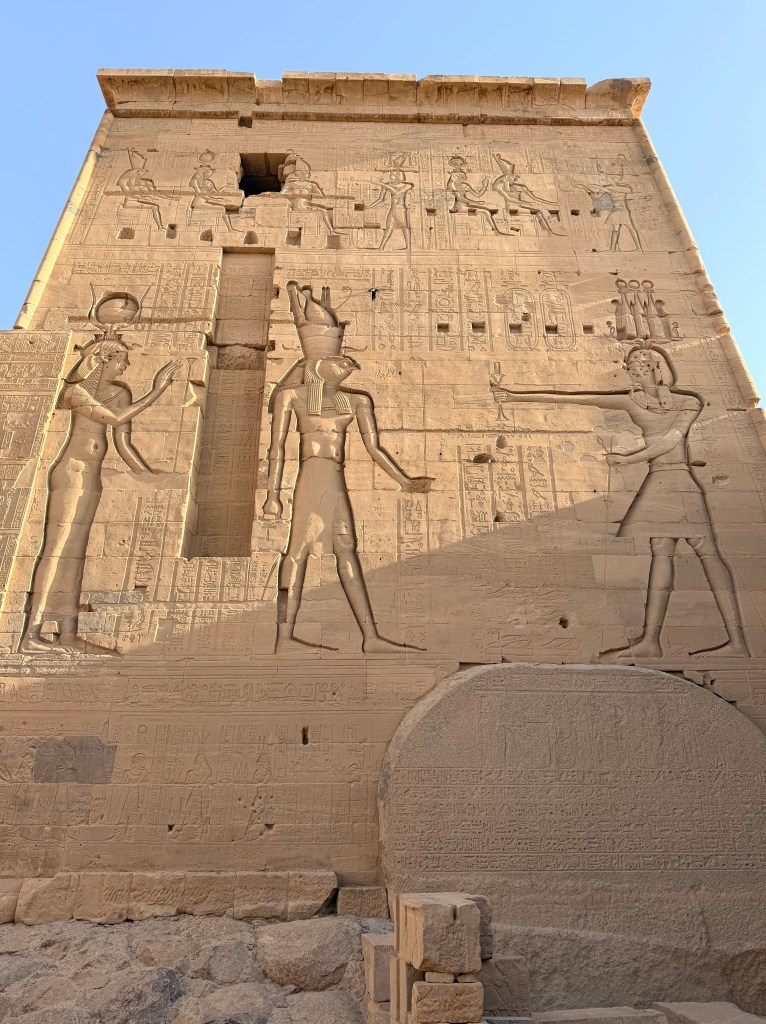
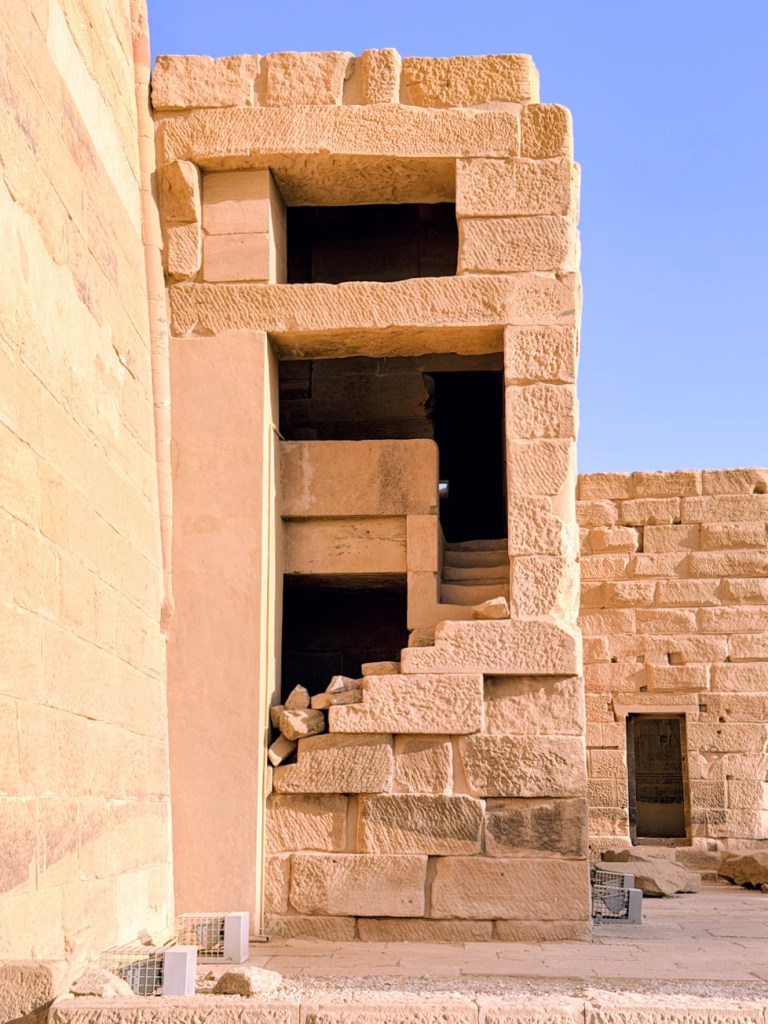
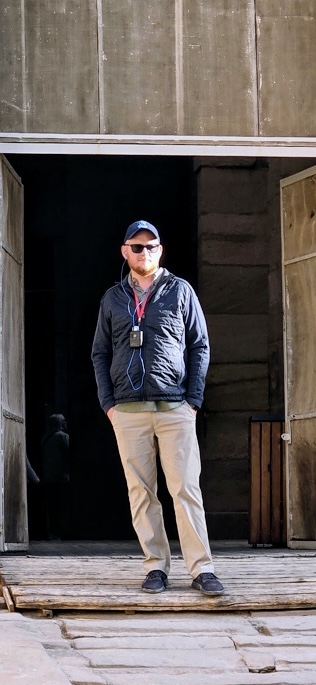
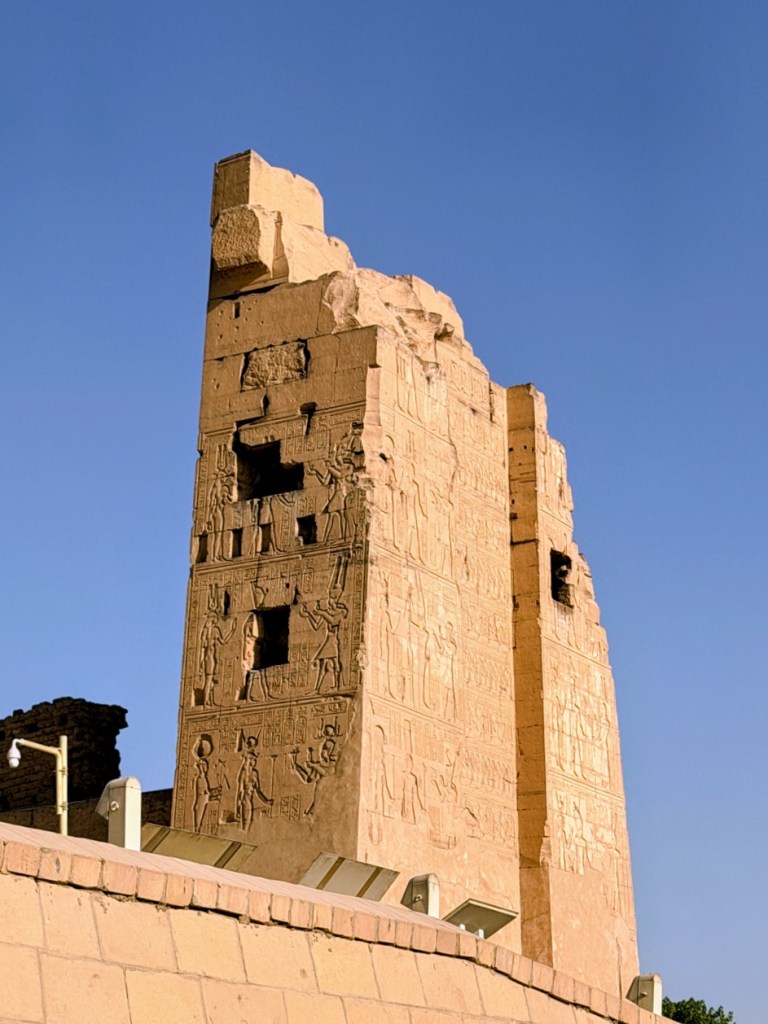
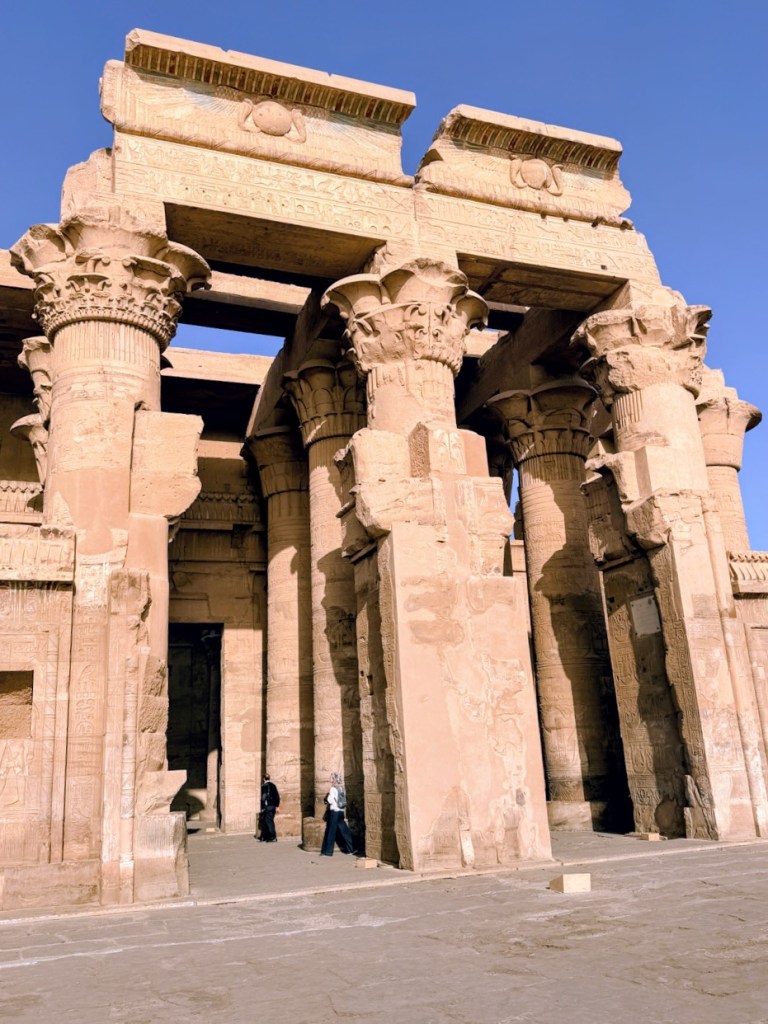
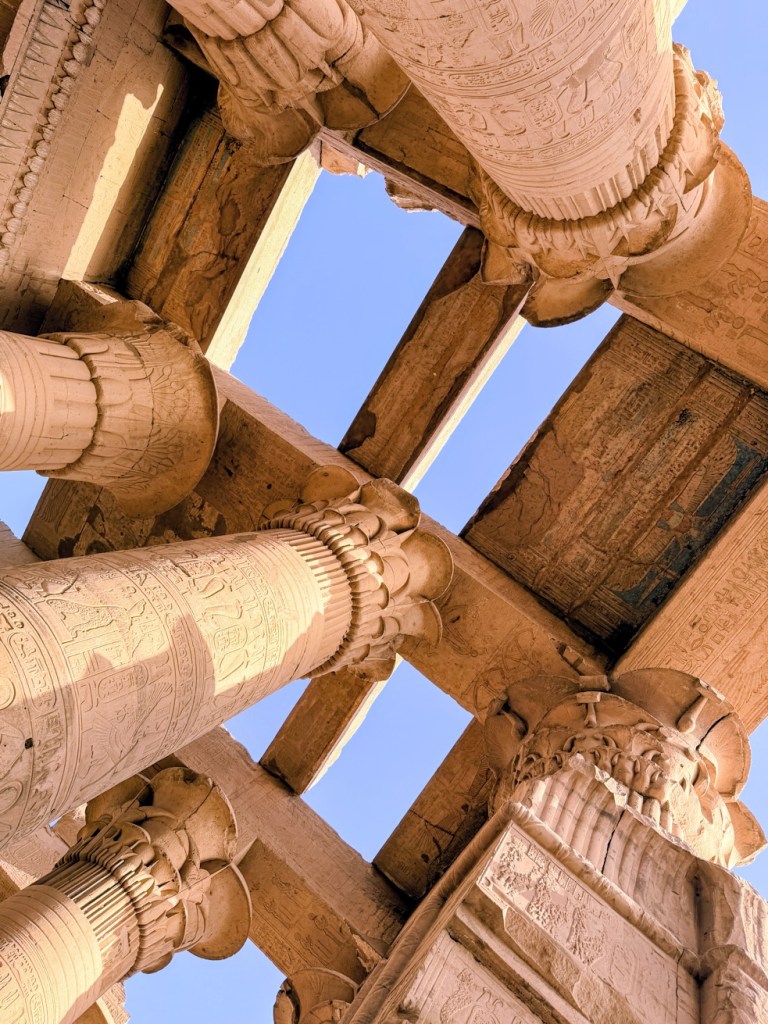
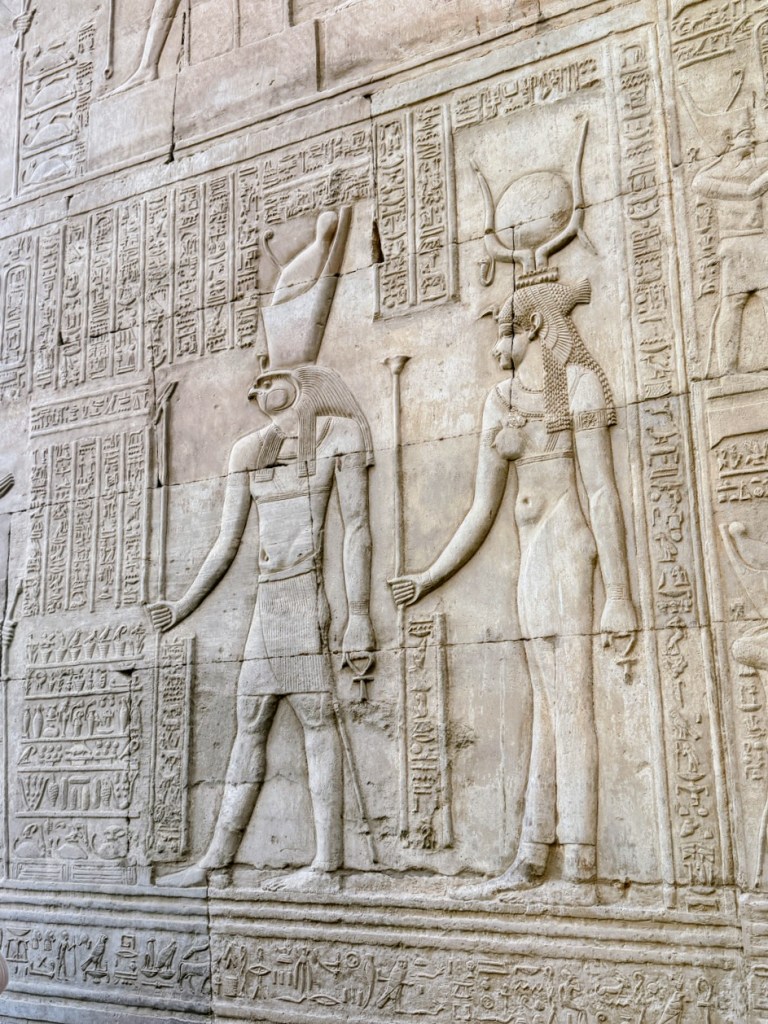
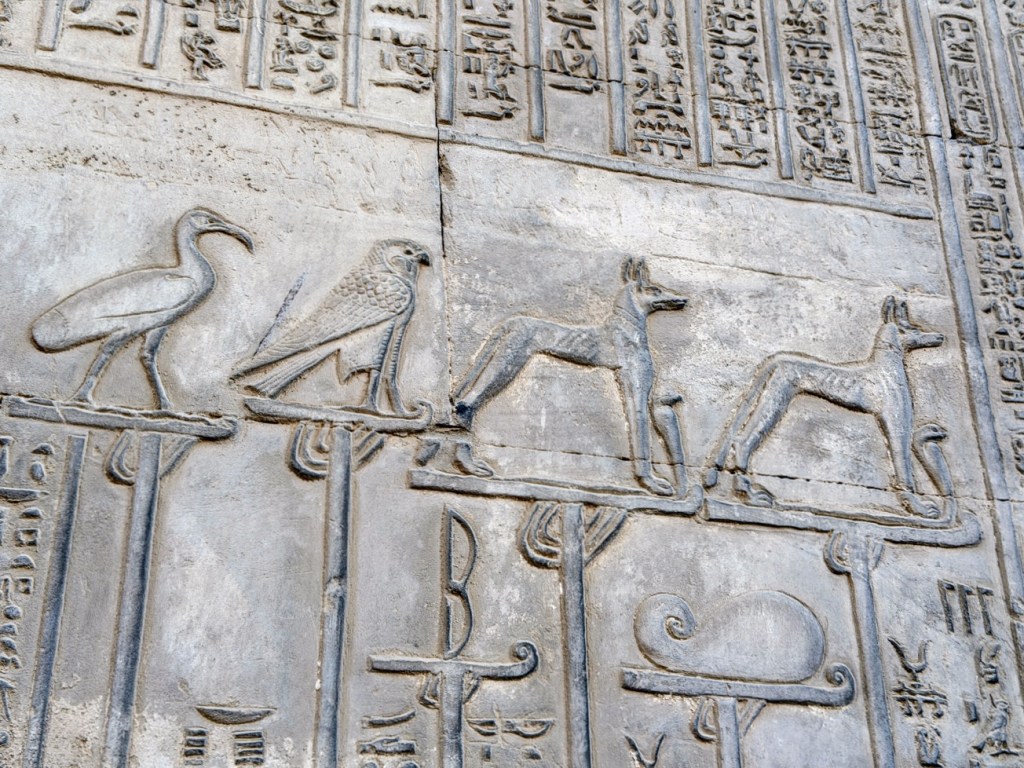
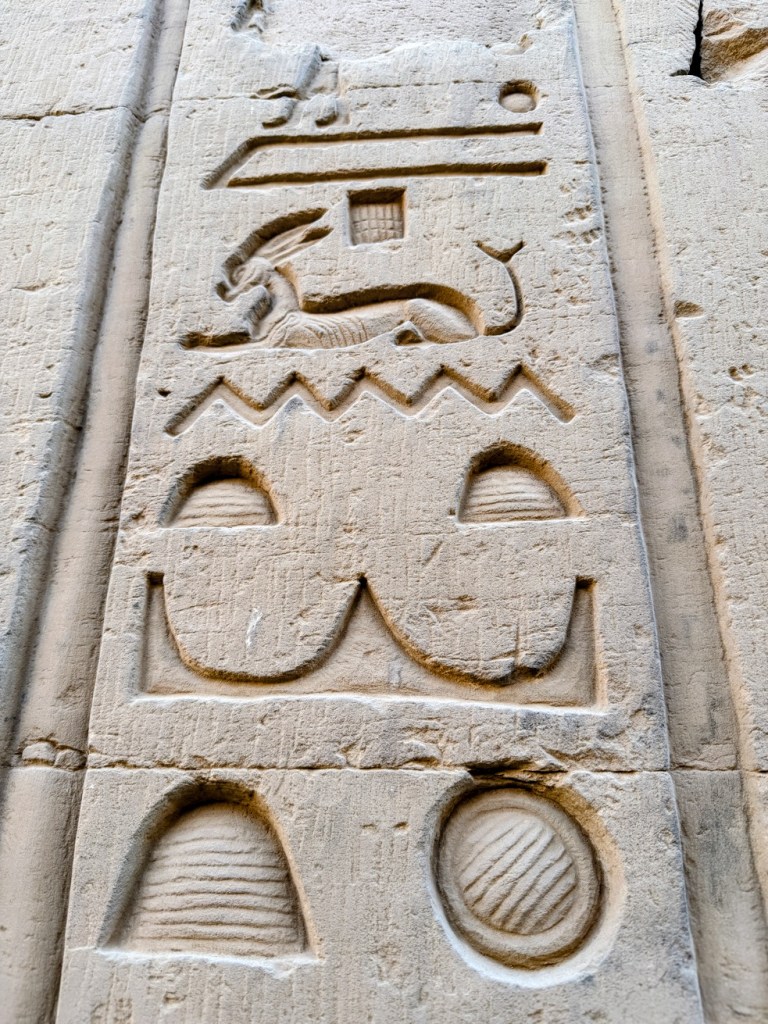
- Kom Ombo, uniquely dedicated to two gods, offering insight into ancient medicine and dual worship.
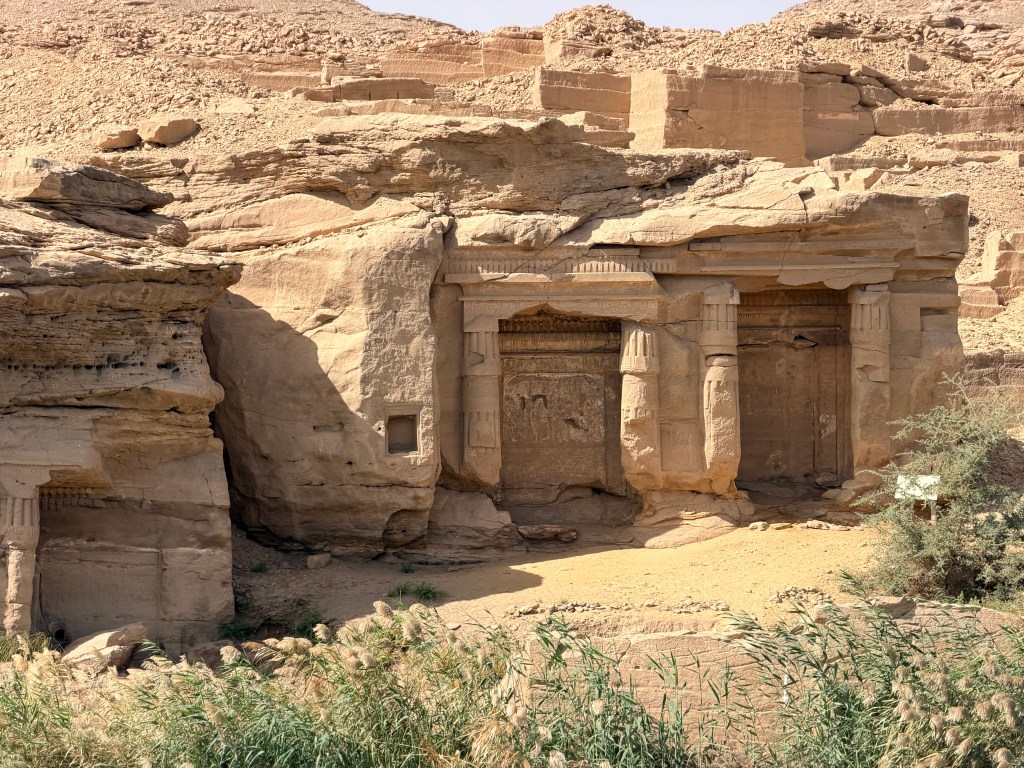
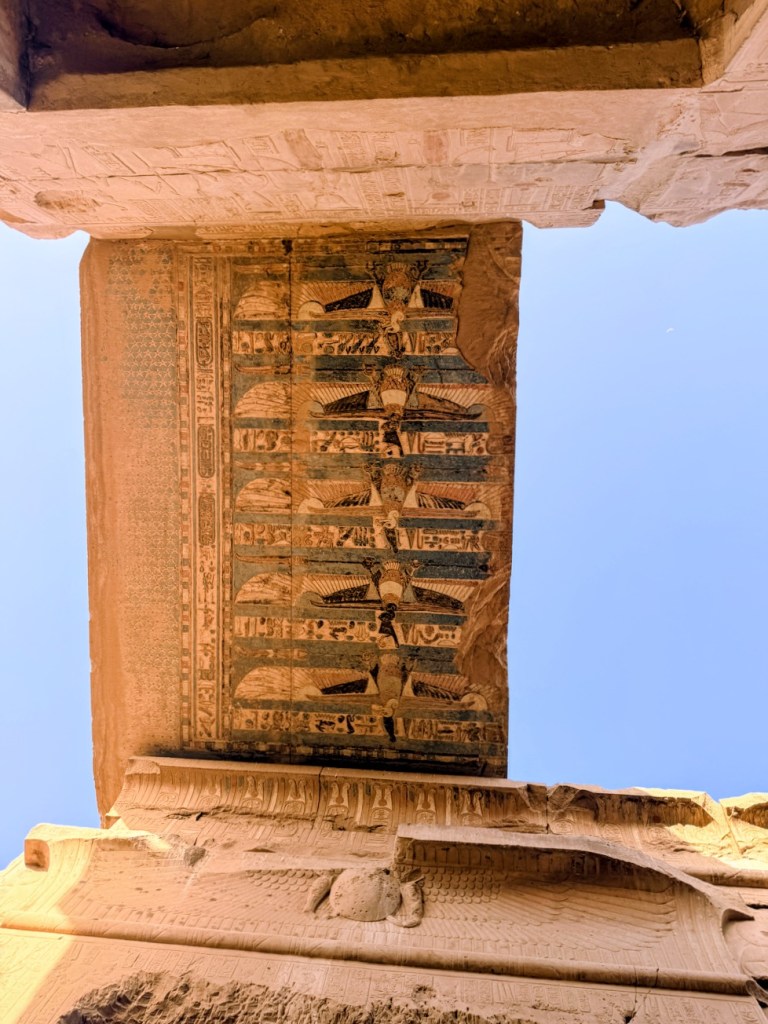
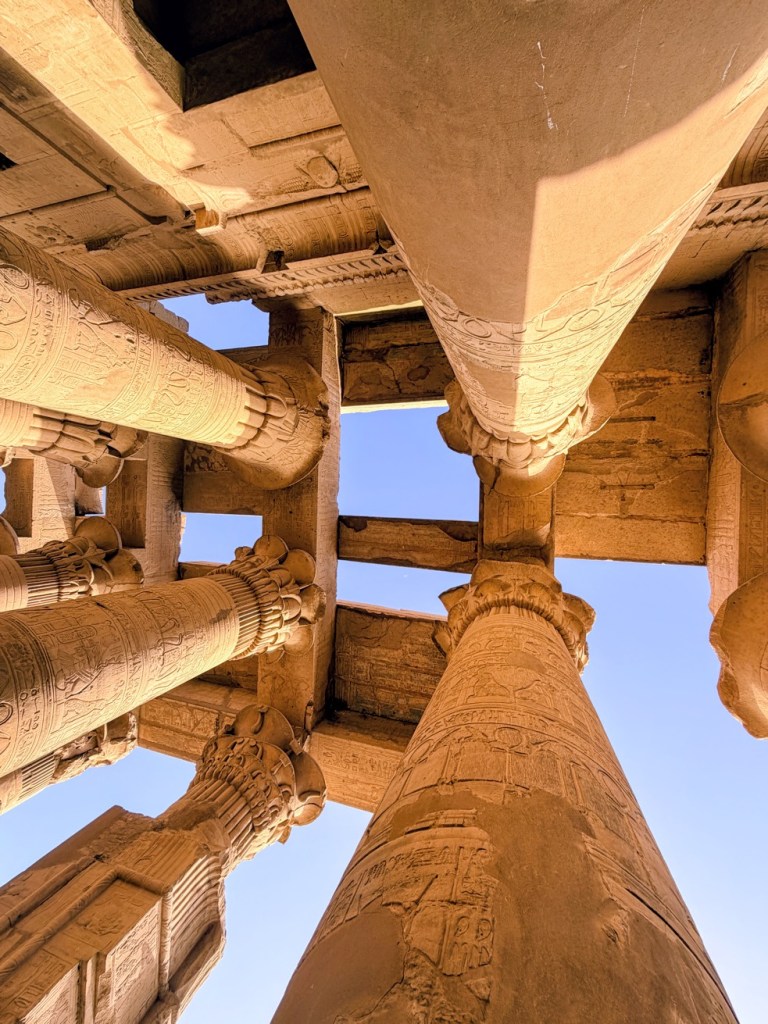
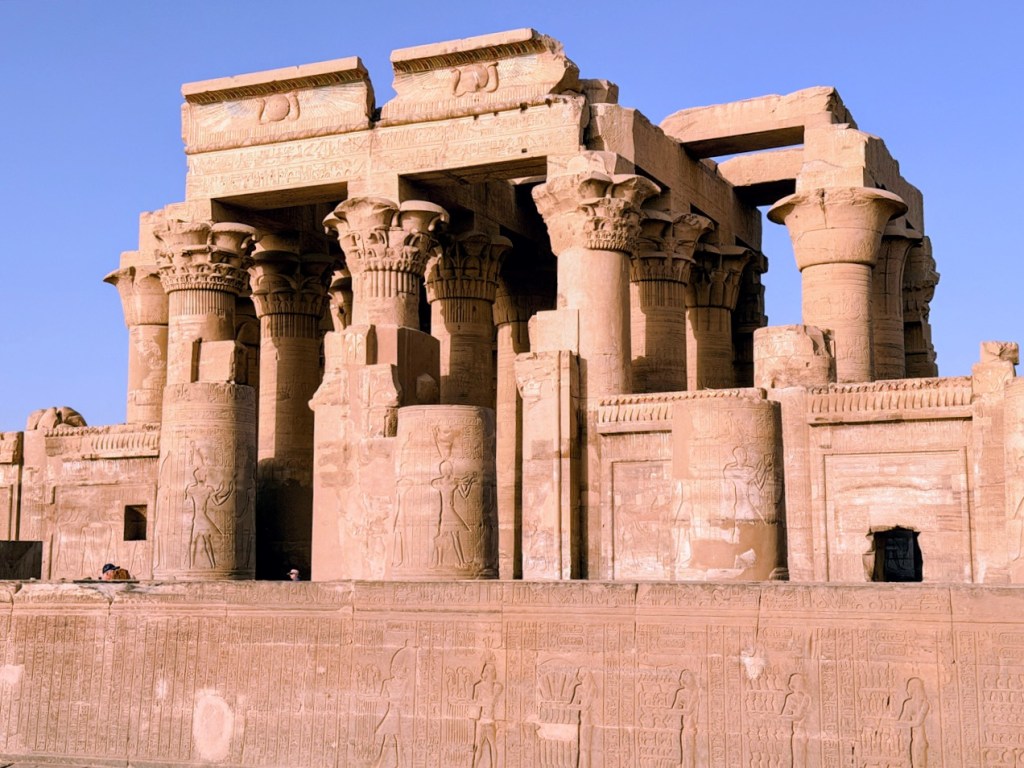
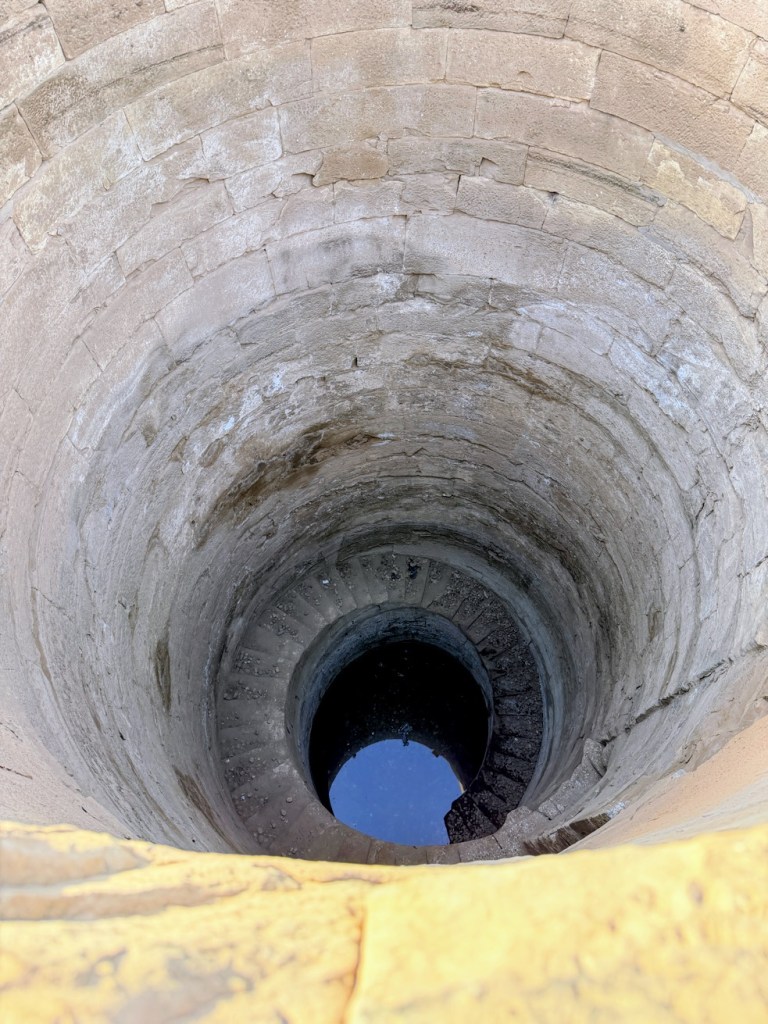
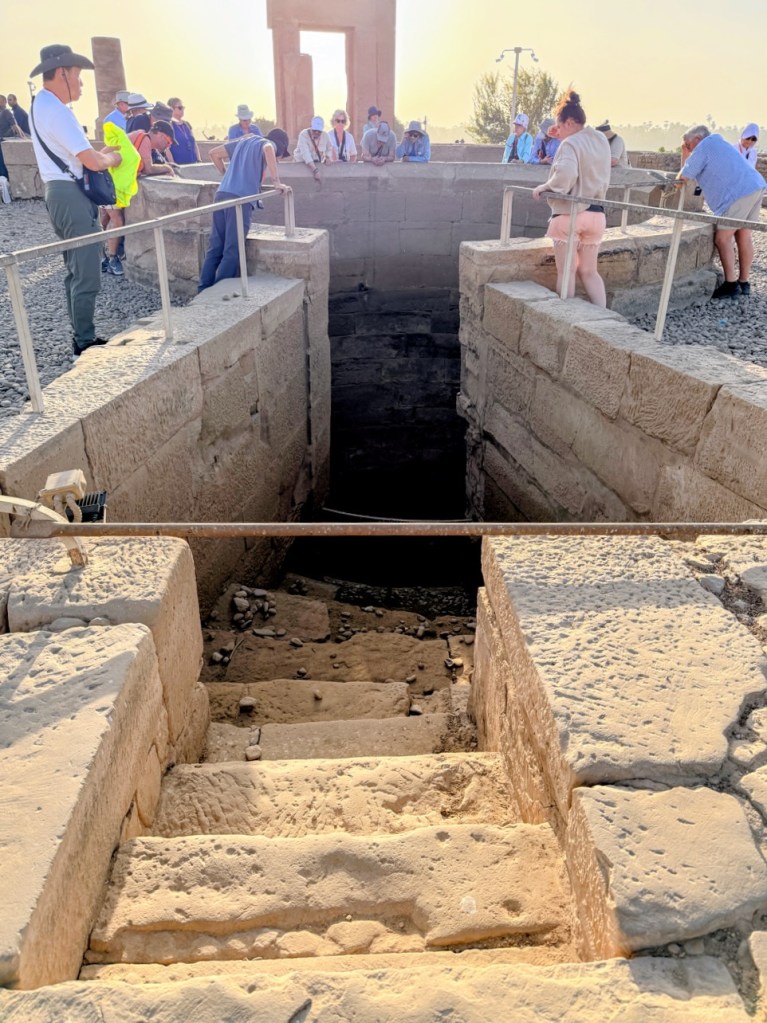
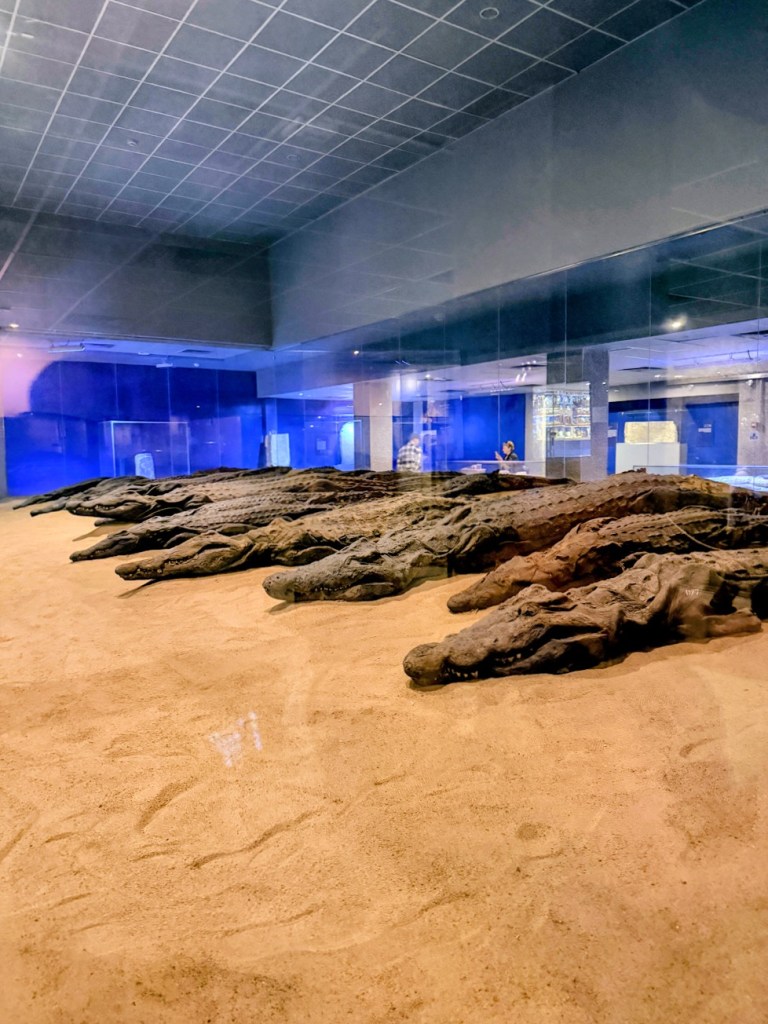
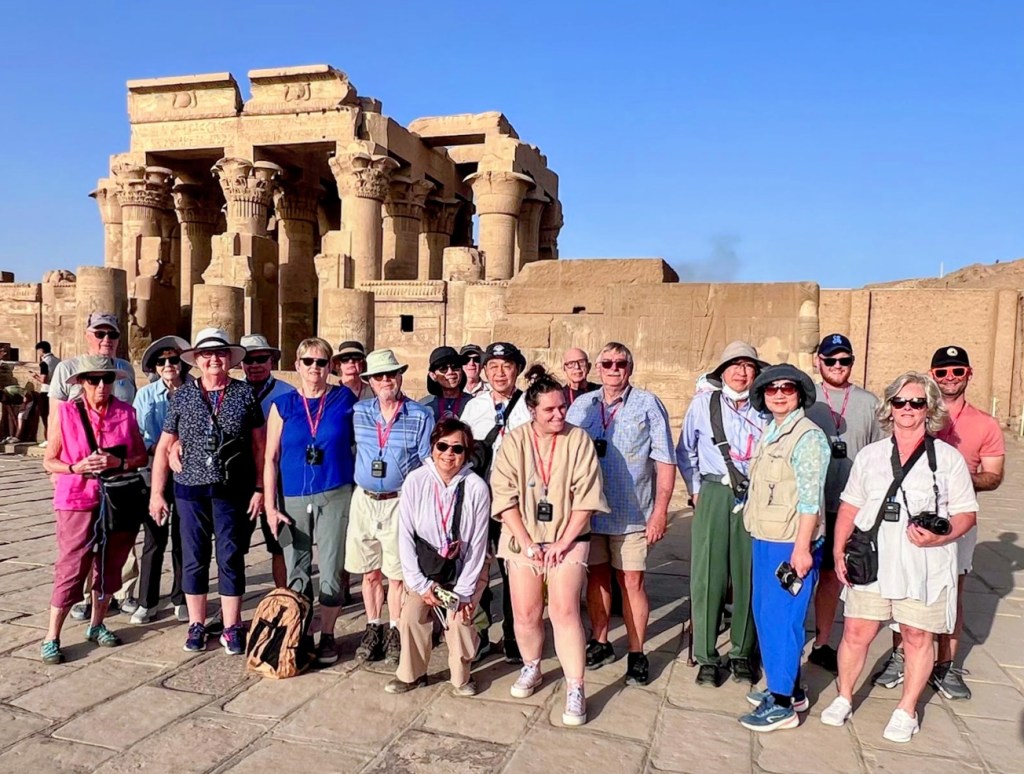
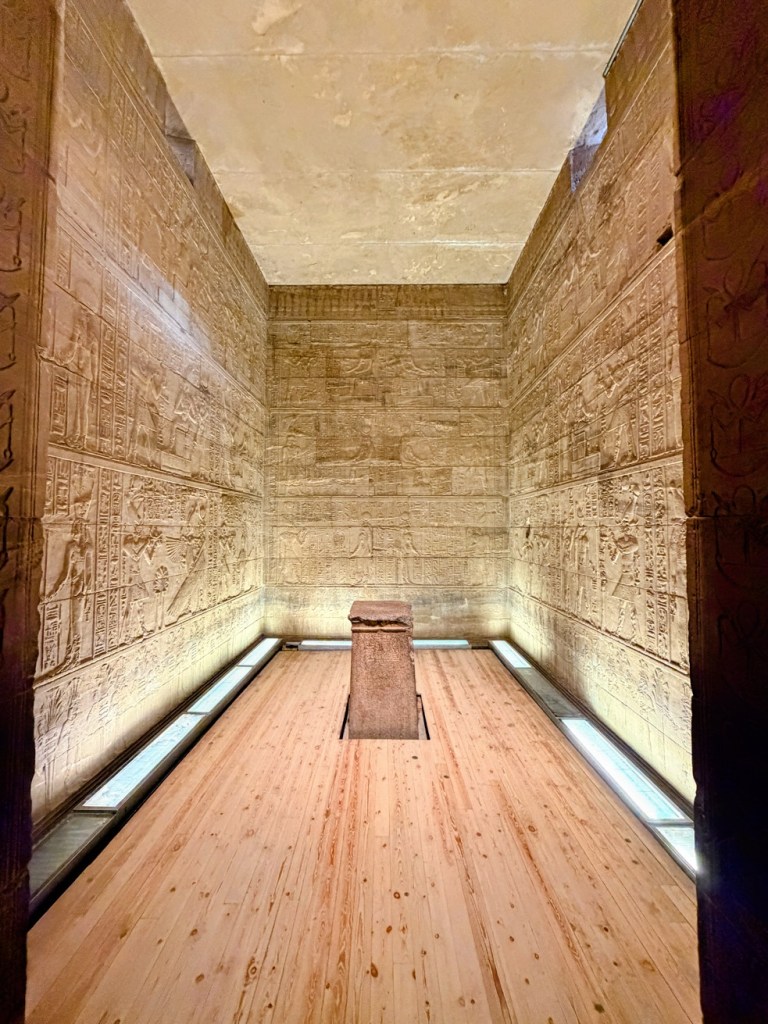
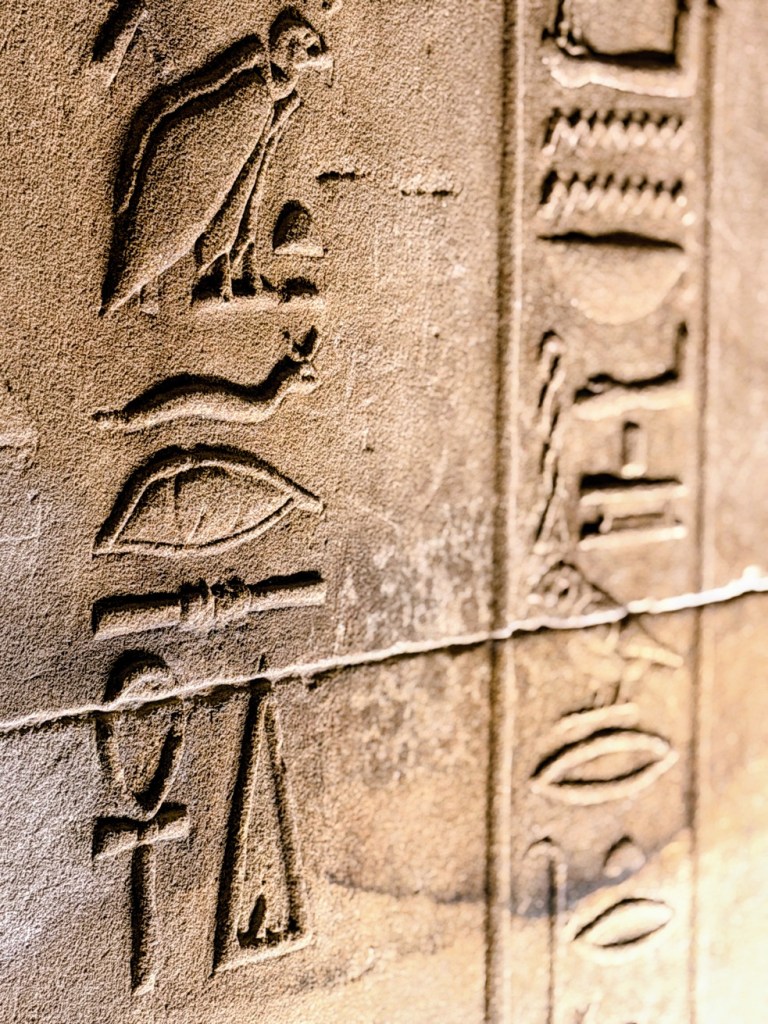
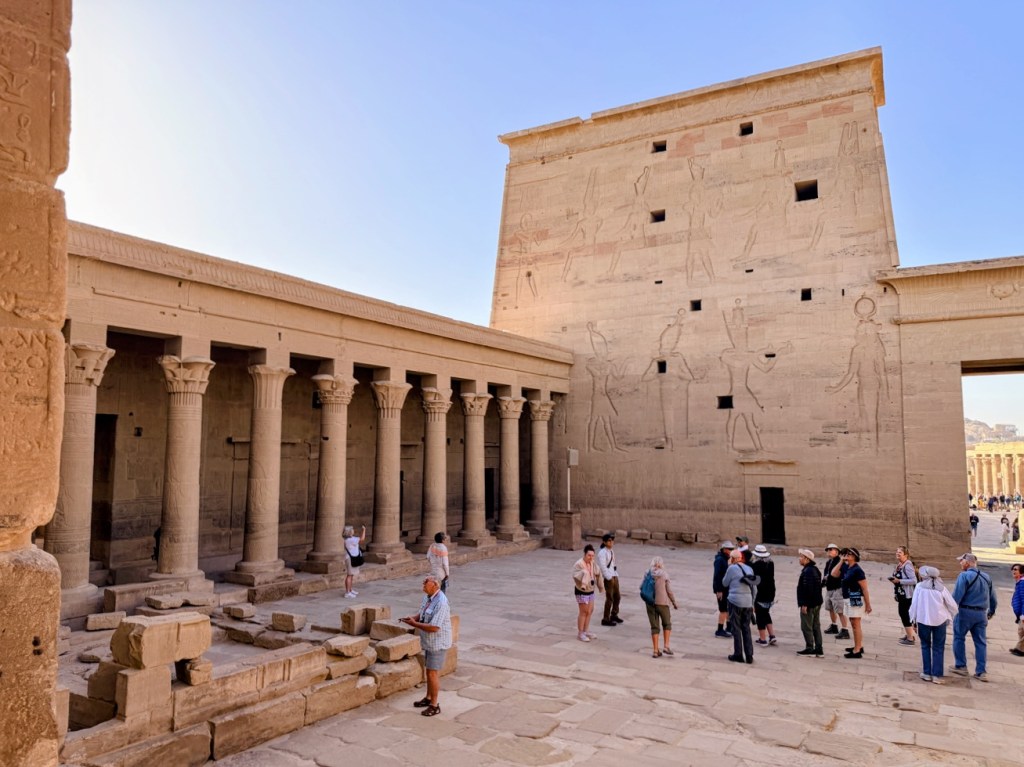
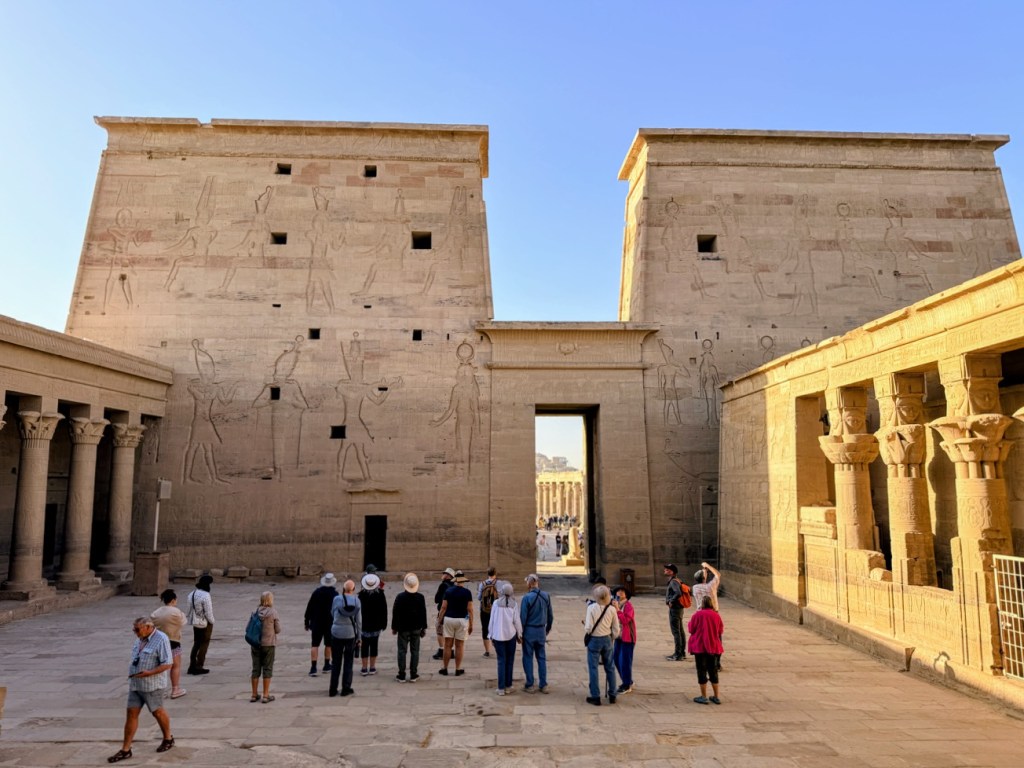
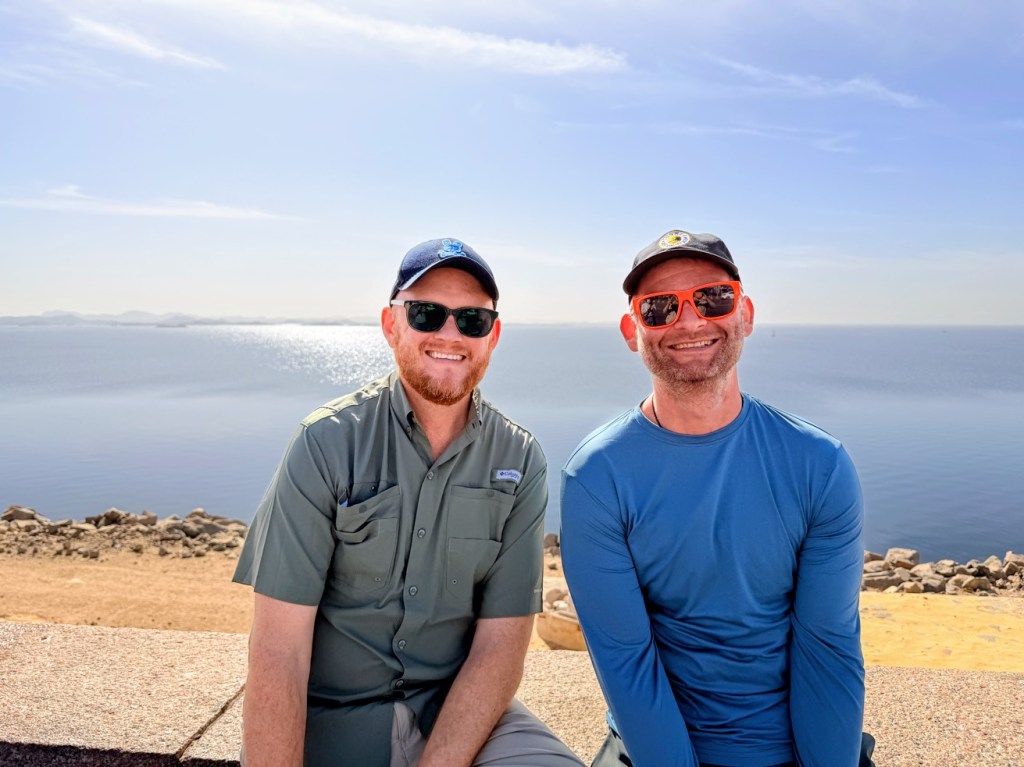
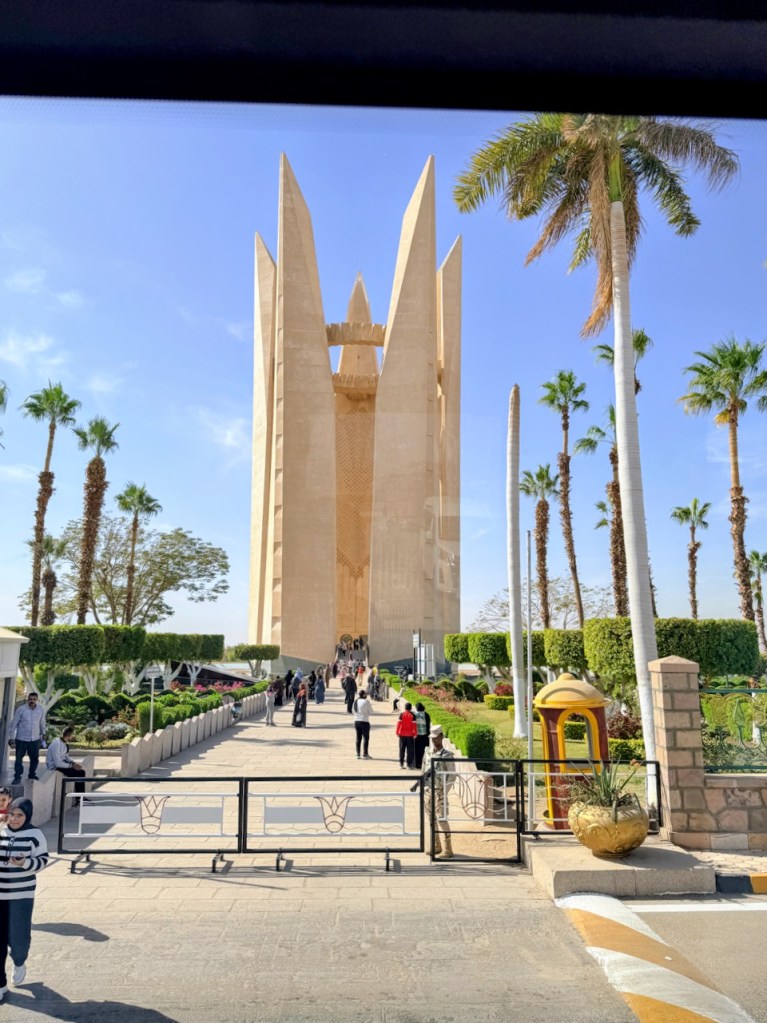
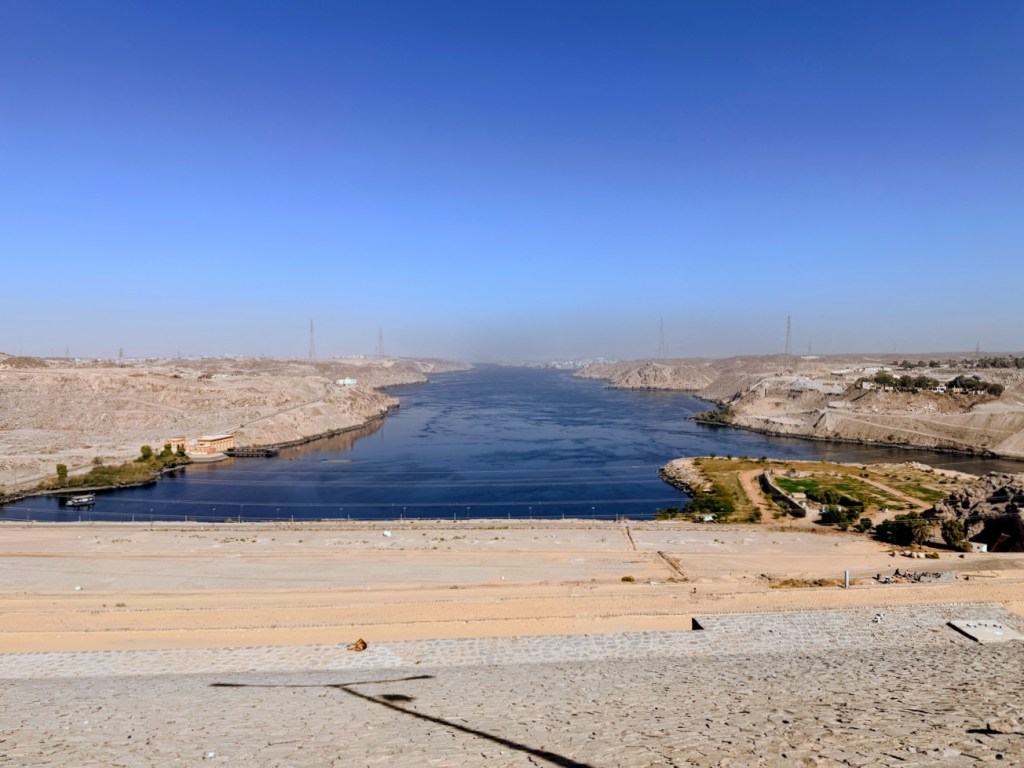
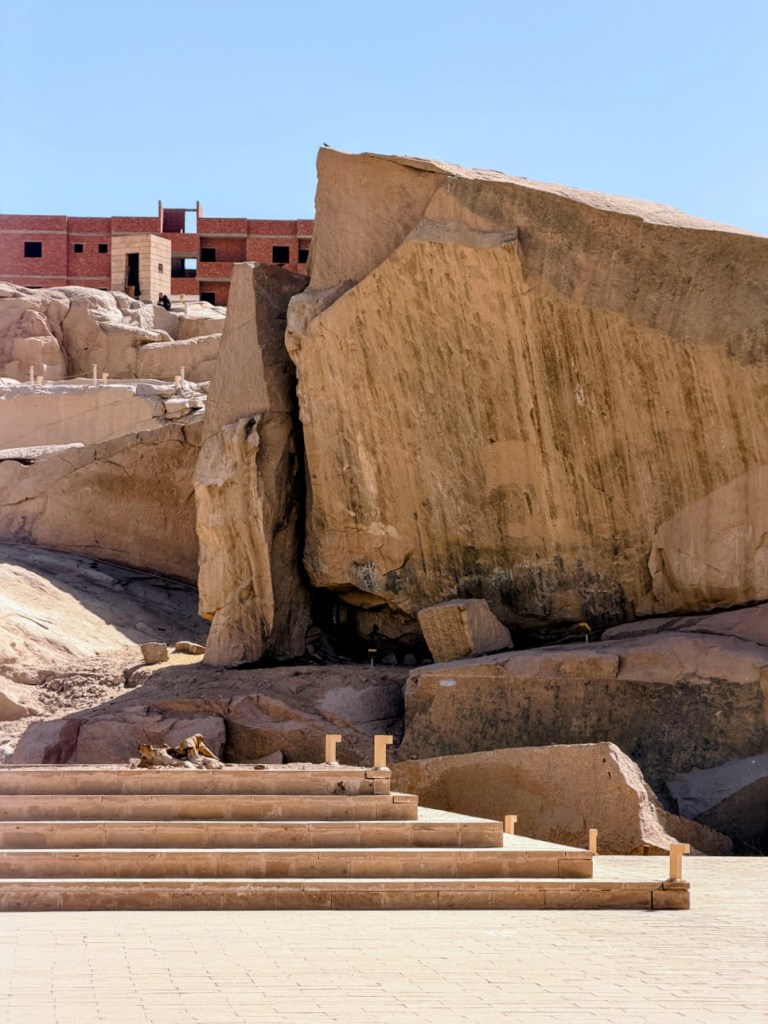
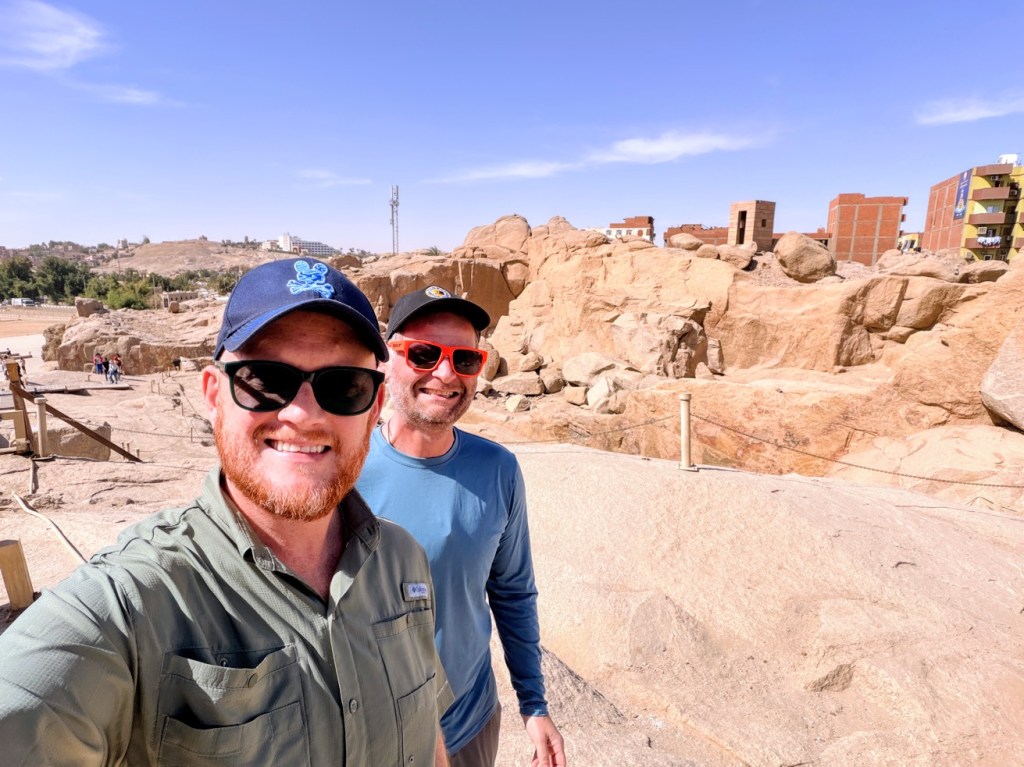
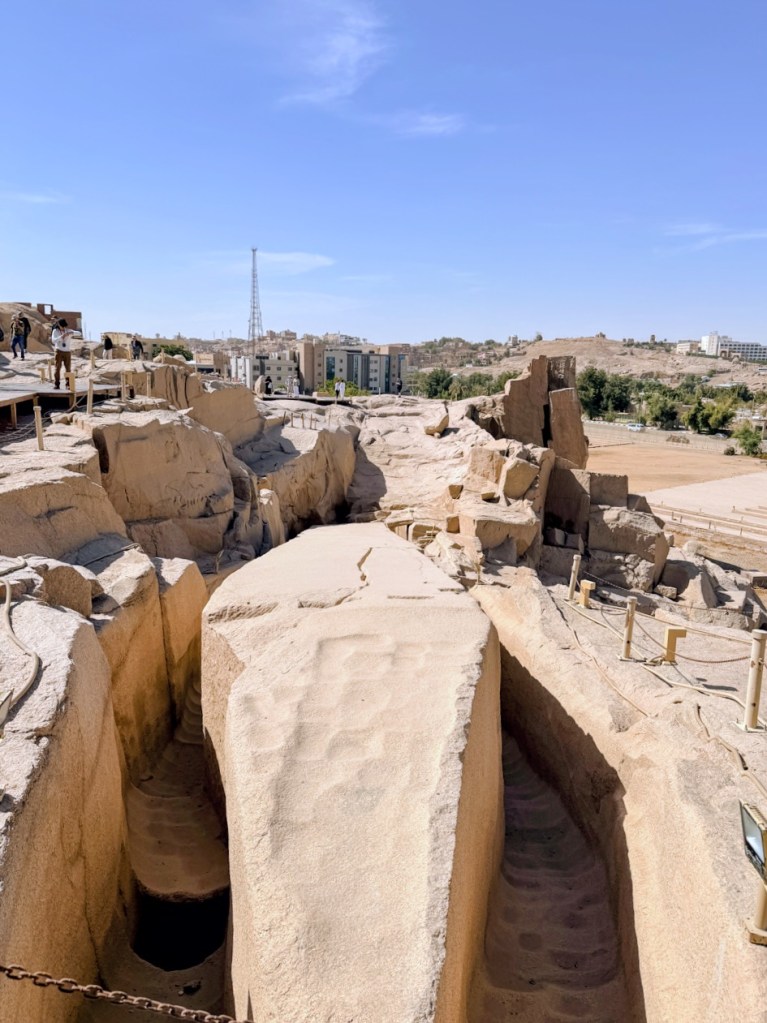
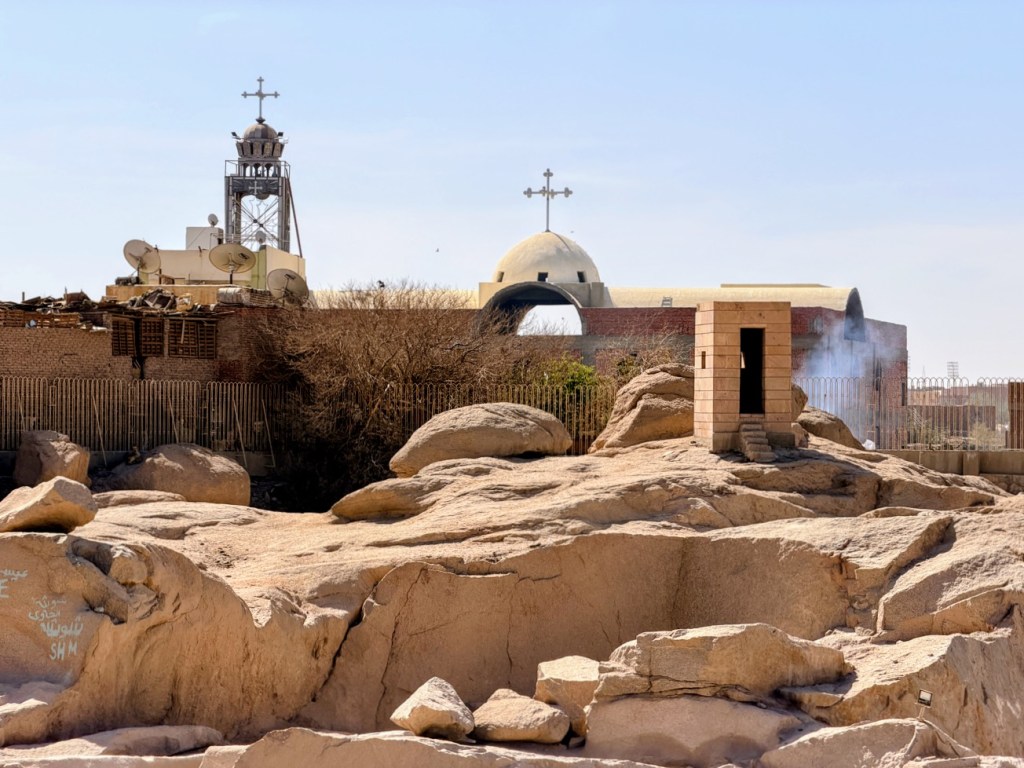
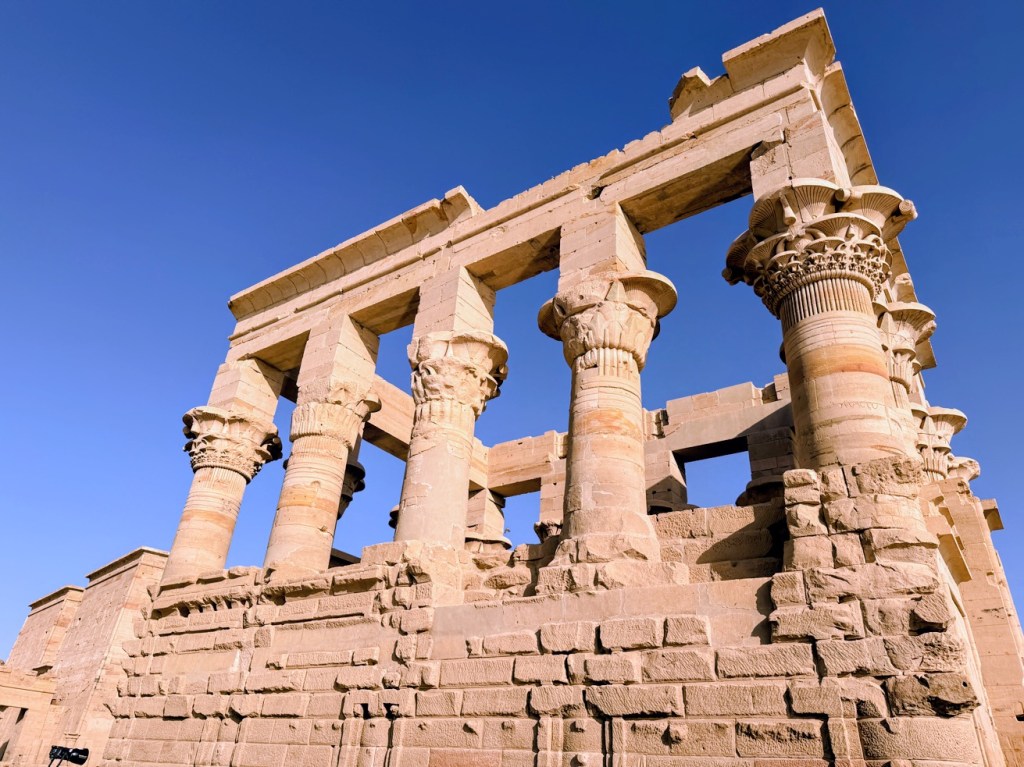
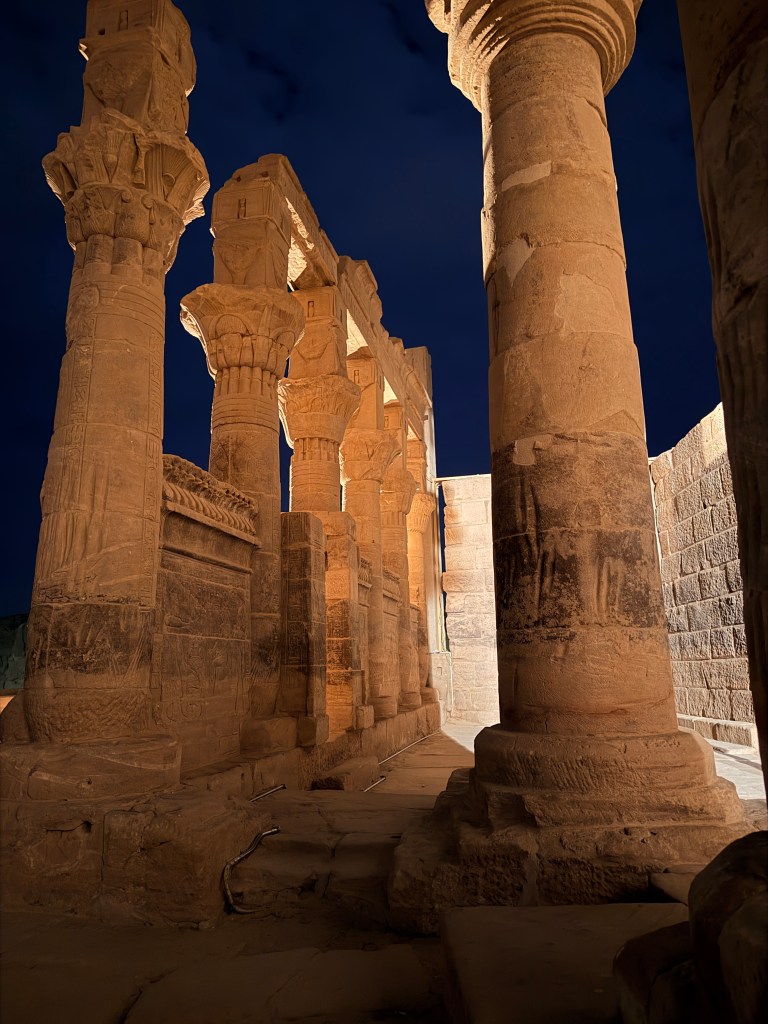
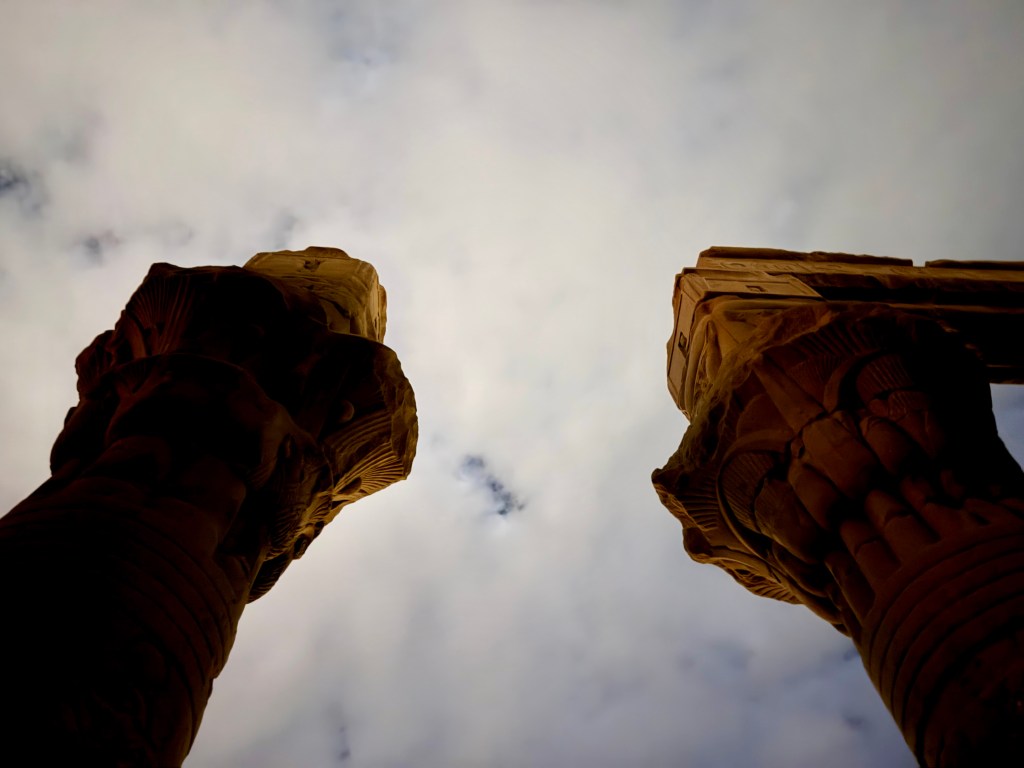
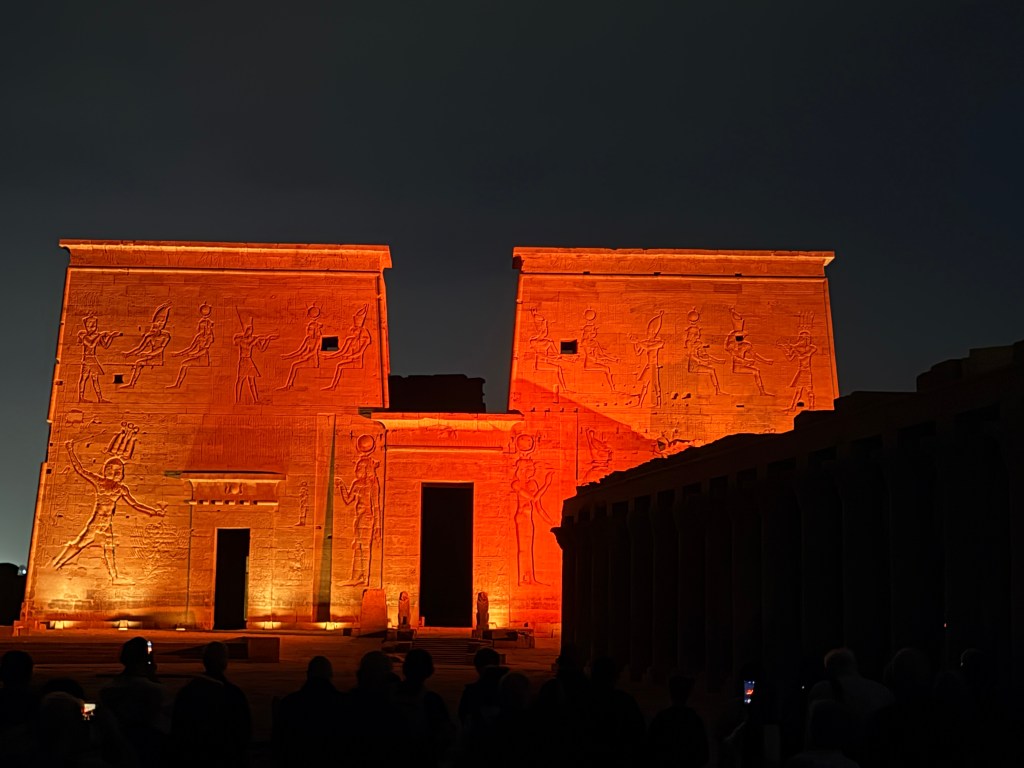
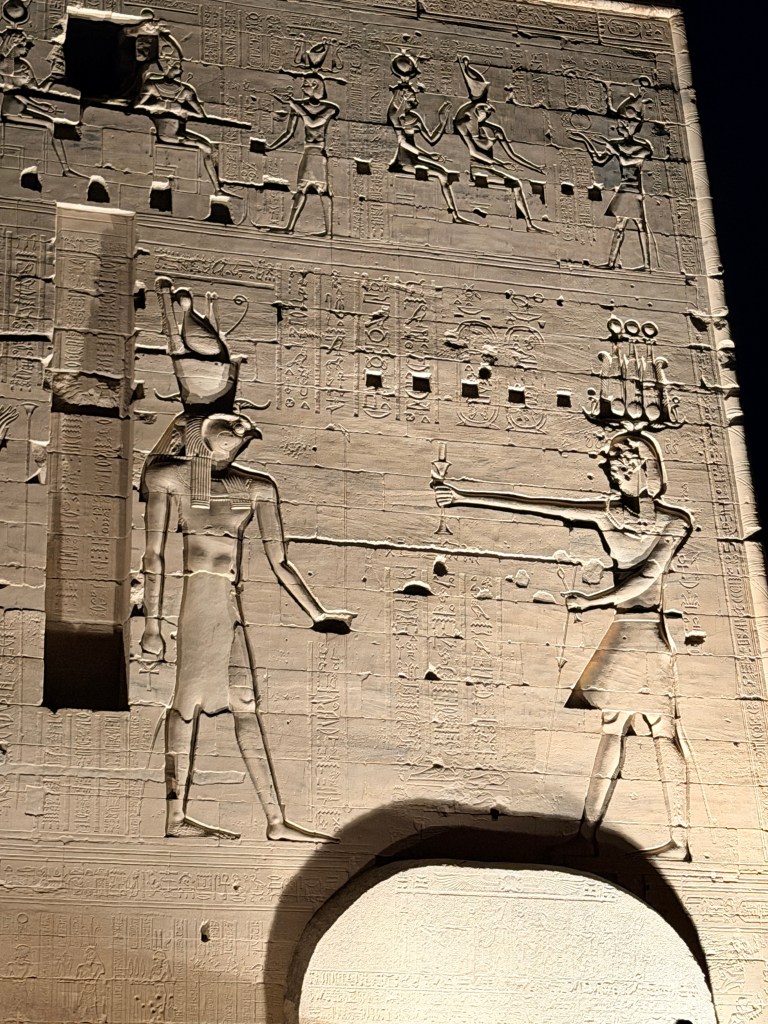
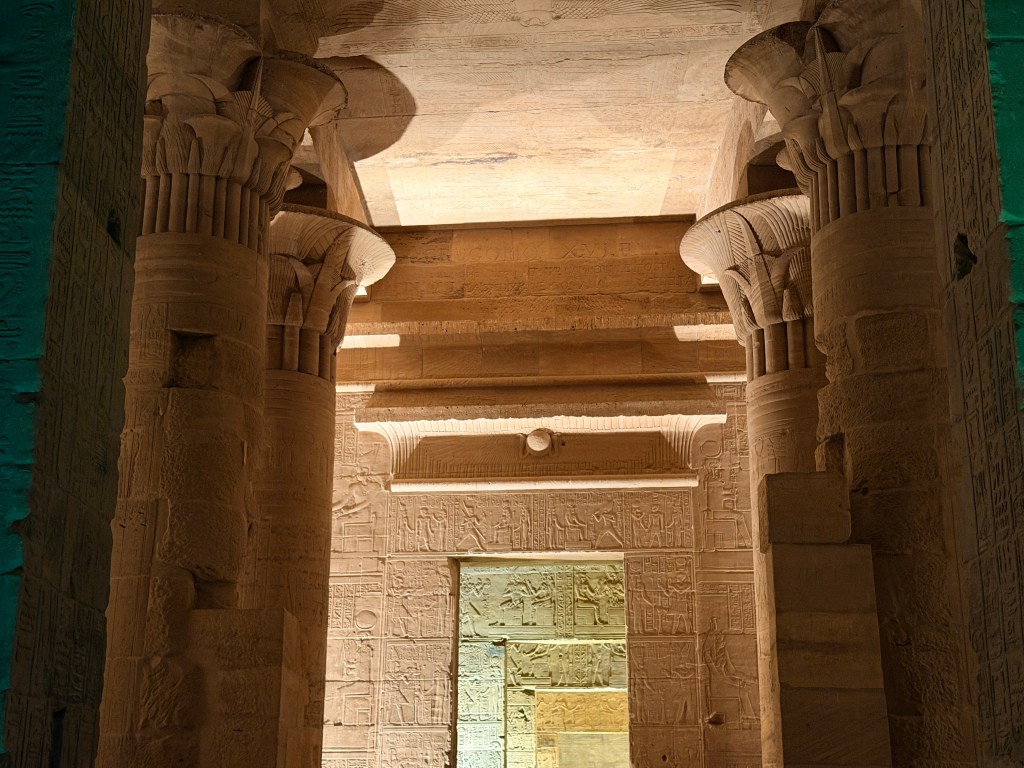
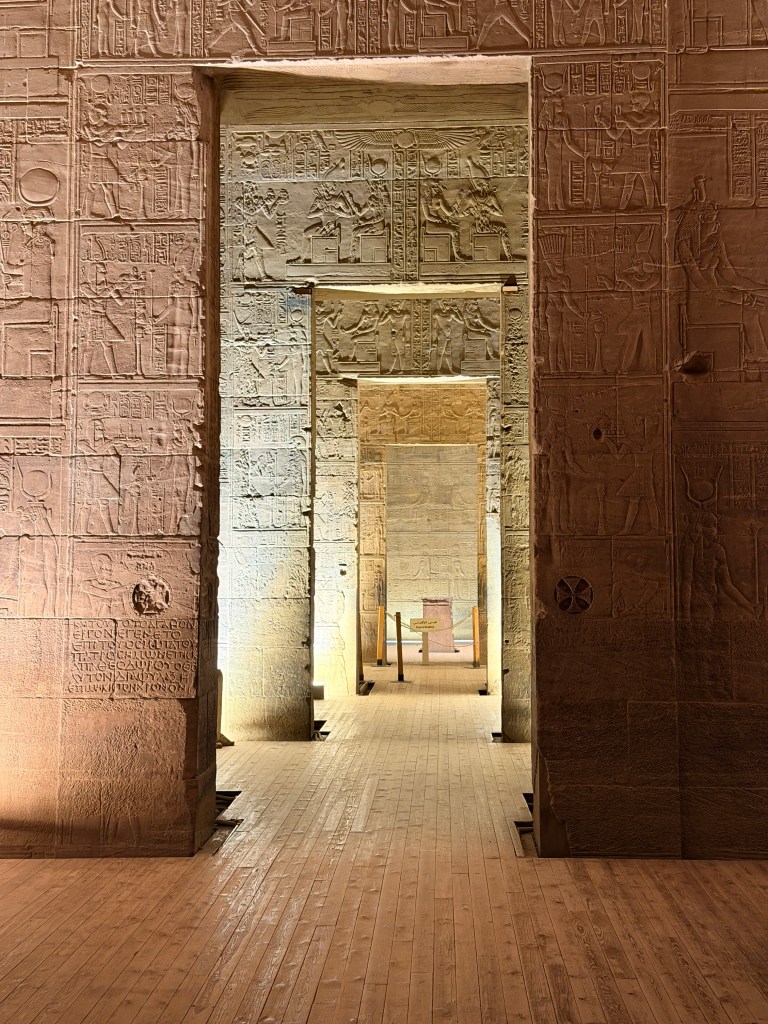
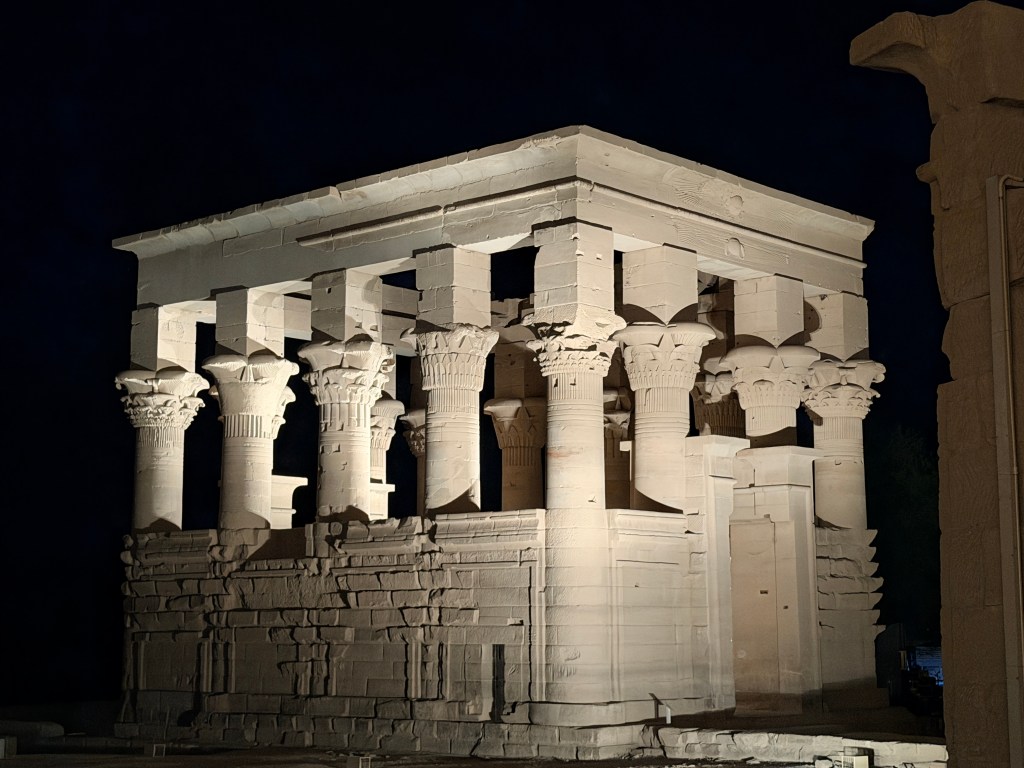
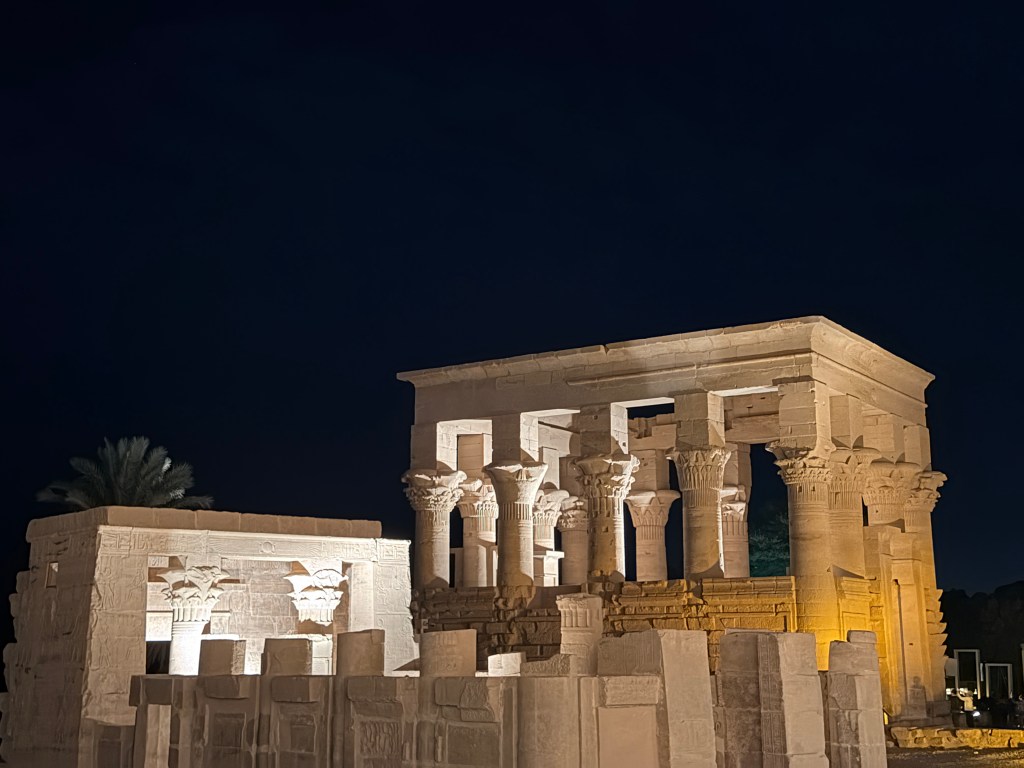
- In Aswan, we visited the High Dam, the Unfinished Obelisk, and the stunning Philae Temple, relocated stone by stone to save it from flooding.
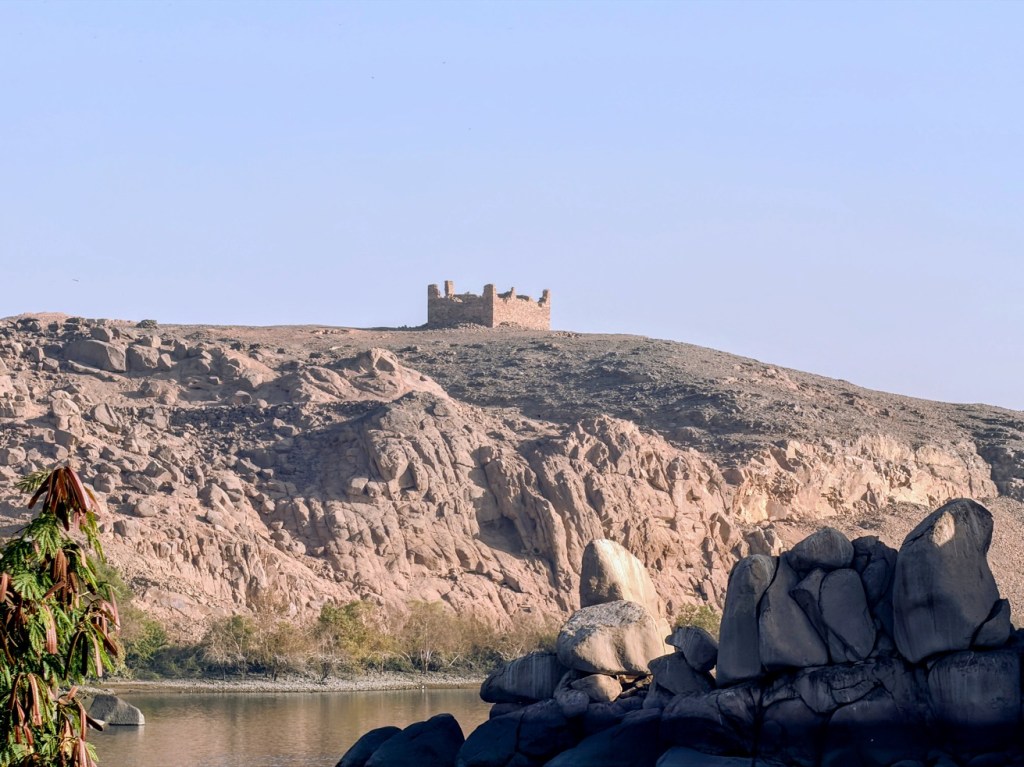
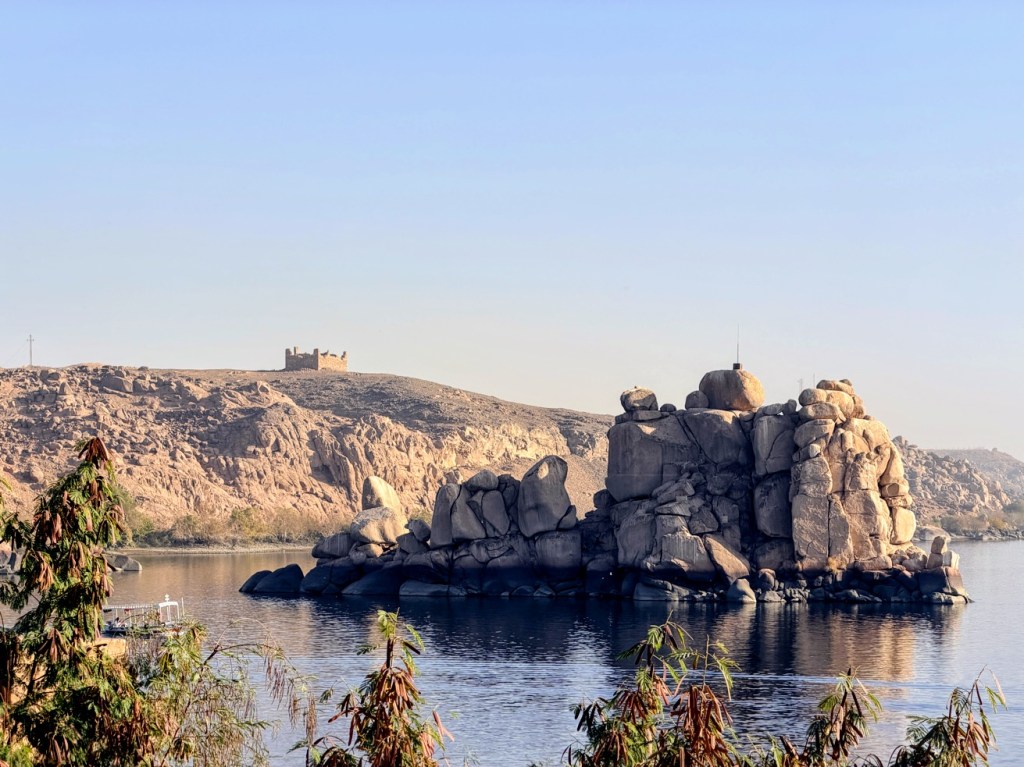
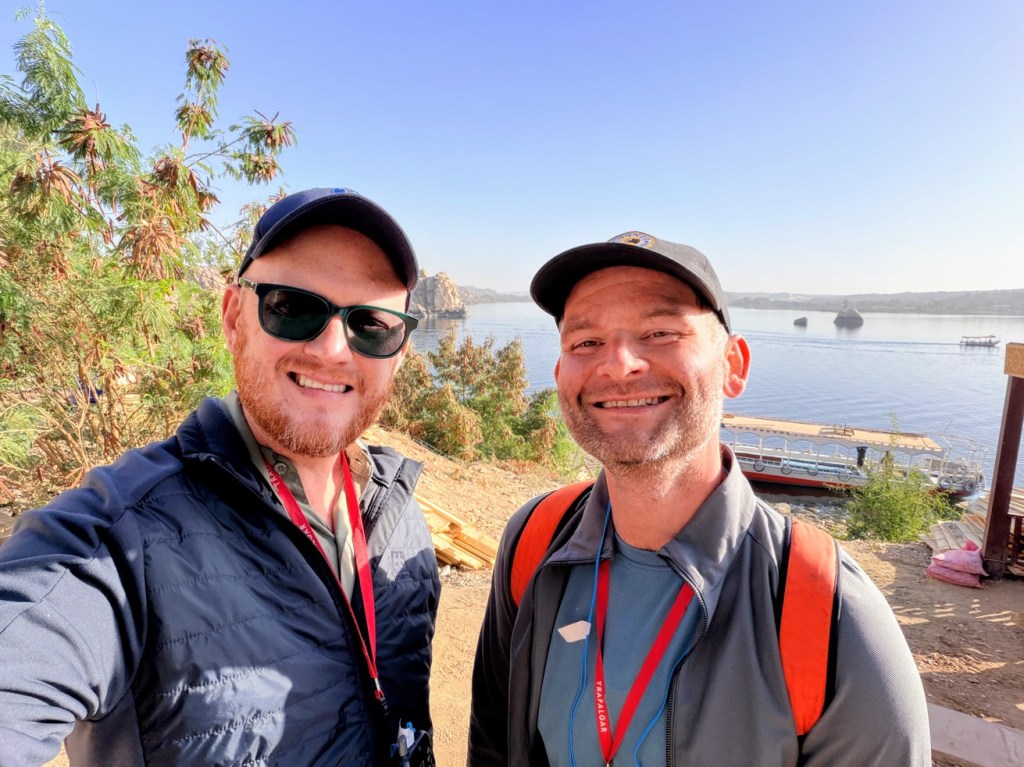
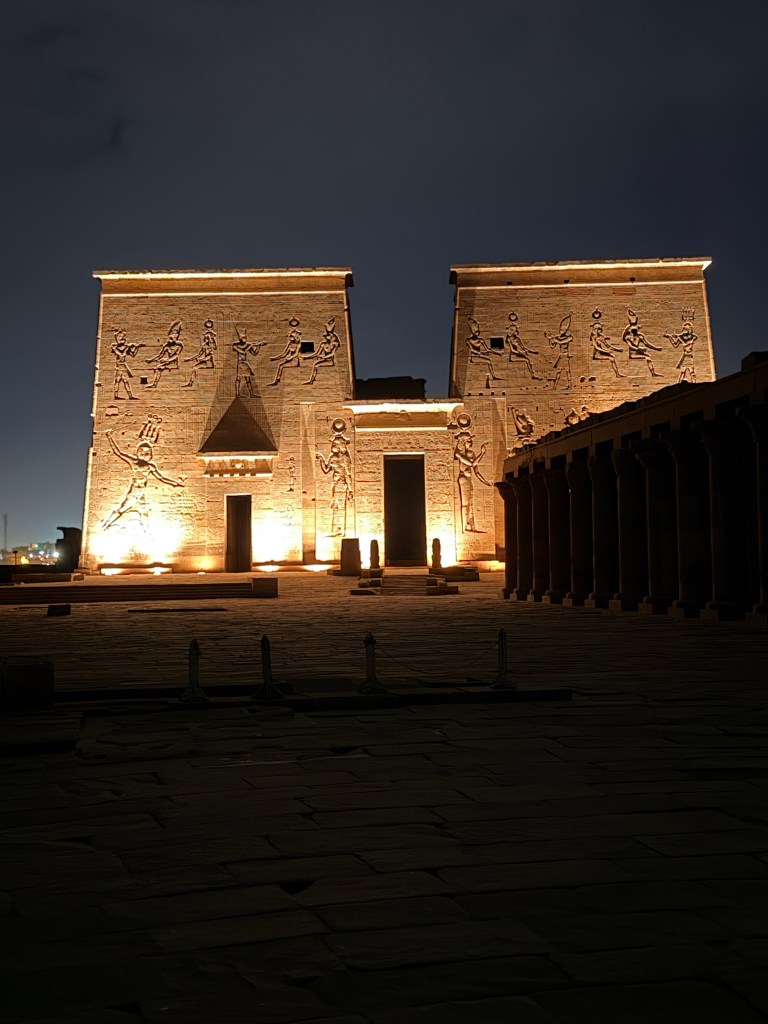
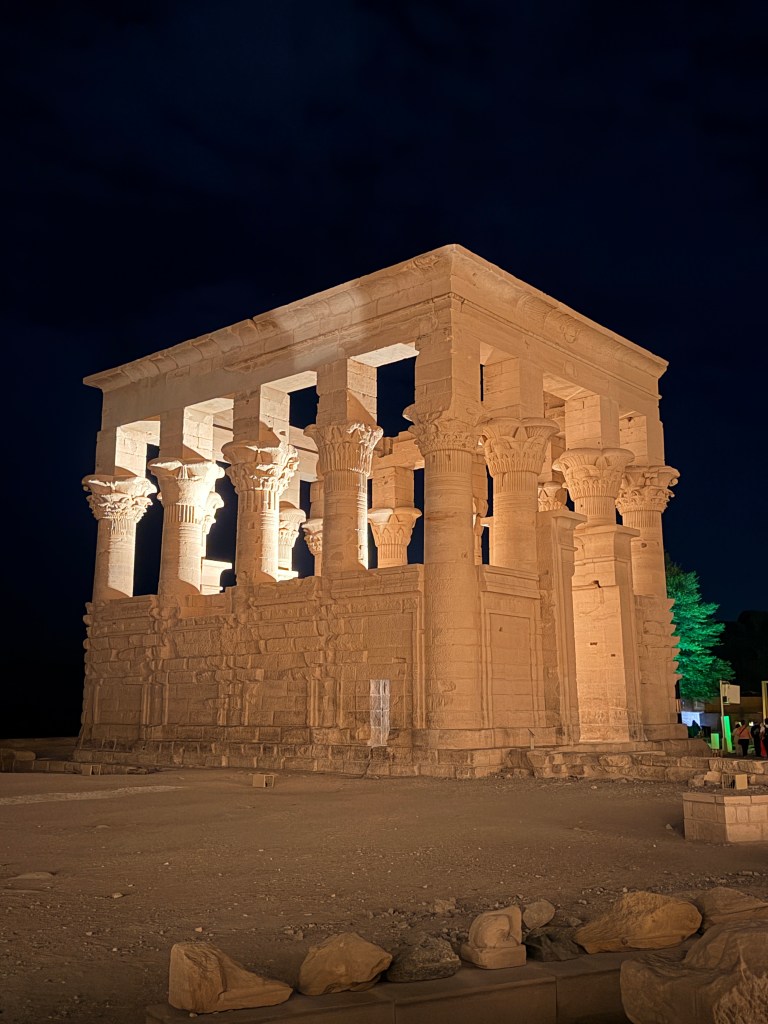
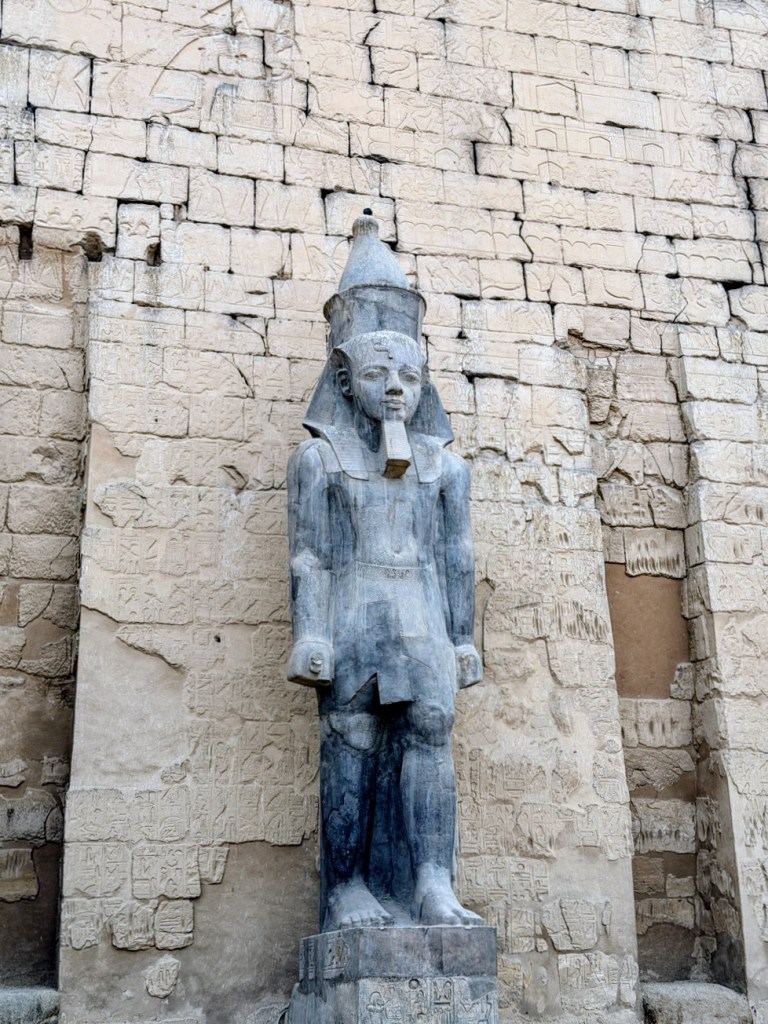
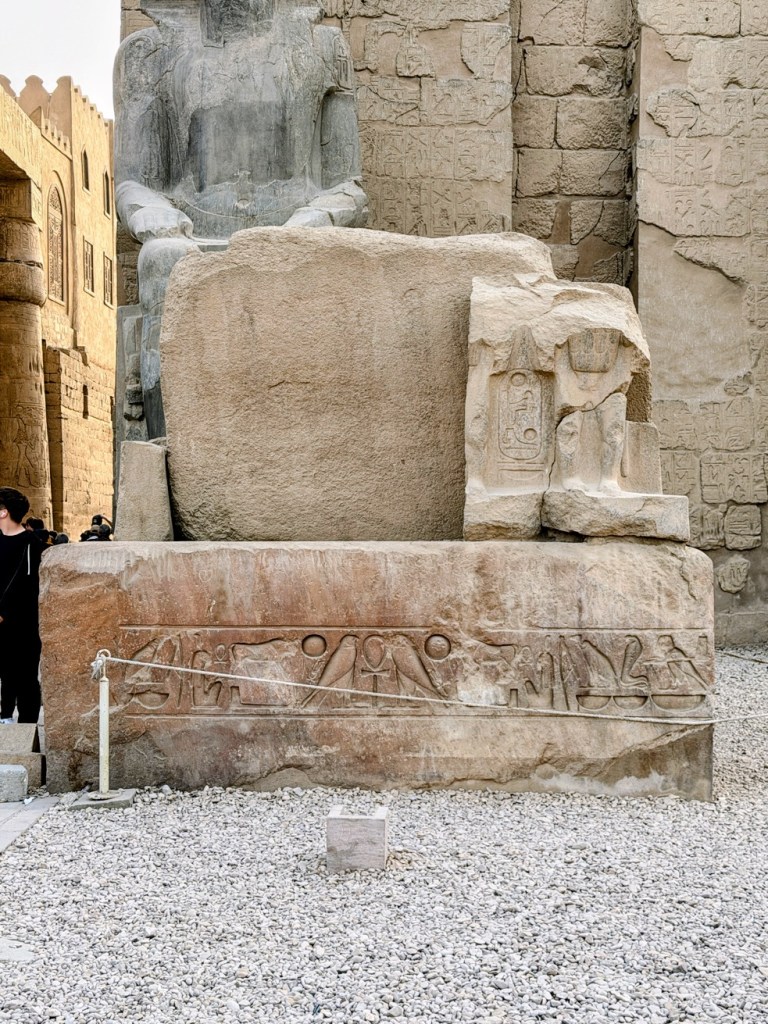
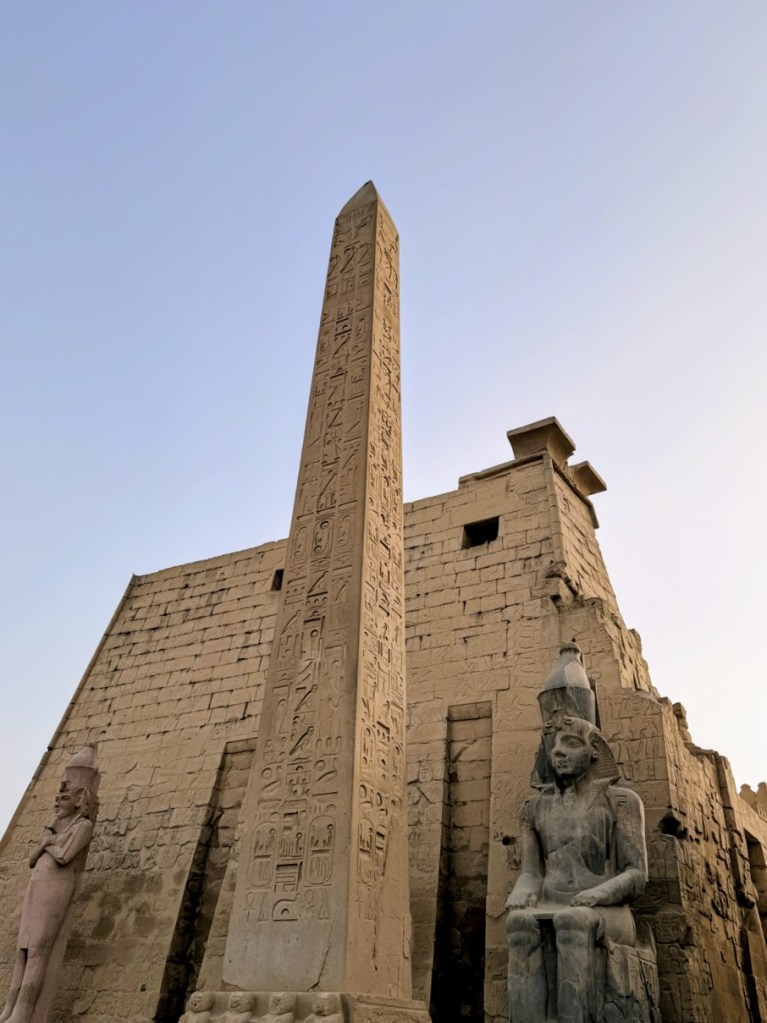
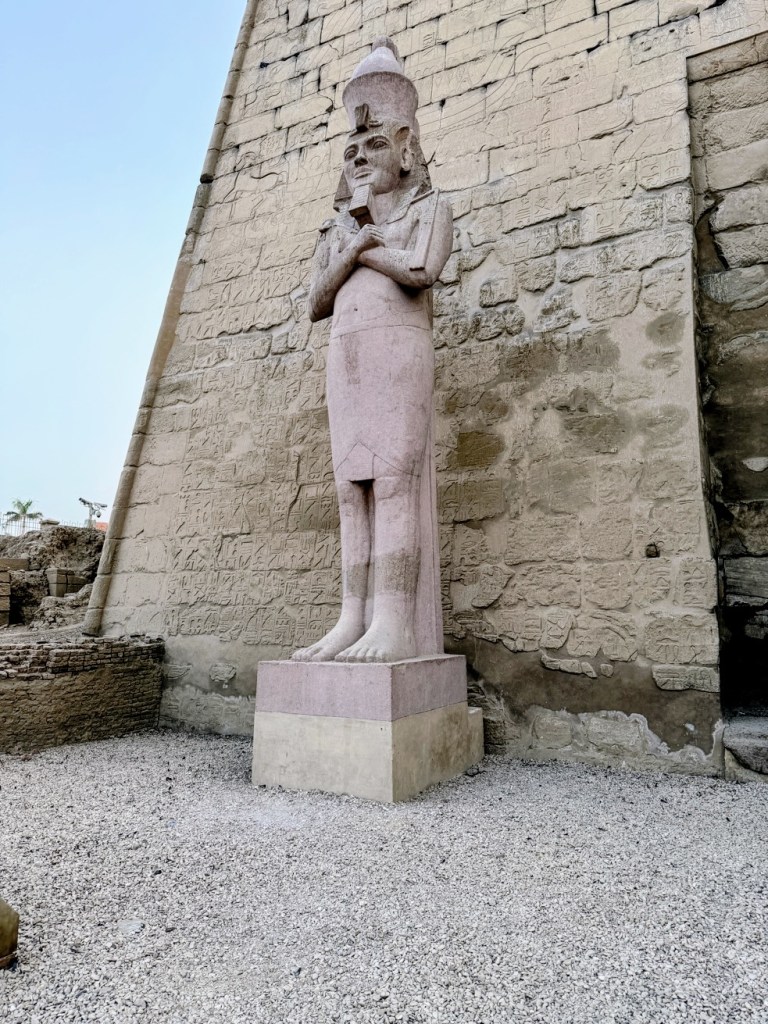
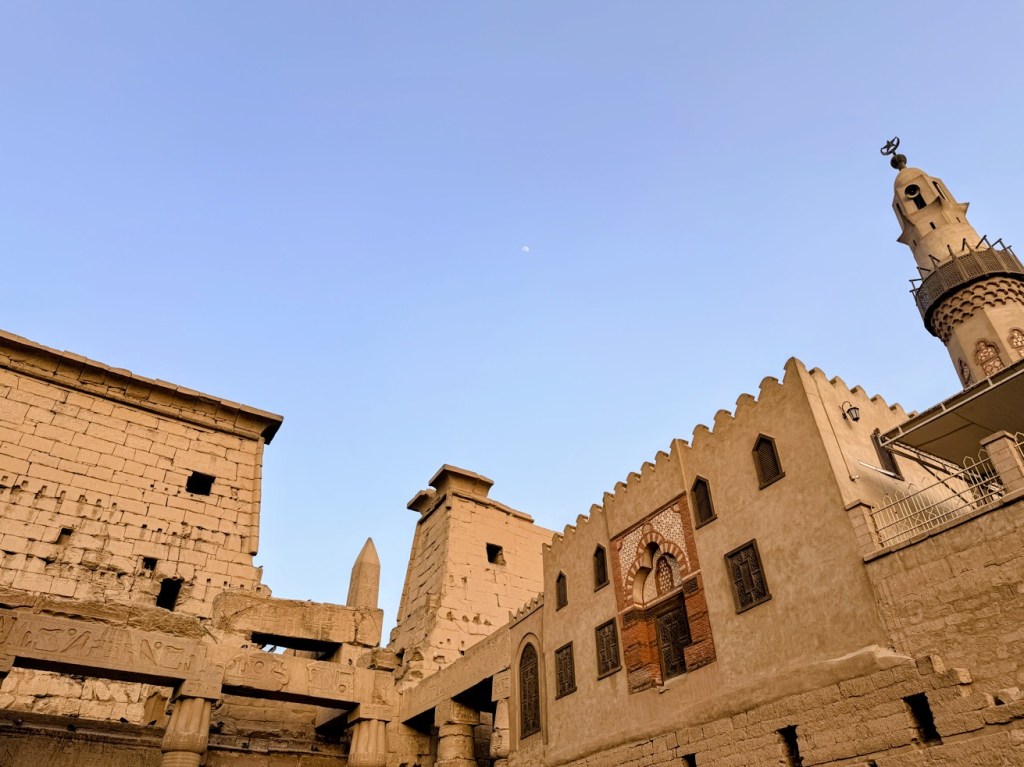
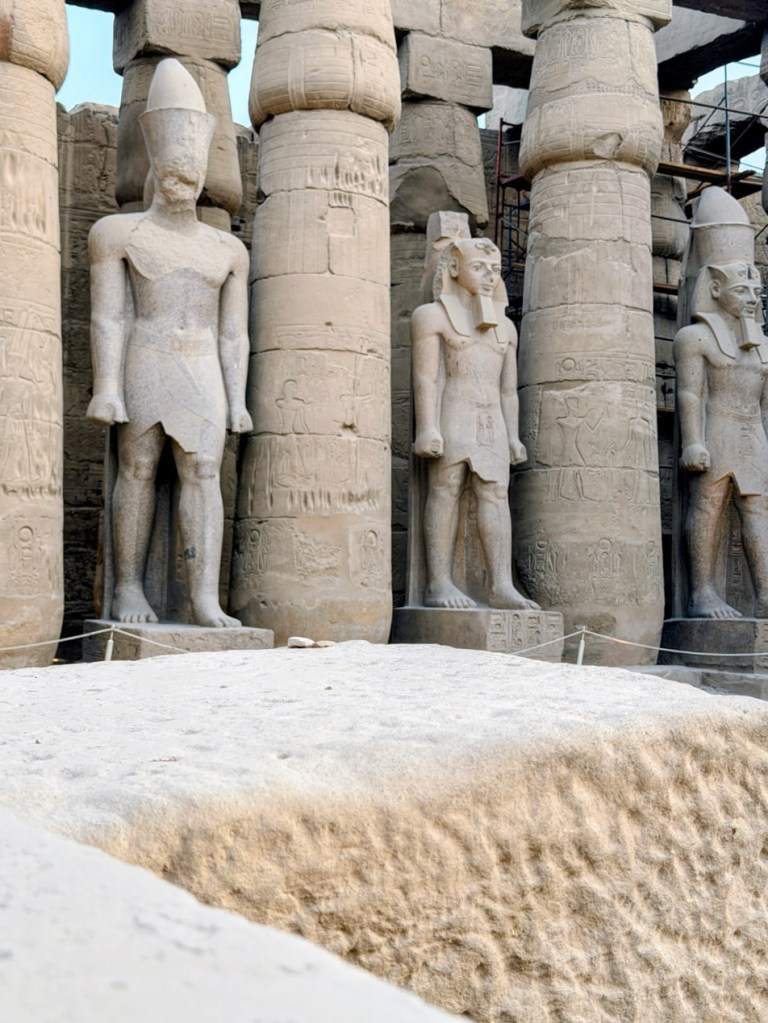
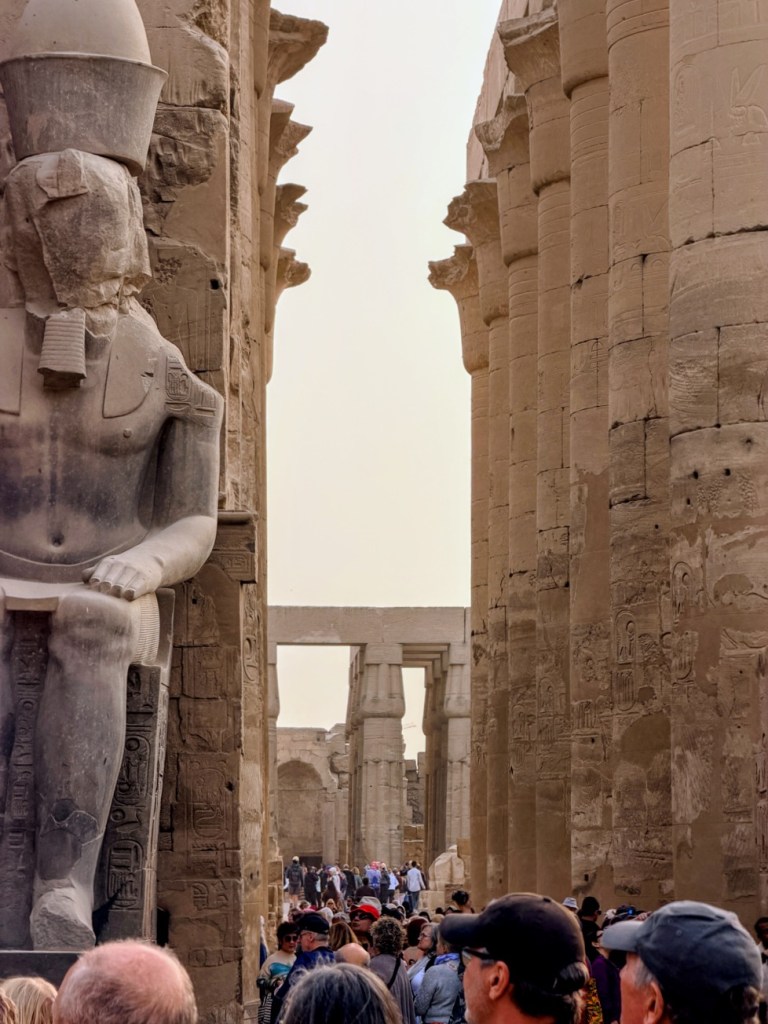
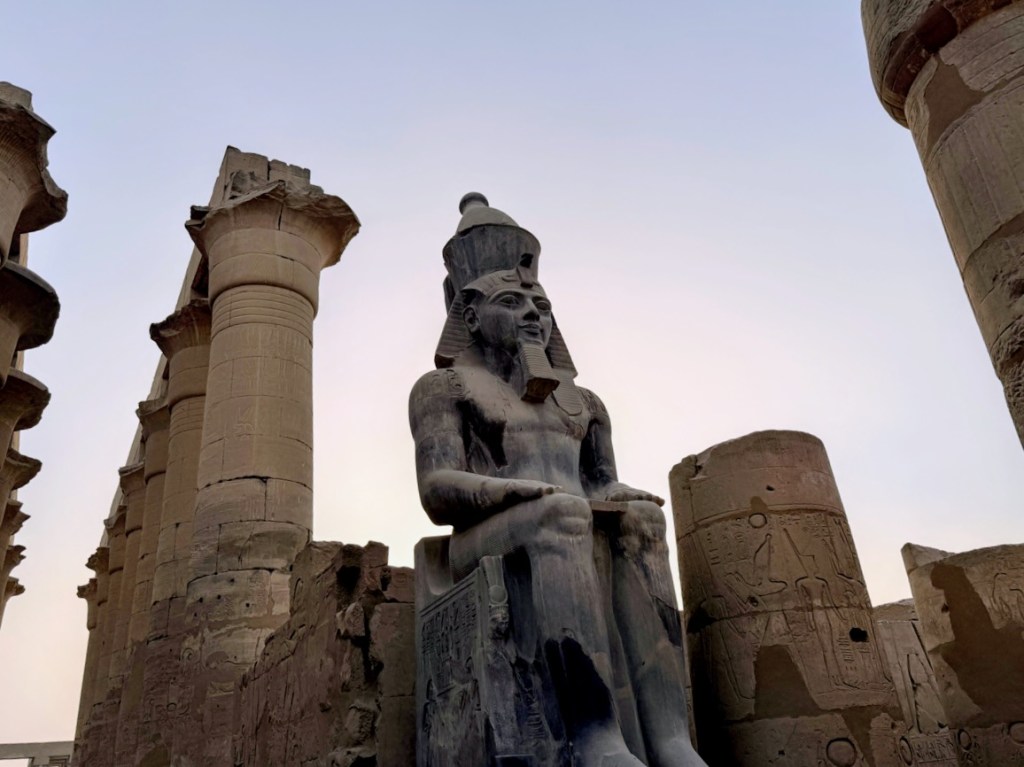
- Luxor Temple and the Colossi of Memnon, standing watch over the west bank of Luxor.
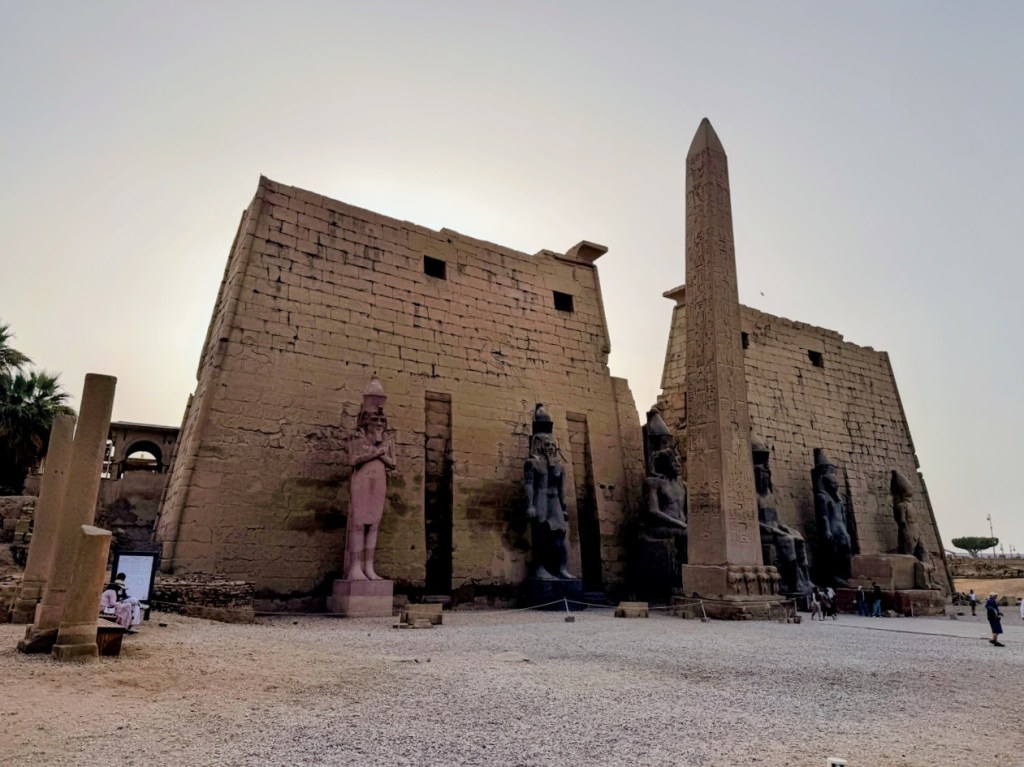
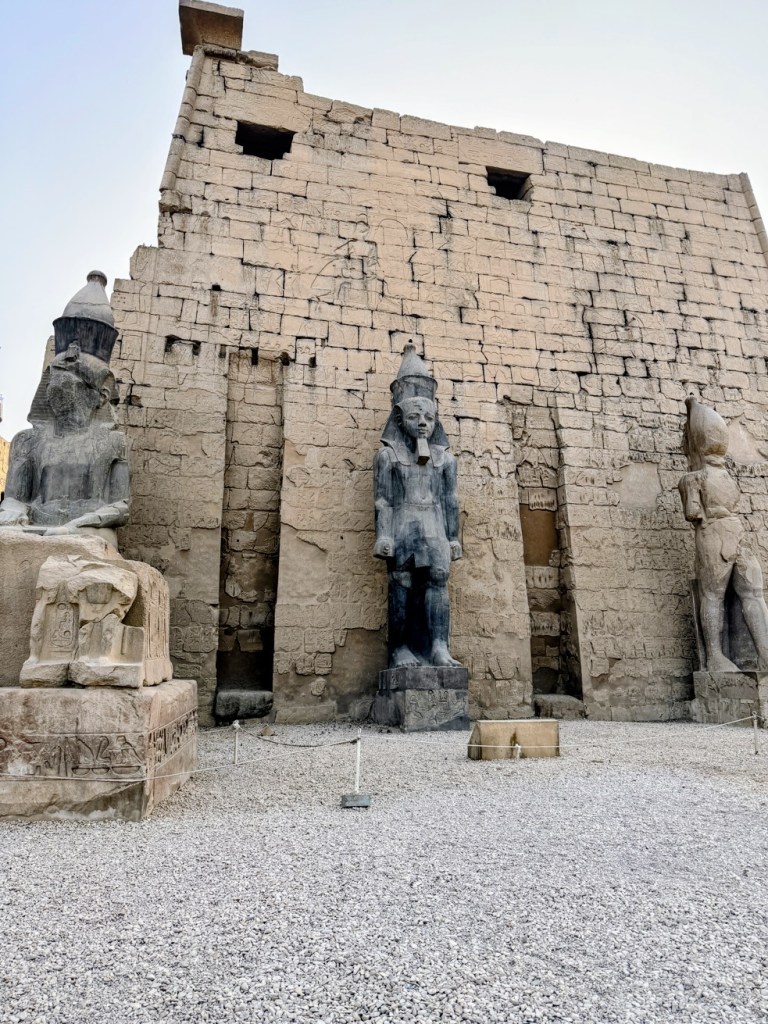
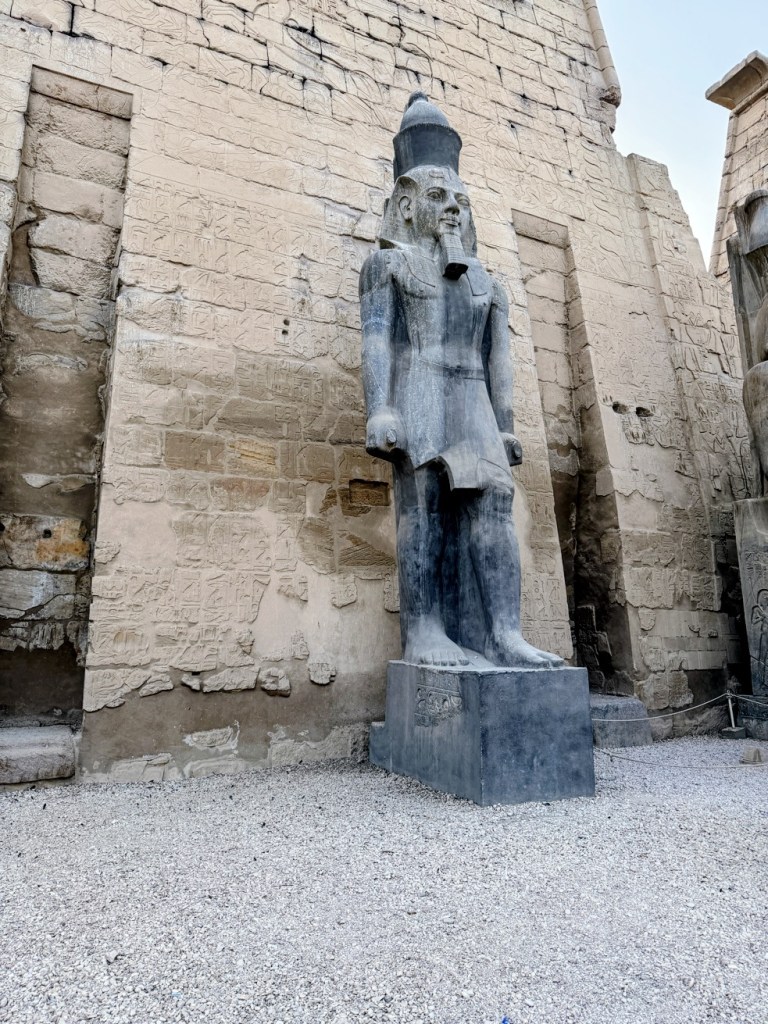
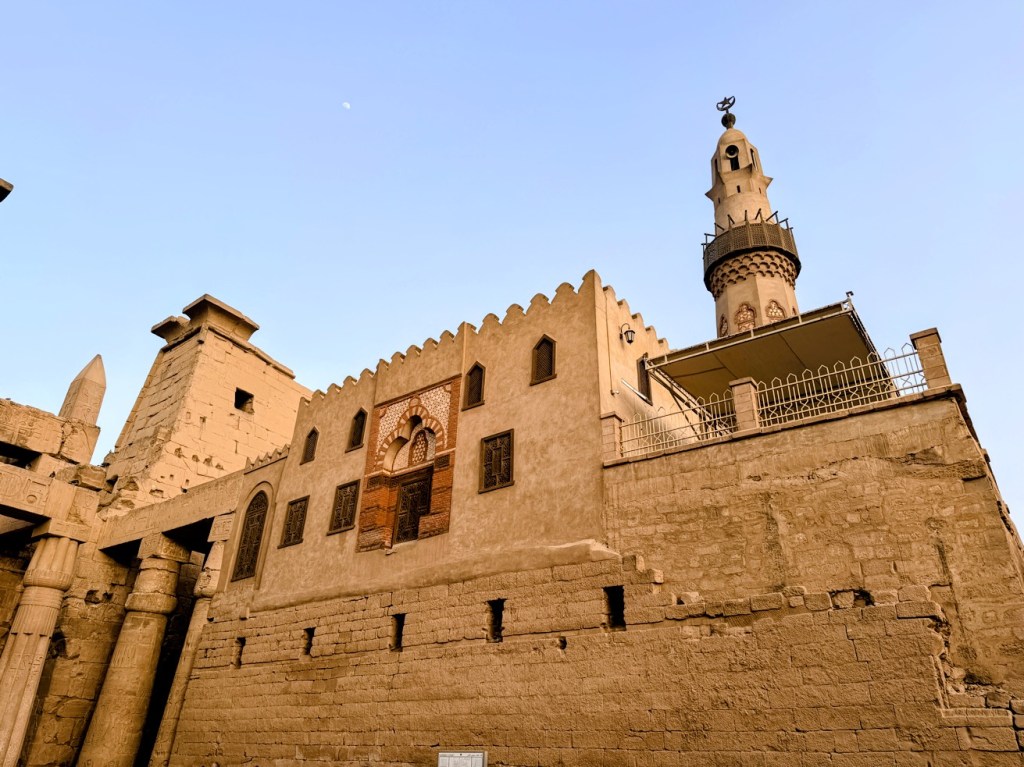
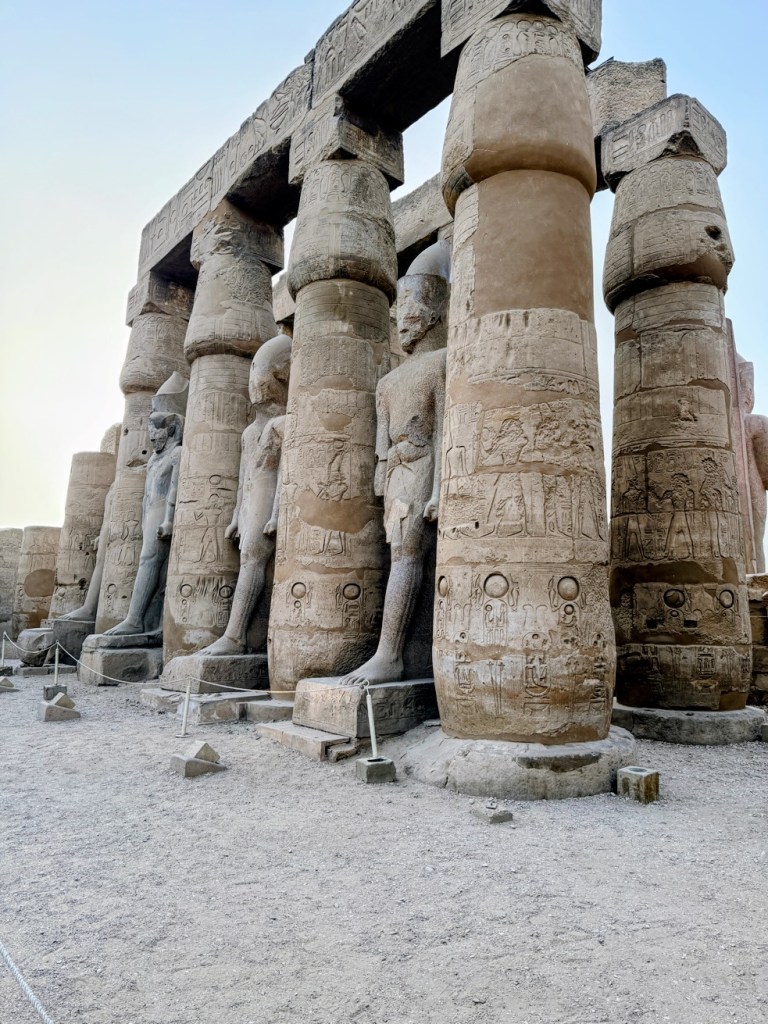
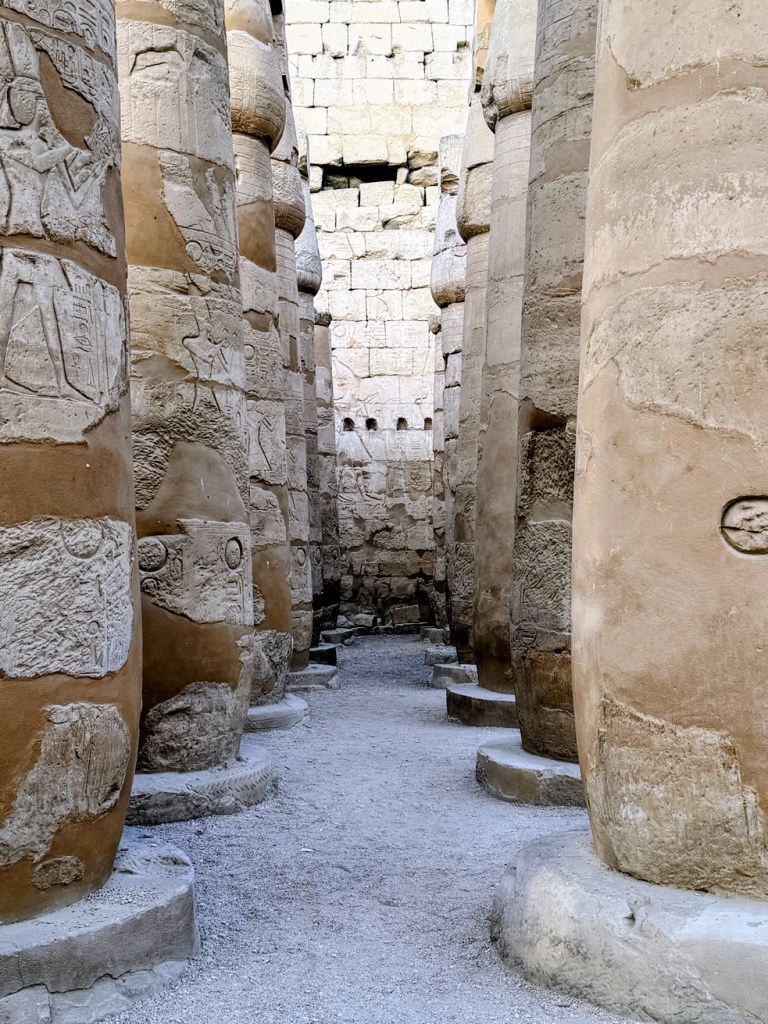
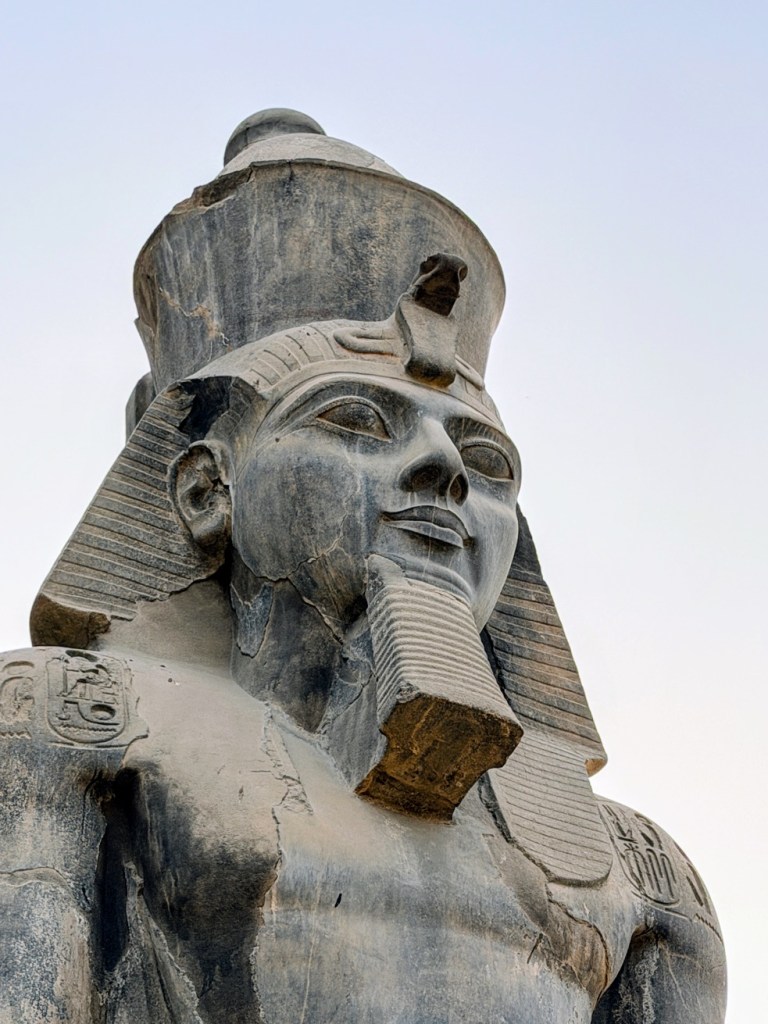
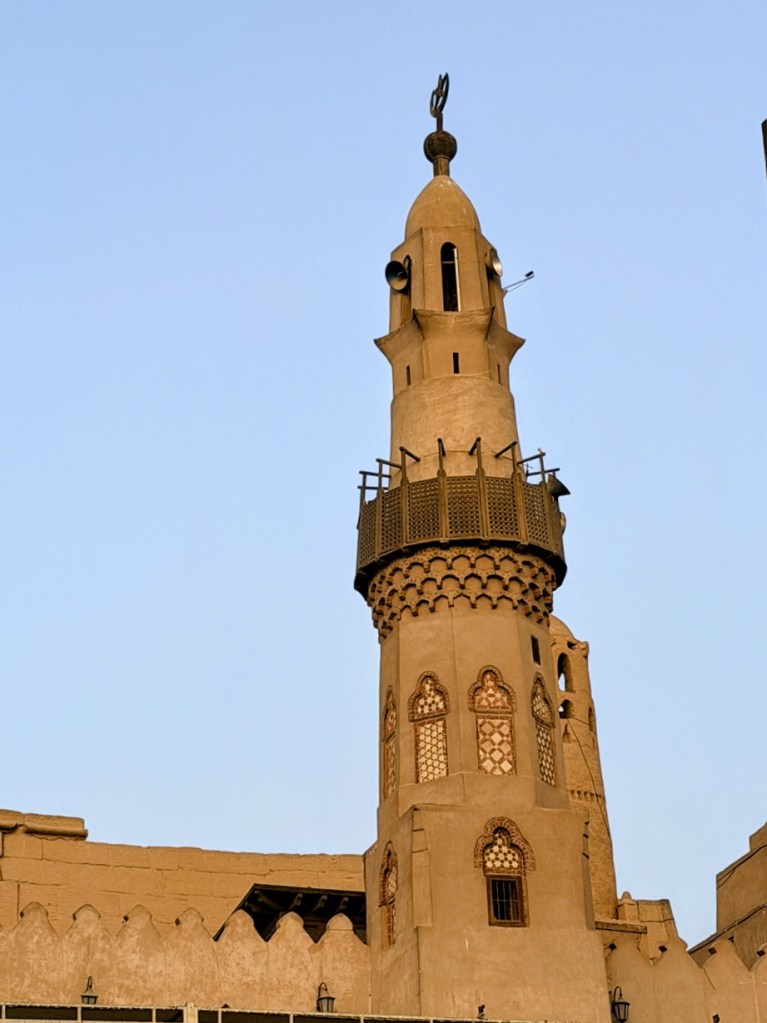
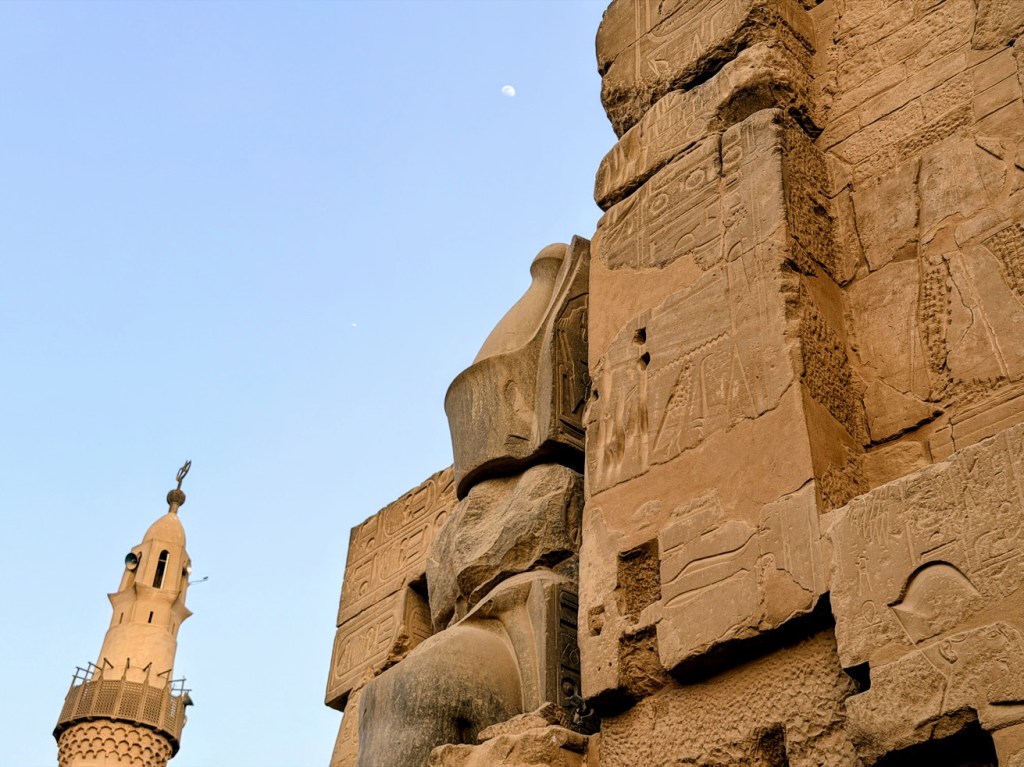
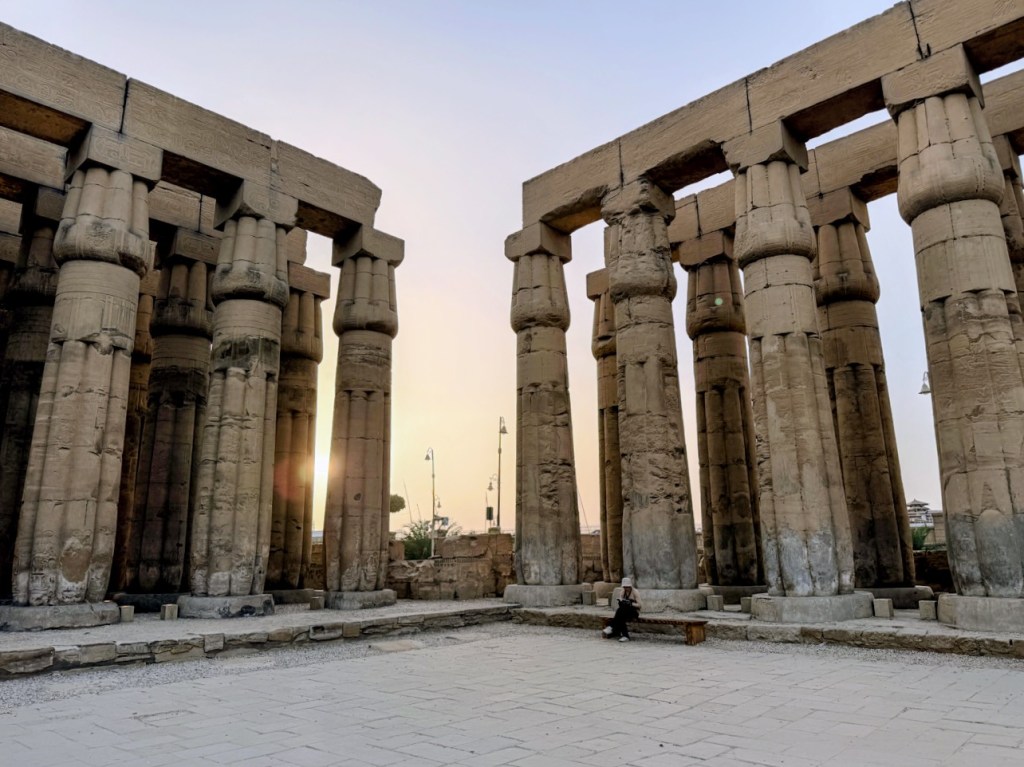
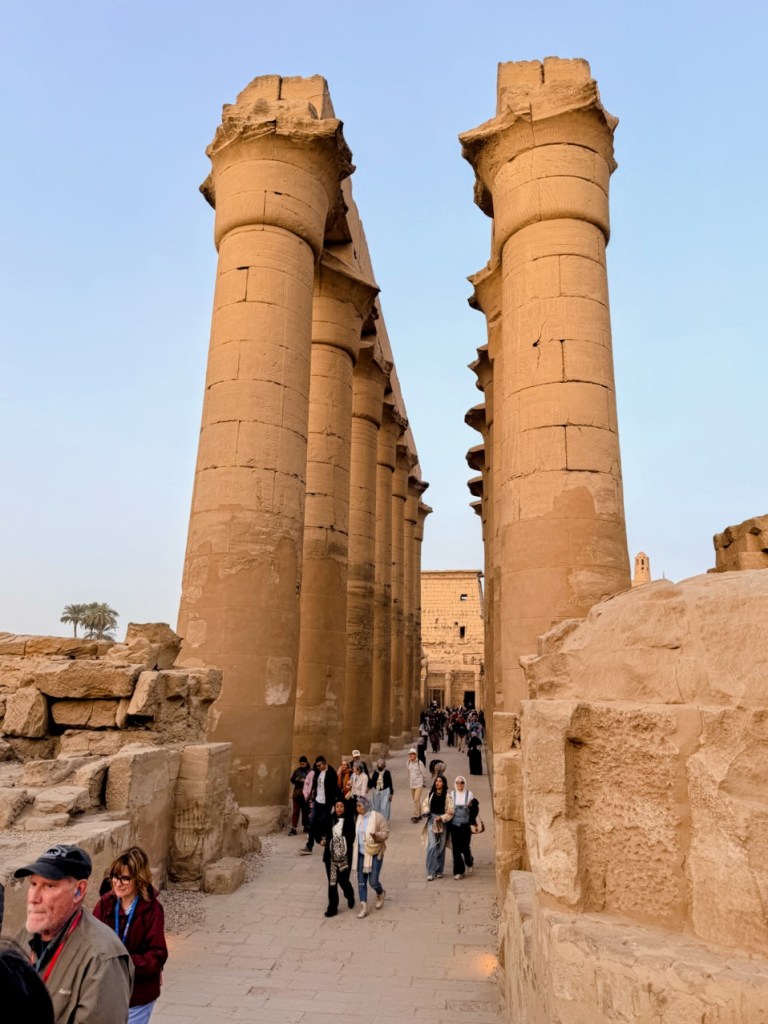
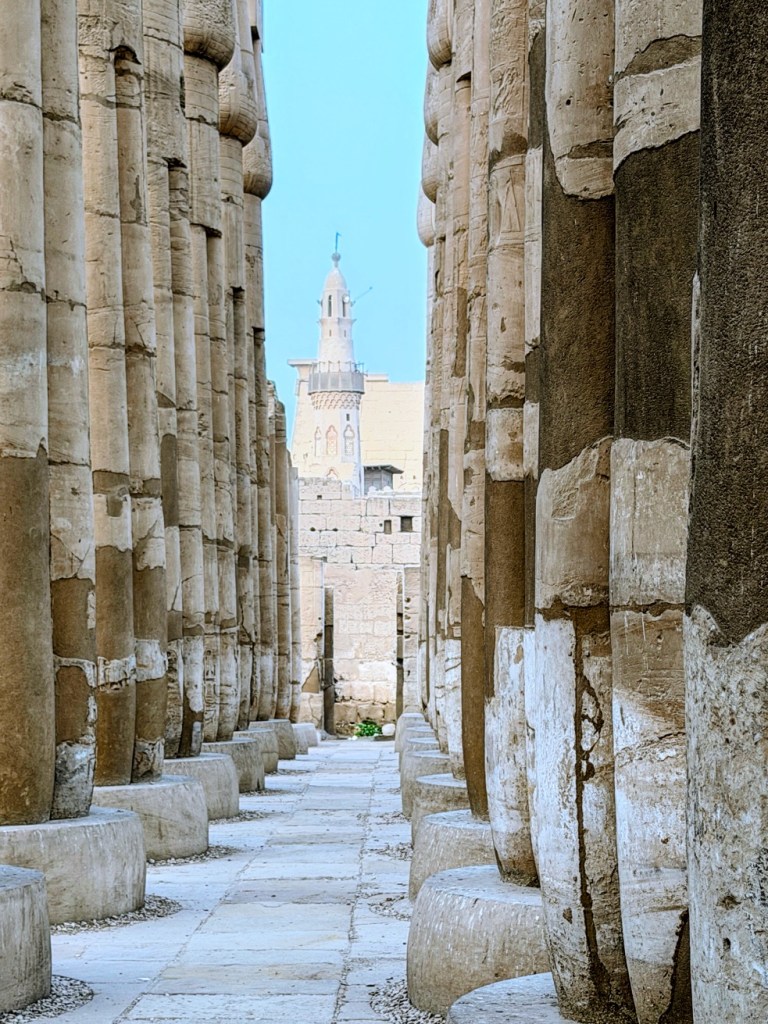
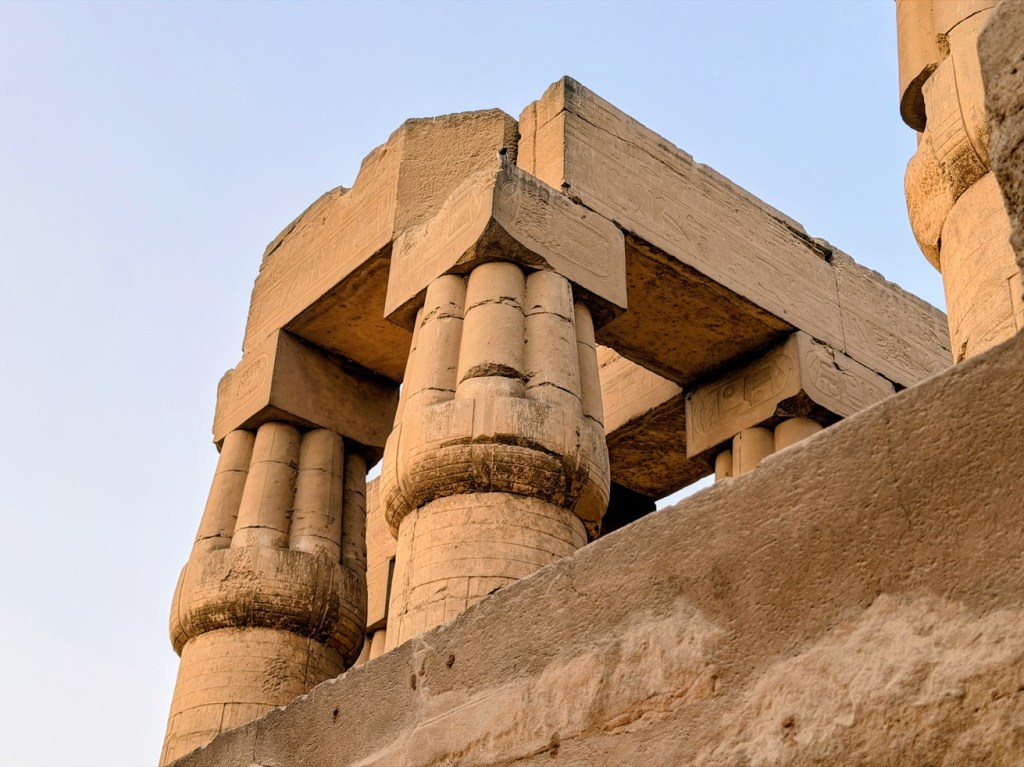
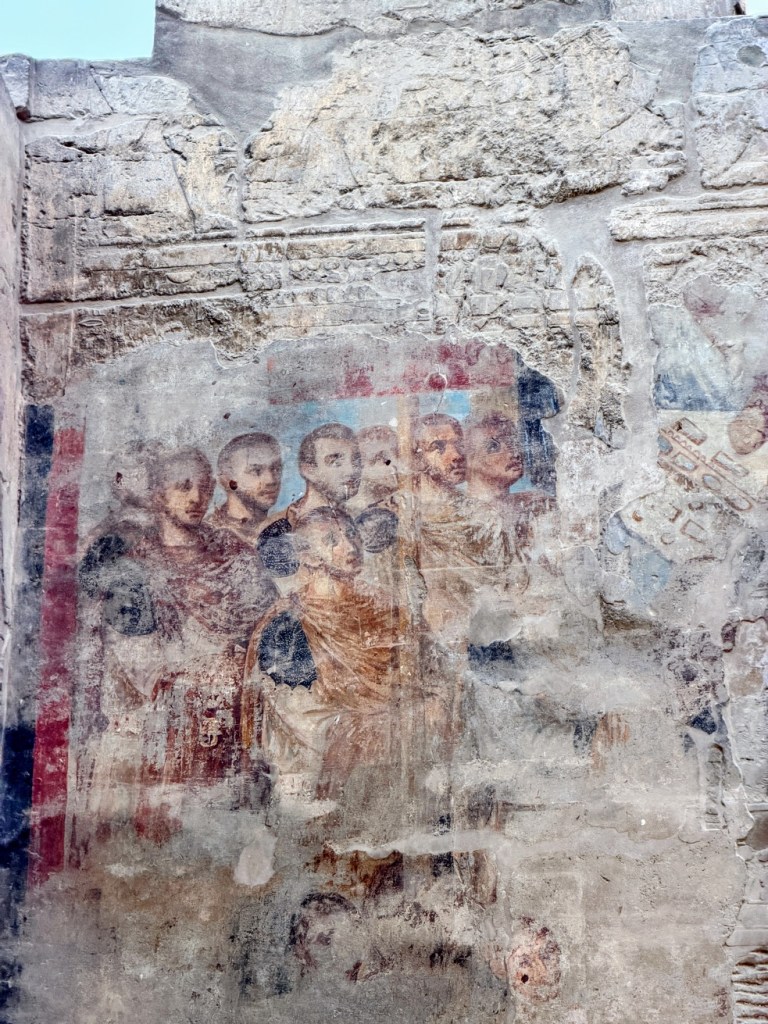
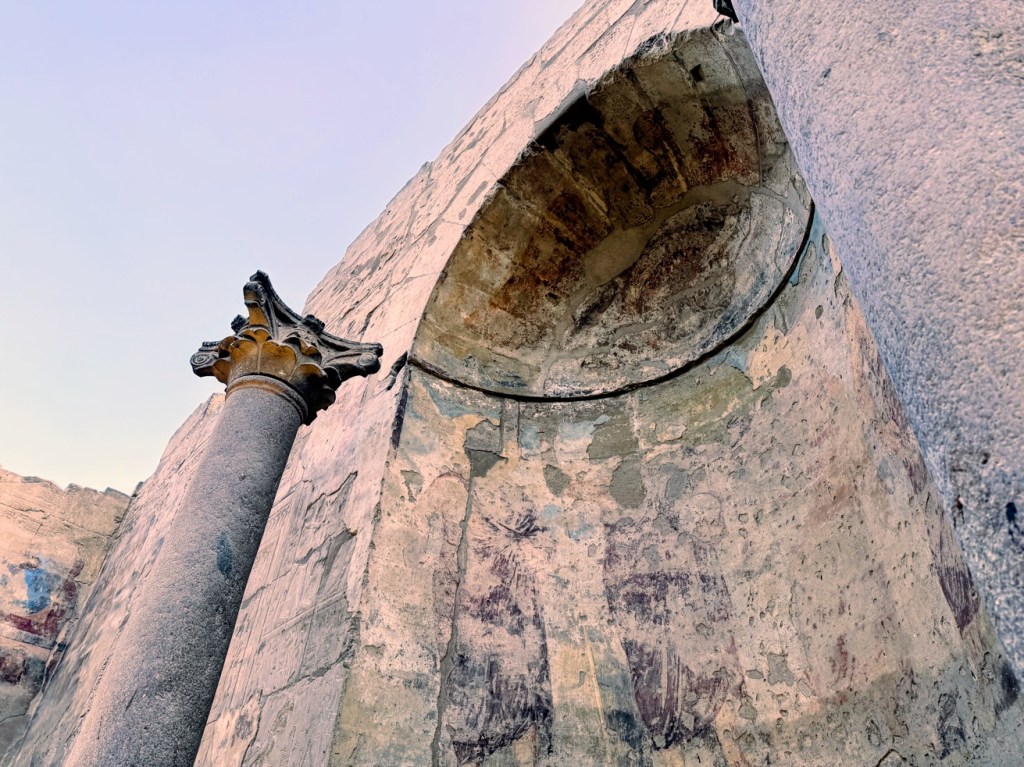
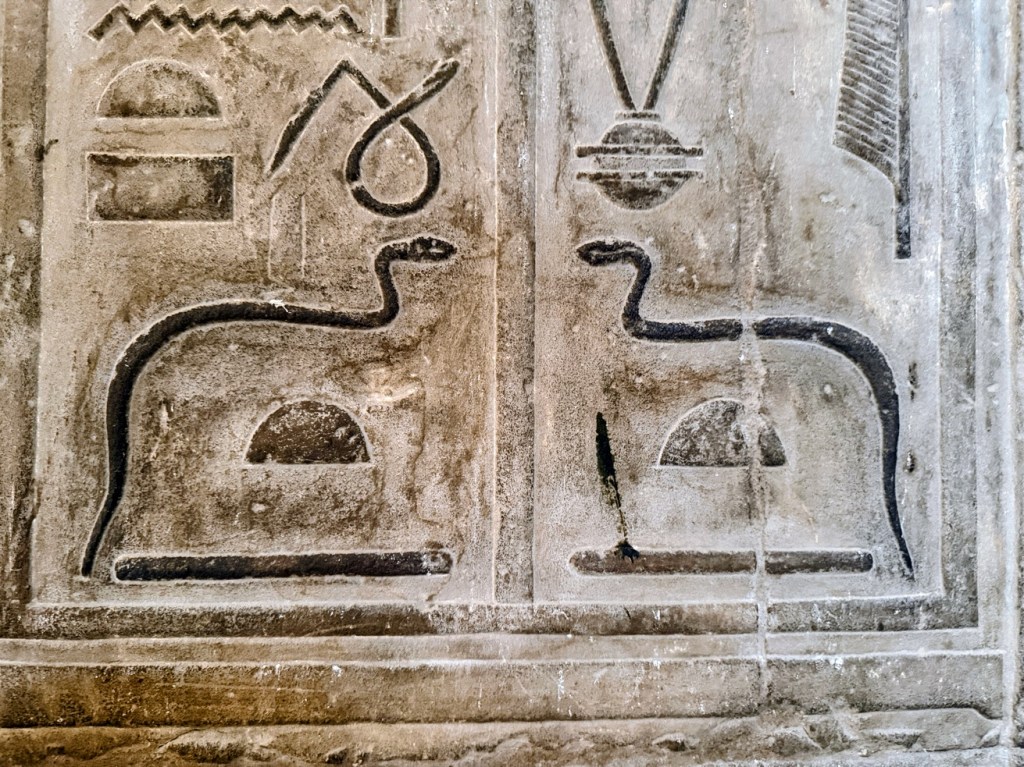
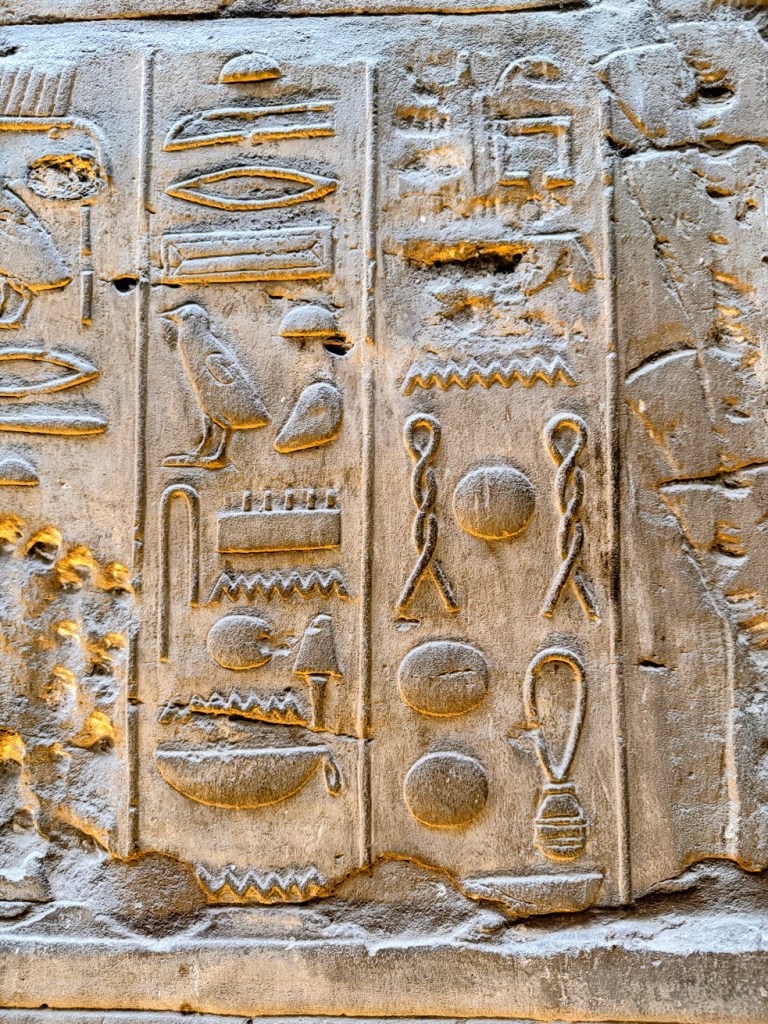
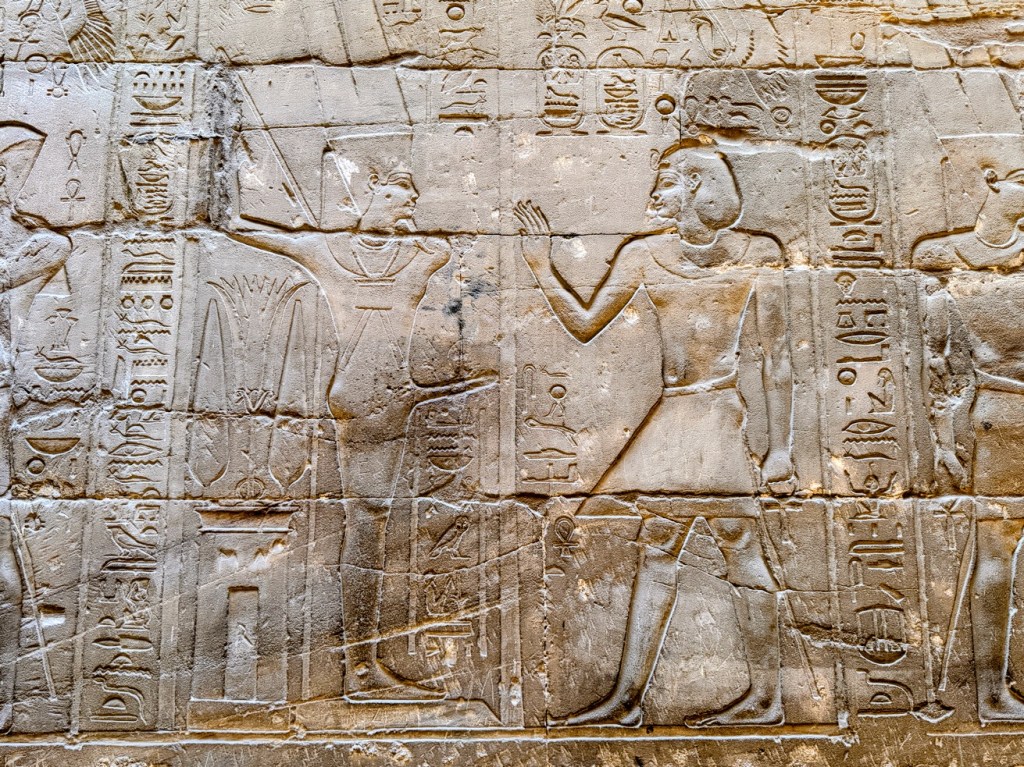
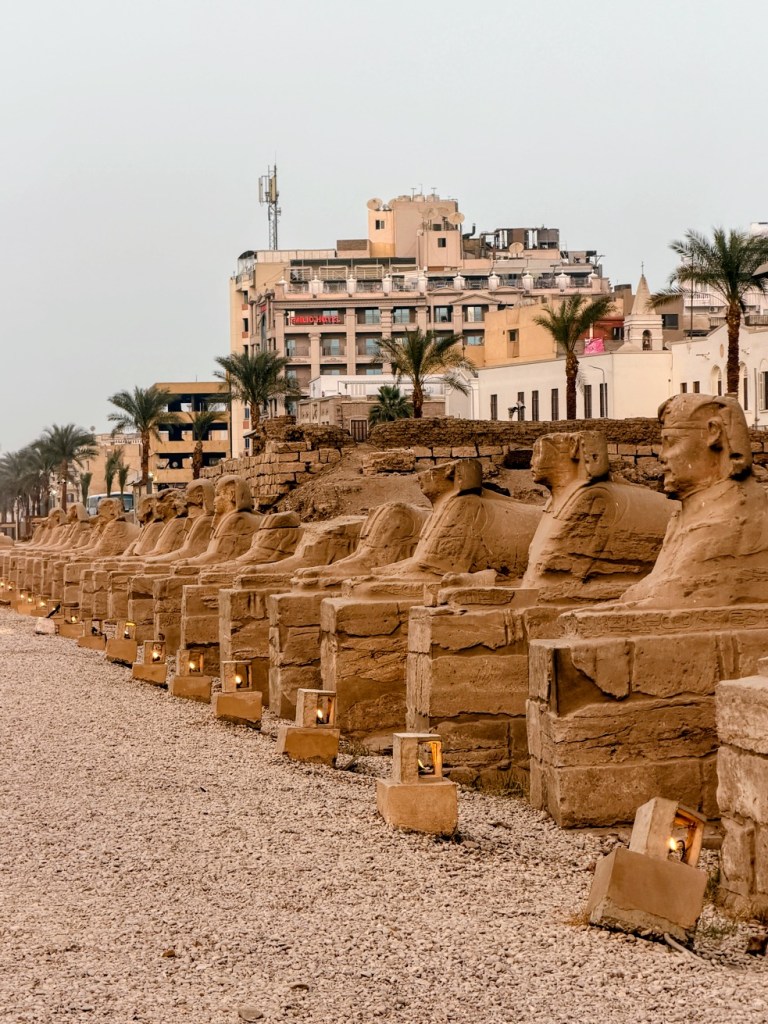
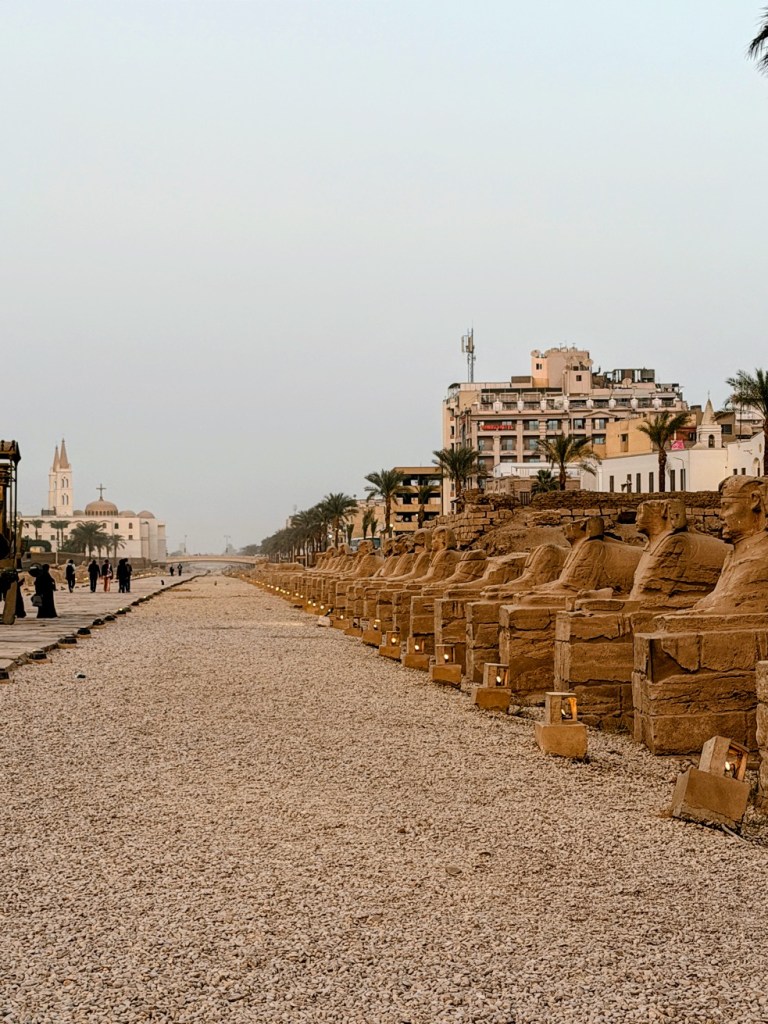
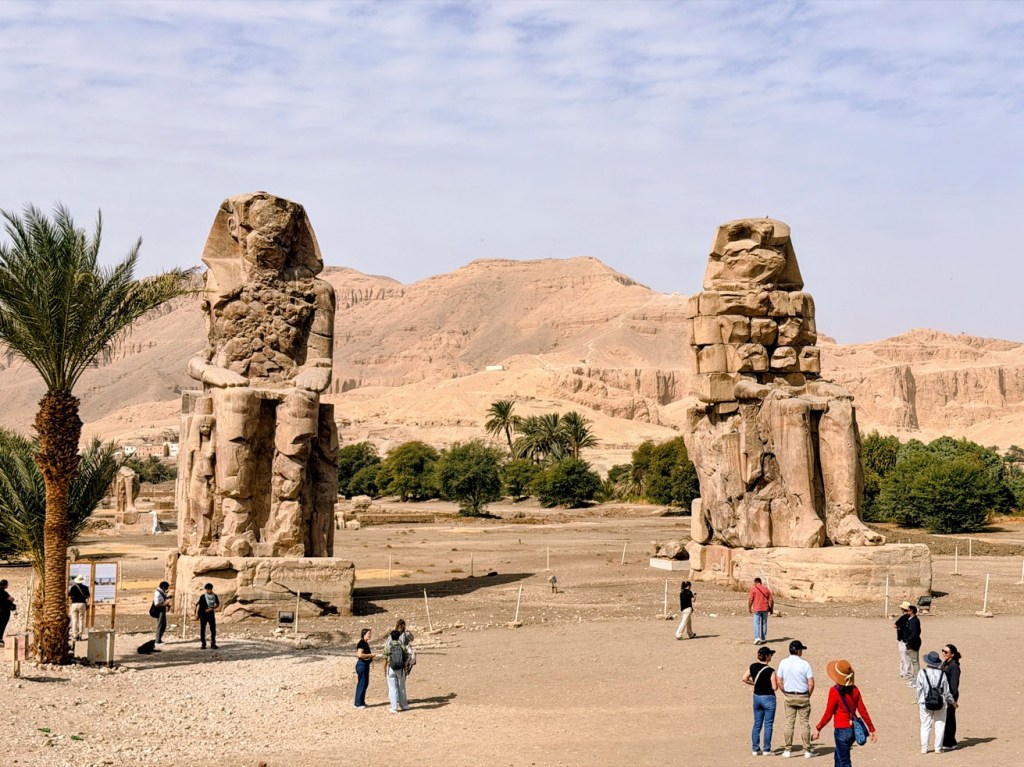
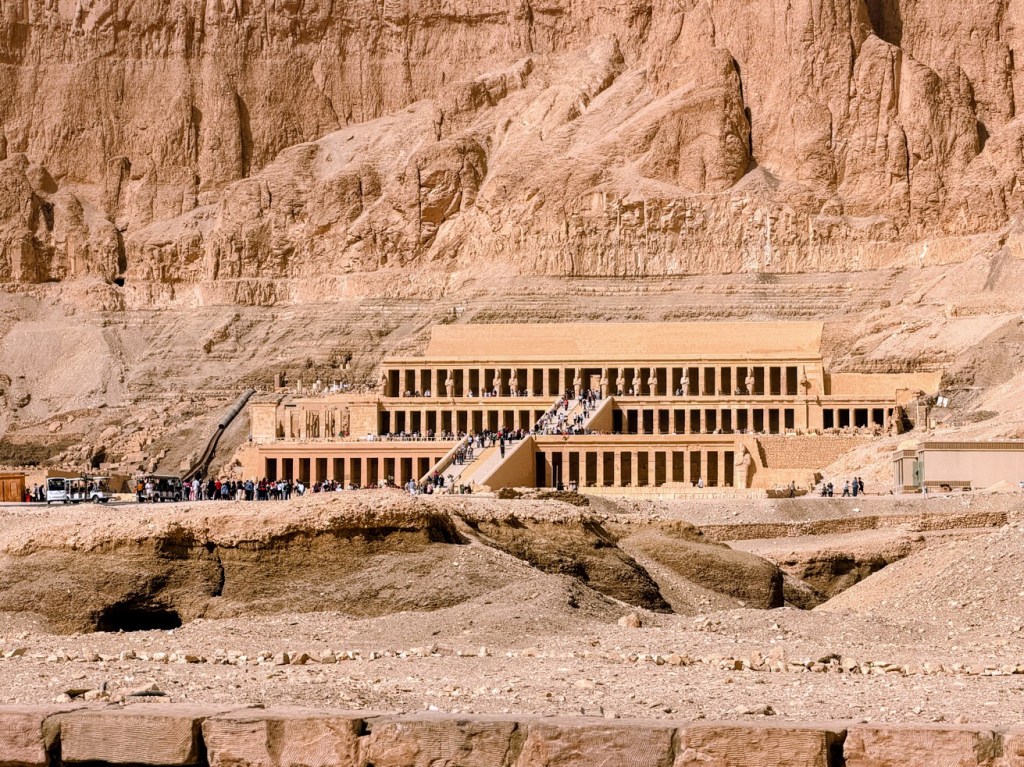
- The dramatic Temple of Queen Hatshepsut, carved directly into the cliffs.
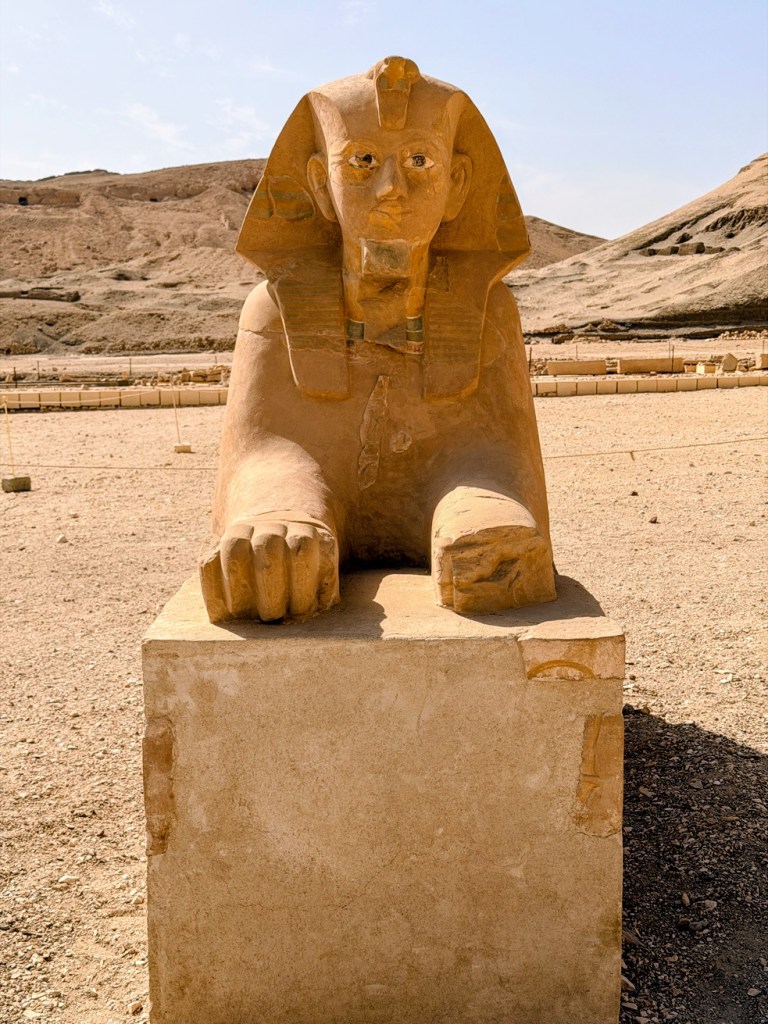
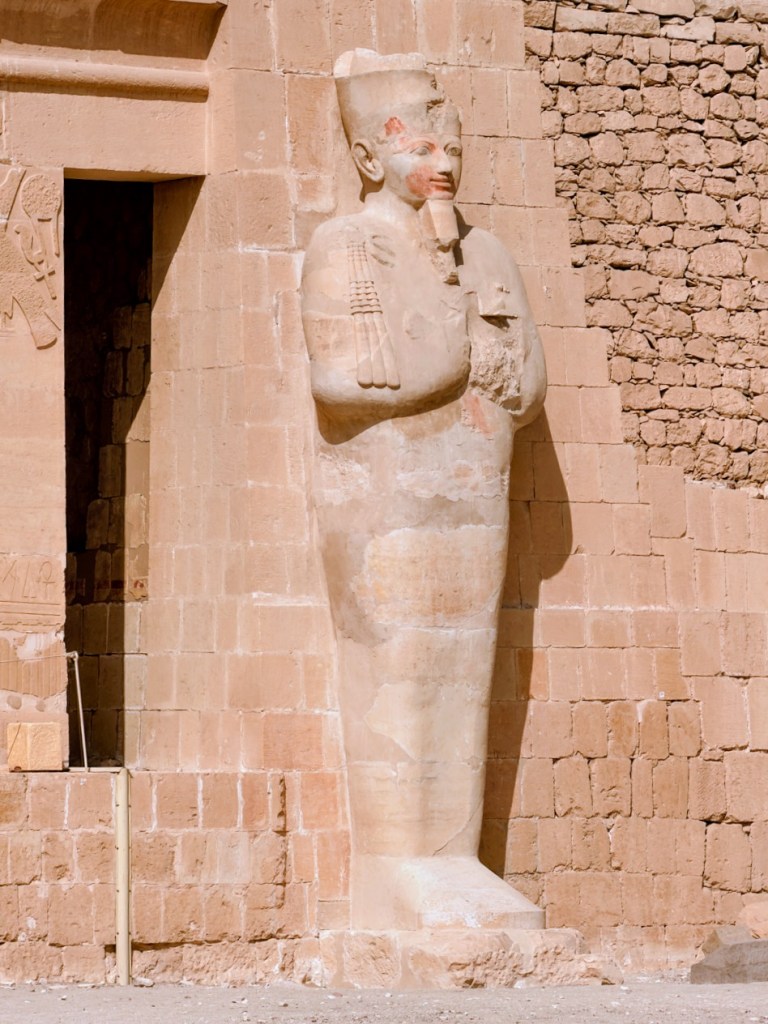
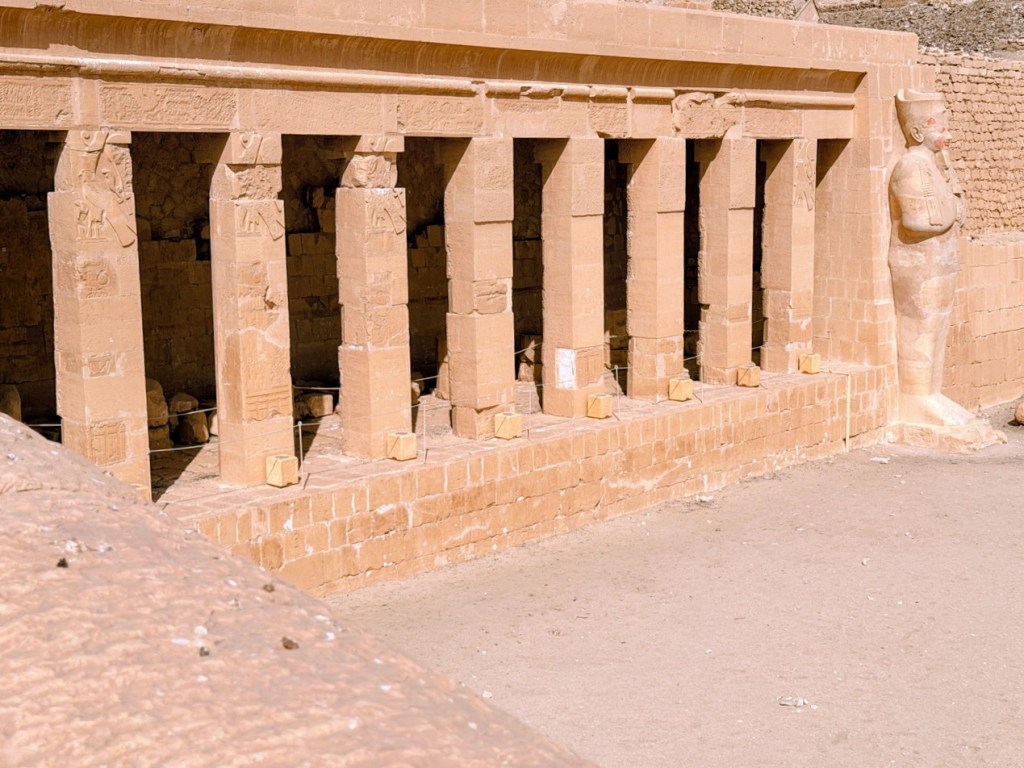
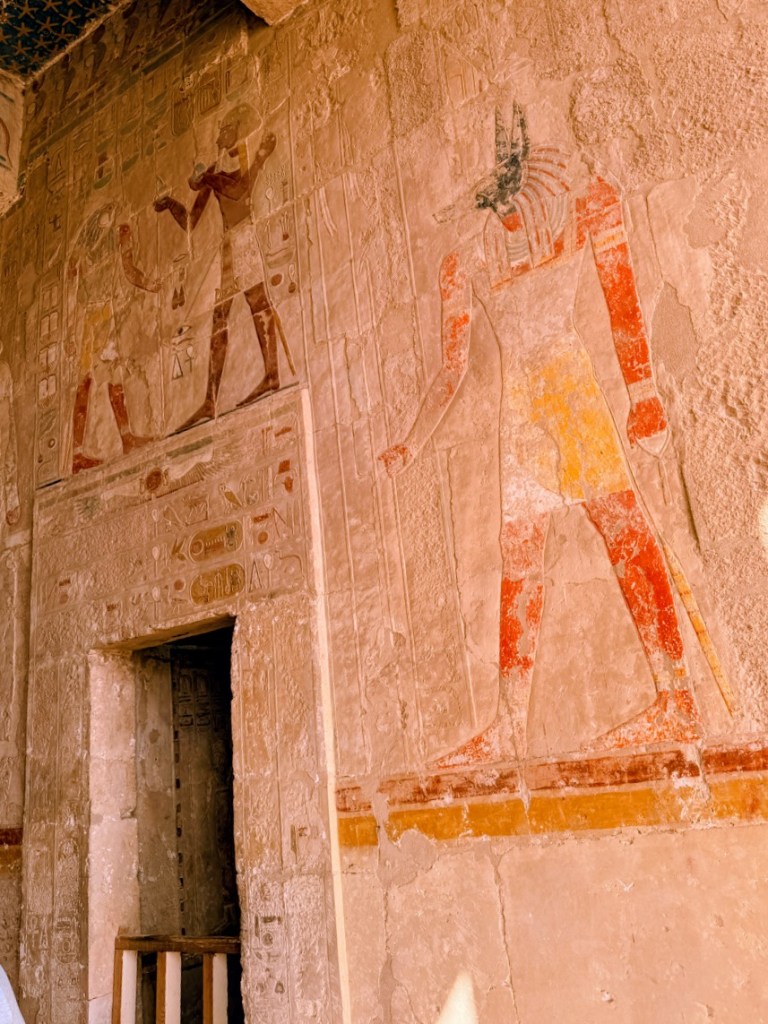
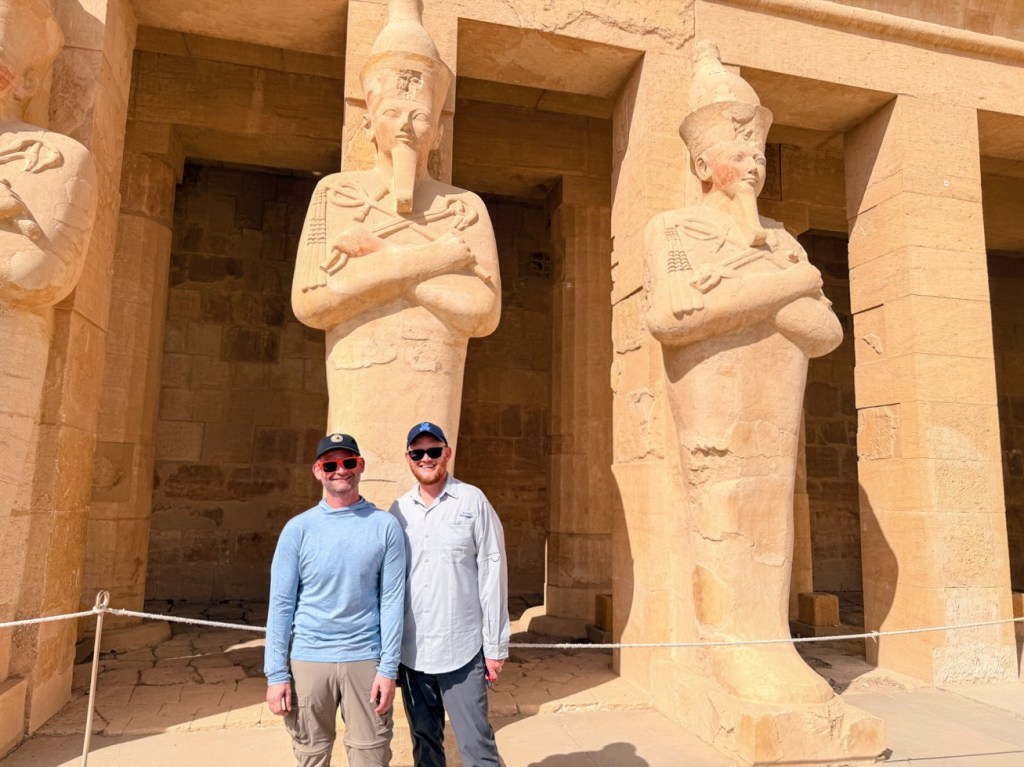
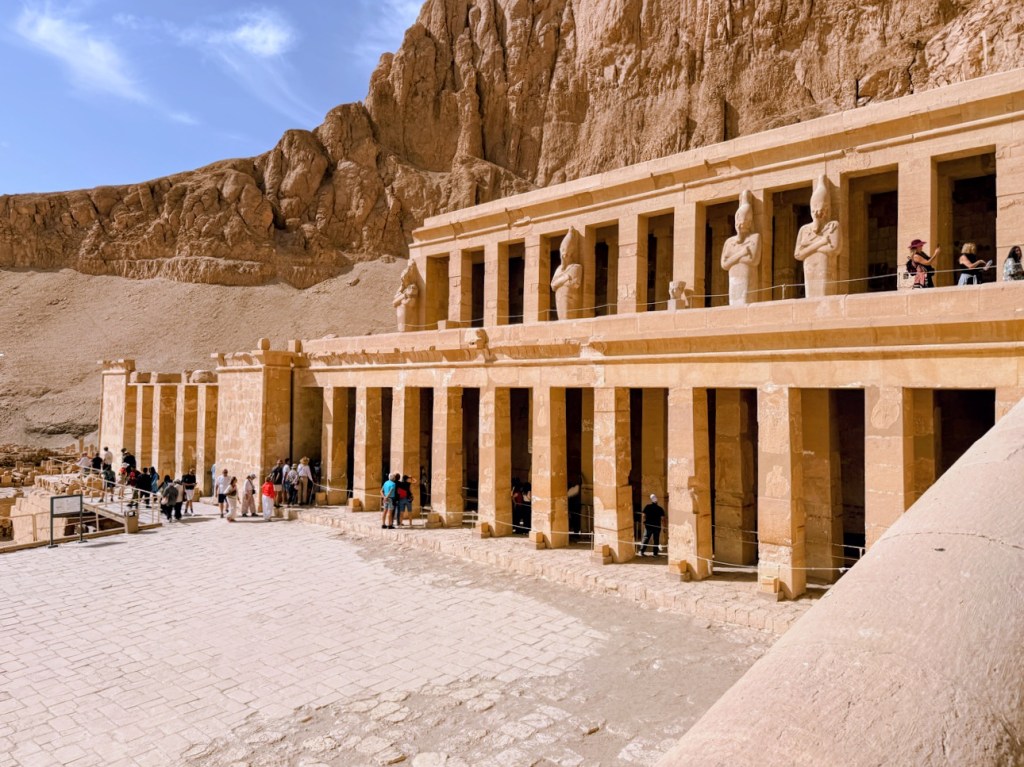
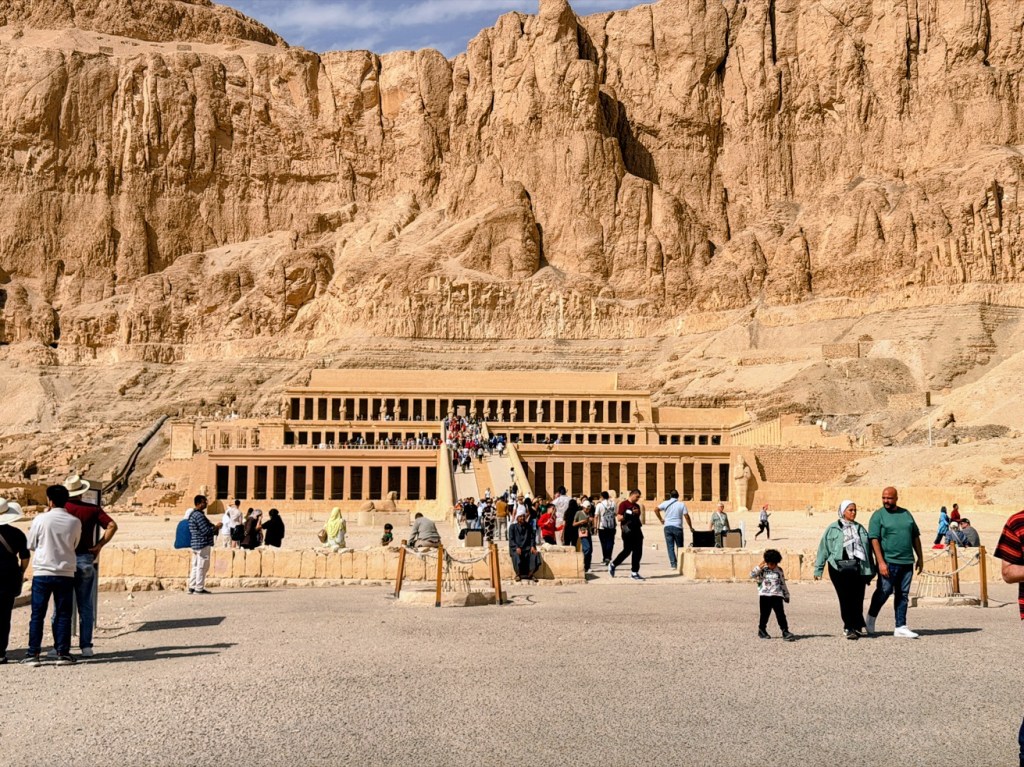
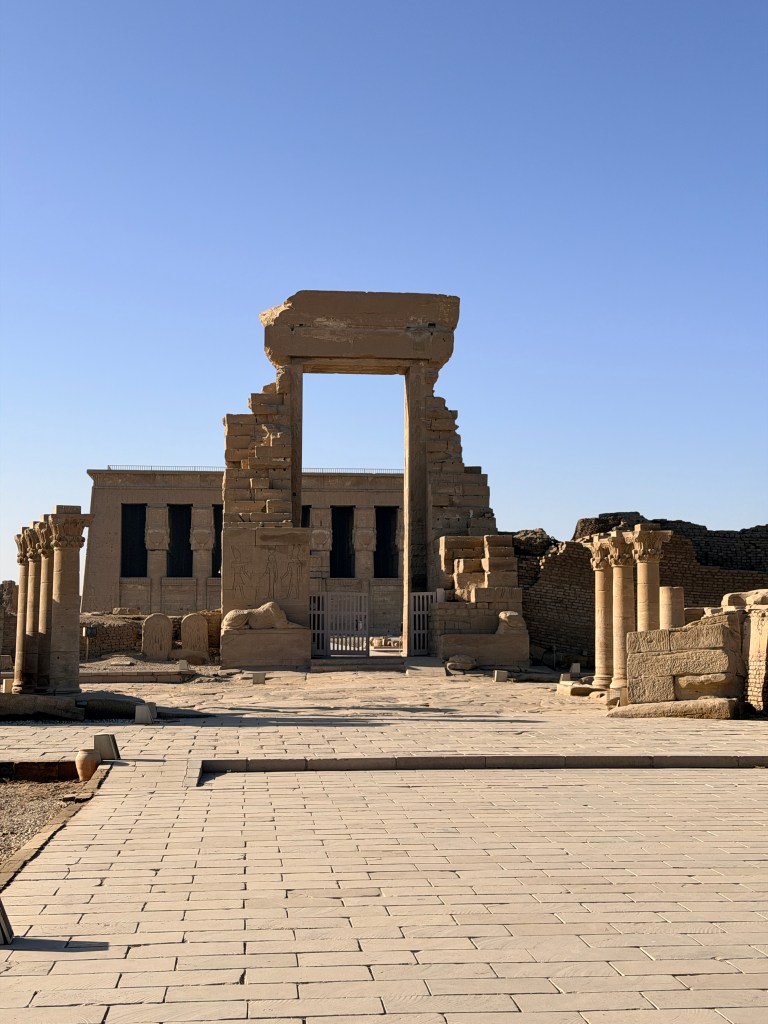
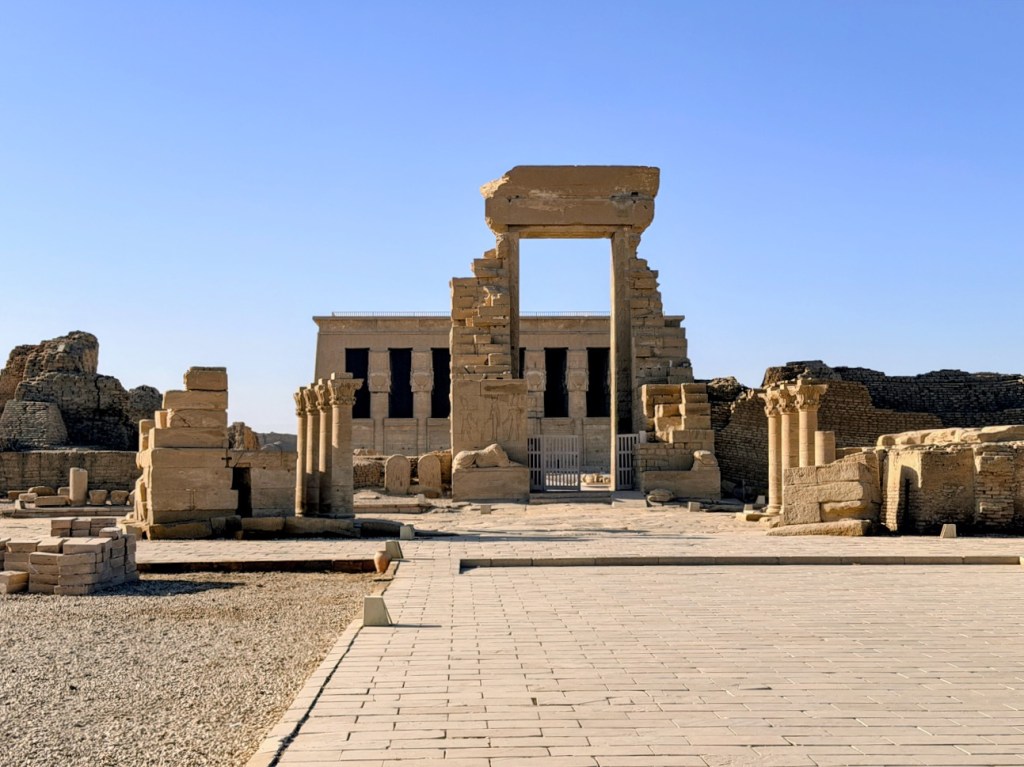
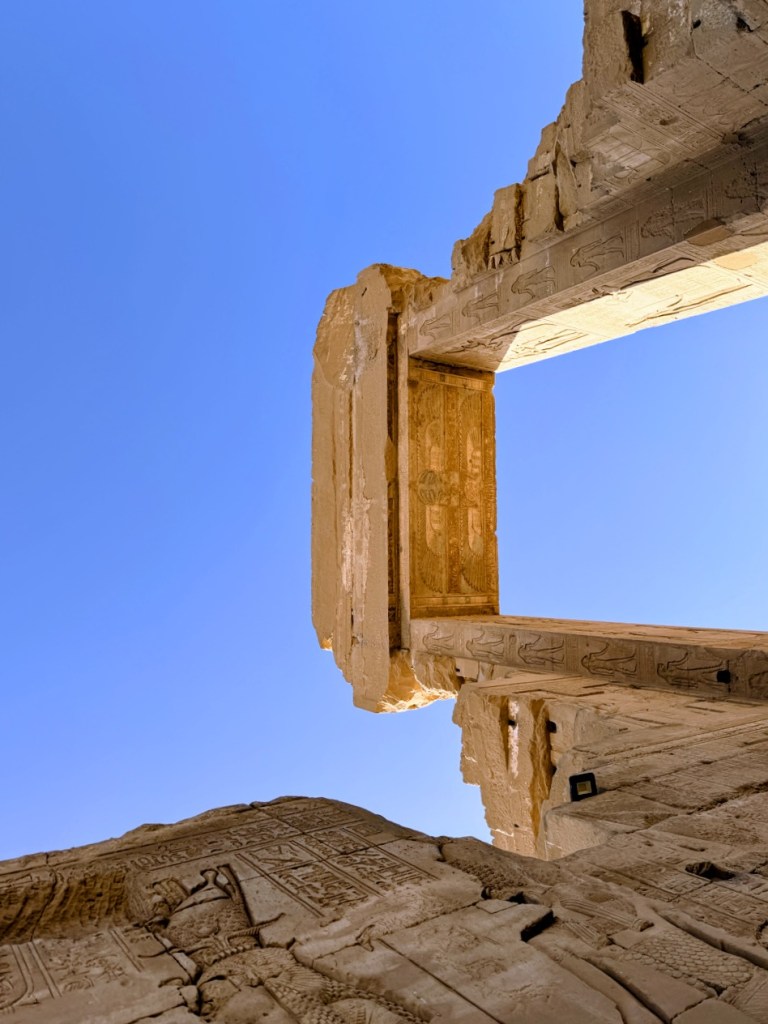
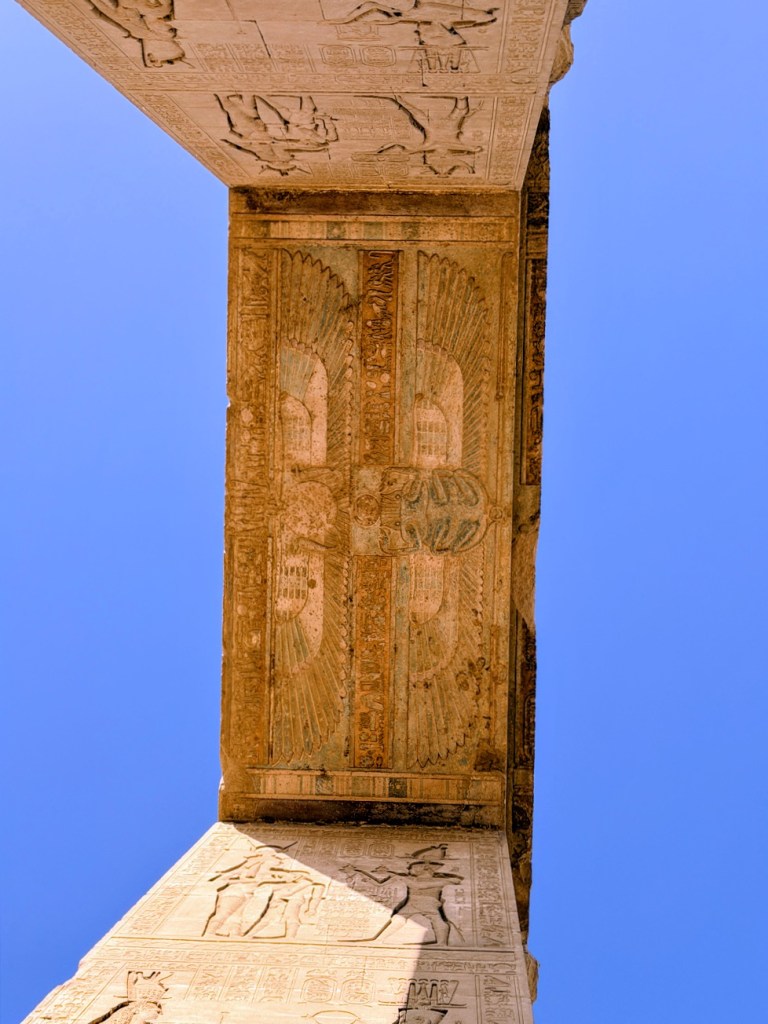
- And on our final day along the Nile, a visit to Dendera Temple of Hathor—probably our favorite temple of the entire journey—before flying back to Cairo.
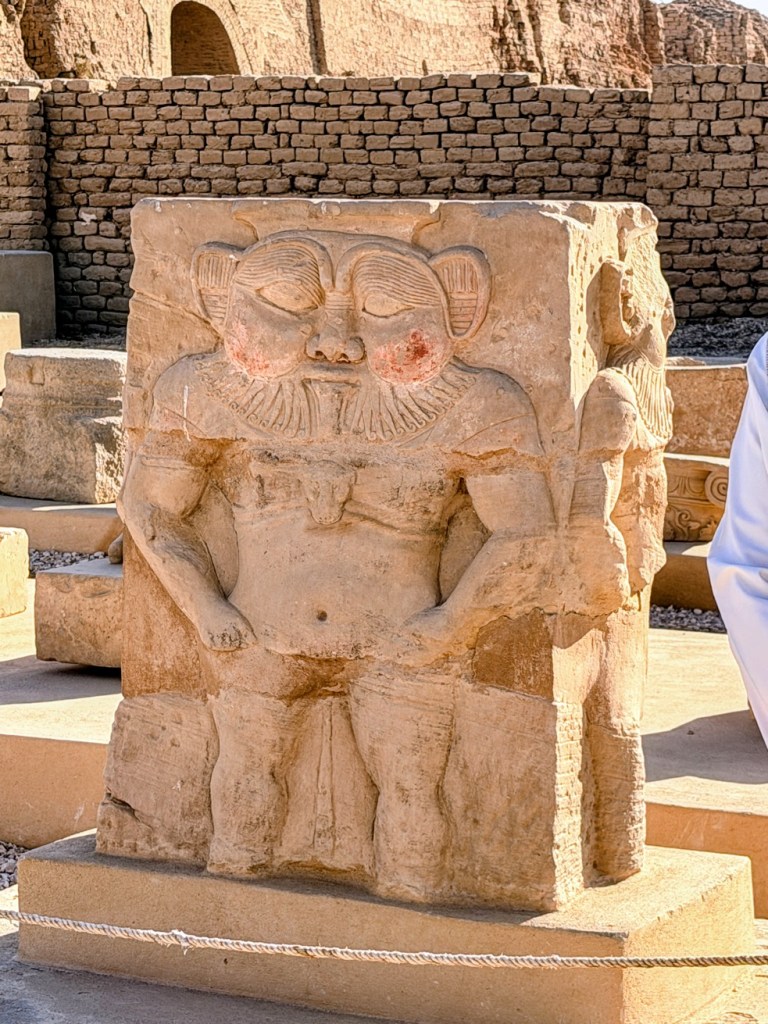
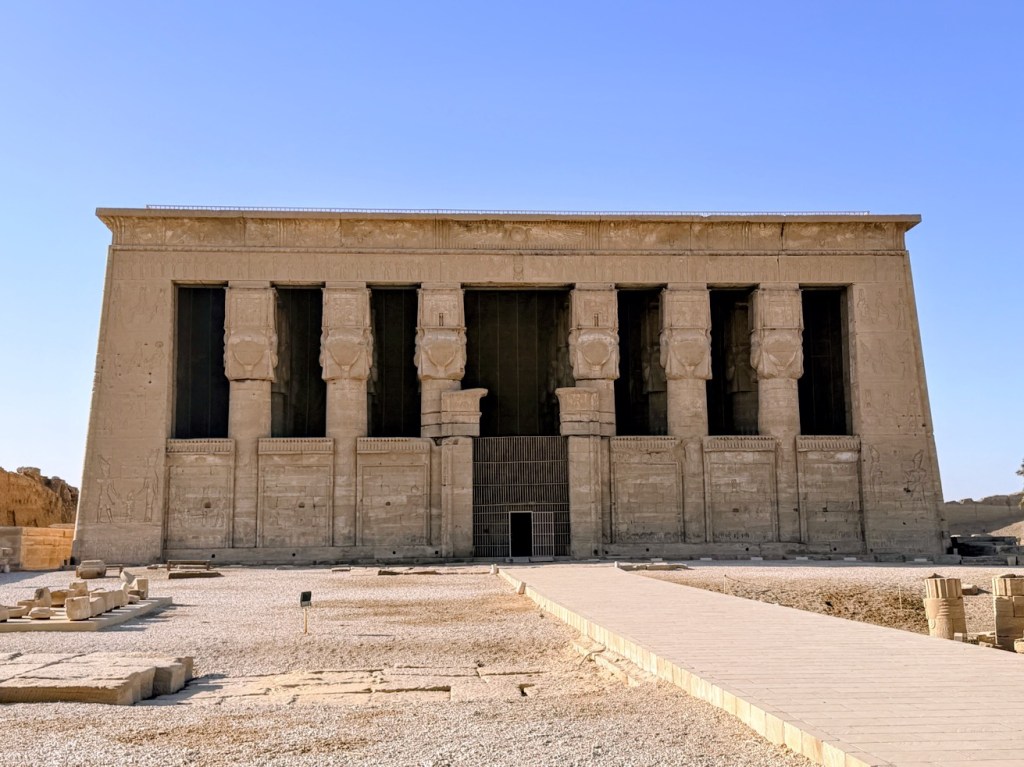
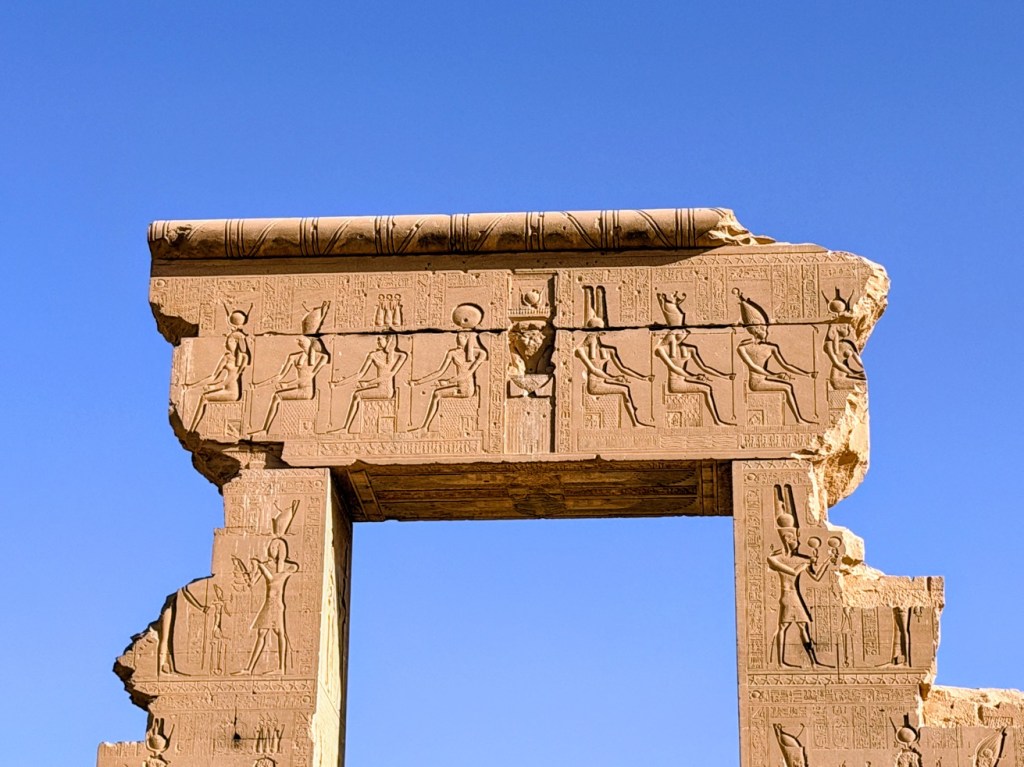
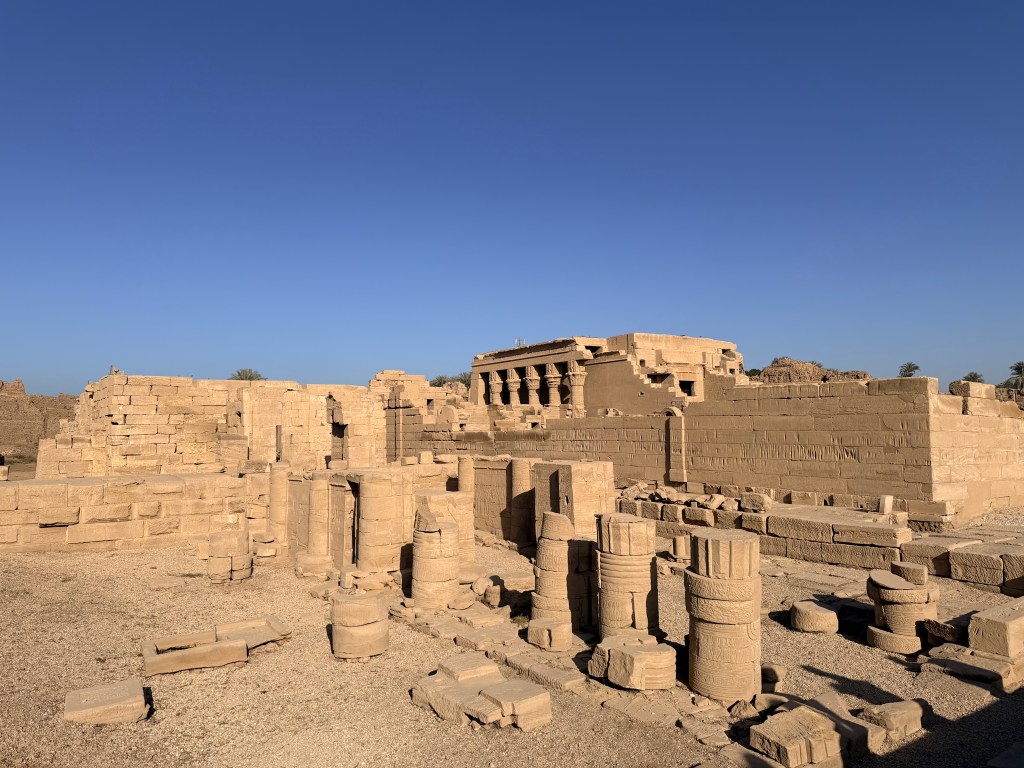
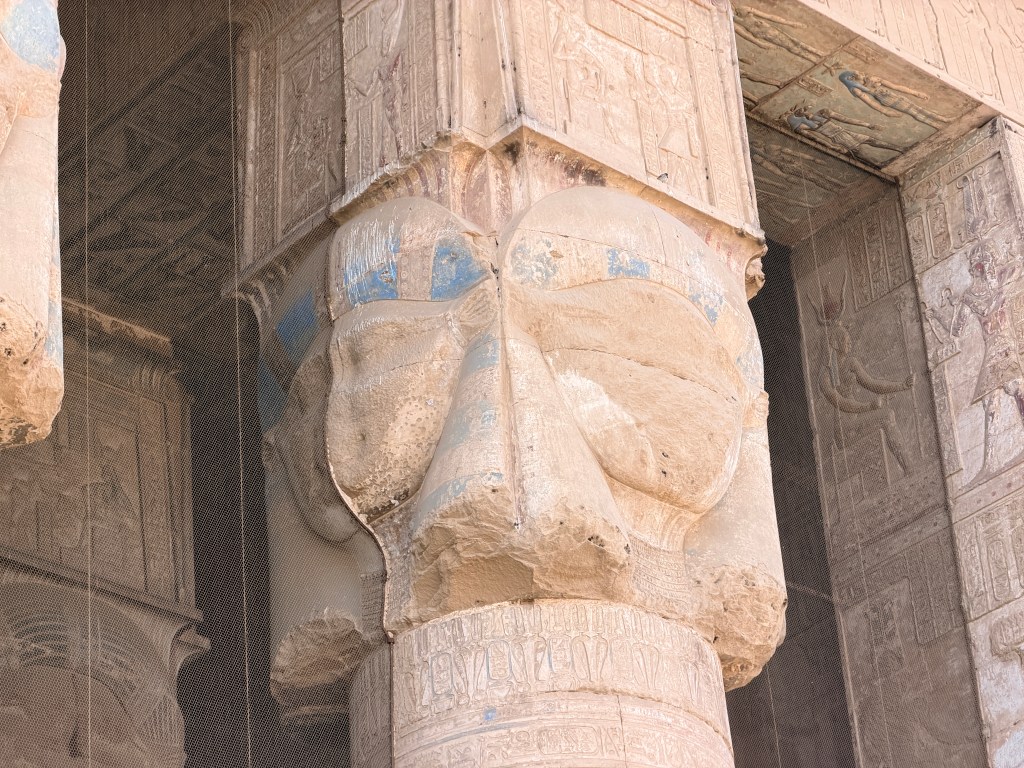
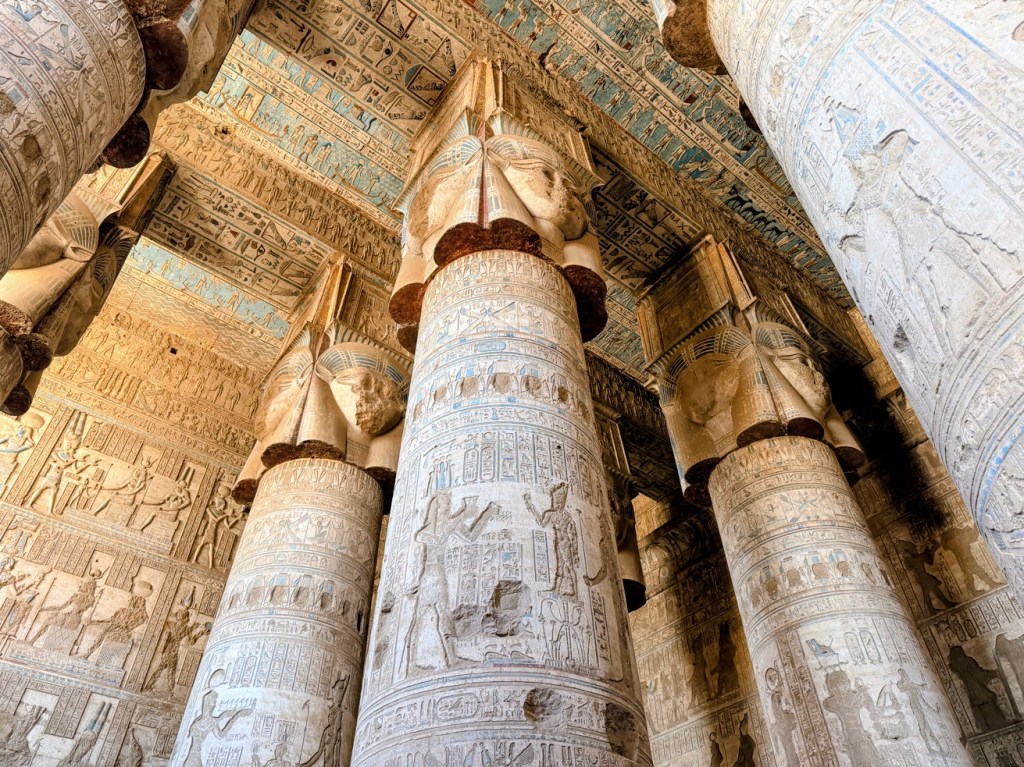
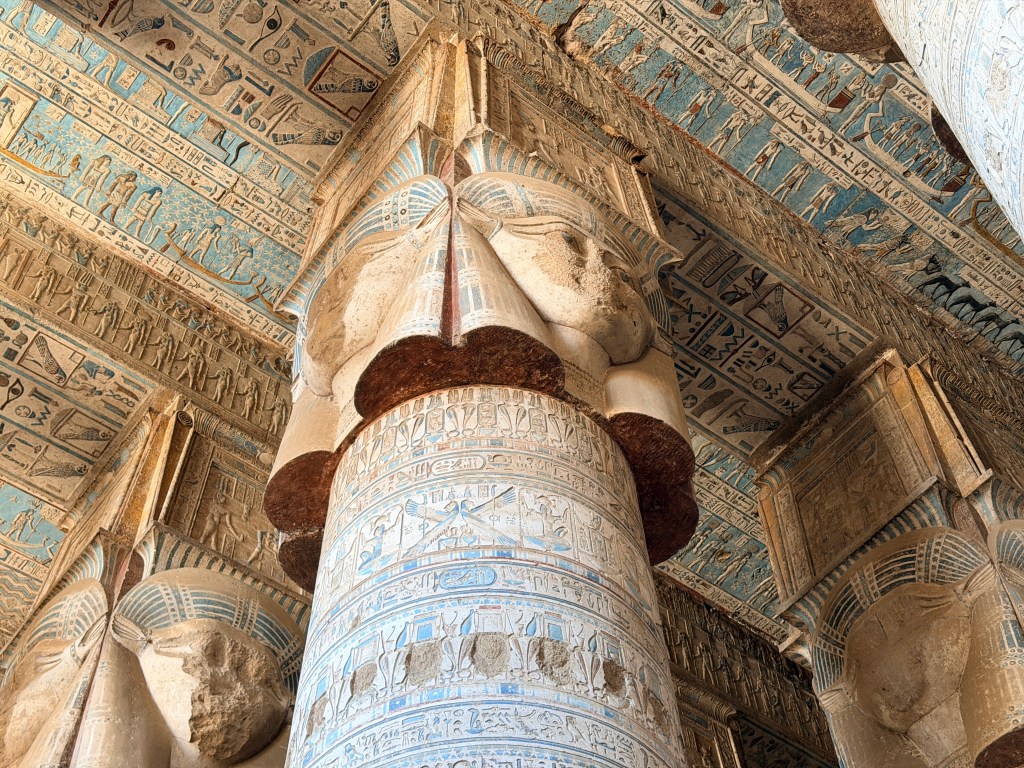
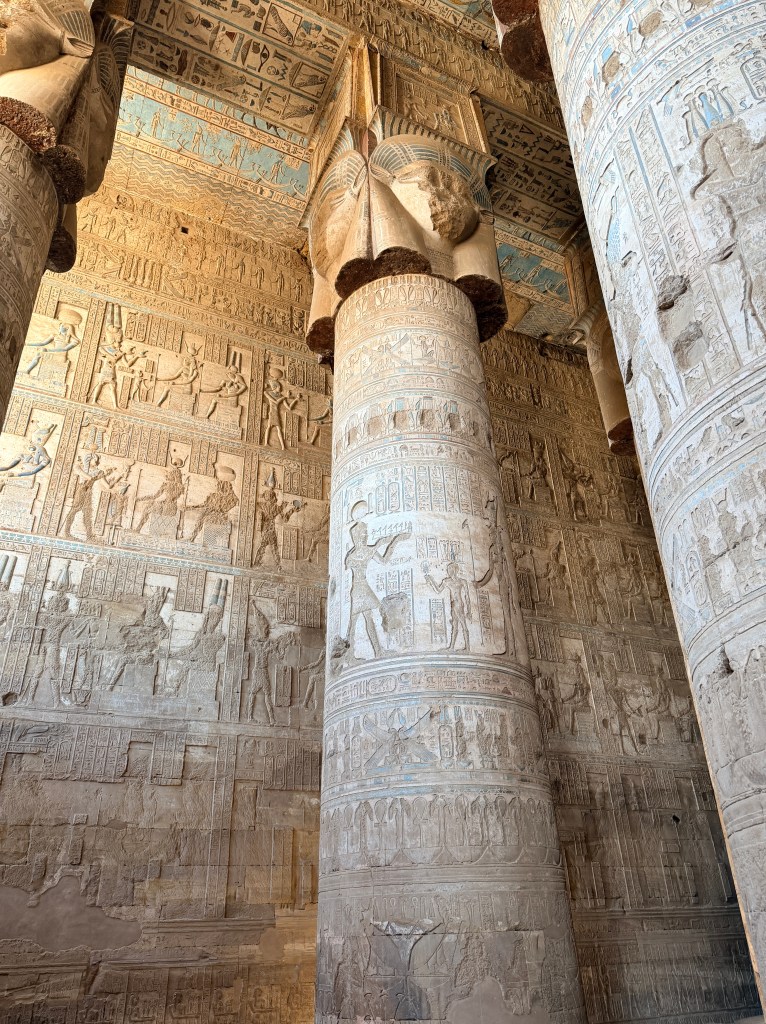
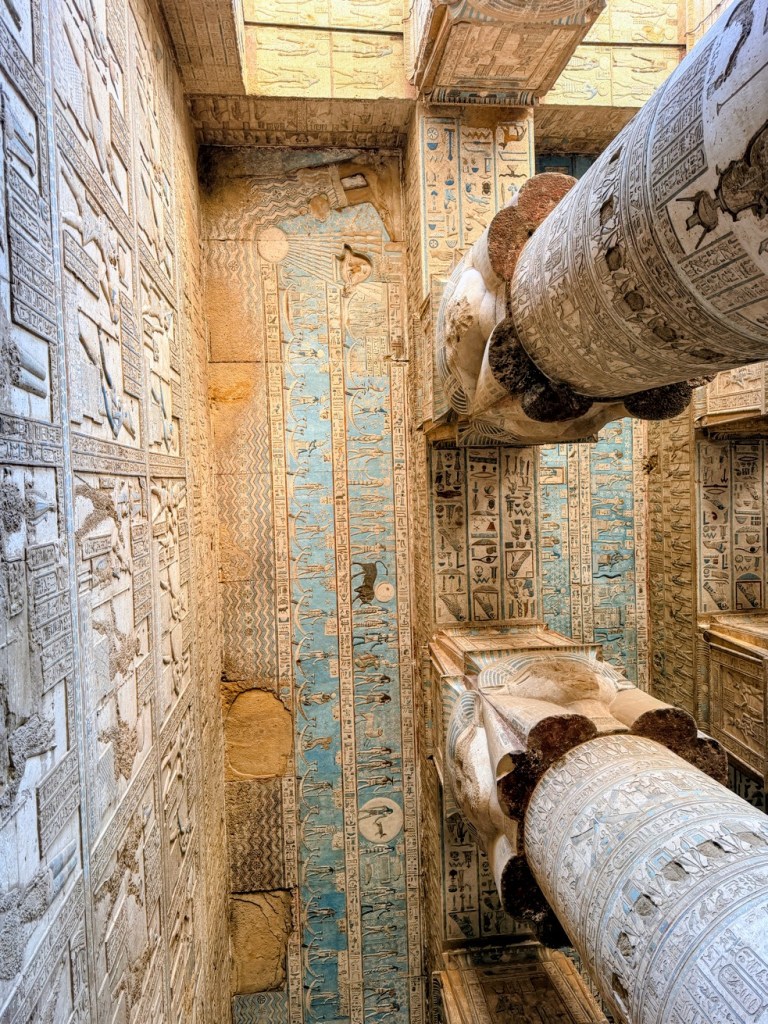
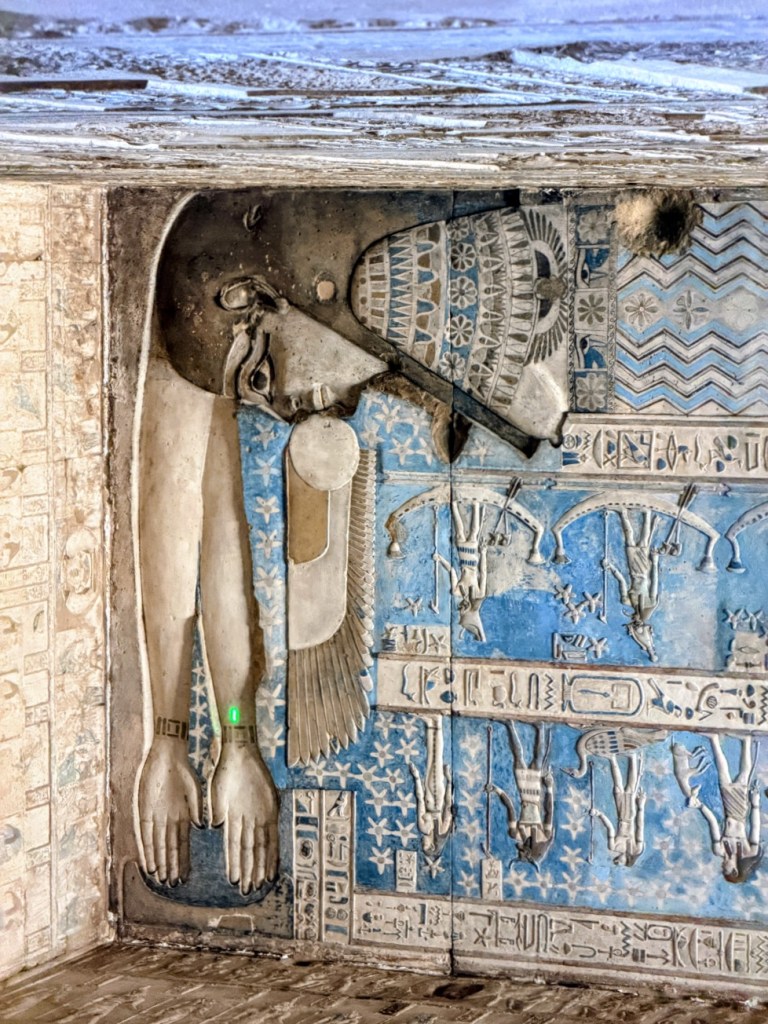
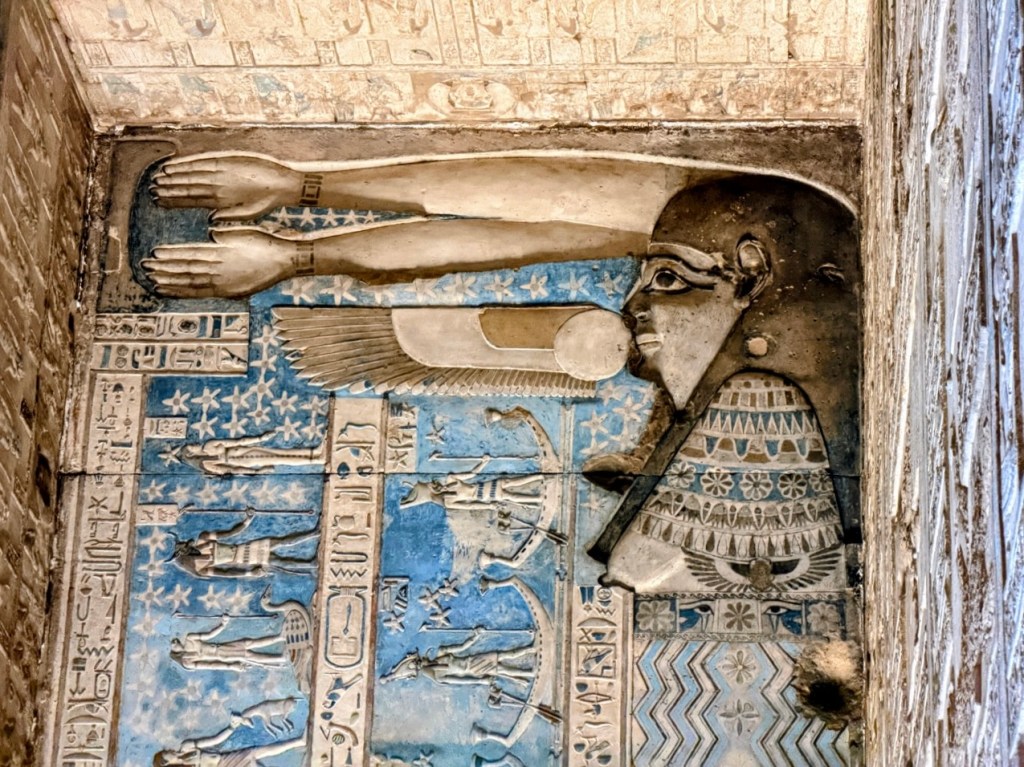
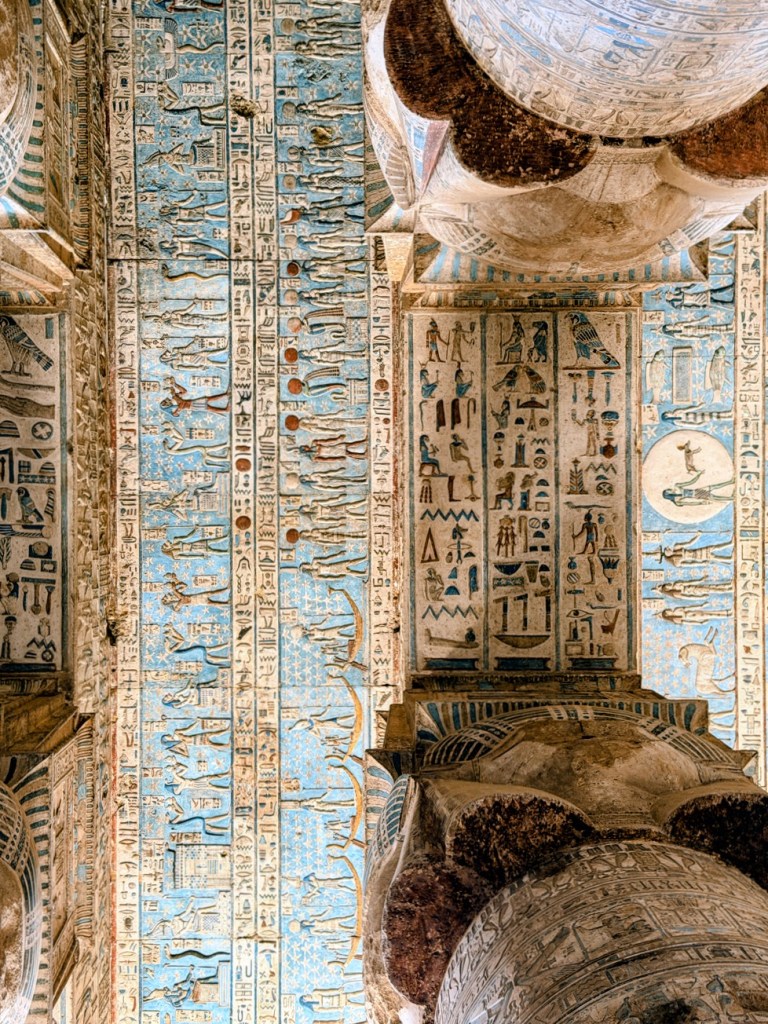
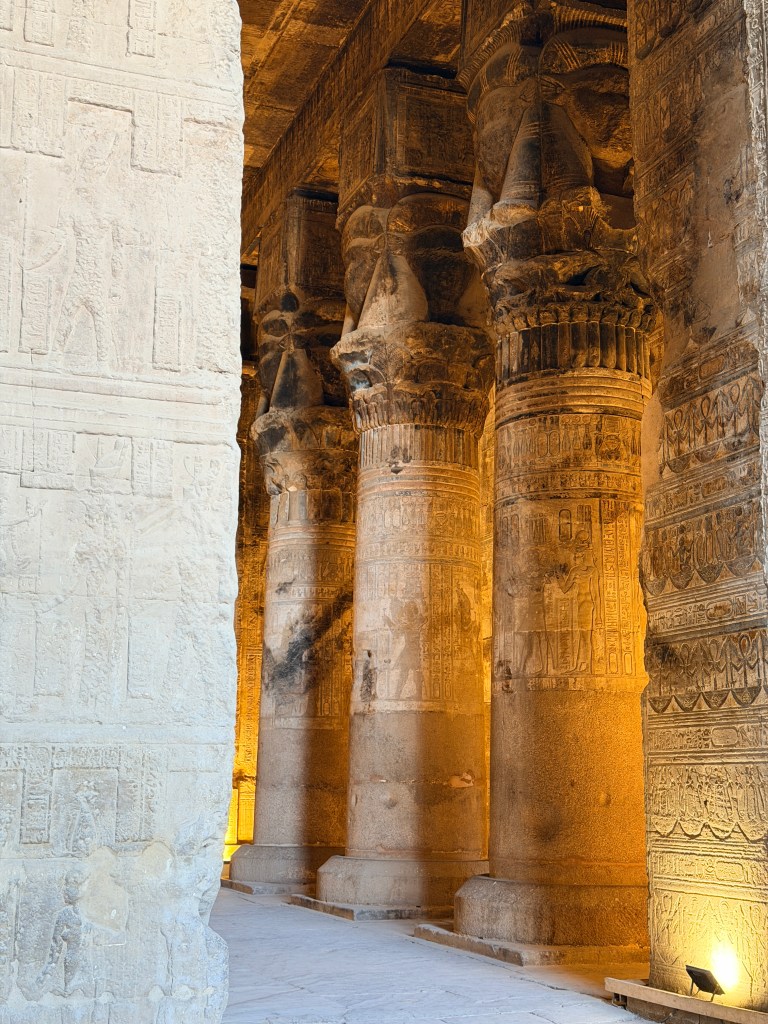
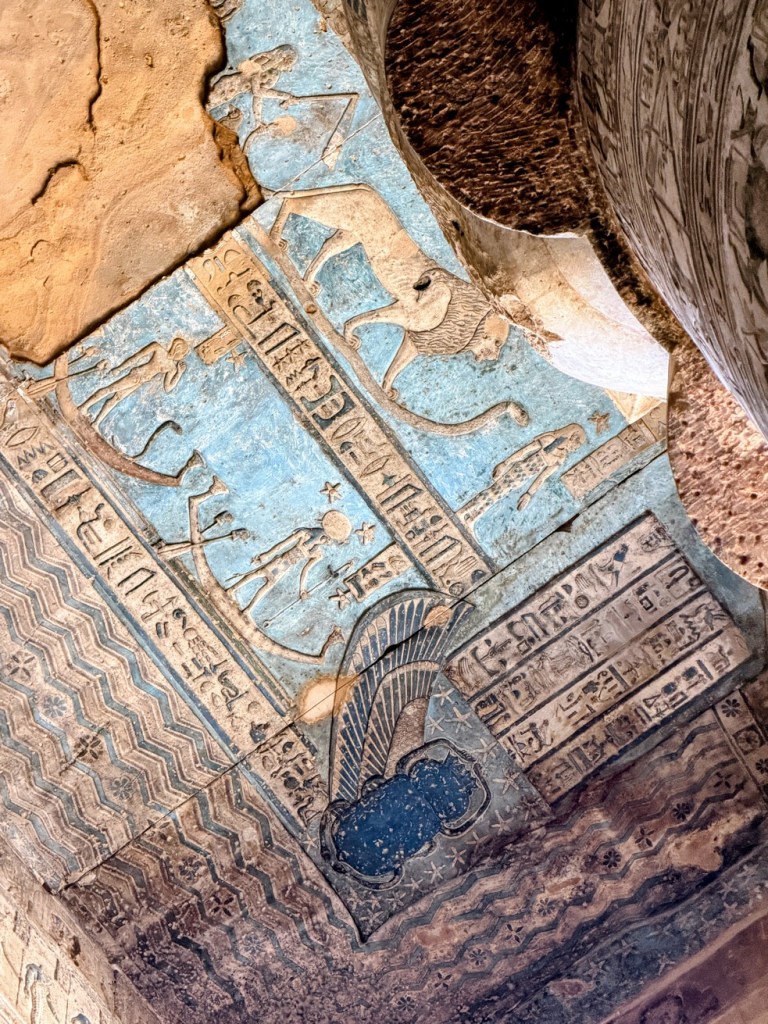
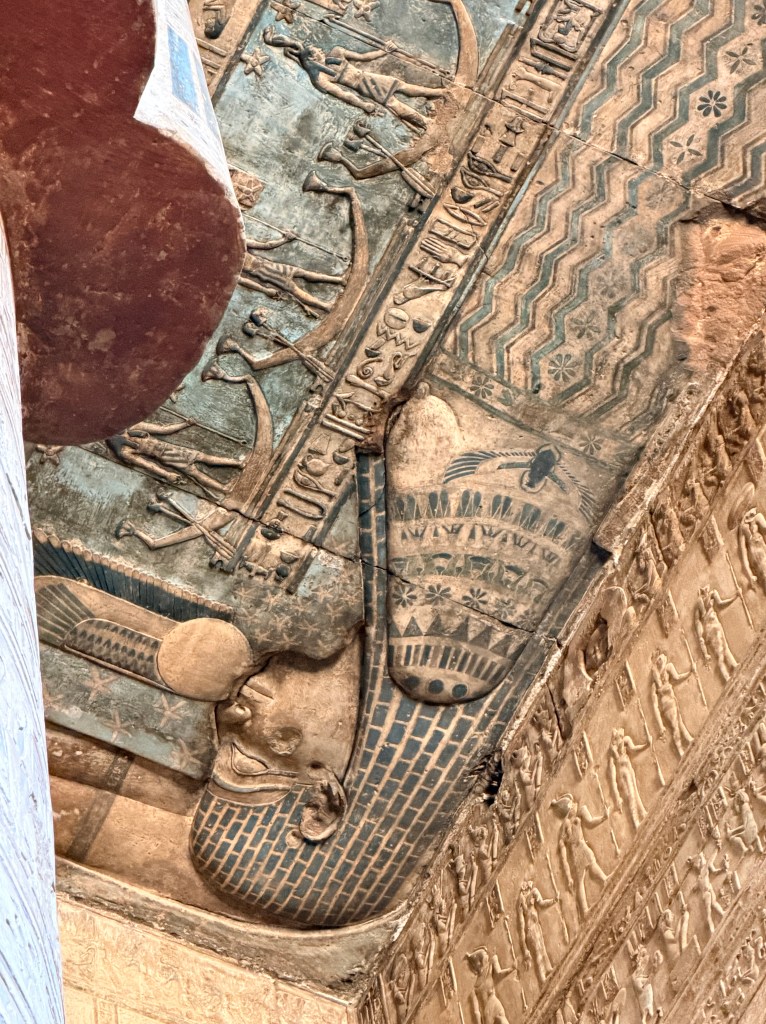

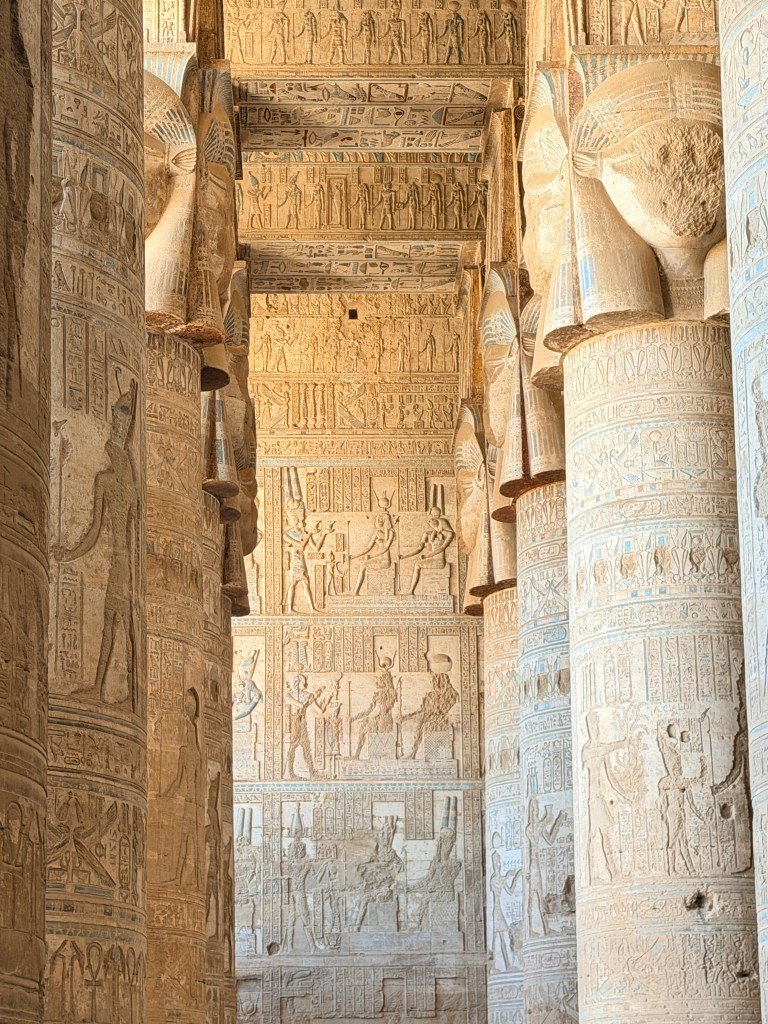
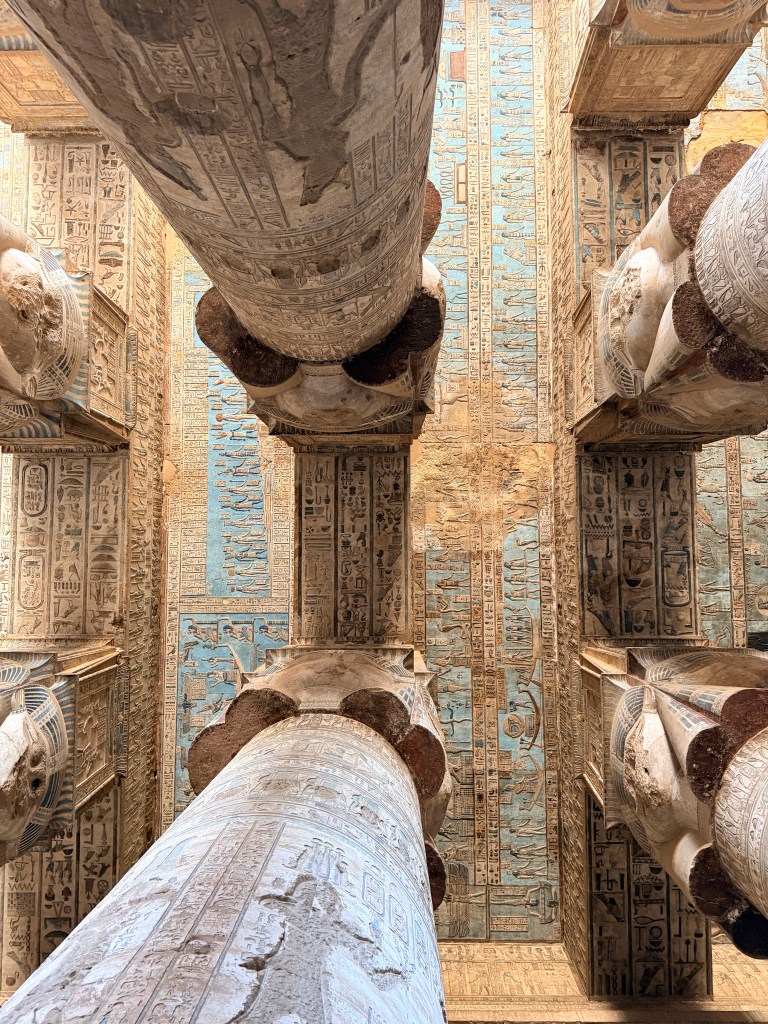
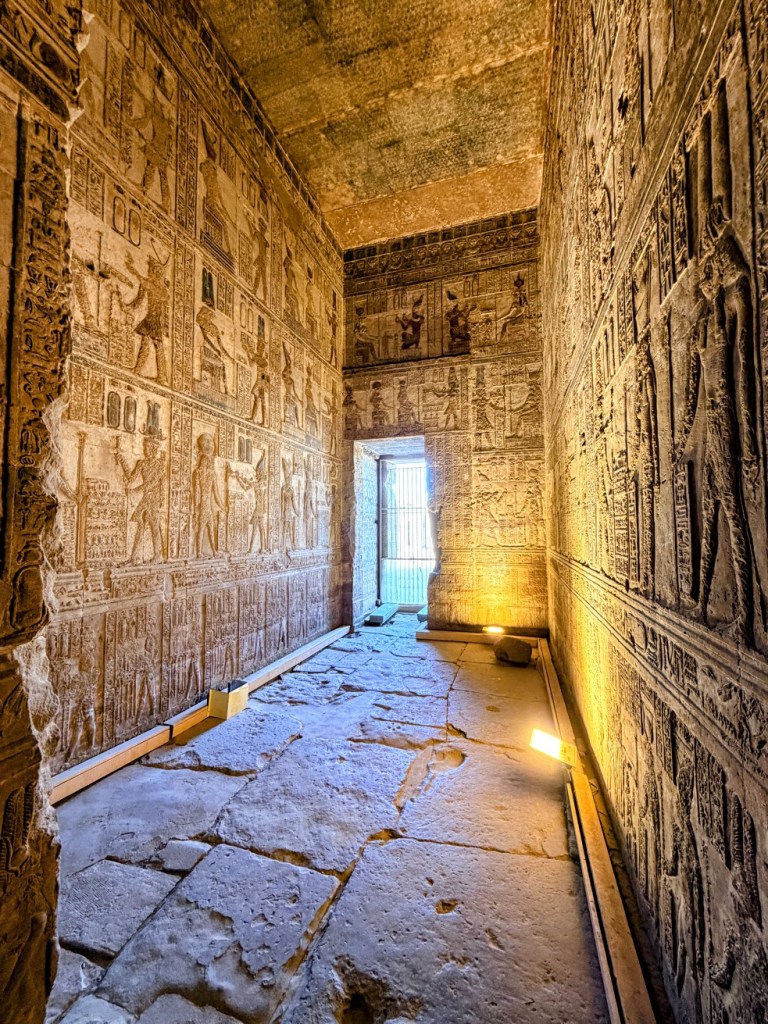
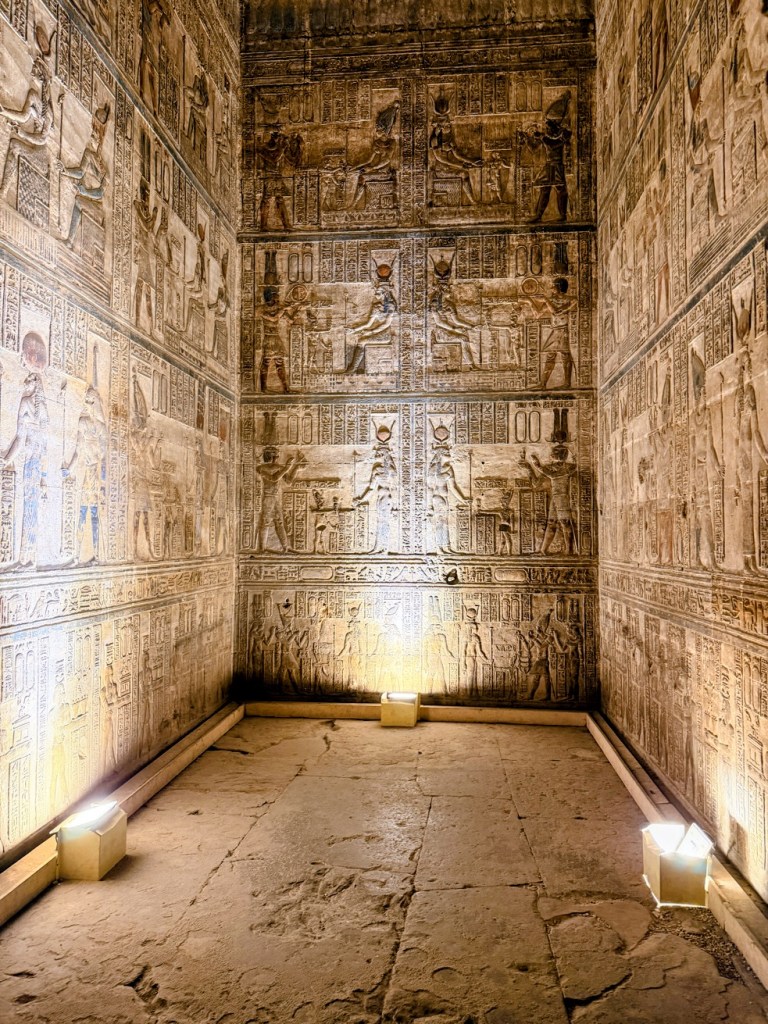
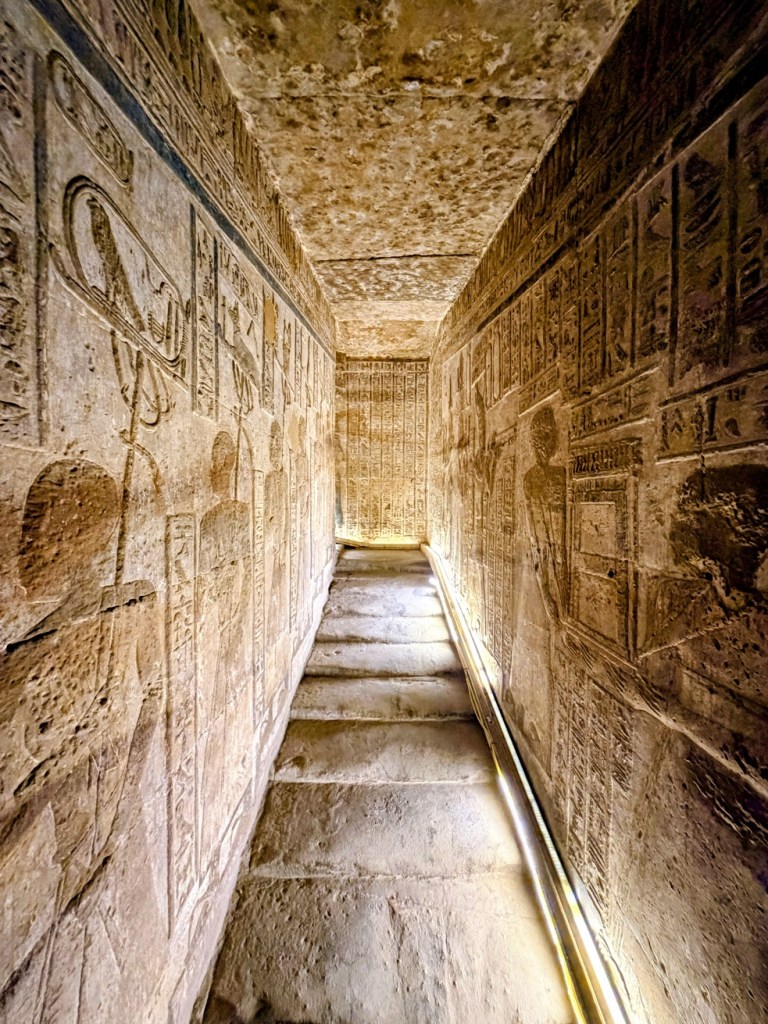
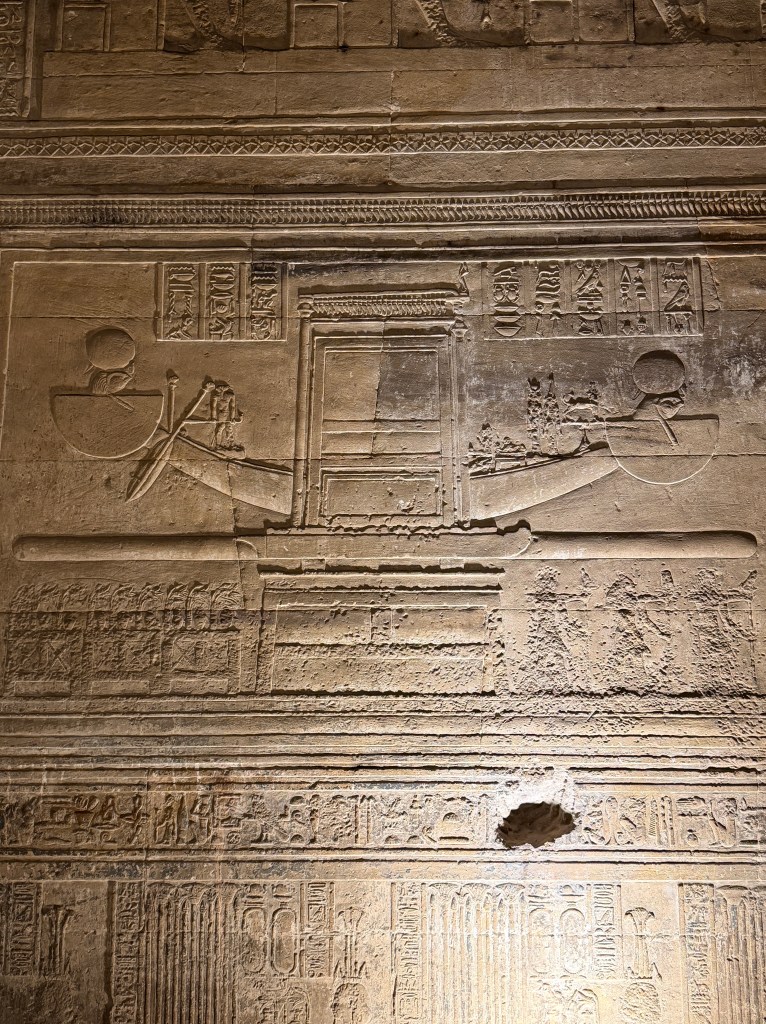
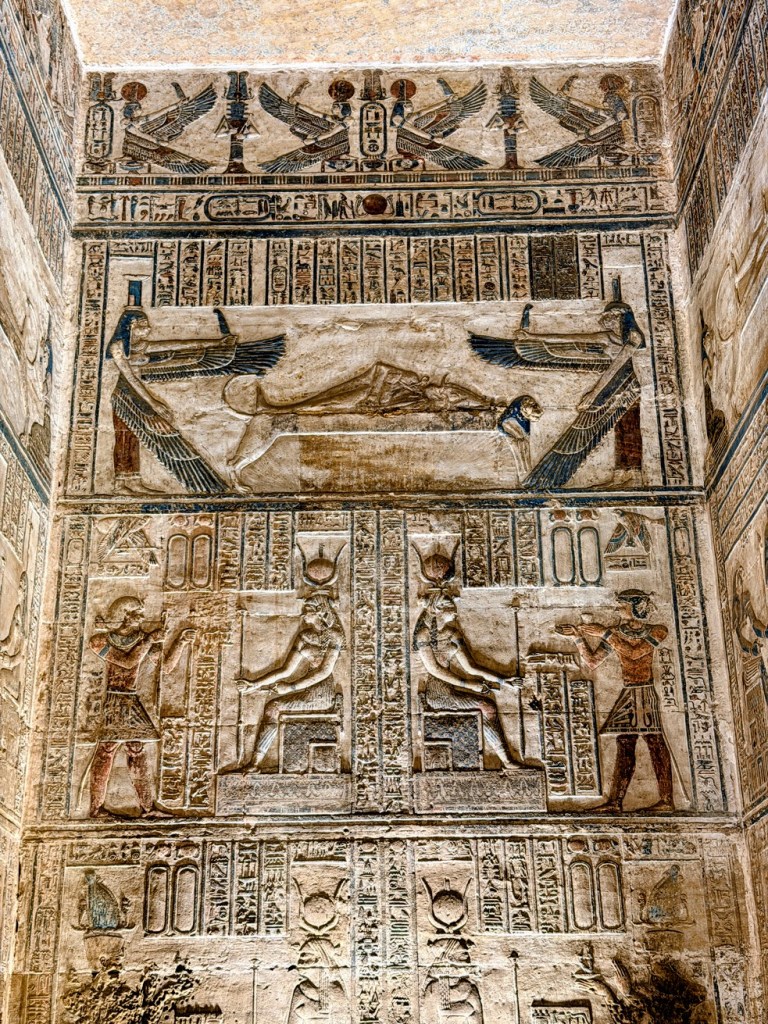
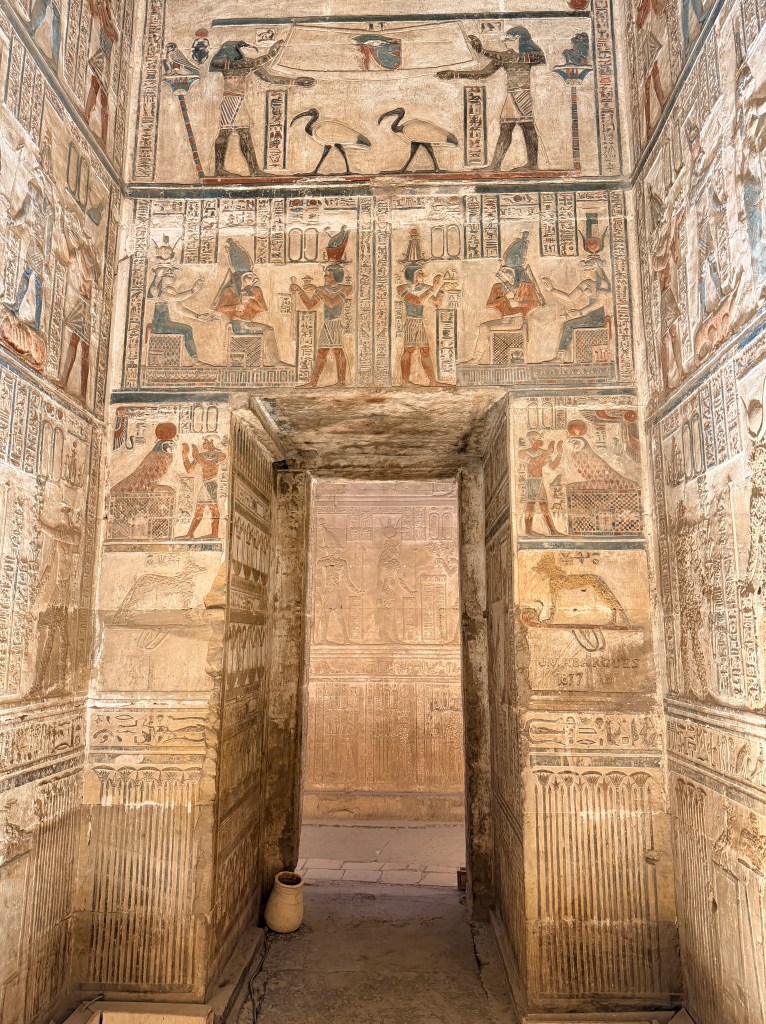
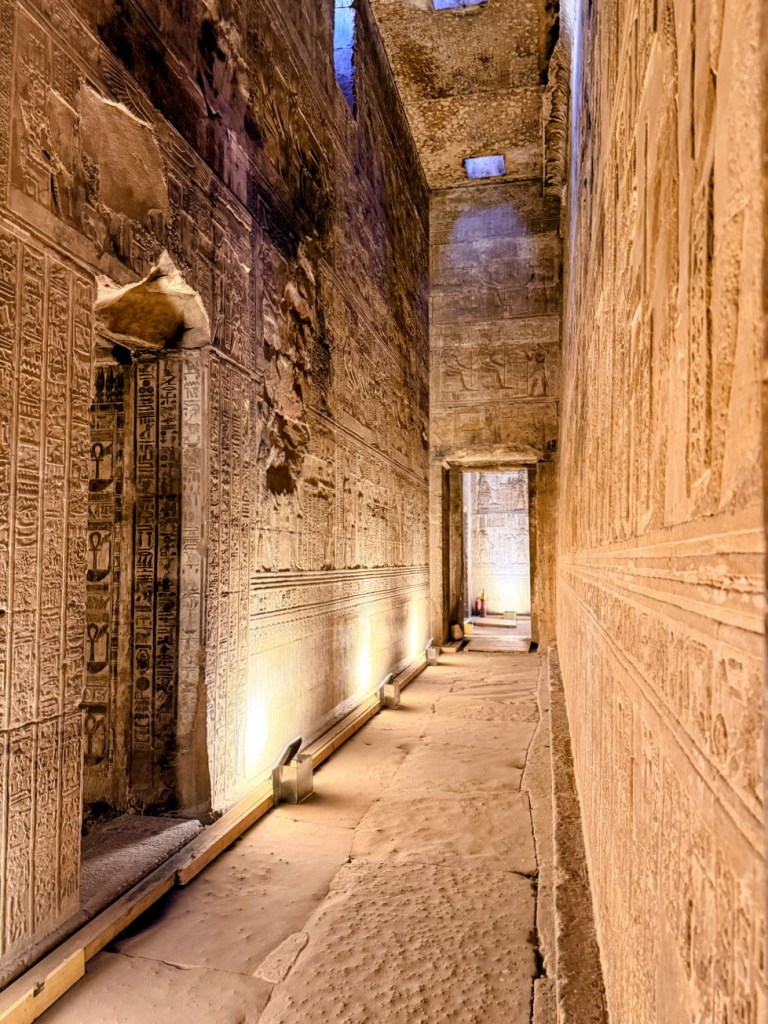
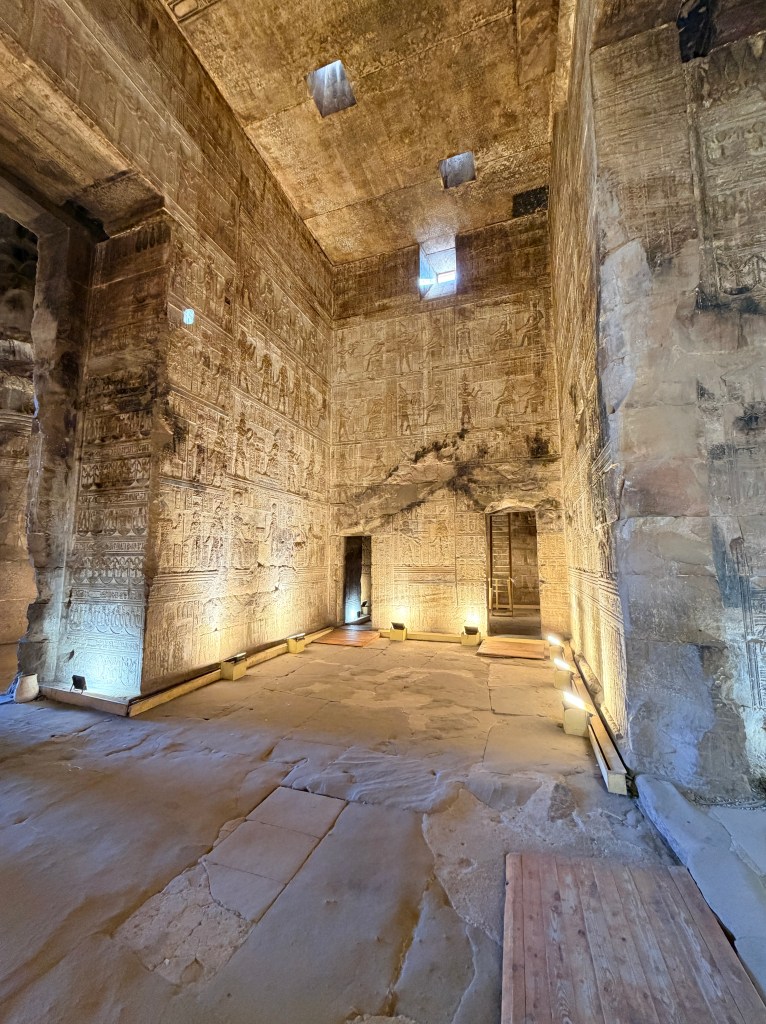
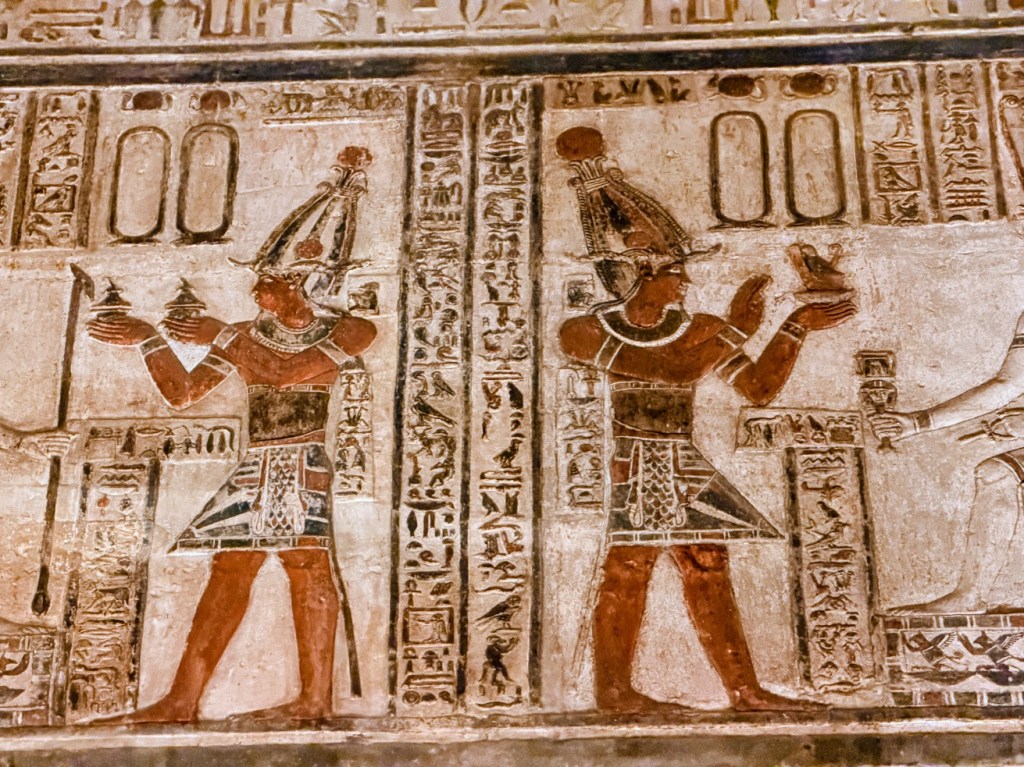
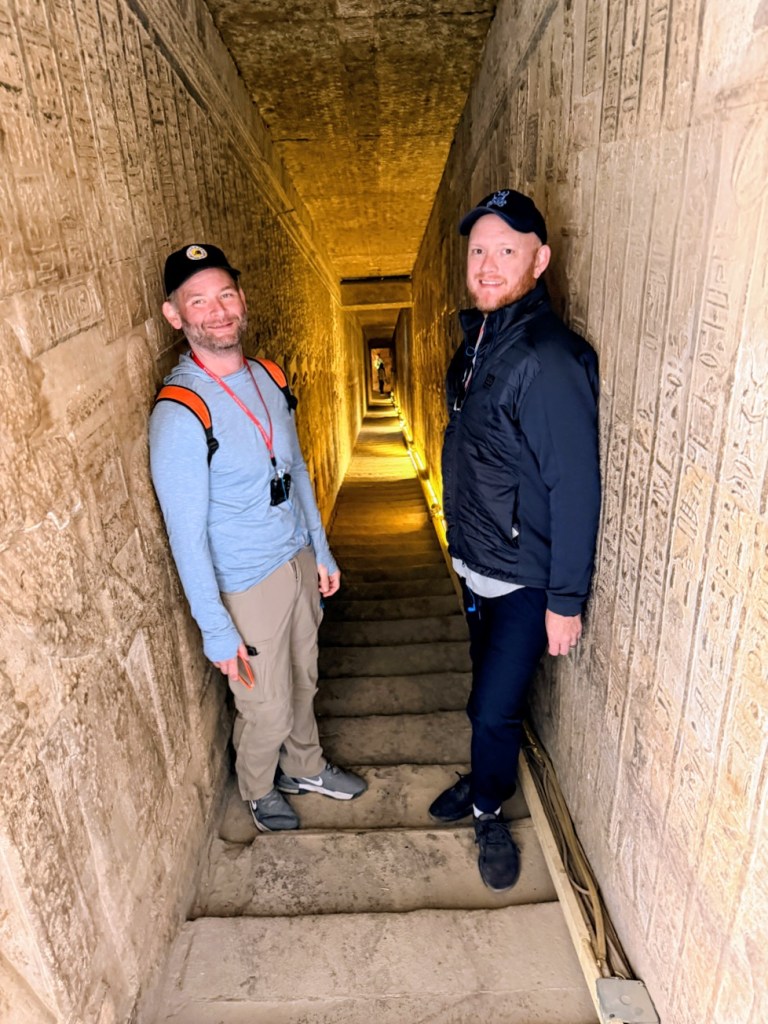

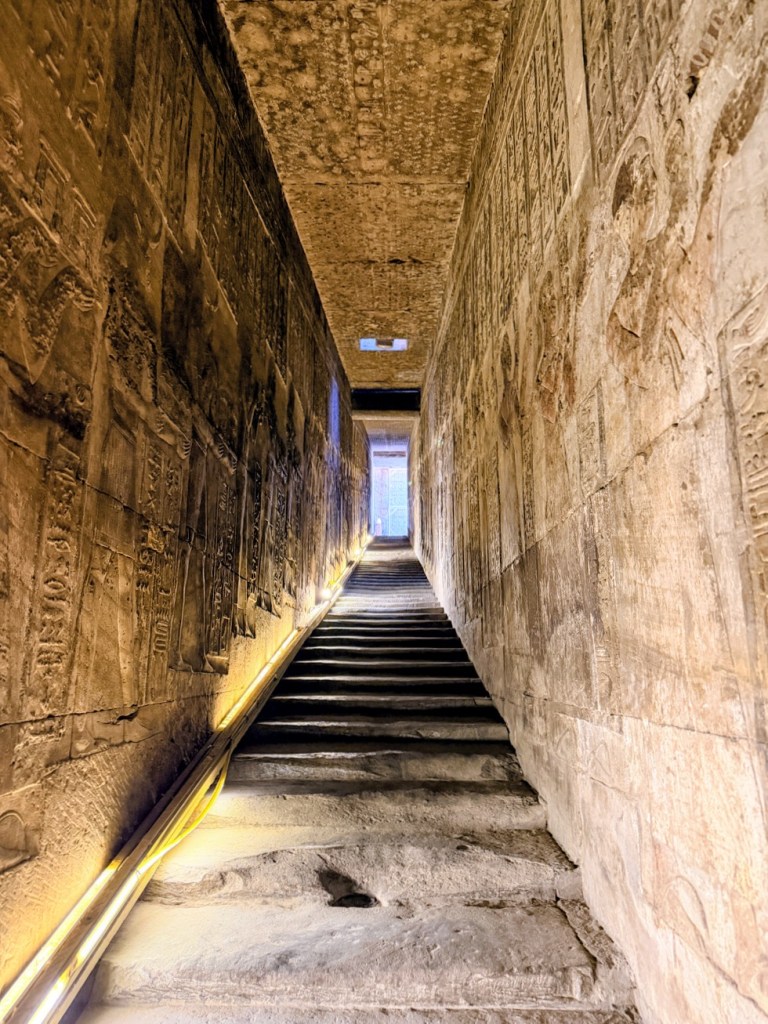
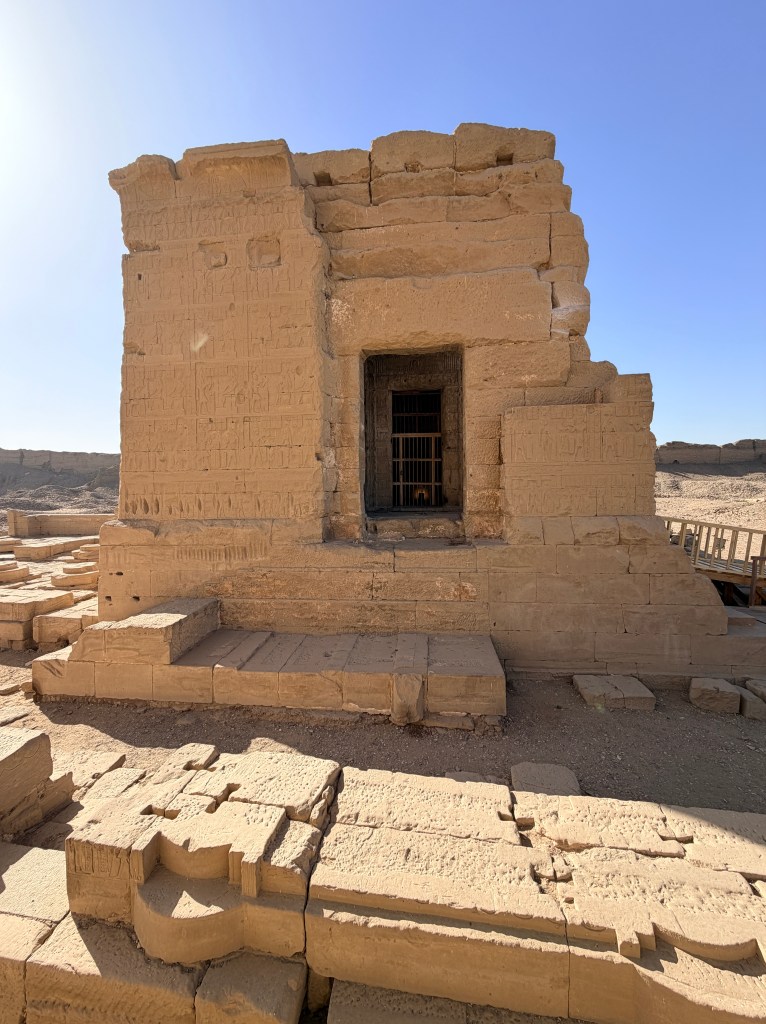
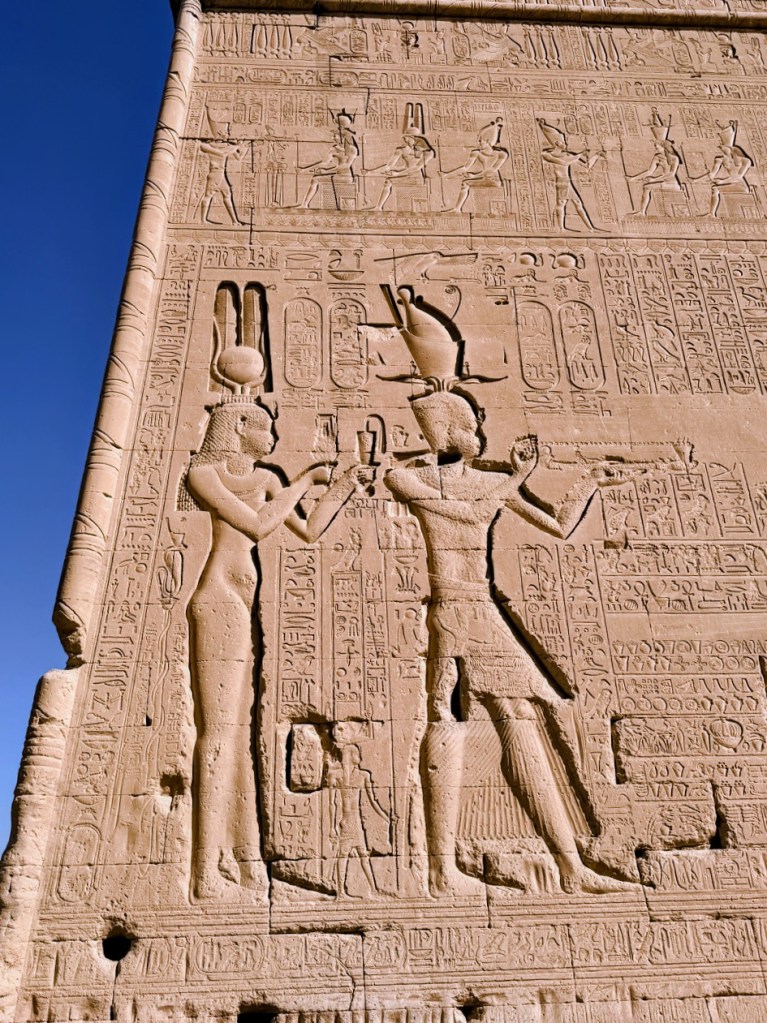
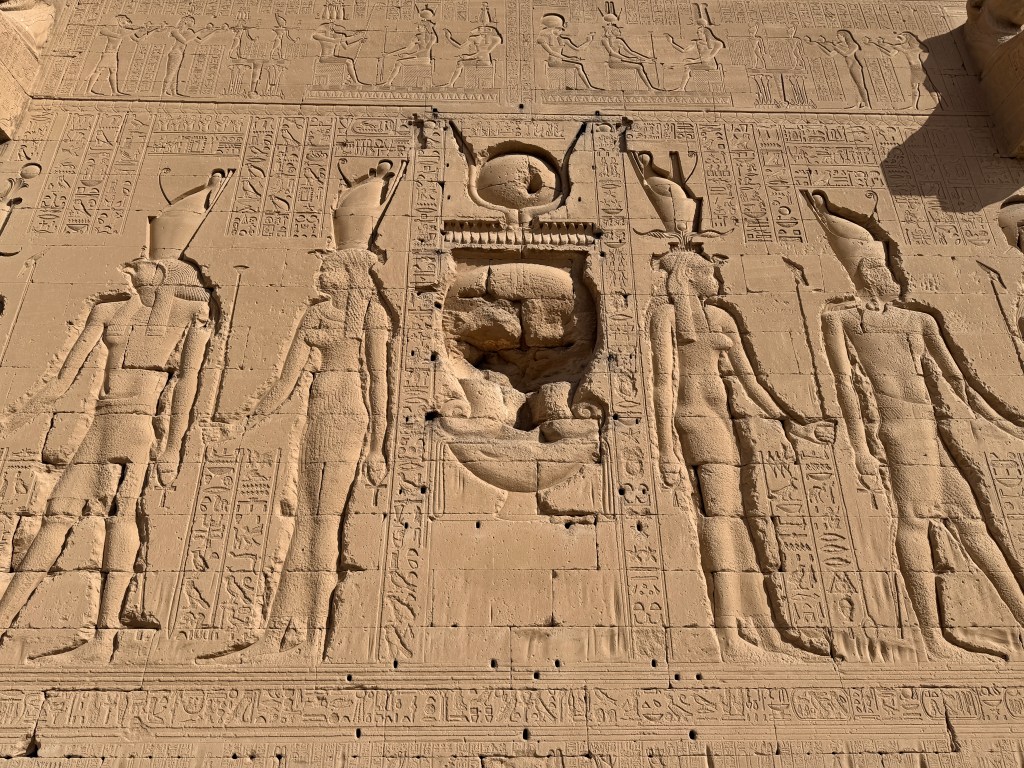
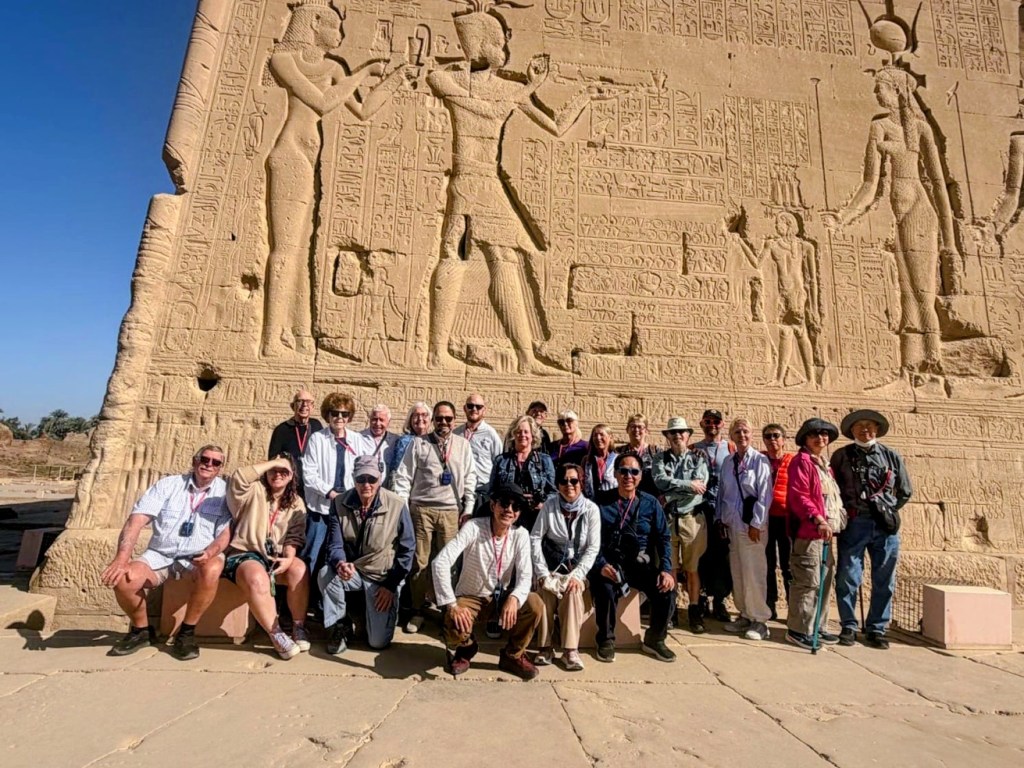
Each site added another layer to Egypt’s story—religion, power, science, and daily life all carved into stone.
Day 16: Cairo’s Historic Heart
Our last full day explored Cairo’s layered history:
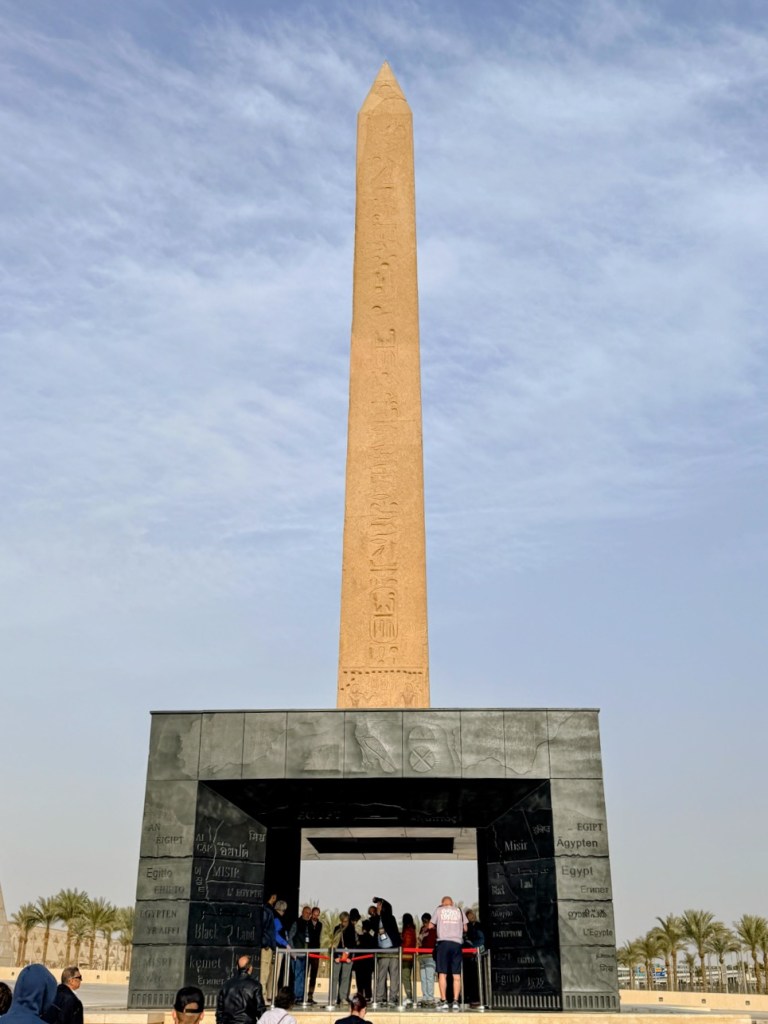
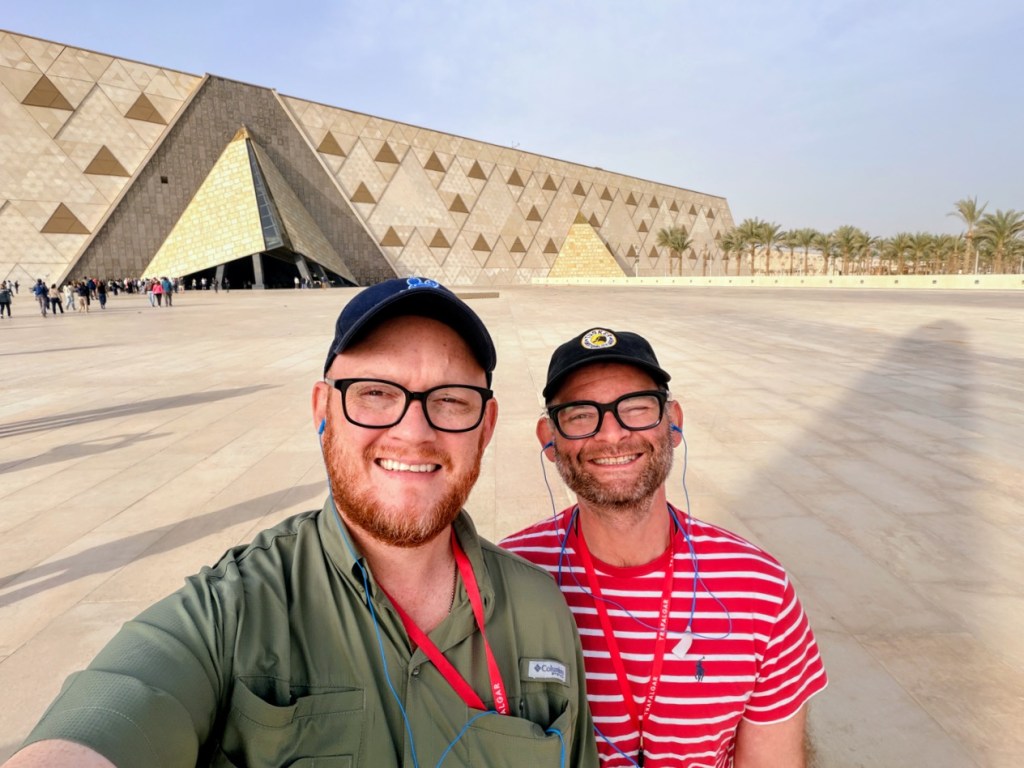
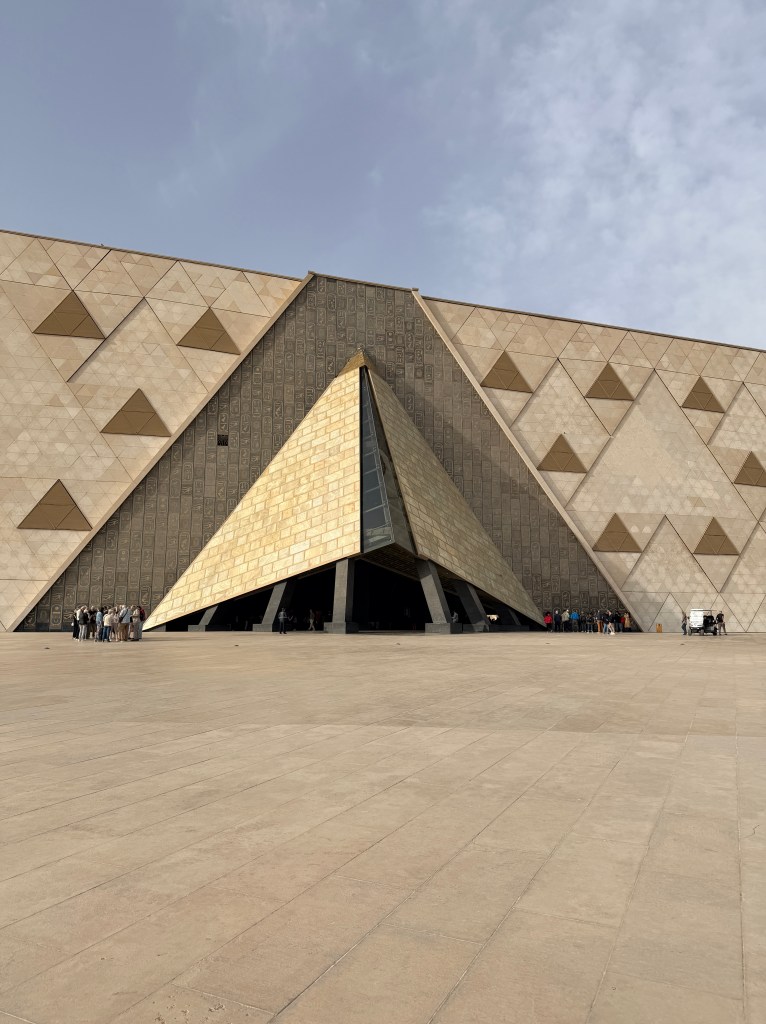
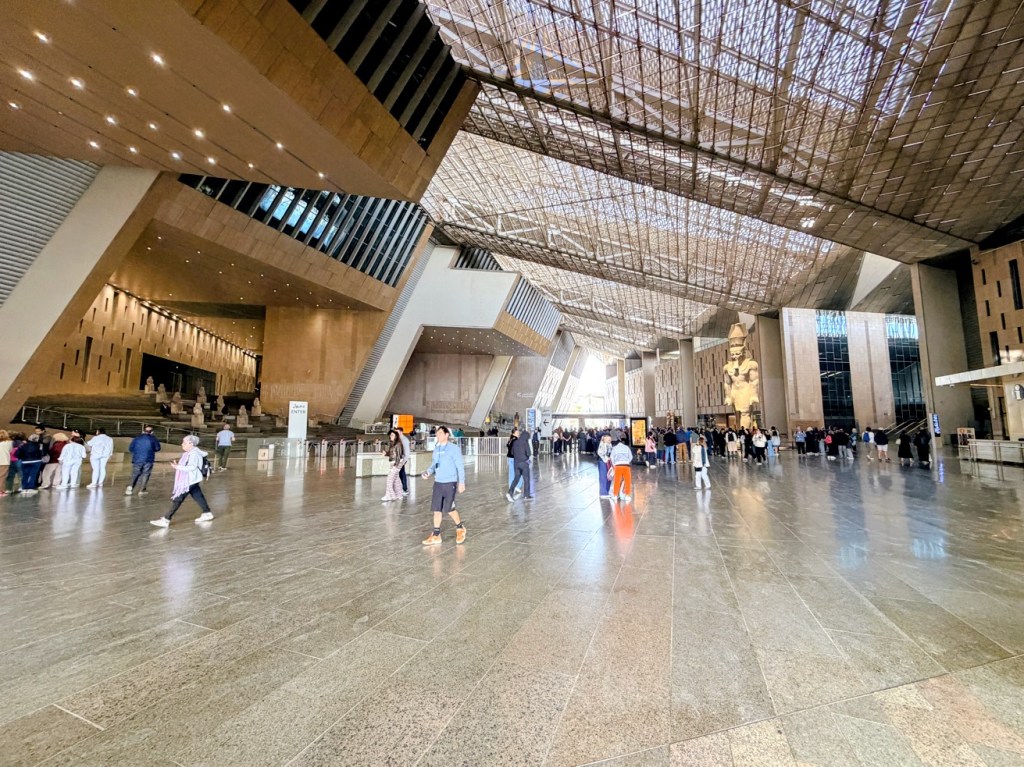
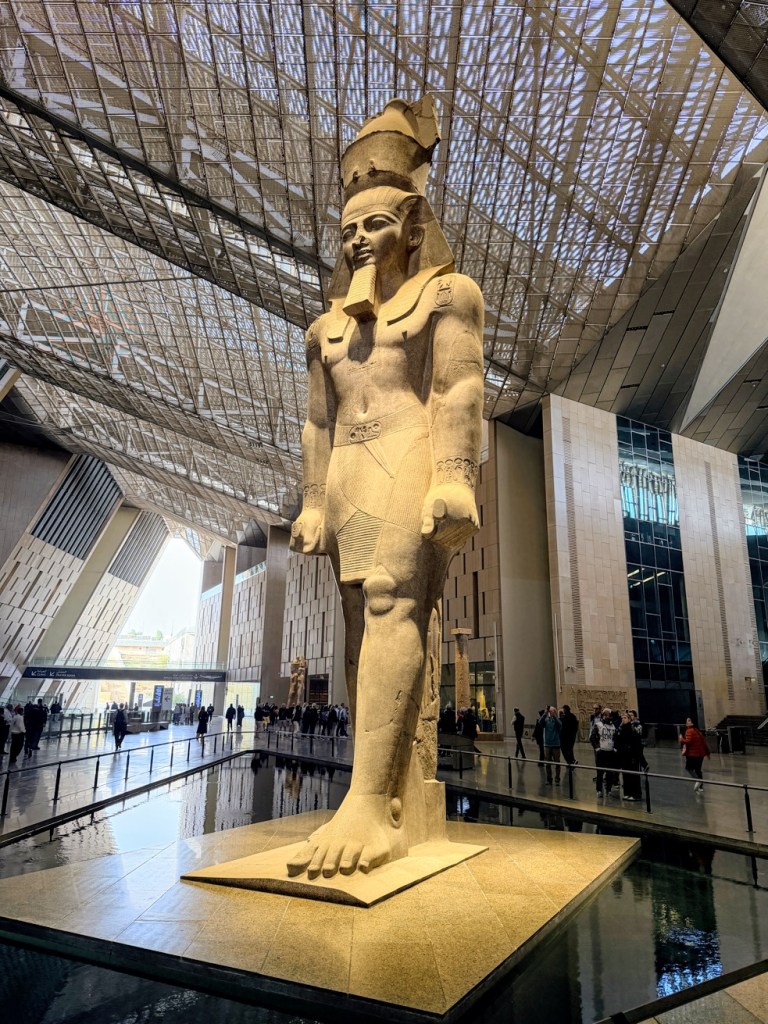
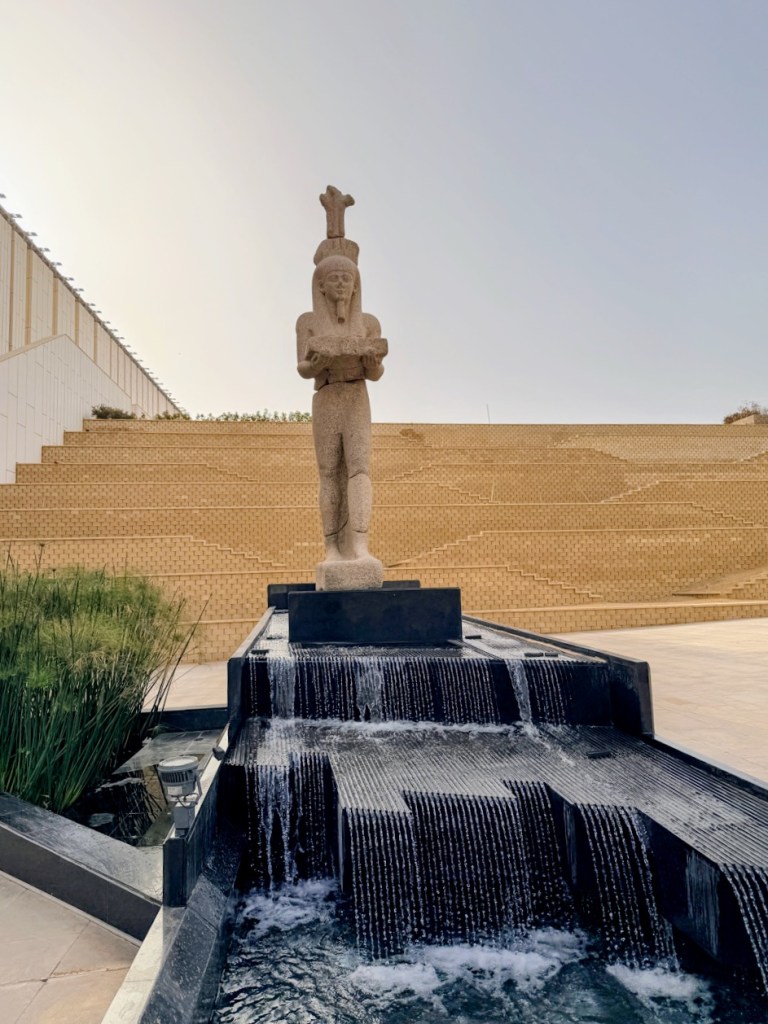
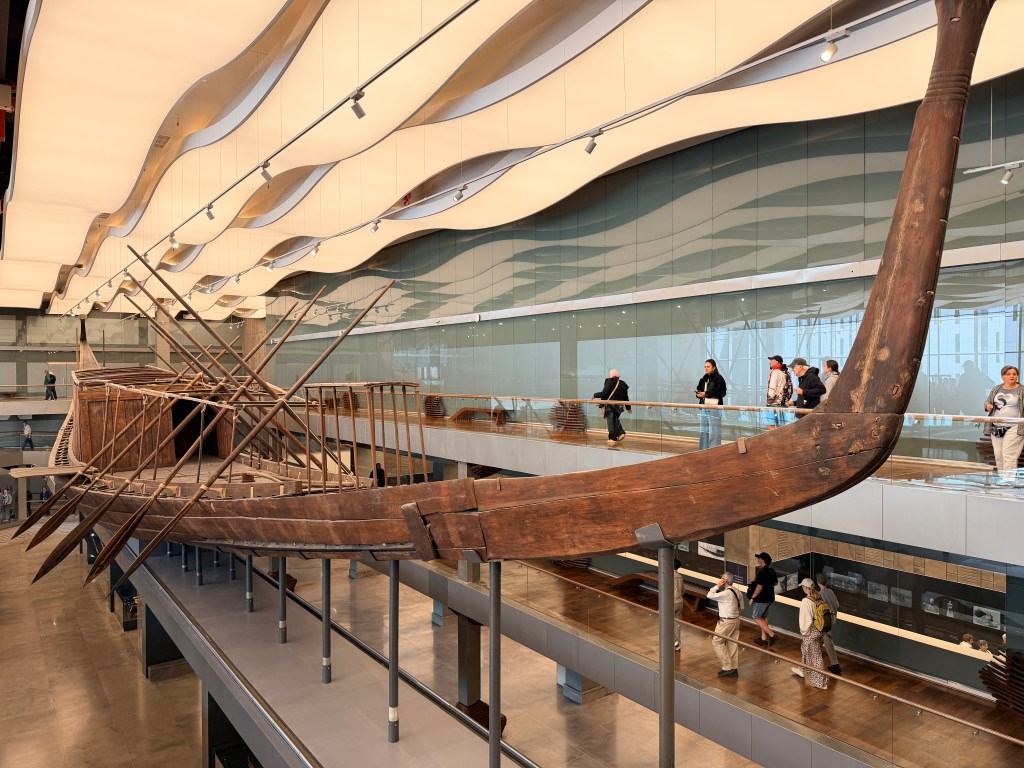
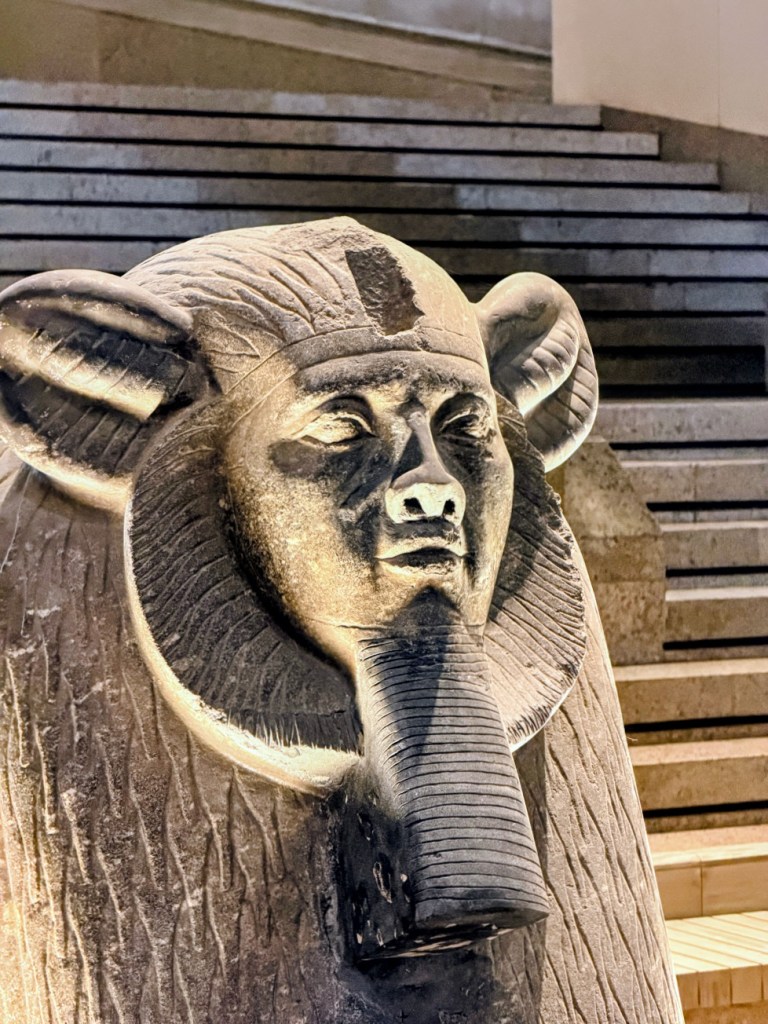
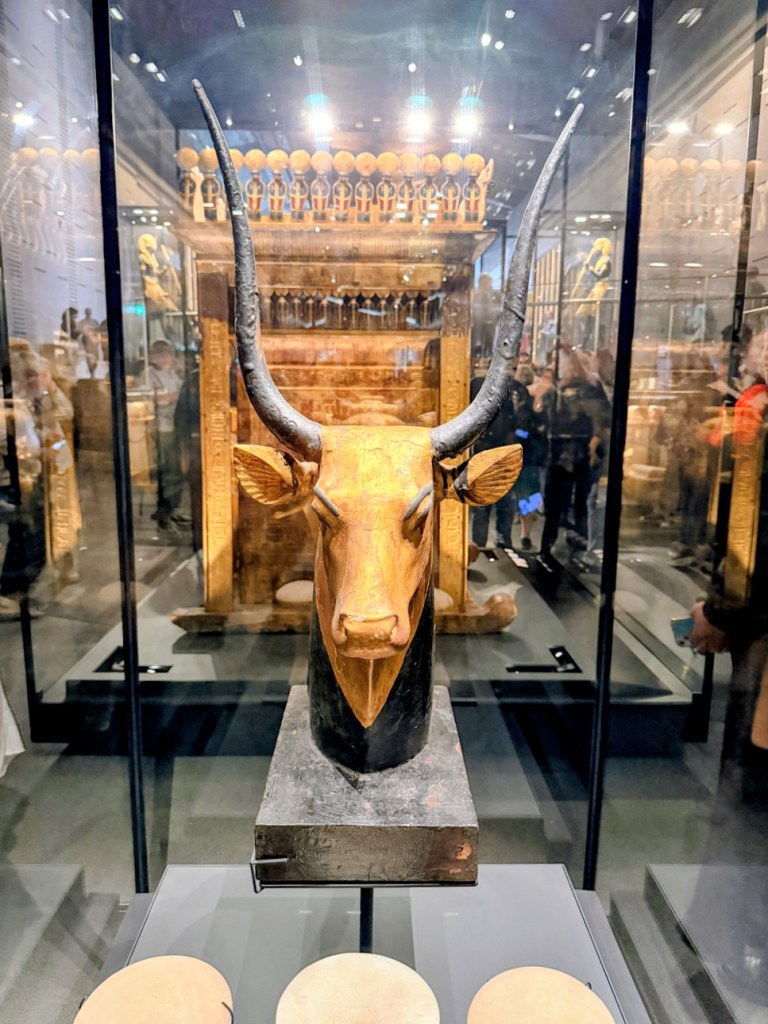
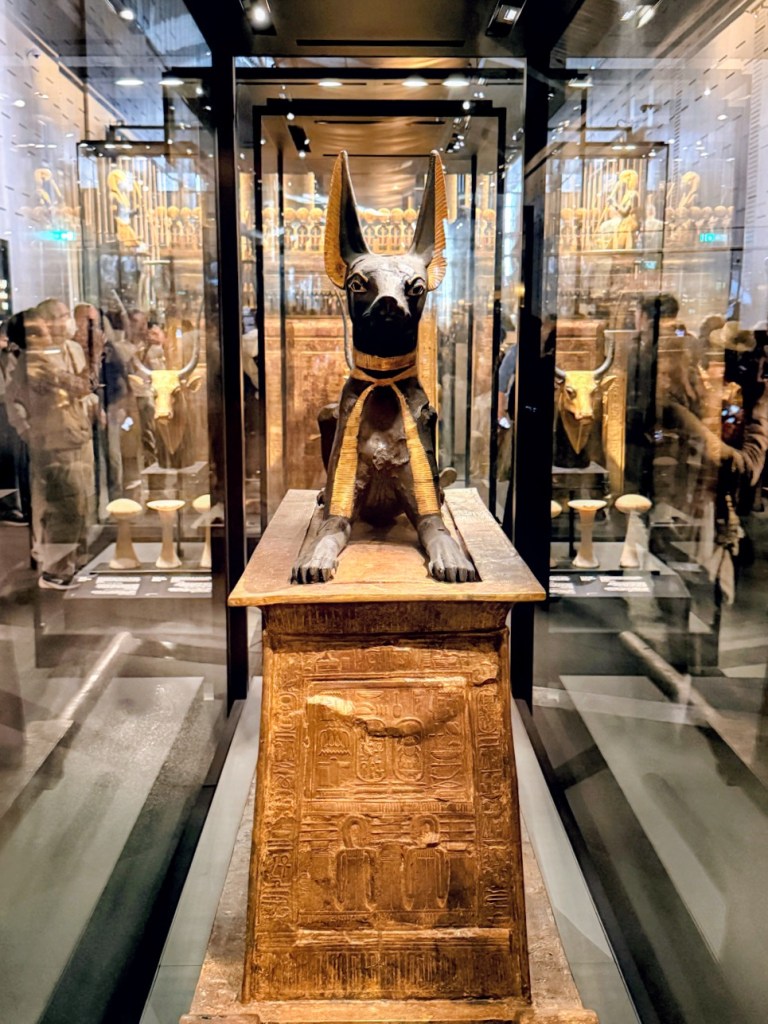
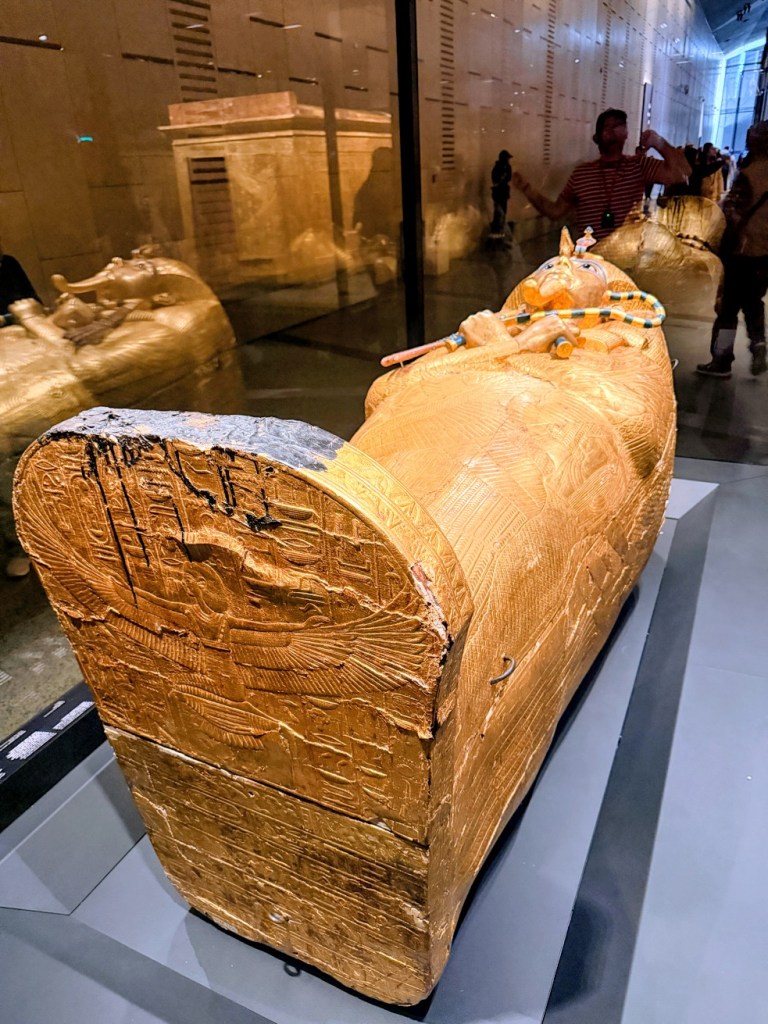
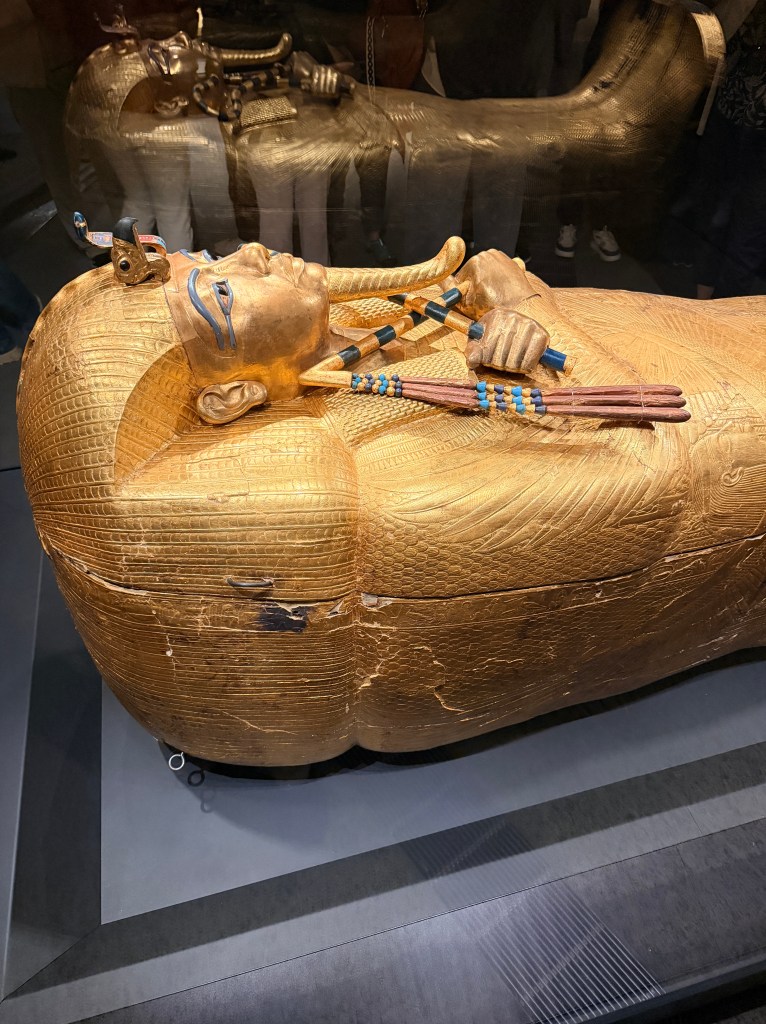
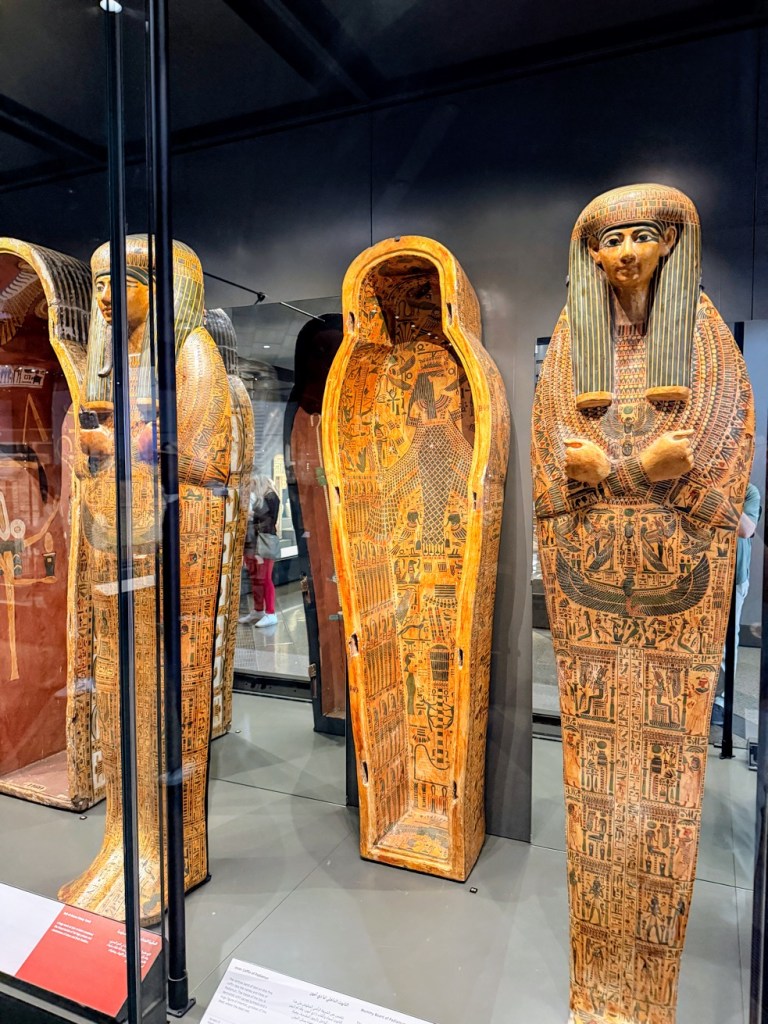
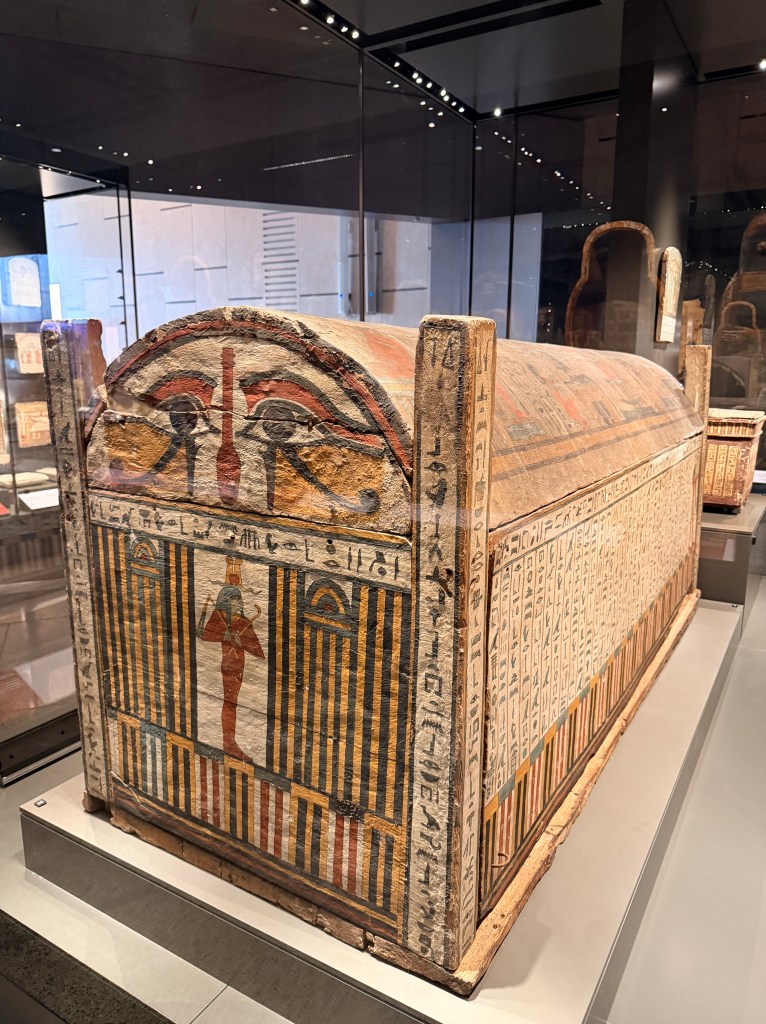
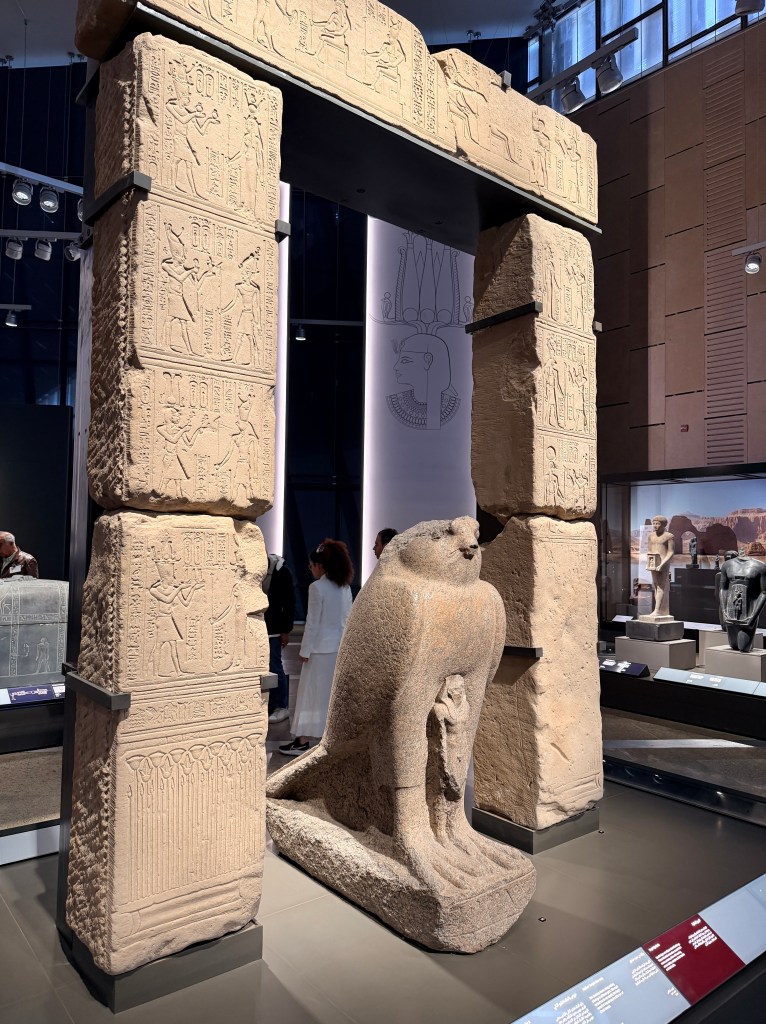
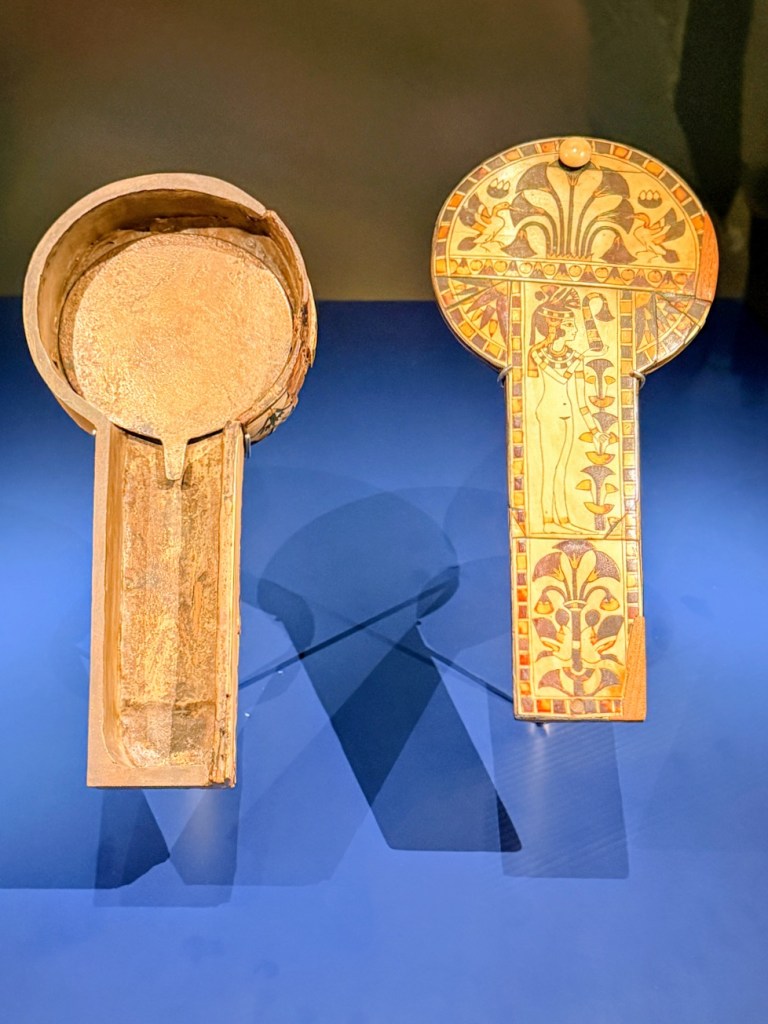
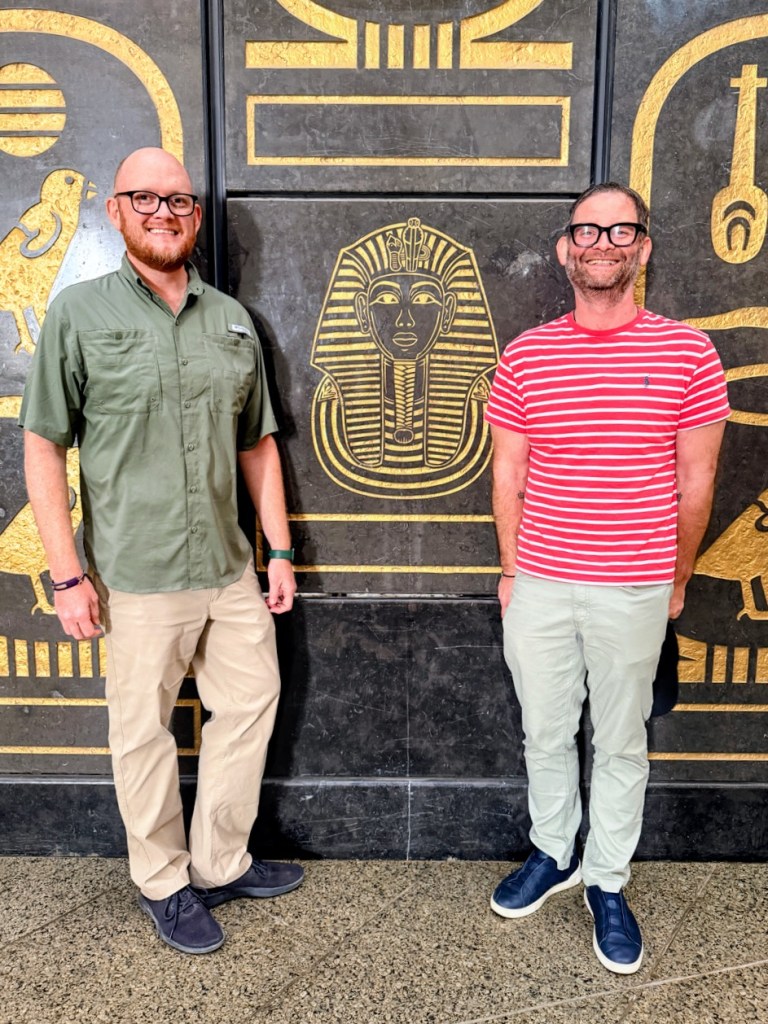
- First up- the Grand Egyptian Museum, a modern, world-class space housing some of the most important artifacts ever discovered.
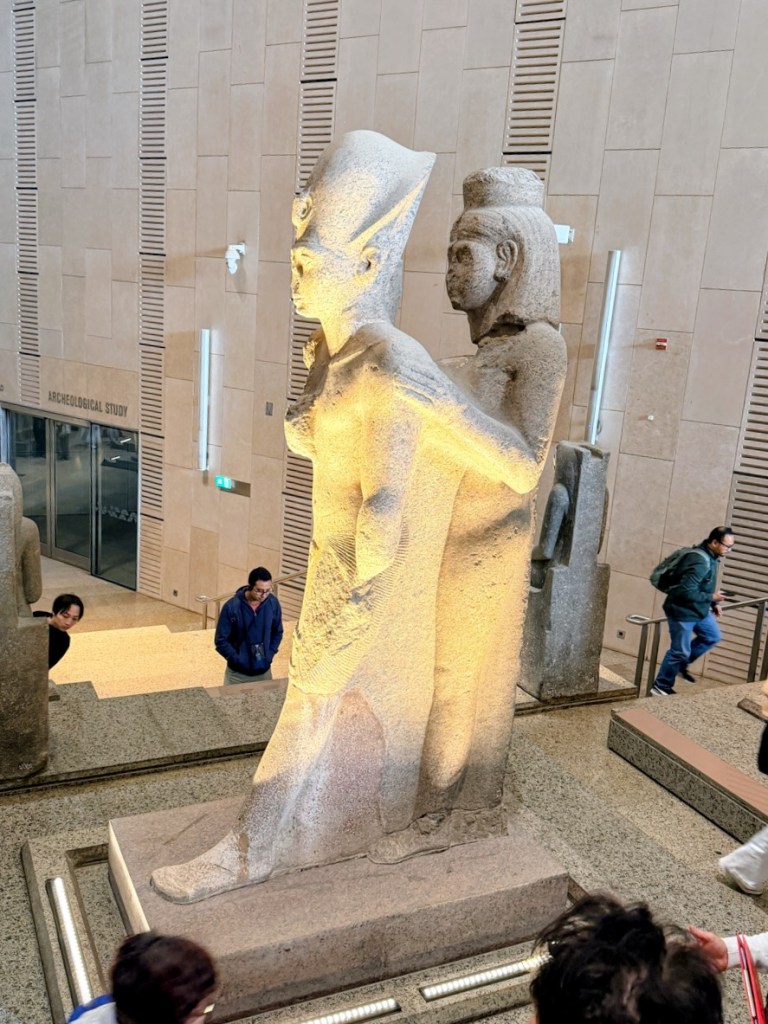
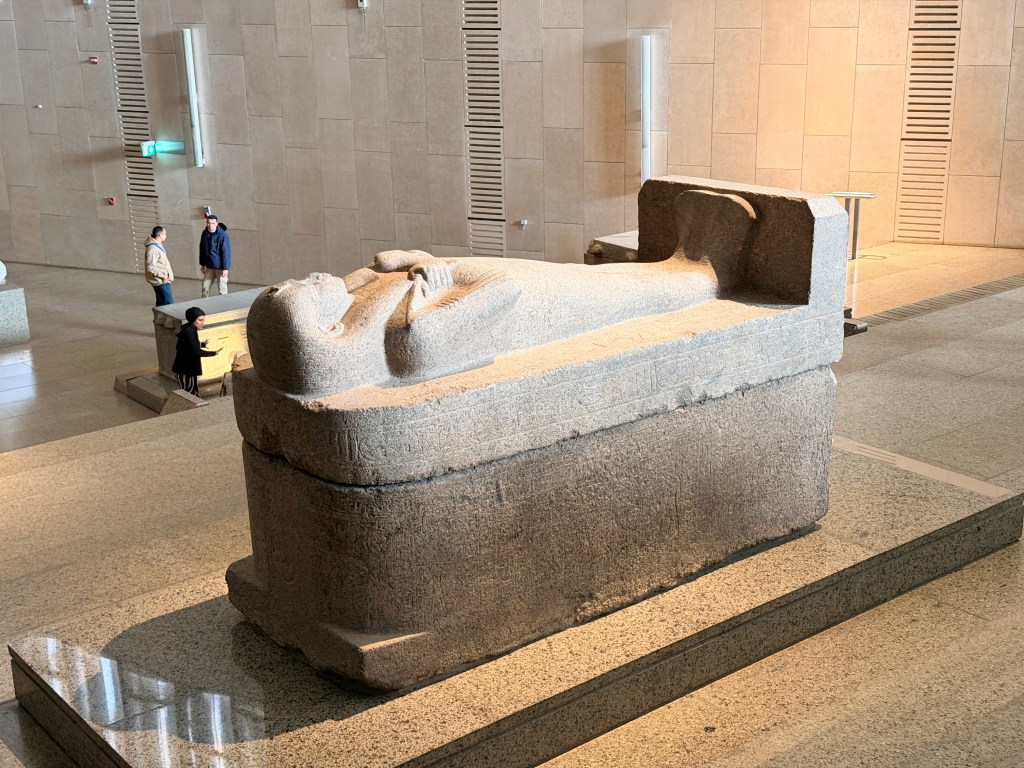
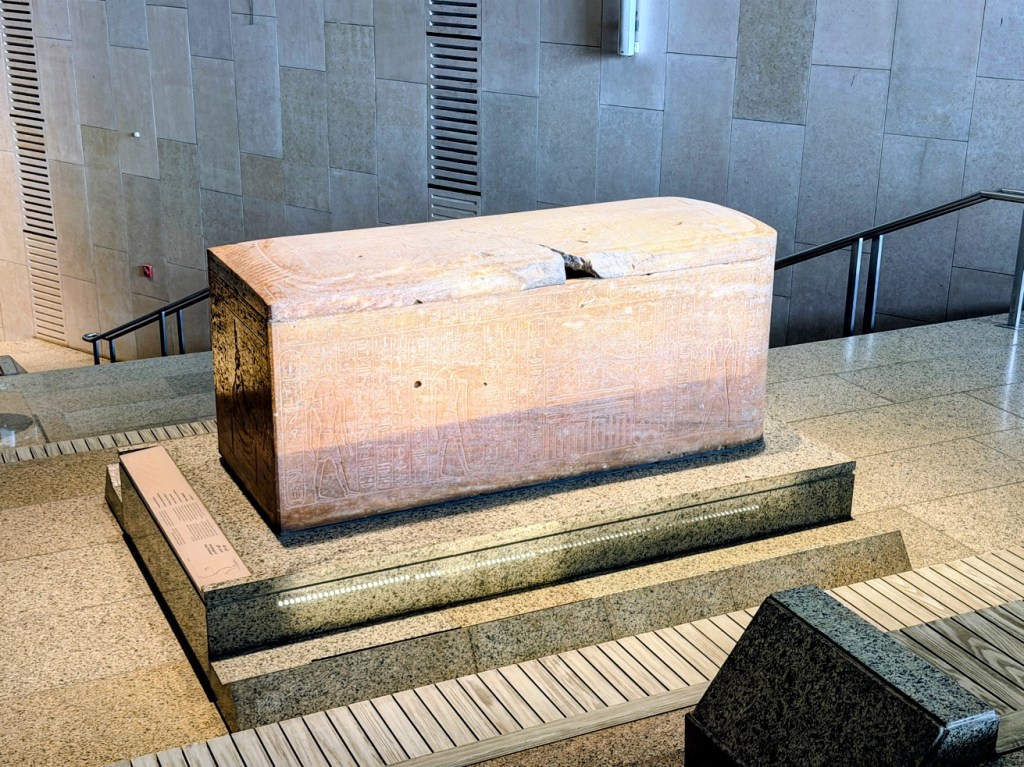
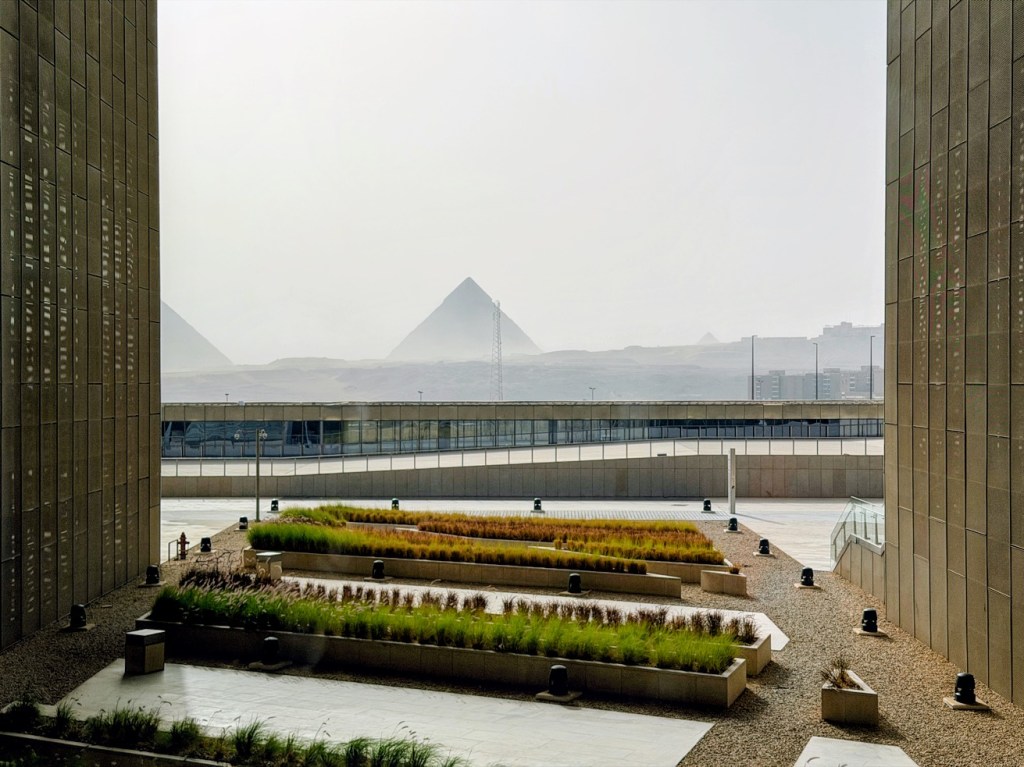
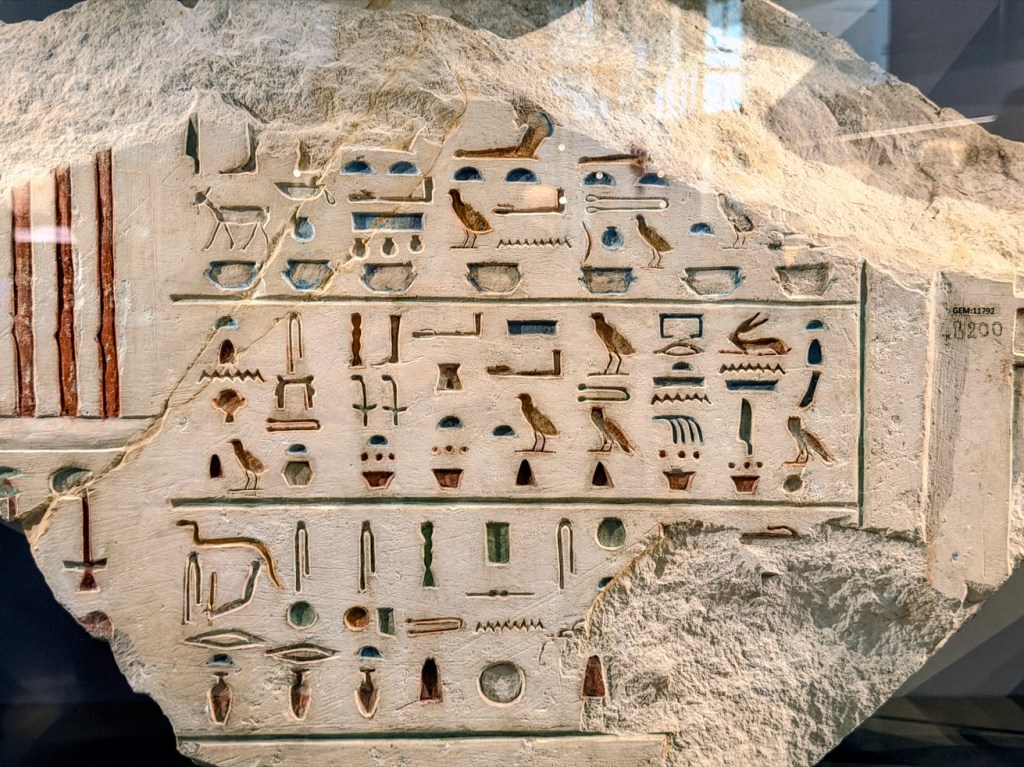
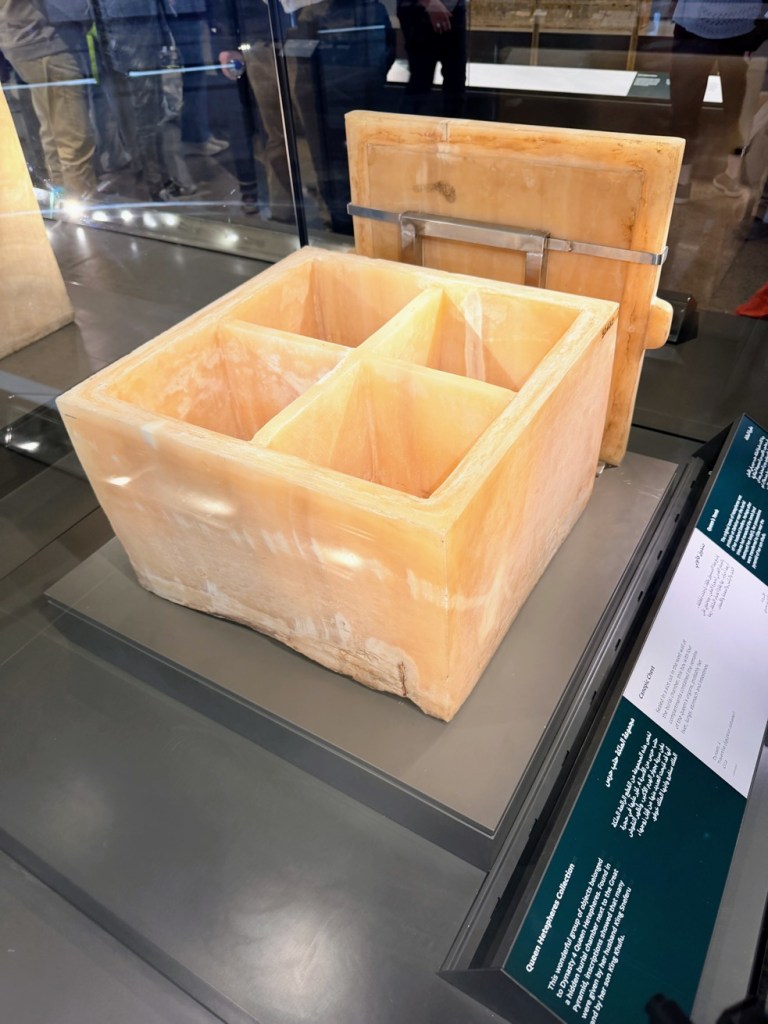
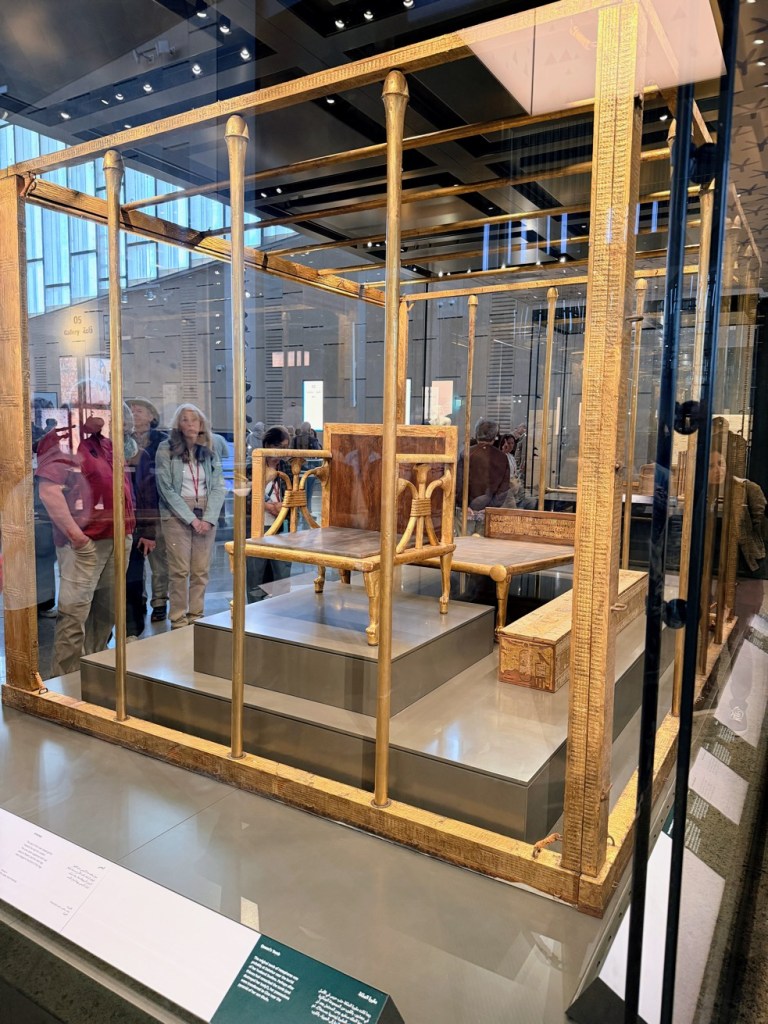
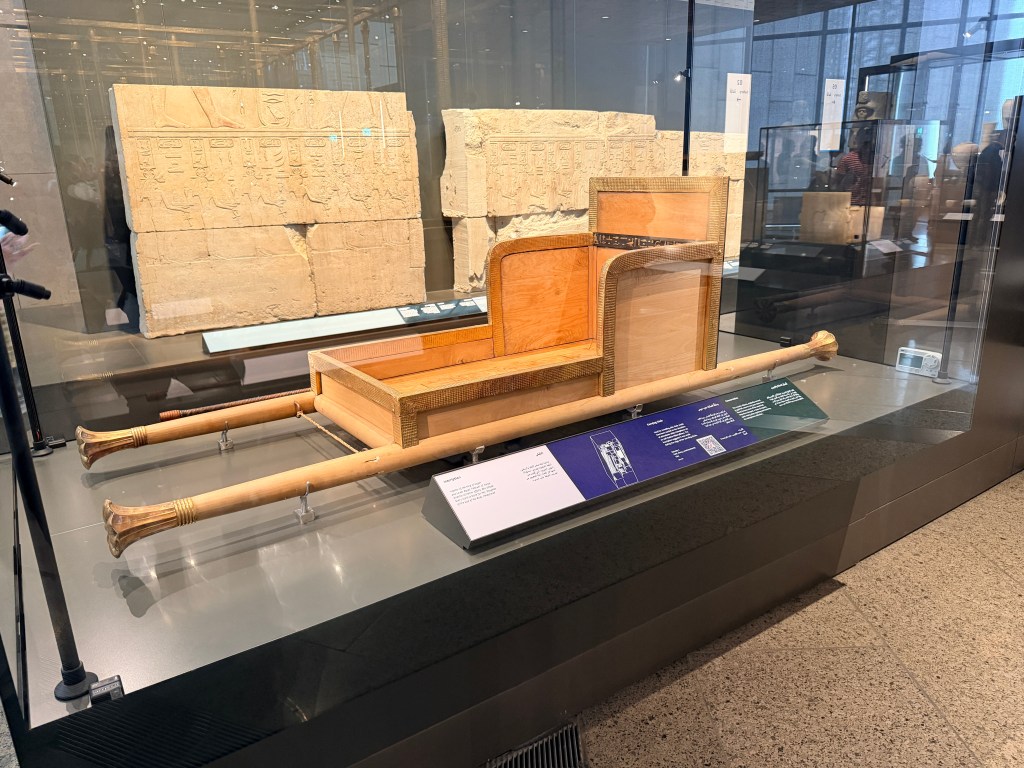
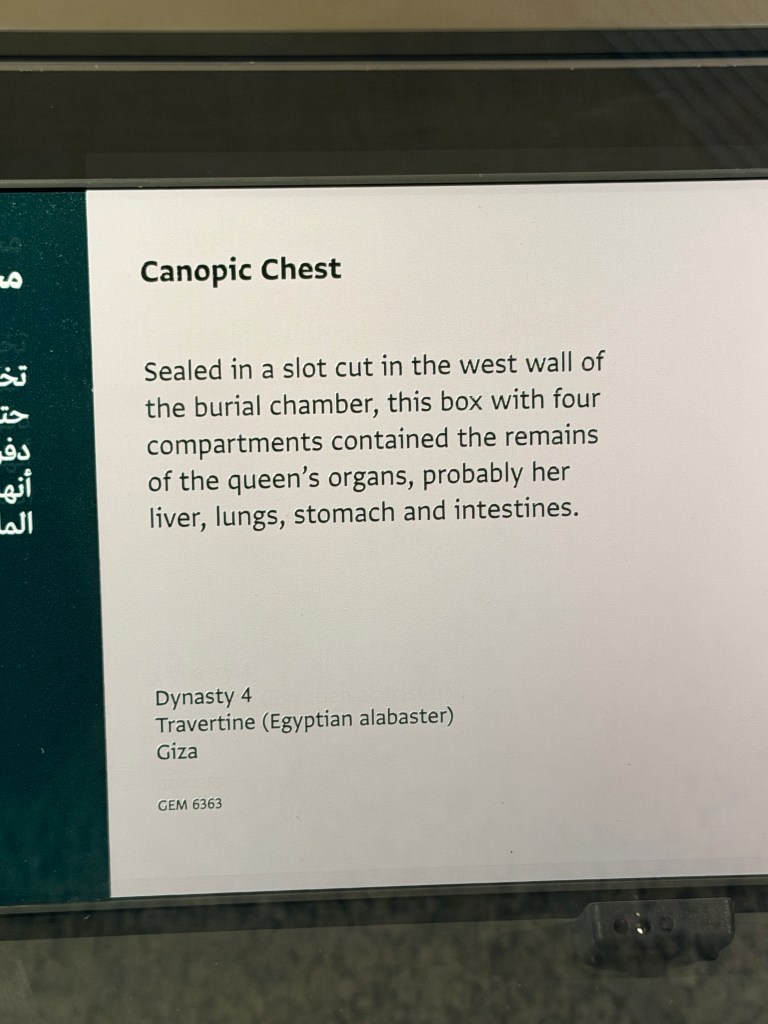
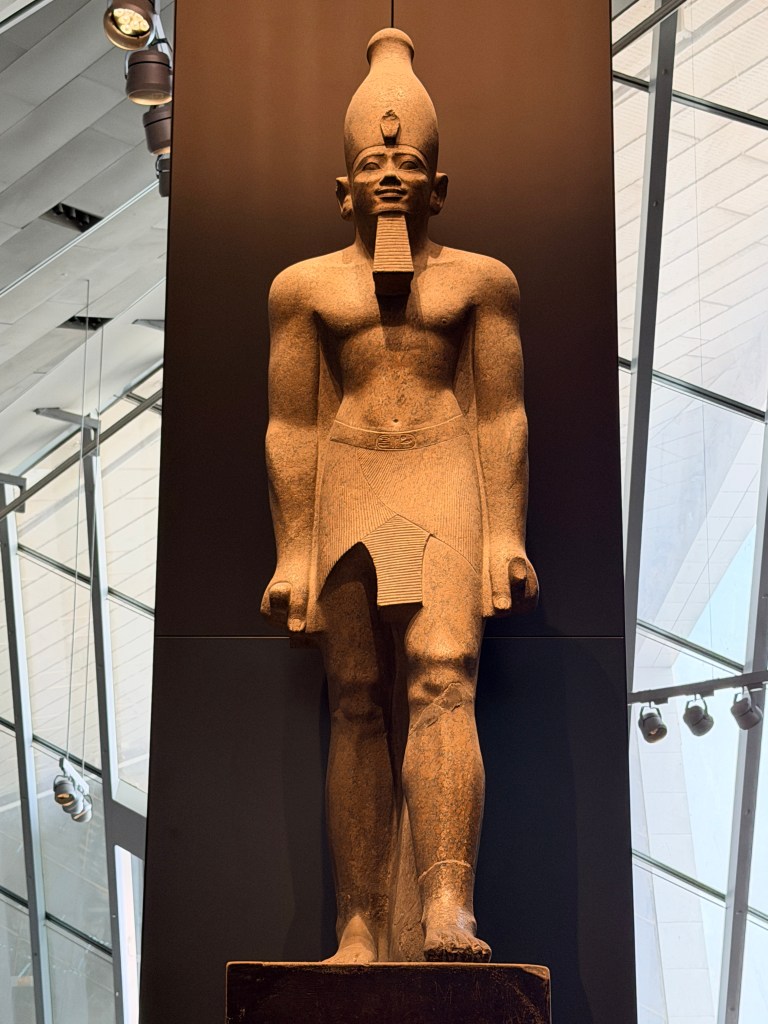
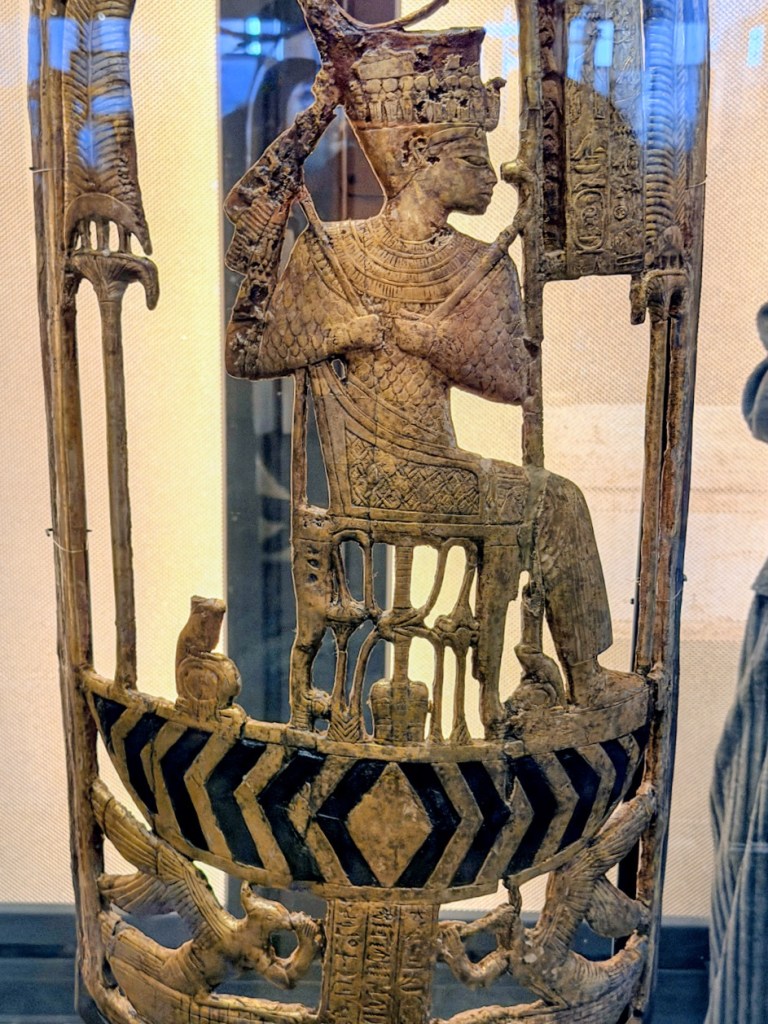
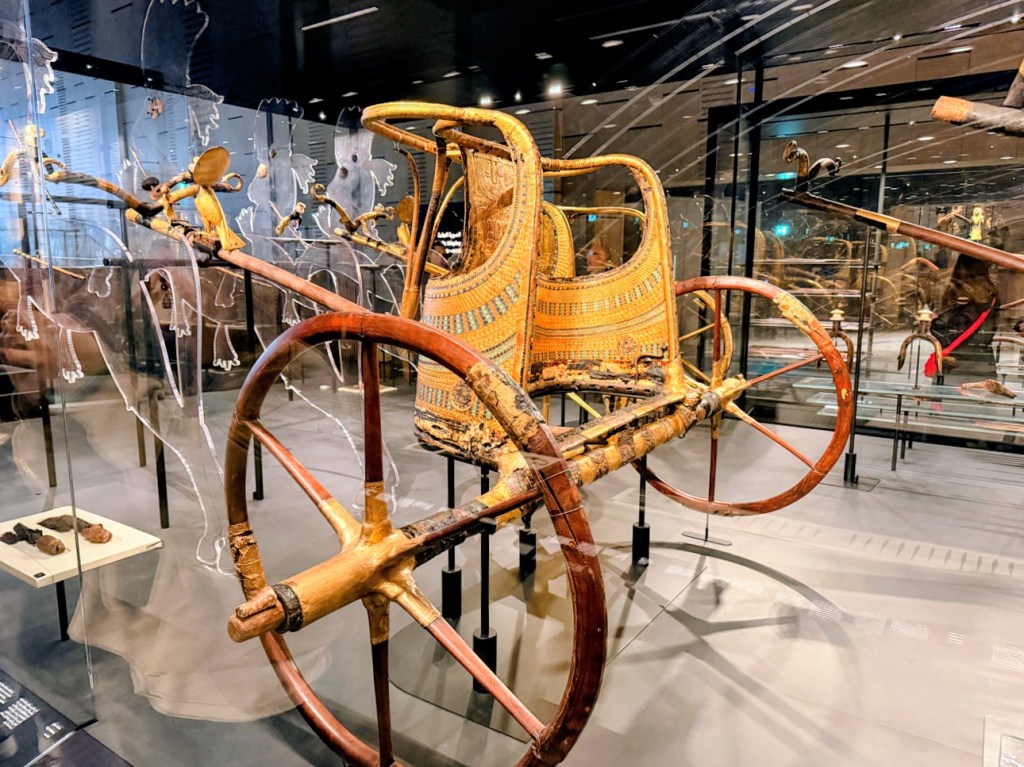
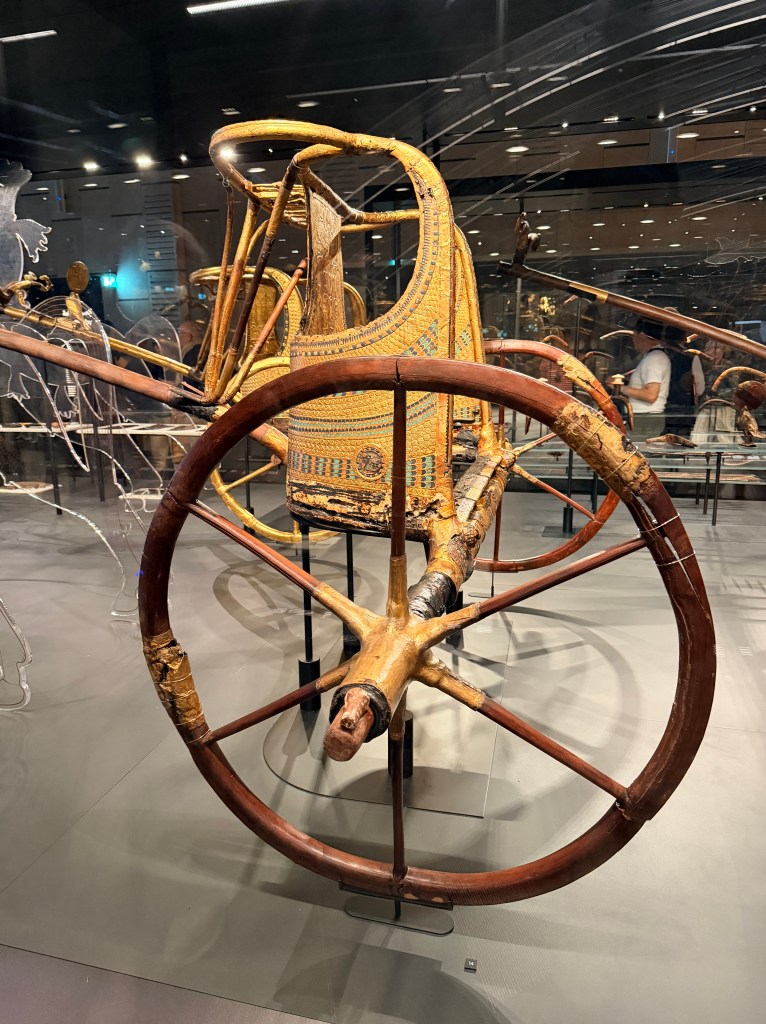
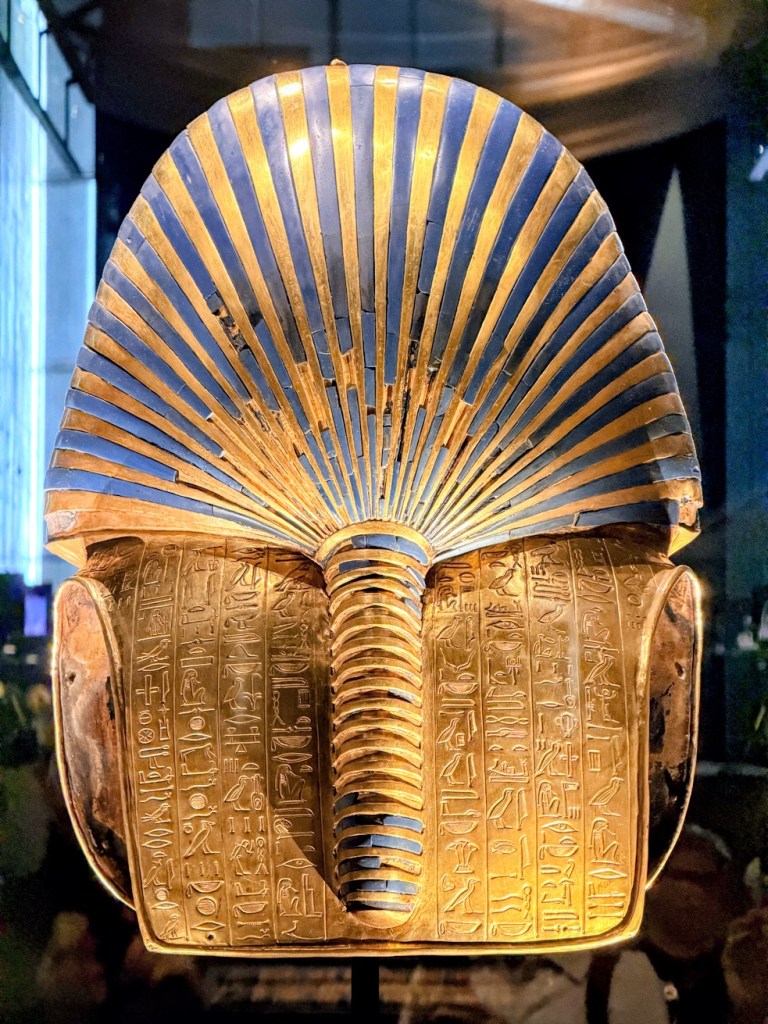
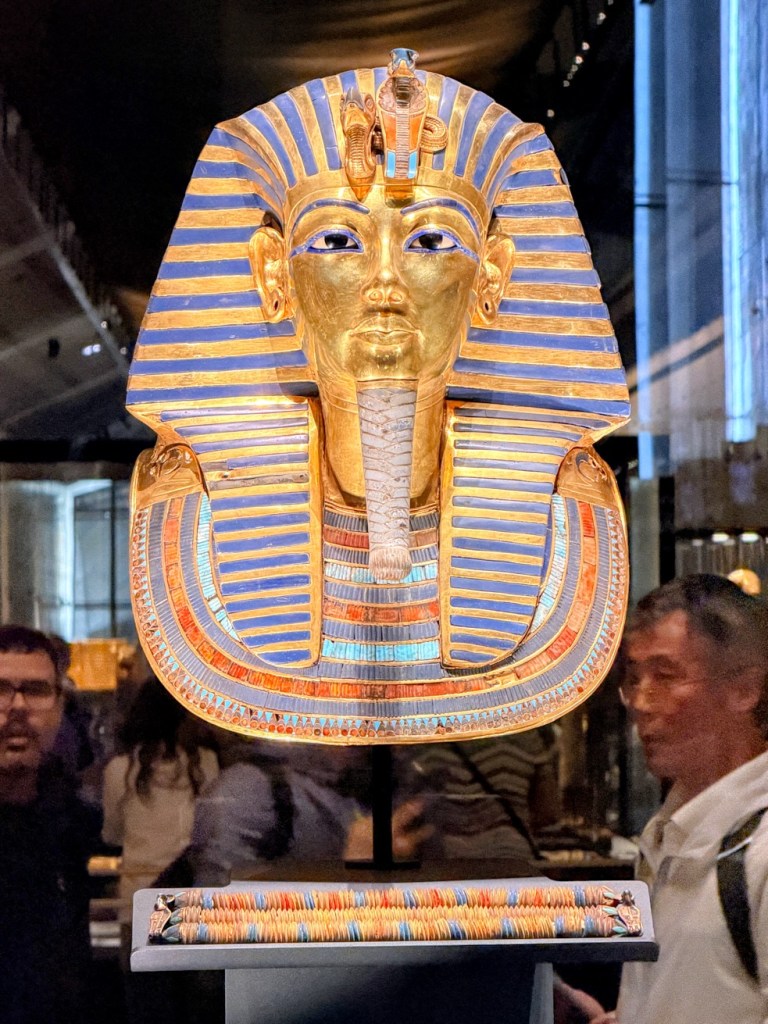
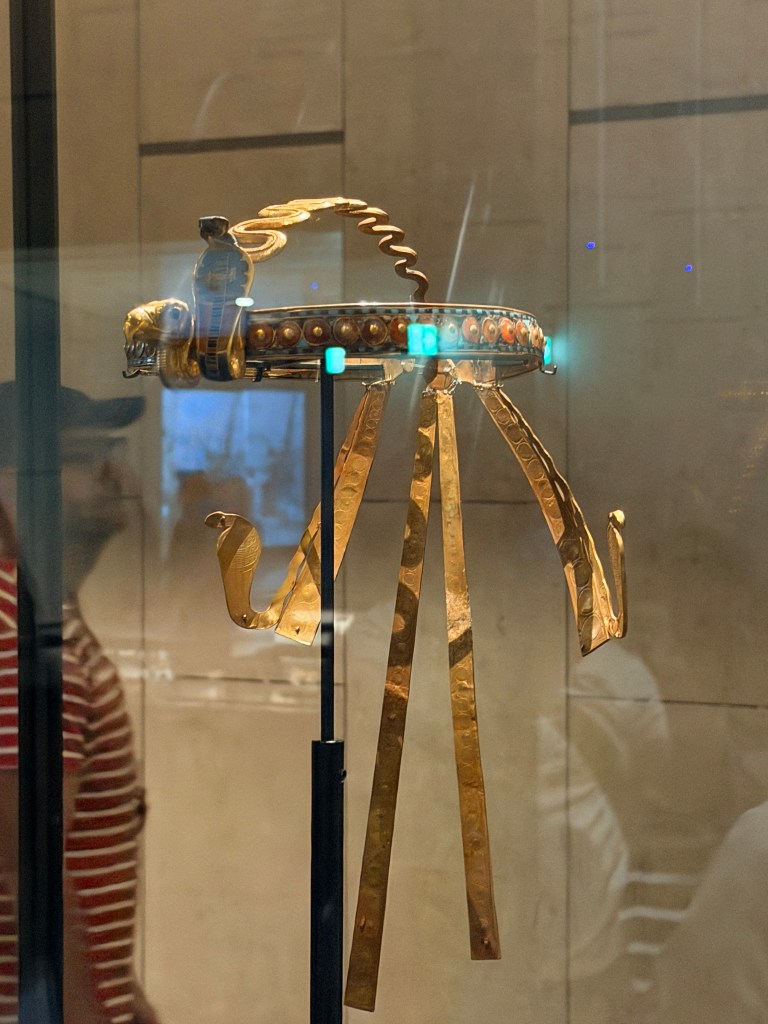
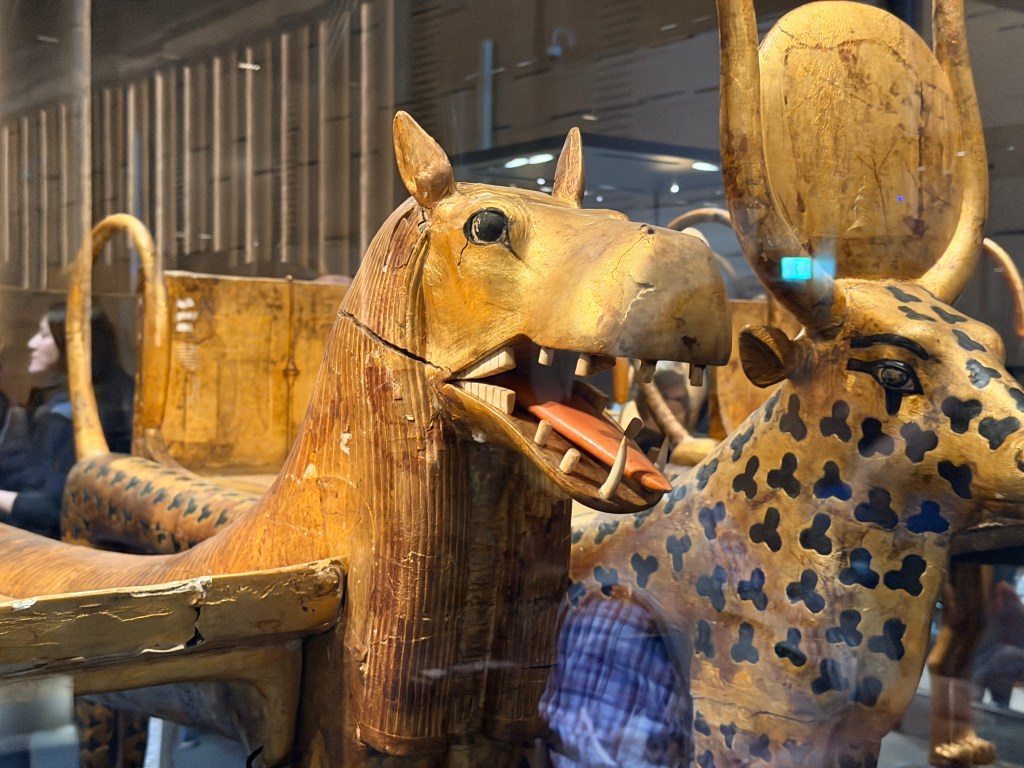
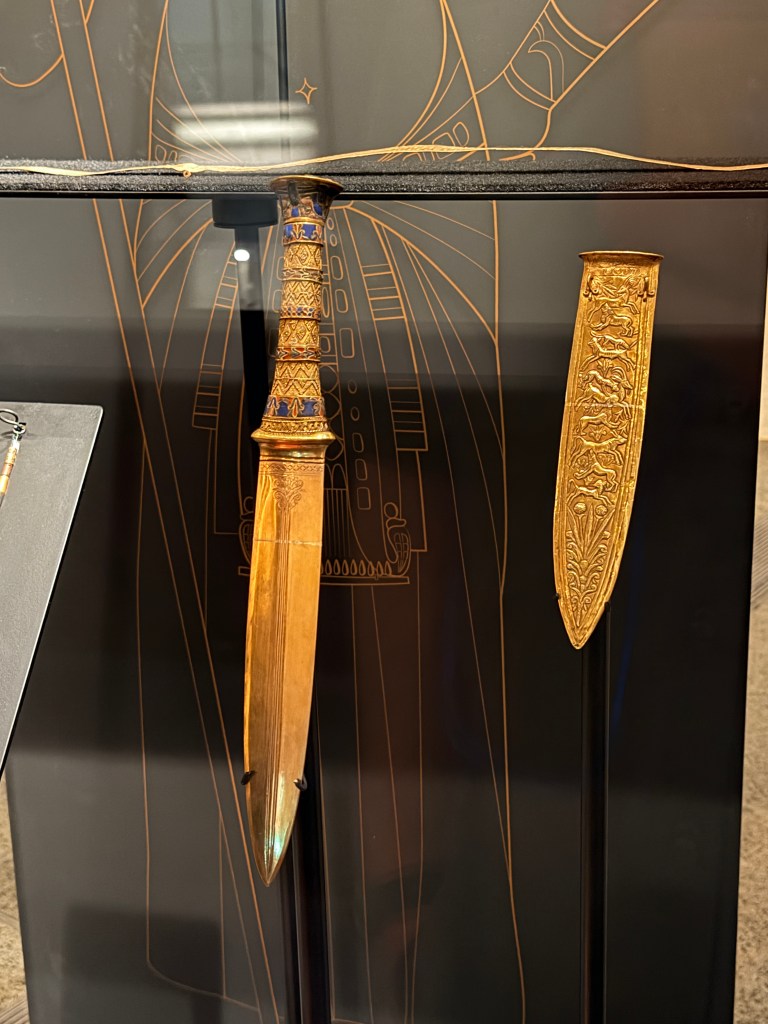
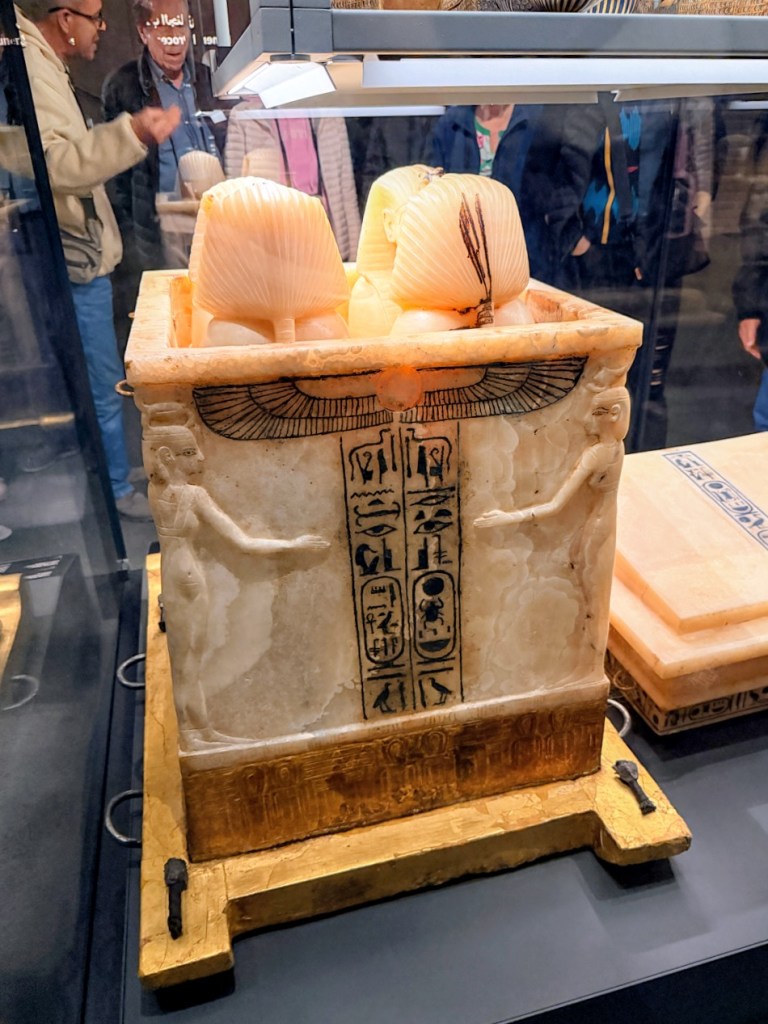
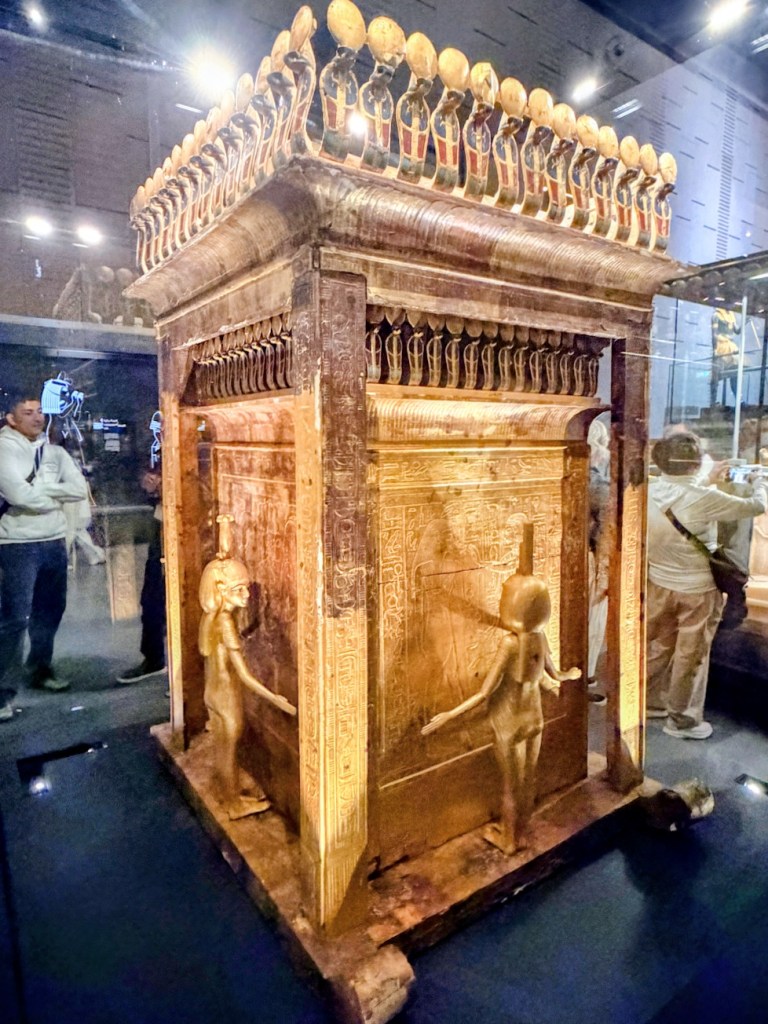

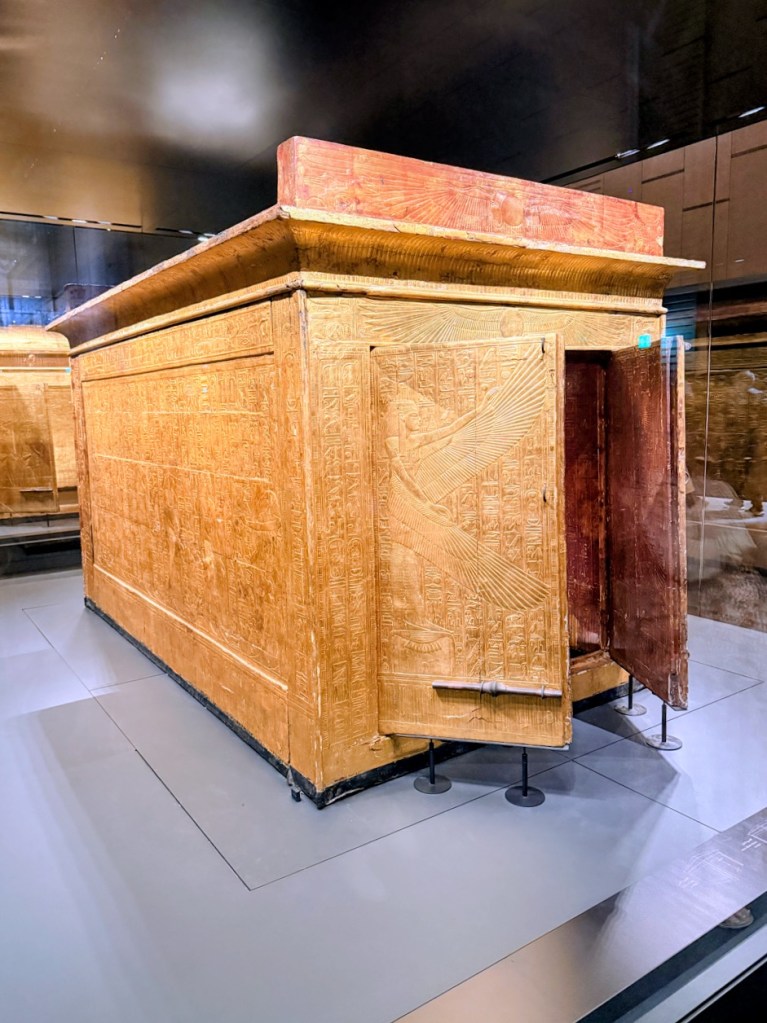
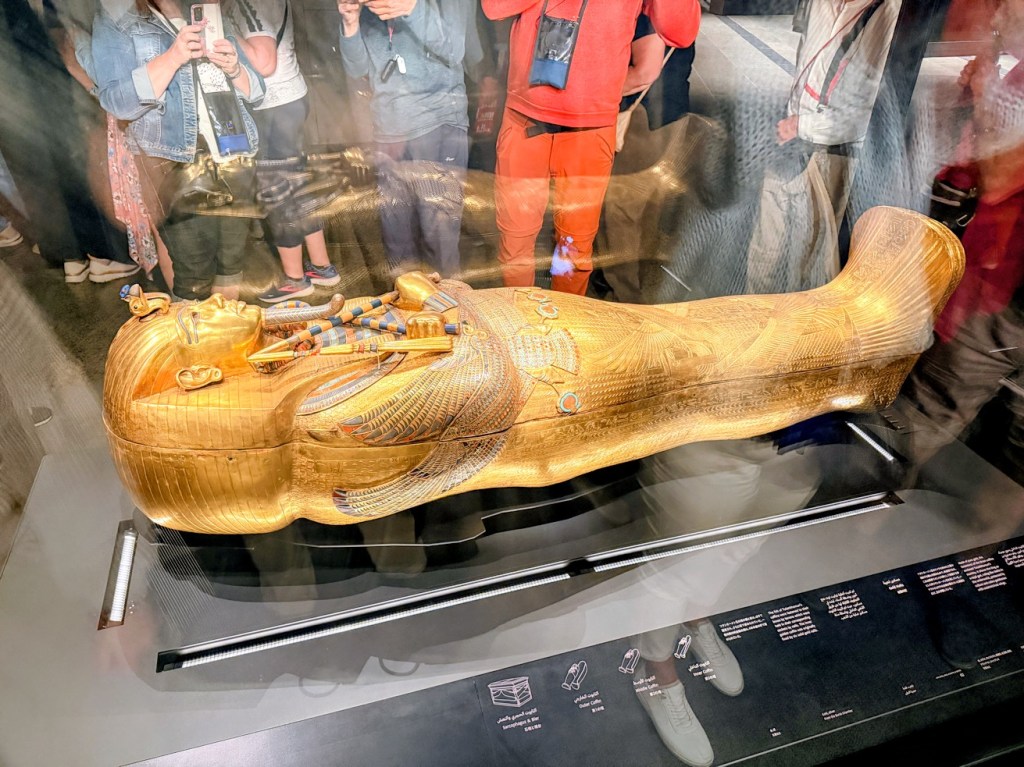
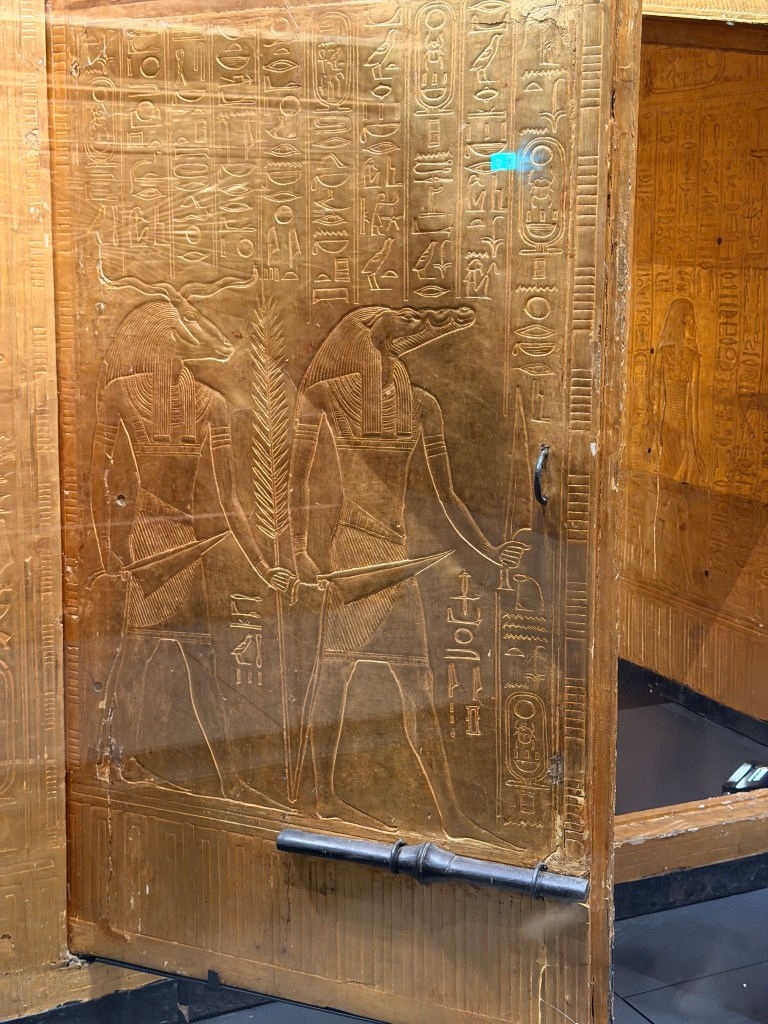
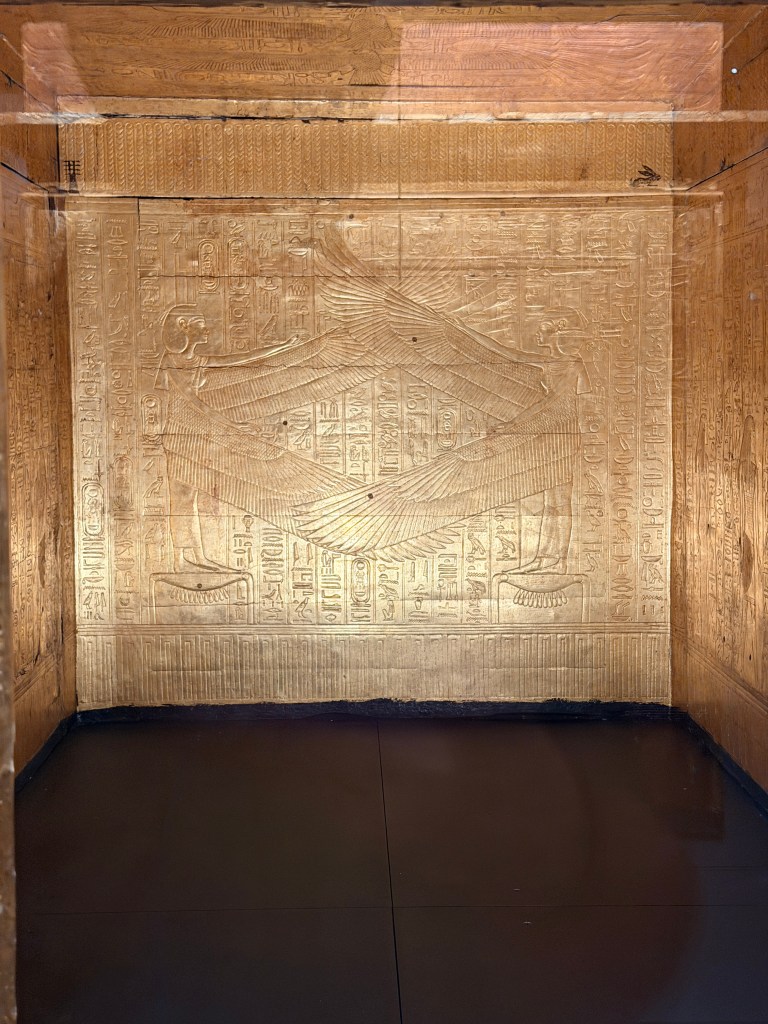
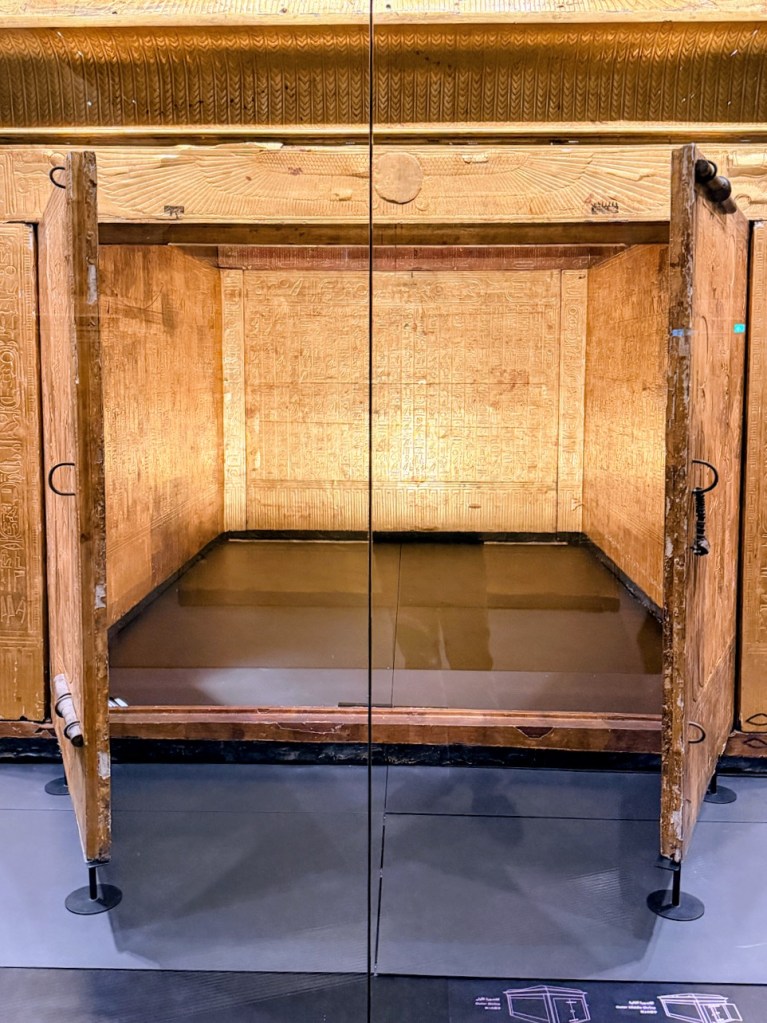
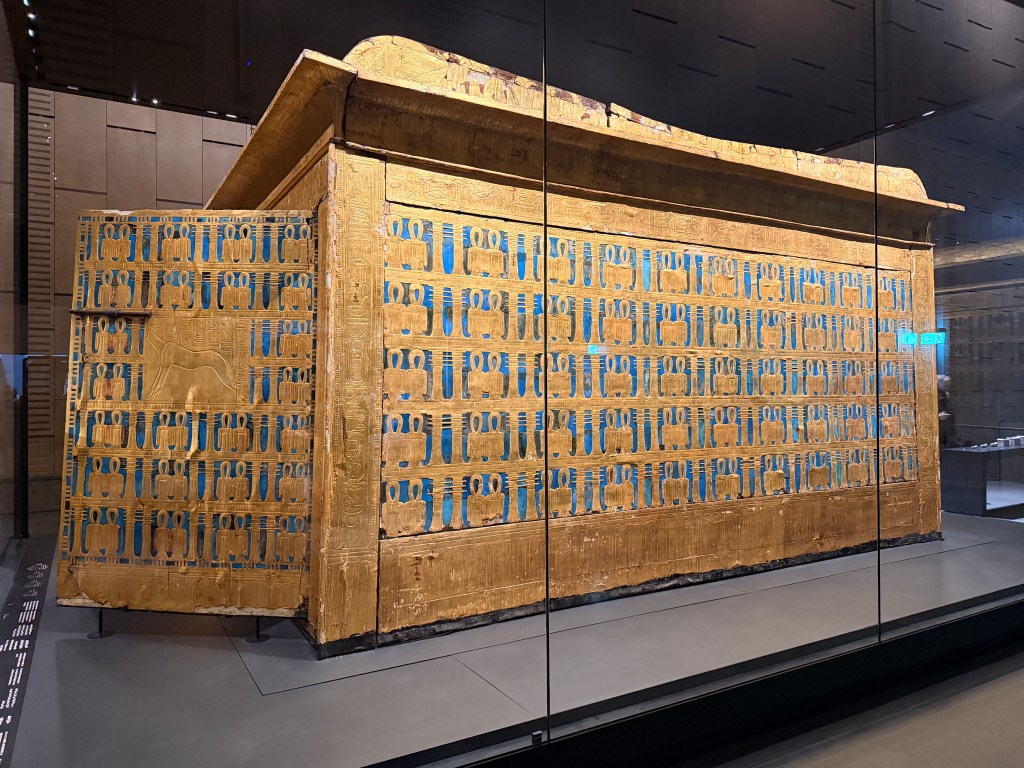
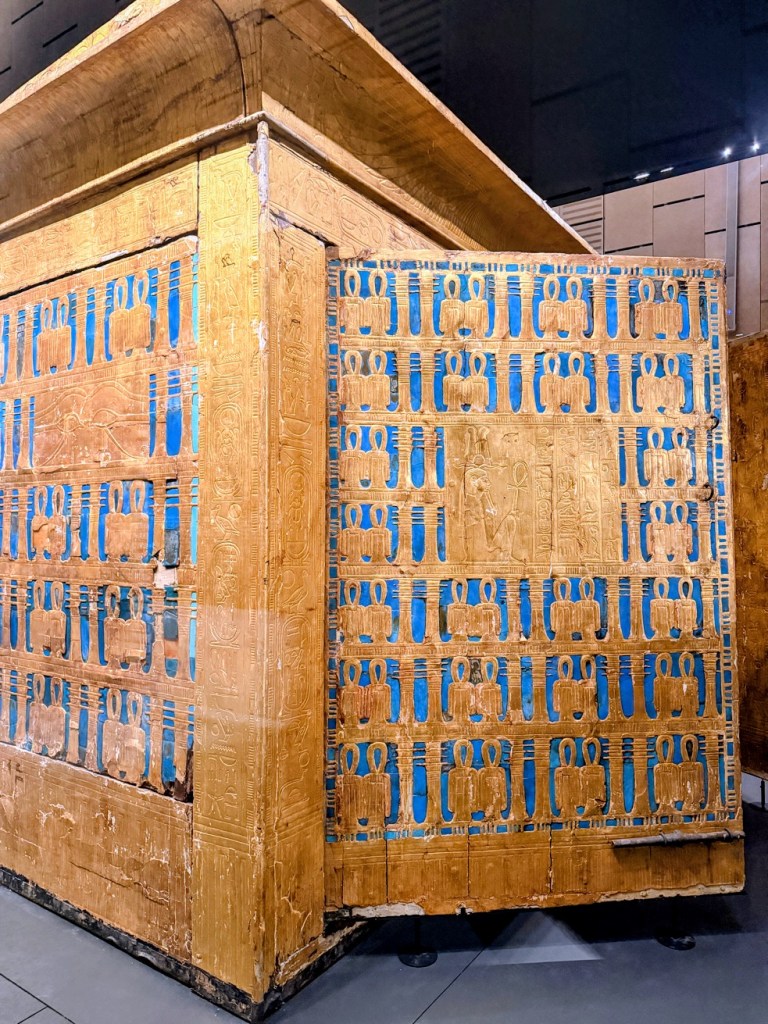
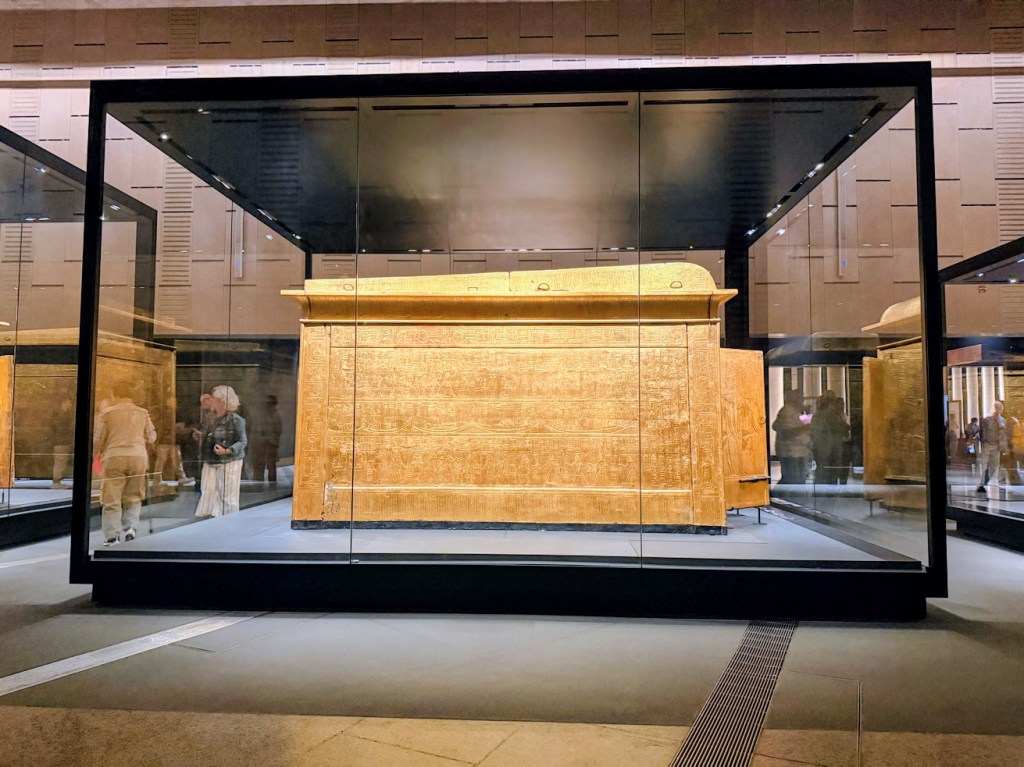
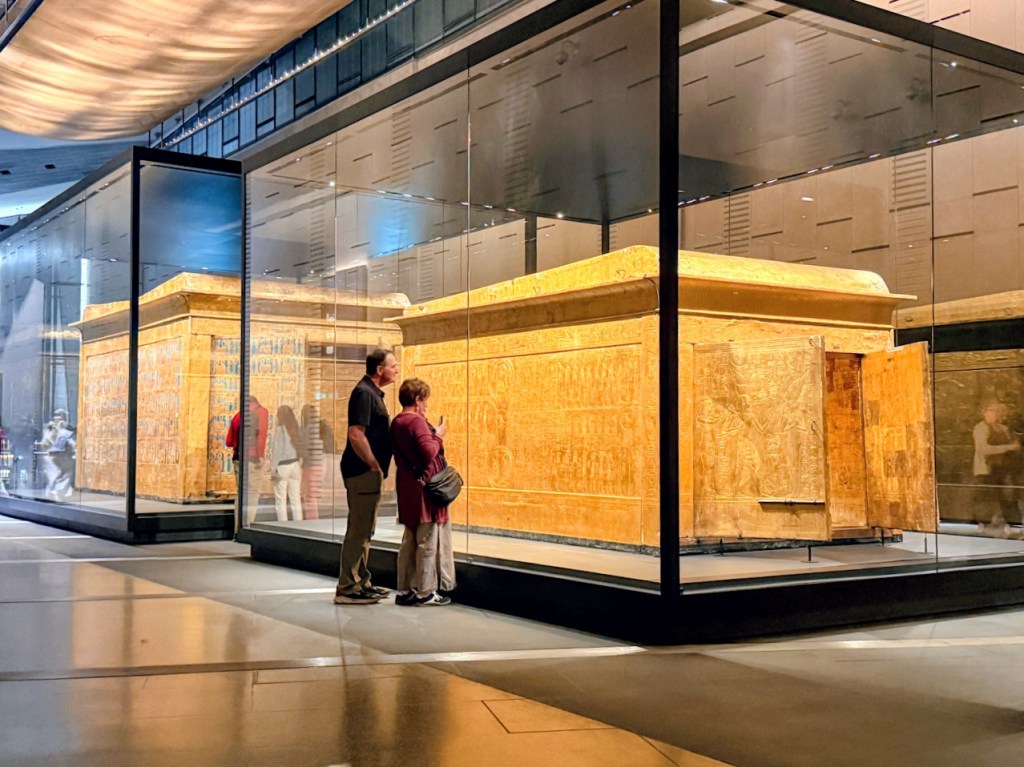
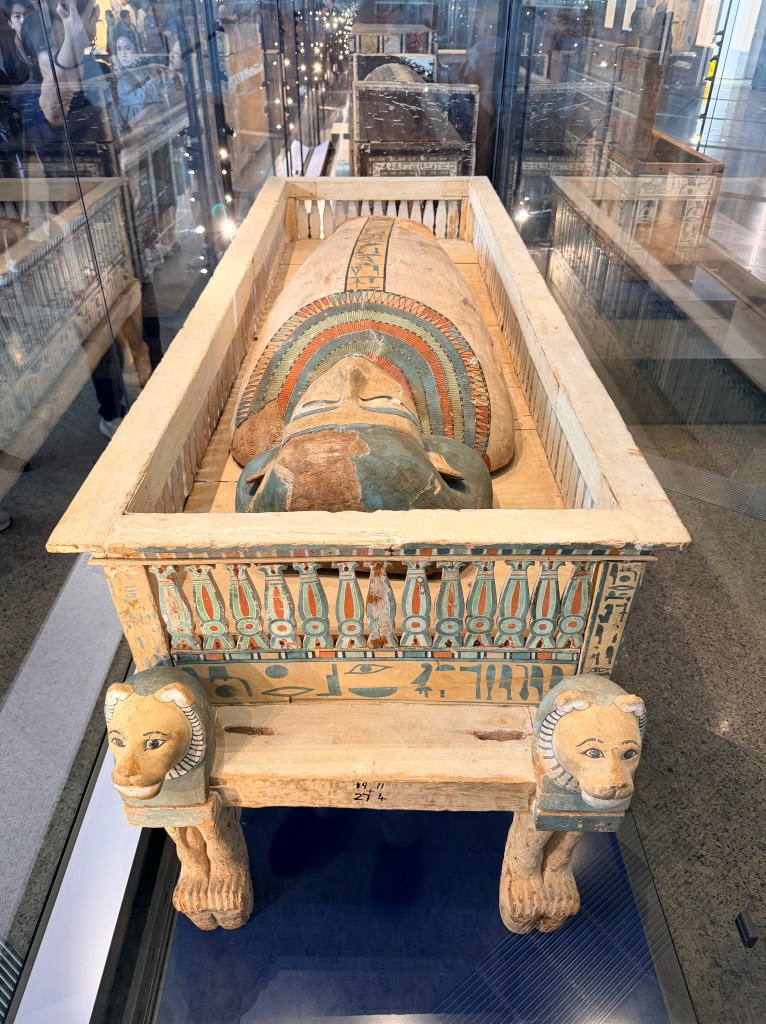
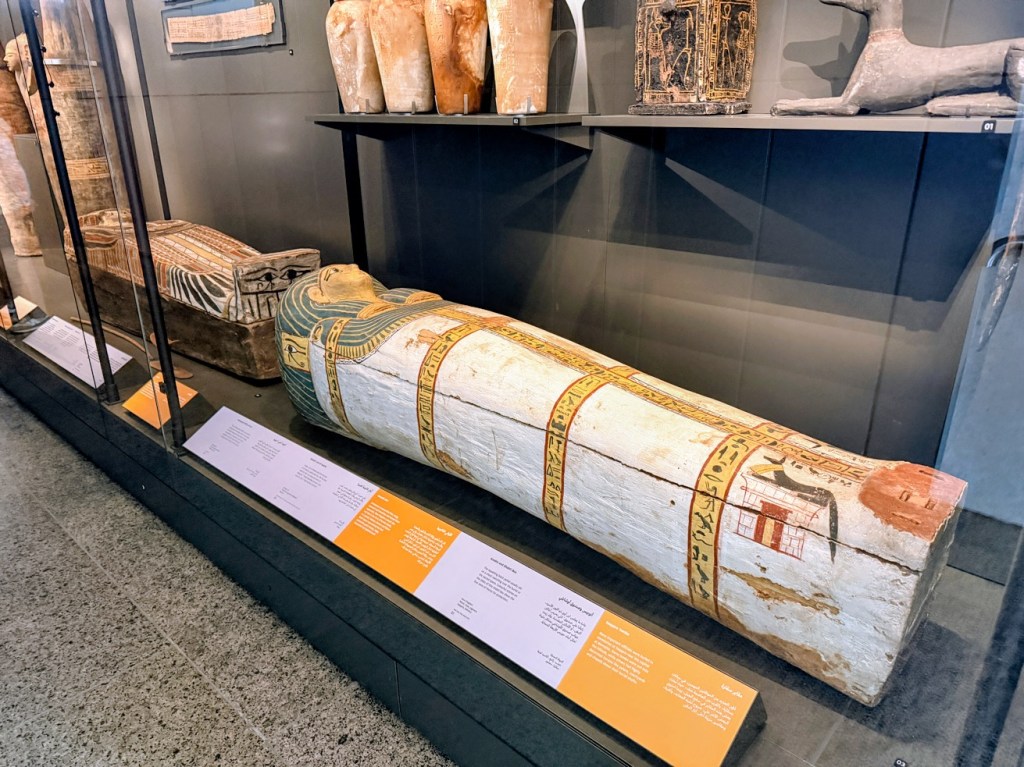
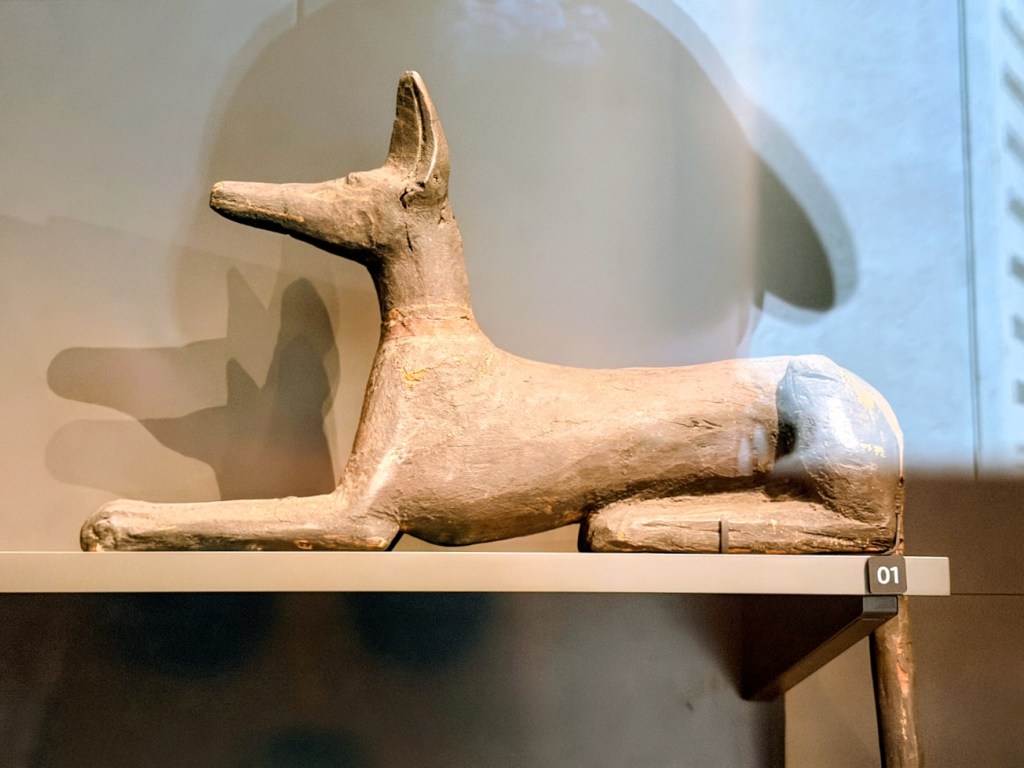
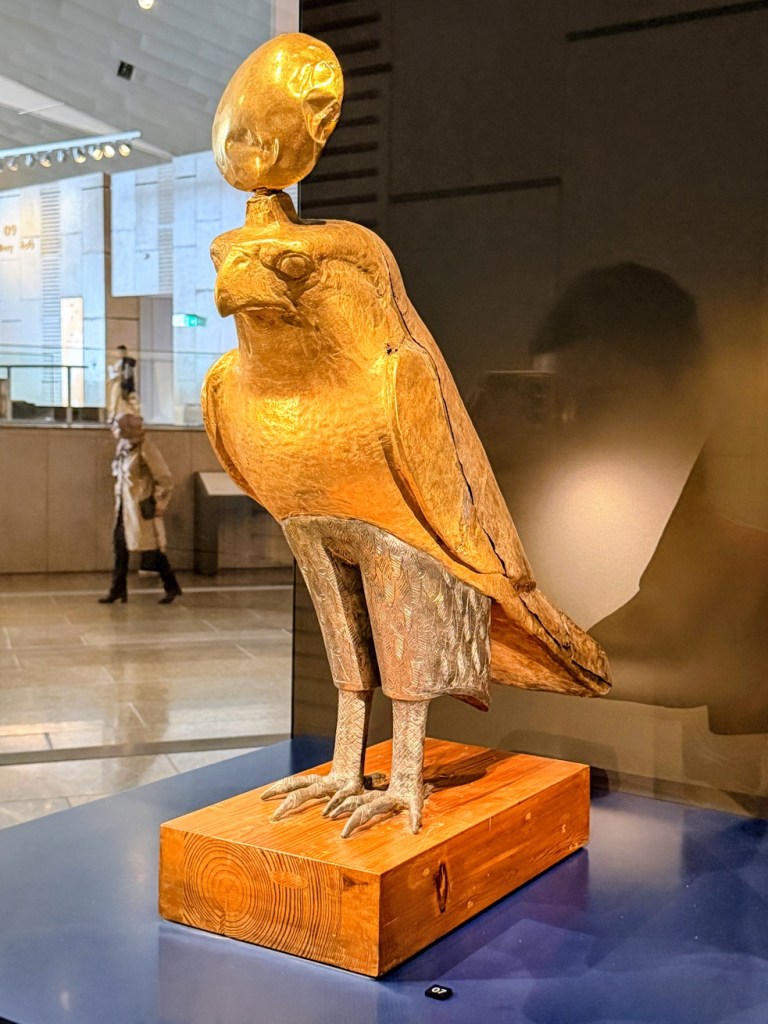
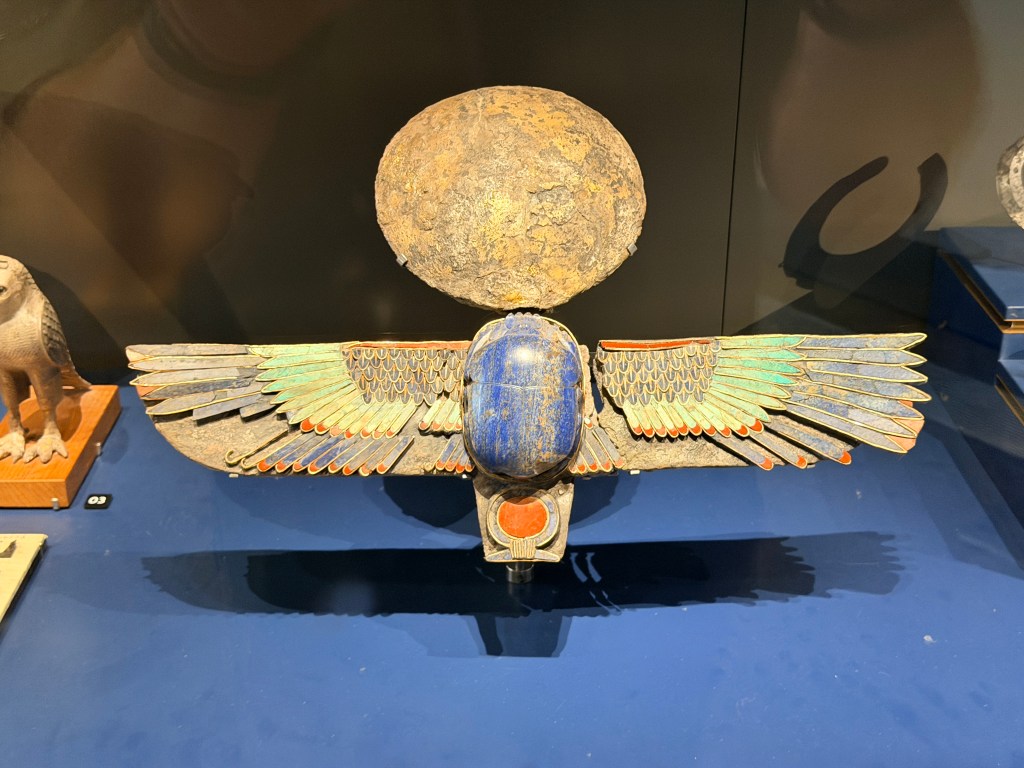
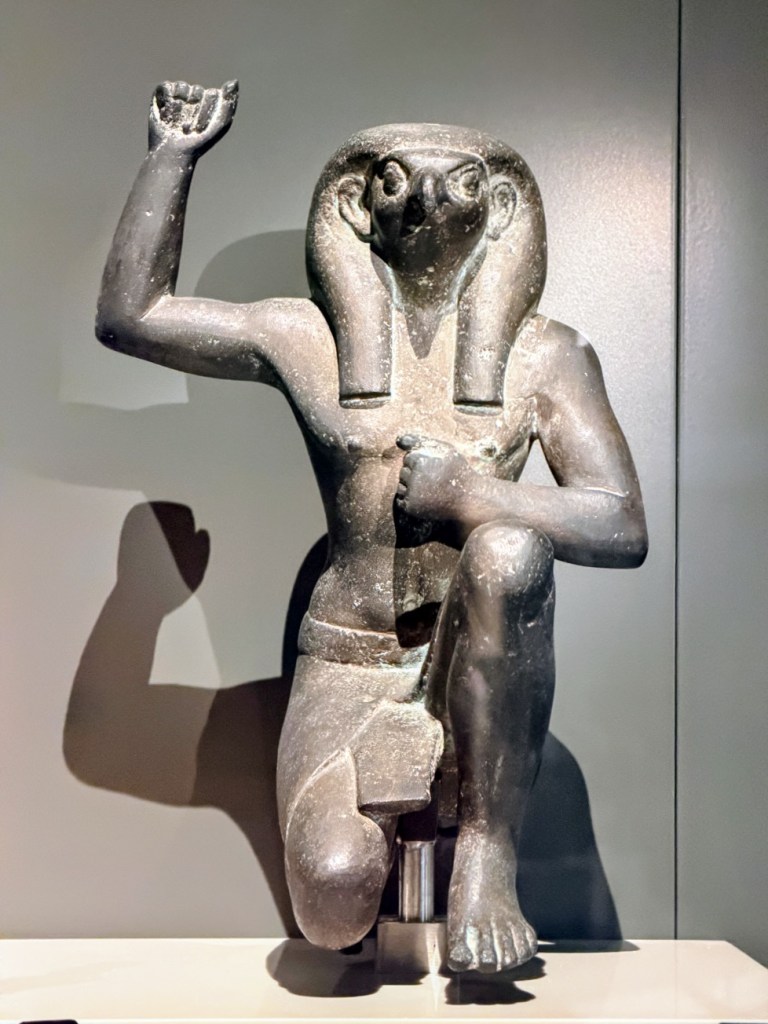
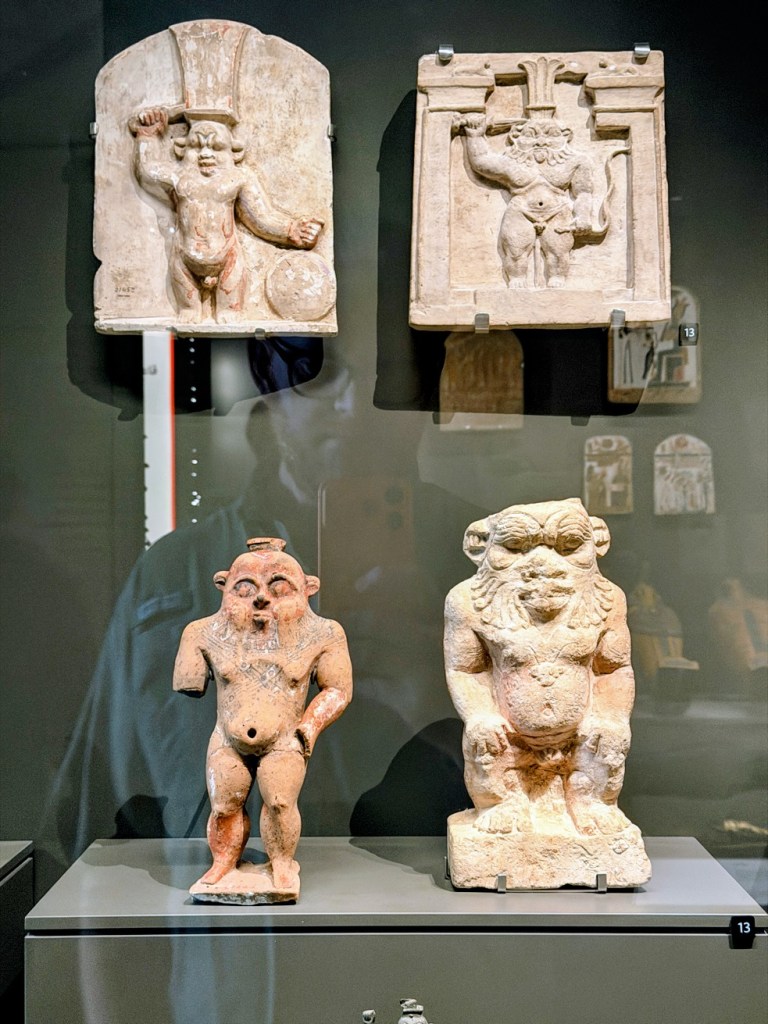
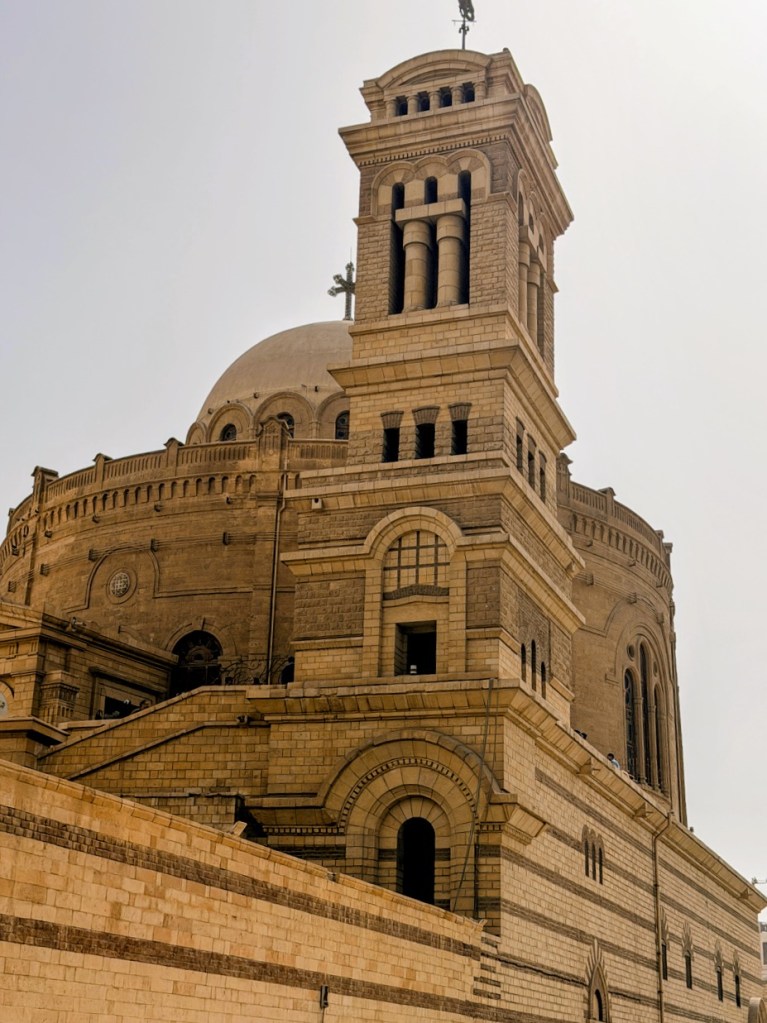
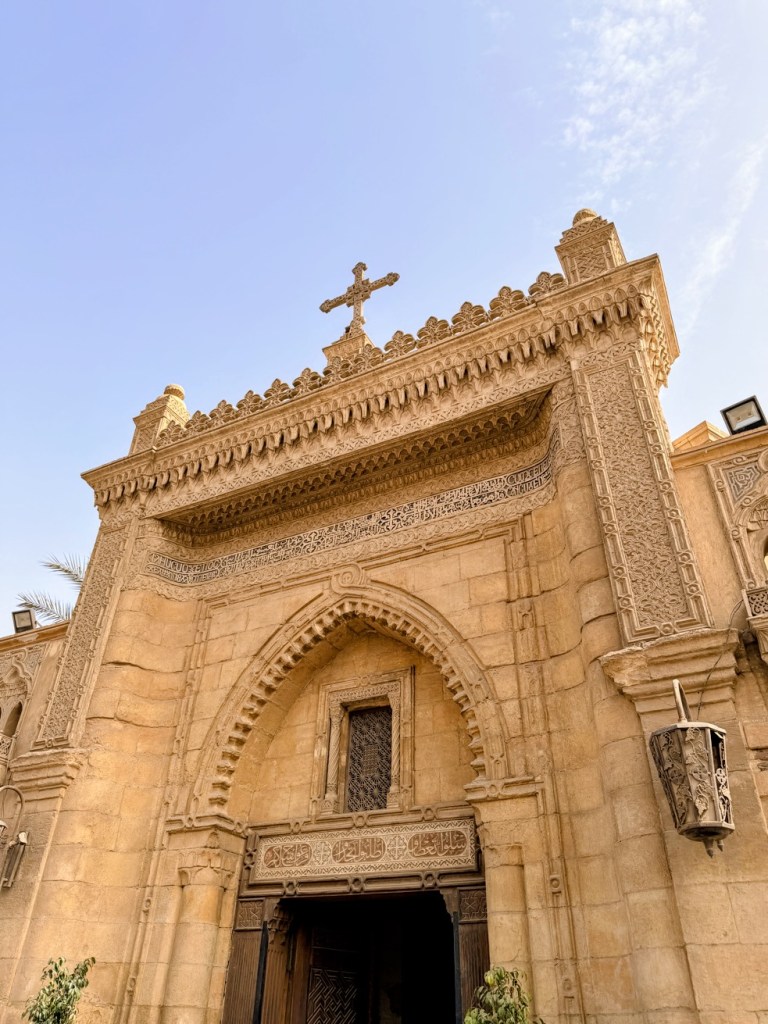
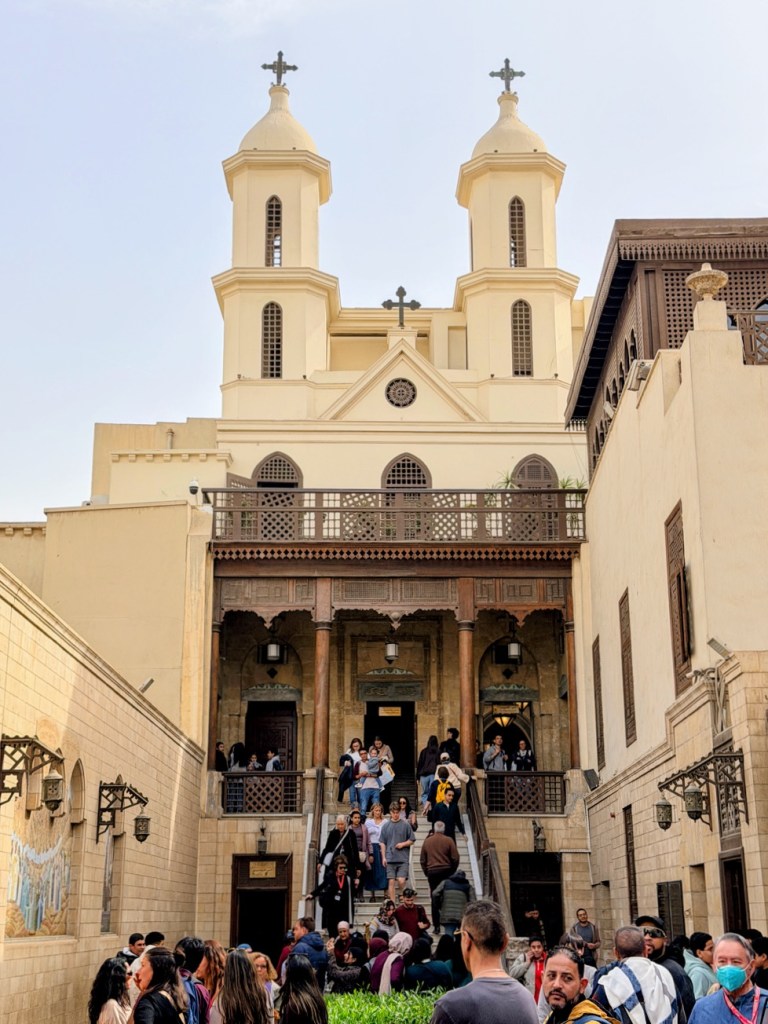
- The Hanging Church, highlighting Egypt’s deep Christian roots
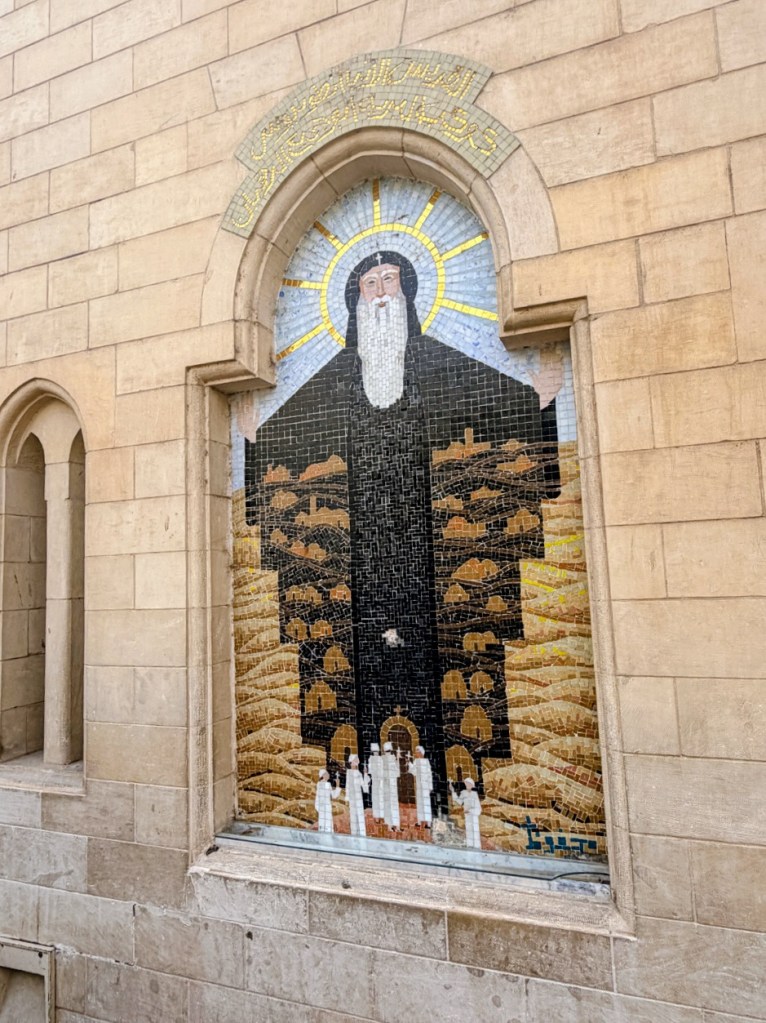
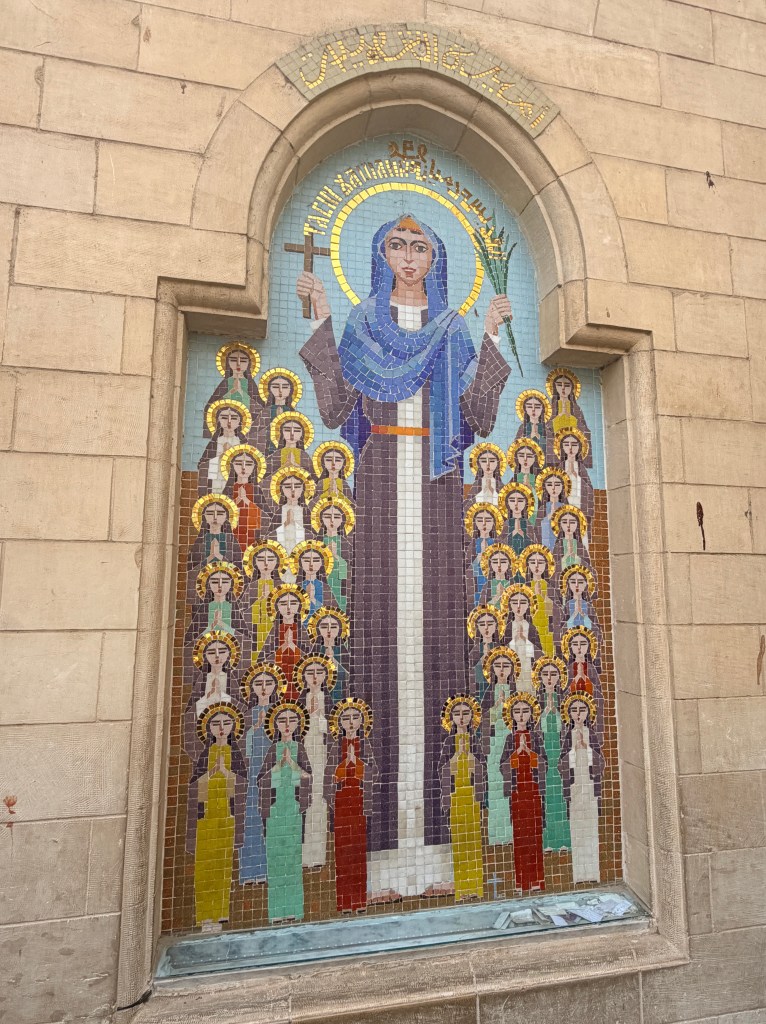
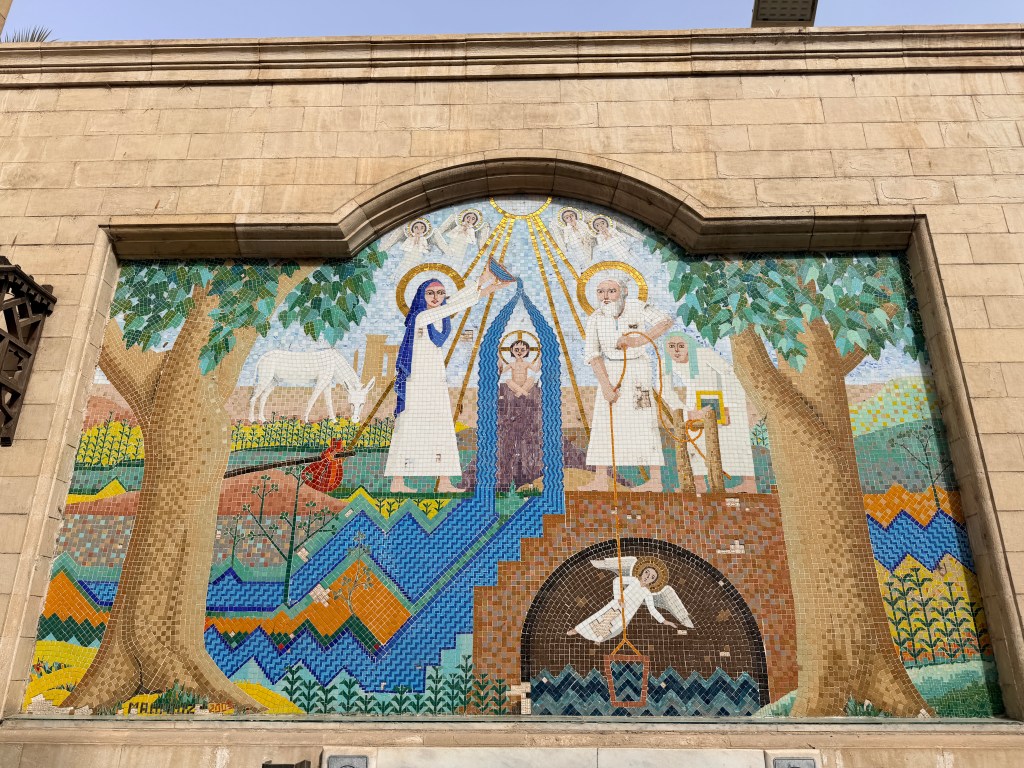
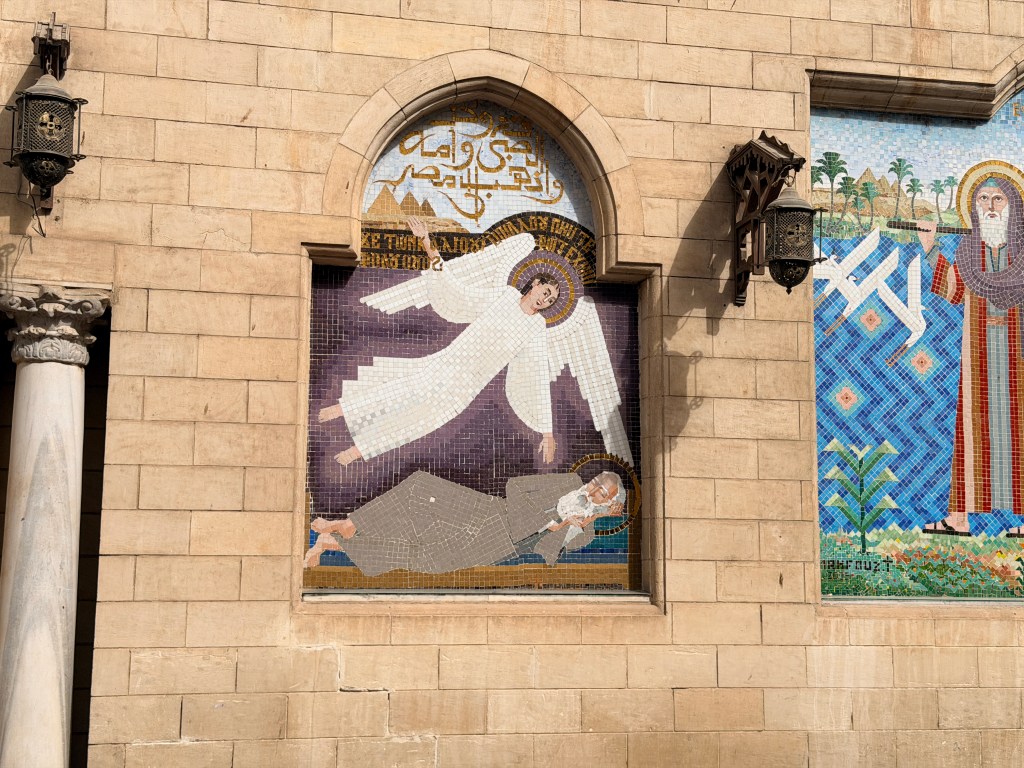
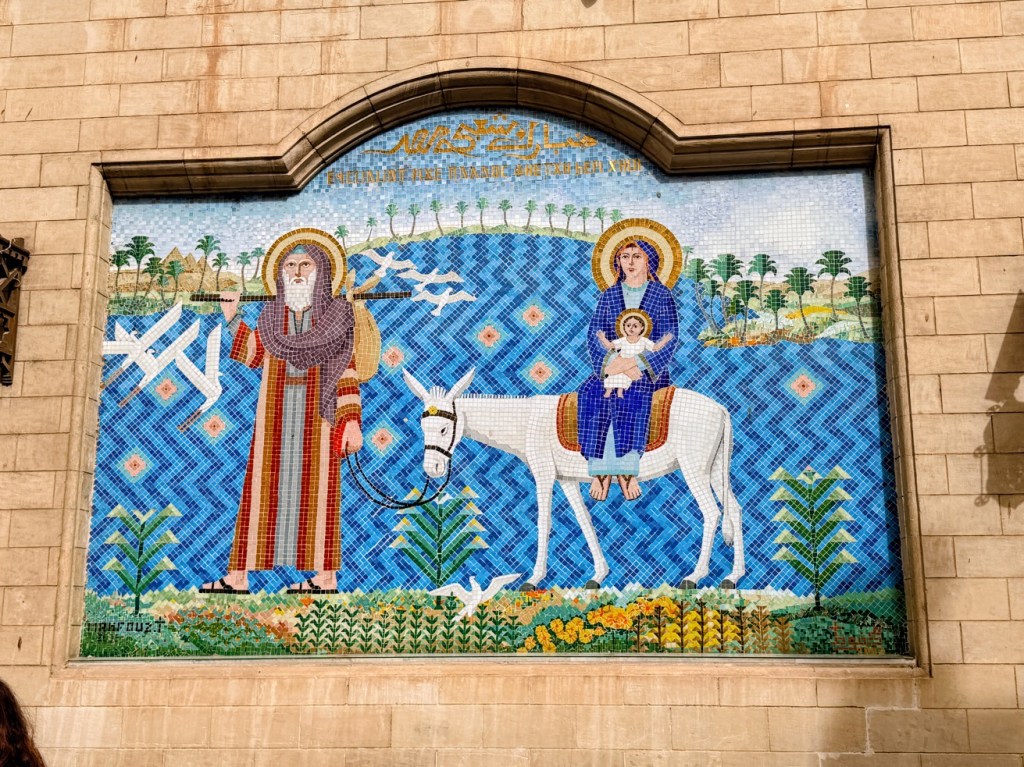
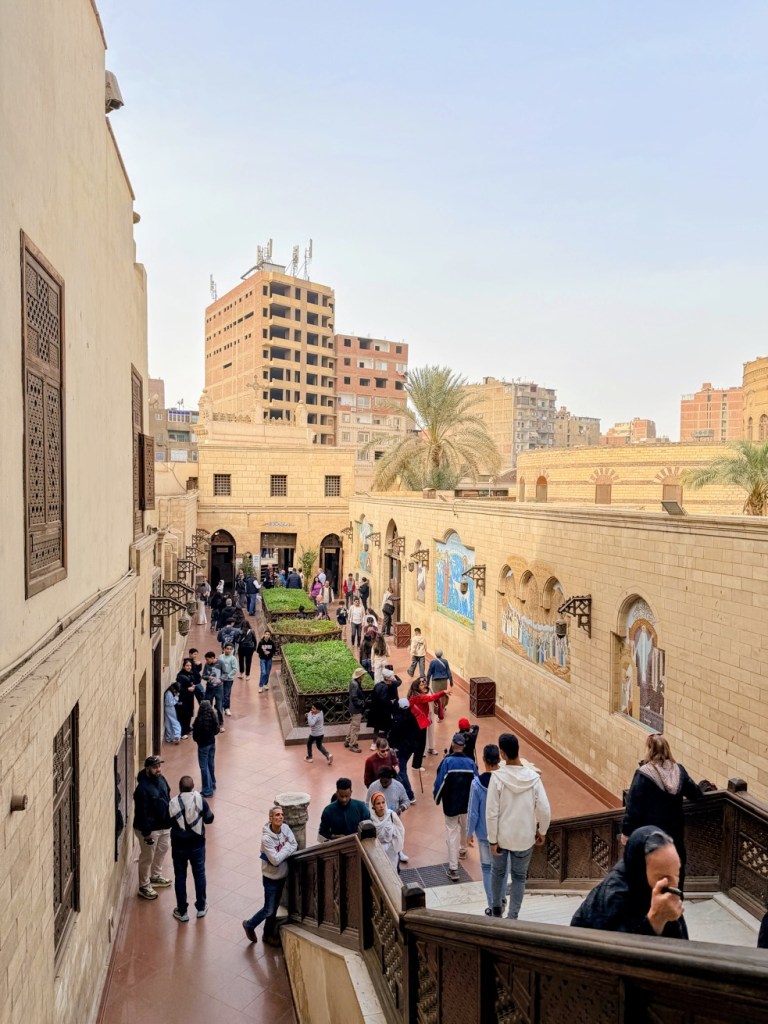
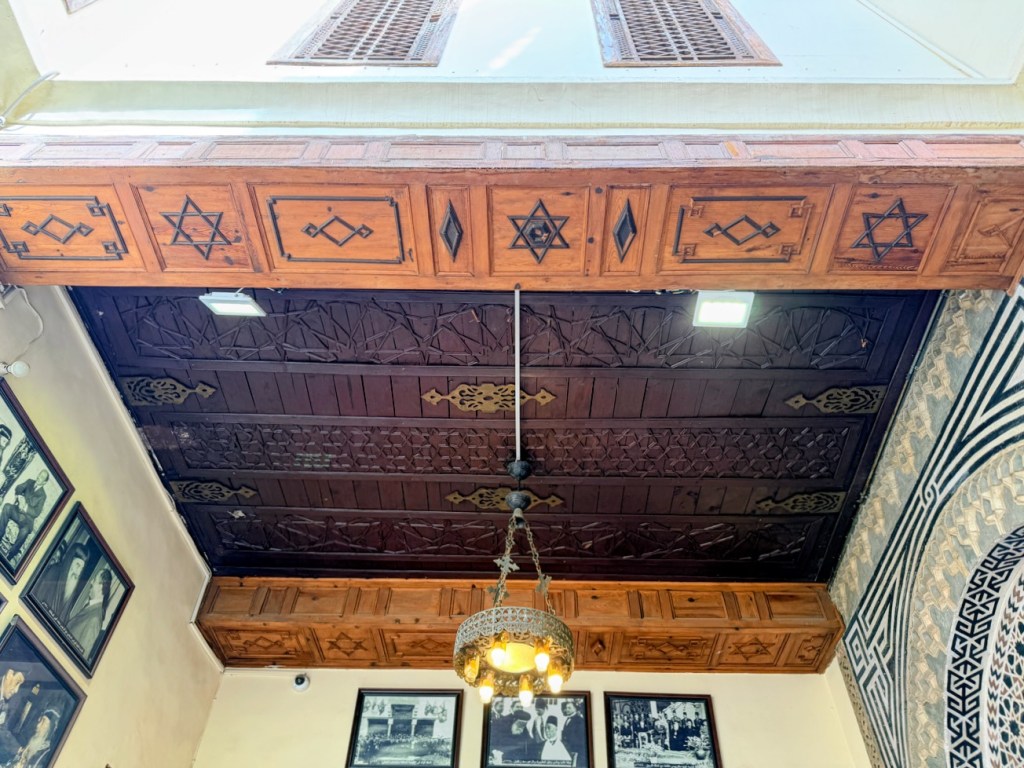
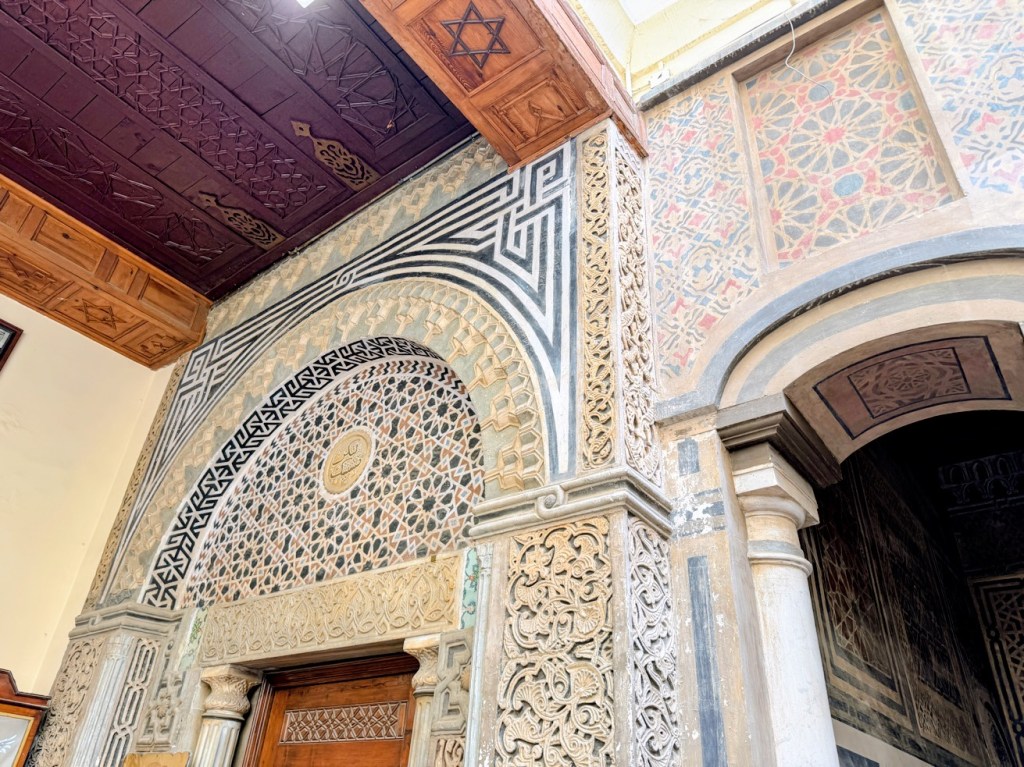
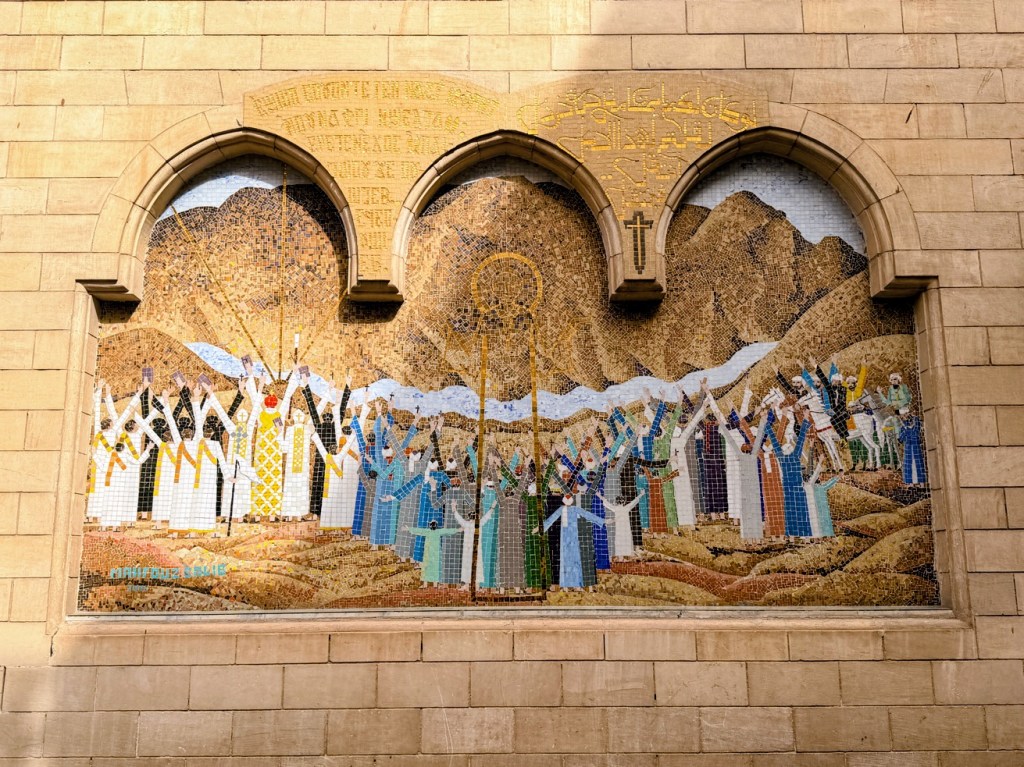
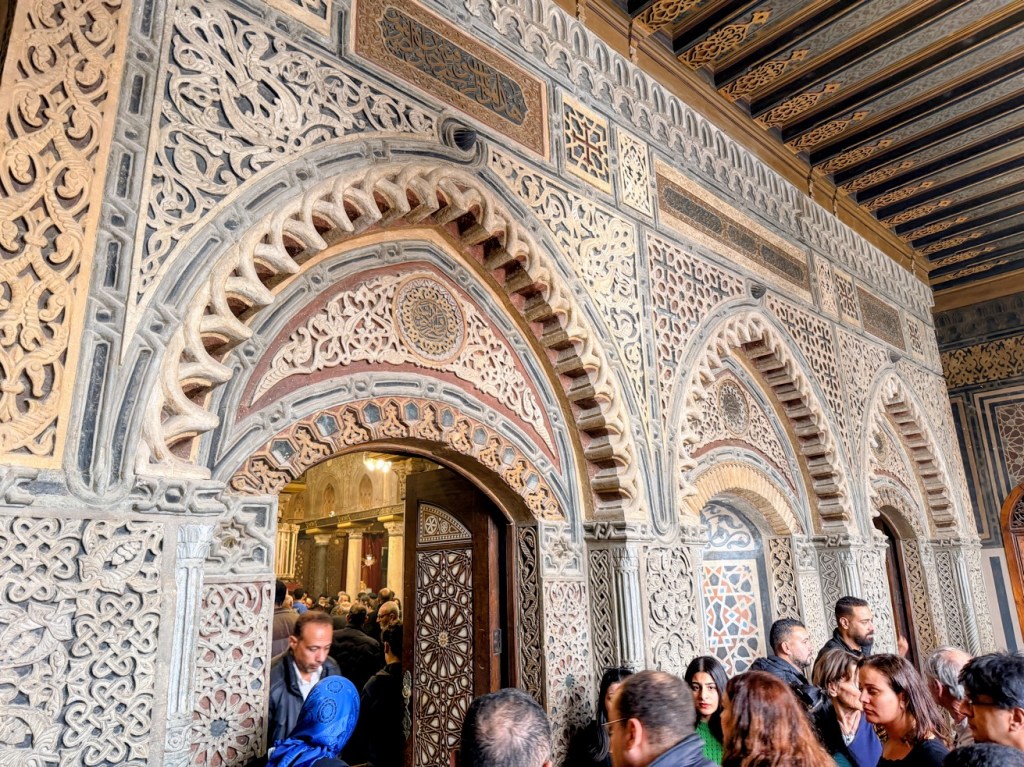
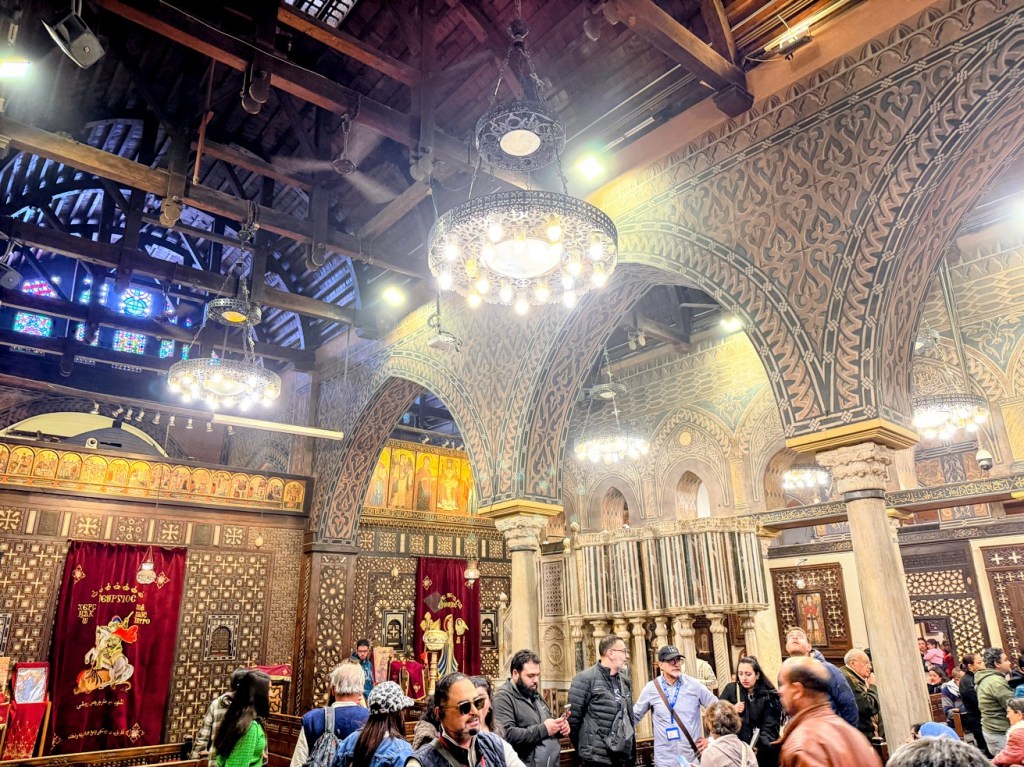
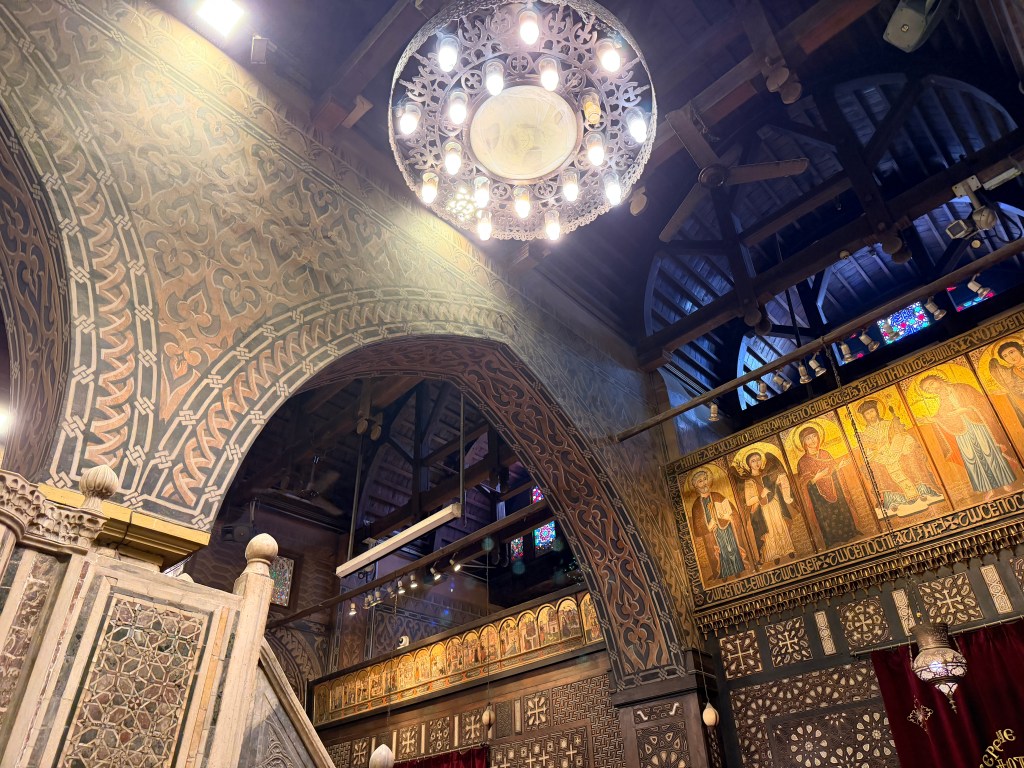
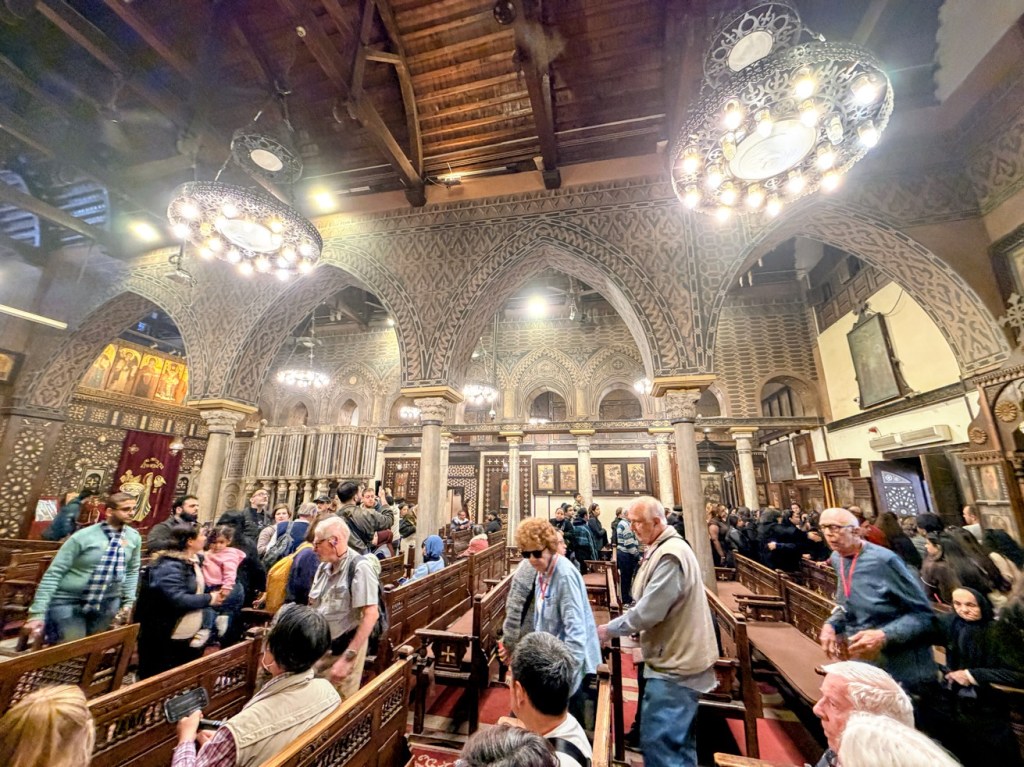
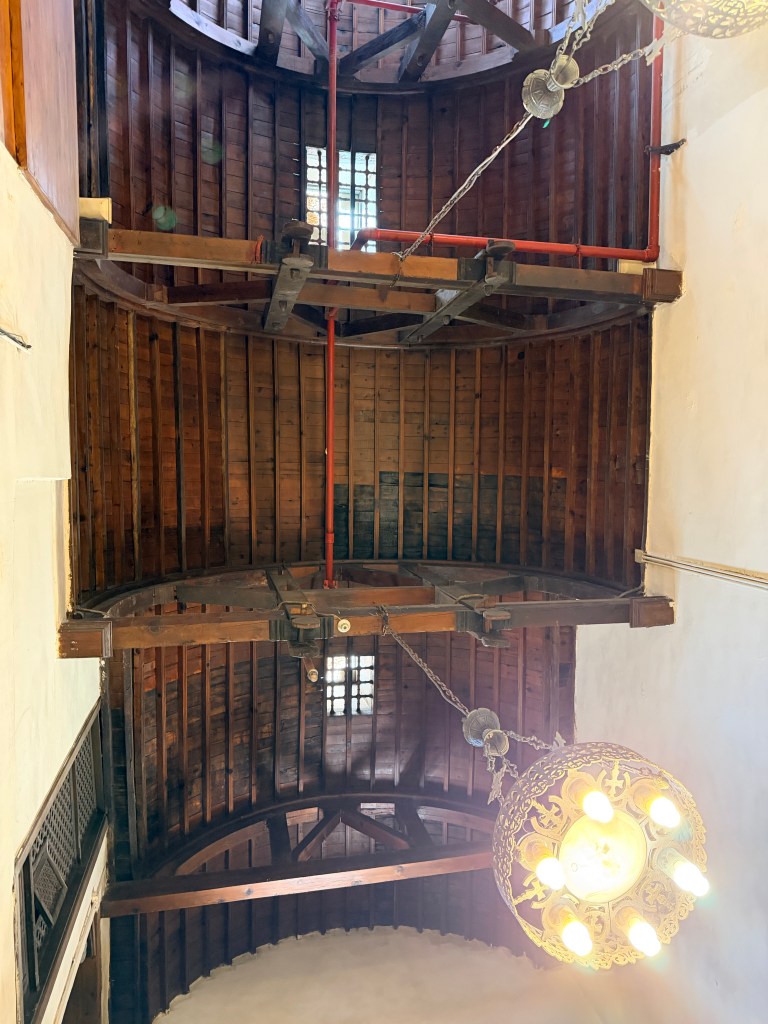
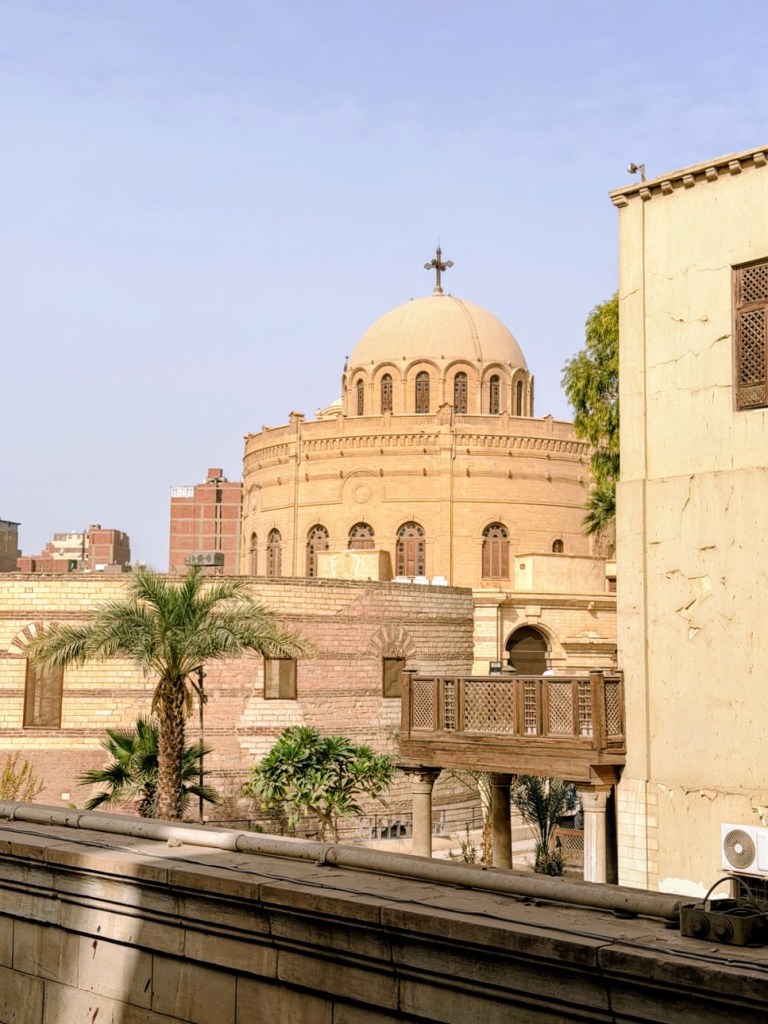
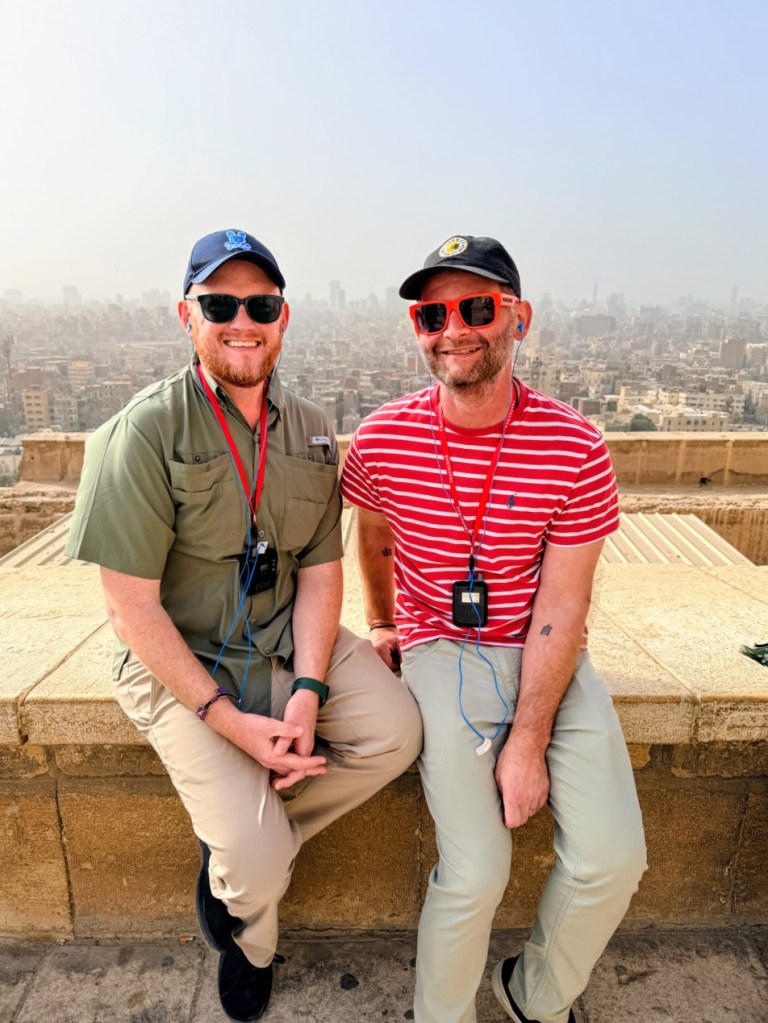
- And lastly, the Citadel of Salah El Din and the Alabaster Mosque, offering sweeping views and architectural grandeur.
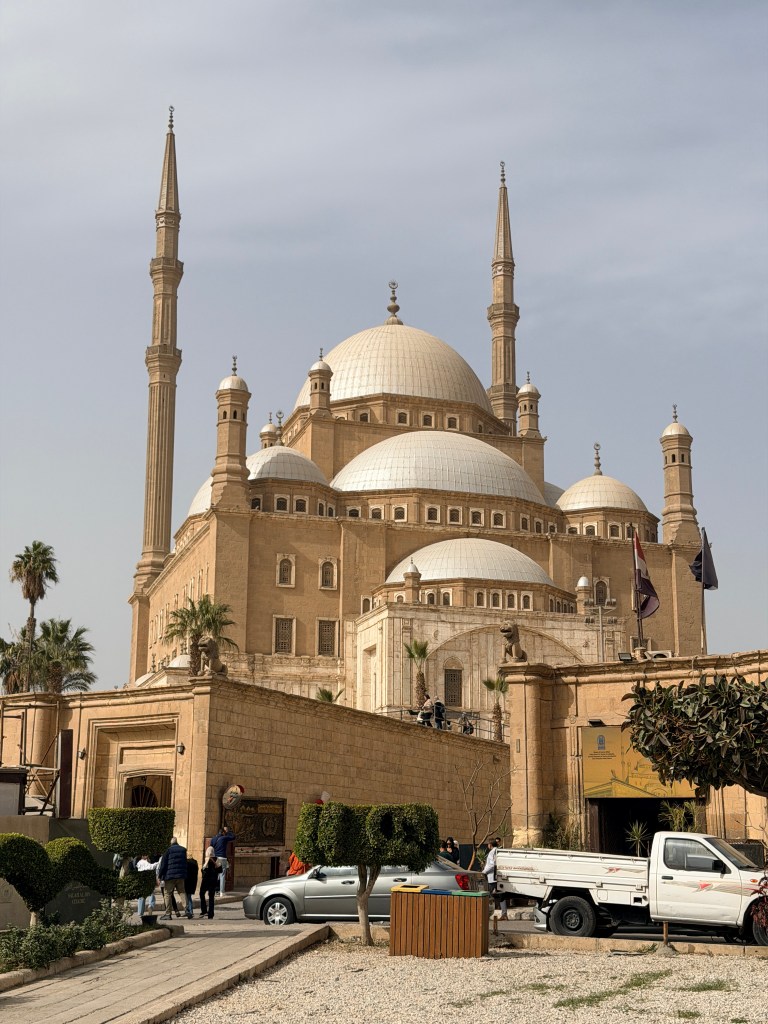
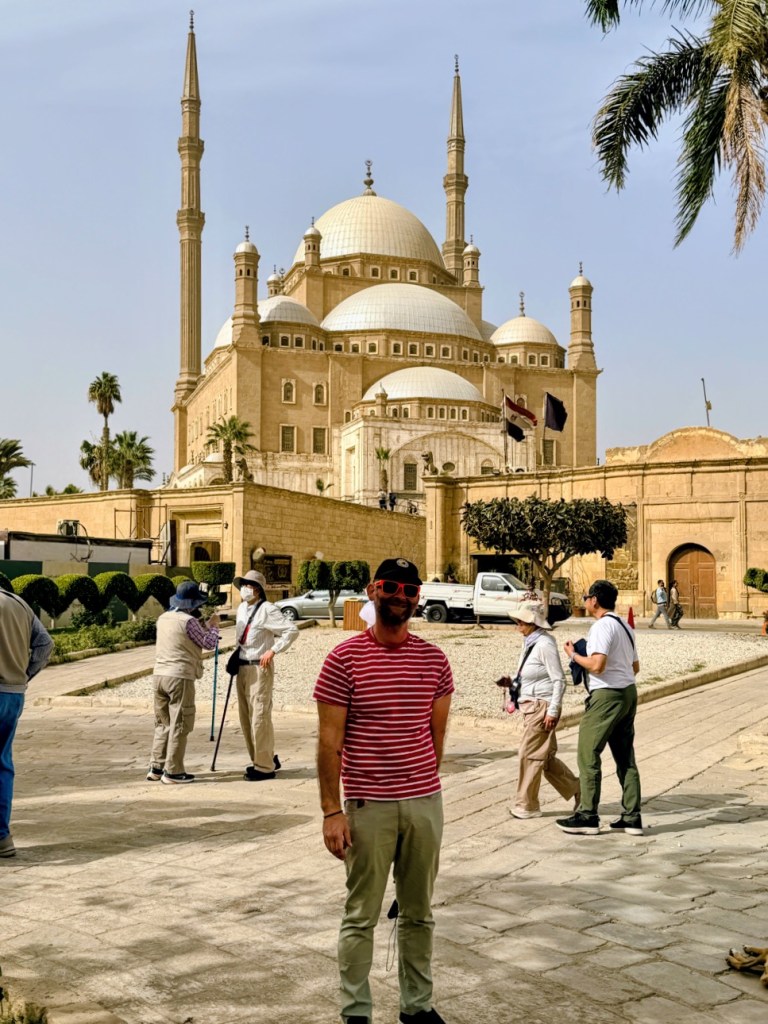
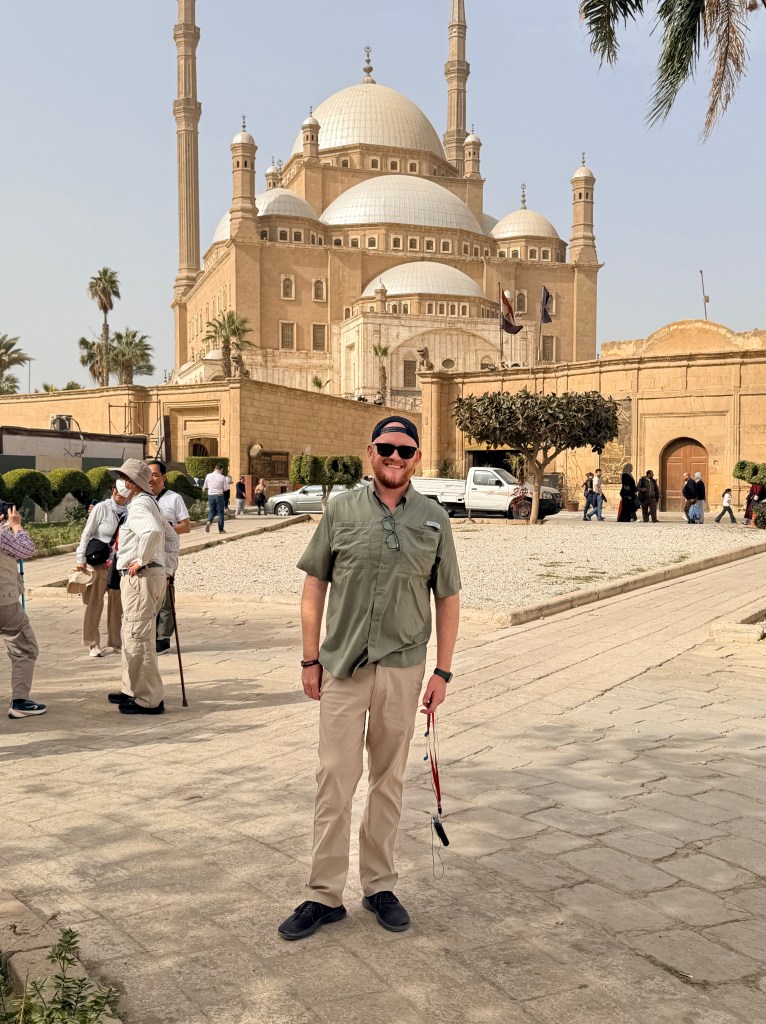
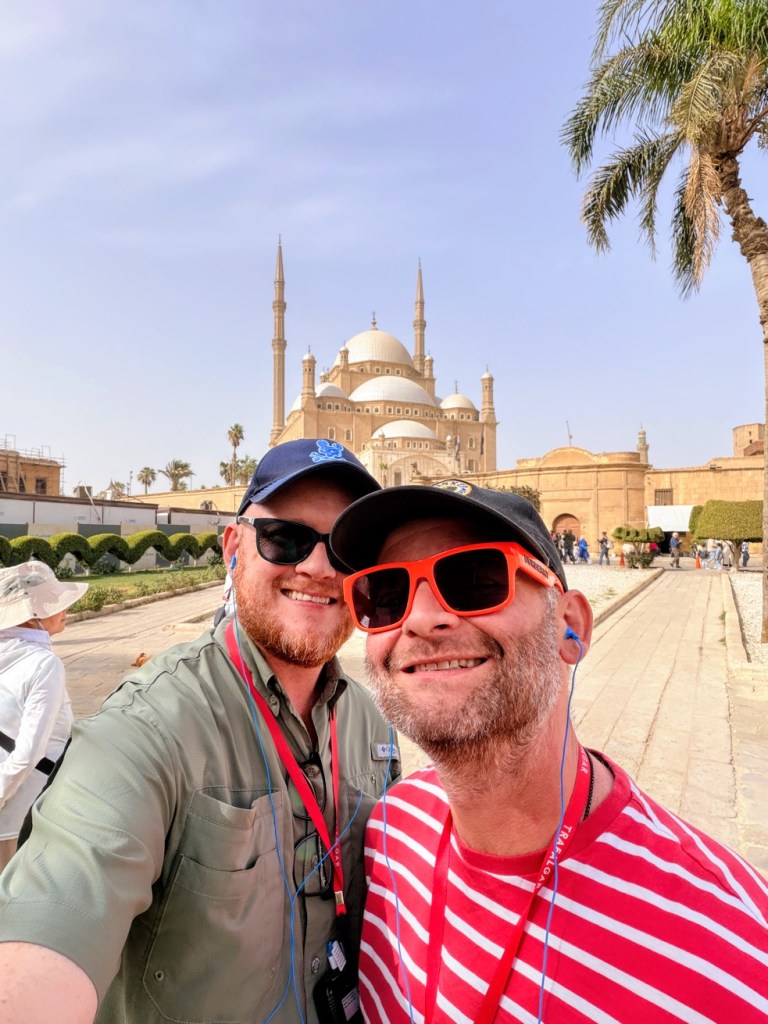
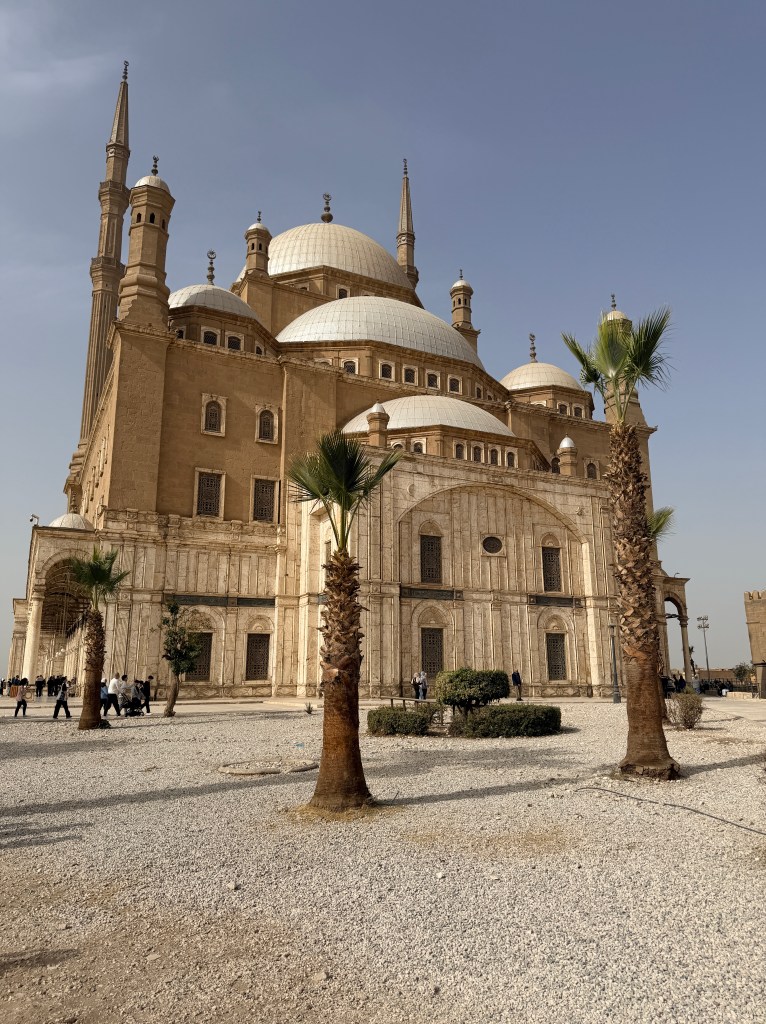
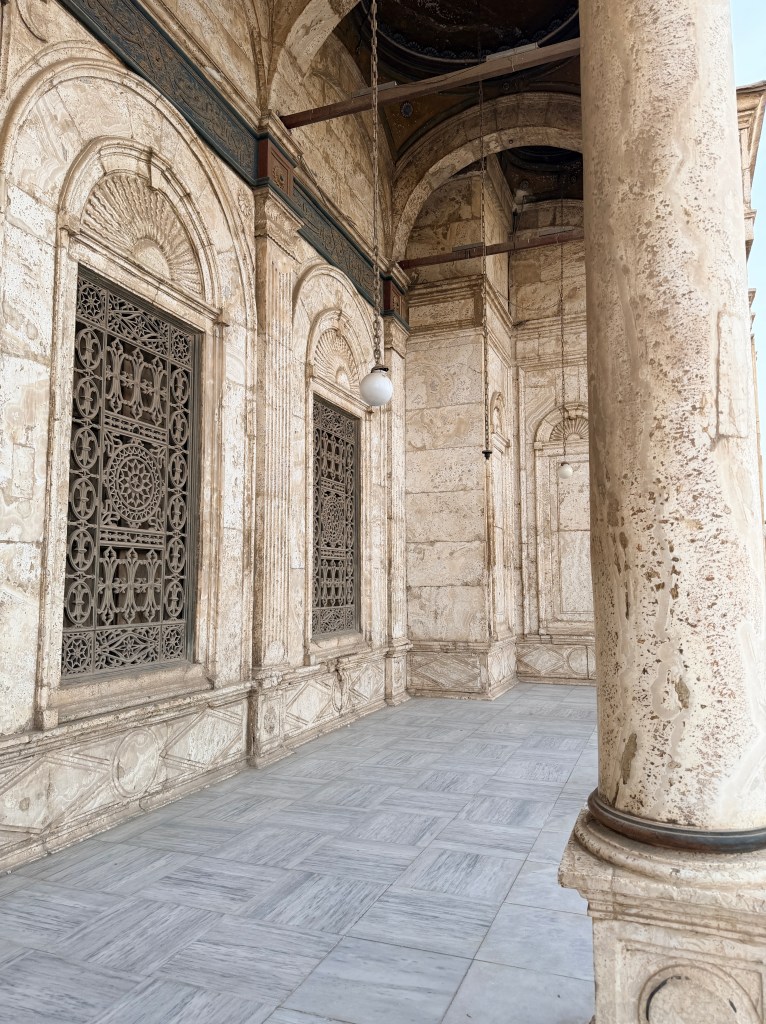
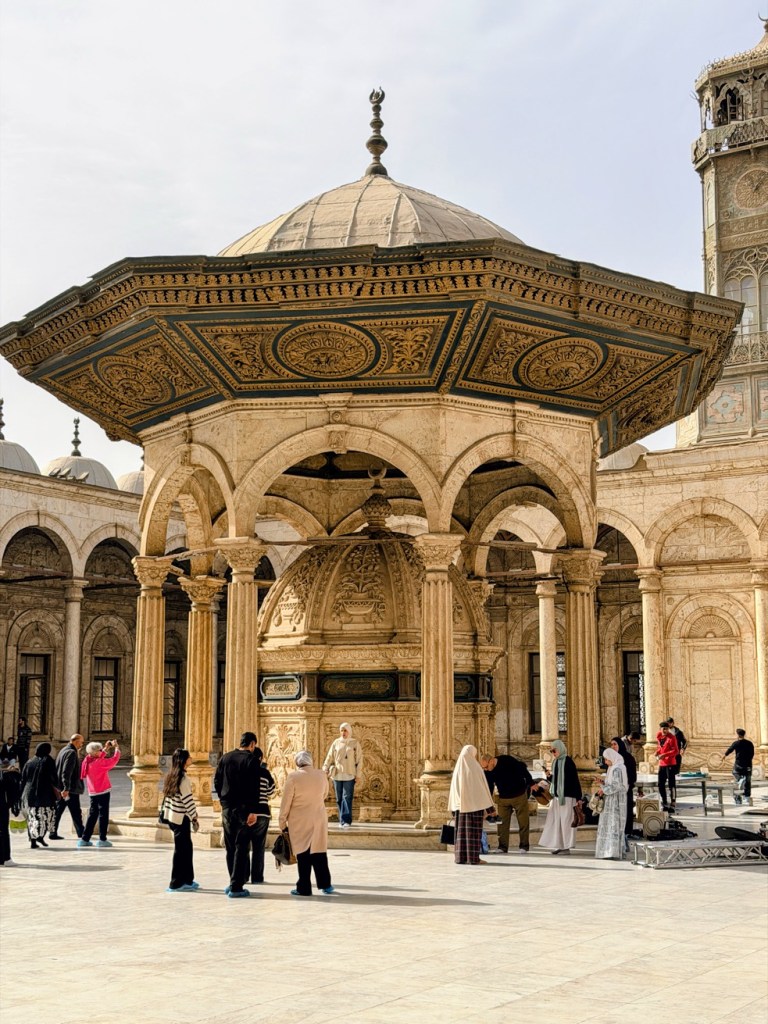
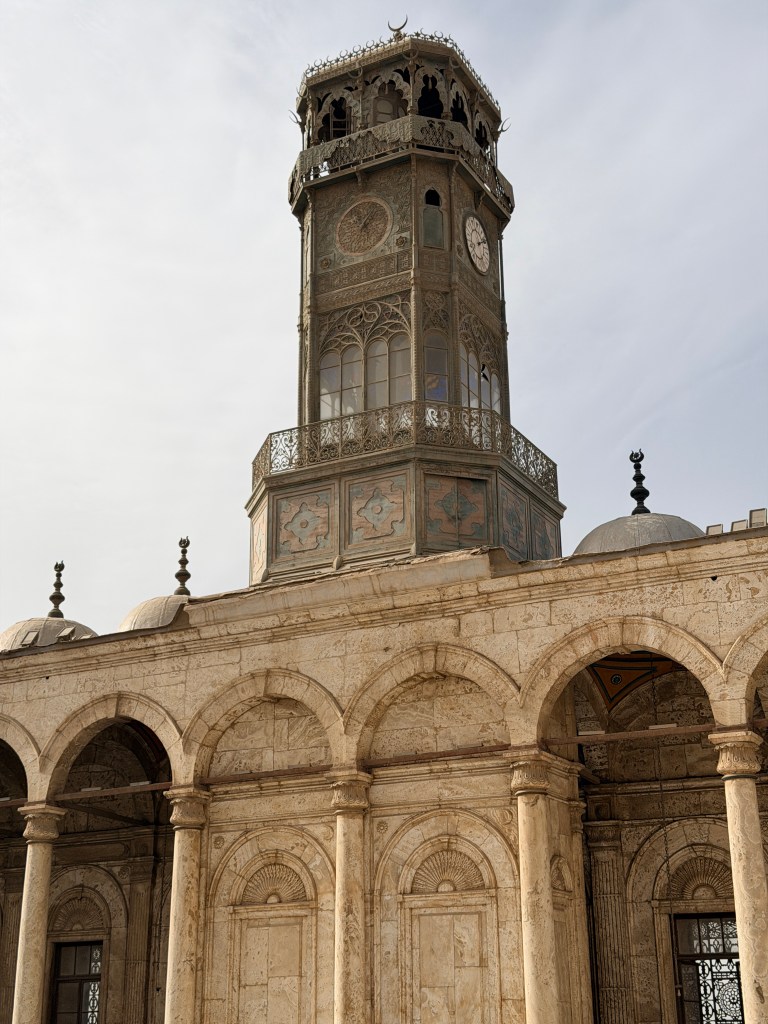
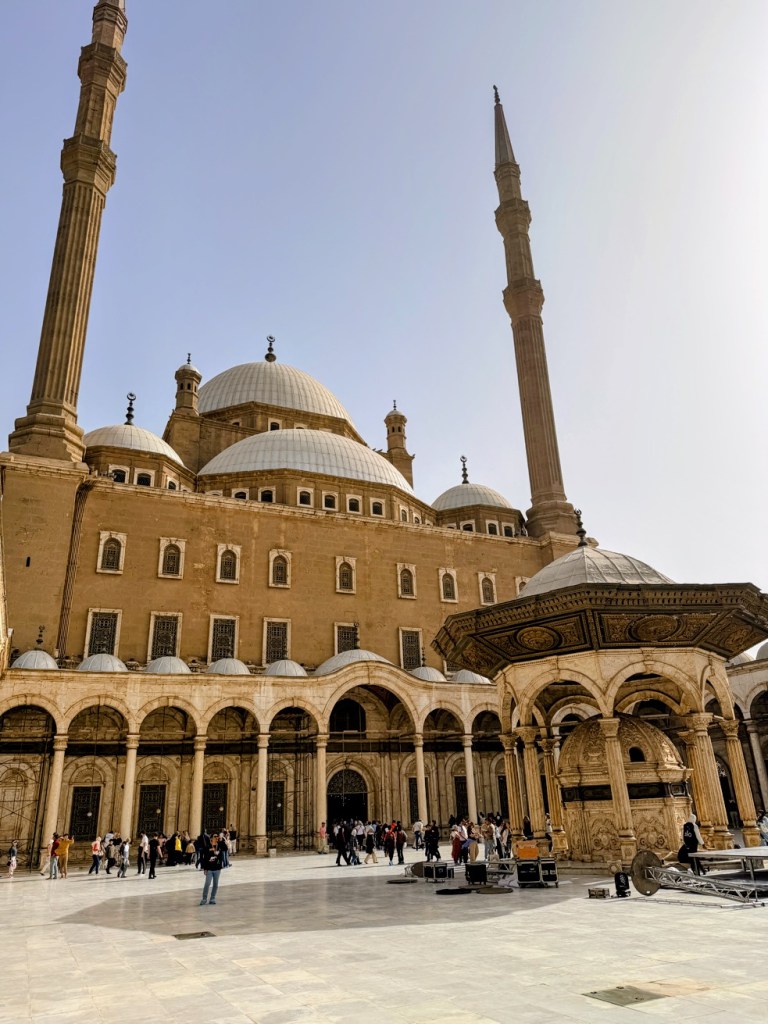
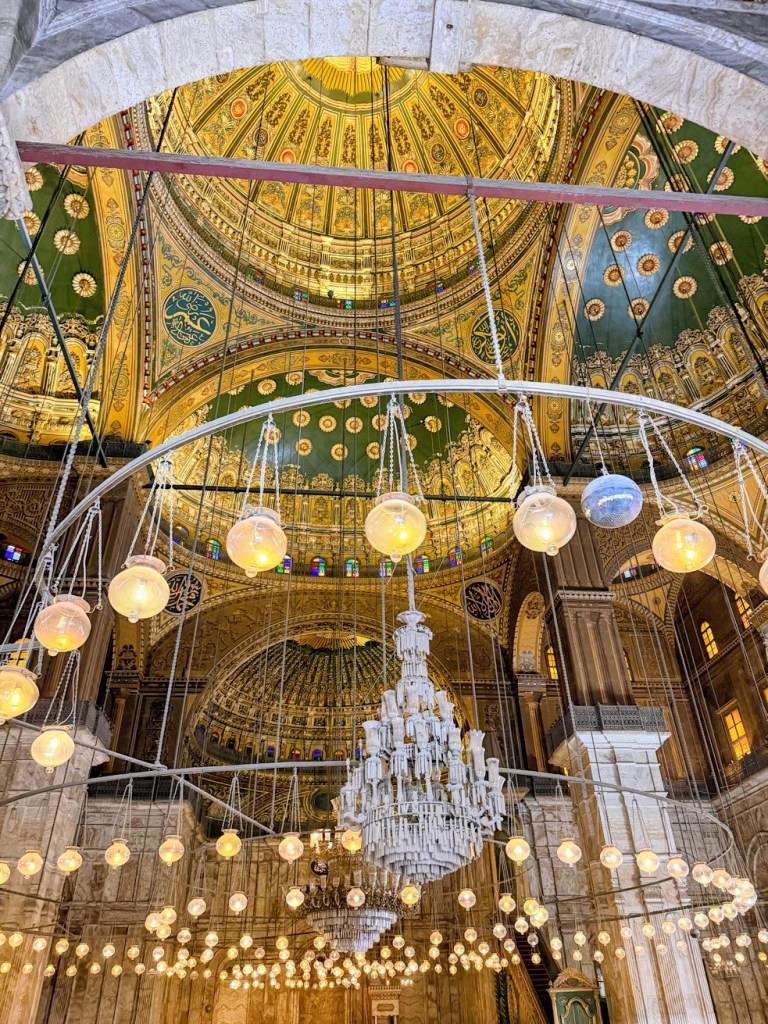
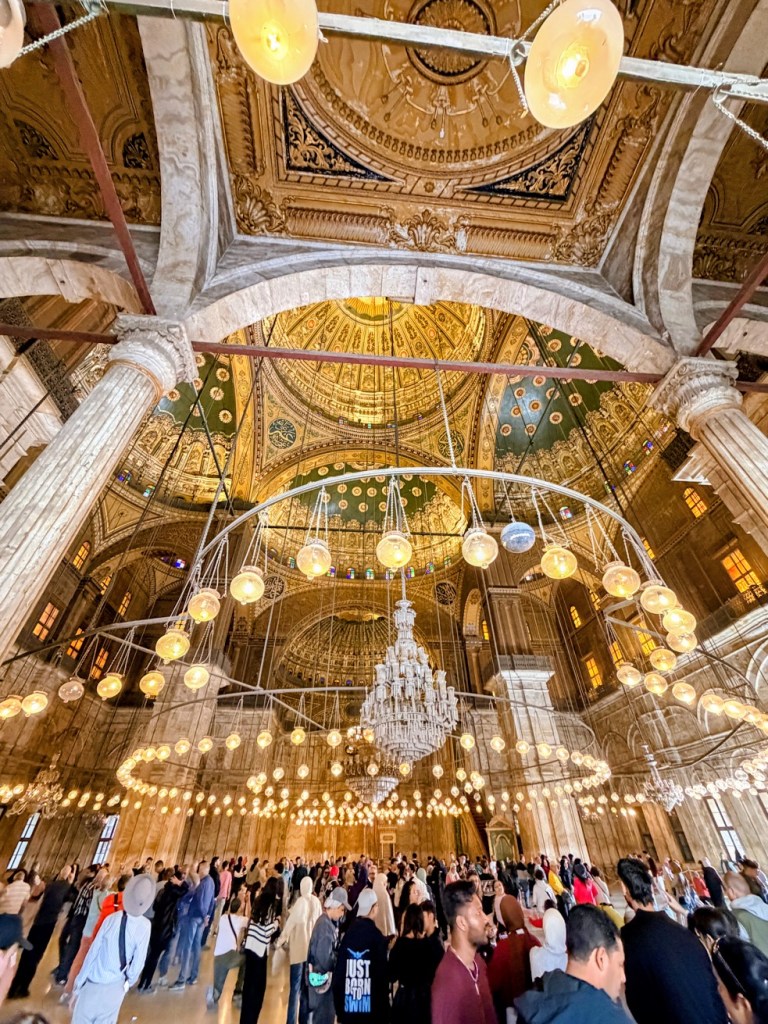
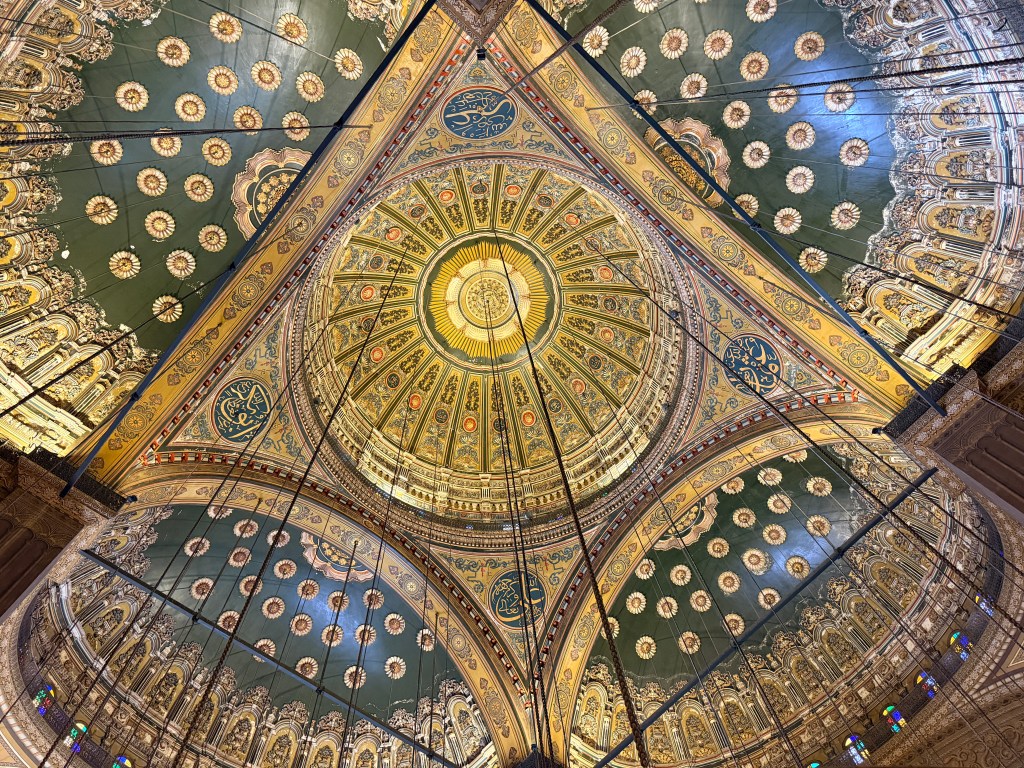
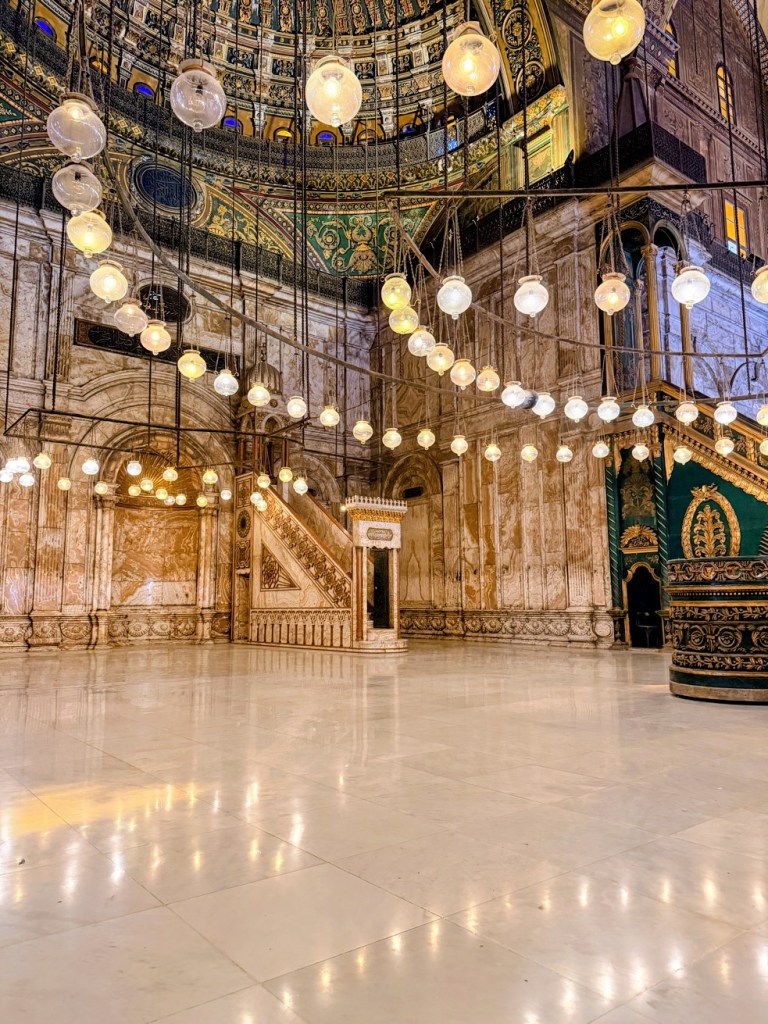
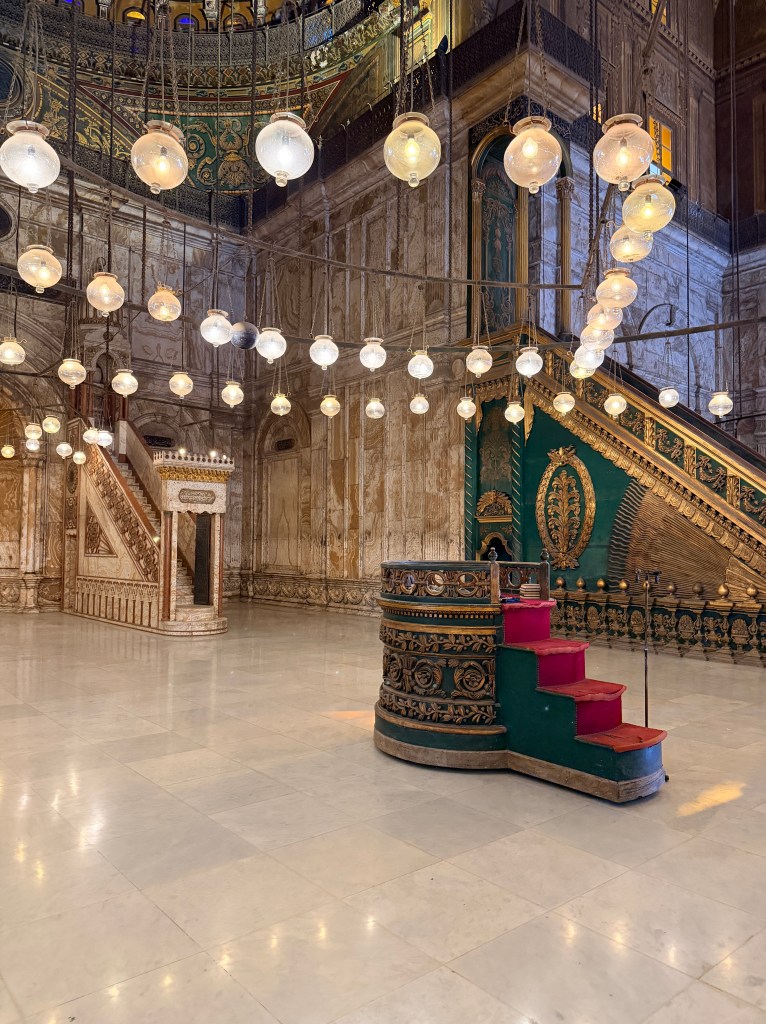
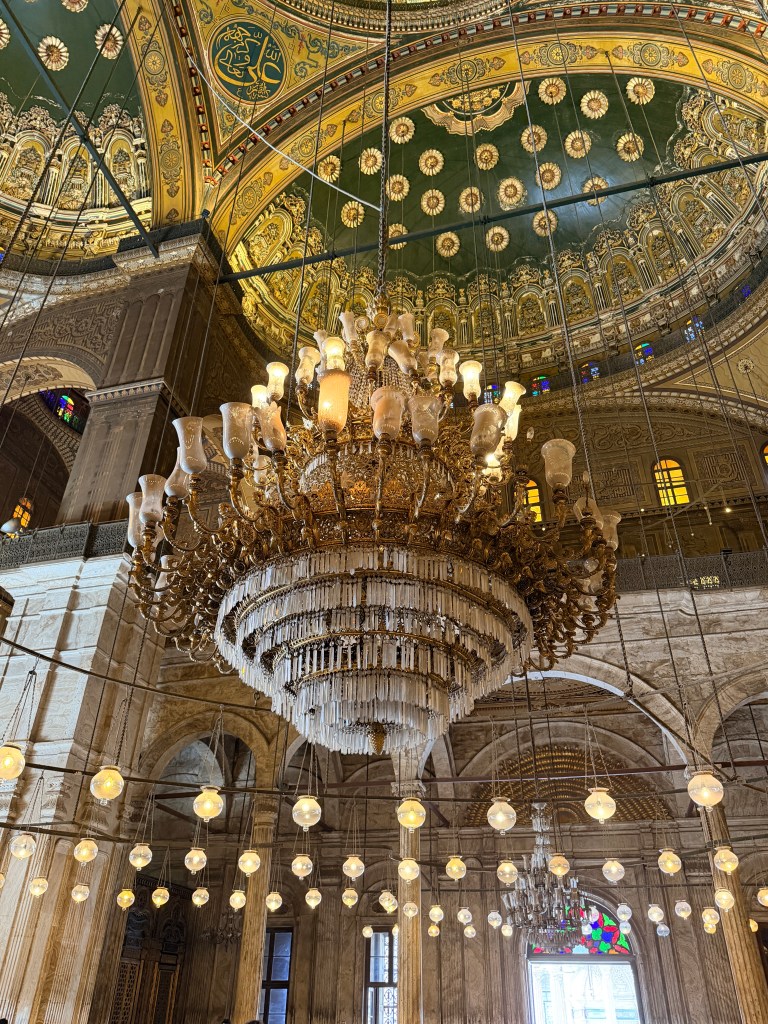
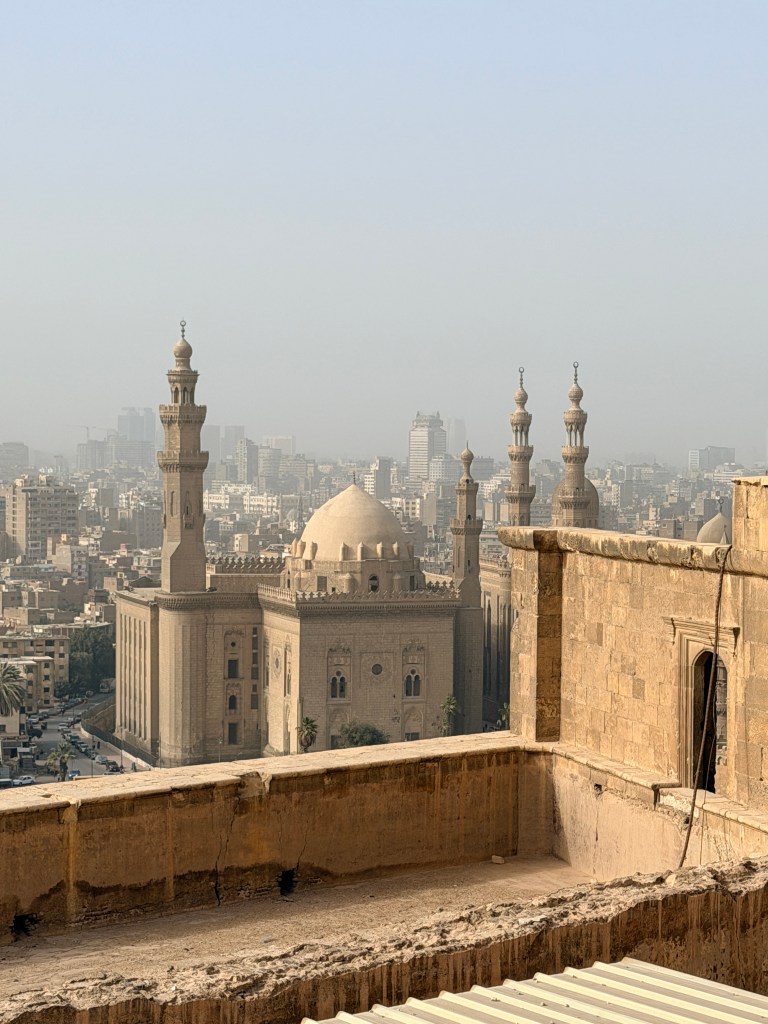
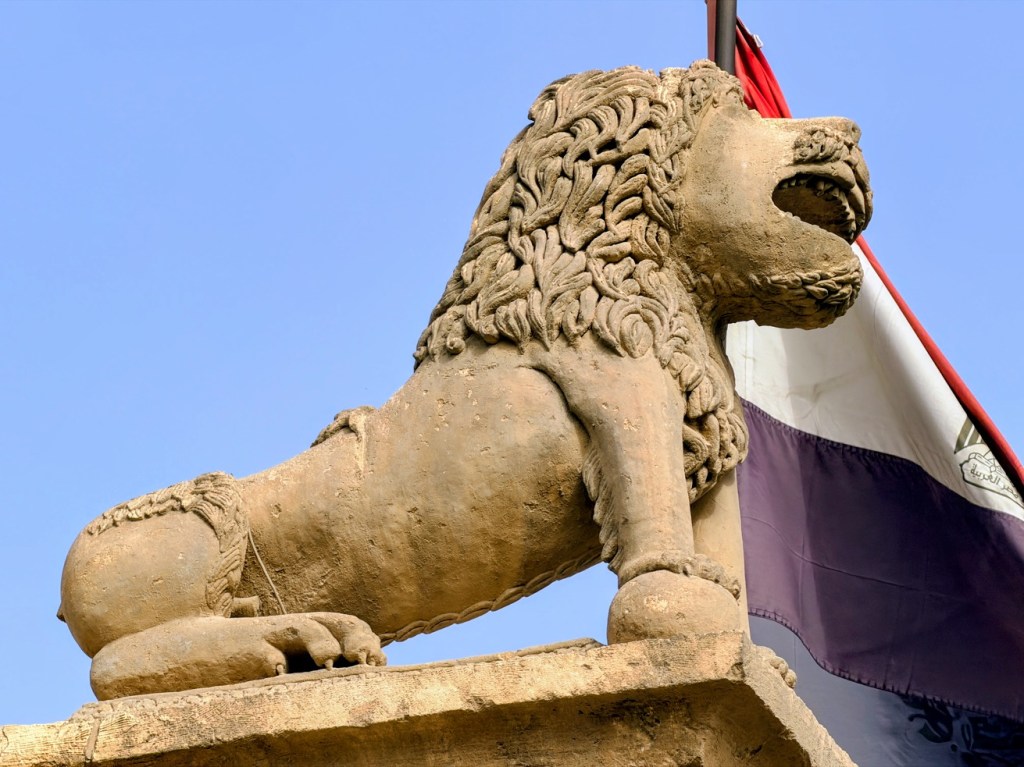
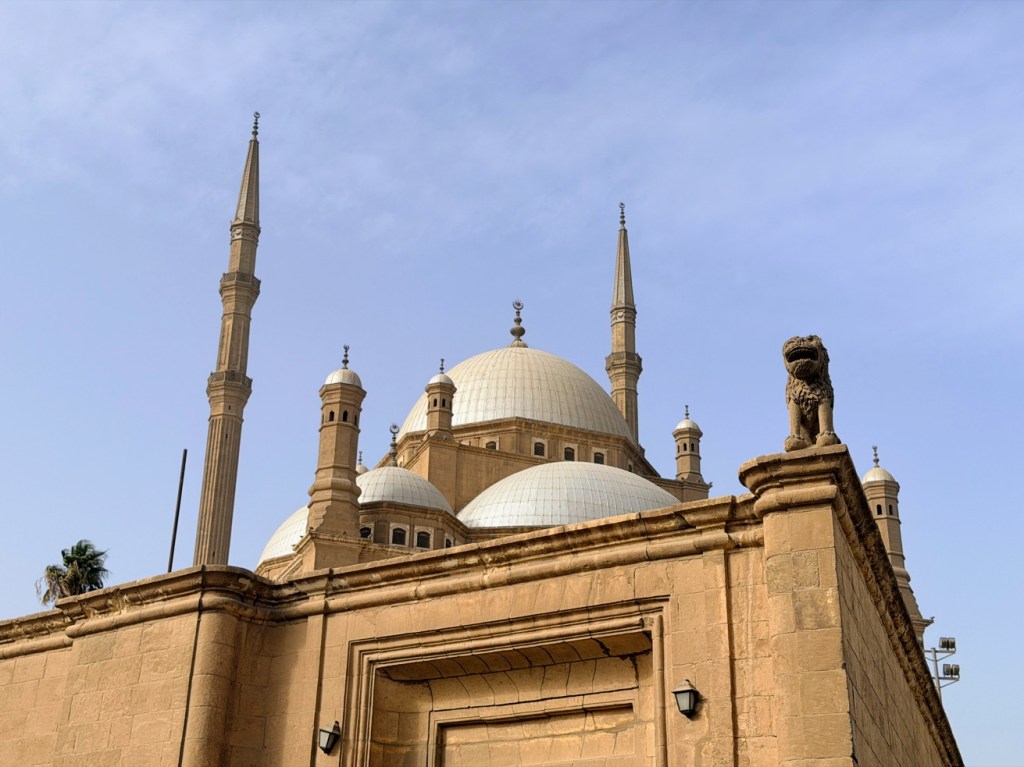
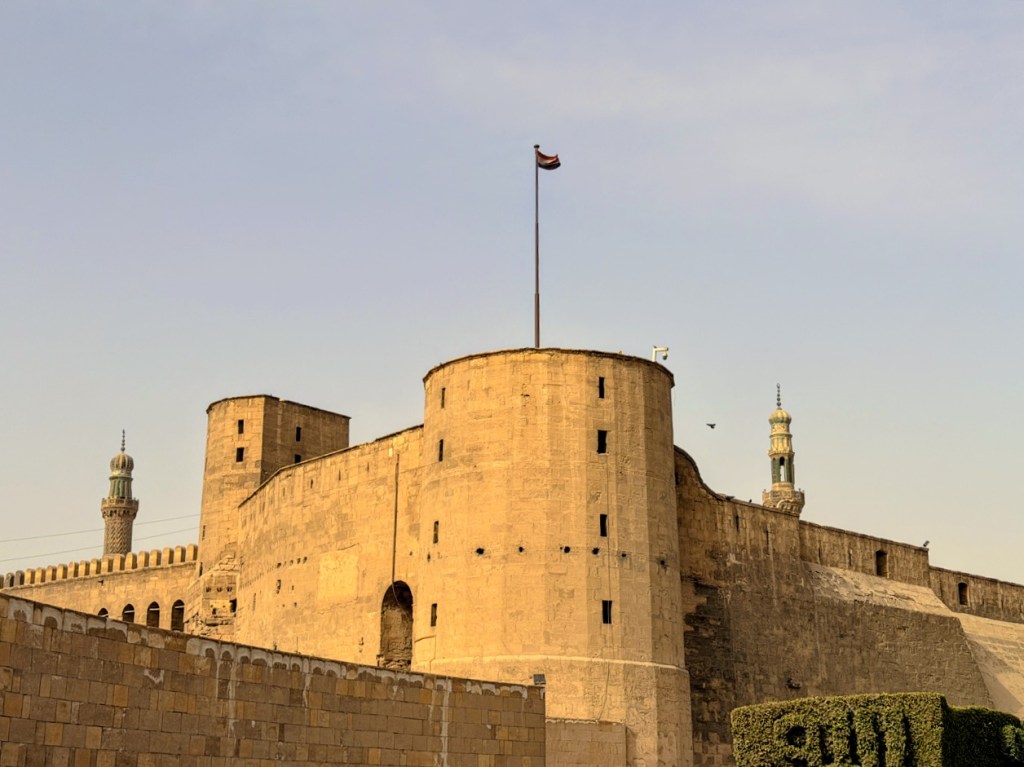
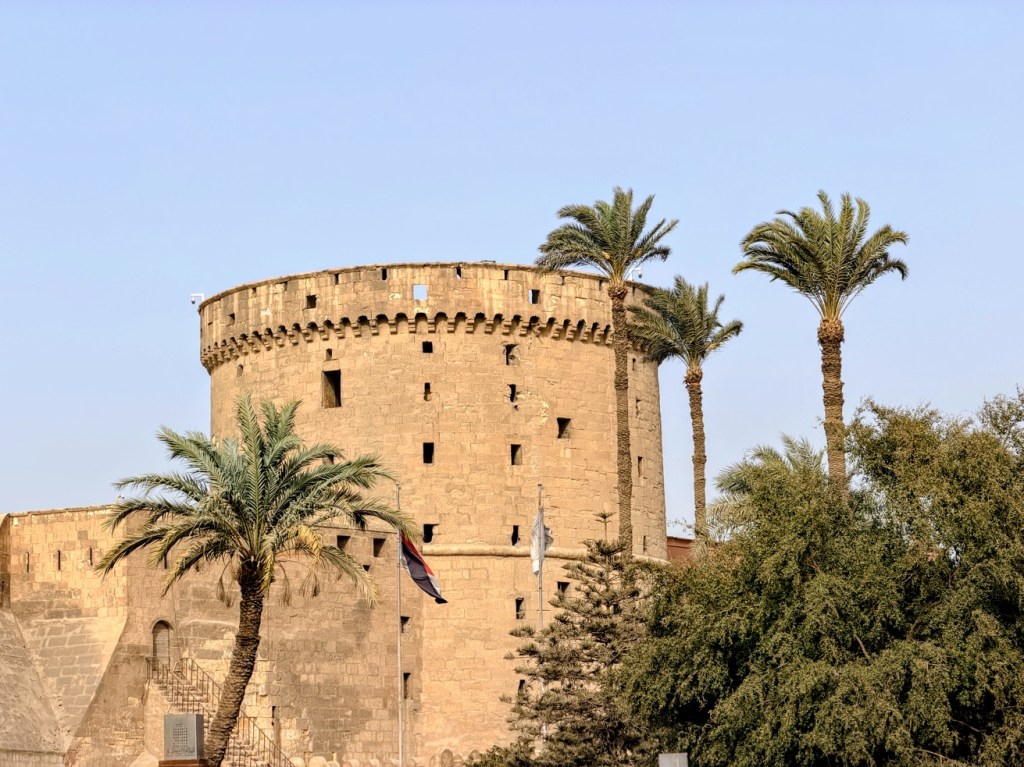
It was the perfect way to close out our time in Egypt—ancient history presented through a modern lens.
Final Thoughts
Egypt is not a passive destination. It demands your attention, challenges your senses, and rewards curiosity. From deserts and temples to luxury hotels and river cruises, this journey was perfectly balanced between adventure, history, and indulgence.
Having a guide like Tarek, a beautiful ship like the MS Medea, and the ease of the Trafalgar itinerary made the experience seamless.
This wasn’t just a trip—it was a walk through time.
11 Hours to Departure
In just 11 short hours, we’ll be boarding a flight to Southeast Asia, beginning our next chapter in Thailand. Egypt has left us in awe—its history, its scale, and its soul—but the journey is far from over.
We’re incredibly excited for what lies ahead. We hope you’ll follow along…
A Brief Note for Future Travelers
While our time in Egypt was extraordinary and deeply meaningful, experiencing a place so different from home also comes with a period of cultural adjustment. The observations below are shared simply to help set expectations for future travelers, not as criticism, but as honest reflections on aspects of daily life that may feel challenging at times.
Traffic & Transportation
Traffic in Cairo, in particular, is intense and often chaotic. There are very few traffic signals, and movement feels more like a constant negotiation than an organized system. Pedestrians, vehicles, and even animals frequently share the same space, and the near-constant use of car horns can feel overwhelming—especially for visitors not accustomed to this style of driving.
Air Quality
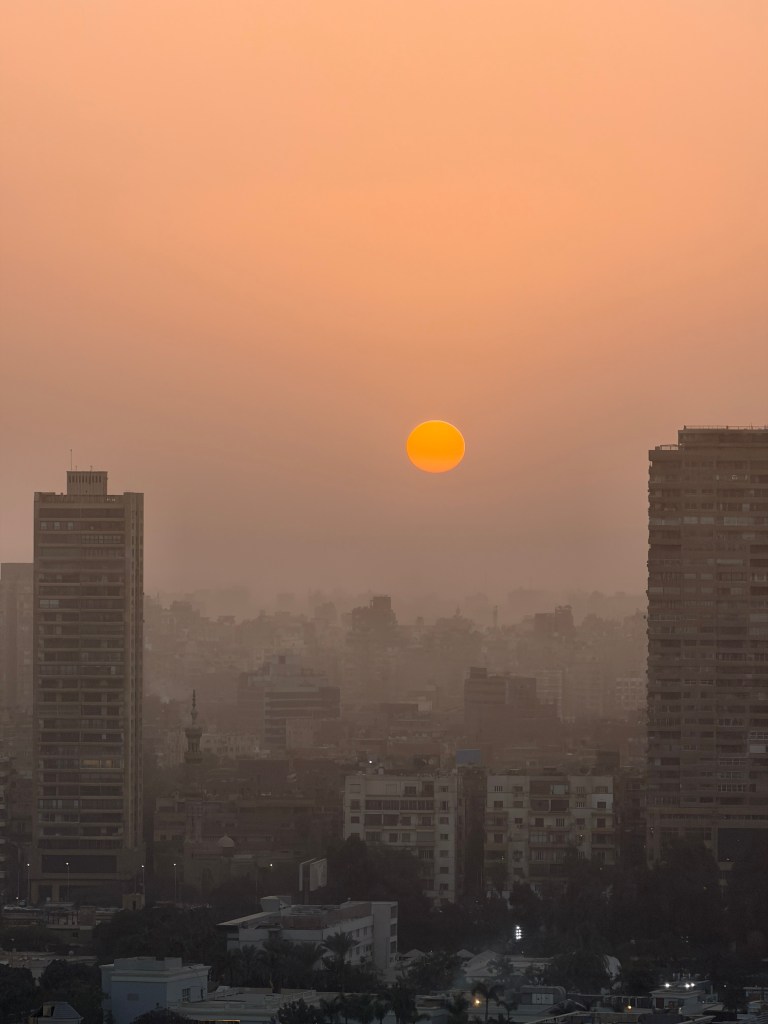
Air pollution was another noticeable challenge. Even from the 27th floor of our hotel, visibility was limited due to smog. With a metropolitan population of roughly 25 million people, this is understandable to a degree, though it did impact our overall comfort during our stay.
Litter & Environmental Concerns
We were surprised by the amount of litter in both urban and rural areas, including locations of historical and natural significance. While this is certainly a complex issue influenced by infrastructure and governance, it was difficult to see such remarkable and sacred landscapes affected in this way. One moment that stood out was witnessing litter discarded within a protected desert area, which was disheartening.
Hilton Ramses Hotel Experience
The Hilton Ramses, where we stayed at the beginning and end of our tour, was not our favorite accommodation. The lobby was often hectic, and service levels were inconsistent—some staff members were helpful and welcoming, while others were less so. Compared to other hotels on our journey, it fell short of expectations.
Vendor Interactions at Tourist Sites
At several major sites and temples, interactions with vendors were more aggressive than we anticipated. Persistent sales tactics—such as following visitors closely, placing items directly in front of them, or initiating unwanted physical contact—made some visits uncomfortable. Tipping culture is deeply ingrained, and at times it felt difficult to navigate boundaries, particularly when services were offered without being requested.
None of these challenges overshadowed the significance of what we experienced in Egypt. They simply reminded us that travel is as much about perspective and patience as it is about discovery—and that understanding a place often means embracing both its beauty and its complexities.
 Brand On The Run