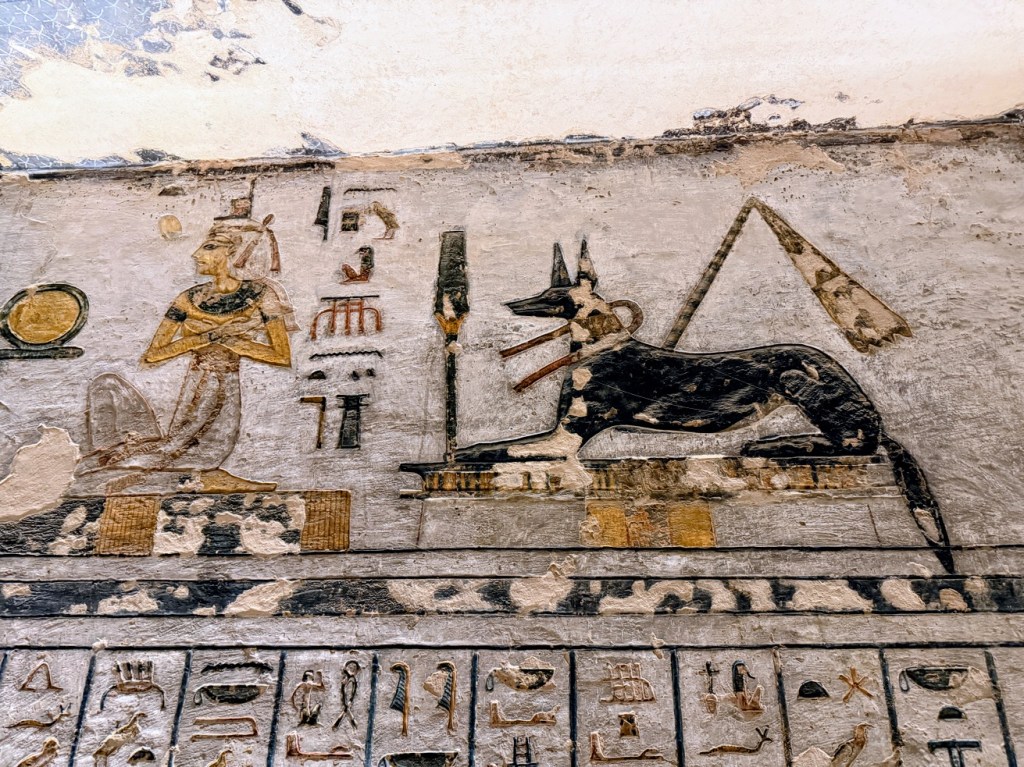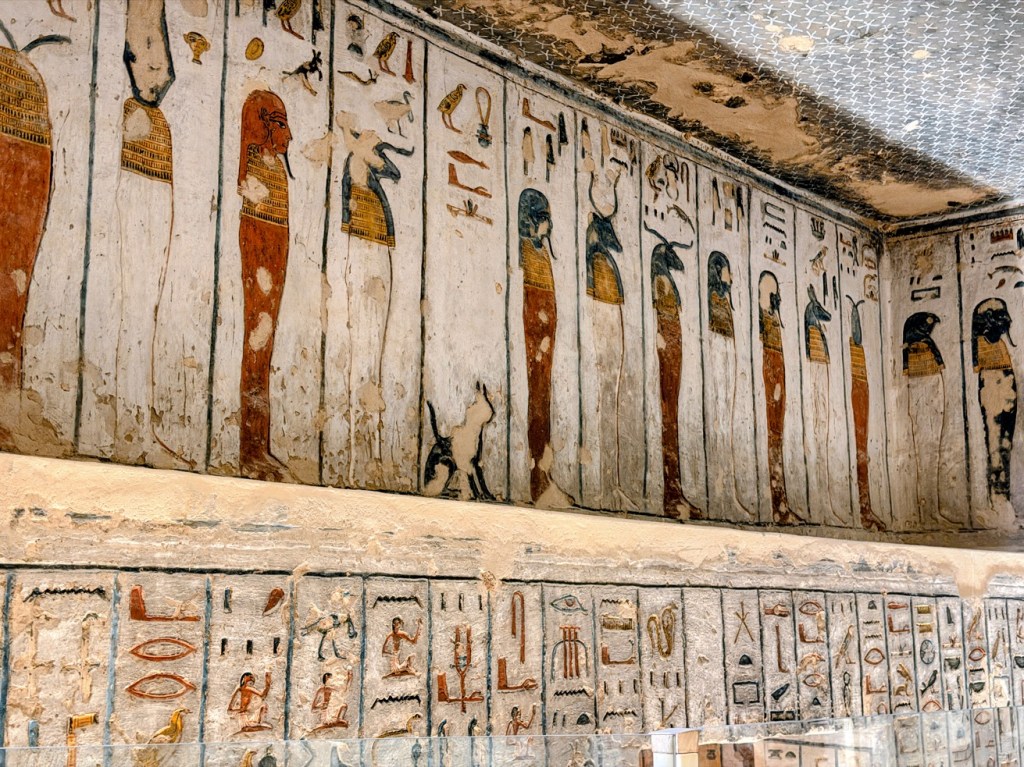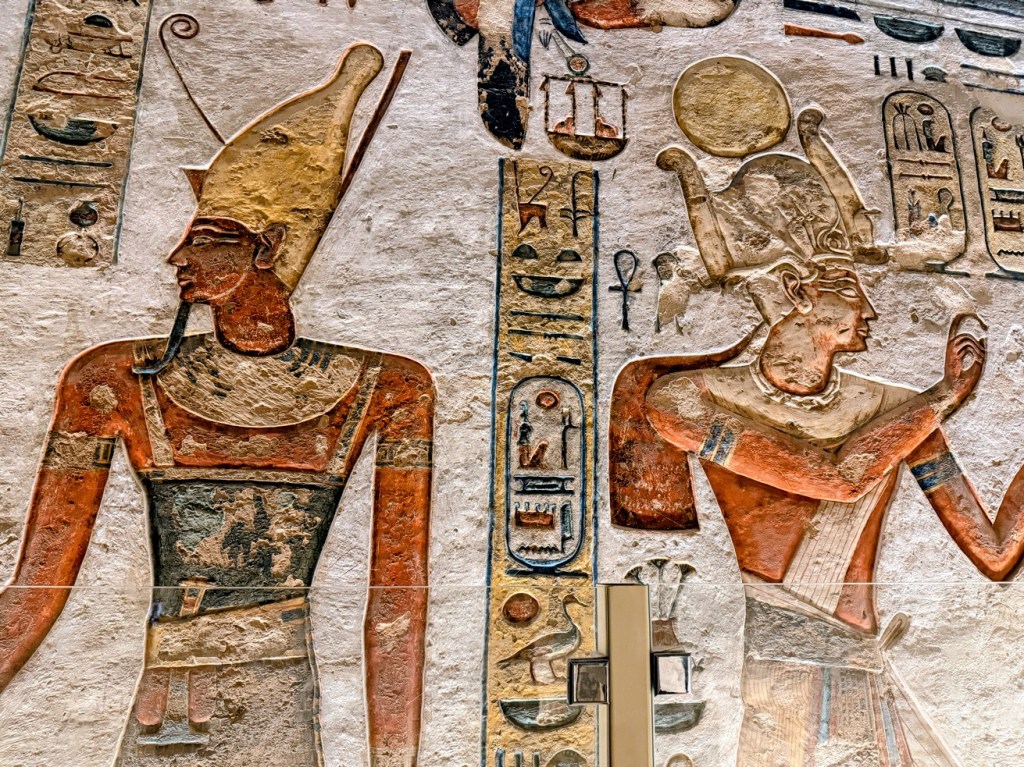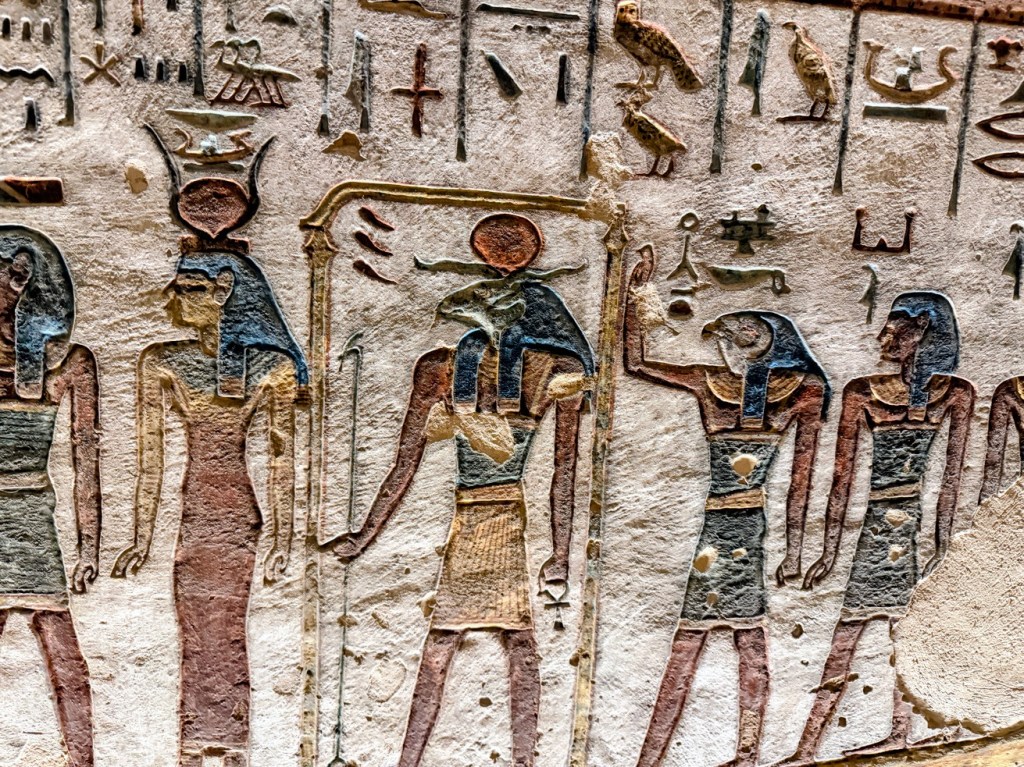
Tag Archives: africa

From Safari to the Sands of Time: Our Journey Through Egypt 🇪🇬

After days spent tracking wildlife across the plains of Kenya, we traded savannas for stone, history, and the timeless rhythm of the Nile. Egypt had been a long-anticipated stop on our journey, and from the moment we arrived, it delivered on every level—ancient, chaotic, beautiful, and unforgettable.

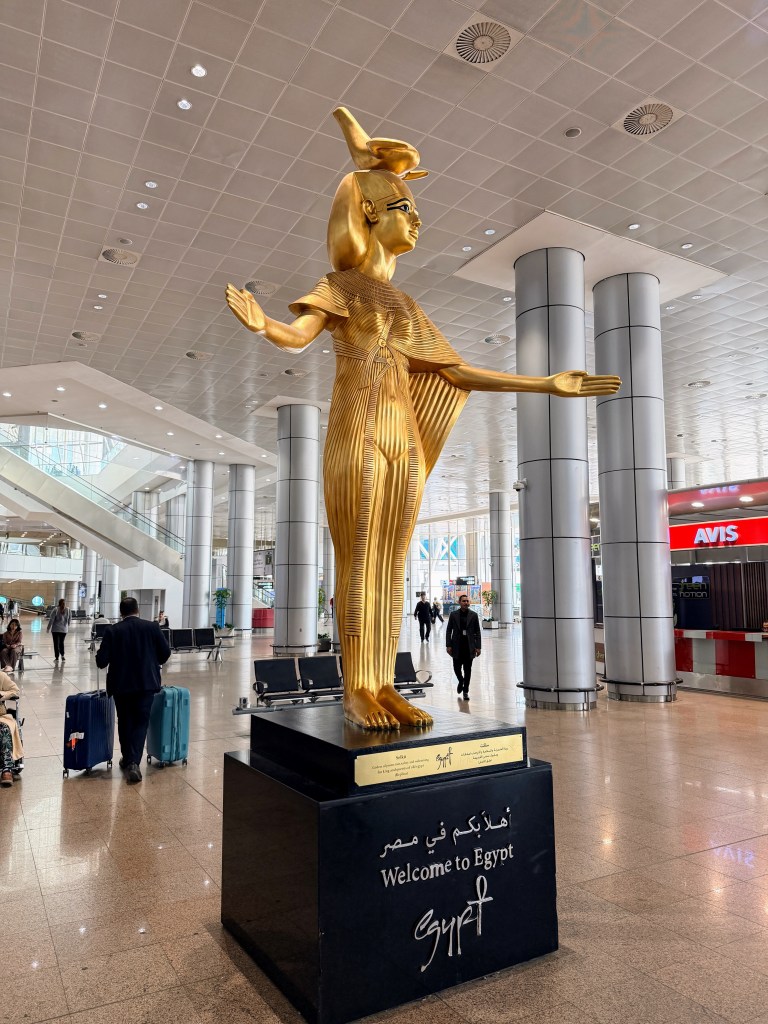
Day 1: Arrival in Cairo

We landed in Cairo very early in the morning, running on adrenaline, jet lag, and the afterglow of our safari adventure. After checking in and settling at Le Méridien Cairo, we made the conscious decision to keep this first day intentionally slow. Egypt is intense—in the best way—and after weeks of constant movement, we allowed ourselves time to rest, reset, and ease into a completely different world.

Sometimes the best travel decision is knowing when not to do too much.
Day 2: Into the White & Black Desert

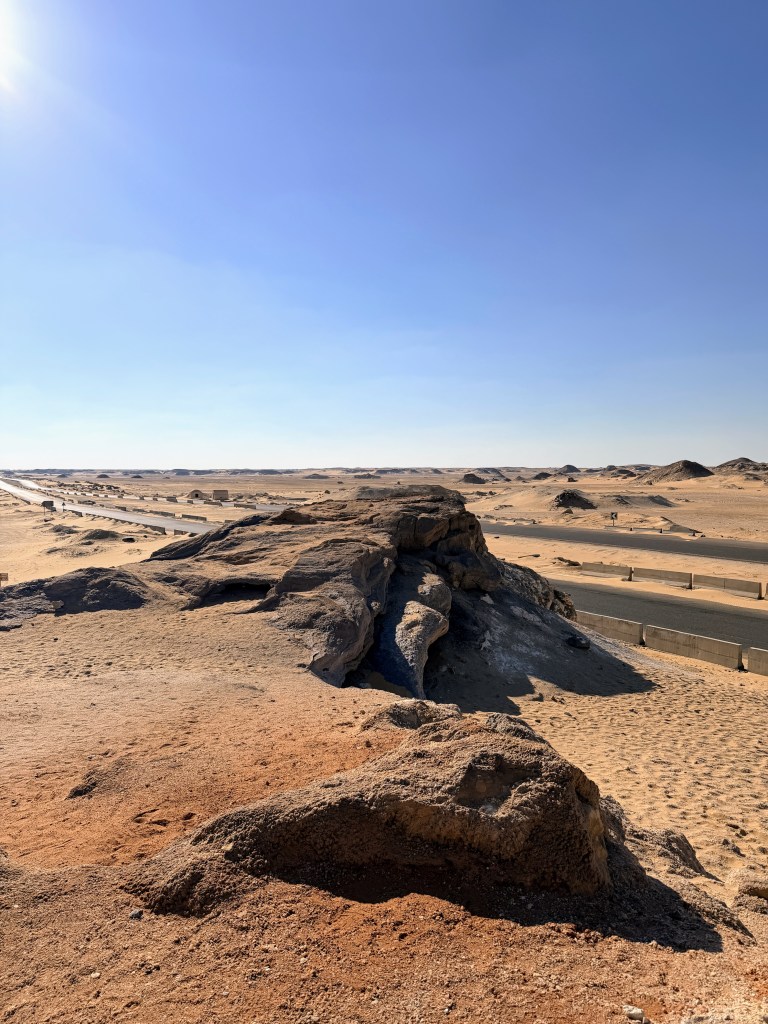
We booked a private driver and headed west toward one of Egypt’s most surreal landscapes: the White Desert and Black Desert, with a stop at Crystal Mountain along the way. The drive was long—about five hours each way—but absolutely worth it.

Before reaching the deserts, we were welcomed by local townspeople and treated to an authentic Egyptian lunch. It was warm, generous, and deeply human—one of those moments that reminds you travel isn’t just about landmarks, but about people.

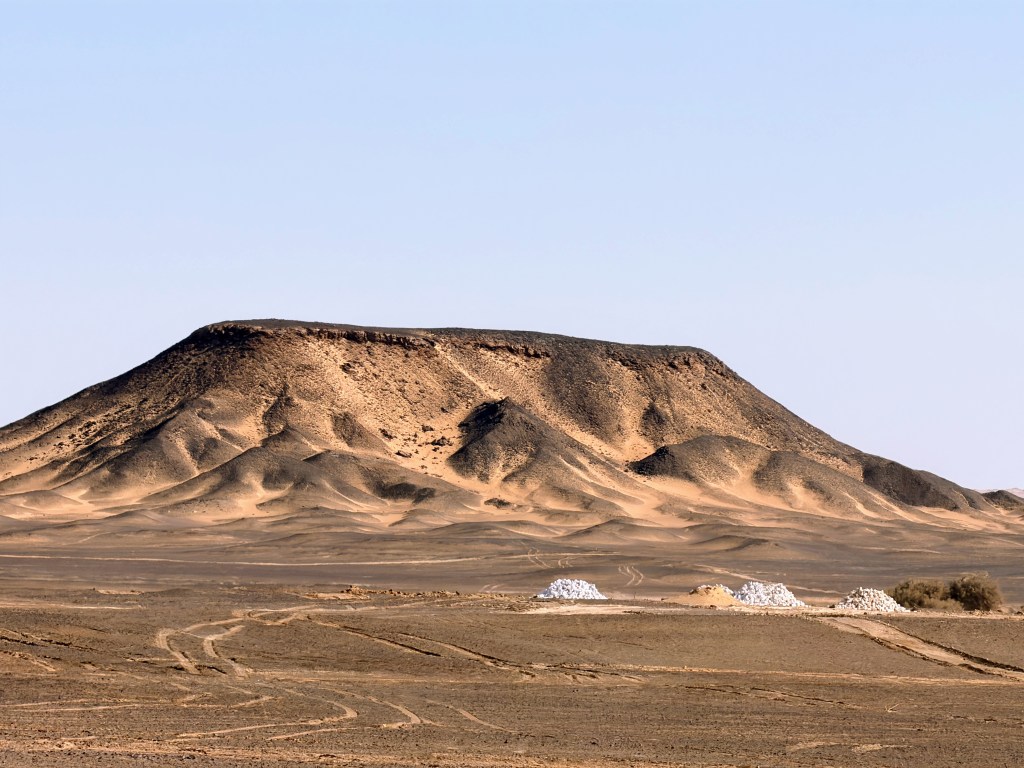
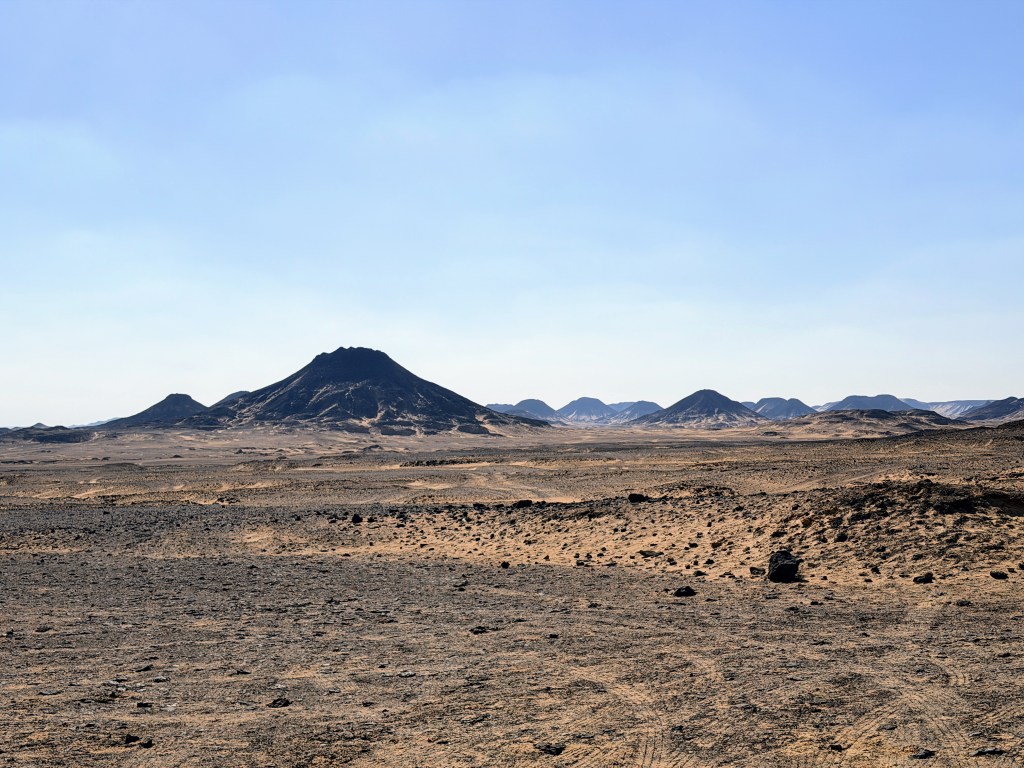
The Black Desert

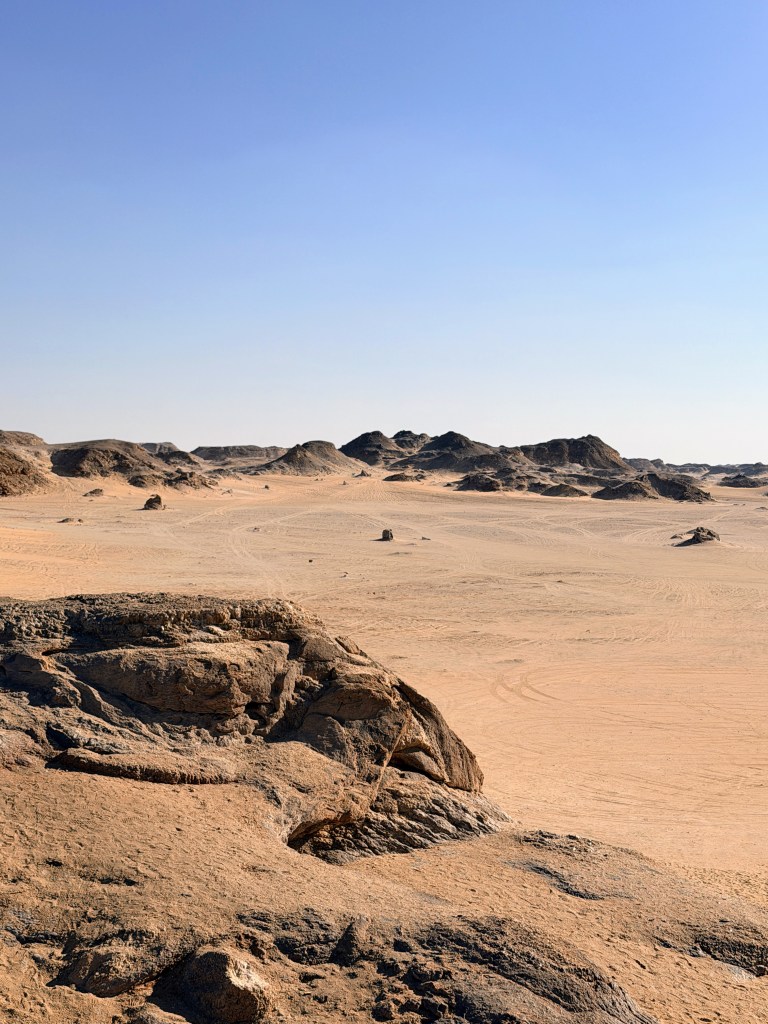
The Black Desert gets its name from the dark volcanic stones scattered across rolling hills. These blackened rocks are remnants of ancient volcanic activity, giving the landscape a dramatic, almost lunar appearance. It feels stark and powerful—a reminder of Egypt’s geological history long before pharaohs and pyramids.
Crystal Mountain

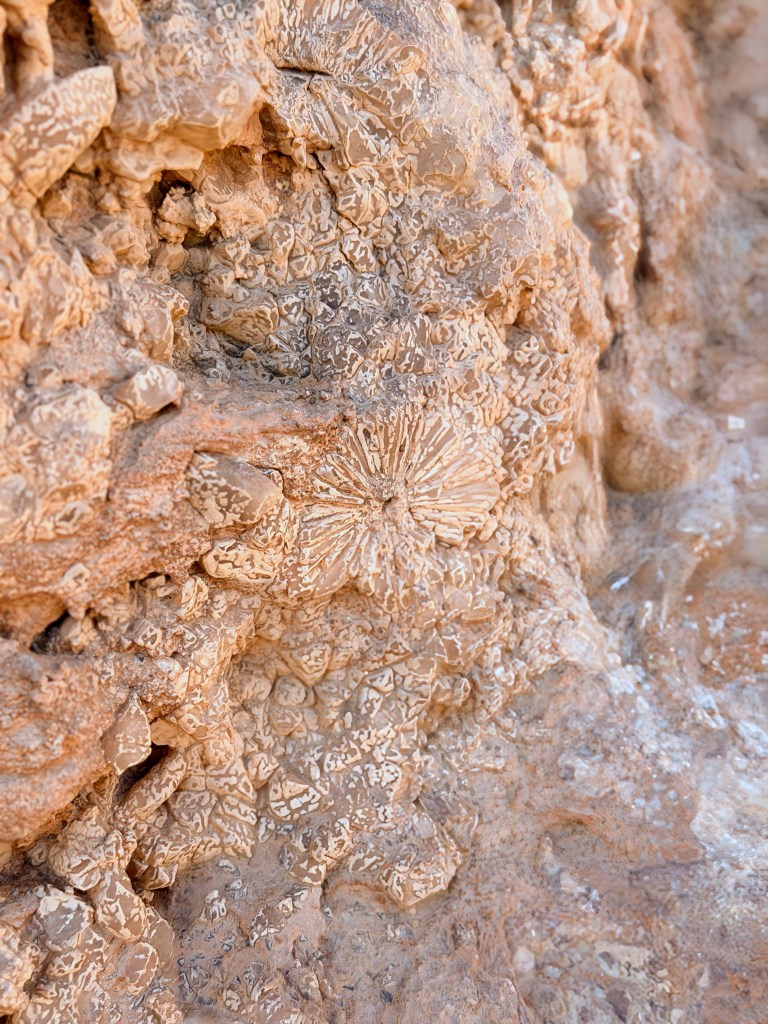
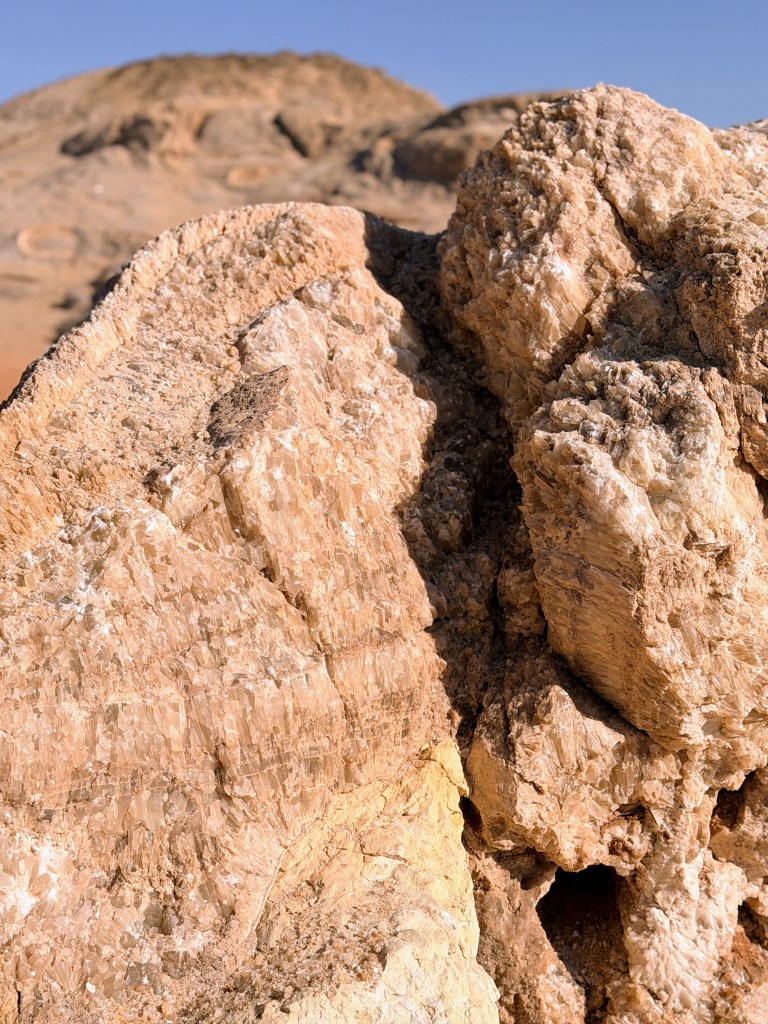
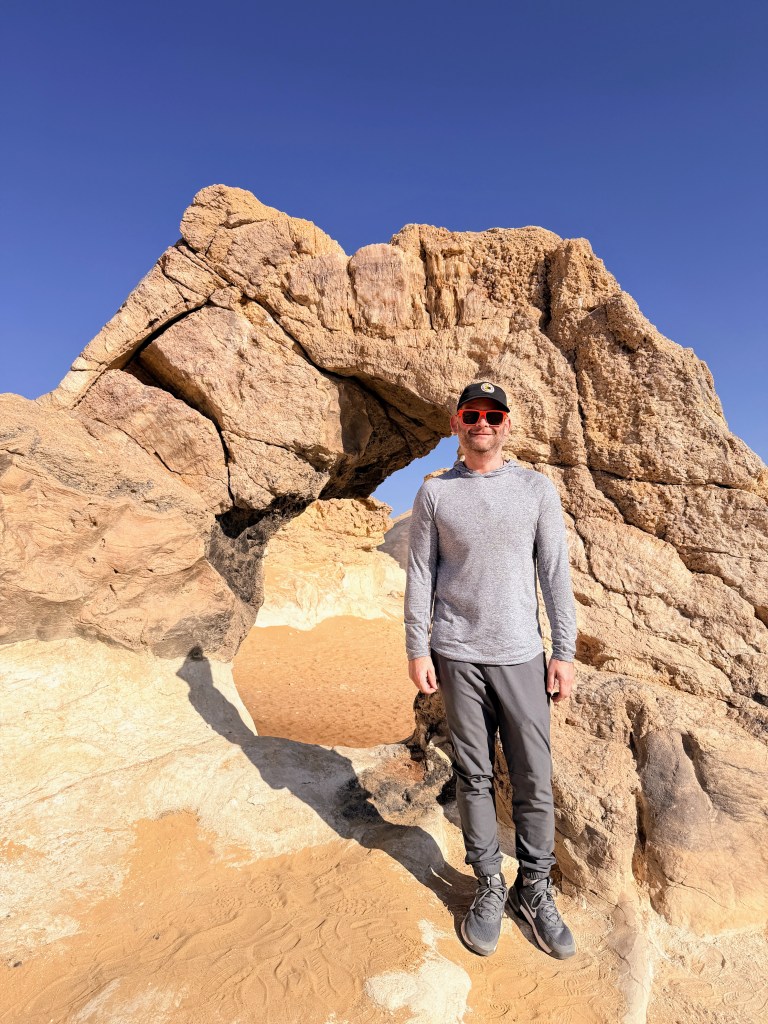
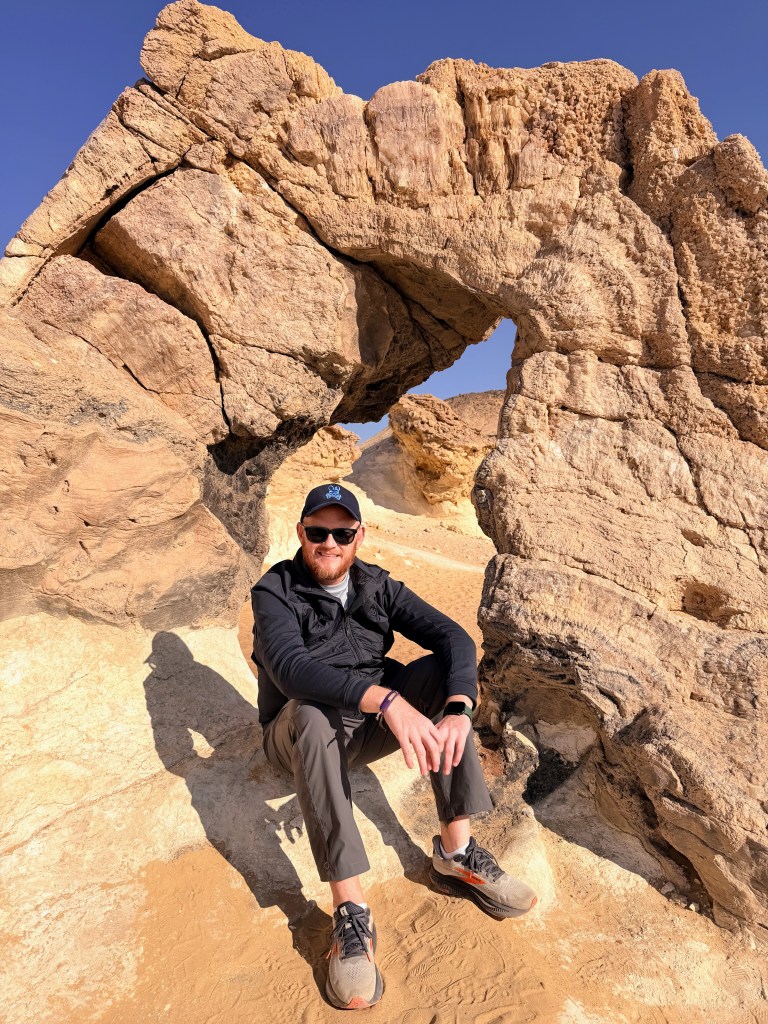
Crystal Mountain is a small ridge embedded with sparkling quartz crystals that catch the sunlight and shimmer against the desert backdrop. It’s a brief stop, but a fascinating one—proof that Egypt’s beauty extends far beyond temples and tombs.
The White Desert

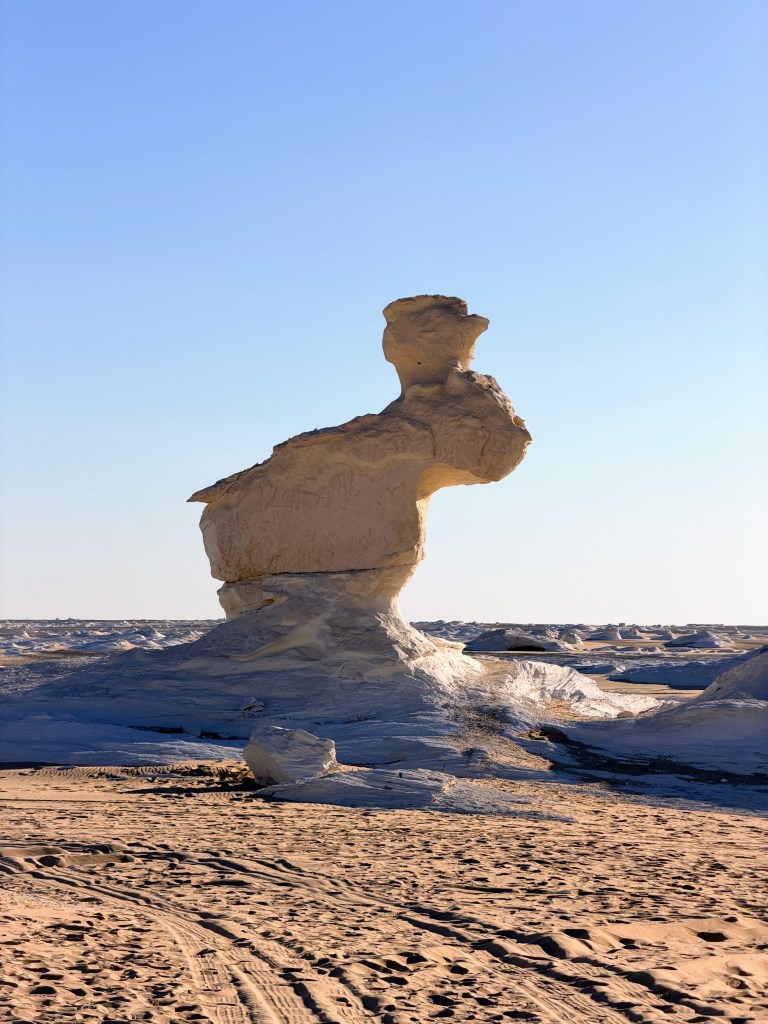
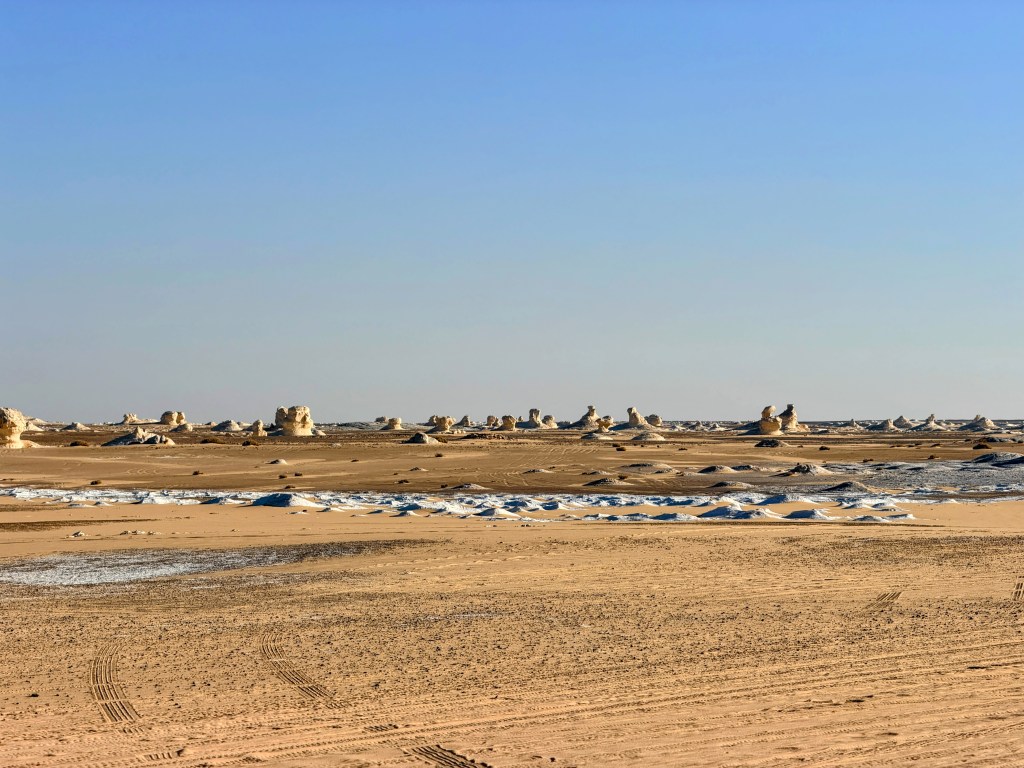
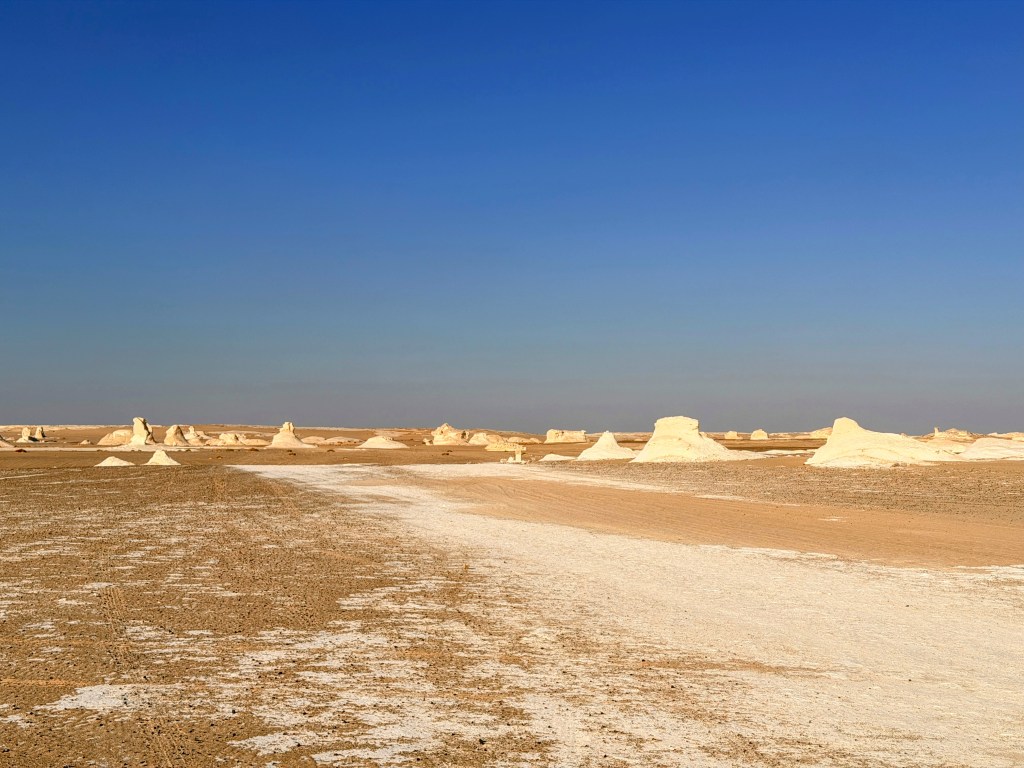
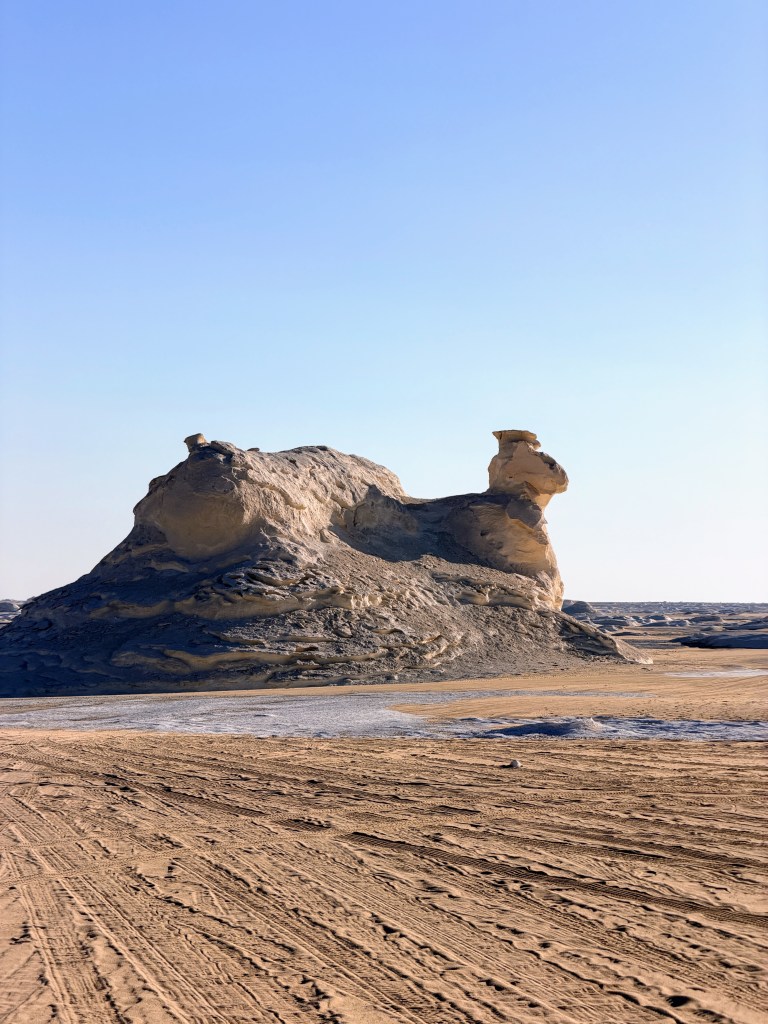
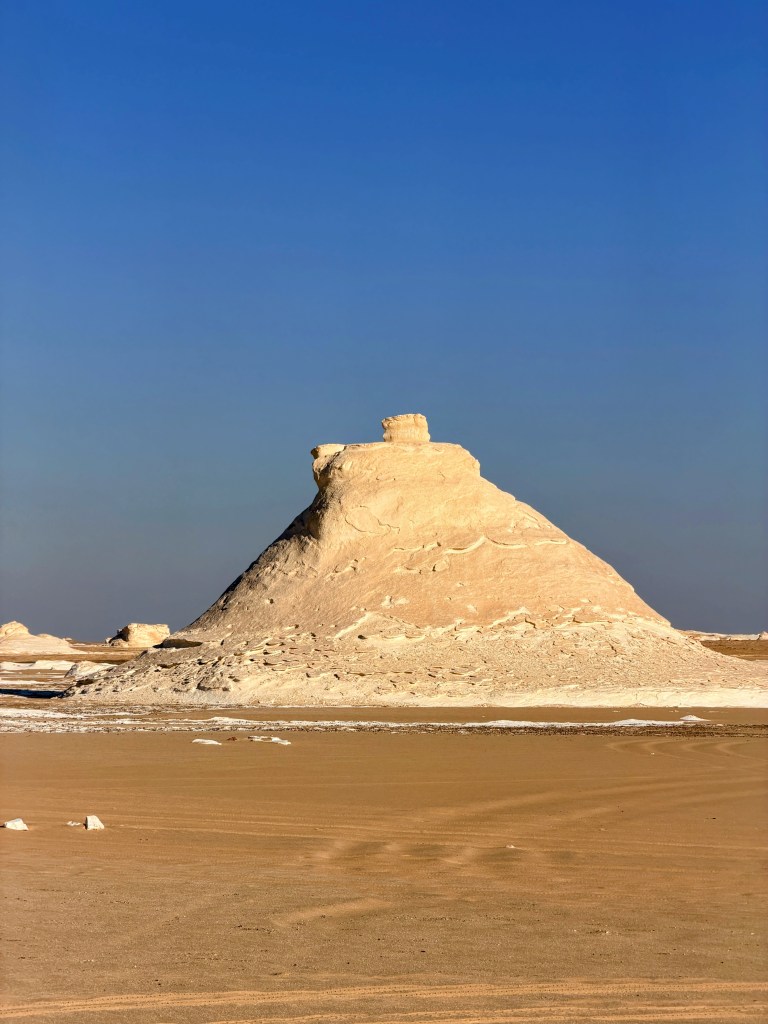
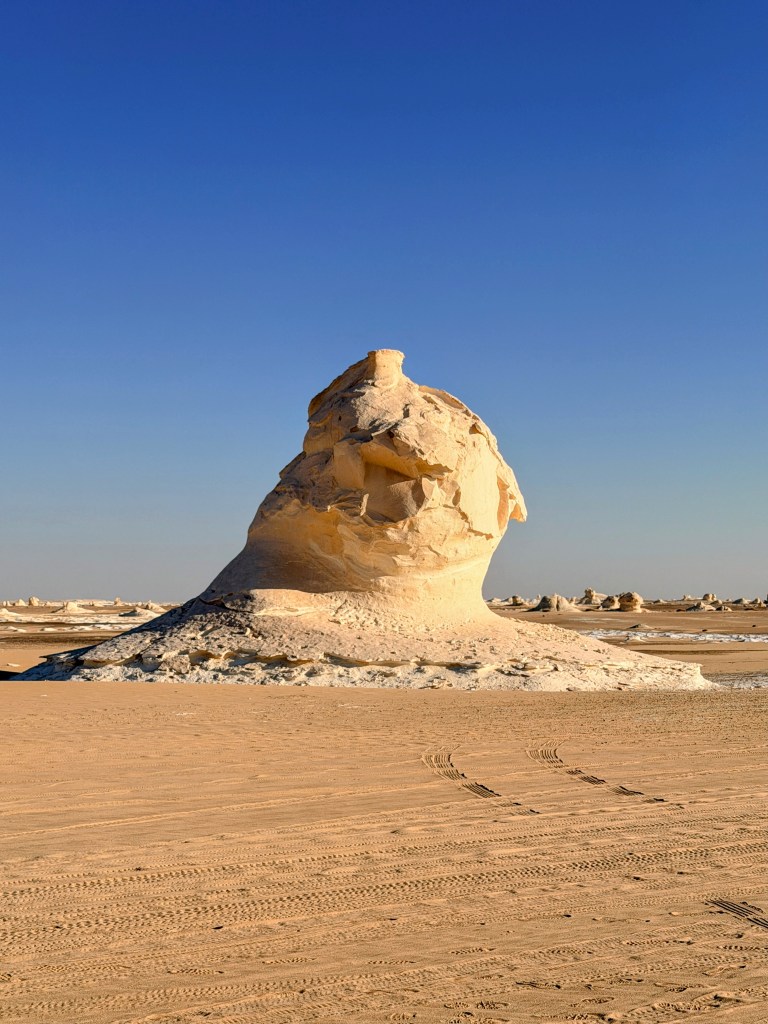
The White Desert couldn’t be more different. This area is famous for its chalk-white limestone formations, sculpted over thousands of years by wind and sand. The formations resemble mushrooms, animals, and abstract art pieces—nature’s own open-air gallery. Against the pale sand and endless sky, the landscape feels otherworldly and quiet in a way that’s hard to describe.
After a full day of desert exploration, we made the return drive to Cairo (thankfully a bit shorter on the way back), tired, dusty, and completely in awe.

Days 3 & 4: A Luxurious Pause at the St. Regis Cairo

For the next two nights, we checked into the St. Regis Cairo, and honestly—this hotel is a destination in itself.

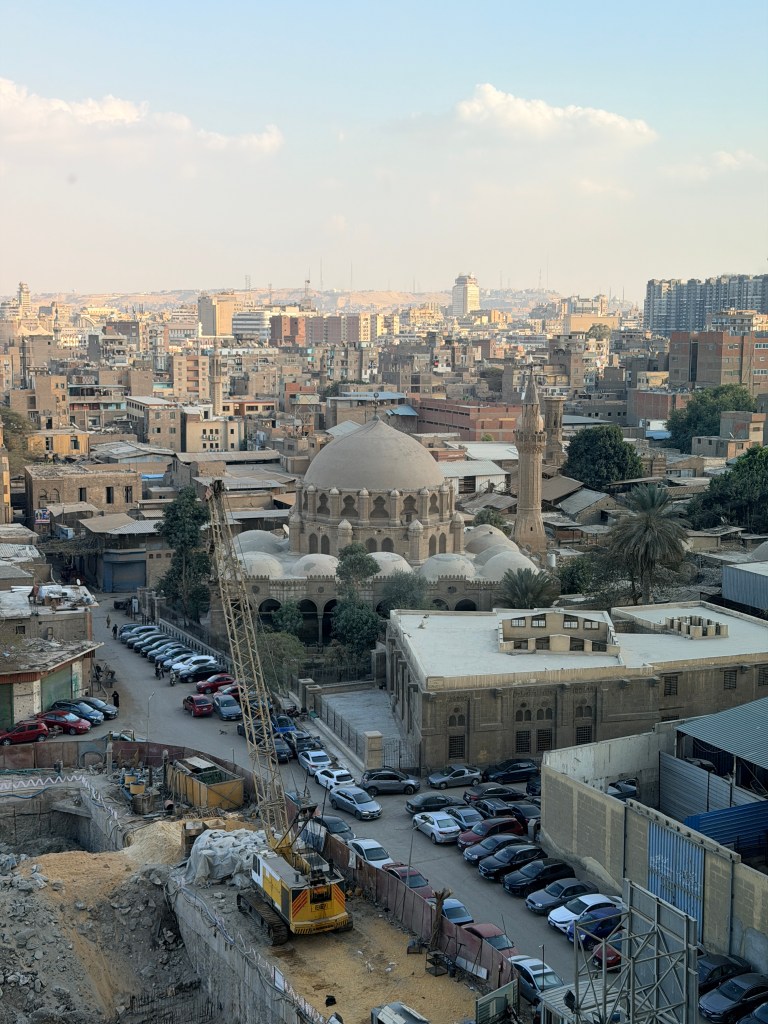
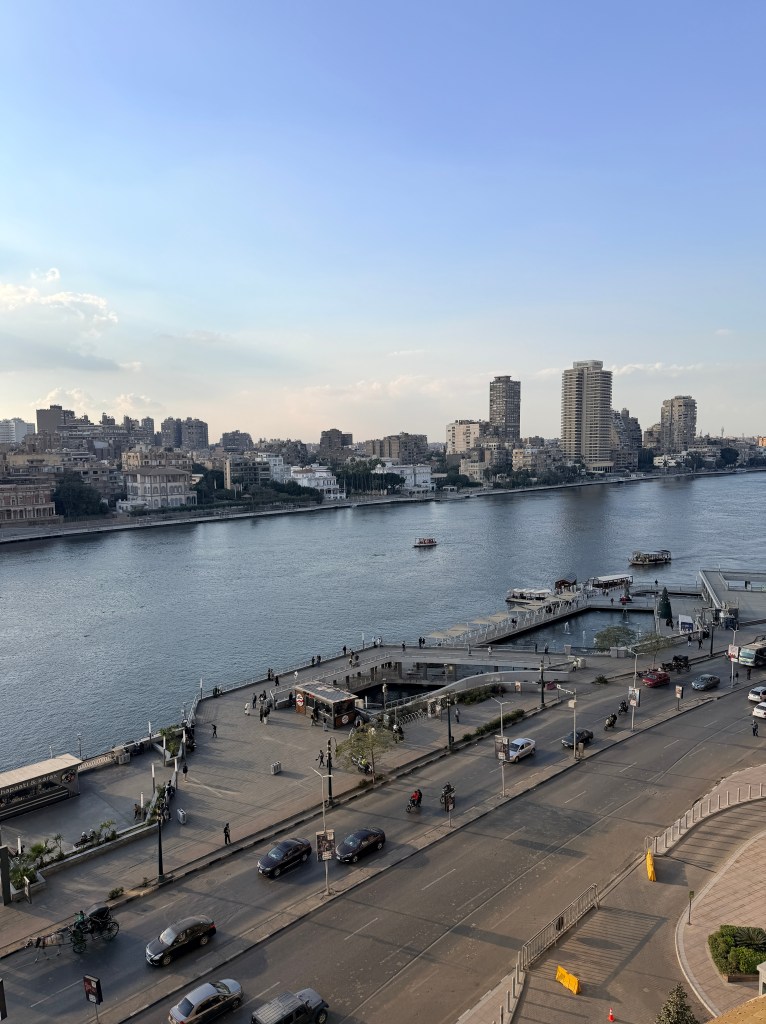
Perched along the Nile, the St. Regis combines modern luxury with subtle Egyptian design elements. The service was flawless, the facilities expansive, and the food exceptional. From beautifully curated restaurants to elegant bars and serene common spaces, there was more than enough to keep us happily occupied without ever stepping outside.

We didn’t leave the hotel once—and we didn’t need to. These two days were about slowing down, indulging, and preparing for the adventure that lay ahead.
Day 5: The Journey Begins – Trafalgar’s Wonders of Ancient Egypt

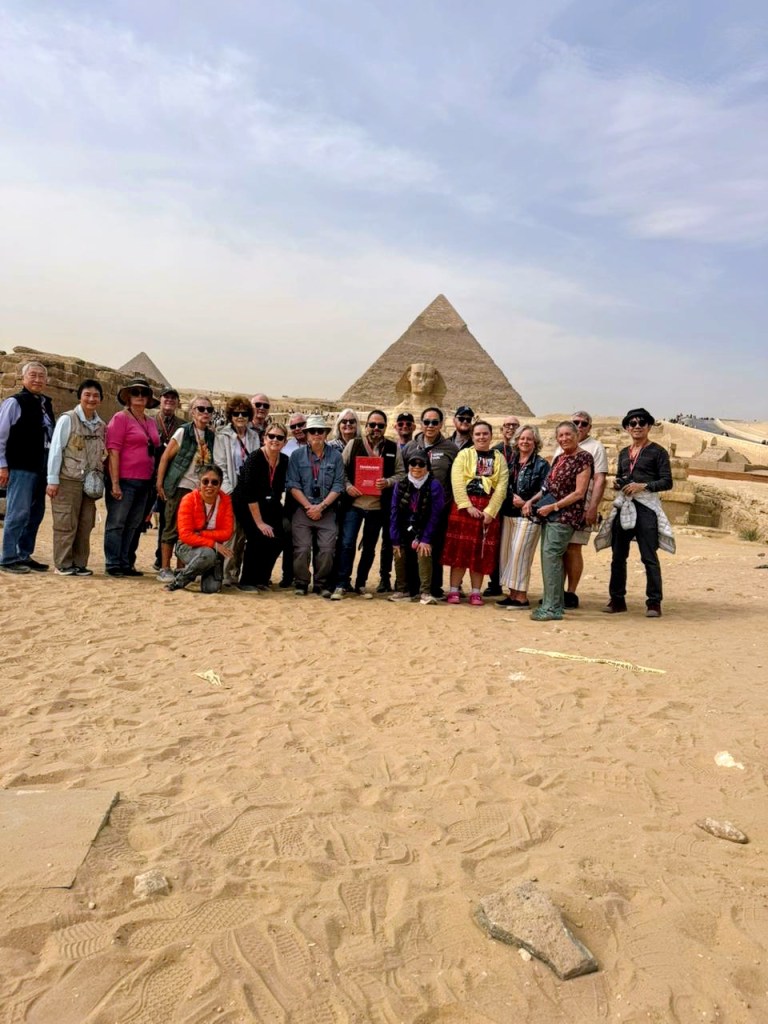
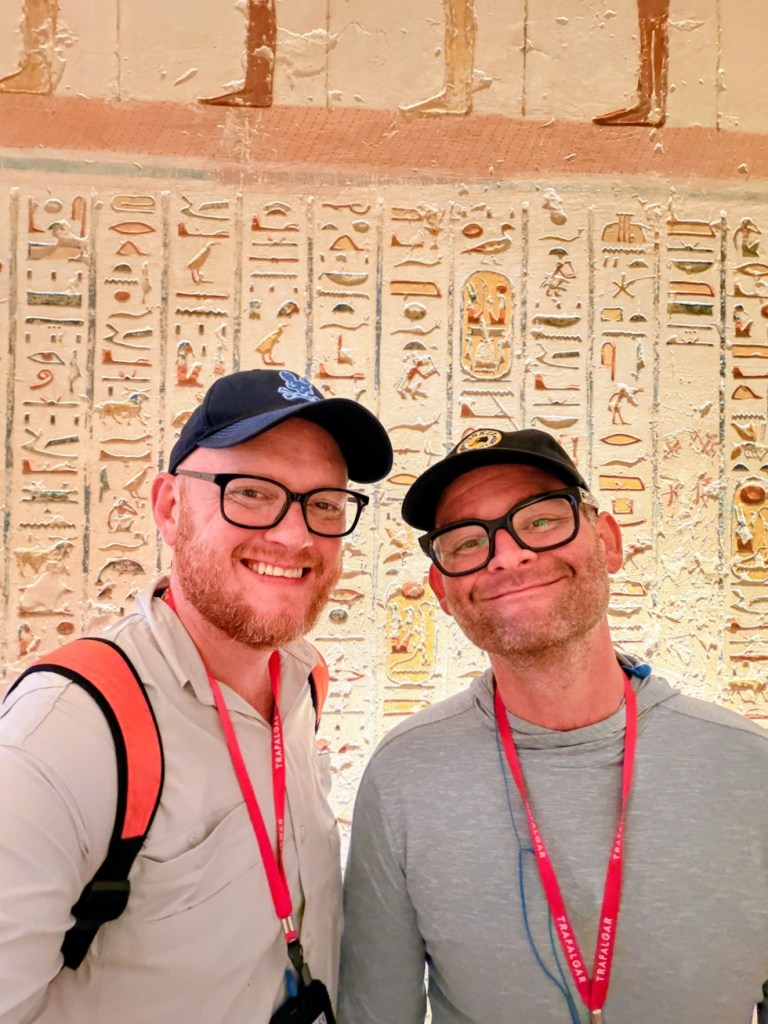
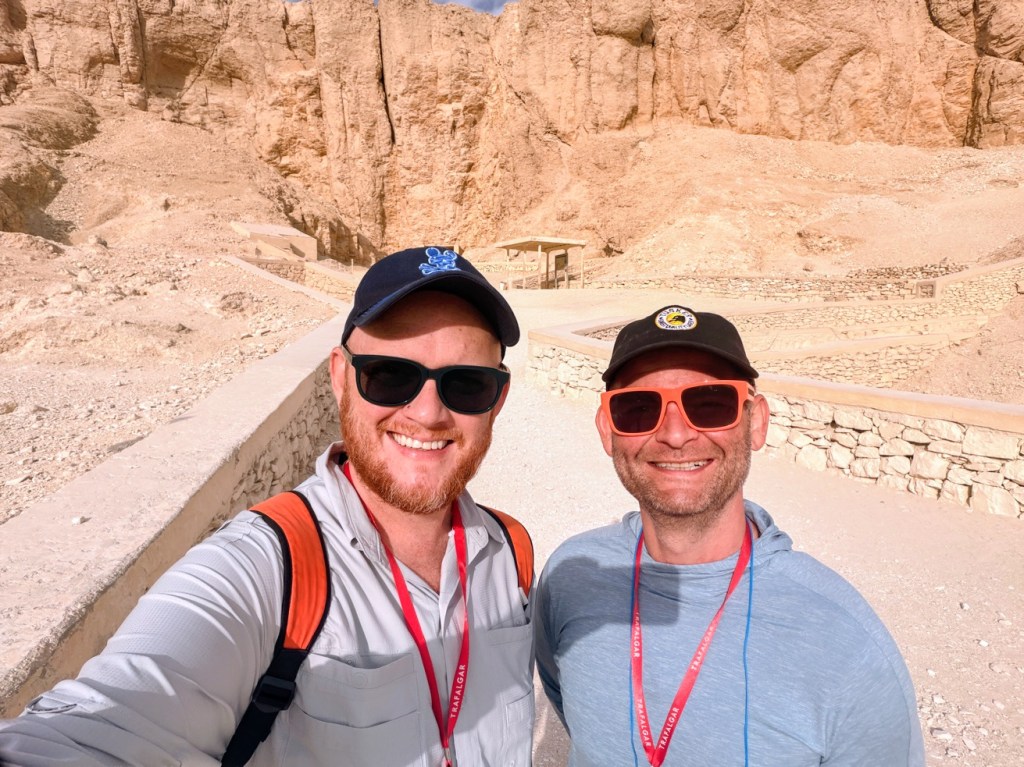
From here on out, we joined Trafalgar’s Wonders of Ancient Egypt tour—a beautifully organized, thoughtfully paced itinerary that allowed us to experience Egypt’s greatest sites without feeling rushed.

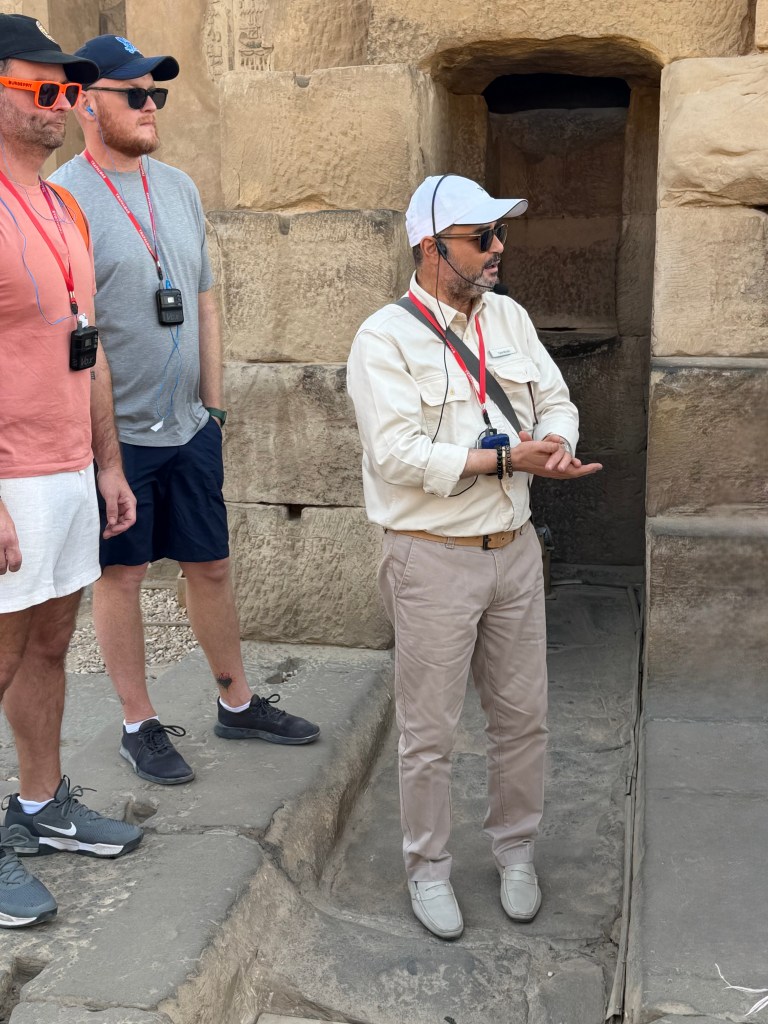
We checked into the Hilton Ramses to kick off the tour, and from the start, everything ran like clockwork. Our guide, Tarek, was exceptional—knowledgeable, engaging, and genuinely passionate about Egyptian history. His ability to weave stories, context, and humor into each site made the experience infinitely richer.

Day 6: Memphis, Saqqara, Carpet Making & Giza

Our first full touring day took us deep into Egypt’s ancient past.

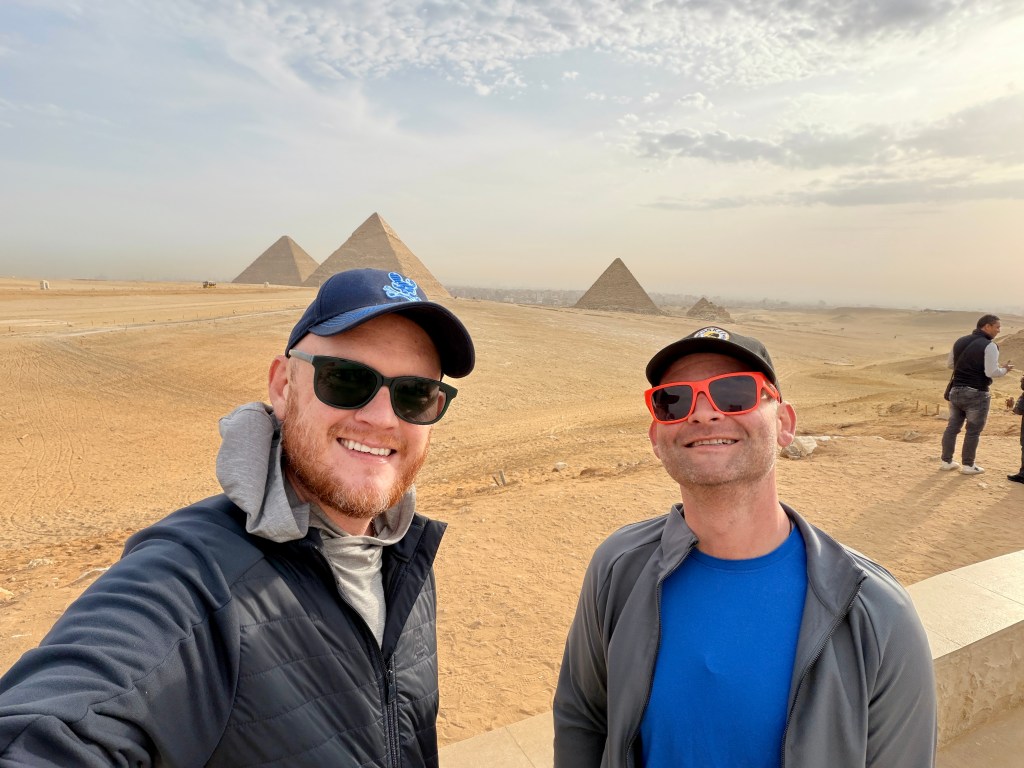
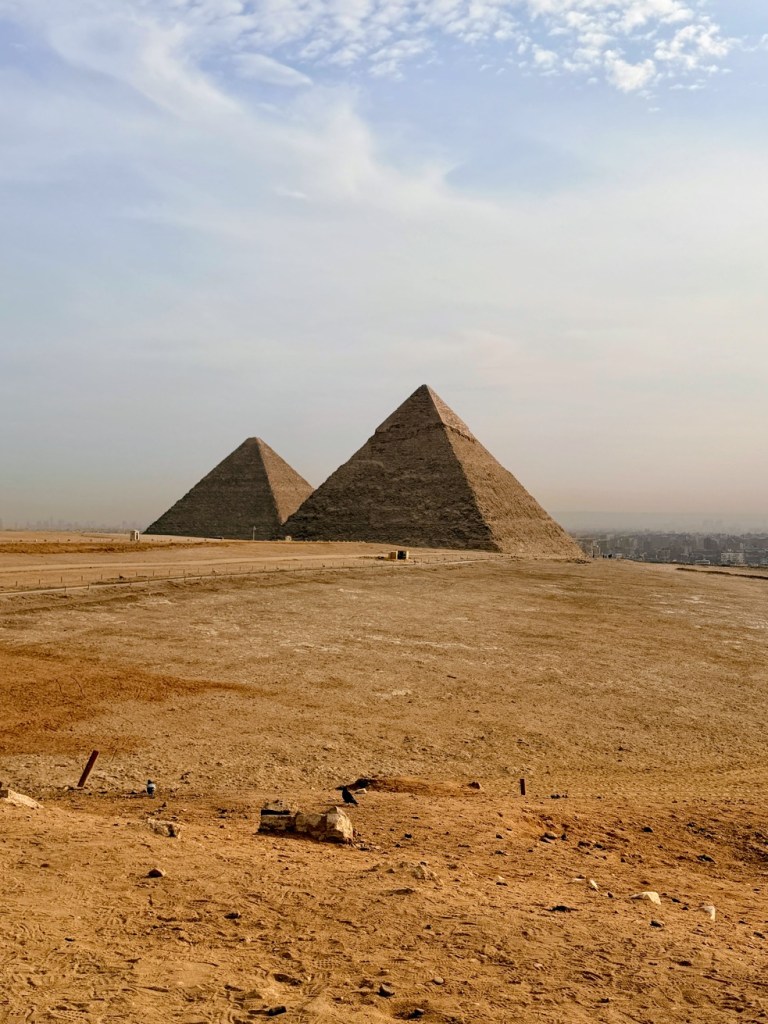
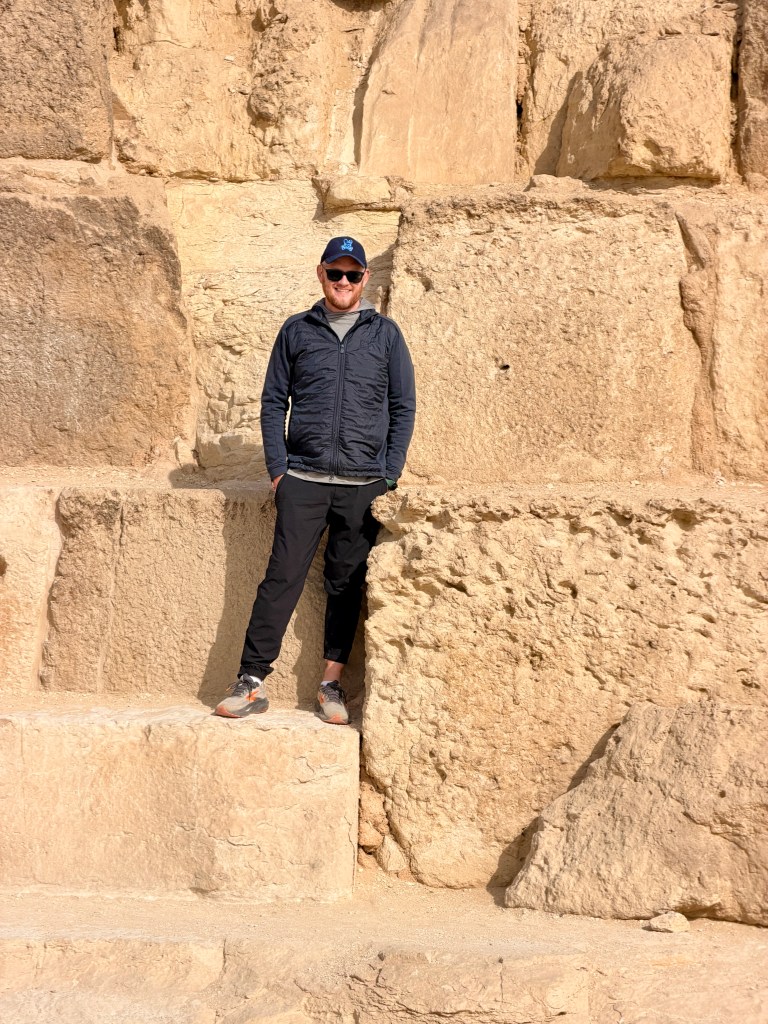
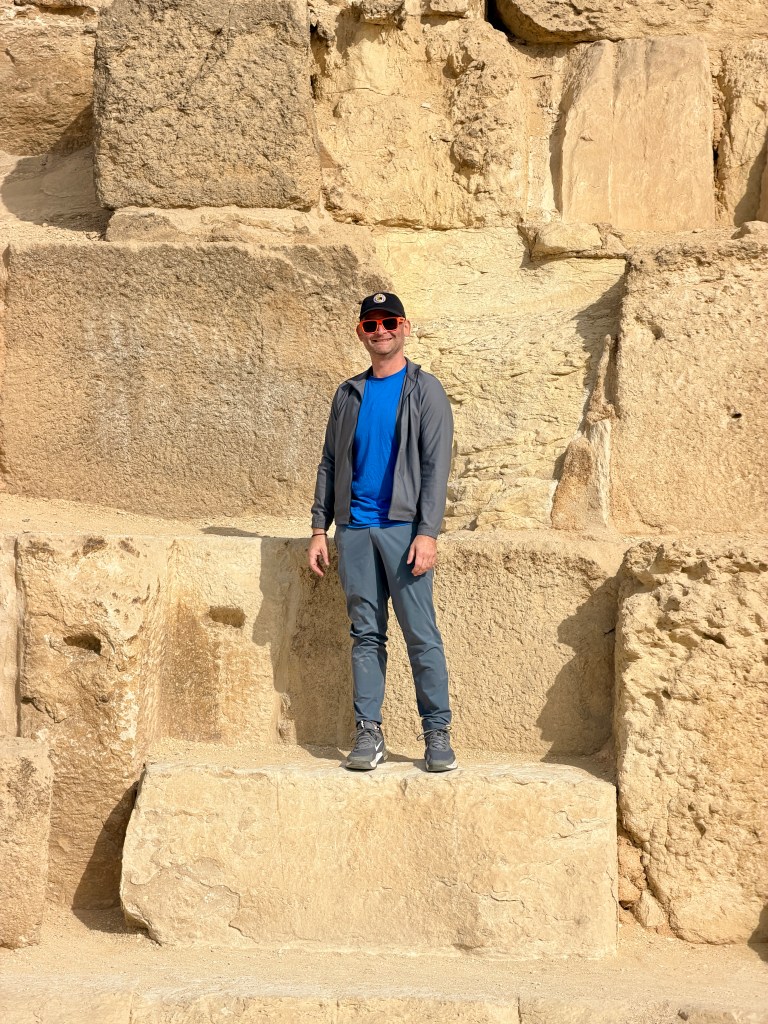
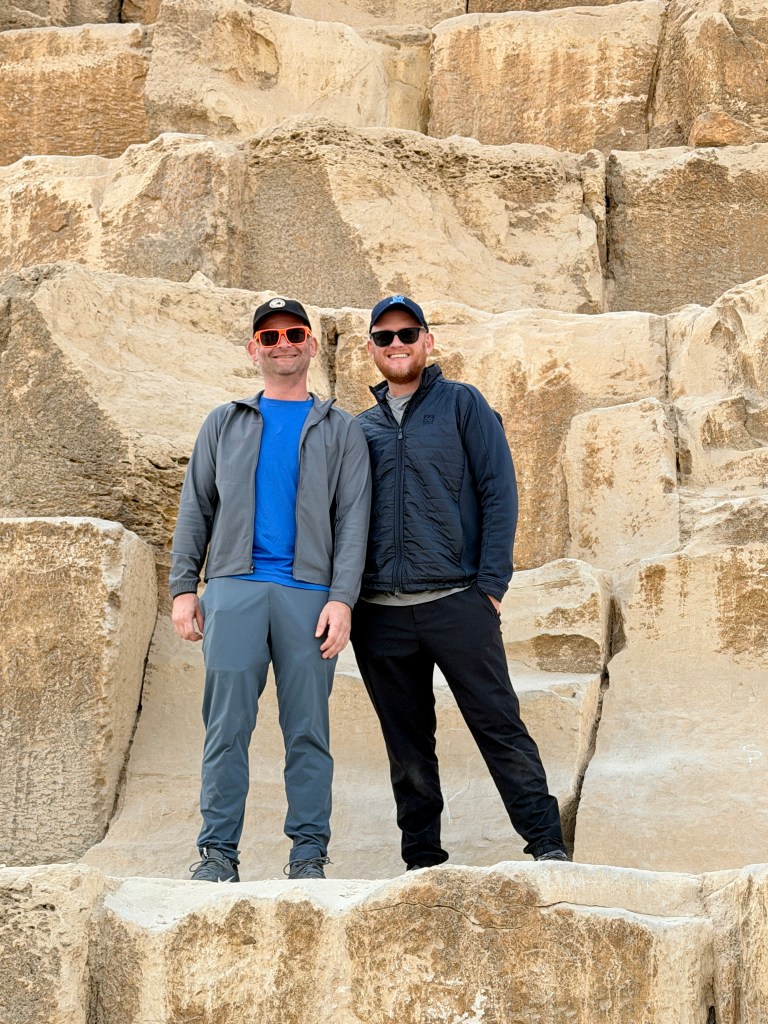
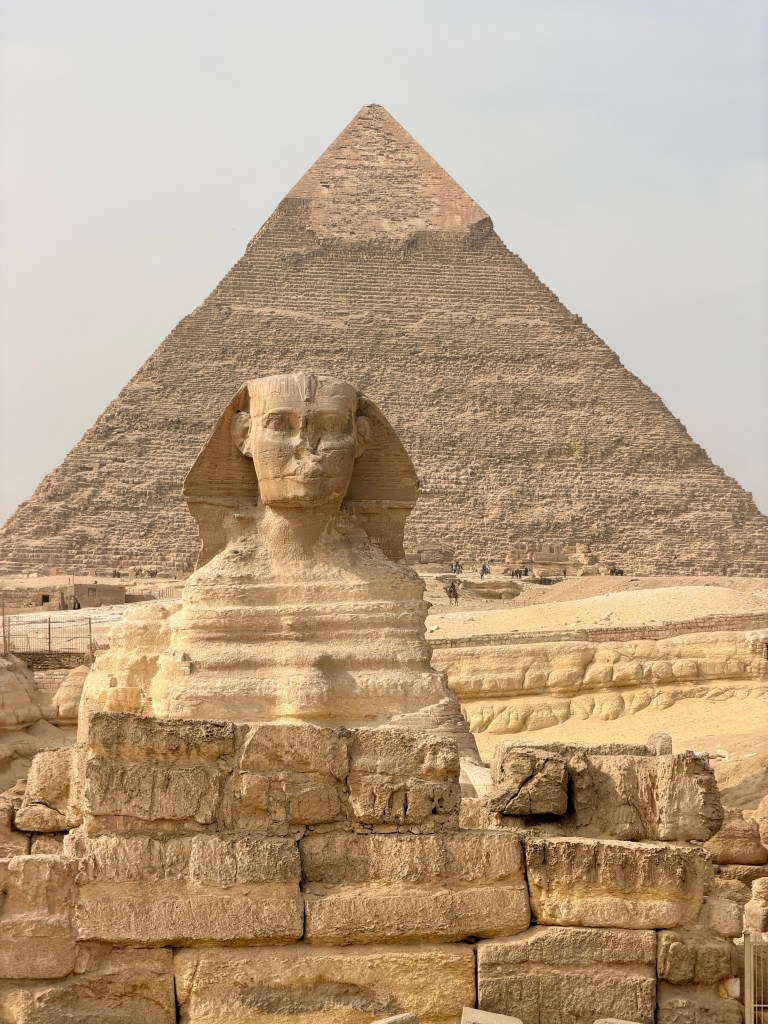
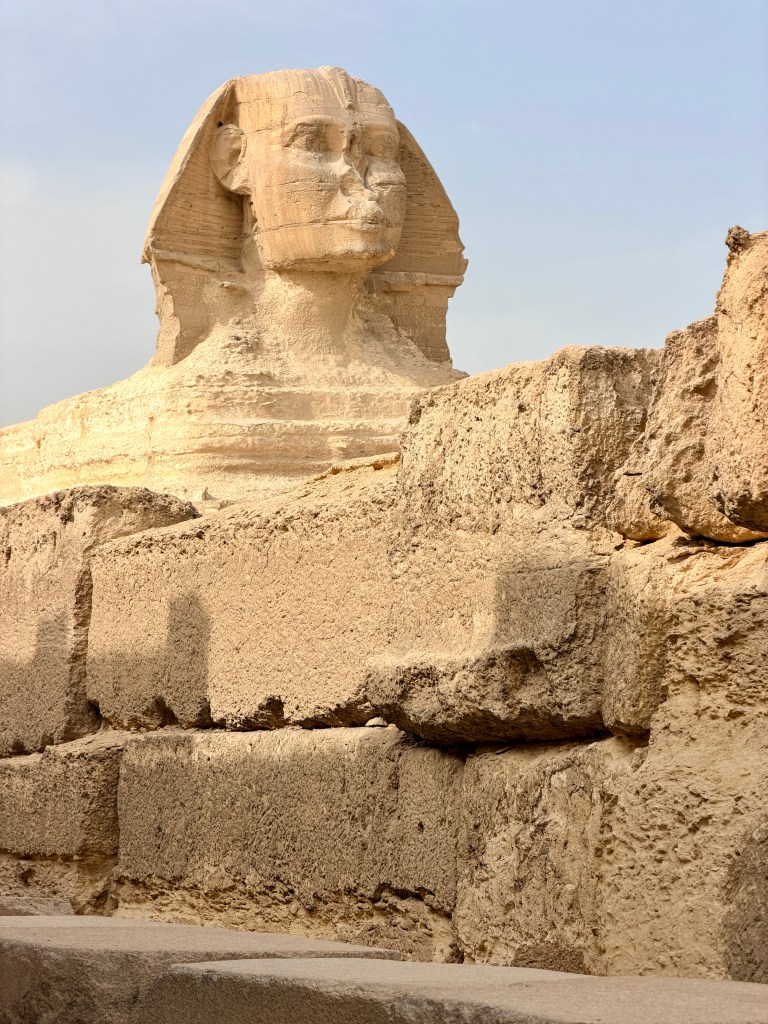
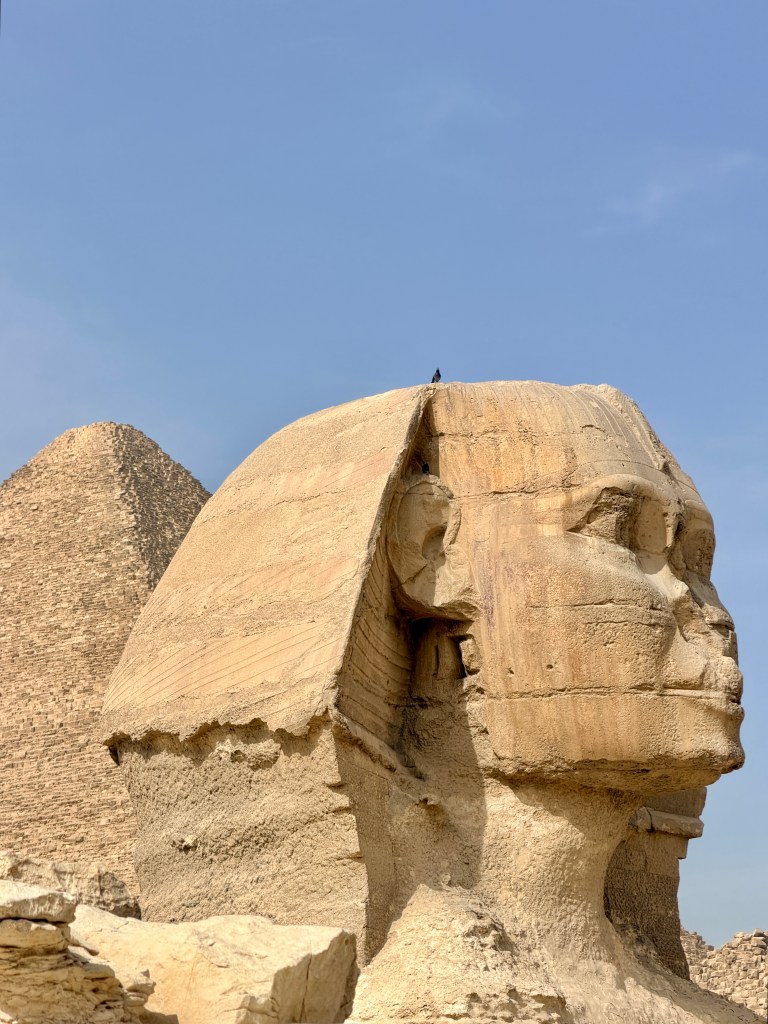
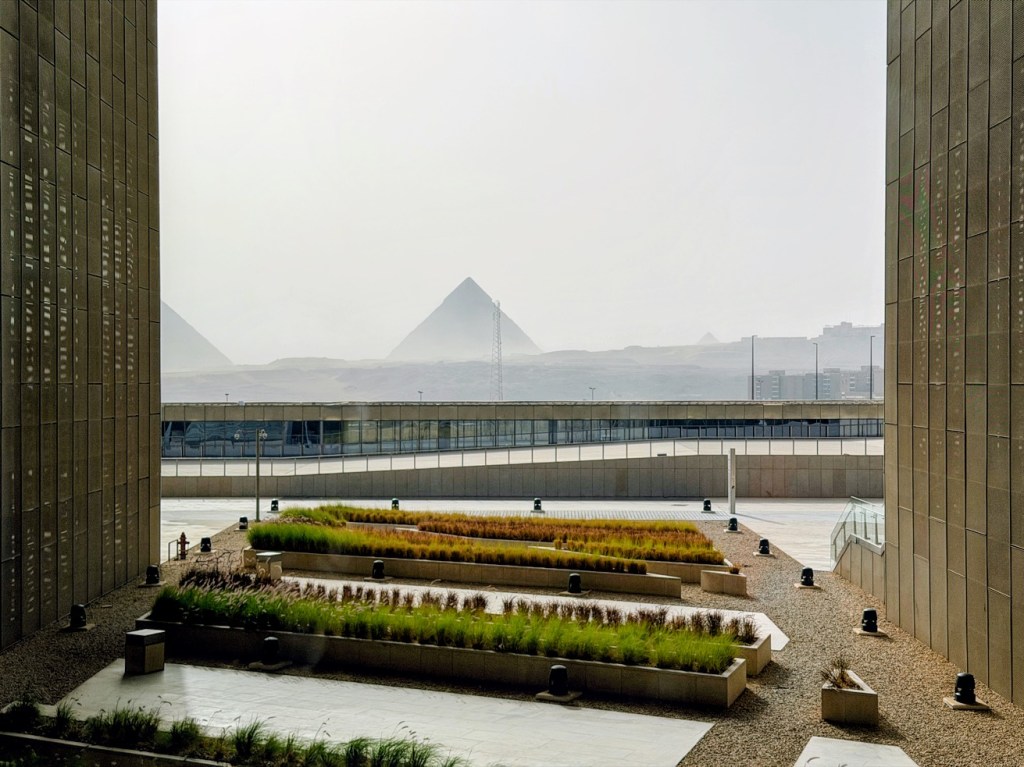
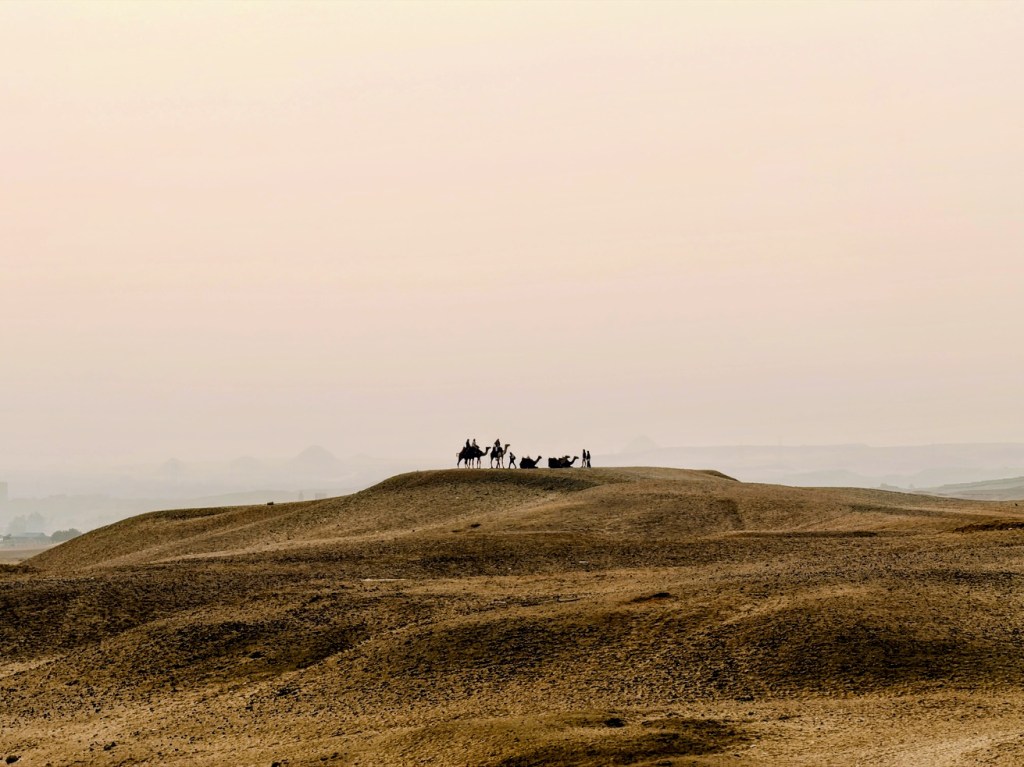
First Stop—Giza. The Great Pyramids and the Sphinx need no introduction. Standing before them is humbling in a way photos simply can’t capture. They are massive, precise, and impossibly old.
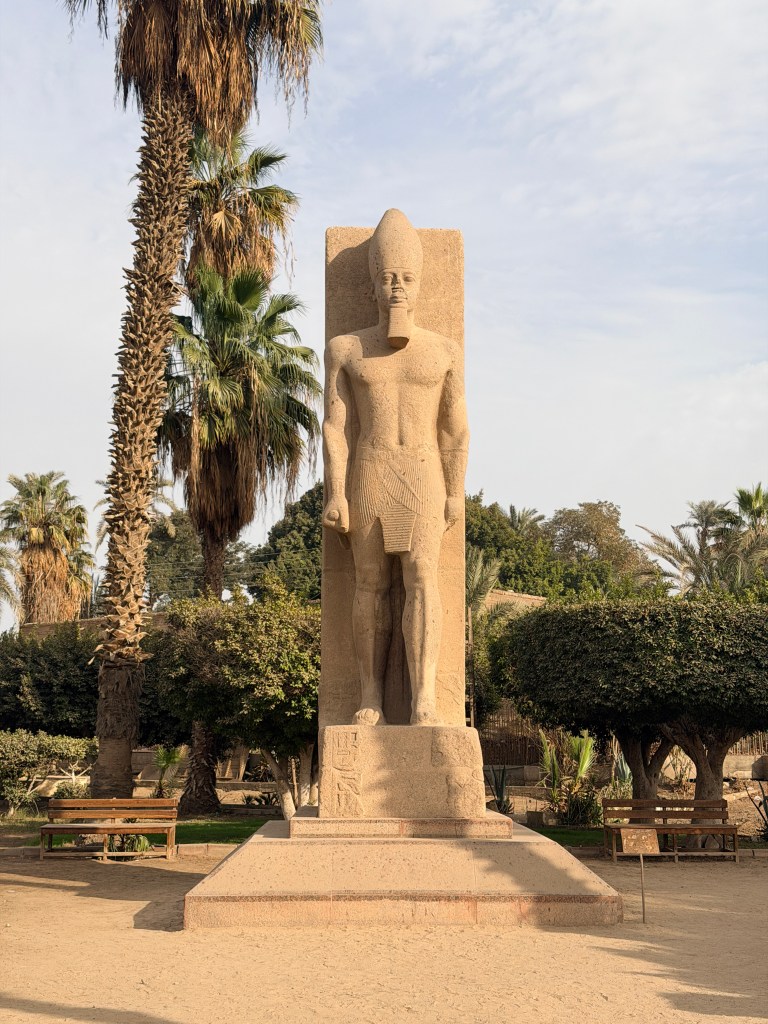
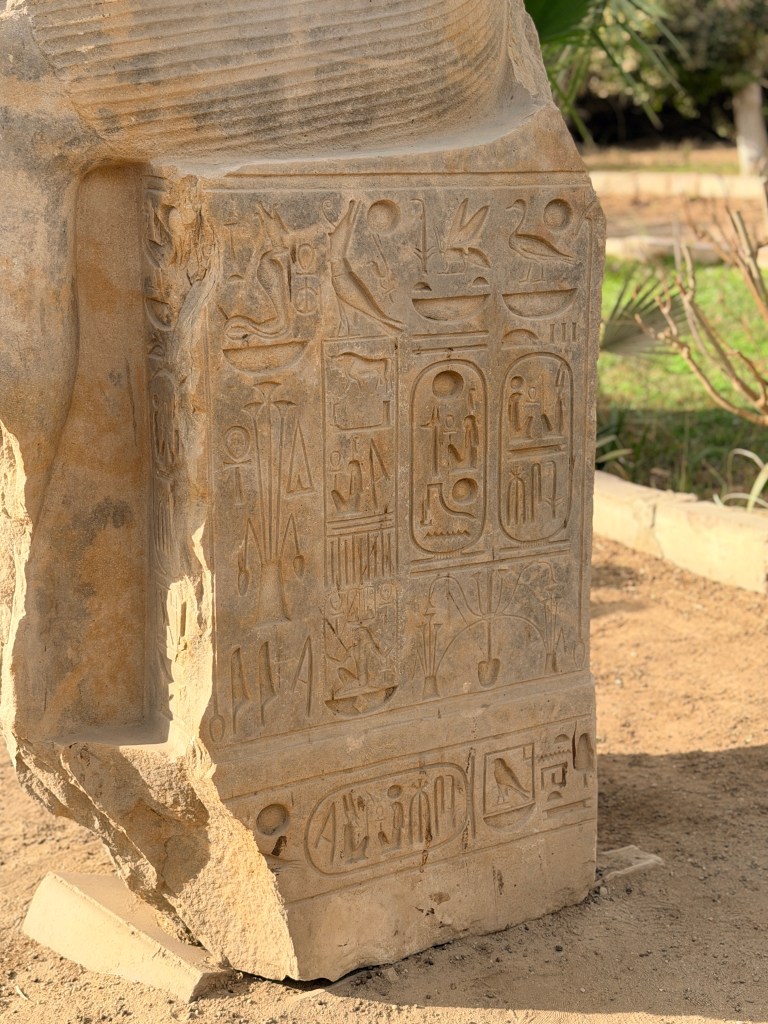
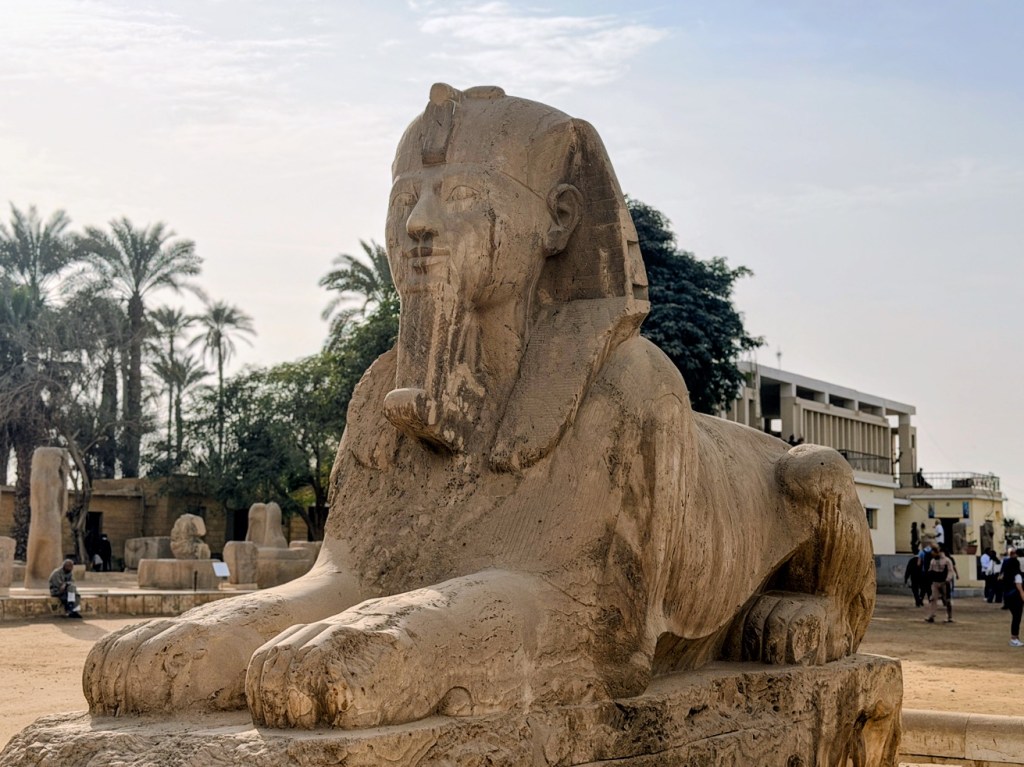
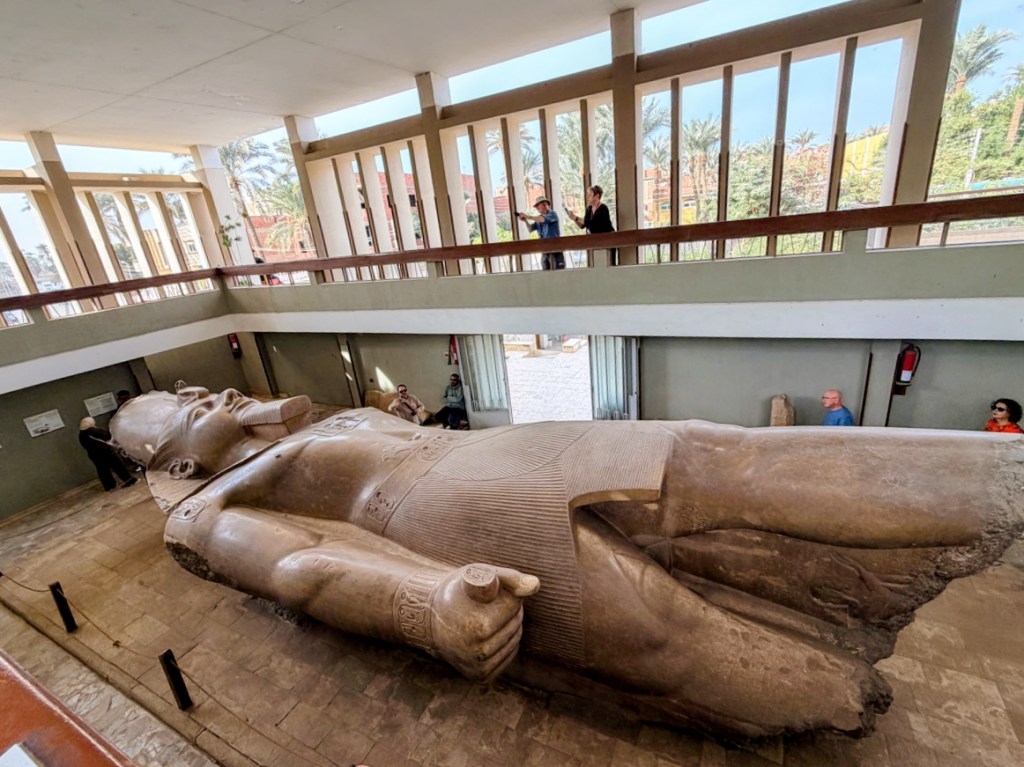
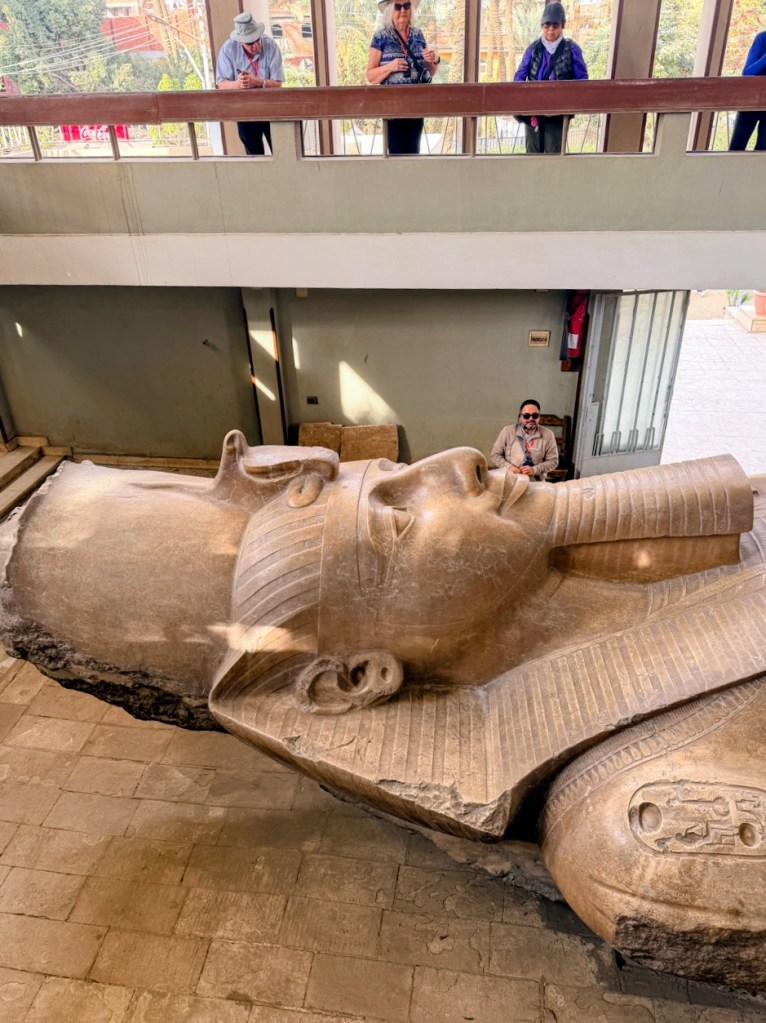
Memphis, once the capital of ancient Egypt, offered a glimpse into the earliest days of Egyptian civilization.
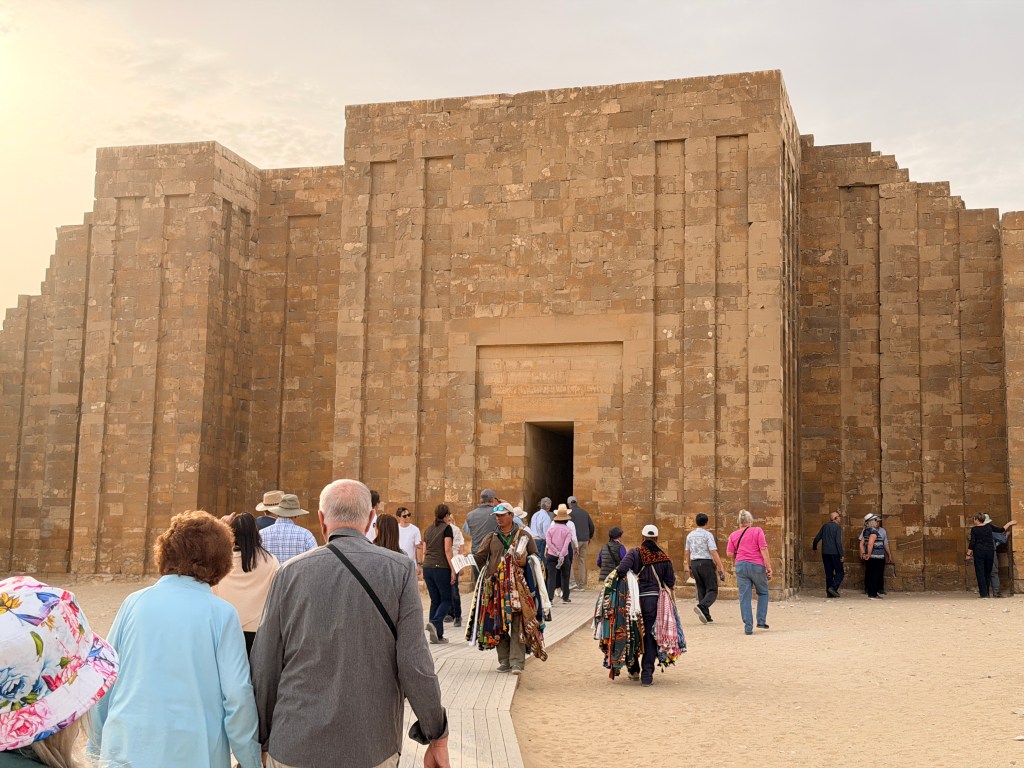
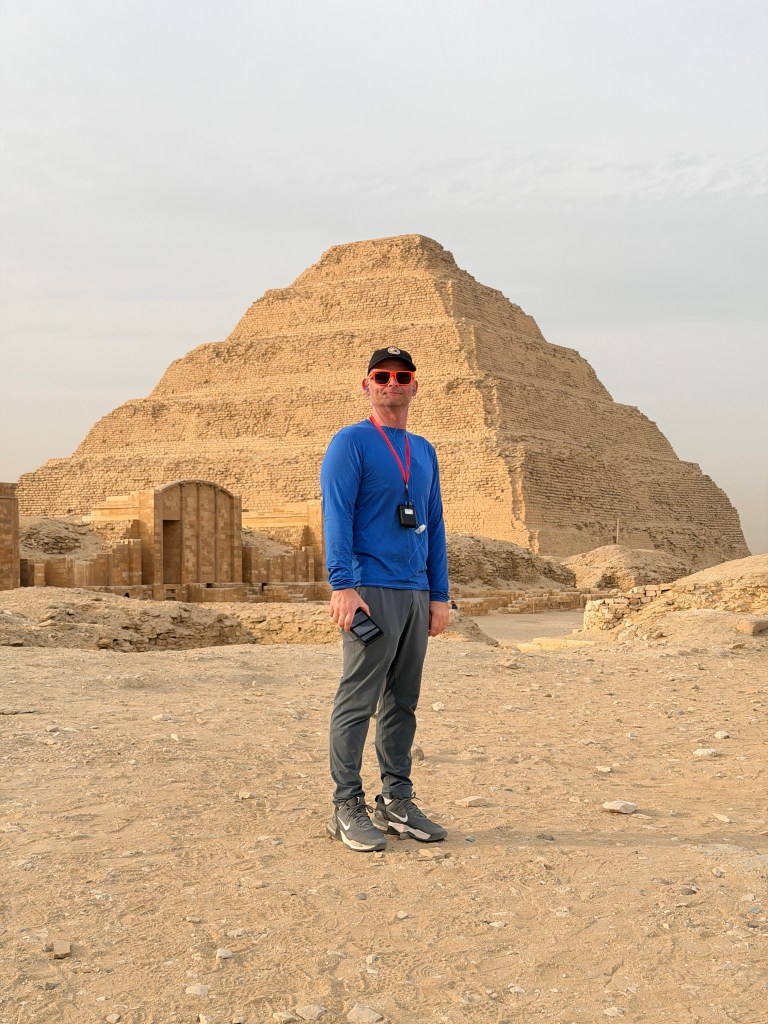
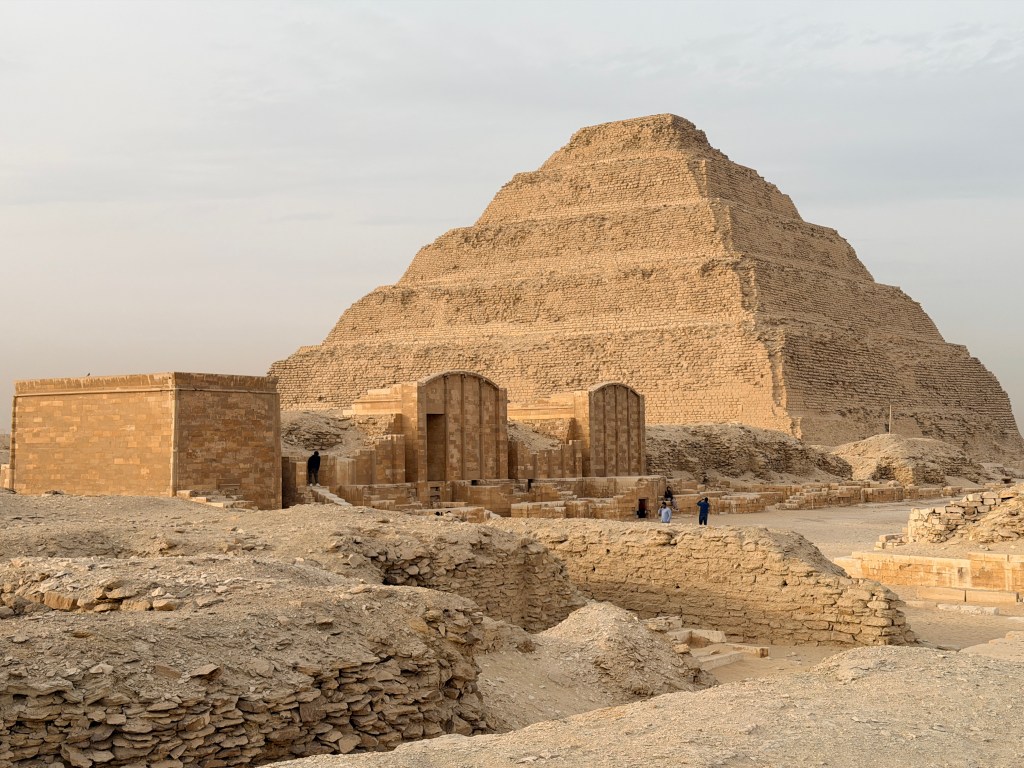
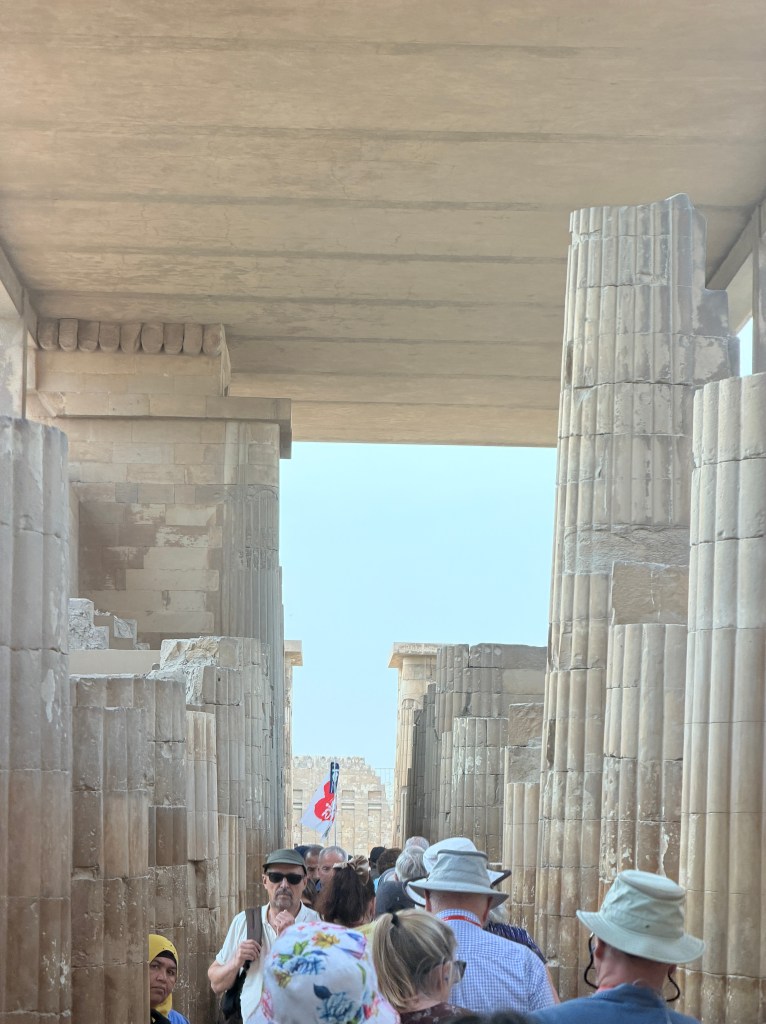
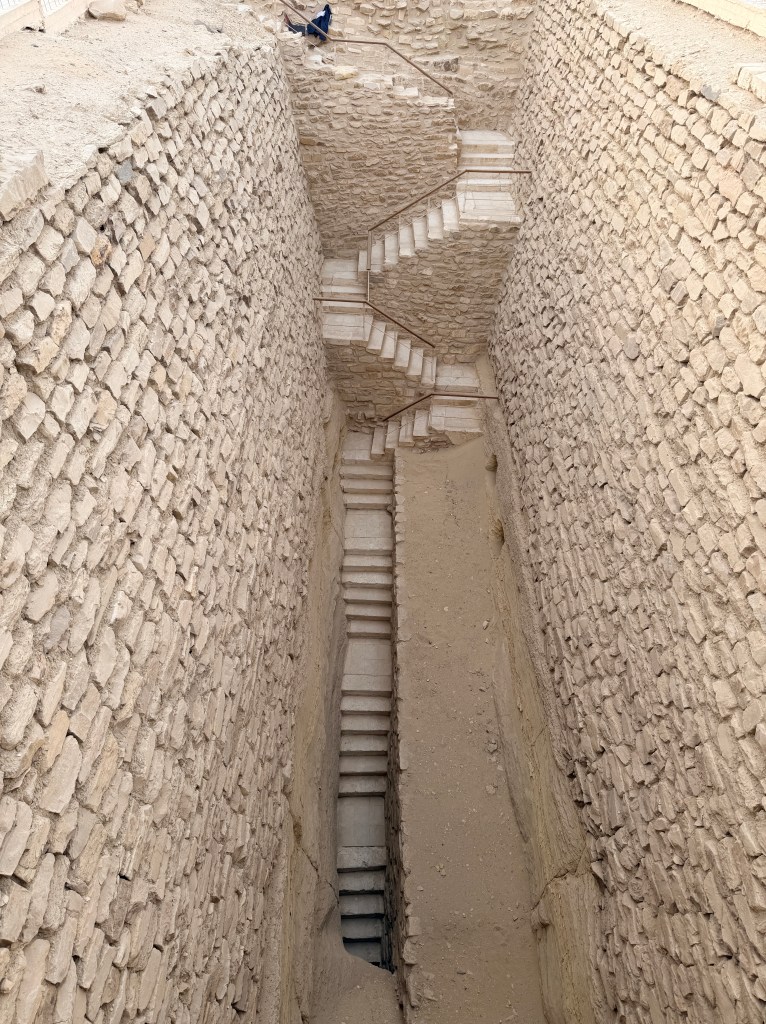
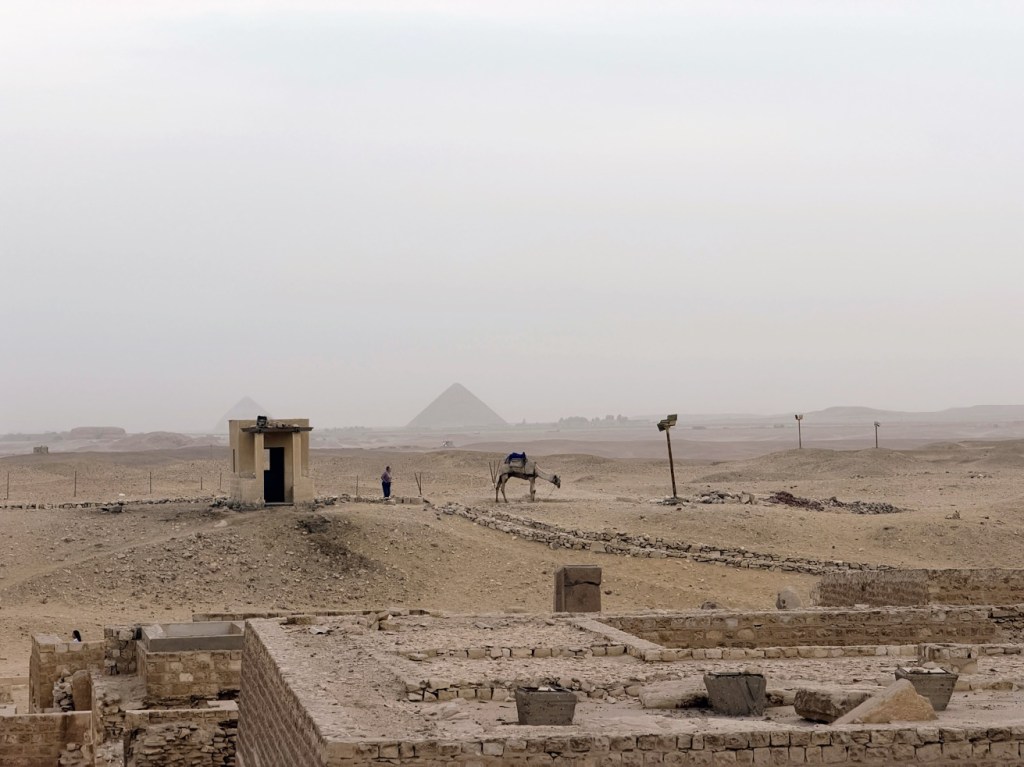
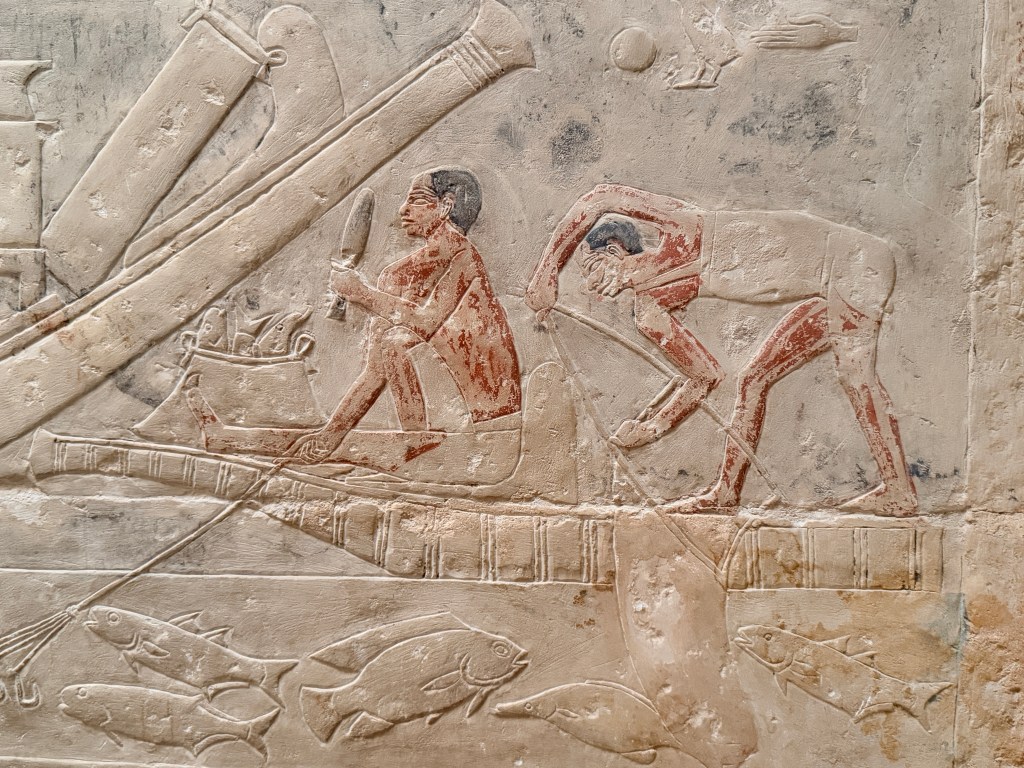
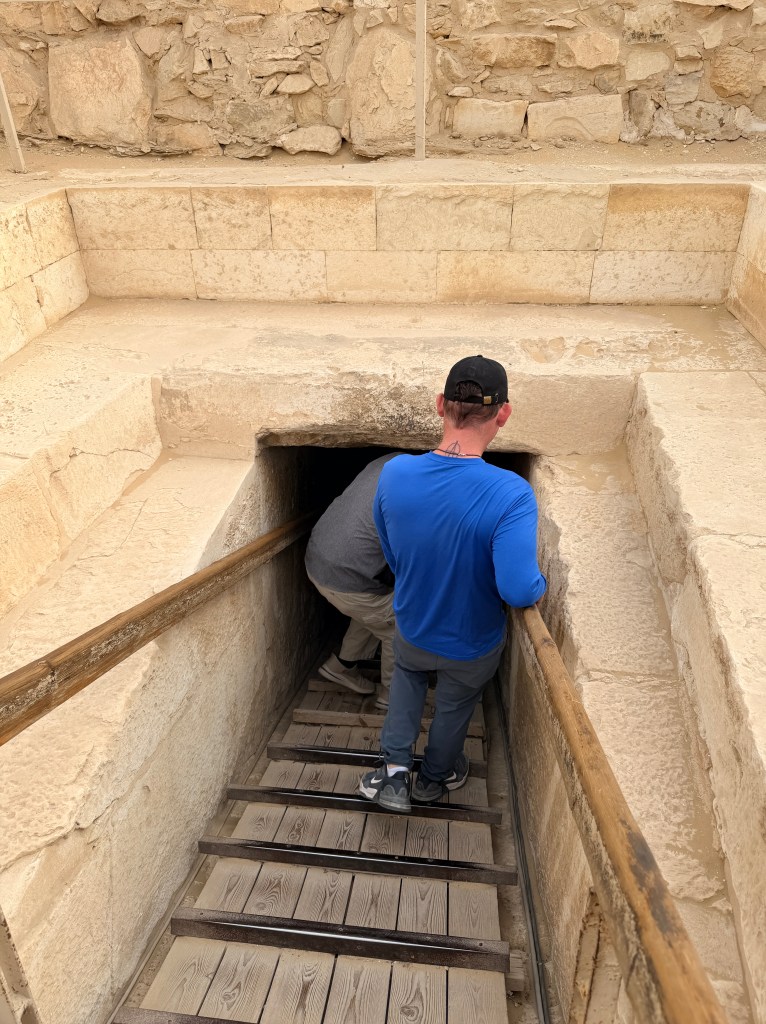
Saqqara, home to the Step Pyramid of Djoser, showcased the evolution of pyramid construction and remains one of the most important archaeological sites in the country.

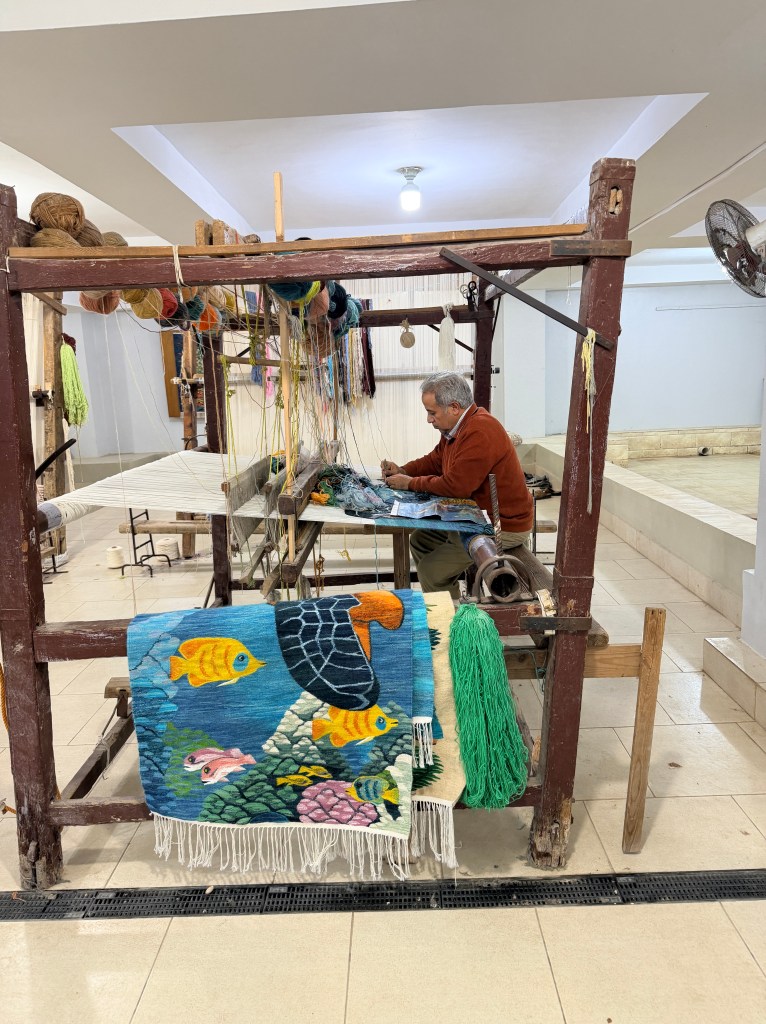
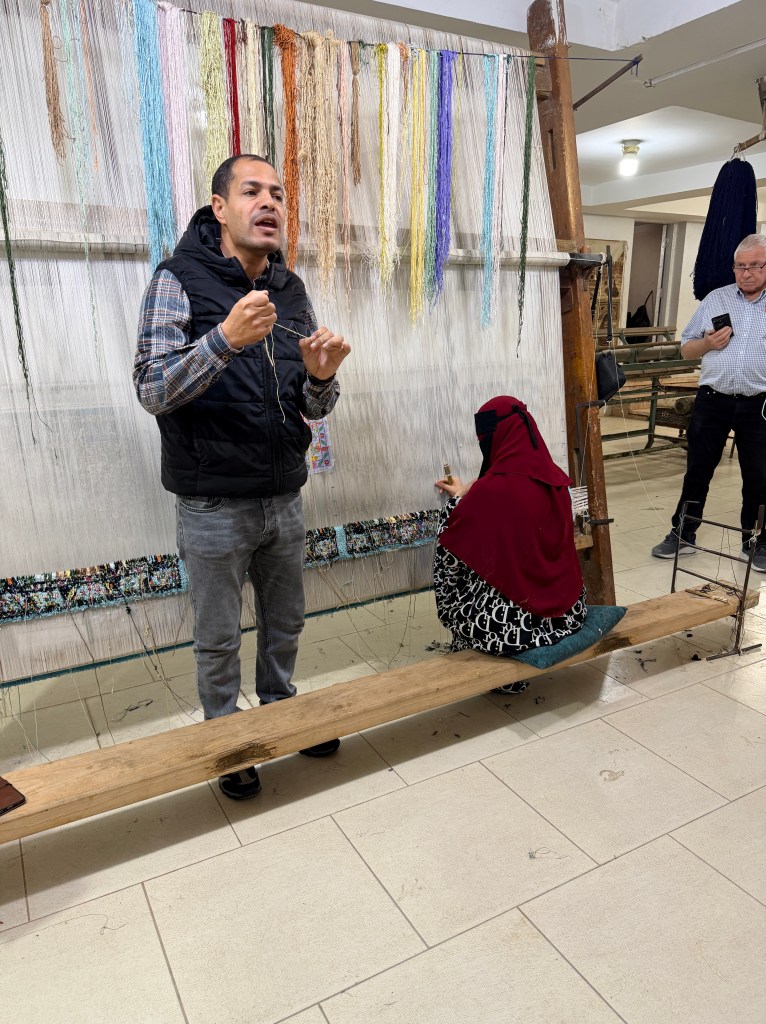
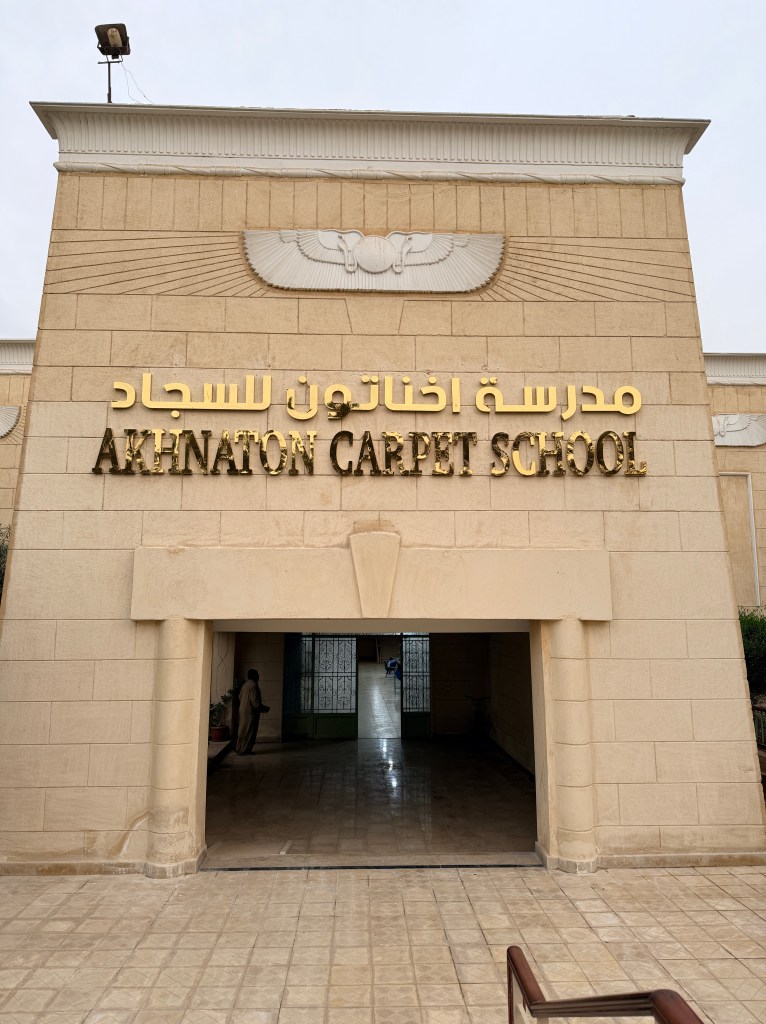
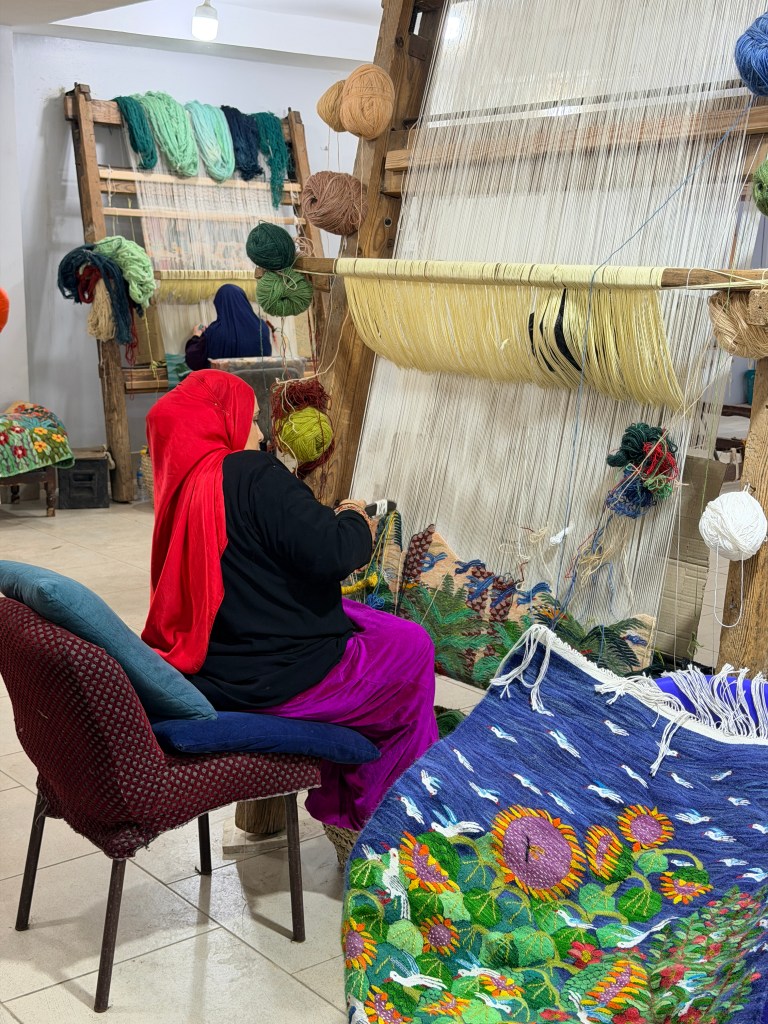
We also visited the Akhnaton Carpet School, where men, women, and children are taught the intricate art of carpet weaving on traditional looms.
That night, we returned to Cairo with full minds and tired feet.

Day 7–8: Cairo to Luxor – Temples, Valley of the Kings & the Nile

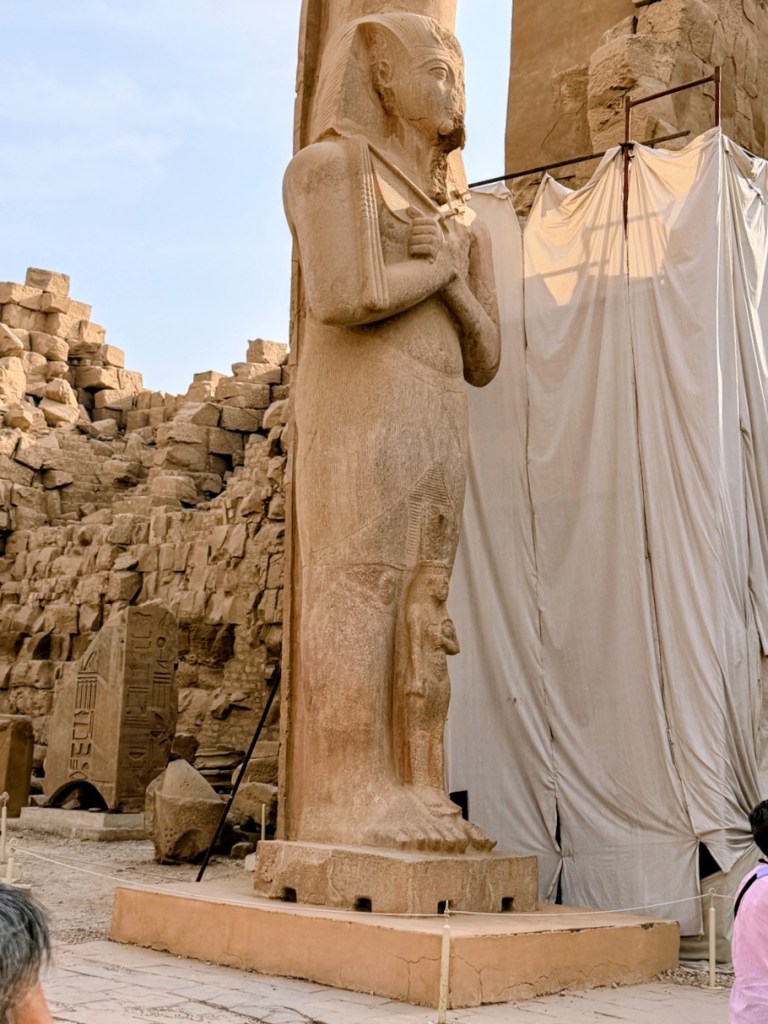
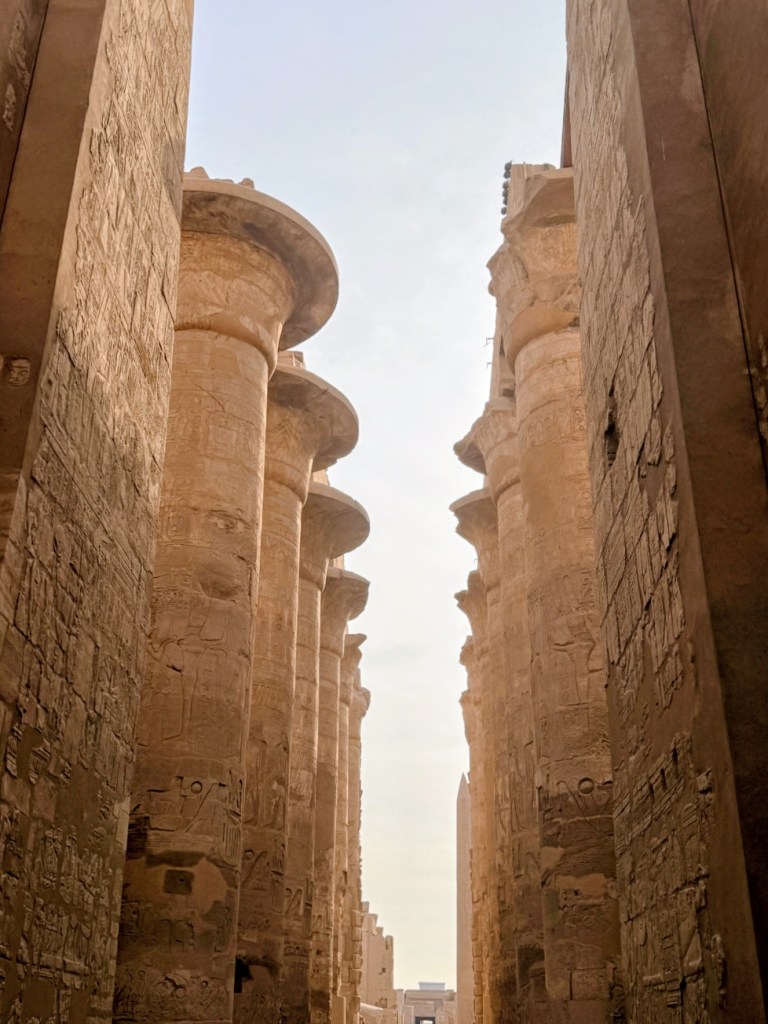
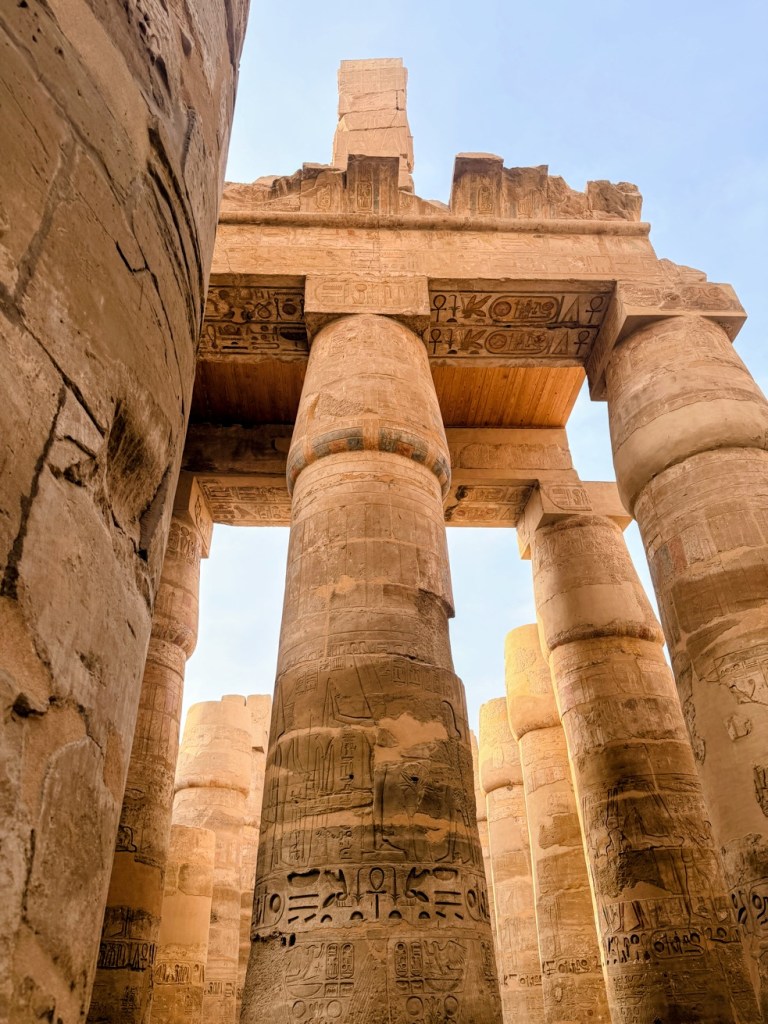
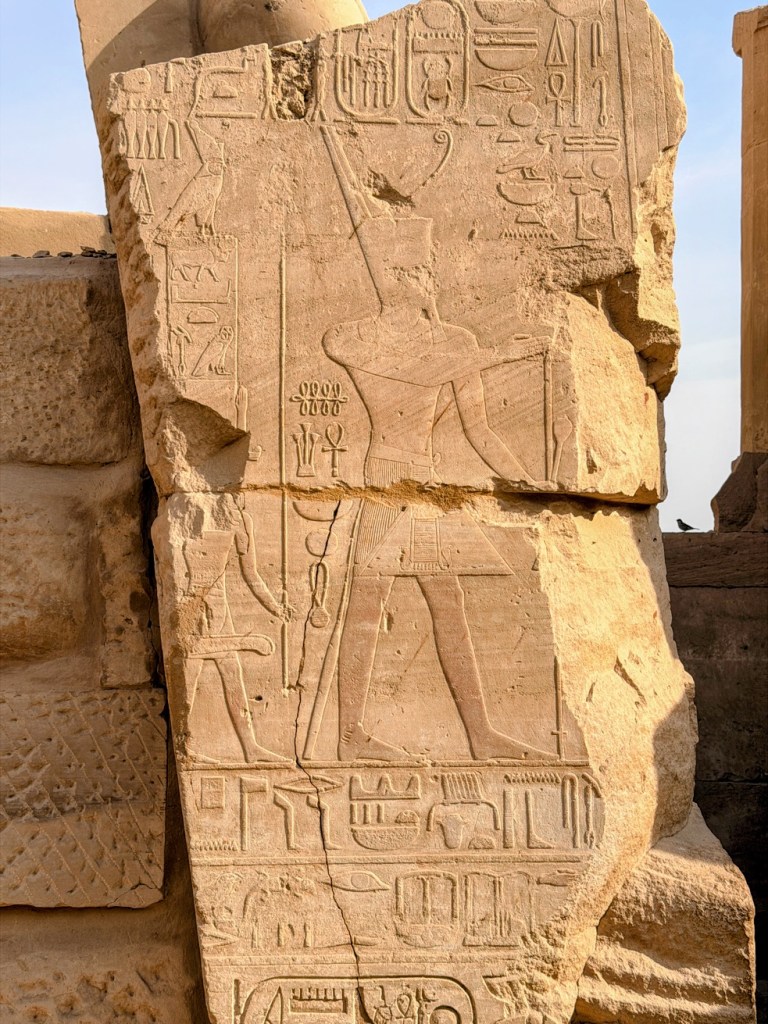
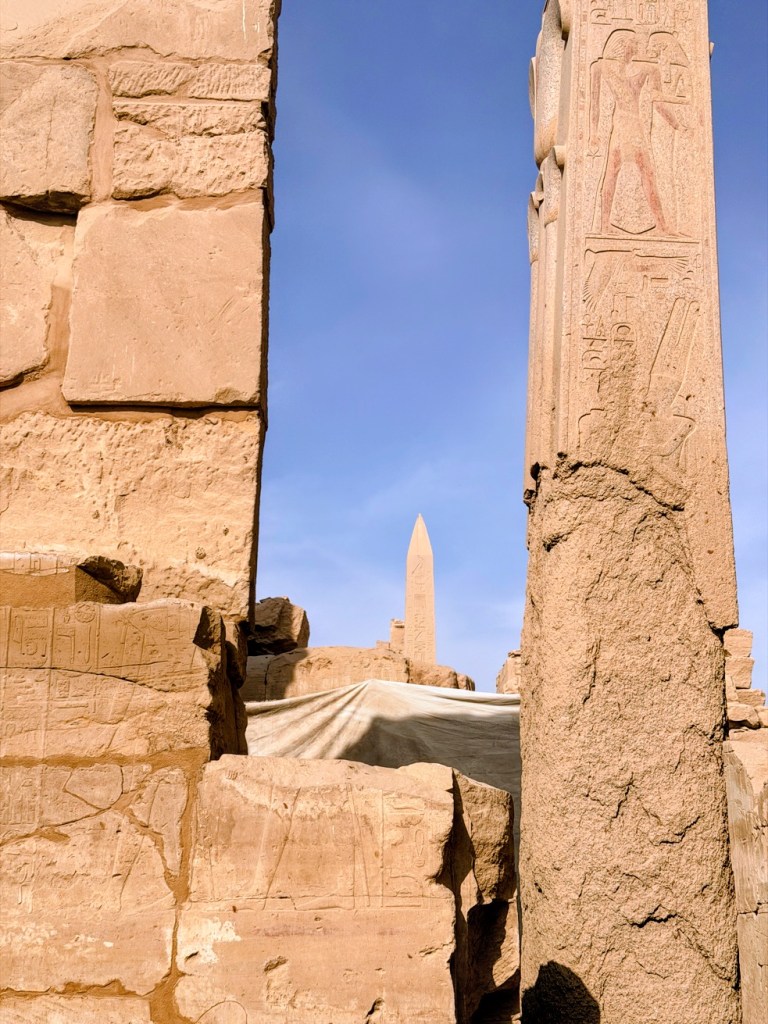
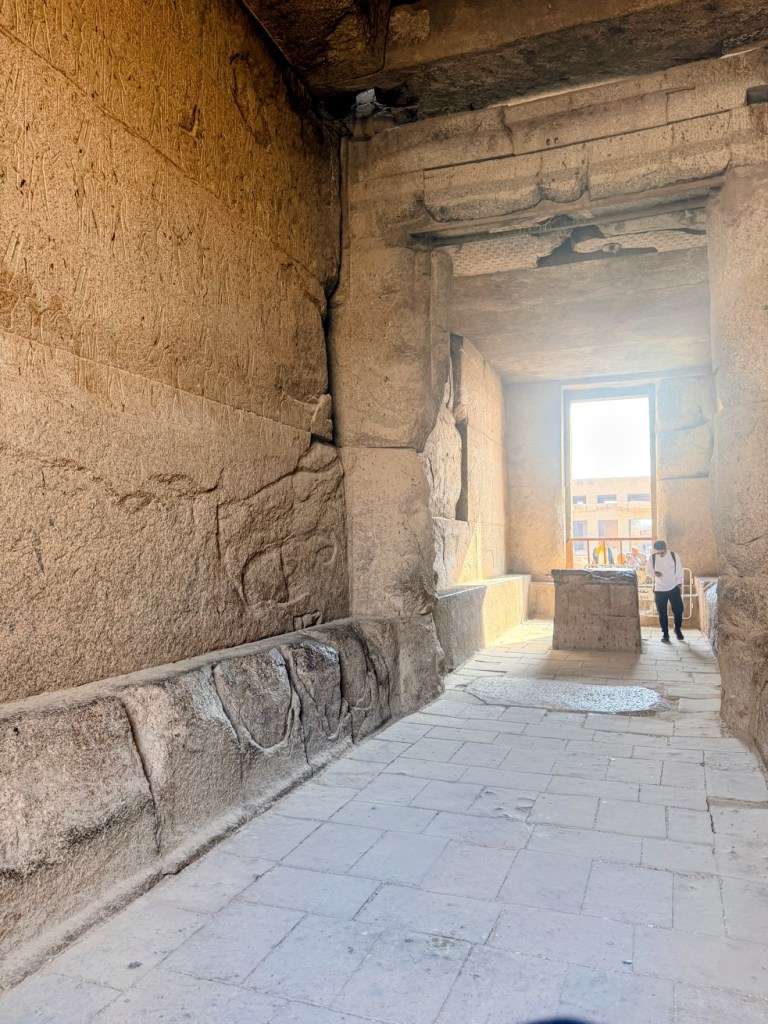
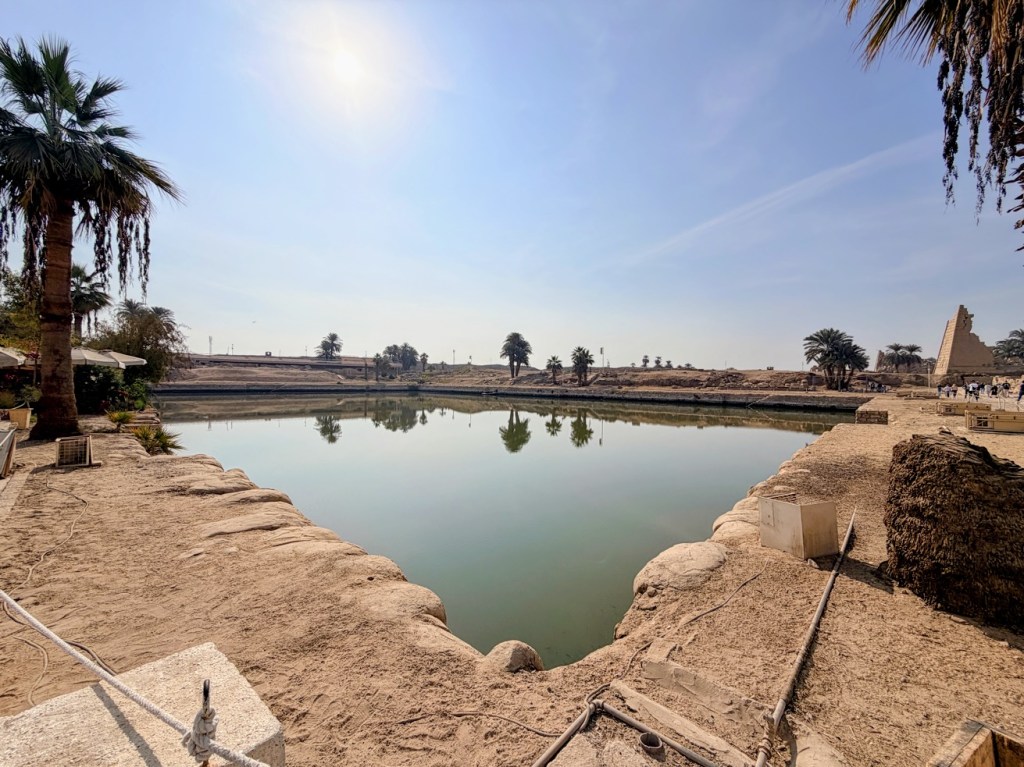
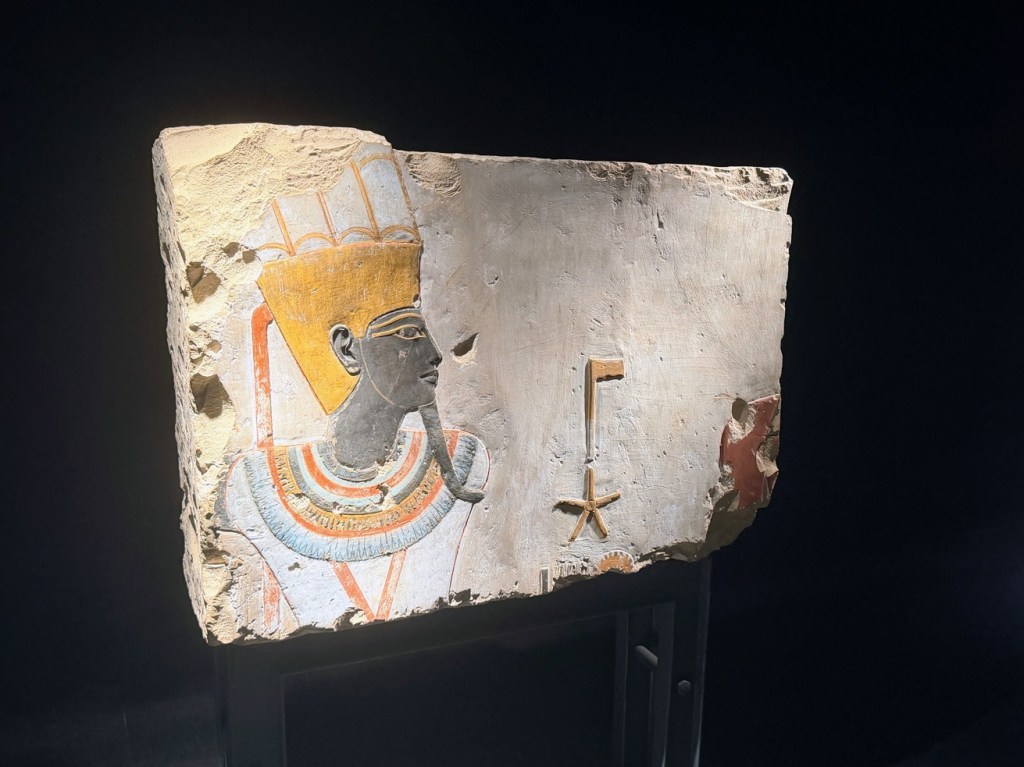
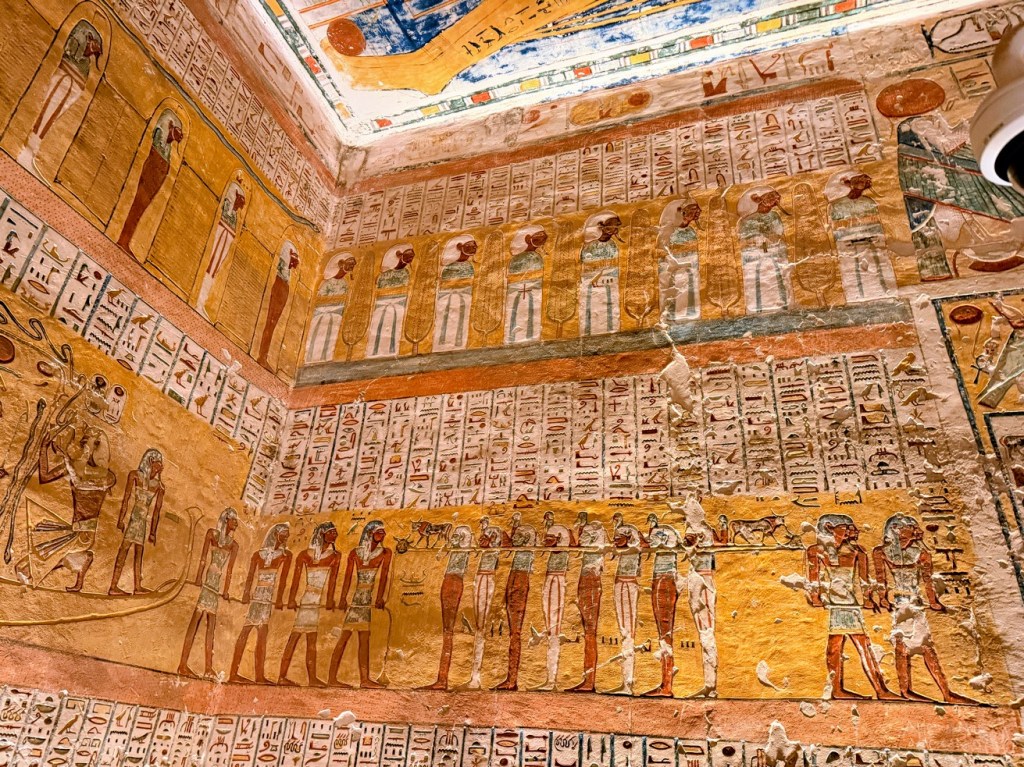
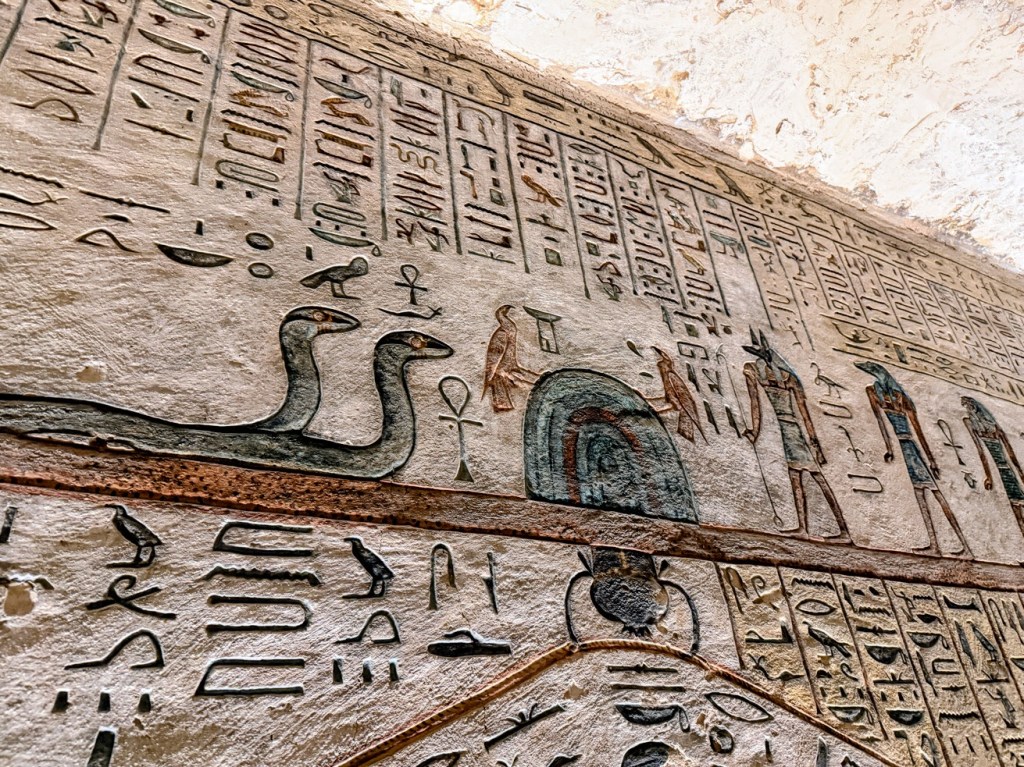
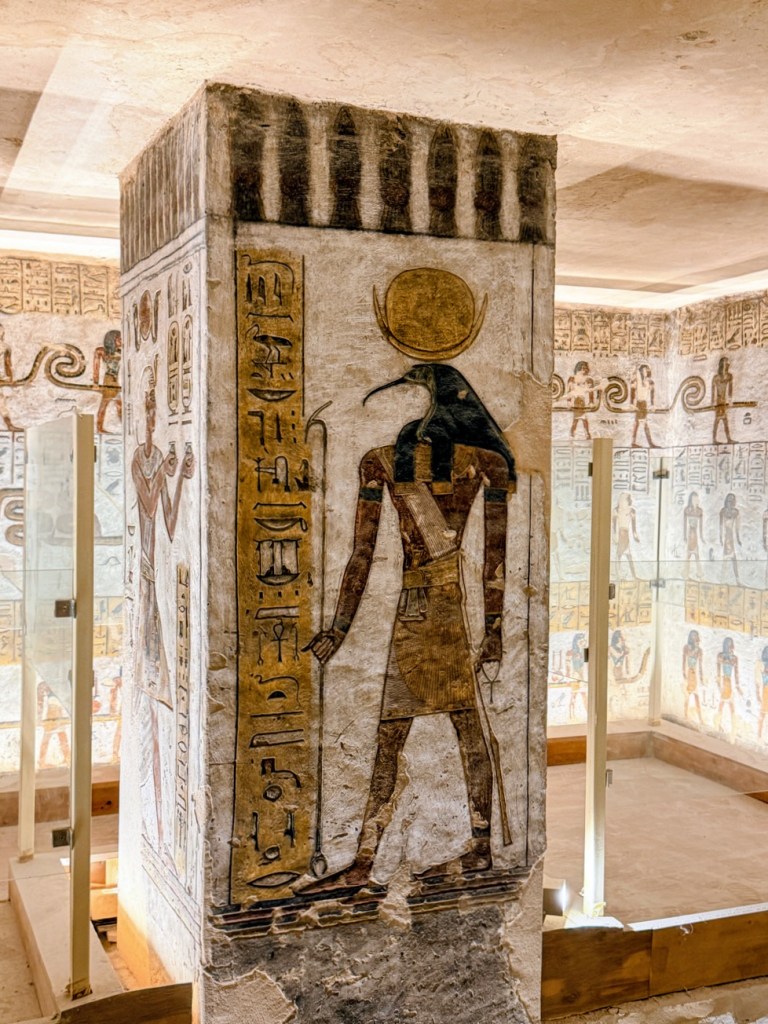
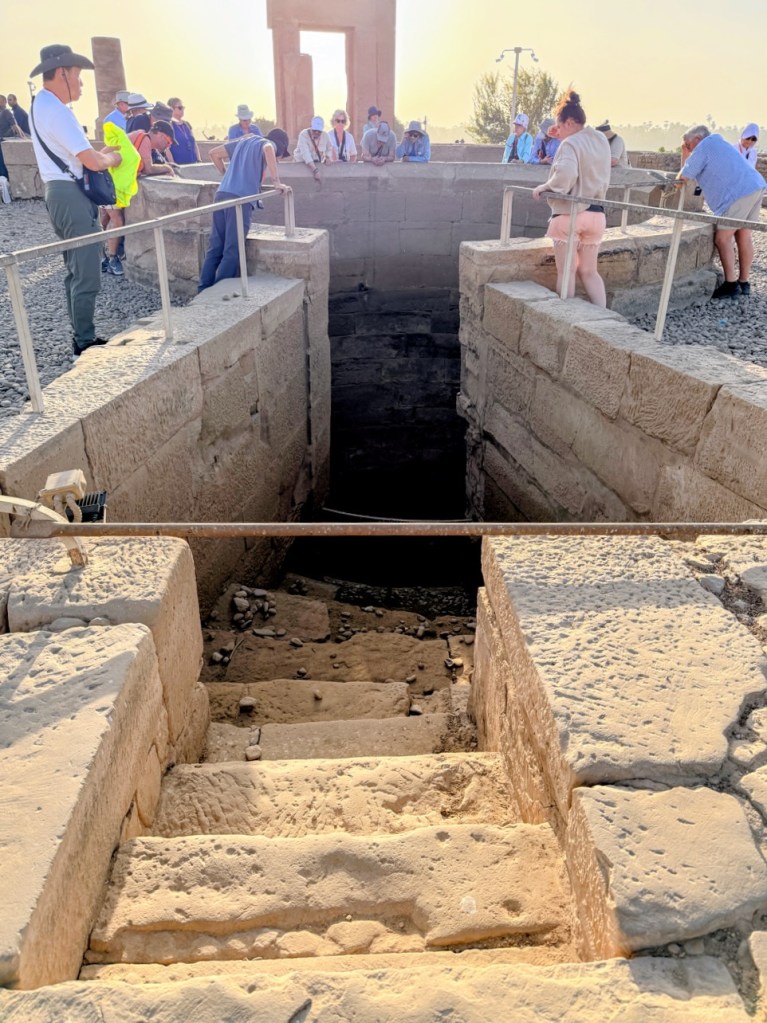
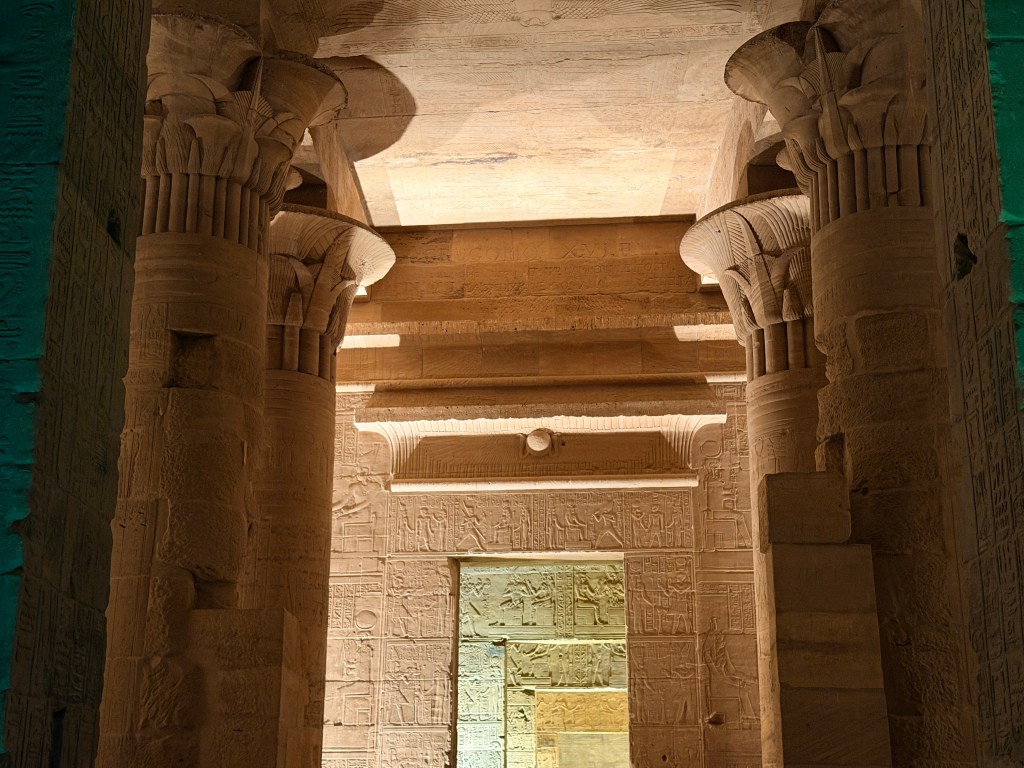
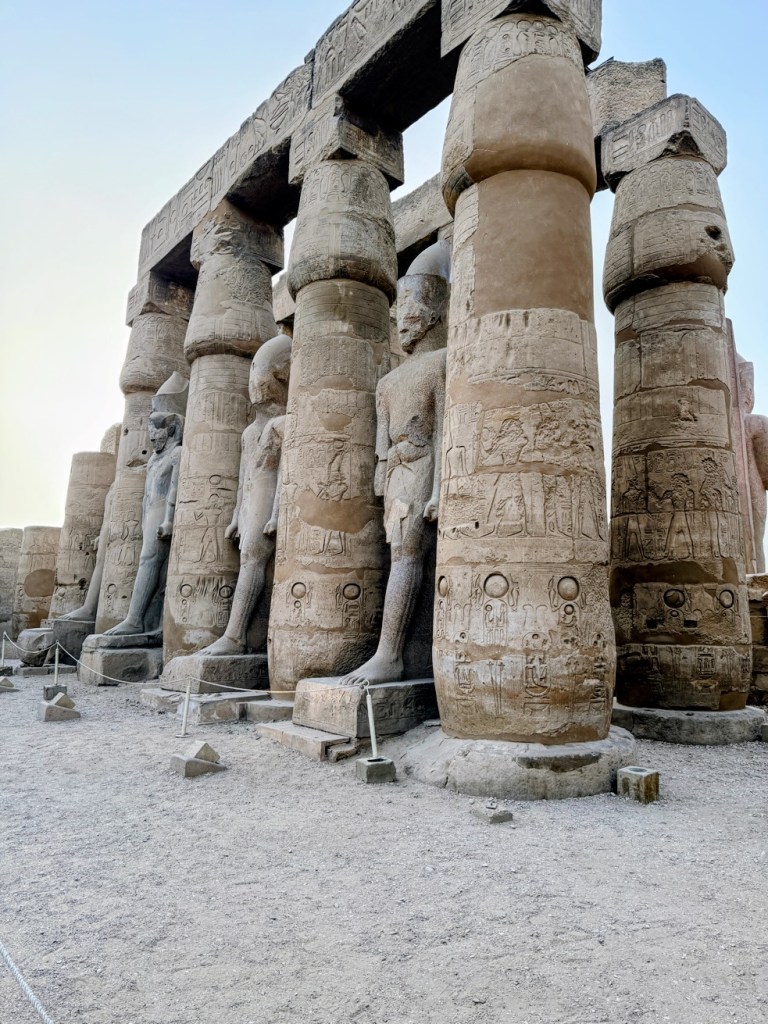
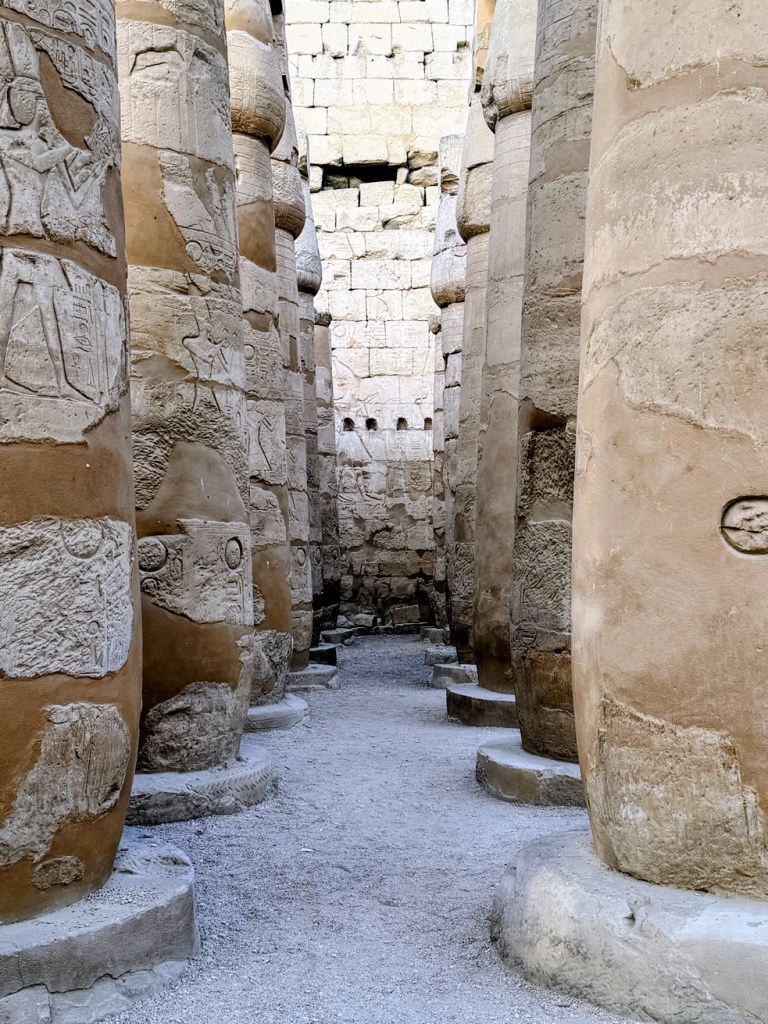
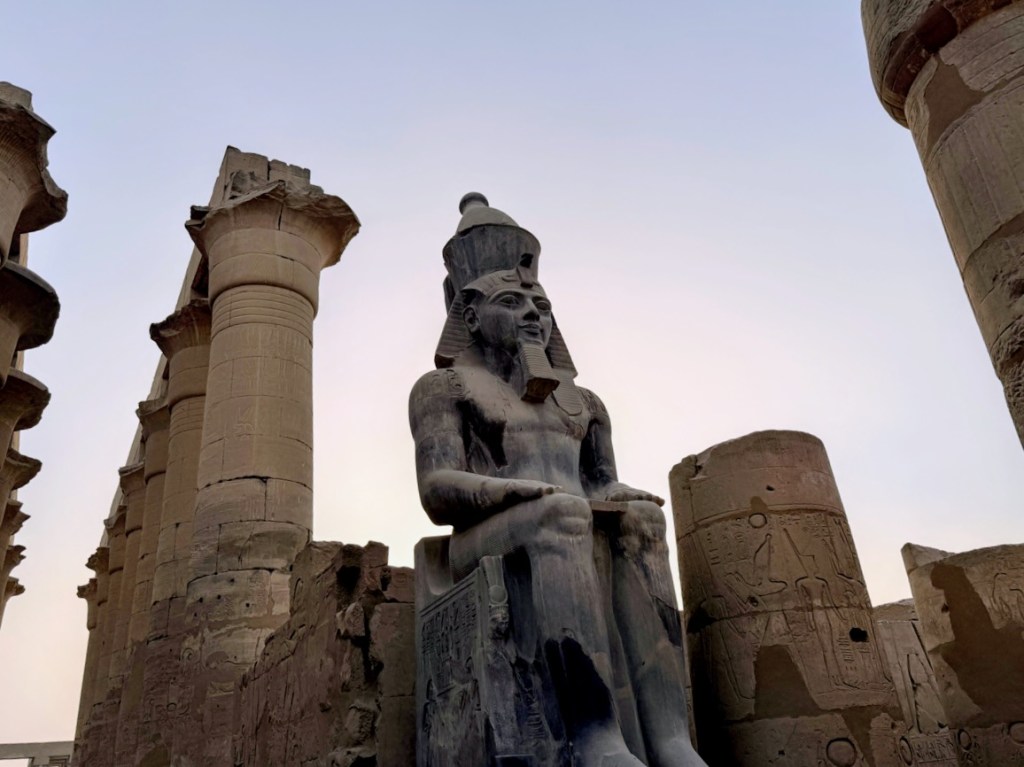
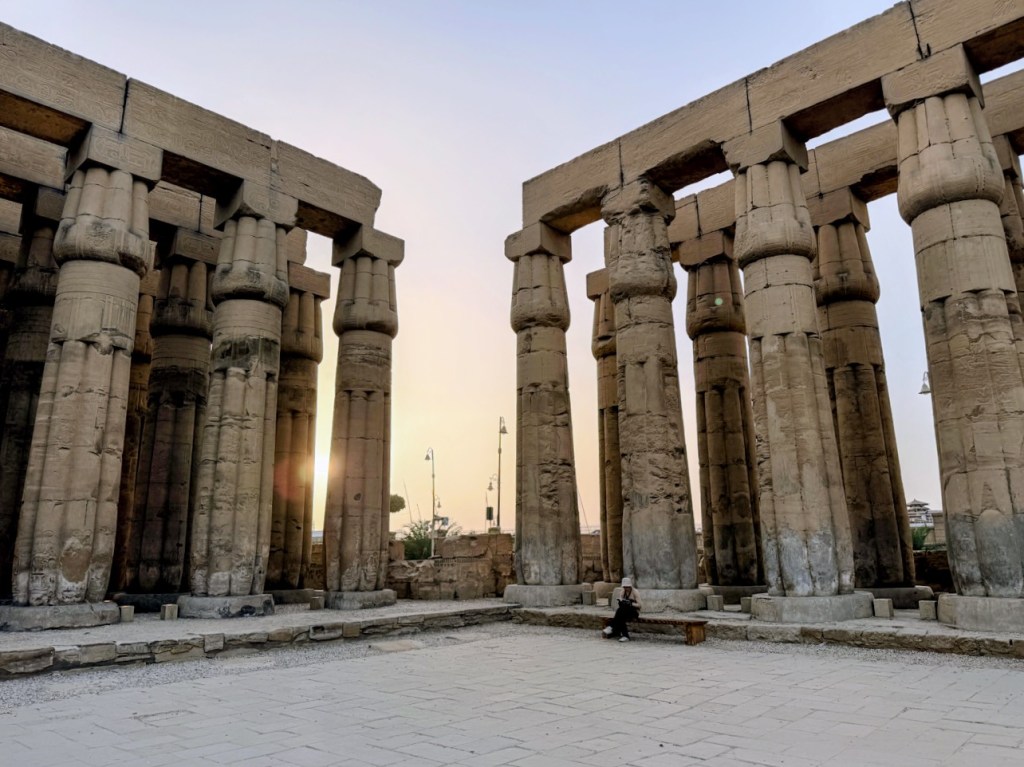
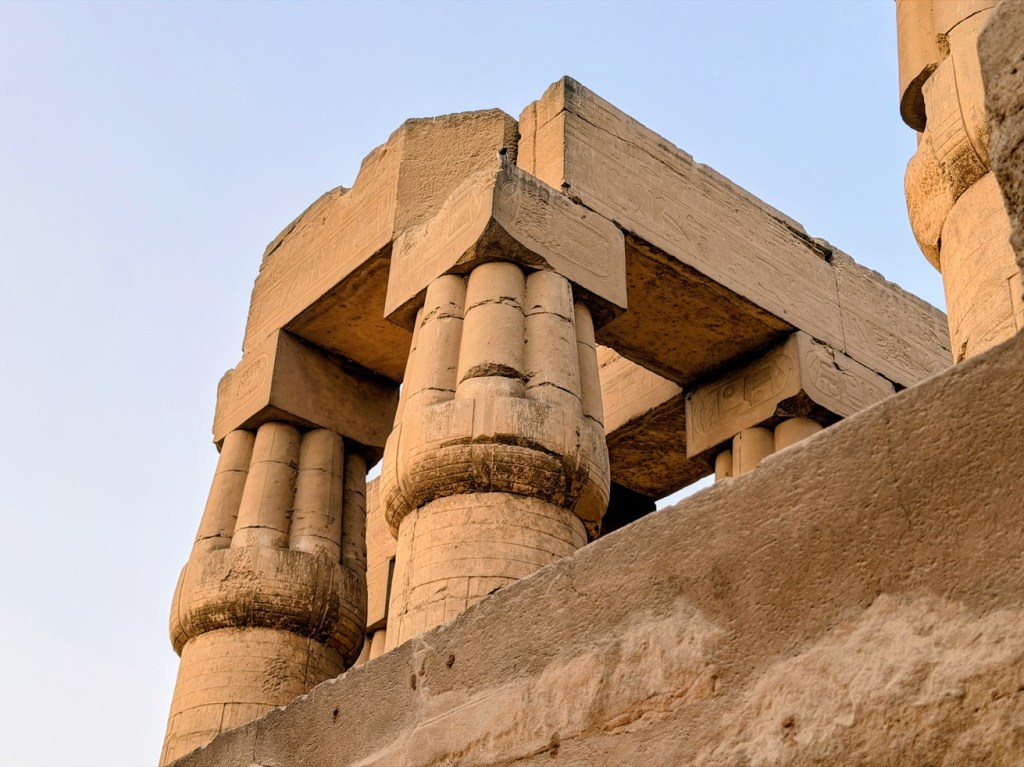
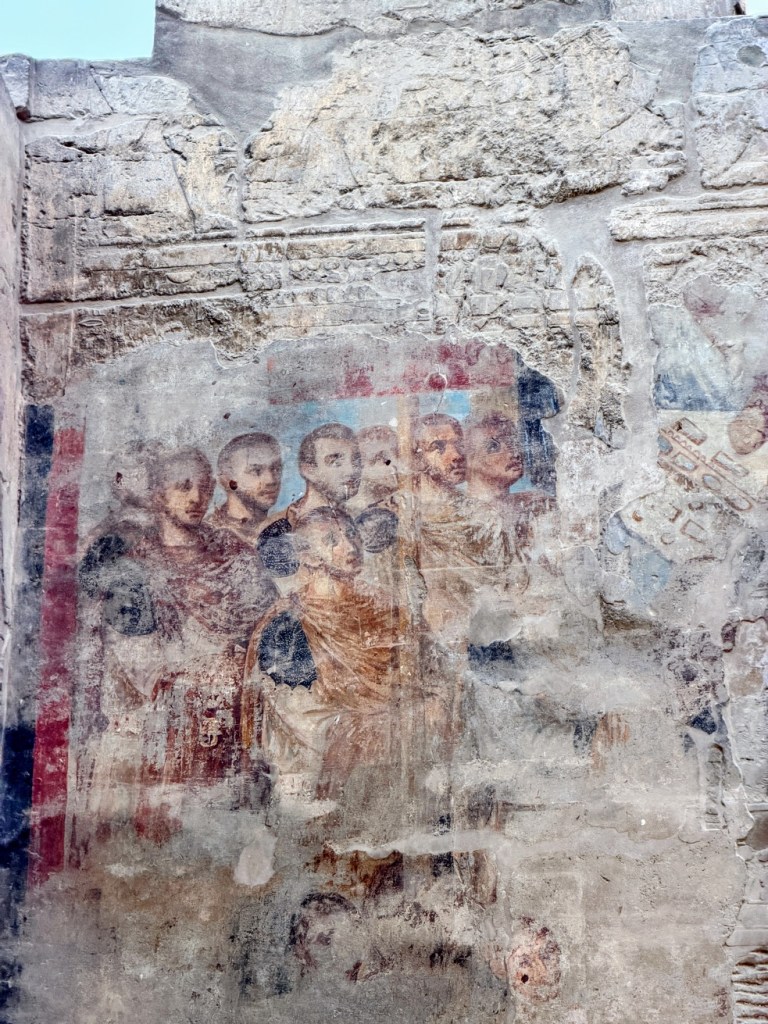
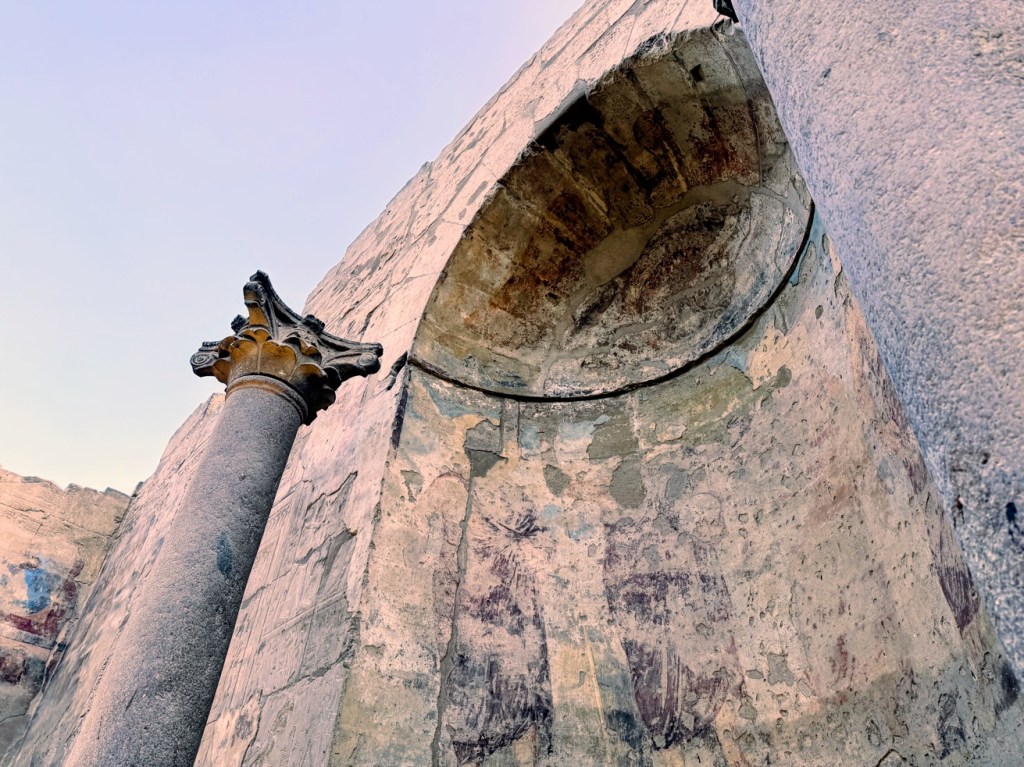
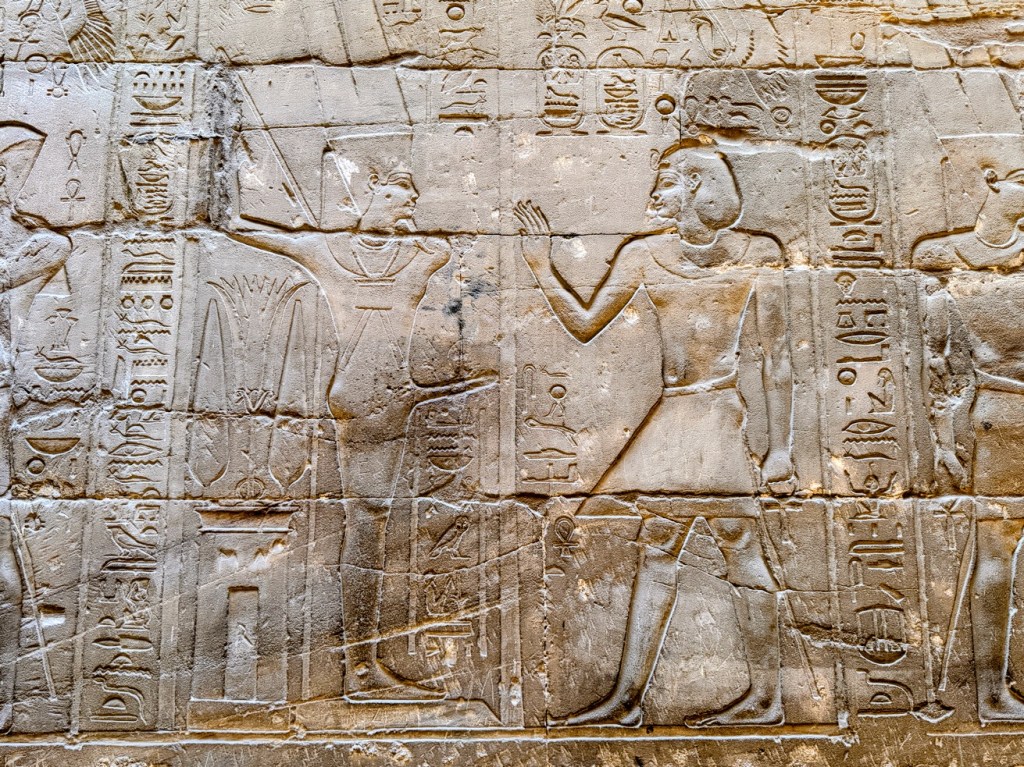
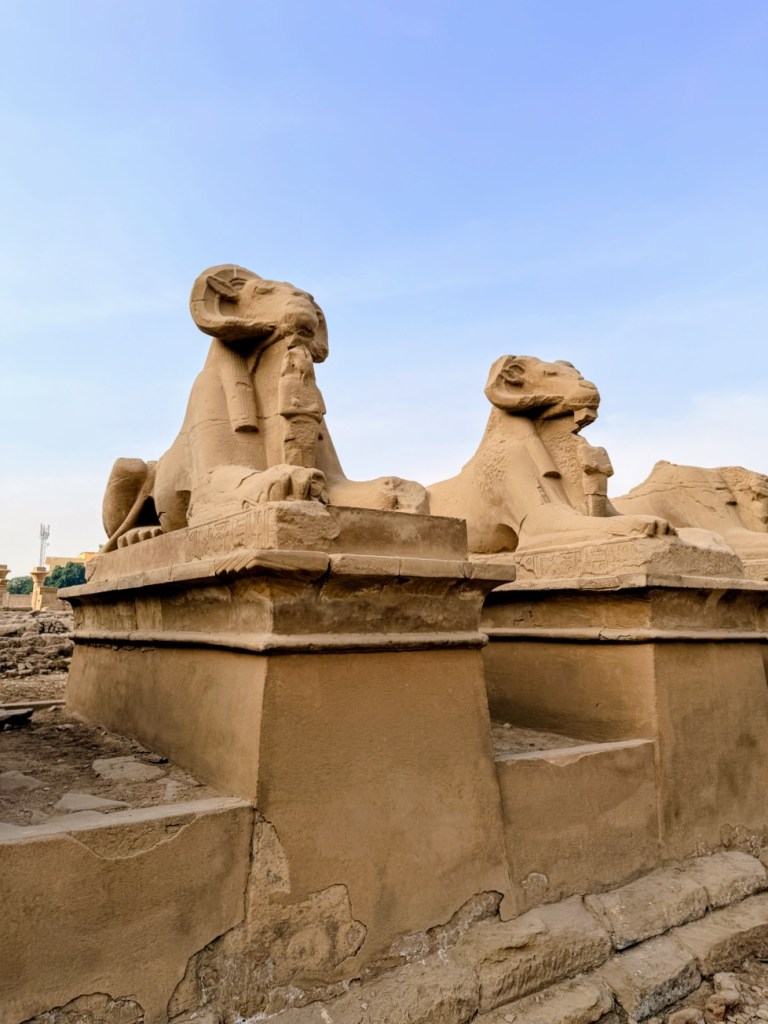
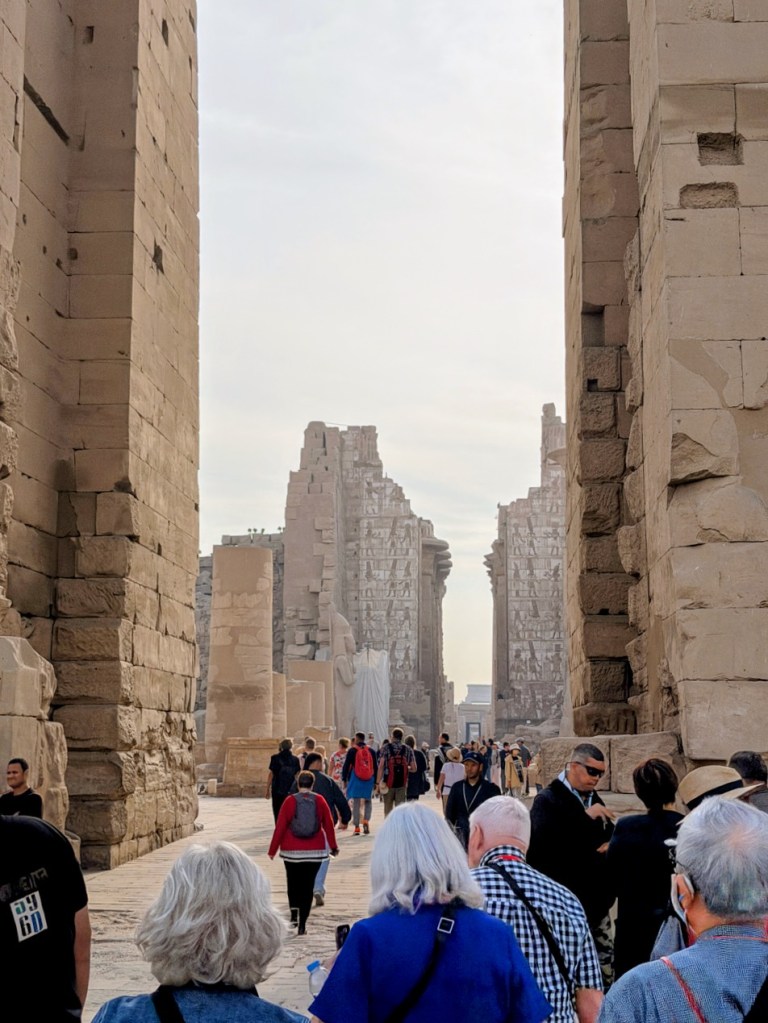
A morning flight brought us to Luxor, often described as the world’s greatest open-air museum. We visited Karnak Temple, a vast complex of towering columns, sacred lakes, and intricately carved reliefs that tell stories spanning centuries.
Later that day, we boarded the MS Medea, our Nile cruise ship—and wow. Newly renovated, beautifully designed, and impeccably maintained, the ship felt both elegant and comfortable. The staff was outstanding, and it quickly became our floating home for the next several days.

Days 9–15: Sailing the Nile

As we sailed south, each day brought new wonders:

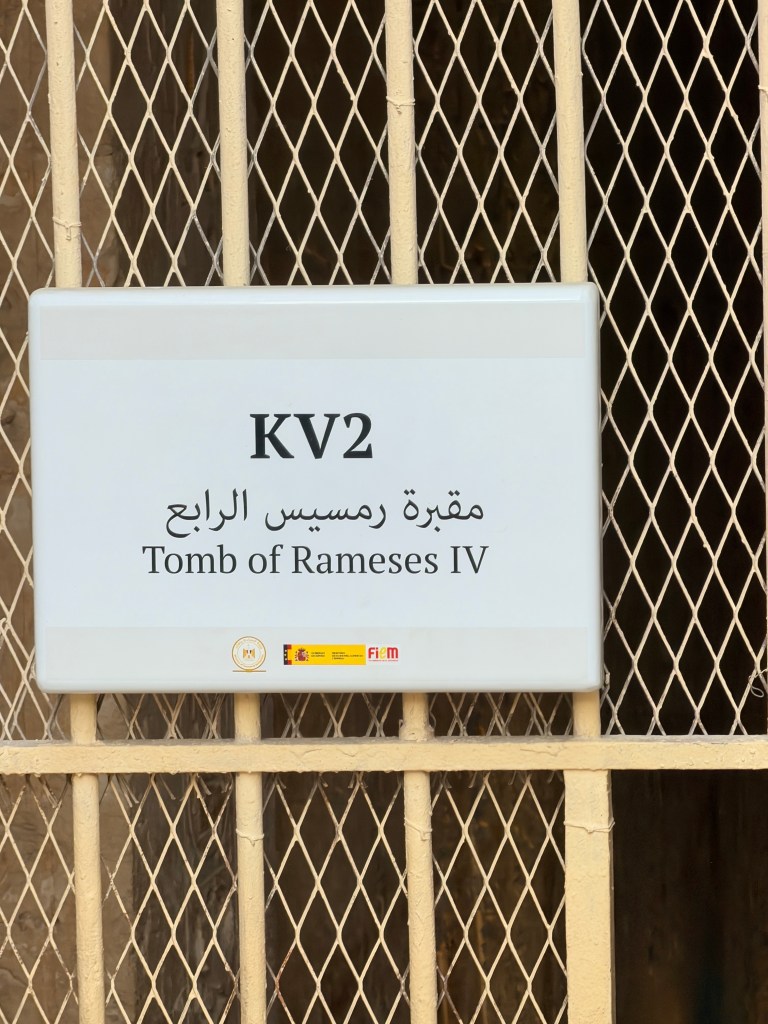
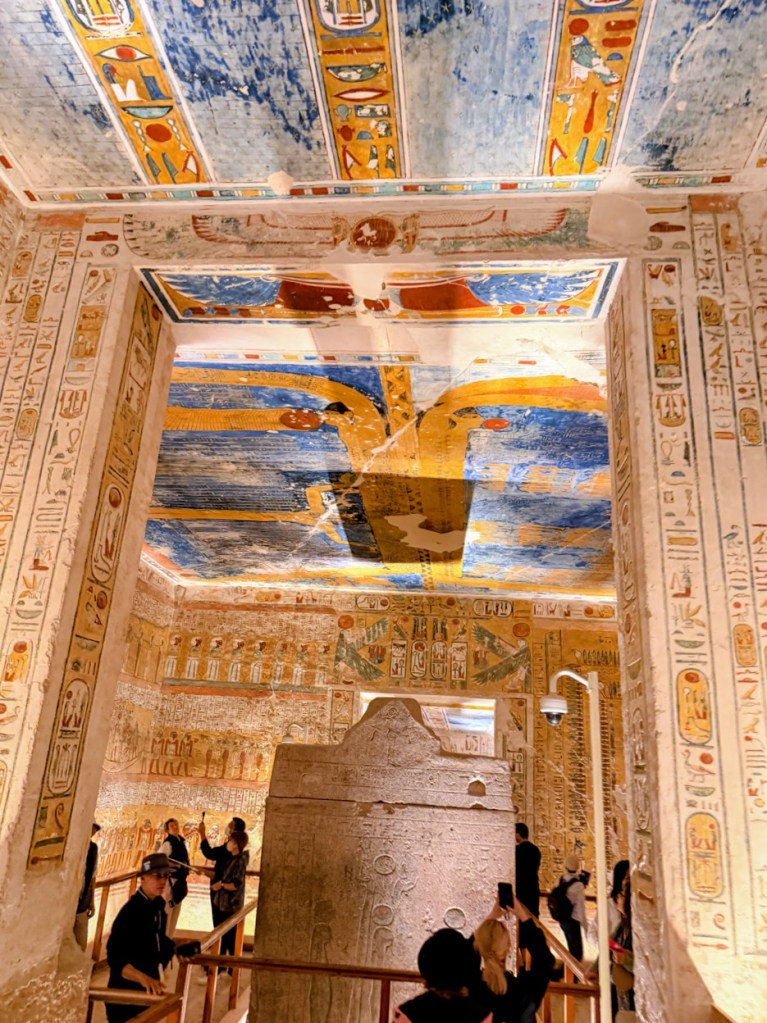
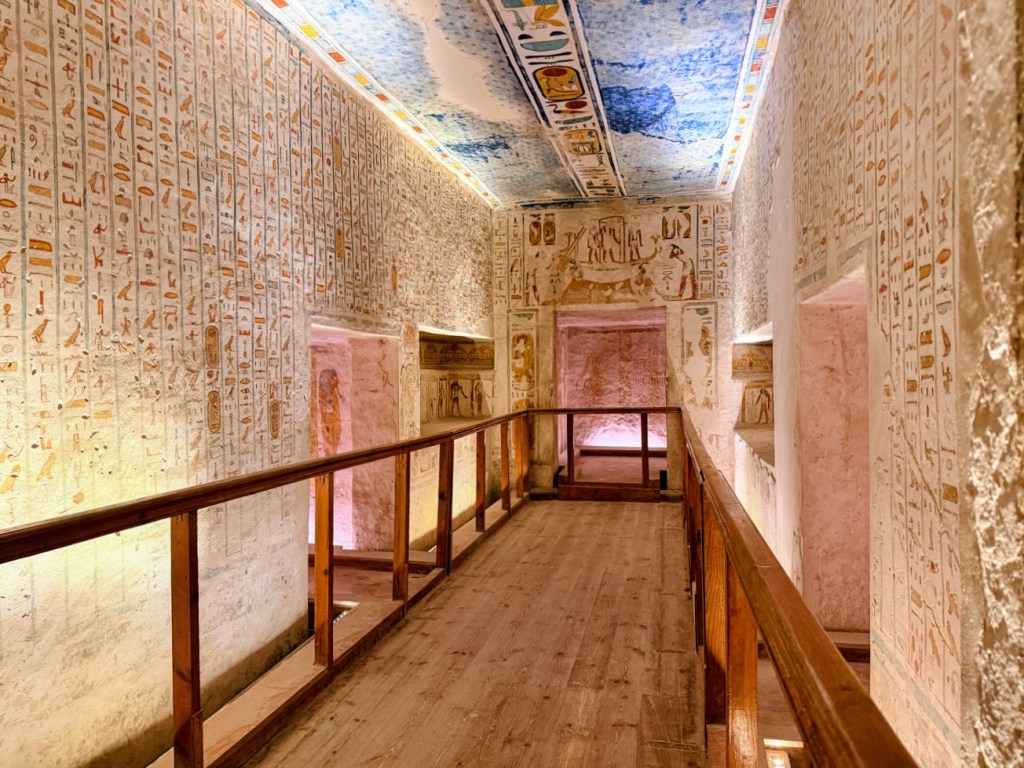
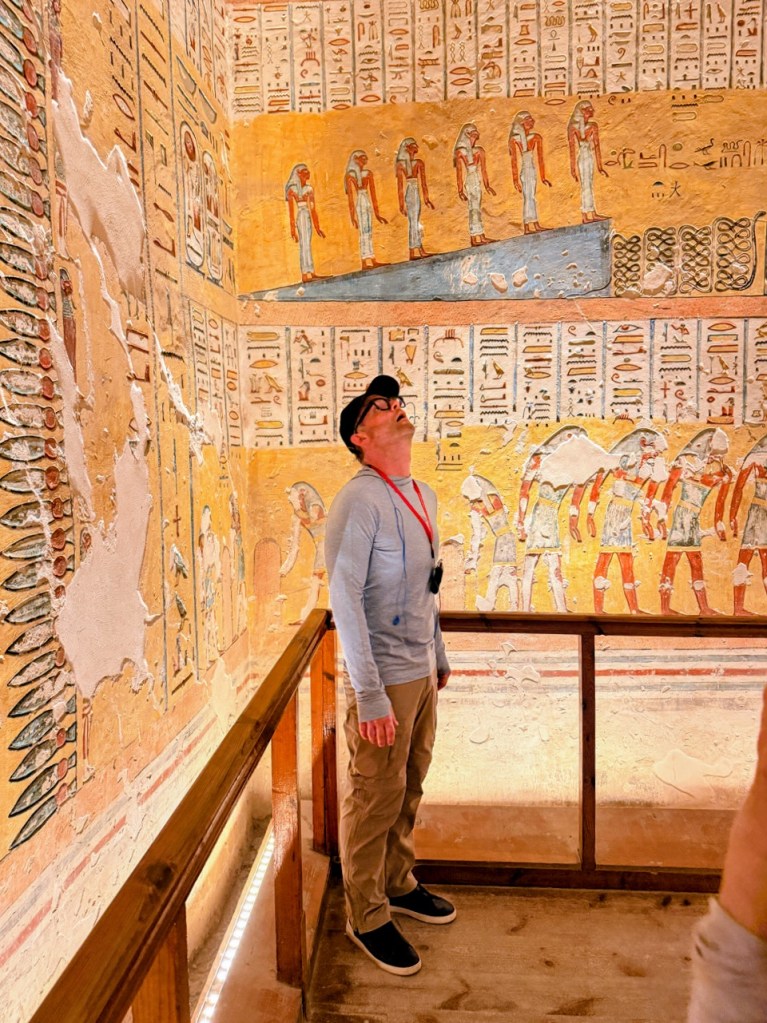
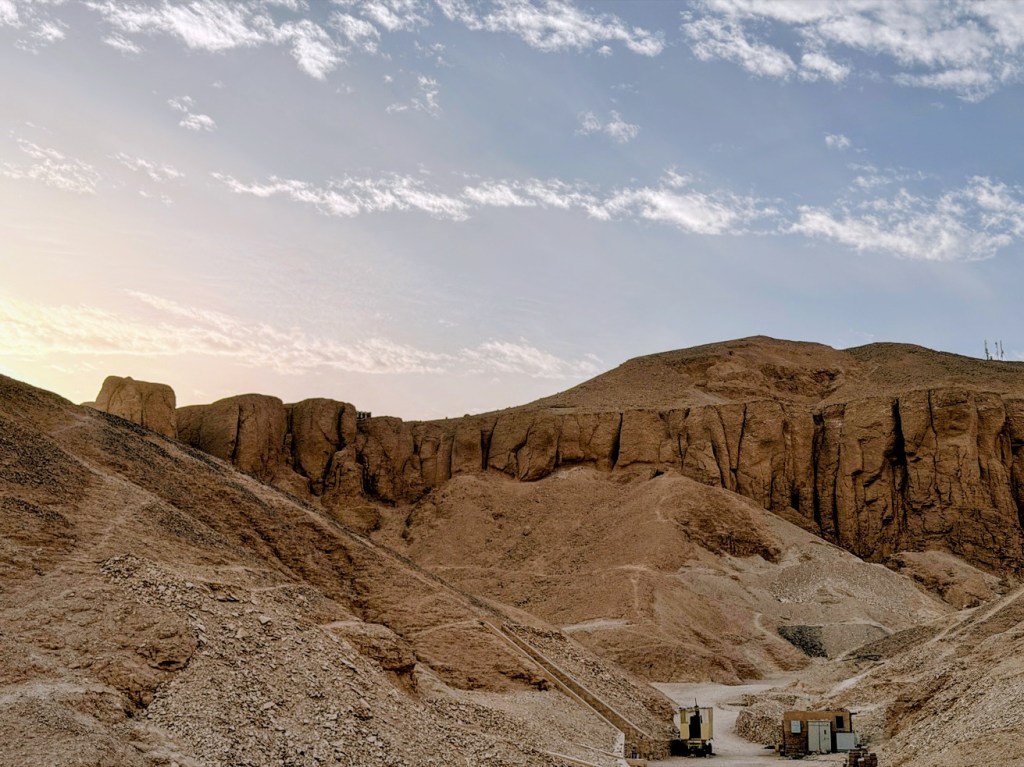
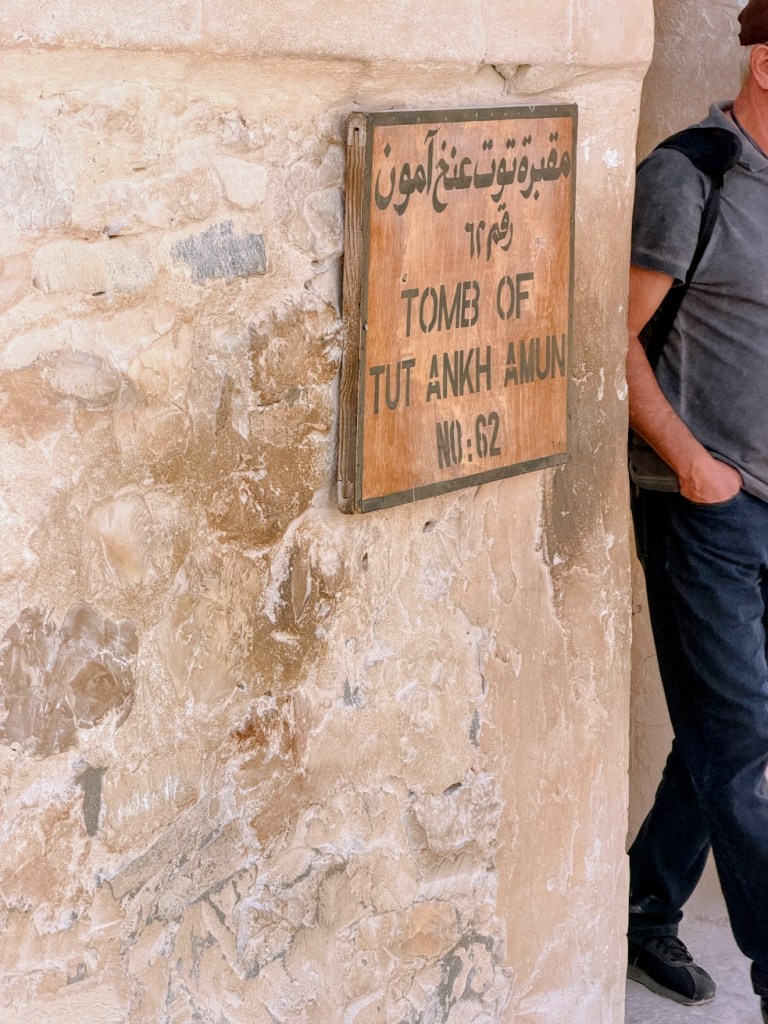
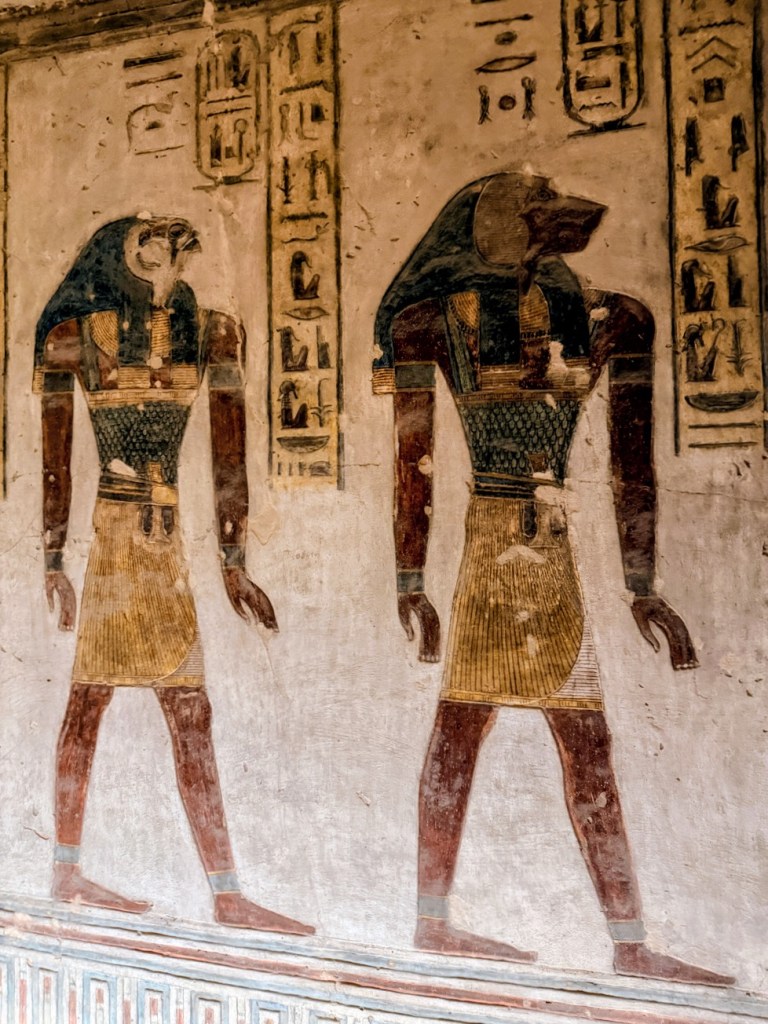
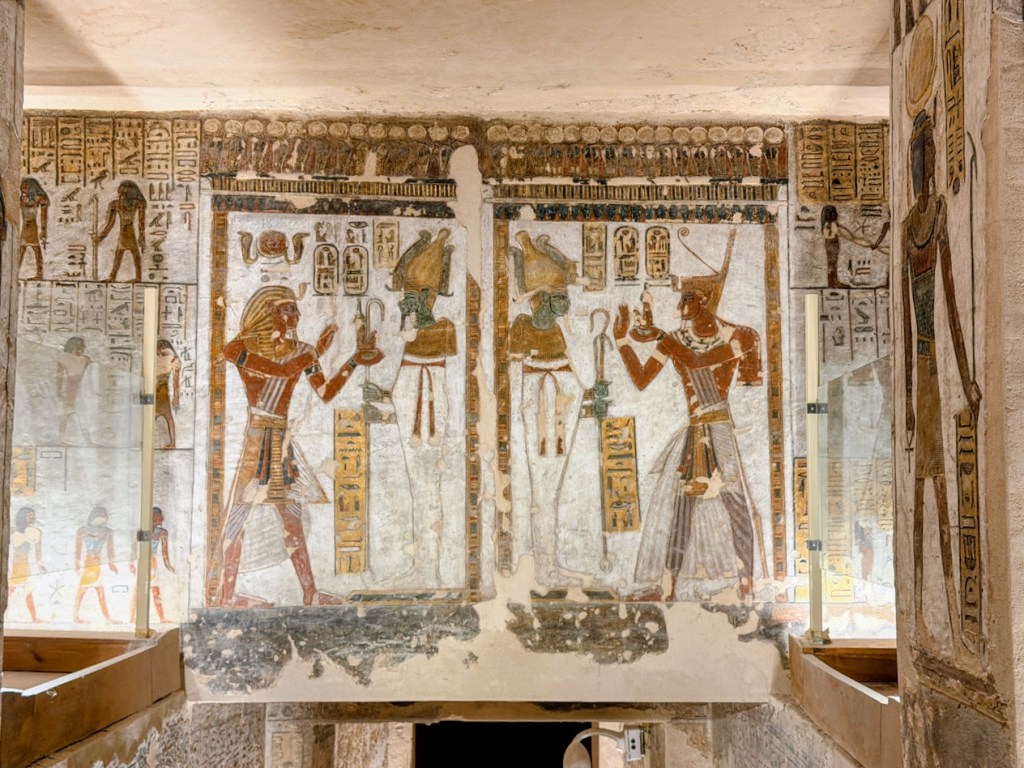
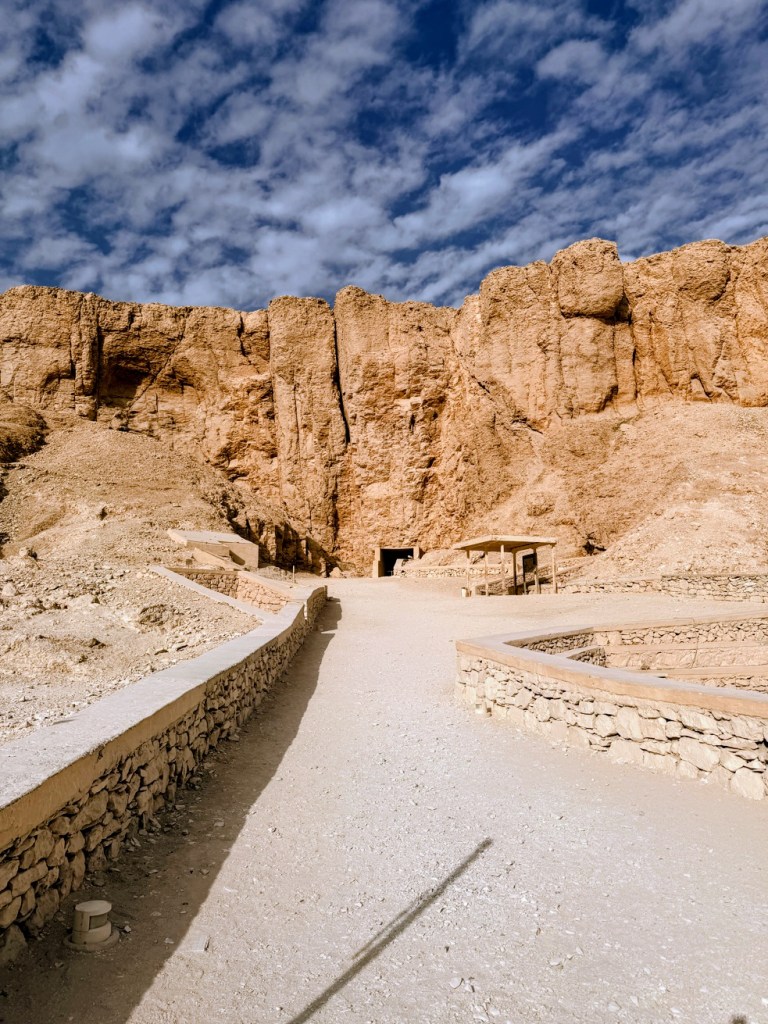
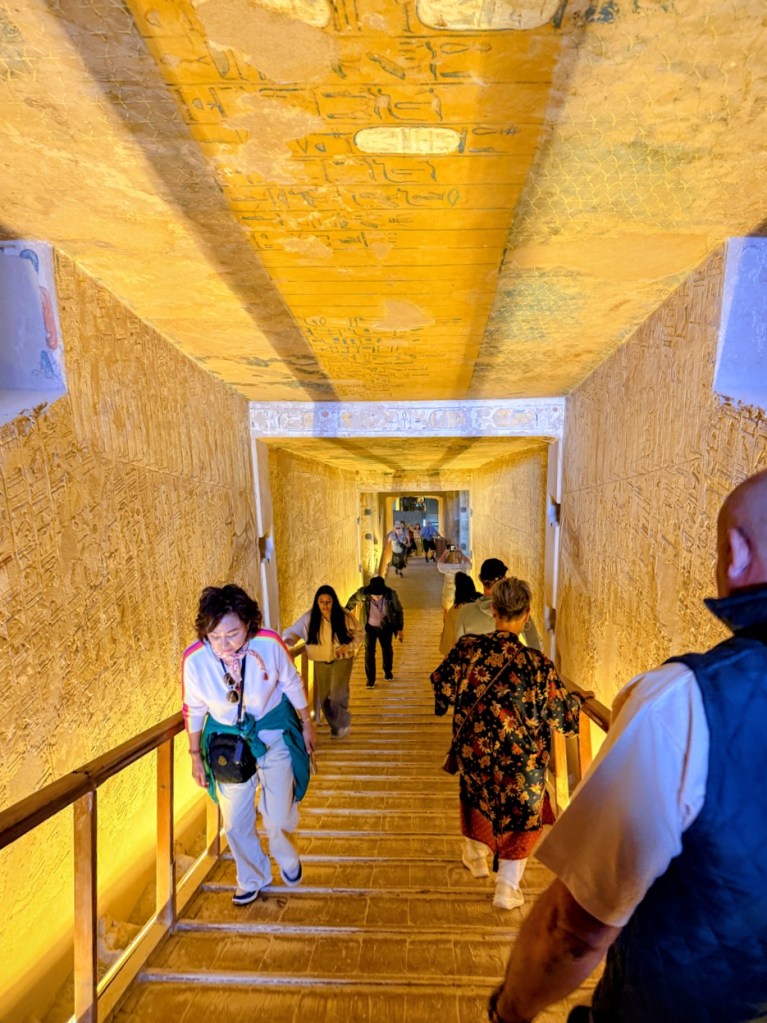
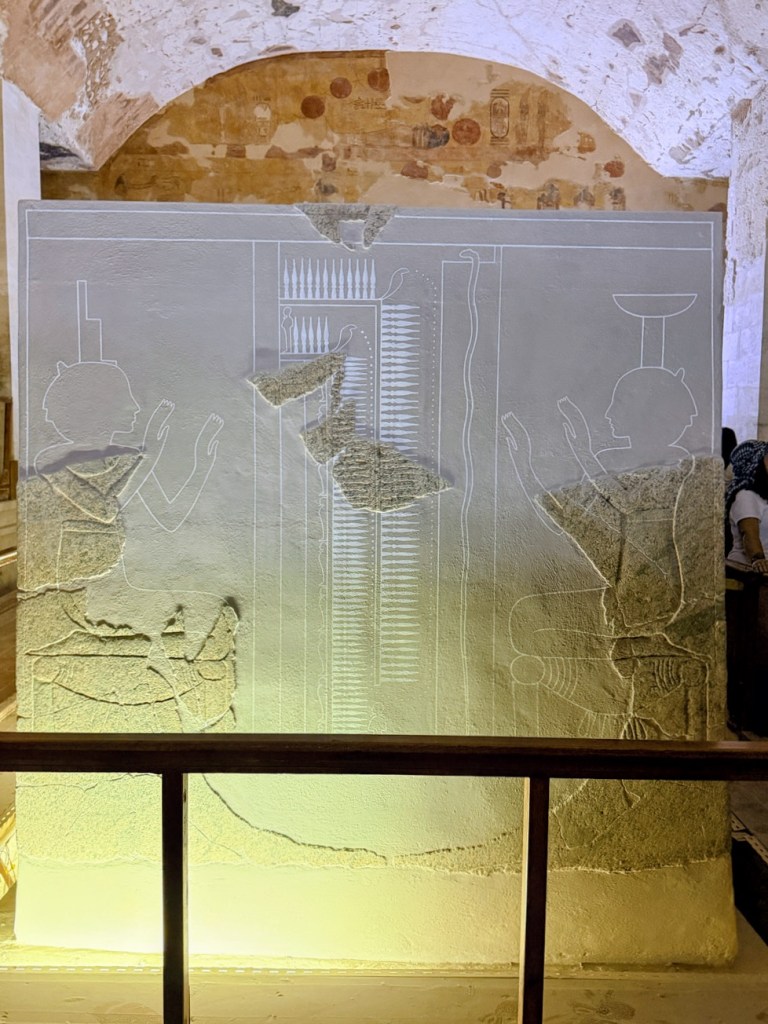
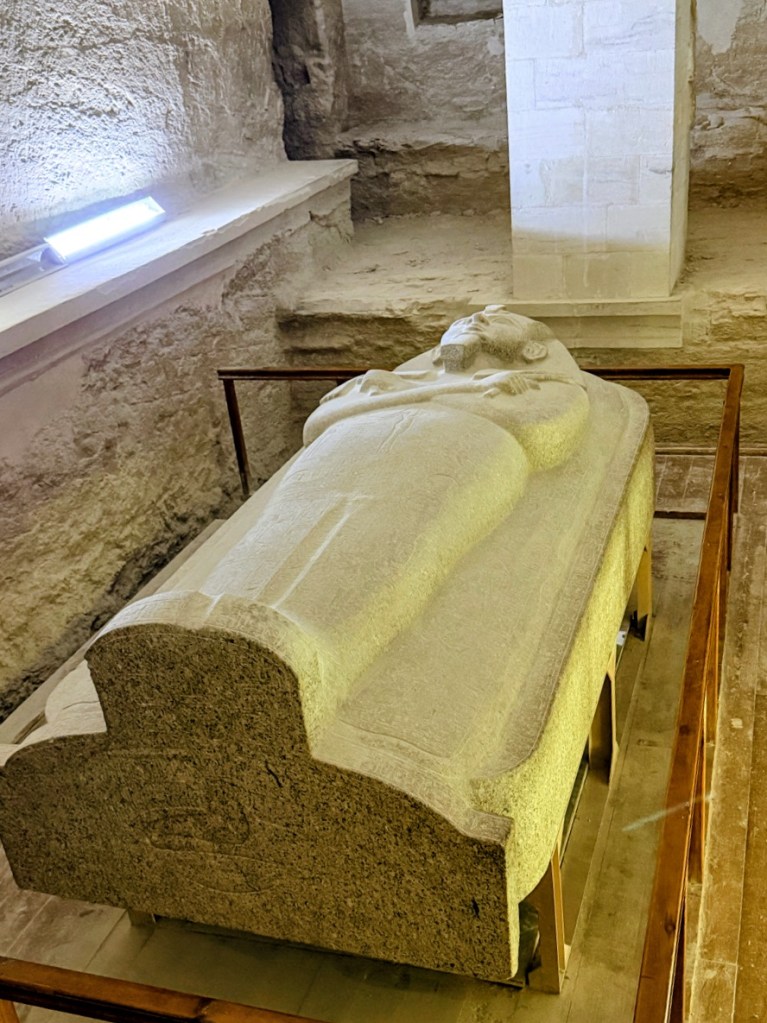
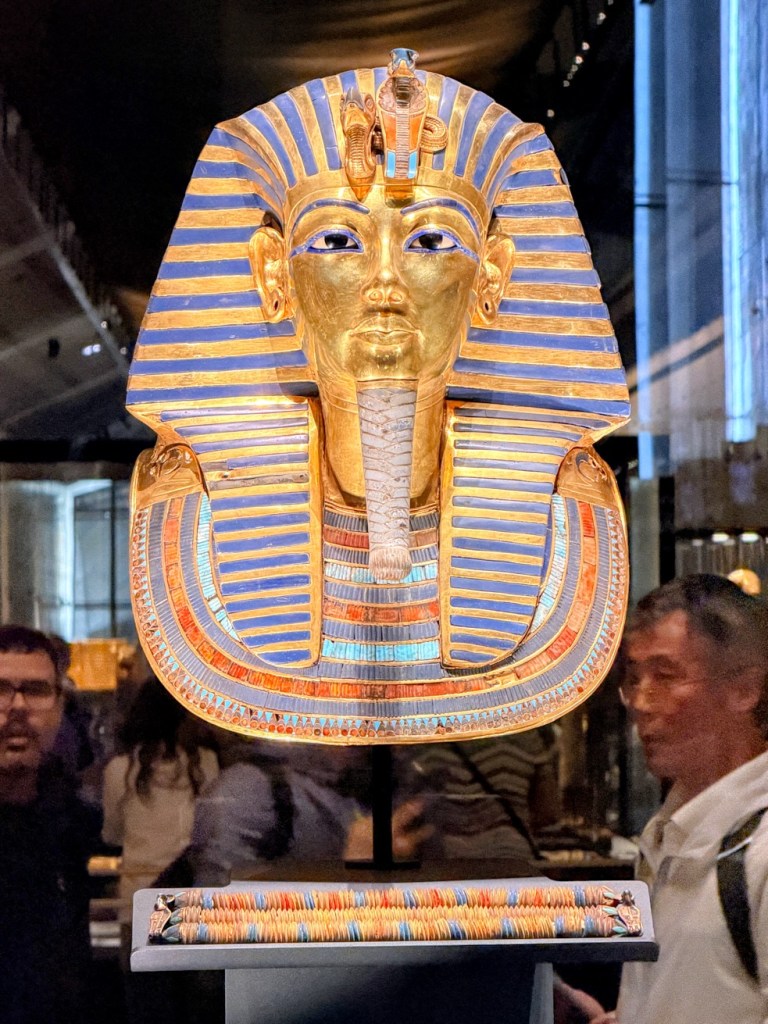
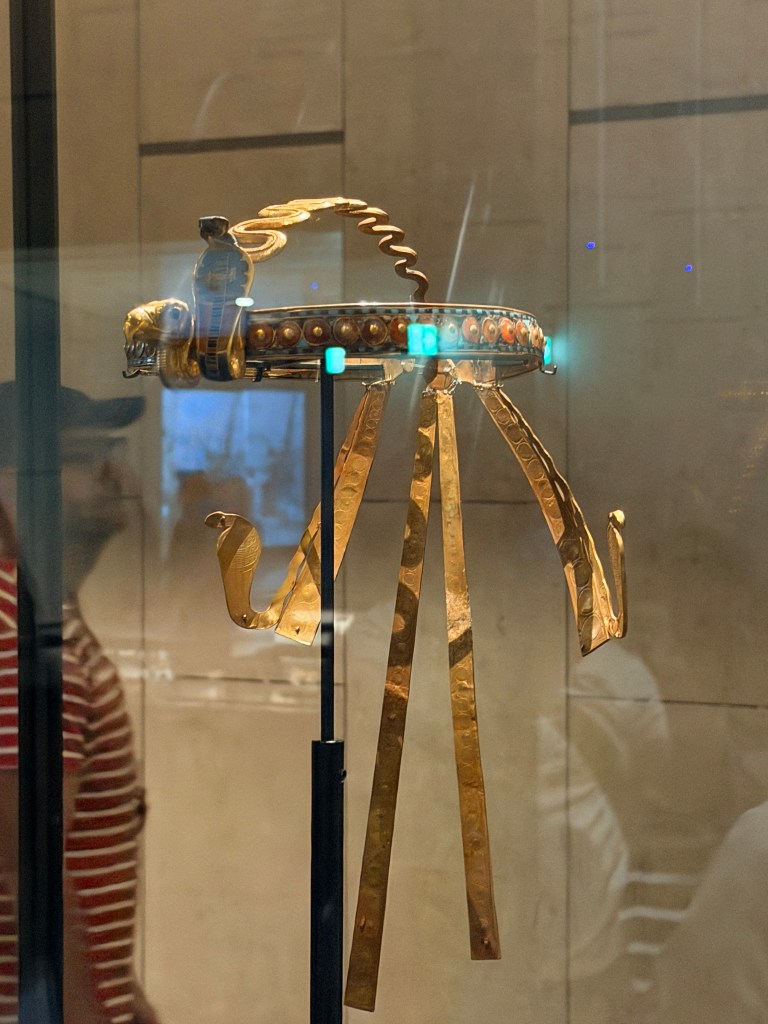
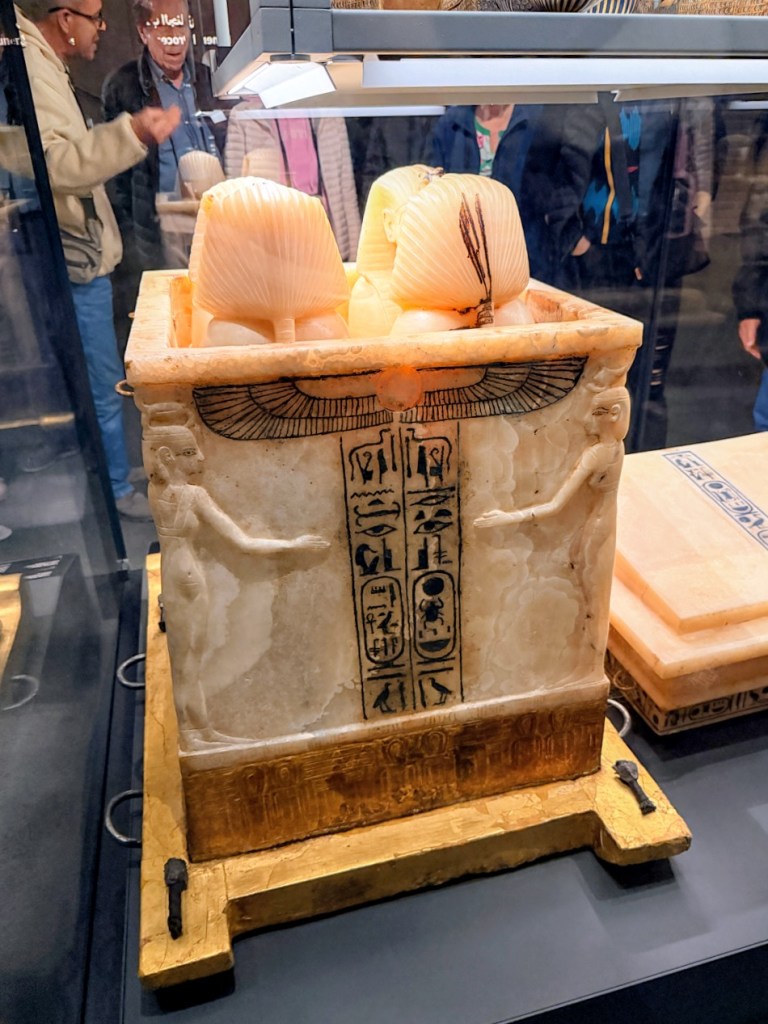
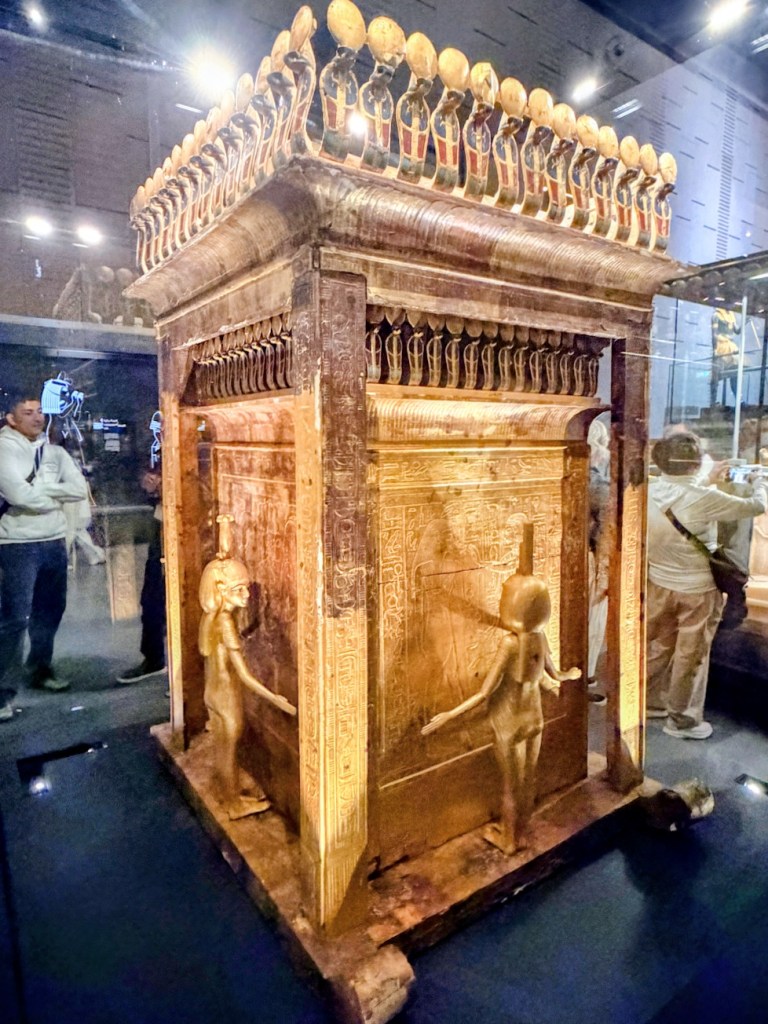
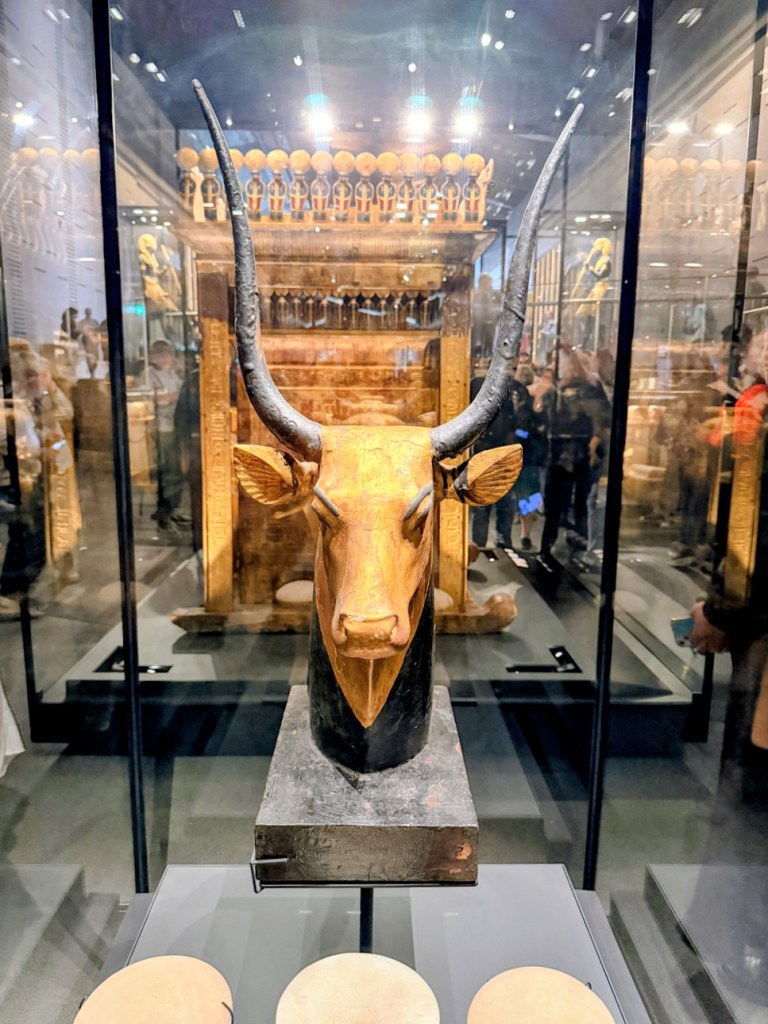
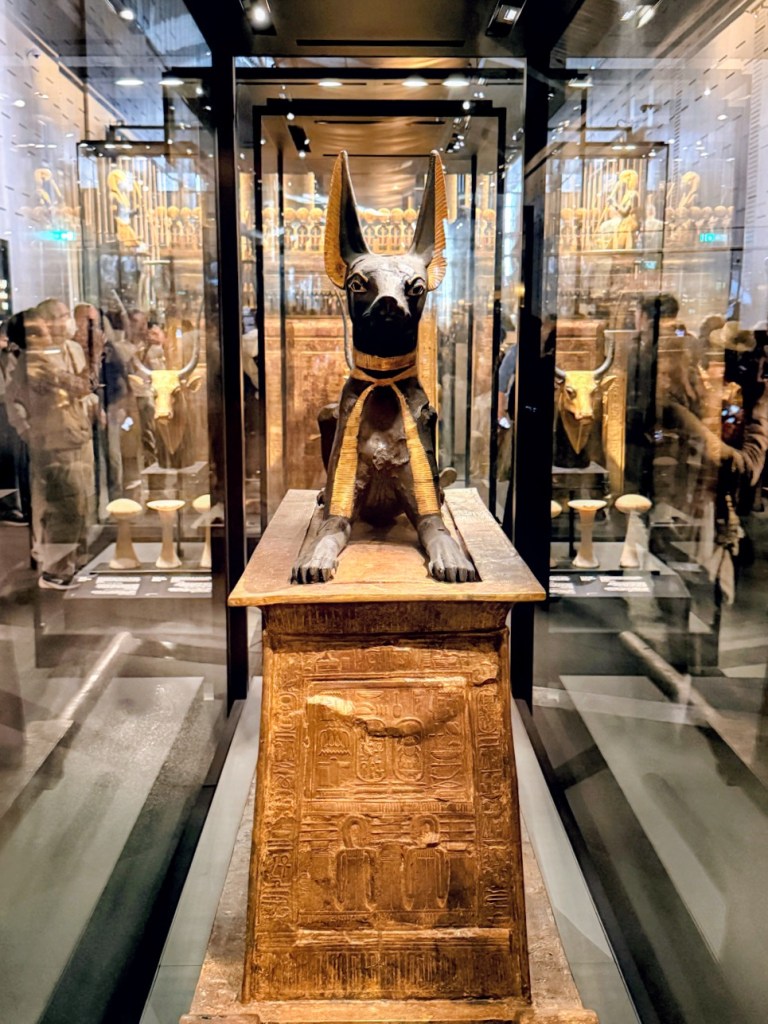
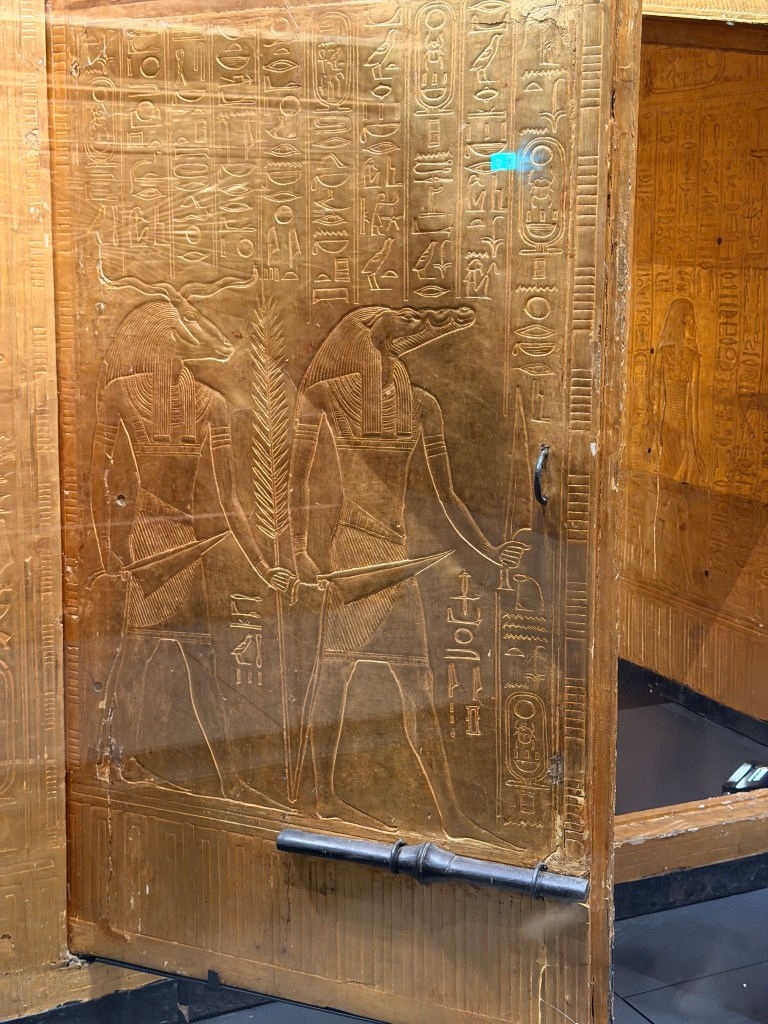
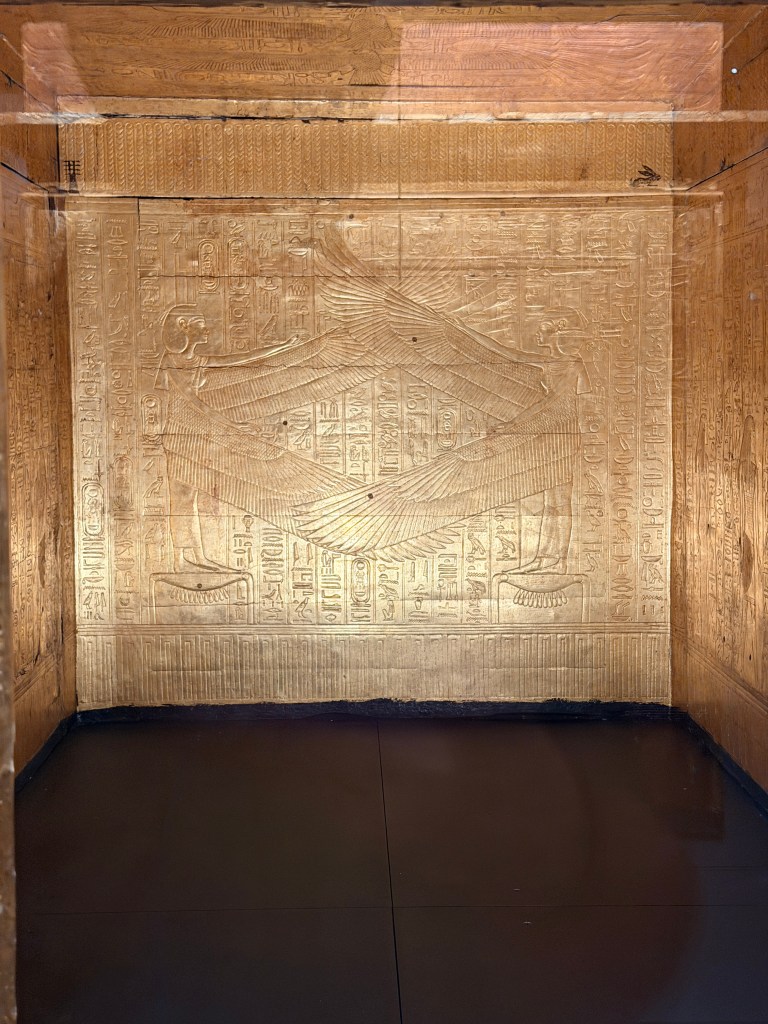
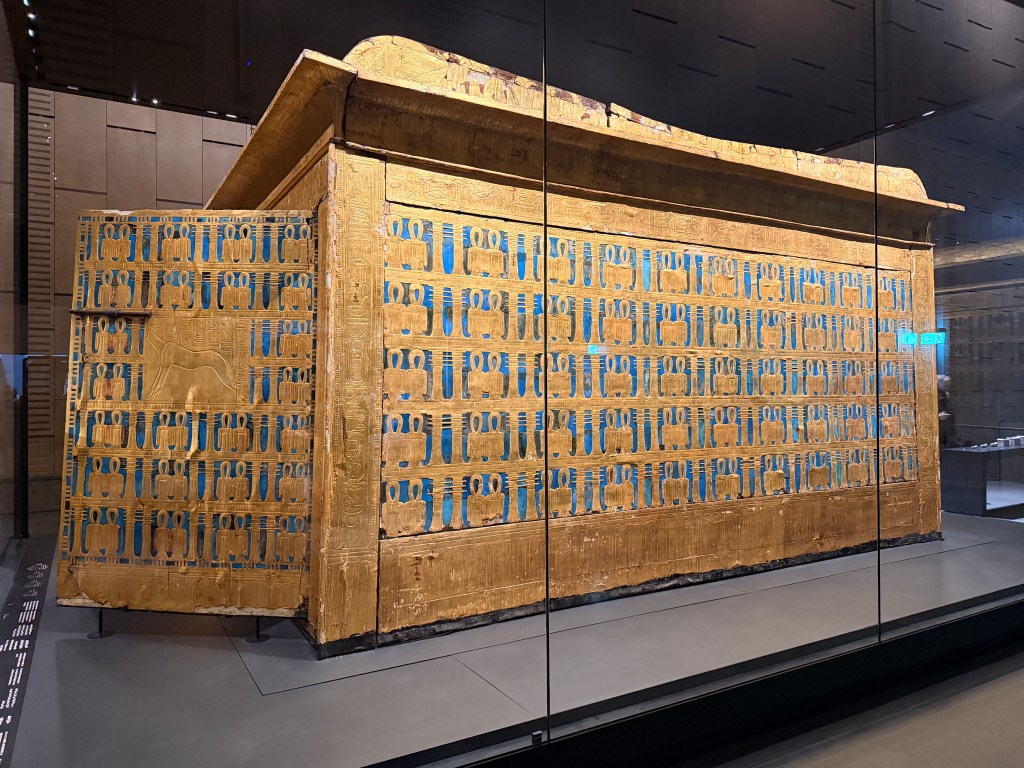
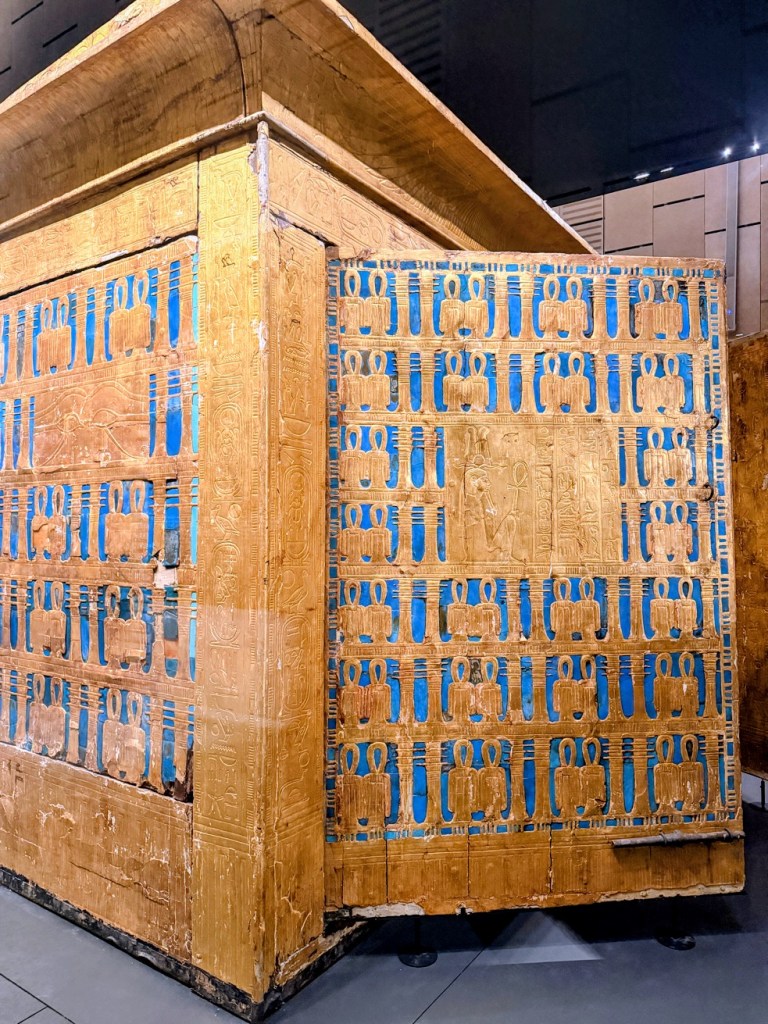
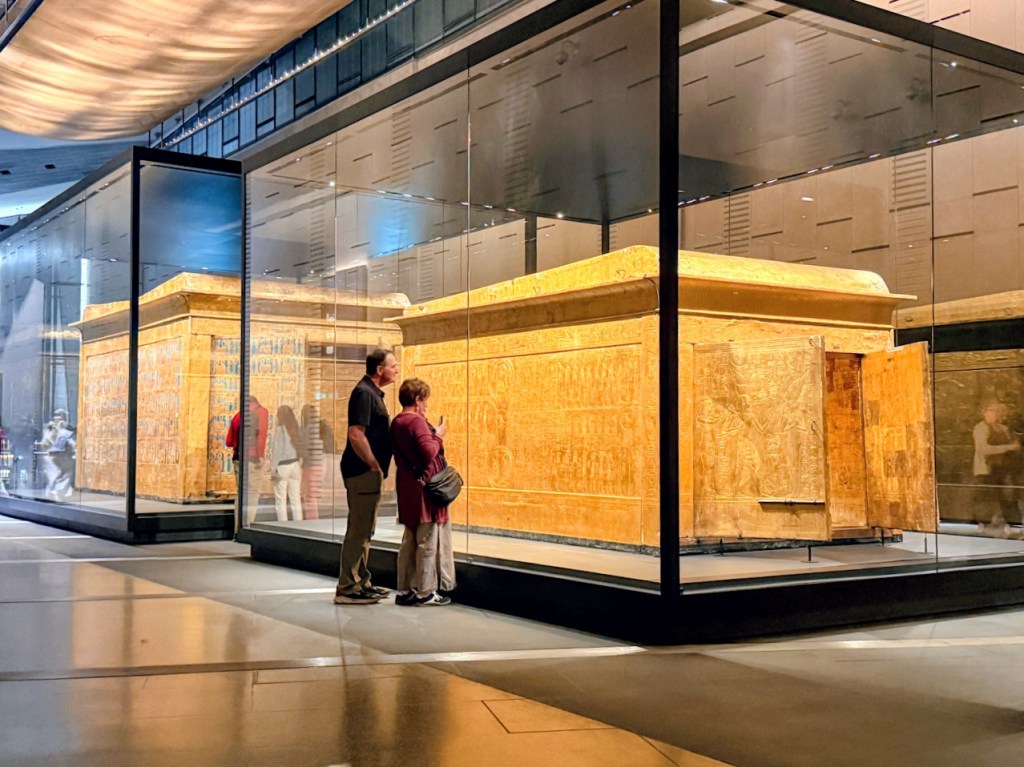
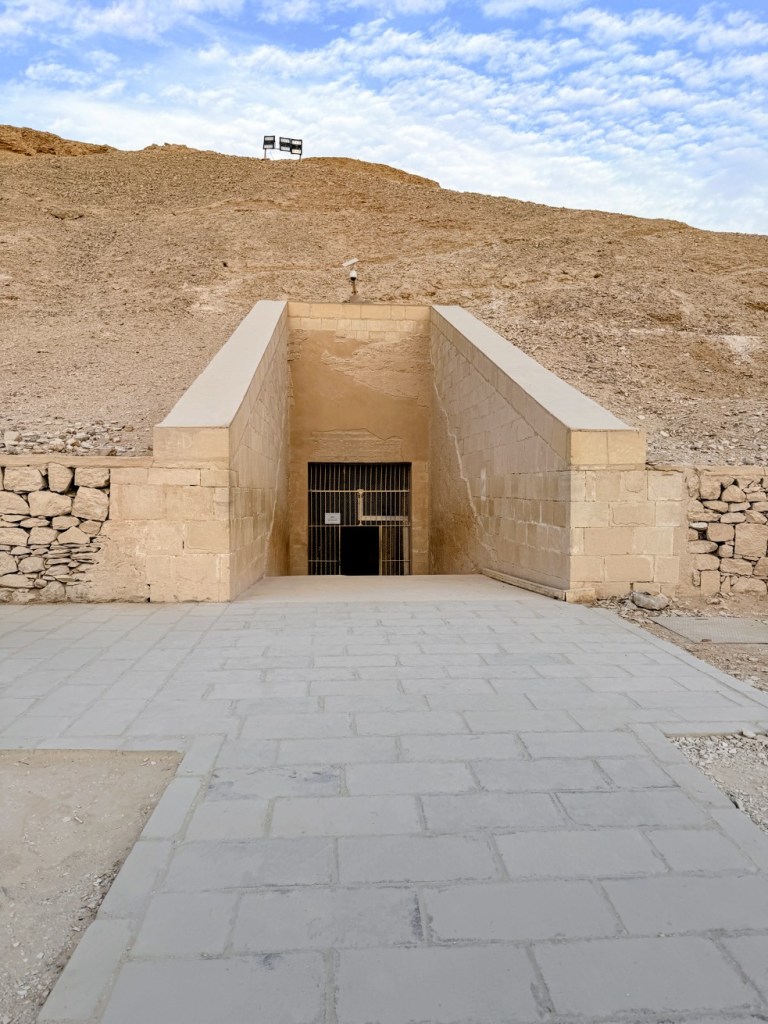
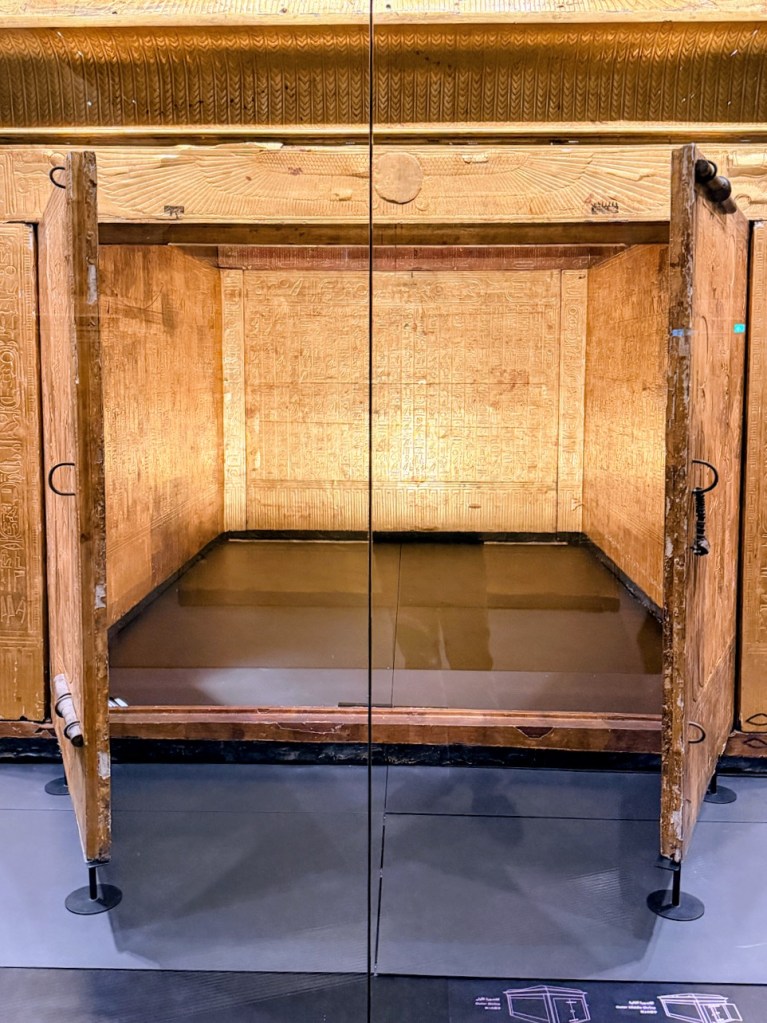
  • The Valley of the Kings, burial place of Egypt’s most powerful pharaohs and home to King Tutankhamun’s tomb. Considering our guide’s insights, we skipped entering King Tut’s tomb, as it is one of the smallest and most crowded in the valley. His treasures, however, would later be seen at the Grand Egyptian Museum.
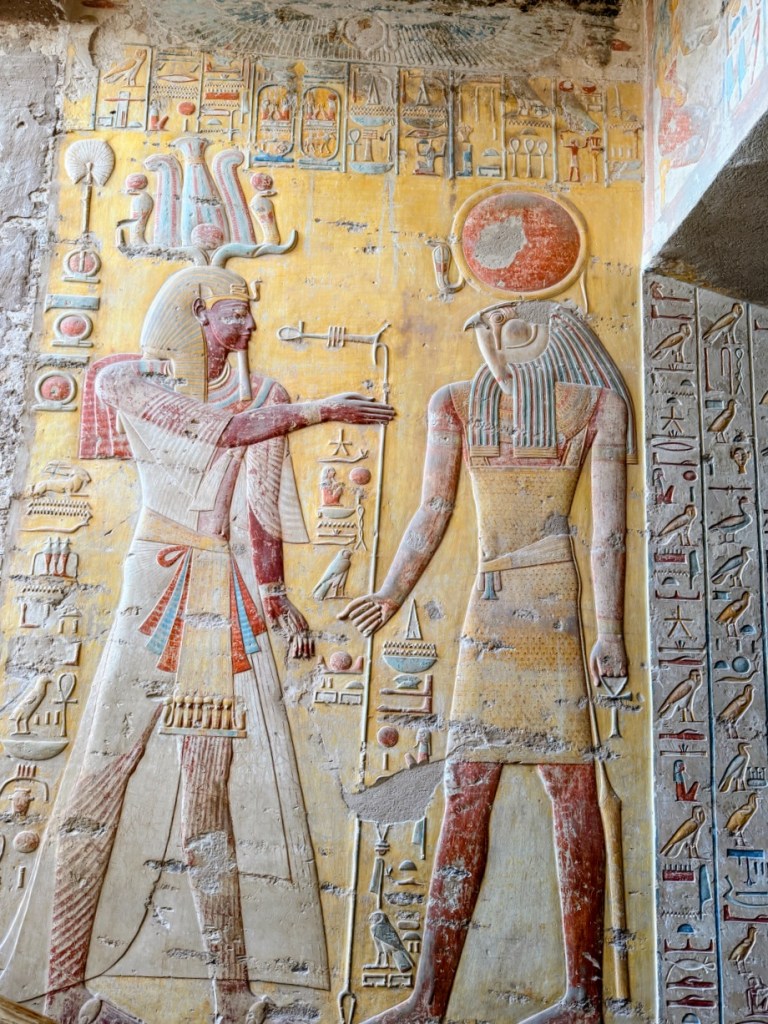
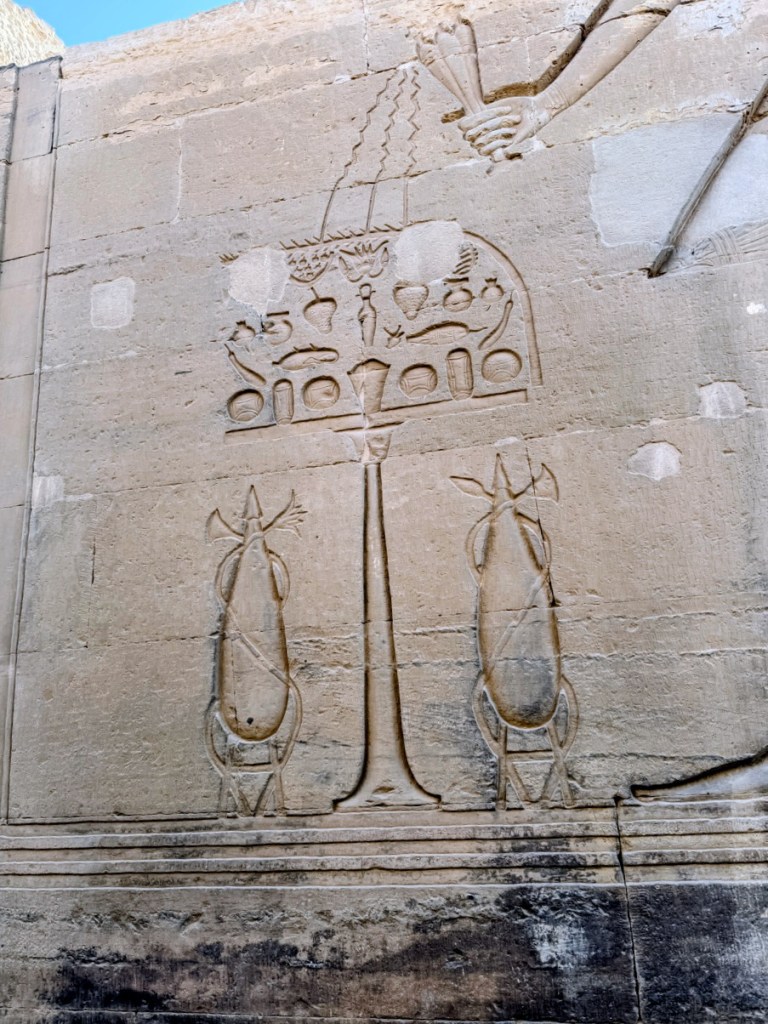
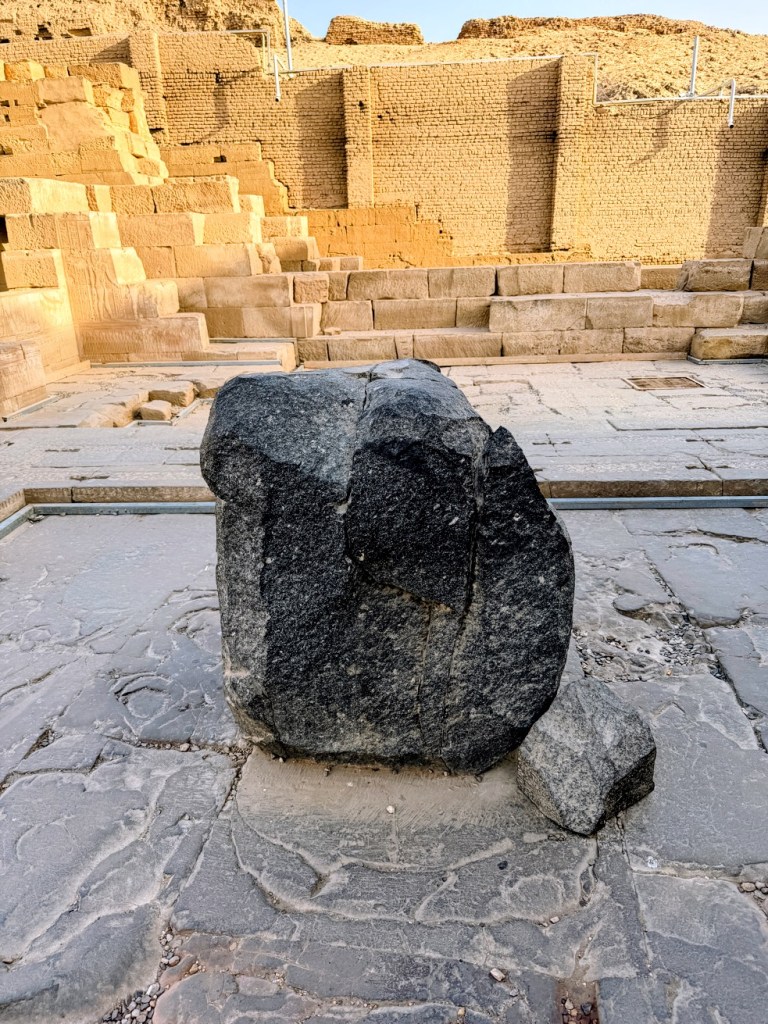
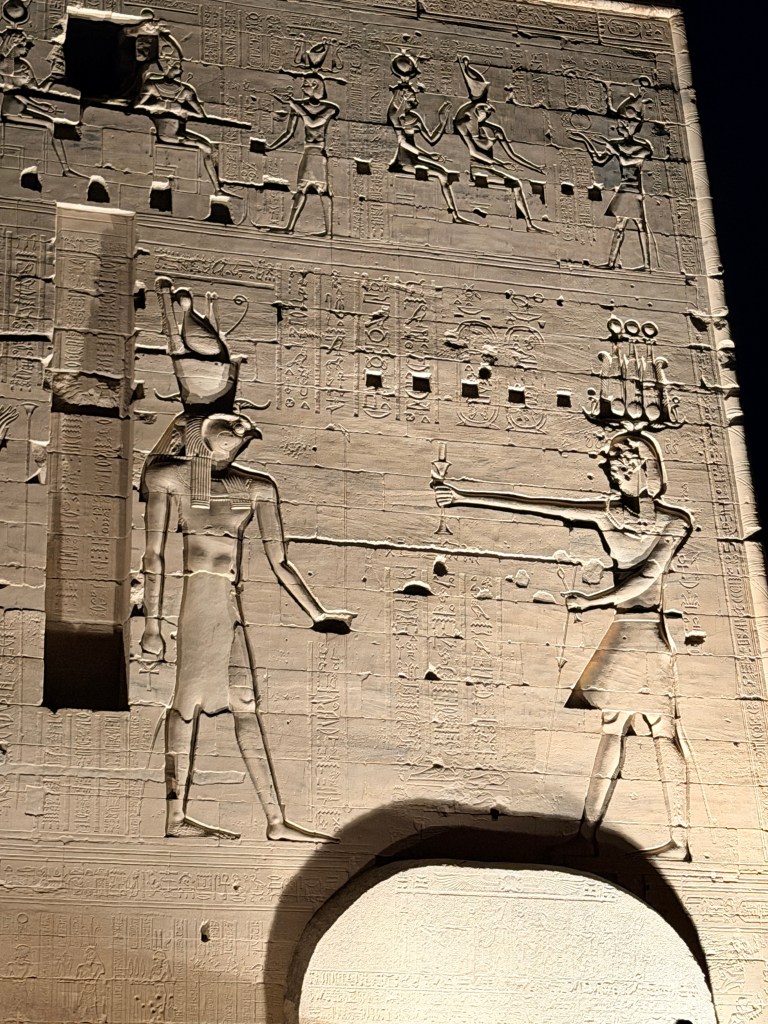
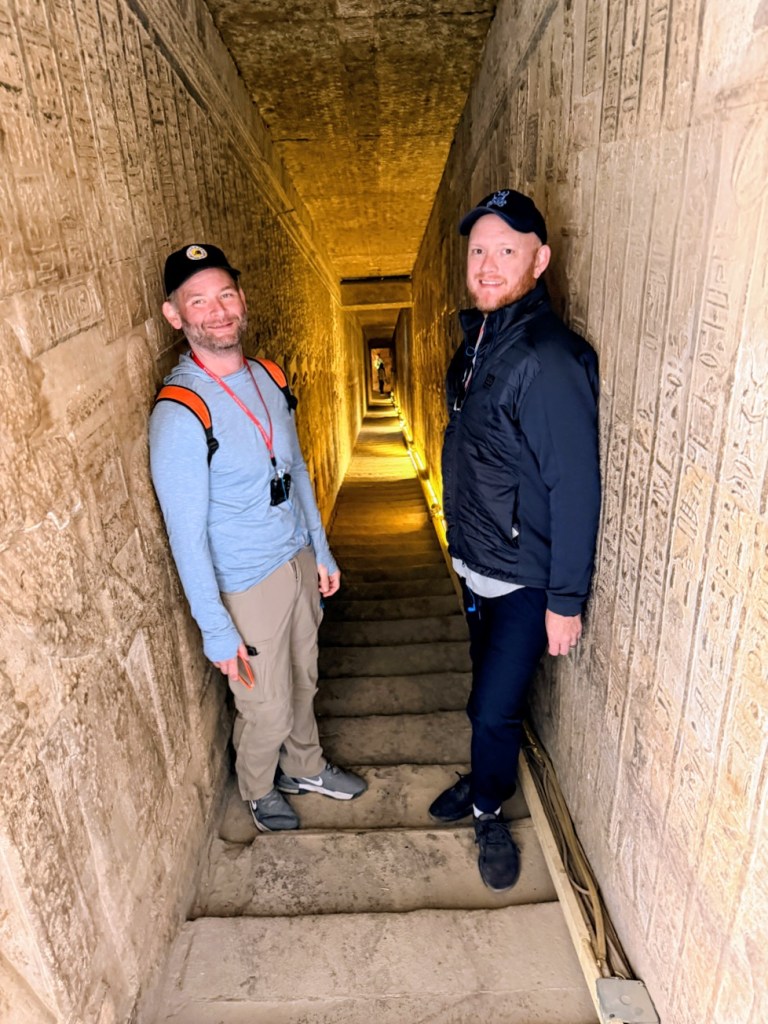
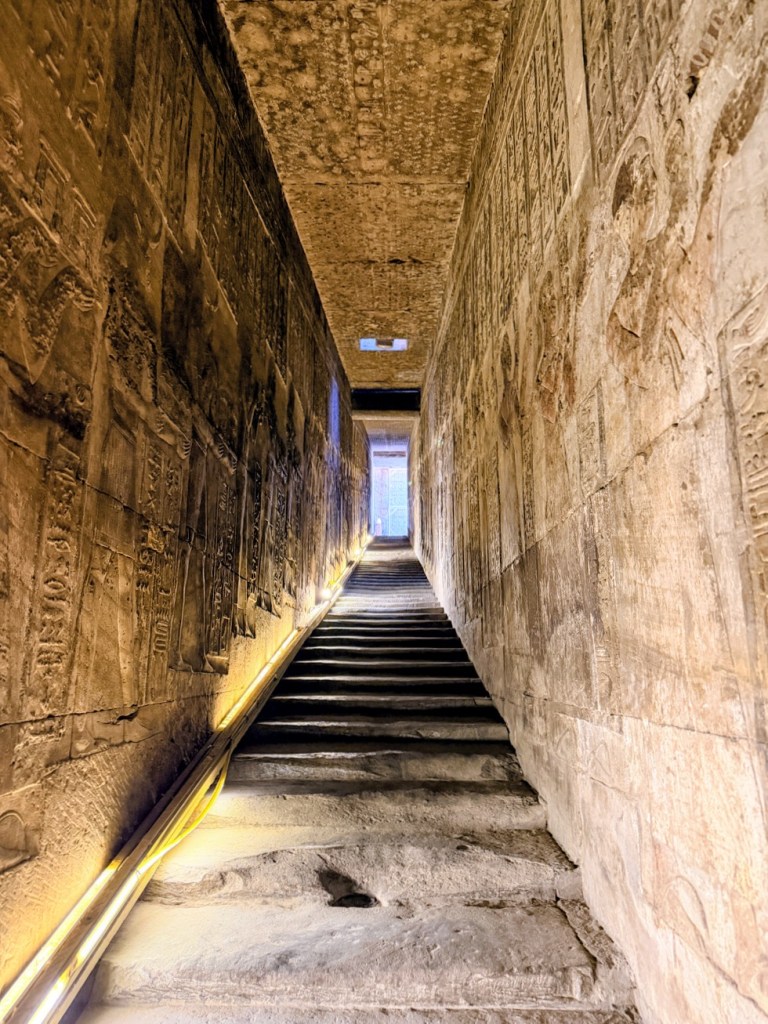
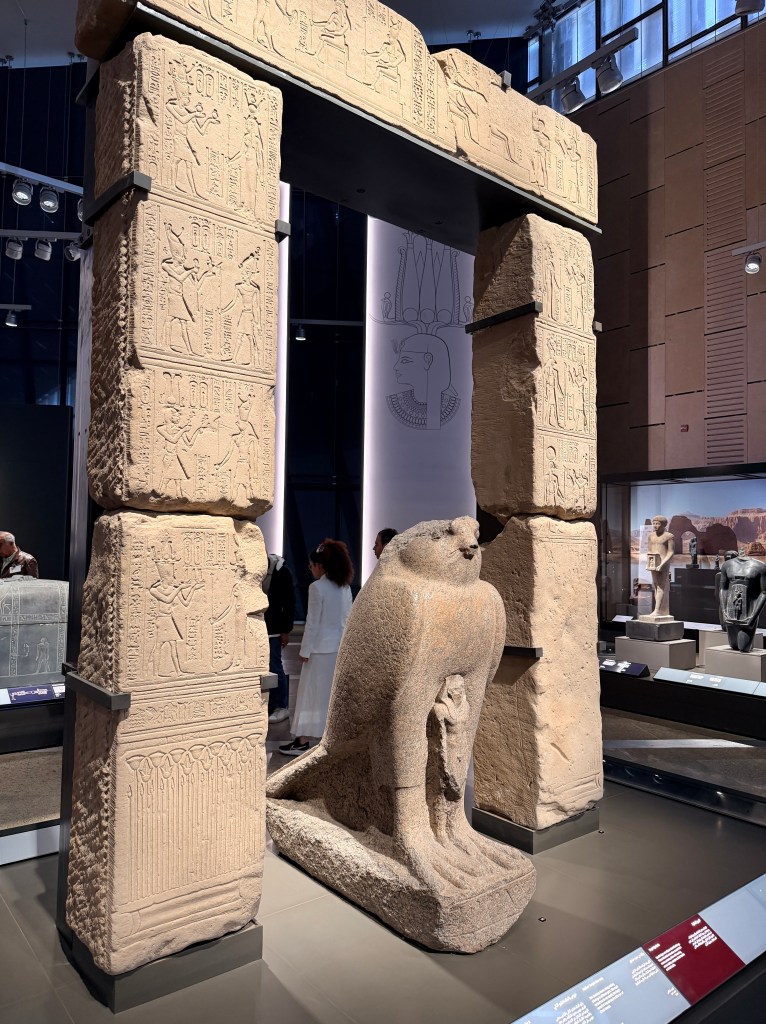
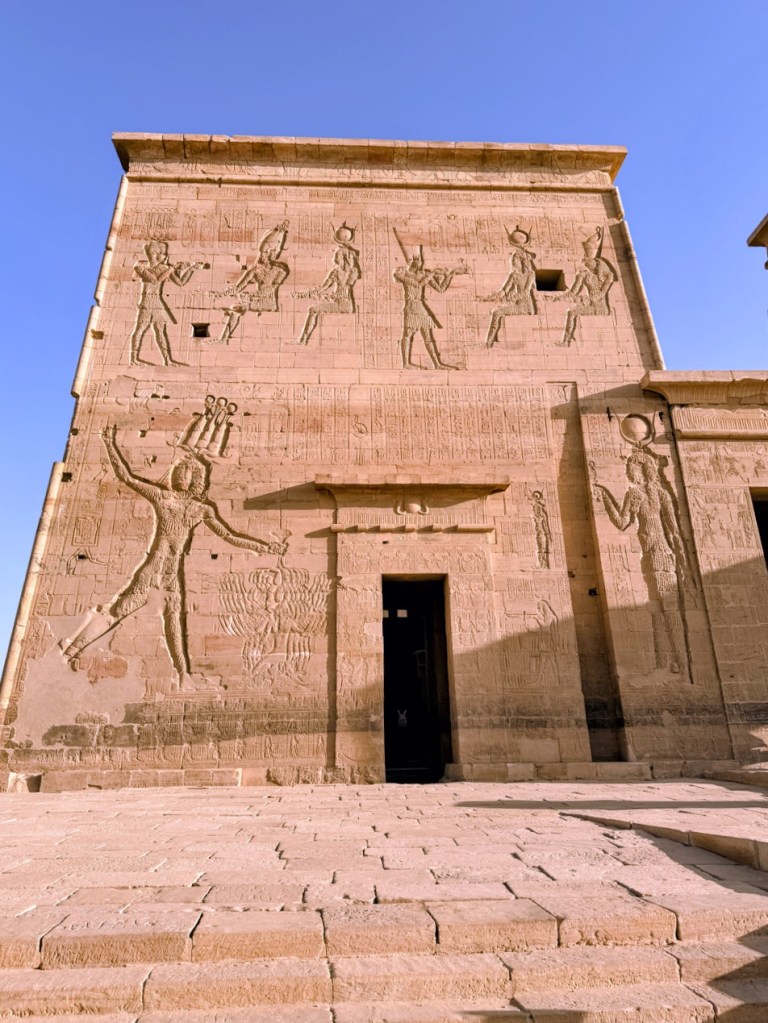
  • Edfu Temple, dedicated to Horus, one of the best-preserved temples in Egypt, featuring massive pylons and remarkably detailed carvings.
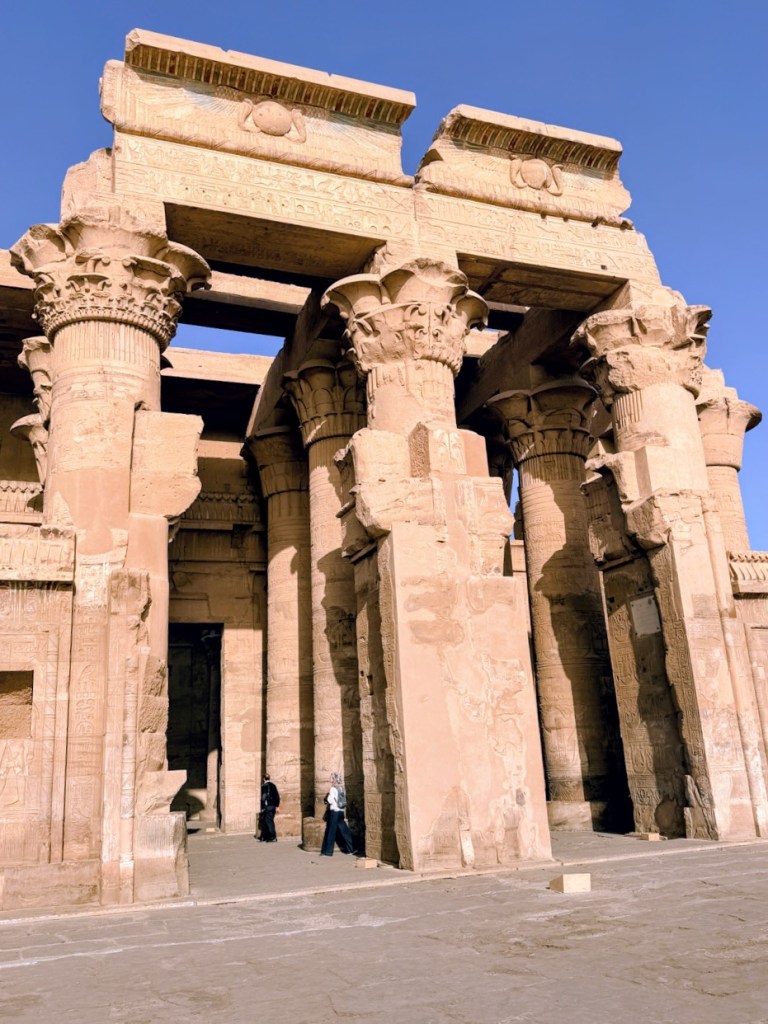
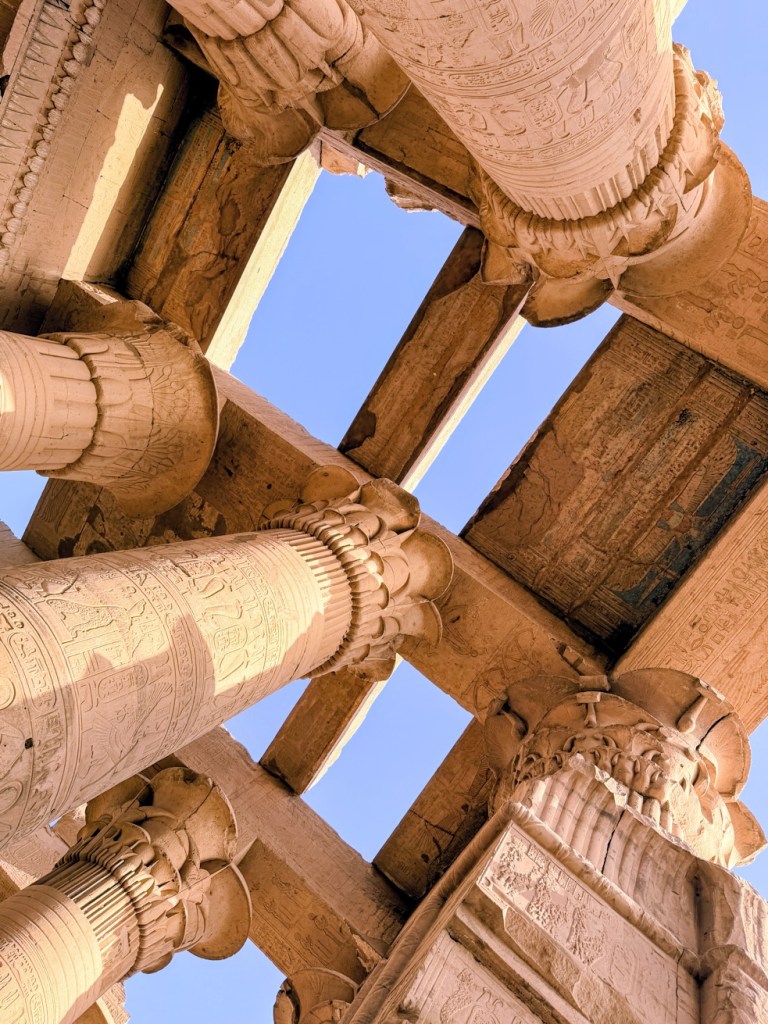
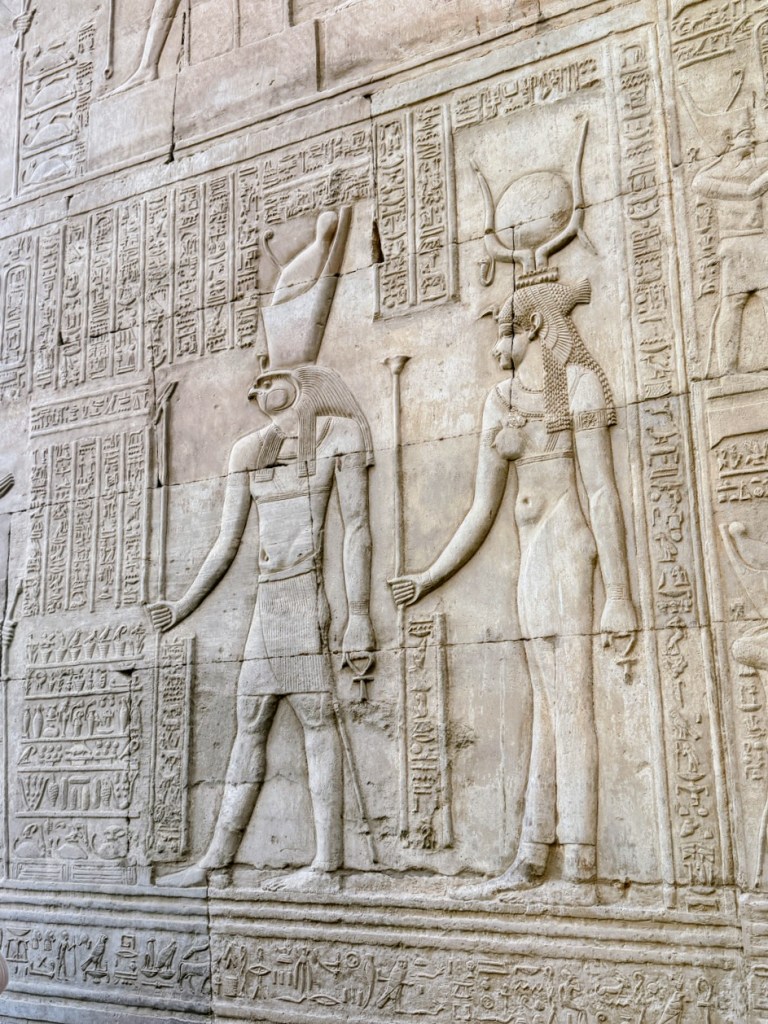
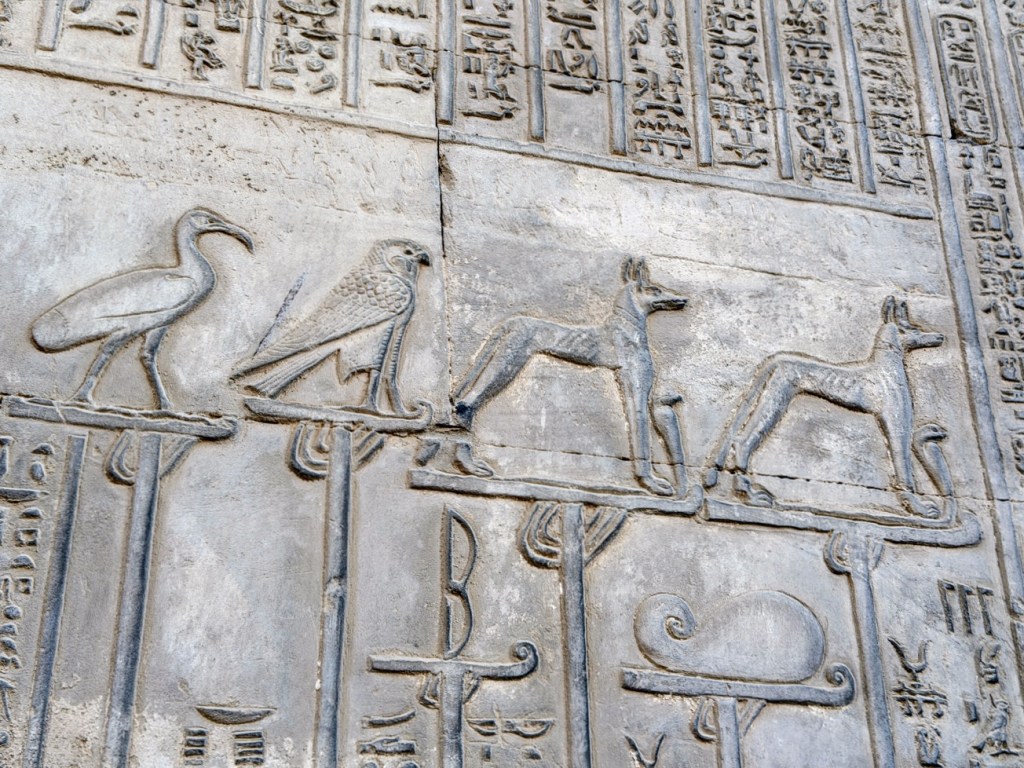
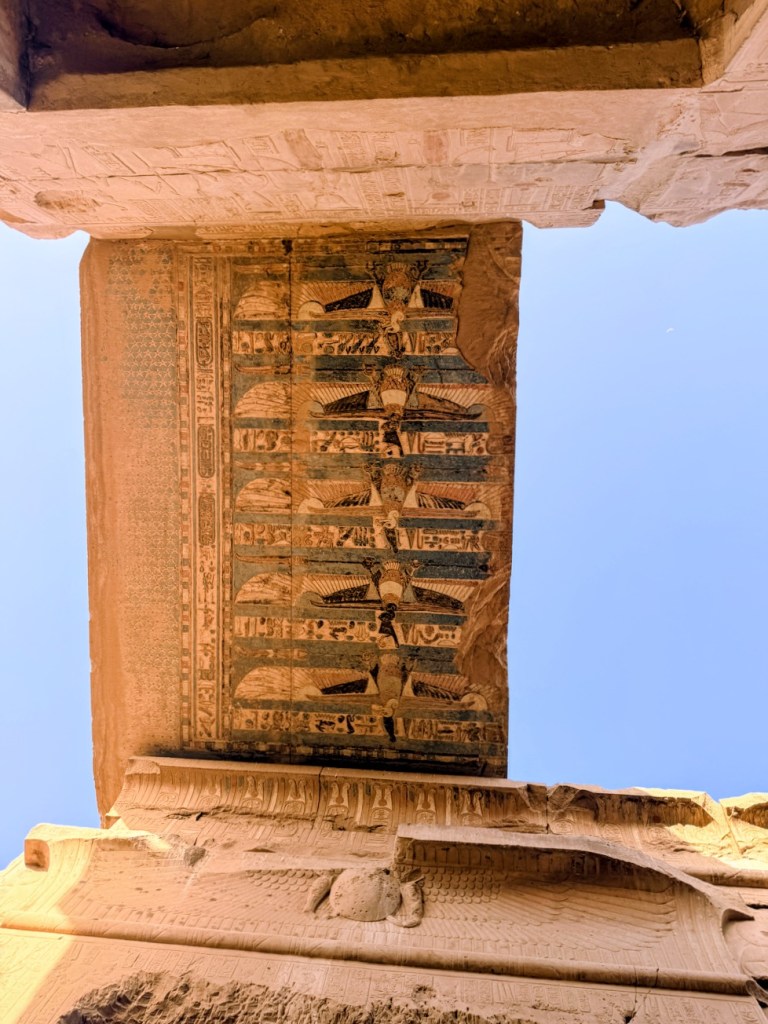
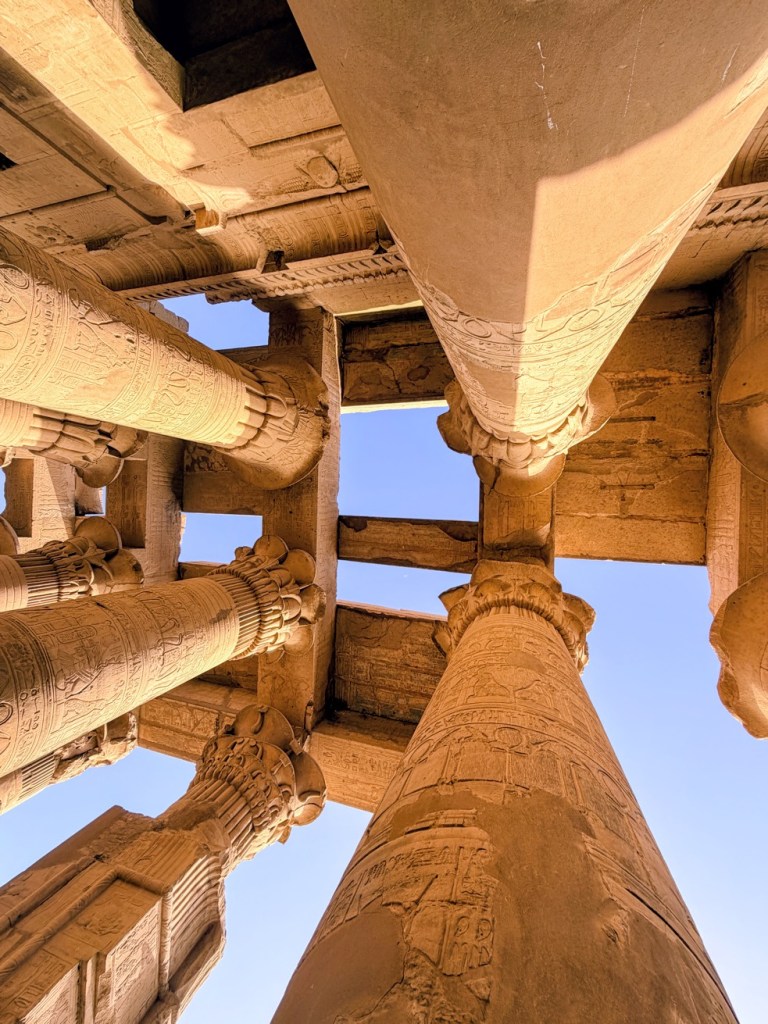
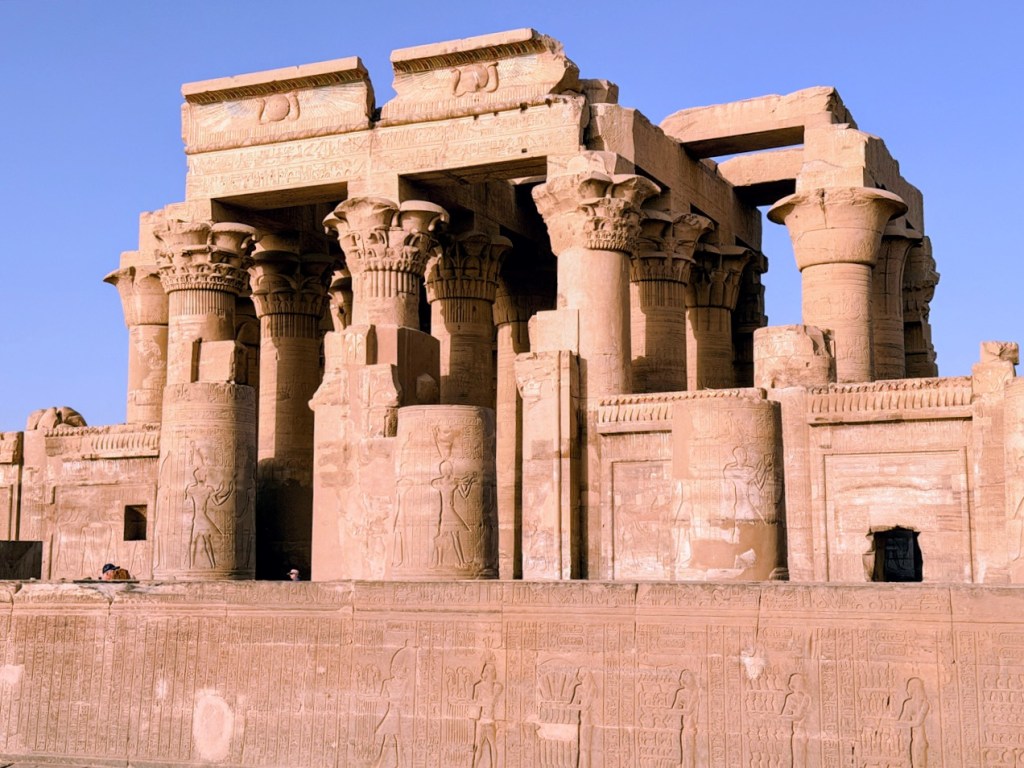
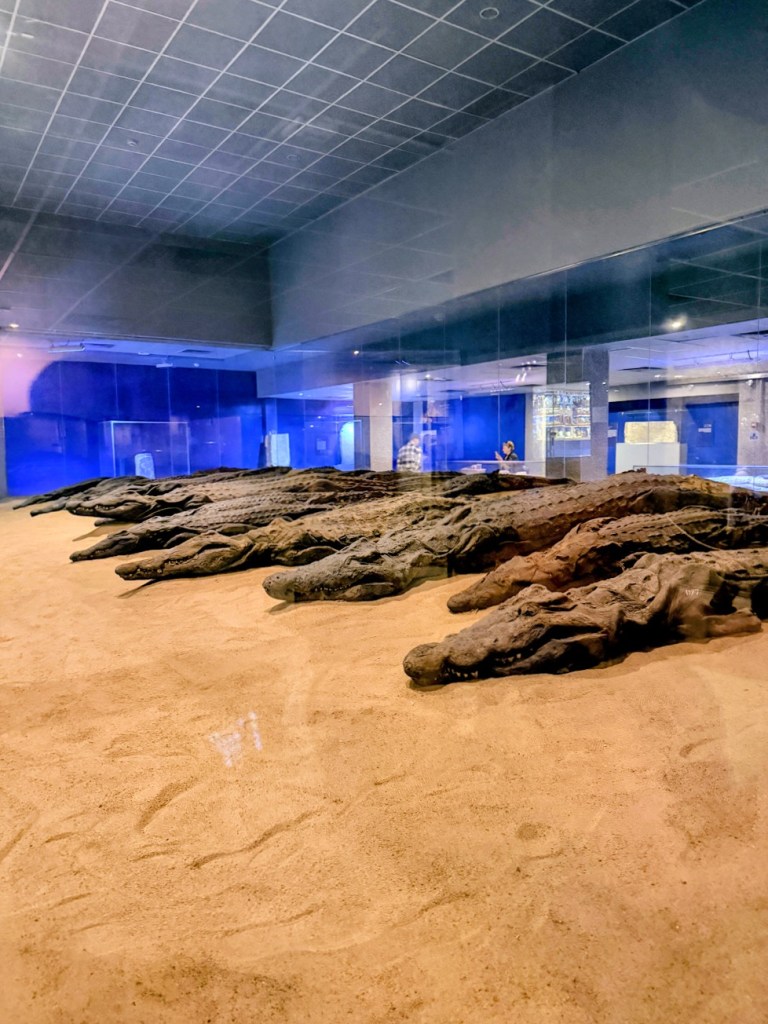
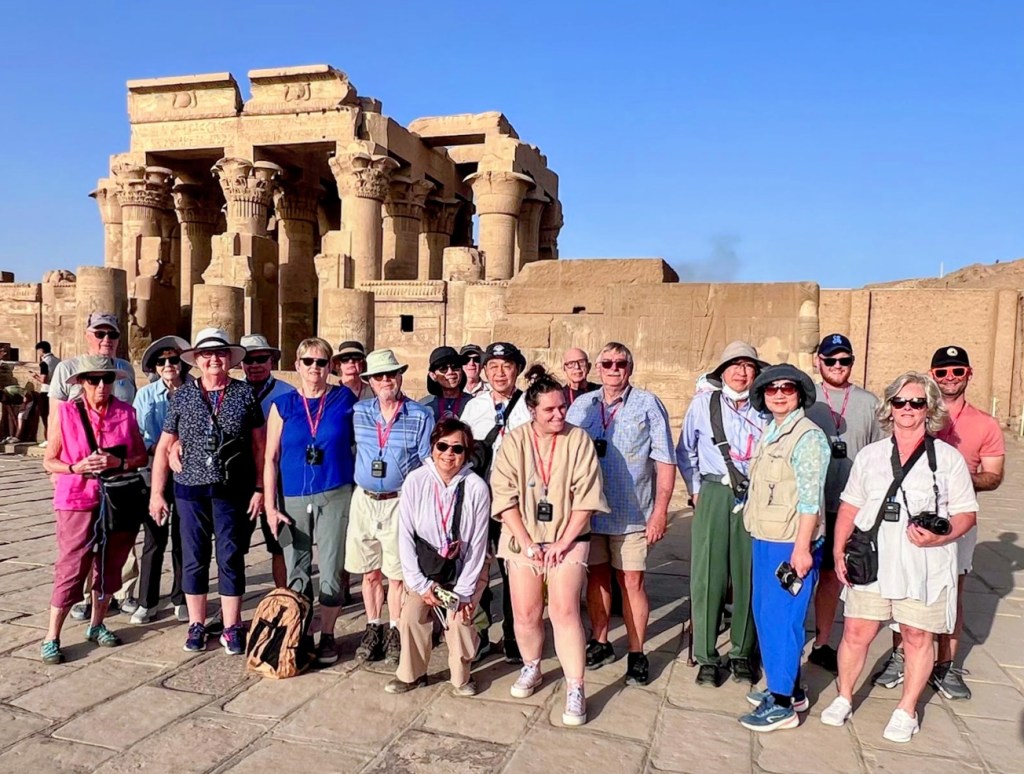
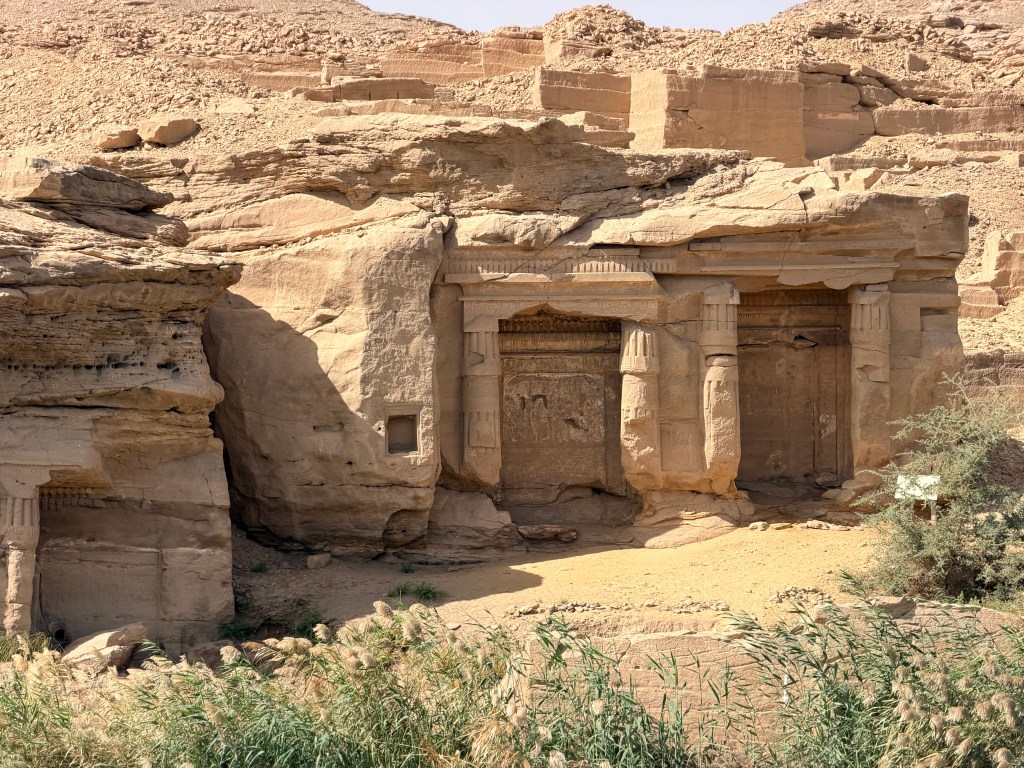
  • Kom Ombo, uniquely dedicated to two gods, offering insight into ancient medicine and dual worship.
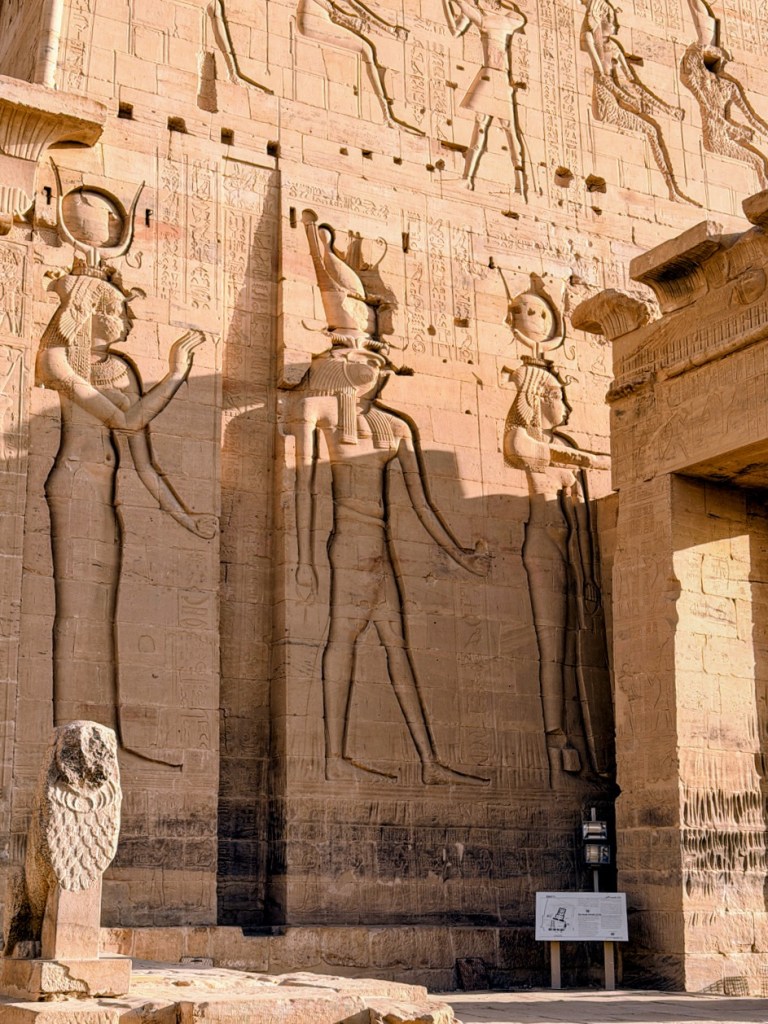
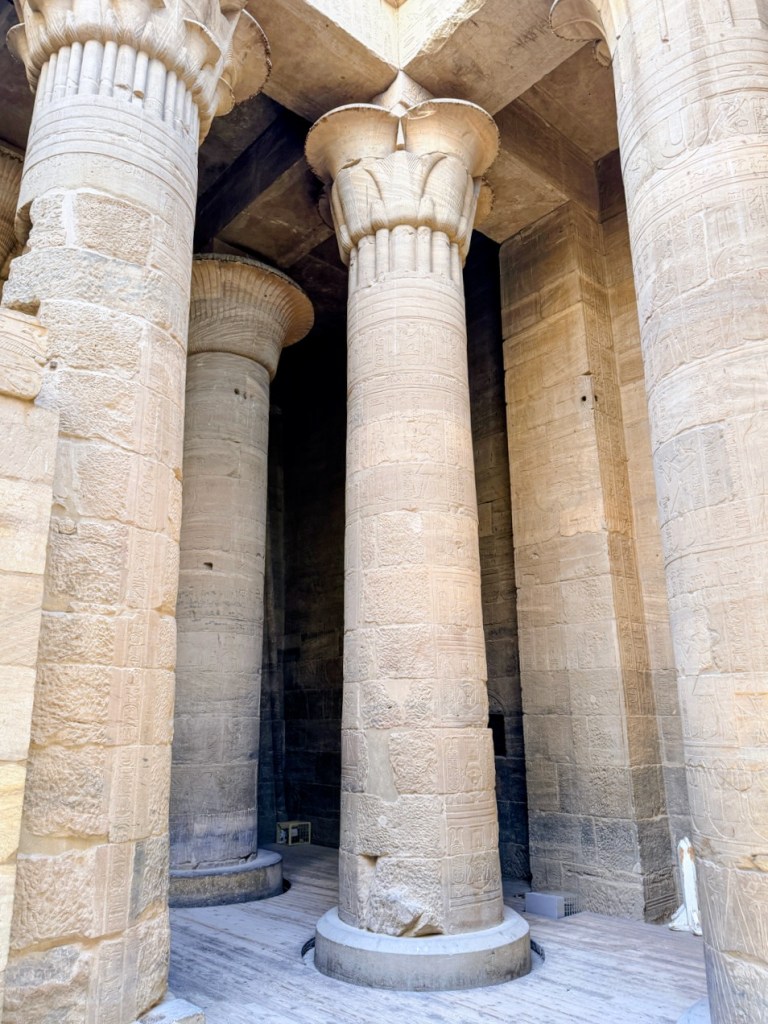
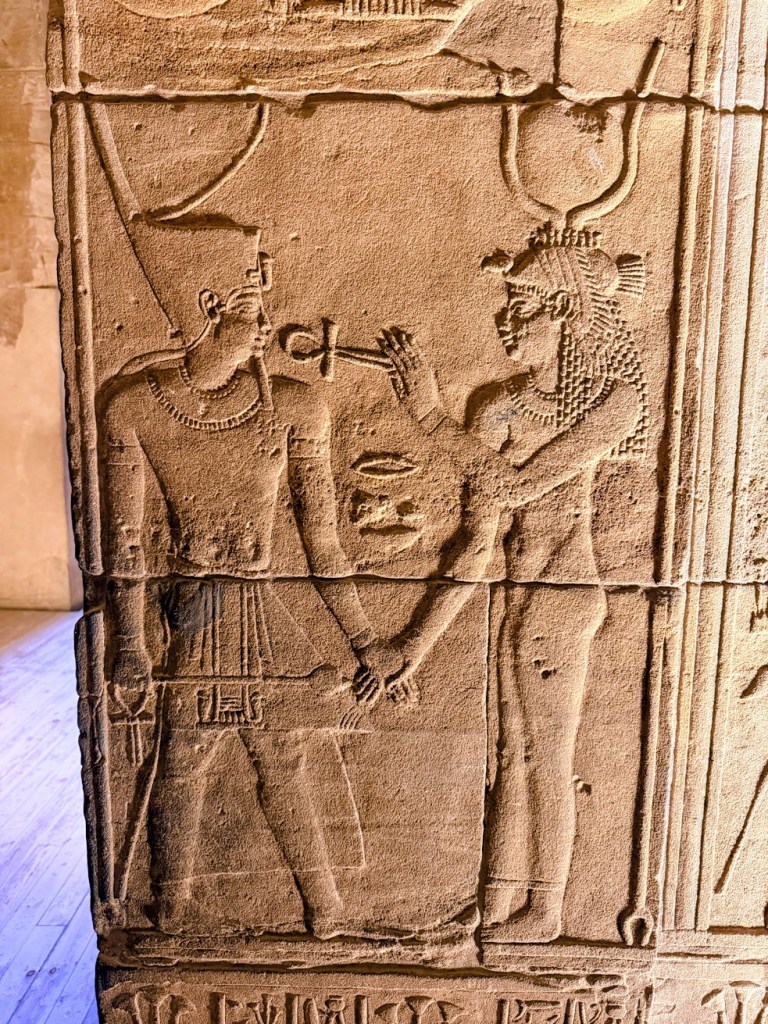
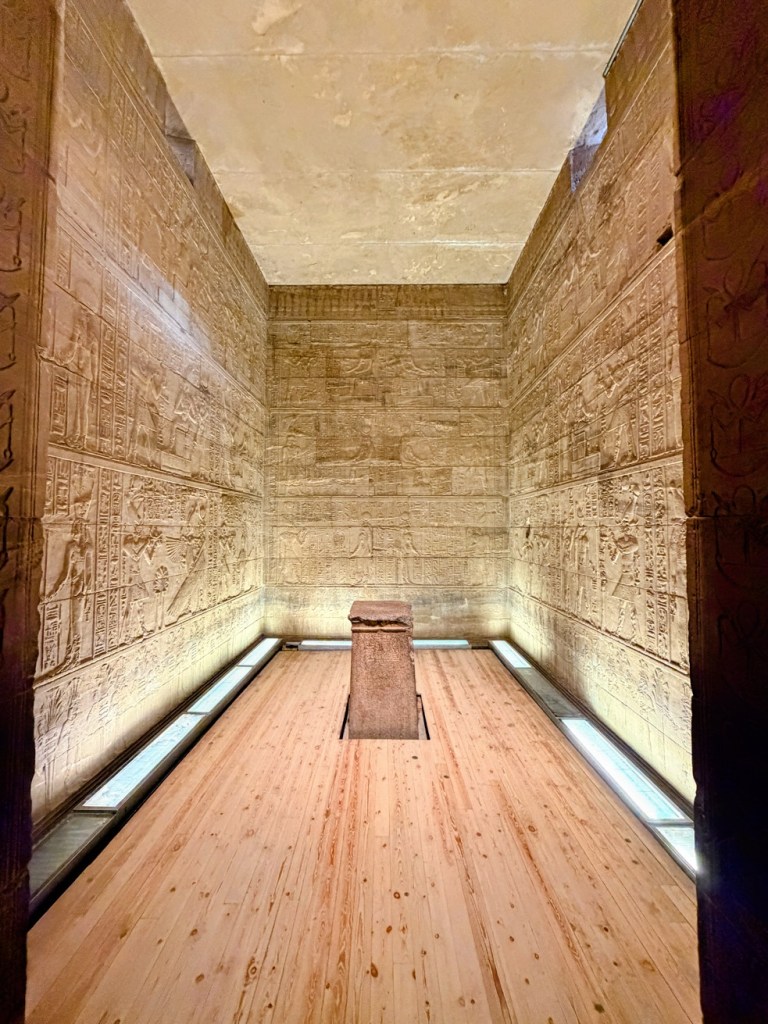
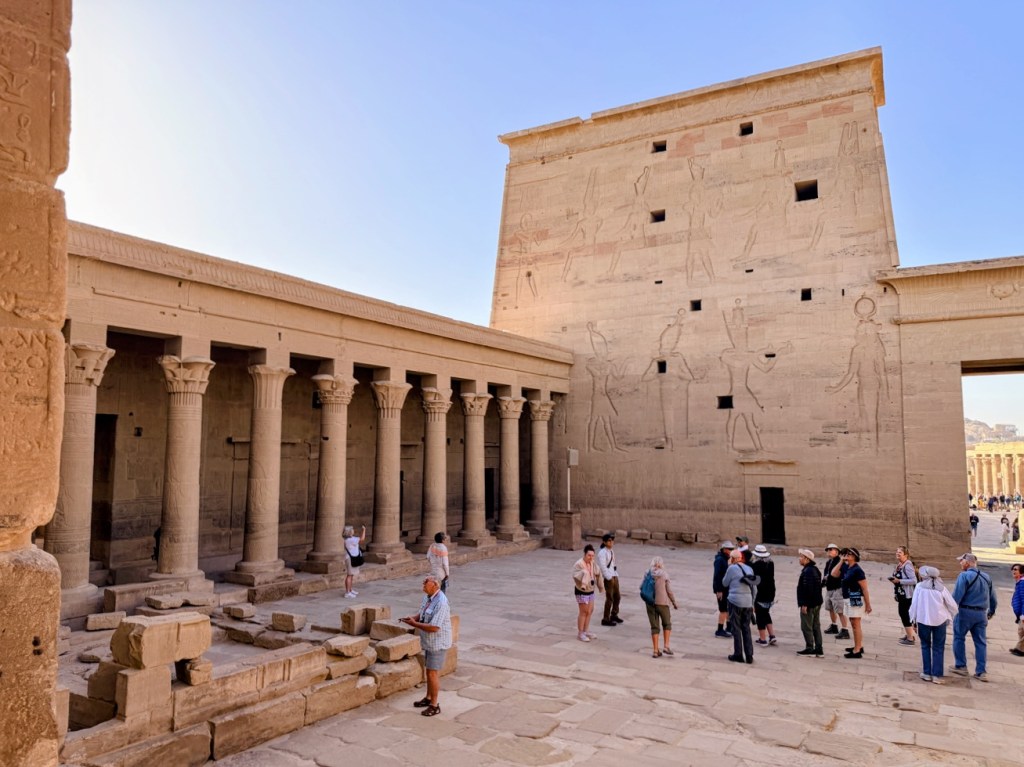
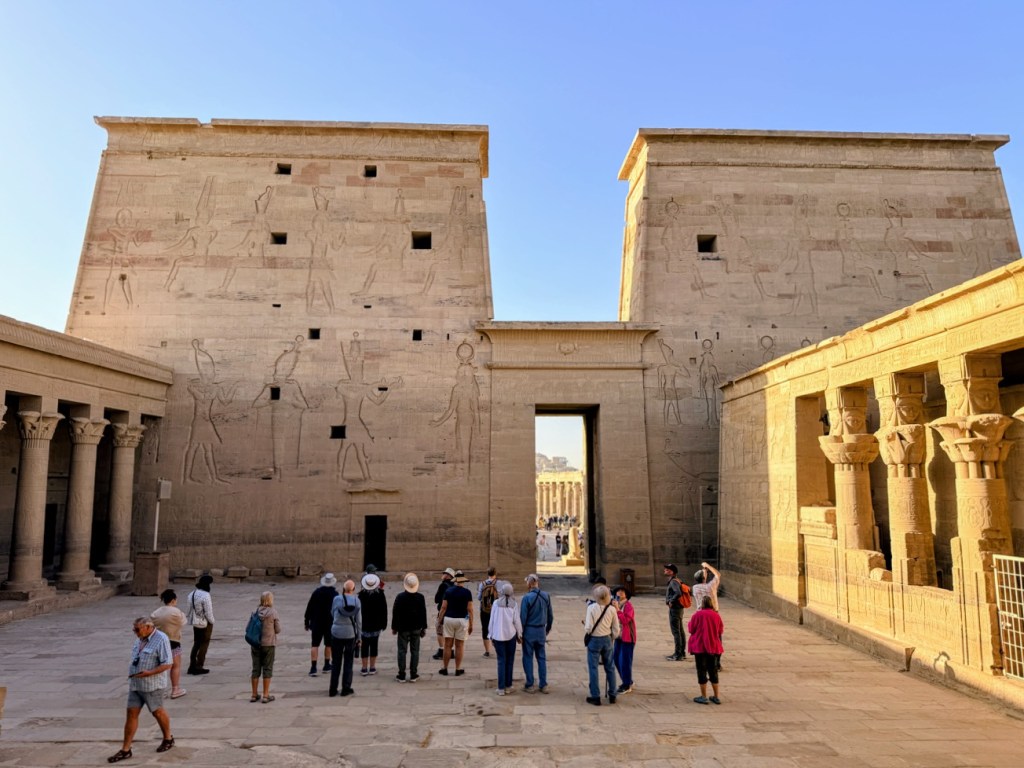
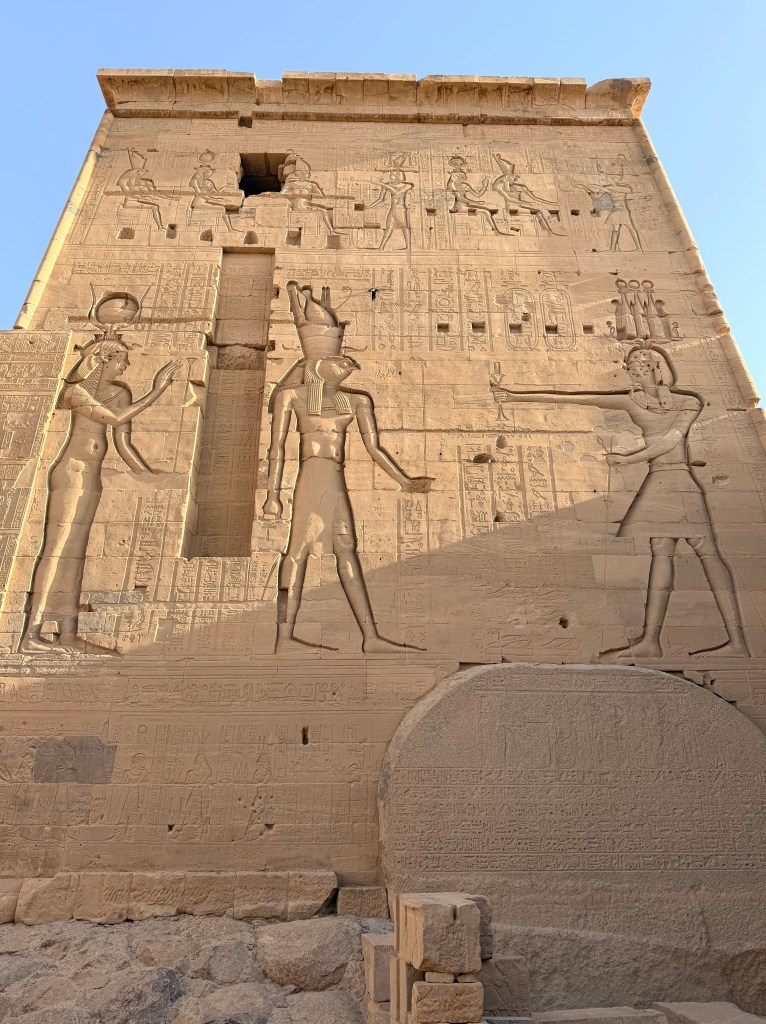
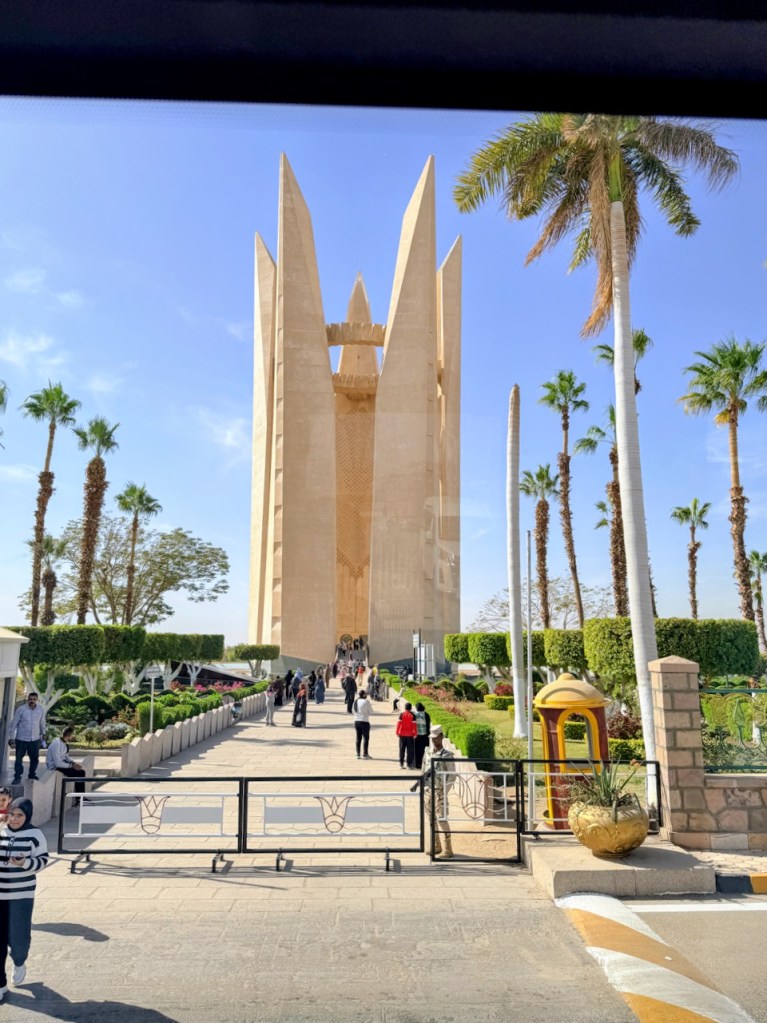
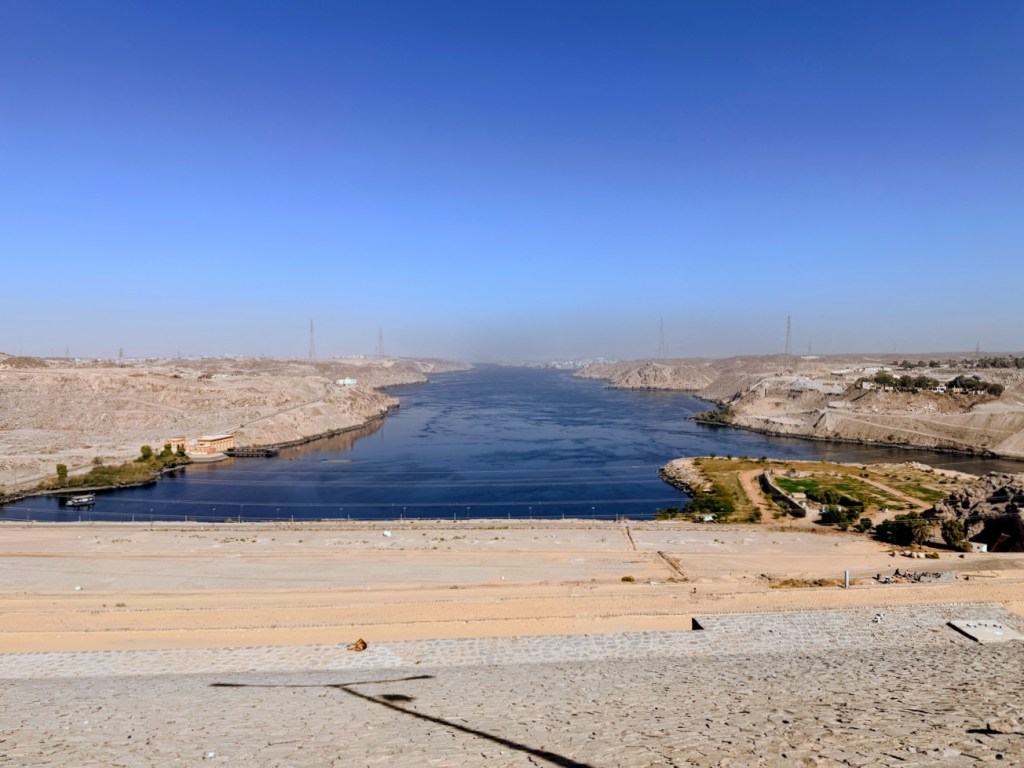
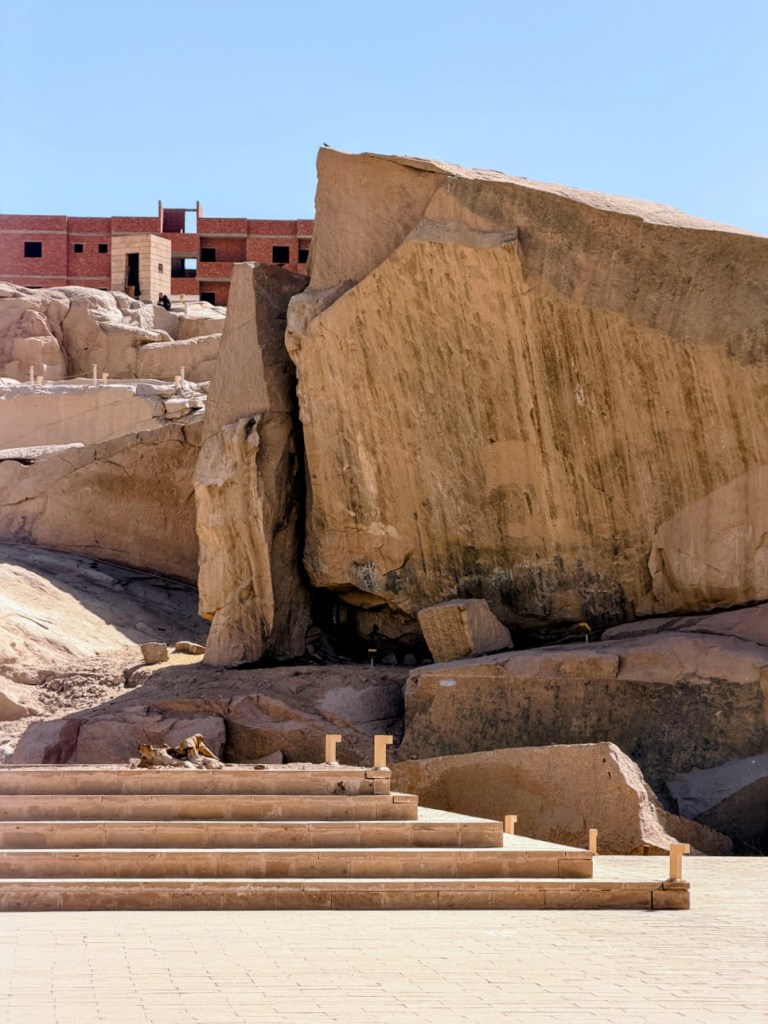
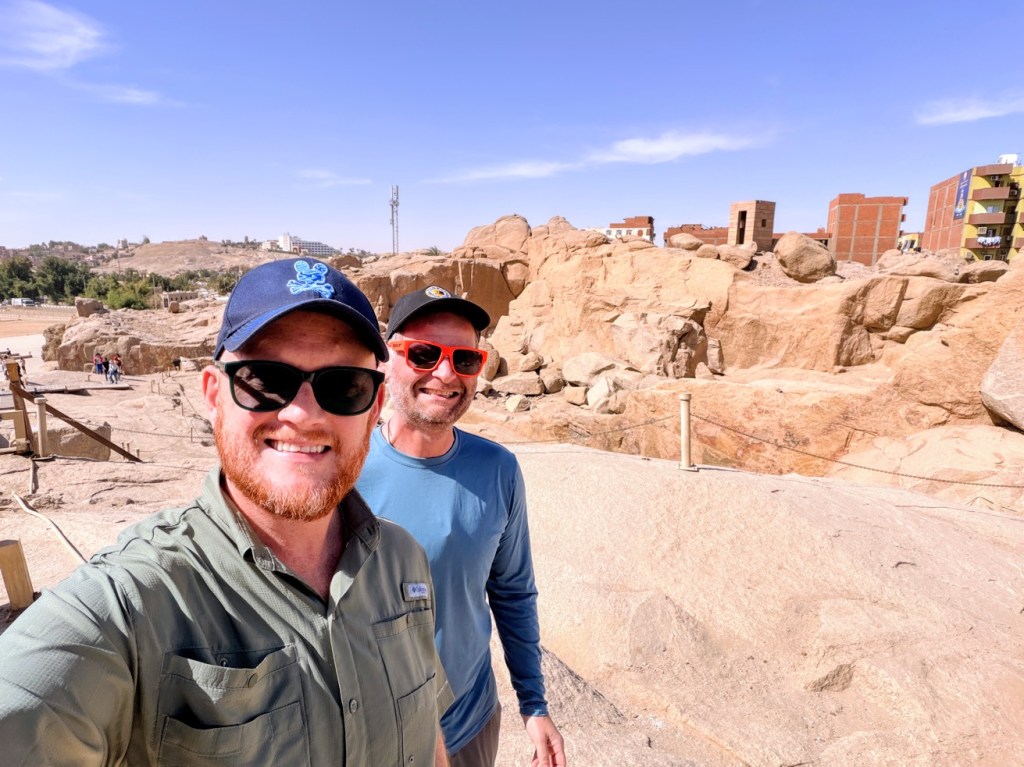
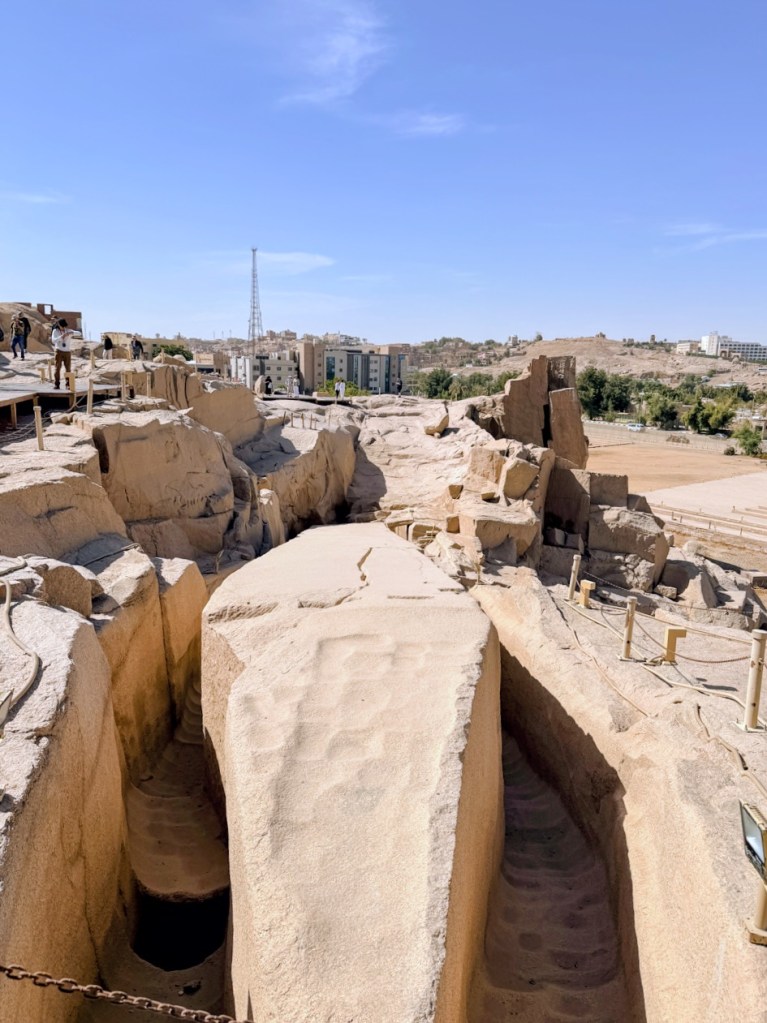
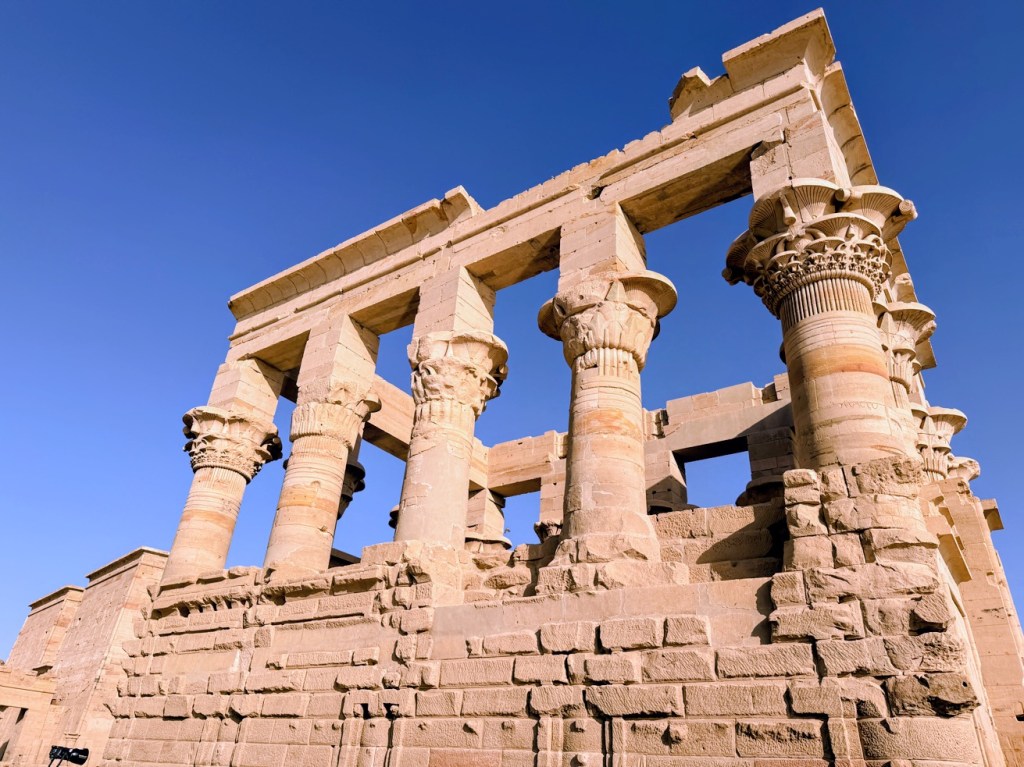
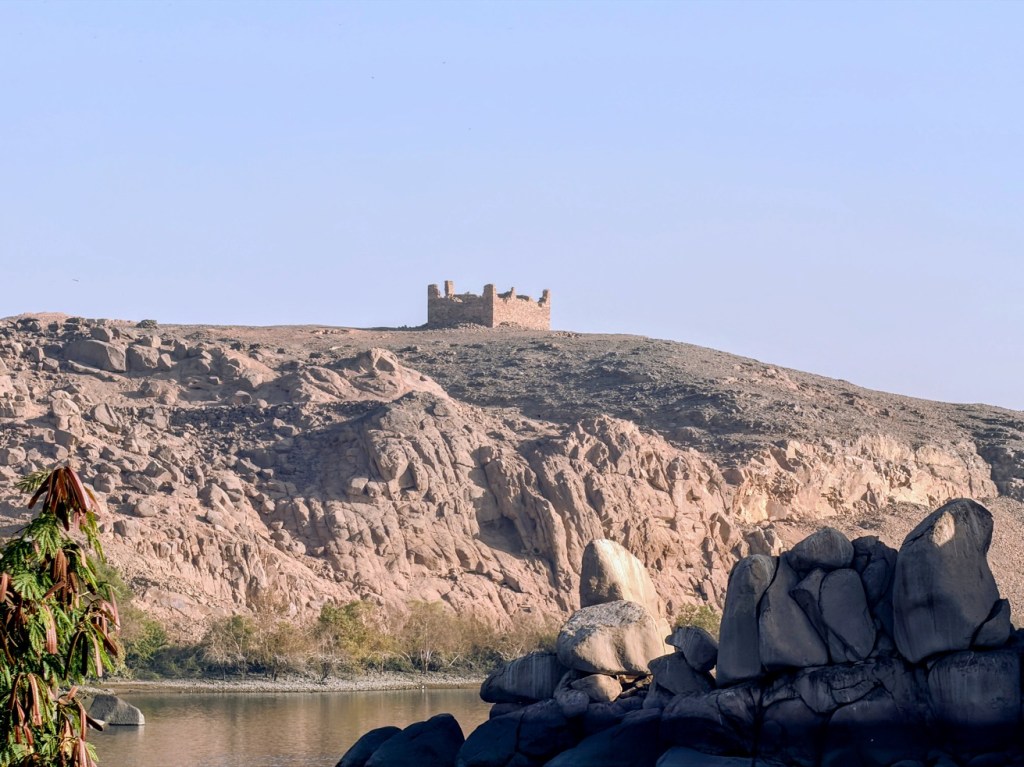
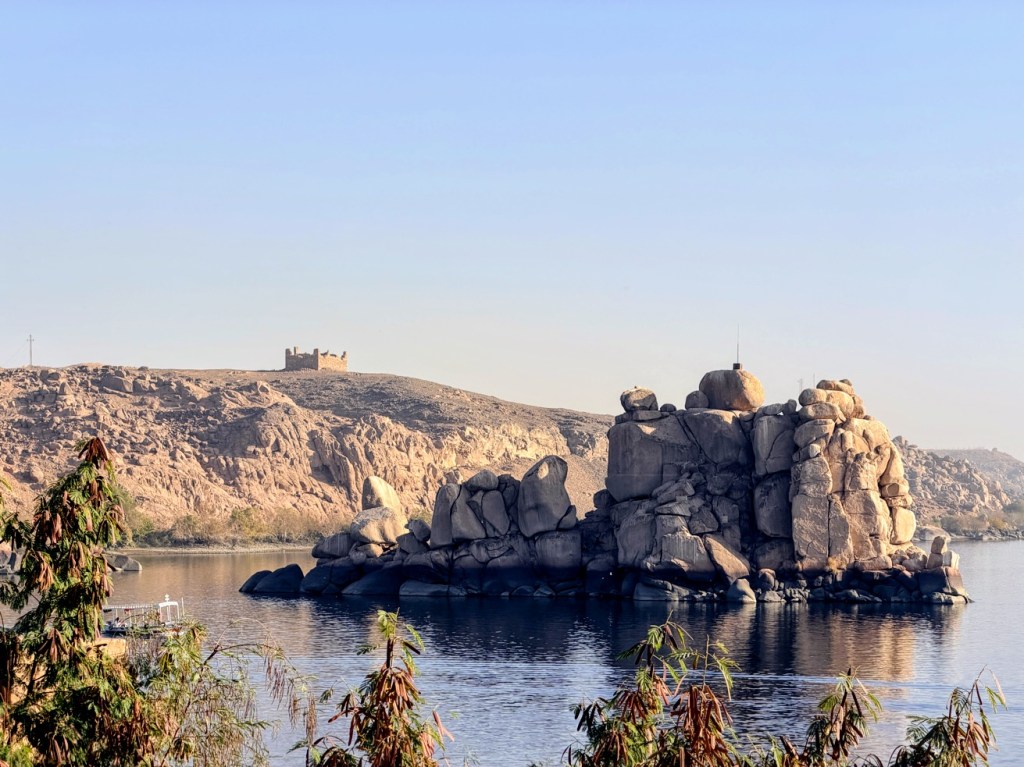
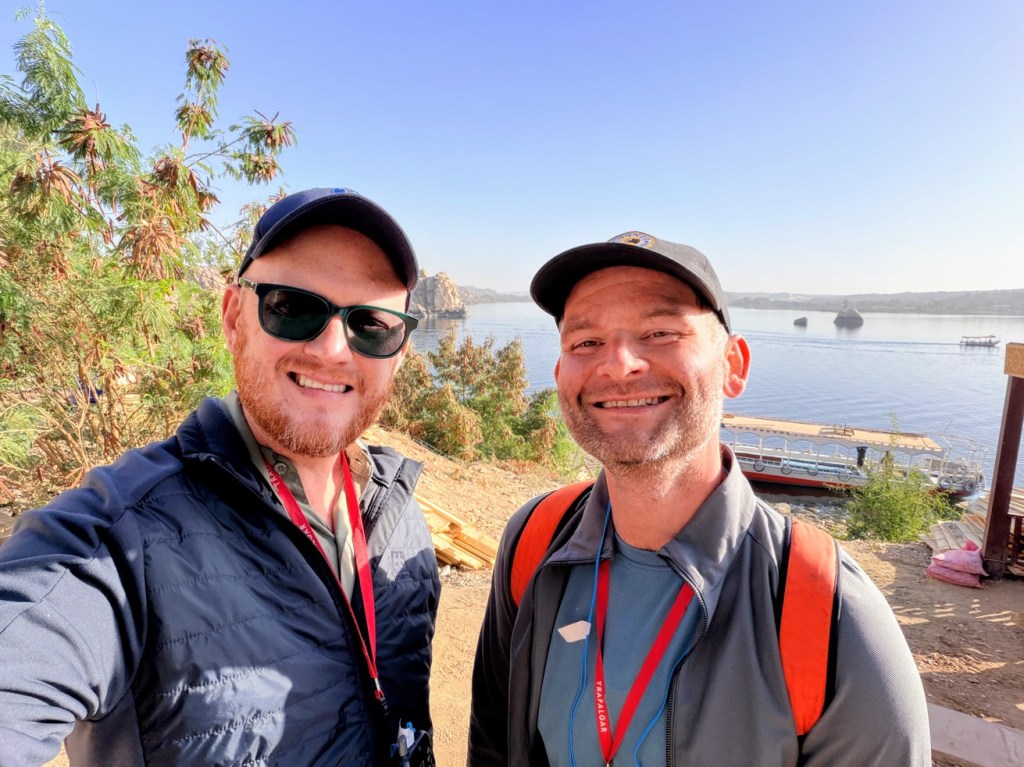
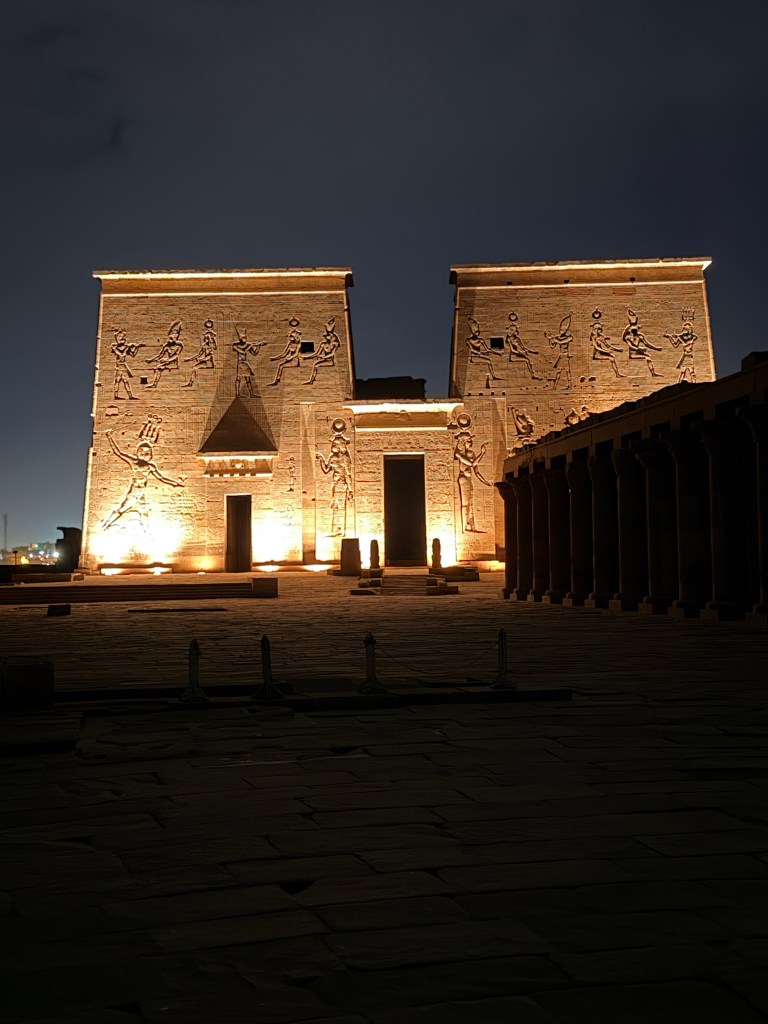
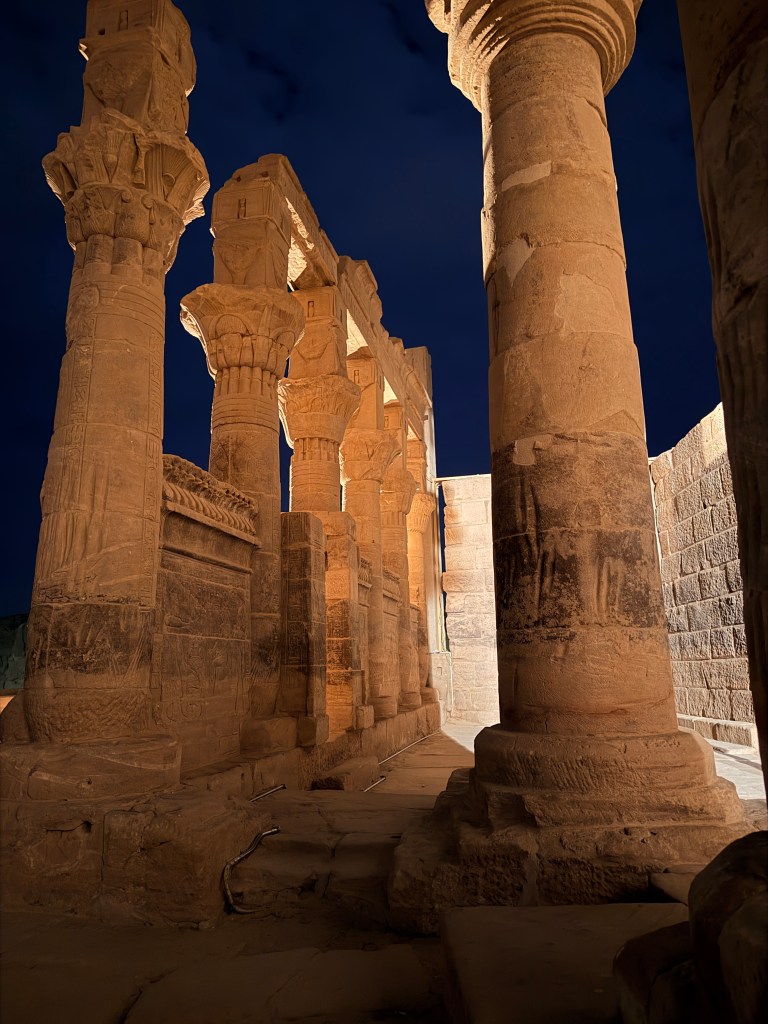
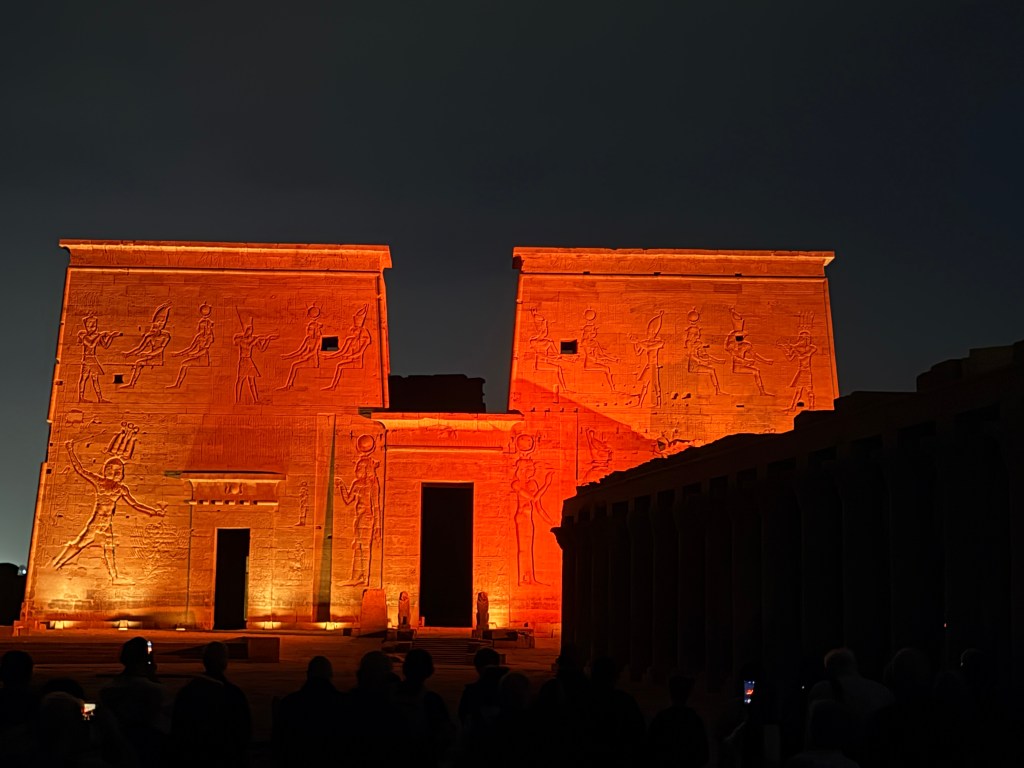
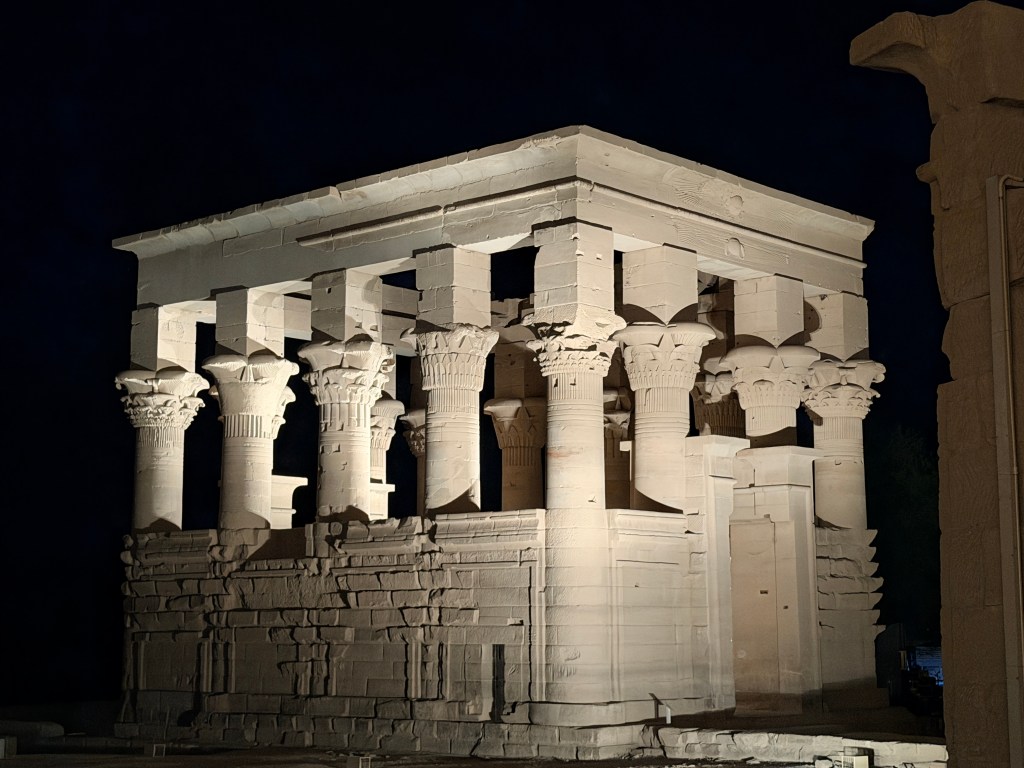
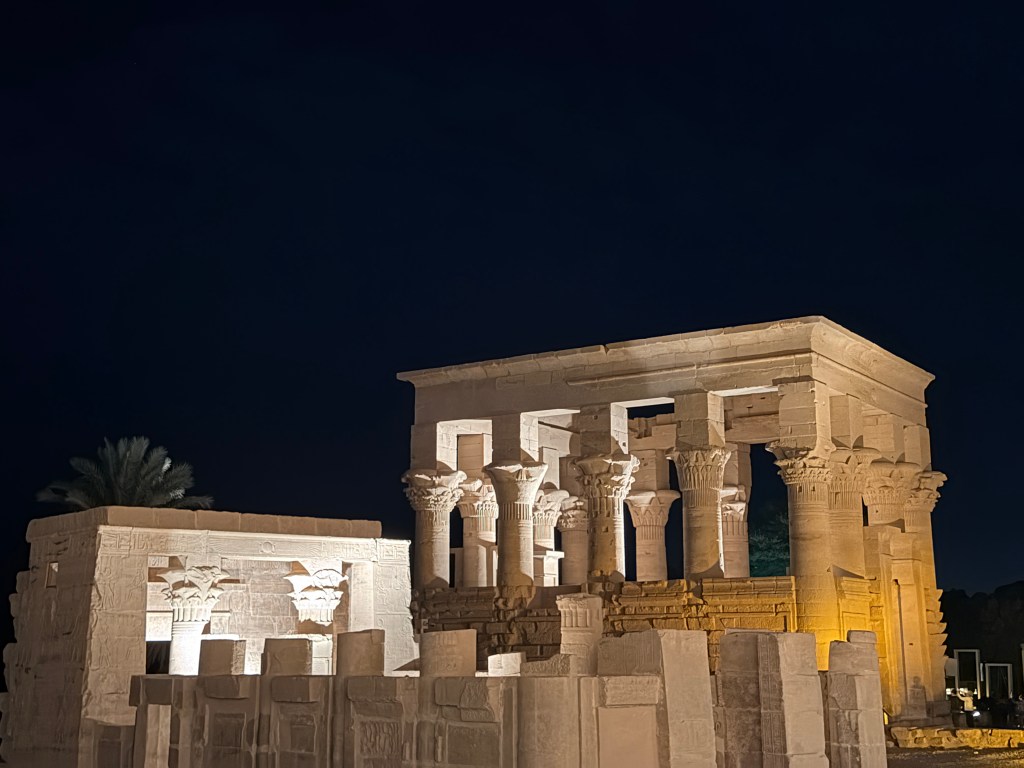
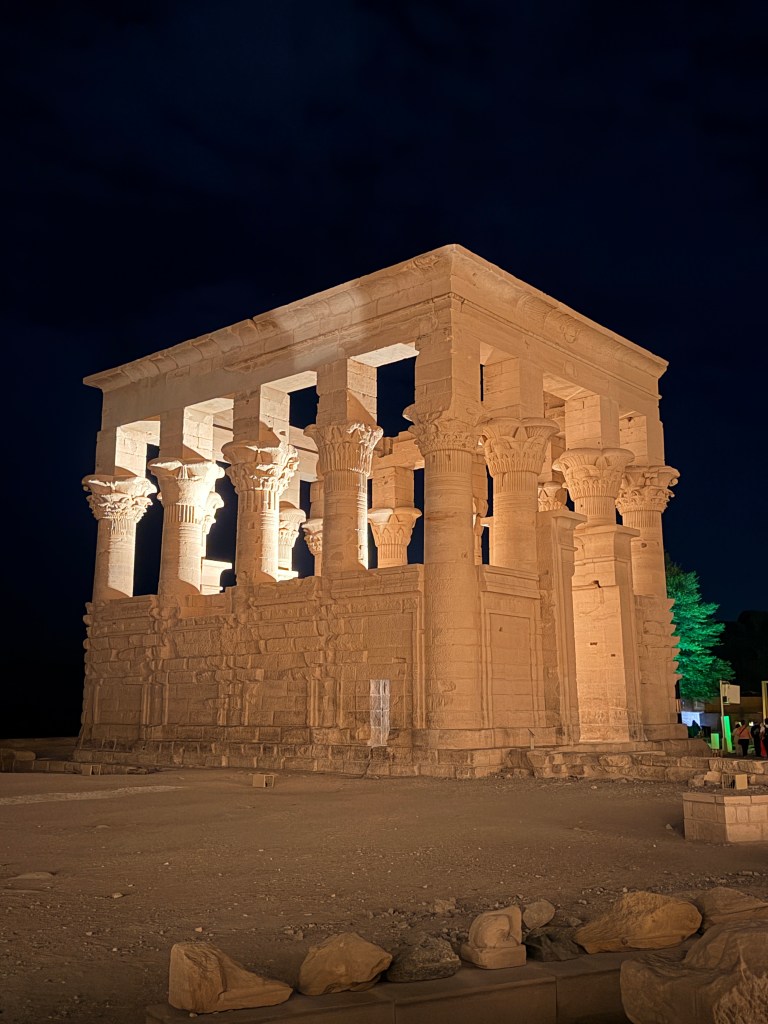
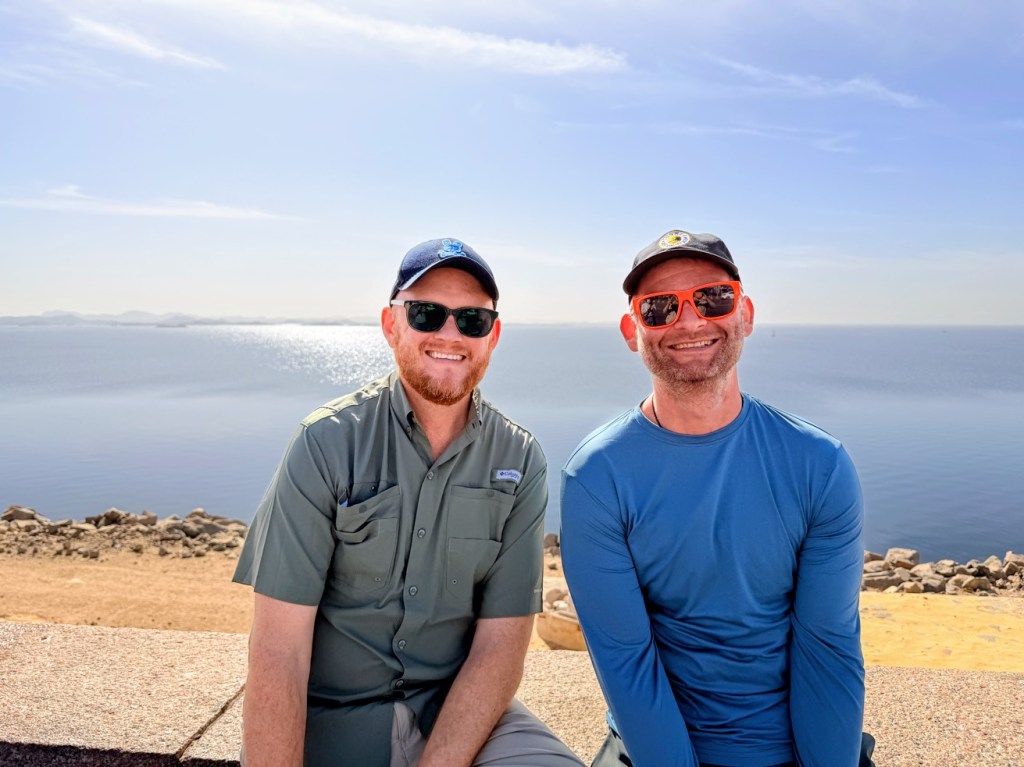
  • In Aswan, we visited the High Dam, the Unfinished Obelisk, and the stunning Philae Temple, relocated stone by stone to save it from flooding.
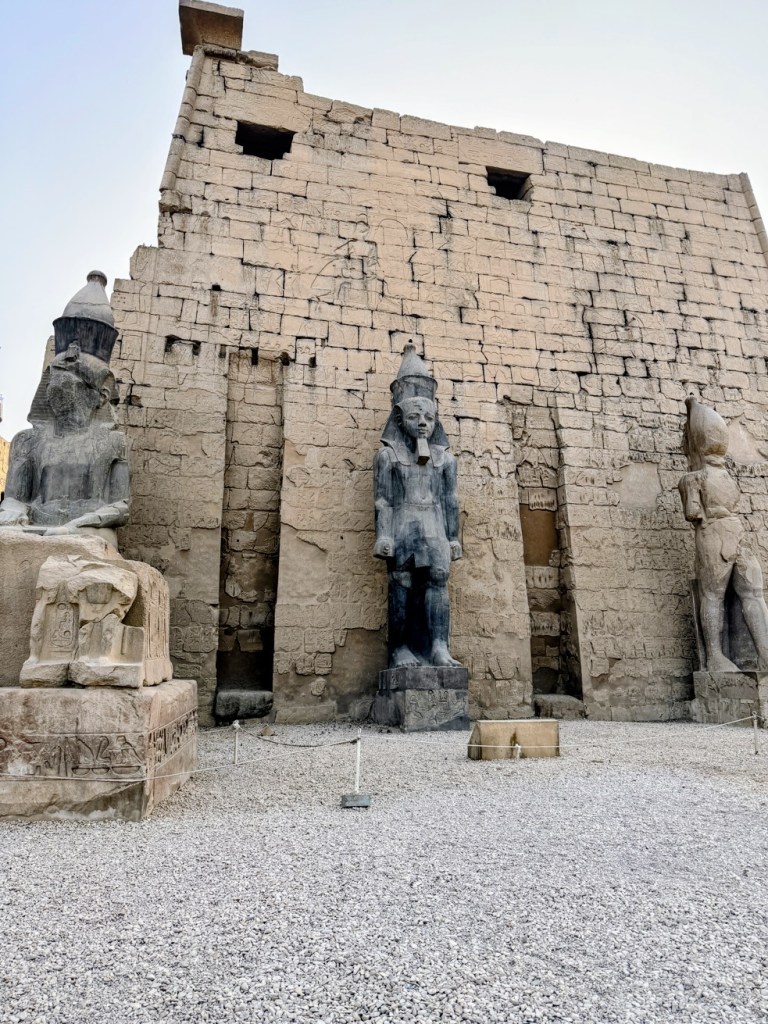
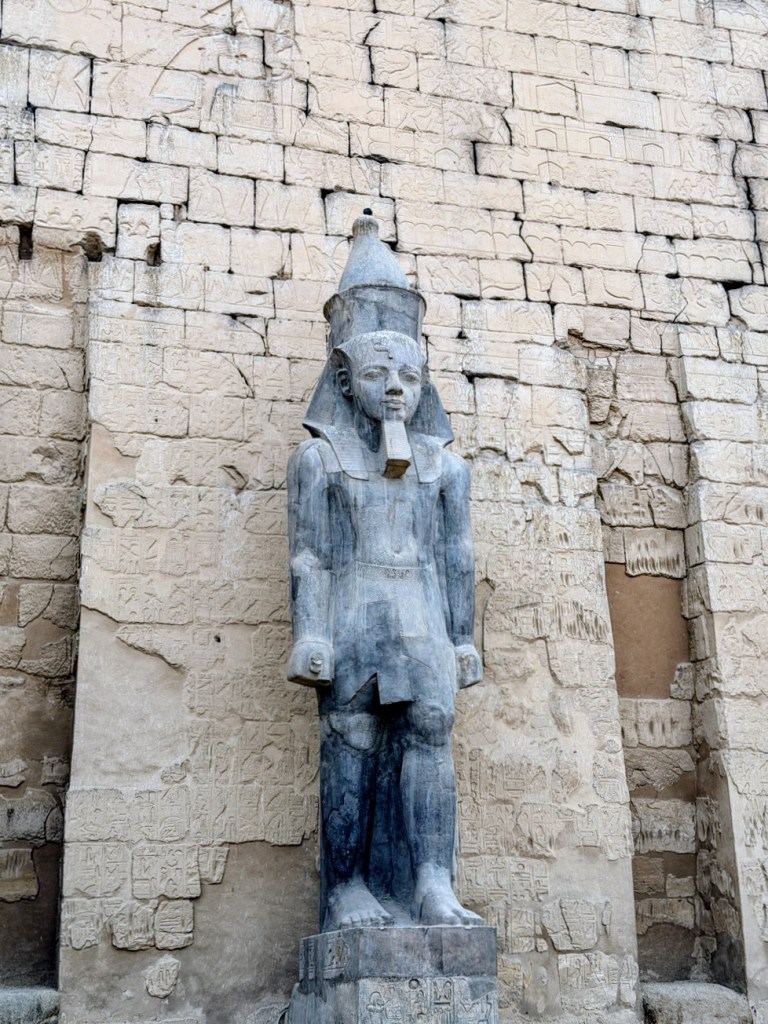
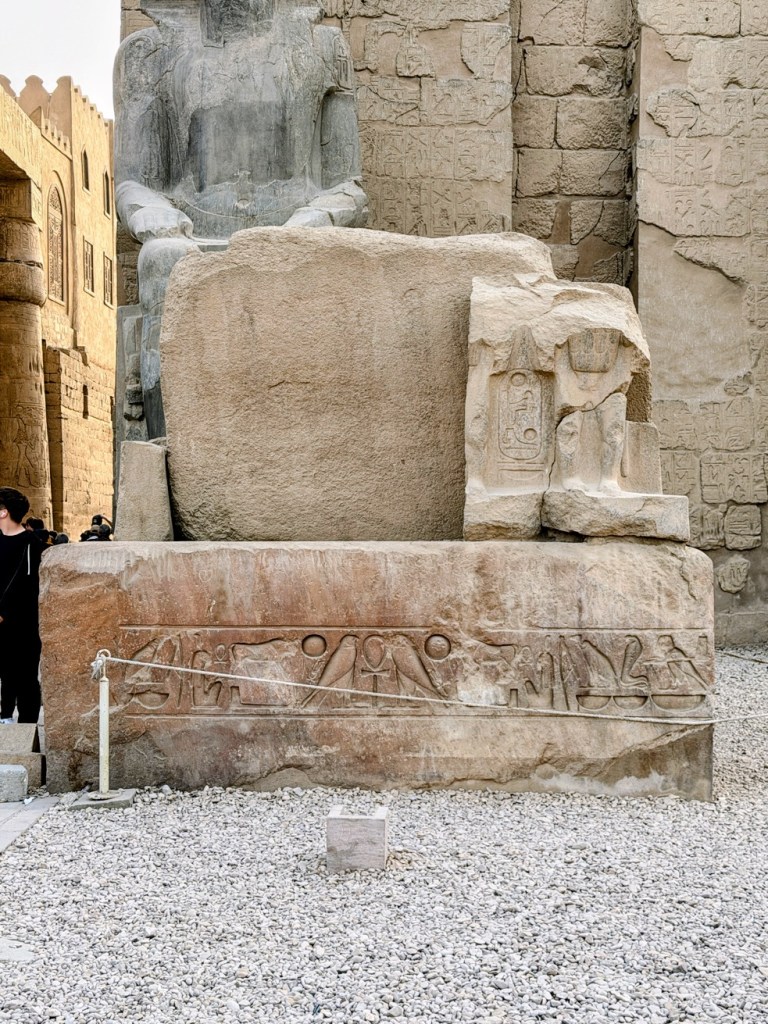
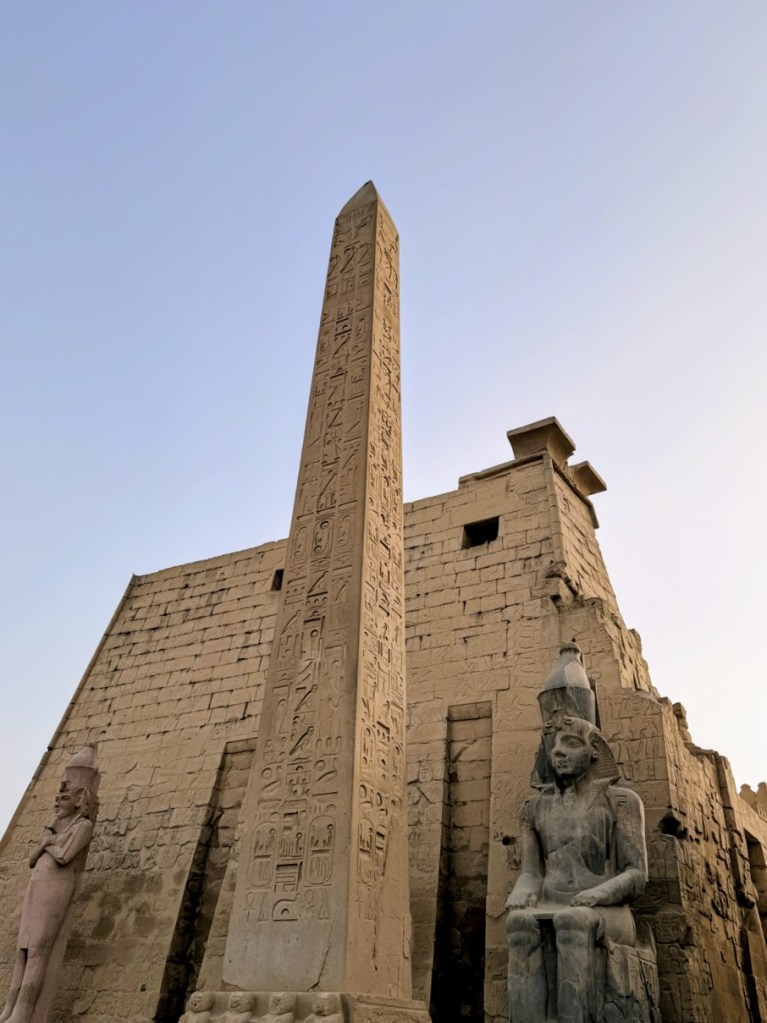
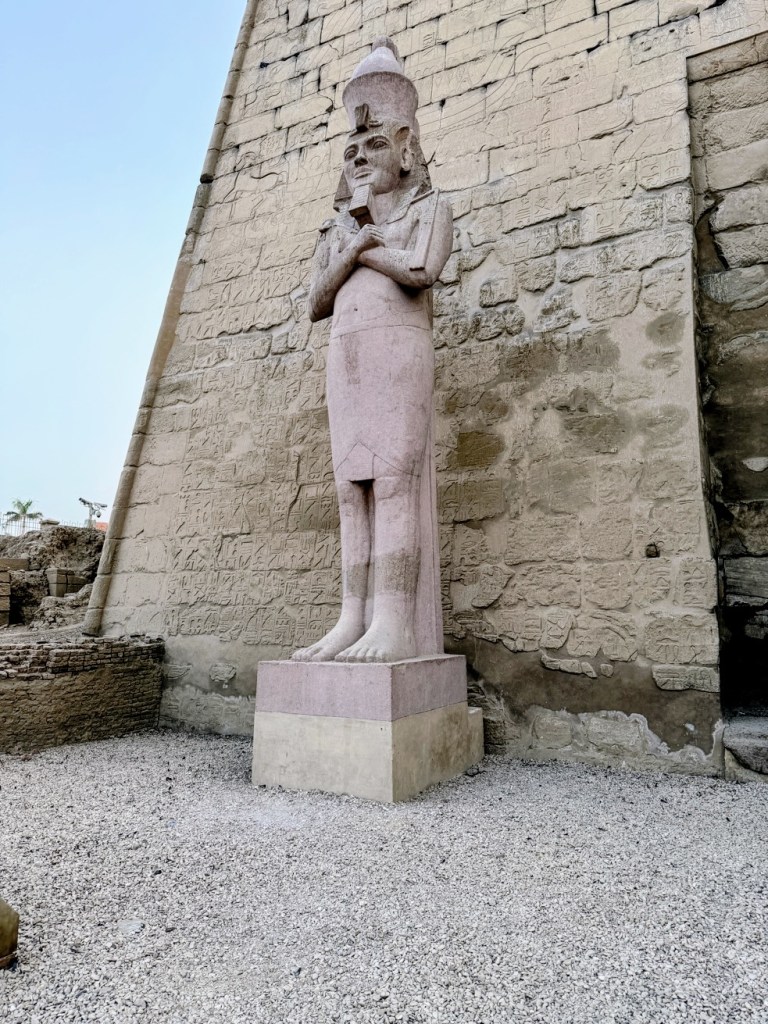
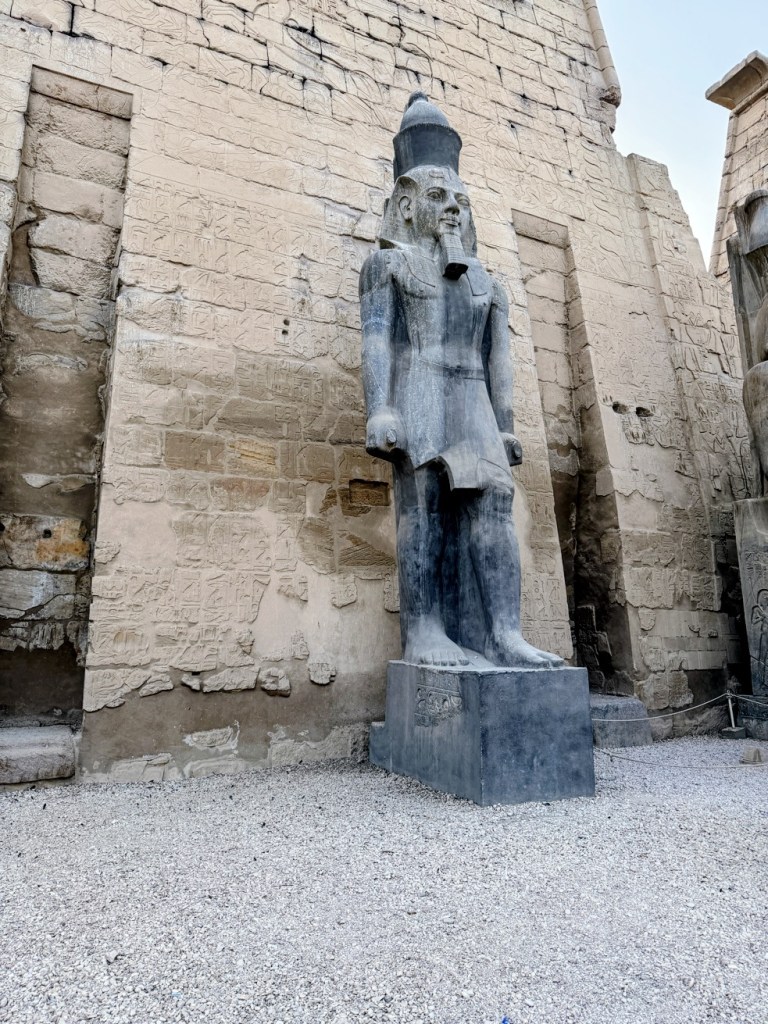
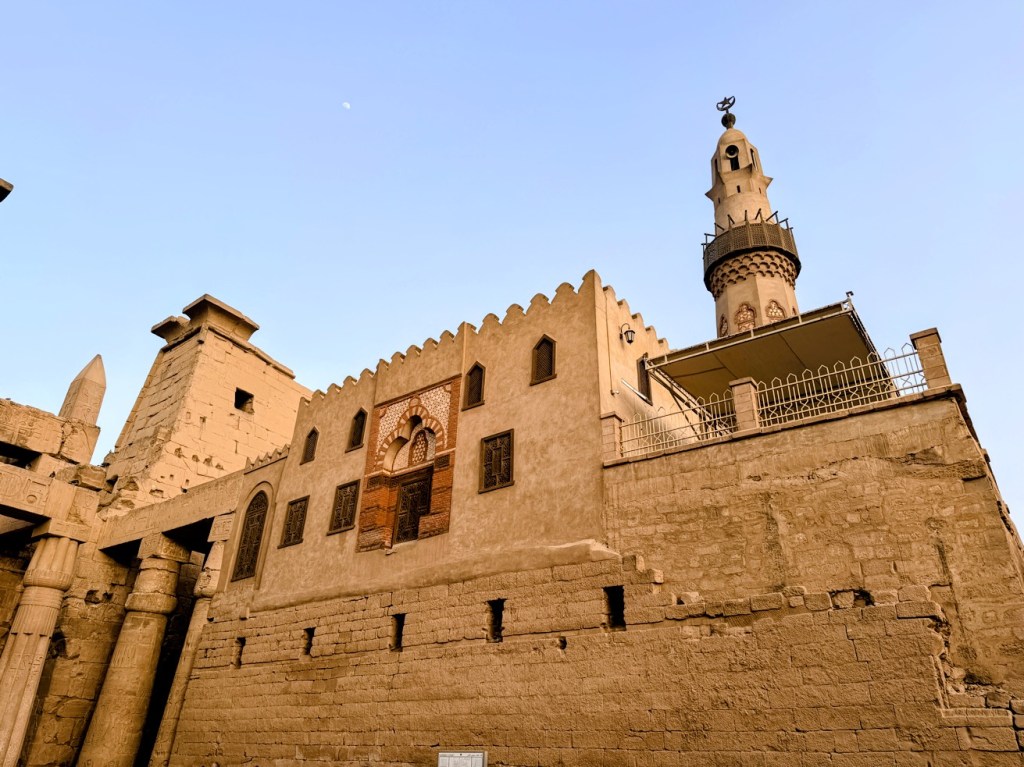
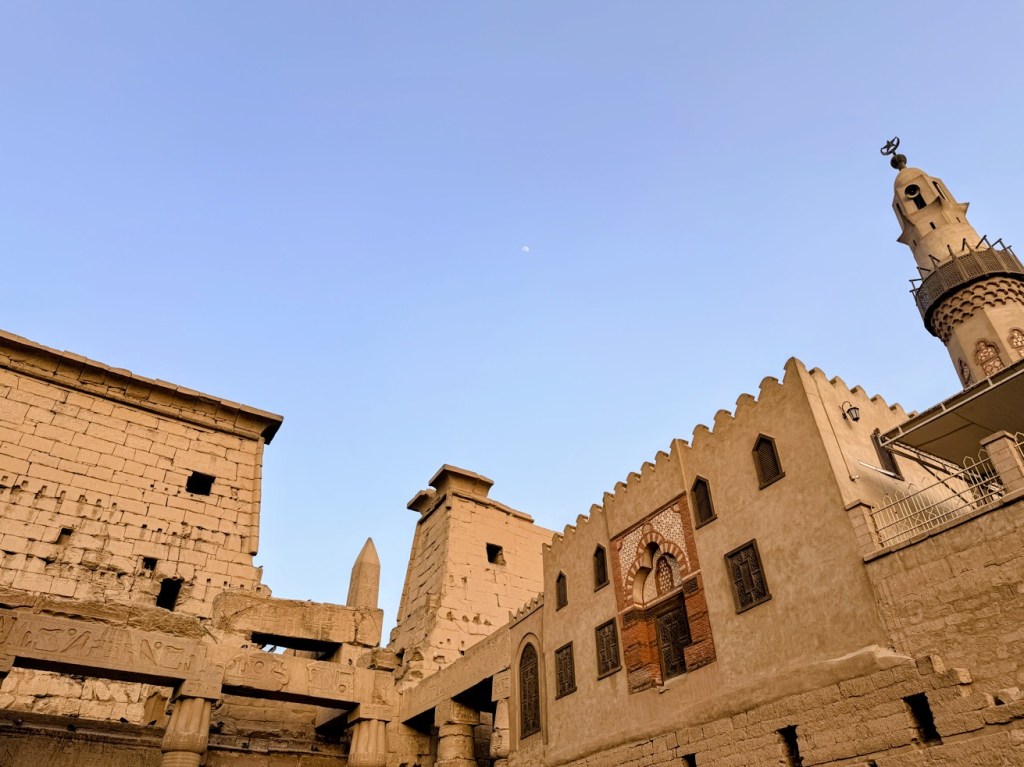
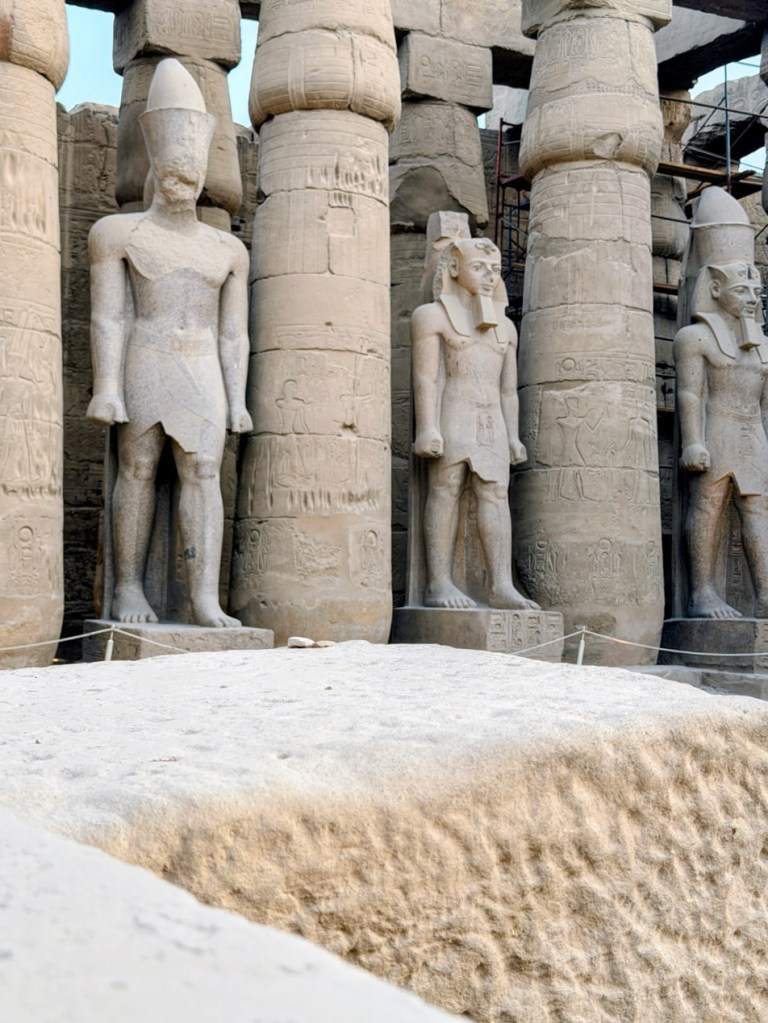
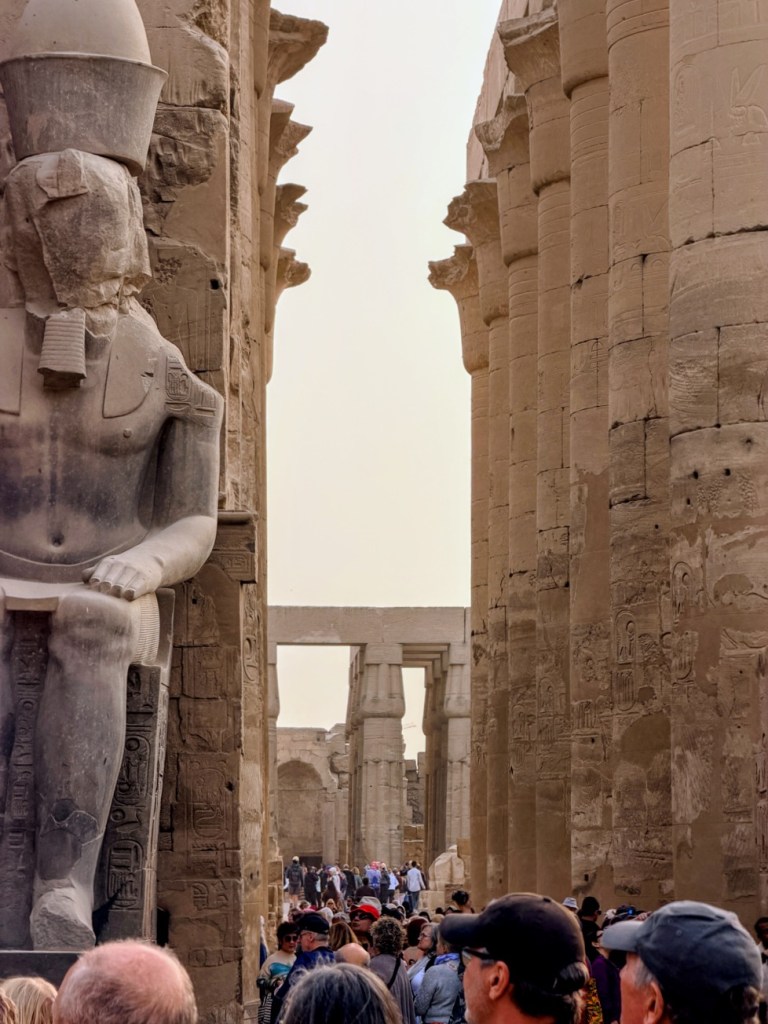
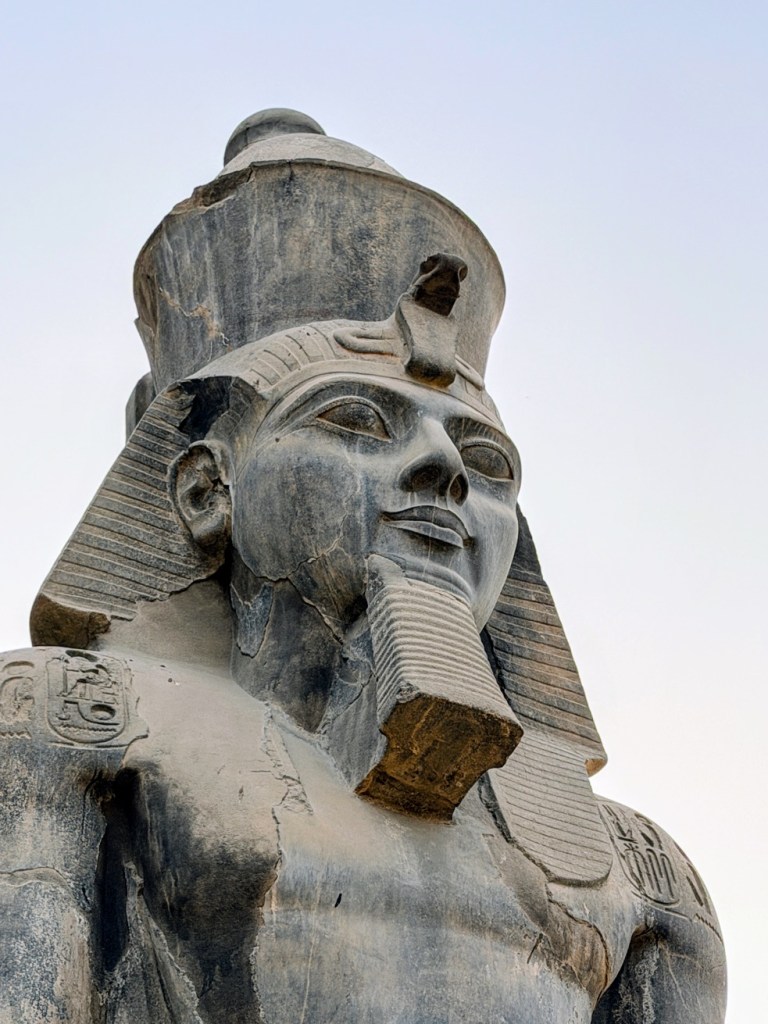
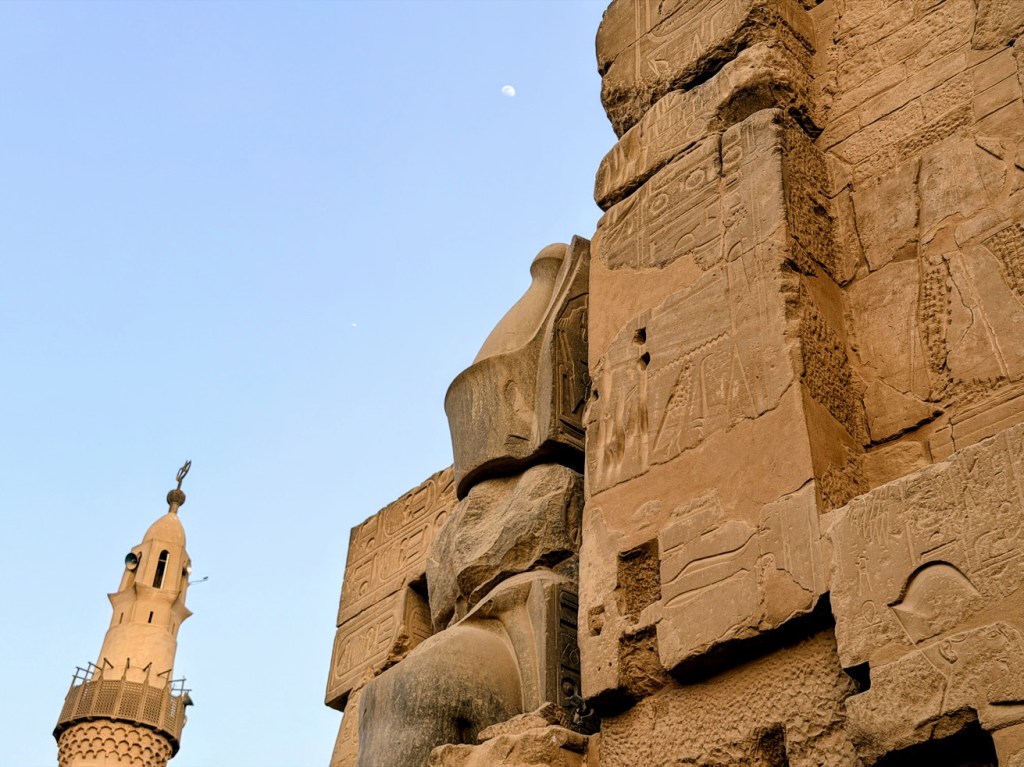
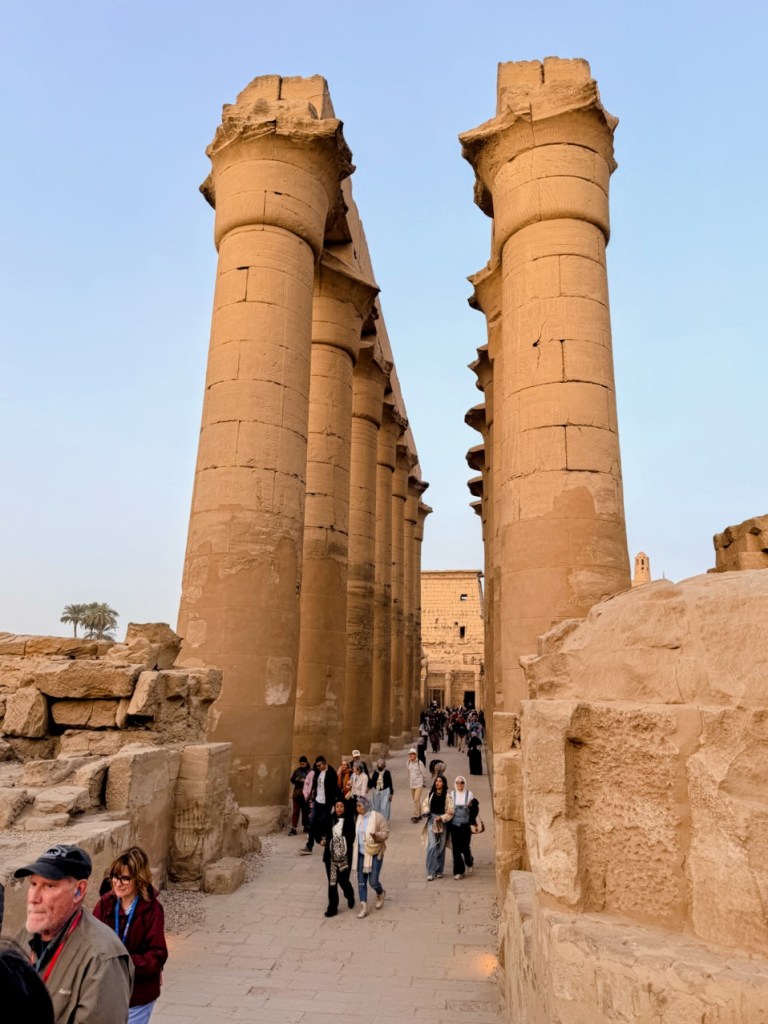
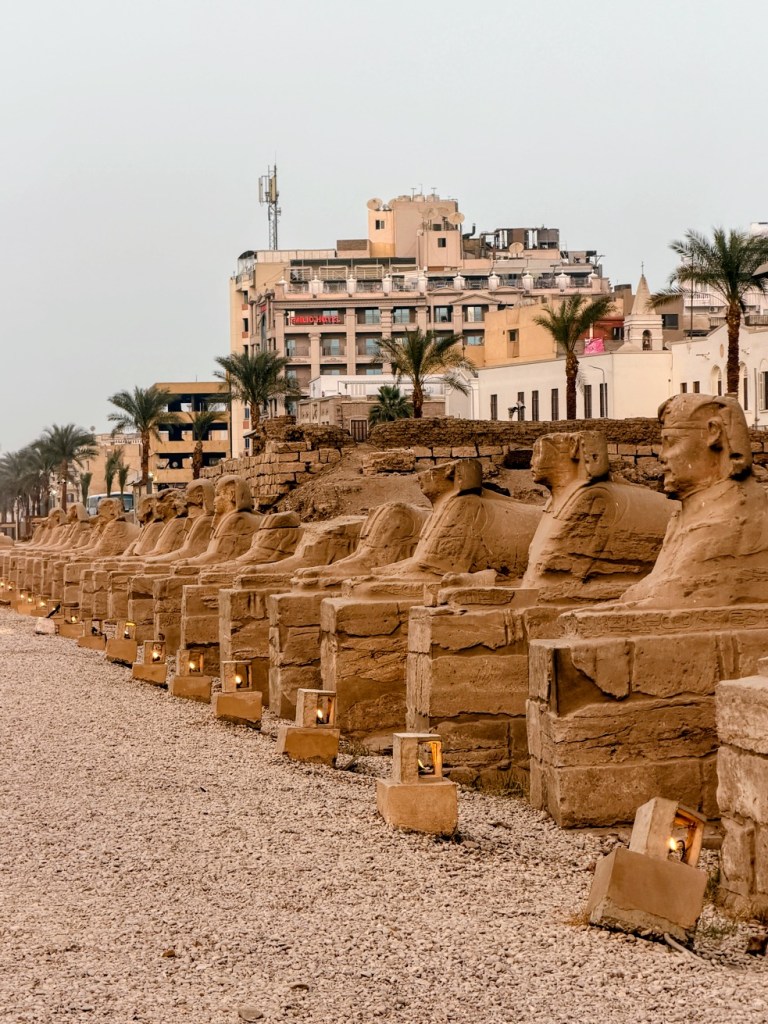
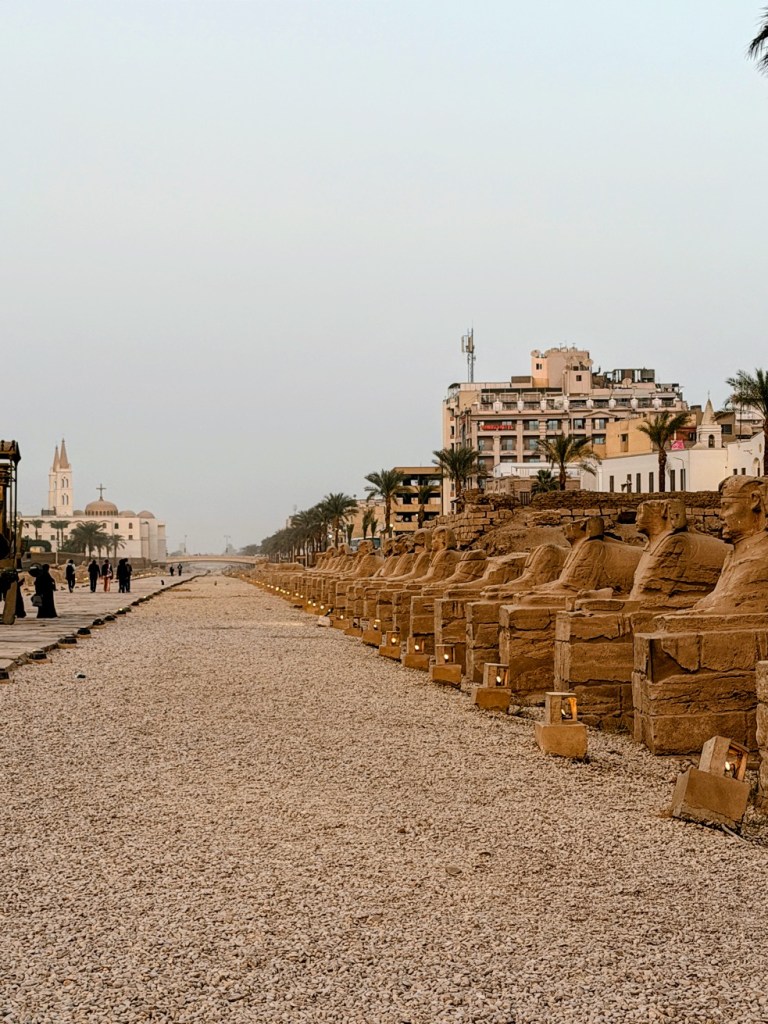
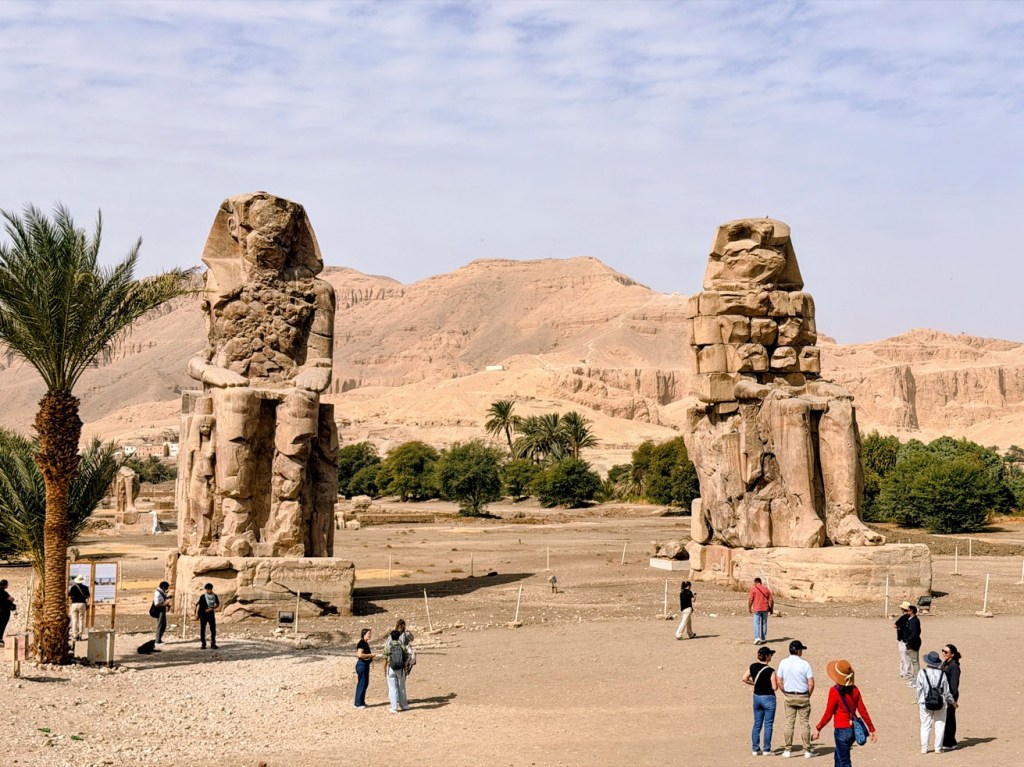
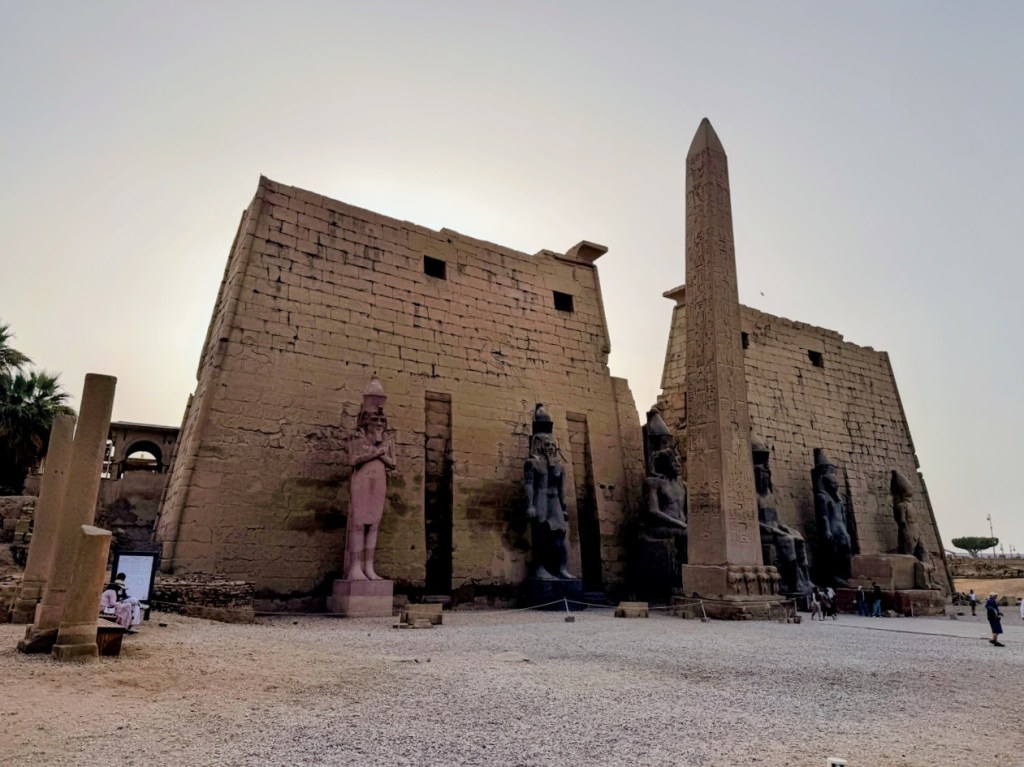
  • Luxor Temple and the Colossi of Memnon, standing watch over the west bank of Luxor.
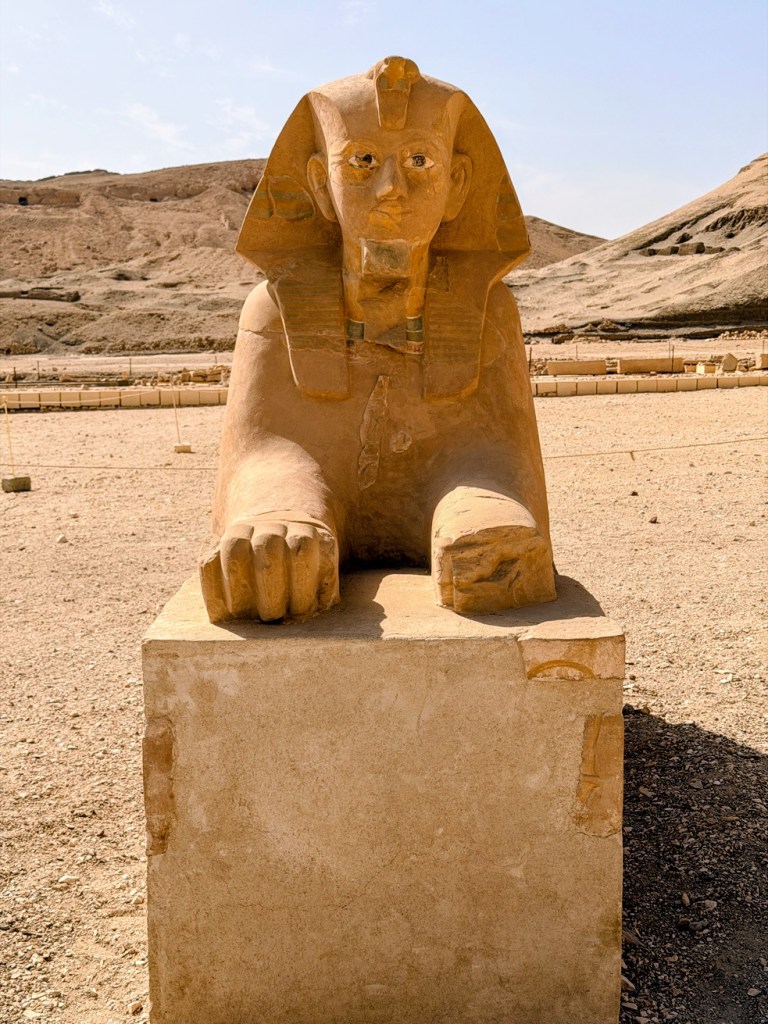
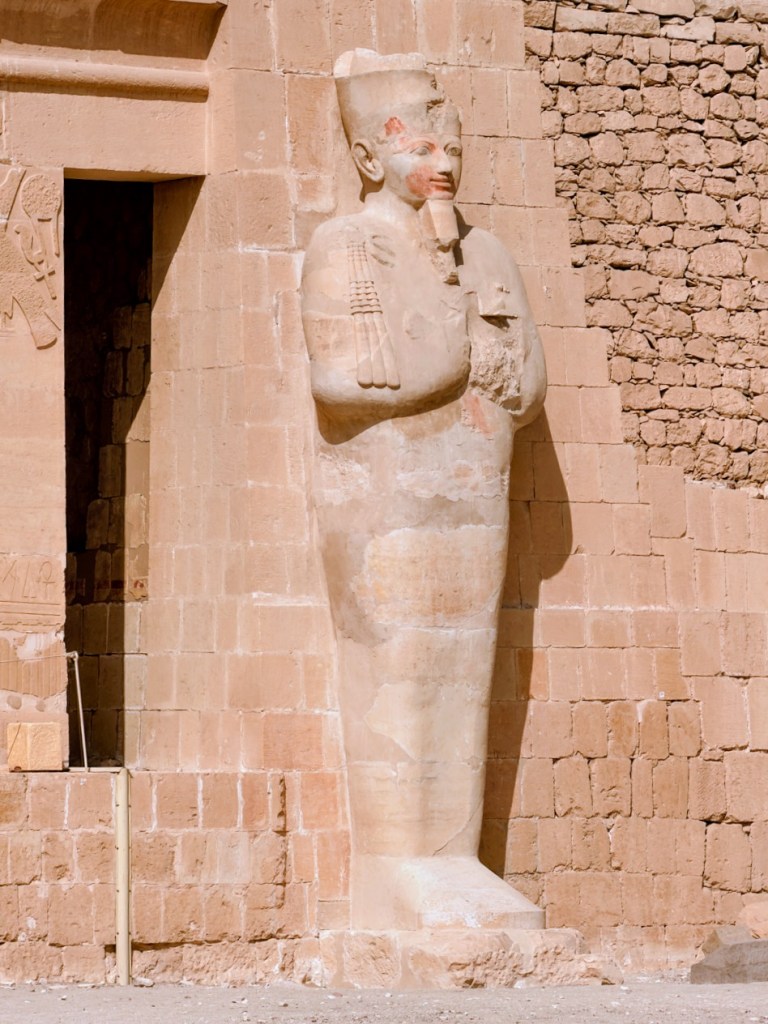
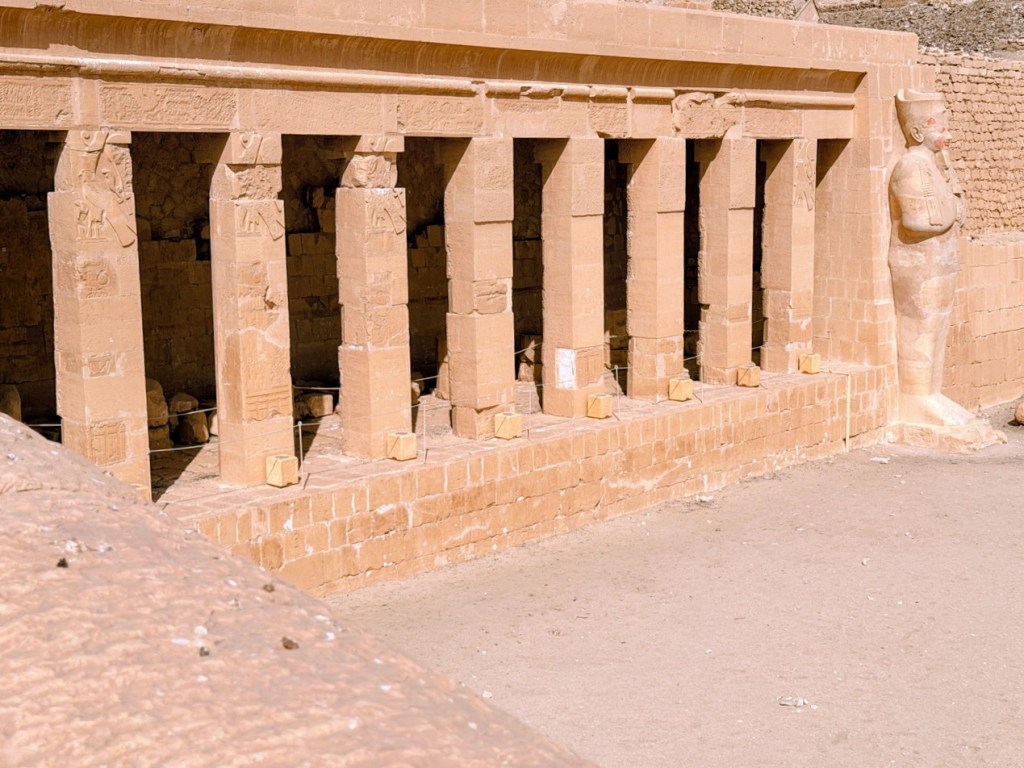
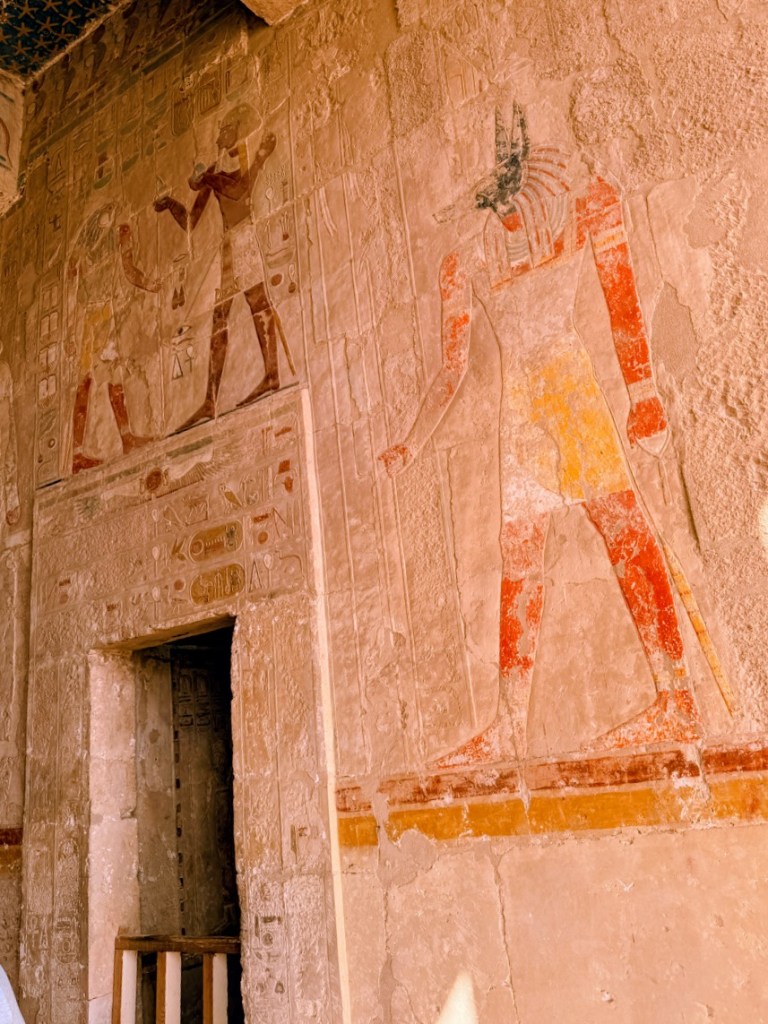
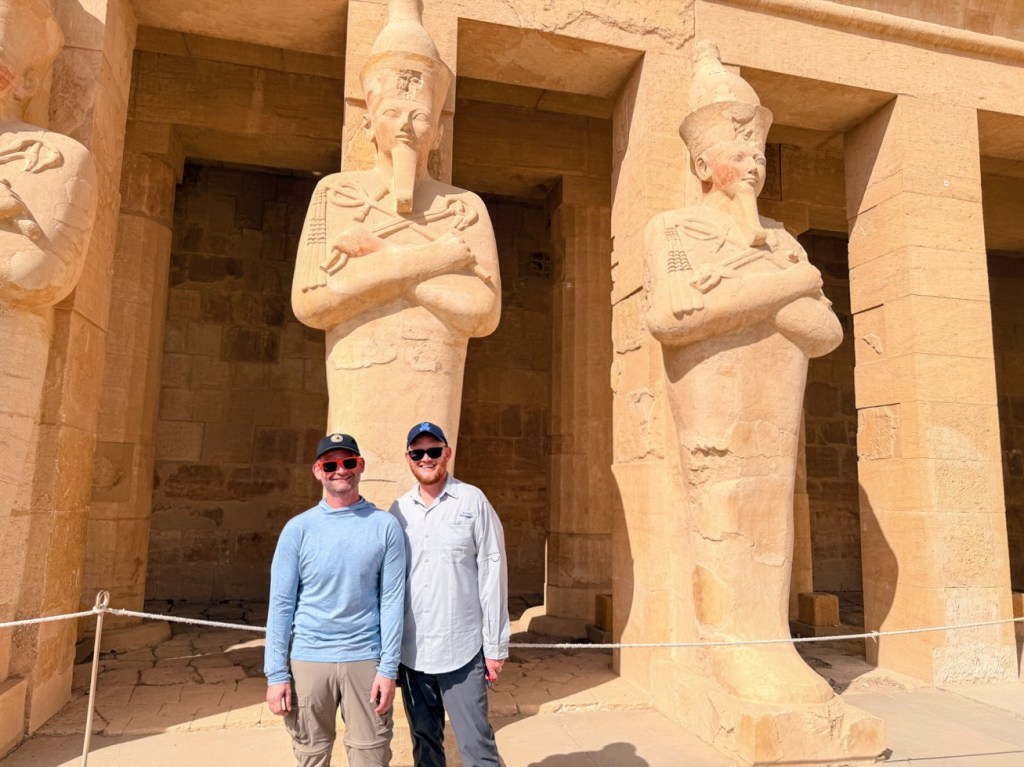
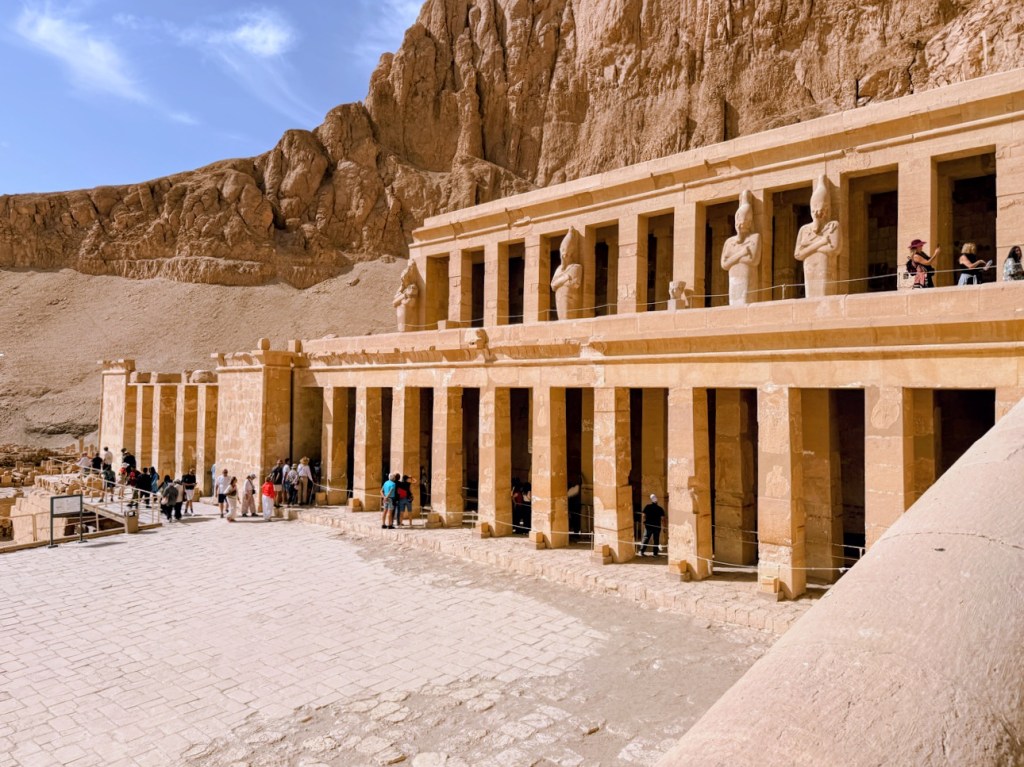
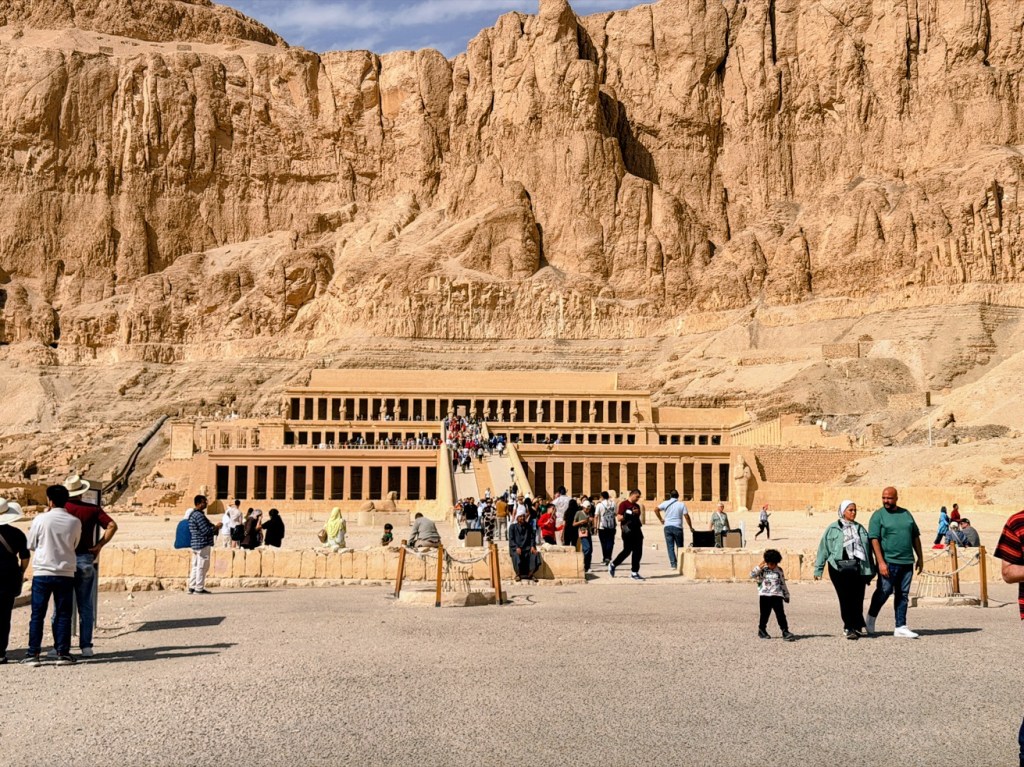
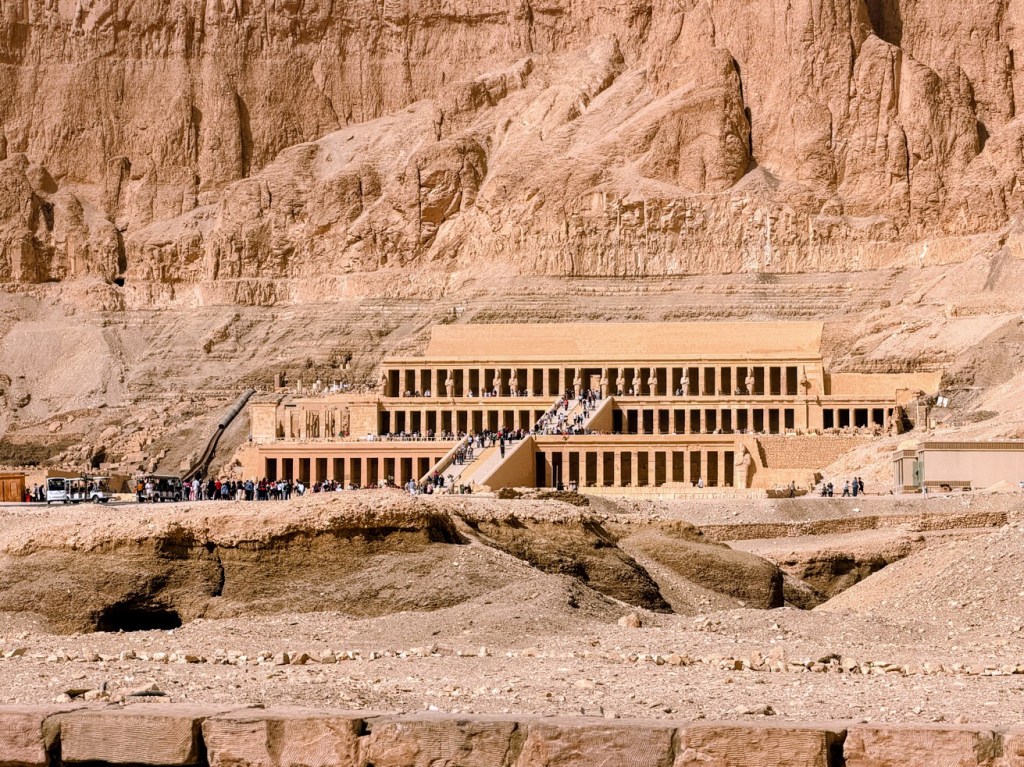
  • The dramatic Temple of Queen Hatshepsut, carved directly into the cliffs.
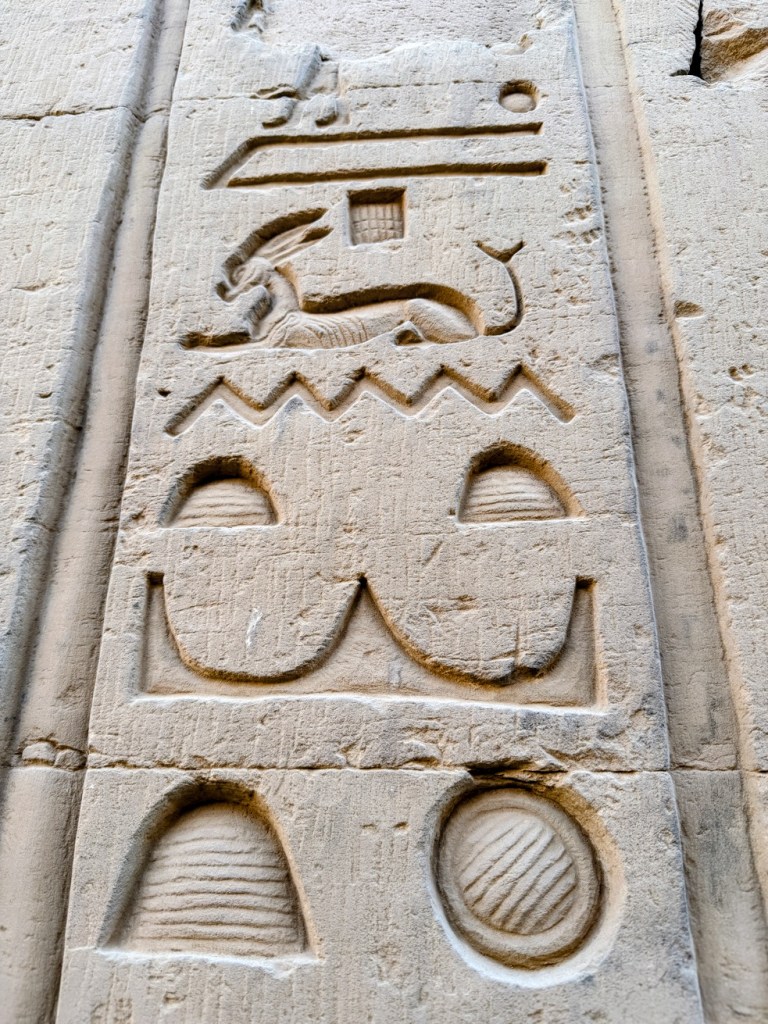
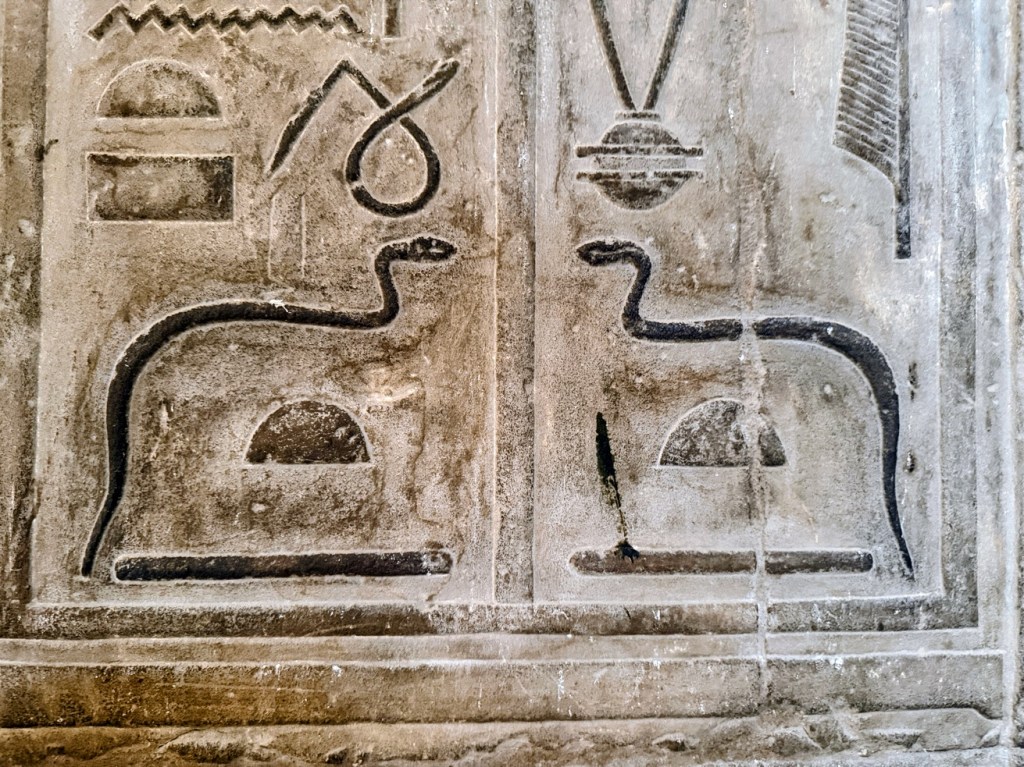
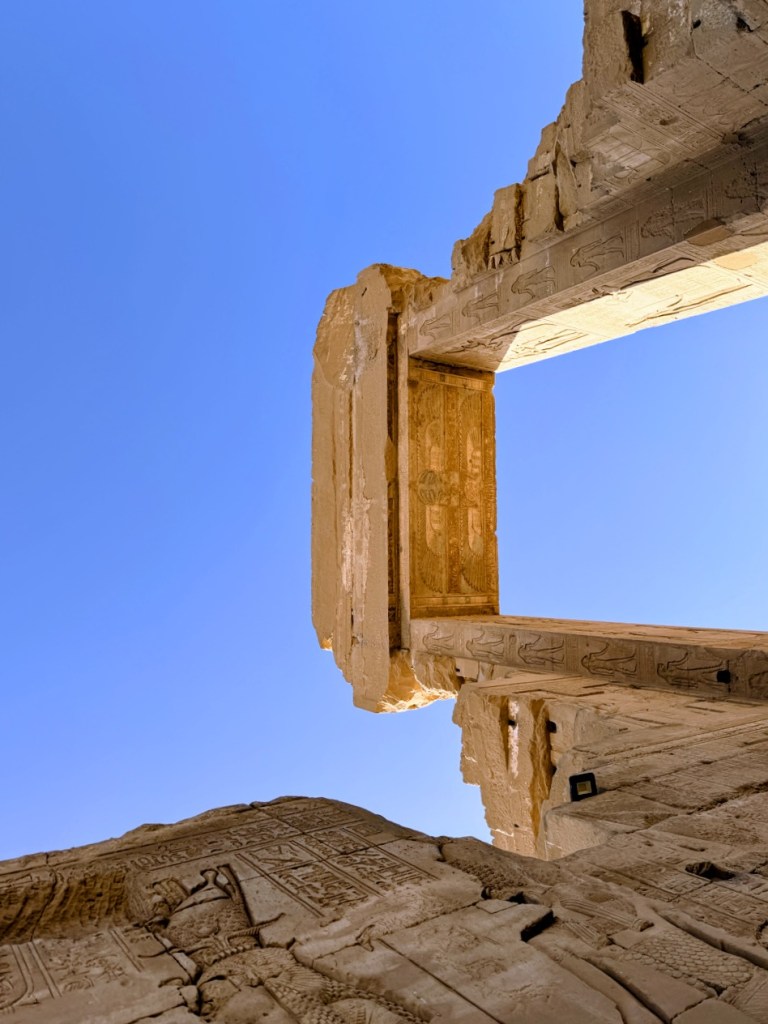
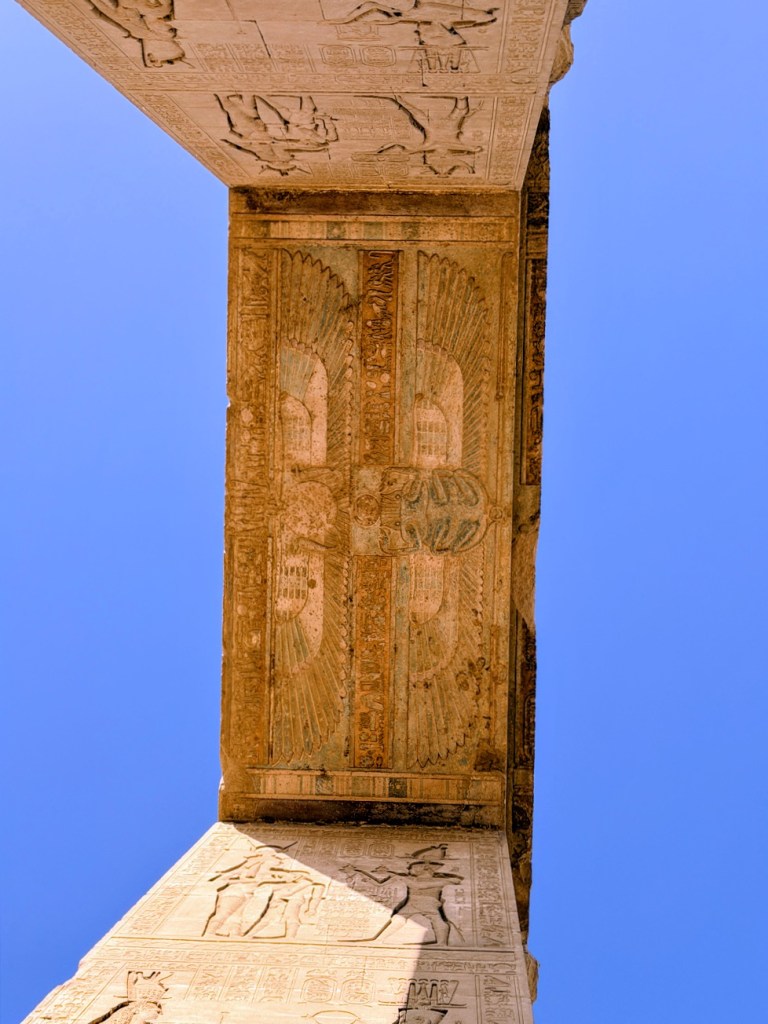
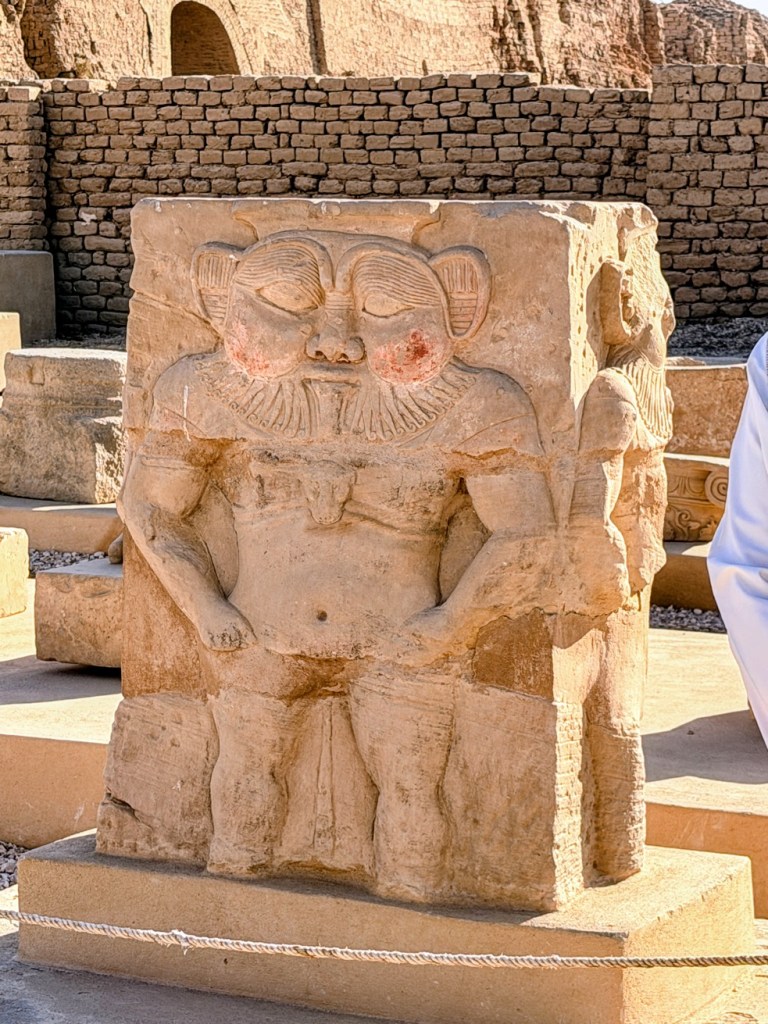
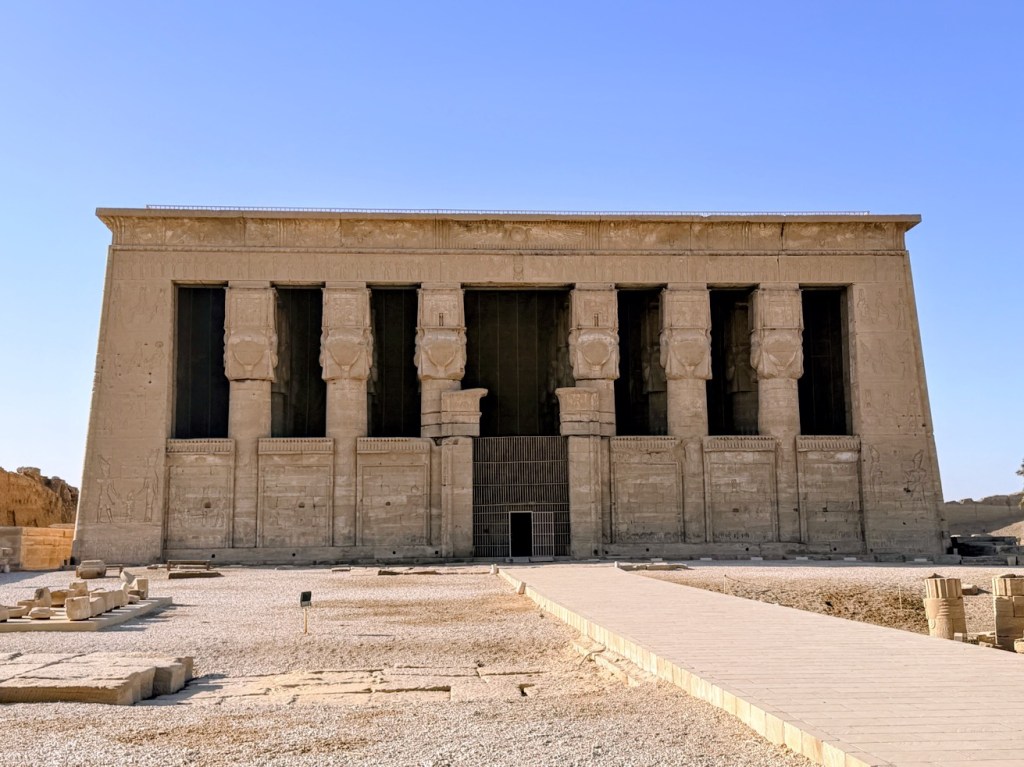
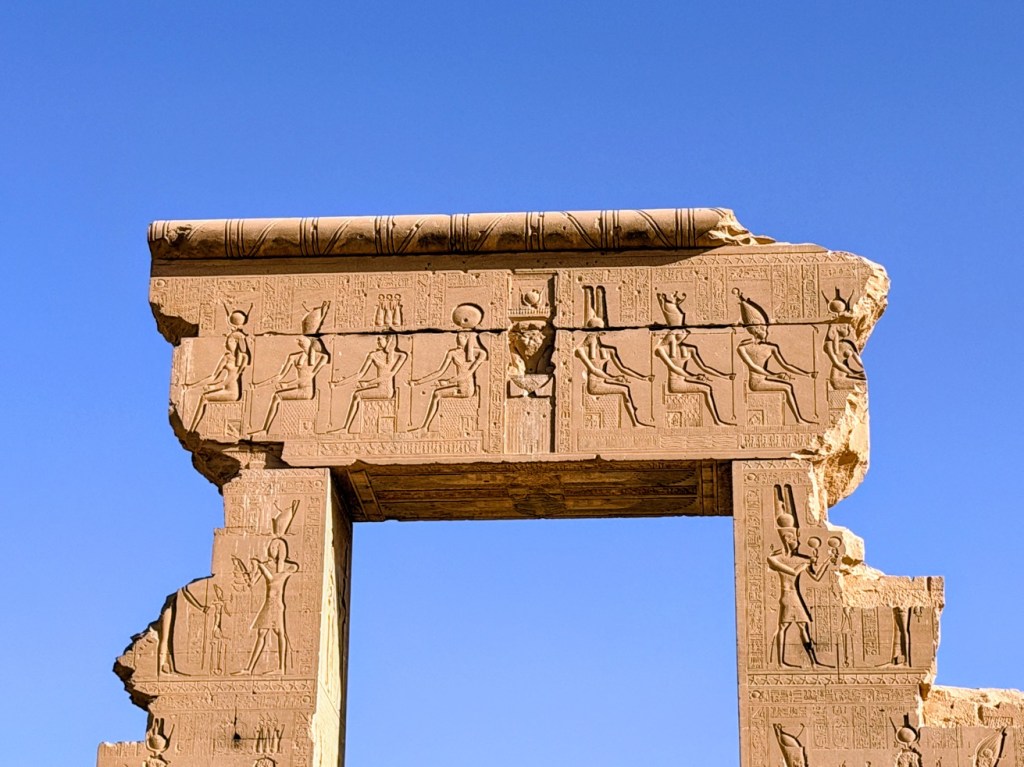
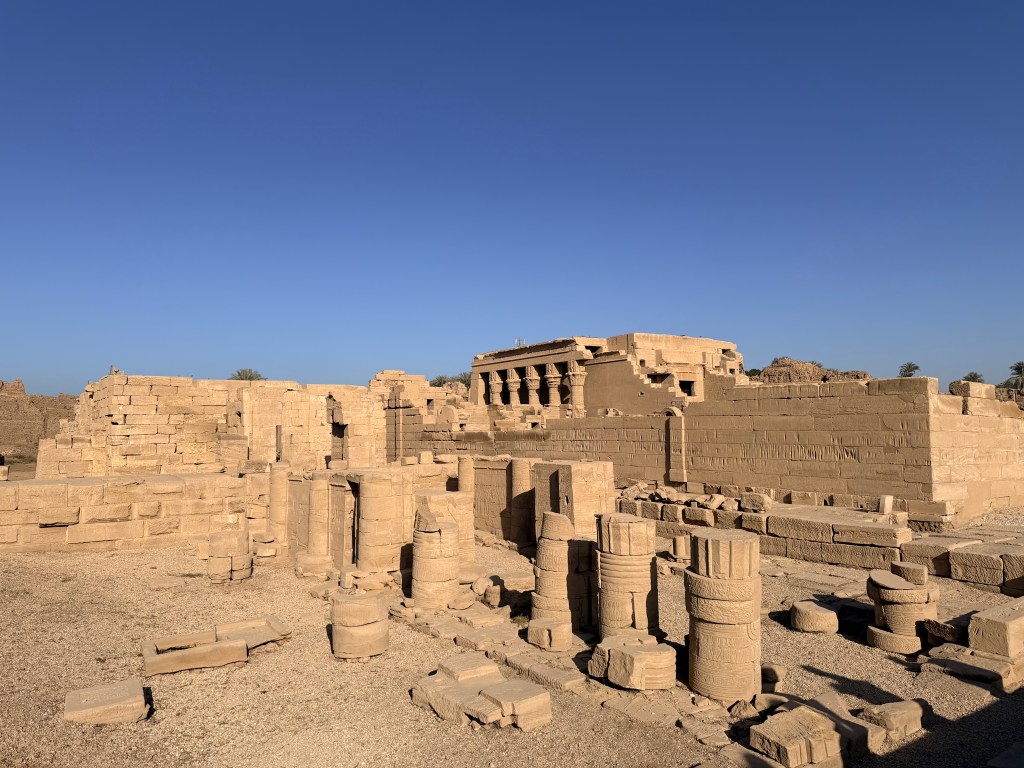
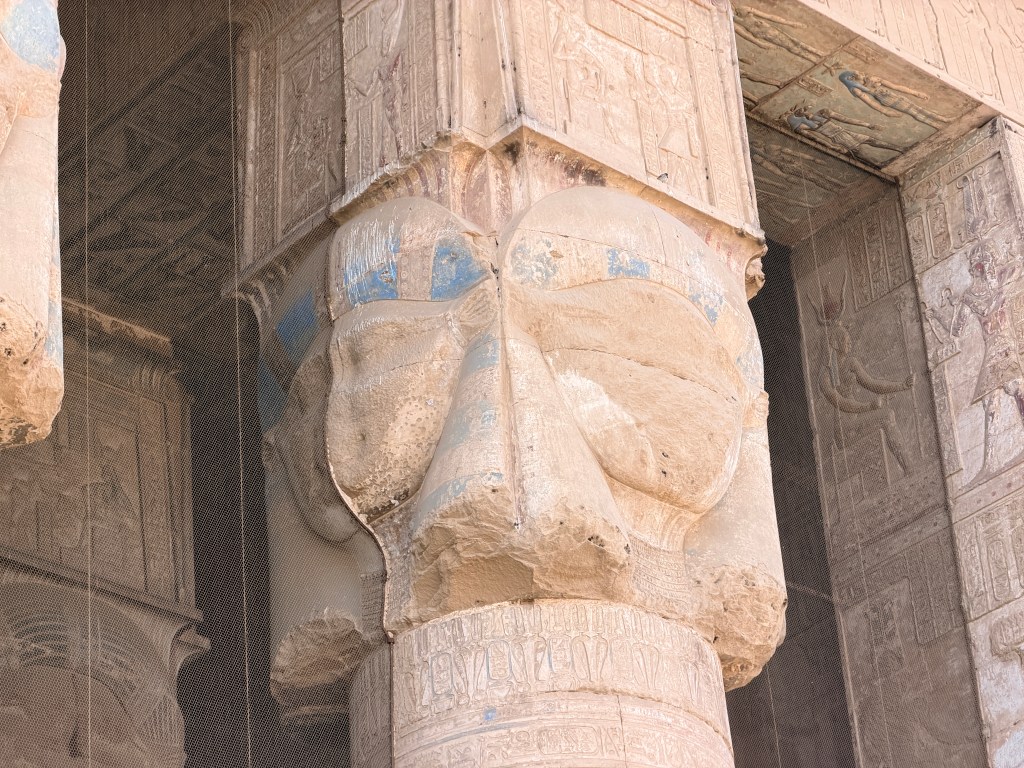
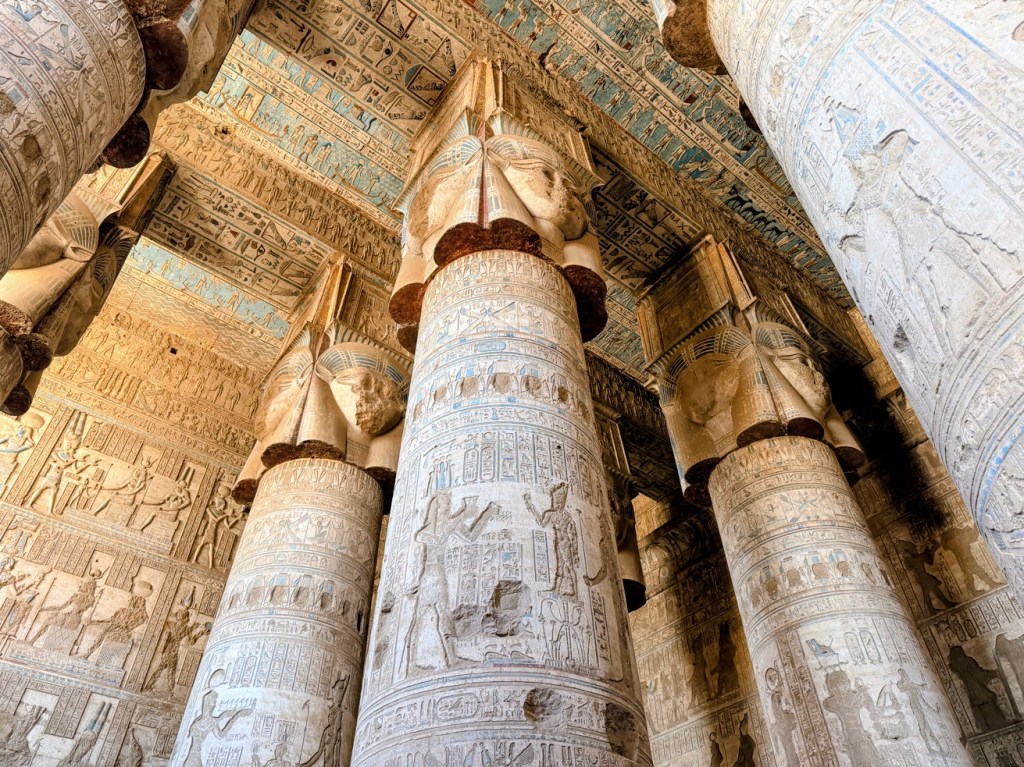
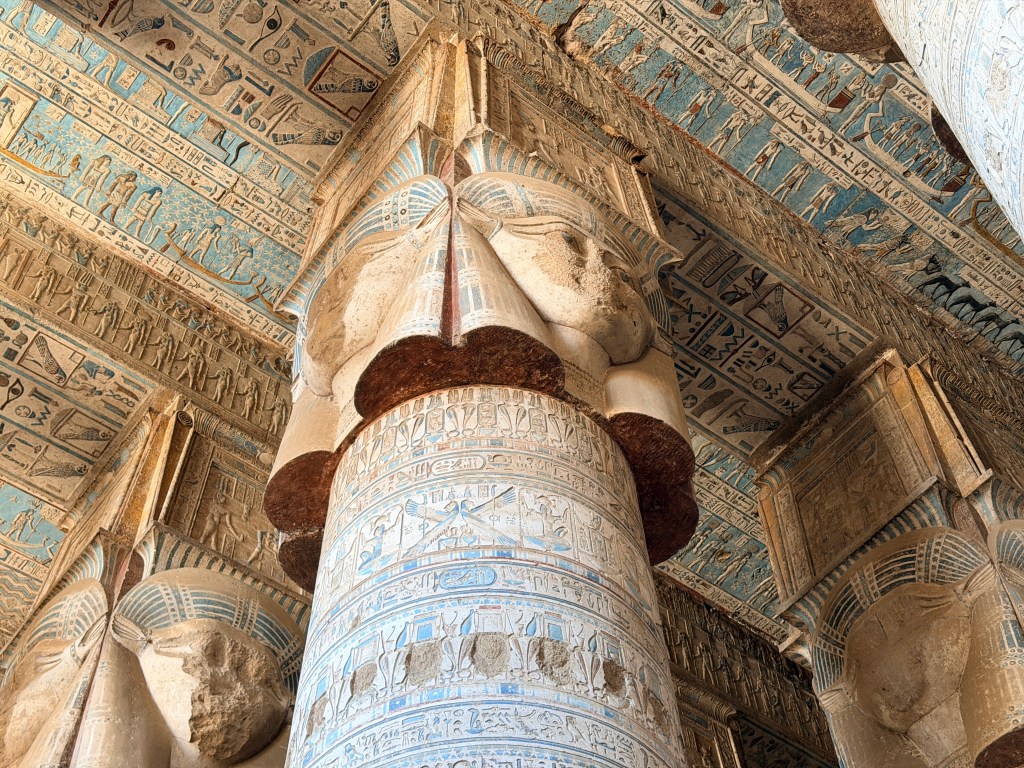
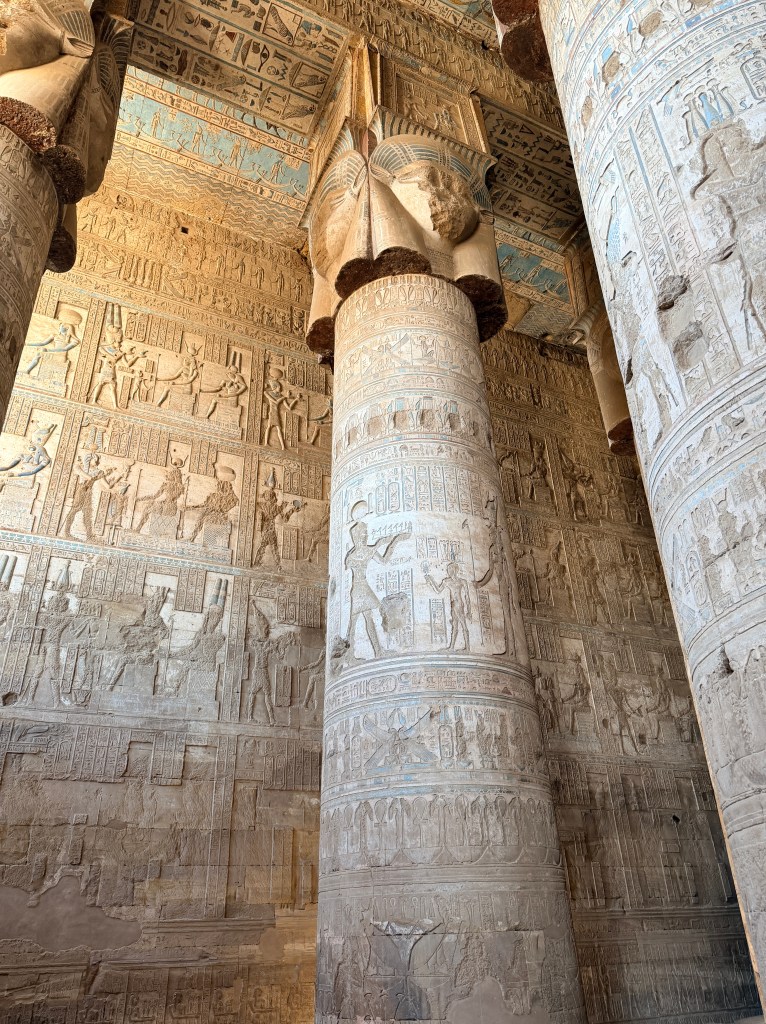
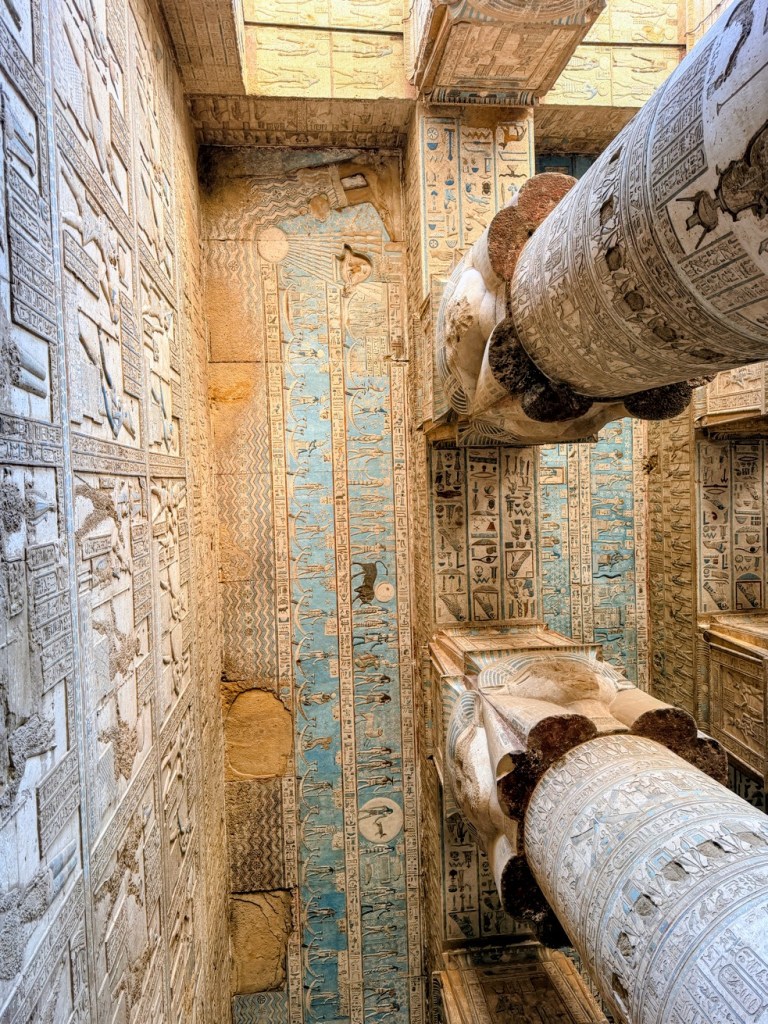
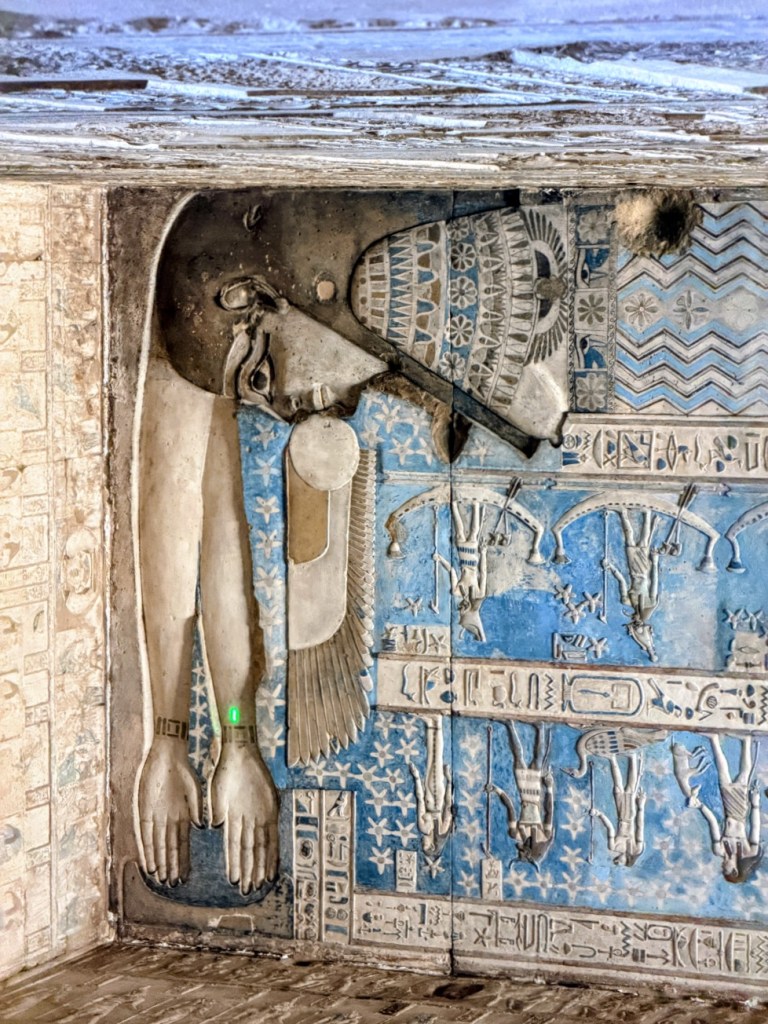
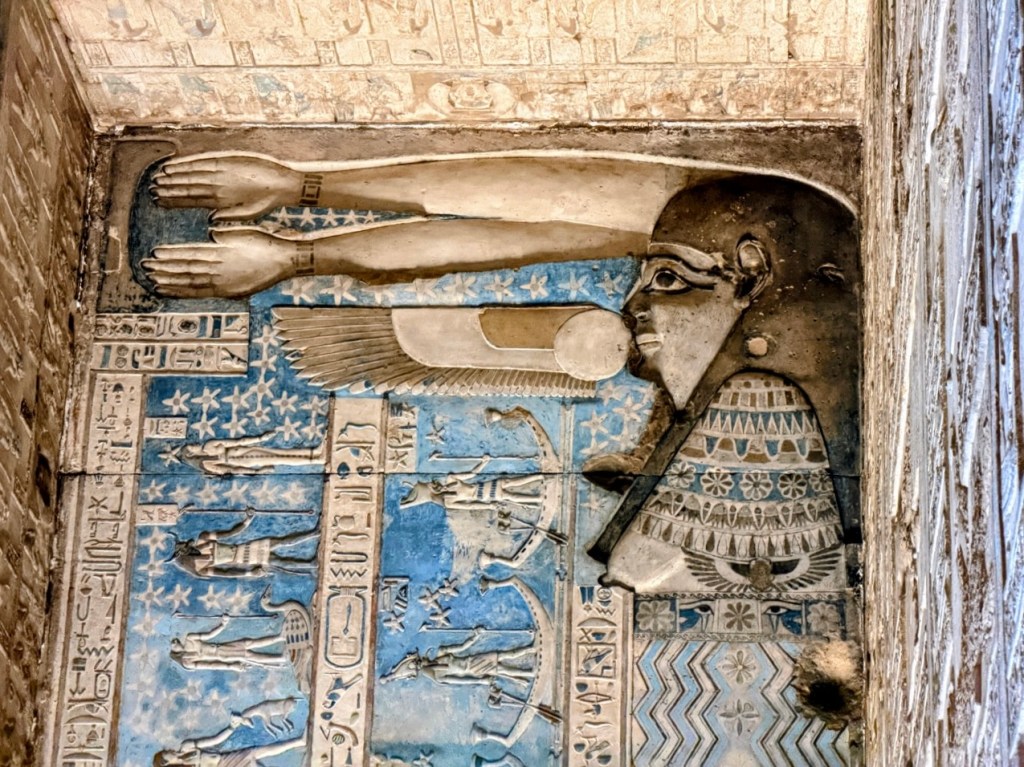
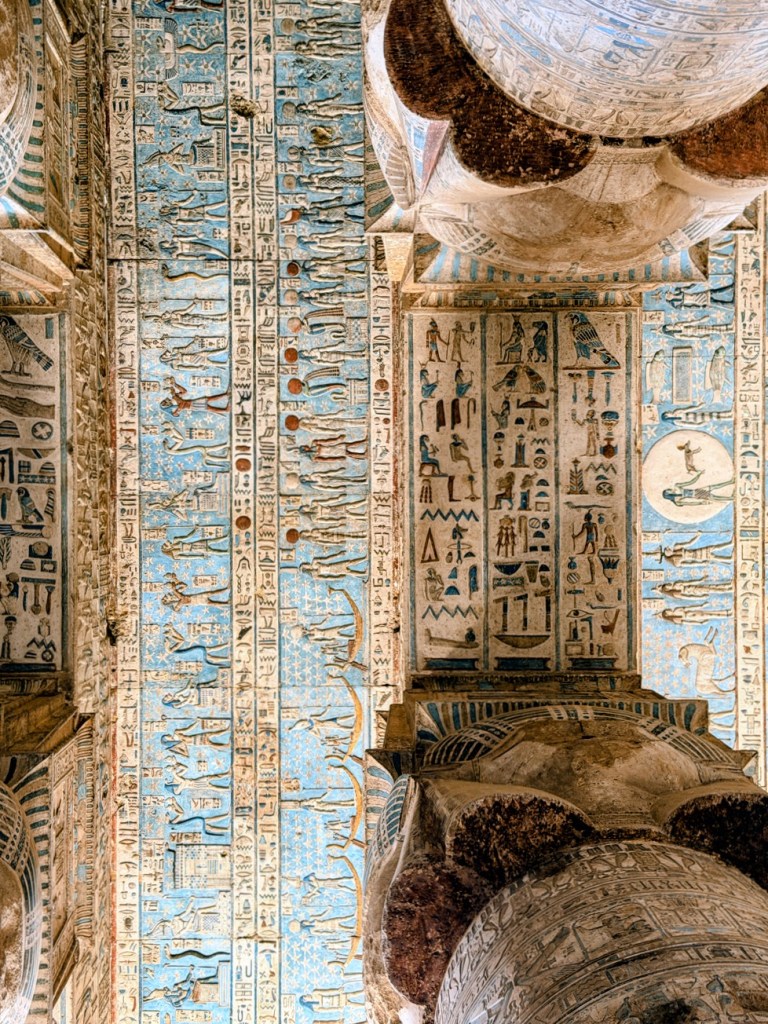
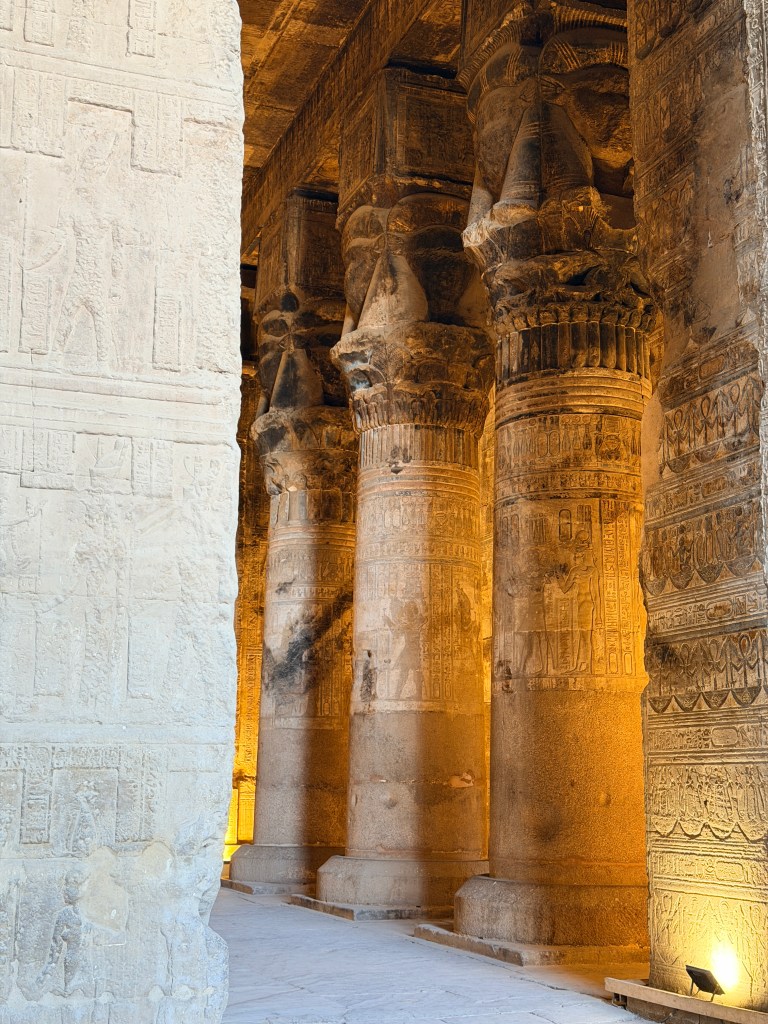
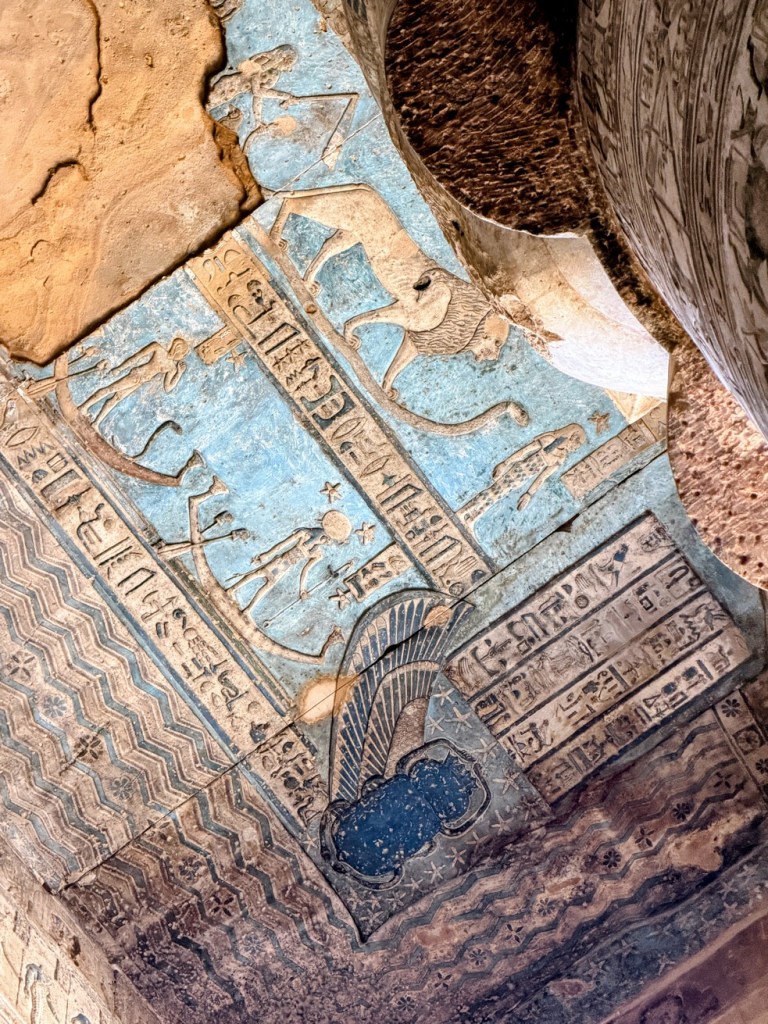
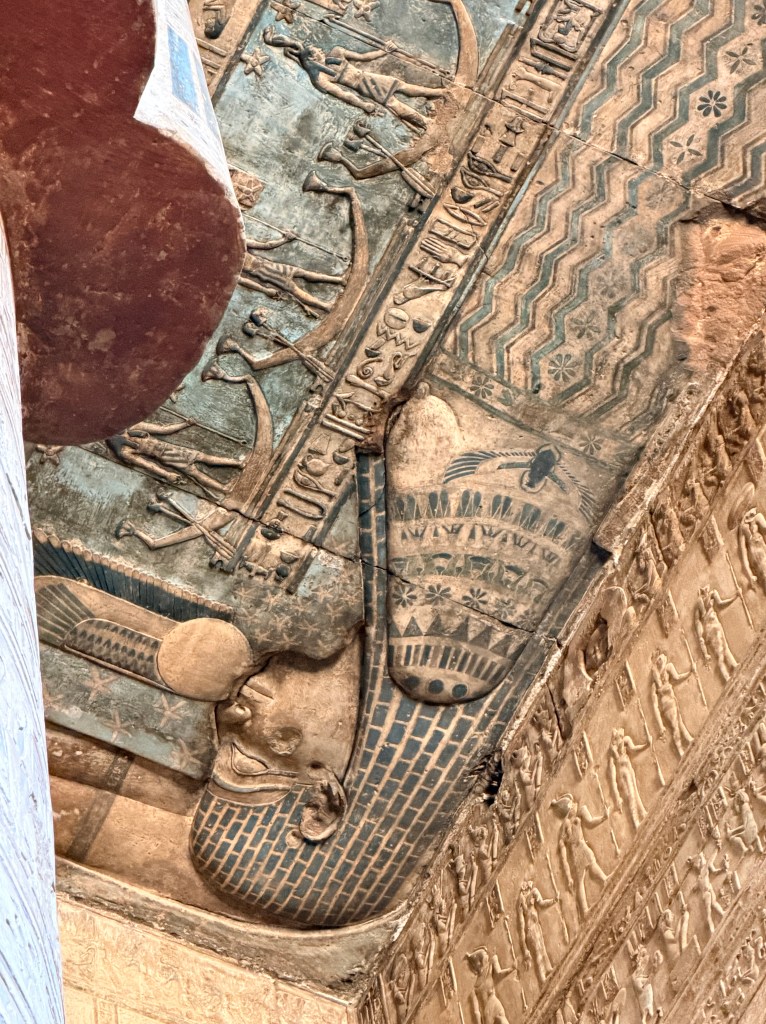
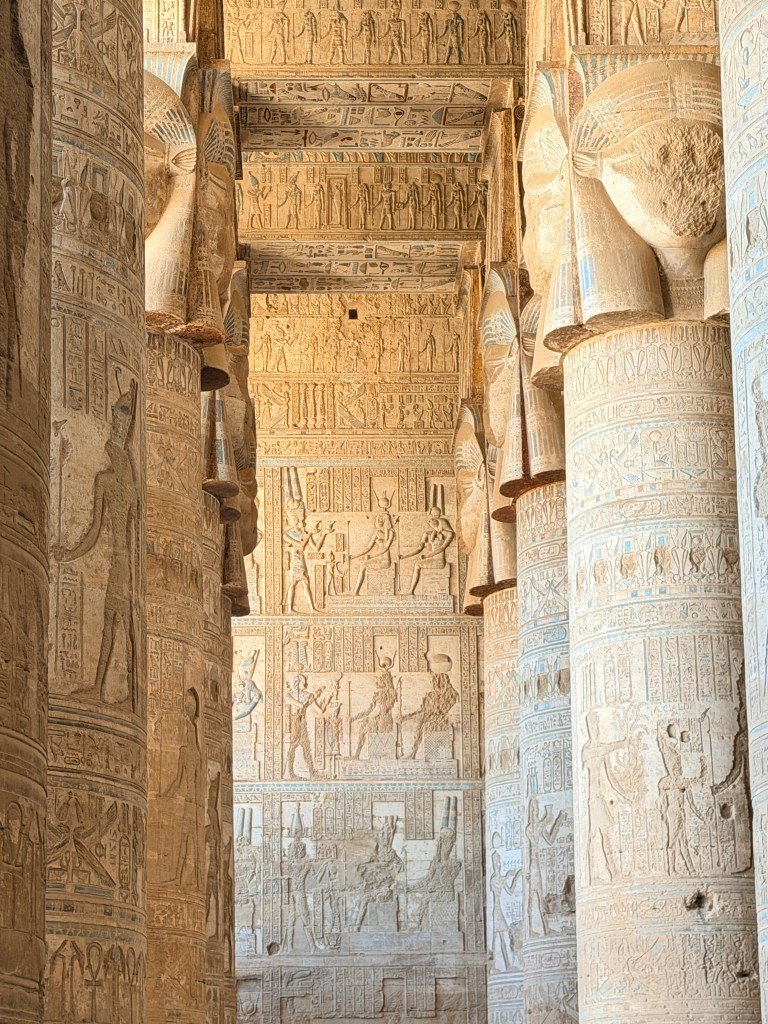
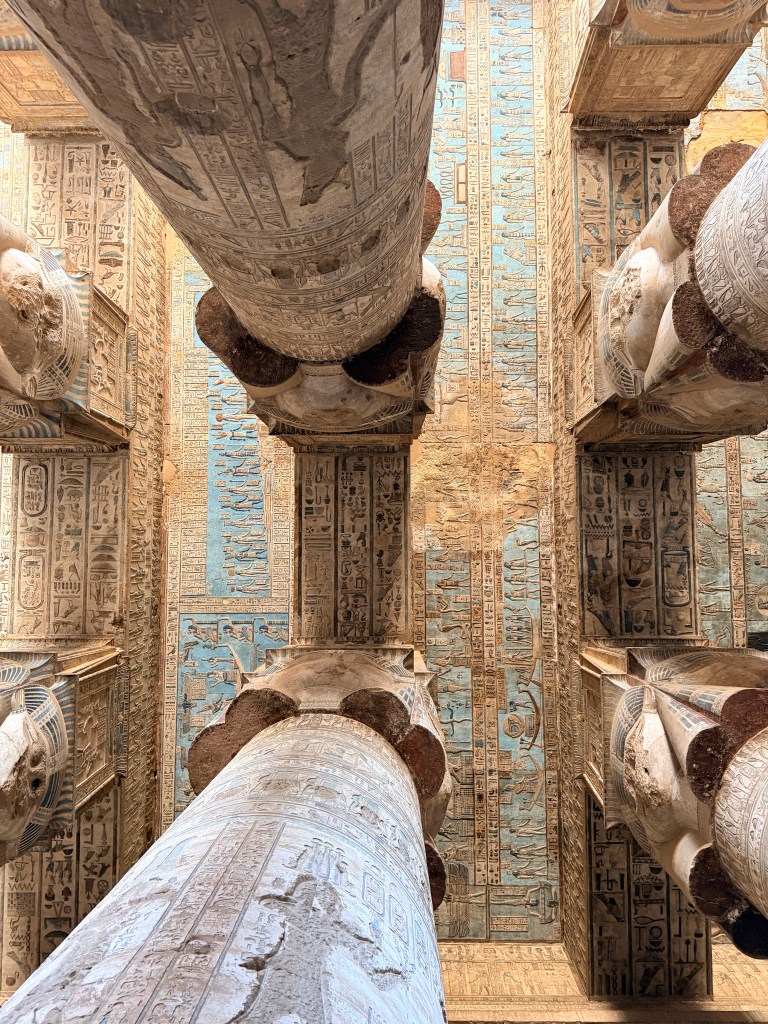
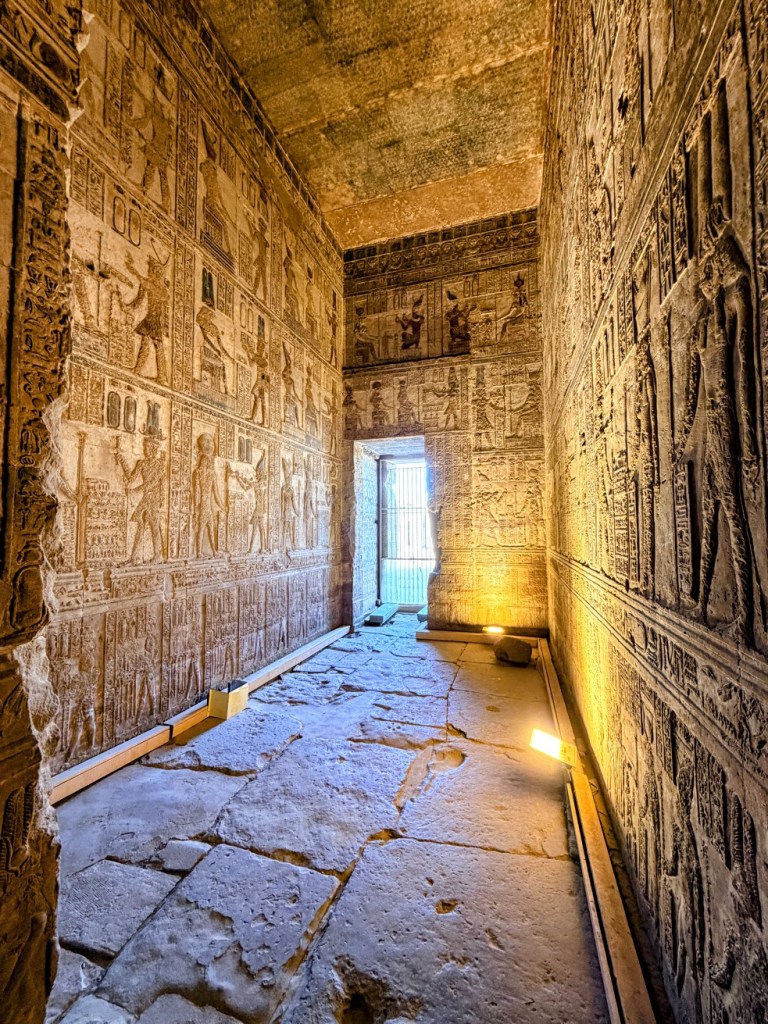
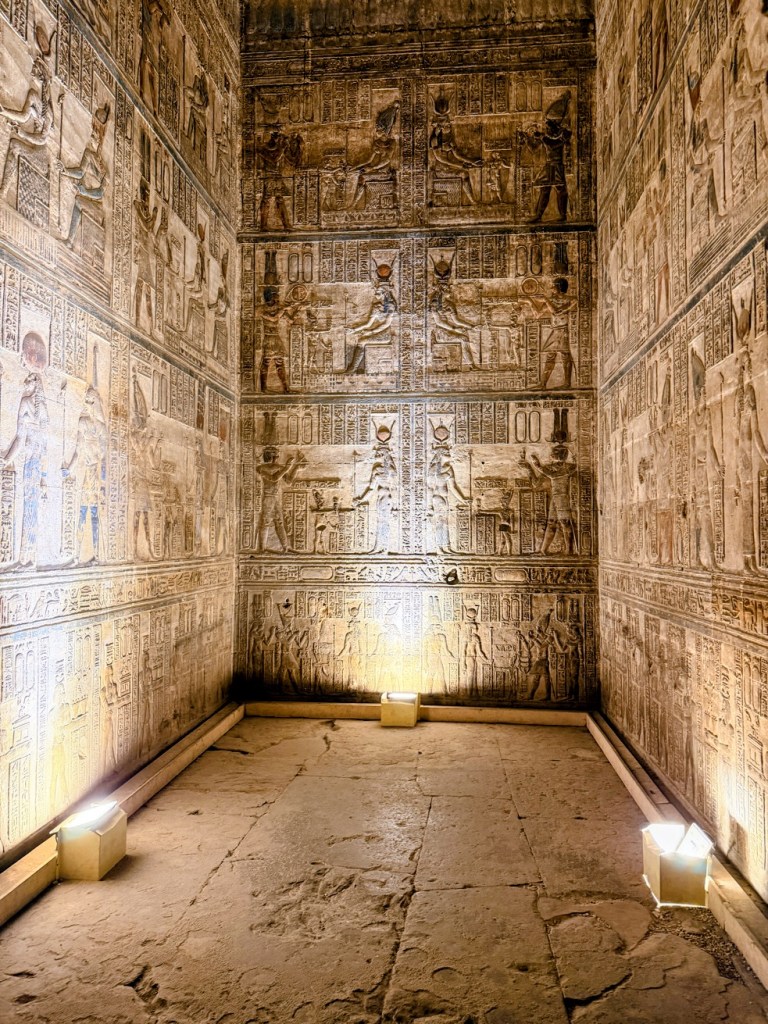
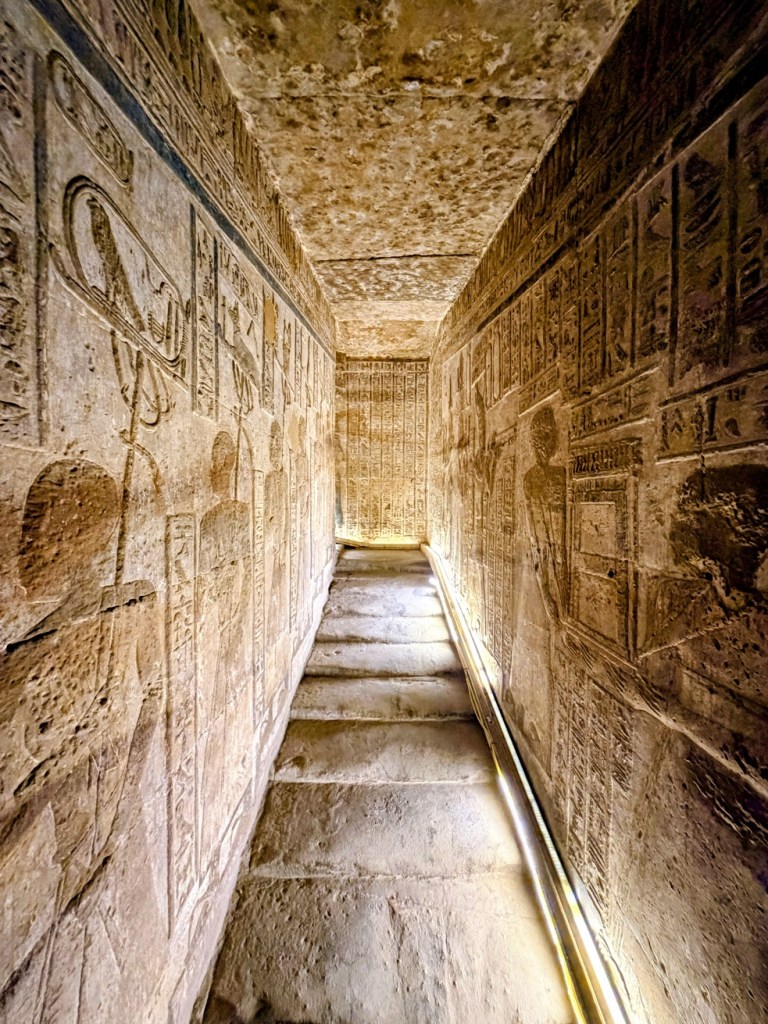
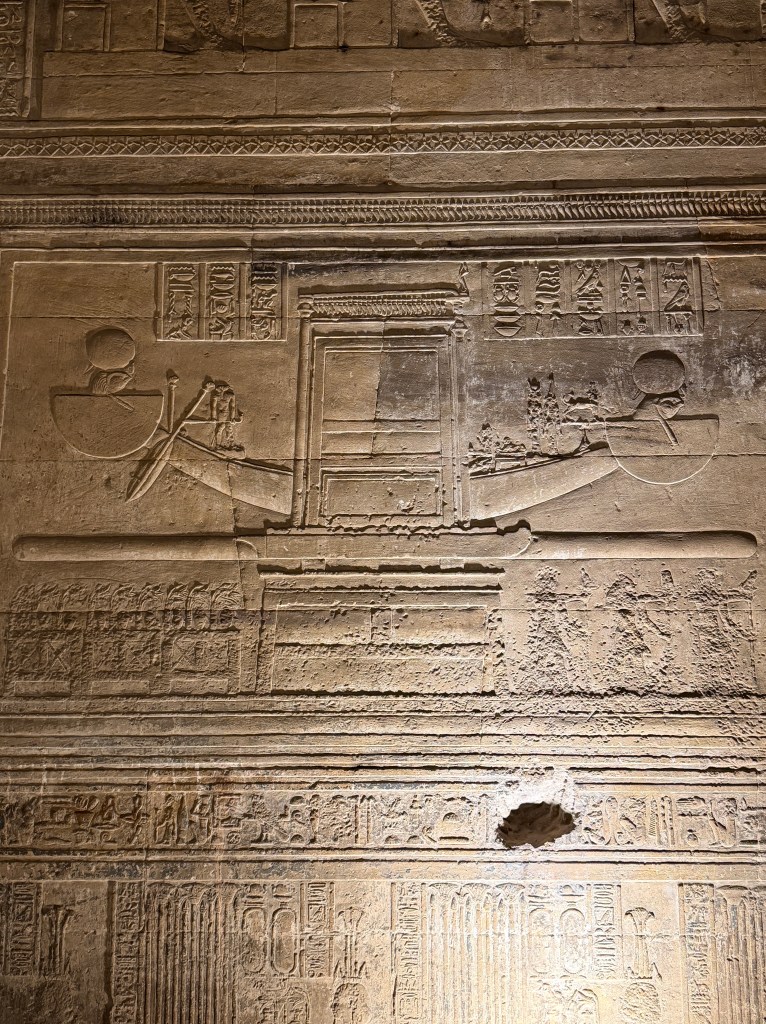
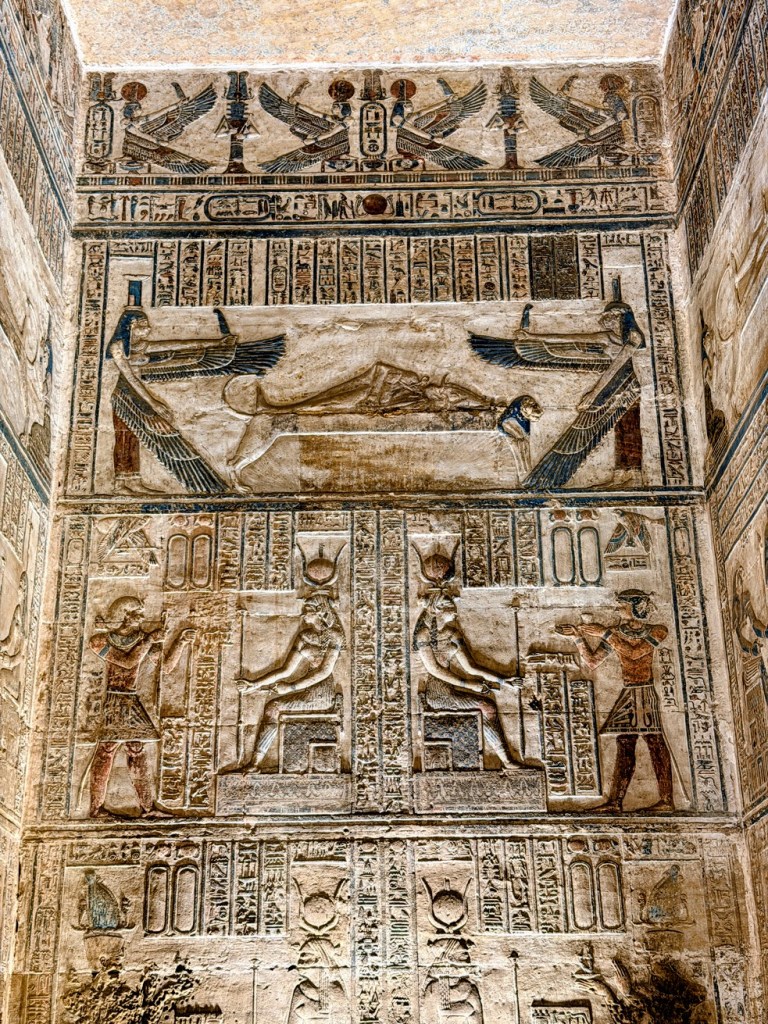
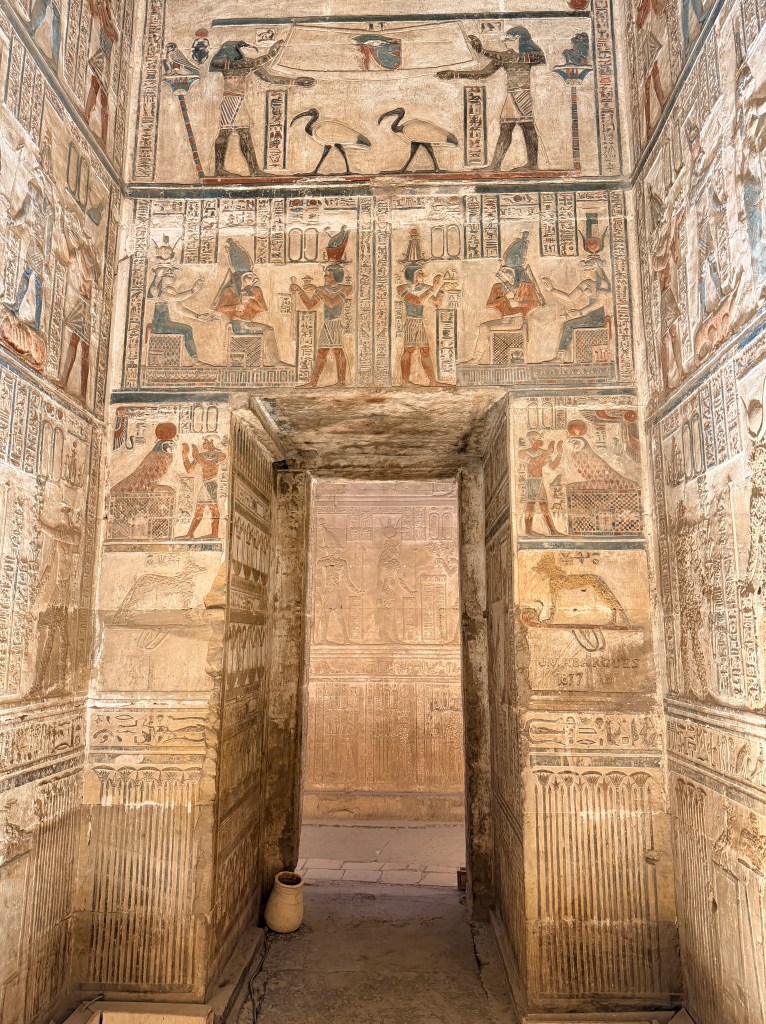
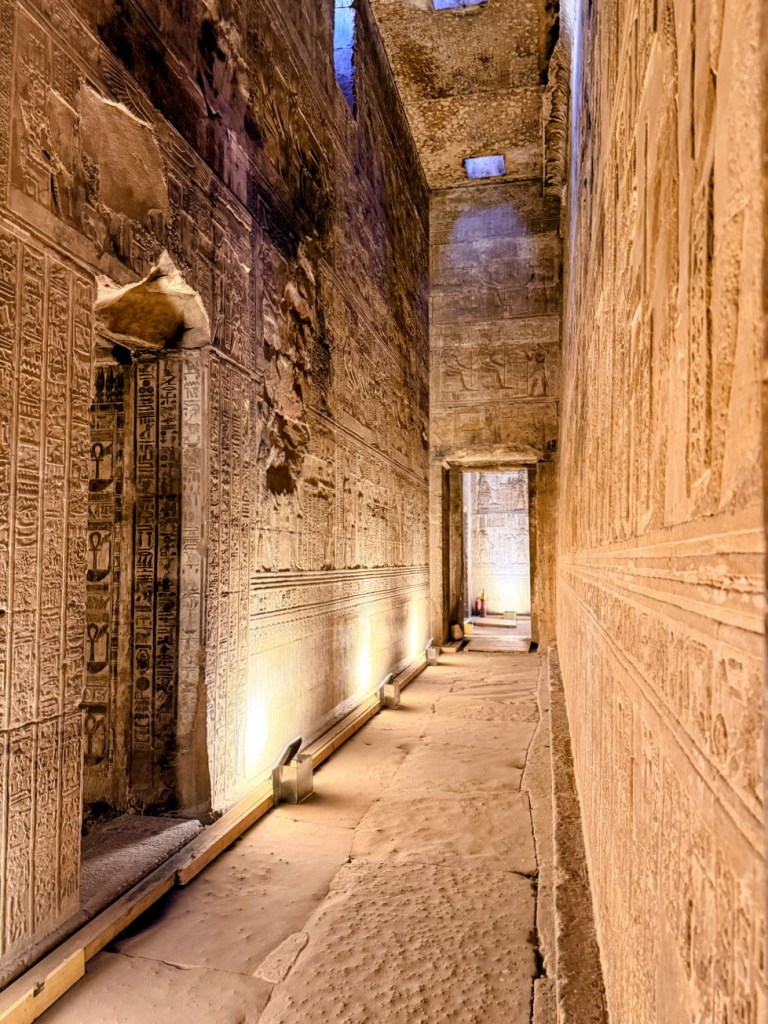
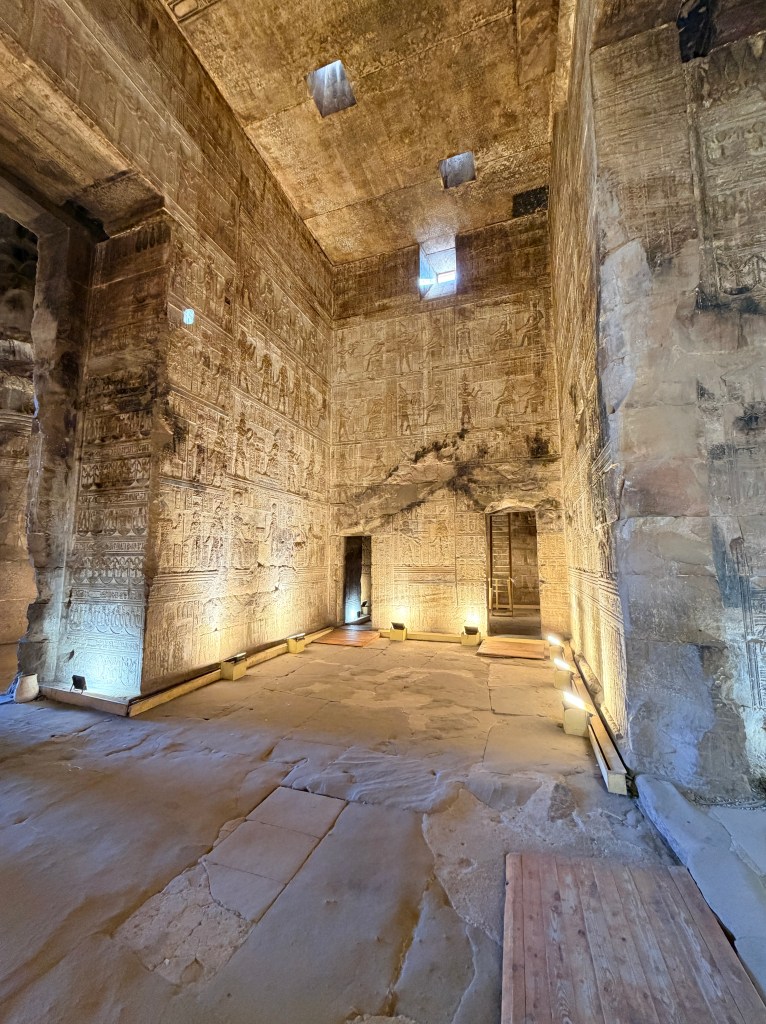
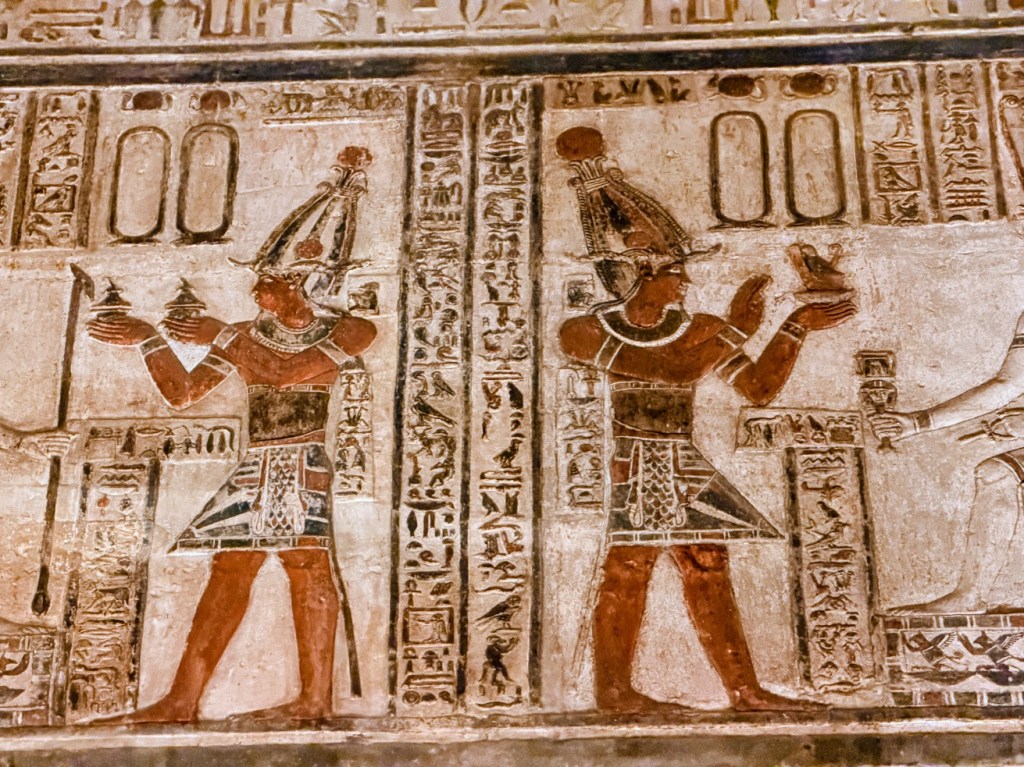
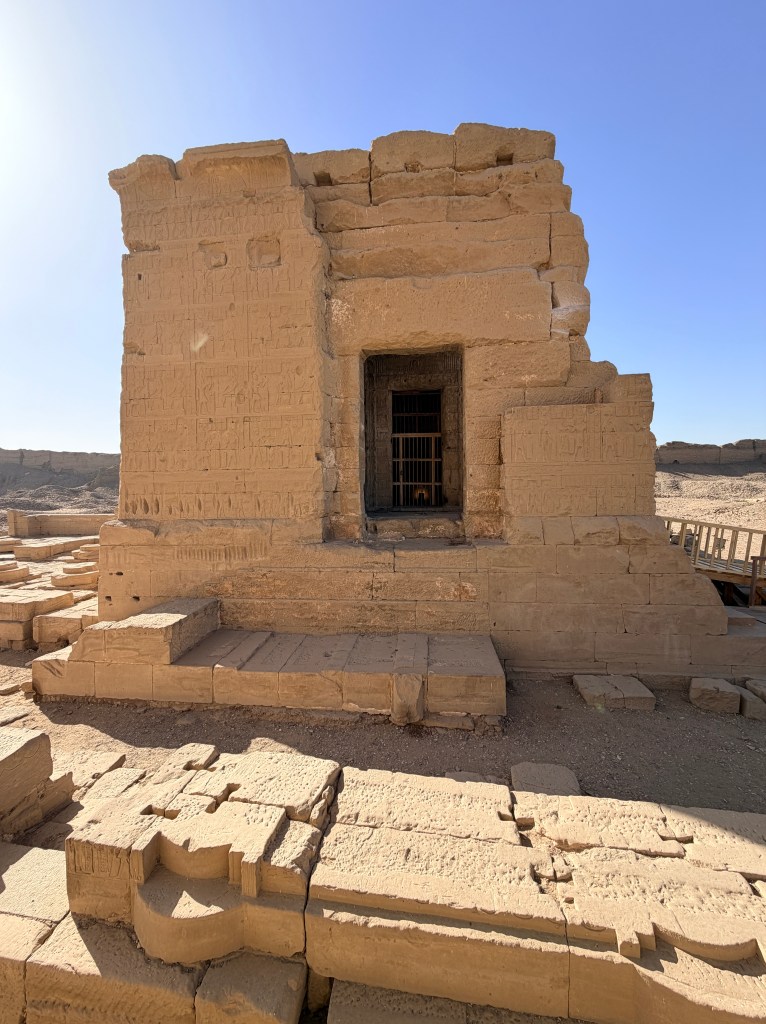
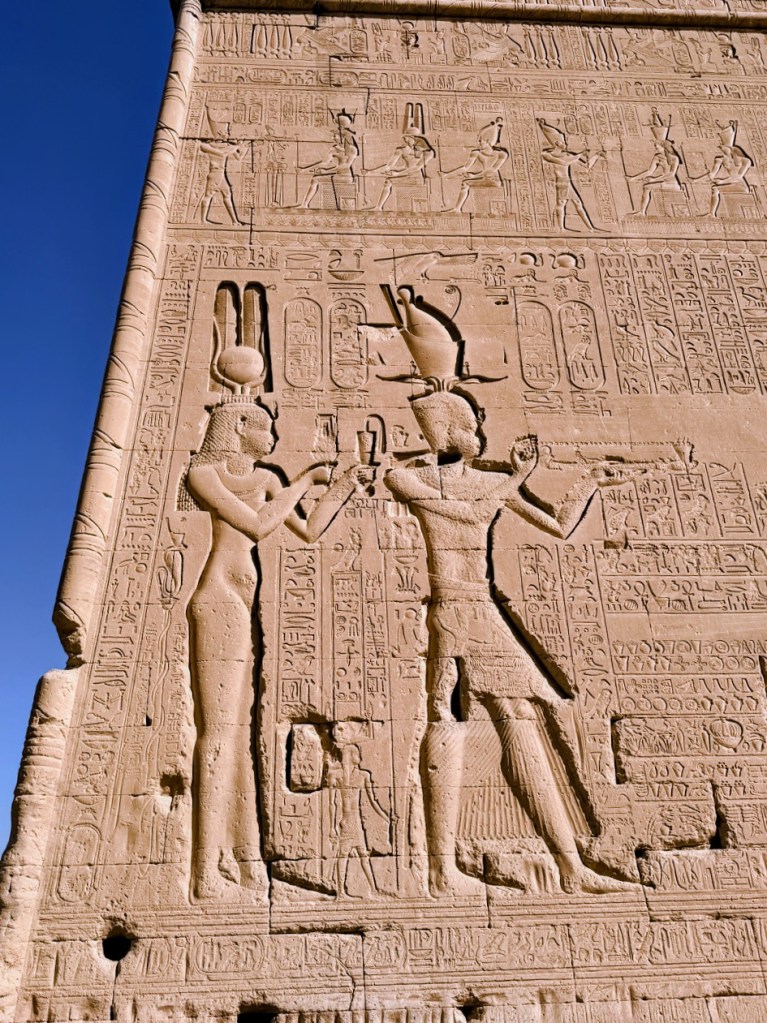
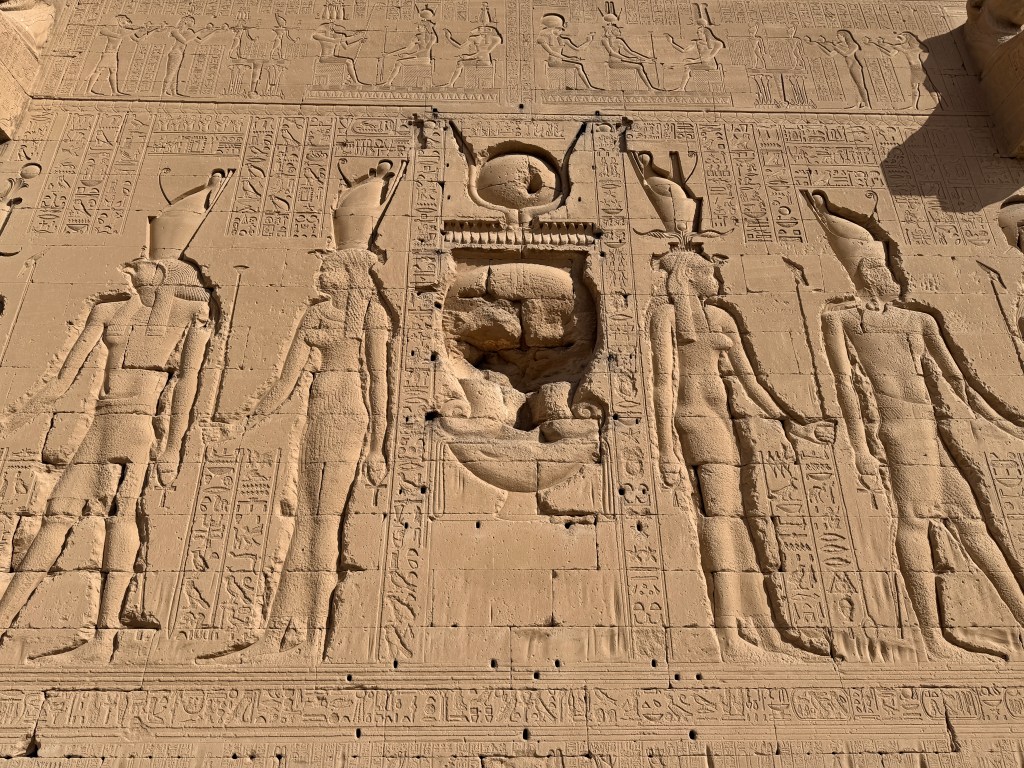
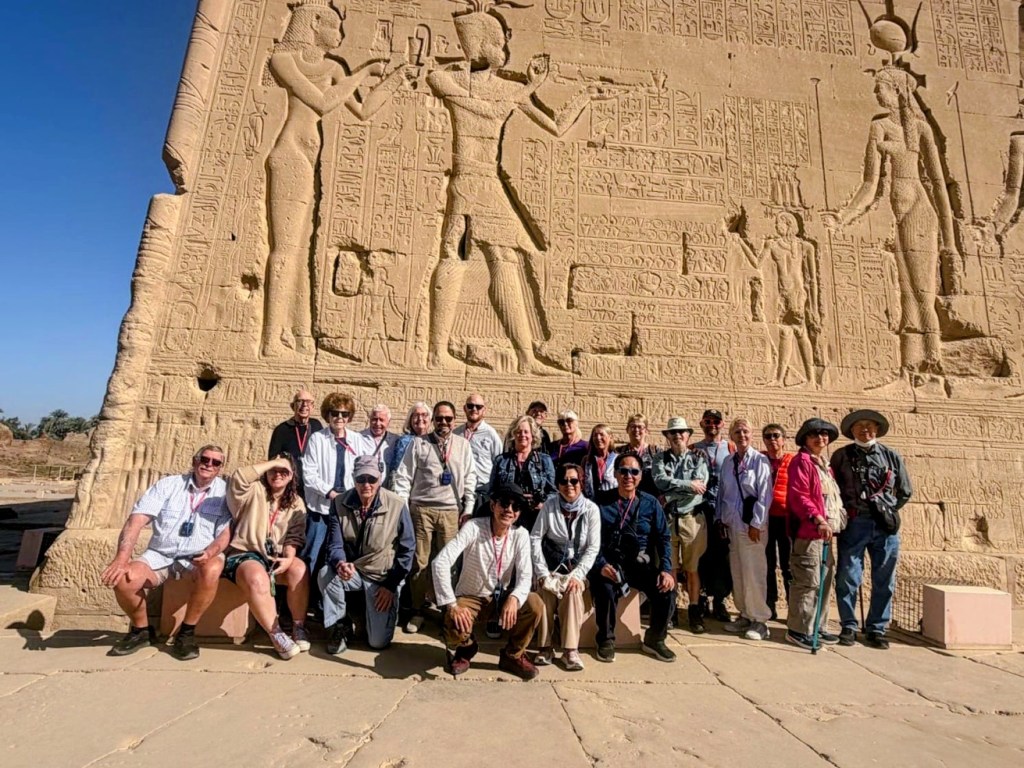
  • And on our final day along the Nile, a visit to Dendera Temple of Hathor—probably our favorite temple of the entire journey—before flying back to Cairo.
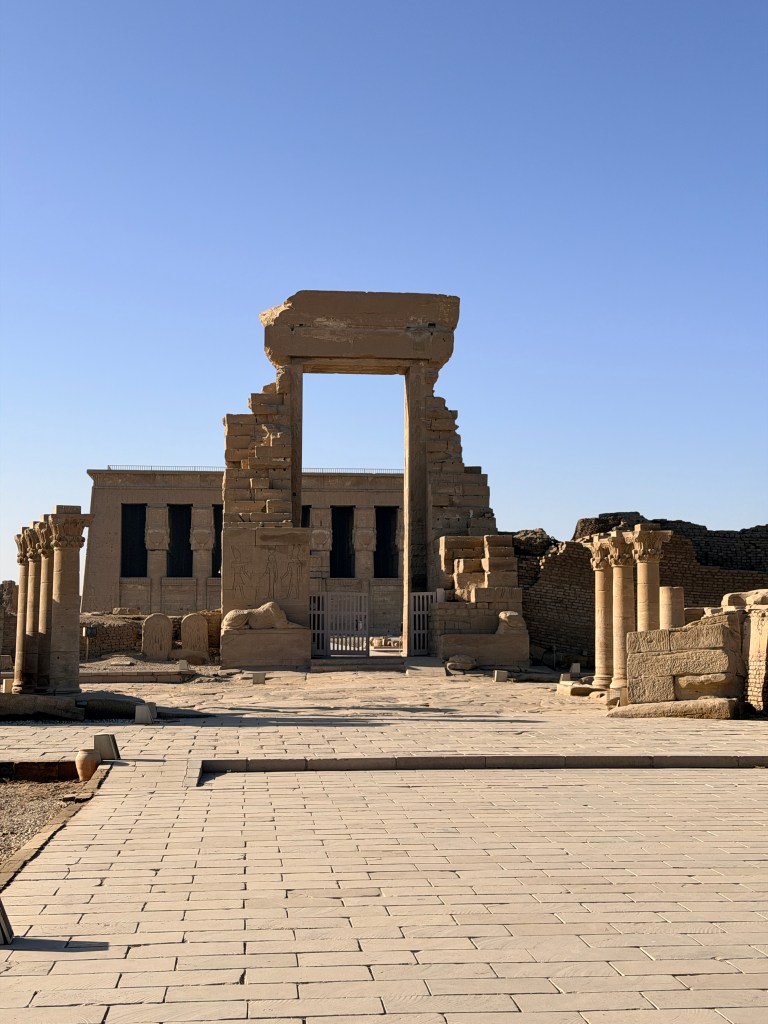
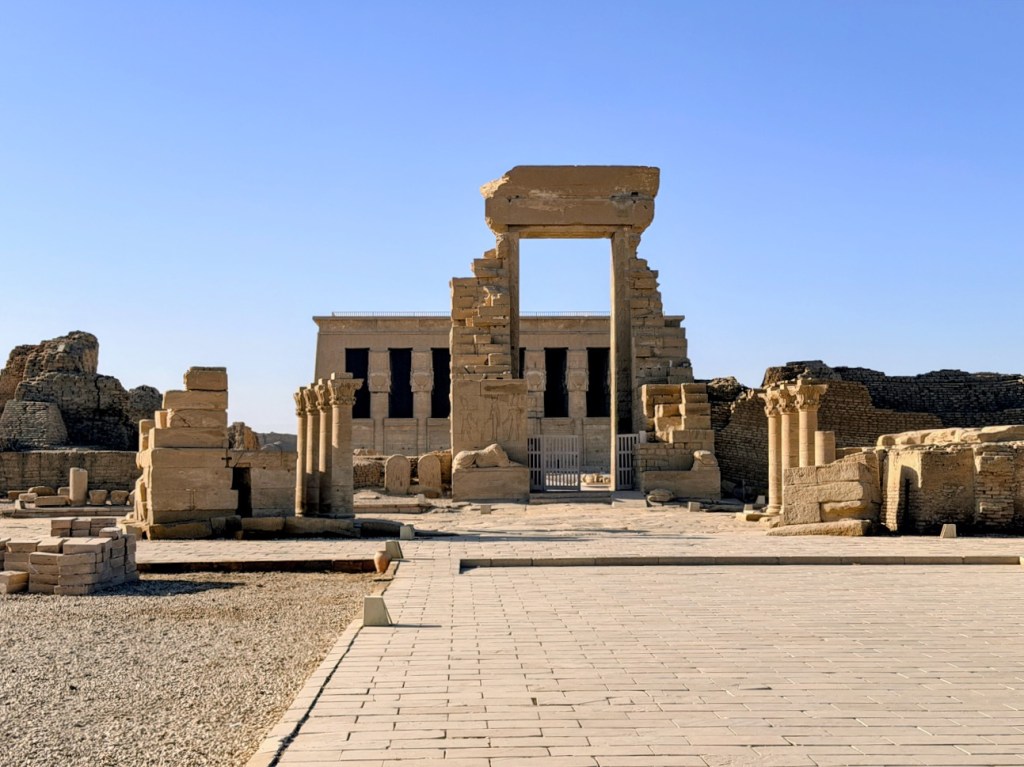
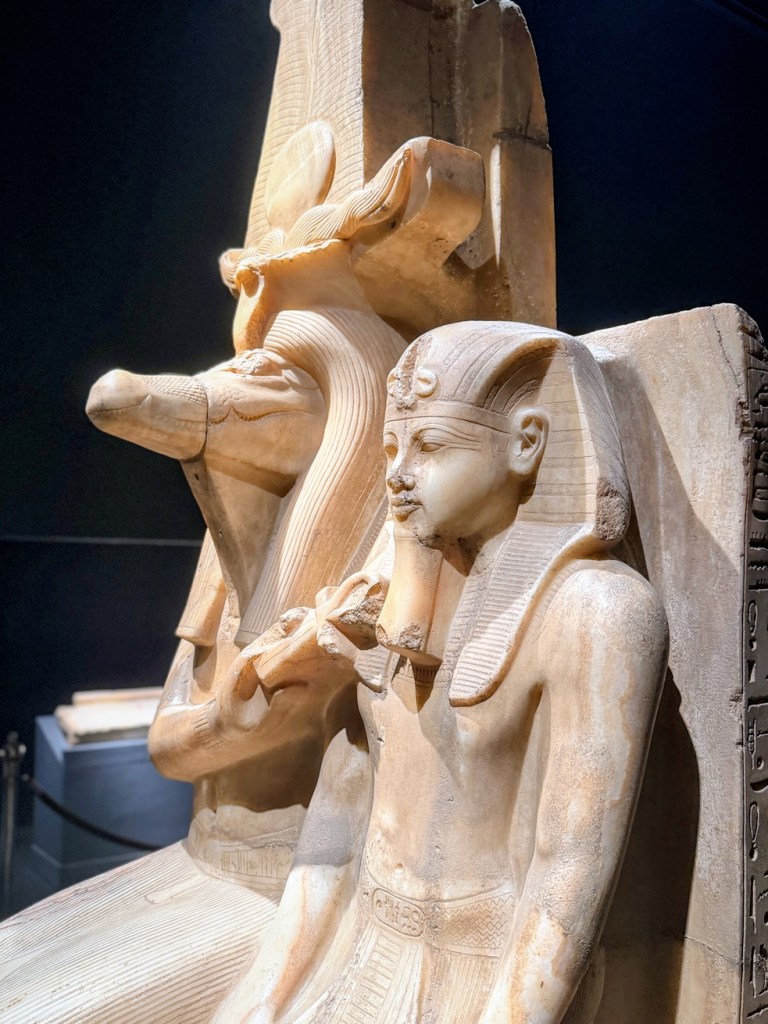
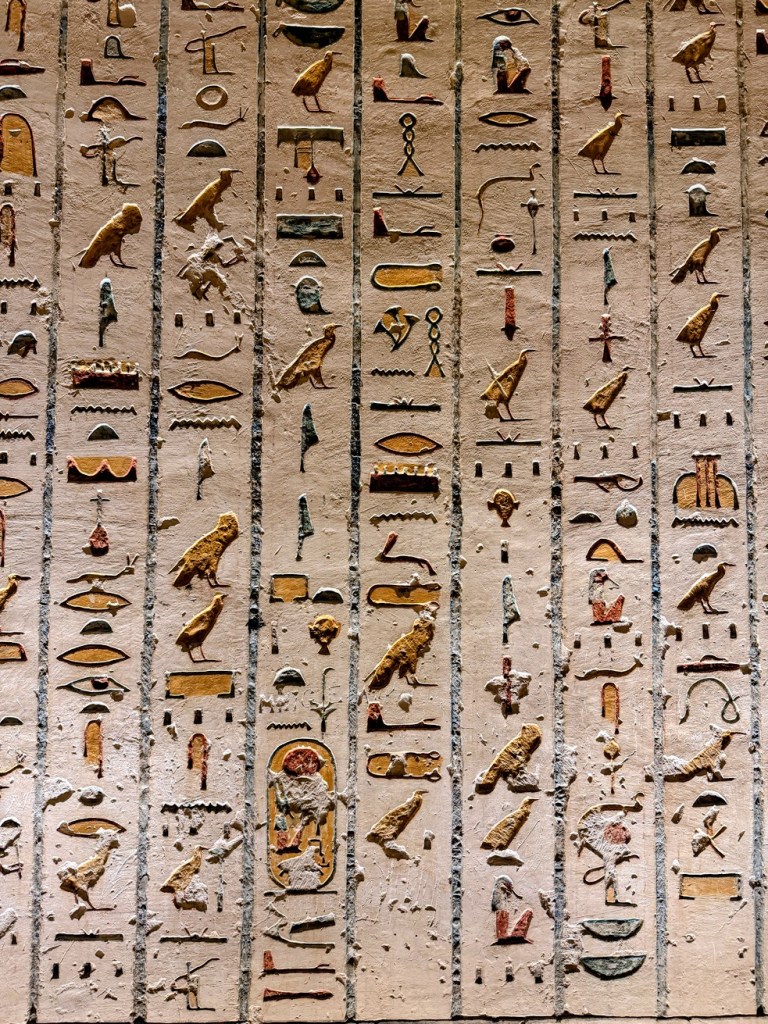
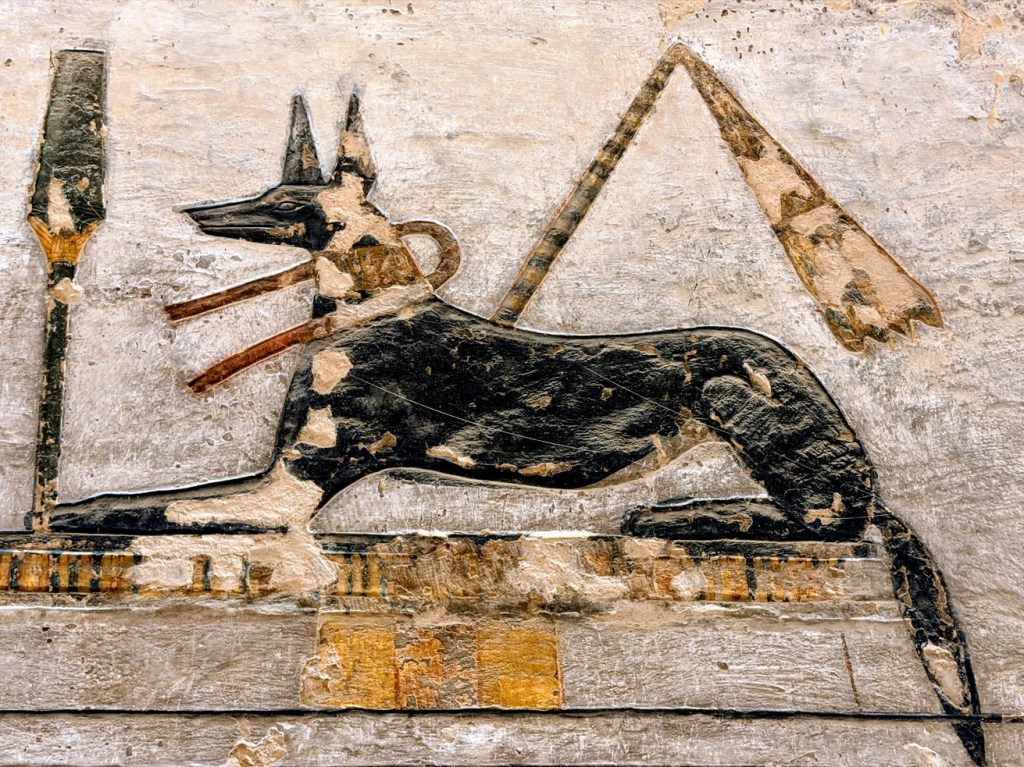
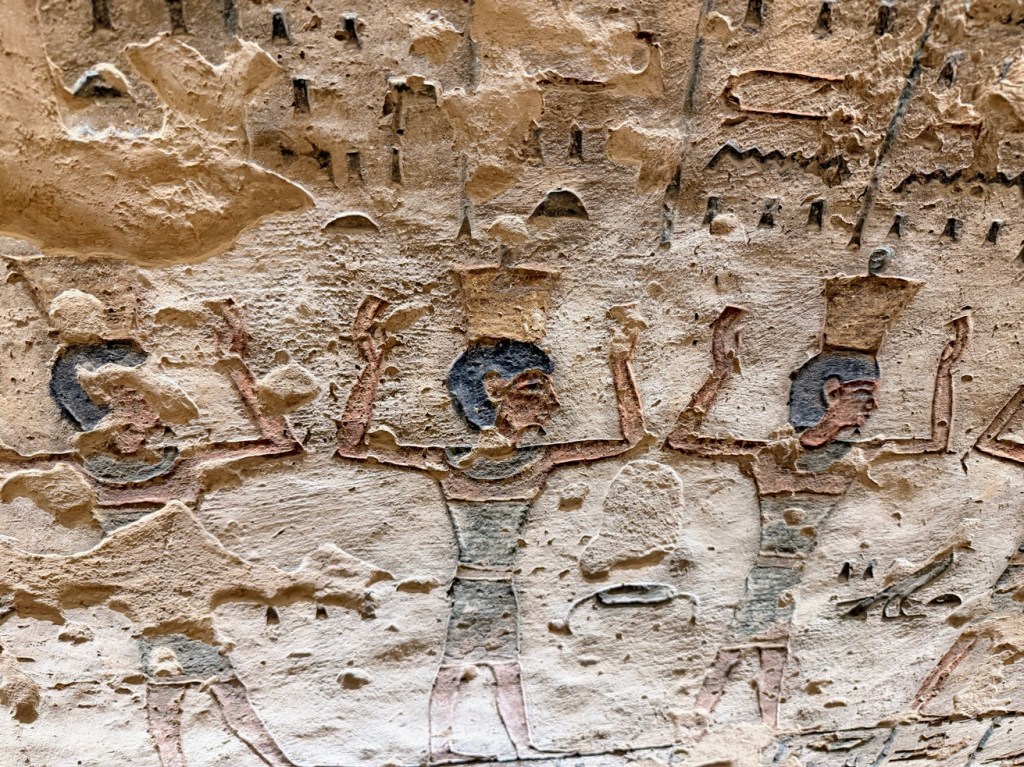
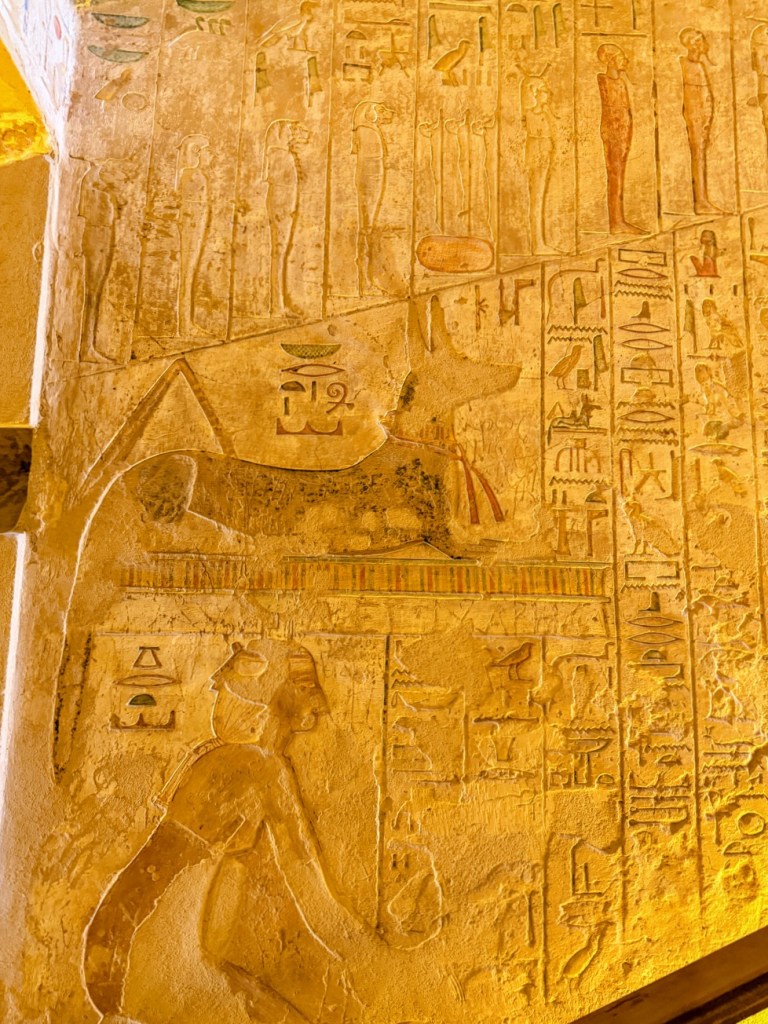
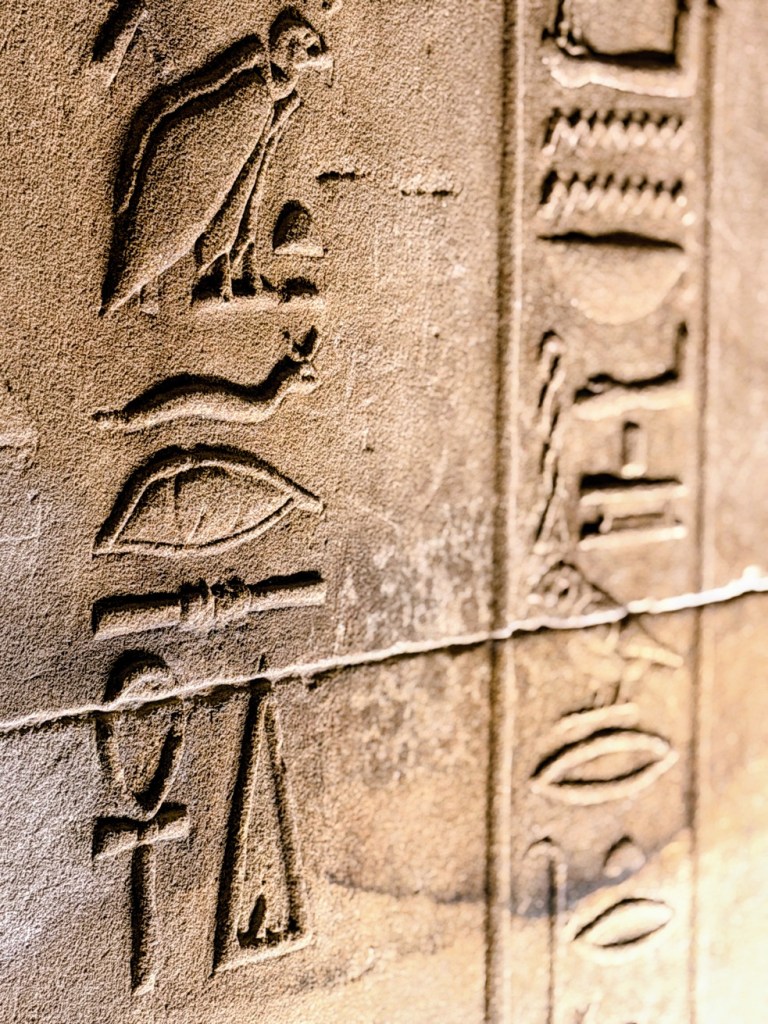
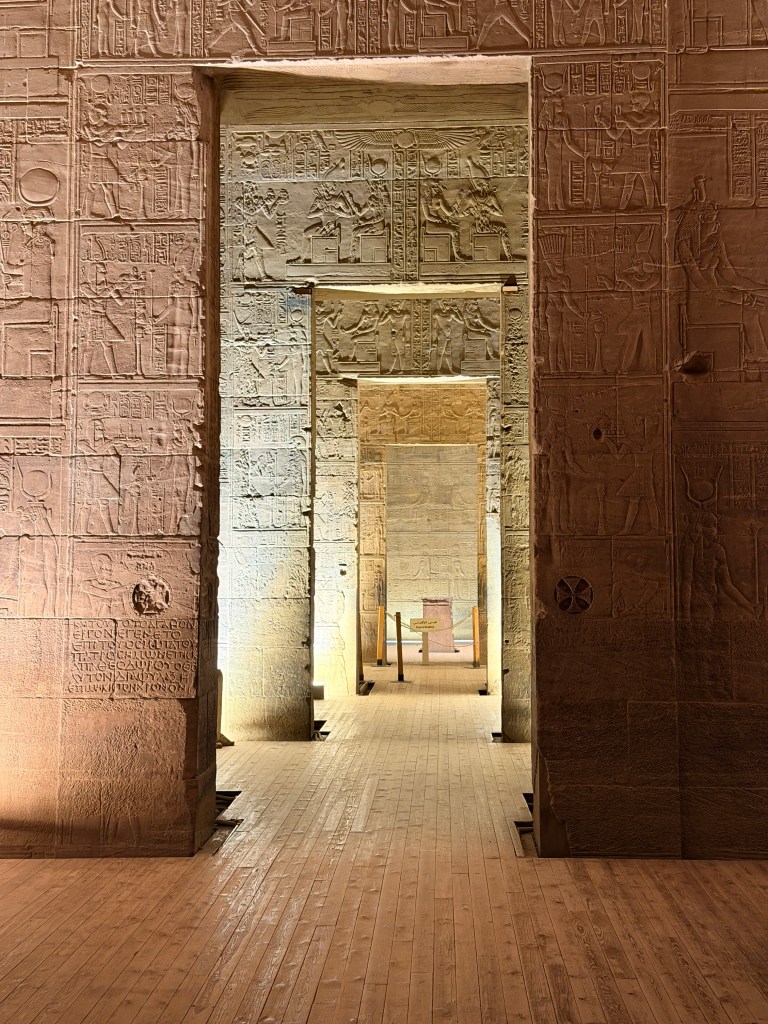
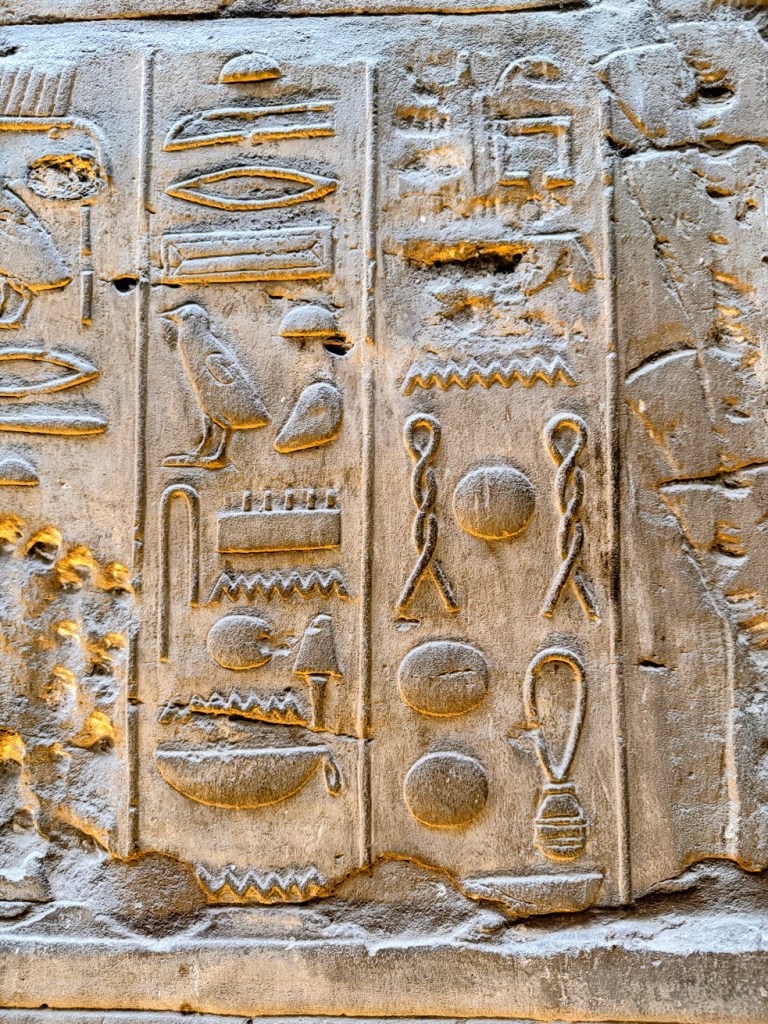
Each site added another layer to Egypt’s story—religion, power, science, and daily life all carved into stone.

Day 16: Cairo’s Historic Heart

Our last full day explored Cairo’s layered history:

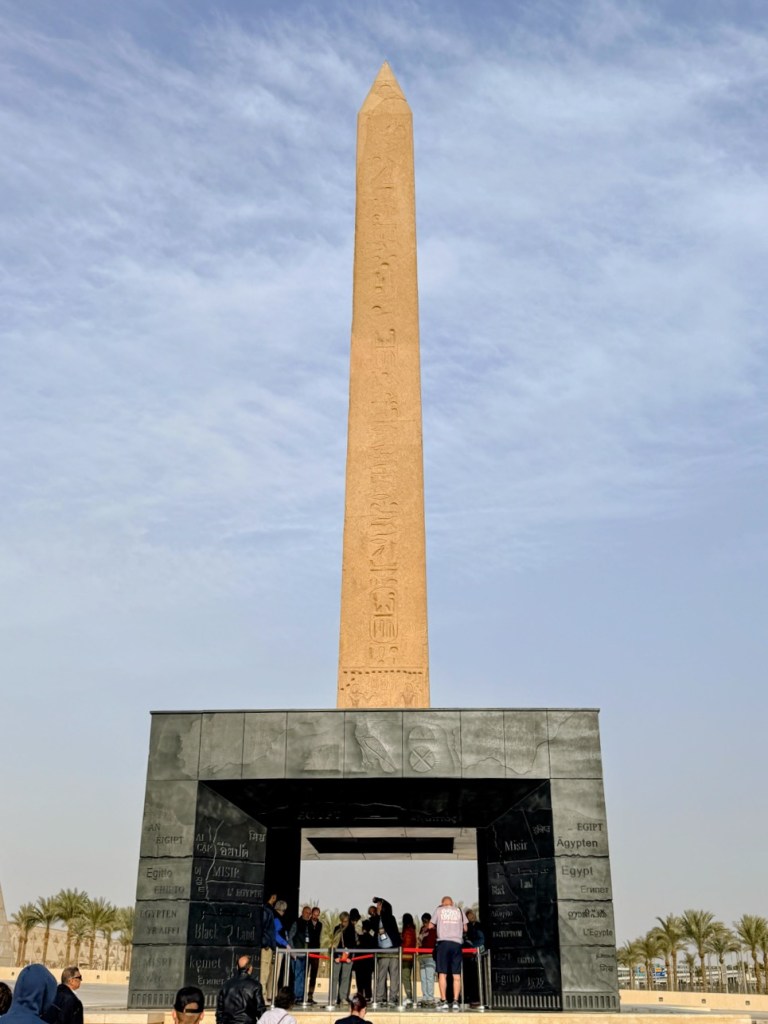
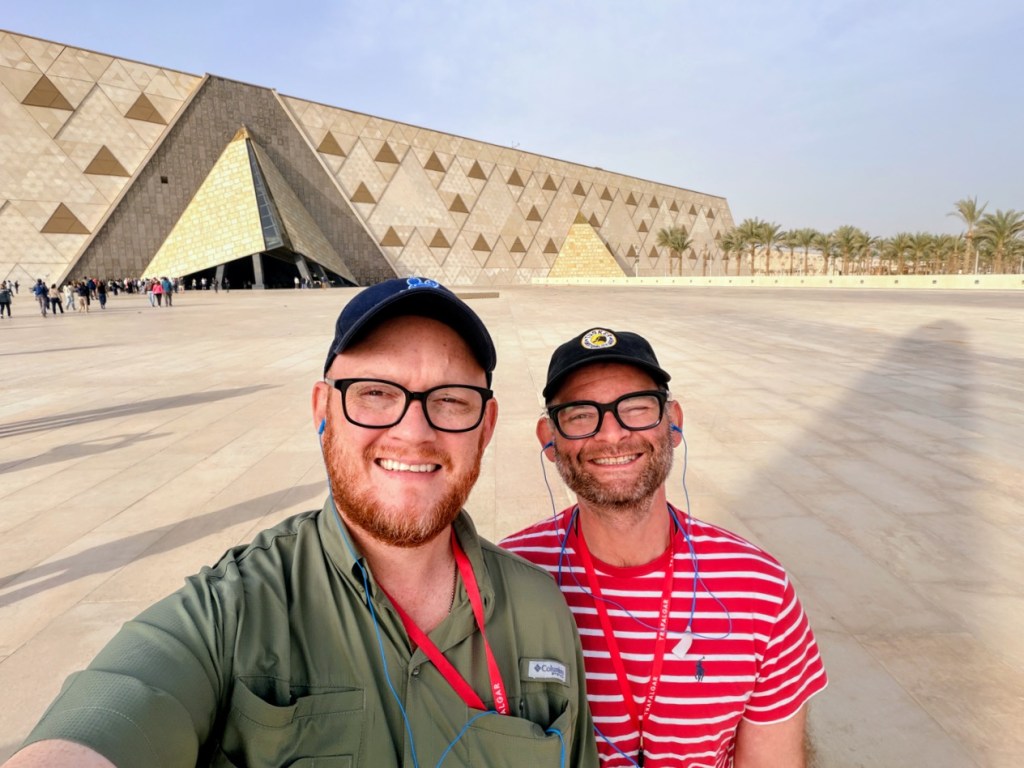
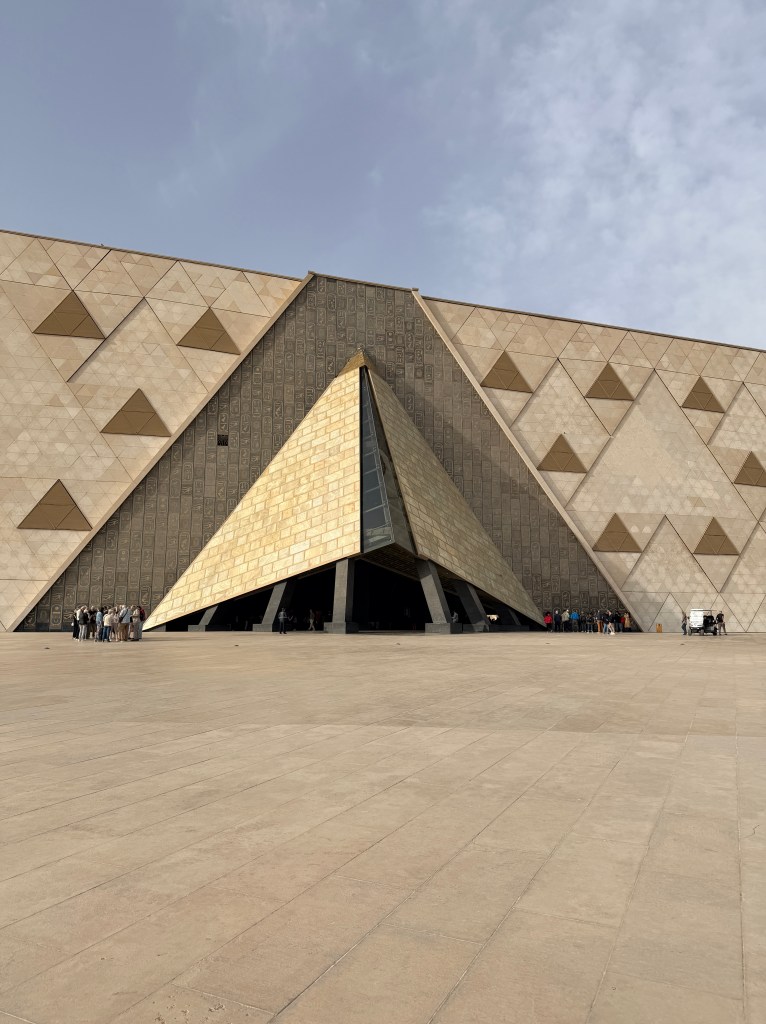
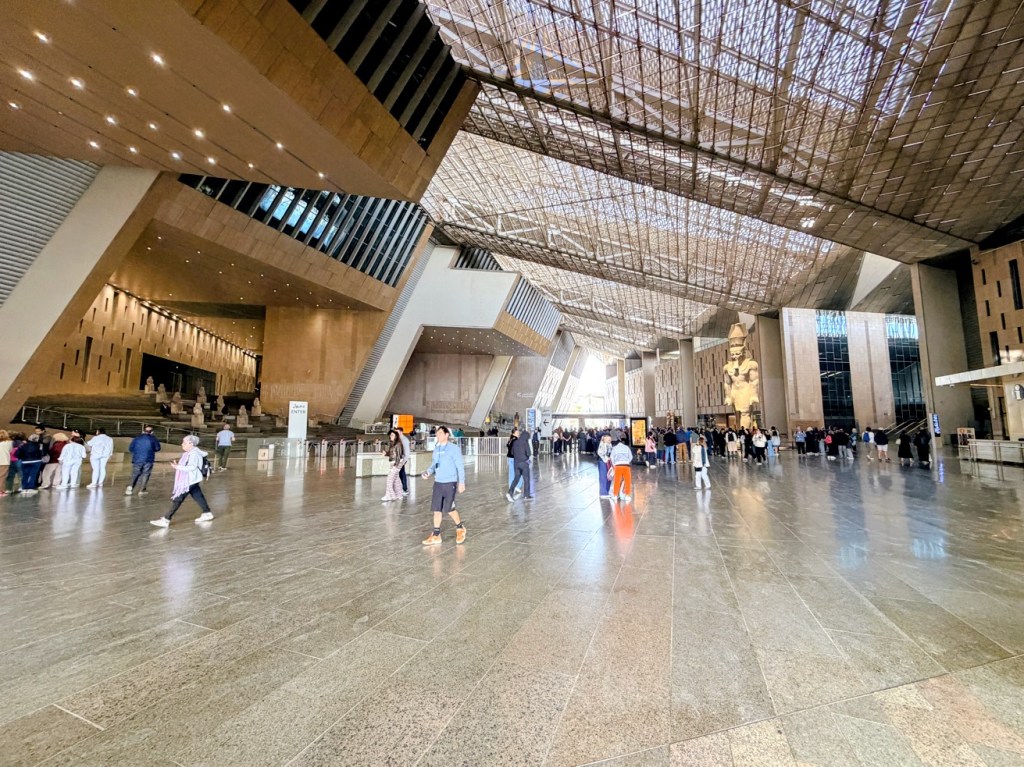
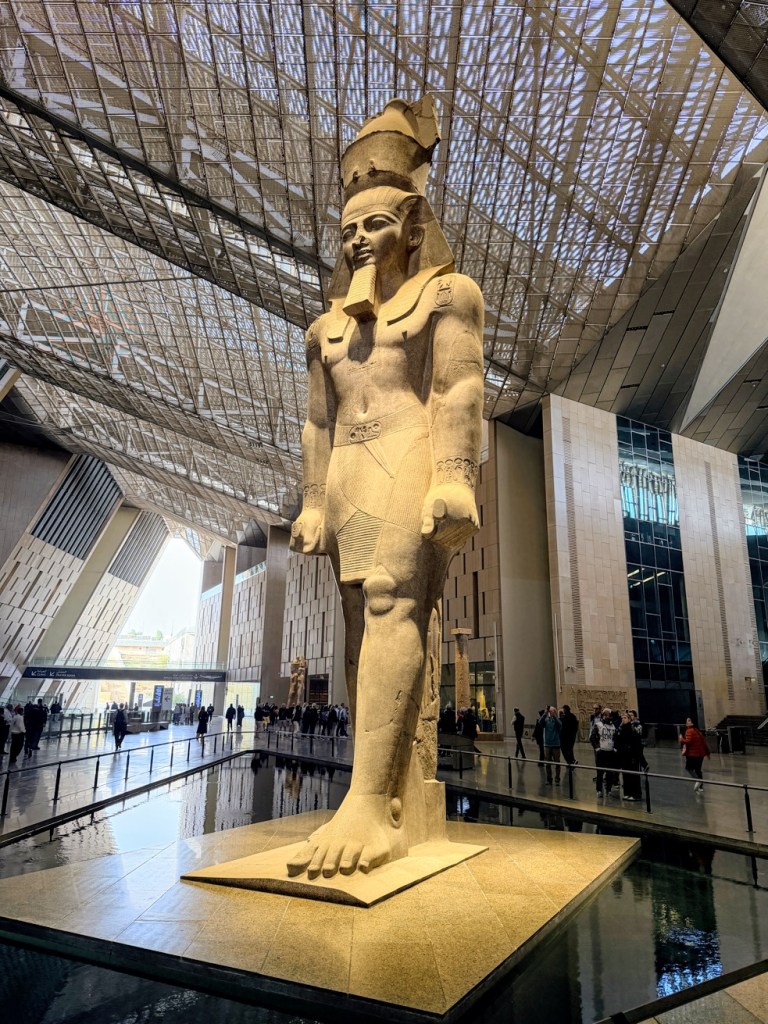
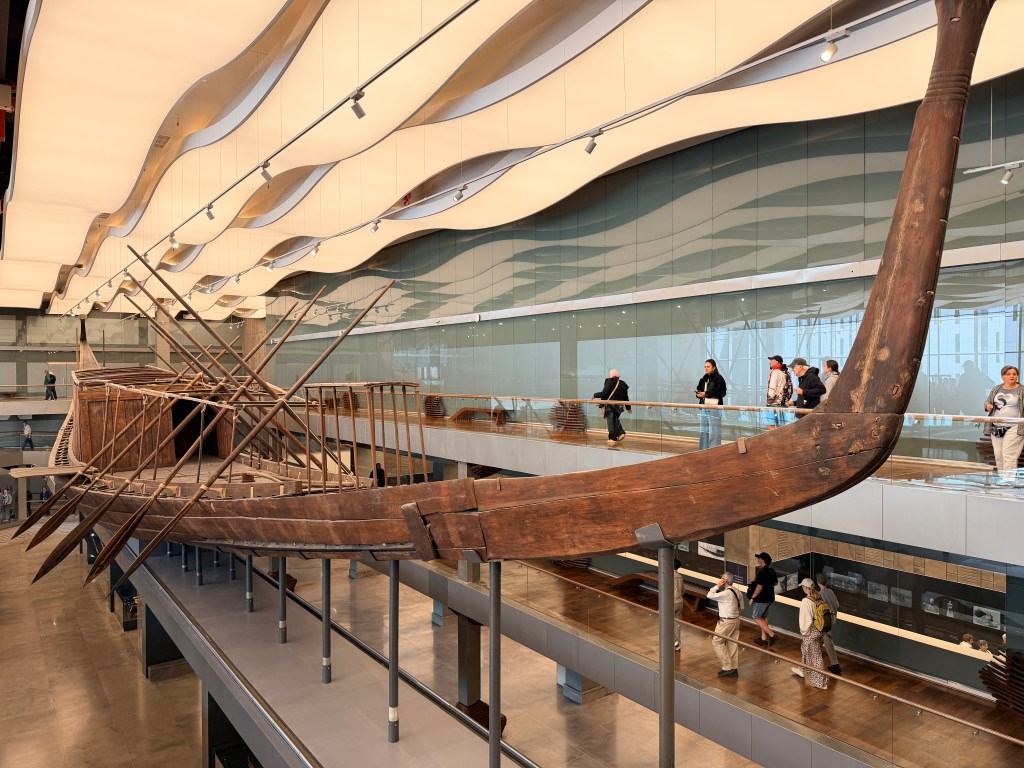
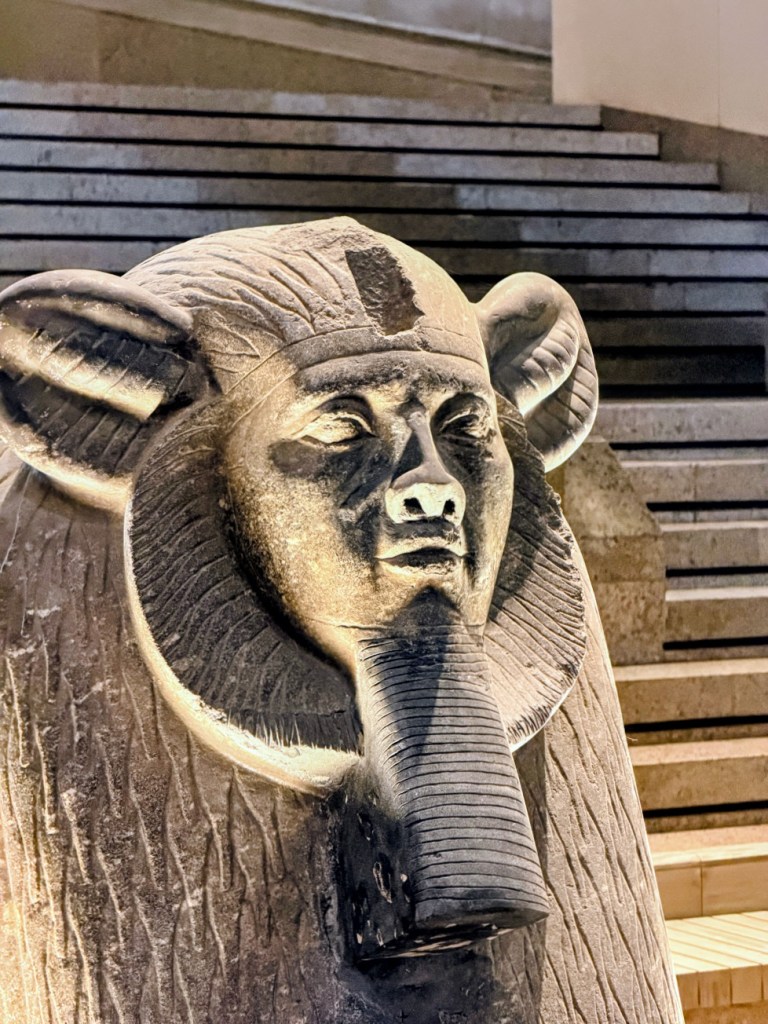
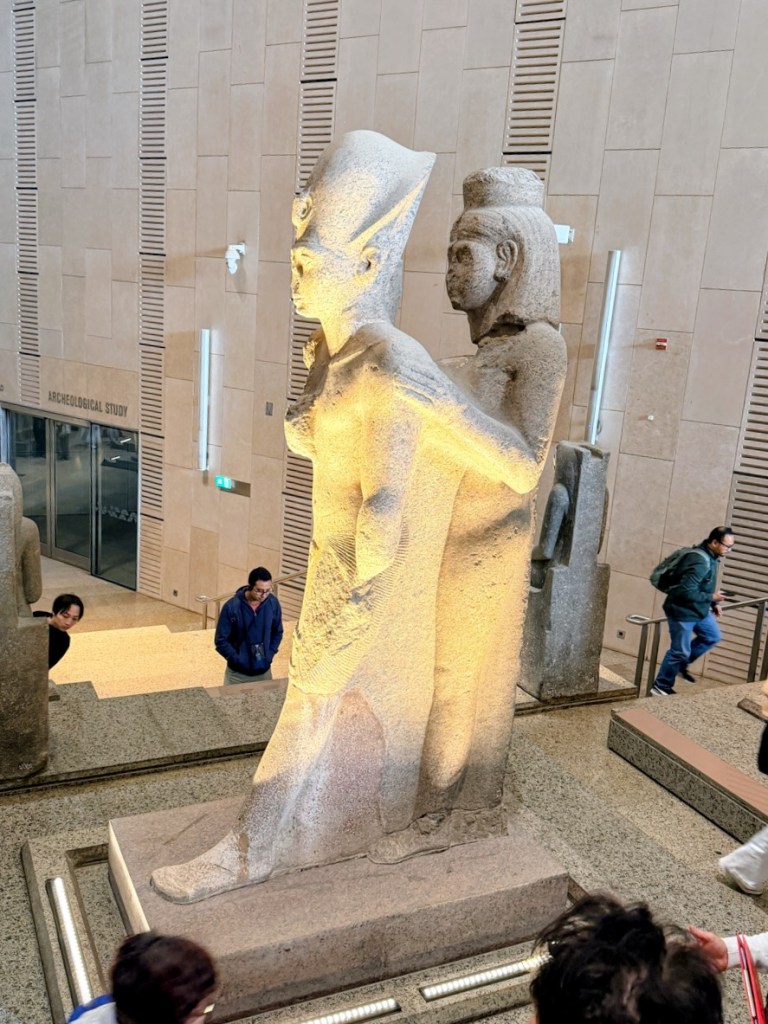
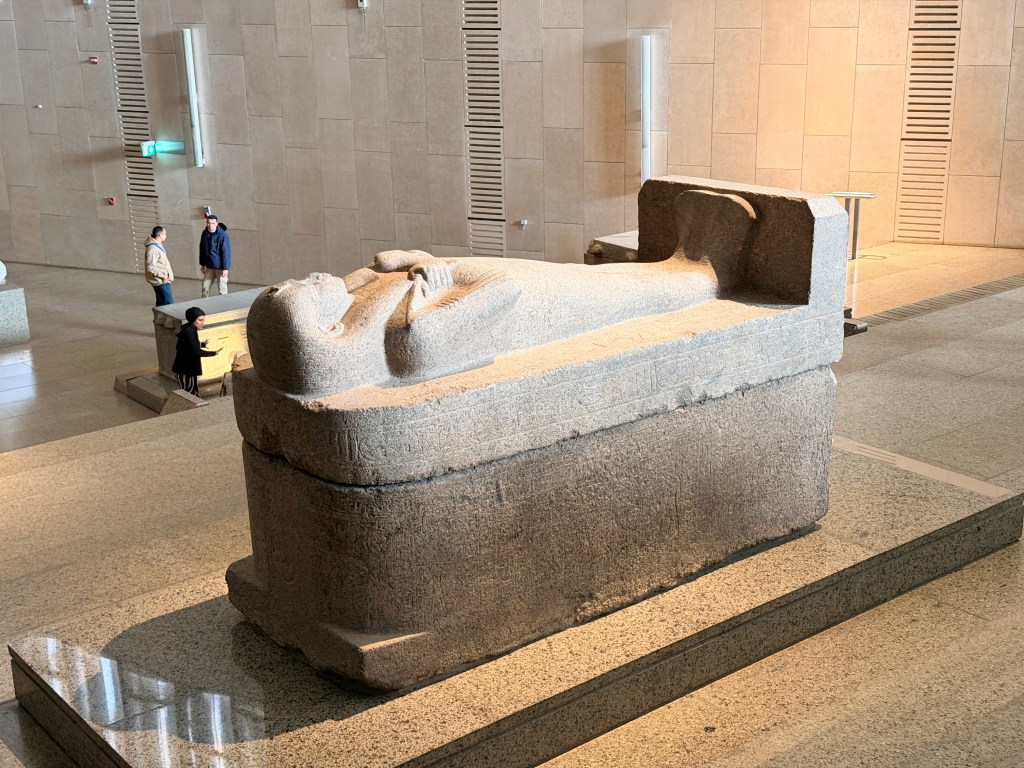
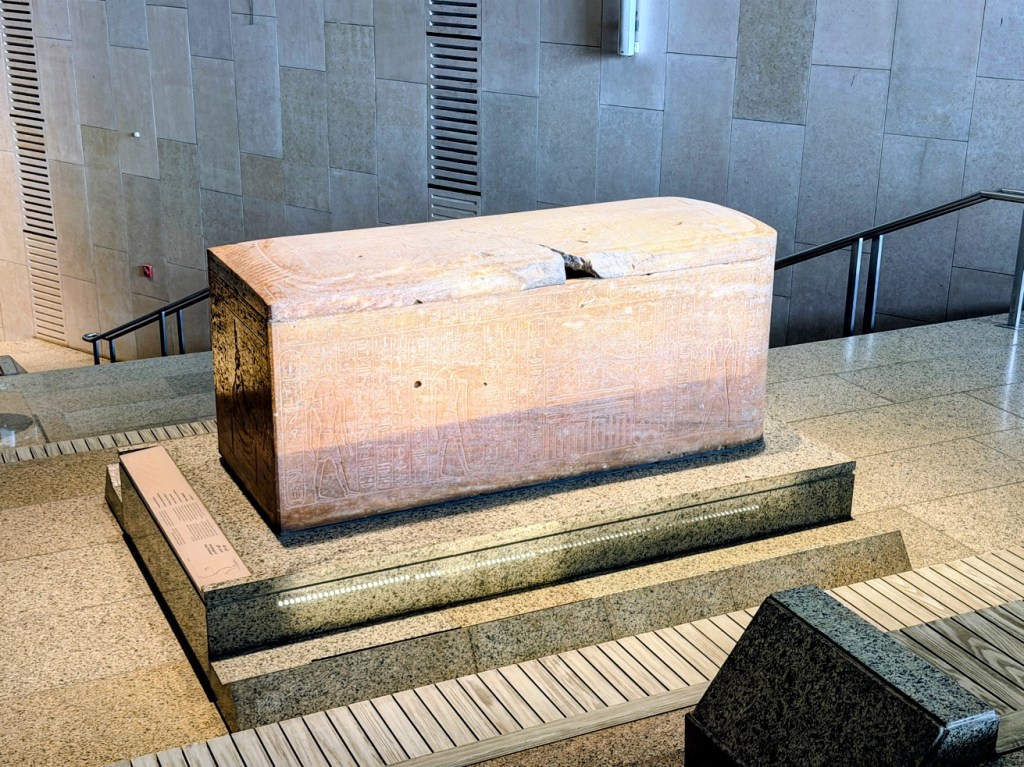
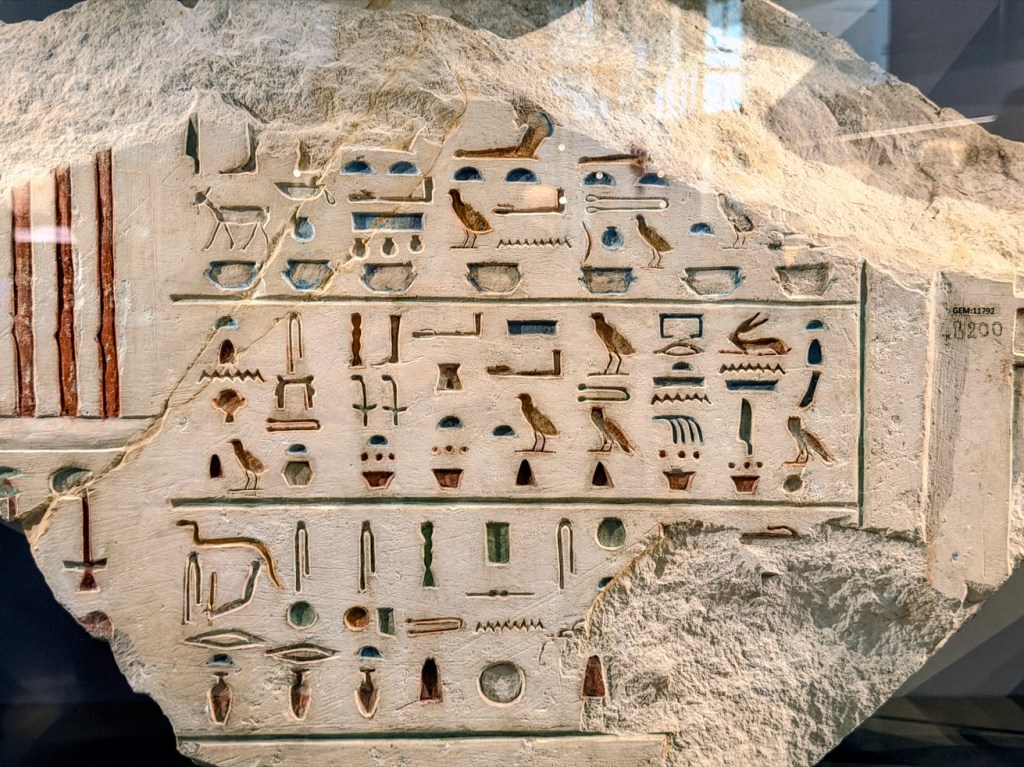
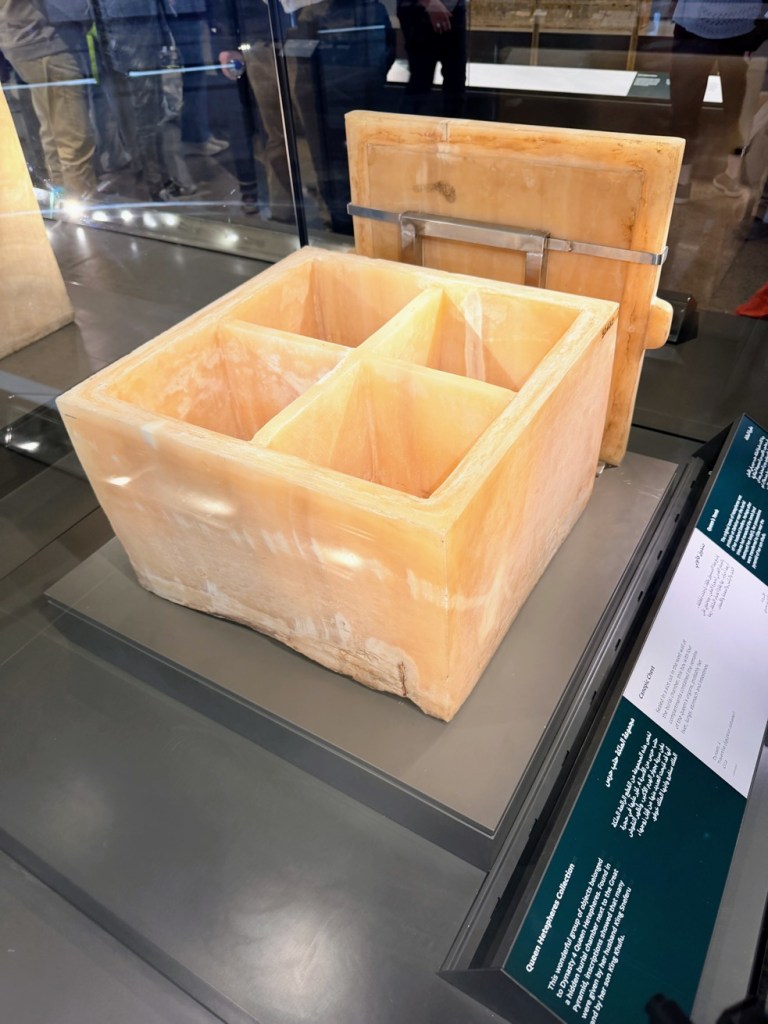
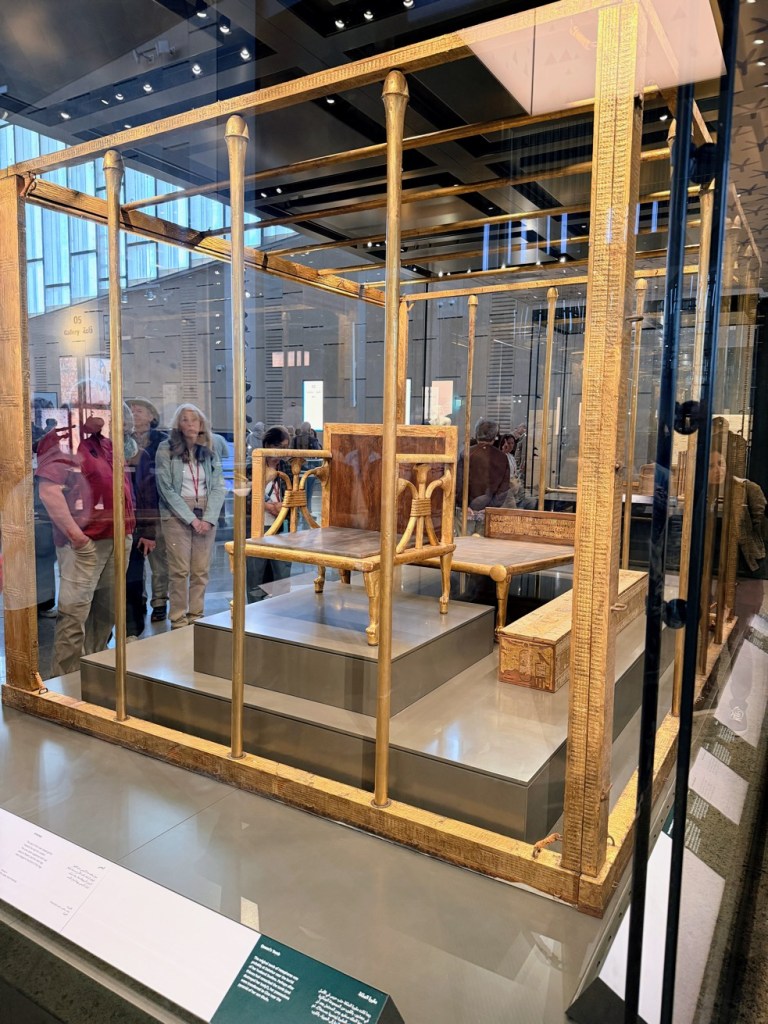
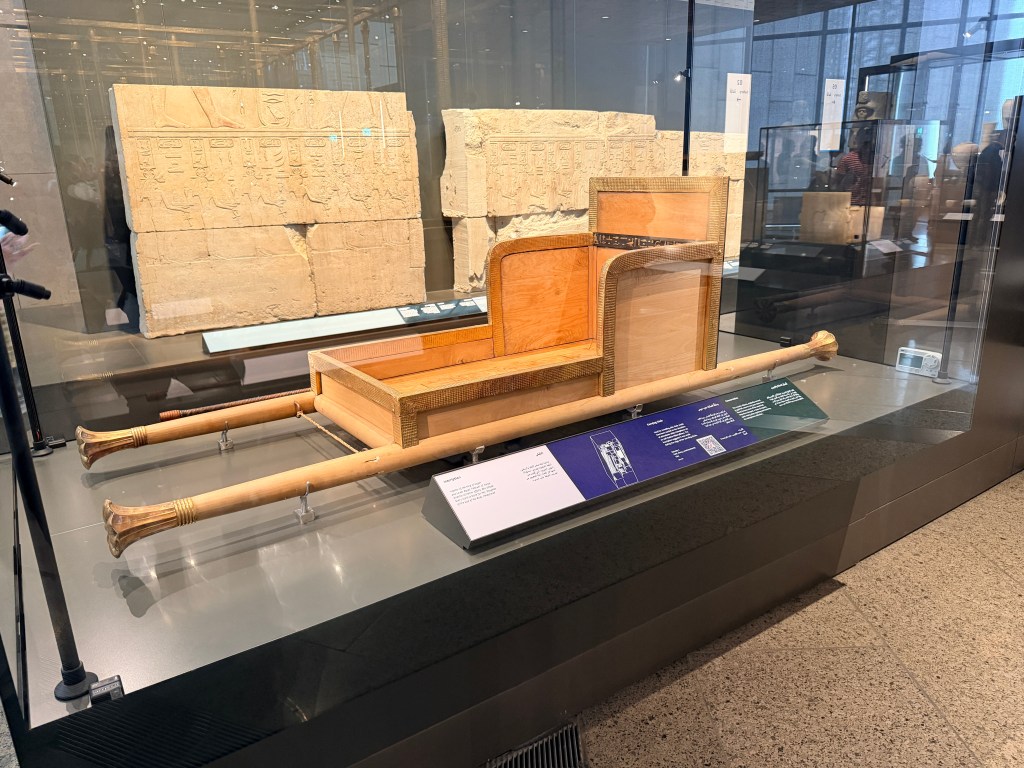
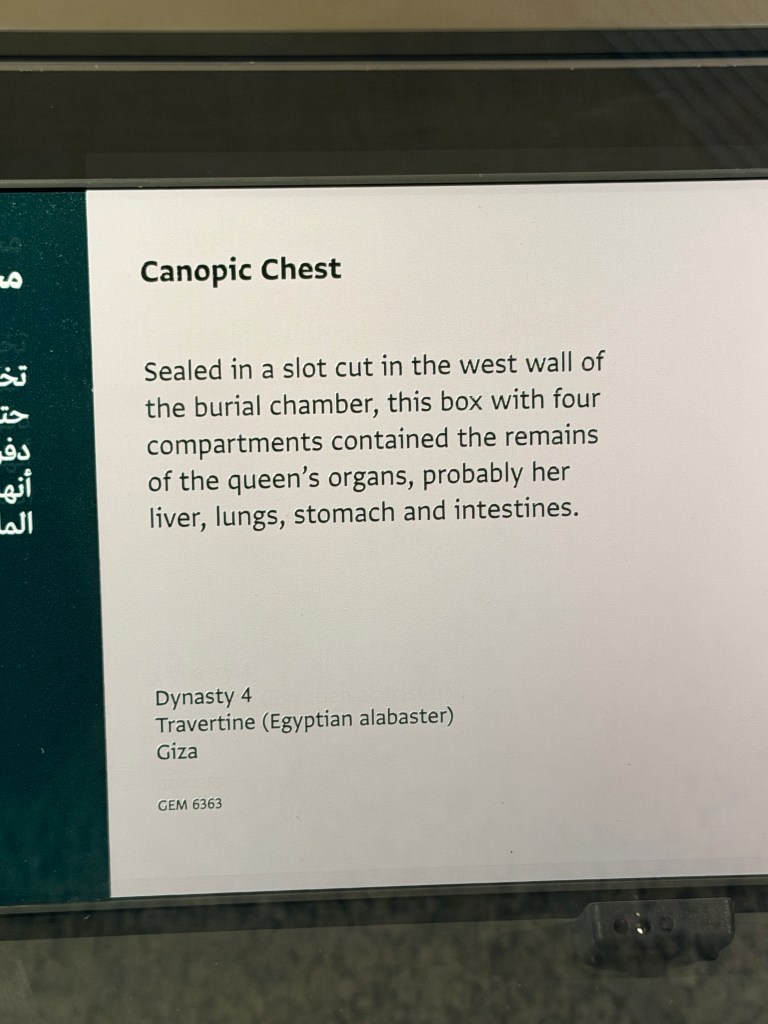
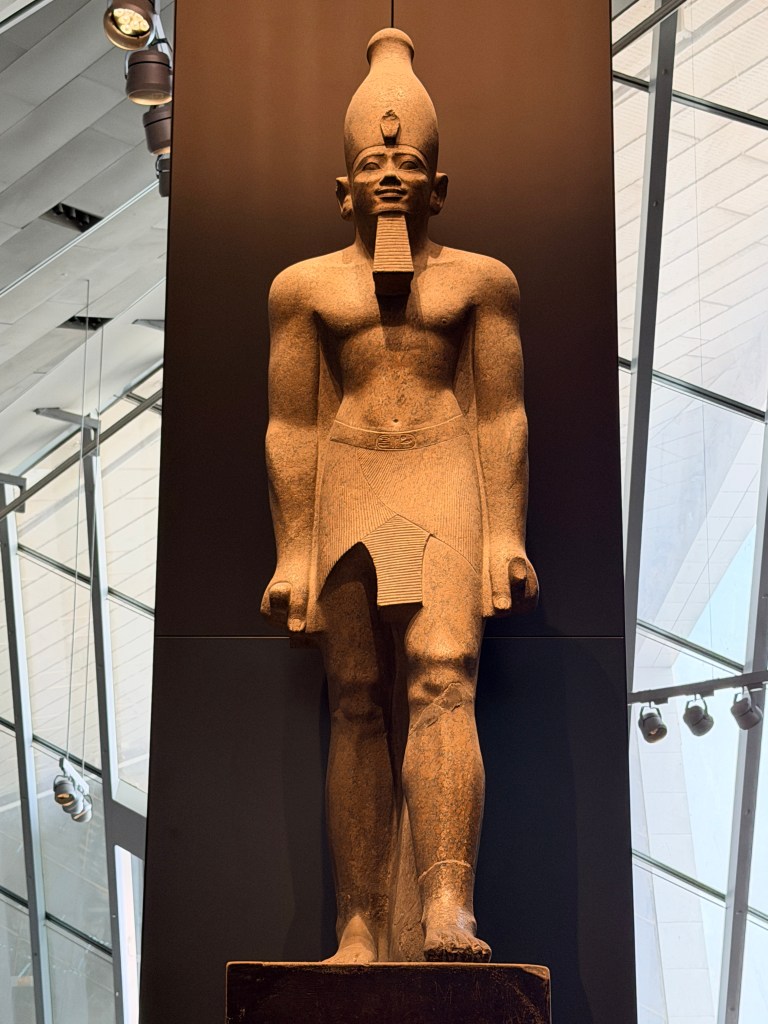
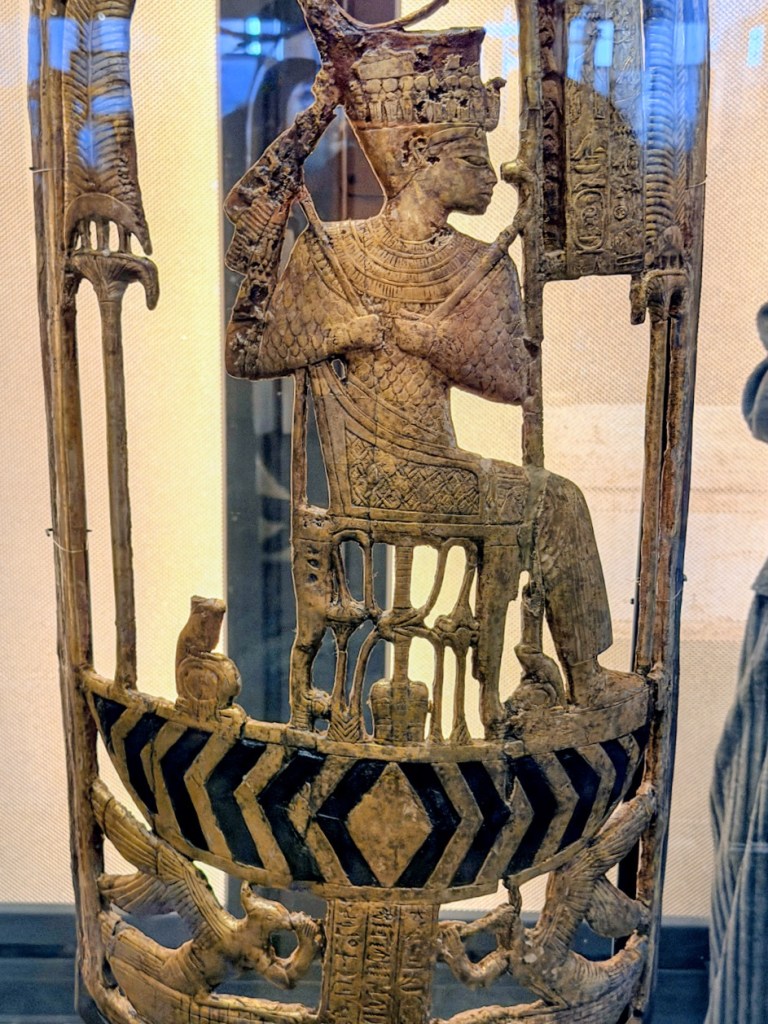
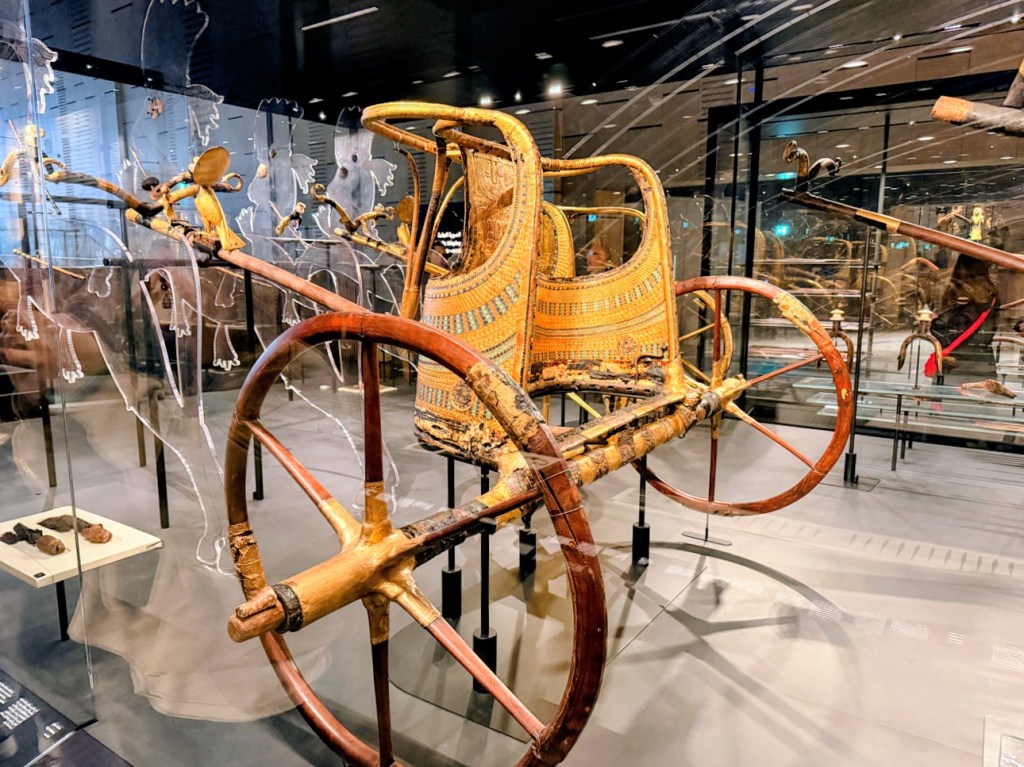
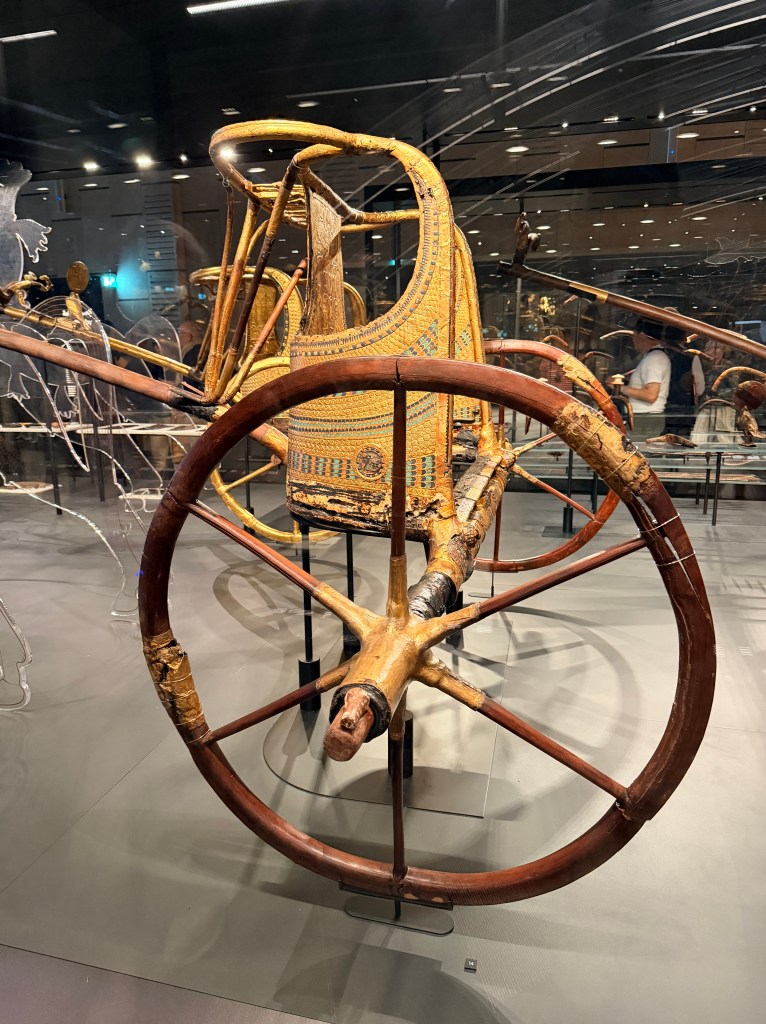
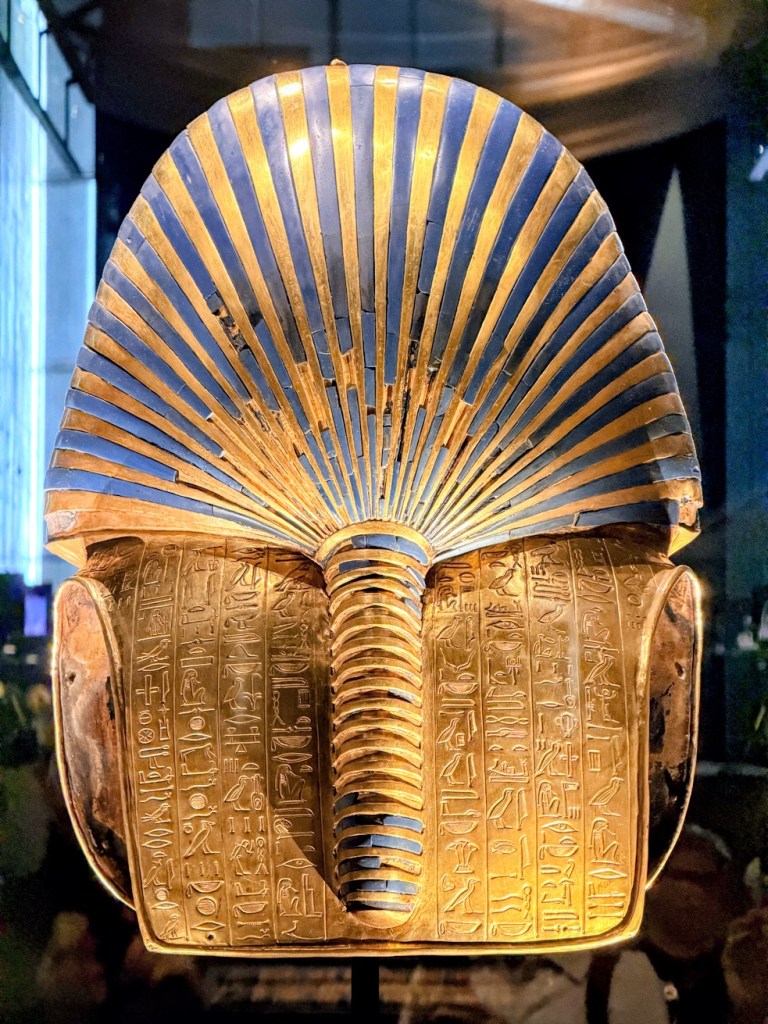
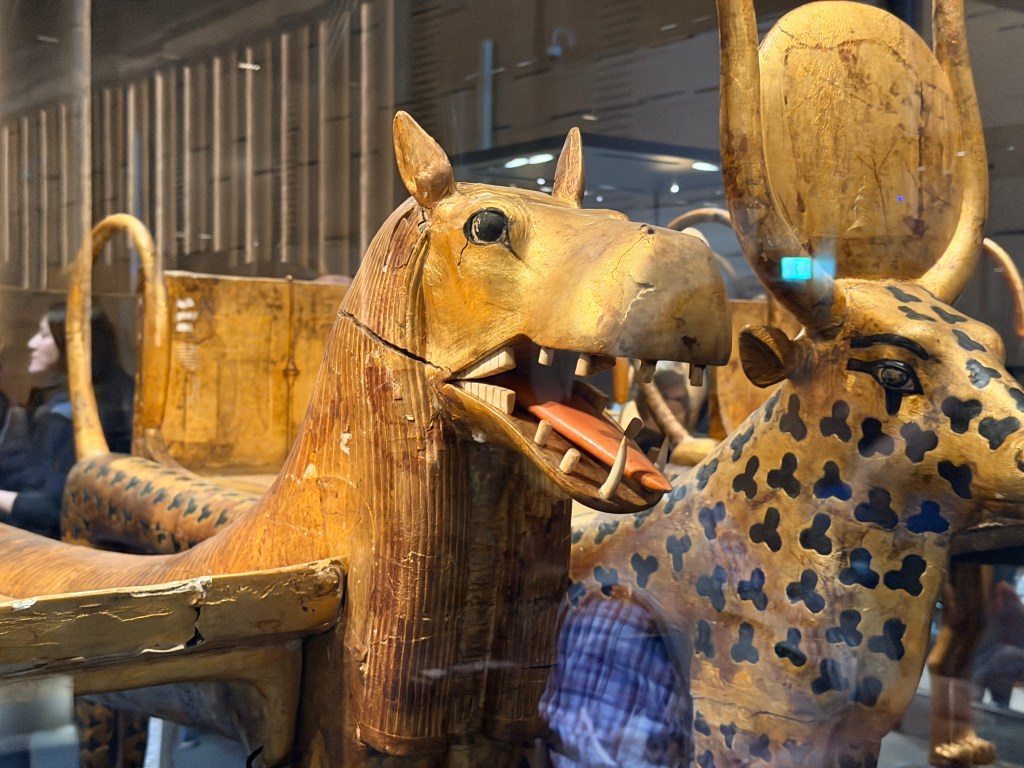
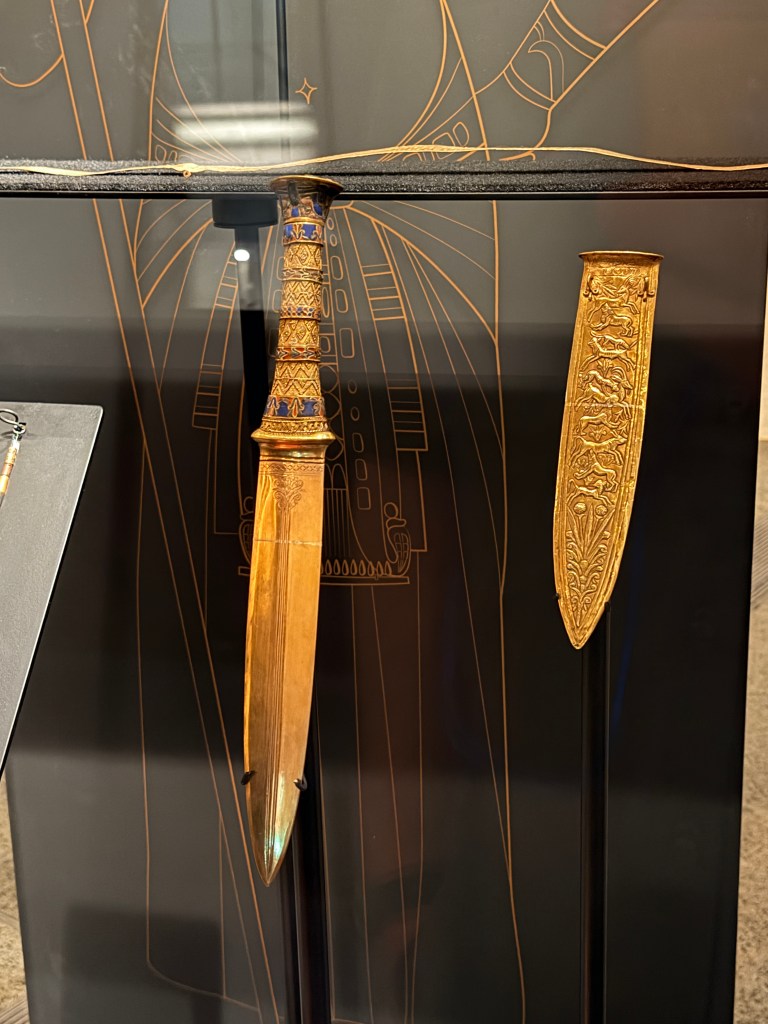
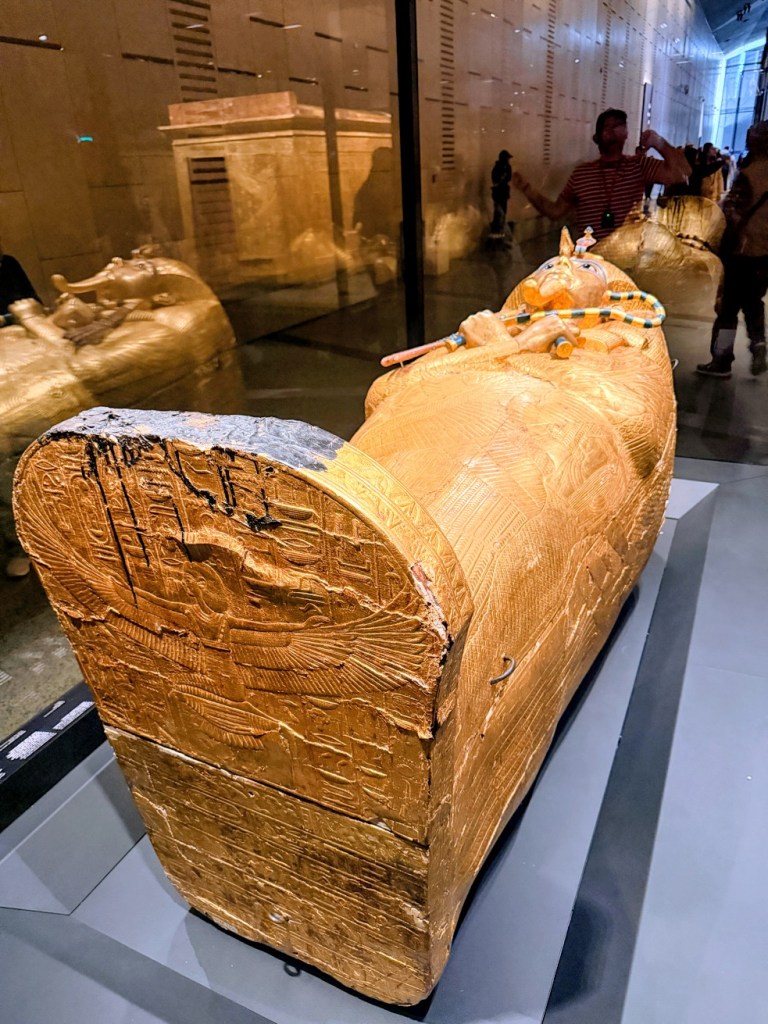
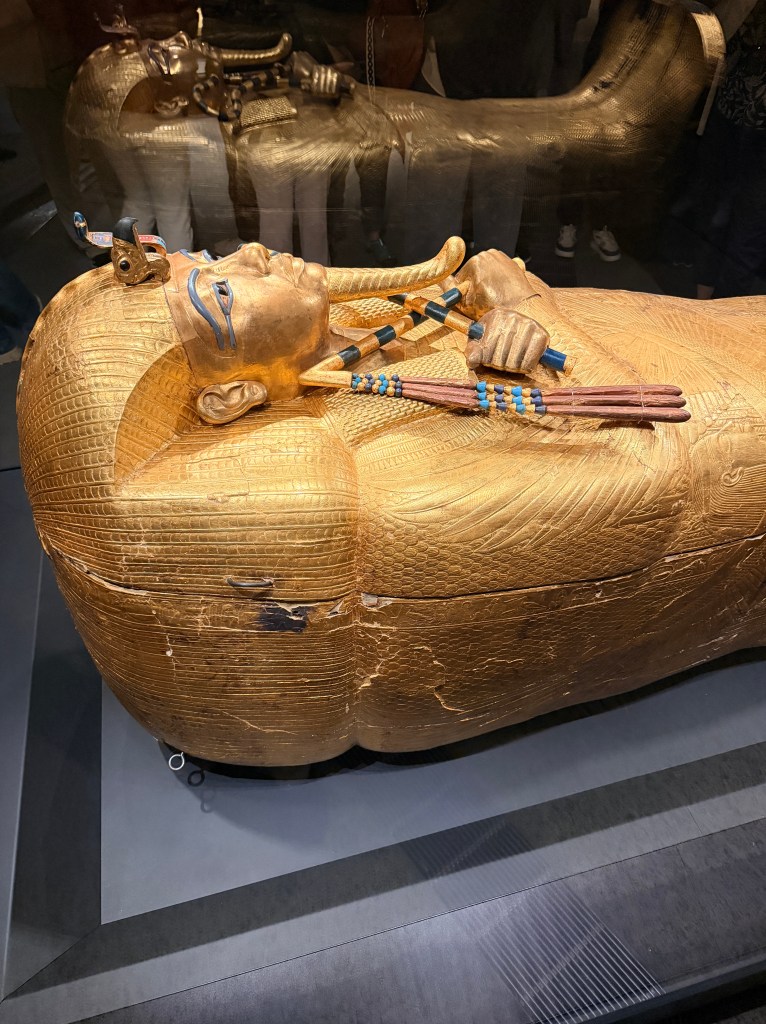
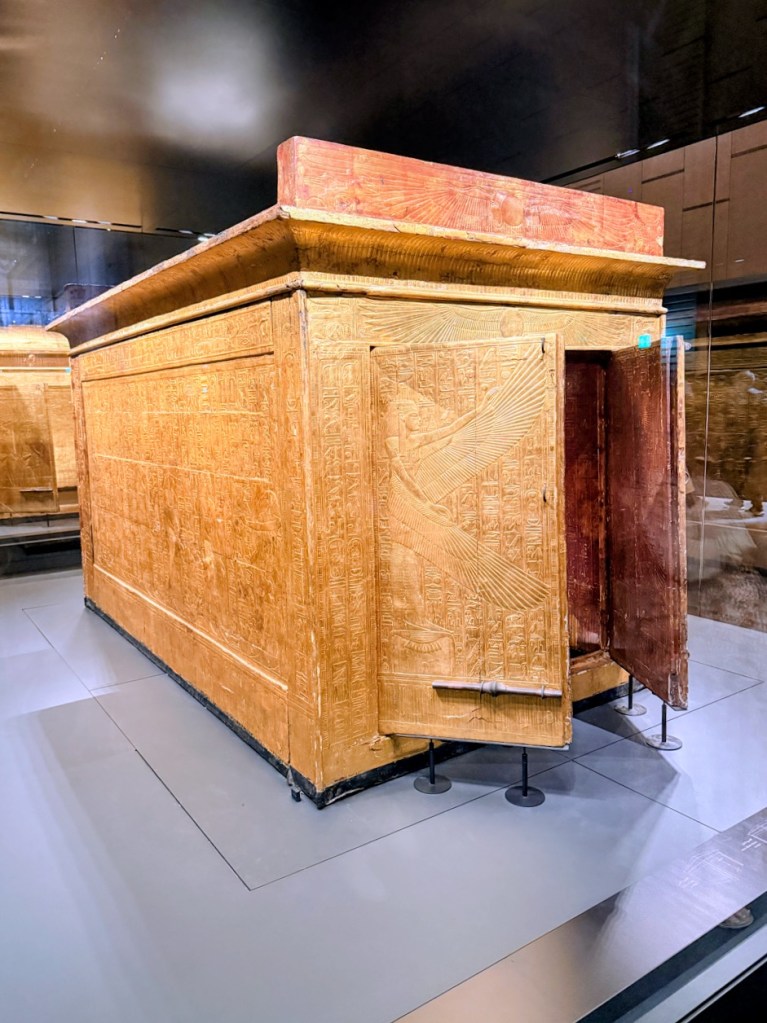
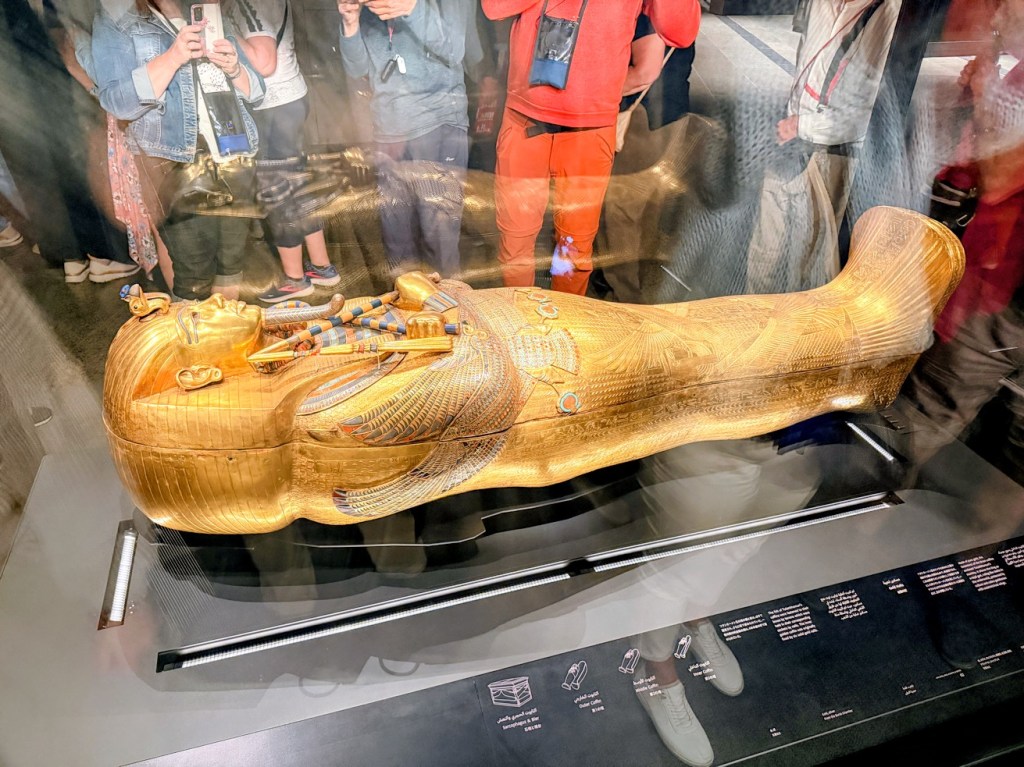
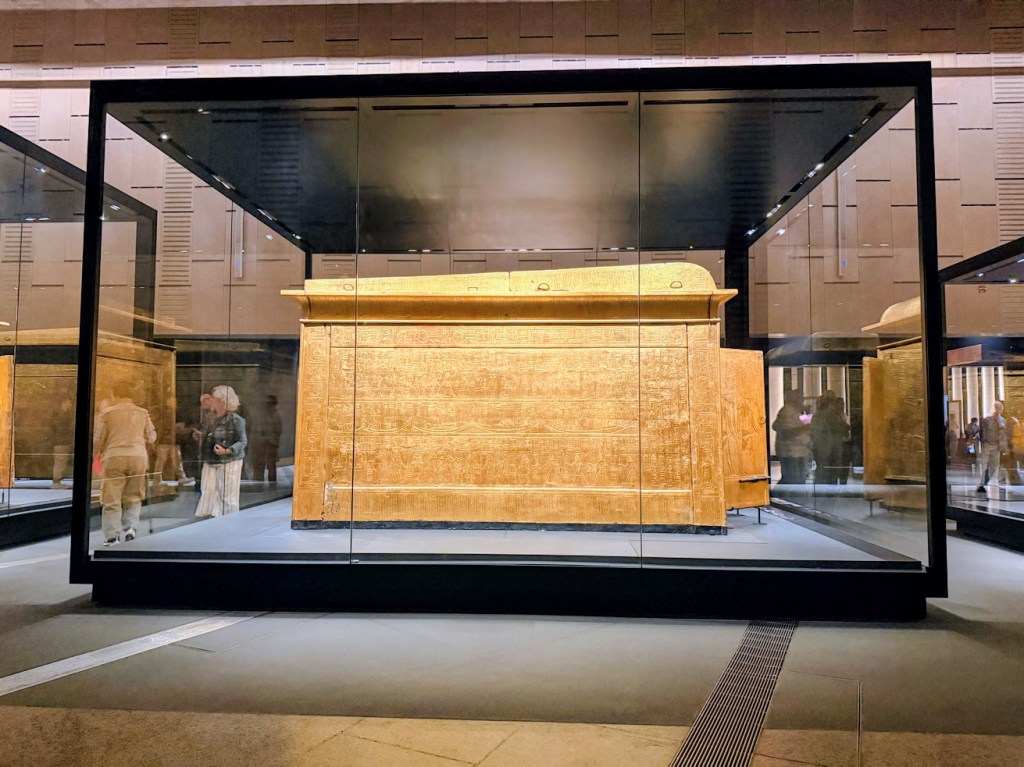
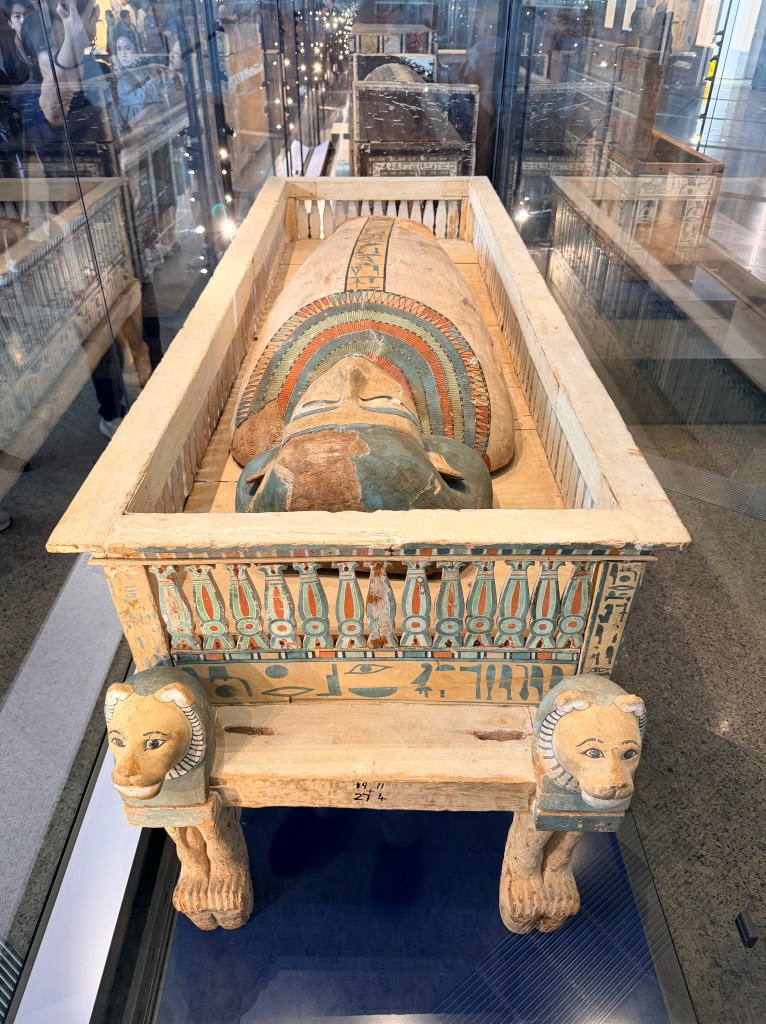
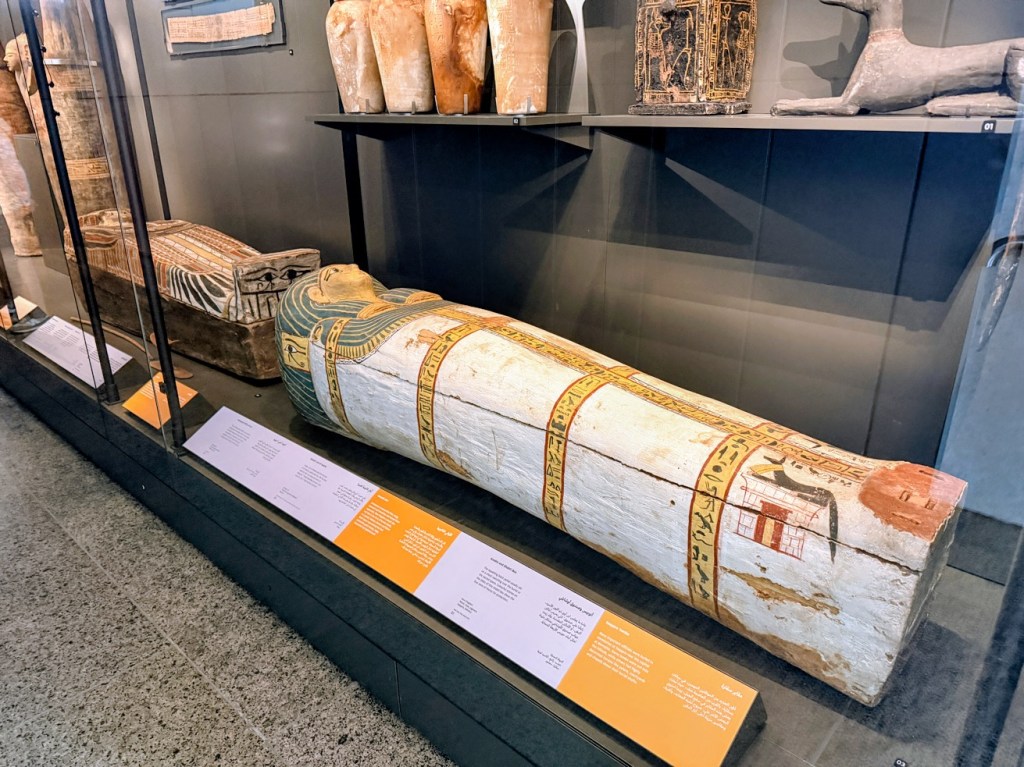
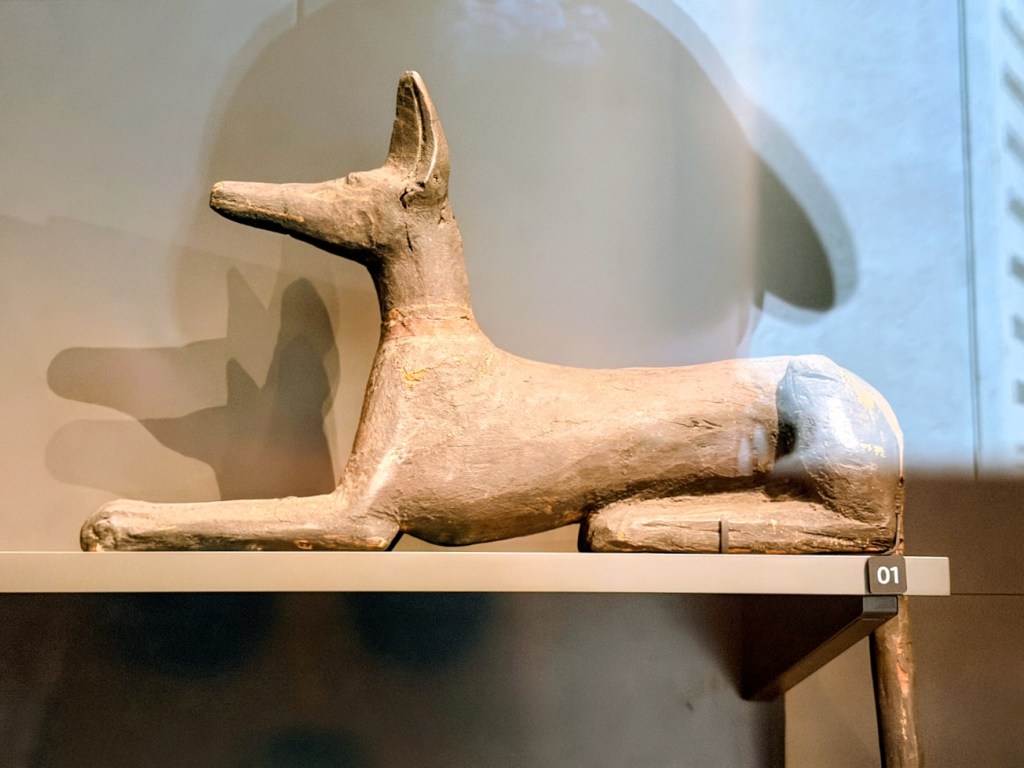
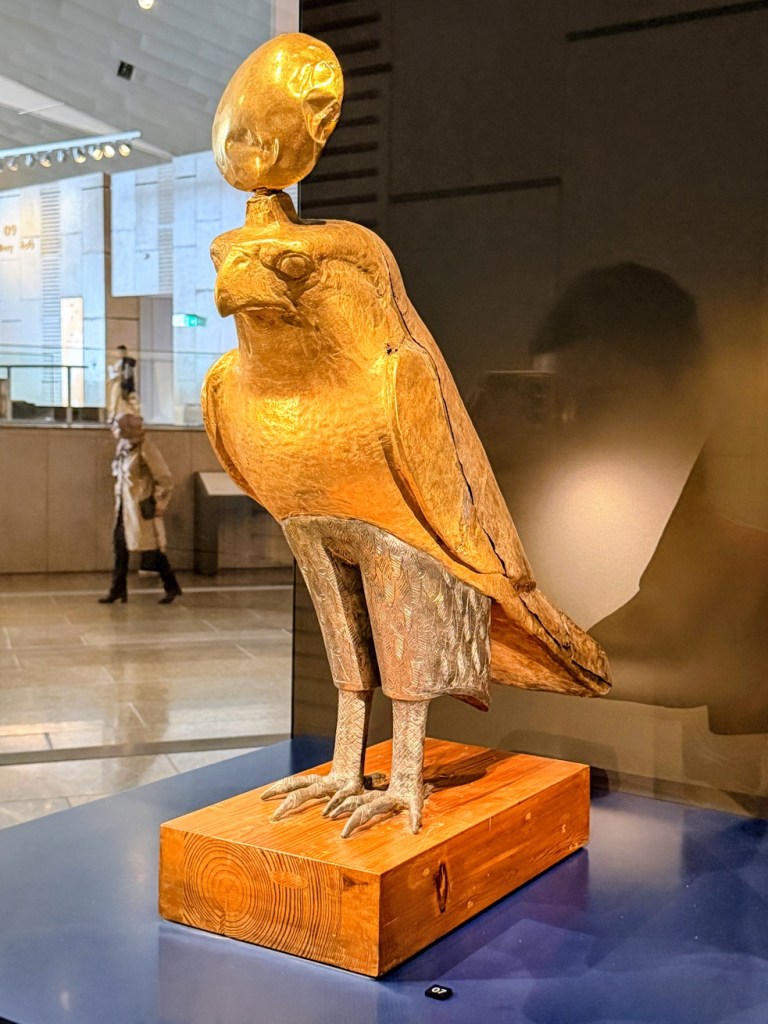
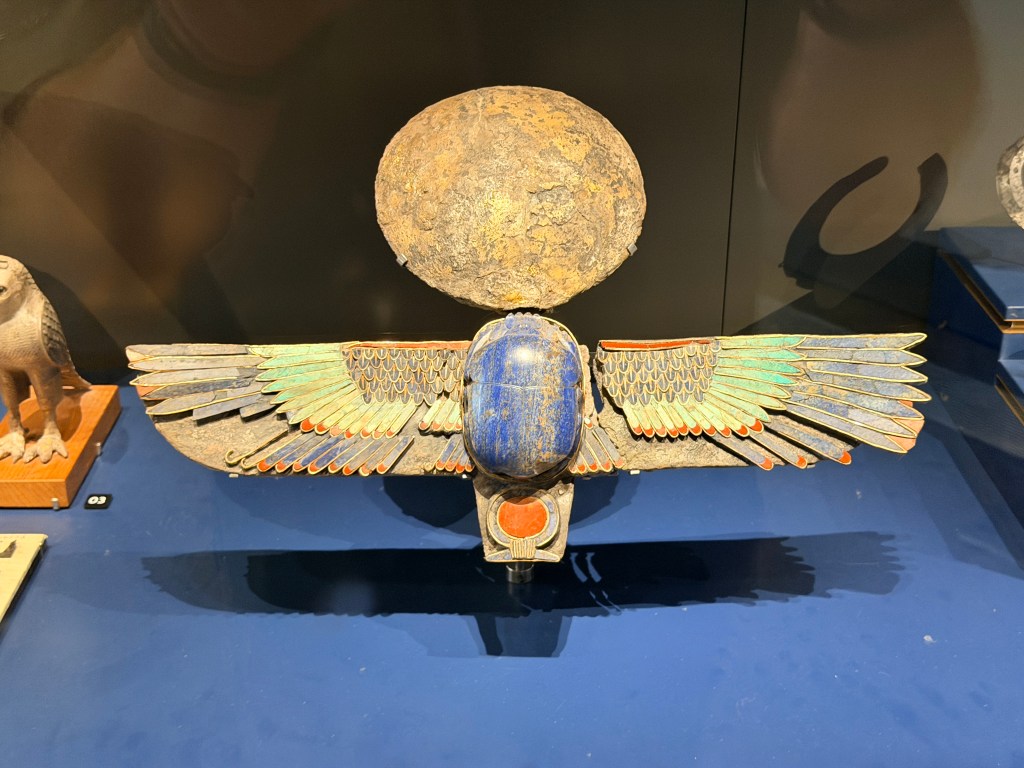
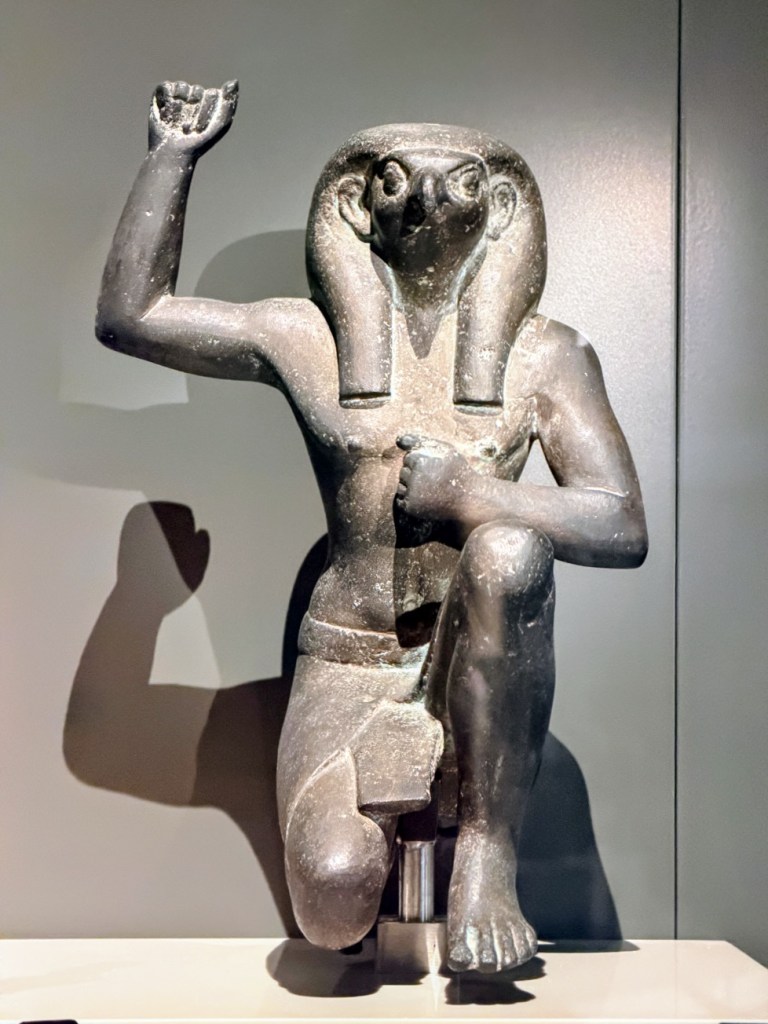
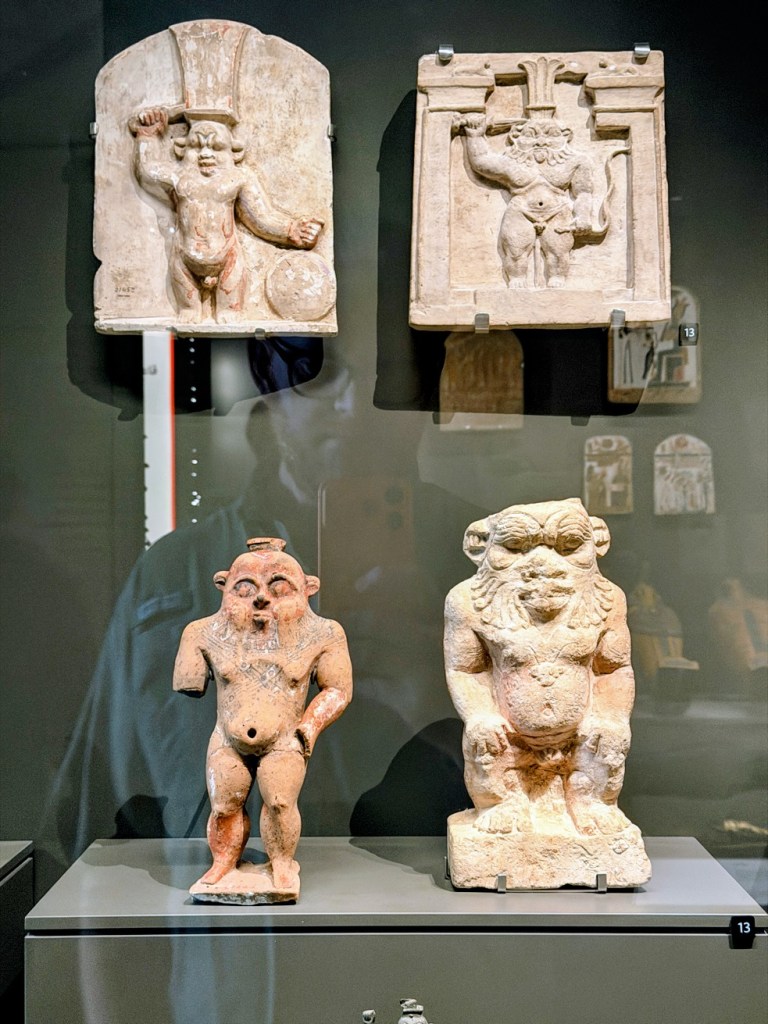
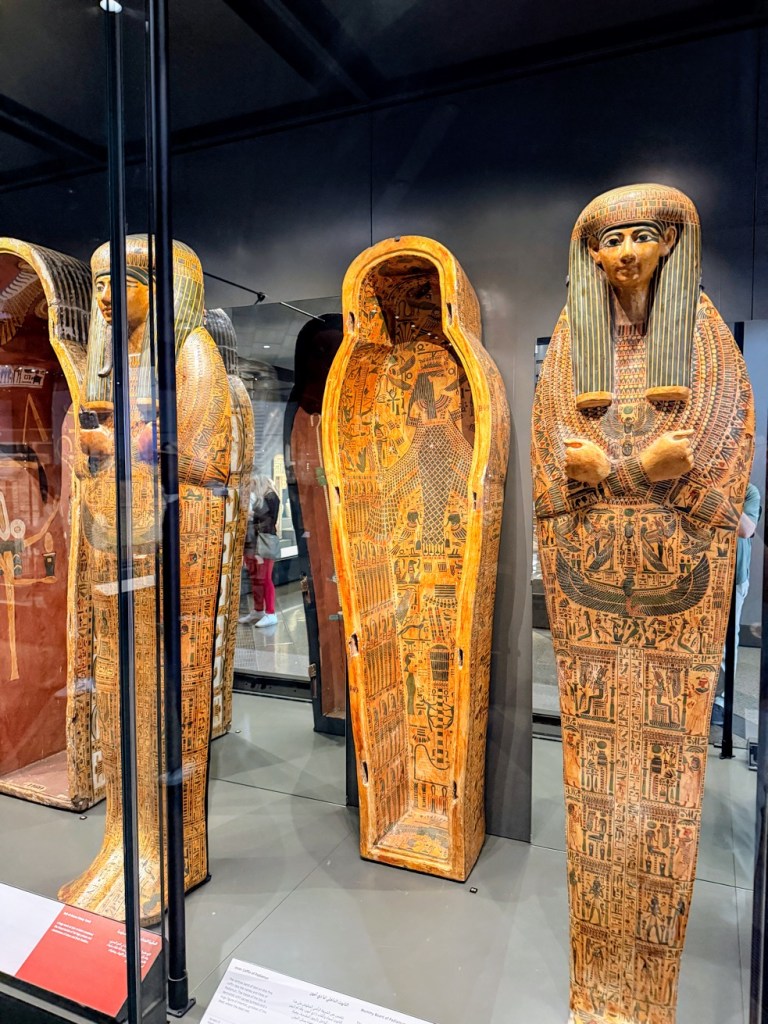
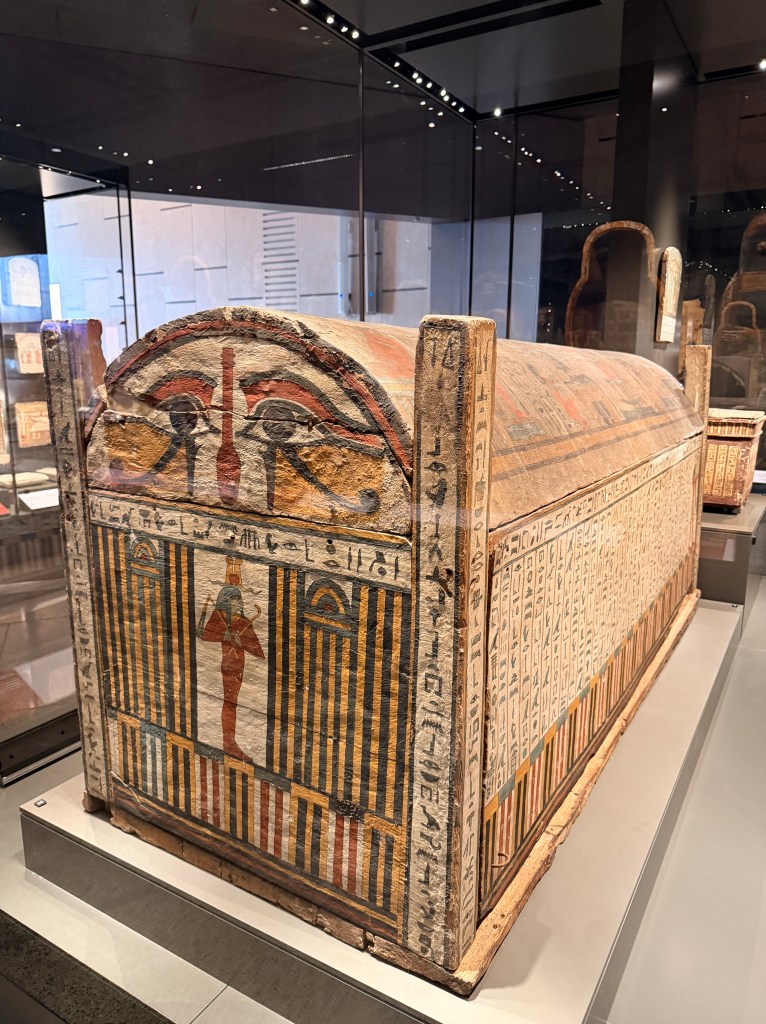
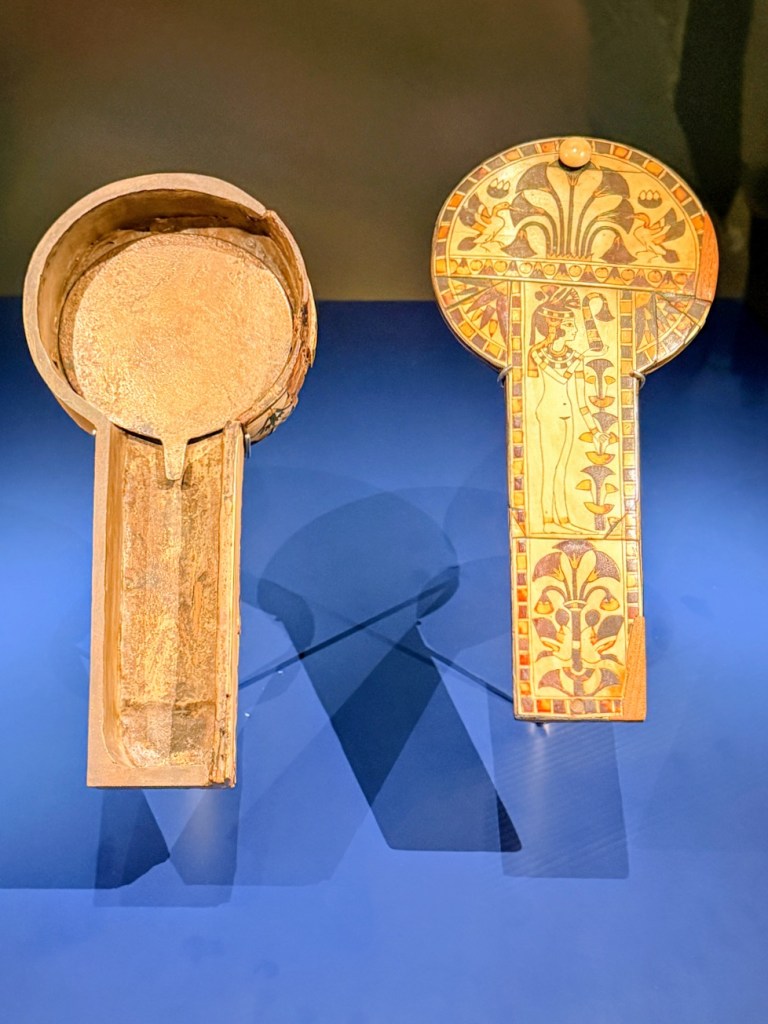
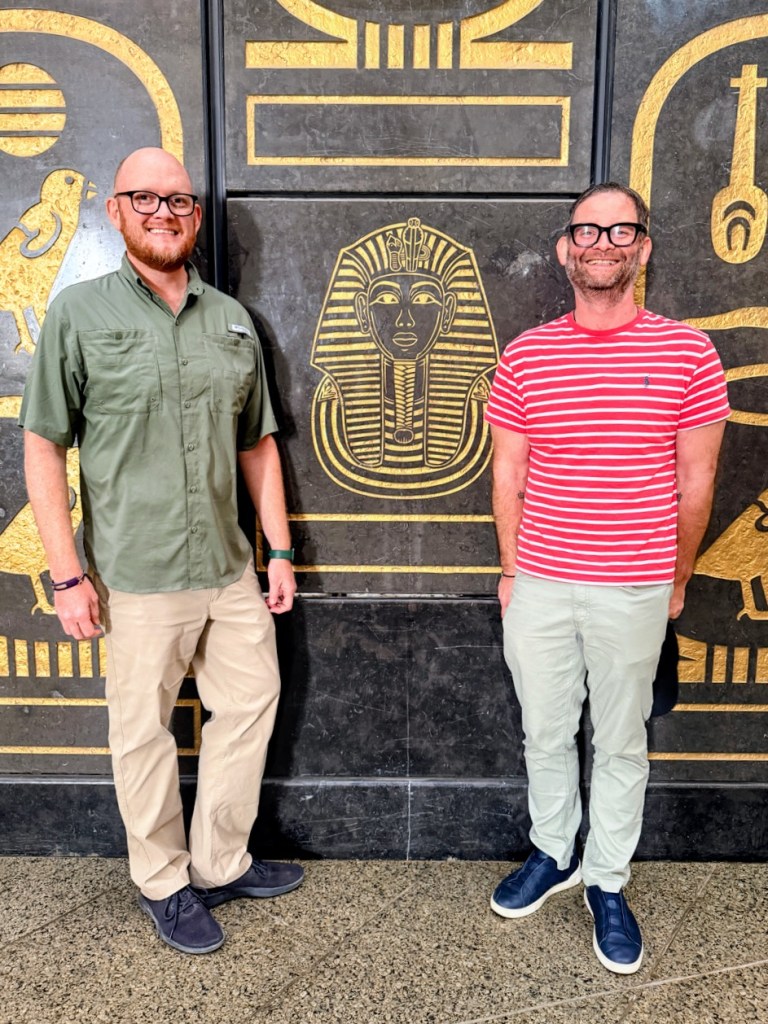
  • First up- the Grand Egyptian Museum, a modern, world-class space housing some of the most important artifacts ever discovered.
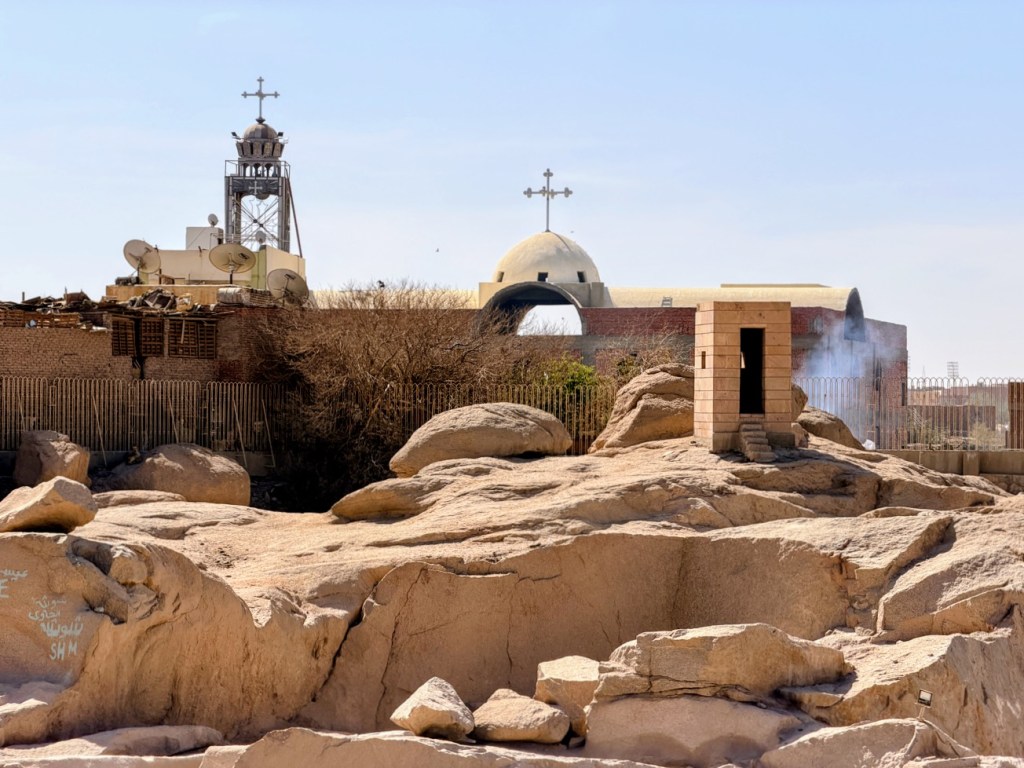
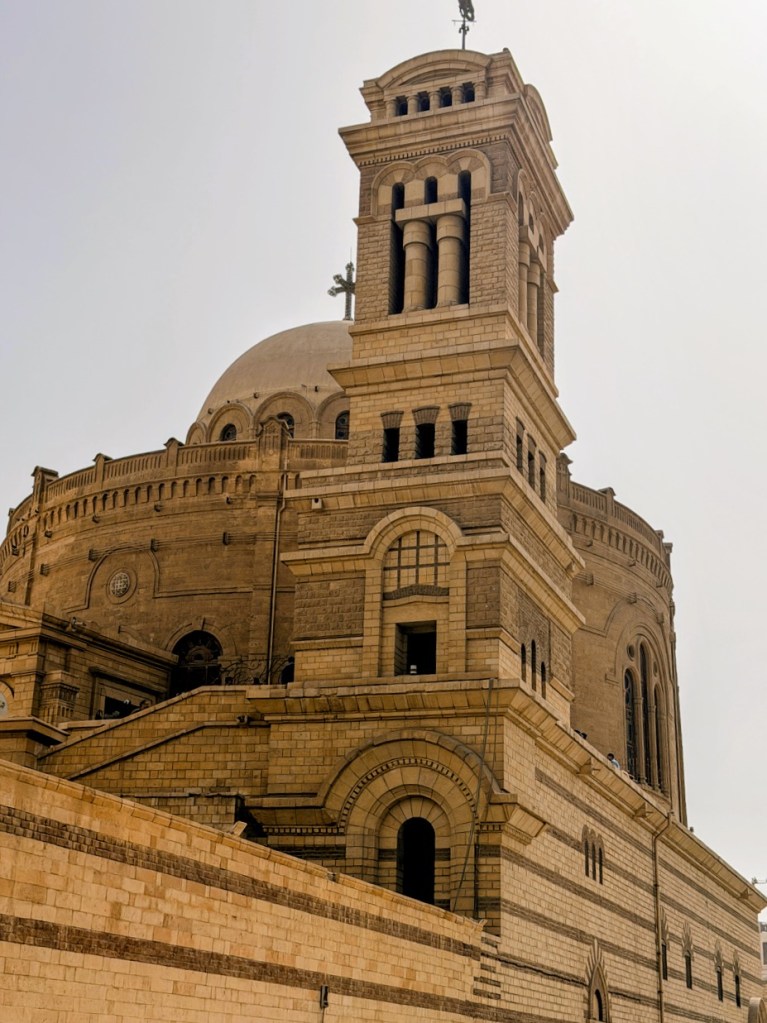
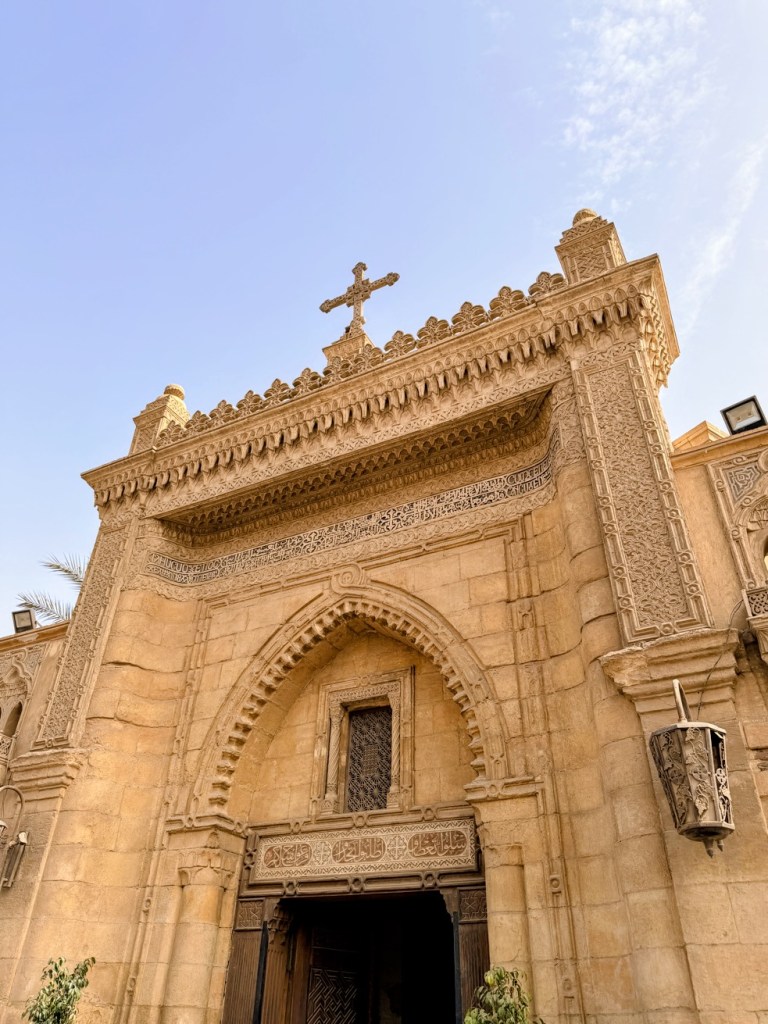
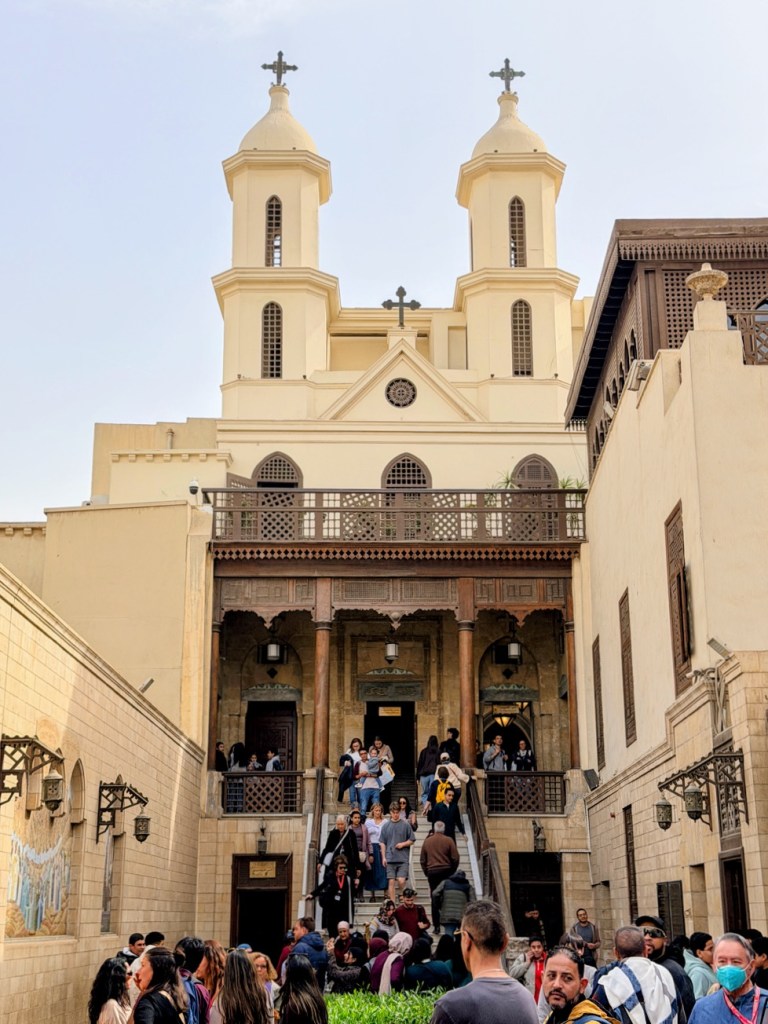
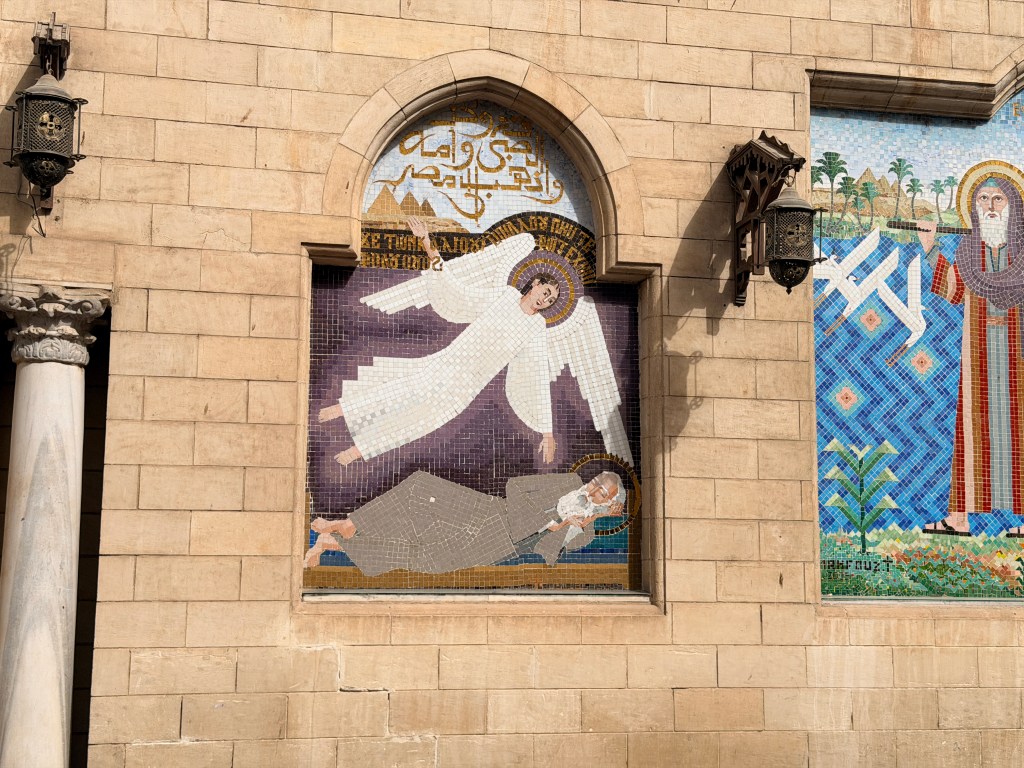
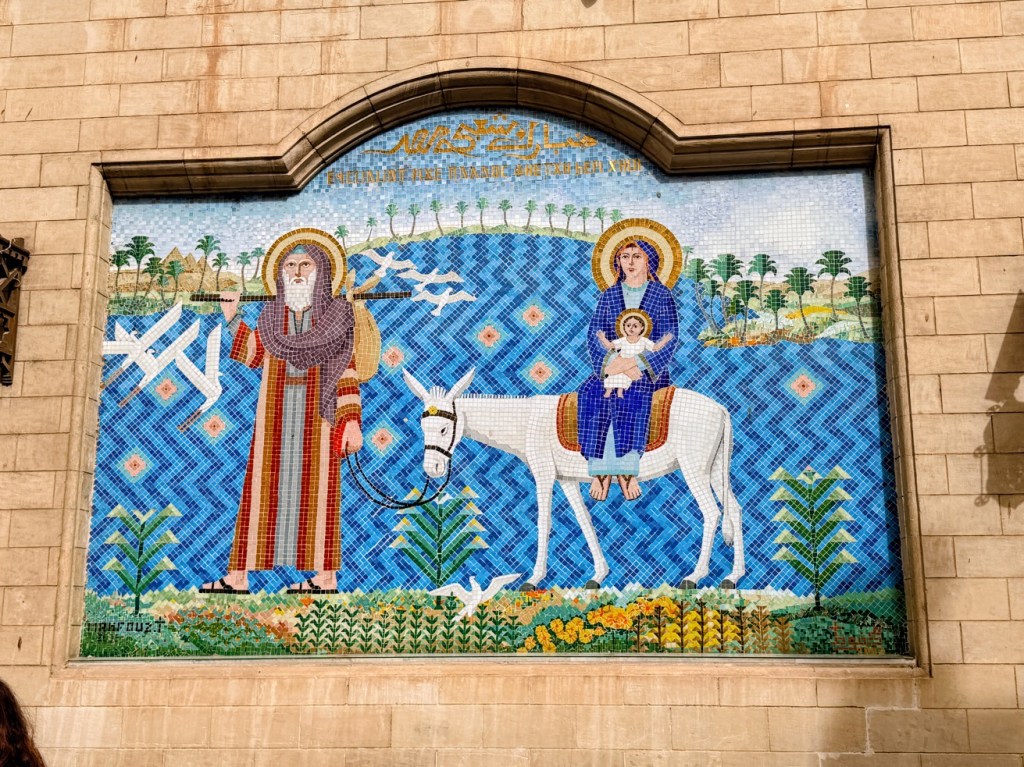
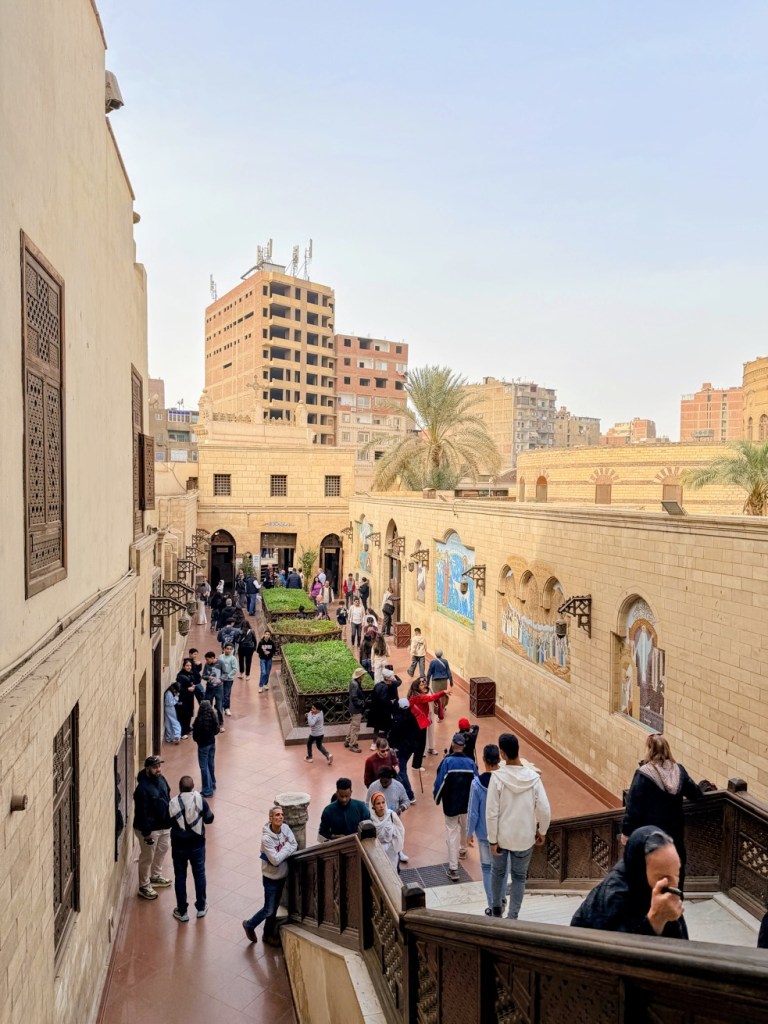
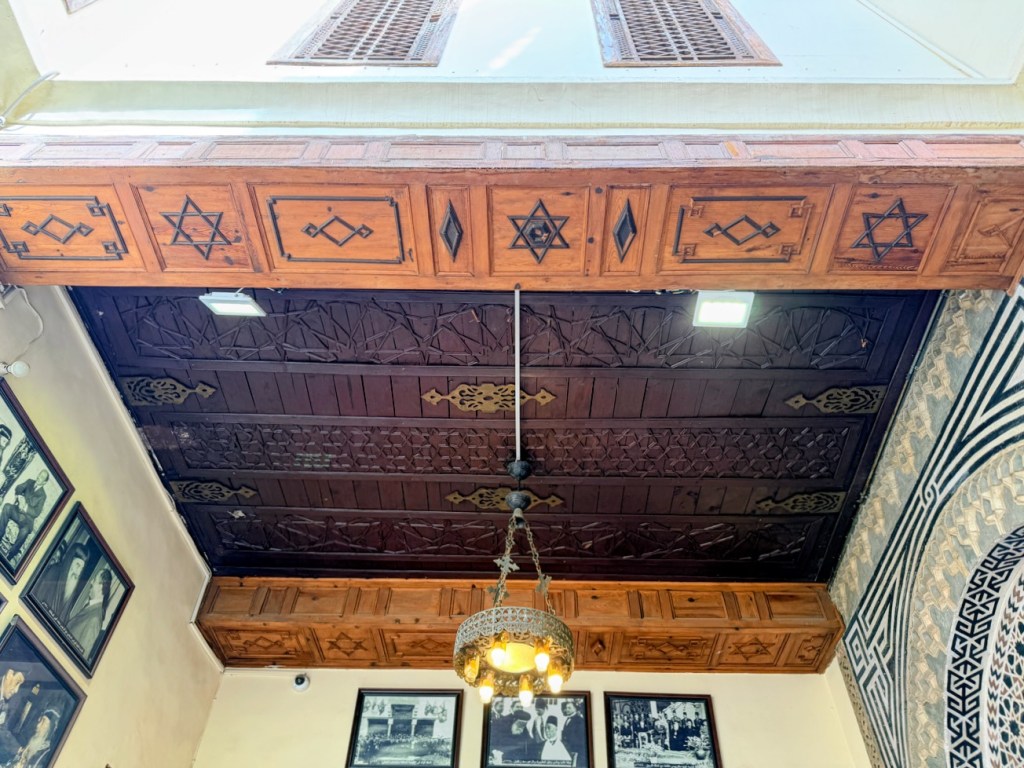
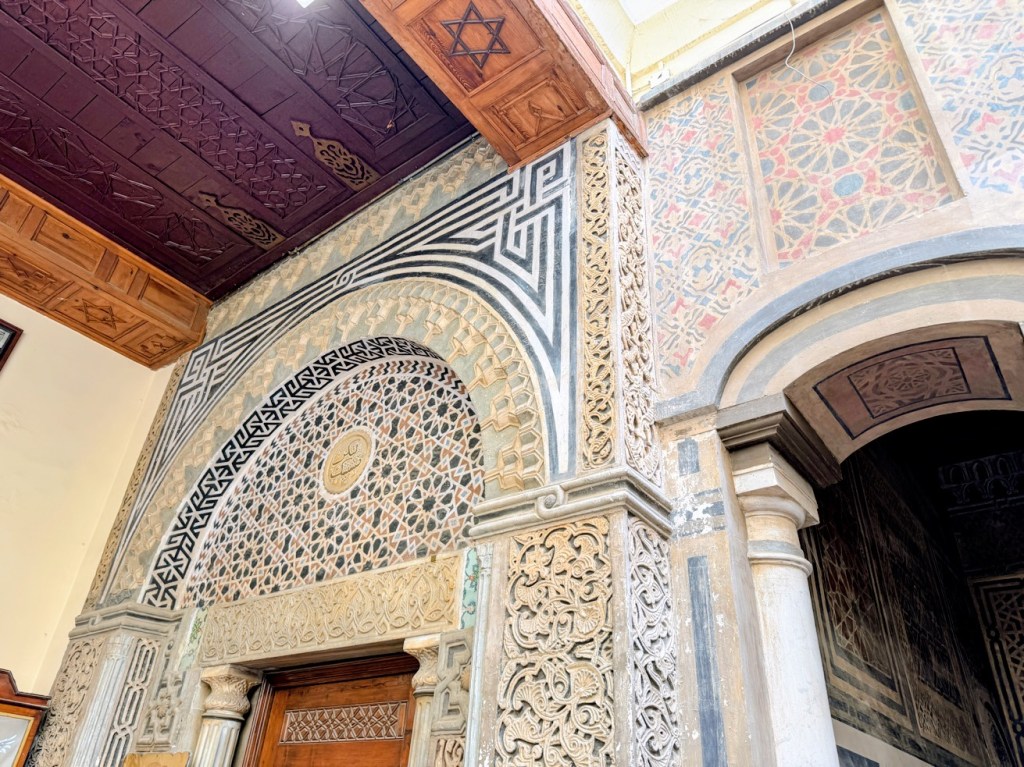
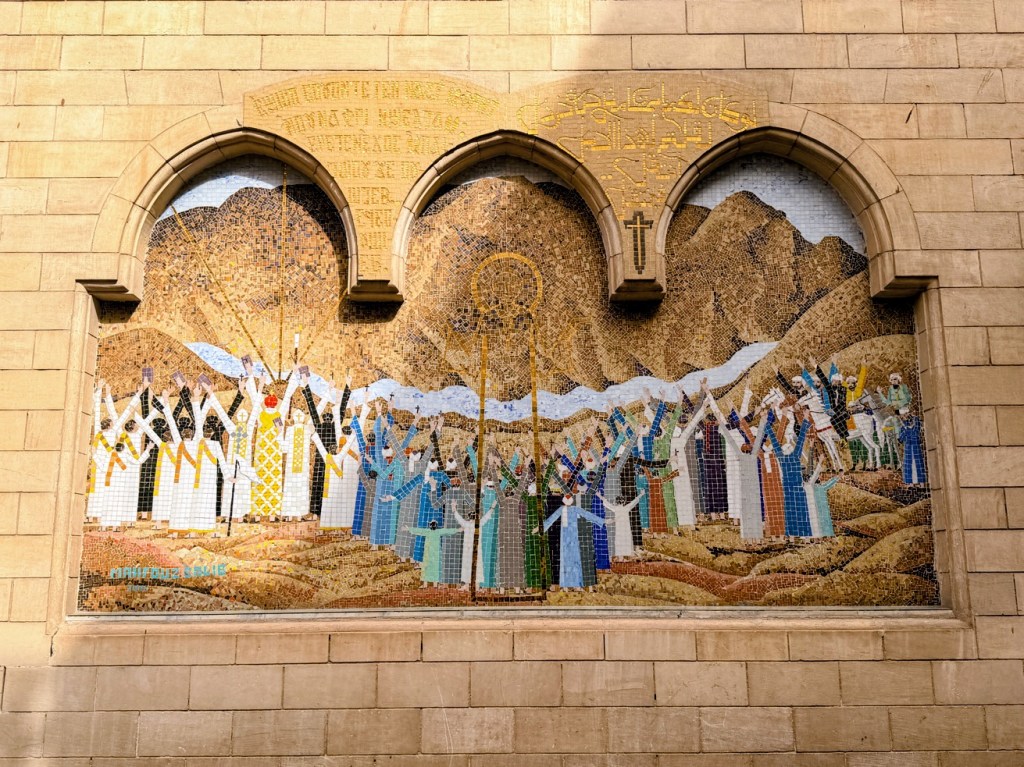
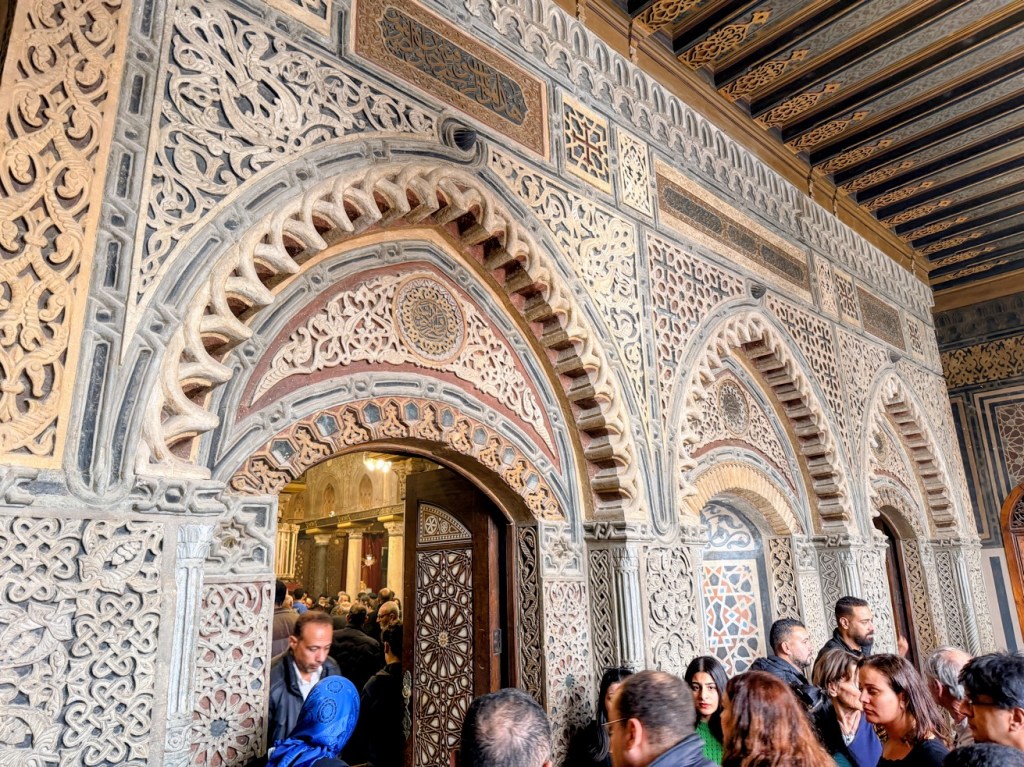
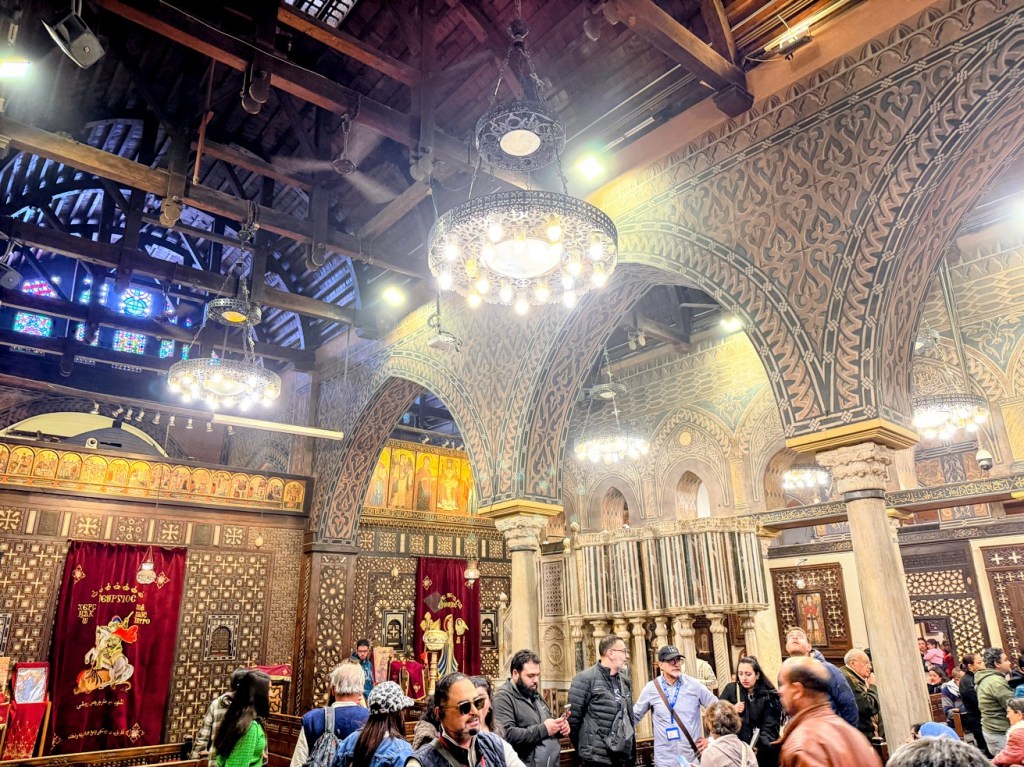
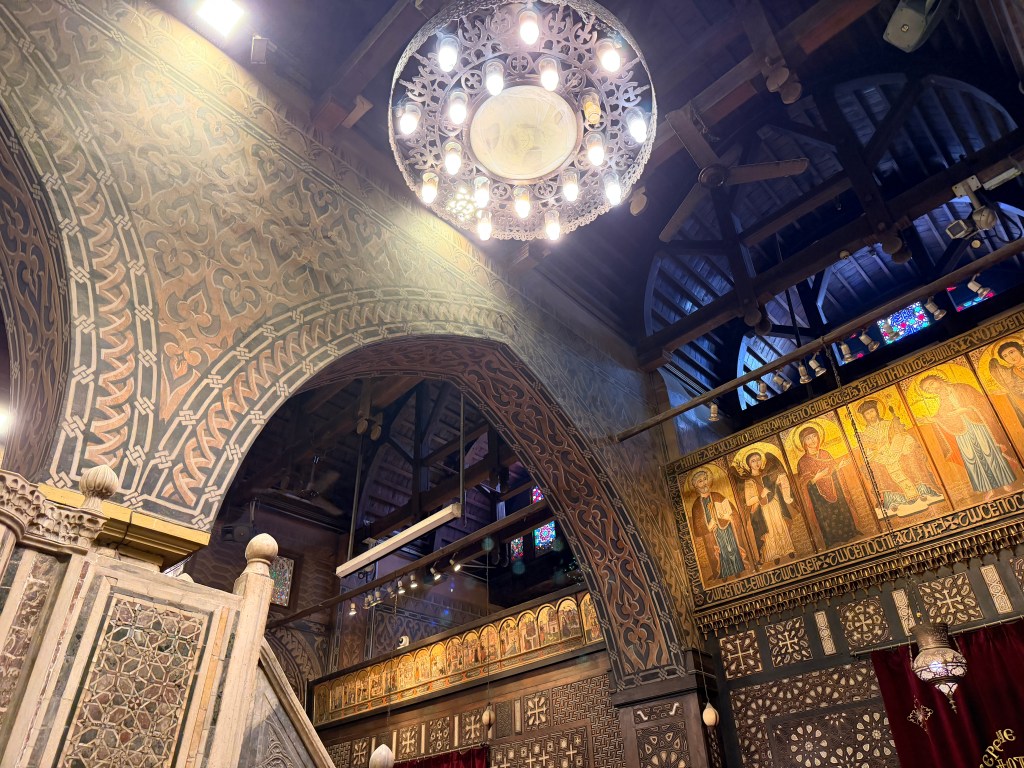
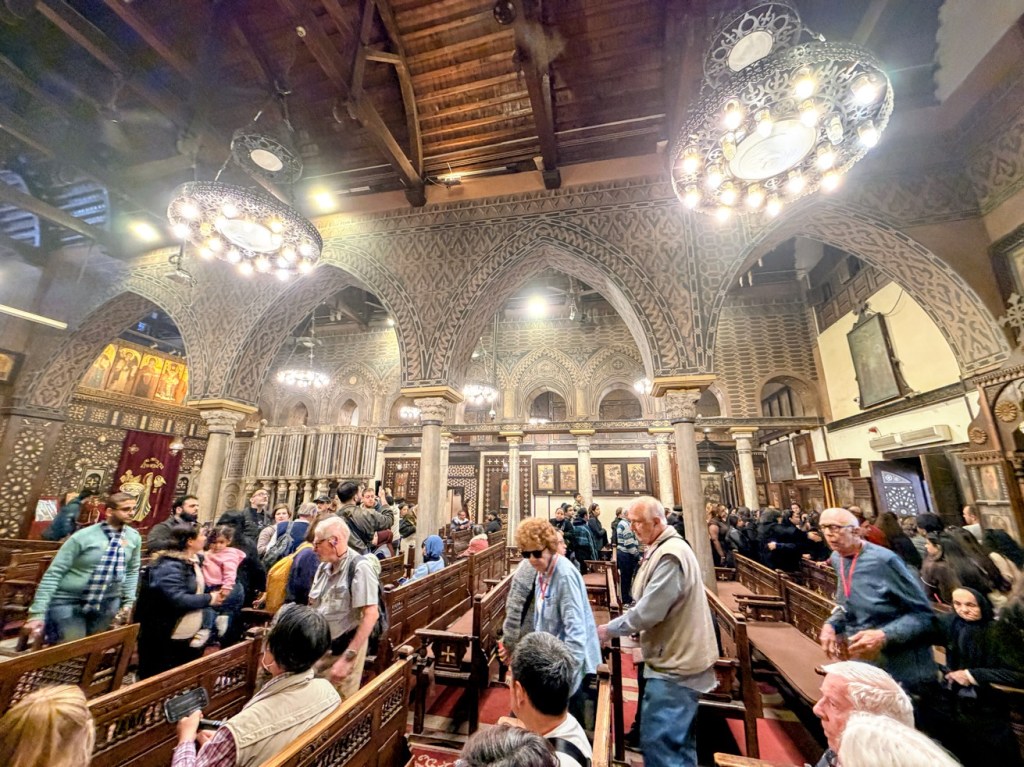
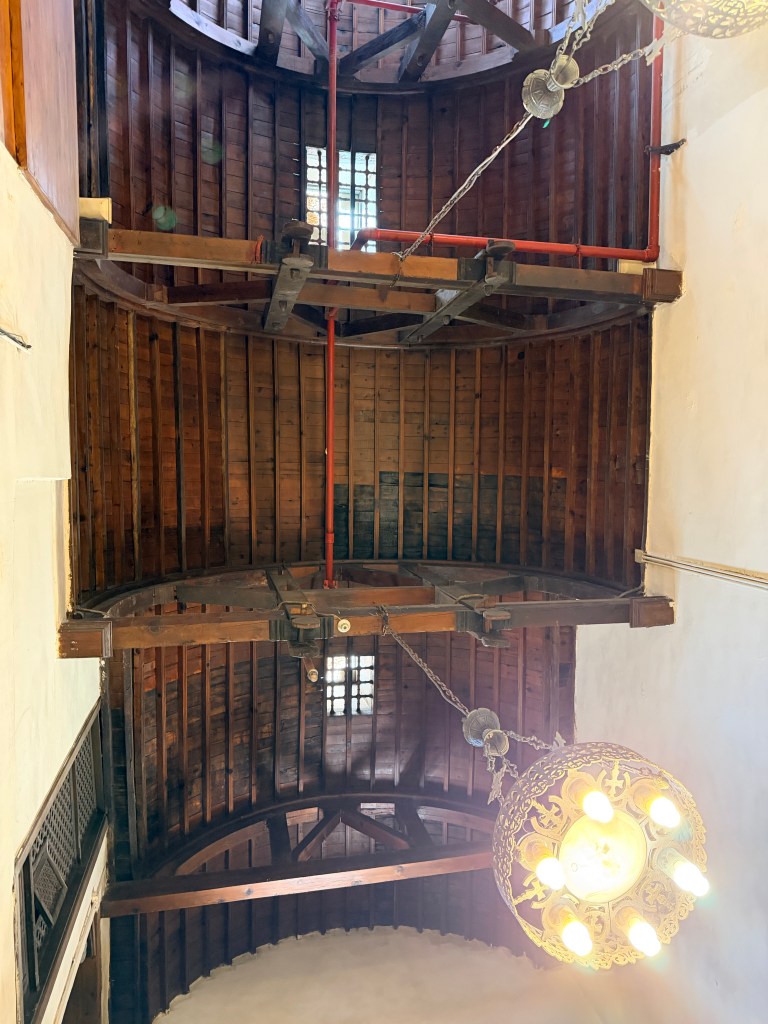
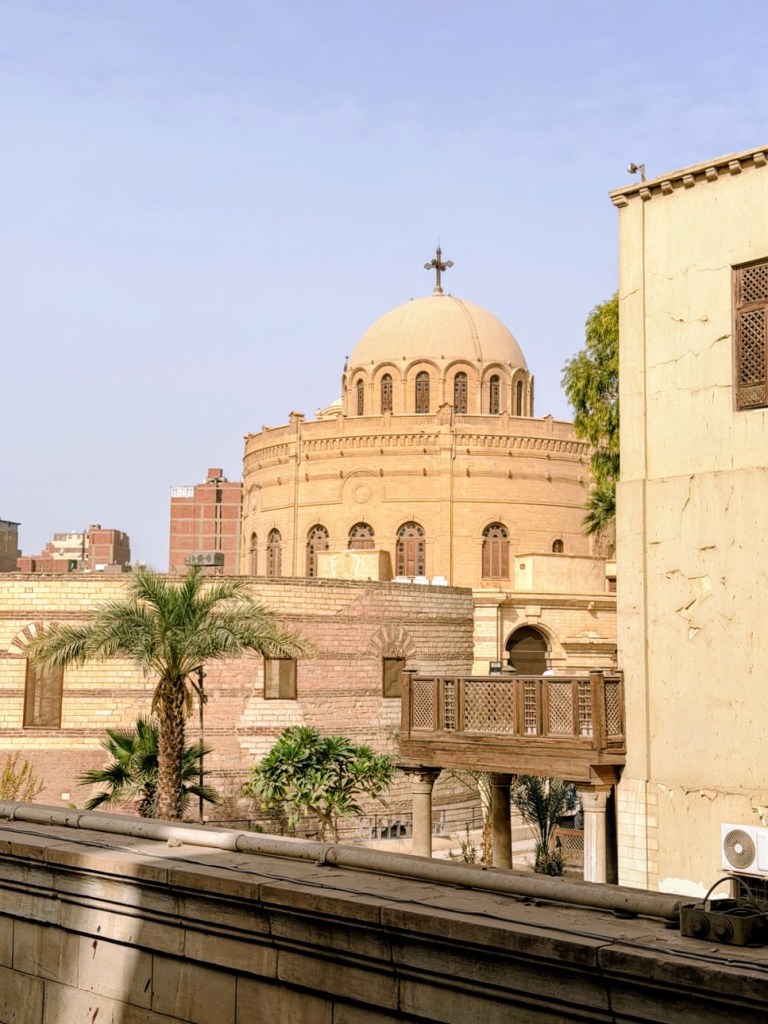
  • The Hanging Church, highlighting Egypt’s deep Christian roots
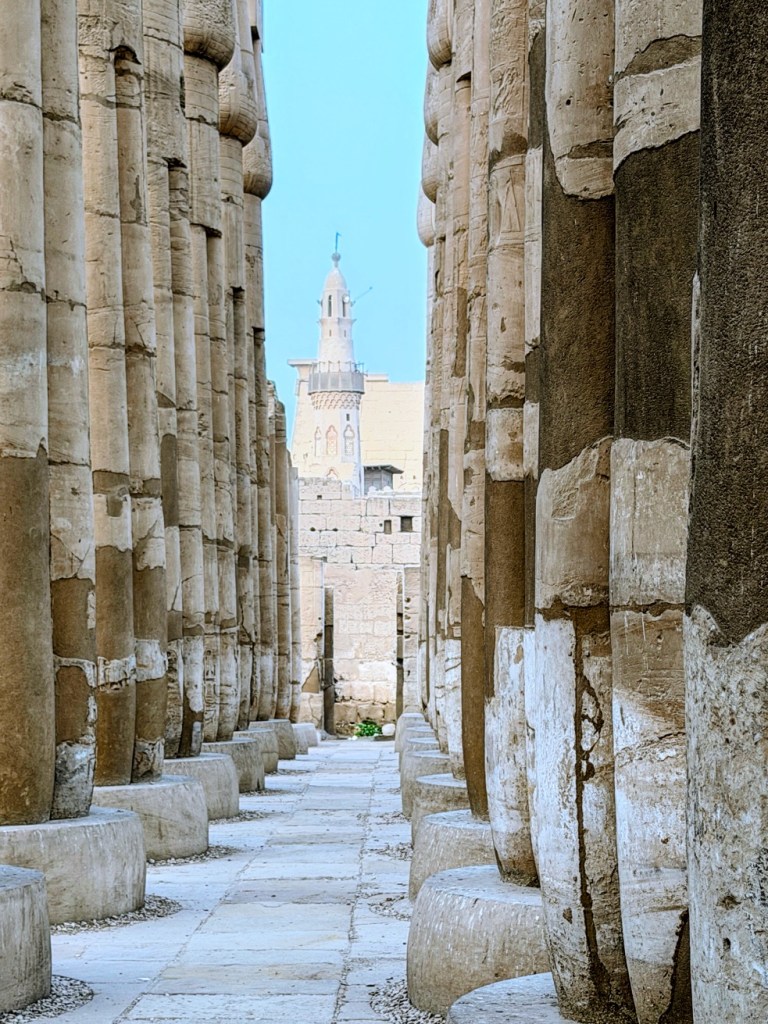
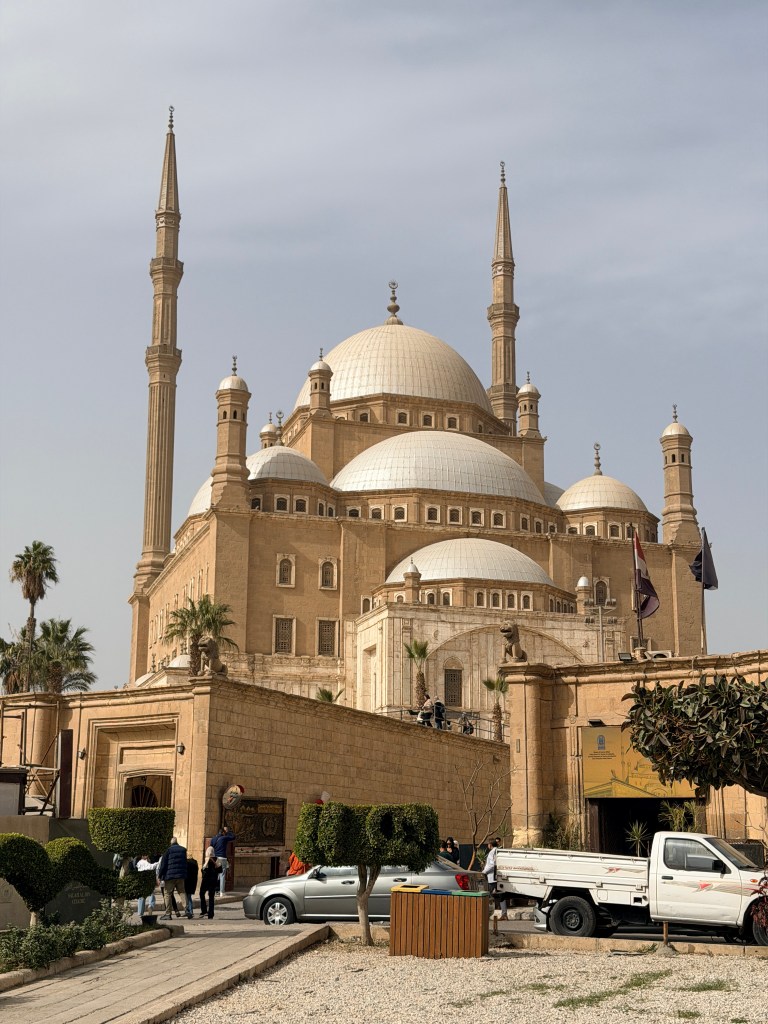
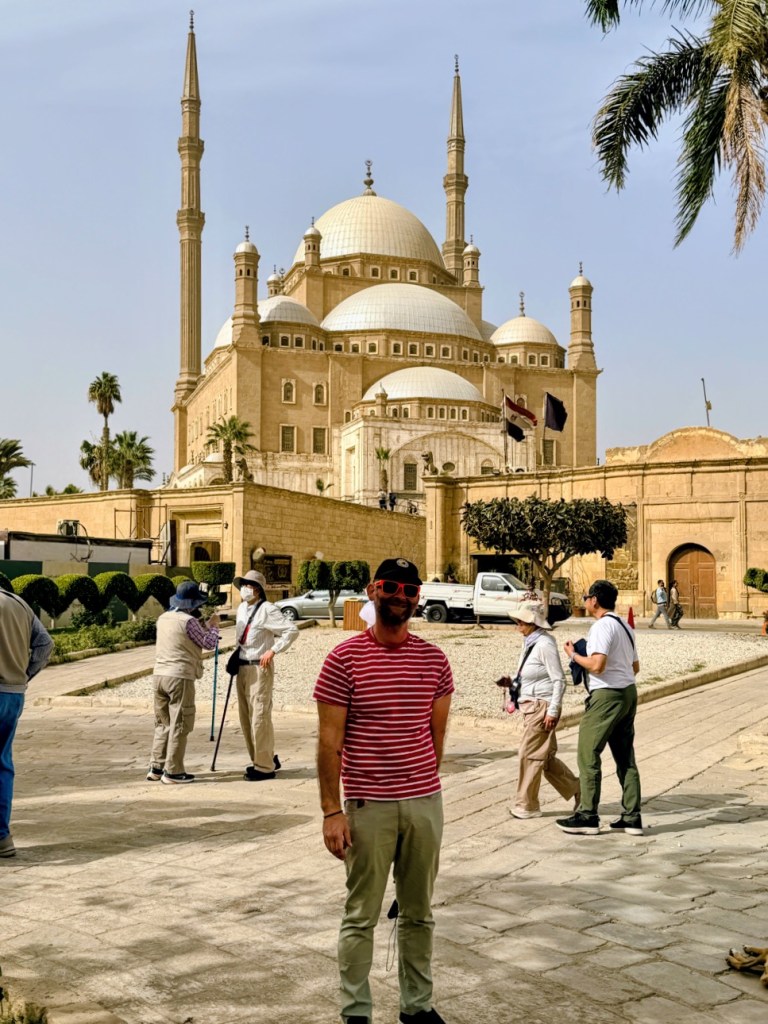
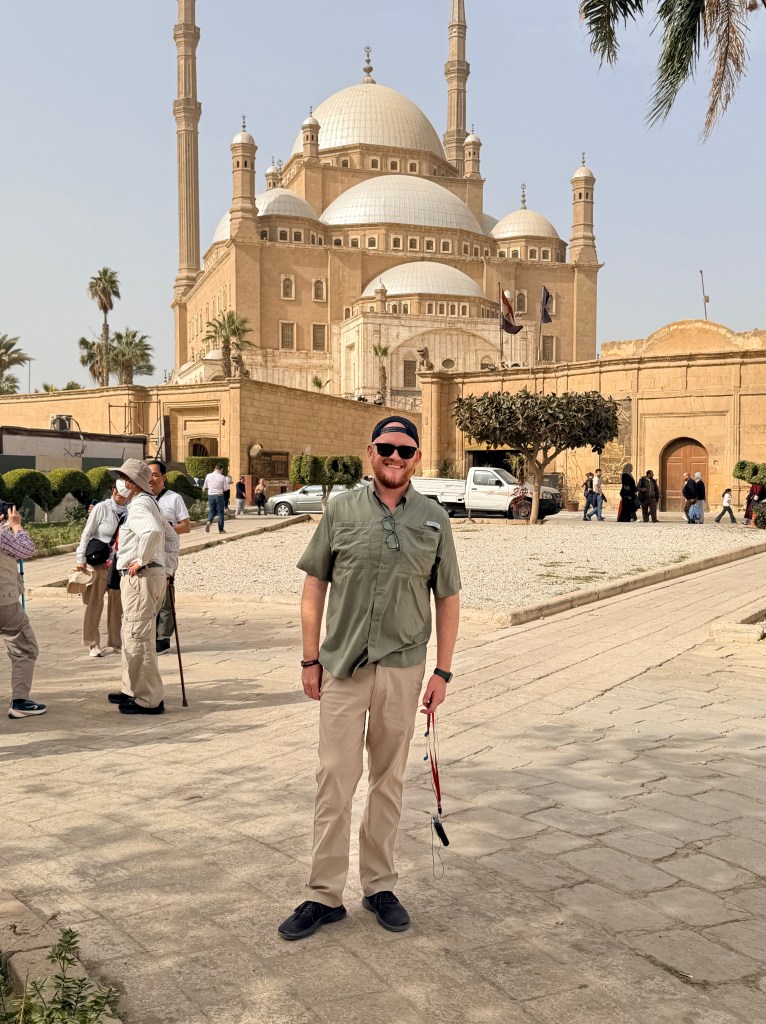
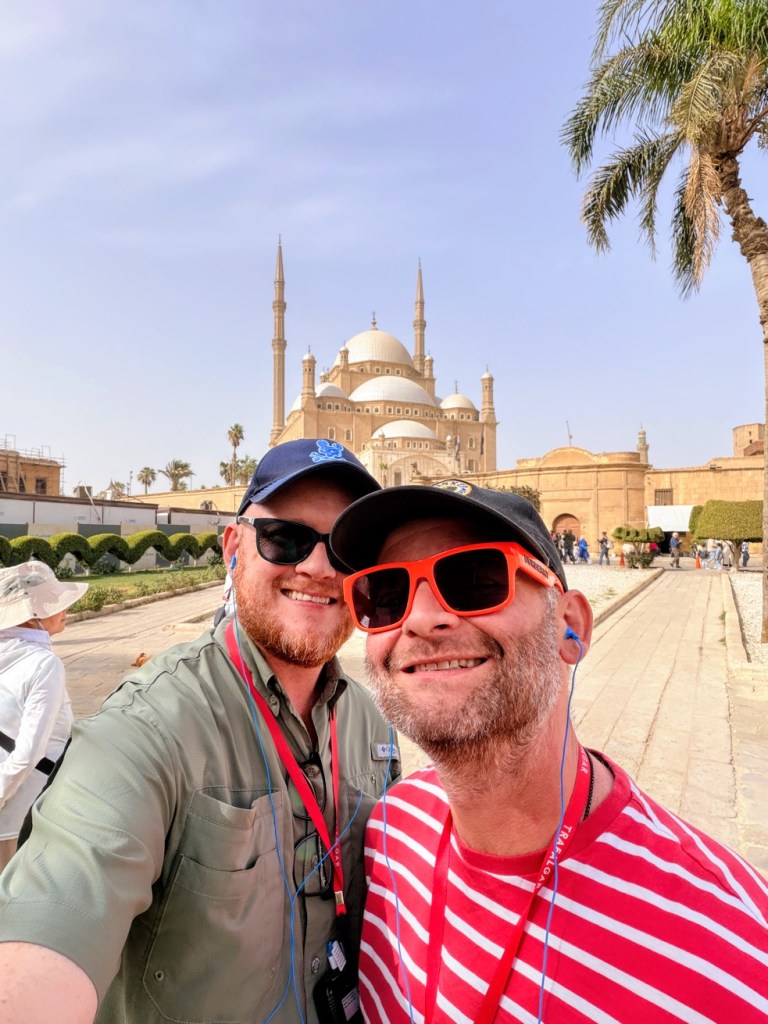
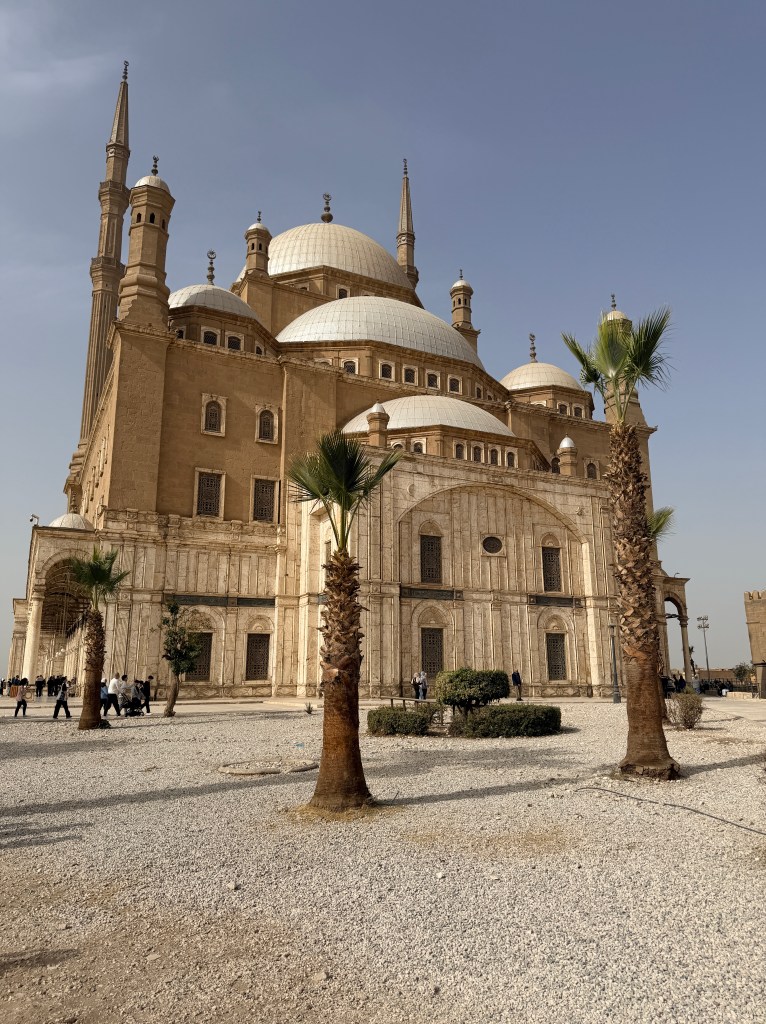
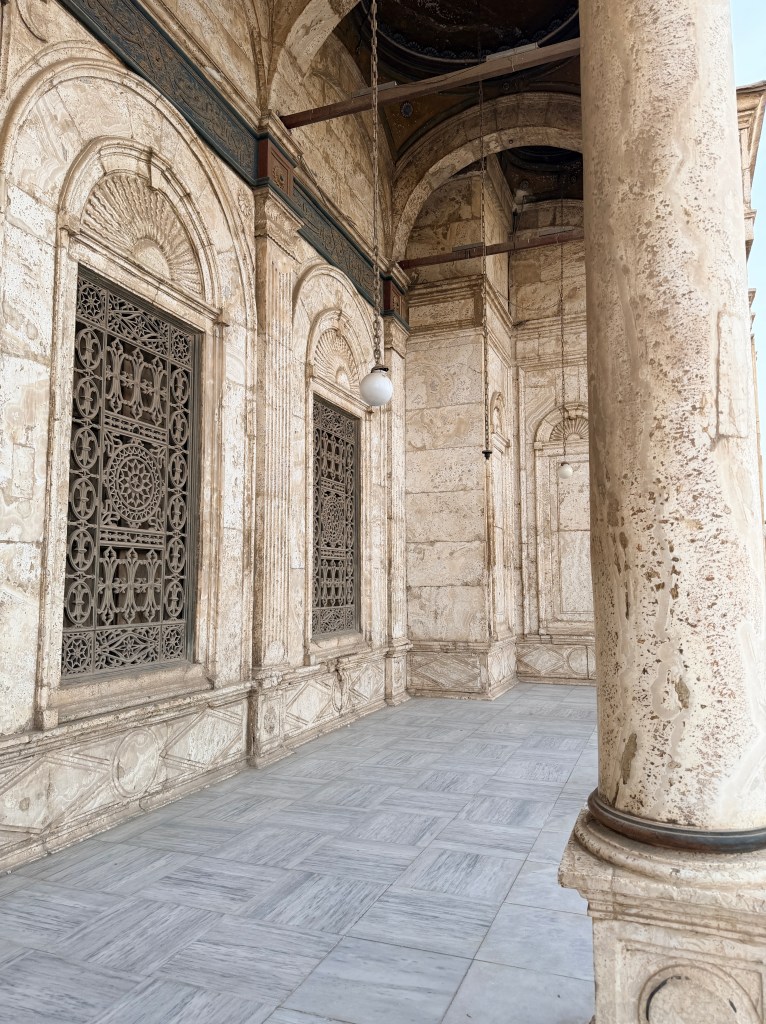
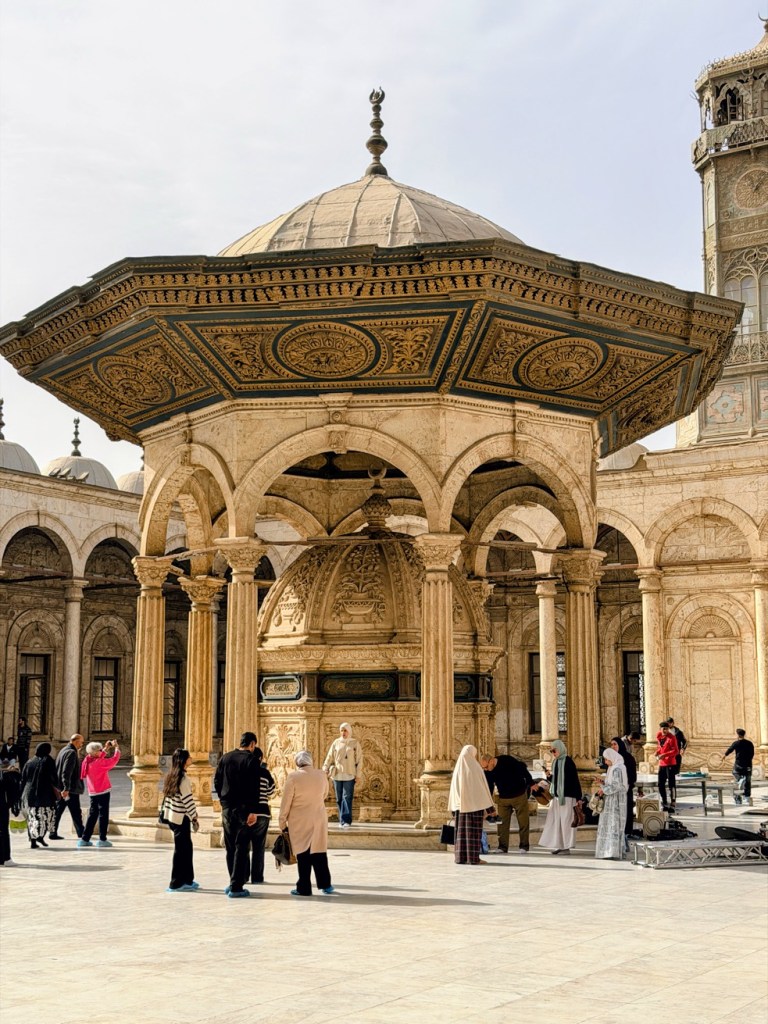
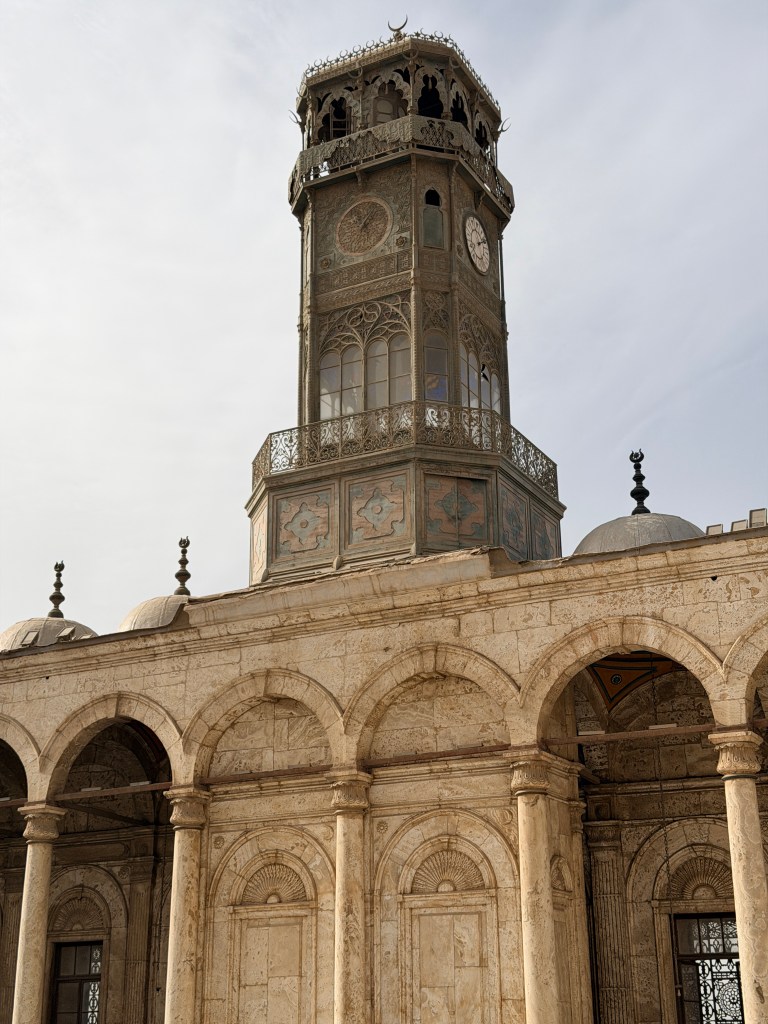
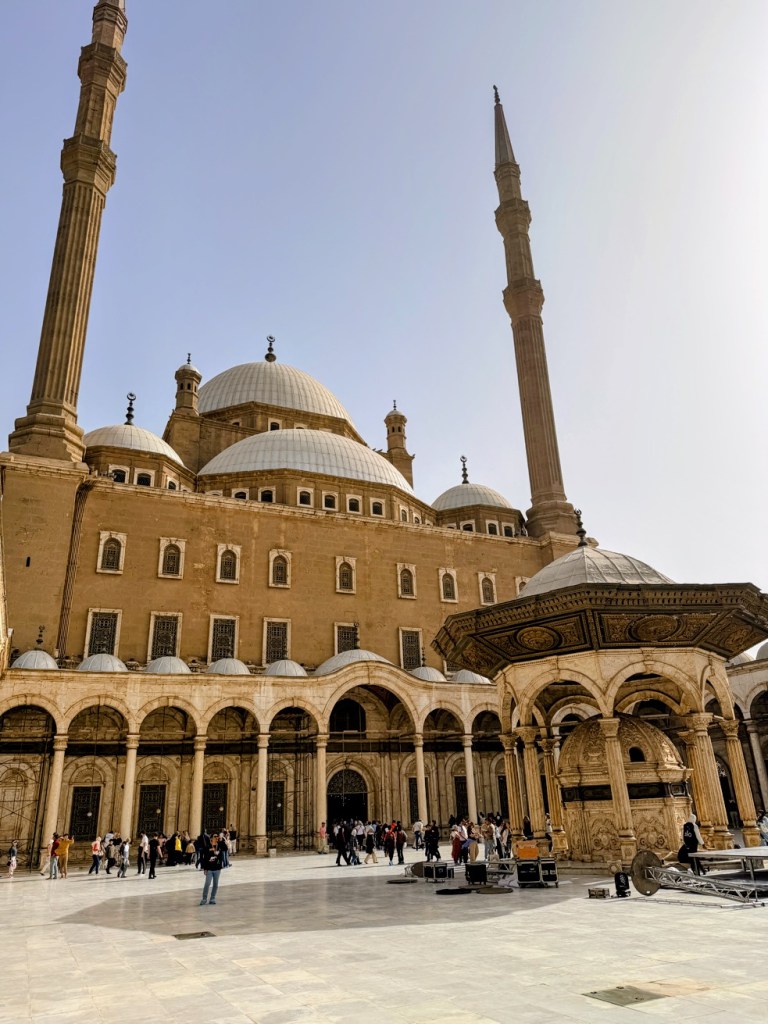
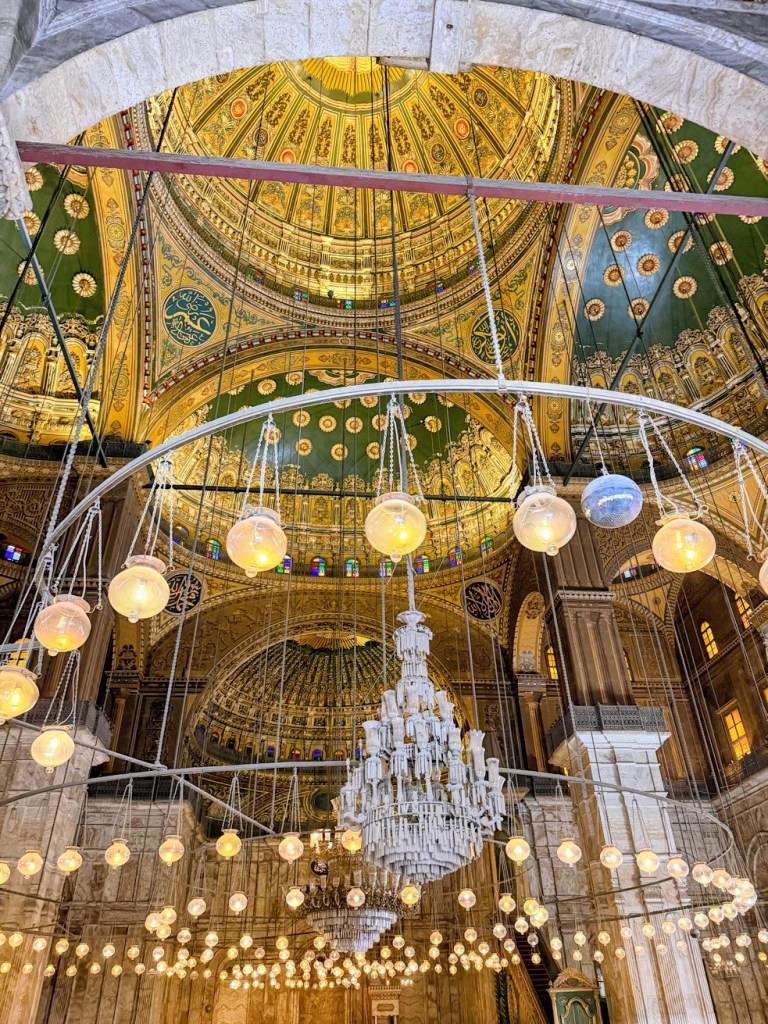
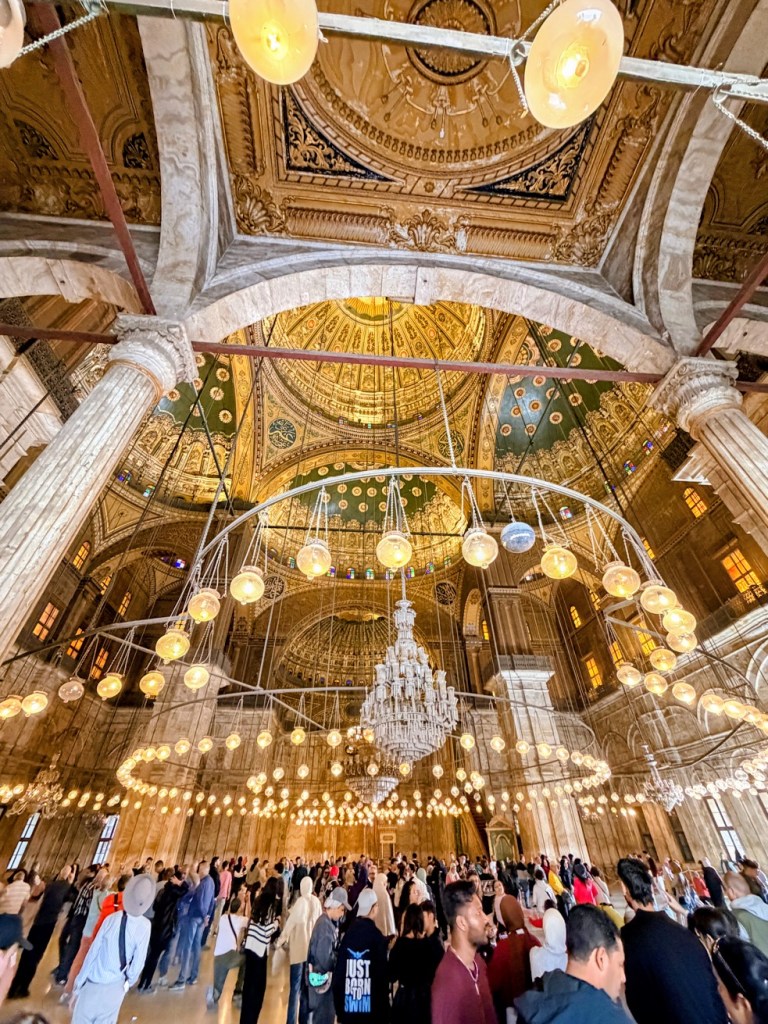
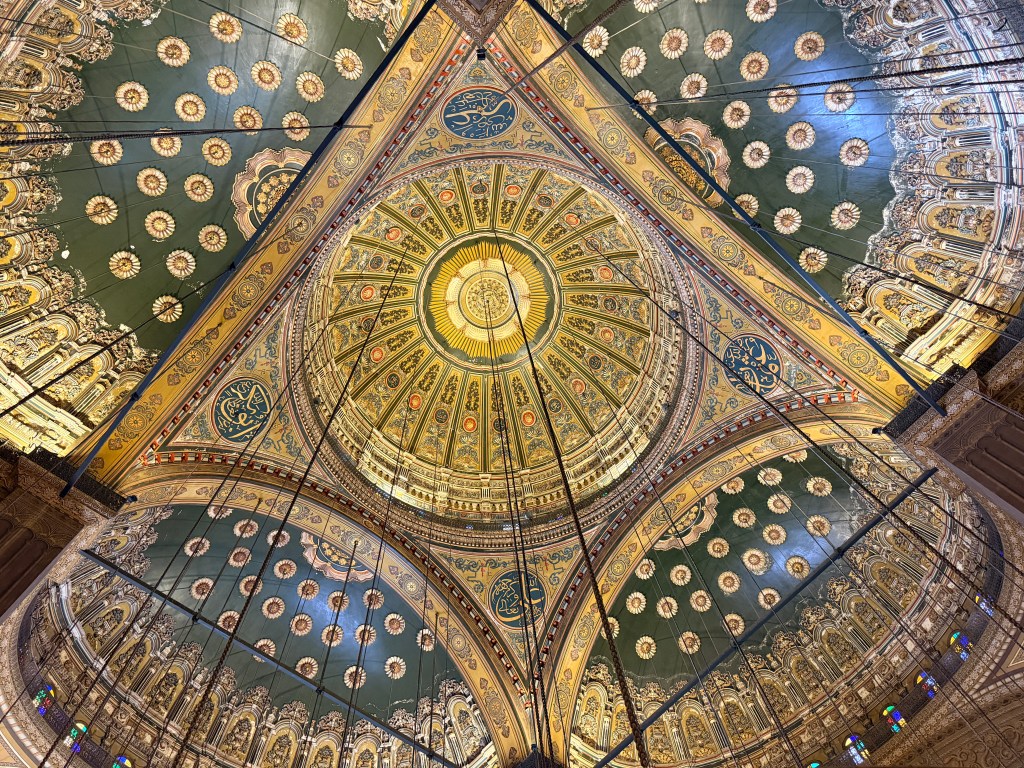
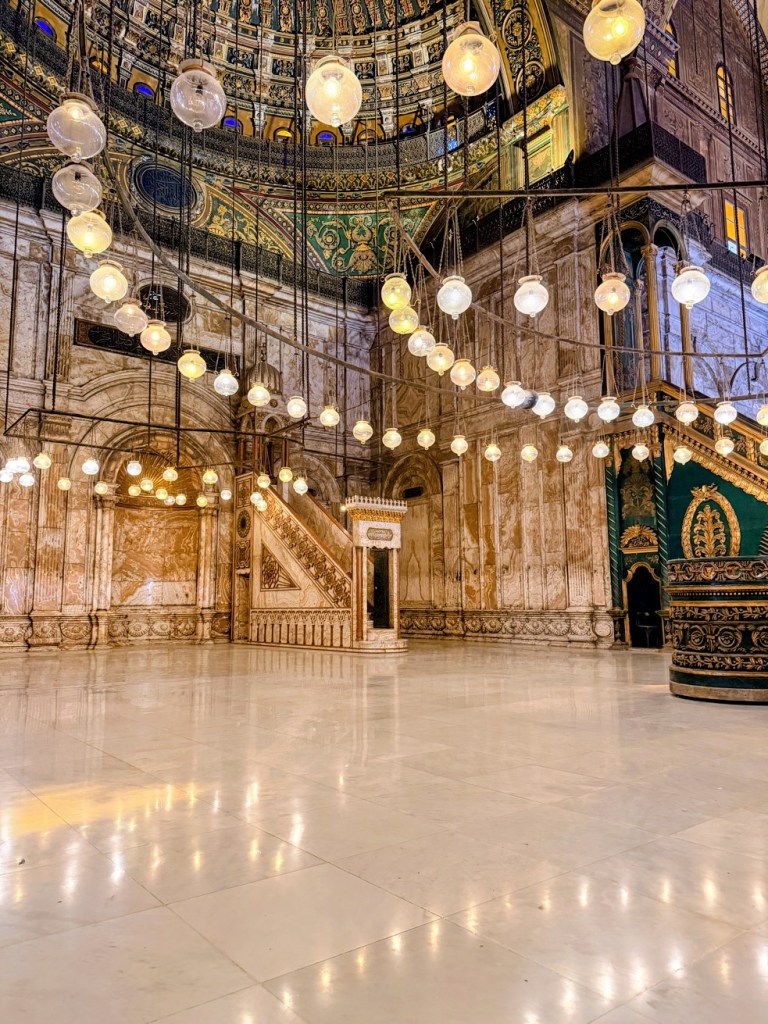
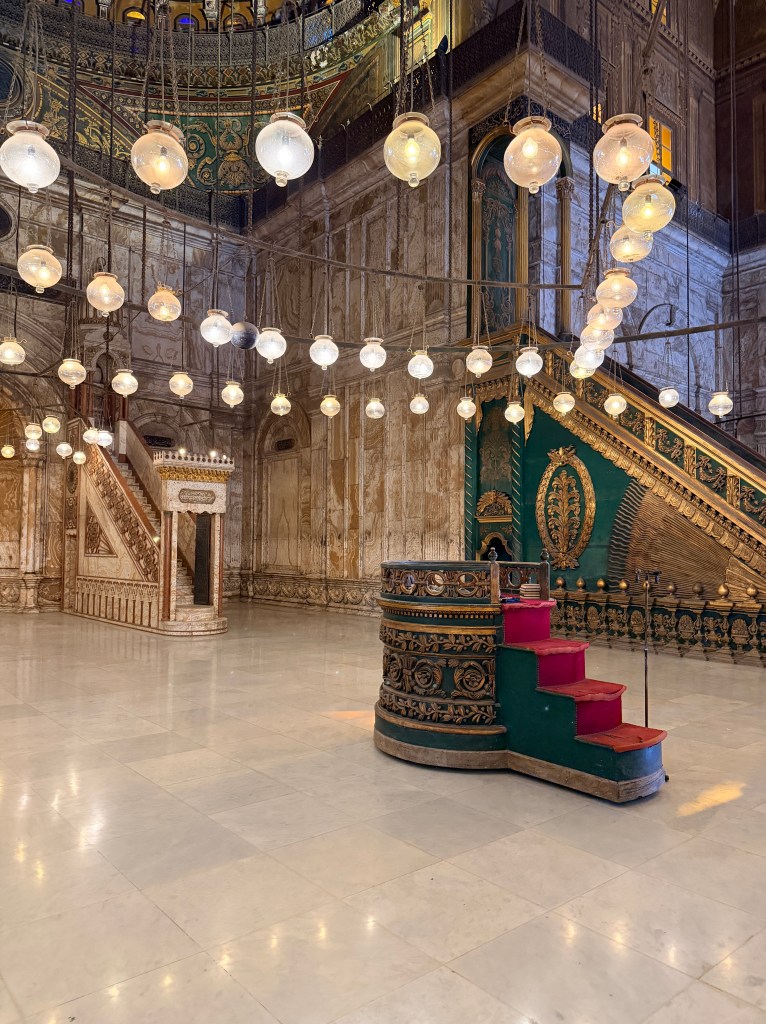
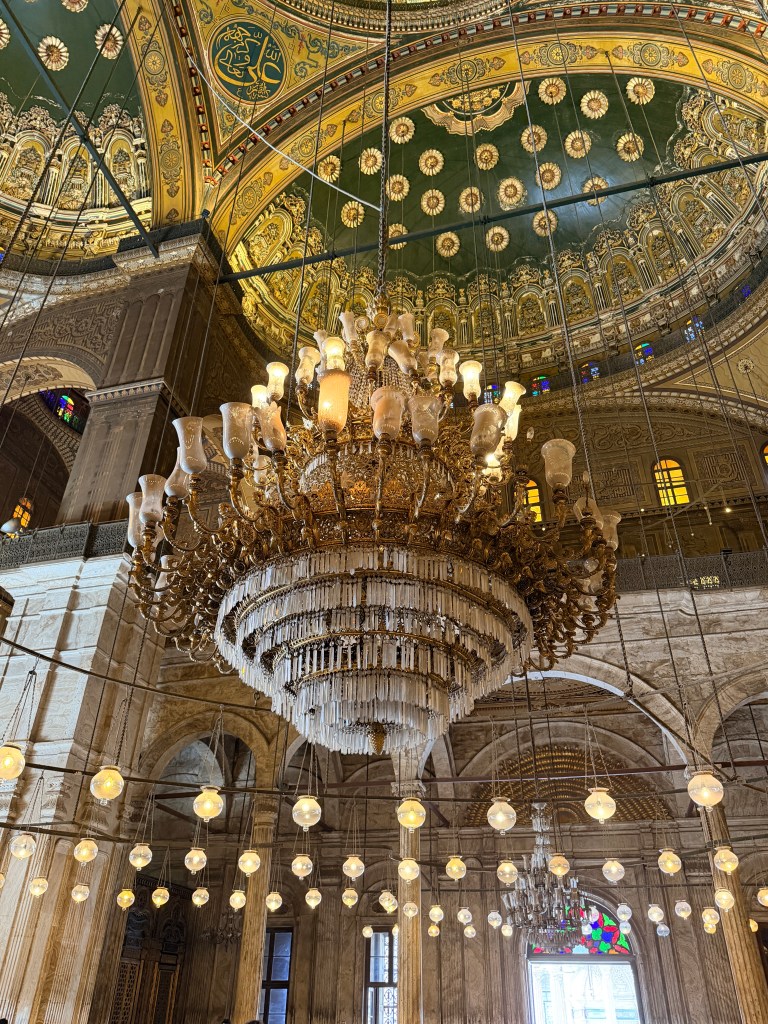
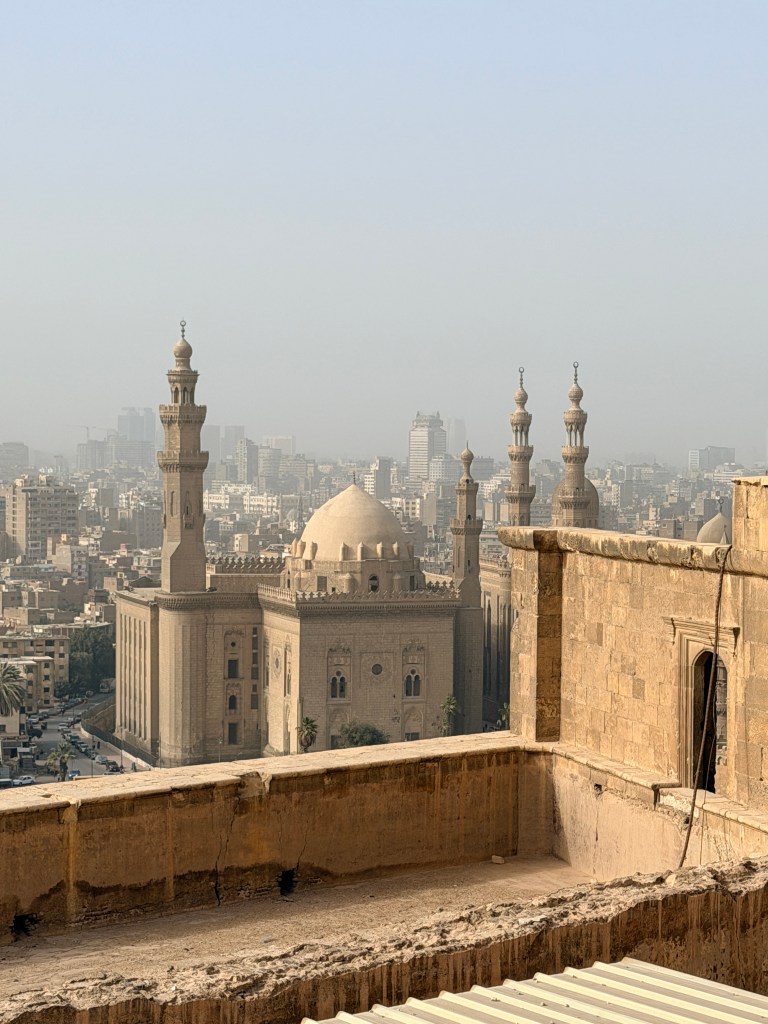
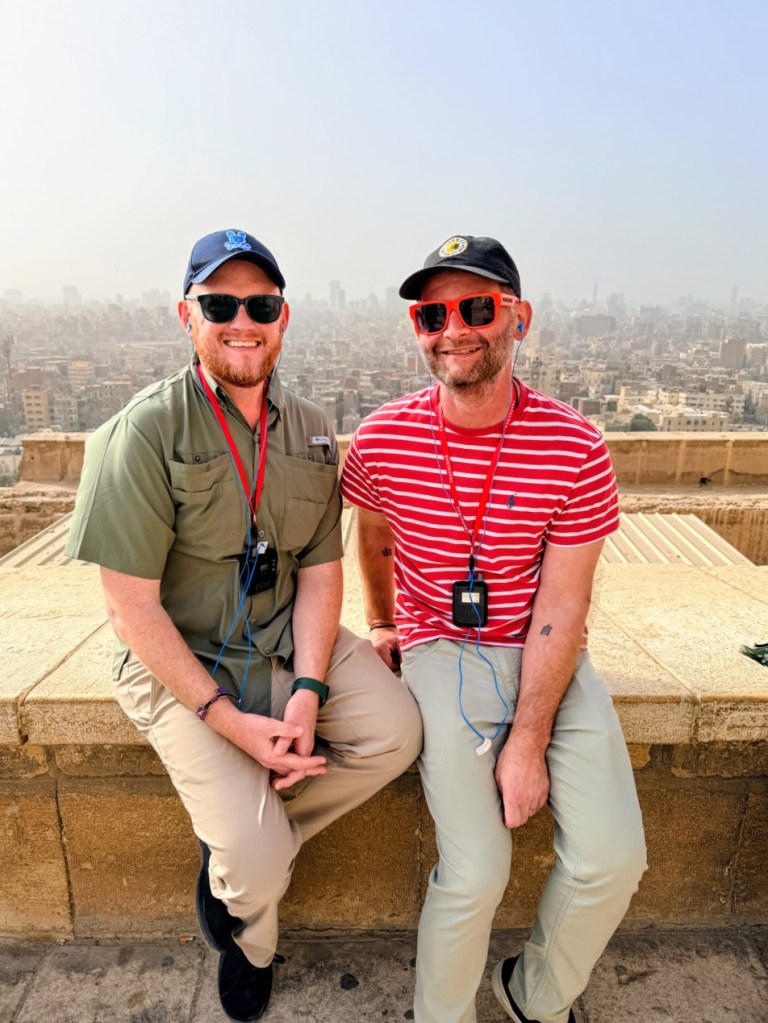
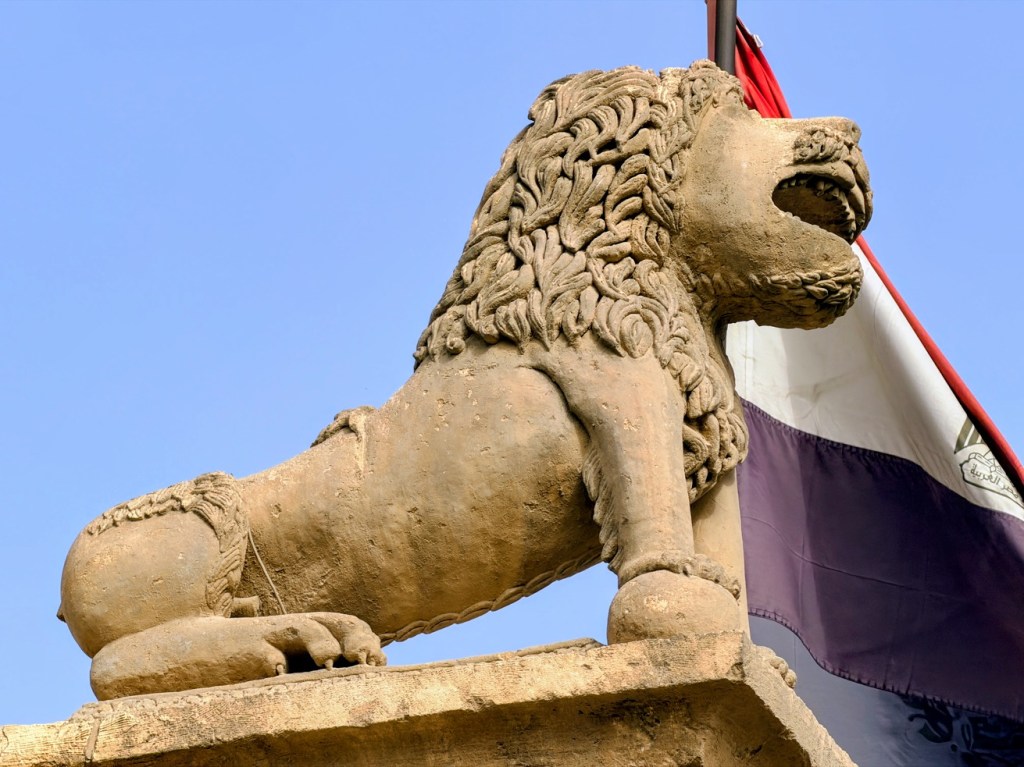
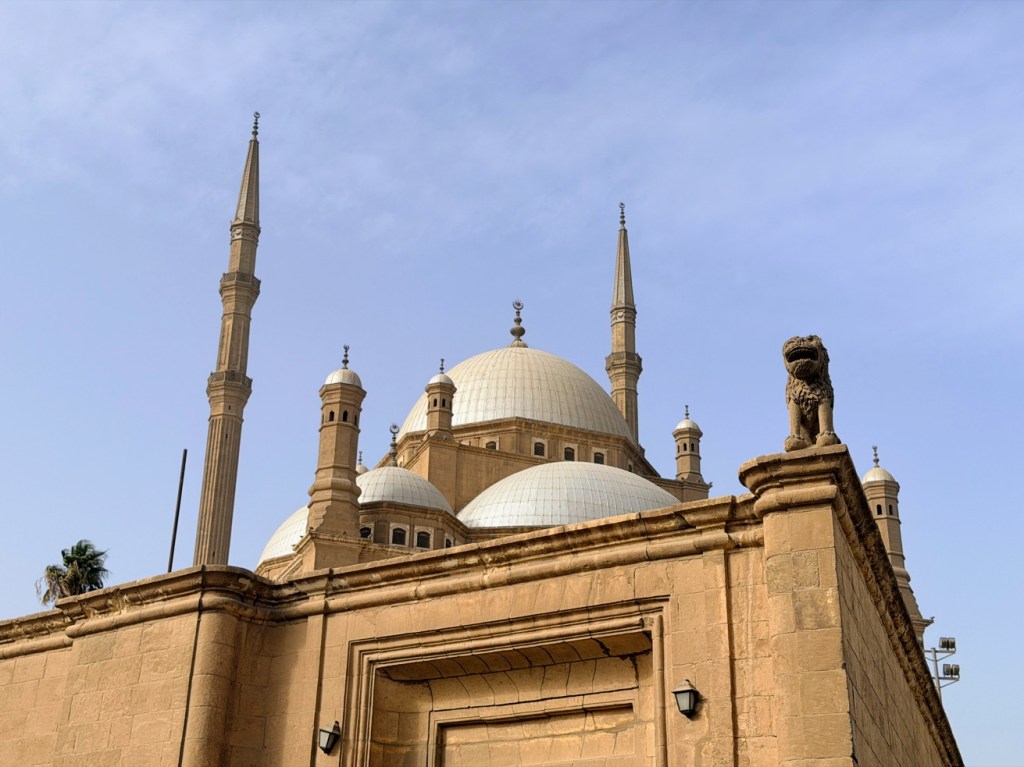
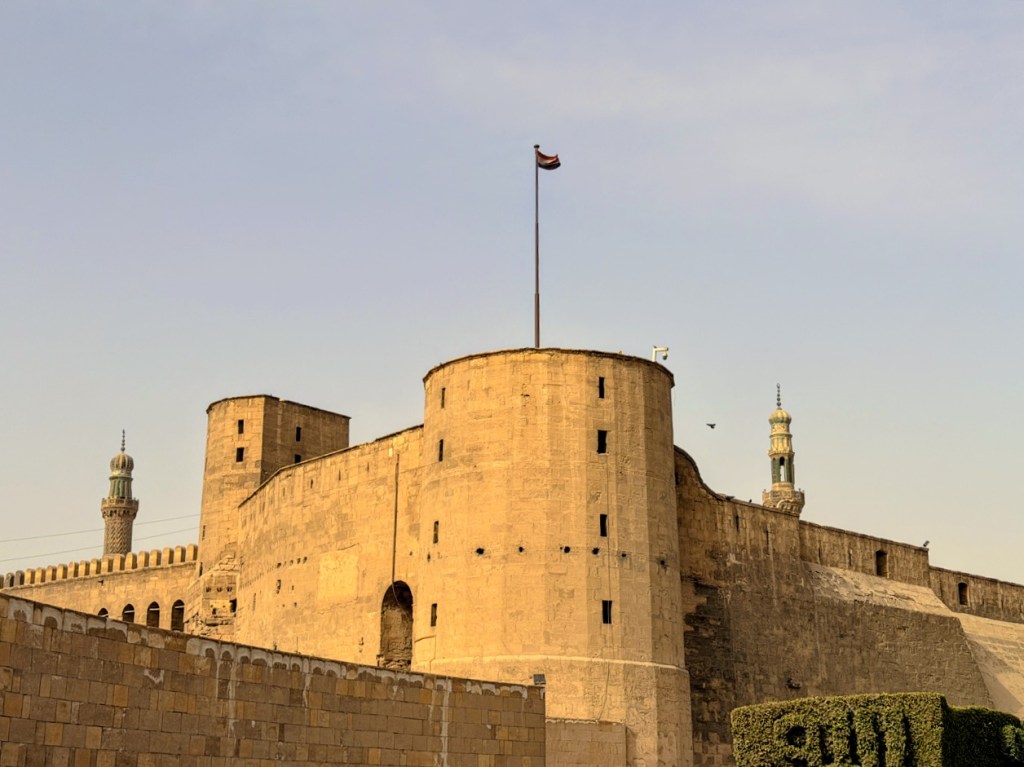
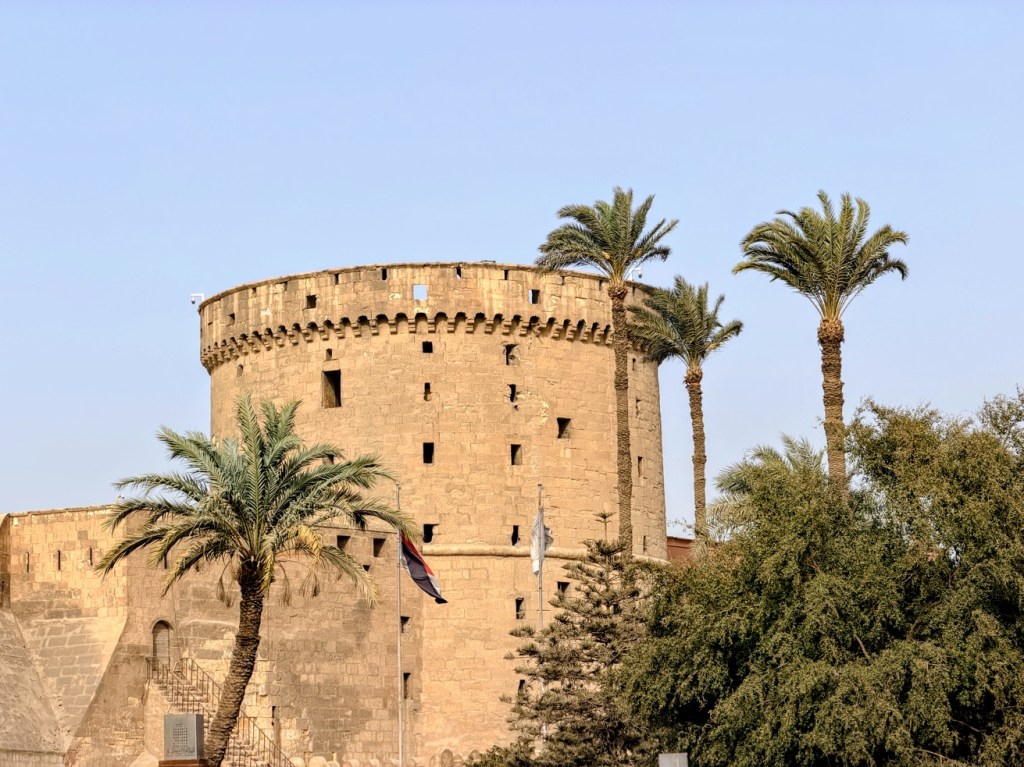
  • And lastly, the Citadel of Salah El Din and the Alabaster Mosque, offering sweeping views and architectural grandeur.

It was the perfect way to close out our time in Egypt—ancient history presented through a modern lens.

Final Thoughts

Egypt is not a passive destination. It demands your attention, challenges your senses, and rewards curiosity. From deserts and temples to luxury hotels and river cruises, this journey was perfectly balanced between adventure, history, and indulgence.

Having a guide like Tarek, a beautiful ship like the MS Medea, and the ease of the Trafalgar itinerary made the experience seamless.

This wasn’t just a trip—it was a walk through time.

11 Hours to Departure

In just 11 short hours, we’ll be boarding a flight to Southeast Asia, beginning our next chapter in Thailand. Egypt has left us in awe—its history, its scale, and its soul—but the journey is far from over.

We’re incredibly excited for what lies ahead. We hope you’ll follow along…

A Brief Note for Future Travelers

While our time in Egypt was extraordinary and deeply meaningful, experiencing a place so different from home also comes with a period of cultural adjustment. The observations below are shared simply to help set expectations for future travelers, not as criticism, but as honest reflections on aspects of daily life that may feel challenging at times.

Traffic & Transportation
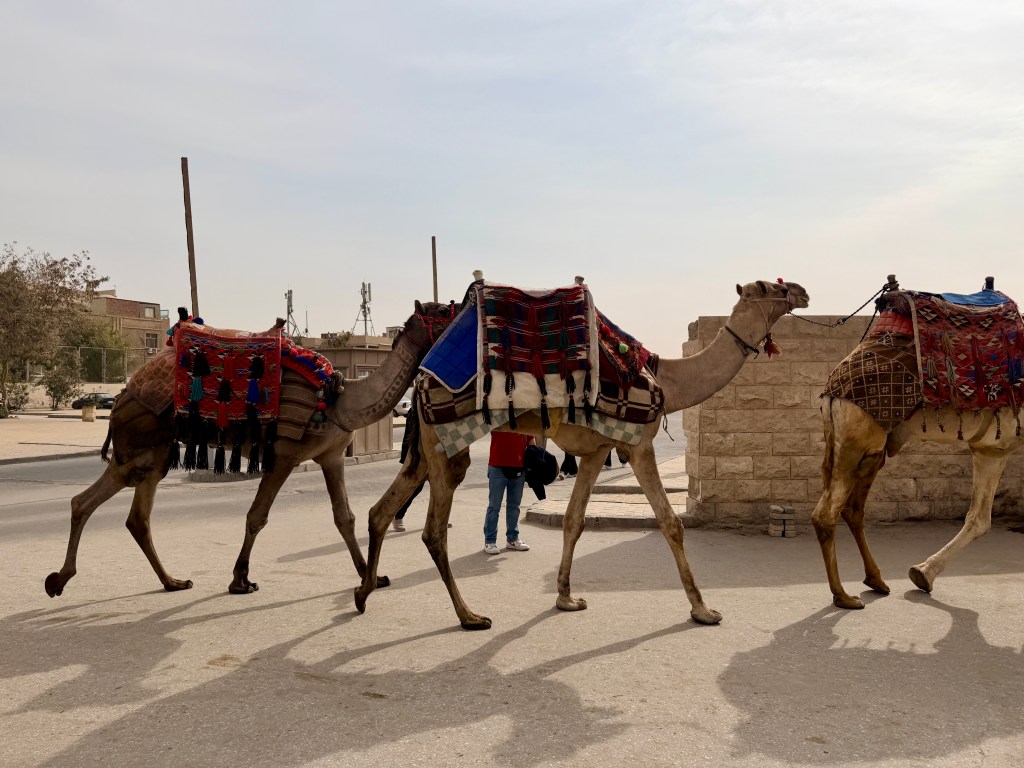
Traffic in Cairo, in particular, is intense and often chaotic. There are very few traffic signals, and movement feels more like a constant negotiation than an organized system. Pedestrians, vehicles, and even animals frequently share the same space, and the near-constant use of car horns can feel overwhelming—especially for visitors not accustomed to this style of driving.

Air Quality
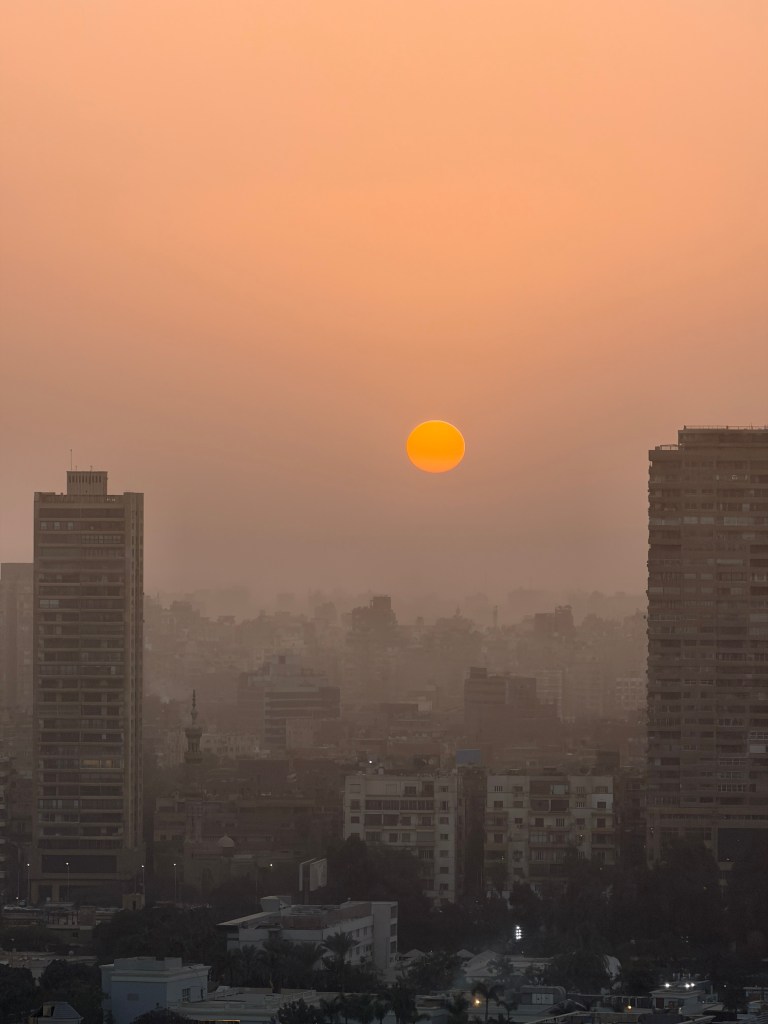
Air pollution was another noticeable challenge. Even from the 27th floor of our hotel, visibility was limited due to smog. With a metropolitan population of roughly 25 million people, this is understandable to a degree, though it did impact our overall comfort during our stay.

Litter & Environmental Concerns
We were surprised by the amount of litter in both urban and rural areas, including locations of historical and natural significance. While this is certainly a complex issue influenced by infrastructure and governance, it was difficult to see such remarkable and sacred landscapes affected in this way. One moment that stood out was witnessing litter discarded within a protected desert area, which was disheartening.

Hilton Ramses Hotel Experience
The Hilton Ramses, where we stayed at the beginning and end of our tour, was not our favorite accommodation. The lobby was often hectic, and service levels were inconsistent—some staff members were helpful and welcoming, while others were less so. Compared to other hotels on our journey, it fell short of expectations.

Vendor Interactions at Tourist Sites
At several major sites and temples, interactions with vendors were more aggressive than we anticipated. Persistent sales tactics—such as following visitors closely, placing items directly in front of them, or initiating unwanted physical contact—made some visits uncomfortable. Tipping culture is deeply ingrained, and at times it felt difficult to navigate boundaries, particularly when services were offered without being requested.

None of these challenges overshadowed the significance of what we experienced in Egypt. They simply reminded us that travel is as much about perspective and patience as it is about discovery—and that understanding a place often means embracing both its beauty and its complexities.

The Final Days at JW Marriott Masai Mara: Magic, Meaning, and a Perfect Goodbye

With Esther and Eric heading back to San Francisco, the rest of our time at the JW Marriott Masai Mara took on a quieter, more intimate rhythm. Suddenly, it was just the two of us on game drives — which felt like having a private safari experience without the private-safari price tag. And what an unforgettable stretch of days it turned out to be.

Intimate Game Drives & Unforgettable Sightings

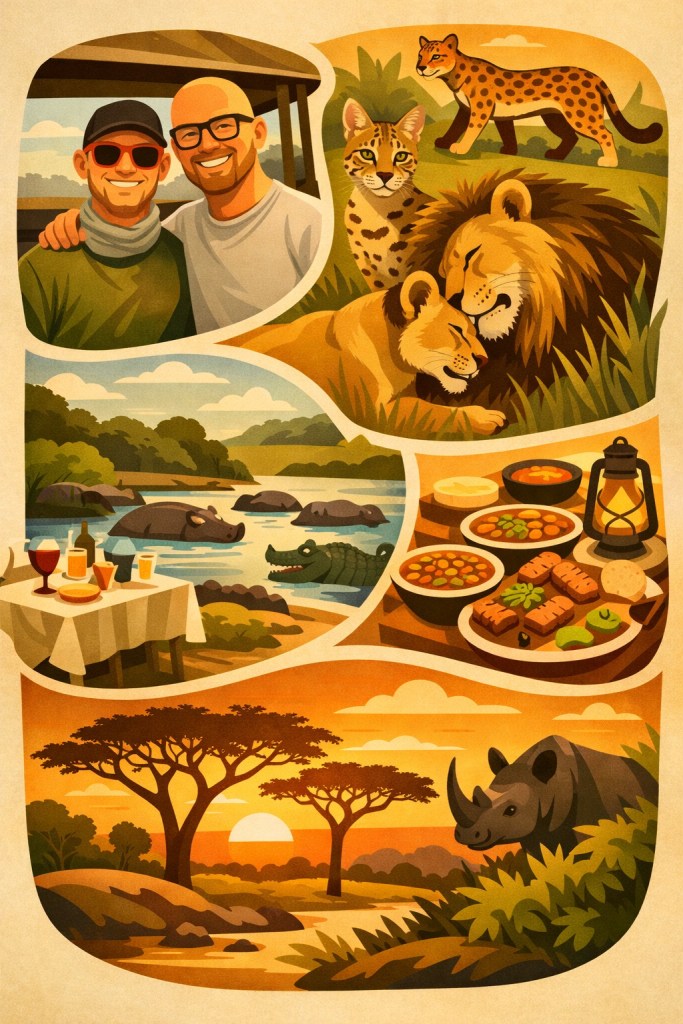
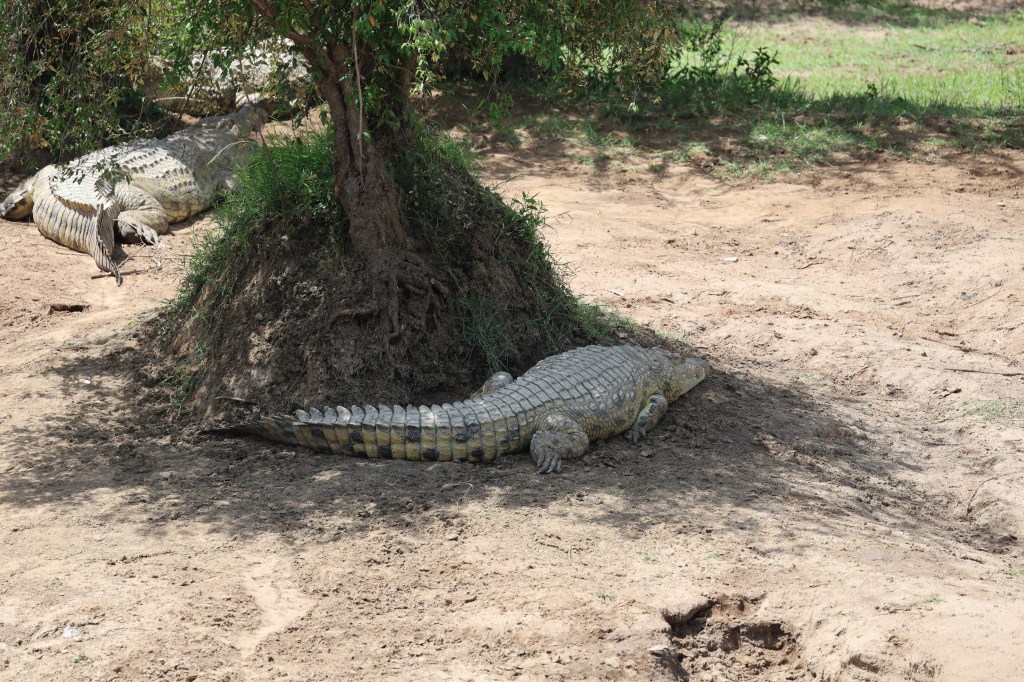
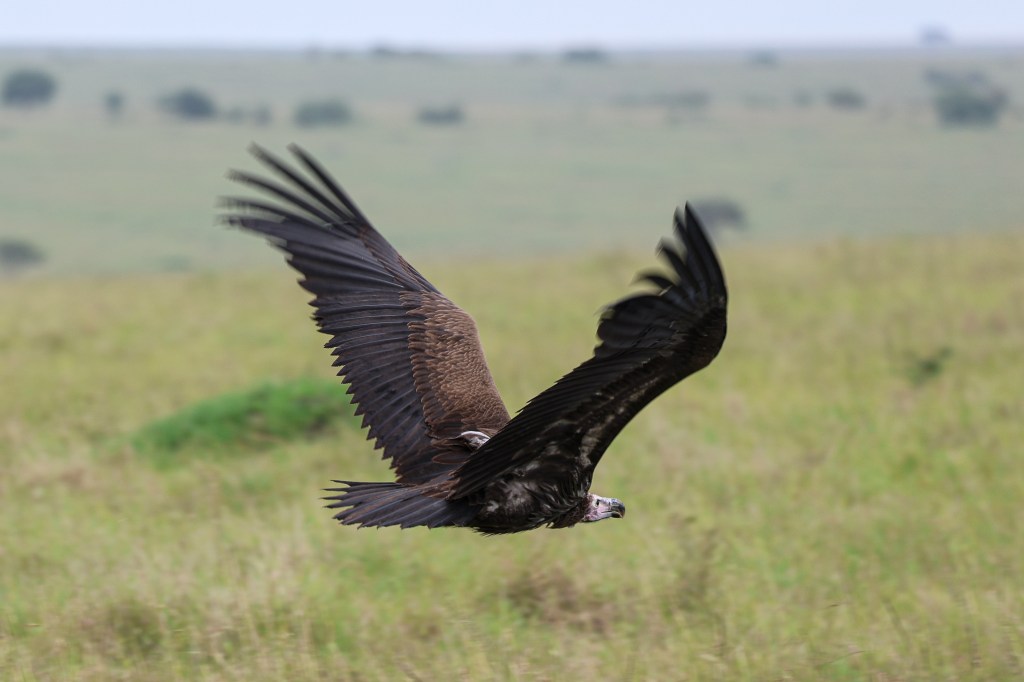
Over our final drives, we encountered even more of the Mara’s remarkable wildlife: curious mongooses darting through the grass, large troops of baboons, massive crocodiles lurking along the riverbanks, and countless bird species with colors and calls that never seemed to repeat.

One afternoon, we followed a cheetah for nearly an hour as he stalked potential prey across the savanna. It was fascinating — and surprisingly emotional — to watch him ultimately fail to secure a meal. Nature doesn’t guarantee success, even for the fastest land animal on Earth.

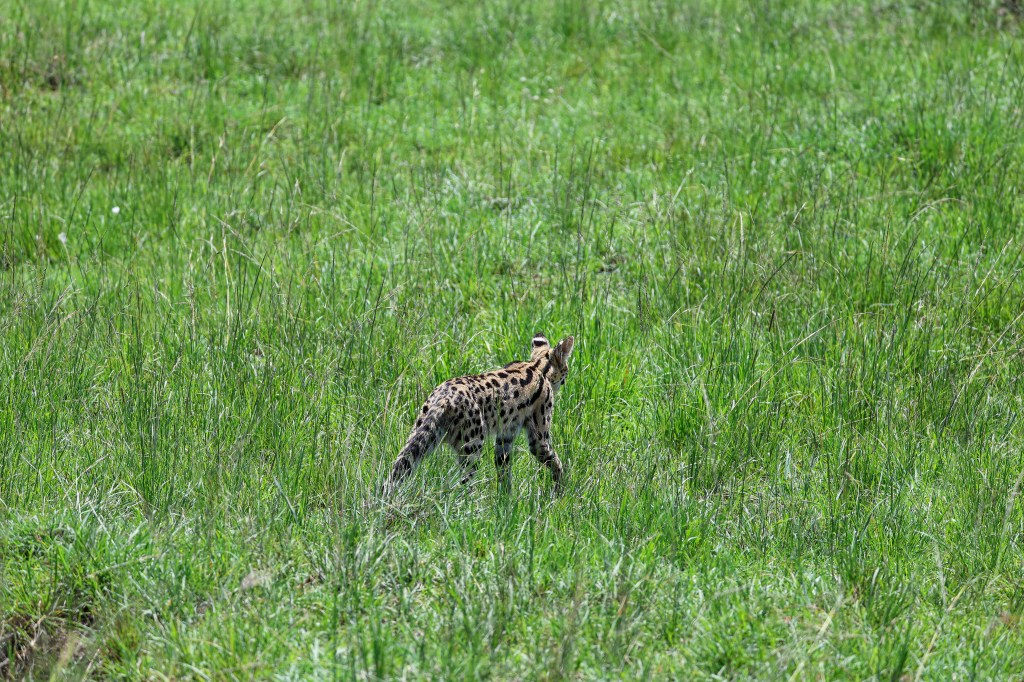
Another rare and unexpected sighting was a serval, a beautifully patterned wild cat that even our guide was surprised to see. Our excitement may have gotten the best of us — we ended up stuck in the mud while trying to follow him. Thankfully, another safari vehicle came to our rescue, and the adventure continued.

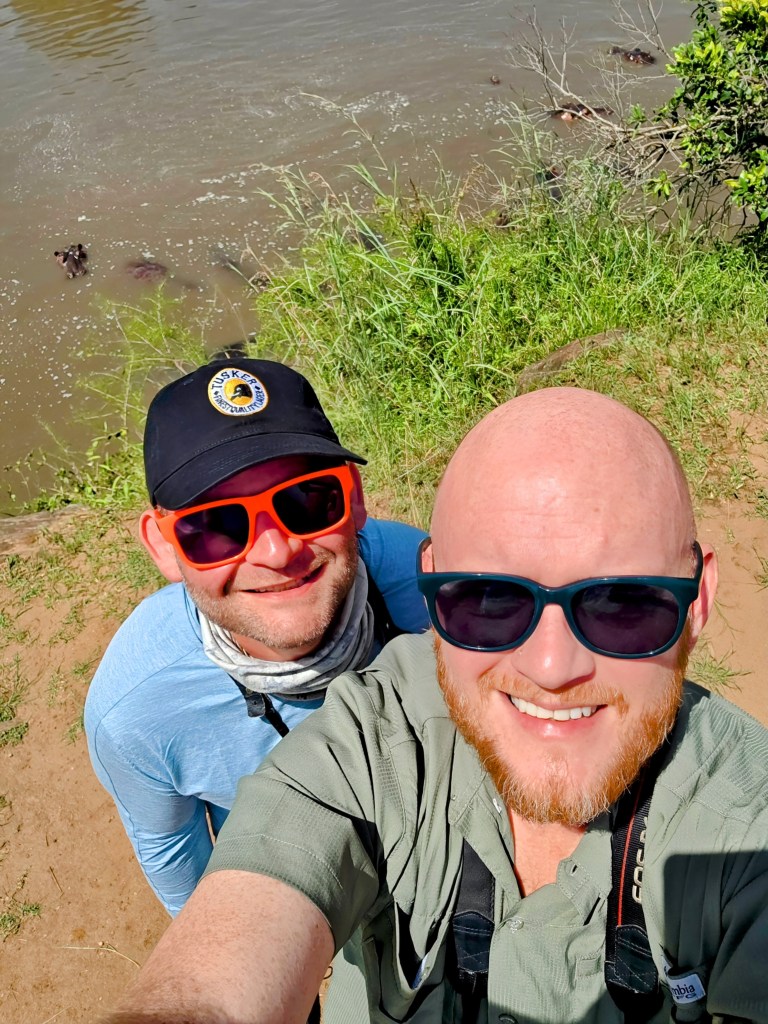
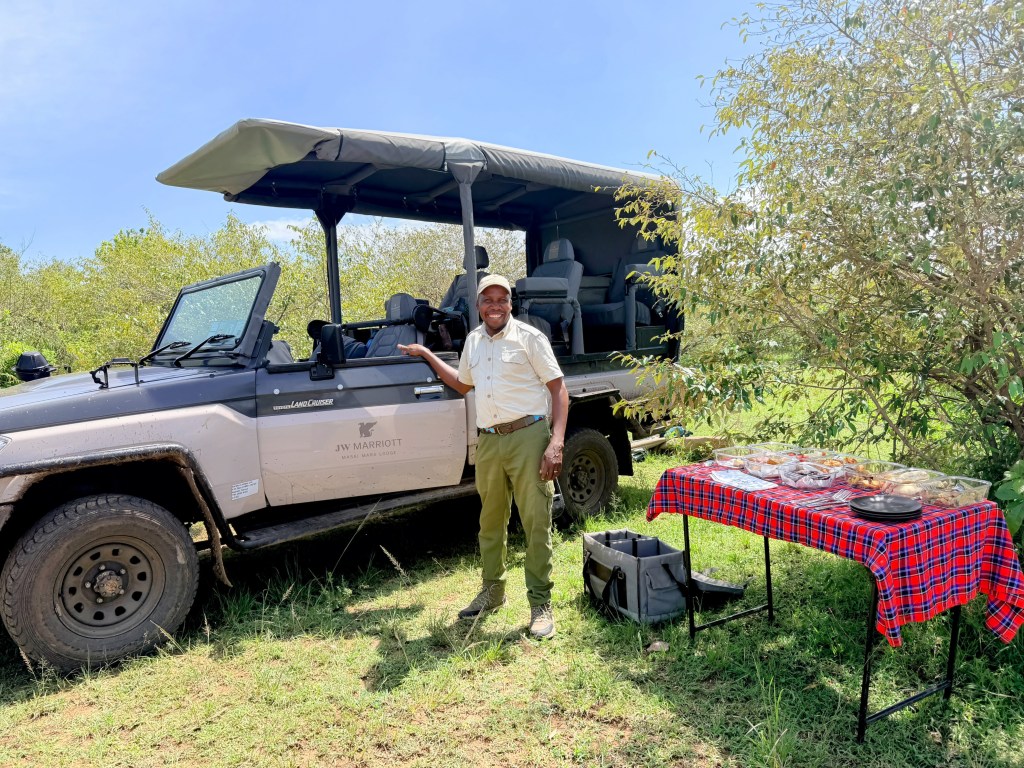
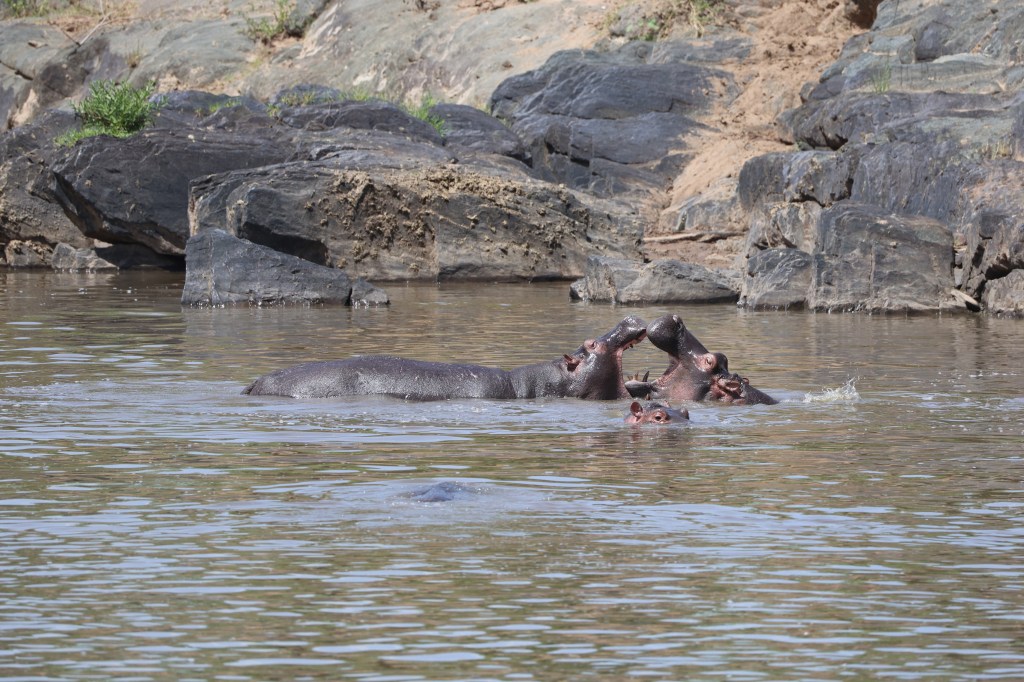
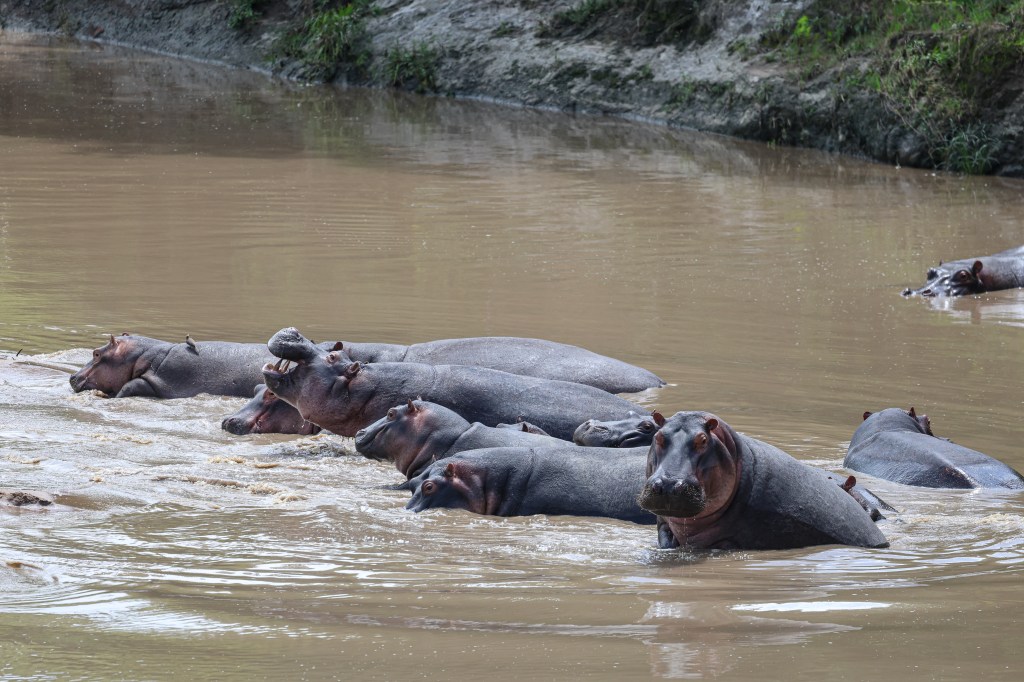
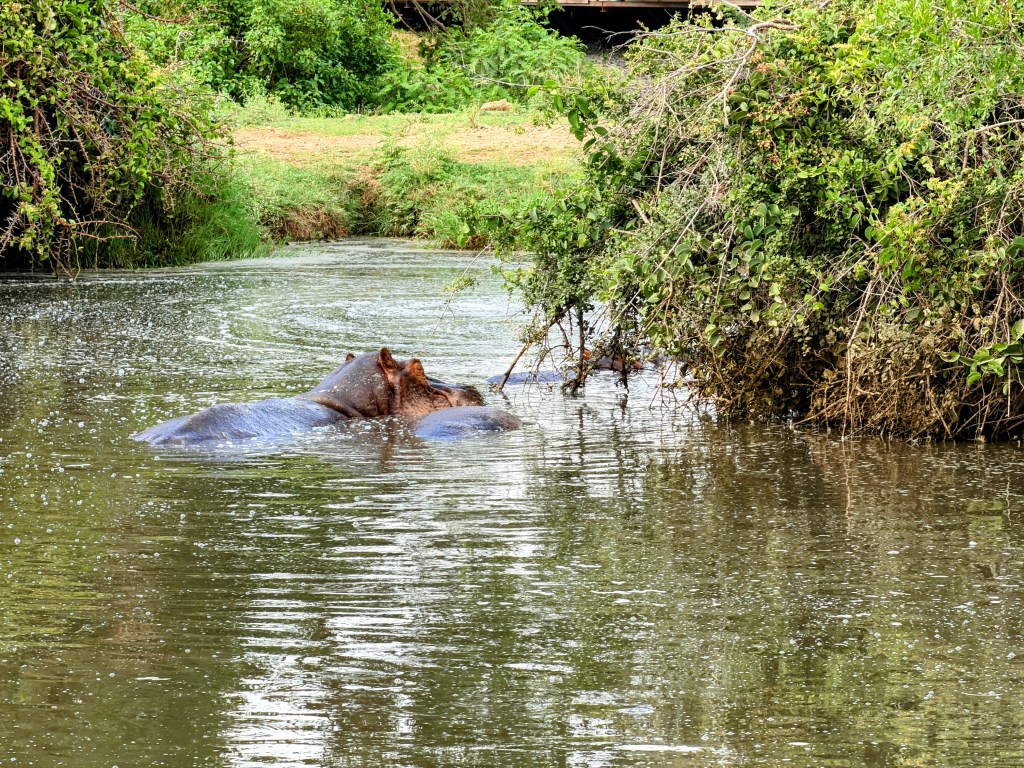
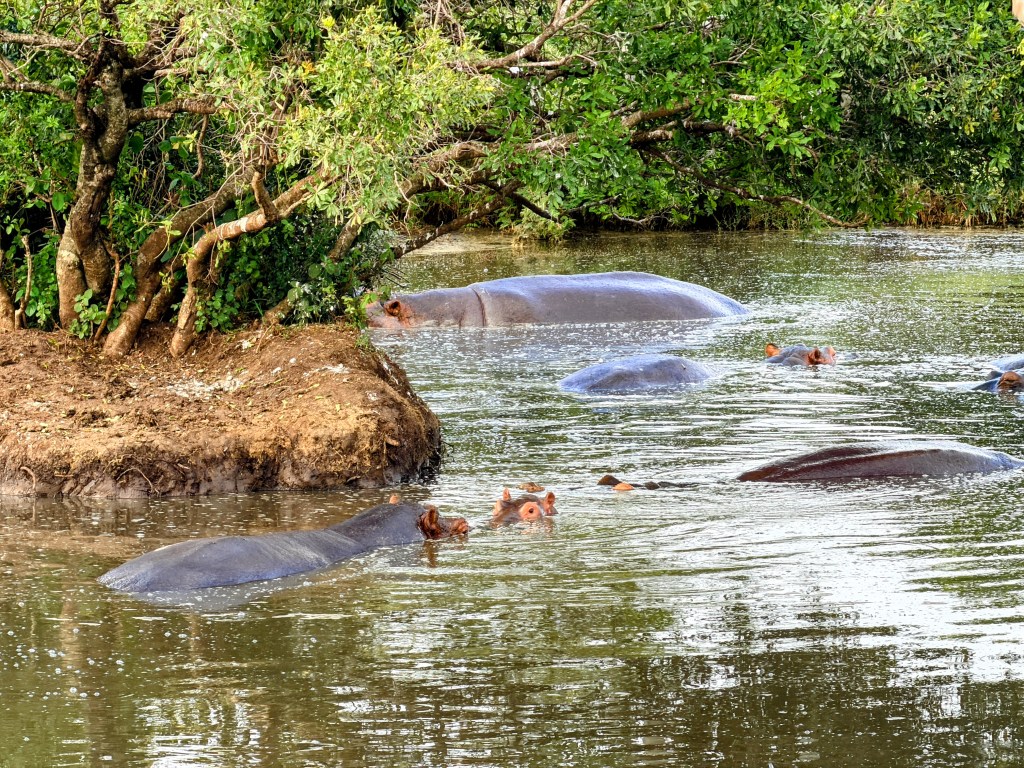
Afterward, our guide took us down to the river, where he served us lunch as we watched families of hippos swimming, playing, and making incredibly loud noises just feet away. During the meal, we also spotted two enormous crocodiles resting nearby — a thrilling reminder that in the Mara, you’re never just “having lunch.”

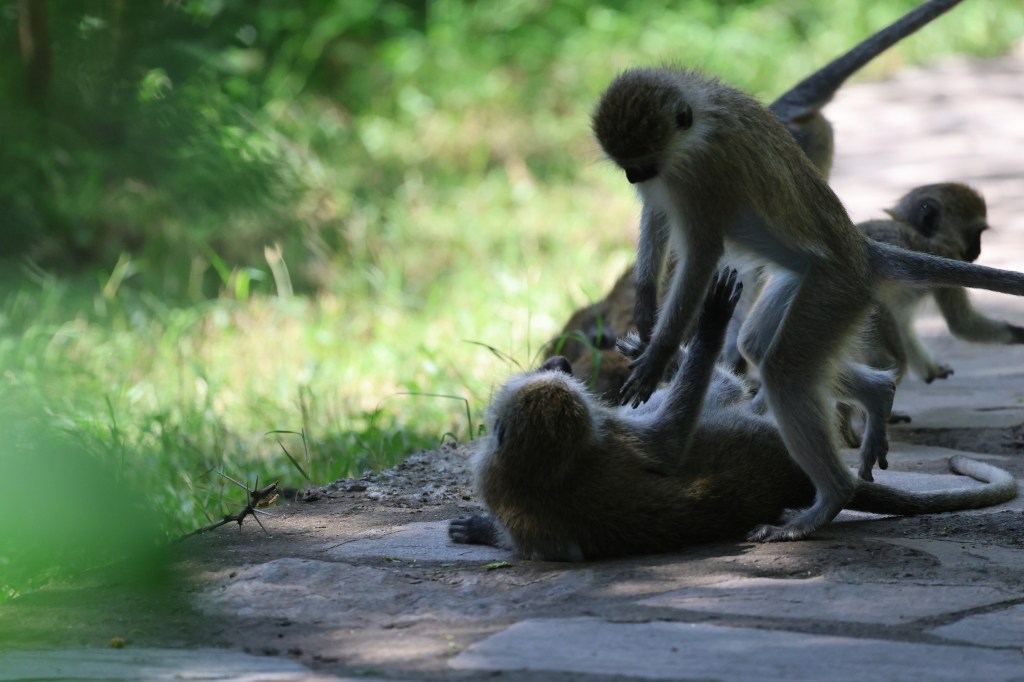
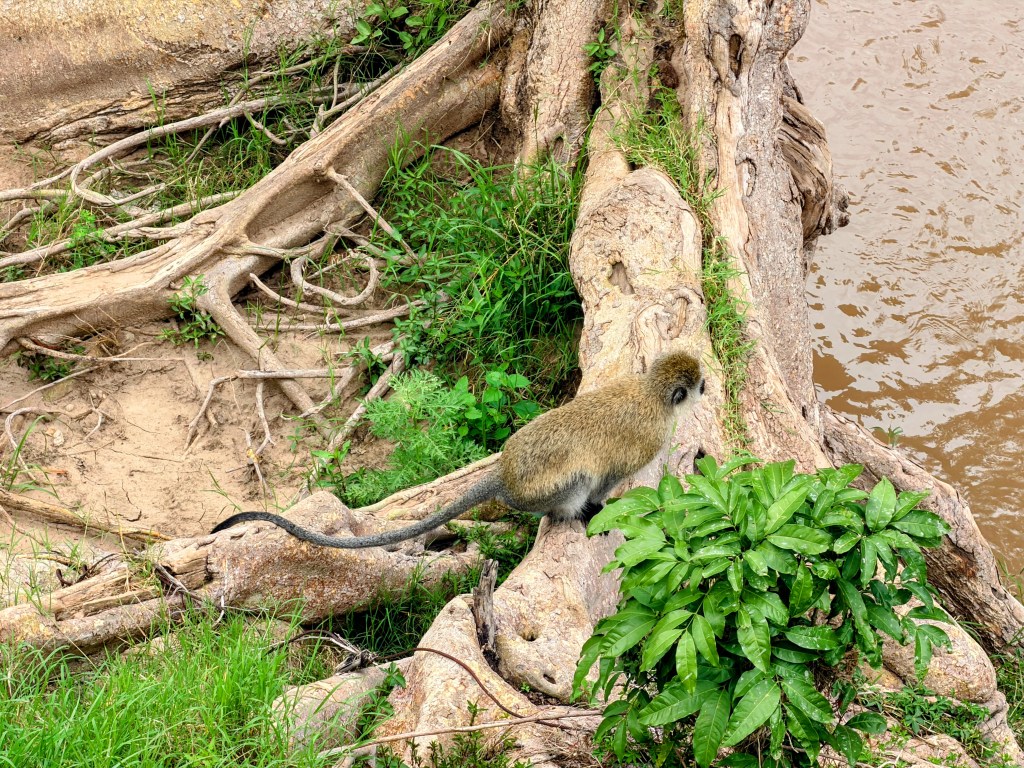
One evening on our way back to the tent, we encountered a playful family of monkeys, including several babies tumbling through the trees. Moments like these happened often — unscheduled, unscripted, and absolutely magical.

Witnessing One of Nature’s Most Intimate Rituals

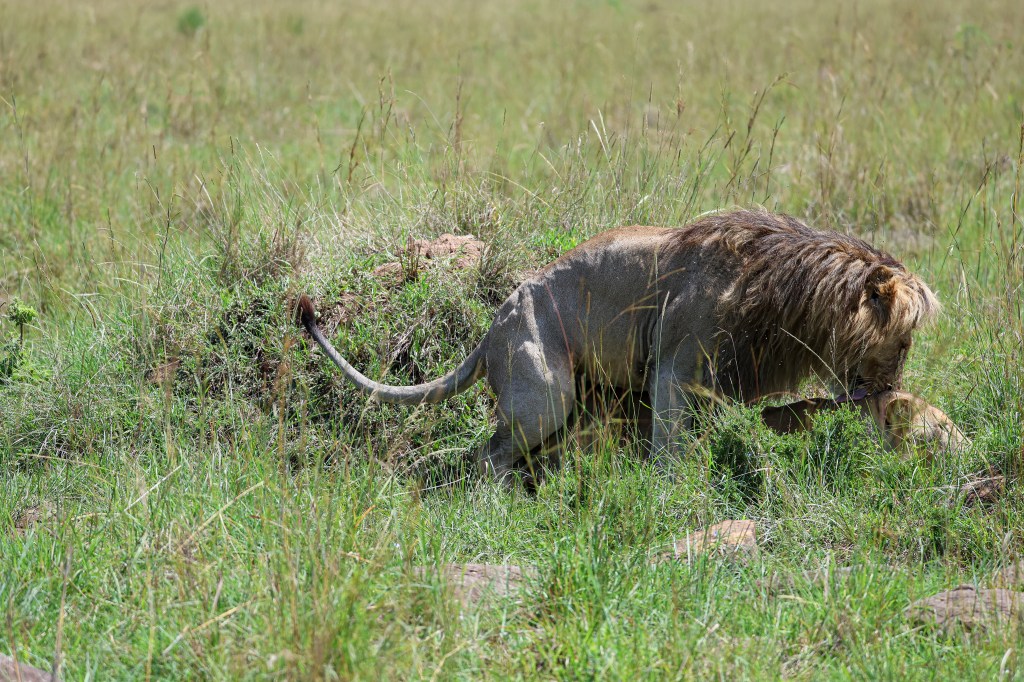
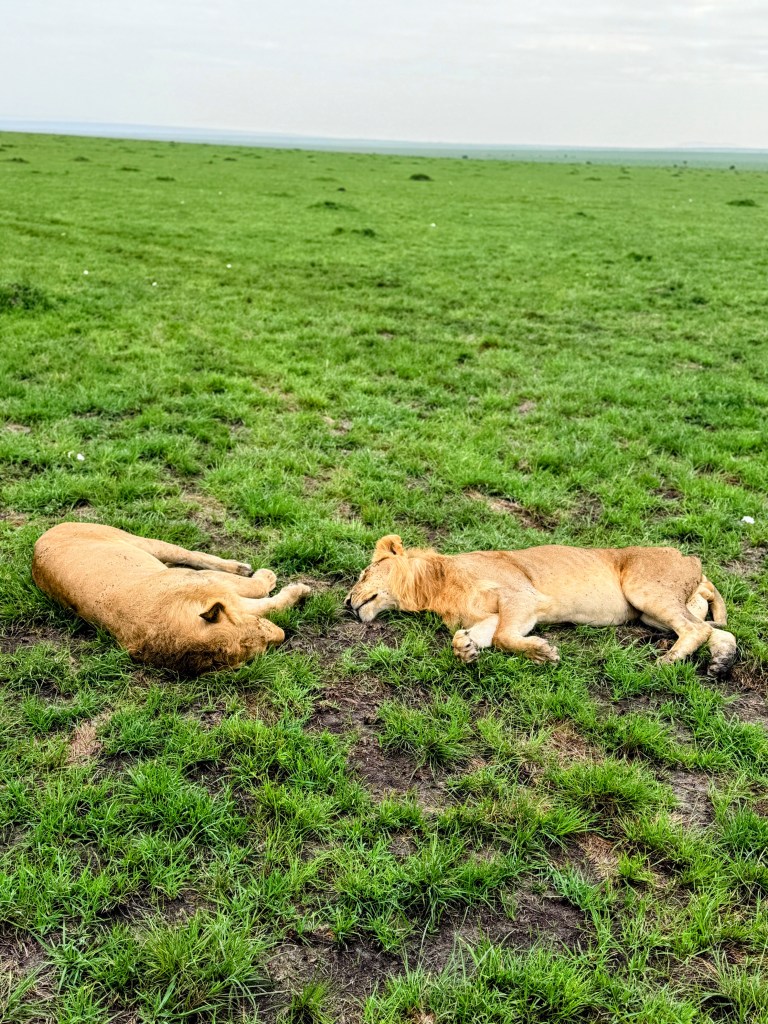
One of the most extraordinary moments of our entire safari was witnessing lions mating. We learned that the mating ritual can last up to seven days, with lions mating every 15–20 minutes to increase the chances of success.

The actual act itself was brief but captivating. The lioness approached the male when she was ready, allowed the moment to happen (about 12 seconds), followed by a quick bite at her neck, a short rest side by side, and then — she calmly walked away. Moments later, he followed her to the next location to repeat the process.

Casey captured an incredible video of the moment, and you can hear him whispering, “Oh my God, it’s happening.” It makes for a good laugh. Enjoy it for yourself here: https://photos.google.com/share/AF1QipPJmsZVvs7hv4wBEGlfbNrp9s06eZ7c7o46NIAoc0pyG4G7u490lLpbwvsYMo9ibQkey=cTk1UmhsOU5PUFRKR20tT3dBWV9KWWhyY0JGaWN3

The Thrill of the Chase: Leopard & Rhino Sightings

We also followed a highly anticipated leopard “sighting,” though we never actually saw the leopard itself. Leopards are famously elusive, often hiding high in trees and blending seamlessly into their surroundings. Still, the thrill of the chase was exhilarating — especially with nearly a dozen vehicles involved. Leopard sightings are rare, and guides communicate with one another to give guests the best chance possible. Their teamwork and generosity were genuinely heartwarming.

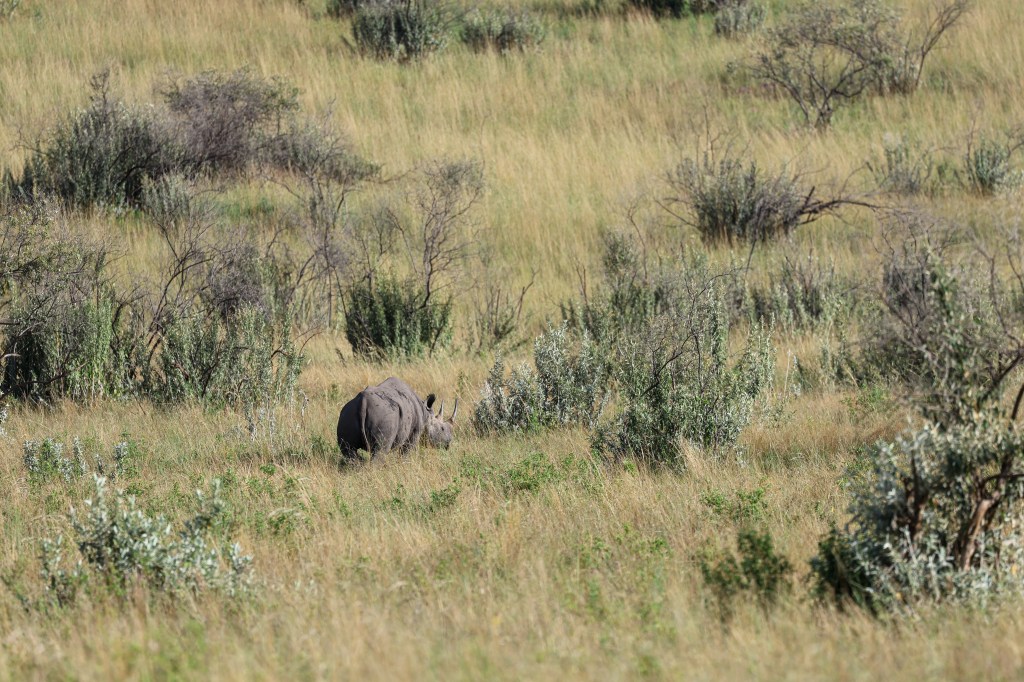
A similar scene unfolded during a black rhino sighting. Vehicles rushed to the location, and we were rewarded with brief but powerful glimpses of this majestic animal as it moved cautiously from bush to bush. While I had hoped to see it more clearly, I felt incredibly grateful just to witness such a rare and endangered creature in the wild.

A Meal We’ll Never Forget: Kenyan Cuisine Night

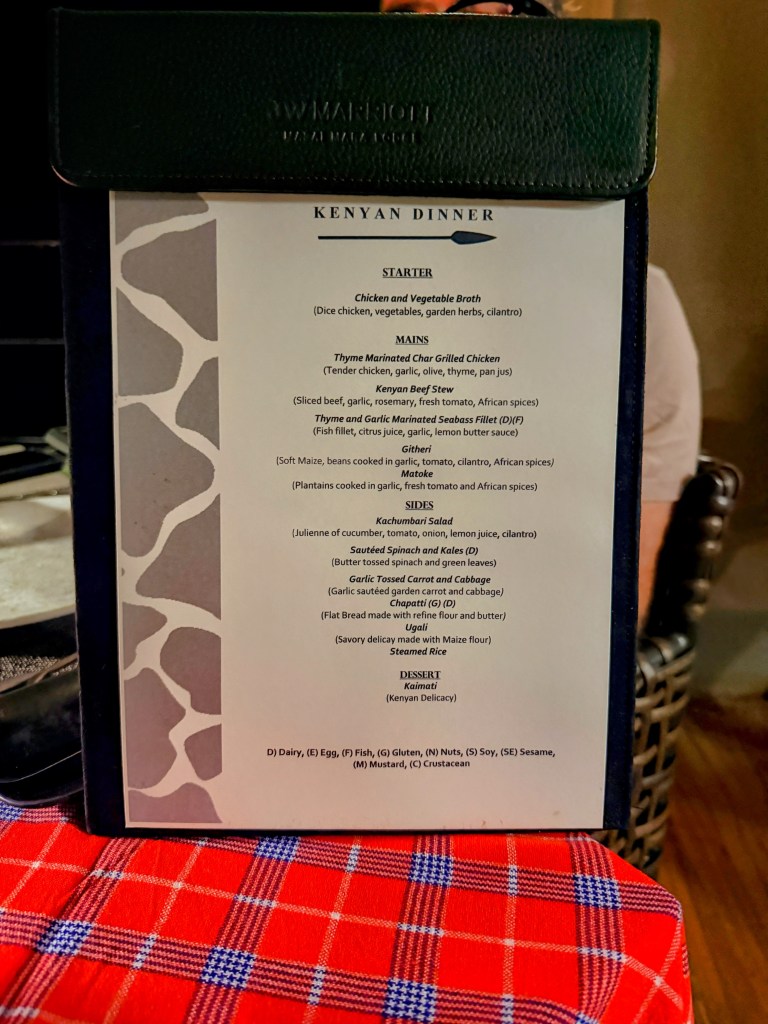
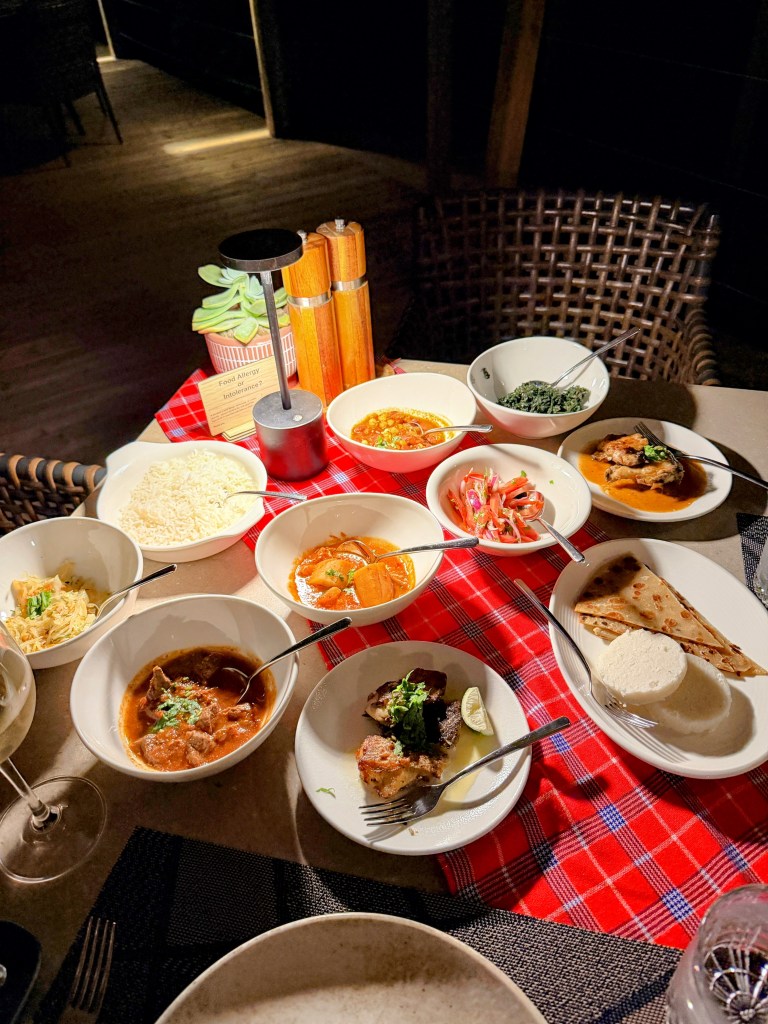
The second half of our safari included our favorite meal of the entire stay — a Kenyan cuisine night served family-style. The spread was incredible:

  • A rich, comforting broth
  • Thyme-marinated char-grilled chicken
  • Kenyan beef stew
  • Thyme and garlic-marinated seabass
  • Githeri (a hearty bean dish that became Casey’s absolute favorite)
  • Matoke (plantains)

Sides included kachumbari salad, sautéed spinach and kale, garlic-tossed carrot and cabbage, chapatti, and ugali. For dessert, we enjoyed Kaimati, a beloved Kenyan delicacy.

The flavors were bold, aromatic, and reminded us strongly of Indian cuisine. Curious, we did some research and learned that this influence stems from the Indian diaspora in Kenya, which grew significantly during British colonial rule when Indian laborers were brought in to help build railways and infrastructure. Over generations, Indian spices, techniques, and flavors blended beautifully with traditional Kenyan cuisine — a culinary collaboration rooted in shared history.

Every bite was unforgettable. We ate far more than we needed to, and we have absolutely no regrets.

A Gentle Final Day in the Mara

On our final full day, I wasn’t feeling well and stayed in our tent most of the day, coming out only for a light lunch. As it turns out, dehydration was the culprit. After drinking plenty of water and resting, I felt well enough to go on our final evening game drive — and I’m so glad I did.

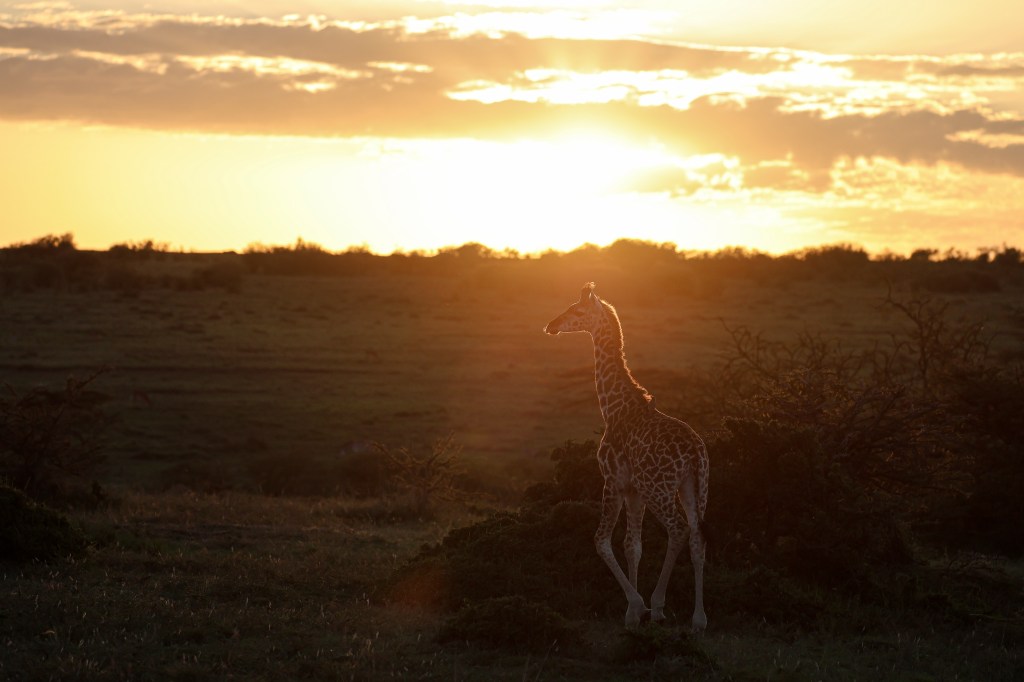
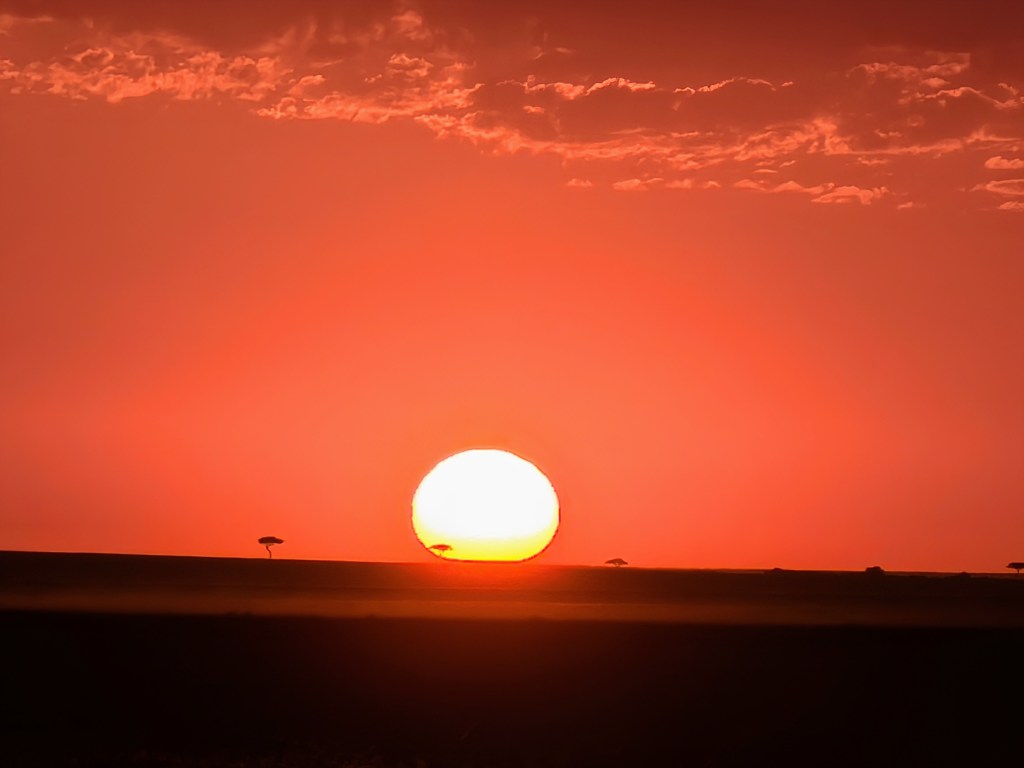
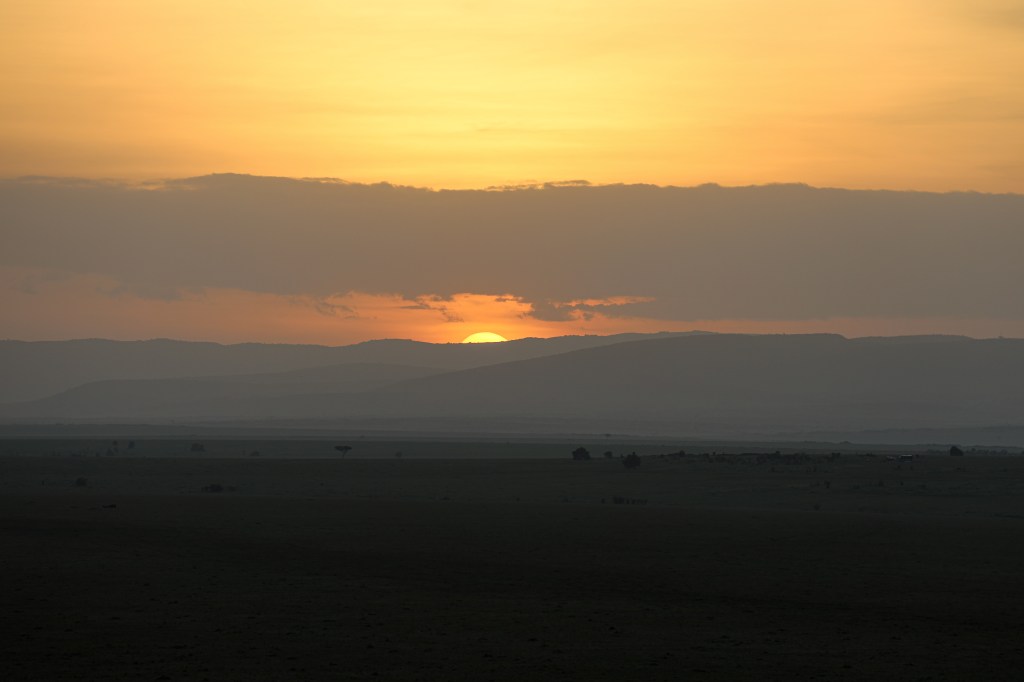
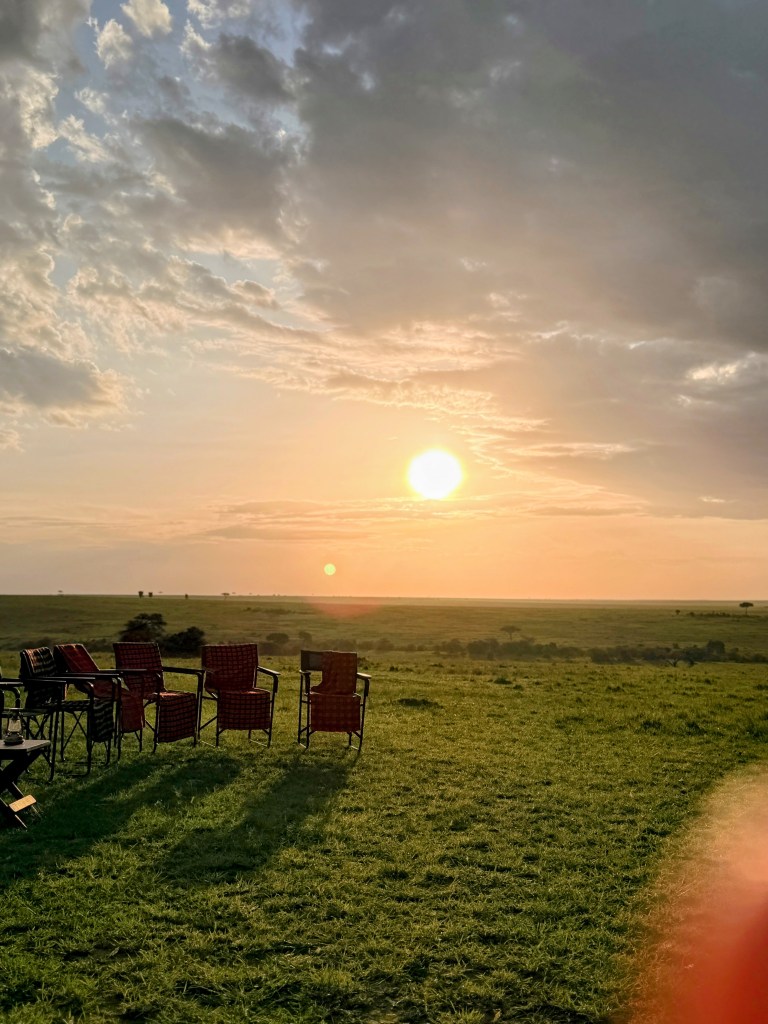
That drive was pure bliss. Our guide took us to a stunning vantage point overlooking the Masai Mara, which spans roughly 580 square miles of protected wilderness — larger than many major cities. From that viewpoint, we watched the sun set in spectacular fashion. The sky exploded with deep shades of orange, and I was able to capture the moment with the silhouette of five trees in the foreground.

It was the perfect, poetic ending to our safari.

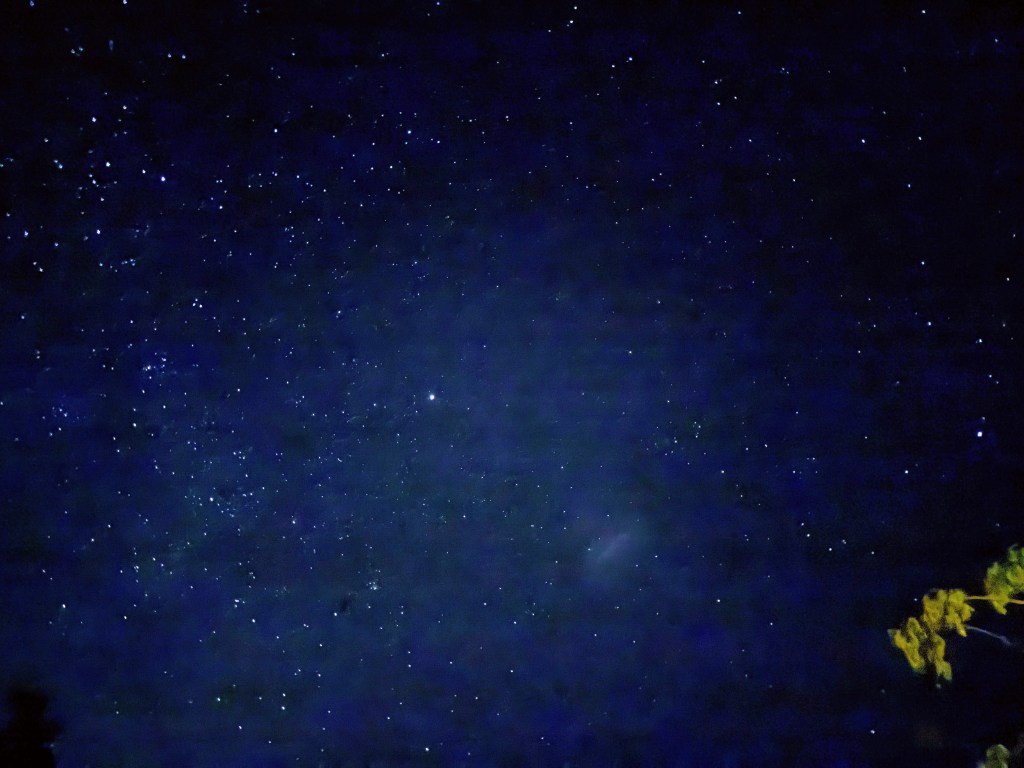
That evening, the night sky was just as breathtaking — an abundance of twinkling stars and visible planets, with even a faint nebula glowing overhead. It felt like the universe itself was putting on a final show just for us.

Saying Goodbye to Something Truly Special

On our final morning, we packed up, thanked the staff for their extraordinary hospitality, enjoyed lunch and a few drinks, and received our professionally edited photos from the Canon lab.

👉 Here is a link to the 144 edited photos:
https://photos.google.com/share/AF1QipONW7U3pNeVVBGvY6m3W35F0YrSMaRPYAuMdCD9FYo_E-rKpx6qJz6qSO4RkSPs6Q?key=U3pQX09MQ3B6UEJESUhuVlNXdTd0MXZBMF9YV1hB

In total, I took over 3,000 photos in five days — with many more still waiting to be edited. These, however, are some of the very best.

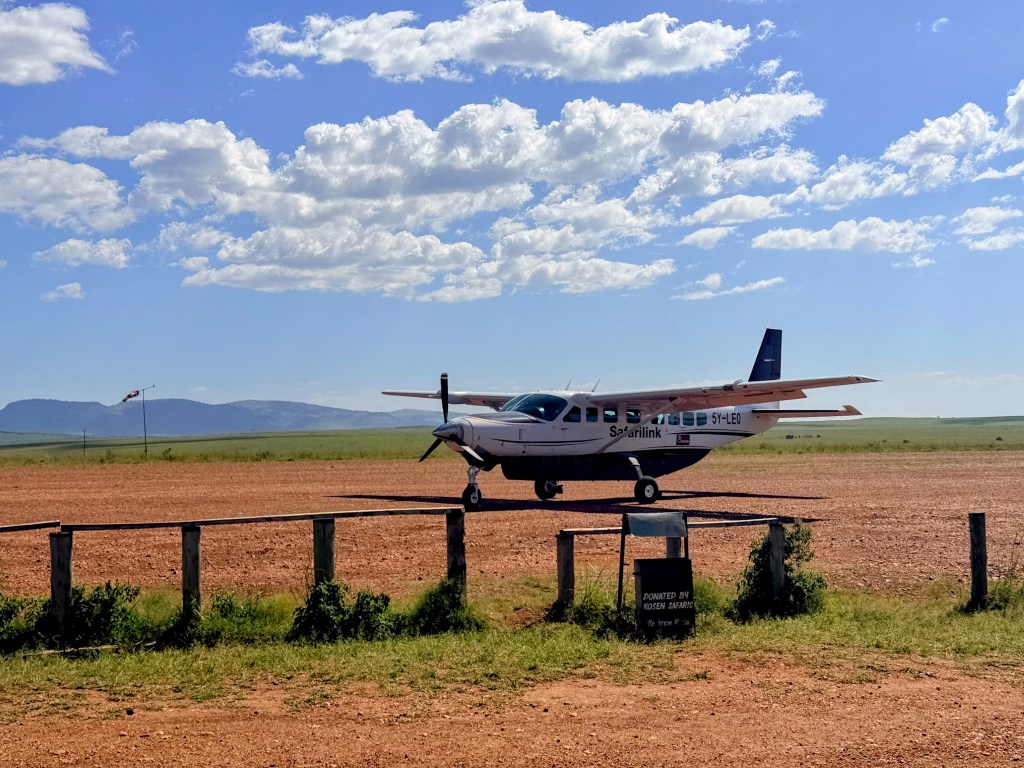
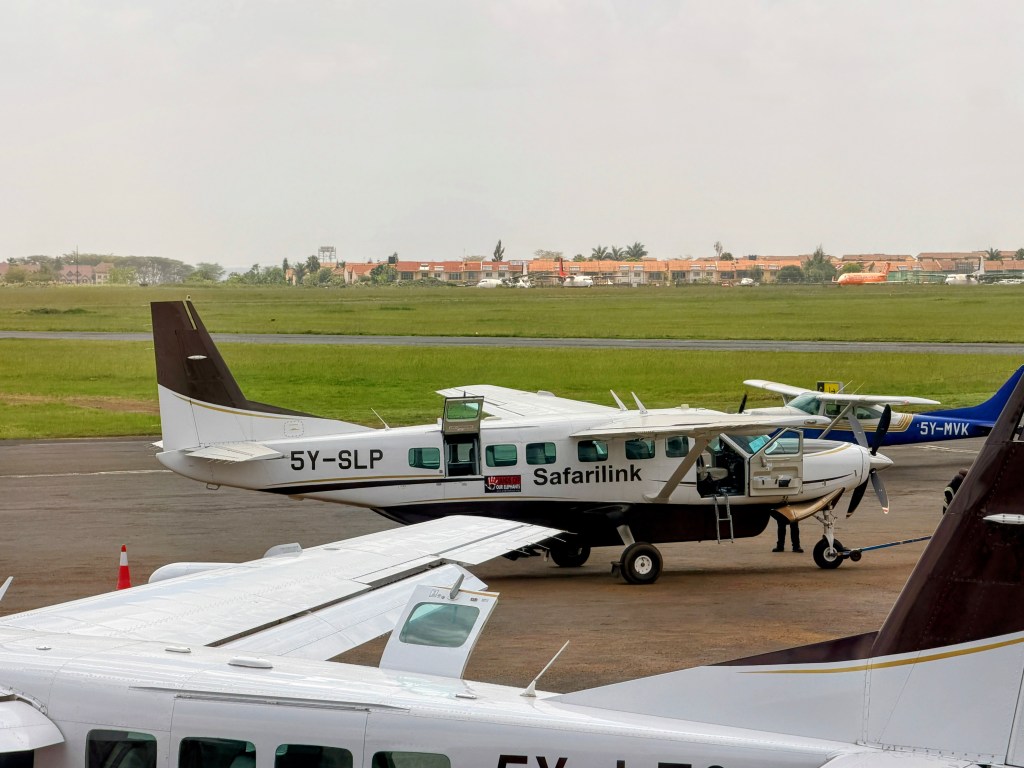
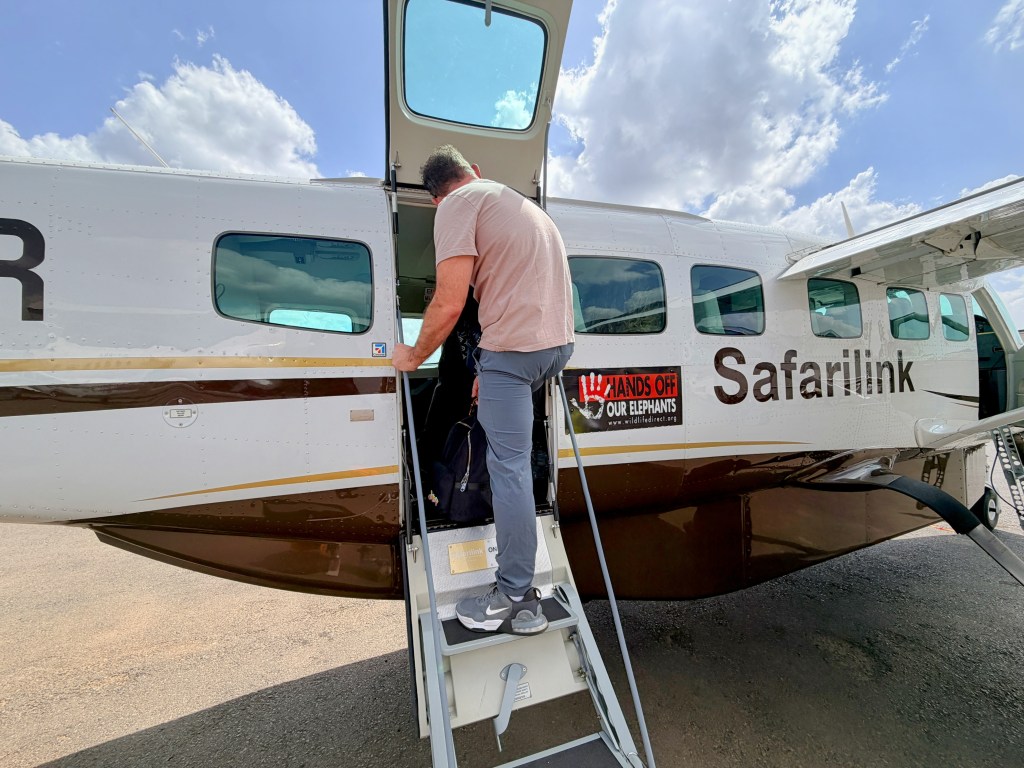
After lunch and heartfelt goodbyes, Jacob drove us to the airstrip, where we purchased a few souvenirs from members of the Maasai tribe. When our tiny plane arrived and we boarded, the reality of our safari coming to an end truly sank in.

For both of us, this has been one of the most magical journeys we have ever experienced. From the lodge and the staff to the wildlife and landscapes — and above all, Mother Nature — we couldn’t have asked for more. We saw everything we had hoped to see, and so much more.

From the Mara Back to the Chaos of Nairobi

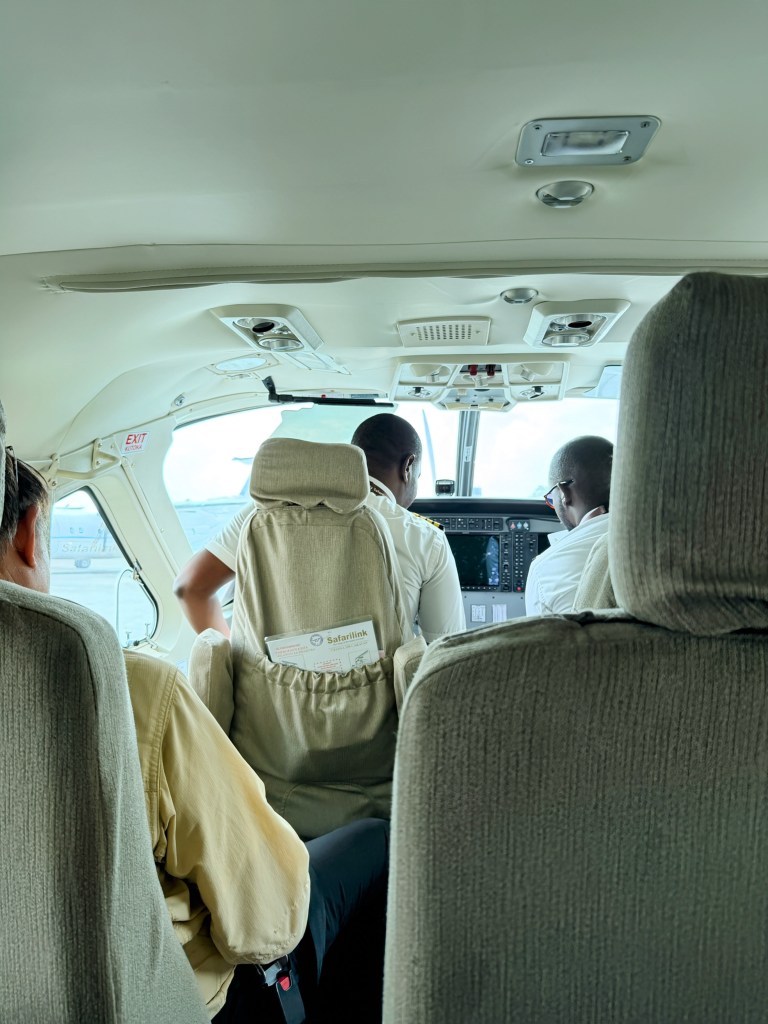
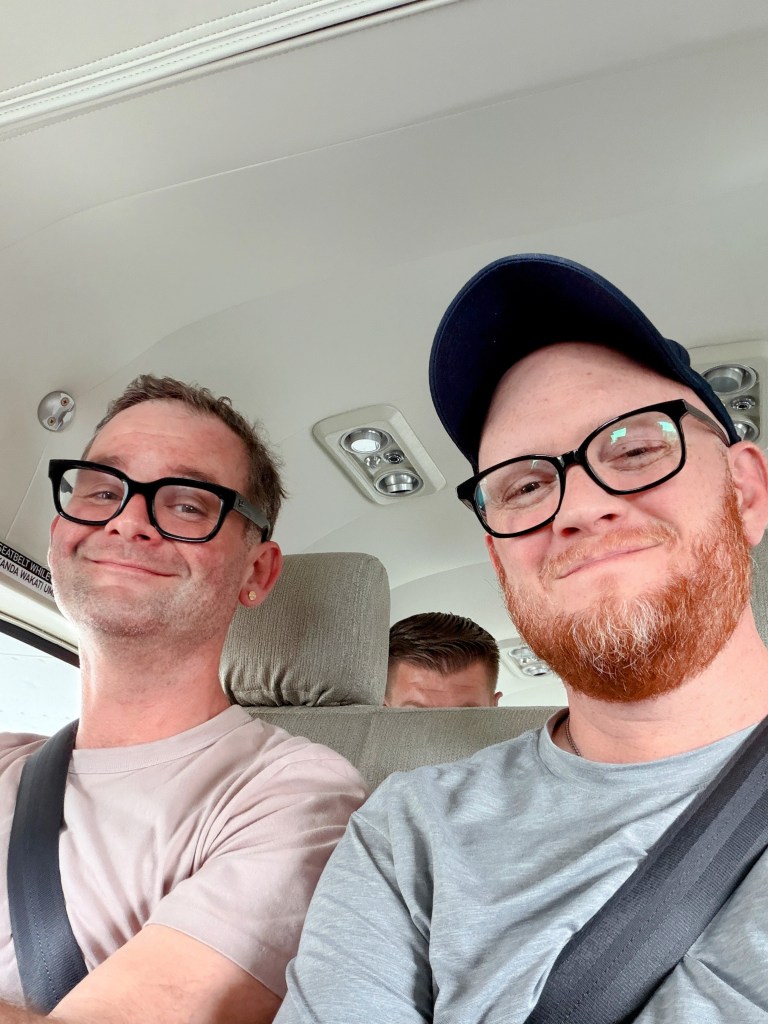
Our flight back to Nairobi was… intense. The turbulence on those tiny planes is no joke. While I had several moments where I thought I might be sick, I managed to hold it together. Across the aisle, I could tell Casey was doing everything possible not to have a full-blown panic attack.

Forty minutes later, we landed safely.

The drive to the hotel, however, may have been even scarier than the flight. Our driver was aggressive — more so than the one I wrote about in Montenegro, and far more than drivers we’ve encountered in Mexico or Italy. At almost the exact same moment, Casey and I texted each other:

Him: I think I’d rather be back on that plane than in this car.
Me: This is scarier than the plane ride.

Security around the airport was tight and very different from what we’re used to. Near the airport, we exited the Uber and walked through a security checkpoint while police searched the vehicle. The process was quick and painless — just unfamiliar. But safety always comes first.

Our hotel stay was brief. We arrived around 5 p.m., had a drink at the bar, repacked, and tried to rest. Our flight to Cairo was scheduled for 4:20 a.m., requiring us to arrive three hours early for extensive screening.

Just as we finished multiple bag checks and reached the counter, we were informed that the flight was delayed by 2.5 hours — a frustrating loss of sleep, but very much a part of the nomad life.

Now, we’re sitting in the Nairobi airport lounge, coffee in hand, snacks nearby, as I finish writing this post. In just a few hours, we’ll be on our way to Cairo to begin the next chapter of our journey: Egypt.

A Final Reflection

Eight months into our adventure around the world, we feel more alive and grateful than ever. The world is breathtaking — not just because of its landscapes, but because of its people.

Every new place, every shared story, every unexpected connection shapes us, softens us, and makes us better humans. Despite everything happening in the world, beauty is still everywhere — in wild places, in shared meals, in quiet sunsets, and in the kindness of strangers.

Never stop looking for it.

In the Middle of the Magic: Kenya, the Mara, and the Wildest Dreams We Never Knew We Had

We are officially in the thick of our safari adventure, and it somehow already feels impossible that this is real life.

From Atlanta to Africa

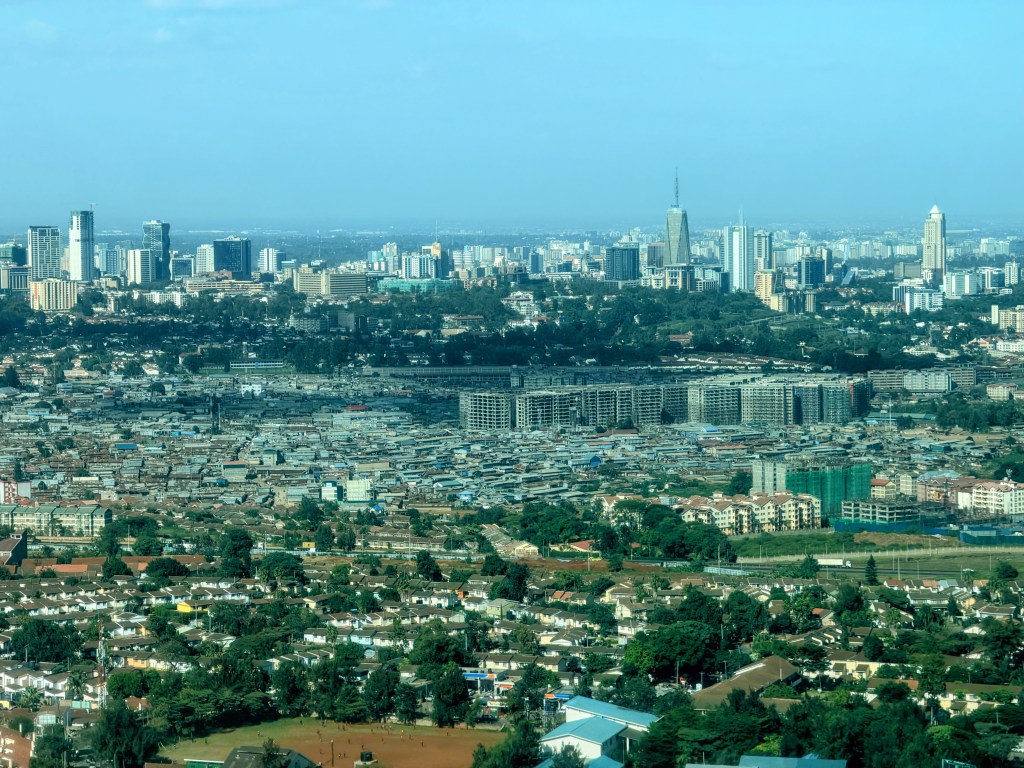
Our journey began on January 6th as we left Atlanta, bound for Kenya. Two days, two continents, and two major stopovers later — Frankfurt and Istanbul — we finally touched down in Nairobi. By the time we arrived at our hotel around 5:00 a.m., exhaustion had completely taken over. We did what felt most appropriate: slept. For 16 straight hours.

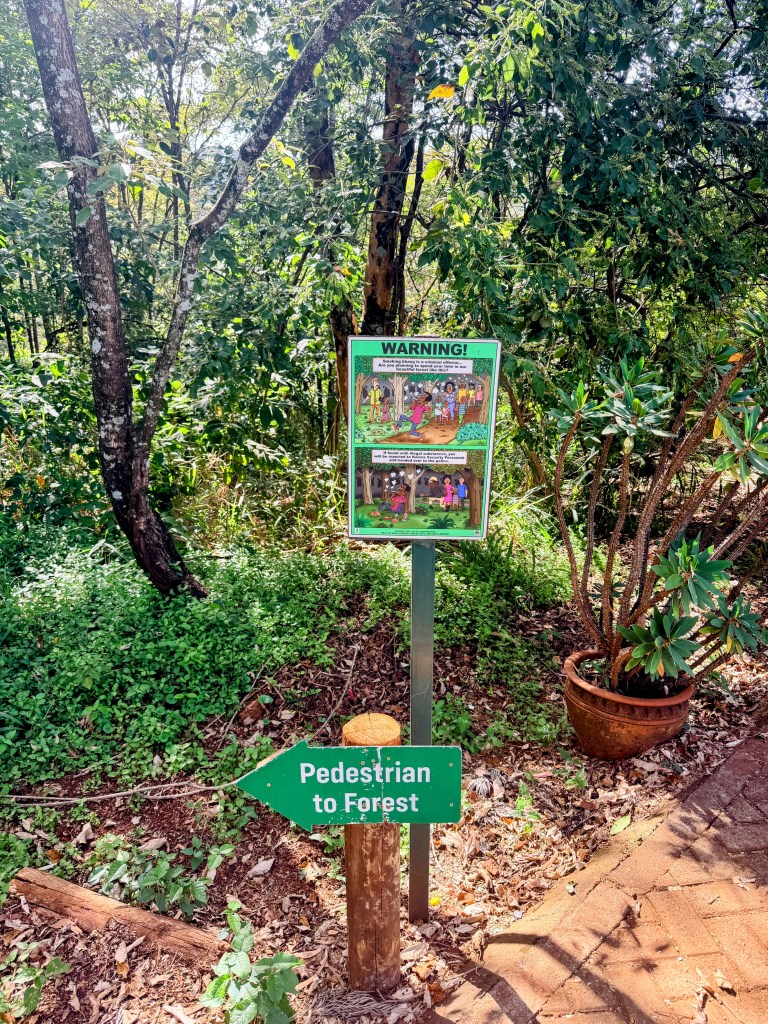
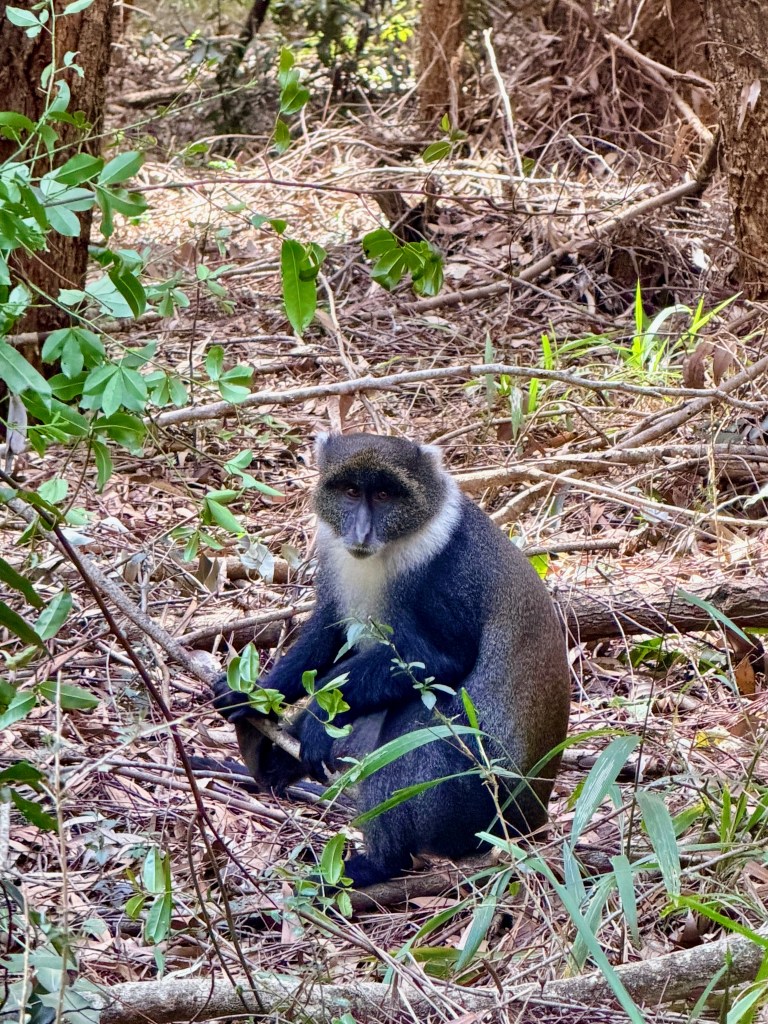
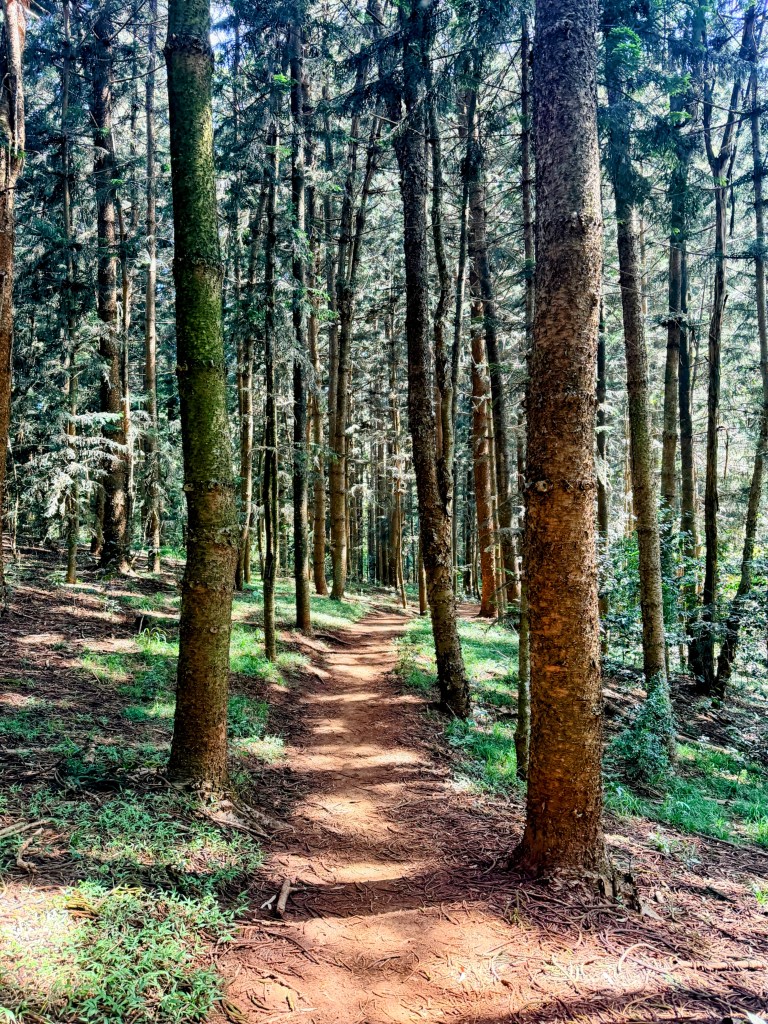
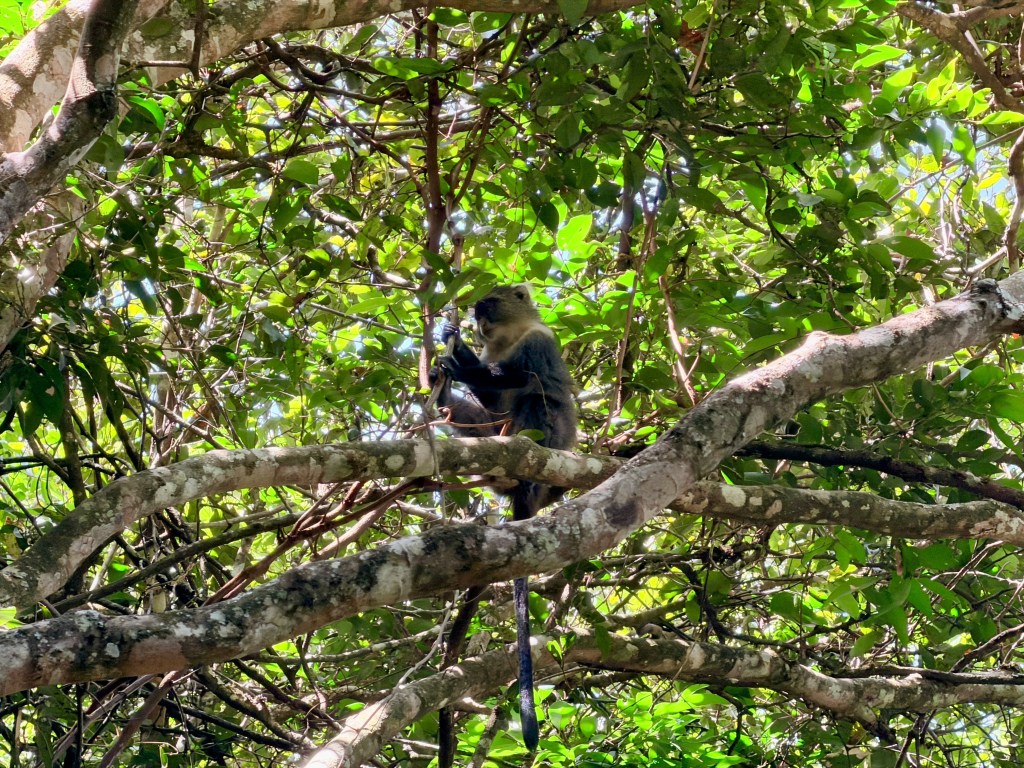
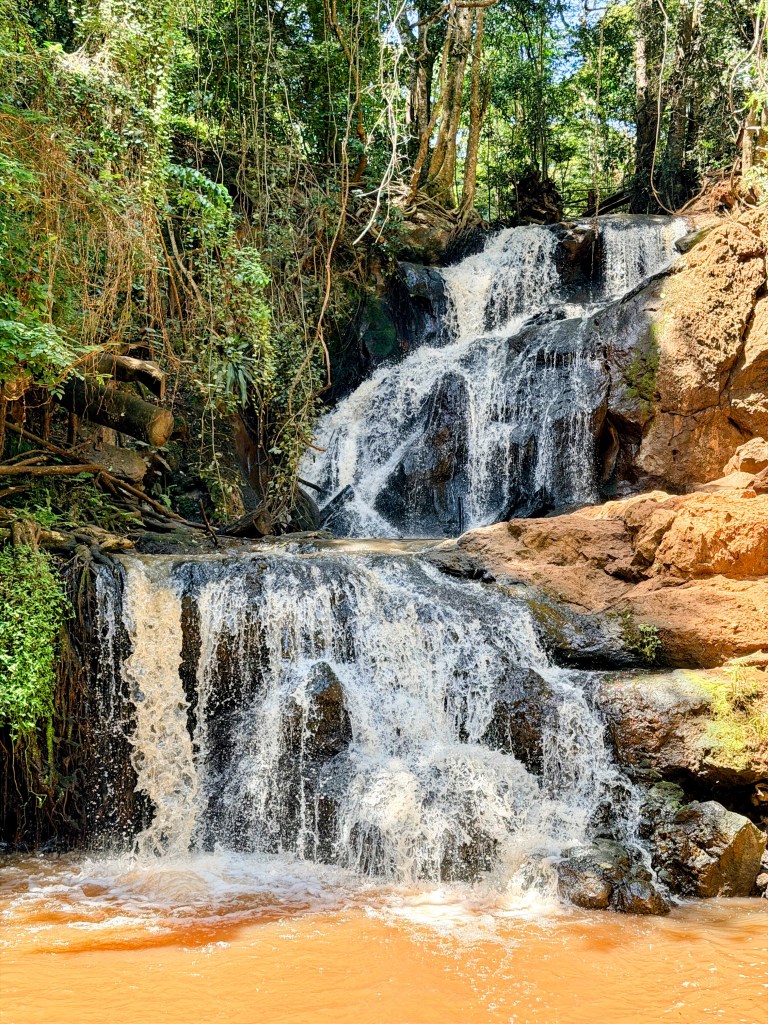
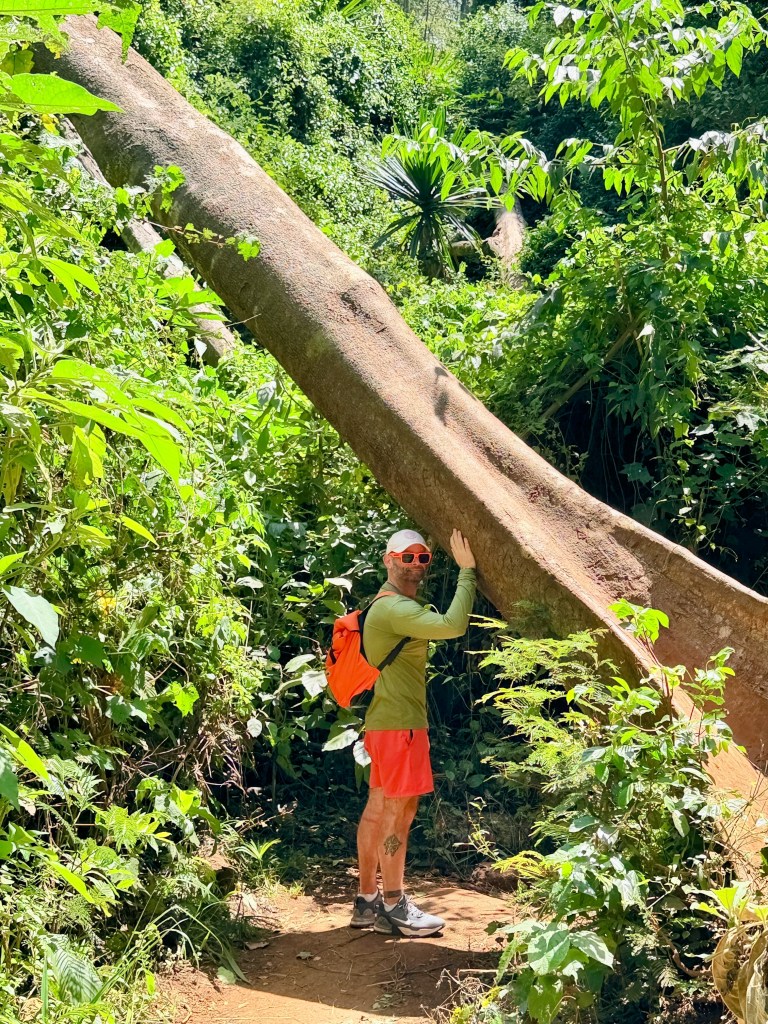
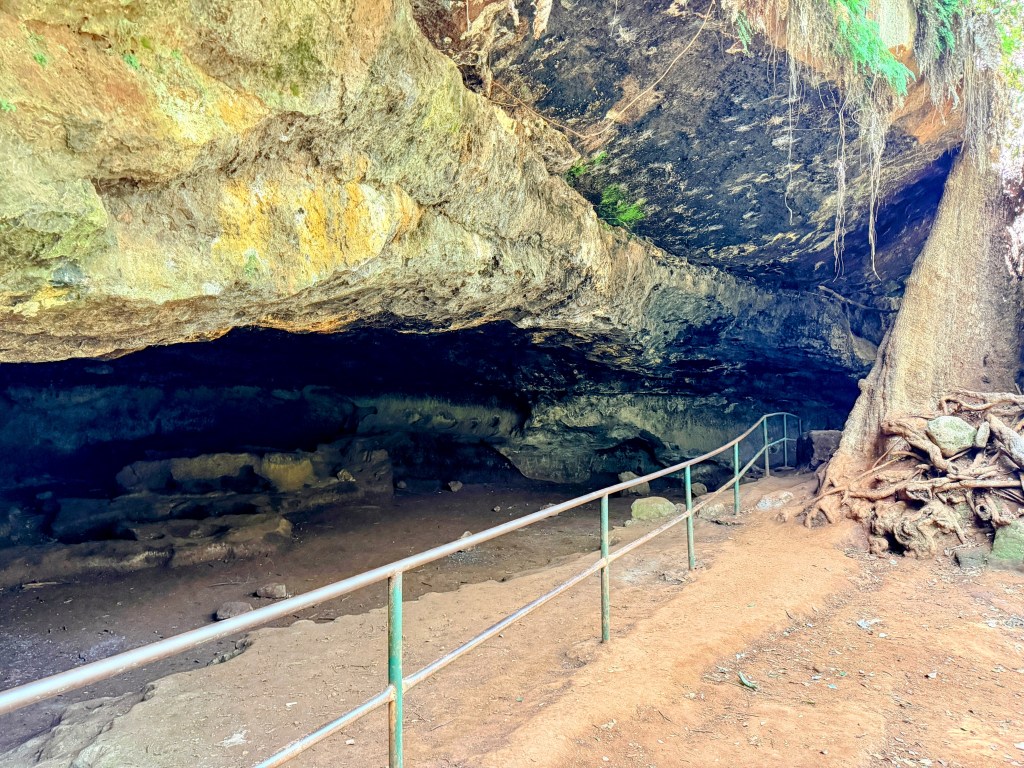
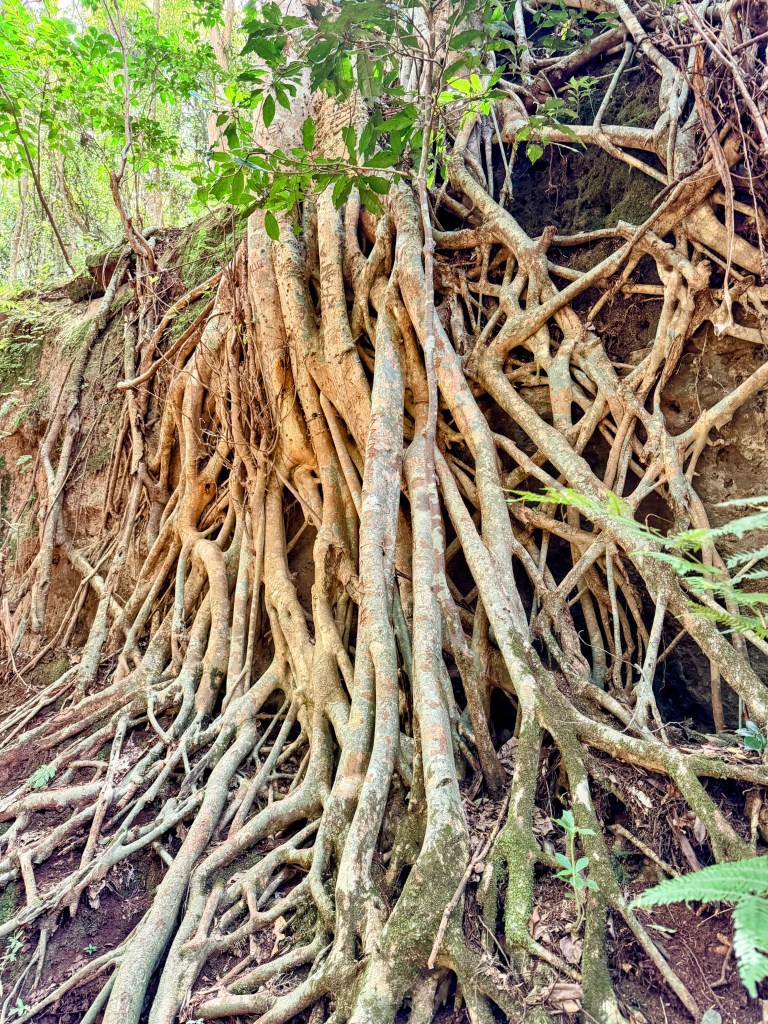
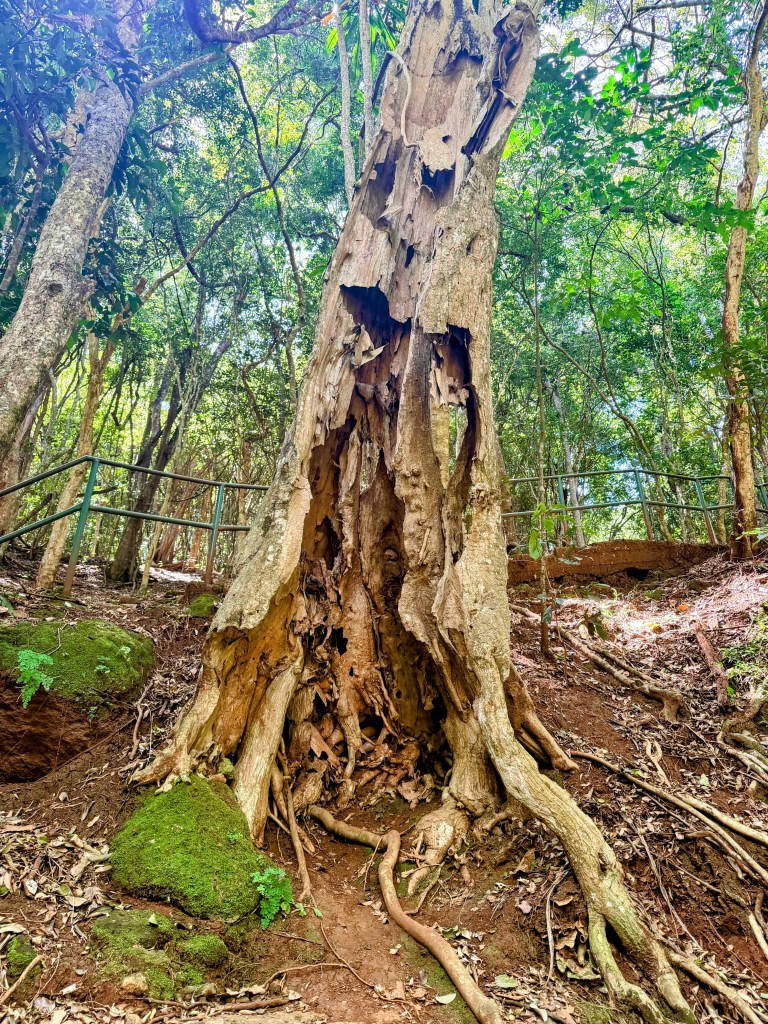
Once we rejoined the land of the living, our one true adventure in Nairobi took us to Karura Forest, an urban oasis just a few miles north of the city center. Covering more than 2,500 acres, Karura Forest is one of the largest gazetted urban forests in the world and plays a vital role in Nairobi’s ecosystem — improving air quality, preserving biodiversity, and offering residents a rare connection to nature within a bustling capital city.

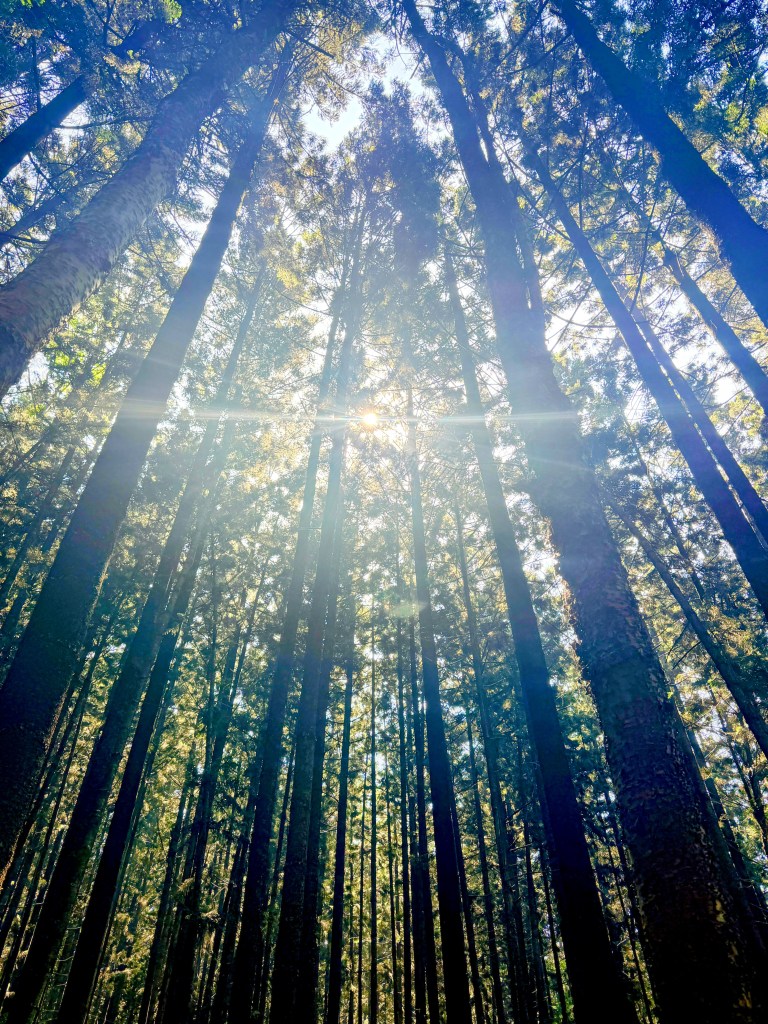
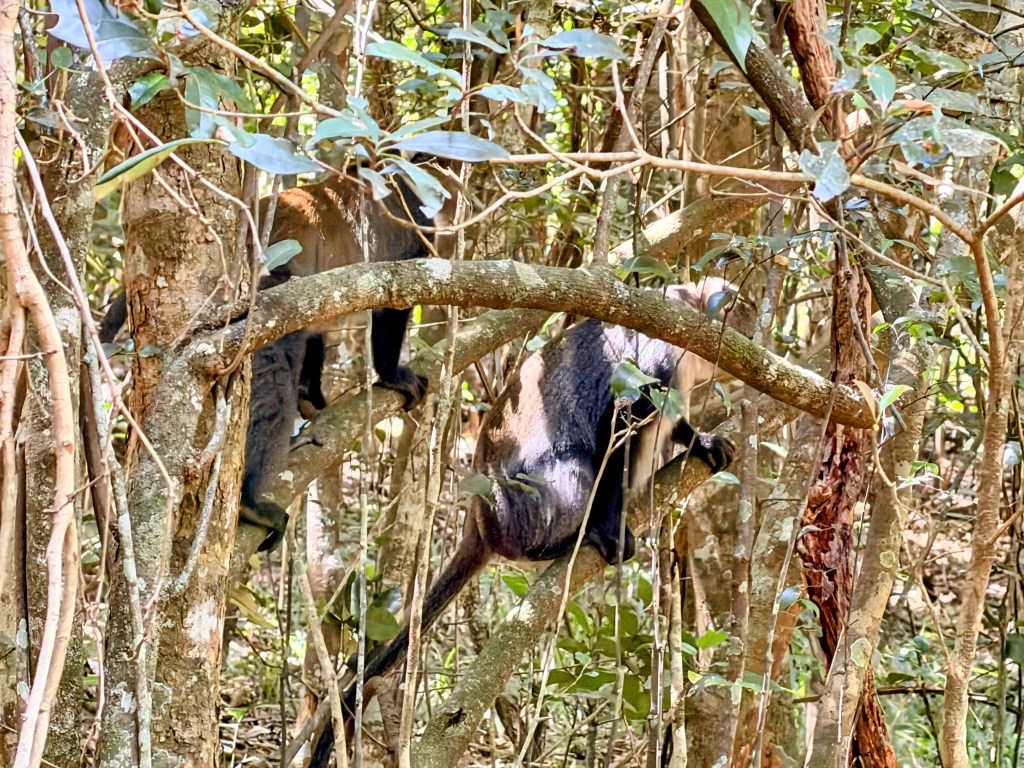
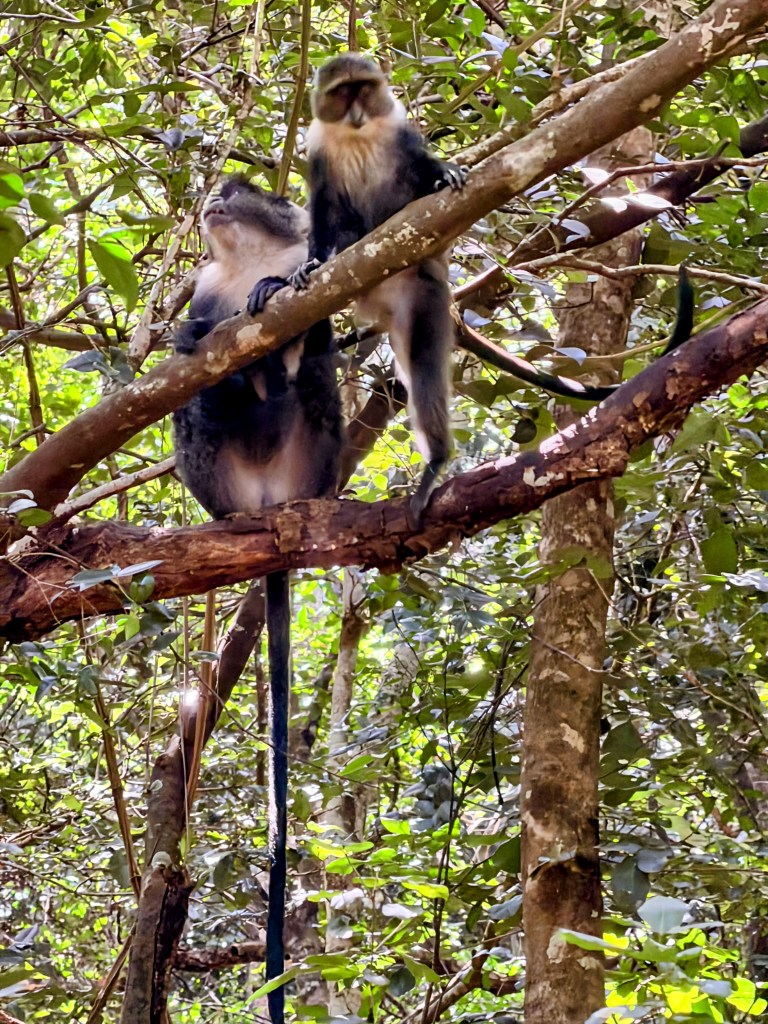
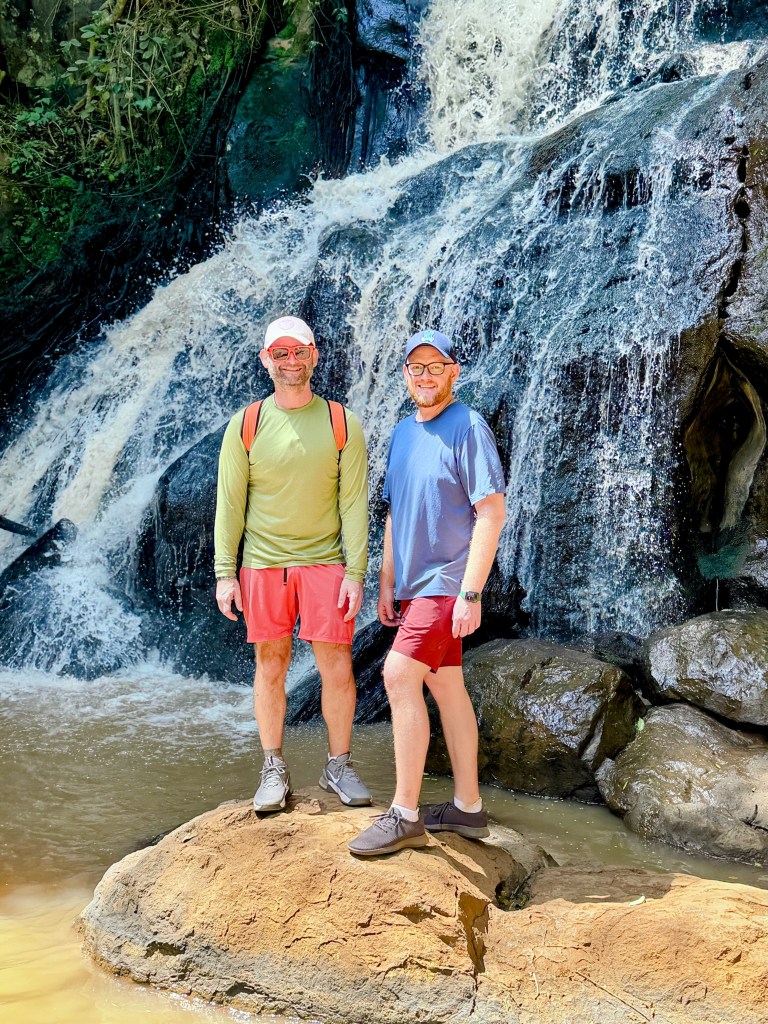
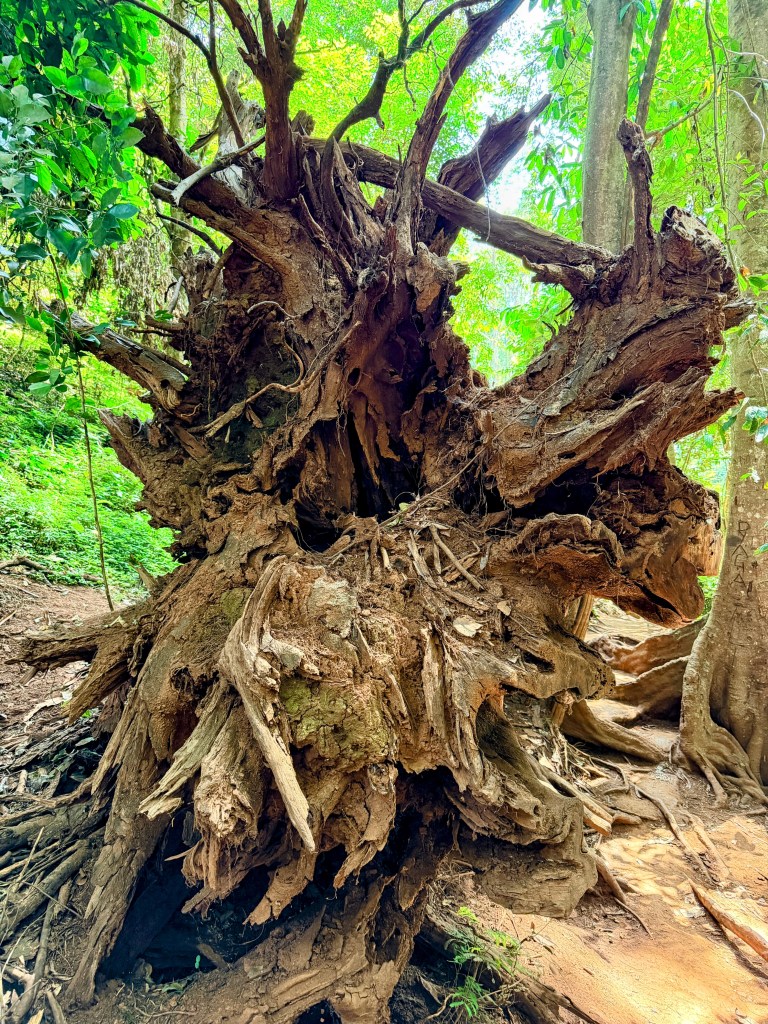
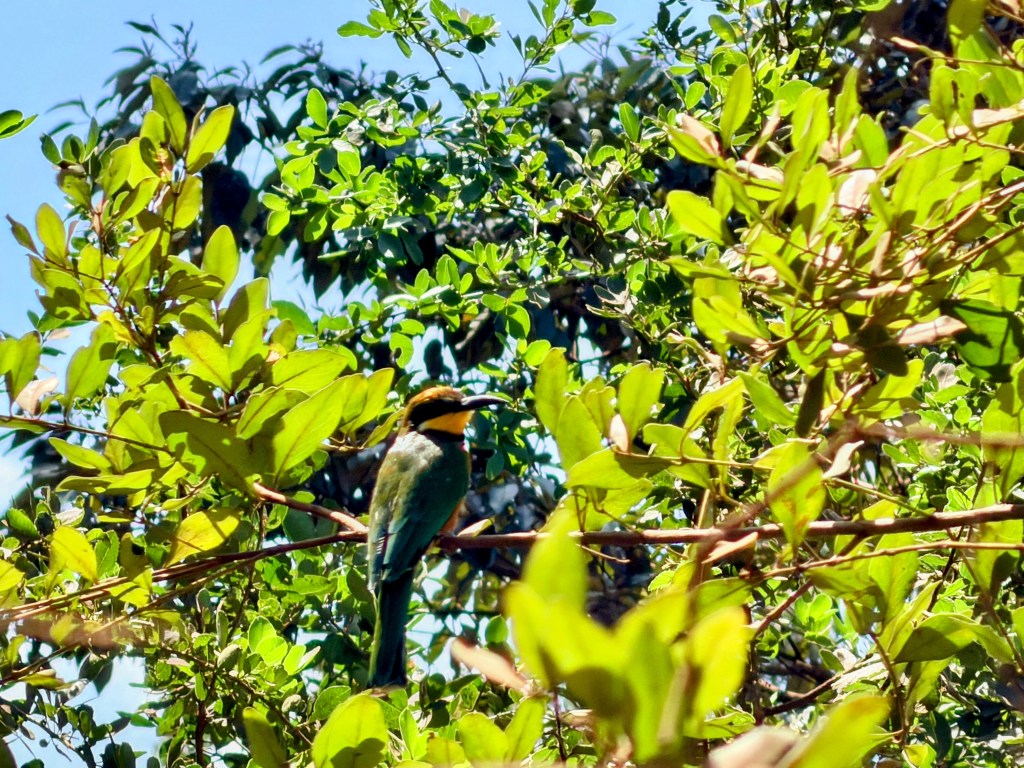
The forest is home to monkeys, bushbucks, reptiles, butterflies, and more than 200 species of birds. We encountered several monkeys along the trails, countless birds, and an incredible variety of plant and tree species. What surprised us most during our 7-mile hike were the pine trees — towering, abundant, and completely unexpected. We also explored waterfalls and caves, each turn revealing something new. Karura felt peaceful, alive, and deeply important to the city that surrounds it.

Our final day in Nairobi was spent preparing for what came next: safari. We would be flying in a 10-person plane, with a strict luggage limit of just 33 pounds per person. Every ounce mattered.

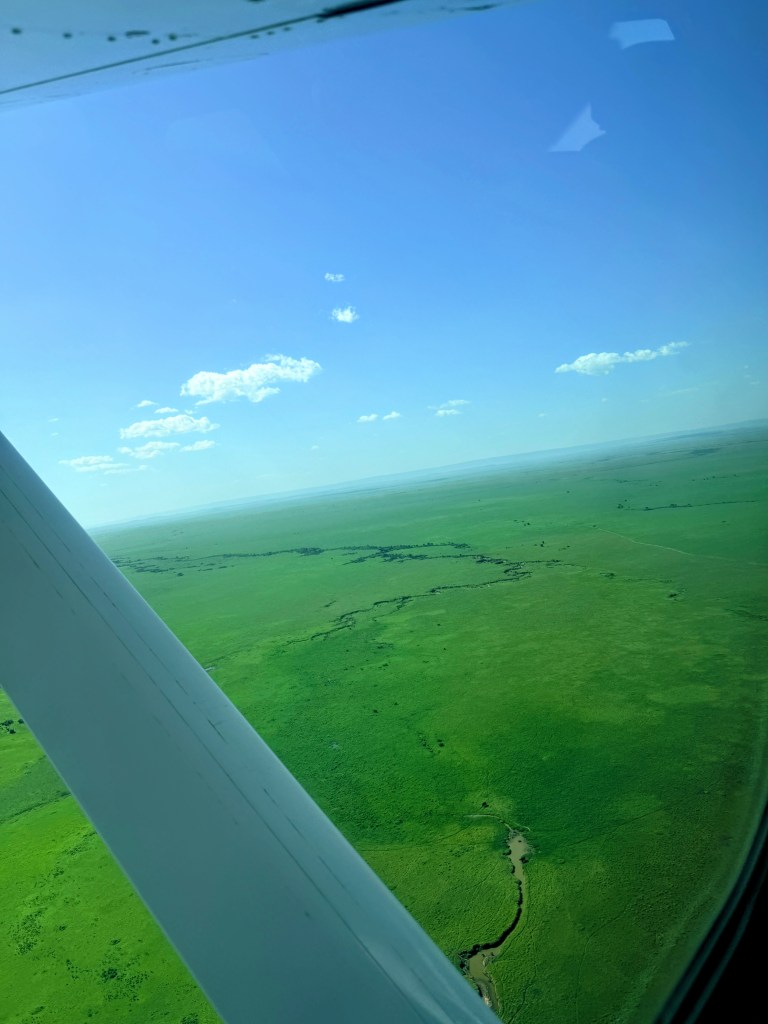
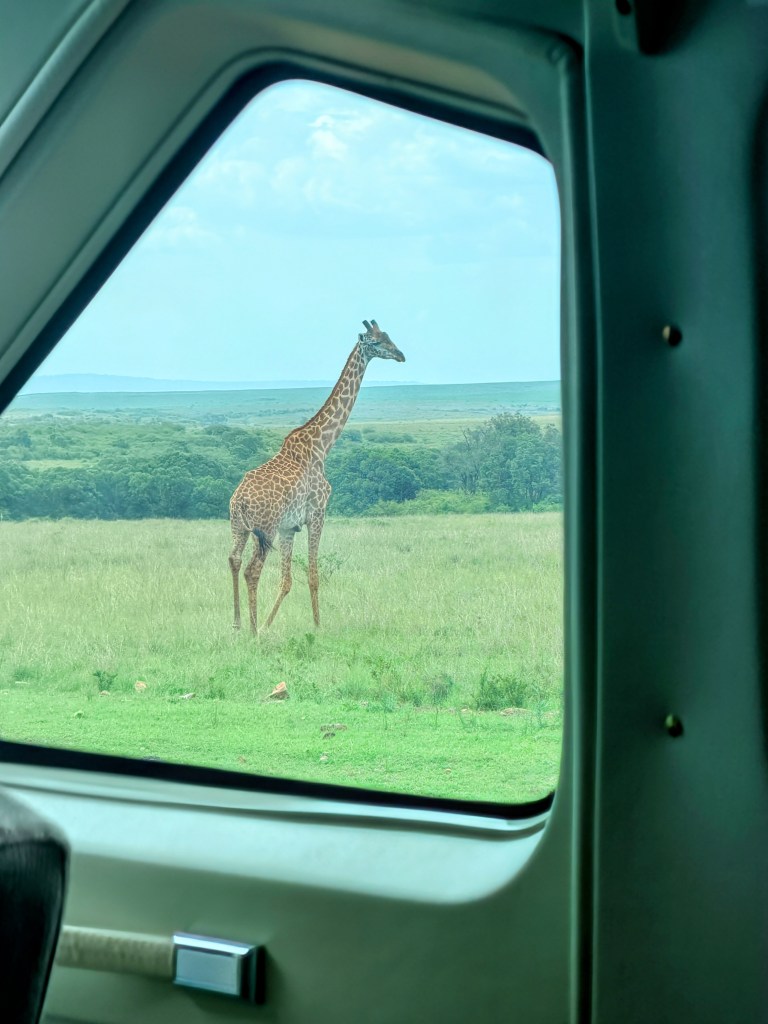
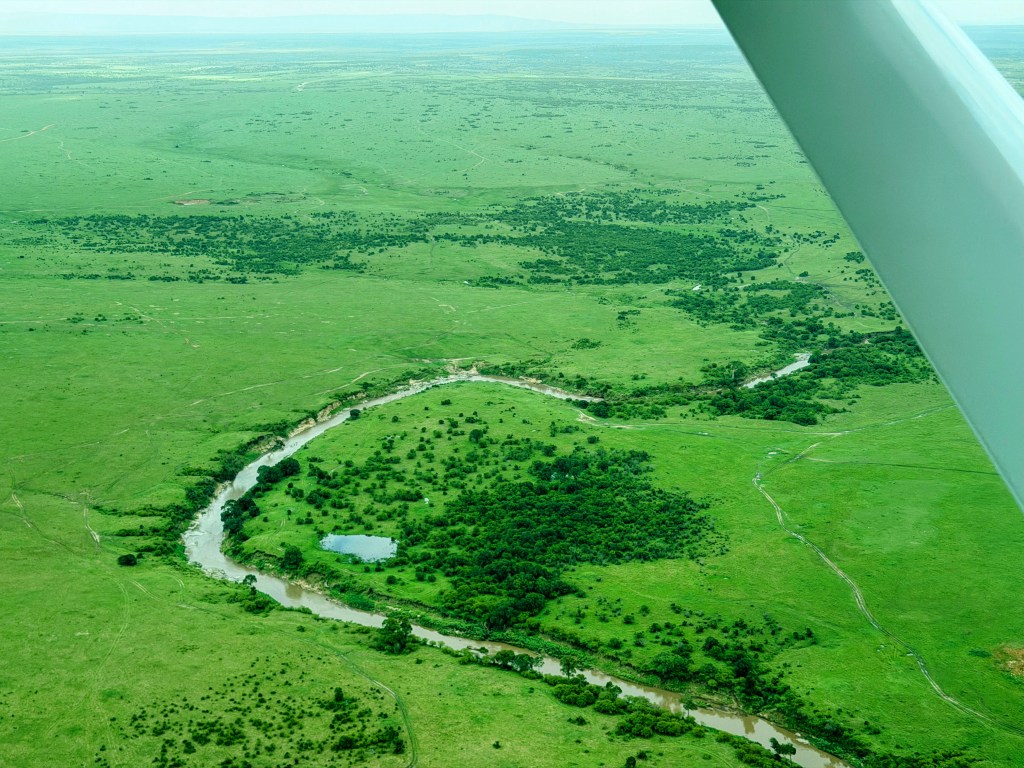
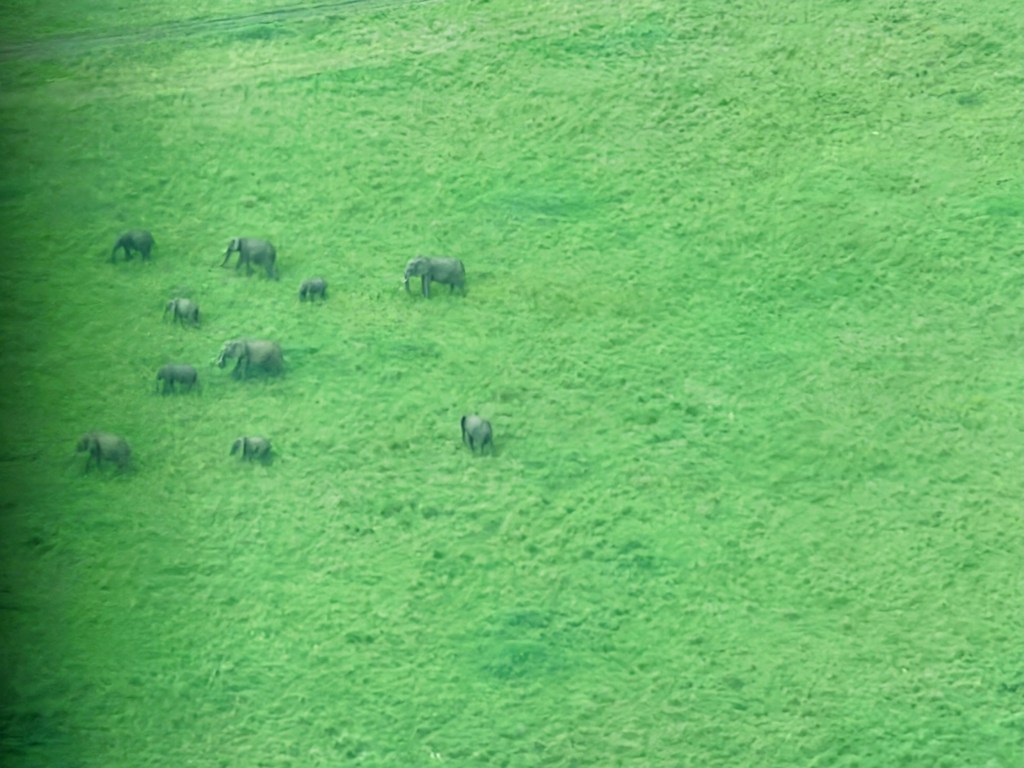
The flight to the Masai Mara was bumpy — and, if we’re being honest, a little terrifying (especially for Casey). But the views quickly became a distraction. From the air, we spotted herds of buffalo, elephants, and animals we couldn’t quite identify from that height. At our first landing strip, we were greeted by a herd of giraffes — including one standing directly on the runway, seemingly just as curious about us as we were about it.

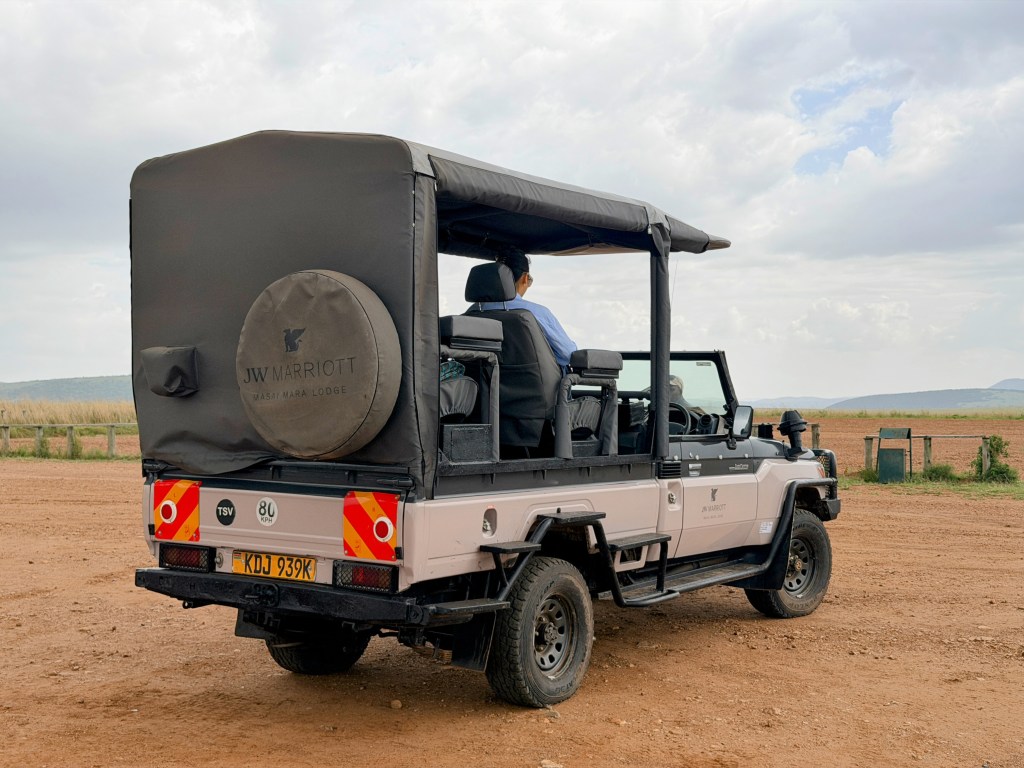
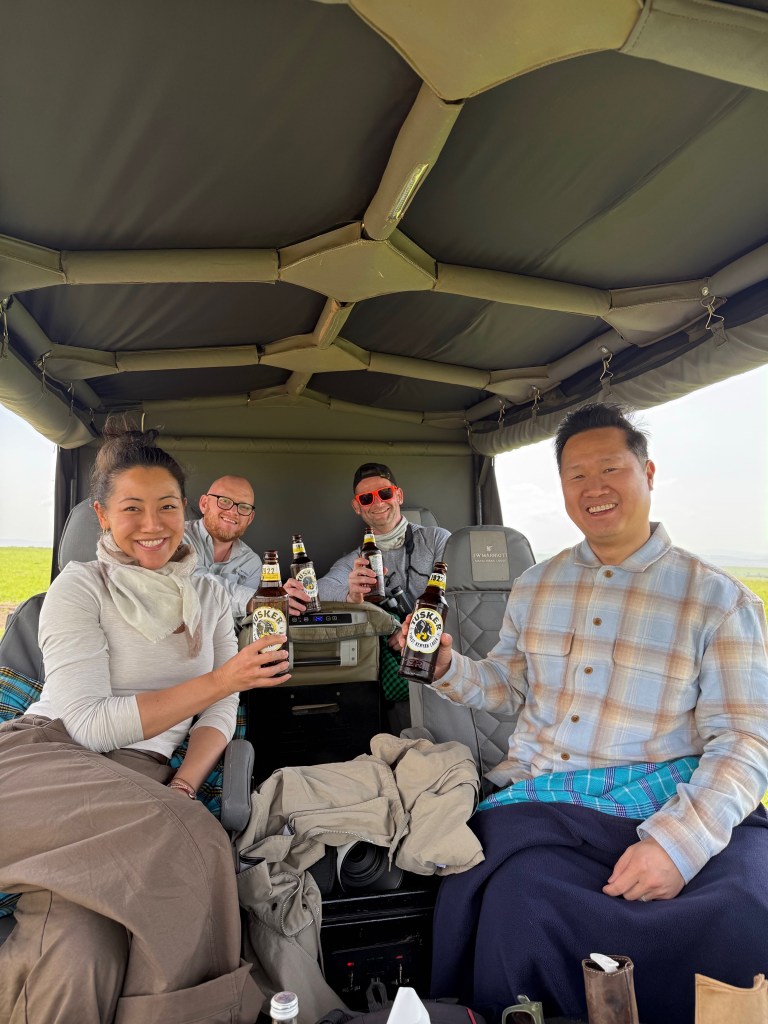
After one stop and about 60 minutes of total flight time, we landed at our final airstrip where our driver welcomed us alongside our two game-drive companions visiting from San Francisco, Esther and Eric. Champagne was poured, snacks appeared, and just like that, safari had begun.

A Dream Called the JW Marriott Masai Mara

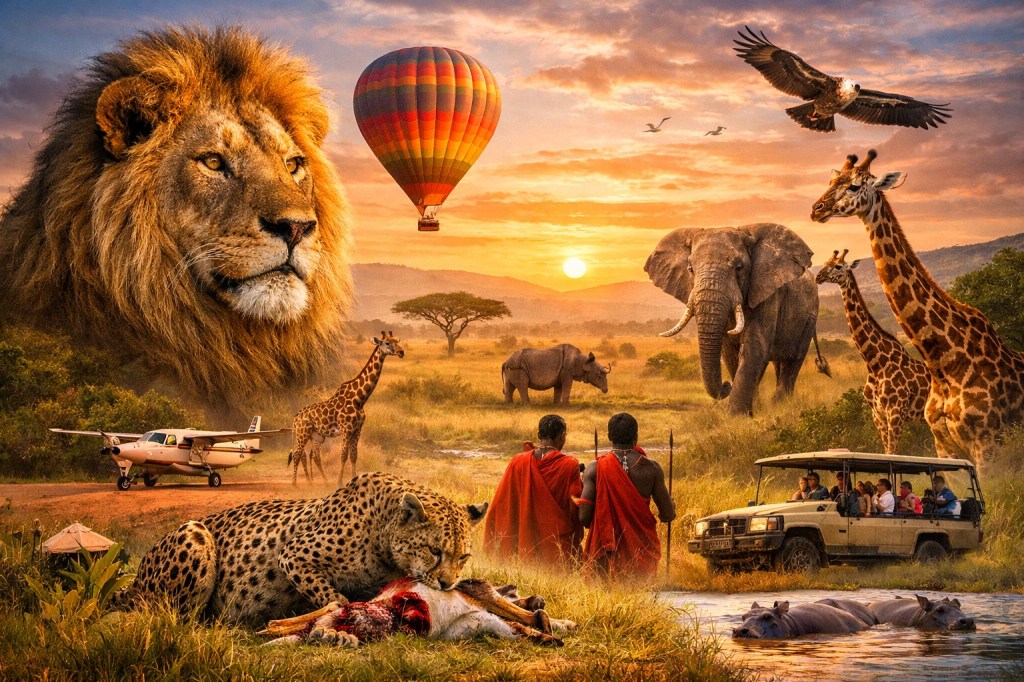
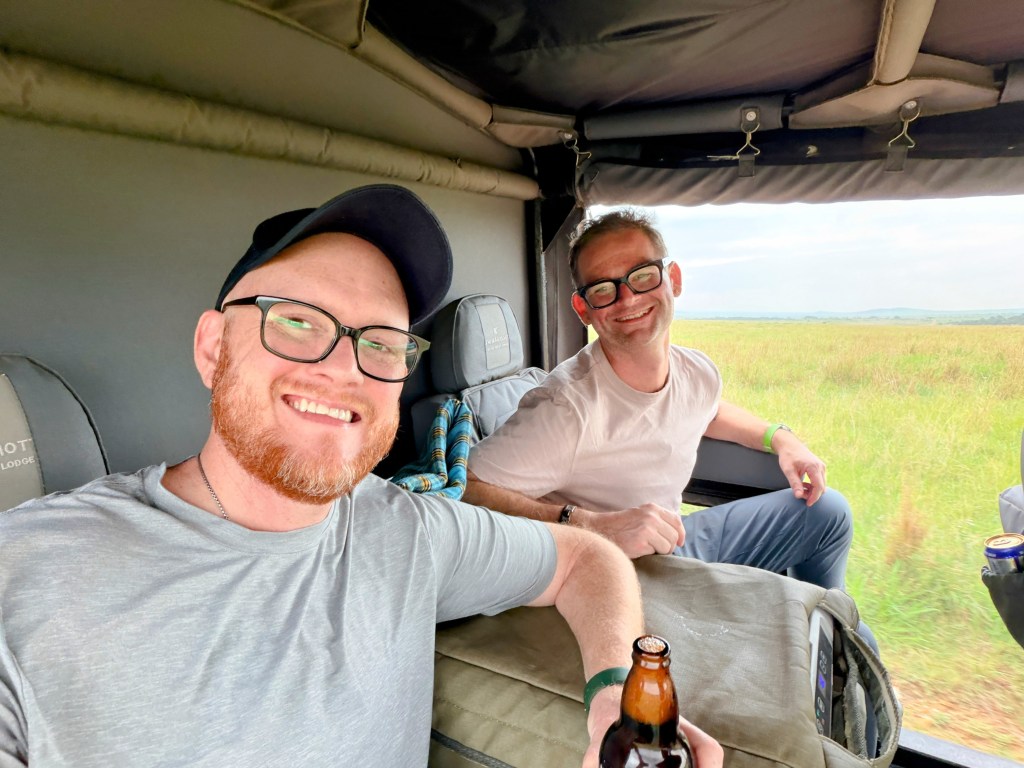
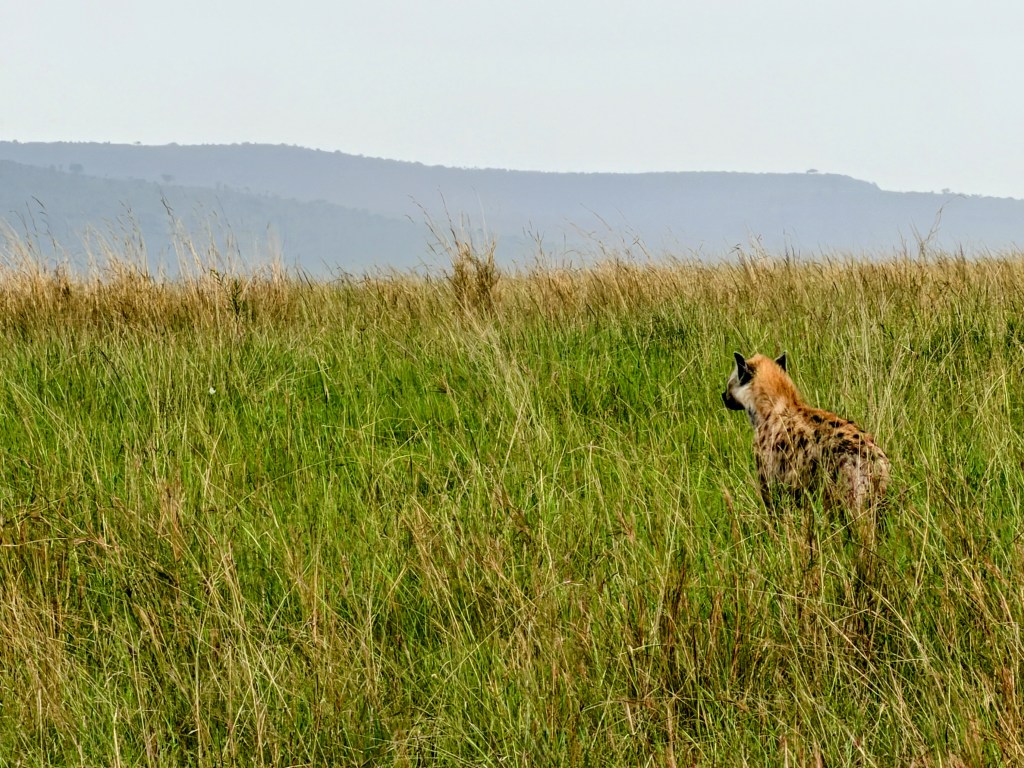
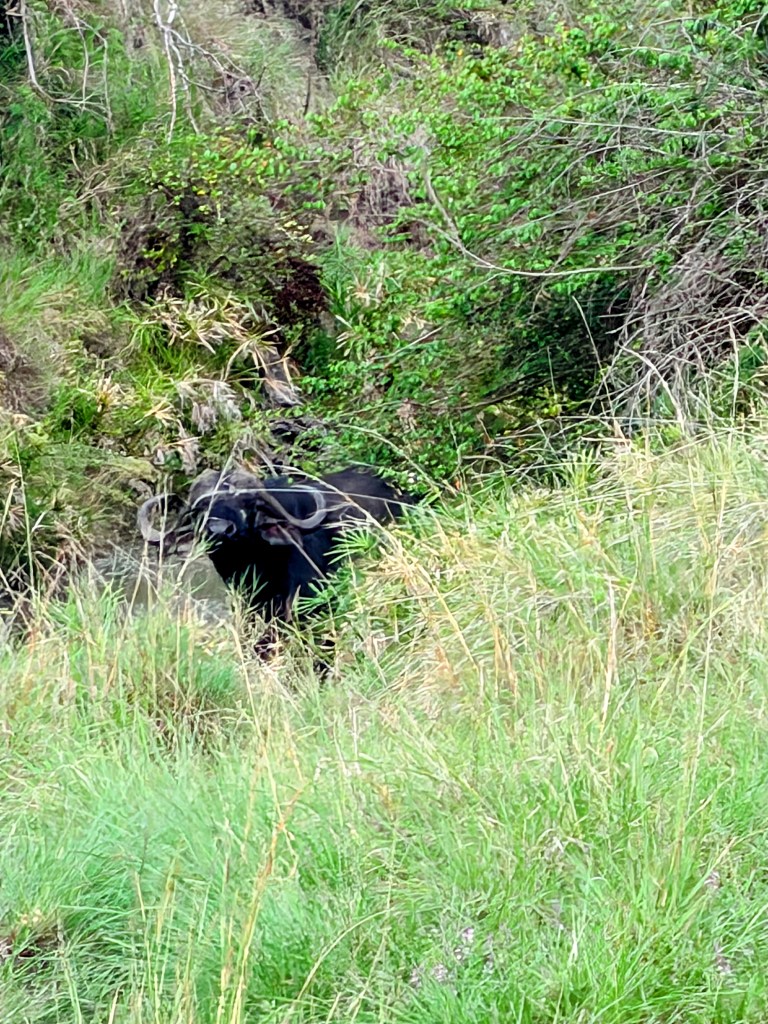
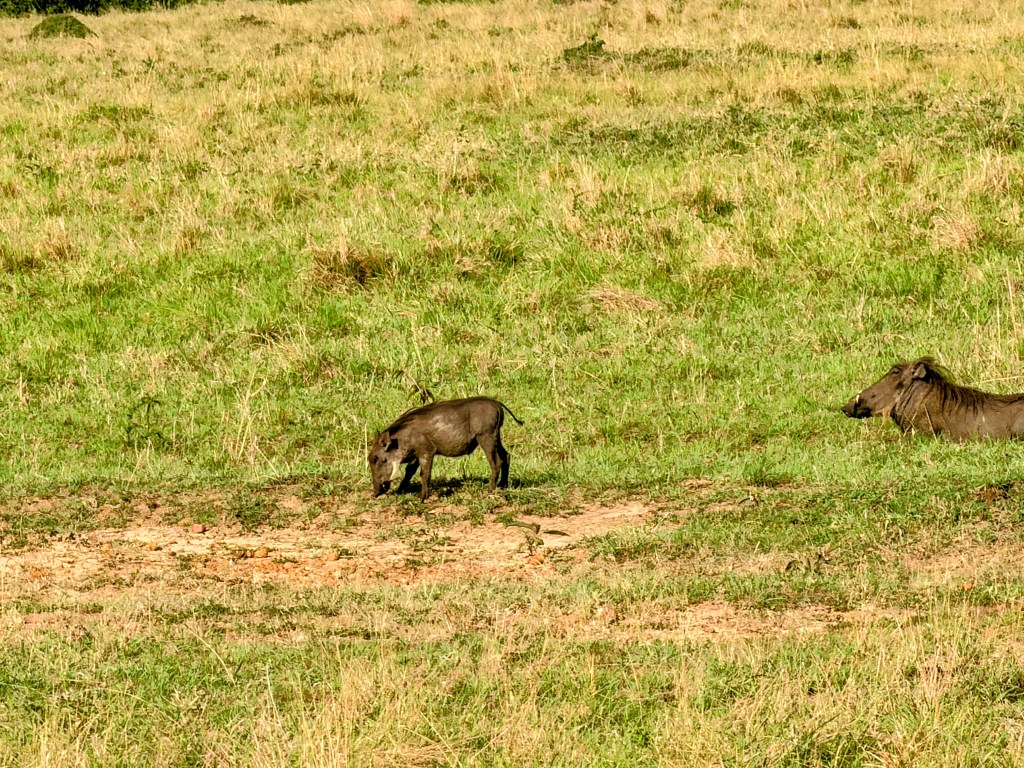
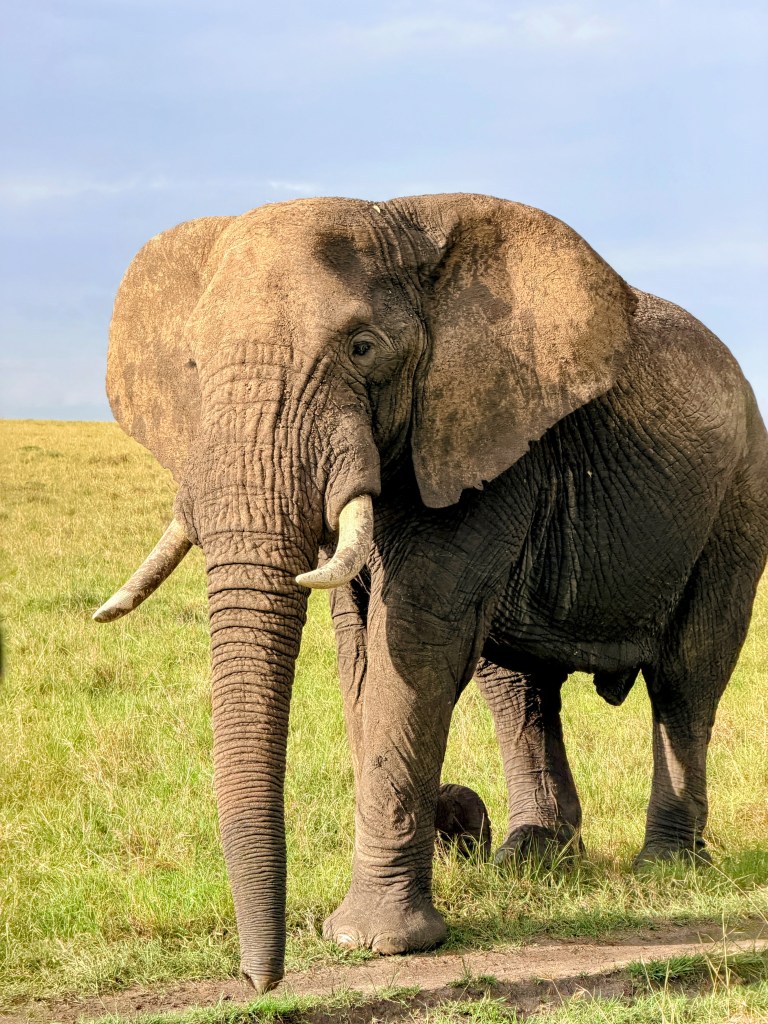
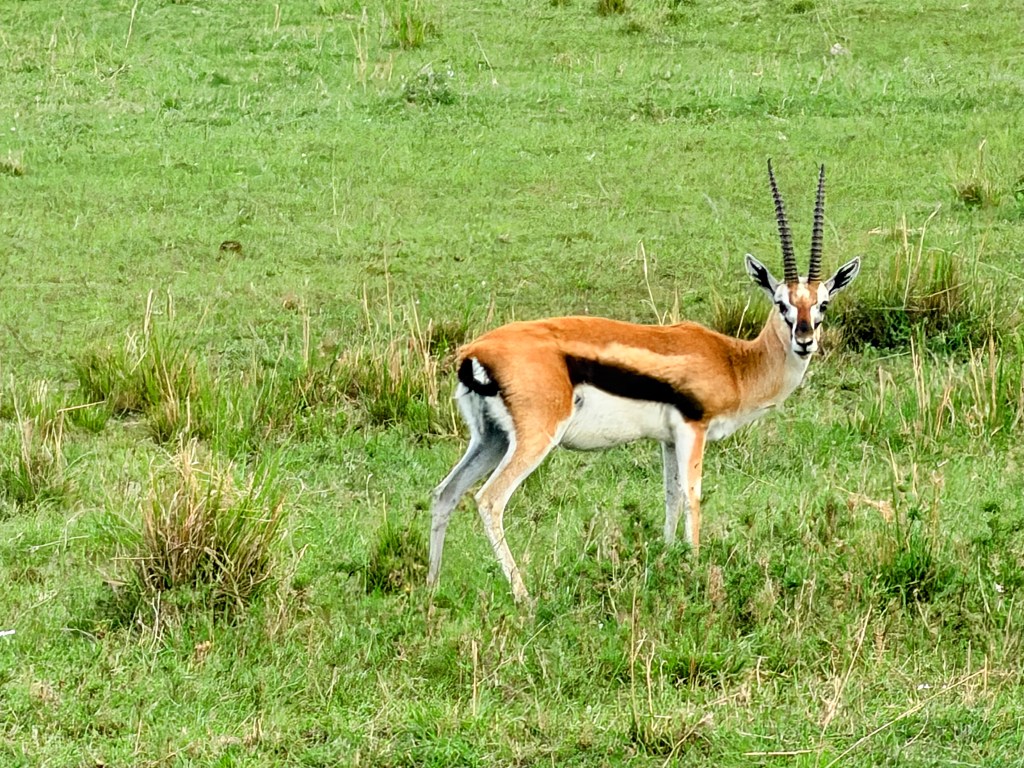
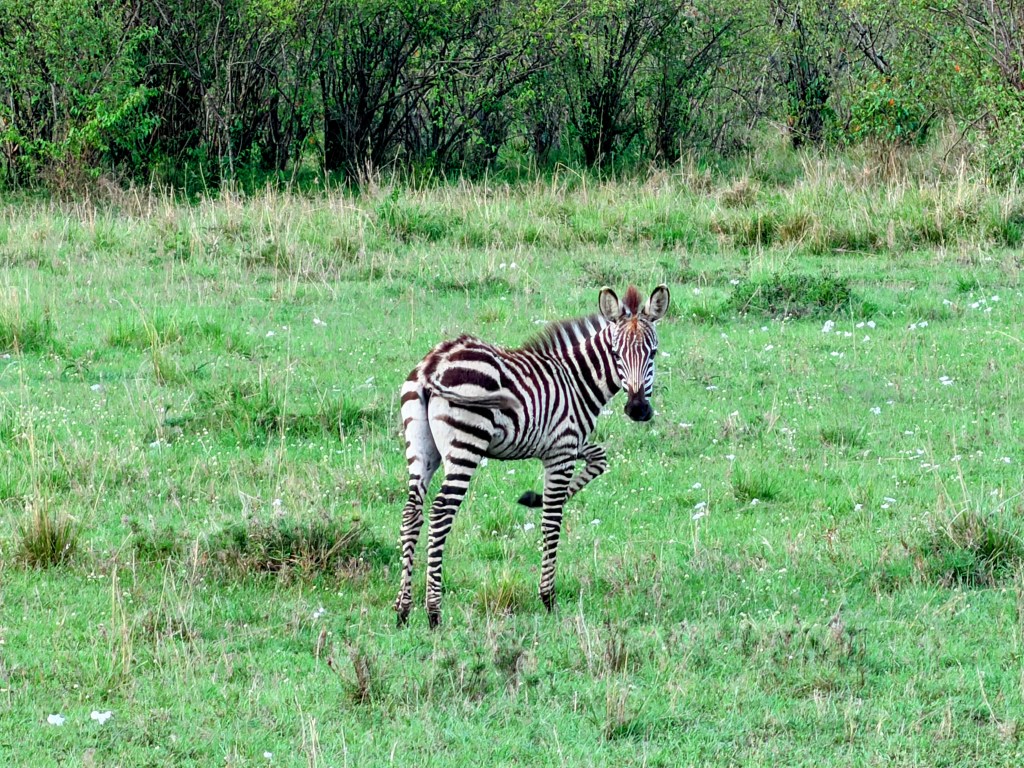
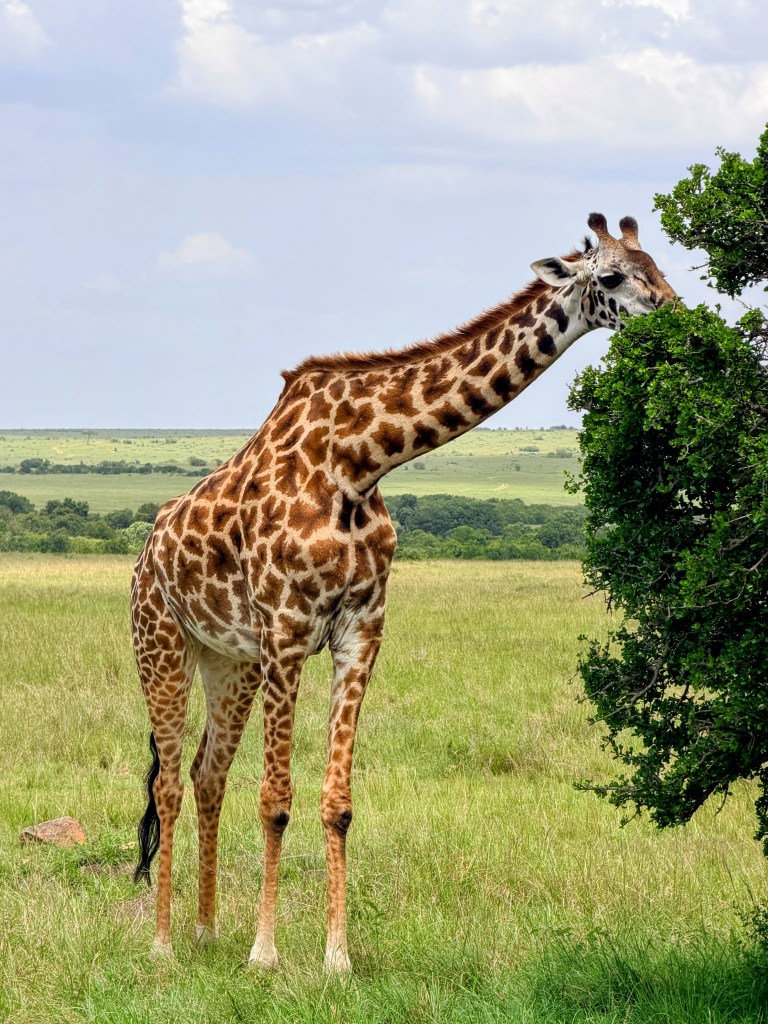
Our drive to our home for the next five nights — JW Marriott Masai Mara Lodge — doubled as our first game drive. Even though this is considered the “low season,” the Mara did not hold back. Along the way we encountered hyenas, water buffalo, elephants (including babies), topis, warthogs, giraffes, gazelles, zebras, and — waiting just outside the lodge — hippopotamuses.

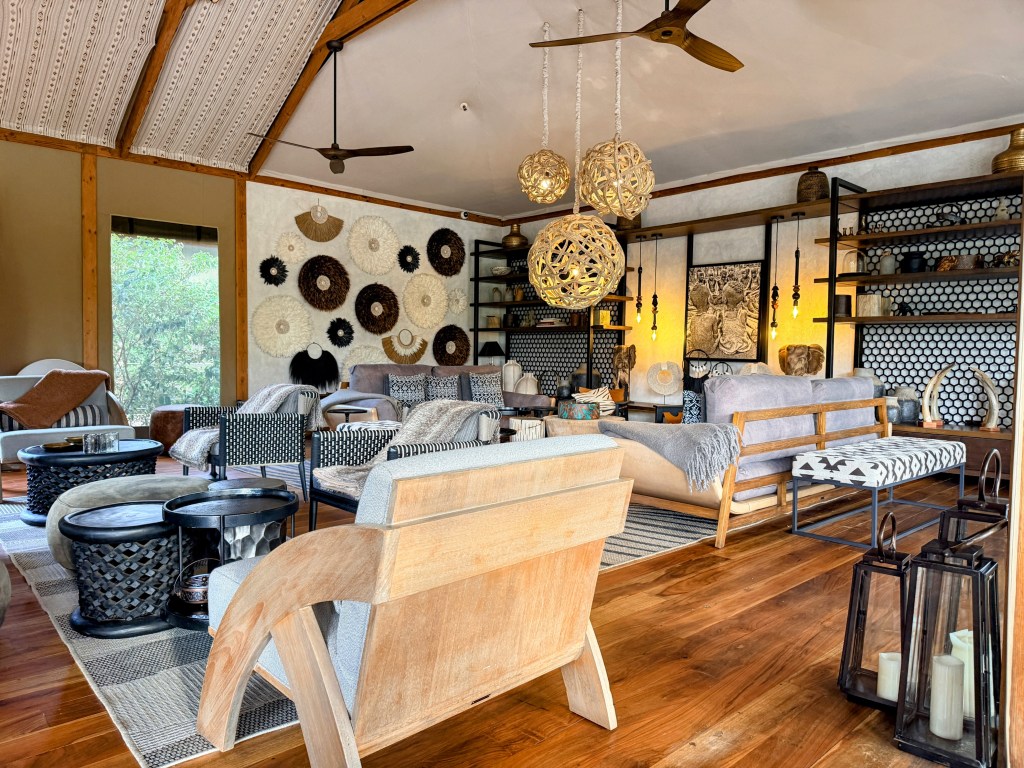
The lodge itself sits along the Talek River, deep within the Masai Mara, offering unobstructed views into wildlife territory. It’s one of the most exclusive safari lodges in Kenya, blending ultra-luxury with thoughtful sustainability and deep respect for the surrounding Masai community.

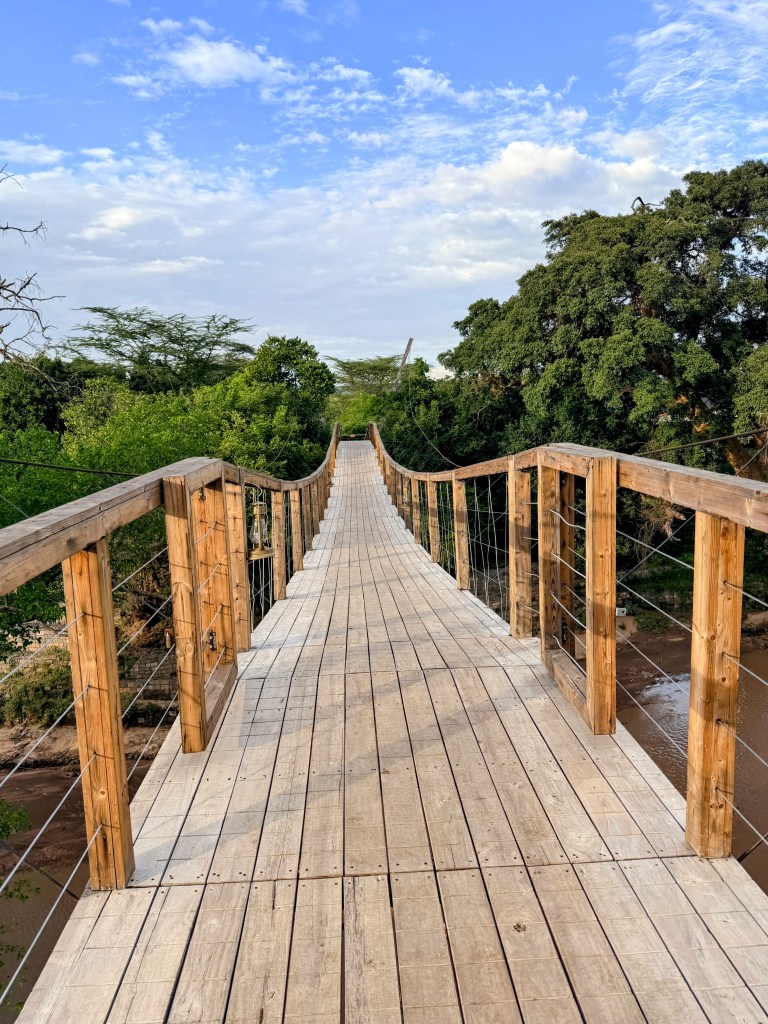
Upon arrival, members of the Masai community greeted us with a traditional dance — and at their insistence, I joined in. From there, our host escorted us across the suspension bridge into the lodge. As staff lined up to welcome us, I felt tears welling up. The day had already been magical, and the weight of gratitude hit me all at once. This was real. We were here.

If I had to describe the arrival vibe in one sentence: it felt like we were stepping into Season 4 of The White Lotus — safari edition.

Our Sunrise Suite is absolutely stunning. The tented suite blends luxury and nature seamlessly, featuring floor-to-ceiling views of the river, a private terrace, elegant furnishings, a massive bed, and a bathroom that feels like a spa. You can watch wildlife pass by without ever leaving your room.

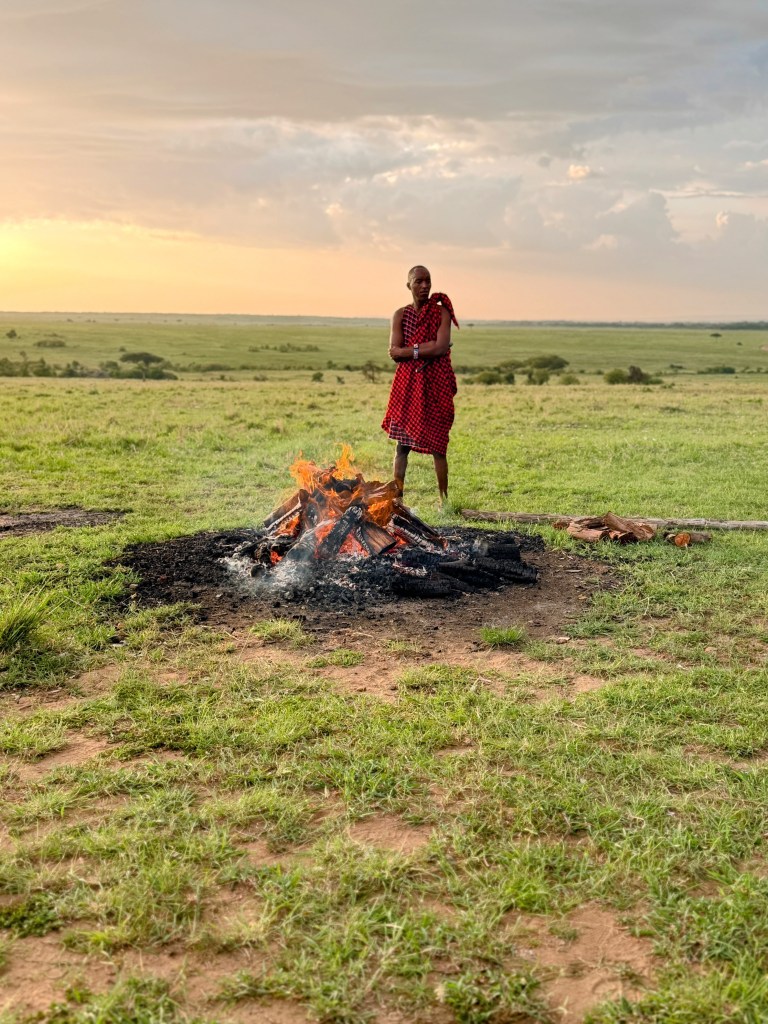
That evening, we enjoyed an incredible dinner followed by a bonfire with a Masai warrior while watching hippos emerge from the river to feed. Every expectation we had was exceeded. Every detail is intentional. Everything is executed flawlessly.

Because wildlife freely roams the property, guests are escorted between 6:00 p.m. and 6:00 a.m. by Masai warriors — hyenas, baboons, and hippos are very real nighttime neighbors. As we were guided back to our tent, we could hear hippos grunting and hyenas calling in the distance. Strange sounds, yes — but oddly comforting, like nature’s lullaby.

Lions, Rhinos, and the Circle of Life

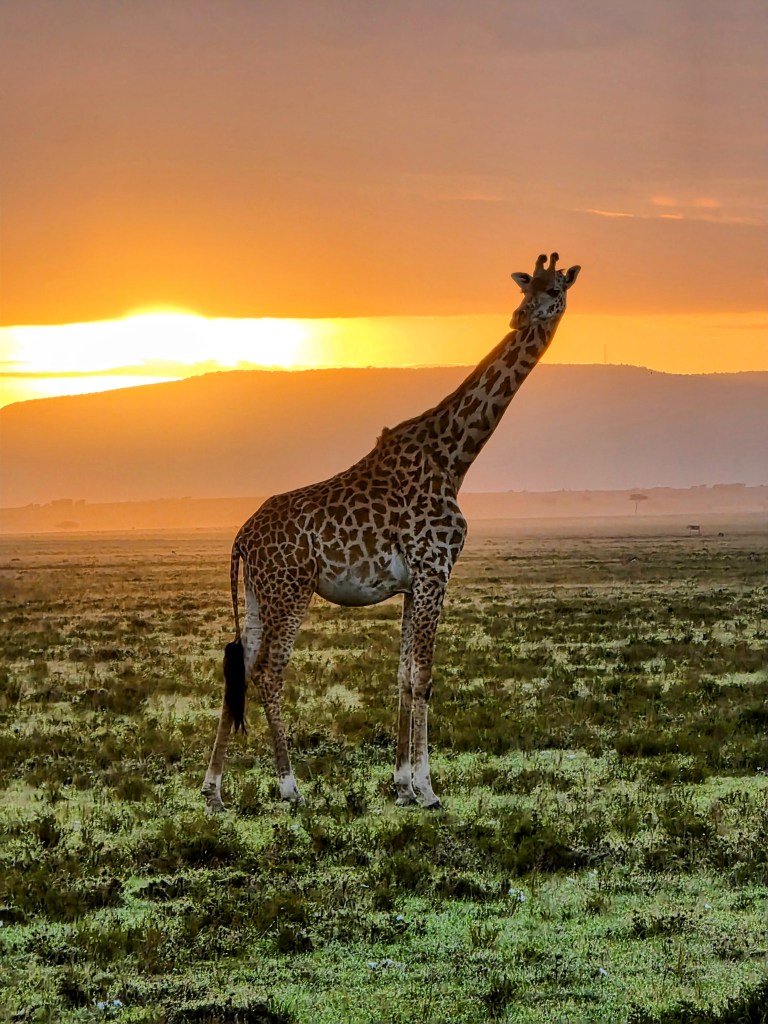
Our first official game drive began at 6:00 a.m., just in time to catch an unforgettable sunrise over the Mara. Our driver, Jacob, was phenomenal — expertly spotting wildlife and answering our endless questions about habits, diets, and social structures.

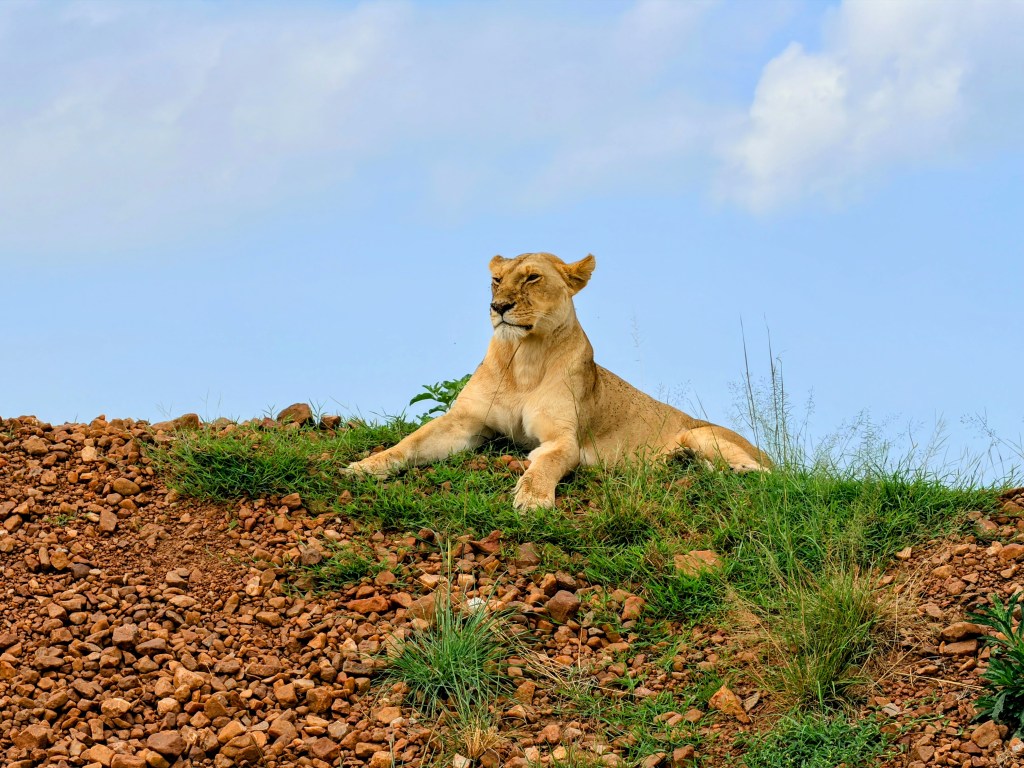
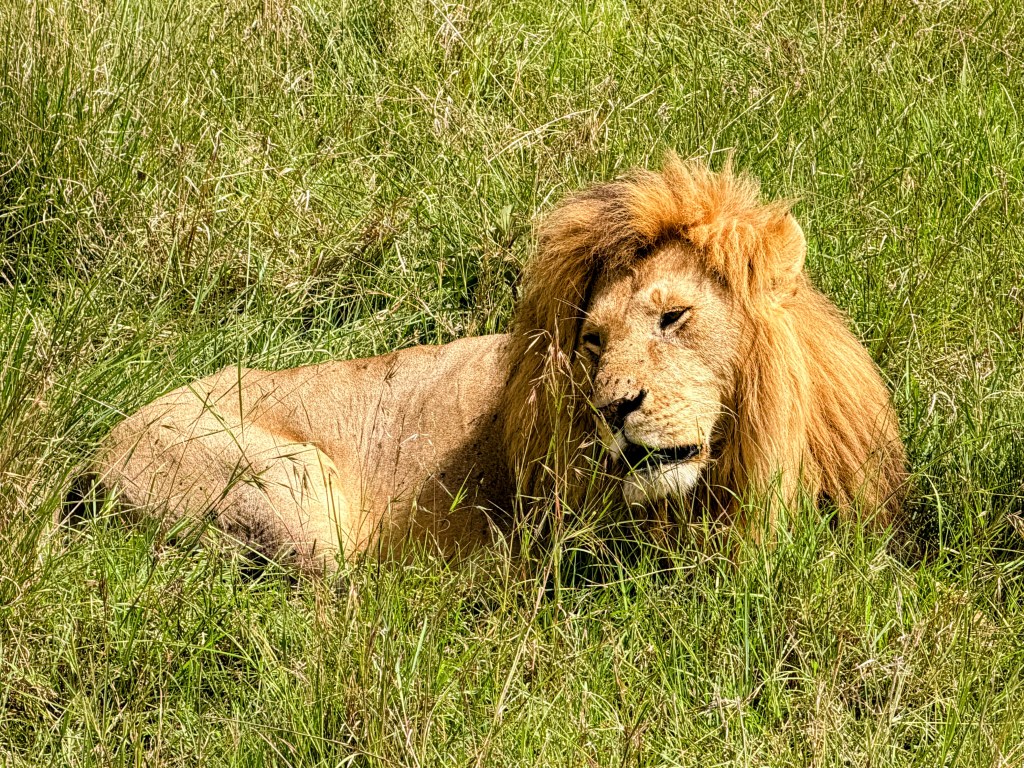
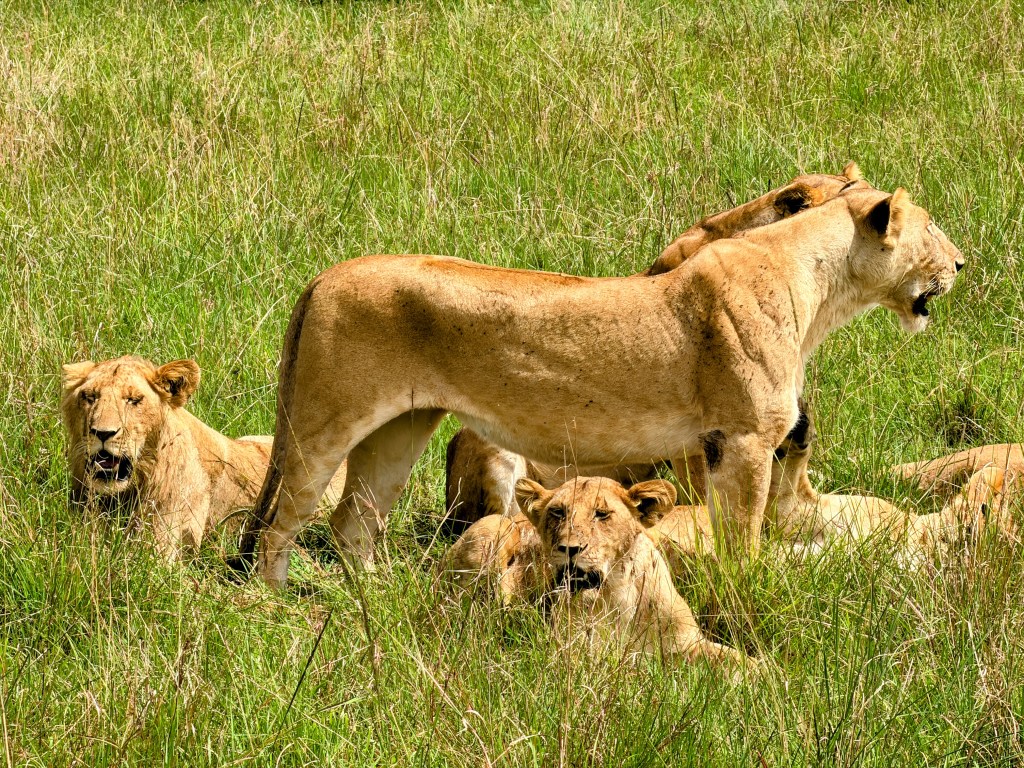
We saw gazelles, topis, water buffalo, giraffes, hyenas, monkeys, lions, and an entire pride of lionesses. The highlight was watching the lionesses attempt a hunt. Female lions hunt cooperatively — moving slowly, staying low, spreading out to surround their prey, and communicating through subtle cues. Watching them stalk a warthog was thrilling… and while part of us was in awe of their precision, we were also relieved when the warthog escaped all five predators.

Most of my photos were taken using a high-end Canon camera provided by the lodge. At the end of our stay, the photography team will help edit our top shots and send us home with an SD card of everything.
Day 1 photo count: 523.

Our second drive delivered something even rarer — a black rhino. There are only about 44 rhinos remaining between the Masai Mara and the Serengeti, largely due to decades of poaching driven by the illegal horn trade. Seeing one is special even for the people who live and work here. When Jacob got the call, we raced across the Mara alongside other vehicles. The adrenaline was real.

That evening ended with a cocktail bonfire in the open savanna, Masai warriors sharing stories of their culture — including marriage traditions (live and let live!). Dinner followed, featuring vegetables grown largely onsite — tomatoes, cucumbers, peppers, and herbs so fresh they practically ruined grocery stores forever. On our walk back, we spotted bushbabies — adorable, until a flashlight hits them and their massive eyes stare back at you.

Balloons, Cheetahs, and a Core Memory for Life

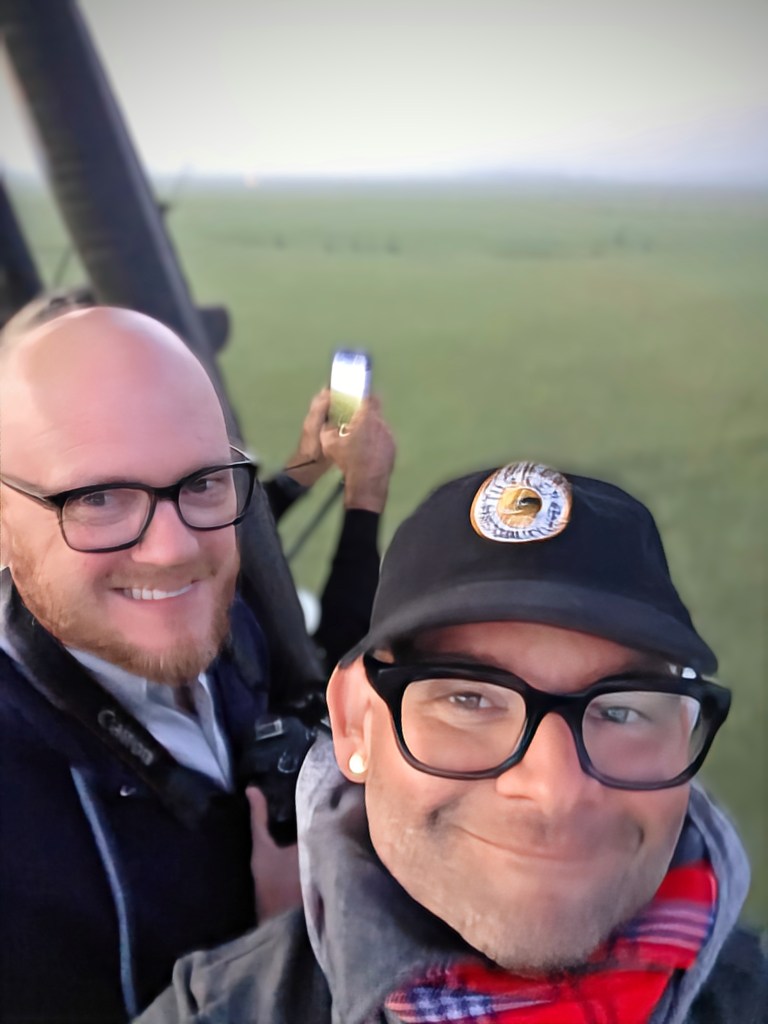
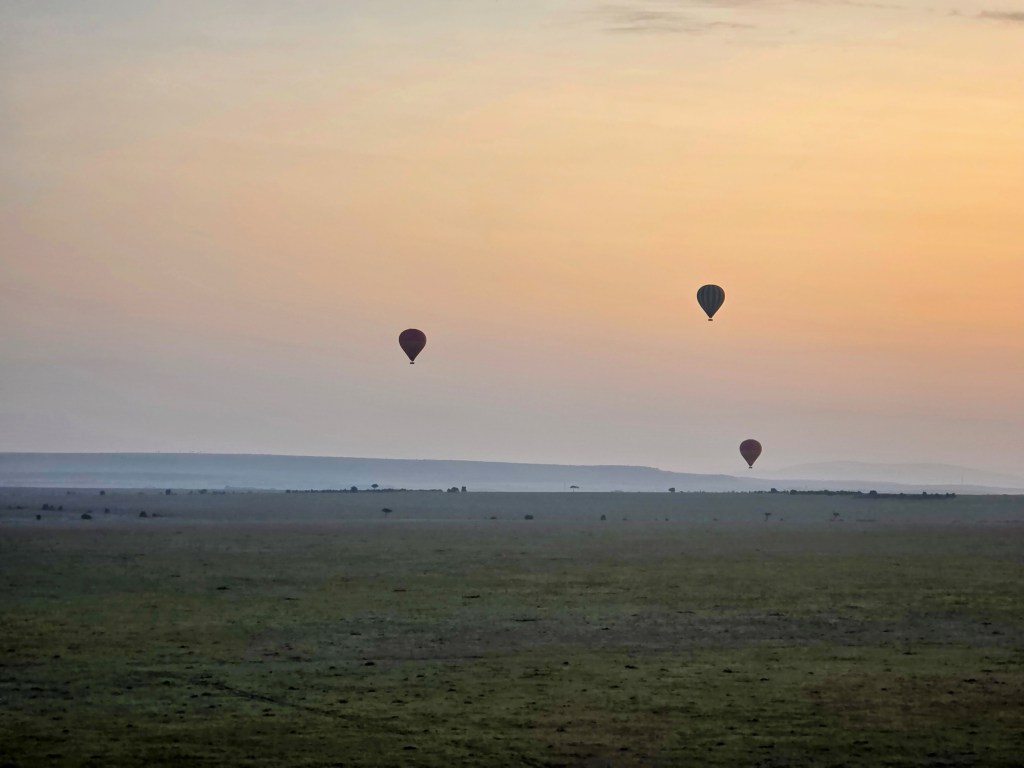
Day three started at 4:00 a.m. for our hot air balloon ride. It was the earliest morning of any vacation I’ve ever taken — and completely worth it.

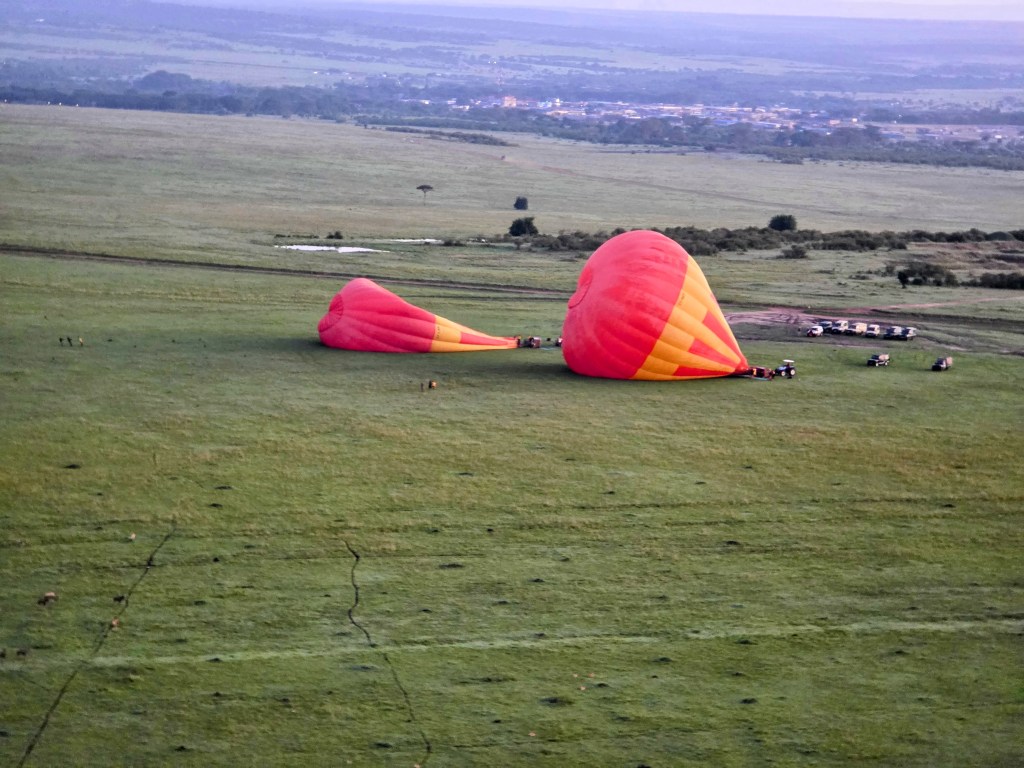
Because of the wind, the basket was on its side for boarding. We climbed in and lay down until the balloon inflated. About 15 feet up, we were told to stand. And then… silence. Peace. Magic.

The captain explained he could only control altitude — not direction or speed. We floated wherever the wind carried us, watching the sun rise over the Mara. From above we spotted giraffes, hippos, ostriches, and even a leopard.

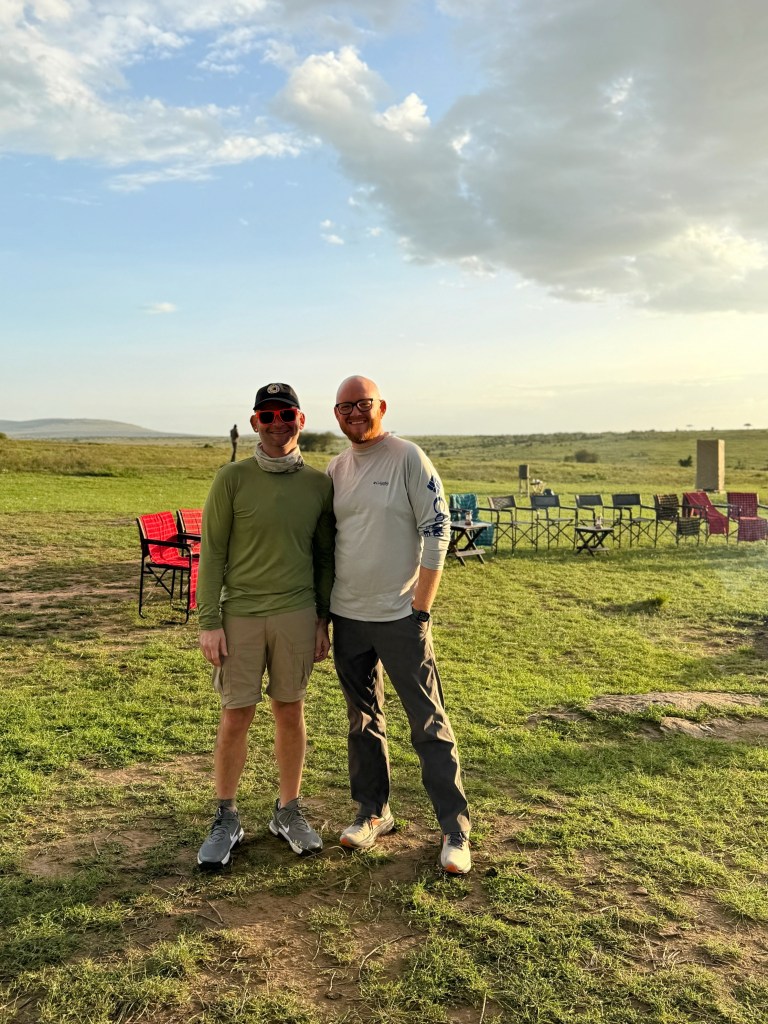
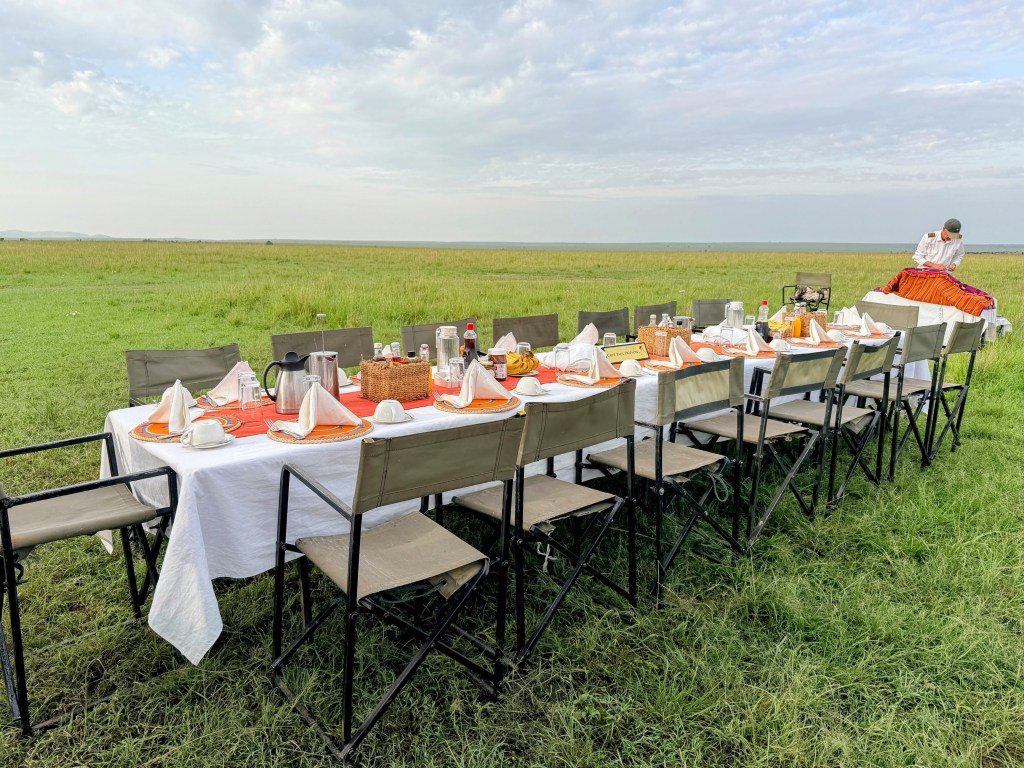
After landing, we enjoyed a bush breakfast complete with bottomless champagne and great conversation before heading back out on another game drive. Wildlife never becomes monotonous — every encounter is different.

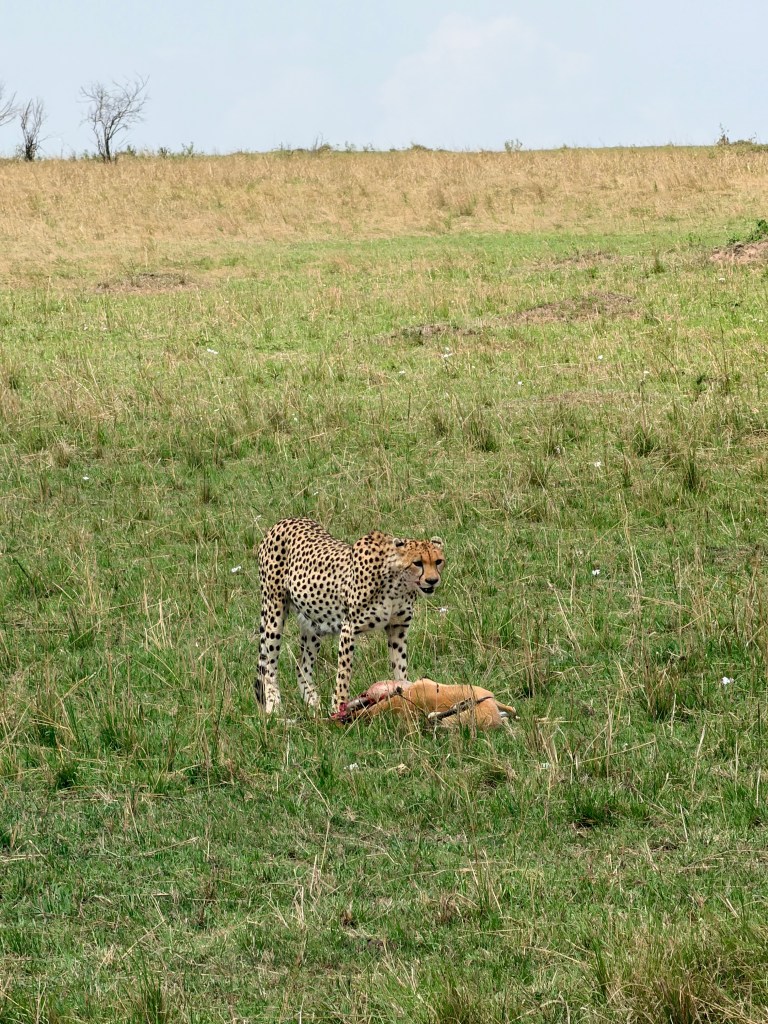
When we heard a cheetah had been spotted, we rushed over. The first cheetah wasn’t interested in posing — just teasing us from the shade. But shortly after leaving, we received another call. A second cheetah. On our way back to the lodge.

What happened next may be the highlight of our entire safari.

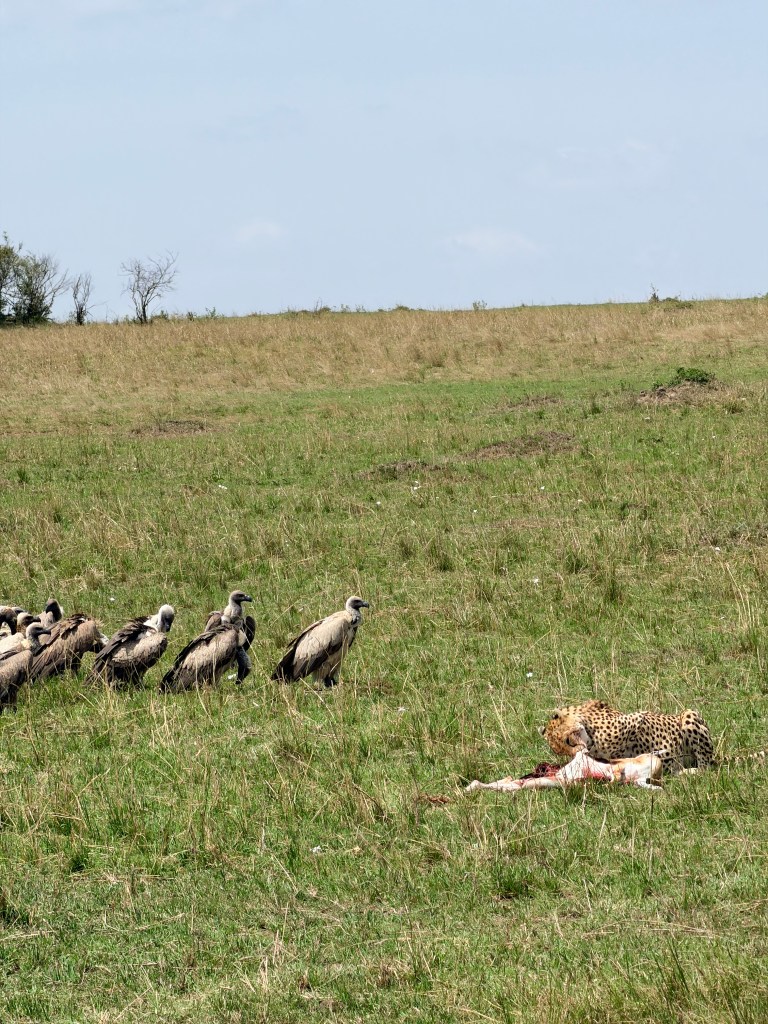
We arrived just after she had completed a successful hunt of a gazelle. For 90 minutes, we watched the oldest female cheetah in the reserve eat, while vultures — three different species — gathered nearby, waiting. Her stomach visibly grew as she fed. She avoided the stomach to prevent attracting hyenas… but hyenas can smell blood from nearly two kilometers away.

Eventually, a lone hyena appeared. The cheetah finished her meal and walked away. Instantly, the vultures swarmed — aggressive, chaotic, relentless — until the hyena charged in, scattering them and stealing what remained.

In an hour and a half, we witnessed the full circle of life.

I took over 1,000 photos during that time alone.


Just two and a half days into safari, we’ve already seen everything we hoped for — and so much more. In many ways, this experience reminds us of the Galápagos: wildly different, yet strikingly similar in the sheer abundance of life. It feels like stepping into a real-life episode of Planet Earth.

Tonight, heavy rain kept us in — a perfect excuse for a late lunch, photo editing, and writing this post. Dinner awaits, and tonight’s feature is Indian cuisine (one of our favorites).

Tomorrow, we head out again with no expectations — just gratitude, curiosity, and the joy of soaking it all in.

I can’t wait to share more photos with you soon. For now, I hope you enjoy what we’ve captured on our phones — and thank you for being part of this journey with us.

If you haven’t already, please subscribe to get updated posts delivered directly to your email!

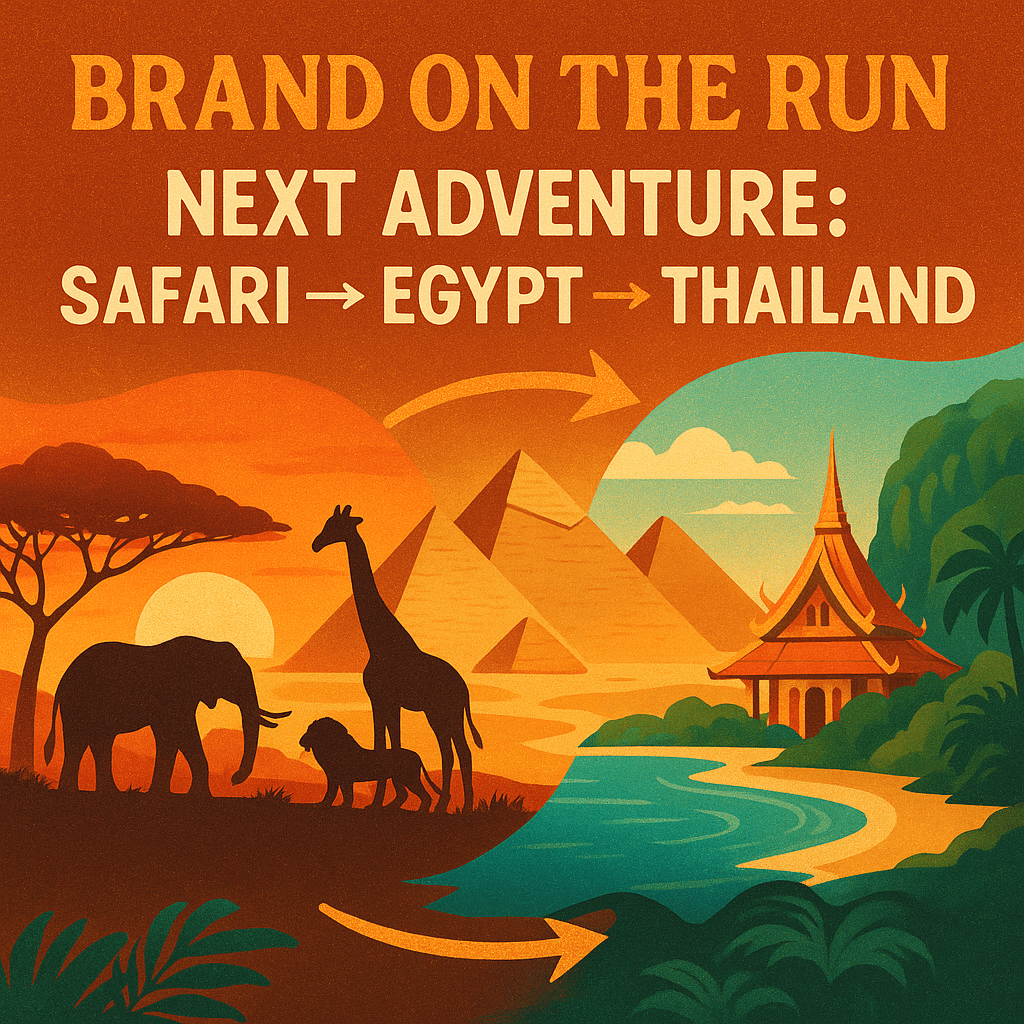
2025 Finale, 2026 Kickoff: Safari, Pyramids & Southeast Asia – Our 2026 Adventures are Set!

Before we look ahead, we still have some exciting travels left to wrap up 2025. Right now, we’re soaking up the Adriatic lifestyle in Montenegro until September 26th, when we’ll trade the coast for the crisp air of Scandinavia. From Stockholm, we’ll begin a 28-day road trip that takes us north through Sweden, stopping in charming towns and scenic landscapes on the way to Abisko—one of the best places in the world to see the Northern Lights. Along the way, we’ll also experience unique stays, including a night at an igloo hotel. After chasing the aurora, we’ll make our way south through Norway’s dramatic fjords, mountain passes, and historic cities, eventually arriving in Oslo. From there, we’ll fly back to North Carolina for a few days with family before heading to Miami for a birthday cruise with our brother. By the time we return, it’ll be time to slow down and celebrate the holidays—Thanksgiving in Georgia, Christmas in North Carolina, and a sunny escape to Curaçao in between.

A Safari in Kenya

On January 6th, we’ll fly from Atlanta to Nairobi, Kenya, where we’ll spend a few days exploring the city before heading deep into the heart of the Masai Mara. We’ll be staying five nights at an all-inclusive safari lodge perfectly positioned for game drives and wildlife viewing. The resort offers spacious tented suites with private decks overlooking the savannah, gourmet dining, and the comfort of modern amenities while still feeling fully immersed in nature. Each day we’ll set out on two game drives—one at sunrise and another in the late afternoon—giving us the chance to spot lions, elephants, giraffes, and perhaps even the elusive leopard. Evenings will bring campfire dinners under a sky filled with stars.

Wonders of Egypt

After Kenya, we’ll return to Nairobi and then make our way to Cairo, Egypt. We’ll spend a few days in the city before beginning our Wonders of Egypt tour on January 20th. This guided journey will take us through the highlights of ancient Egypt: standing in awe before the Pyramids of Giza and the Sphinx, cruising along the Nile, visiting Luxor and Karnak Temples, and exploring the Valley of the Kings. We’ll also see the Temple of Philae in Aswan and experience the vibrant energy of Cairo. It’s a trip filled with history, culture, and the kind of sights that have captivated travelers for centuries.

February – May: Southeast Asia

On February 1st, we’ll leave Cairo and head to Bangkok, Thailand, to begin several months in Southeast Asia. While we haven’t set an exact itinerary yet, our plans include exploring Thailand, Vietnam, Cambodia, and possibly other destinations in the region. From bustling cities to tranquil beaches, from ancient temples to vibrant street markets, this part of the journey will be more spontaneous—giving us time to truly soak in the culture and pace of the region.

June – A Family Celebration at Sea

In late May, we’ll return to North Carolina and, in June, join our family on a cruise to celebrate our aunt and uncle’s 50th wedding anniversary. It will be the perfect way to cap off the first half of the year—time with family after so many months of adventure abroad.
Looking Ahead

The first half of 2026 is already shaping up to be extraordinary. We’ll be checking off two of our biggest bucket list experiences—a safari in Africa and exploring the wonders of ancient Egypt—before diving into the diverse cultures of Southeast Asia. As for the second half of the year, those plans will unfold in the months ahead. One thing is certain: 2026 is going to be a year to remember. Be sure to subscribe to the blog so you can join us On The Run!